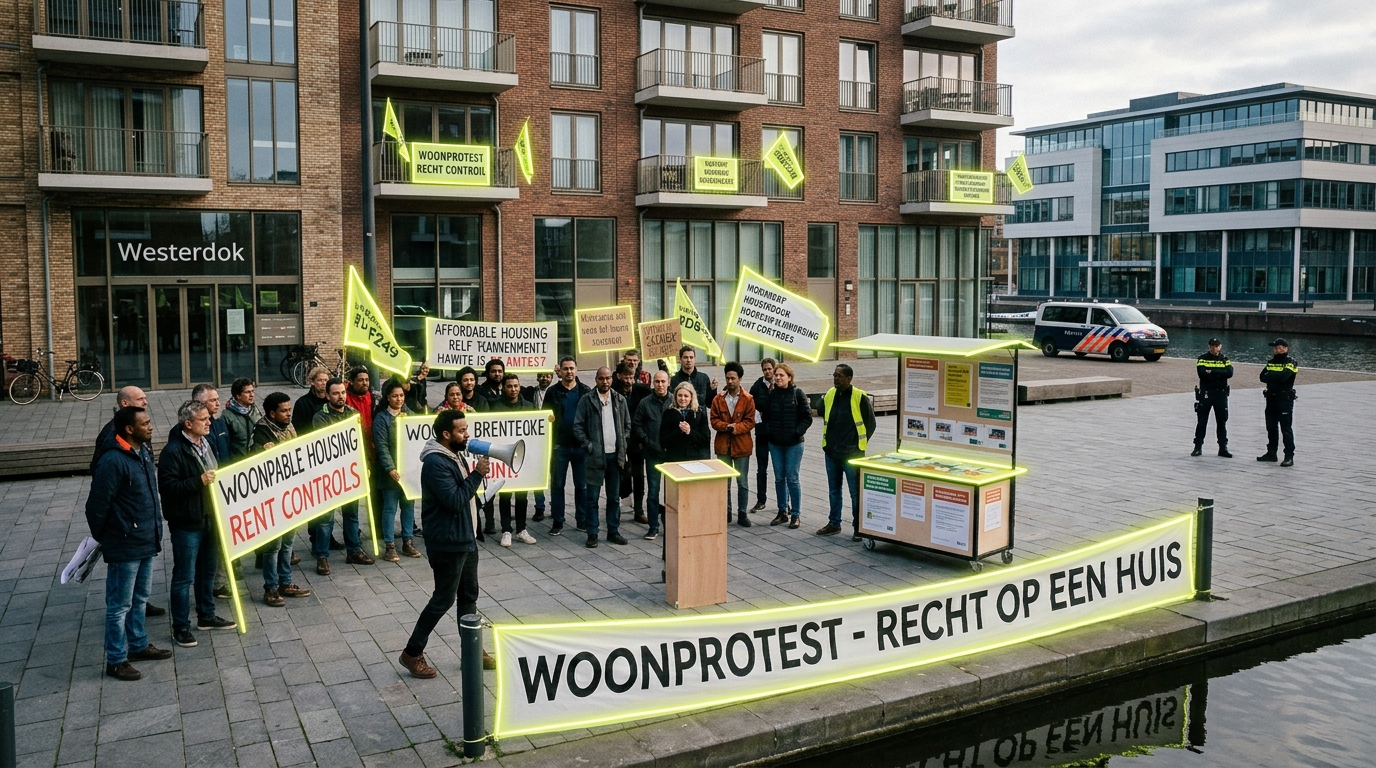
Verhuurderheffing (Landlord Levy) Abolition
The verhuurderheffing, or landlord levy, was a national tax imposed on Dutch social housing associations (woningcorporaties) beginning in 2013, ostensibly to contribute to broader fiscal consolidation during the European debt crisis. Over its decade-long existence, the levy extracted more than €10 billion from the sector—funds that would otherwise have been available for building, maintaining, or improving affordable housing stock. Its 2023 abolition marks a fundamental policy reversal, signaling recognition that draining resources from social housing providers had become counterproductive amid deepening housing shortages. The levy's removal frees approximately €1.7 billion annually, creating renewed fiscal headroom for corporaties to invest in construction, energy retrofits, and neighborhood improvements. This shift matters because it represents a transition from treating social housing as a revenue source to viewing it as critical infrastructure requiring sustained investment.
The abolition did not occur in isolation. It was negotiated as part of the Nationale Prestatieafspraken (National Performance Agreements), a framework binding corporaties to deliver 250,000 new social rental homes by 2030 in exchange for fiscal relief. Early evidence suggests mixed capacity to meet these targets: while some larger corporaties have announced ambitious building programs, smaller associations face constraints in land acquisition, permitting delays, and construction sector bottlenecks. Industry observers note that the freed capital alone does not resolve underlying challenges such as skilled labor shortages, rising material costs, or municipal zoning restrictions. Additionally, there is ongoing scrutiny over whether the funds will genuinely flow toward housing production or be absorbed by organizational overhead and debt servicing. The signal's strength lies not in guaranteed outcomes but in the directional shift it represents—a policy acknowledgment that social housing requires reinvestment rather than extraction.
The implications extend beyond immediate construction targets. If corporaties successfully deploy the freed resources, the abolition could catalyze a broader rebalancing of the Dutch housing system, reducing pressure on the overheated private rental market and providing more affordable options for middle-income households currently priced out. However, monitoring will be critical: key indicators include annual construction starts by corporaties, the share of freed funds allocated to new builds versus maintenance, and whether delivery timelines align with the 2030 target. Policy analysts also watch for potential reintroduction of similar levies if fiscal pressures return or if corporaties fail to meet agreed benchmarks. The abolition is less a solved problem than a test case for whether fiscal policy can effectively steer housing outcomes when paired with performance accountability.
Related Organizations

Aedes
Netherlands · Consortium
The umbrella association of Dutch housing corporations, facilitating knowledge exchange on sales models.

The external supervisor of the Dutch housing association sector.

A major housing corporation operating in the Amsterdam, Amersfoort, and Gooi regions.

A large housing corporation in the Amsterdam region that utilizes Koopgarant for its sales portfolio.

Housing corporation with a strong focus on sustainability and neighborhood renewal.

The Dutch Union of Tenants, advocating for policies that enforce mixed neighborhoods and prevent the segregation of low-income tenants.


One of the largest housing associations in the Netherlands, actively using Koopgarant to sell social housing to tenants.

Housing corporation focusing on social housing in the Amsterdam region.

Provides guarantees for loans to housing corporations, monitoring their solvency post-abolition.

Large housing corporation formed from the merger of Mitros and Viveste, active in Utrecht.

Provider of financial planning software and models for housing associations.