Digital Permitting Platforms
Digital permitting platforms address a persistent friction point in housing development: the labyrinthine approval processes that span multiple jurisdictions, regulatory domains, and administrative layers. In the Benelux region, where governance structures interweave municipal, provincial, regional, and national authorities—each with distinct mandates and review timelines—developers and homeowners alike face approval cycles that can stretch months or years. This complexity creates tangible barriers to housing supply, particularly for smaller builders and individual renovators who lack the resources to navigate bureaucratic mazes. The fundamental promise of digital permitting is to transform these opaque, paper-intensive workflows into transparent, coordinated systems that maintain regulatory rigor while dramatically reducing processing friction and uncertainty.
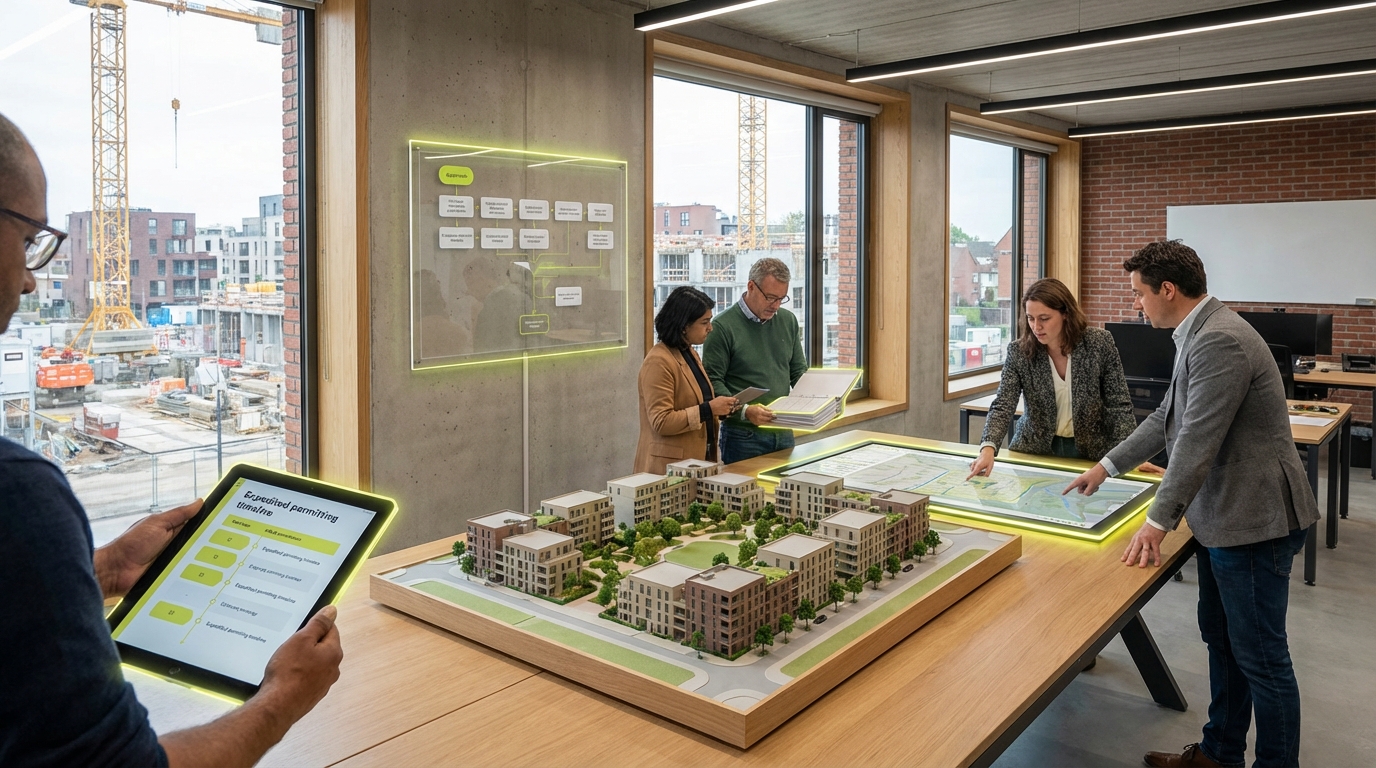
These platforms function by creating unified digital interfaces that integrate previously siloed review processes, enabling applicants to submit documentation once while routing it automatically to relevant authorities based on project characteristics and location. Early implementations in the Netherlands, such as the Omgevingsloket environmental permit portal, demonstrate how standardised digital workflows can compress review timelines by eliminating redundant data entry, clarifying requirements upfront, and providing real-time status visibility that reduces follow-up inquiries. Belgian municipalities experimenting with digital building permit systems report similar patterns: faster initial screening, fewer incomplete submissions requiring resubmission, and improved coordination between building safety, heritage, and environmental reviewers. Luxembourg's integrated planning platforms suggest that smaller jurisdictions can achieve comparable gains by adopting shared infrastructure rather than building bespoke systems. However, adoption remains uneven, with implementation quality varying significantly based on technical capacity, political commitment to process reform, and willingness to standardise requirements across jurisdictions that historically guarded autonomy.
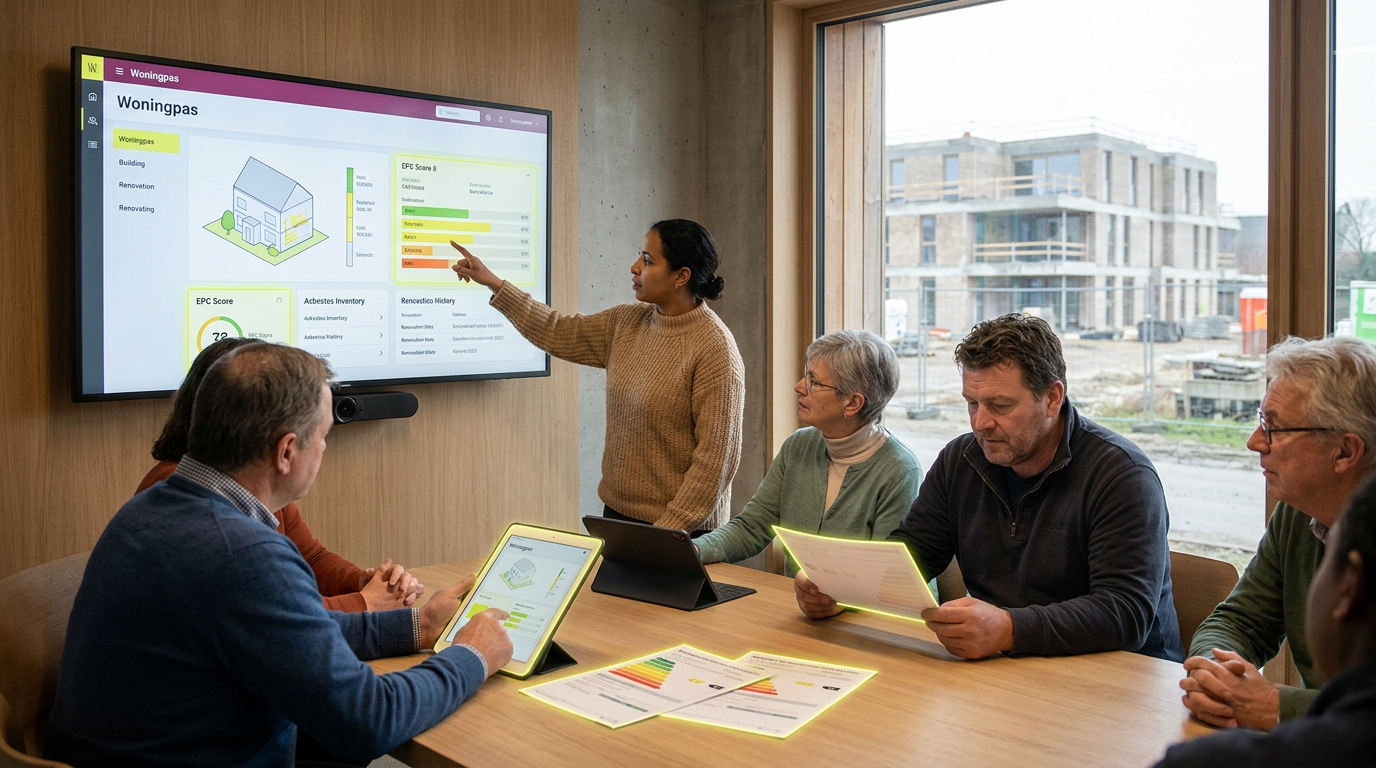
The implications extend beyond administrative efficiency to questions of housing market equity and governance legitimacy. Faster, more predictable permitting can lower barriers for smaller developers and self-builders, potentially diversifying housing supply beyond large-scale projects that can absorb lengthy approval uncertainty. Transparency features—public dashboards showing average processing times, common rejection reasons, and comparative performance across municipalities—create accountability pressure that paper-based systems never generated. Yet challenges persist around digital accessibility for elderly applicants or those without reliable internet, data privacy concerns when sensitive property information moves across multiple systems, and the risk that standardisation might override legitimate local variation in planning priorities. Monitoring should track not just processing speed but equity metrics: whether approval times differ by project scale, applicant type, or jurisdiction wealth. The critical threshold to watch is whether digital platforms enable genuine process redesign or merely digitise existing dysfunction.
Related Organizations

The Netherlands' Cadastre, Land Registry and Mapping Agency.

A leading provider of software for licensing, supervision, and enforcement (VTH) for Dutch municipalities and environmental services.

A major IT services provider for the Dutch public sector, offering the 'Leefomgeving' suite for permit processing.

The umbrella organization for regional environmental services that actually process the complex environmental permits.

The Association of Netherlands Municipalities, which coordinates the implementation of the Digital System Environment Act (DSO).

A European software giant that has acquired multiple GovTech firms (including Roxit and Circle Software) to dominate the digital permitting space.

A location intelligence company providing GIS software that integrates with permitting systems to check zoning and environmental constraints.

A construction tech company offering solutions for managing public domain occupation permits and utility coordination.

An organization advocating for open government data, pushing for transparency in permit data and decision-making processes.