Anti-NIMBY Engagement Strategies
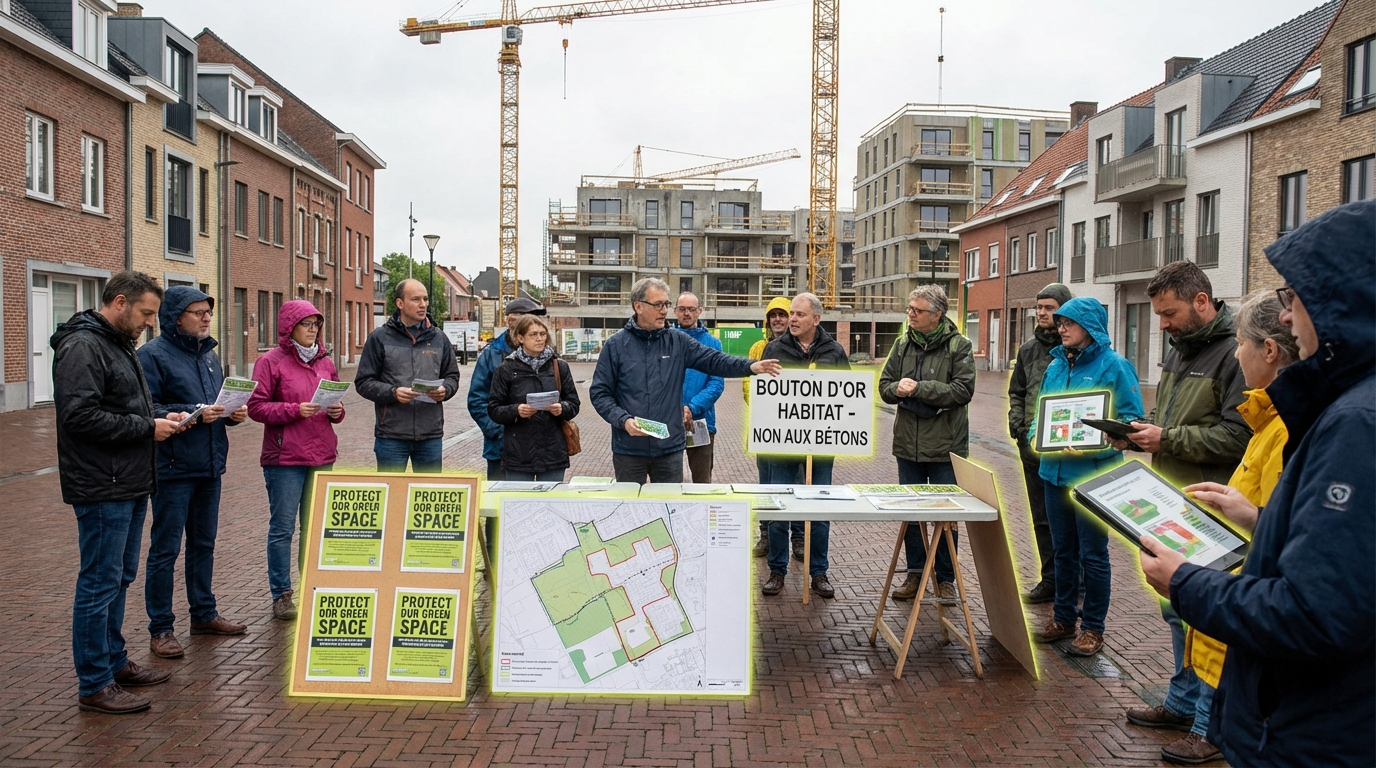
Anti-NIMBY engagement strategies represent a fundamental shift in how housing developers, municipalities, and planning authorities approach local resistance to new construction. The core challenge these strategies address is the widespread phenomenon of "Not In My Backyard" opposition—where residents support housing development in principle but resist specific projects in their neighborhoods. This dynamic has become a critical barrier to addressing housing shortages across the Benelux region, where organized local opposition can delay or derail projects for years, exacerbating affordability crises and limiting urban densification. Rather than treating opposition as irrational obstruction, these strategies recognize that residents often hold legitimate concerns about traffic, infrastructure capacity, neighborhood character, and construction impacts. The fundamental problem is not opposition itself but the absence of structured mechanisms for translating concerns into constructive dialogue that can inform better project outcomes.
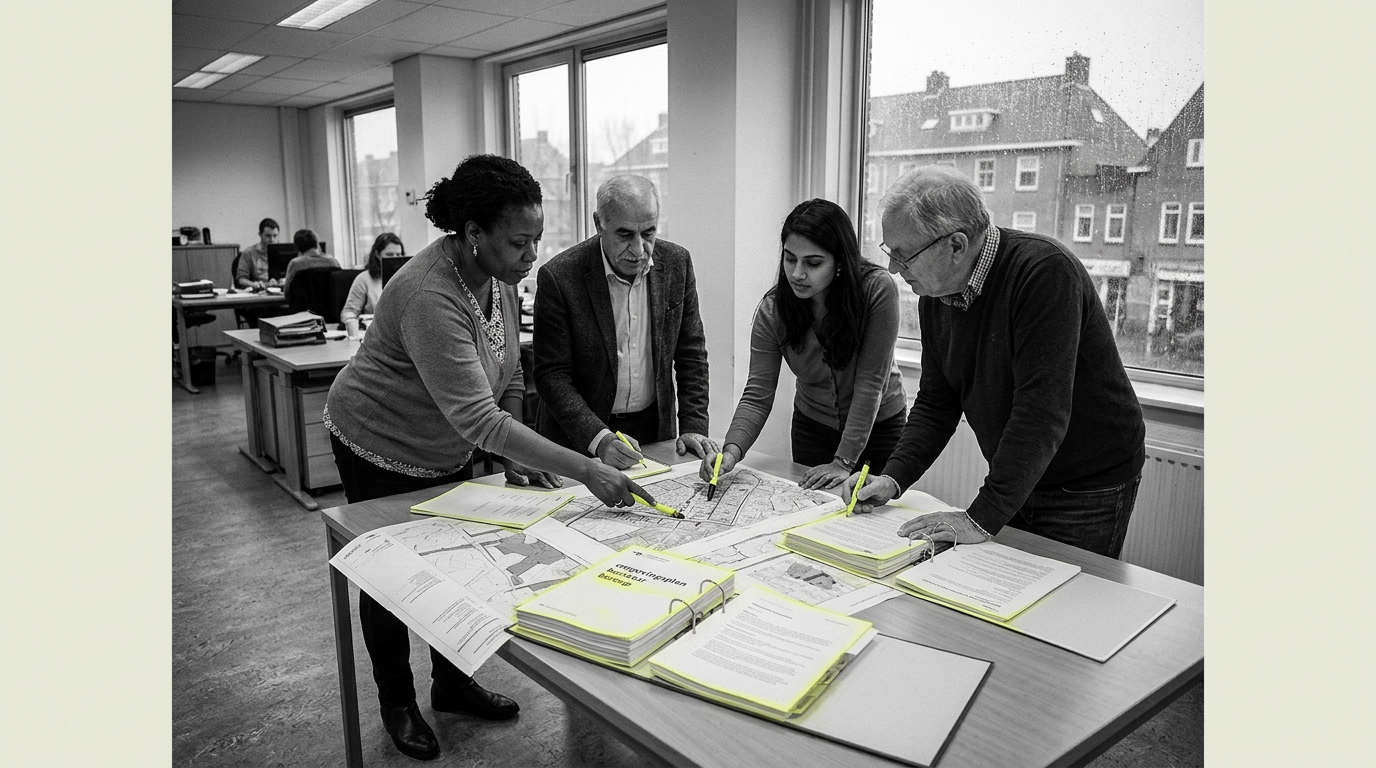
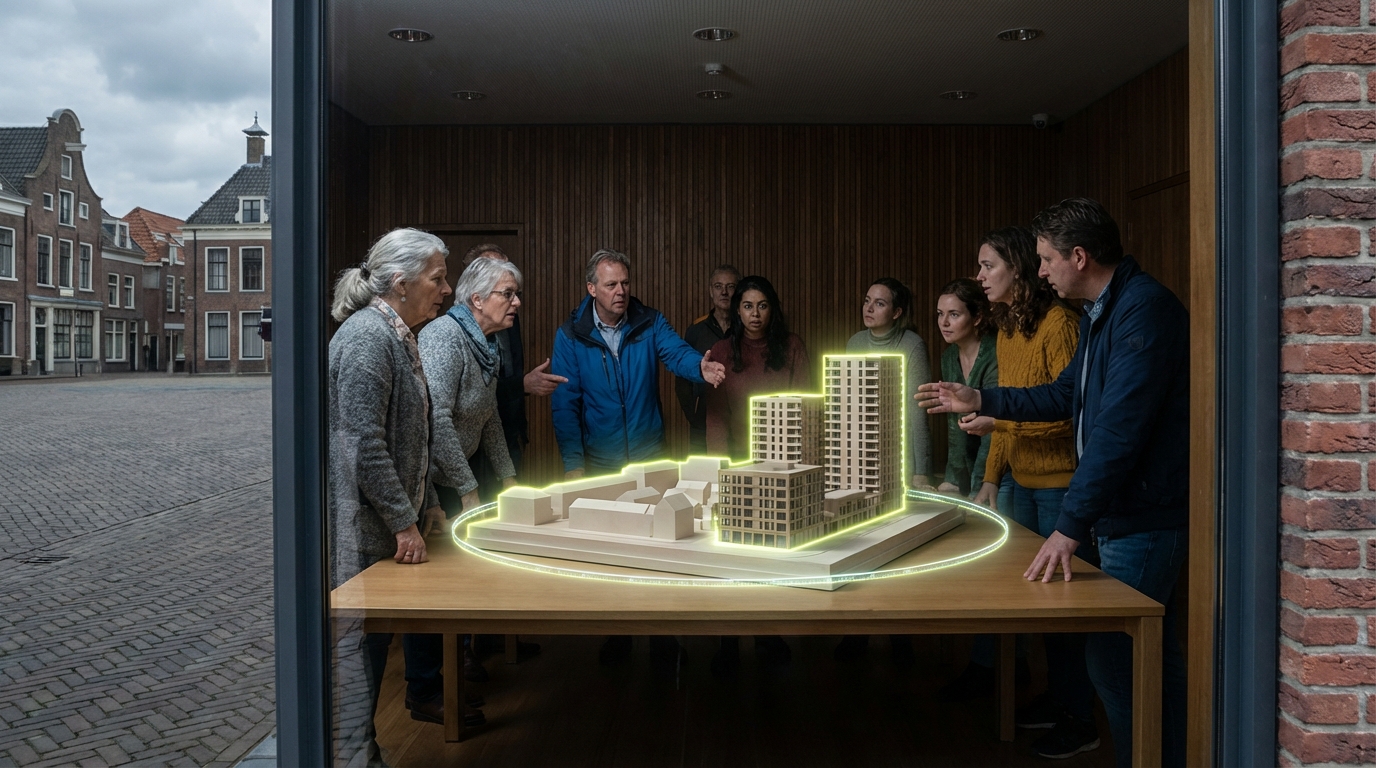
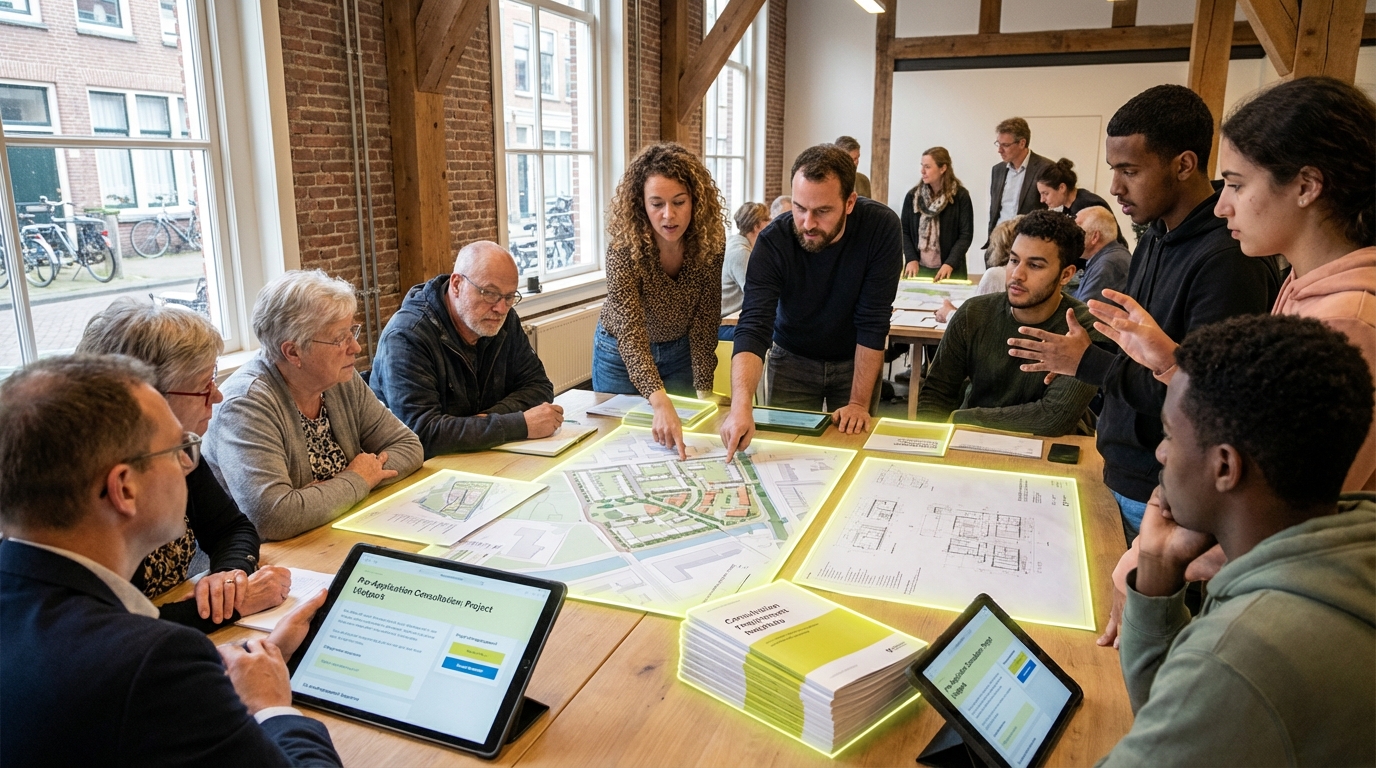
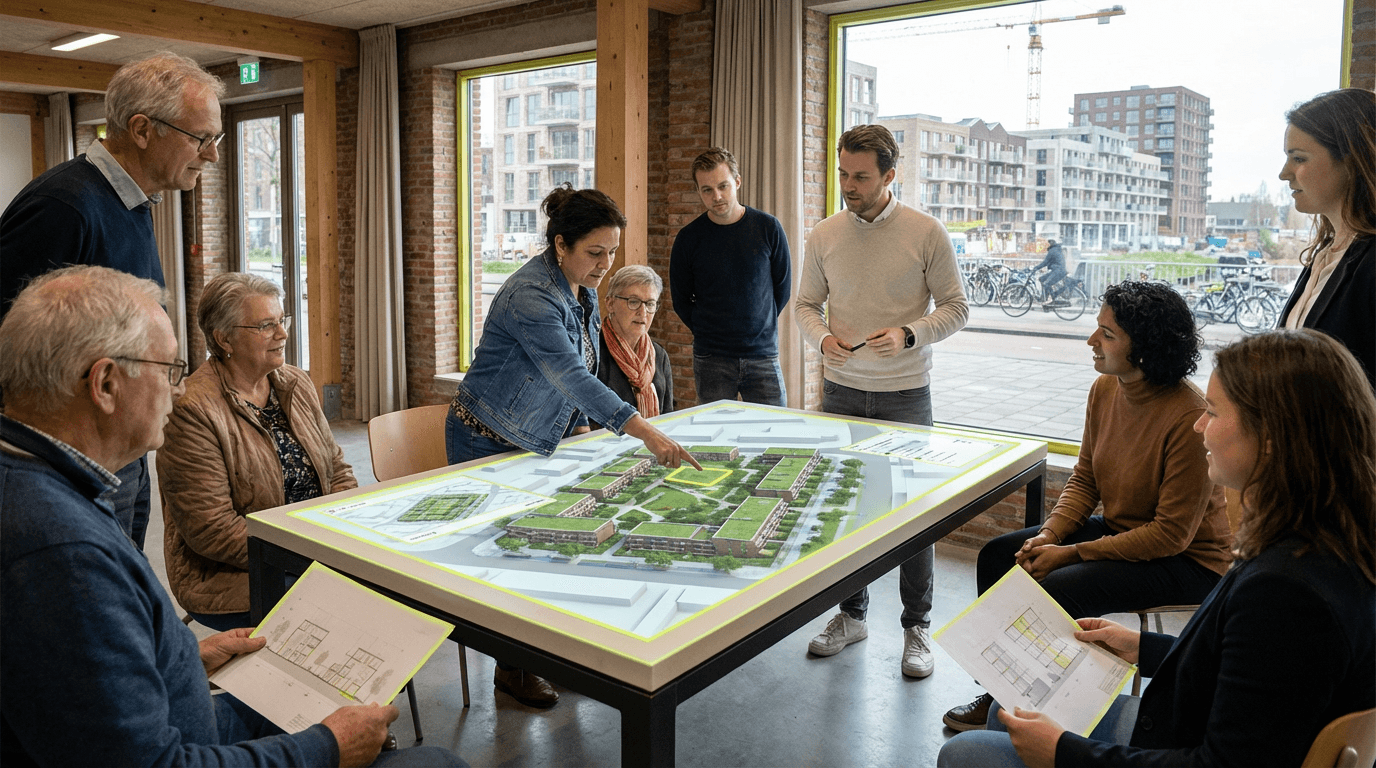
These engagement approaches typically involve multiple intervention points throughout the development process. Early-stage strategies include pre-application community workshops where developers present initial concepts before formal submissions, allowing residents to influence design decisions rather than simply react to finalized plans. Transparent communication frameworks provide accessible information about project timelines, environmental assessments, and mitigation measures, reducing the information asymmetry that often fuels suspicion. Some municipalities in the Netherlands have experimented with "development mediators" who facilitate dialogue between developers and community groups, helping identify which concerns can be addressed through design modifications, phasing strategies, or community benefit agreements. In Belgium, certain projects have incorporated participatory design elements where residents contribute input on public space configurations, building heights, or architectural character. Evidence from pilot programs suggests that projects employing structured engagement experience fewer formal objections and shorter approval timelines, though outcomes vary significantly based on local political contexts and the quality of facilitation.
The implications of these strategies extend beyond individual project success to broader questions about democratic participation in urban development. When implemented effectively, anti-NIMBY engagement can build social license for densification, create precedents that reduce opposition to subsequent projects, and generate community ownership of neighborhood change. However, monitoring should focus on whether engagement genuinely influences outcomes or becomes performative consultation that increases cynicism. Critical thresholds to watch include the proportion of engaged residents who shift from opposition to acceptance, the types of design modifications that emerge from dialogue, and whether organized opposition groups evolve their tactics in response. The risk remains that engagement processes can be captured by well-resourced opponents or become so extensive that they render projects economically unviable, suggesting that effective strategies must balance inclusivity with decisiveness and maintain clear boundaries between negotiable design elements and non-negotiable housing production goals.