YIMBY Movements in Benelux
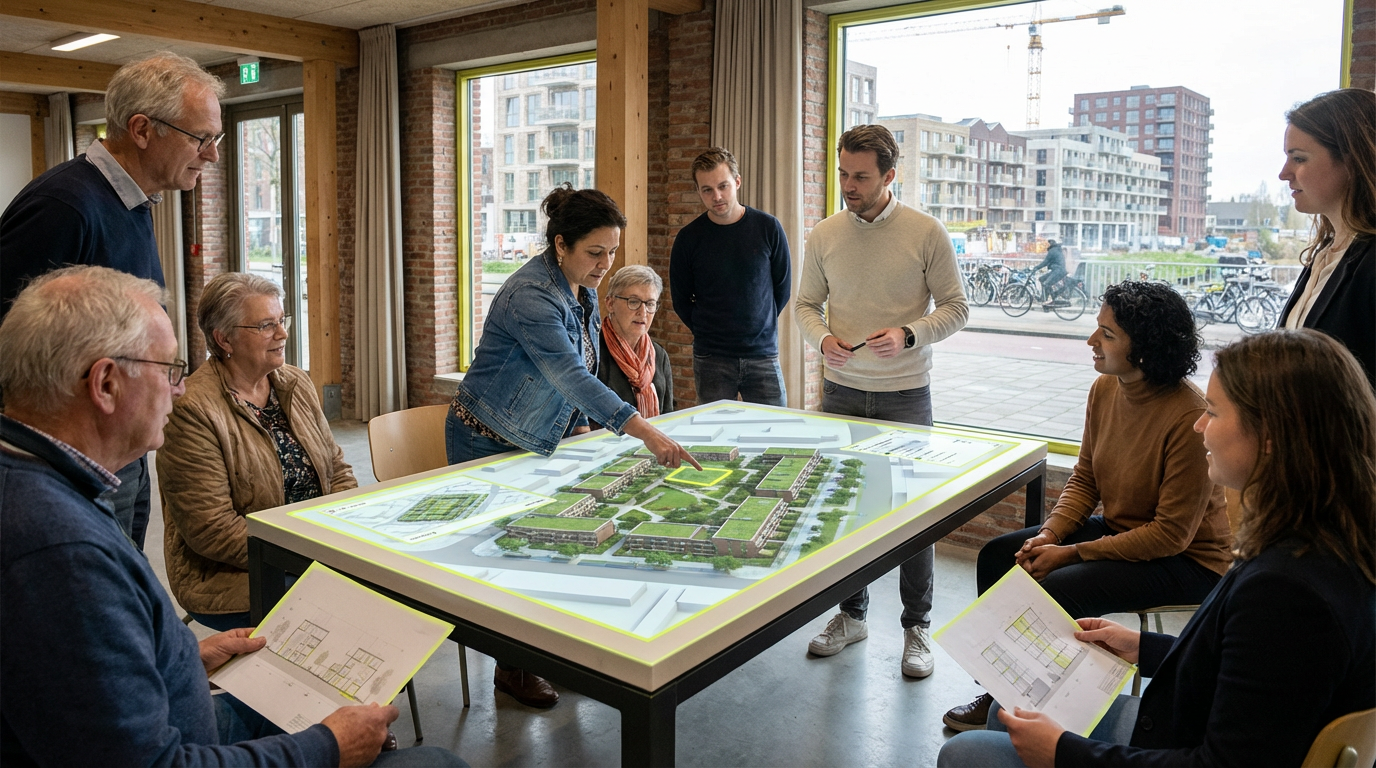
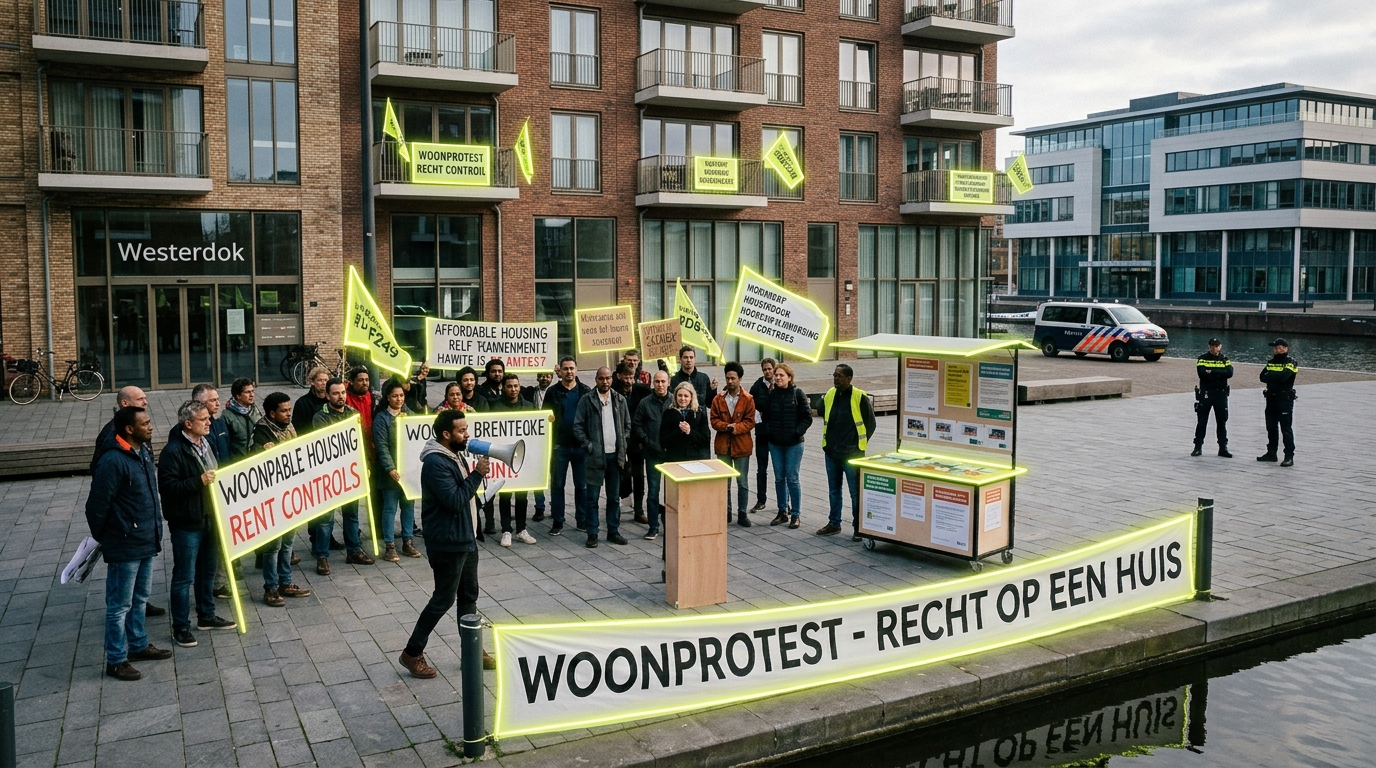
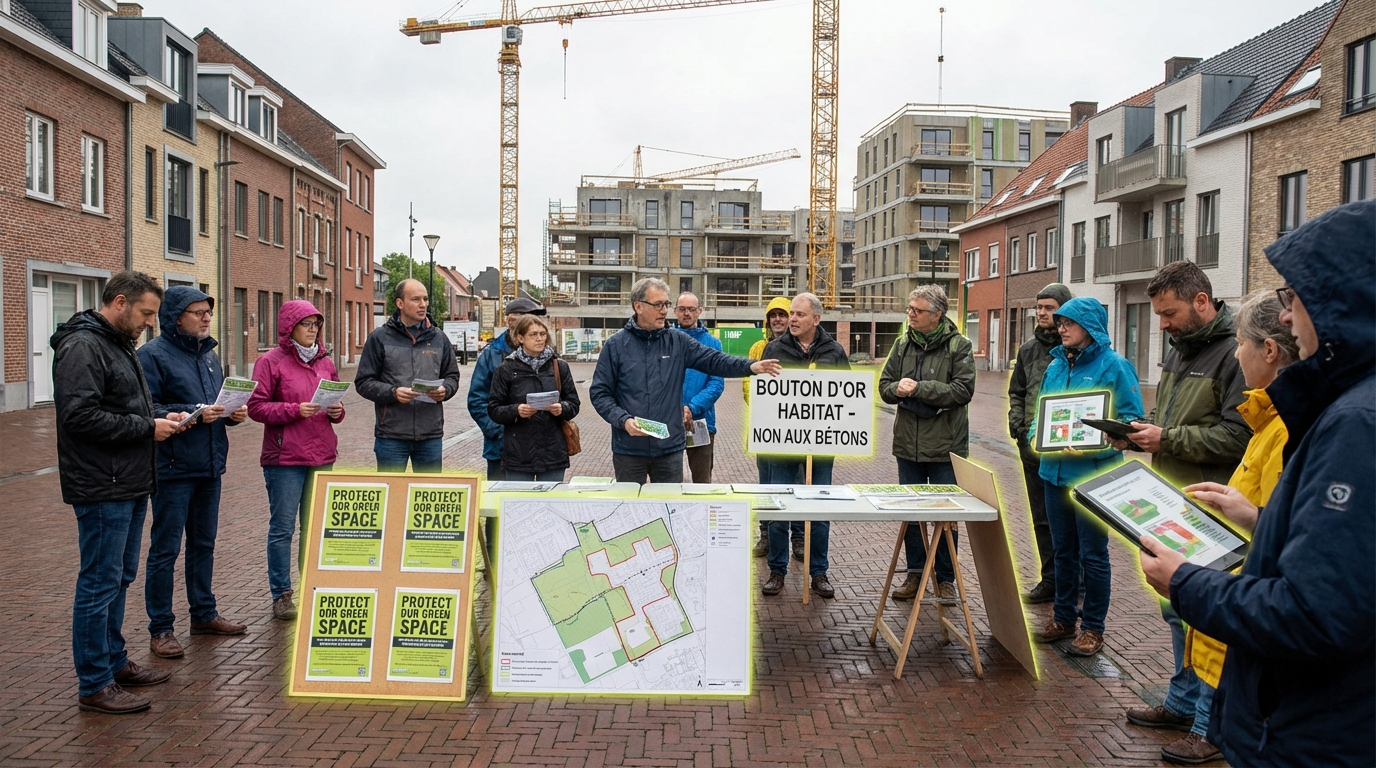
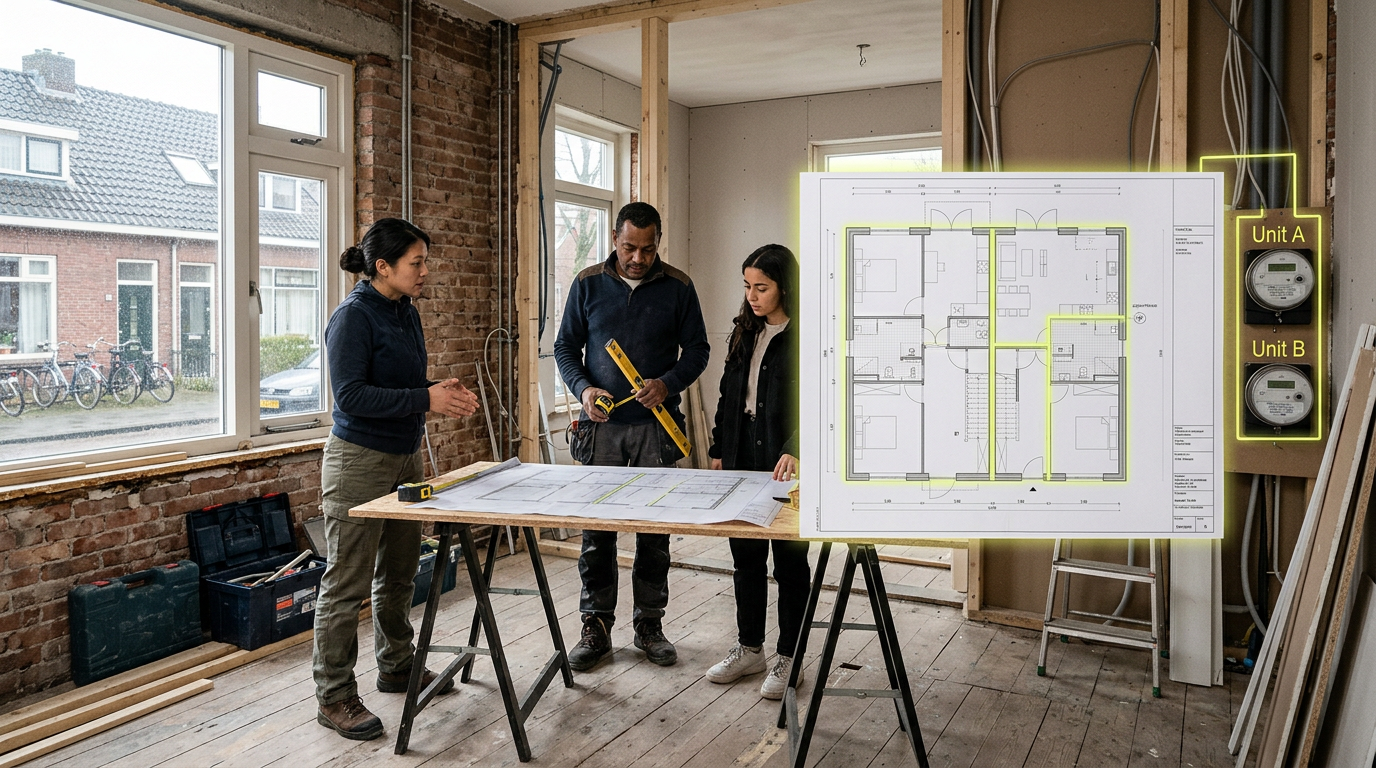
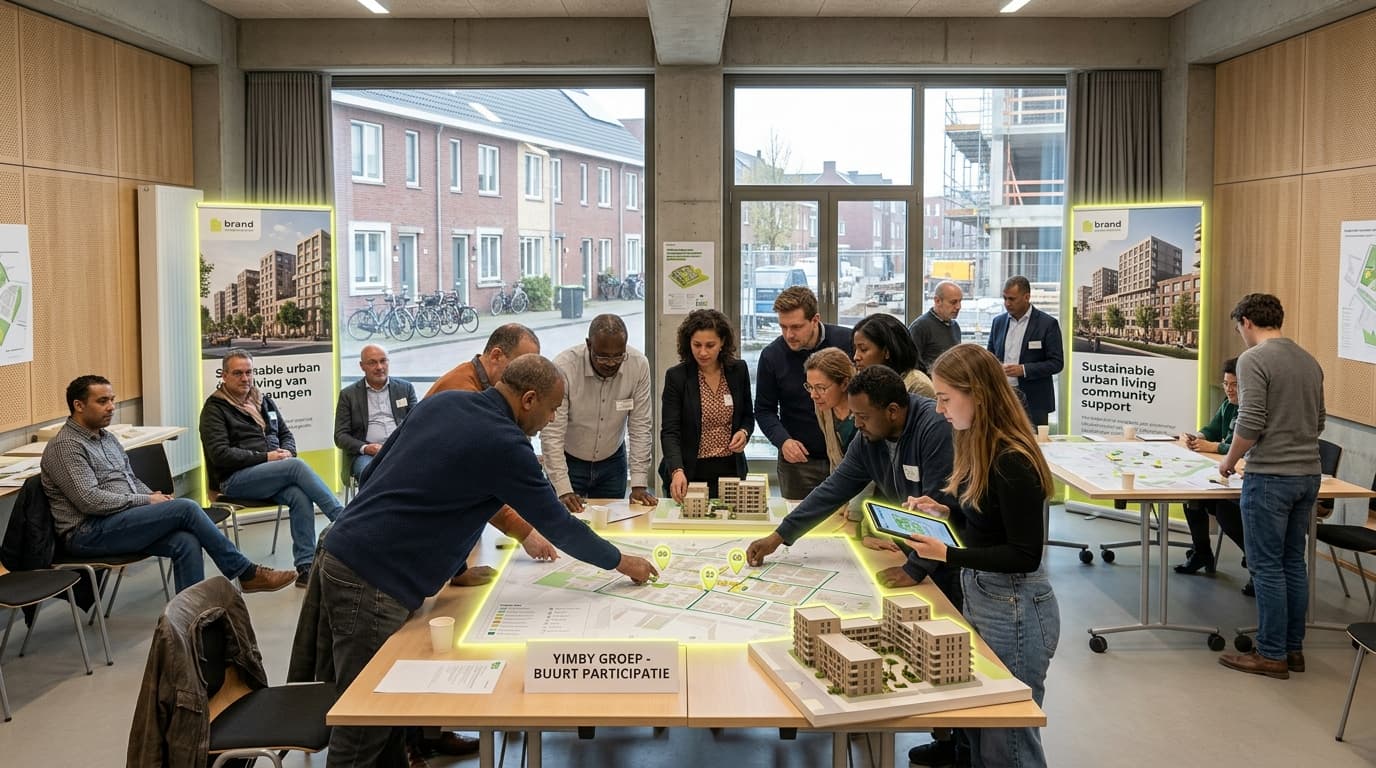
YIMBY (Yes In My Backyard) movements represent a strategic shift in housing advocacy across the Benelux region, emerging as organized counterweights to entrenched development opposition. Unlike traditional housing activism focused solely on affordability programs or tenant protections, YIMBY groups explicitly advocate for increased housing supply through densification, streamlined permitting, and development approval. This signal matters because housing debates have historically been dominated by organized opposition—homeowners concerned about neighborhood character, traffic impacts, or property values—while those who would benefit from new housing (renters, young households, newcomers) have lacked comparable organizational infrastructure. The rise of YIMBY advocacy in cities like Amsterdam, Rotterdam, Brussels, and Luxembourg City indicates a rebalancing of political voice in development processes, potentially shifting the default position from preservation toward accommodation of growth.
Early evidence suggests these movements are gaining traction through multiple channels. YIMBY Netherlands has established chapters in major cities, participating in public comment processes and permit hearings to voice support for proposed developments. Youth wings of established parties—including D66, VVD in the Netherlands, and Groen in Belgium—have adopted explicitly pro-housing platforms, advocating for zoning reform and reduced parking requirements. Social media campaigns reframe development narratives, countering "neighborhood character" arguments with data on housing waitlists and affordability crises. Some groups organize "YIMBY walks" to identify underutilized sites and advocate for their development. However, the pattern remains uneven: YIMBY mobilization is strongest in university cities with large renter populations and weakest in suburban municipalities where homeownership dominates. The movements also face an inherent asymmetry—opposition is motivated by direct, concentrated impacts on existing residents, while support is driven by diffuse, future benefits for people not yet living in an area.
The implications for housing governance are significant but uncertain. Successful YIMBY mobilization could normalize development approval, reduce litigation delays, and create political cover for officials to approve controversial projects. It may also shift policy debates toward supply-side interventions like zoning reform rather than demand-side measures alone. Key risks include organizational sustainability (many groups rely on volunteer energy), potential capture by developer interests that could undermine credibility, and the challenge of building coalitions across renters, young professionals, and lower-income households with divergent priorities. Monitoring should focus on whether YIMBY groups achieve policy wins (zoning changes, streamlined approvals), sustain participation beyond individual projects, and maintain independence from real estate industry funding. The durability of this signal will depend on whether advocacy translates into tangible housing outcomes that validate the movement's core premise—that more building can improve affordability and access.
Related Organizations


The primary industry association for construction and infrastructure companies in the Netherlands, lobbying for faster procedures and the 'Wet Kwaliteitsborging'.

The Belgian construction association (formerly Confederatie Bouw).
Professional Union of the Real Estate Sector in Belgium, representing major developers and investors.
Flemish branch of the construction federation.

Aedes
Netherlands · Consortium
The umbrella association of Dutch housing corporations, facilitating knowledge exchange on sales models.
Association of Institutional Property Investors in the Netherlands.

A knowledge and network organization for urban and regional development, researching best practices for mixed neighborhoods.

The largest consumer organization for homeowners in the Netherlands, monitoring the fairness of shared ownership contracts.

Cultural innovation house for architecture and urban planning.