Pre-Application Consultation Requirements
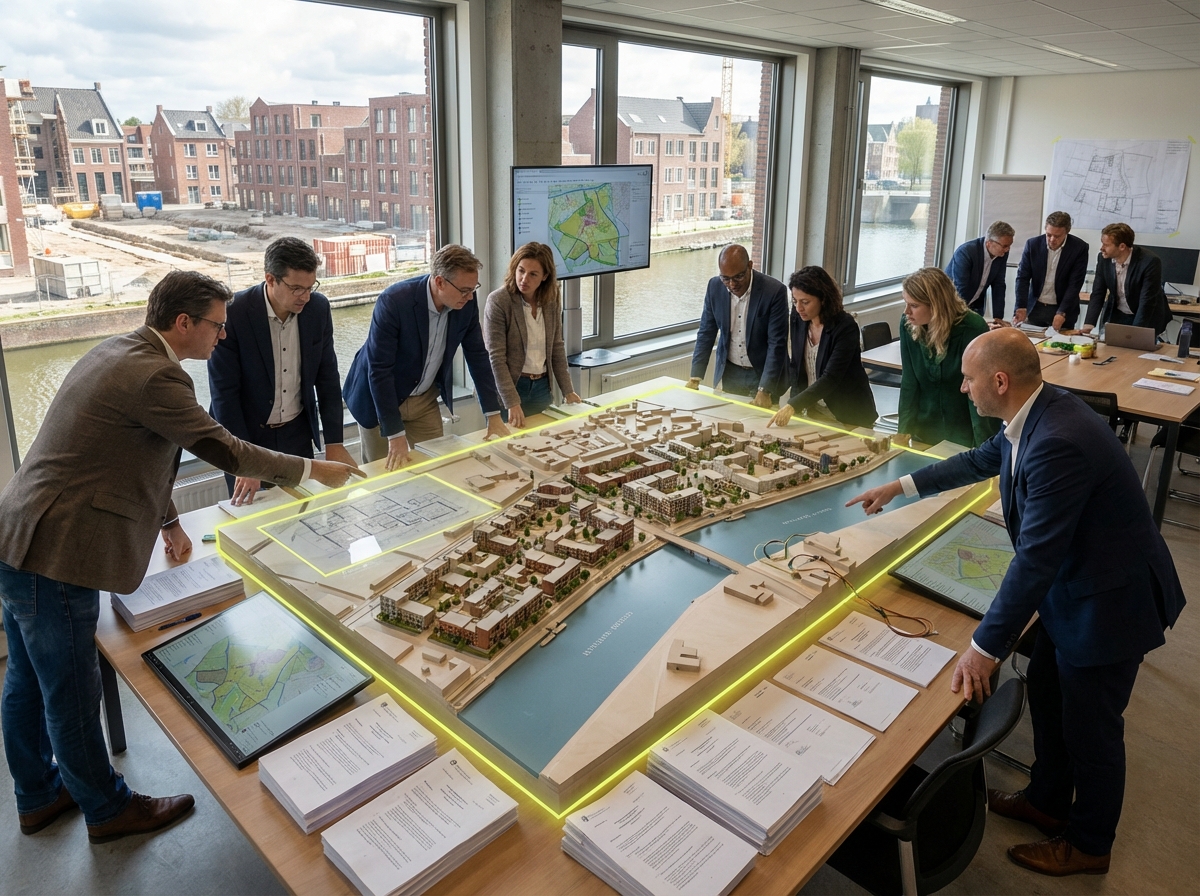
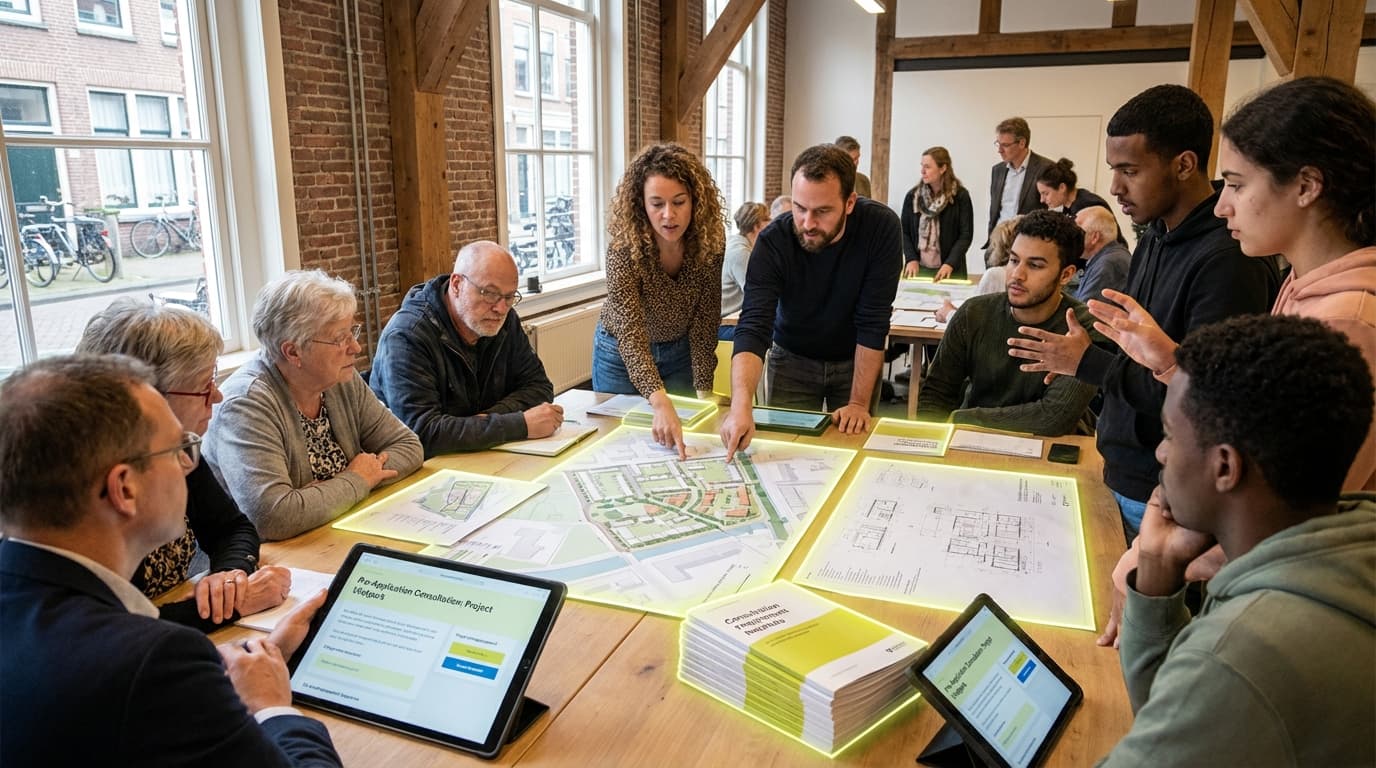
Pre-application consultation requirements represent a strategic shift in how housing and development projects navigate the approval process, moving conflict resolution and stakeholder engagement upstream before formal permit applications are submitted. Rather than treating community concerns as obstacles to be managed during official review periods, these frameworks position early dialogue as a mechanism for identifying design conflicts, addressing neighborhood impacts, and building social license before projects become locked into formal procedures. The underlying challenge these requirements address is the persistent pattern of development opposition emerging late in approval processes, when projects have already consumed significant resources and design modifications become costly or impossible. By mandating or incentivizing early engagement with residents, local authorities, and other stakeholders, these requirements attempt to reduce the adversarial dynamics that frequently characterize planning disputes and contribute to housing delivery delays across the Benelux region.
The mechanics of pre-application consultation vary considerably across jurisdictions, reflecting different governance cultures and regulatory traditions. Dutch vooroverleg processes typically involve structured meetings between developers and municipal planning departments to review project concepts against zoning frameworks and policy priorities, sometimes including neighborhood representatives in early design discussions. Belgian municipalities increasingly require or encourage information sessions where developers present initial proposals to affected residents, creating opportunities for feedback before formal applications are filed. Luxembourg's neighborhood consultation practices similarly emphasize early transparency, though implementation remains uneven across communes. Some jurisdictions create explicit incentives for voluntary pre-application engagement, offering faster processing timelines or reduced fees for projects that demonstrate meaningful early consultation. Evidence from municipalities with established pre-application frameworks suggests these processes can identify deal-breaking concerns early, allow design adjustments when they are least costly, and reduce formal objections during statutory review periods, though outcomes depend heavily on consultation quality and developer responsiveness.
The effectiveness of pre-application consultation as a signal of governance evolution hinges on whether these processes foster genuine dialogue or devolve into procedural formalities. When implemented well, early engagement can surface legitimate concerns about building height, parking impacts, or neighborhood character that developers can address through design modifications, potentially accelerating overall approval timelines despite the upfront consultation investment. However, risks include consultation fatigue among residents, unrealistic expectations about community veto power, and developers treating sessions as box-checking exercises rather than opportunities for substantive input. Monitoring should focus on whether jurisdictions develop clear frameworks for what constitutes adequate pre-application engagement, how feedback gets incorporated into project evolution, and whether early consultation correlates with reduced opposition during formal review stages. The broader implication is that as housing pressure intensifies across the Benelux region, governance systems are experimenting with procedural innovations that attempt to balance development acceleration with democratic participation, testing whether earlier engagement can break the cycle of late-stage conflicts that currently constrain housing supply.
Related Organizations

A digital community engagement platform used by local governments to consult citizens.

The Association of Netherlands Municipalities, which coordinates the implementation of the Digital System Environment Act (DSO).

One of the largest area developers in Europe, responsible for realizing large-scale residential projects that must comply with municipal mixed-income quotas.

A private social network for neighborhoods that connects citizens with their local government.


A communications and participation agency for area development.

Community engagement platform for map-based surveys and participatory planning.


An initiative by Dutch municipalities to modernize information provision.