Omgevingswet (Environmental Law) Implementation
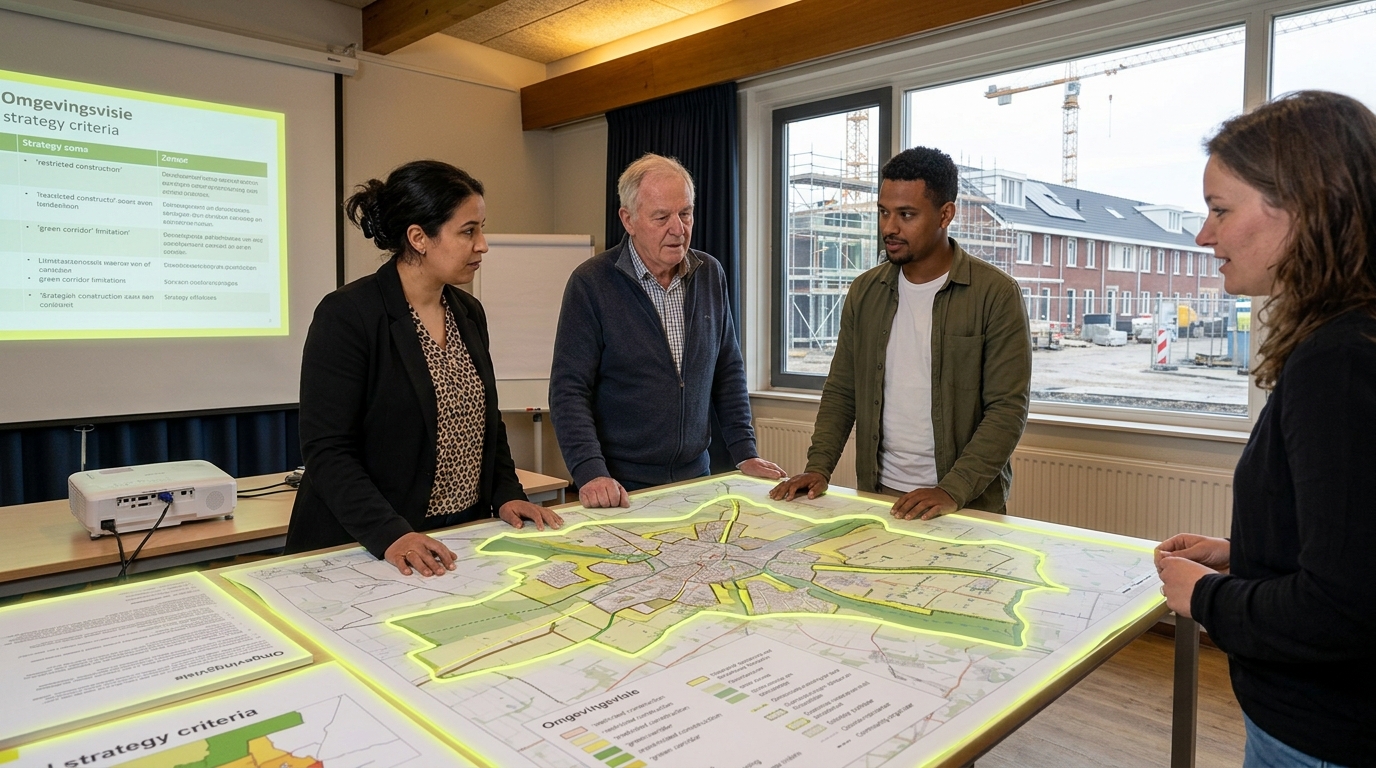
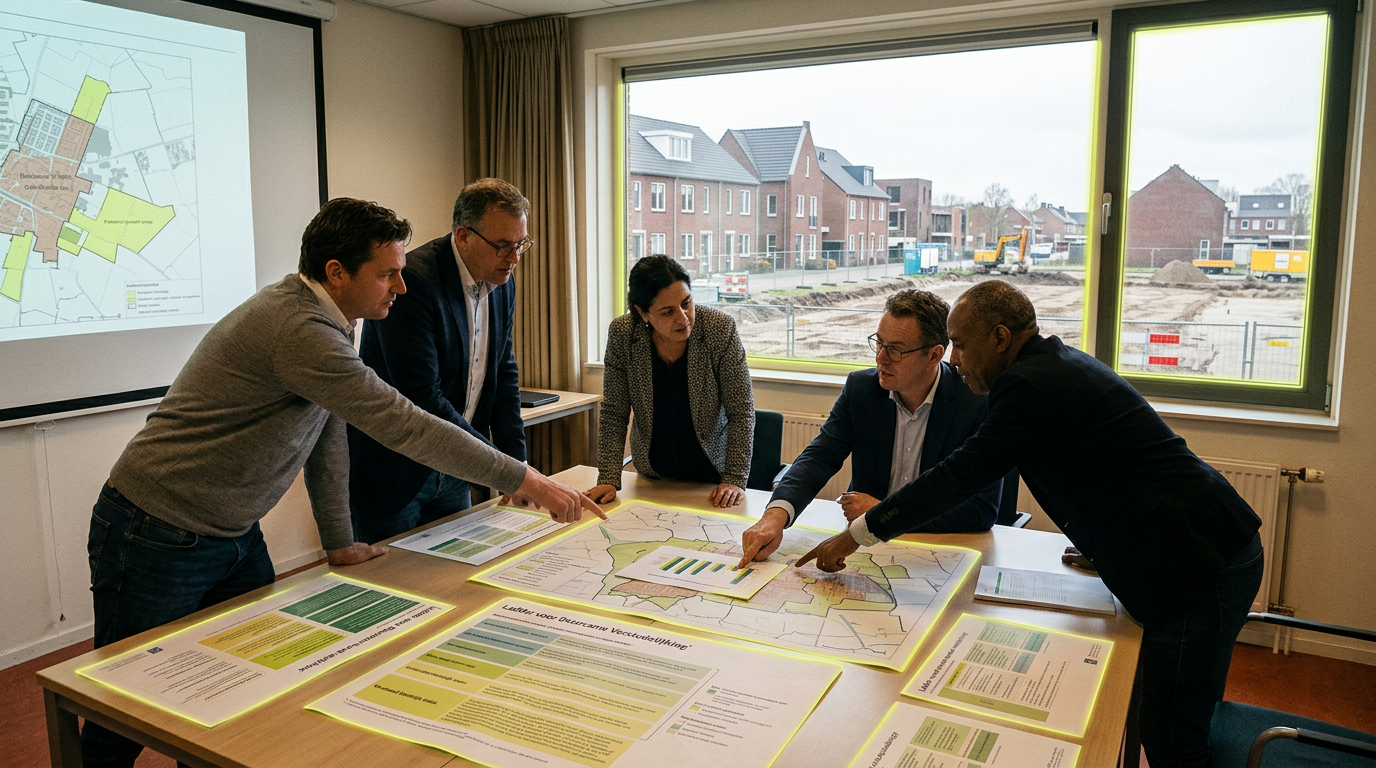
The Omgevingswet represents a fundamental restructuring of how the Netherlands governs land use, environmental protection, and spatial development. By consolidating 26 separate laws—ranging from building codes to nature conservation rules—into a single integrated framework, the reform addresses a longstanding challenge: fragmented, slow-moving approval processes that have contributed to housing shortages and delayed infrastructure projects. The law's core promise is to replace overlapping permits and conflicting regulations with a unified system where developers, municipalities, and citizens navigate one coherent framework rather than multiple bureaucratic pathways. This matters because the Netherlands faces acute housing pressure, climate adaptation needs, and energy transition demands, all of which require faster, more coordinated decision-making. The Omgevingswet is not merely administrative housekeeping; it is an attempt to rewire governance itself to match the scale and urgency of contemporary urban challenges.
Since its formal implementation in January 2024, early evidence reveals a mixed pattern of progress and friction. The law introduces digital planning tools through the Omgevingsloket platform, intended to streamline permit applications and improve transparency. However, municipalities report significant struggles with system adoption, staff training, and the sheer complexity of translating old regulations into new digital formats. Some local governments have experienced delays rather than acceleration, as they work to align existing plans with the new framework while managing unfamiliar software and coordination protocols. Research from planning professionals suggests that while the law's integrated approach holds promise—particularly for complex projects requiring environmental, spatial, and infrastructure approvals—the transition period is proving longer and more resource-intensive than anticipated. Smaller municipalities, in particular, face capacity constraints that may widen disparities in implementation quality across regions.
The implications extend beyond administrative efficiency to fundamental questions about governance capacity and environmental safeguards. If successfully embedded, the Omgevingswet could enable faster housing delivery, more coherent climate adaptation strategies, and better alignment between regional and local planning. However, there is concern that pressure to accelerate approvals may erode environmental protections or reduce meaningful public participation, particularly if digital systems exclude less tech-savvy stakeholders. Key indicators to monitor include permit processing times across different municipality sizes, the quality and accessibility of digital participation tools, and whether environmental standards are maintained or weakened in practice. The law's trajectory will likely influence similar governance reforms in other European countries grappling with housing crises and planning bottlenecks, making its implementation a critical test case for integrated environmental governance.
Related Organizations
The Dutch Ministry of the Interior and Kingdom Relations.
The Netherlands' Cadastre, Land Registry and Mapping Agency.
The Association of Netherlands Municipalities, which coordinates the implementation of the Digital System Environment Act (DSO).

The umbrella organization for regional environmental services that actually process the complex environmental permits.

A leading provider of software for licensing, supervision, and enforcement (VTH) for Dutch municipalities and environmental services.

A location intelligence company providing GIS software that integrates with permitting systems to check zoning and environmental constraints.

A leading consultancy for spatial planning and the living environment.
Develops the Tygron Geodesign Platform, which allows governments and developers to simulate and test urban plans against regulations instantly, speeding up approval.

Public sector consultancy providing interim management and advice for Omgevingswet implementation.

Global provider of professional information, software solutions, and services (OneSumX).