Recht van Initiatief (Right to Challenge)
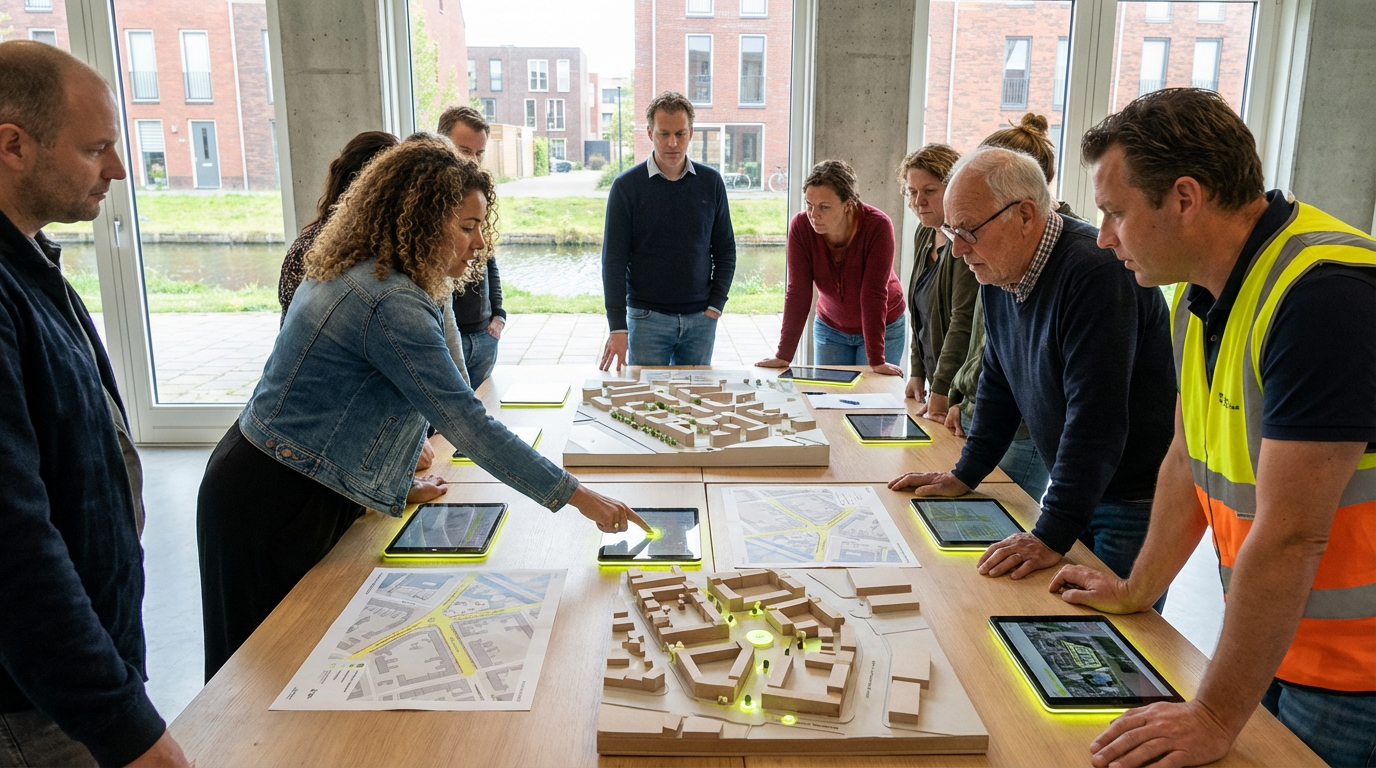
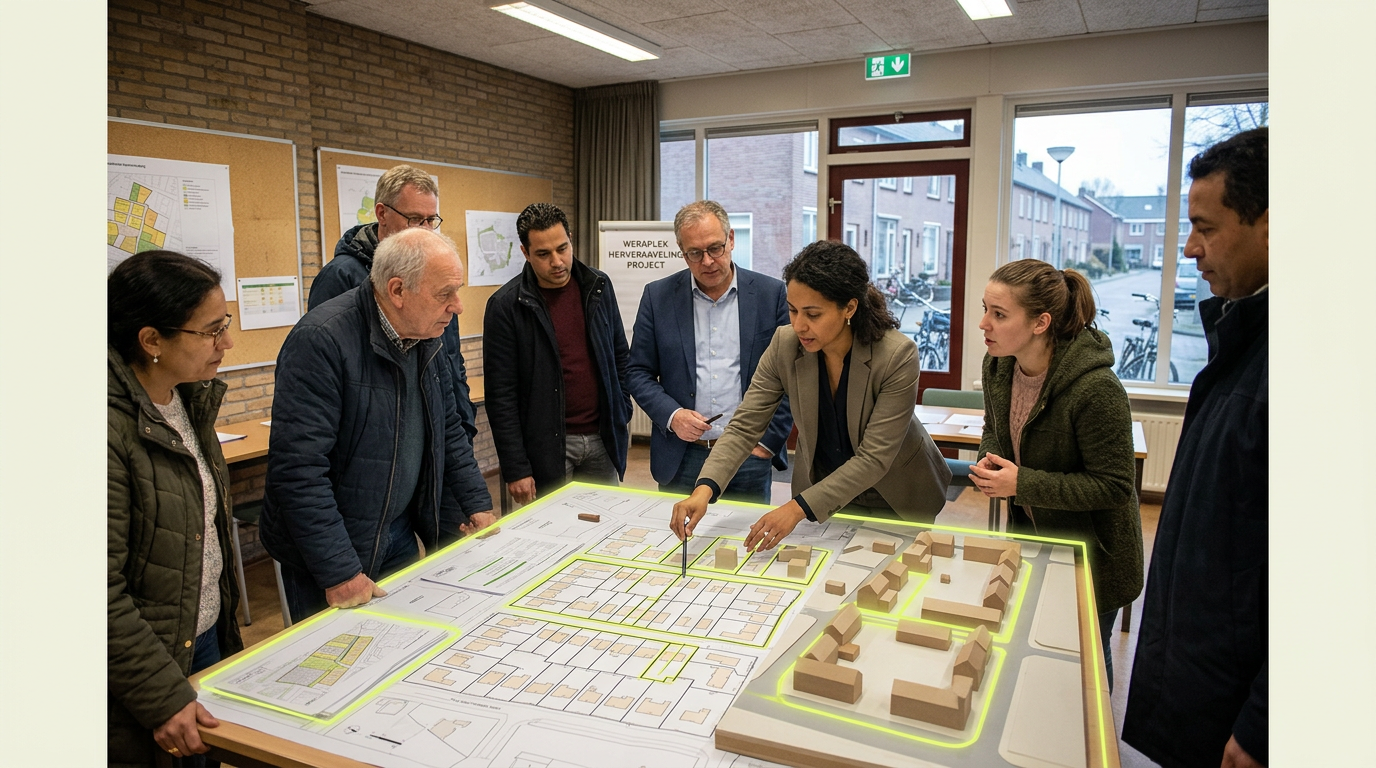
The Right to Challenge, or Recht van Initiatief, represents a fundamental shift in how communities engage with housing development and urban planning. Rather than limiting civic participation to reactive opposition—objecting to proposals after they are announced—this legal framework empowers citizens and community groups to proactively initiate and develop projects when they perceive that public authorities or market actors are failing to meet local needs. This mechanism addresses a core tension in contemporary housing governance: the disconnect between top-down planning processes and the lived realities of neighbourhoods experiencing housing shortages, affordability crises, or inadequate community infrastructure. By granting communities formal standing to propose alternatives, these frameworks acknowledge that local knowledge and collective action can generate solutions that traditional development pathways overlook or undervalue.
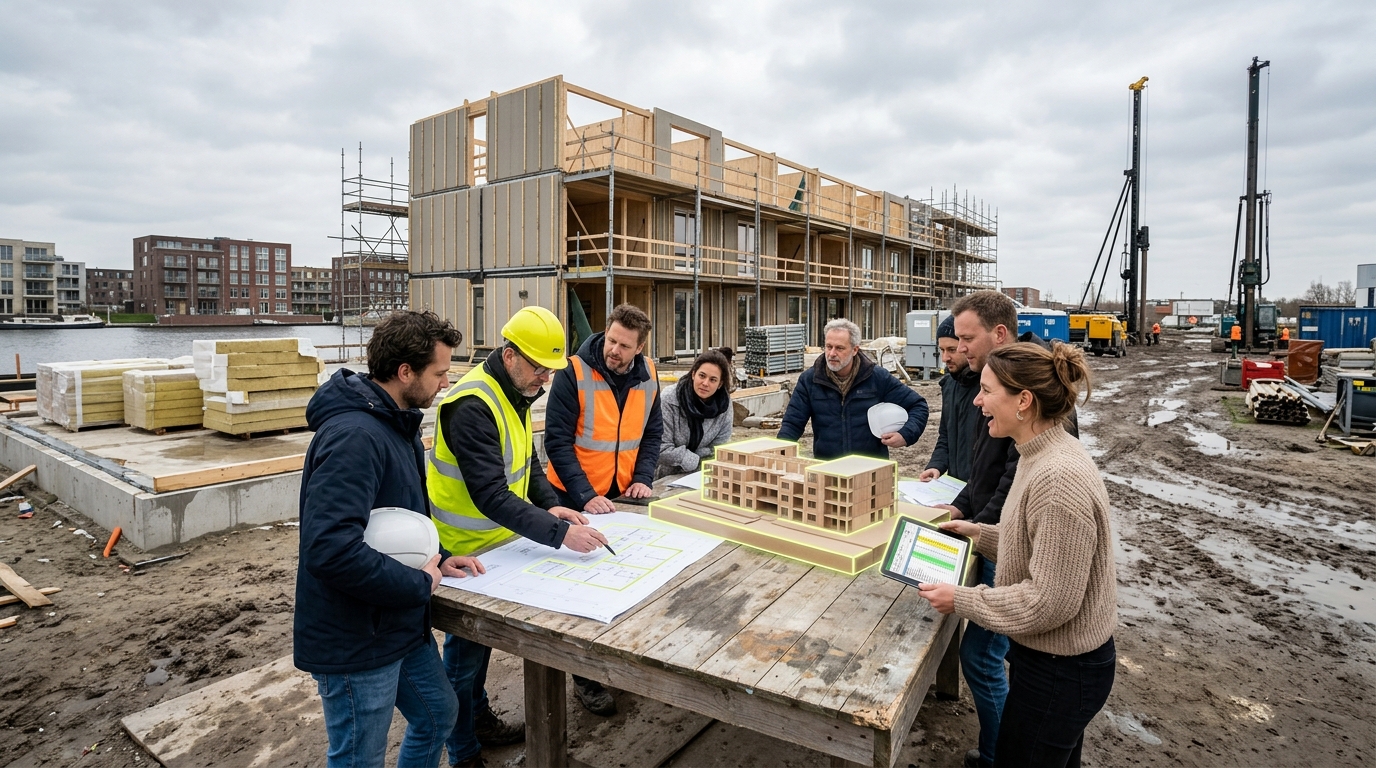
Implementation varies significantly across the Benelux region, reflecting different governance traditions and degrees of institutional openness. In the Netherlands, several municipalities have formalised right-to-challenge procedures, allowing community groups to submit housing proposals that authorities must seriously consider, sometimes with dedicated support mechanisms or streamlined approval pathways. Belgium and Luxembourg have explored similar participatory instruments, though adoption remains uneven and often dependent on local political will rather than standardised national frameworks. Early evidence suggests these mechanisms can unlock stalled sites, introduce innovative housing typologies like cooperative models or intergenerational living arrangements, and strengthen community cohesion through shared development processes. However, significant barriers persist: many community groups lack the technical expertise, financial resources, or legal capacity to navigate complex planning systems, potentially favouring well-organised, affluent neighbourhoods over marginalised communities most in need of housing alternatives. Questions also arise about how to balance community-led proposals with citywide housing targets, environmental standards, and equitable distribution of resources.
The broader implications of right-to-challenge frameworks extend beyond individual projects to reshape the relationship between citizens, markets, and the state in housing provision. If these mechanisms mature and scale, they could diversify housing development pathways, reduce reliance on large commercial developers, and create more responsive, context-sensitive built environments. Critical factors to monitor include whether municipalities develop adequate support infrastructure—technical assistance, seed funding, legal guidance—to ensure equitable access across socioeconomic groups, and whether successful community-led projects can influence mainstream planning practices. Policymakers should track adoption rates across different municipal contexts, the types of communities successfully leveraging these rights, and whether community-initiated projects achieve completion at scale or remain symbolic gestures. The signal's trajectory will depend on whether institutions genuinely redistribute decision-making power or merely create new procedural hurdles that reinforce existing inequalities in who shapes urban space.