Legal Appeal Reform
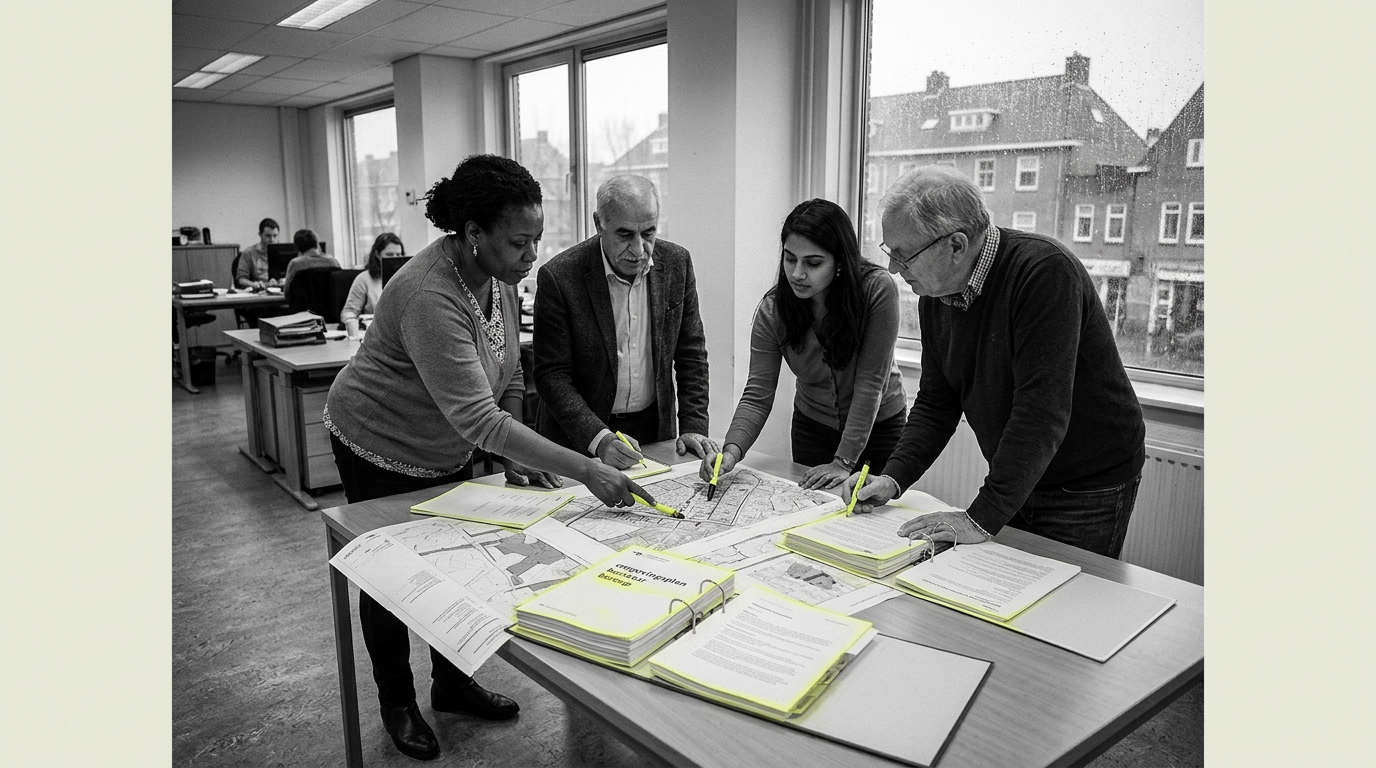
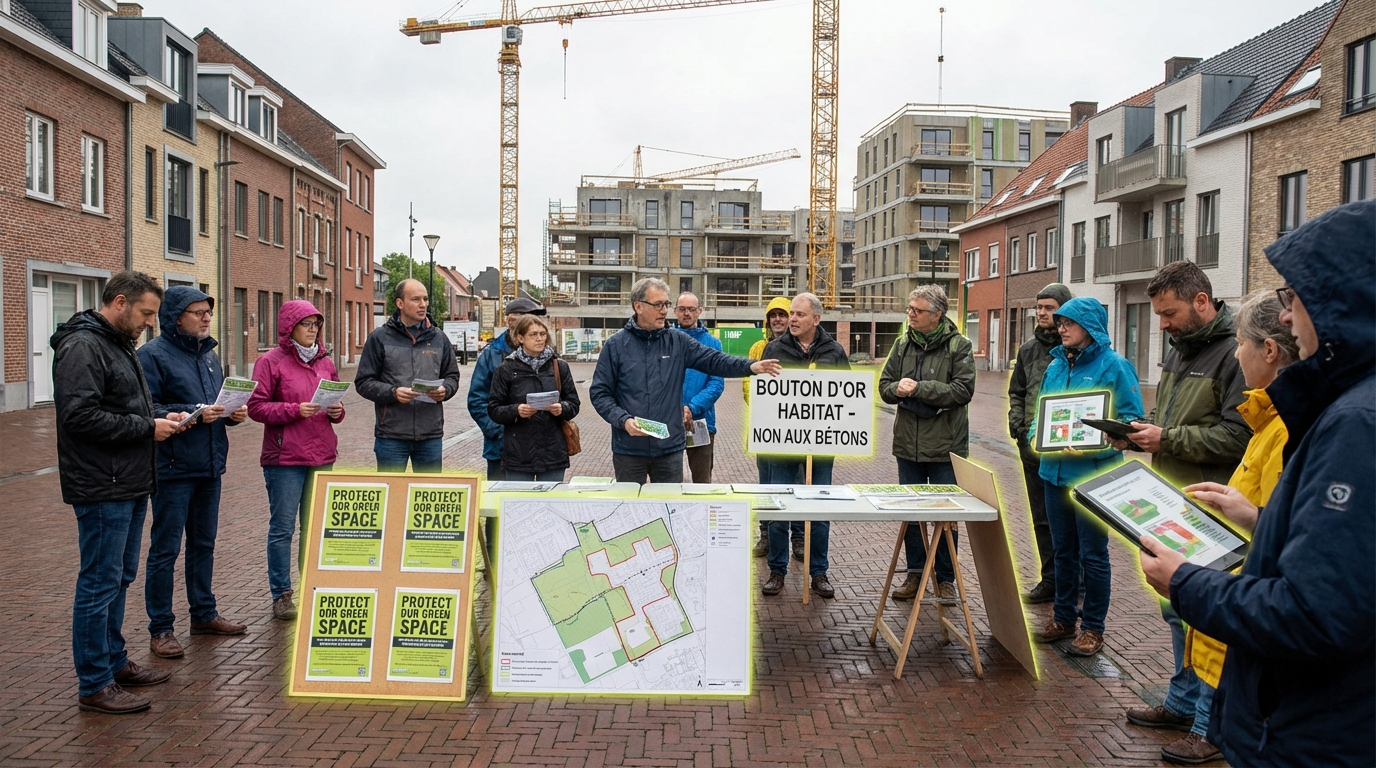
Legal appeal reform emerges as a critical governance signal in response to a growing crisis across the Benelux region: the systematic use of administrative law procedures to obstruct housing development. The core challenge lies in what policymakers increasingly describe as the "weaponization" of legal appeals, where opponents of housing projects—sometimes motivated by legitimate concerns, other times by narrow self-interest or ideological opposition to densification—exploit procedural rights to generate indefinite delays. In the Netherlands, the Raad van State (Council of State) has become a notorious bottleneck, with backlogs stretching years and effectively functioning as a de facto veto on urgently needed housing supply. This pattern points to a fundamental tension in democratic governance: how to preserve meaningful access to justice and environmental safeguards while preventing procedural abuse that paralyzes collective action on housing scarcity. The signal matters because it represents a potential inflection point where societies begin recalibrating the balance between individual procedural rights and urgent collective needs.
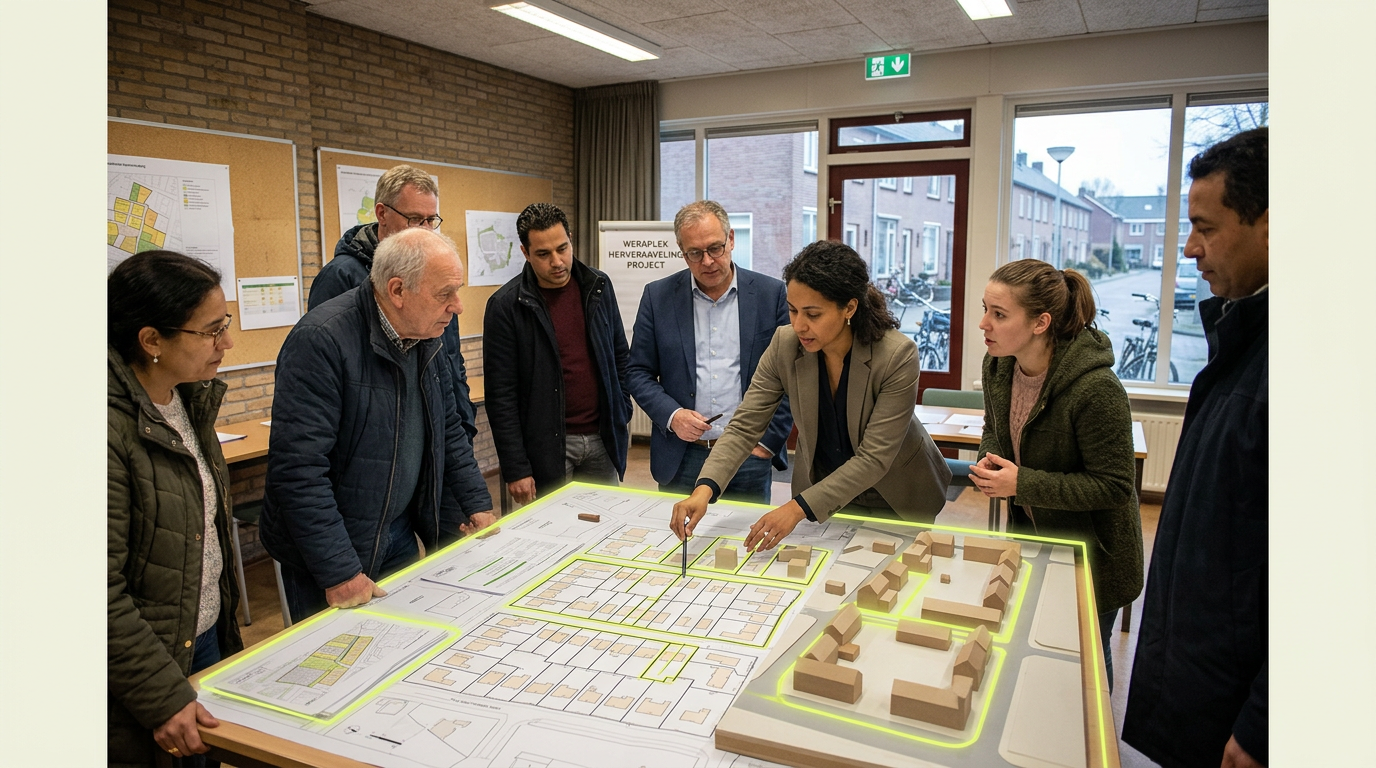
Early reform experiments are taking shape across multiple jurisdictions, though implementation remains uneven and contested. The Netherlands has introduced the relativiteitsvereiste principle, which restricts standing to appeal by requiring that objectors demonstrate direct harm from the specific regulation being challenged, rather than allowing challenges on any procedural irregularity. Parallel efforts include establishing fast-track judicial procedures specifically for housing projects deemed critical to meeting national targets, effectively creating a two-tier administrative law system. Belgium is exploring similar standing restrictions, while also experimenting with mandatory mediation phases before appeals can proceed to formal adjudication. These interventions reflect a broader pattern: governments attempting to thread a narrow needle between maintaining rule of law legitimacy and breaking through governance paralysis. However, evidence remains mixed on effectiveness—some fast-track procedures have successfully reduced timelines by months, while critics argue that rushed processes compromise environmental review quality and community input, potentially storing up legitimacy problems for later stages.
The implications extend well beyond housing delivery timelines to fundamental questions about democratic governance architecture. If successful, these reforms could establish precedent for similar procedural streamlining in other domains where collective action problems collide with individual rights—climate infrastructure, renewable energy installations, or public transit expansion. However, the risk of overcorrection is substantial: overly restrictive standing rules could exclude legitimate environmental concerns or marginalized communities from decision-making processes, undermining both ecological protection and social equity. Monitoring should focus on several key thresholds: whether appeal volumes actually decline or simply shift to different procedural grounds; whether housing project approval timelines measurably improve; and critically, whether environmental and social outcomes deteriorate as procedural safeguards weaken. The emergence of legal challenges to the reforms themselves—arguing they violate constitutional rights or European human rights frameworks—will signal whether this rebalancing proves durable or triggers a new round of institutional contestation.