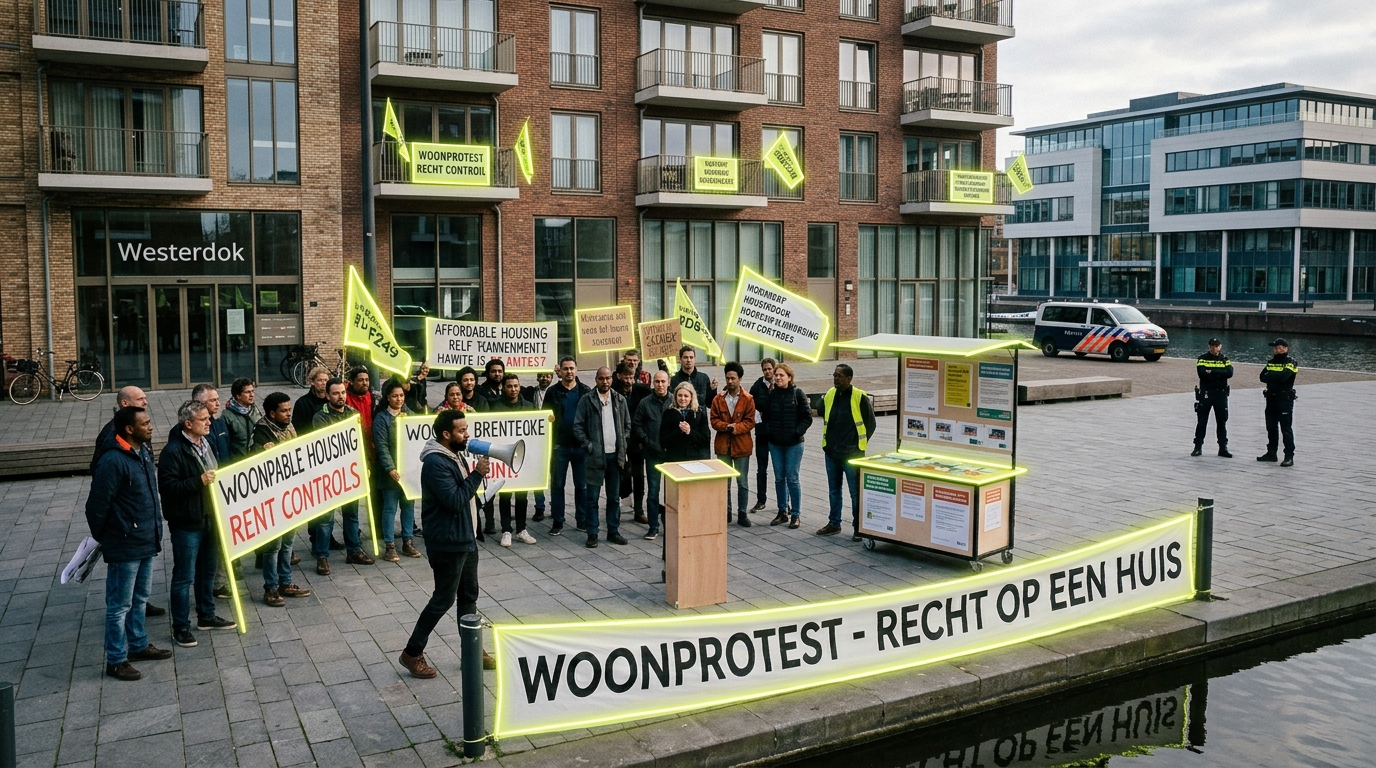
Huurcommissie (Rent Tribunals)
Independent rent tribunals represent a critical governance mechanism for maintaining housing affordability and tenant rights in increasingly strained rental markets. The Huurcommissie in the Netherlands exemplifies this institutional approach: an independent administrative body empowered to adjudicate disputes between tenants and landlords over rent levels, service charges, and property maintenance standards. Unlike court-based systems, these tribunals operate through accessible, low-cost procedures that lower barriers for tenants seeking redress. The signal matters because it points to a fundamental tension in housing policy—how to balance market dynamics with social protection when rental affordability deteriorates. As rental costs outpace income growth across the Benelux region, the question of whether administrative oversight can effectively moderate market pressures without triggering unintended consequences becomes increasingly urgent.
The Dutch model operates through a point-based assessment system (Woningwaarderingsstelsel or WWS) that calculates maximum permissible rents based on objective property characteristics—square metres, amenities, energy efficiency, location factors. Tenants can submit cases directly to the Huurcommissie if they believe their rent exceeds the calculated maximum, and the tribunal issues binding rulings that landlords must follow. Recent policy expansions, particularly the Wet Betaalbare Huur (Affordable Rent Act), extend rent regulation into the mid-market segment, bringing properties previously outside the tribunal's jurisdiction under oversight. Early evidence suggests this expansion significantly increases caseloads—some Dutch municipalities report waiting times extending several months as tribunals struggle with capacity constraints. Meanwhile, industry observers note that some landlords respond by converting rental properties to owner-occupied sales or shifting investment to unregulated luxury segments, potentially reducing overall rental supply in regulated categories. The pattern suggests that administrative rent control, while protecting existing tenants, may create market distortions that complicate housing availability.
The implications extend beyond individual dispute resolution to broader questions about institutional capacity and market behaviour. For housing authorities, the signal highlights the need to scale administrative infrastructure proportionally to regulatory ambition—tribunals require adequate staffing, technical expertise, and enforcement mechanisms to function effectively. For investors and developers, the expansion of rent oversight creates uncertainty about returns in the regulated segment, potentially influencing where new rental housing gets built and at what price points. Monitoring priorities should include tribunal caseload trends, average processing times, compliance rates with rulings, and longitudinal data on rental housing stock in regulated versus unregulated categories. The critical threshold to watch is whether administrative capacity can keep pace with expanded jurisdiction without creating backlogs that undermine the system's legitimacy, and whether landlord exit rates accelerate to levels that offset the affordability gains tribunals provide.