Co-Housing Models
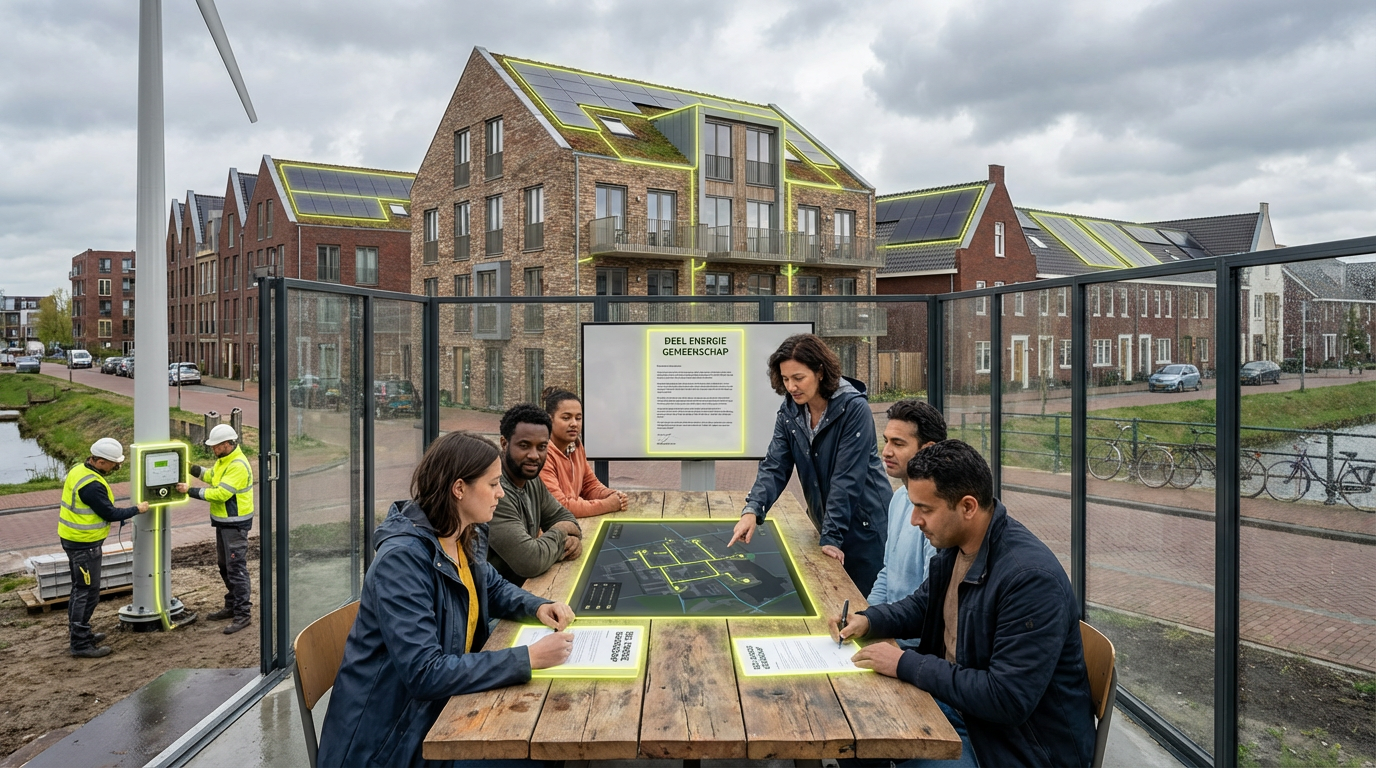
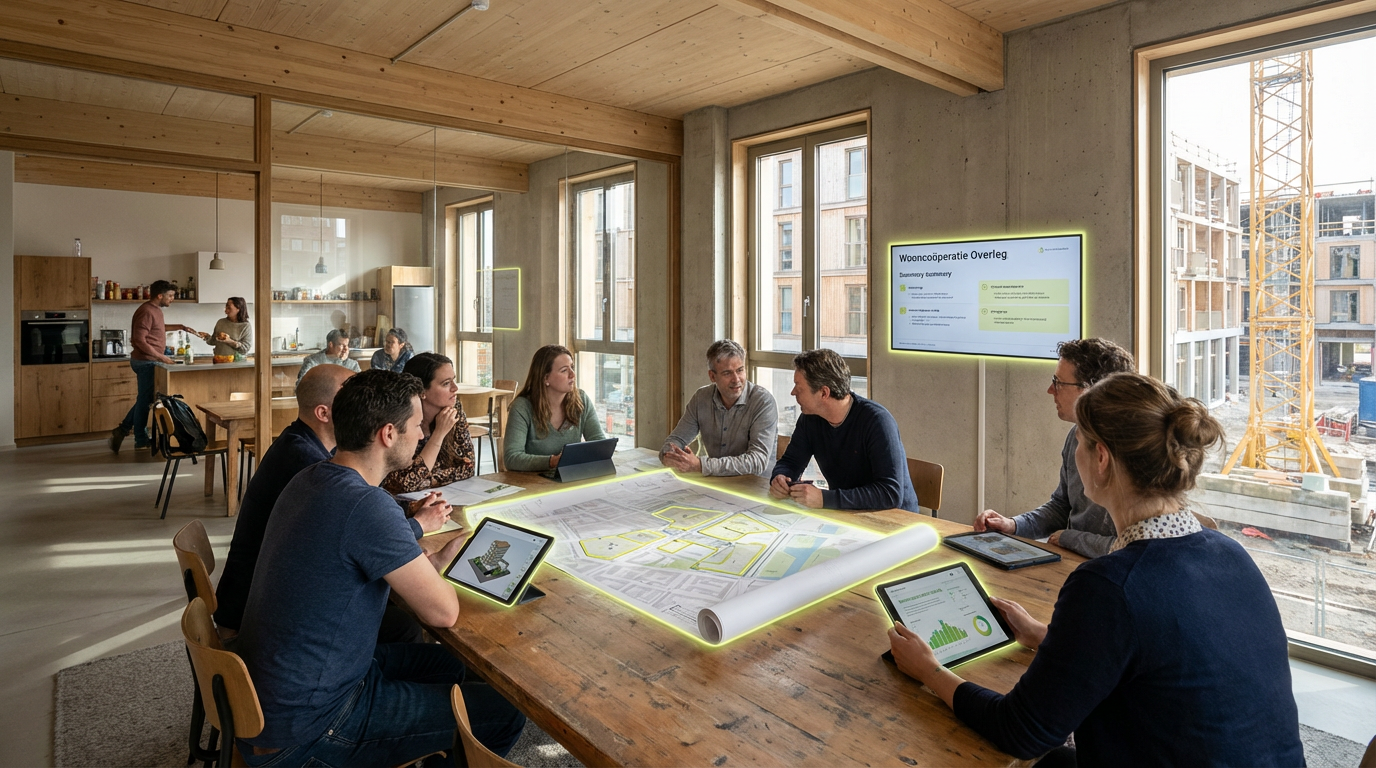
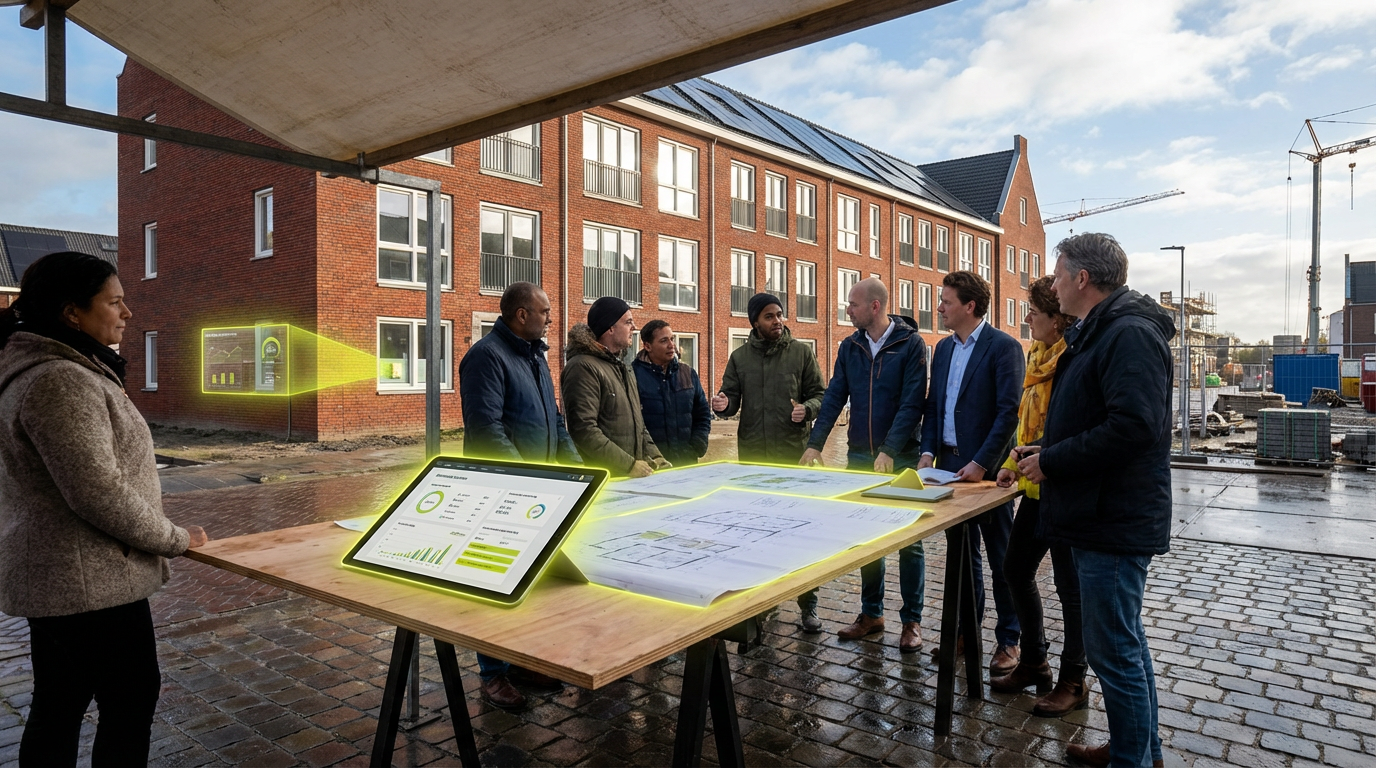
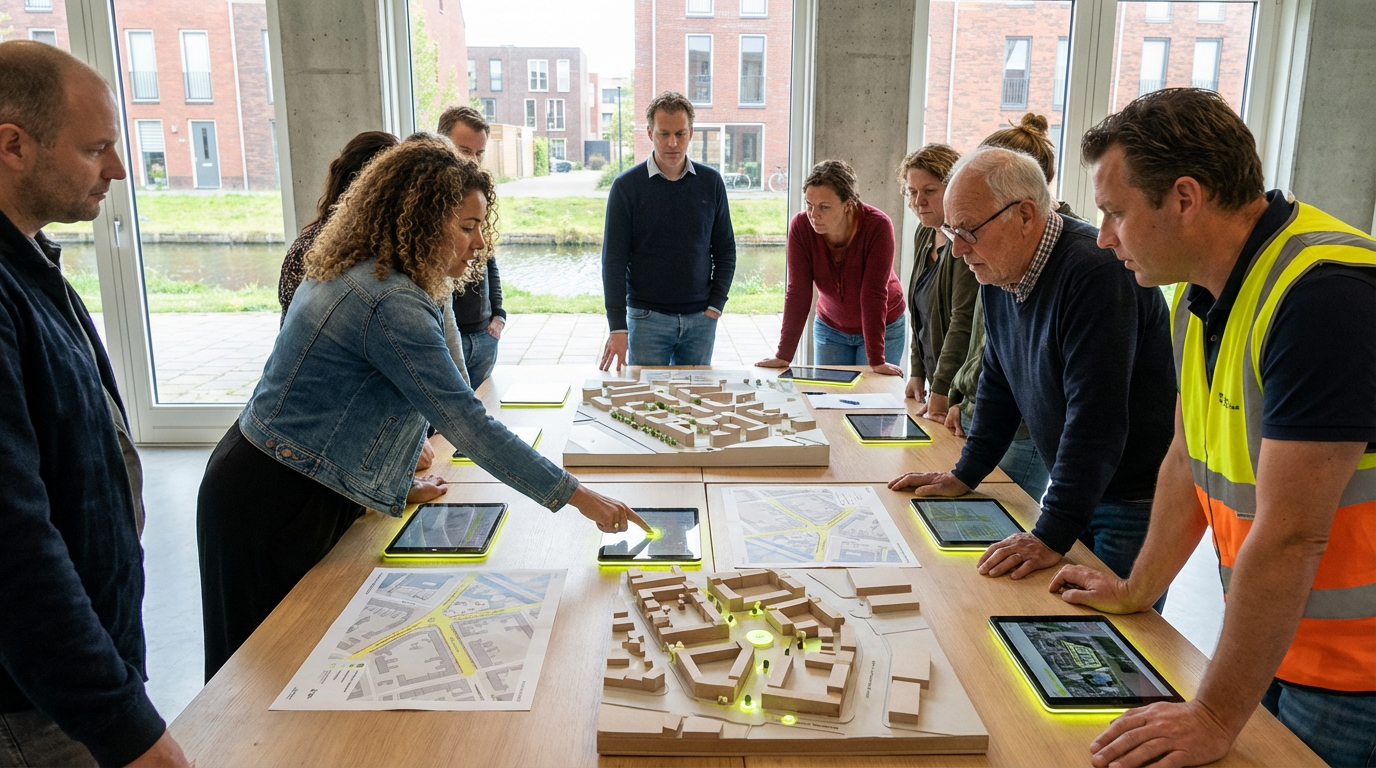
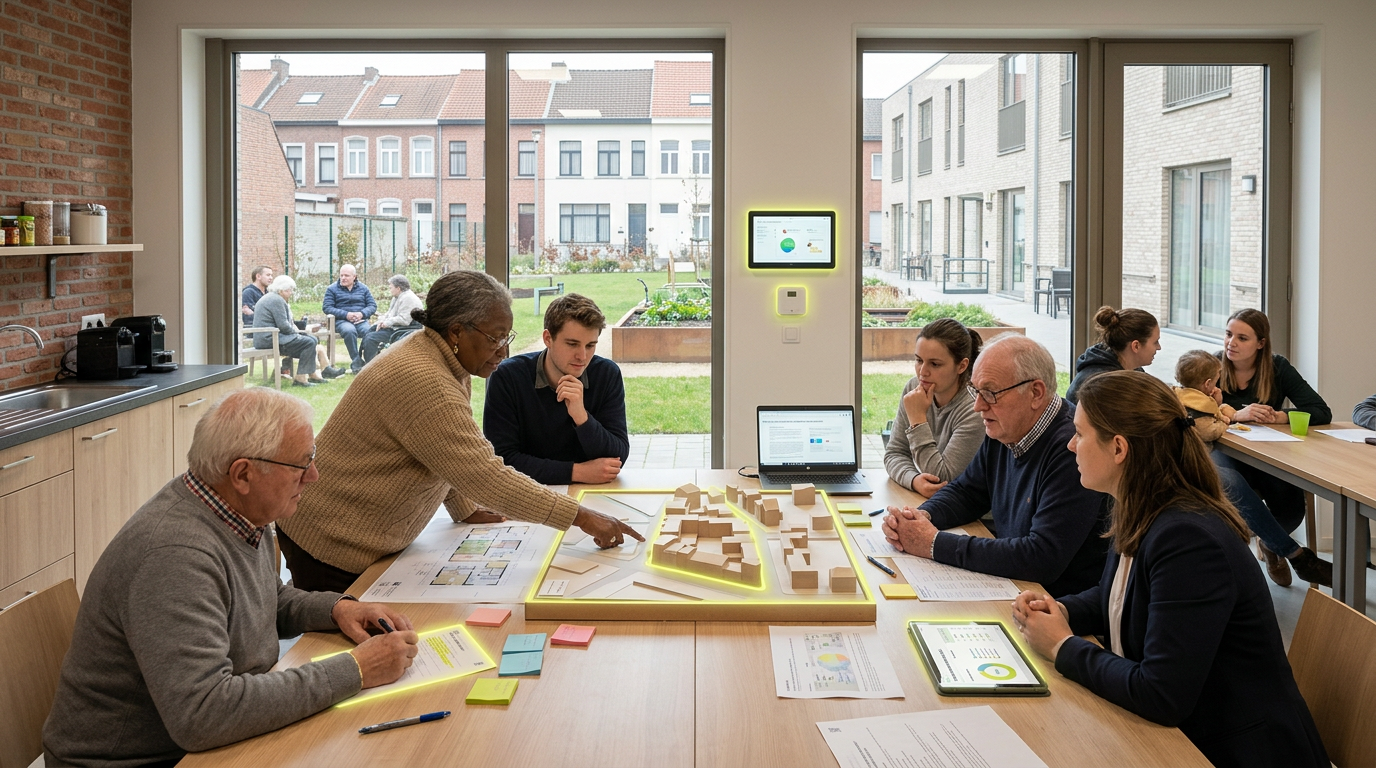
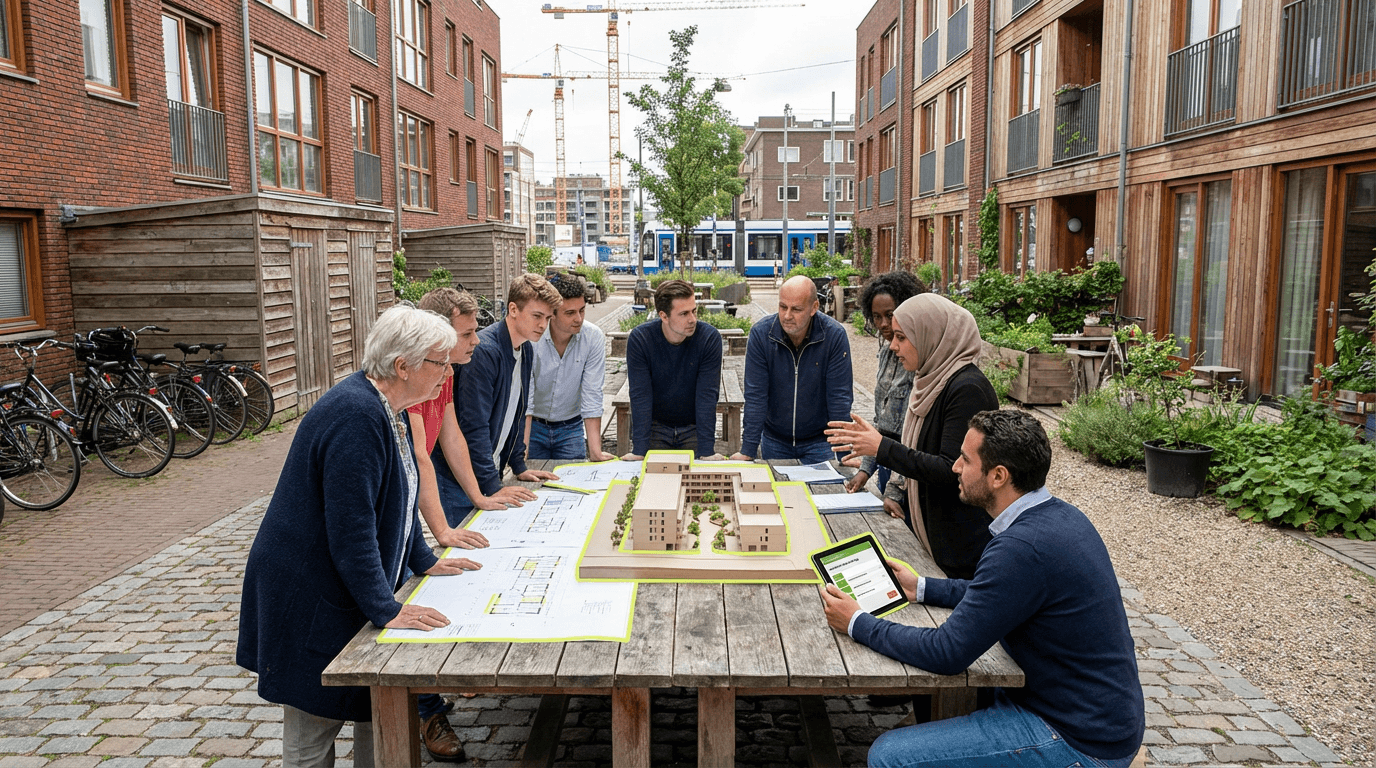
Co-housing models represent a deliberate shift away from conventional residential development toward intentional communities where private dwellings coexist with substantial shared amenities—communal kitchens, workshops, gardens, laundry facilities, and gathering spaces. This approach addresses multiple pressures simultaneously: rising land costs that make traditional single-family homes unaffordable, social isolation in urban environments, and growing demand for sustainable living arrangements that reduce per-capita resource consumption. Unlike standard apartment complexes or housing cooperatives, co-housing emphasizes participatory design and governance, with future residents typically involved from early planning stages through construction and into ongoing community management. This deep involvement builds both practical acceptance of shared-resource models and social cohesion that can sustain communities through demographic shifts and economic cycles.
The Benelux region shows particularly mature adoption patterns, with the Netherlands hosting numerous ecodorp initiatives that integrate ecological design principles with communal living, while Belgium has developed a robust legal and financial framework supporting co-housing projects in both Flemish and Walloon regions. Evidence suggests these models attract diverse demographics—young families seeking affordable entry points into housing markets, older adults pursuing aging-in-community alternatives to institutional care, and environmentally-conscious households prioritizing reduced ecological footprints. Early projects often struggled with financing, as traditional mortgage structures poorly accommodate shared ownership models, but specialized lending products and municipal support programs have emerged in response. Community dynamics present ongoing challenges: research indicates that successful co-housing requires explicit governance structures, conflict resolution mechanisms, and realistic expectations about the labor involved in collective decision-making. Projects that underestimate these social infrastructure needs often experience higher turnover or revert toward more conventional management models.
The implications extend beyond individual communities to broader housing policy questions. Co-housing demonstrates that resident participation in design and management can generate acceptance for higher-density development, shared amenities, and mixed-use neighborhoods that might otherwise face local opposition. For municipalities facing housing shortages, these models offer pathways to increase residential capacity while building social infrastructure that supports aging populations and climate adaptation goals. However, scaling remains uncertain: most existing projects serve 20-50 households, and replicating their intensive participatory processes across larger developments or faster timelines presents unresolved challenges. Key monitoring points include whether streamlined approval processes emerge, how second-generation residents (those buying into established communities rather than founding them) experience governance structures, and whether co-housing principles influence mainstream development practices or remain a niche alternative. The financial resilience of these communities during economic downturns also warrants attention, as shared costs and collective decision-making may create both buffers and vulnerabilities distinct from conventional housing.