Envisioning is an emerging technology research institute and advisory.

LinkedInInstagramGitHub

2011 — 2026

research
  • Reports
  • Newsletter
  • Methodology
  • Origins
  • My Collection
services
  • Research Sessions
  • Signals Workspace
  • Bespoke Projects
  • Use Cases
  • Signal Scanfree
  • Readinessfree
impact
  • ANBIMAFuture of Brazilian Capital Markets
  • IEEECharting the Energy Transition
  • Horizon 2045Future of Human and Planetary Security
  • WKOTechnology Scanning for Austria
audiences
  • Innovation
  • Strategy
  • Consultants
  • Foresight
  • Associations
  • Governments
resources
  • Pricing
  • Partners
  • How We Work
  • Data Visualization
  • Multi-Model Method
  • FAQ
  • Security & Privacy
about
  • Manifesto
  • Community
  • Events
  • Support
  • Contact
  • Login
ResearchServicesPricingPartnersAbout
  1. Home
  2. Research
  3. Wonen
  4. Bouwvakker Tekort (Construction Labor Shortage)

Bouwvakker Tekort (Construction Labor Shortage)

Severe shortage of skilled construction workers limiting development capacity regardless of permits or financing availability.
Back to WonenView interactive version

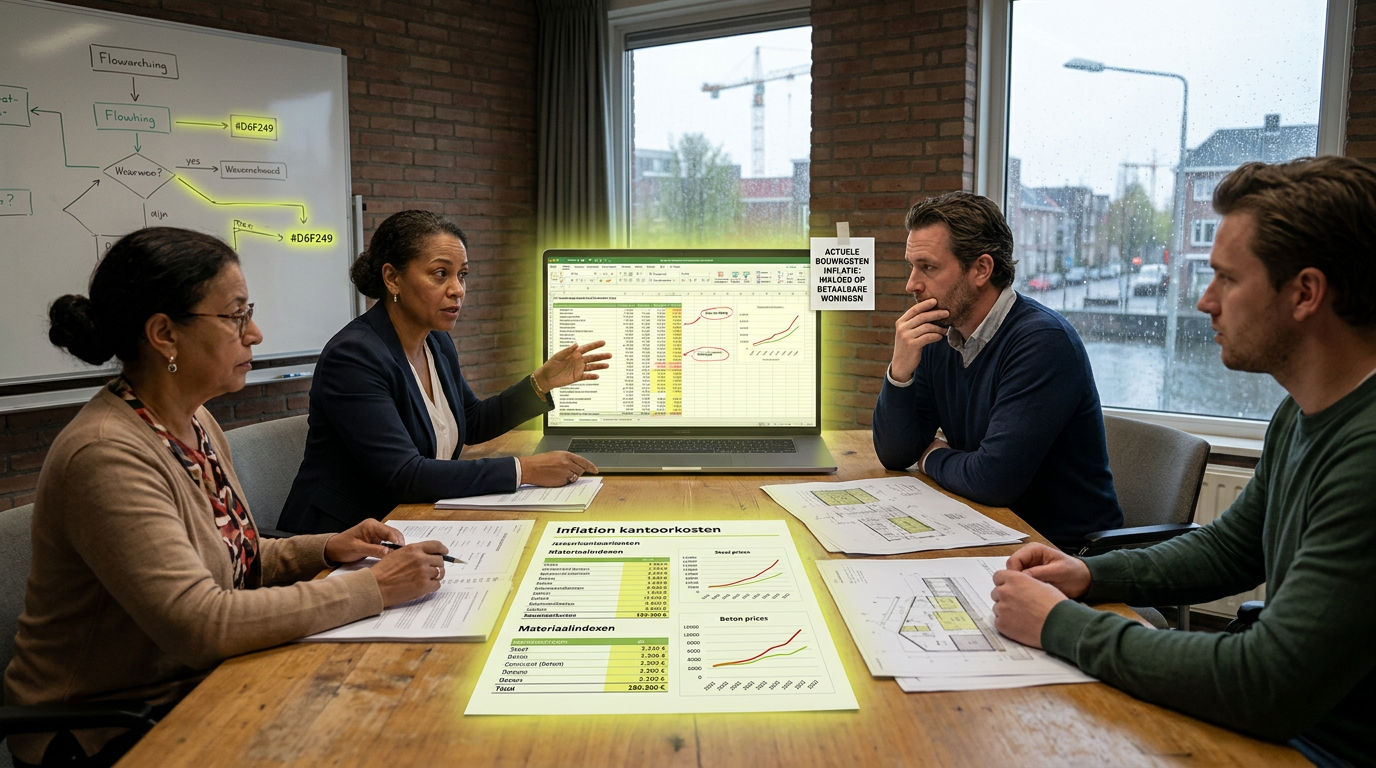
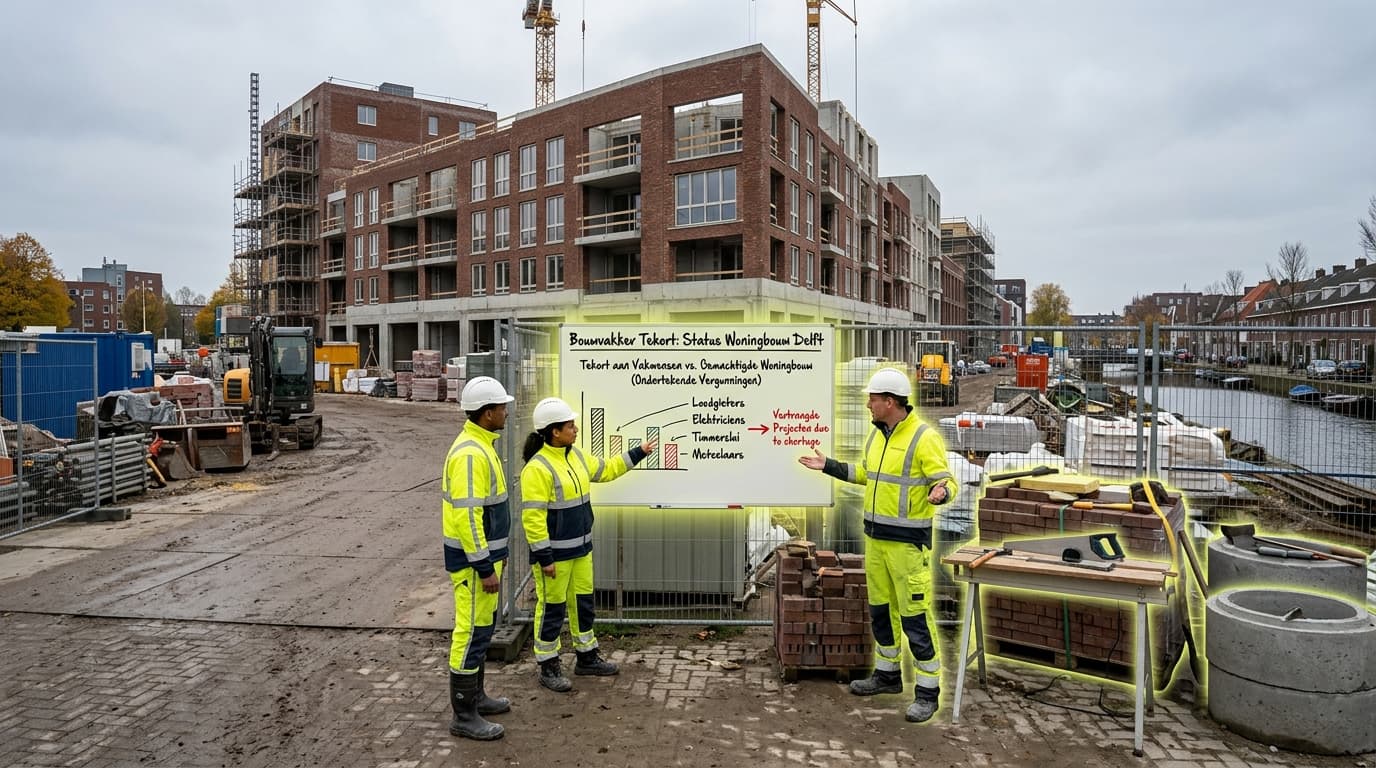
The construction labor shortage in the Benelux region represents a fundamental supply-side constraint that threatens to undermine housing development ambitions regardless of policy reforms or financial incentives. Unlike regulatory barriers or financing gaps—which can theoretically be addressed through legislative action or market mechanisms—the shortage of skilled construction workers (bouwvakker tekort) creates a hard ceiling on development capacity. Estimates suggest over 30,000 unfilled positions in the Netherlands alone, with similar proportional shortages across Belgium and Luxembourg. This gap means that even when permits are streamlined and capital is available, projects face delays or cancellation simply because there aren't enough workers to execute them. The shortage is particularly acute in affordable housing development, where tight margins cannot support the premium wages needed to attract scarce labor, creating a vicious cycle where the most socially necessary housing becomes the least economically viable to build.

Multiple structural factors drive this shortage, pointing to a long-term demographic and educational transition rather than a temporary market imbalance. The construction workforce is aging rapidly, with insufficient younger workers entering the trades to replace retiring professionals. Vocational training enrollment has declined as educational systems and cultural attitudes have increasingly emphasized university pathways over skilled trades, despite construction offering competitive wages and job security. Meanwhile, construction competes for workers with other sectors—logistics, manufacturing, infrastructure maintenance—that often offer more predictable schedules and less physically demanding conditions. Immigration policies, which could theoretically supplement domestic labor supply, remain politically contentious and administratively complex, limiting their effectiveness as a short-term solution. Early experiments with cross-border labor mobility within the Benelux have shown promise but face regulatory friction around credential recognition and social security coordination.

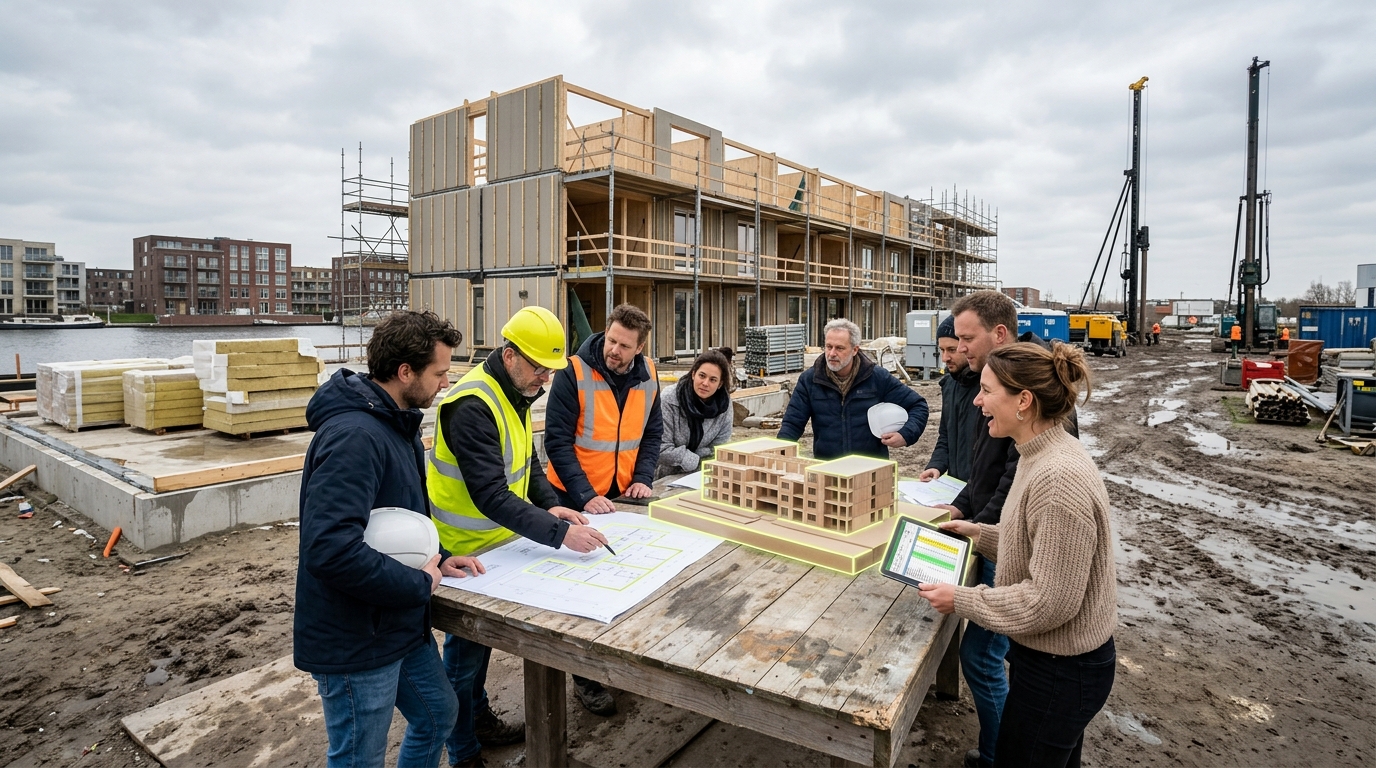
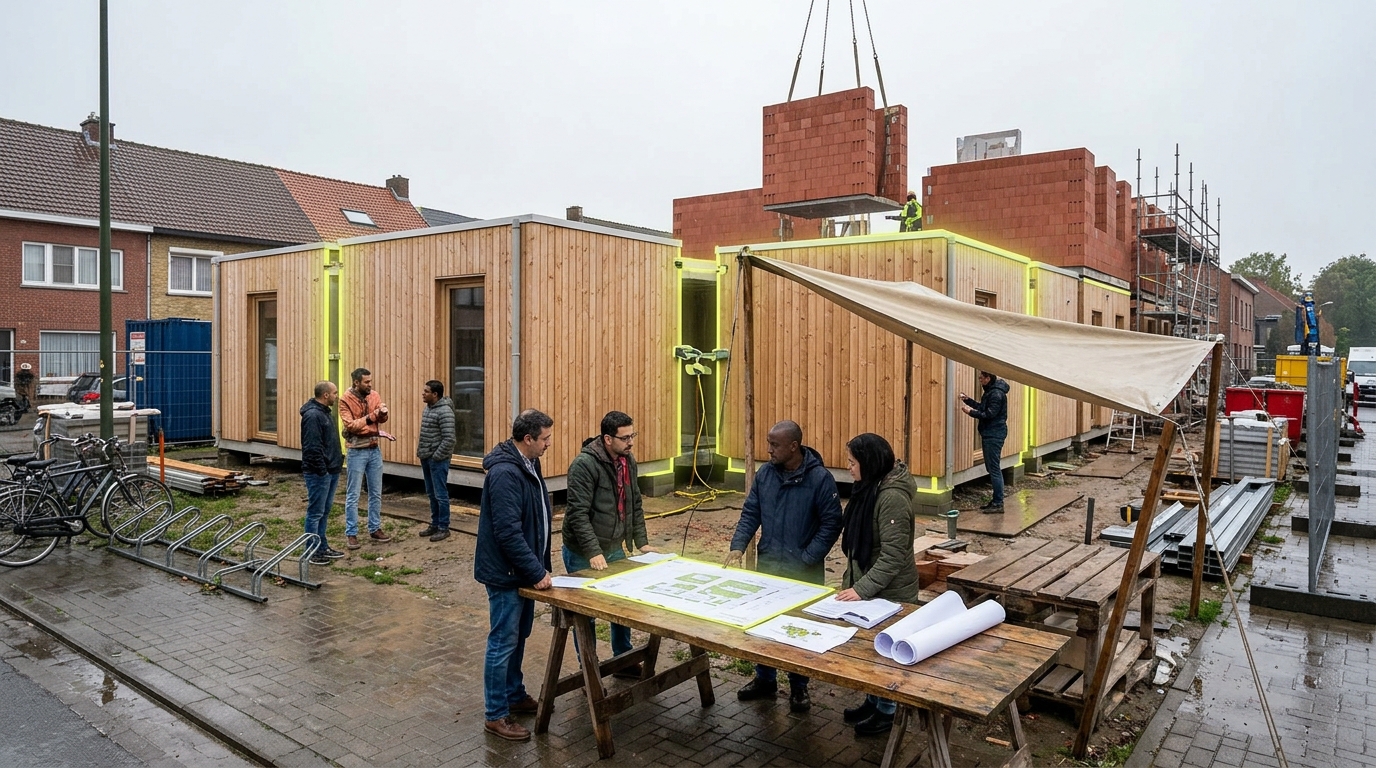
The implications extend beyond simple project delays to fundamental questions about housing delivery models and industrial transformation. If labor scarcity persists, it may accelerate adoption of industrialized construction methods—prefabrication, modular building, and increased automation—that reduce on-site labor intensity. Some developers report that modular approaches can cut on-site labor requirements by 30-50%, though these methods require different skills and upfront capital investment. Monitoring should focus on vocational training enrollment trends, wage inflation in construction trades relative to other sectors, and the rate at which industrialized construction methods gain market share. Policy responses worth tracking include immigration pathway reforms, apprenticeship incentive programs, and whether governments begin treating construction labor development as critical infrastructure requiring direct public investment in training capacity.

Regulatory Complexity
3/5Complex
Community Acceptance
3/5Neutral
Social Value Generation
3/5Moderate Social Value
Category
Barriers & Opposition

Related Organizations

Volandis logo
Volandis

Netherlands · Nonprofit

95%

Knowledge and advice center for sustainable employability in the construction and infrastructure sector.

Researcher
Bouwmensen logo
Bouwmensen

Netherlands · Consortium

90%

A cooperative of construction training companies across the Netherlands.

Deployer
Randstad logo
Randstad

Netherlands · Company

90%

Global leader in the HR services industry.

Deployer
Techniek Nederland logo
Techniek Nederland

Netherlands · Consortium

90%

The business association of technical service providers, installation companies, and the technical retail trade.

Standards Body
Daiwa House Modular Europe logo
Daiwa House Modular Europe

Netherlands · Company

85%

One of the largest modular builders in Europe (formerly Jan Snel), specializing in industrialized housing production.

Deployer
Factory Zero logo

Factory Zero

Netherlands · Startup

85%

A smart building factory producing net-zero energy modules.

Developer
UWV (Uitvoeringsinstituut Werknemersverzekeringen) logo
UWV (Uitvoeringsinstituut Werknemersverzekeringen)

Netherlands · Government Agency

85%

The Dutch Employee Insurance Agency.

Researcher
VDAB logo
VDAB

Belgium · Government Agency

85%

The public employment service of Flanders, Belgium.

Deployer

Bouwspoor

Netherlands · Consortium

80%

A collaborative initiative in the Utrecht region to guide job seekers into construction.

Deployer
De Meeuw logo
De Meeuw

Netherlands · Company

80%

A major Dutch manufacturer of flexible and modular building systems for housing and healthcare.

Deployer

Supporting Evidence

Evidence data is not available for this technology yet.

Connections

Governance & Permitting
Municipal Permitting Capacity (Planner Shortages)

A silent bottleneck: staffing and expertise constraints inside municipalities that turn ‘streamlined rules’ into backlogs and long lead times.

Regulatory Complexity
3/5
Community Acceptance
3/5
Social Value Generation
3/5
Barriers & Opposition
Construction Cost Inflation

Post-pandemic material and labor cost increases making previously viable housing projects uneconomical, particularly affecting affordable housing.

Regulatory Complexity
3/5
Community Acceptance
2/5
Social Value Generation
2/5
Barriers & Opposition
Stikstof (Nitrogen) Crisis Impacts

Regulatory deadlock caused by EU nitrogen emission limits, halting construction projects near protected nature areas in NL and Flanders.

Regulatory Complexity
5/5
Community Acceptance
2/5
Social Value Generation
2/5
Development Models
Zelfbouw / Collectief Particulier Opdrachtgeverschap

Self-build plots and collective private commissioning models enabling individuals and groups to develop their own housing.

Regulatory Complexity
3/5
Community Acceptance
5/5
Social Value Generation
4/5
Innovation & Solutions
Flexwoningen (Flex Housing)

Factory-built relocatable housing units with 15-30 year lifespans, enabling rapid deployment on temporary sites to address acute shortages.

Regulatory Complexity
2/5
Community Acceptance
3/5
Social Value Generation
4/5
Governance & Permitting
Middenhuur (Mid-Rent Segment)

Policy focus on the 'missing middle' rental segment between social housing and free market, addressing middle-income housing needs.

Regulatory Complexity
3/5
Community Acceptance
4/5
Social Value Generation
4/5

Book a research session

Bring this signal into a focused decision sprint with analyst-led framing and synthesis.
Research Sessions