Technologies
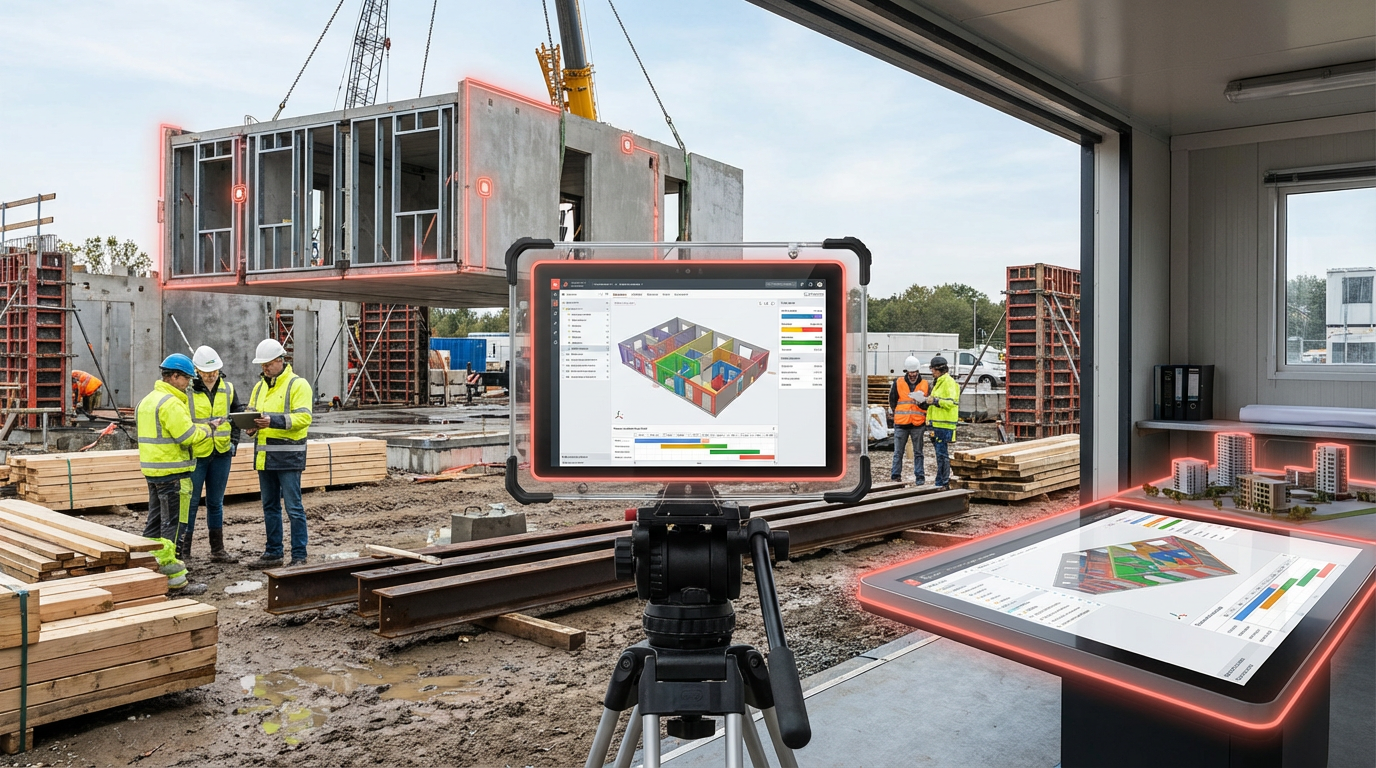
Linking BIM to time (4D) and cost (5D) for scenario planning and real-time project controls.
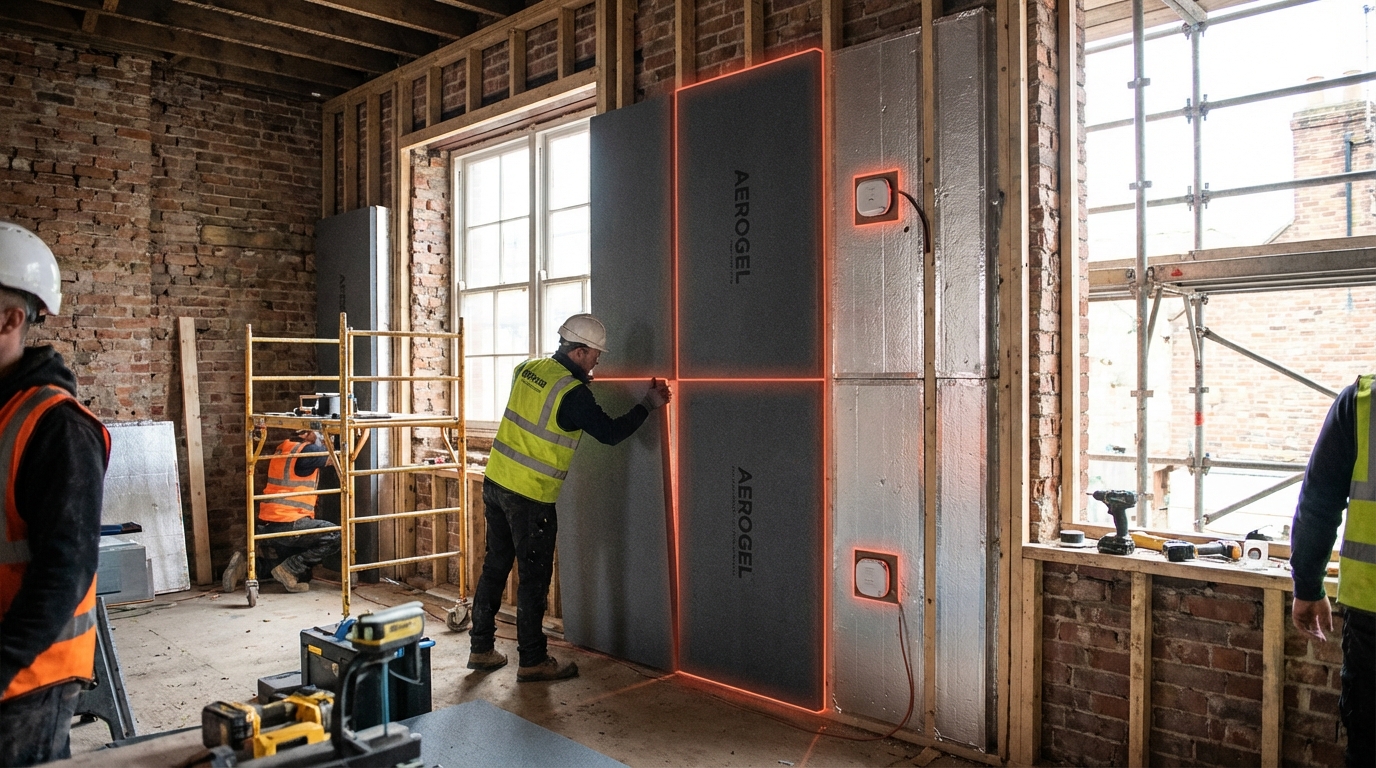
Ultra-high-performance insulation for space-constrained retrofits and extreme climates.
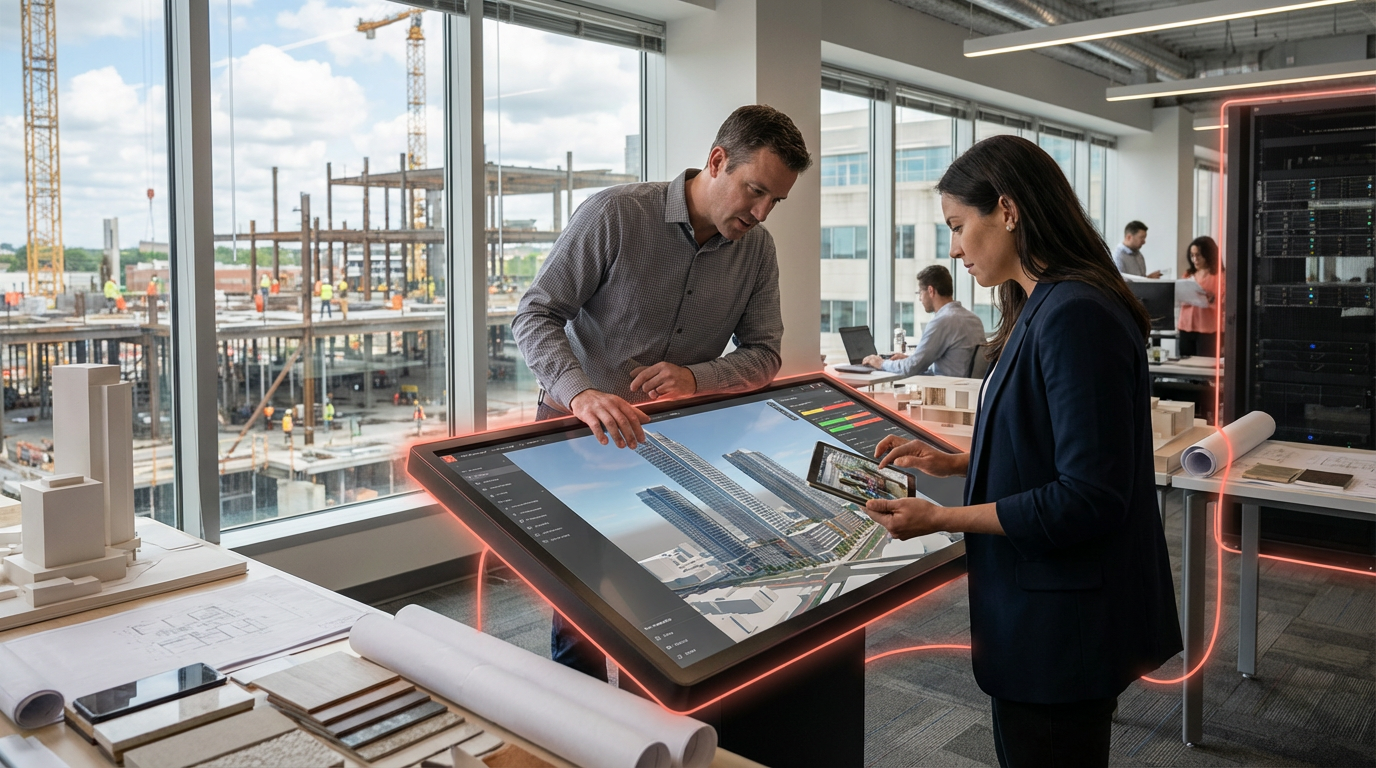
Predictive analytics that forecast delay and cost risk using schedules, RFIs, submittals, and field signals.
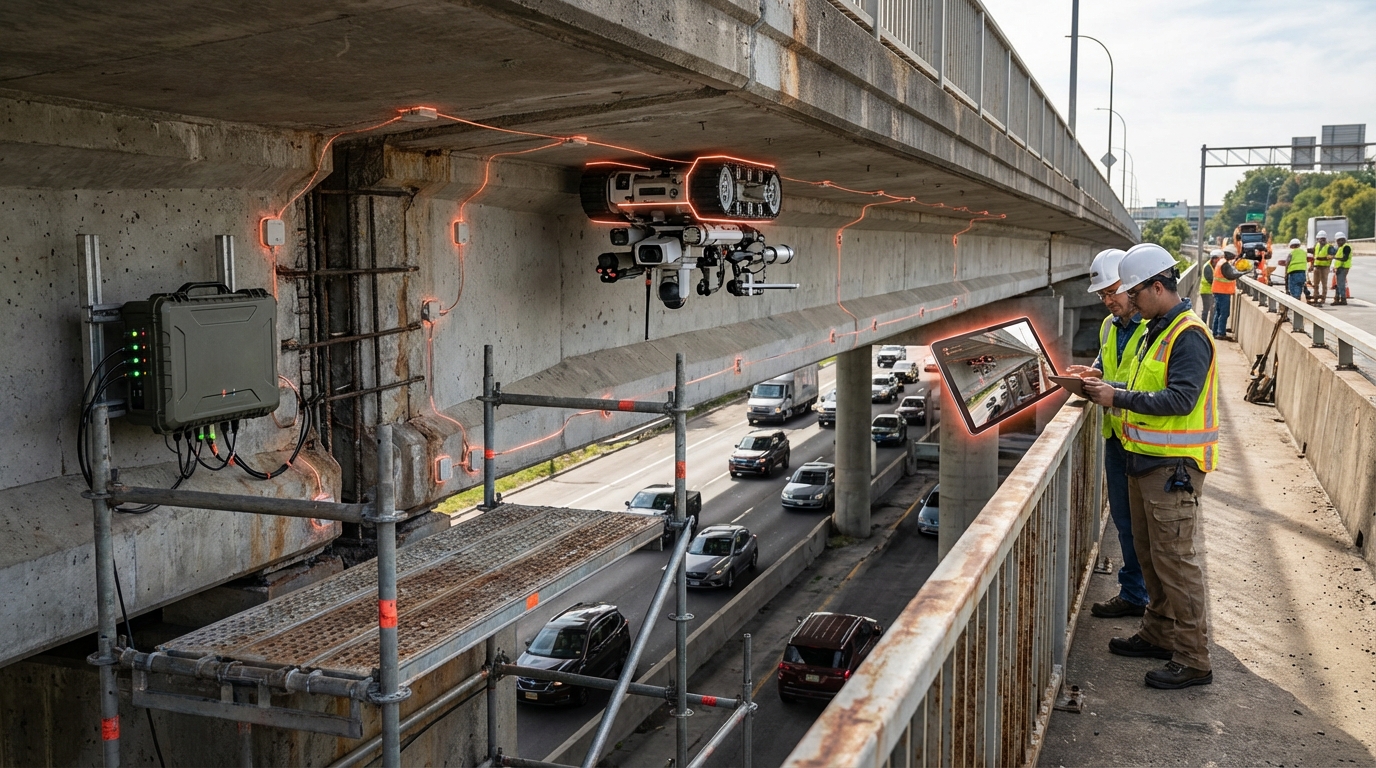
Predictive maintenance and lifecycle optimization for bridges, roads, and utilities.
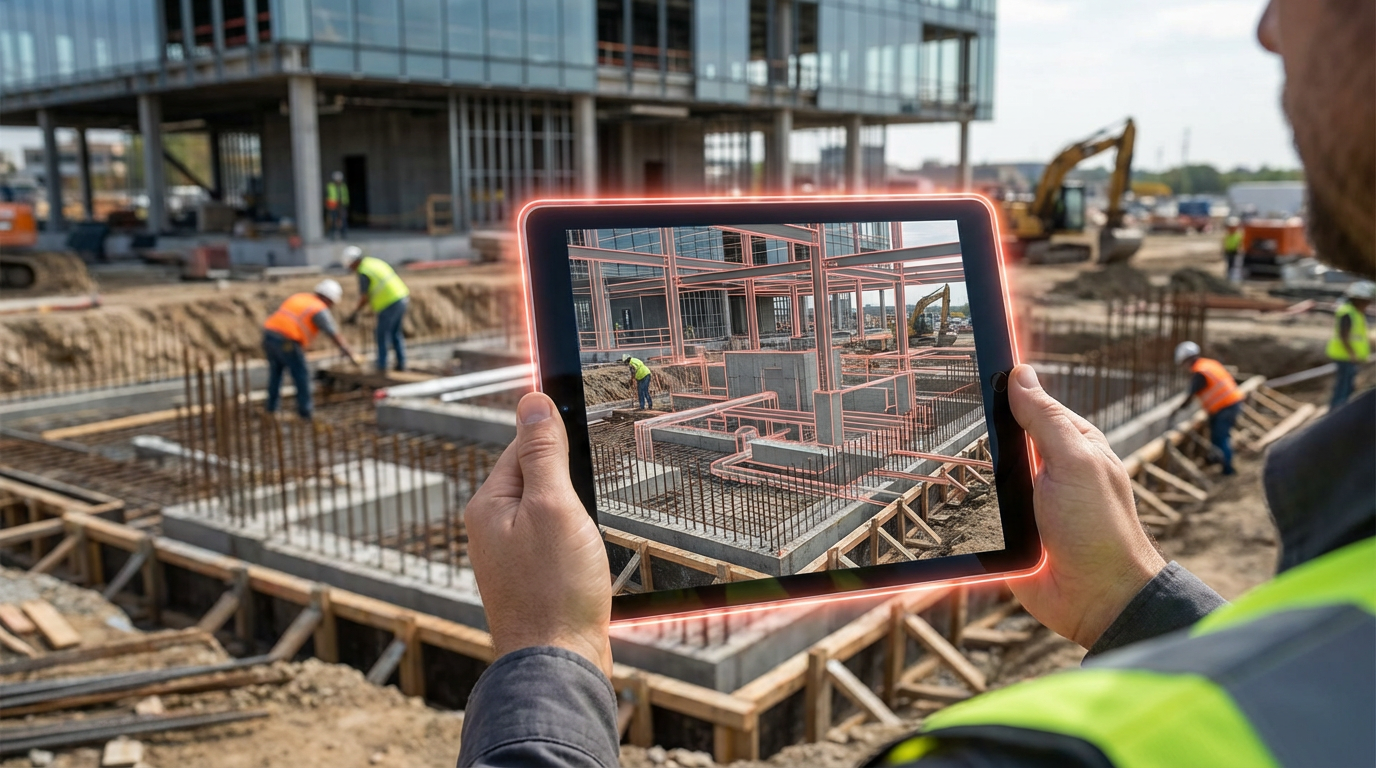
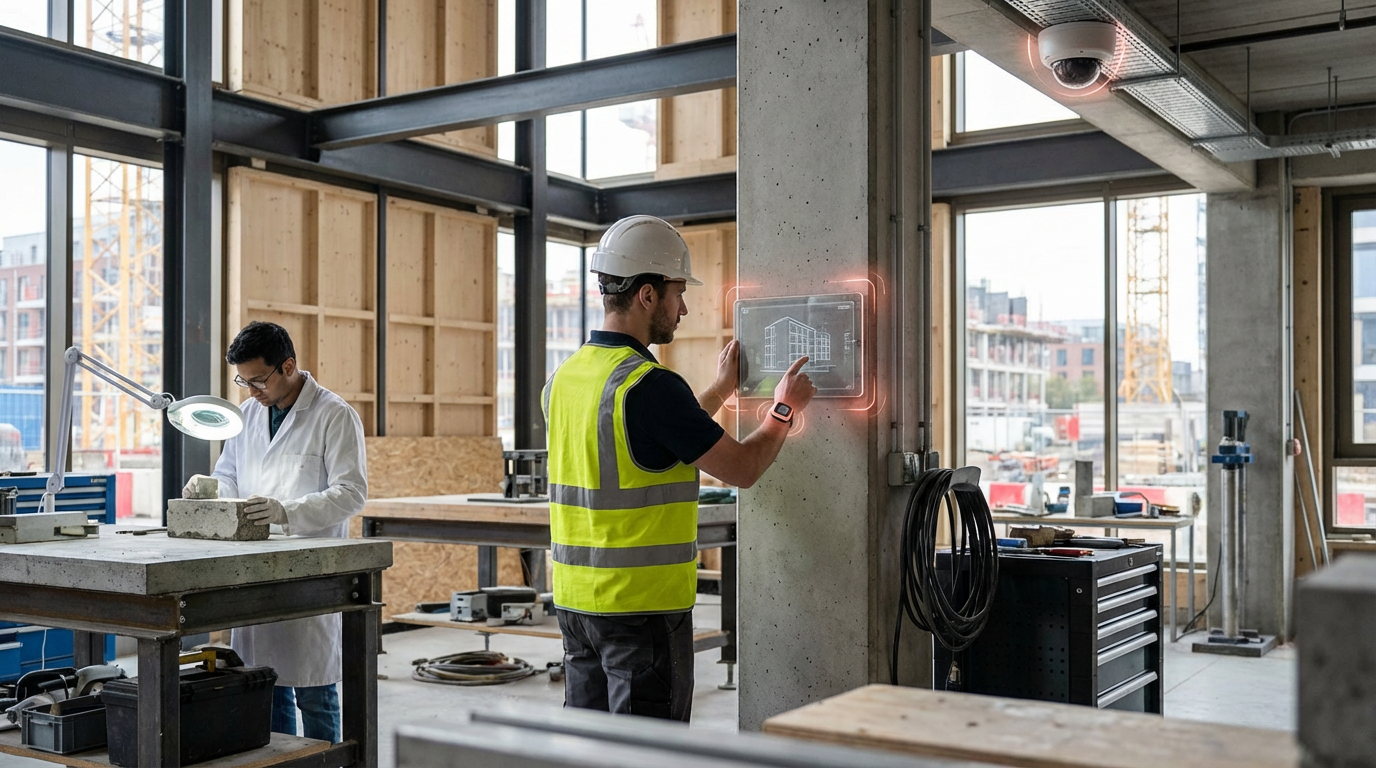
Overlays of BIM models onto the physical construction site.
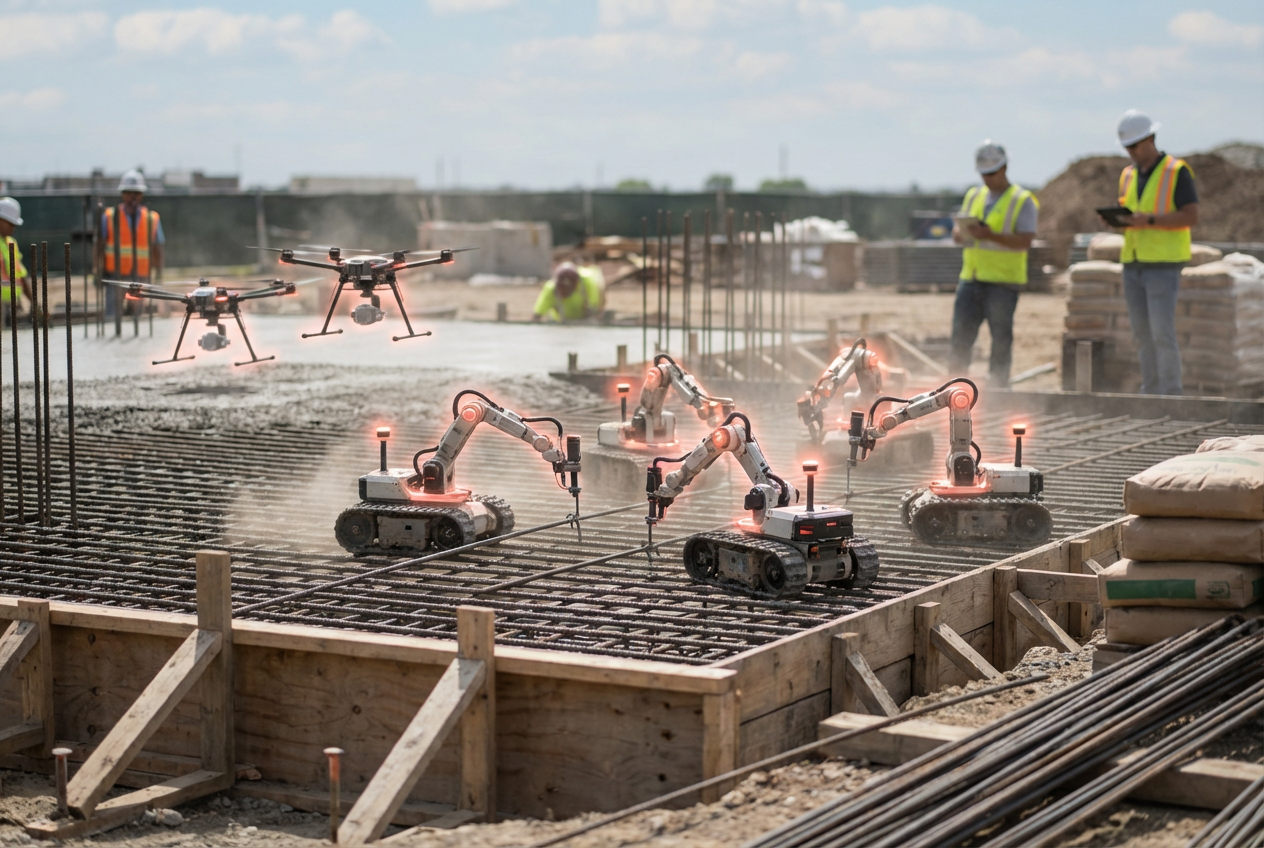
Coordinated groups of small robots performing collaborative construction tasks.
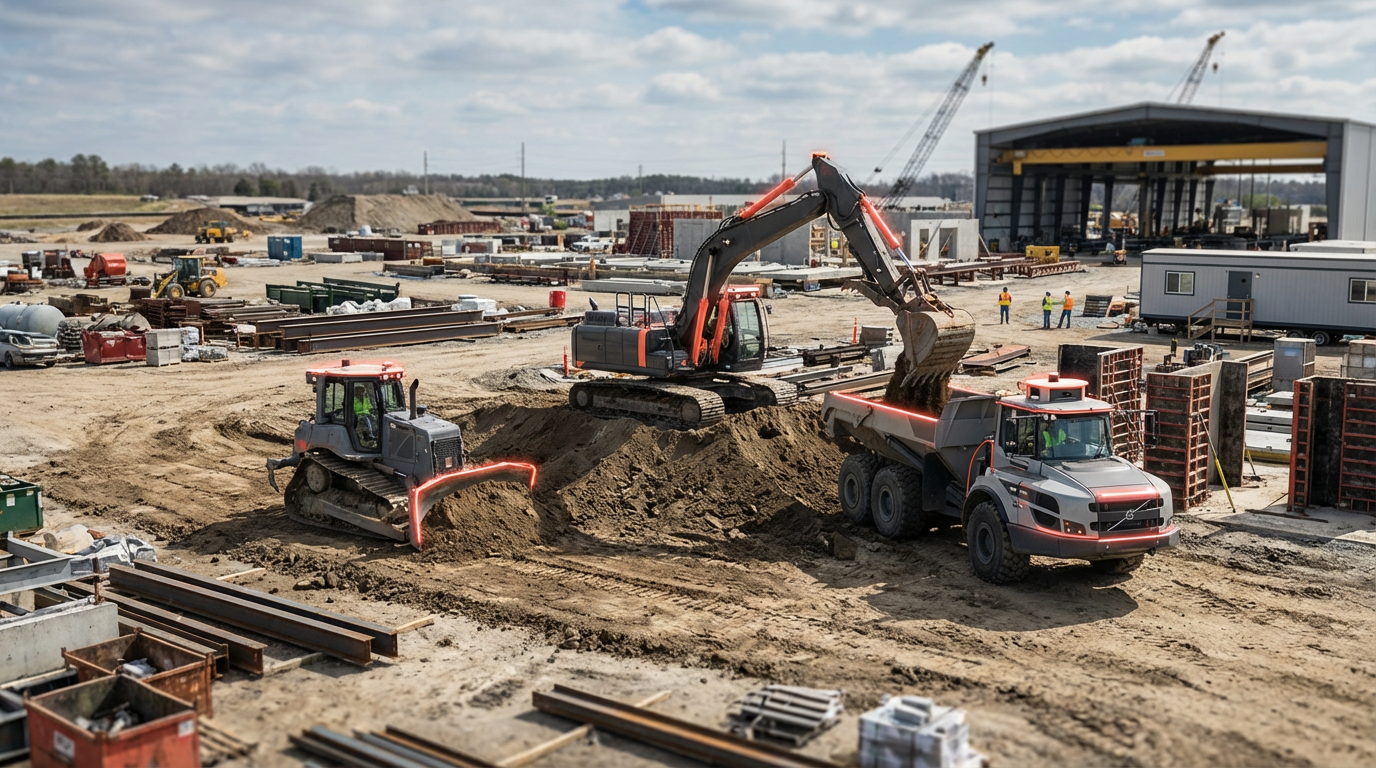
Self-driving excavators, dozers, and haul trucks guided by GNSS, LiDAR, and geofencing.
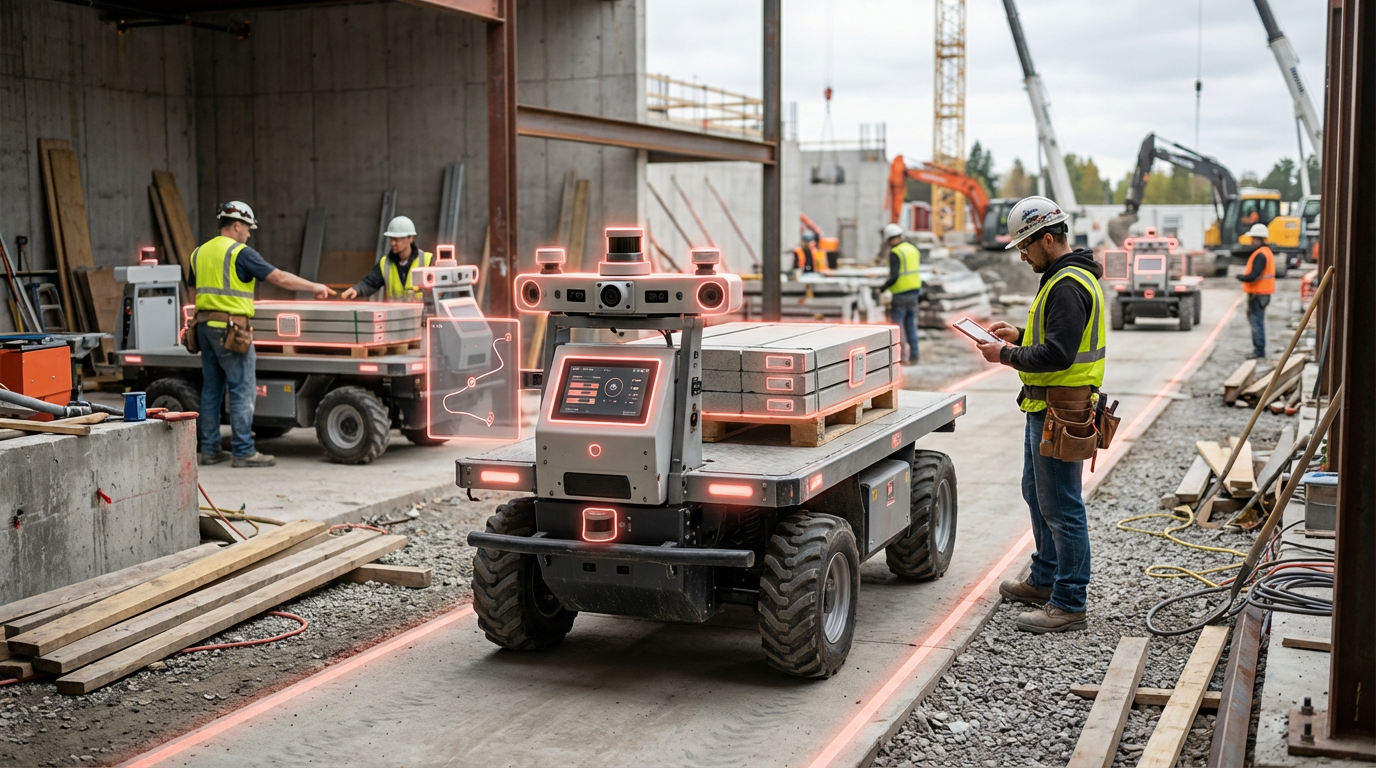
Material tracking, geofenced delivery routing, and robotic movers that reduce idle time and congestion.
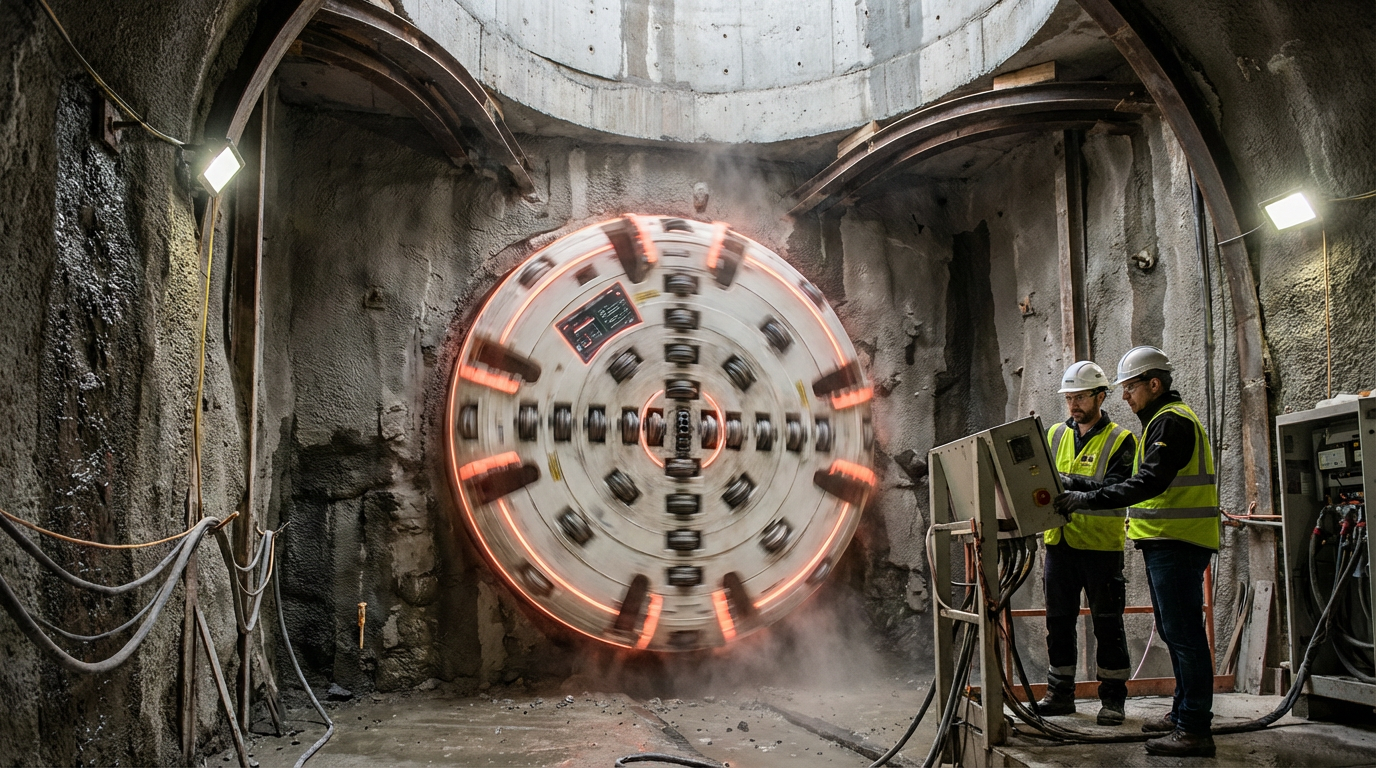
AI-guided TBMs and micro-tunneling rigs for safer, faster underground infrastructure.
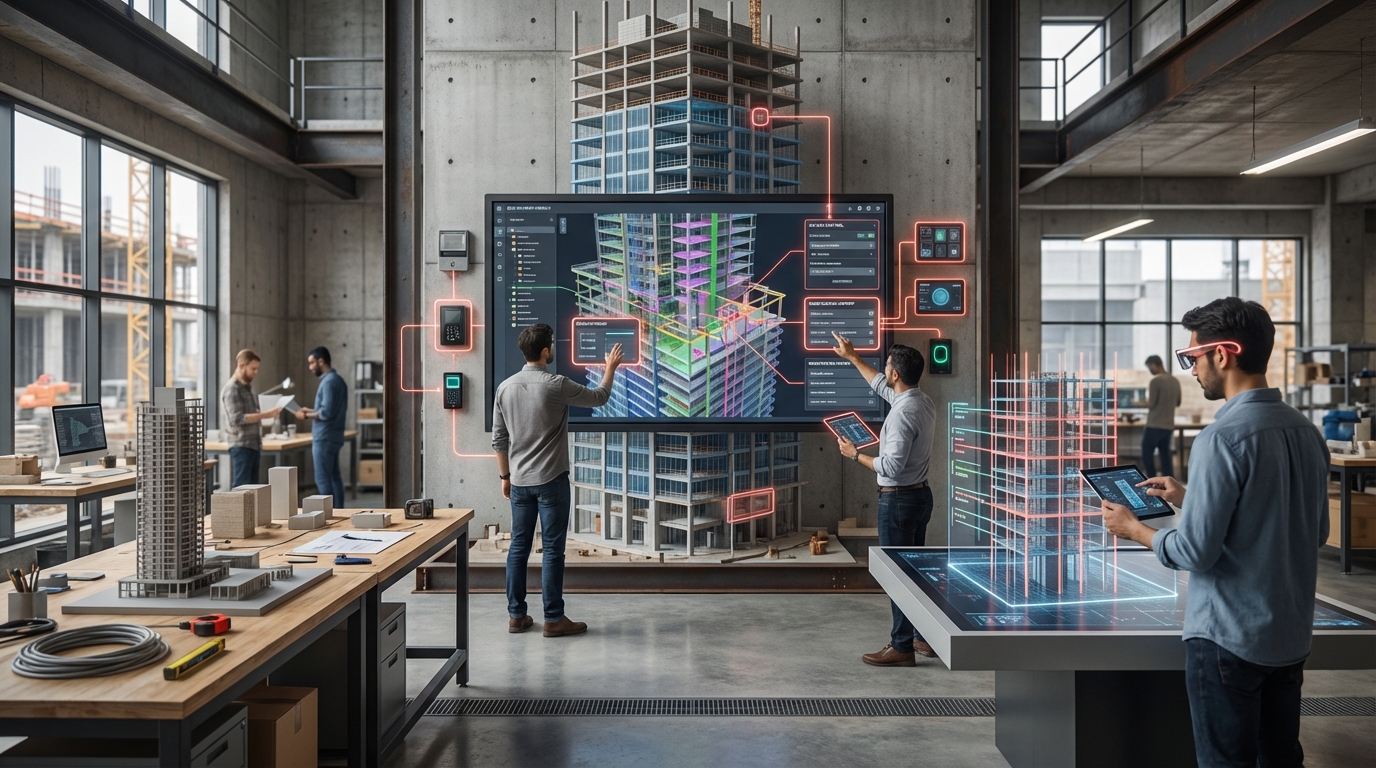
Defining who owns models, who can modify them, and how changes are audited across the lifecycle.
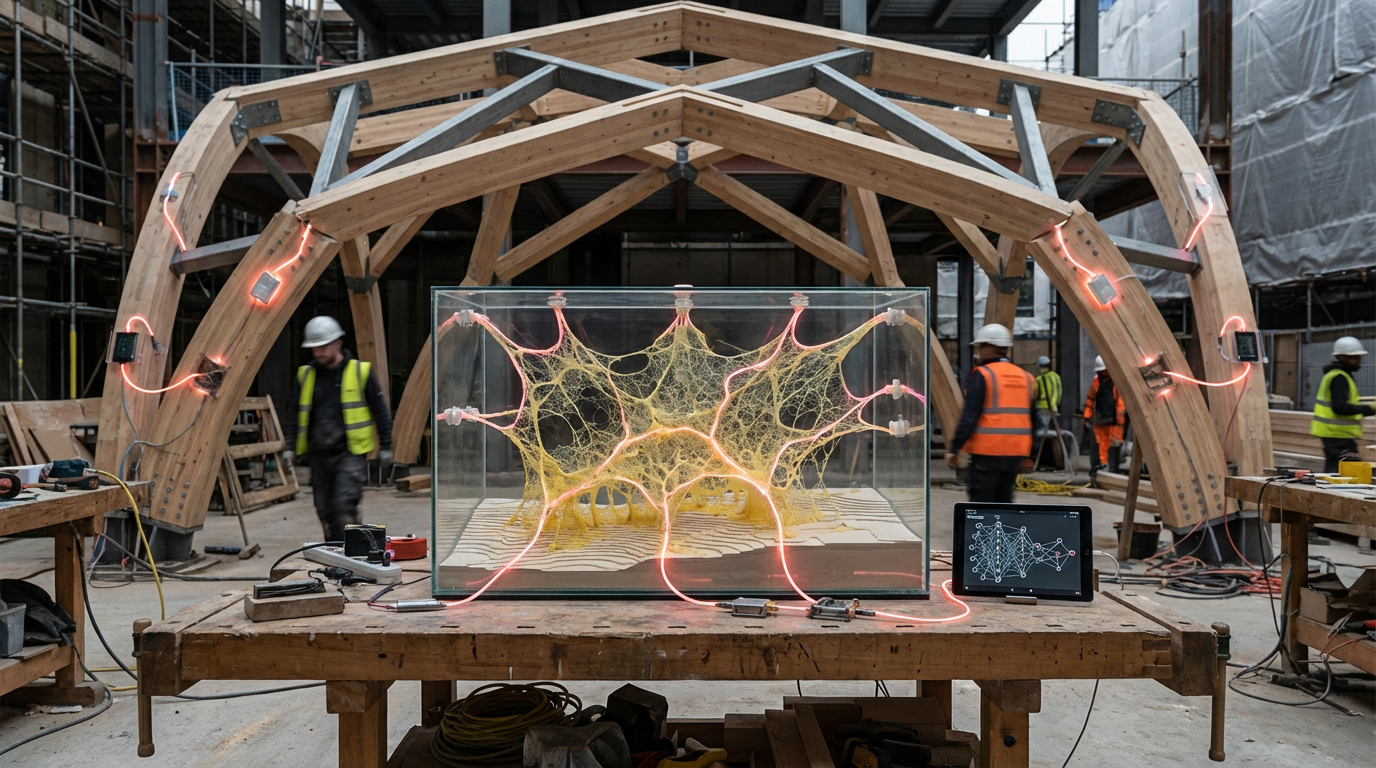
Using biological growth patterns (e.g., slime mold) to solve complex routing and structural problems.
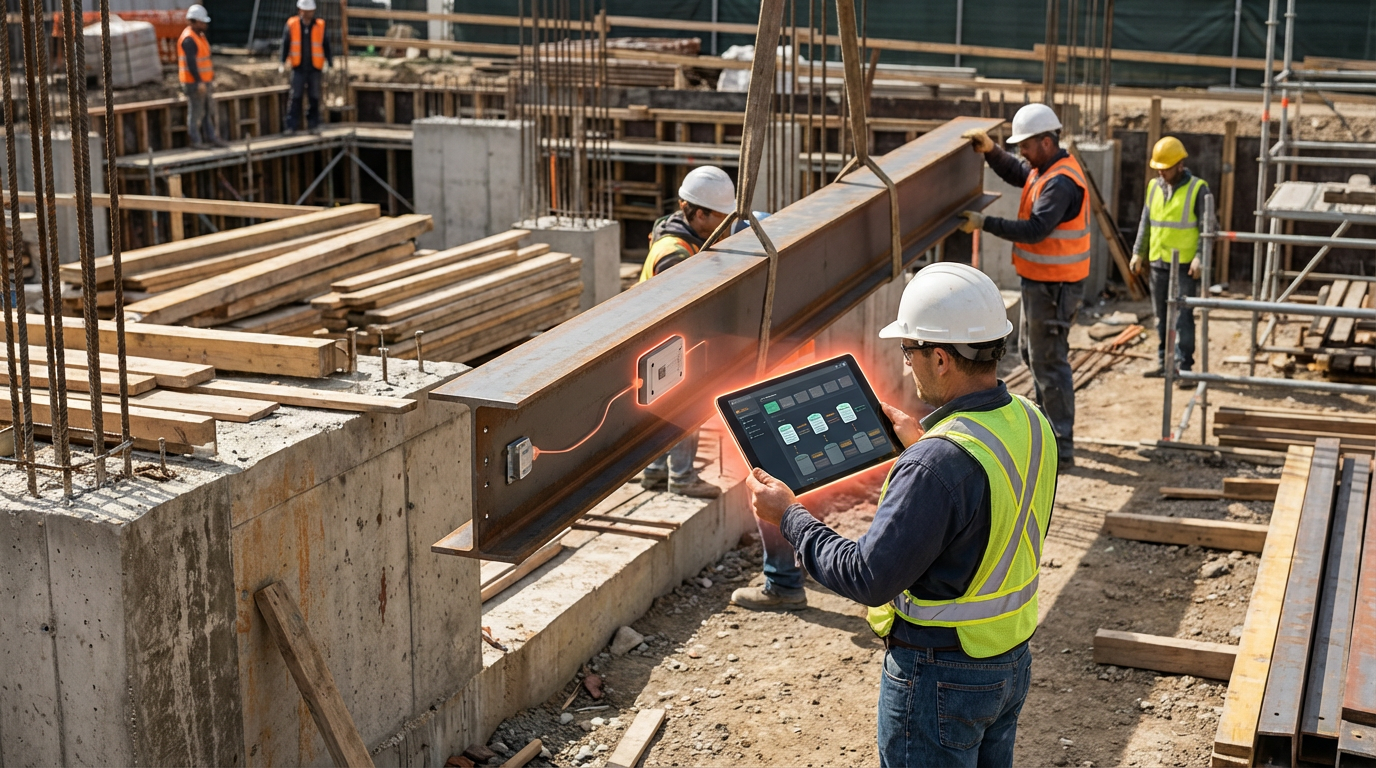
Decentralized ledgers for immutable supply chain transparency.
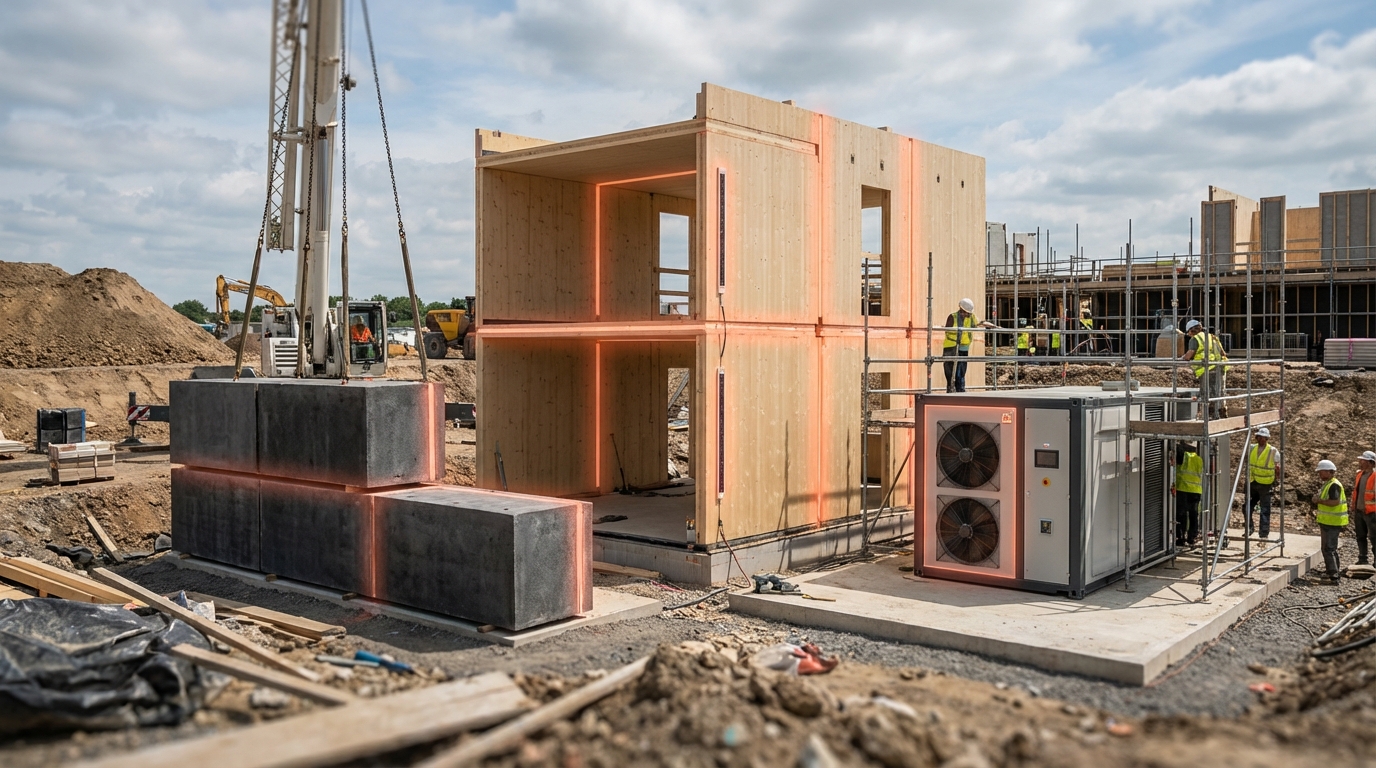
Net-negative embodied carbon via biogenic materials, carbon-cured concrete, and direct air capture integration.
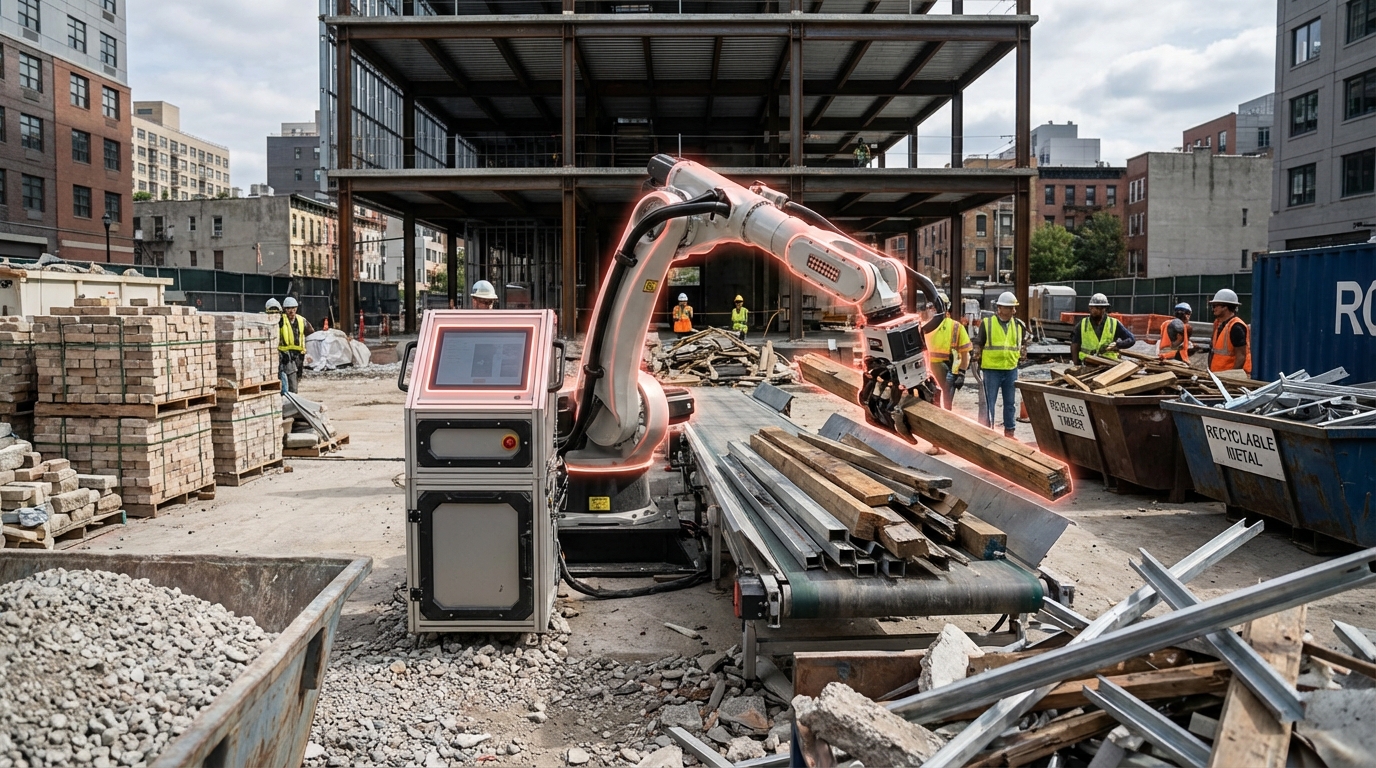
Systems ensuring construction materials are reusable and recyclable.
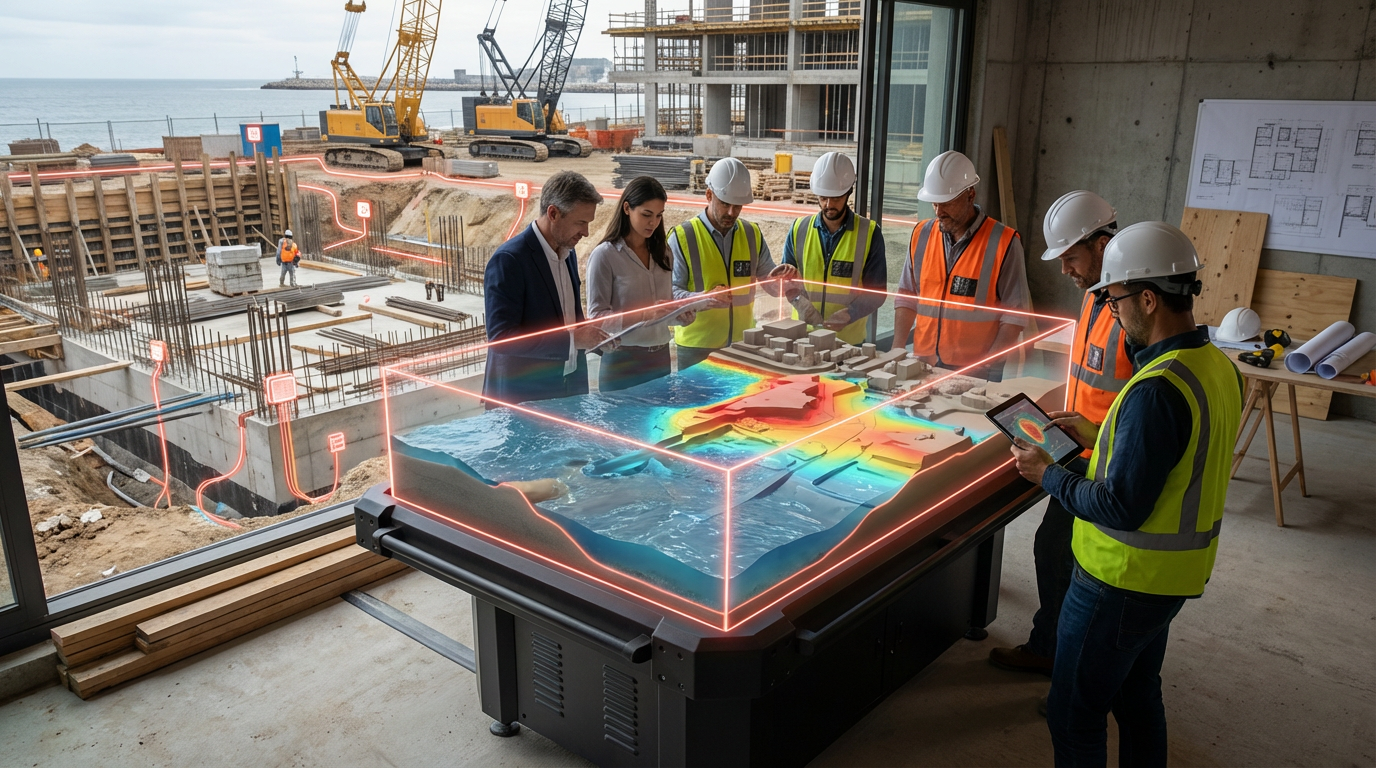
Simulating flood, heat, wildfire, and storm risk to inform siting, design, and operations.
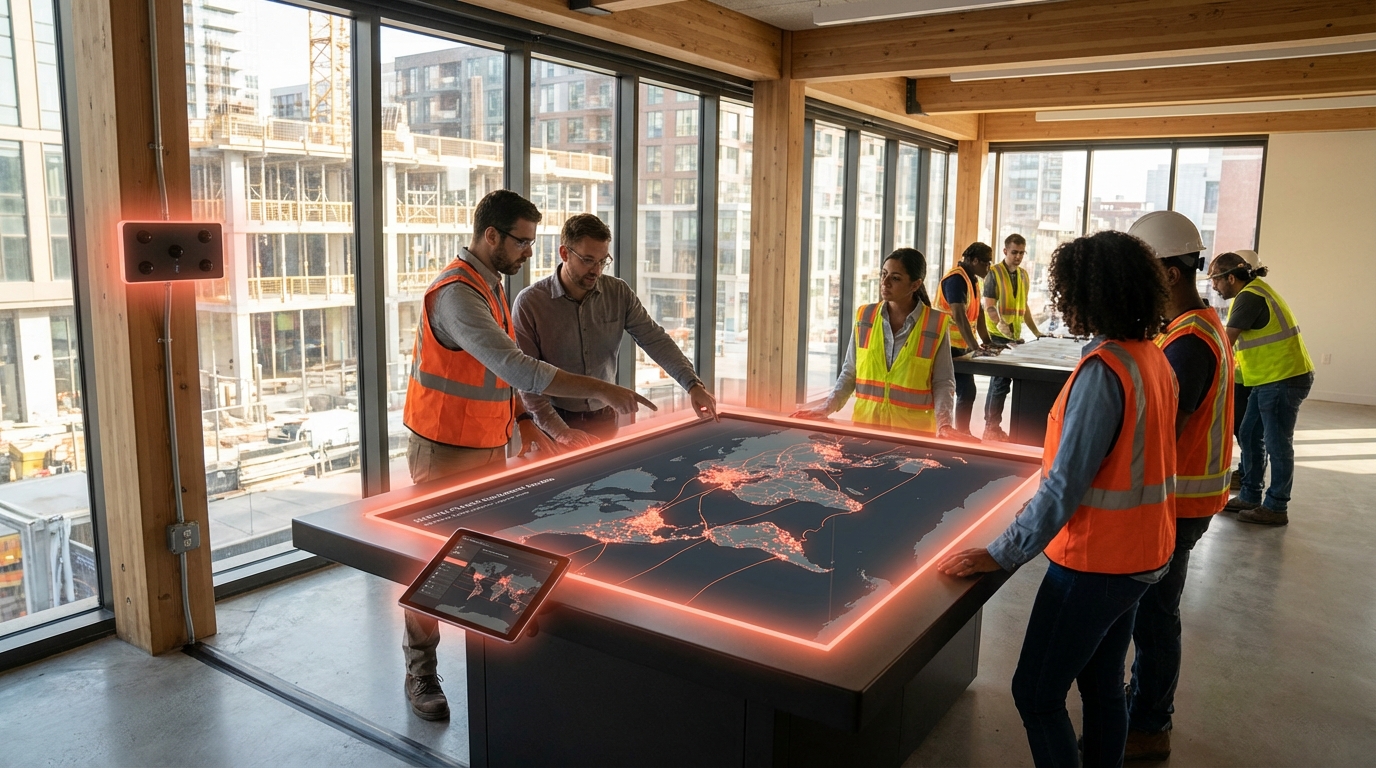
Addressing the movement of construction workers due to climate, conflict, and economic shifts.
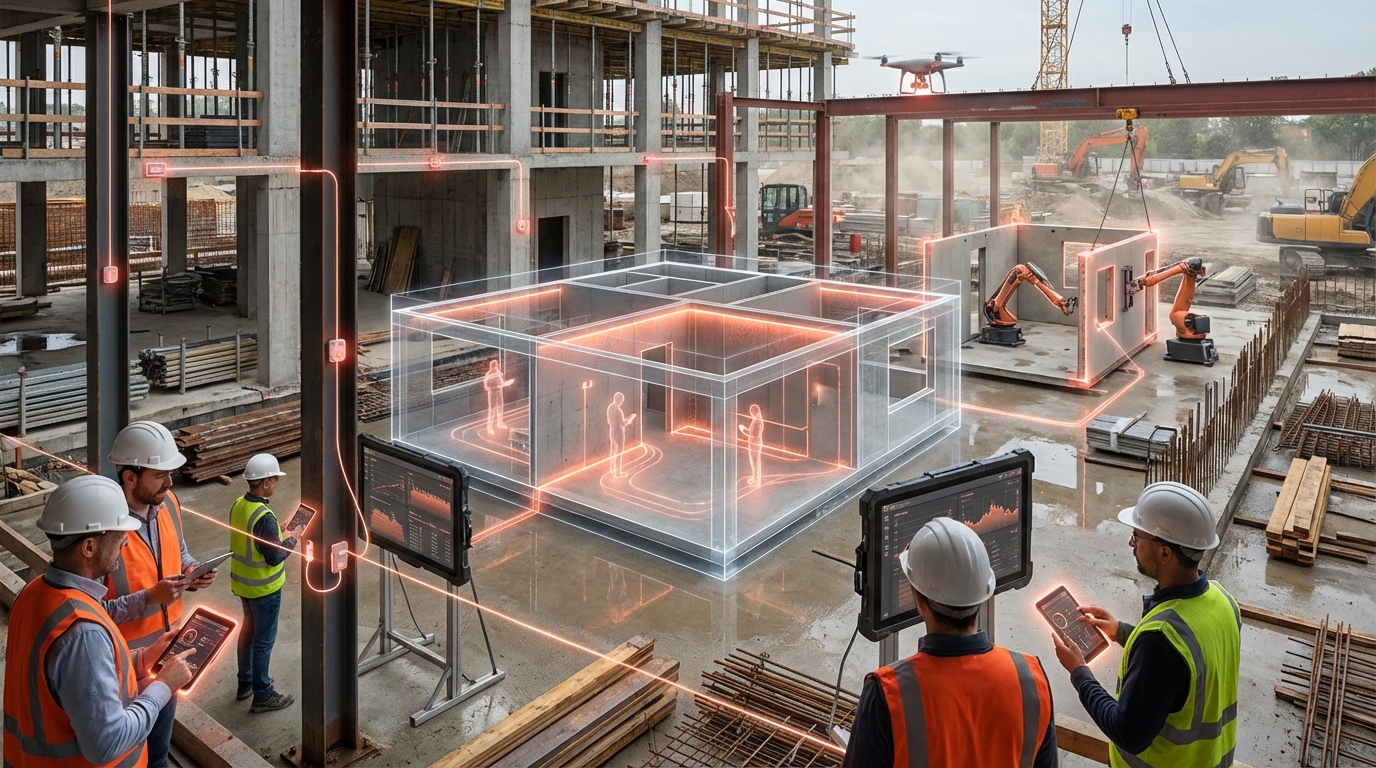
Simulating human cognitive and emotional responses to built environments before construction.
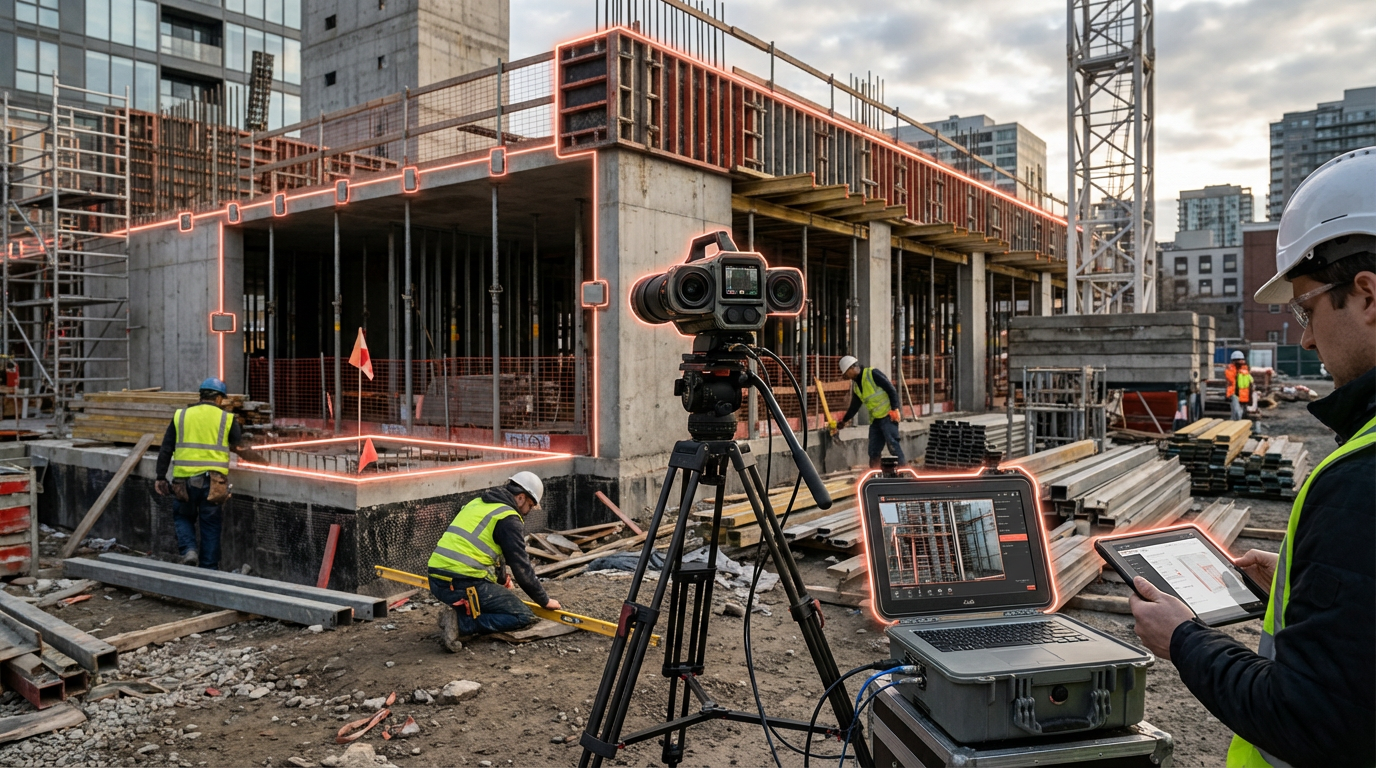
Vision models that quantify installed work, detect defects, and verify safety compliance from images.
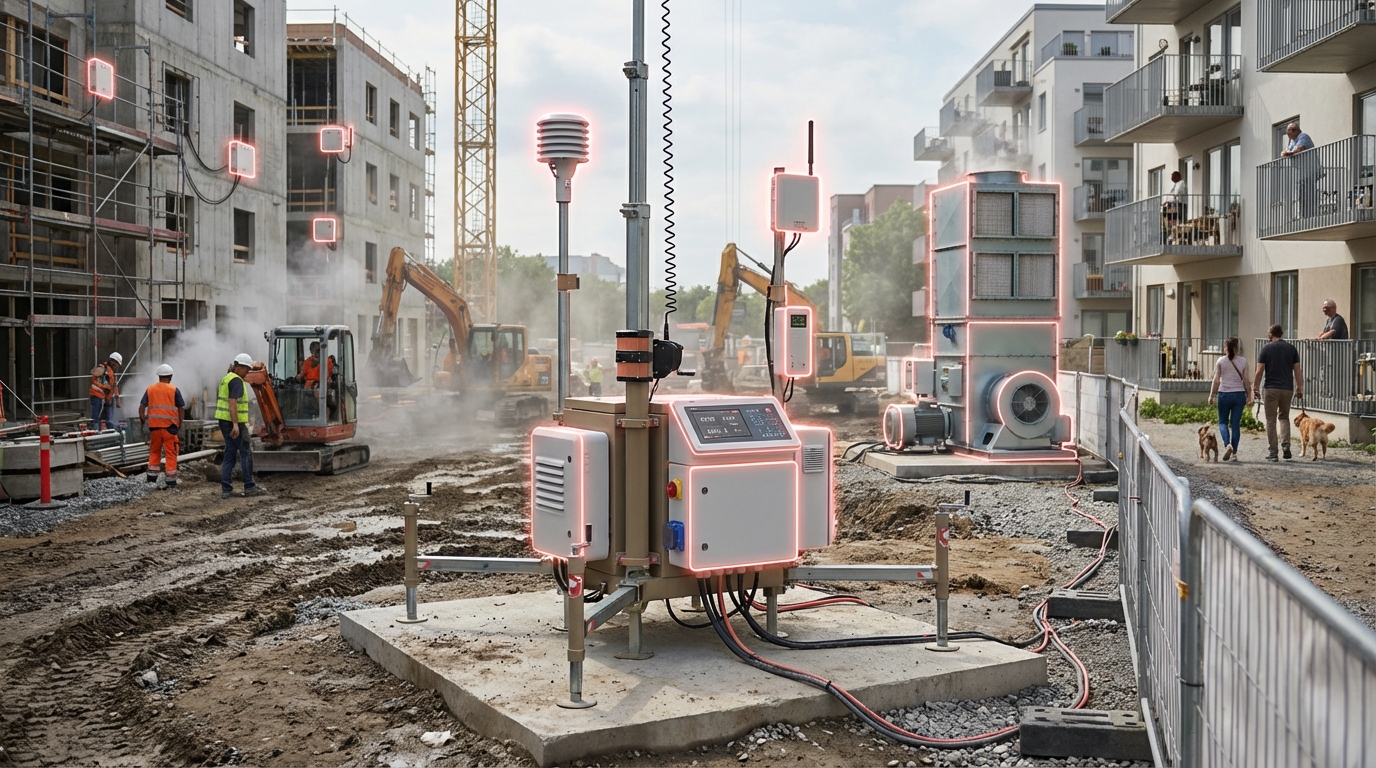
Monitoring and mitigating PM2.5, NOx, and VOCs affecting nearby residents.
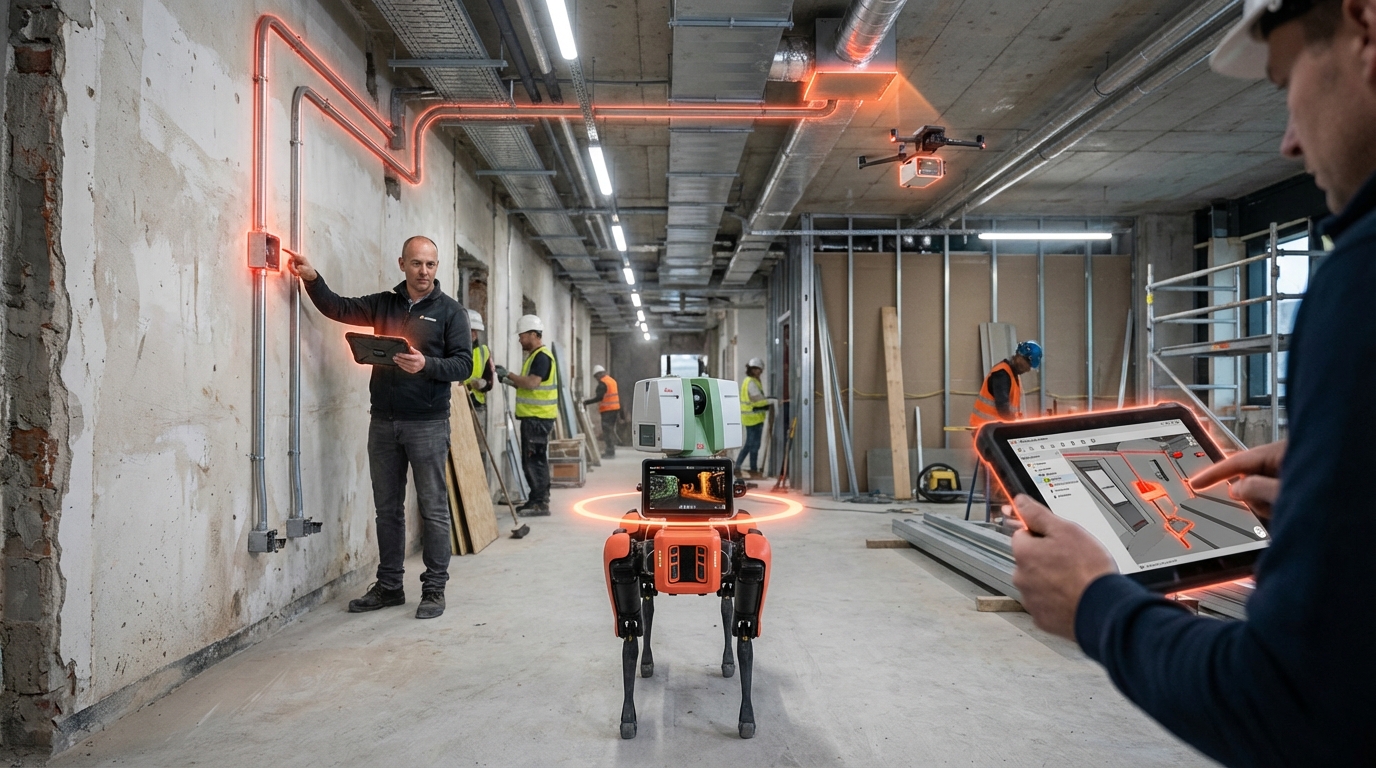
Frequent scans and photos auto-compared to BIM to catch clashes, deviations, and missing installs early.
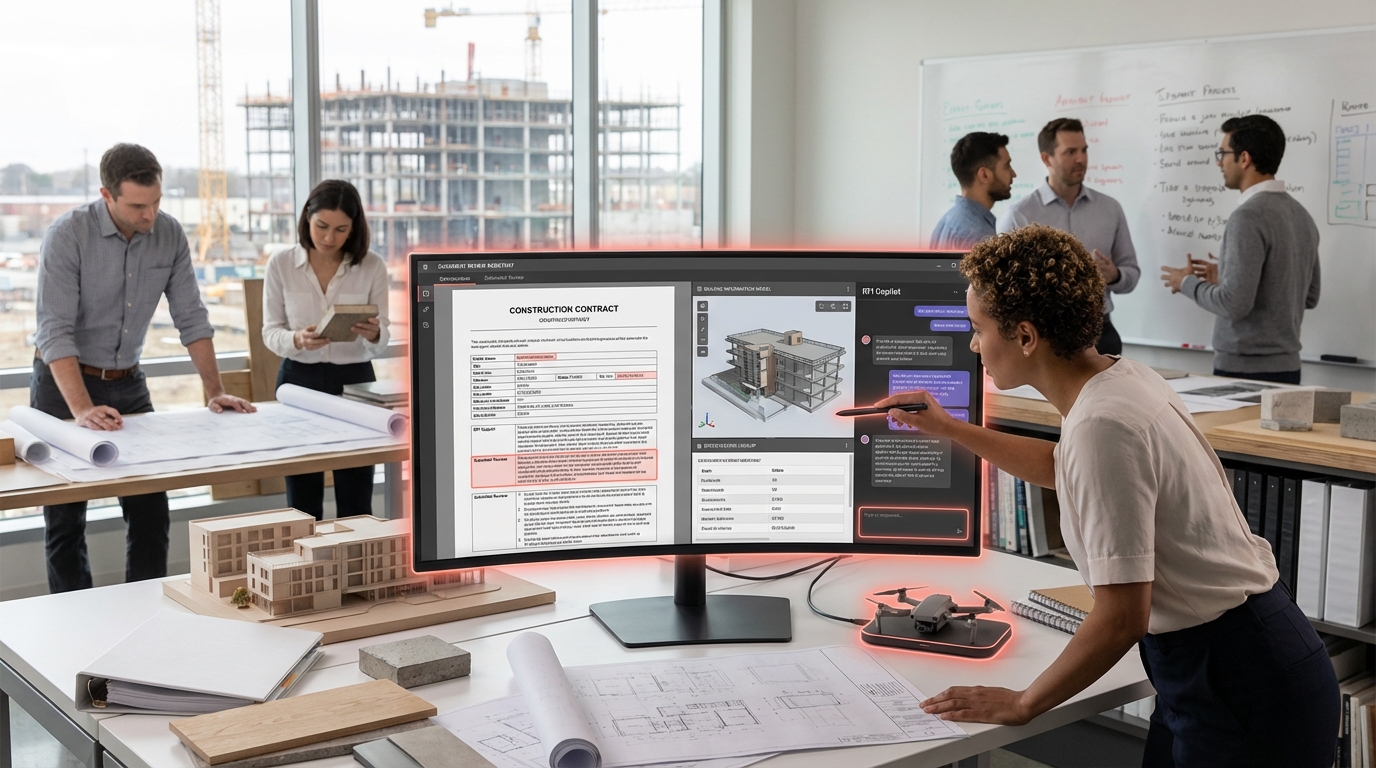
Language models that accelerate document review, spec lookup, and change-order rationale drafting.
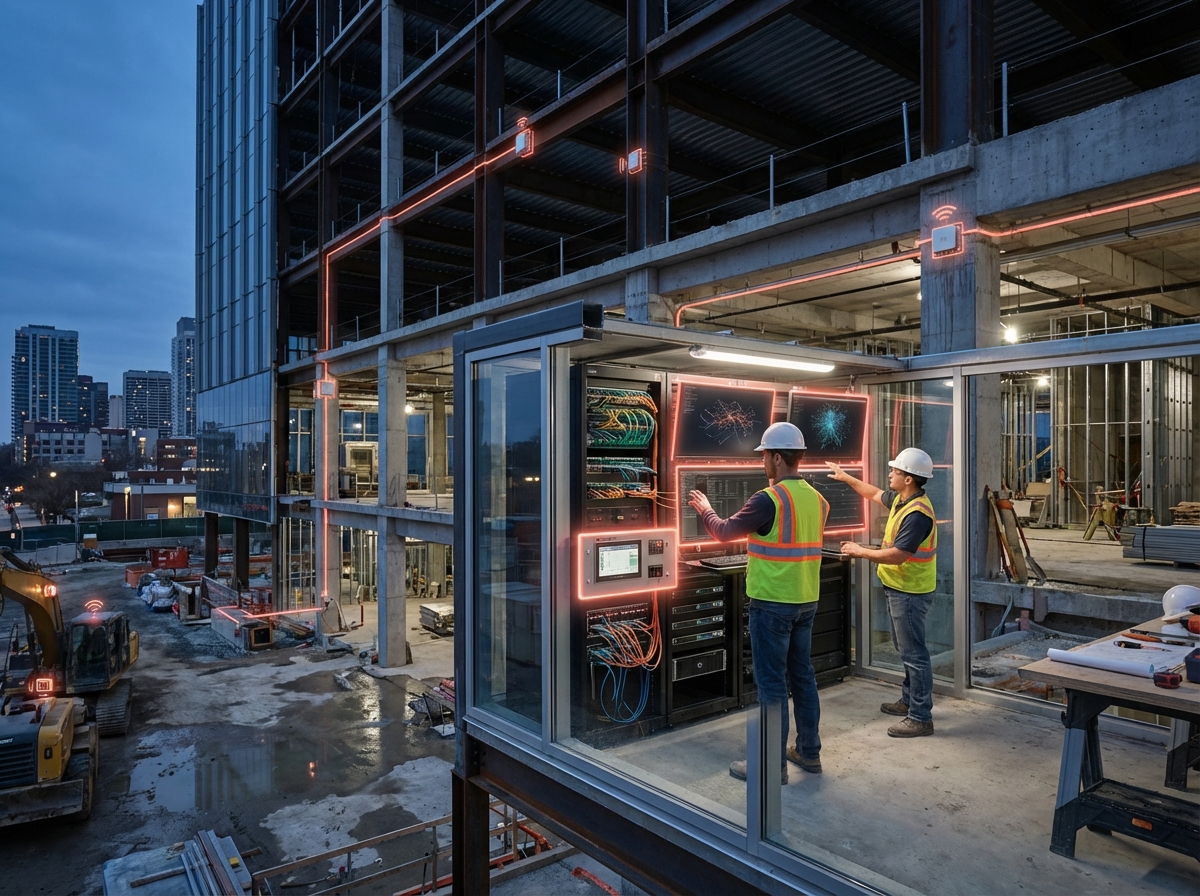
Protecting connected building systems from digital attacks.
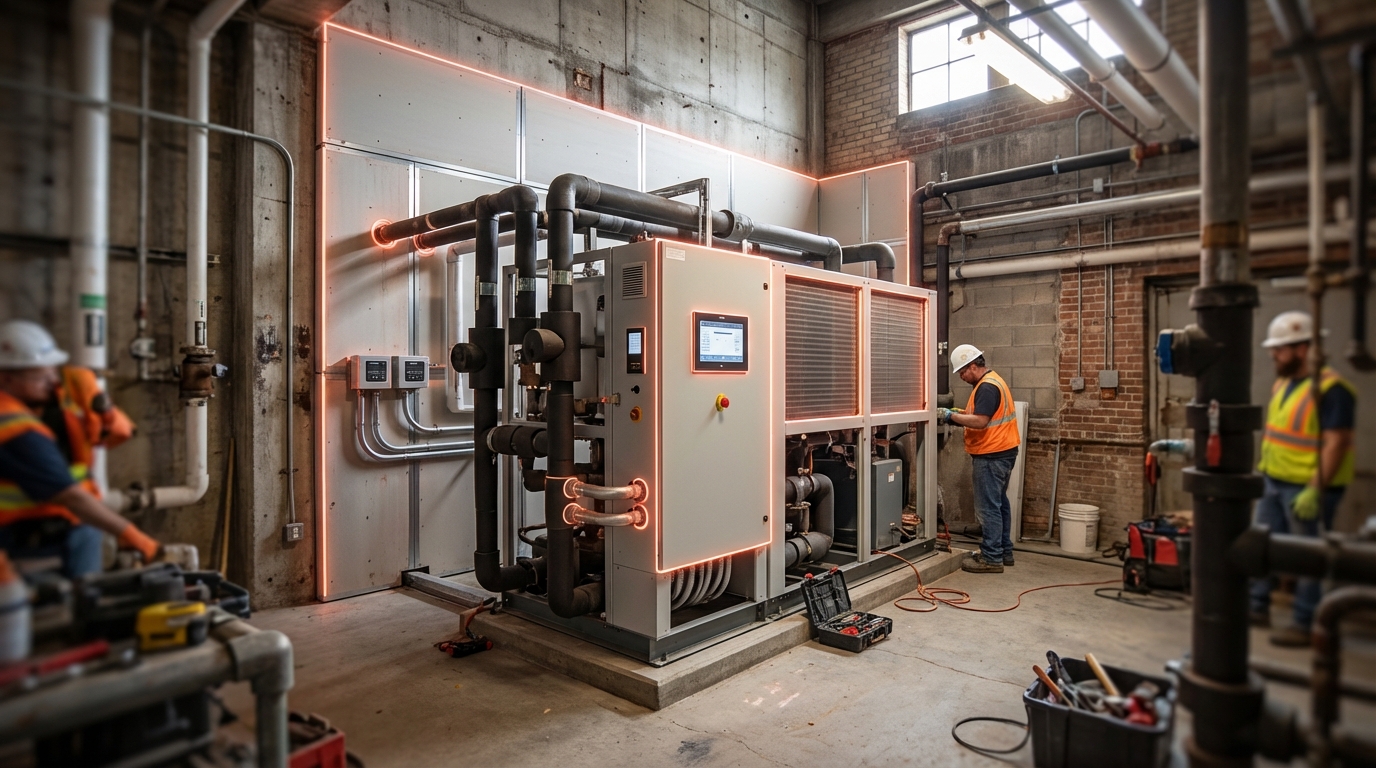
Industrialized retrofit packages (heat pumps, envelopes, controls) delivered at scale to decarbonize existing buildings.
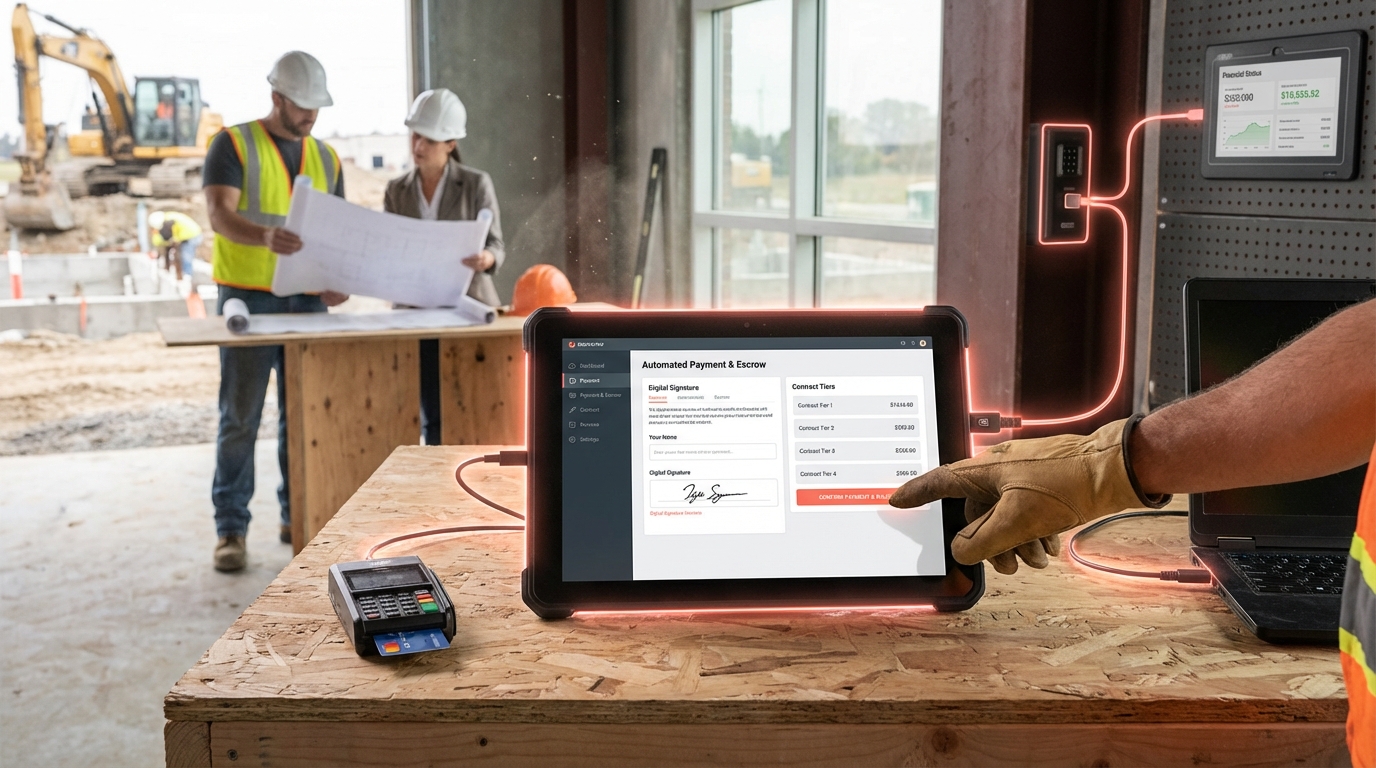
Automated pay apps, lien releases, and escrow workflows that reduce payment friction across tiers.
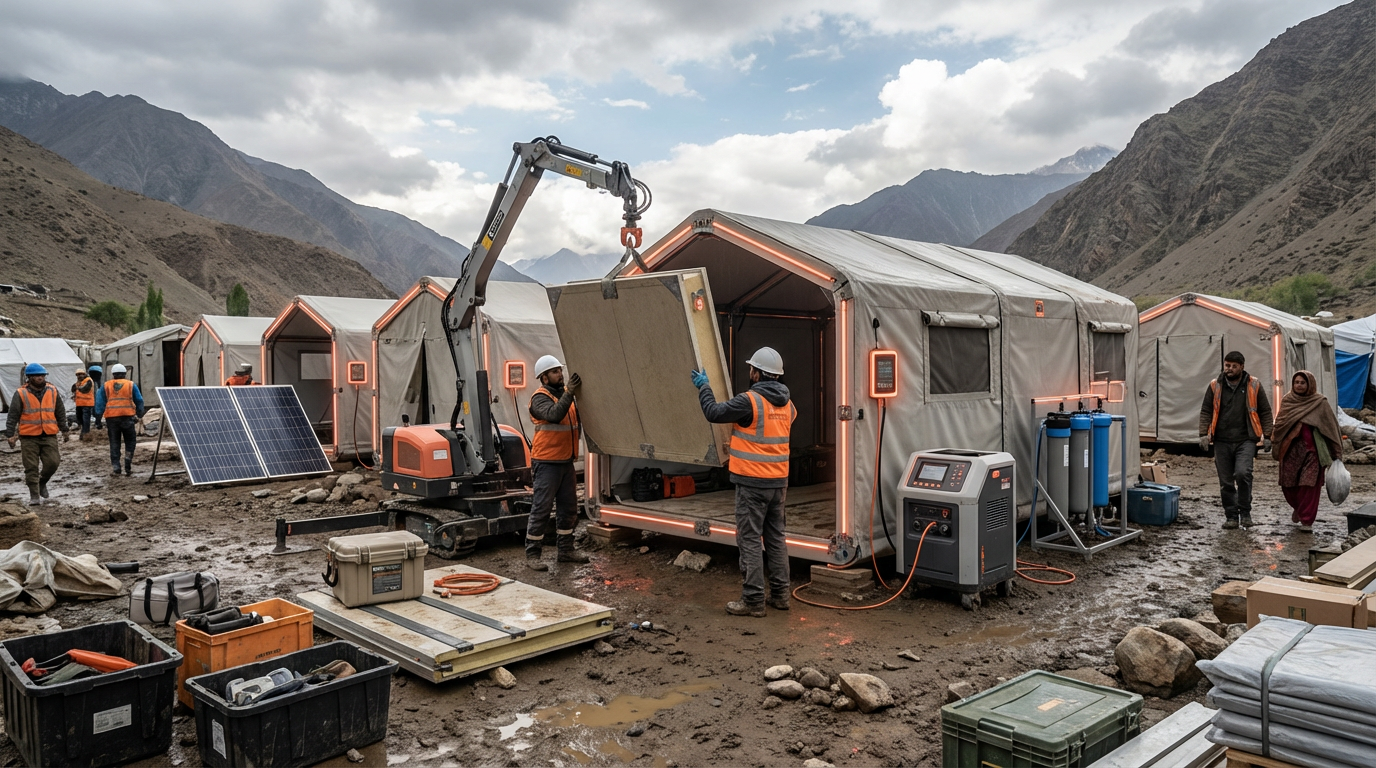
Prefabricated shelters and infrastructure for post-disaster and refugee response.
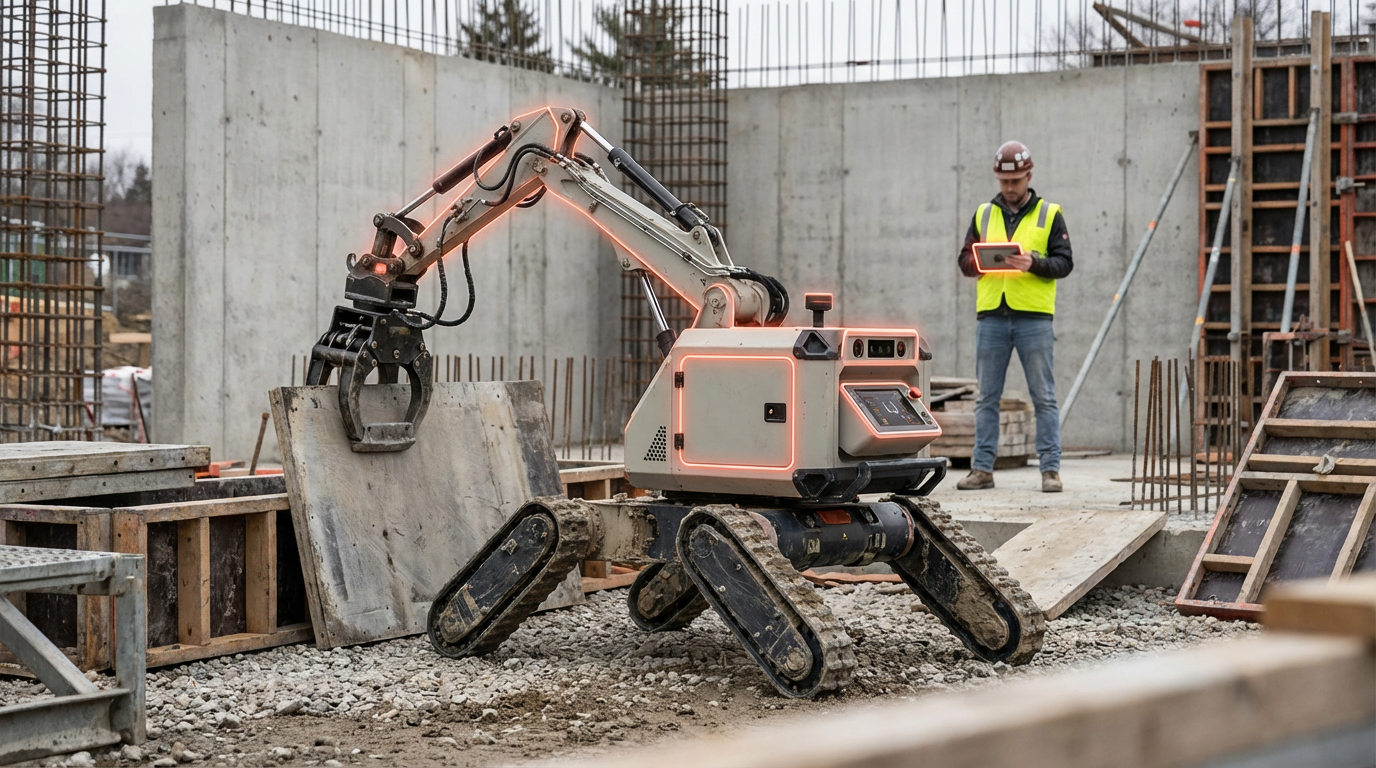
Preventing construction technologies from being repurposed for military or surveillance applications.
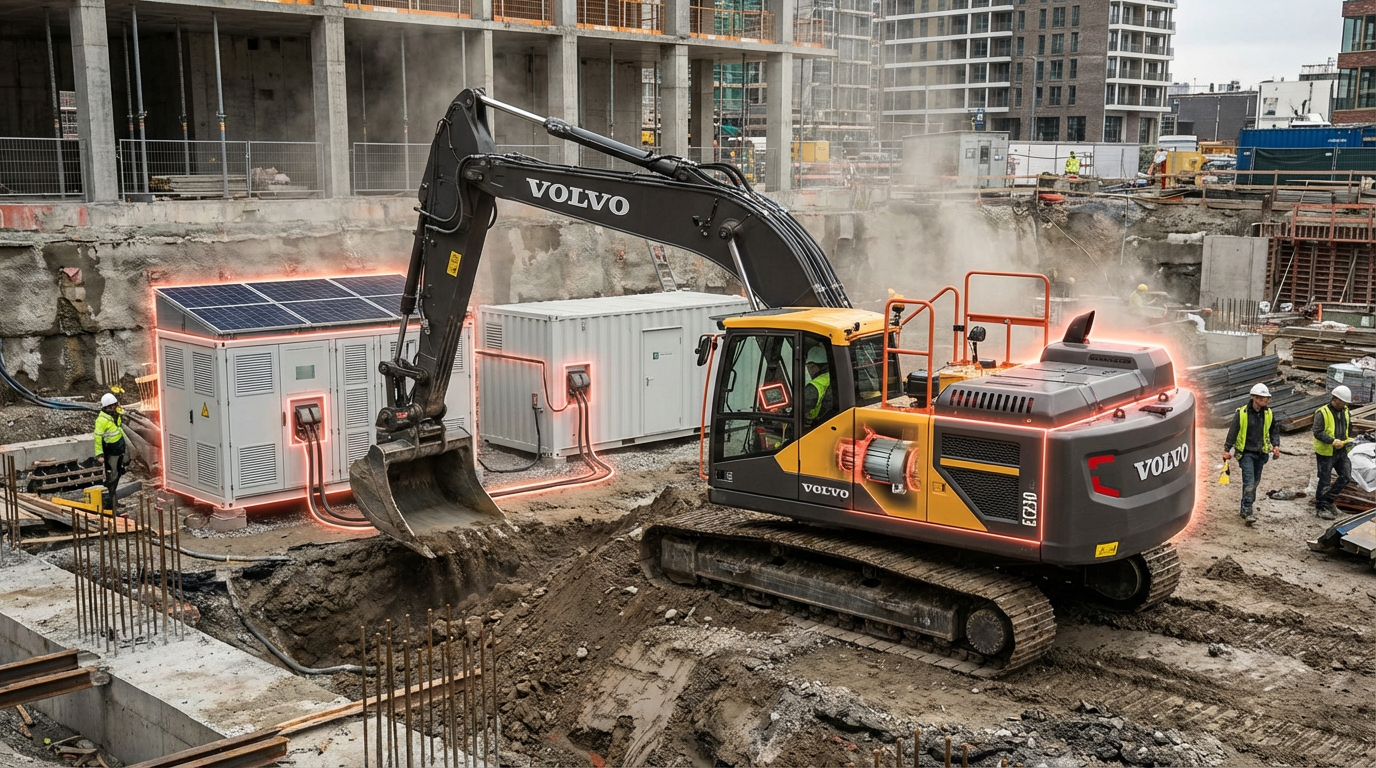
Battery-electric and hybrid machines paired with on-site charging and temporary microgrids.
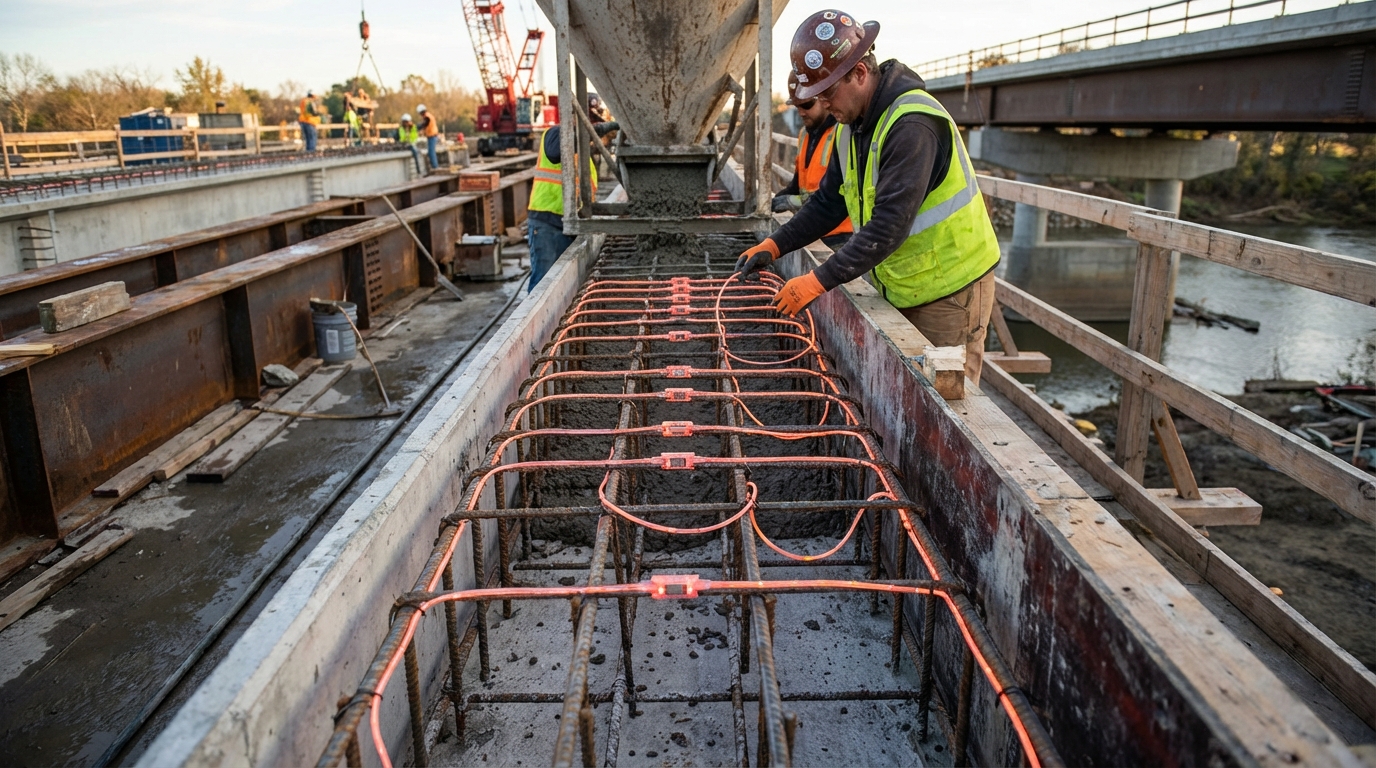
In-situ strain, vibration, and temperature sensing embedded into concrete, steel, and bridges.
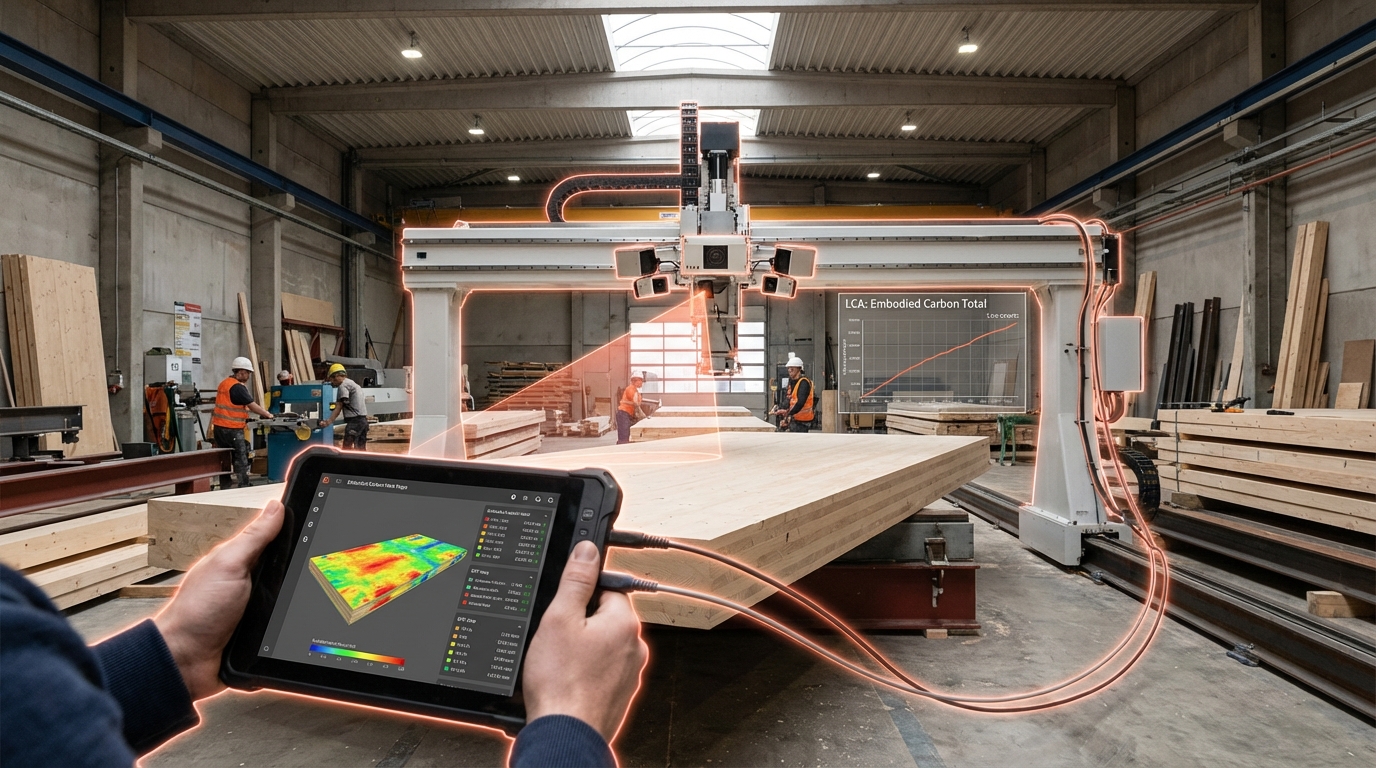
Tools that compute embodied carbon from models and procurement data using EPDs and lifecycle assessment.
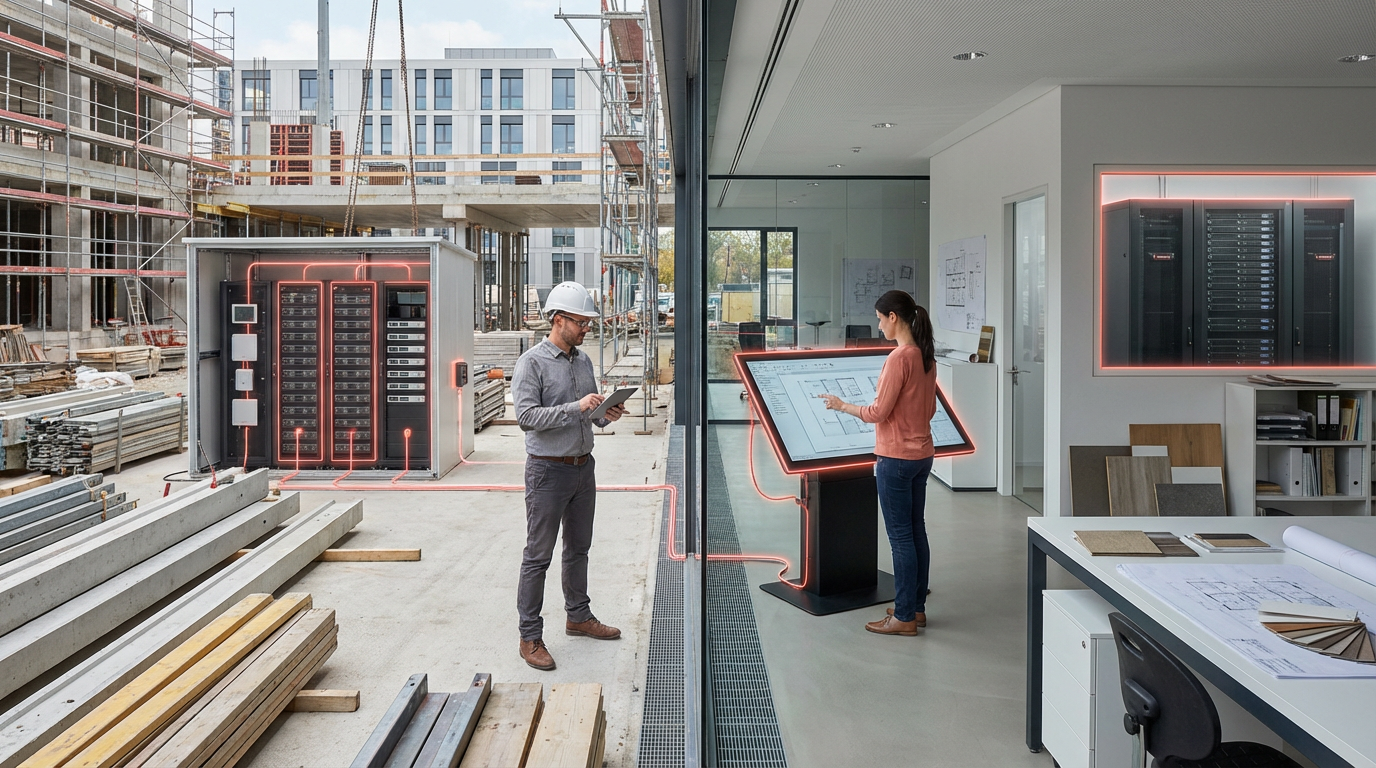
Training models on distributed project data without centralizing sensitive information.
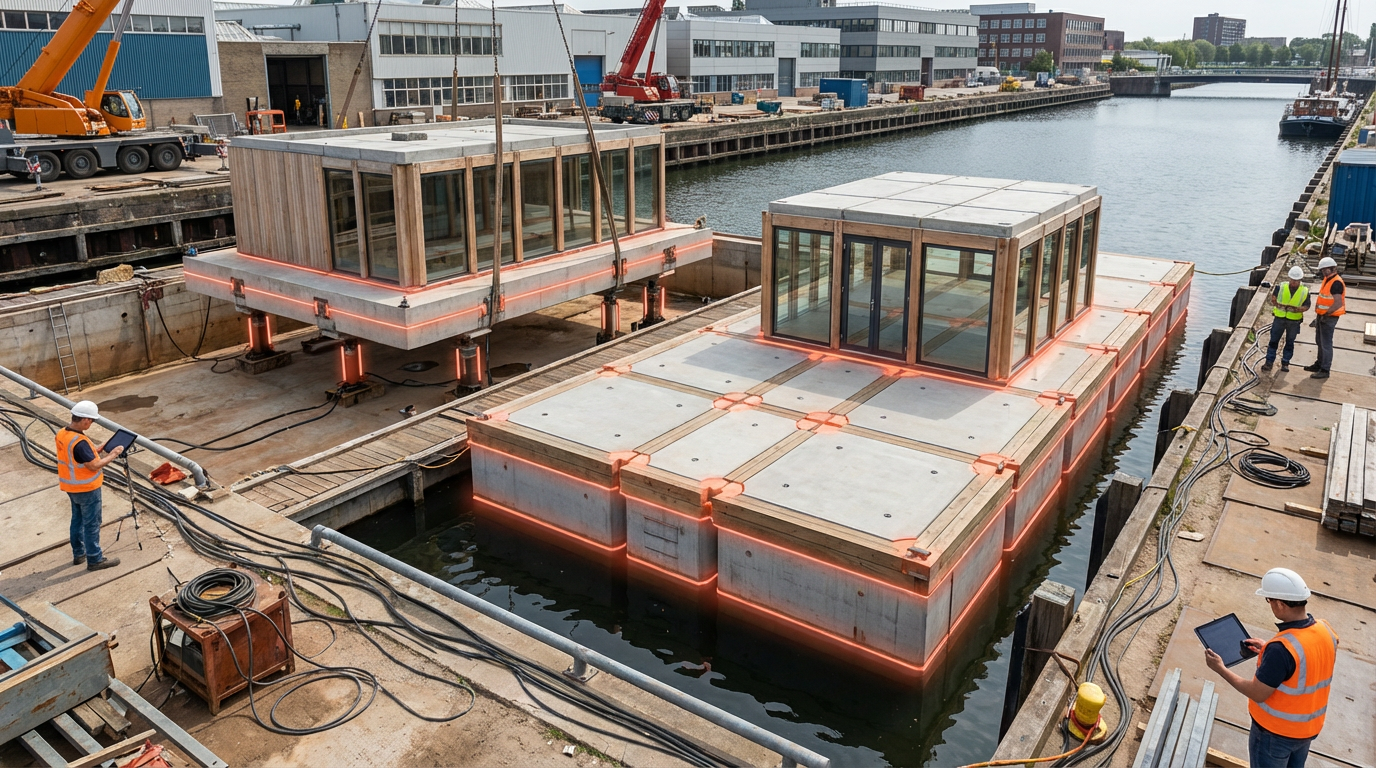
Buildings and infrastructure designed to rise with floodwaters or remain permanently afloat.
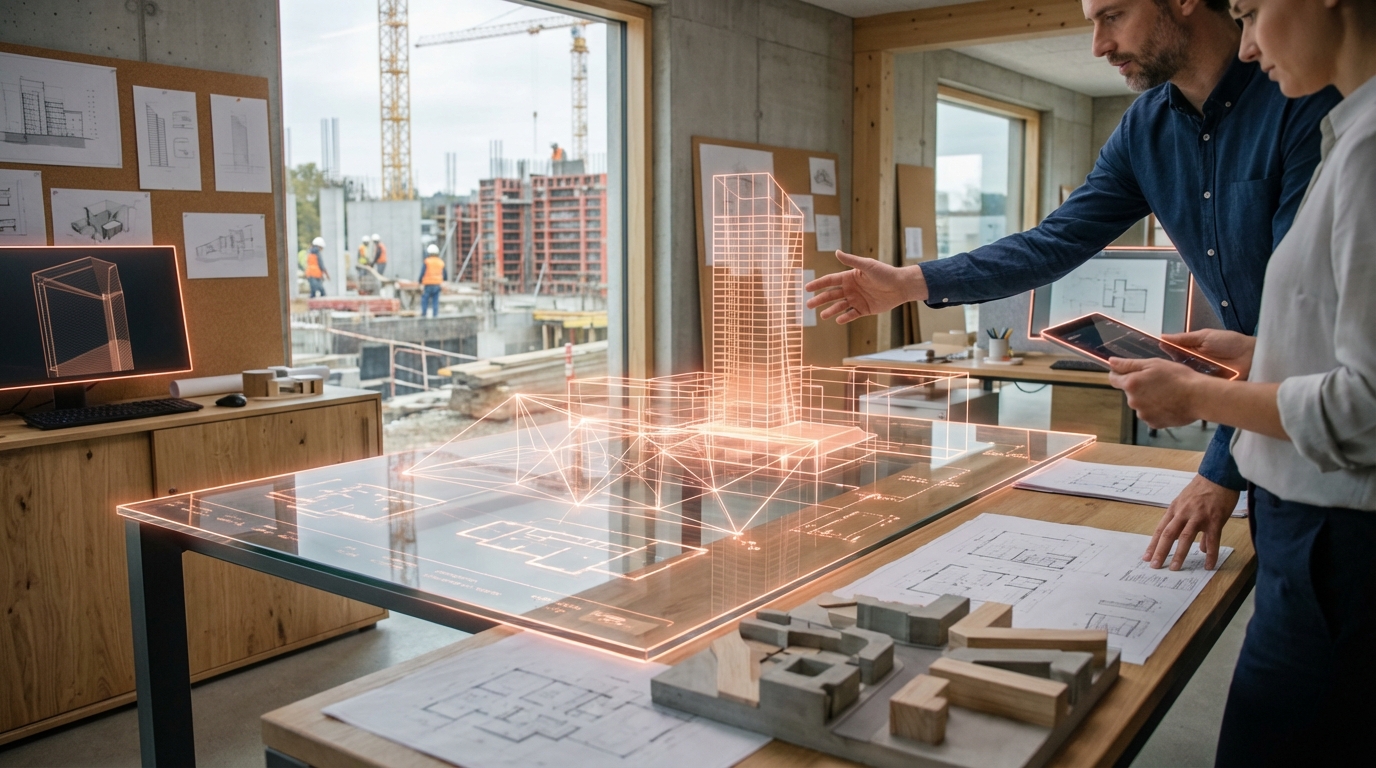
AI systems that autonomously generate optimal building designs based on constraints.
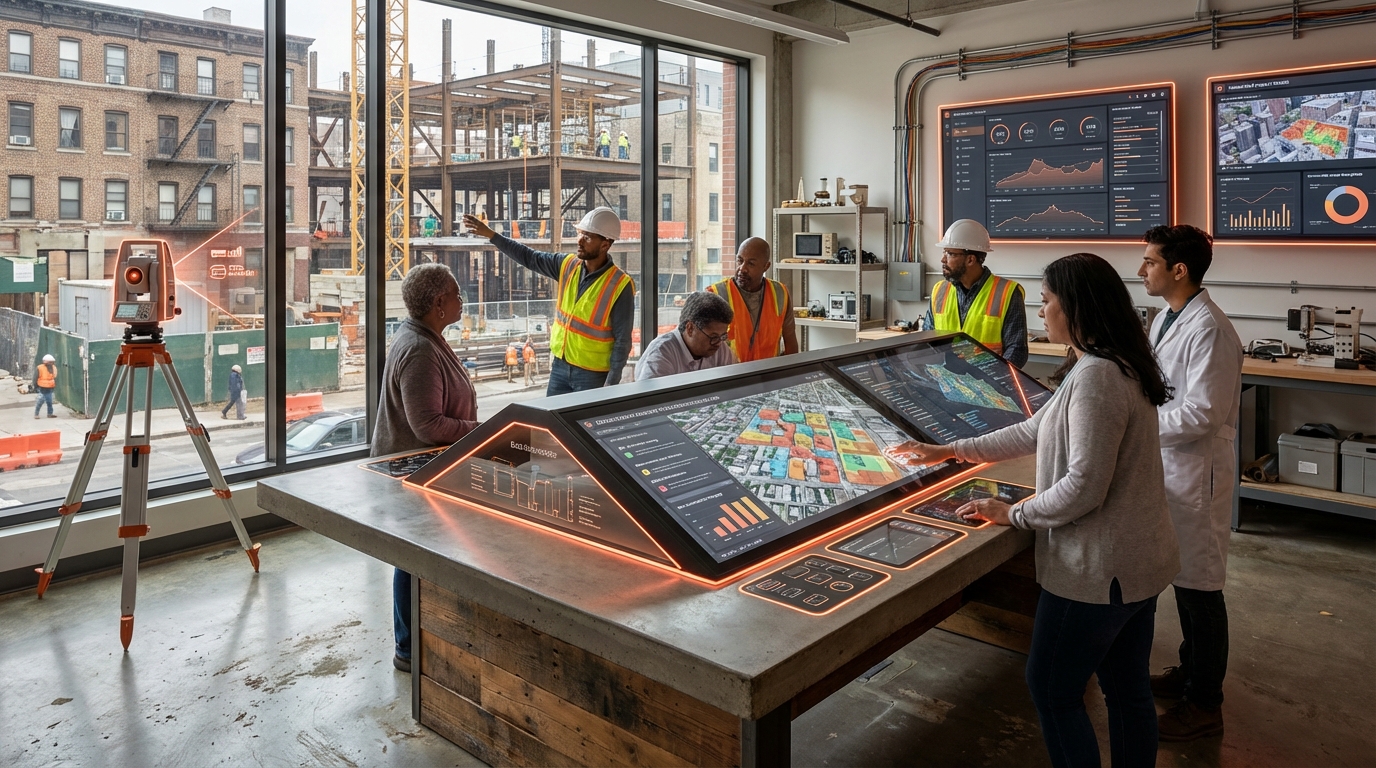
Mitigating the socio-economic impacts of new construction on existing communities.
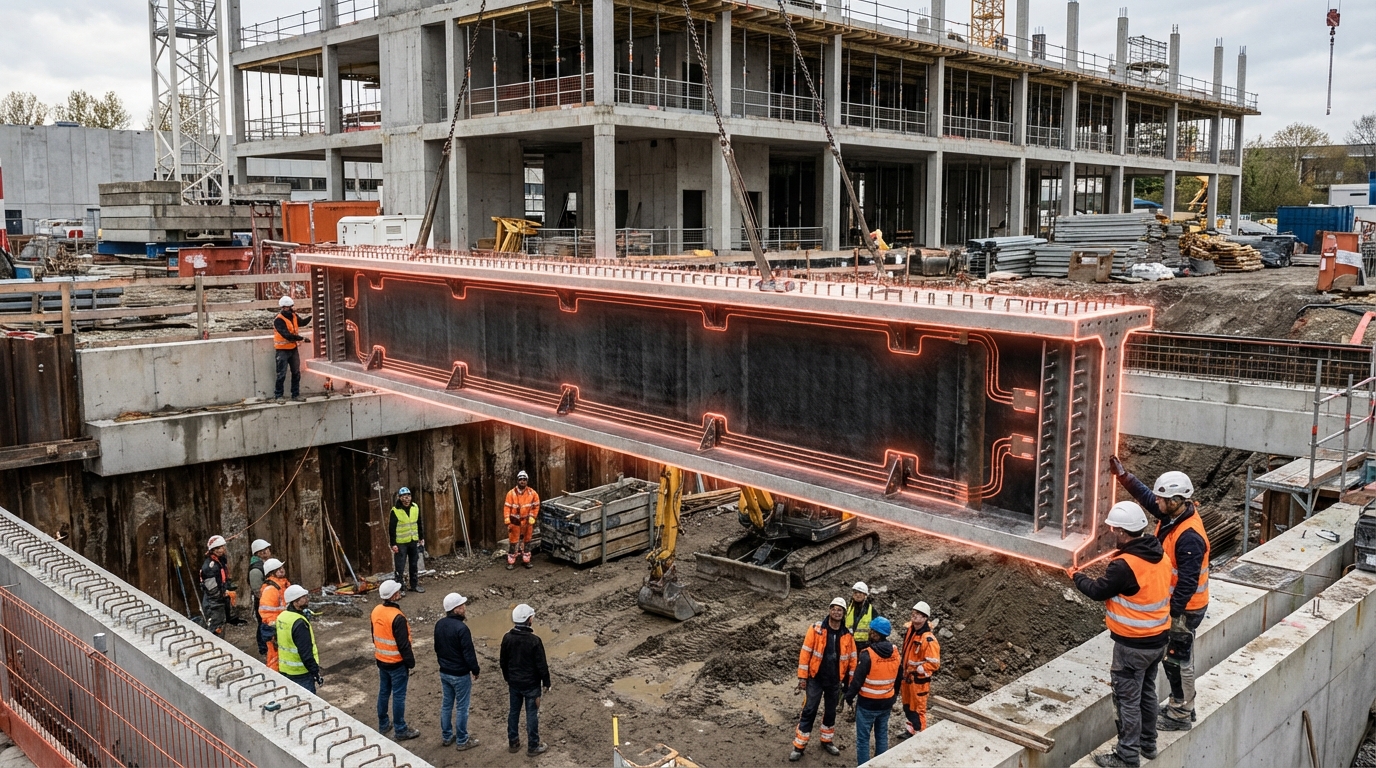
Ultra-strong, lightweight, and conductive materials using graphene reinforcement.
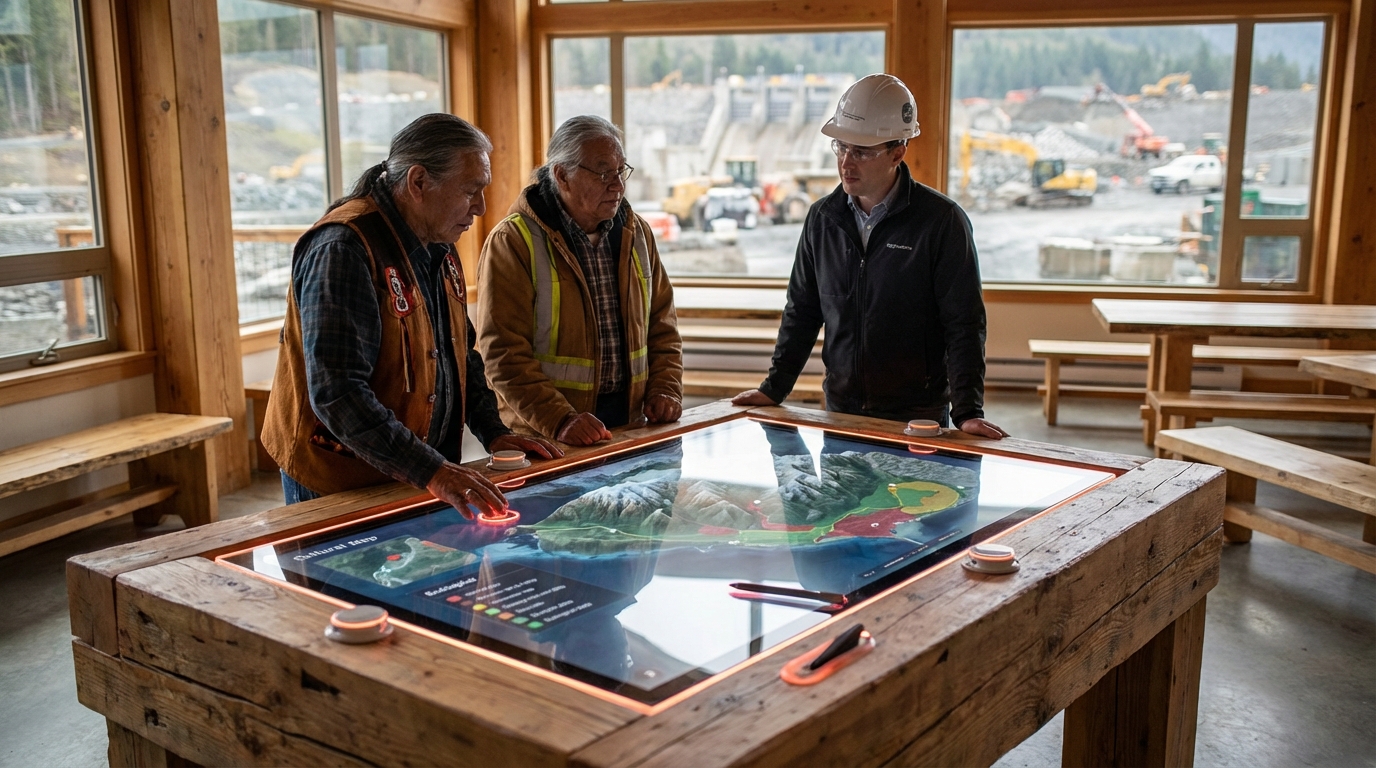
Ensuring free, prior, and informed consent (FPIC) for projects on or near Indigenous lands.
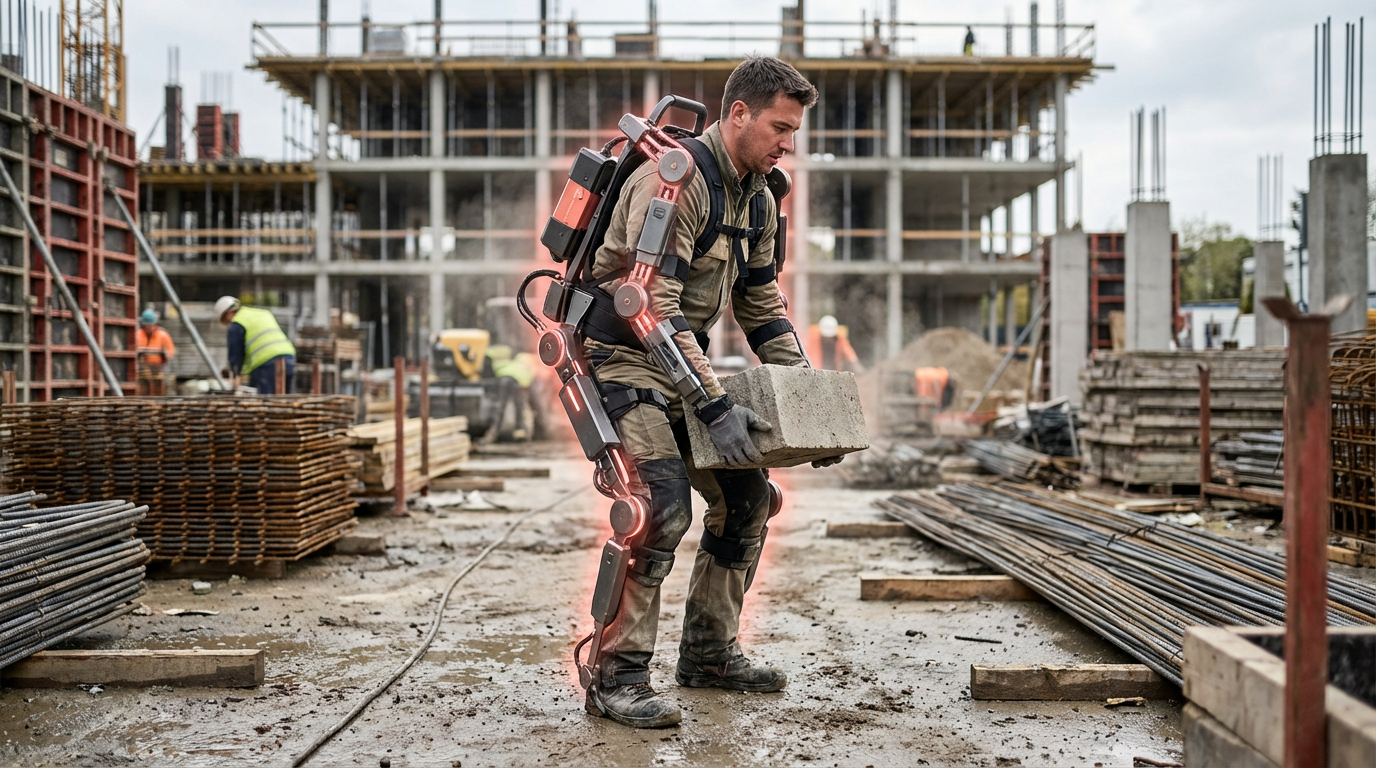
Powered wearable suits to augment construction worker strength and endurance.
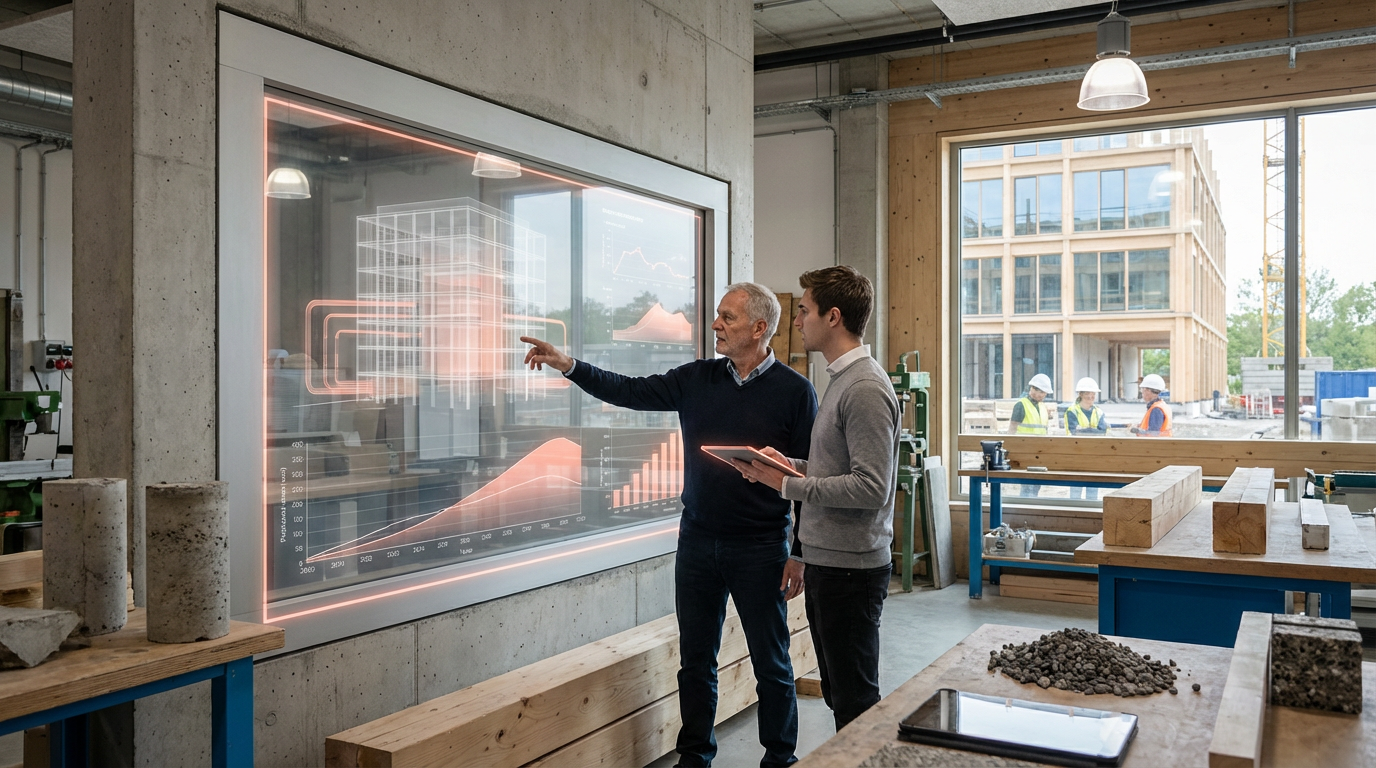
Legal and ethical tools to evaluate if construction indebts future generations.
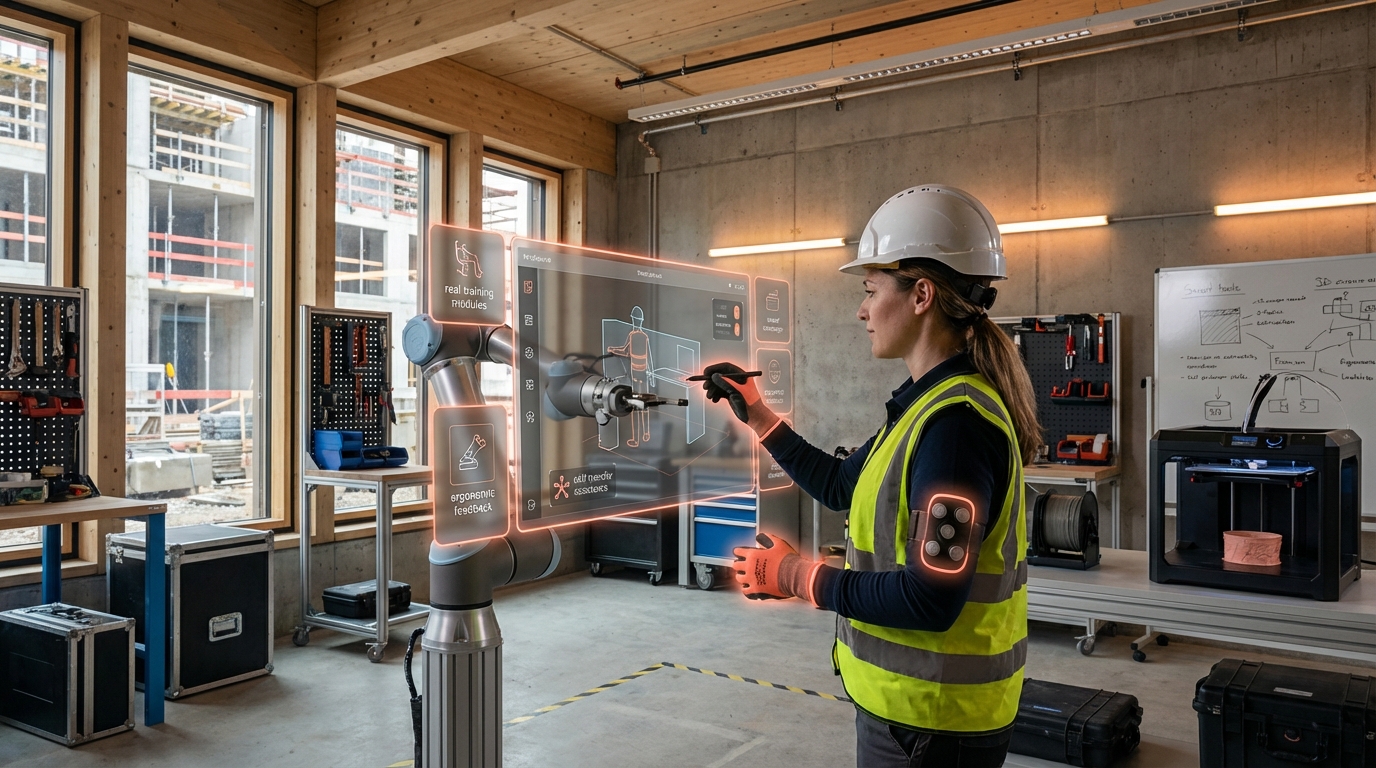
Strategies to address job losses due to construction automation.
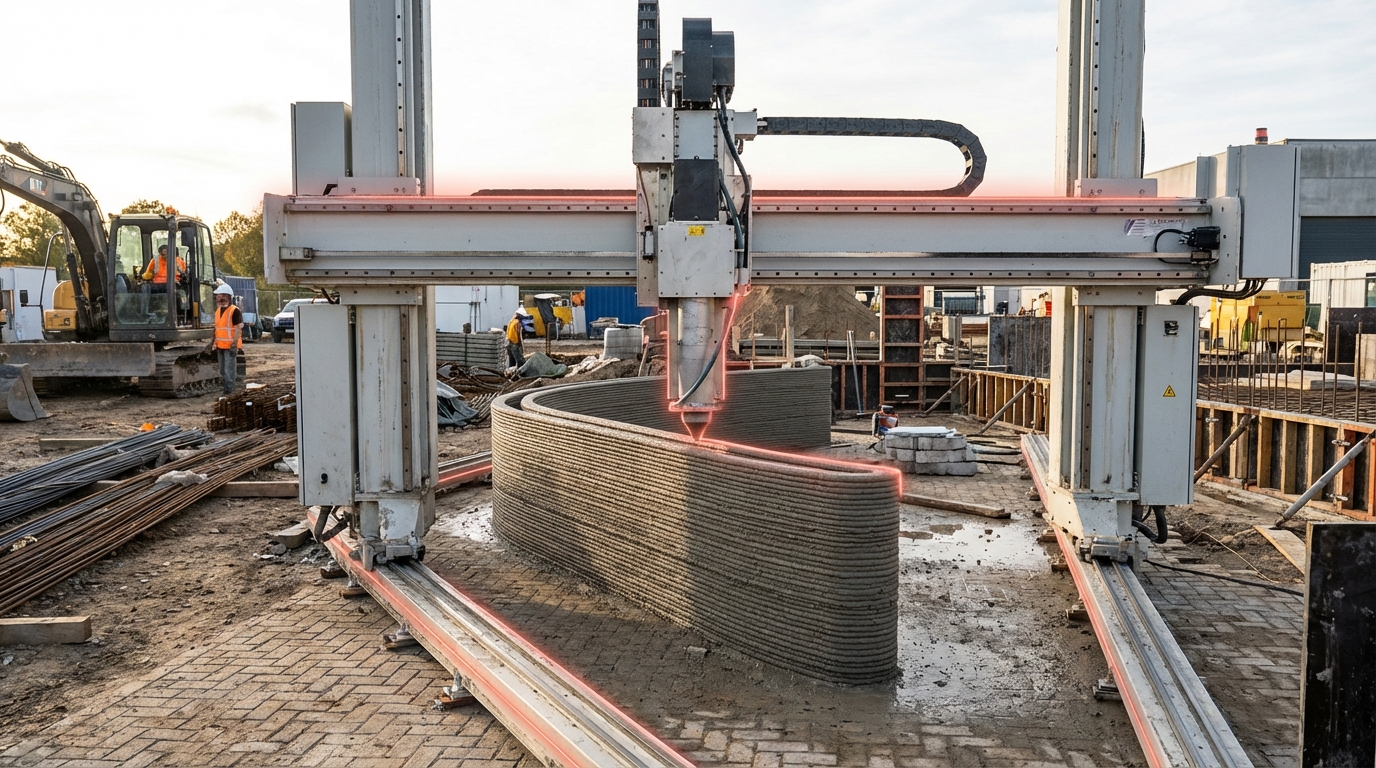
Additive manufacturing of full-scale building components or entire structures.
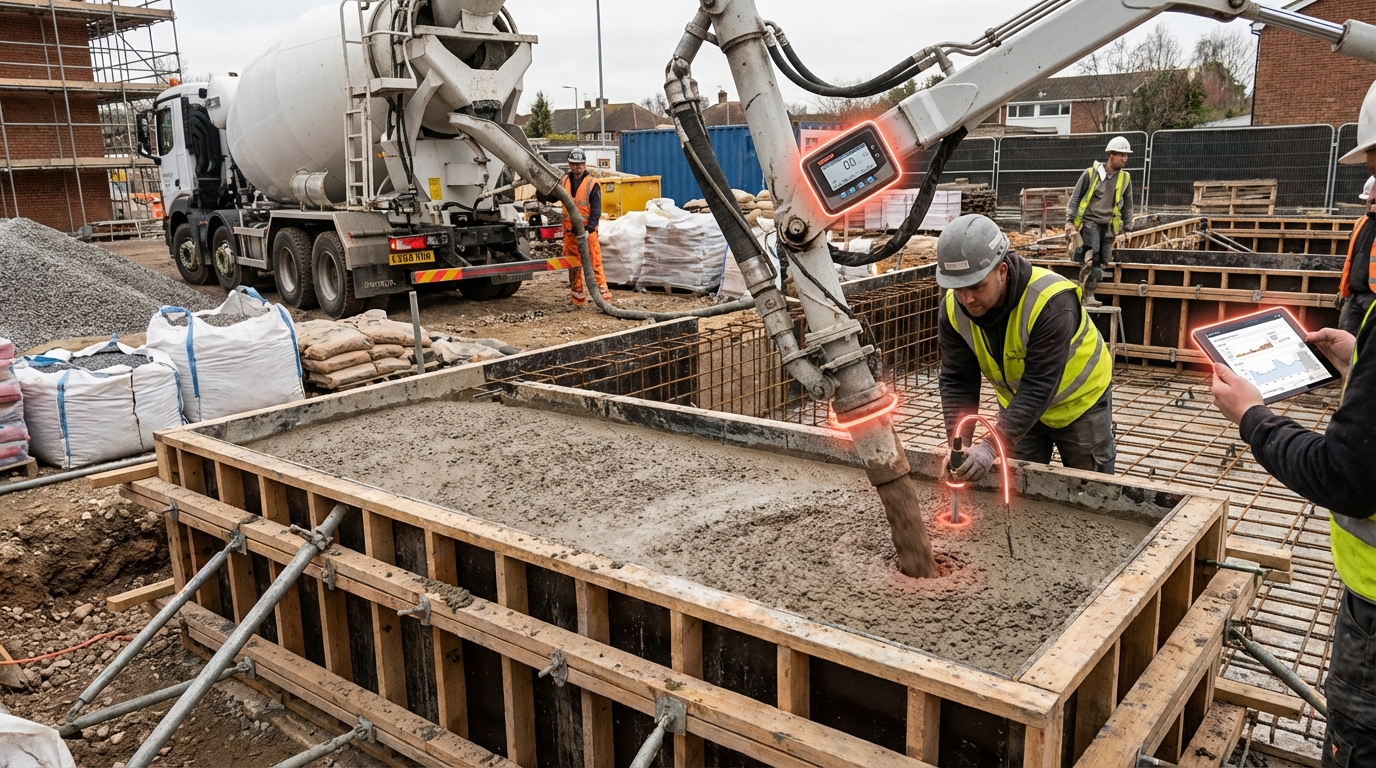
LC3, geopolymers, and carbon-mineralized mixes reducing embodied carbon without sacrificing performance.

In-situ resource utilization and robotics for building habitats on the Moon and Mars.
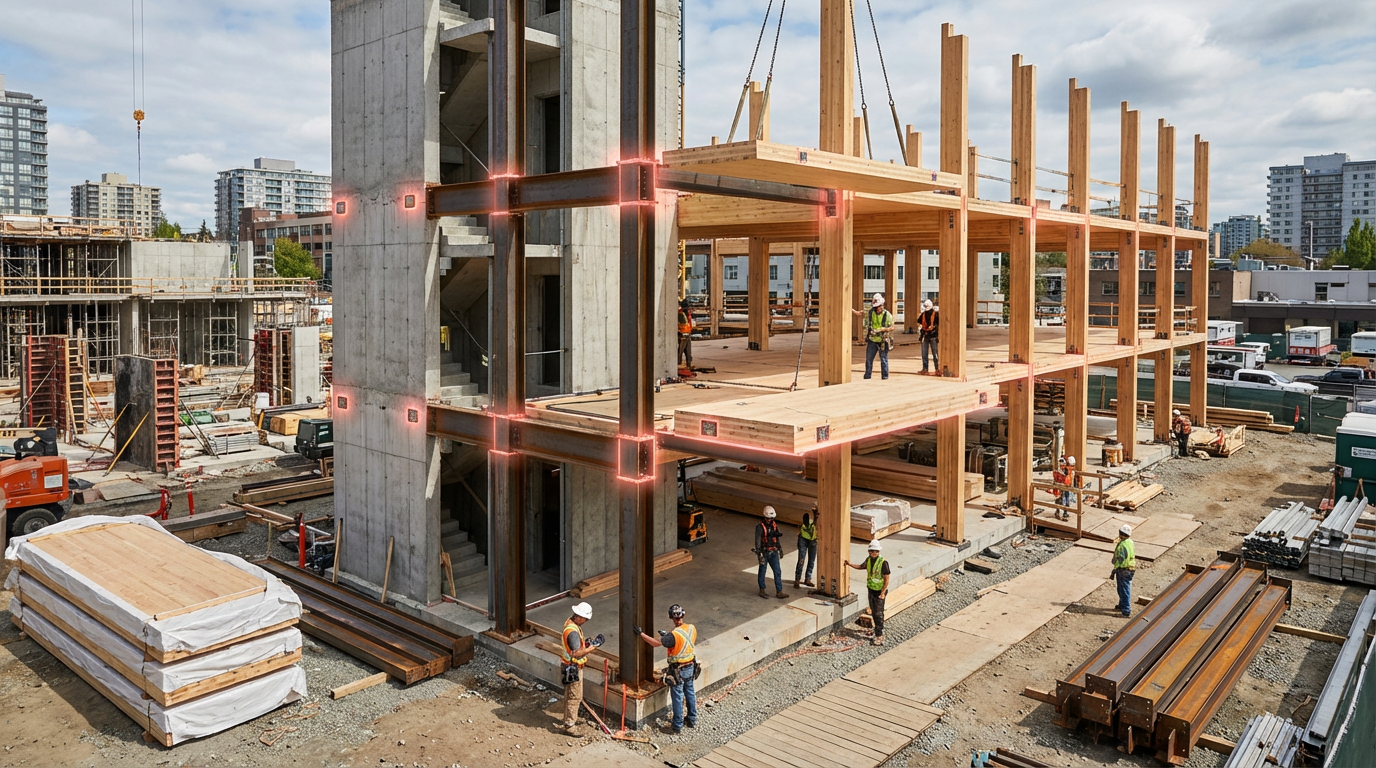
CLT/glulam structures combined with steel/concrete cores for faster, lower-carbon buildings.
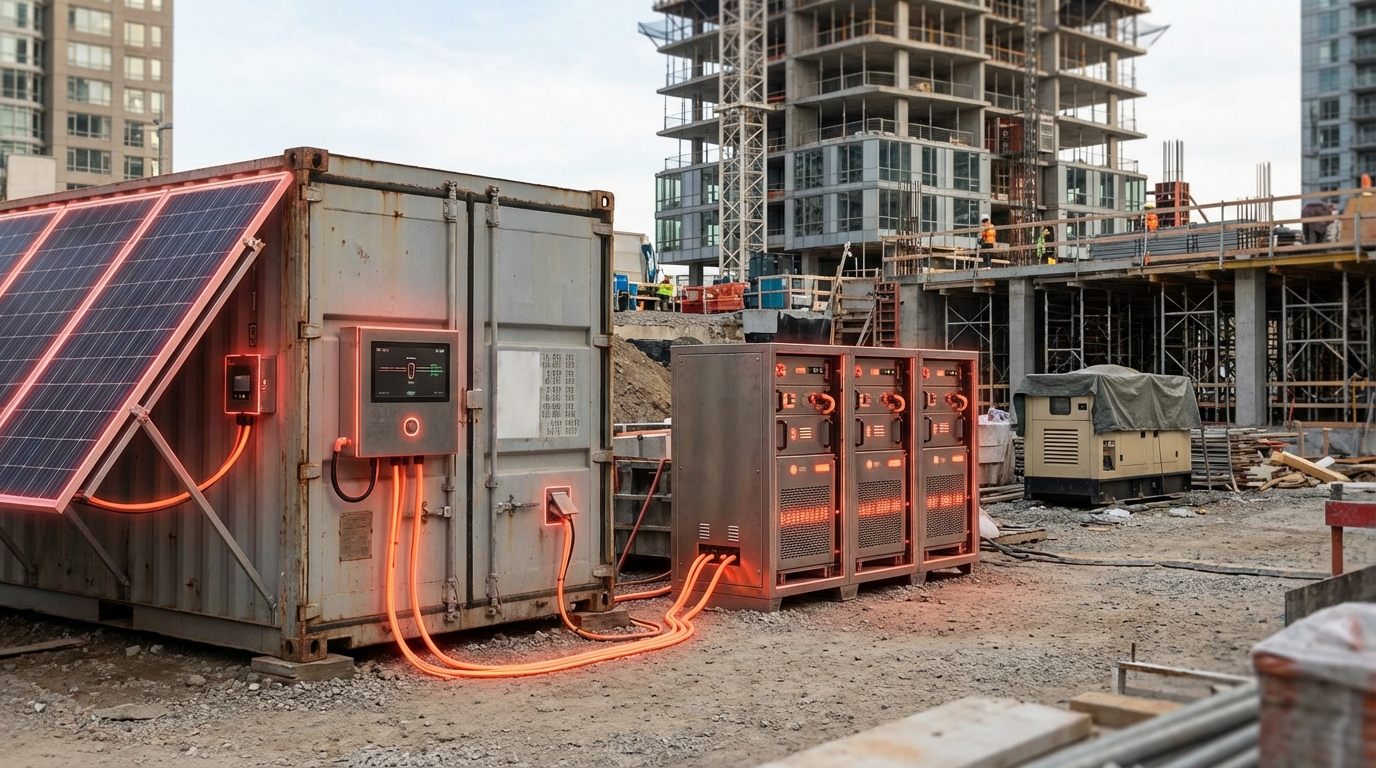
Containerized solar+storage systems replacing diesel generators on remote or urban sites.
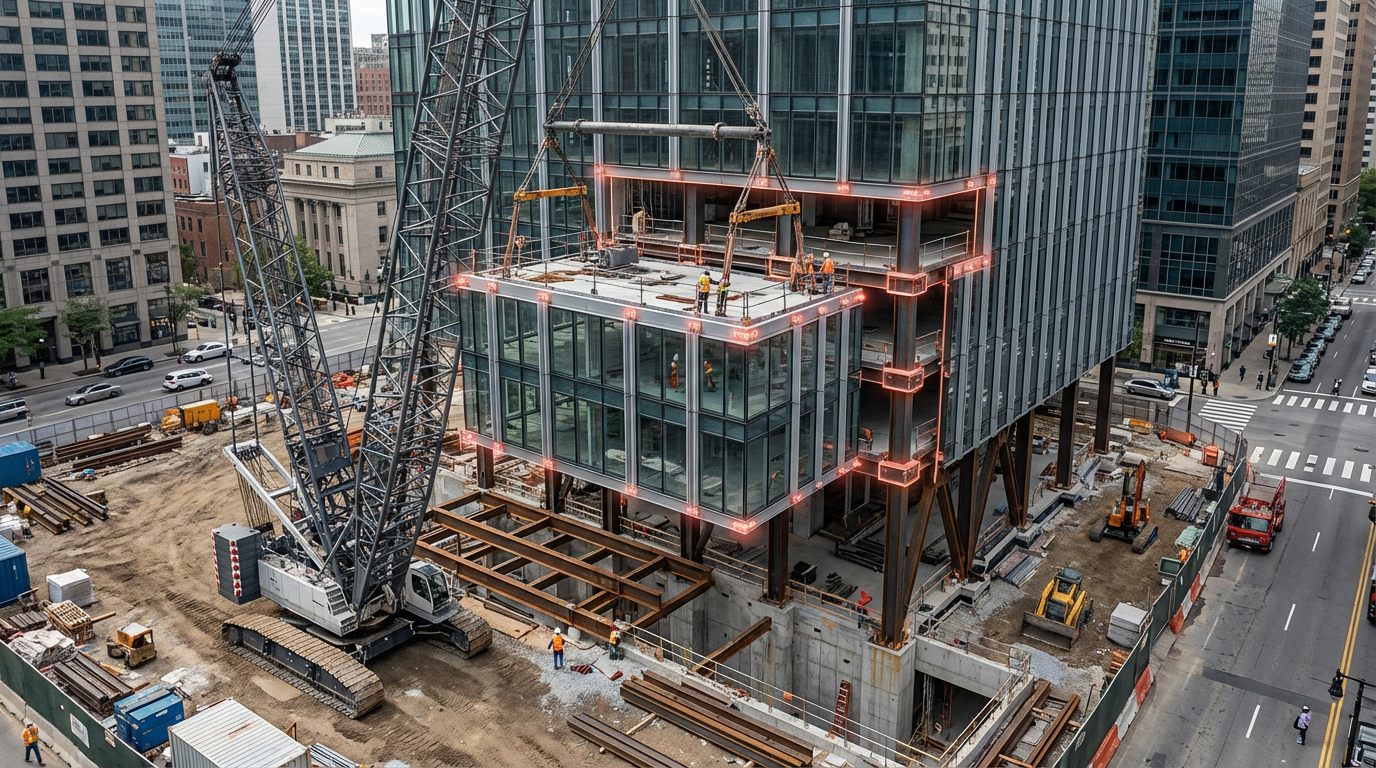
Factory-built modular units assembled rapidly into skyscrapers.
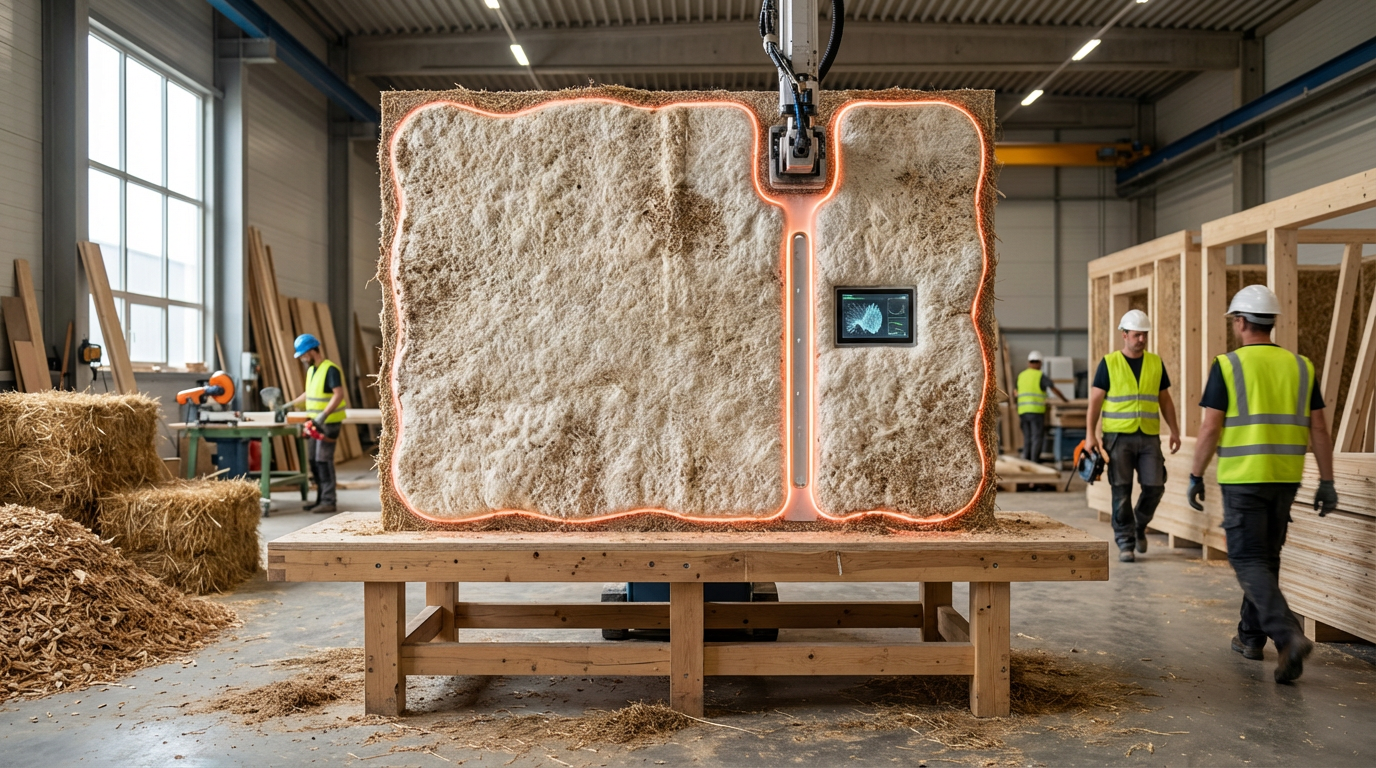
Fungi-based and agricultural-waste materials for insulation, panels, and temporary formwork.
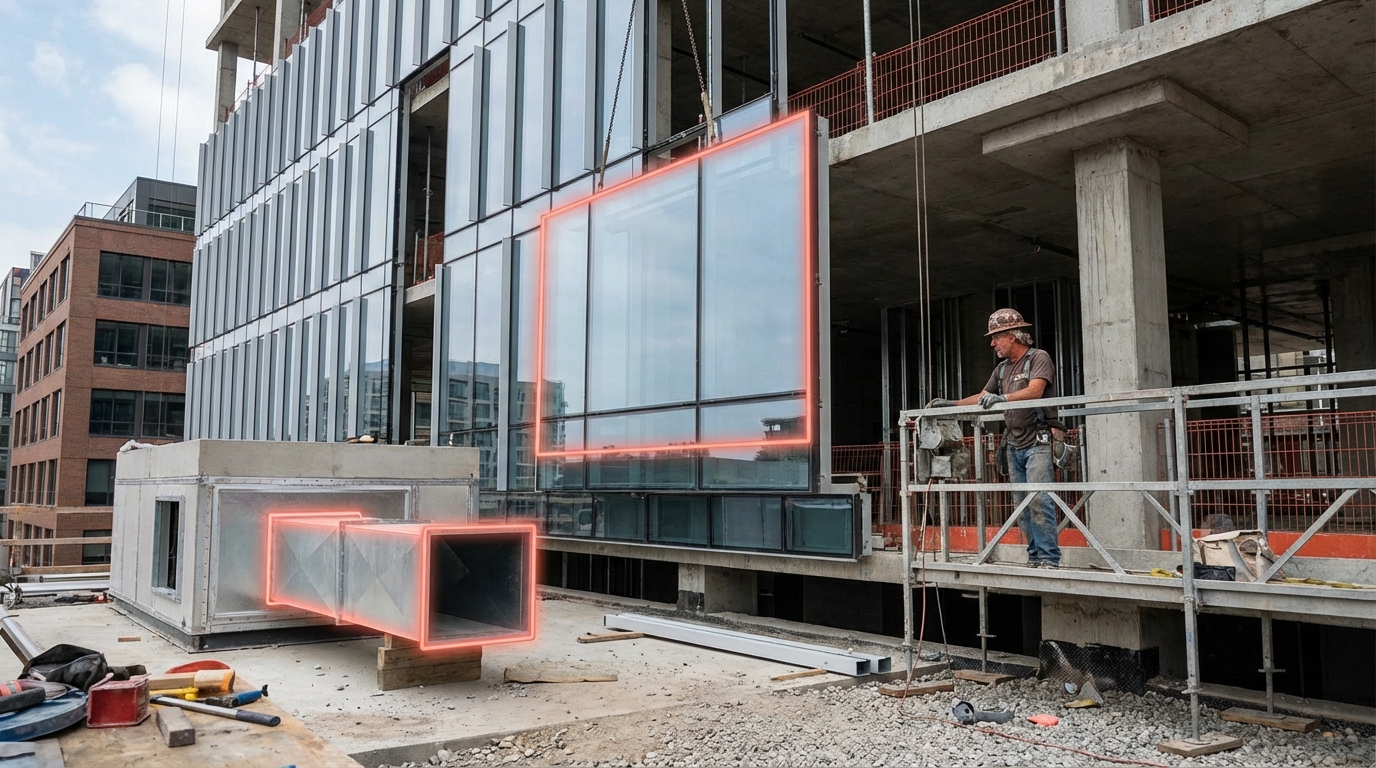
Photocatalytic and hydrophobic coatings that reduce maintenance and improve hygiene.
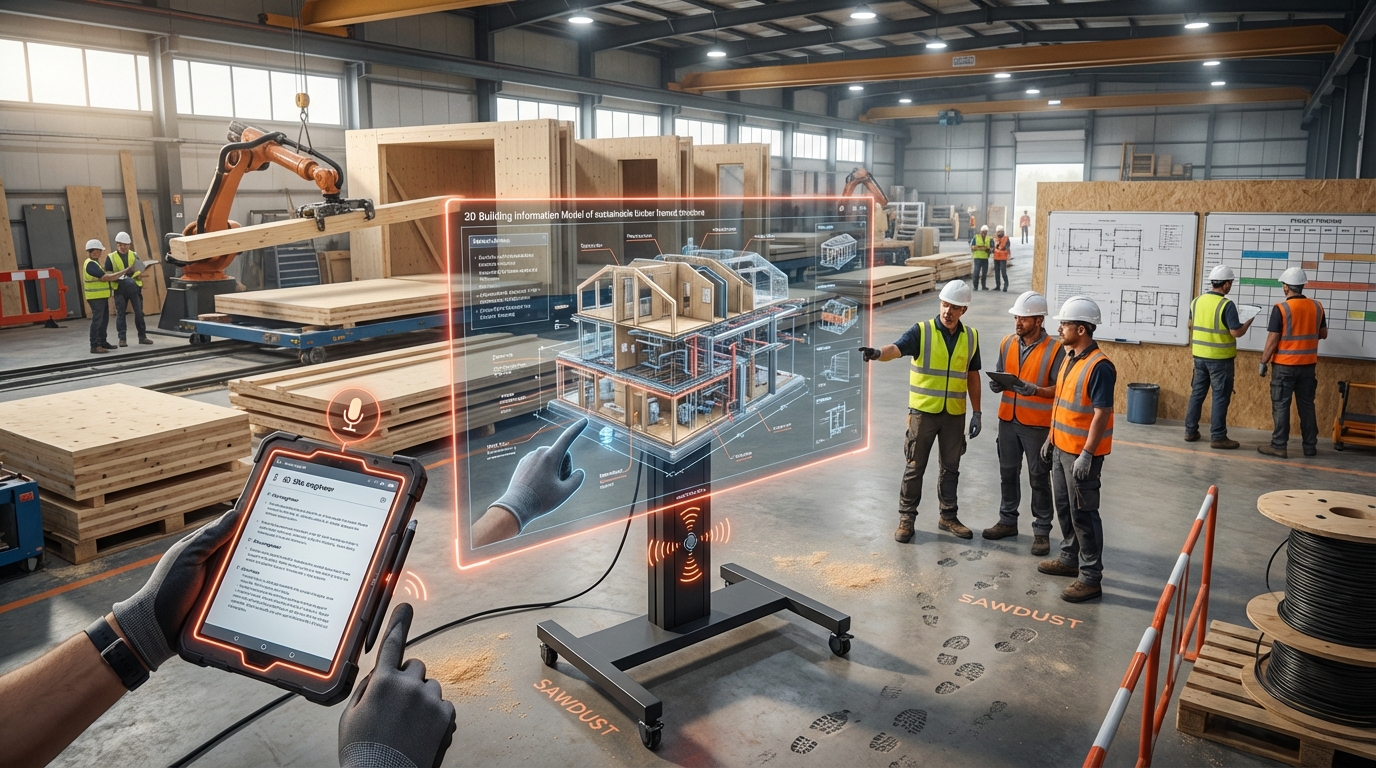
Converting text/voice descriptions and sketches into 3D models and parametric families.
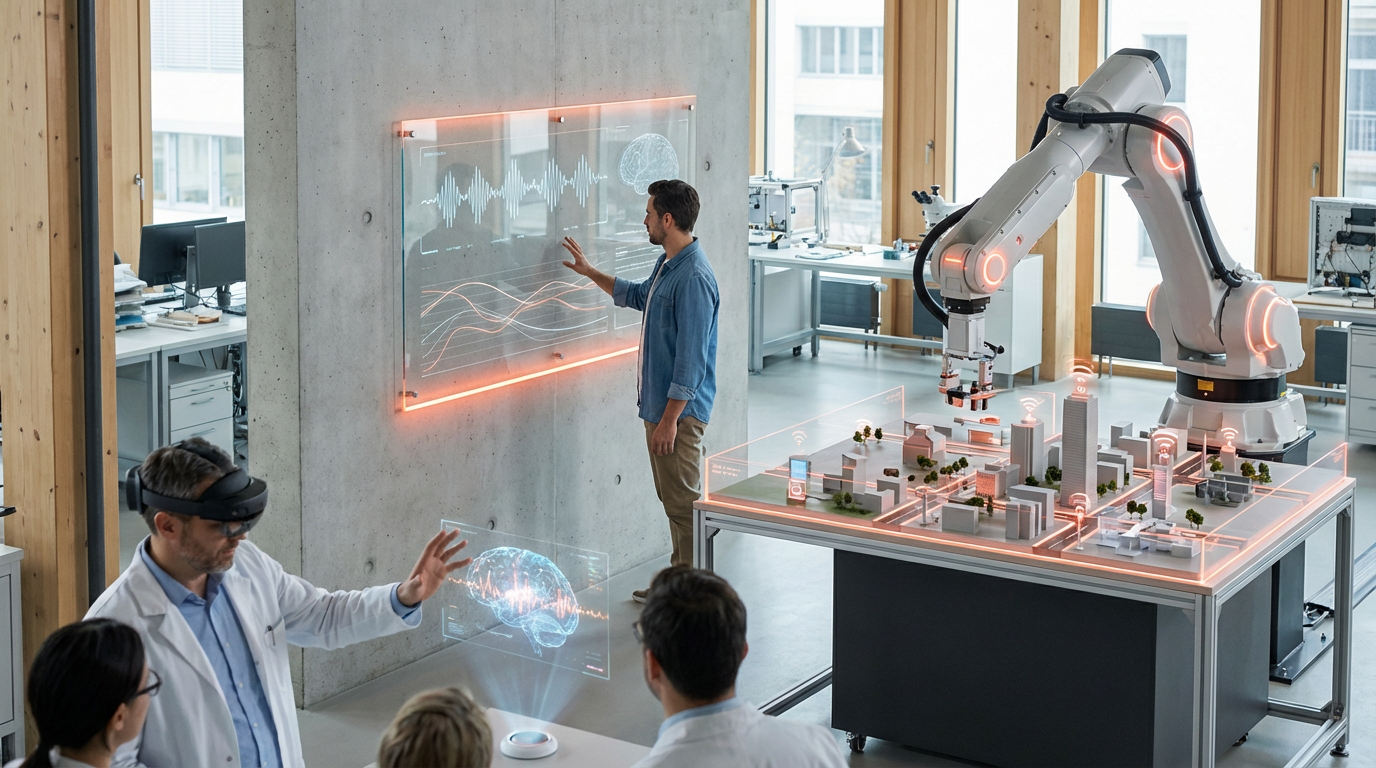
Protecting mental privacy and cognitive liberty as buildings track biometric data.
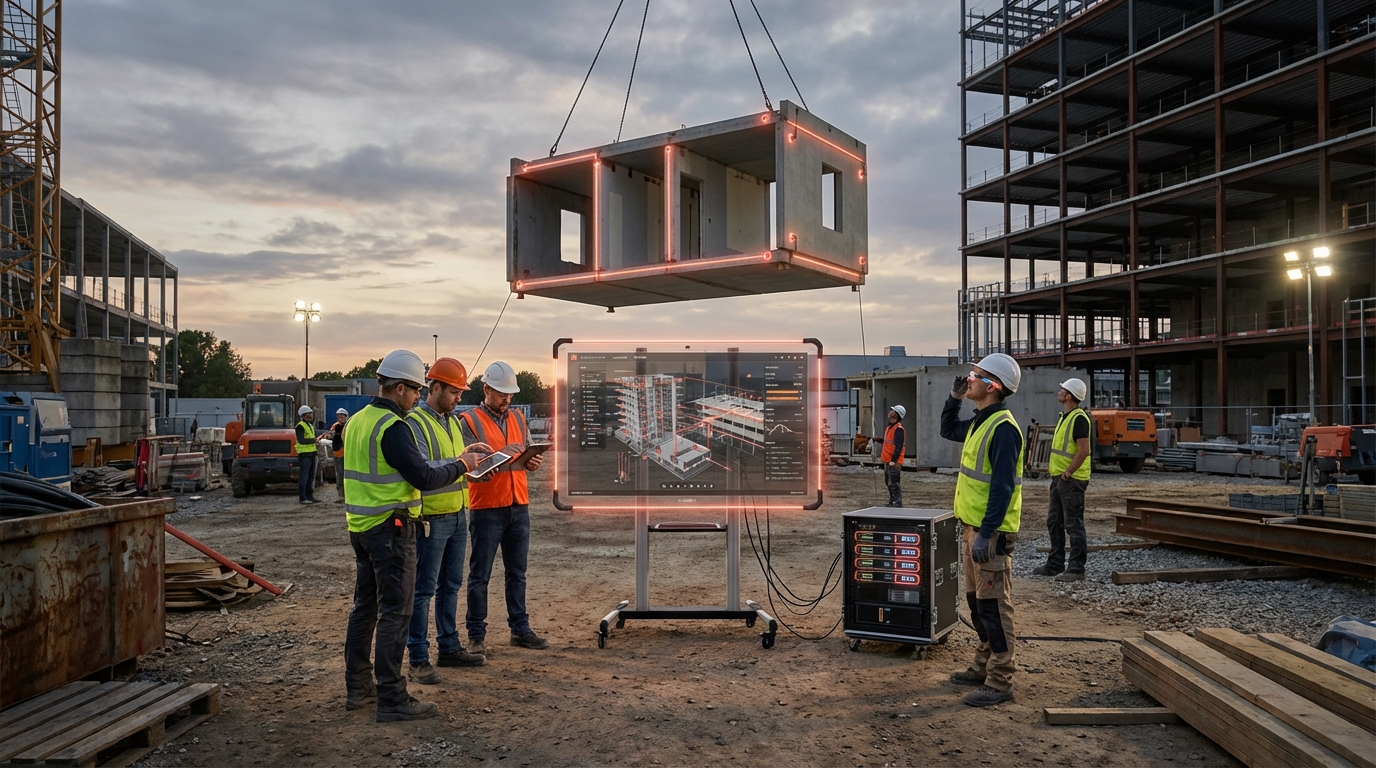
IFC-based exchange, APIs, and data schemas that keep design, build, and operate datasets aligned.
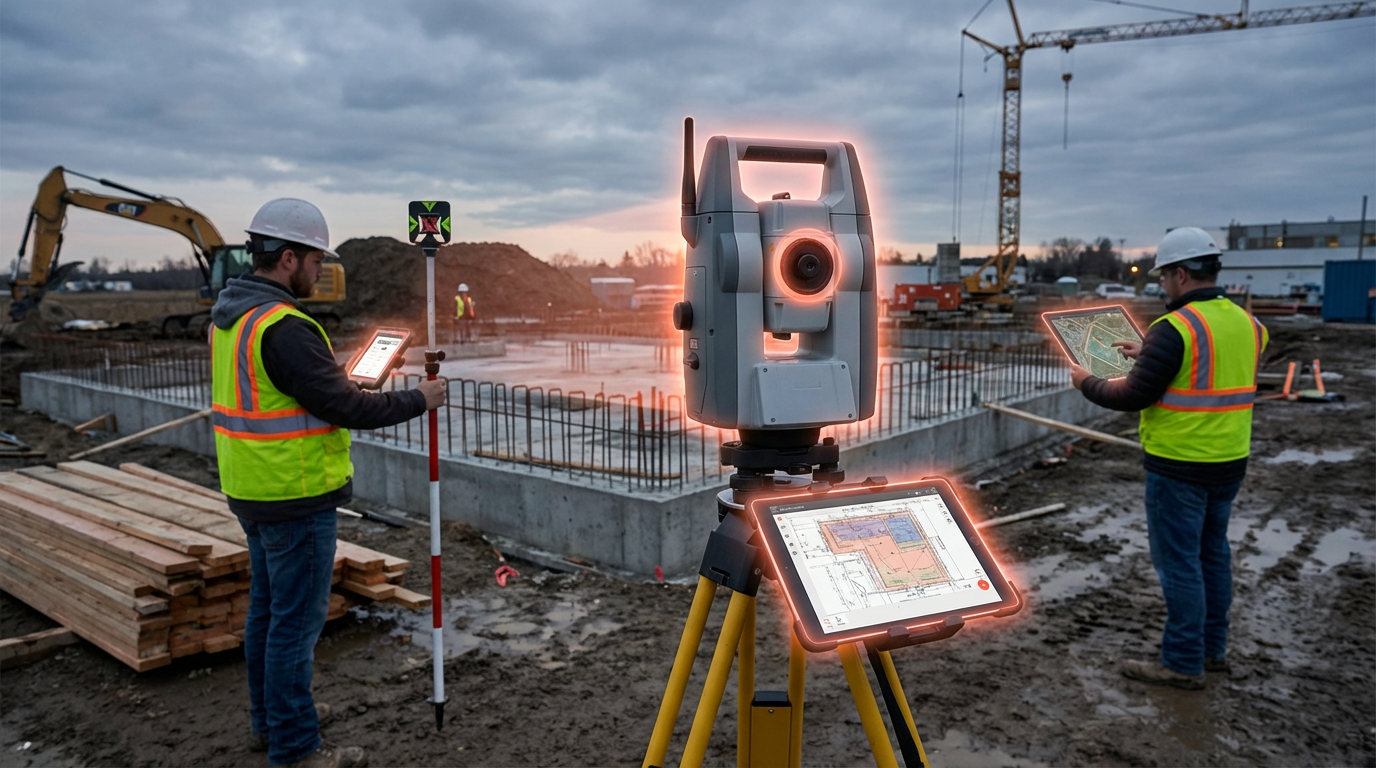
Digitized plan checks and rule engines that reduce permitting cycle times and improve auditability.
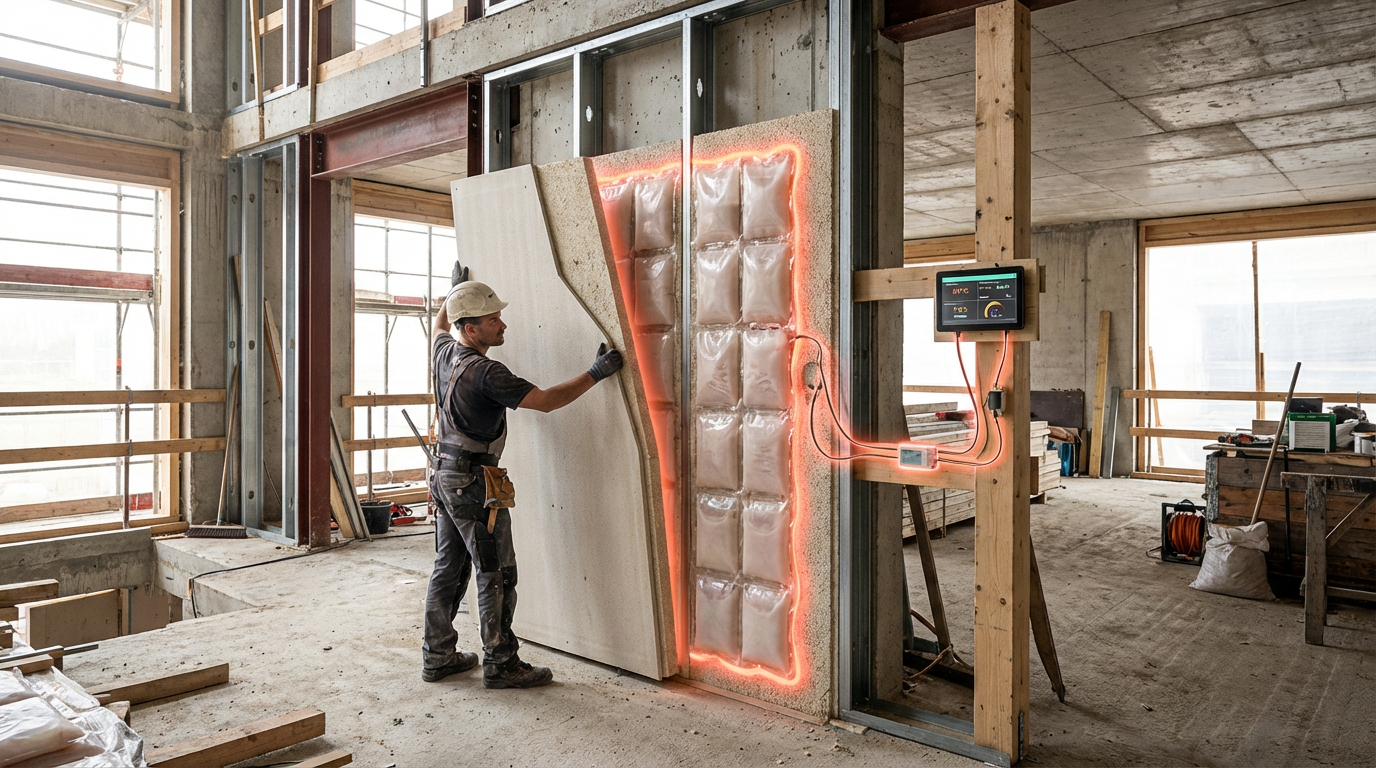
Encapsulated waxes or salts that absorb and release heat, reducing HVAC loads.
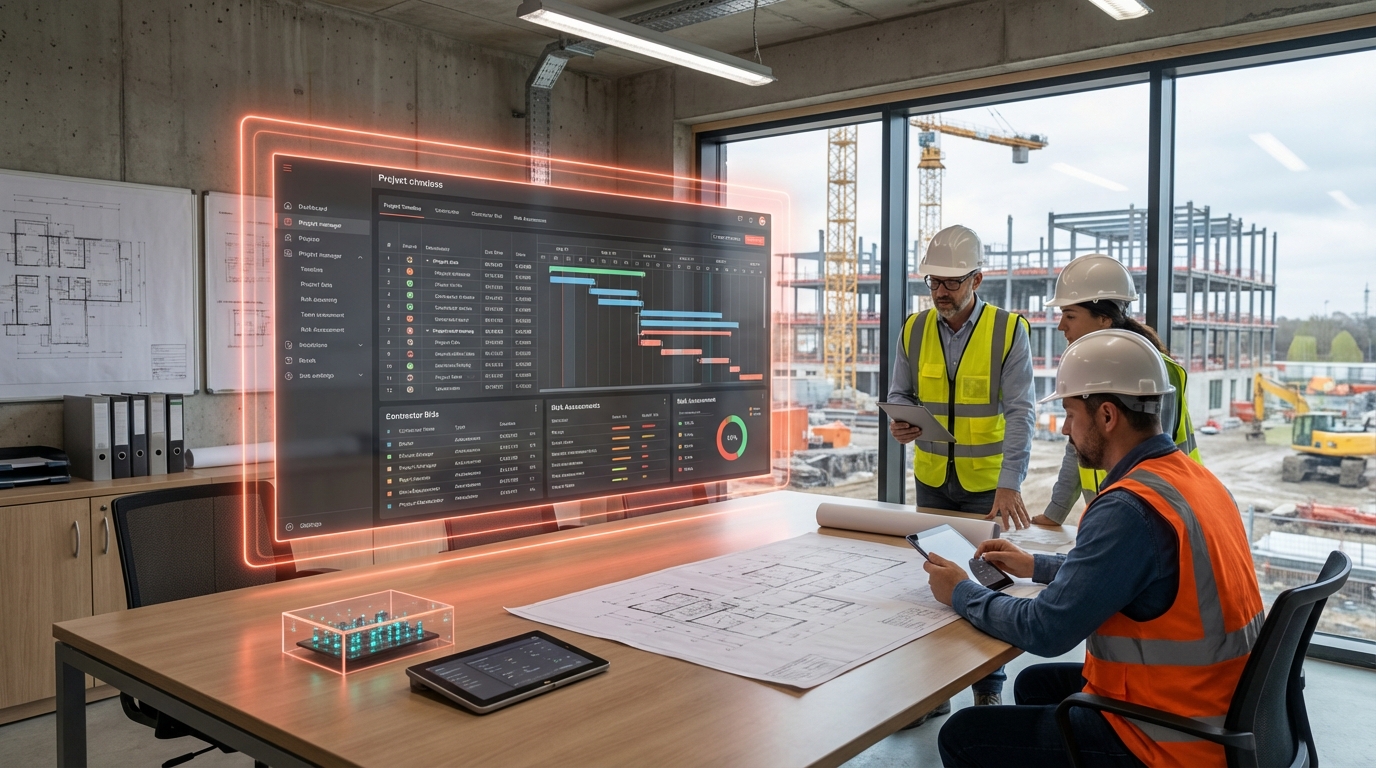
Ensuring AI-driven bidding, scheduling, and workforce tools don’t encode unfair or unsafe incentives.
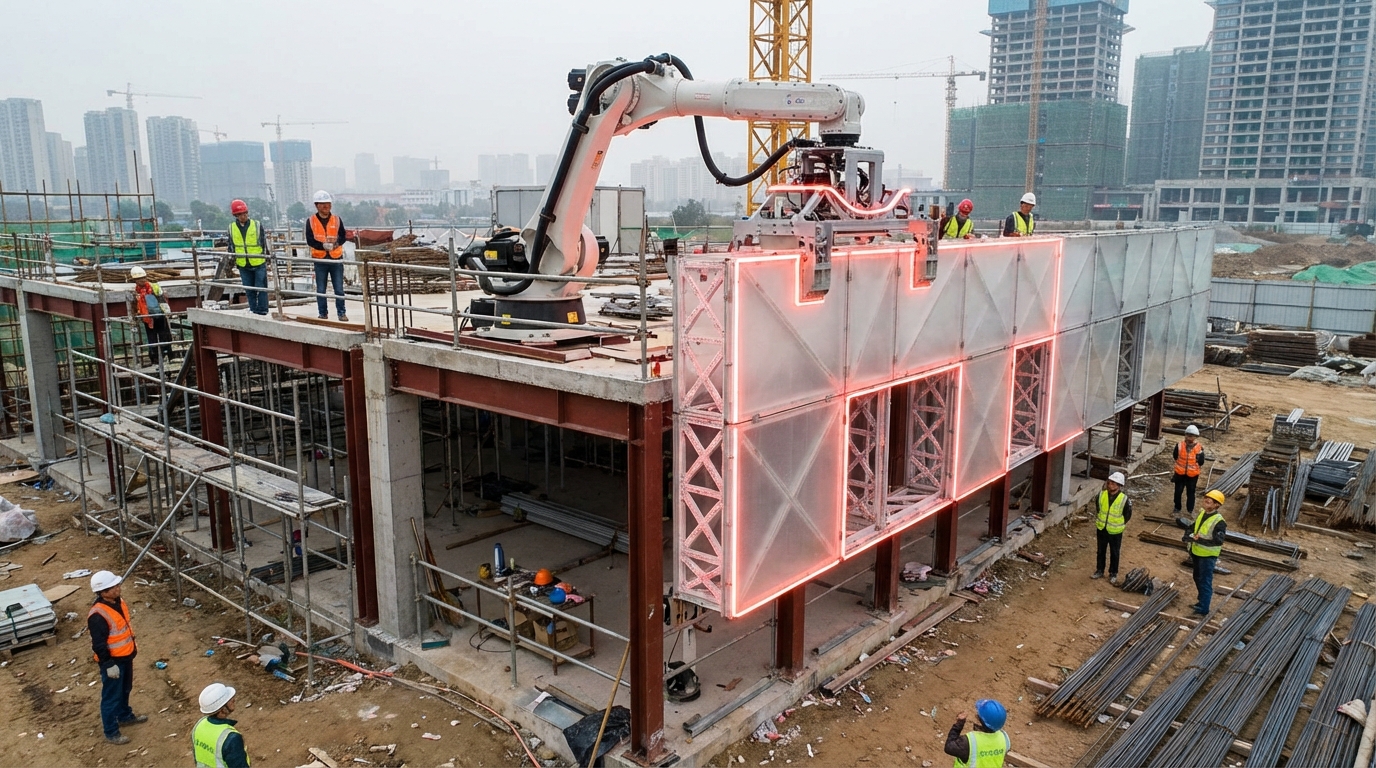
Materials that change shape or properties in response to external stimuli after fabrication.
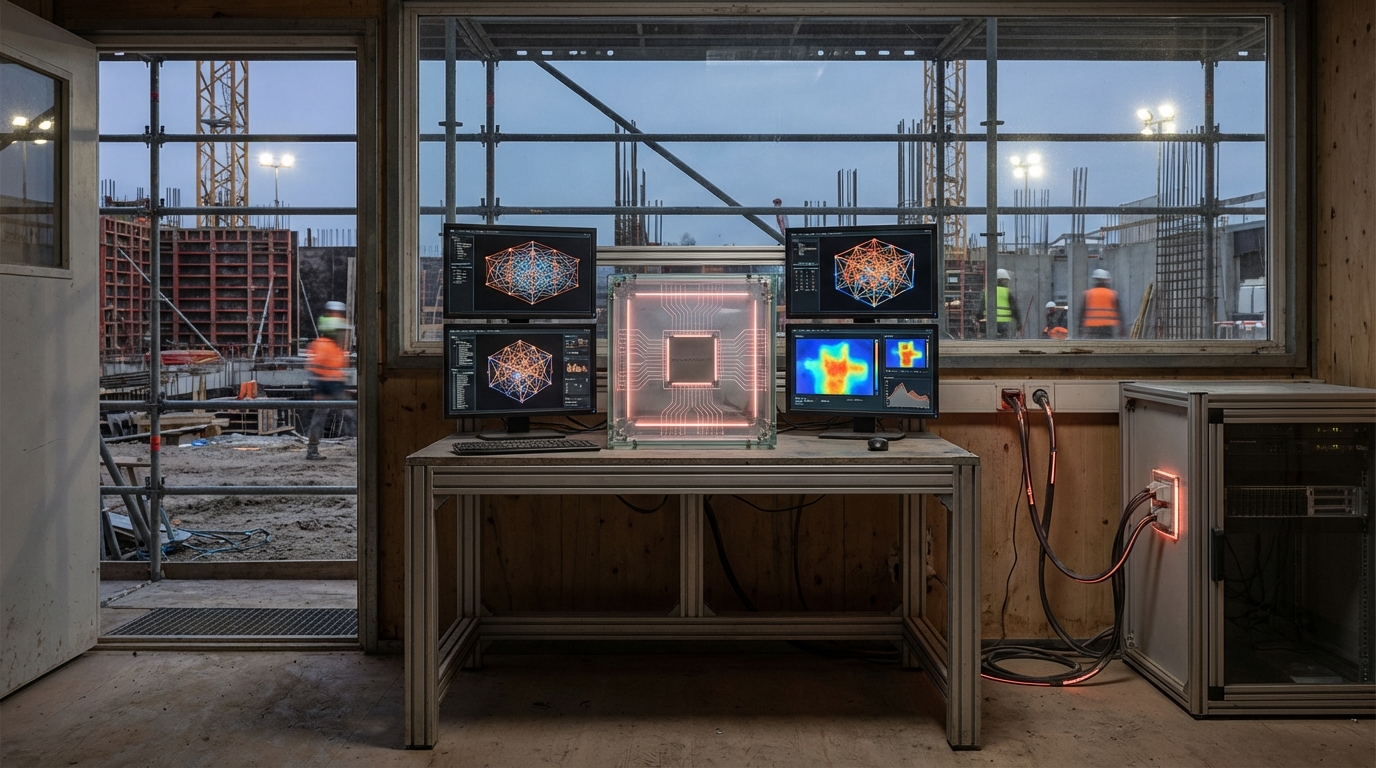
Leveraging quantum algorithms to solve complex topology and material-selection problems.
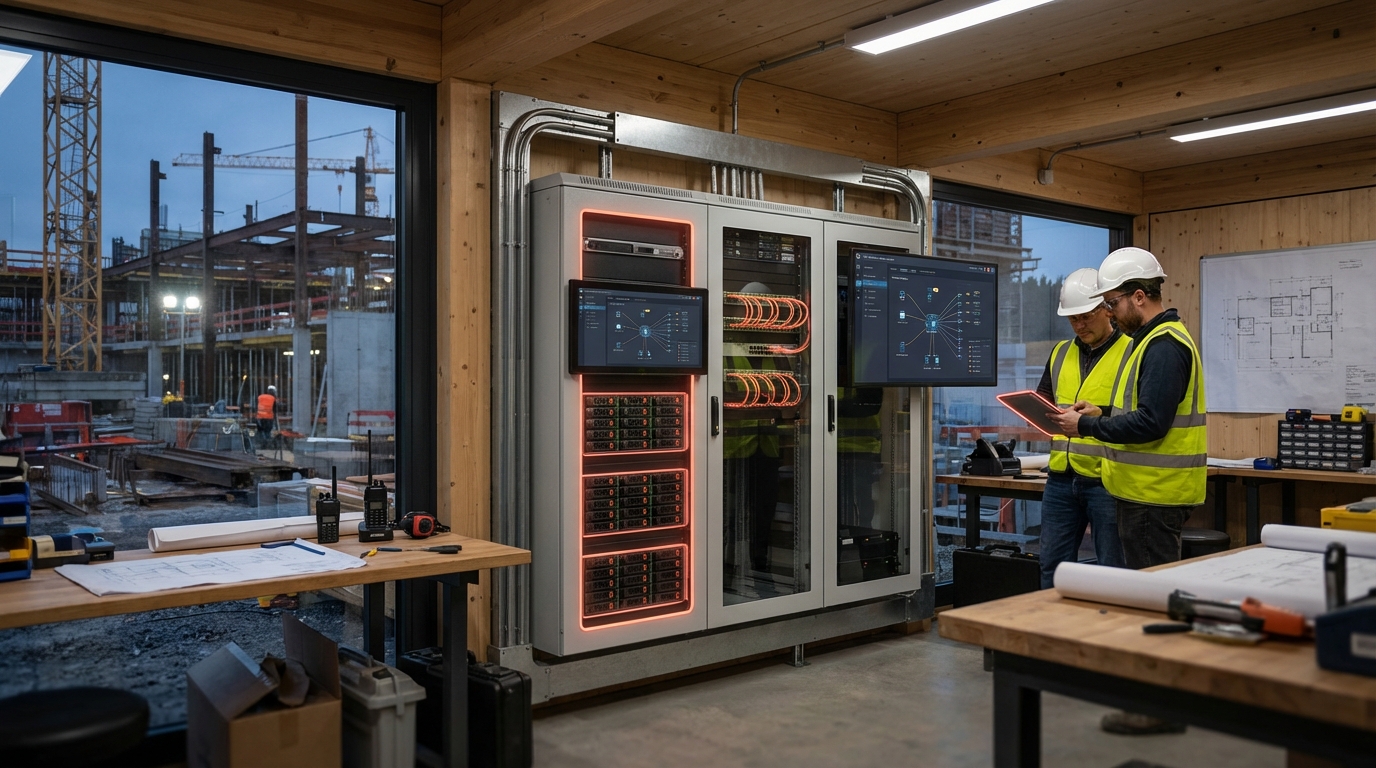
Backups, segmentation, and incident response tuned to construction’s project-based IT and vendor ecosystem.
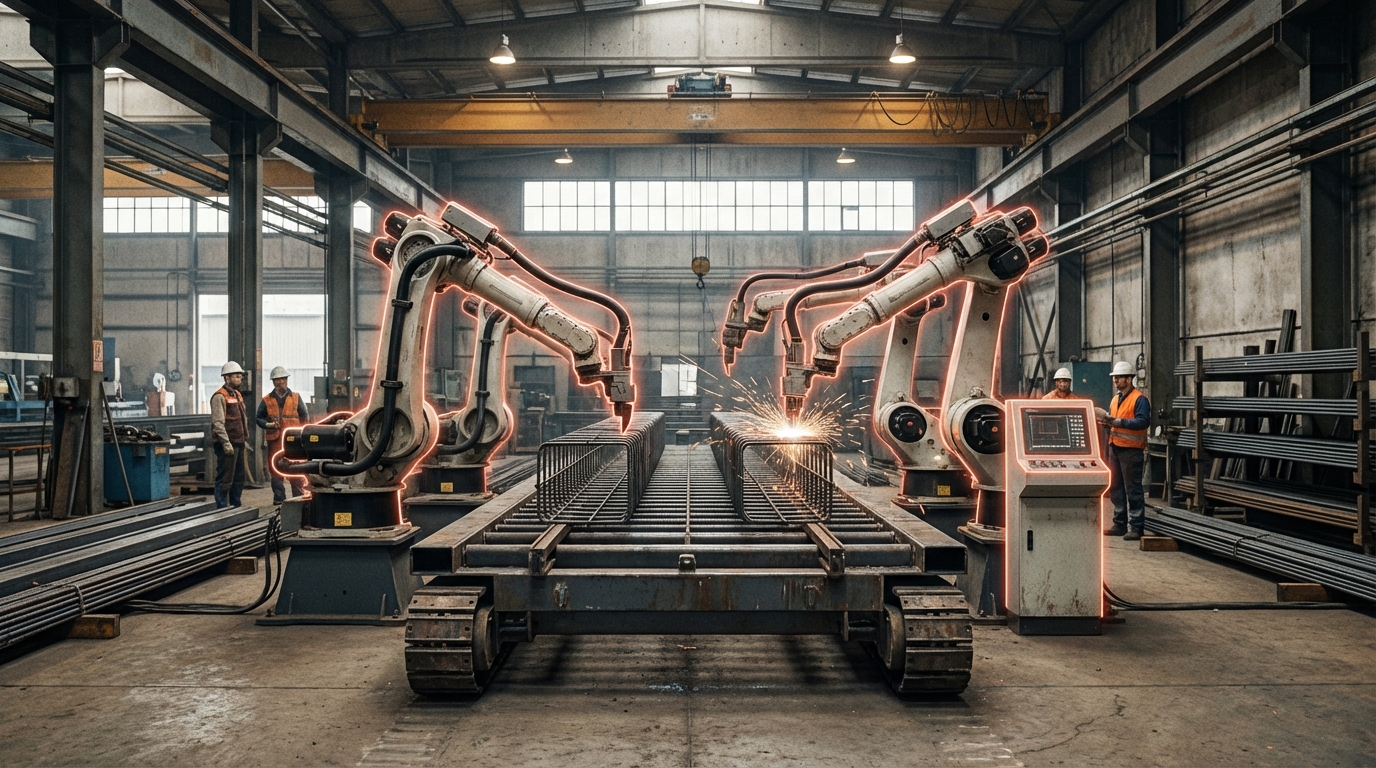
Automation cells for cutting, bending, tying, and welding that shift labor from site to controlled factories.
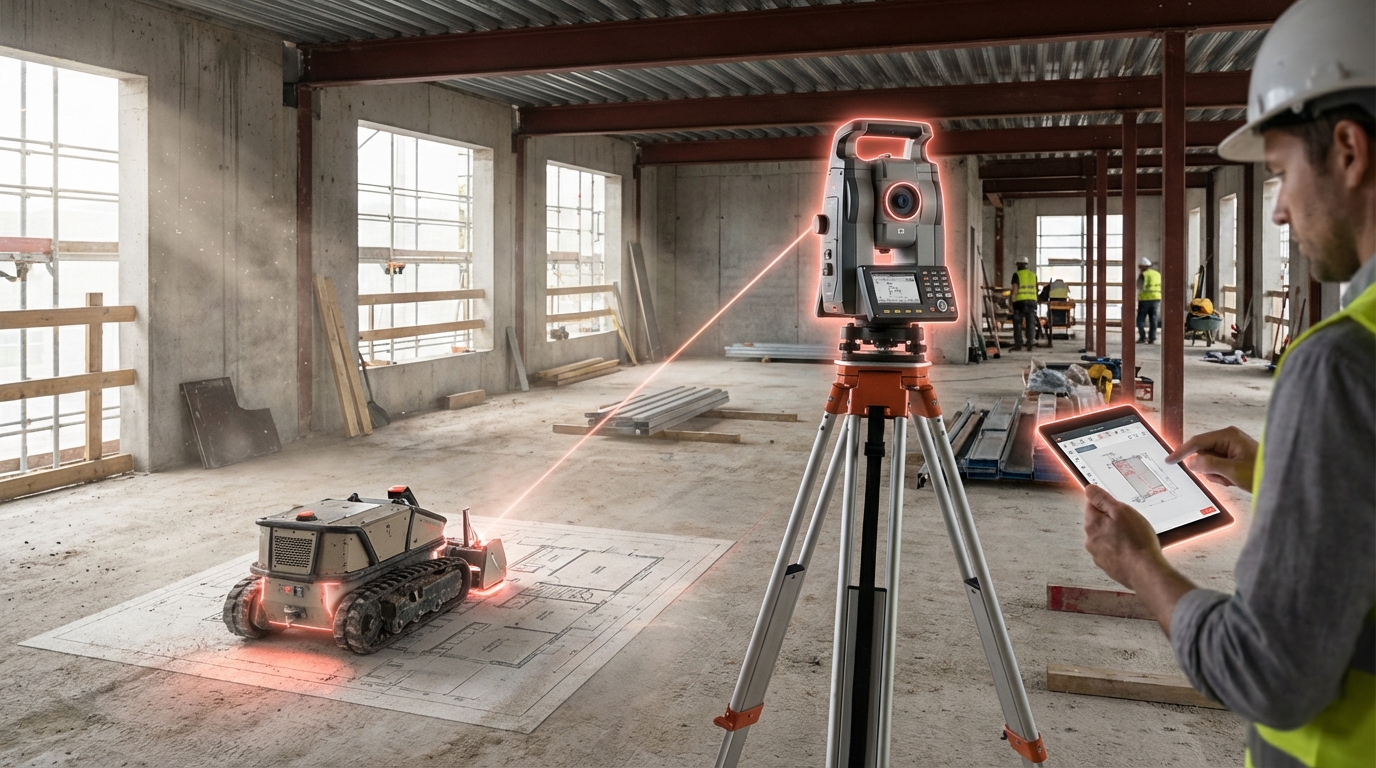
Robots and robotic total stations that mark points and lines directly from BIM models.
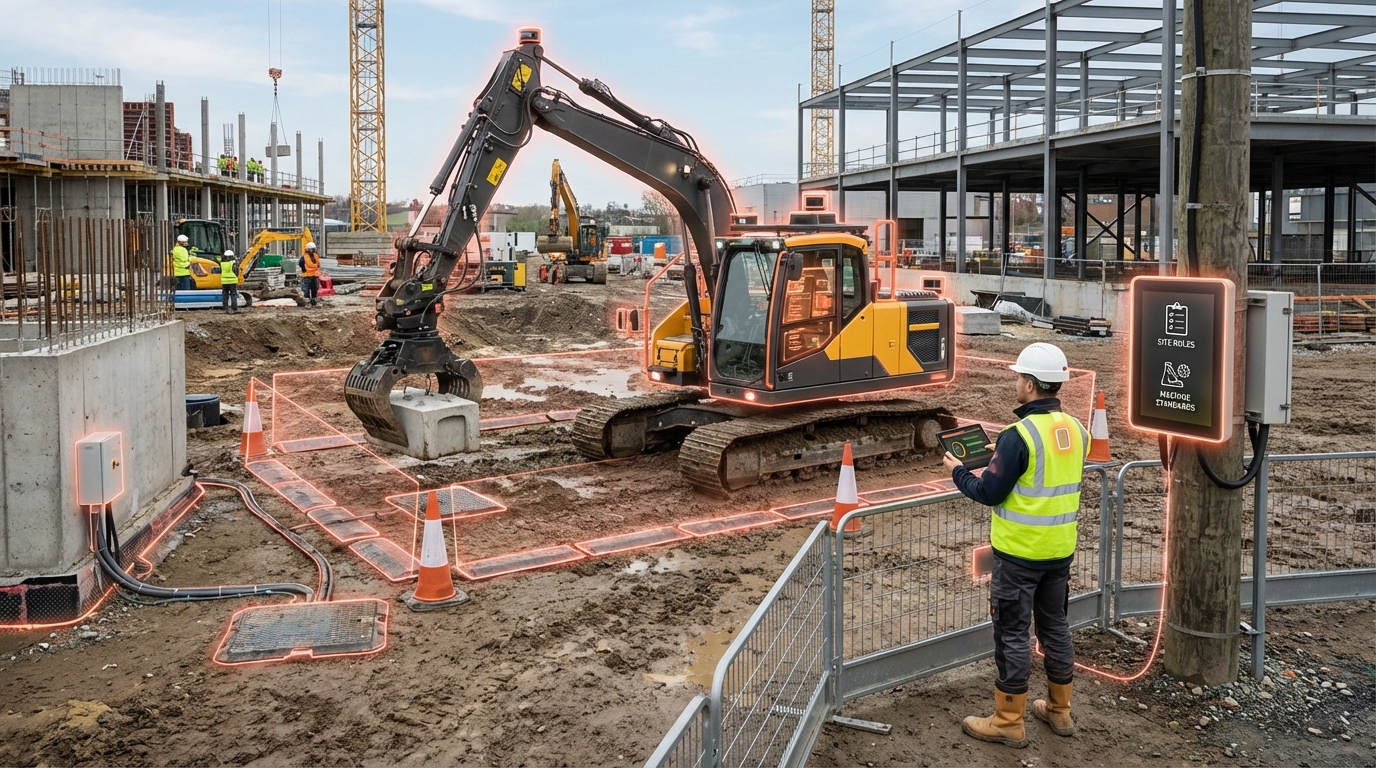
Certification, training, and site rules that make autonomy deployable without increasing risk.
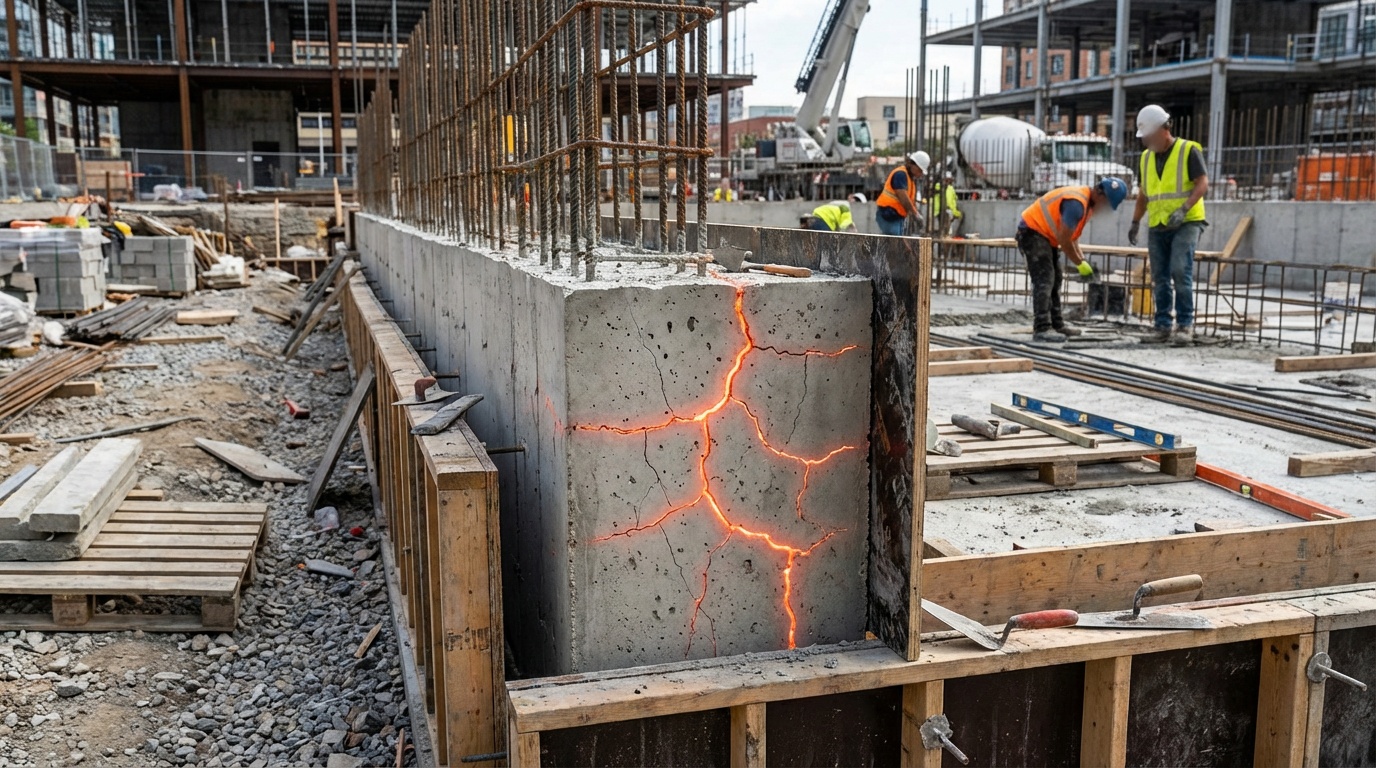
Concrete infused with bacteria that repair cracks automatically.
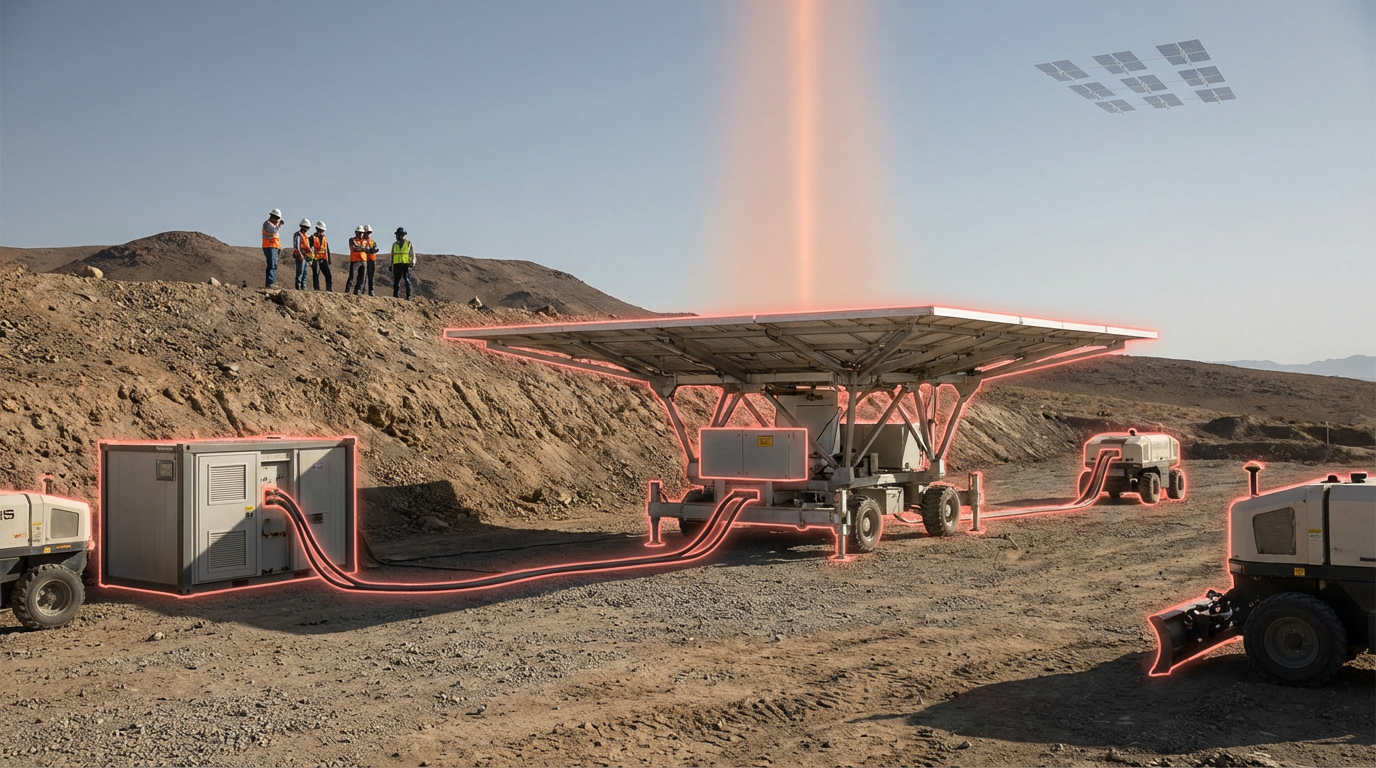
Beaming energy from orbital solar arrays to remote construction or infrastructure sites.
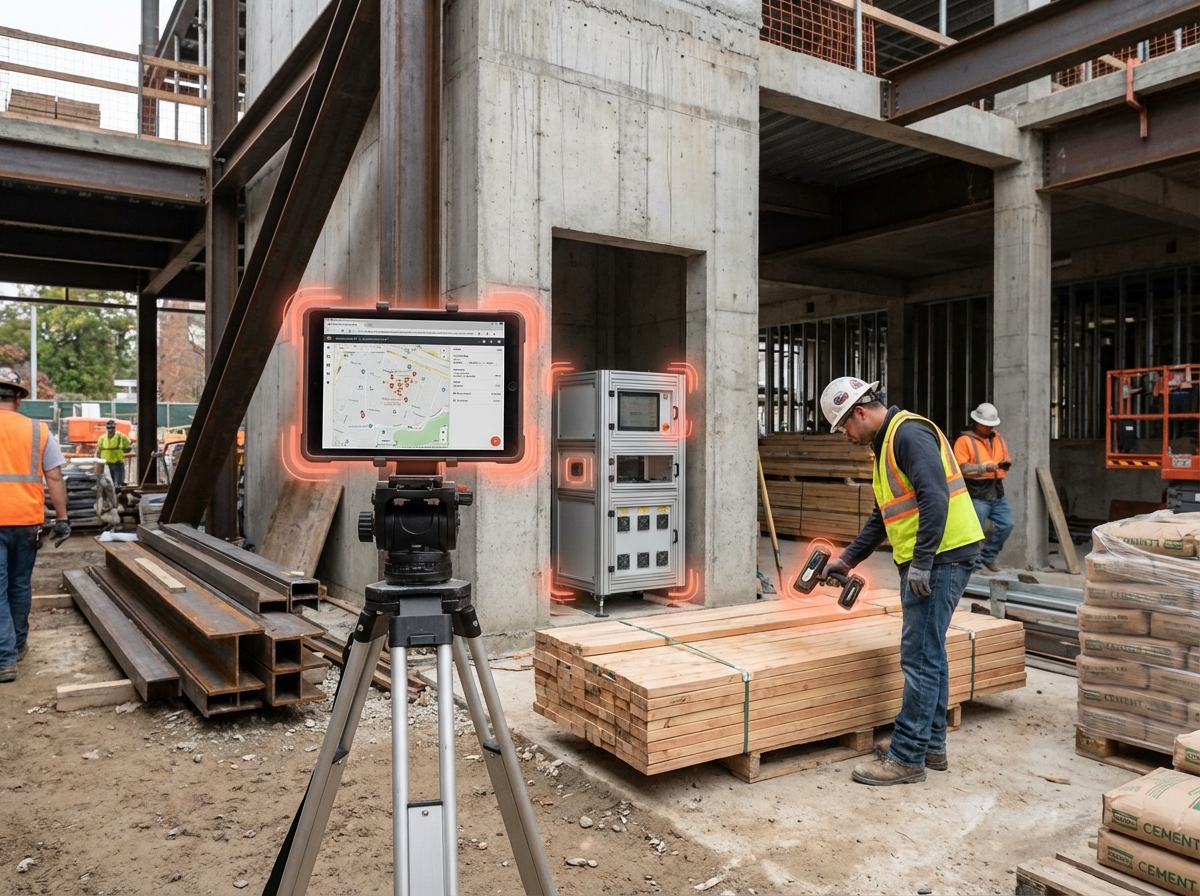
Verification that materials meet labor, sanctions, and sustainability requirements across global supply chains.
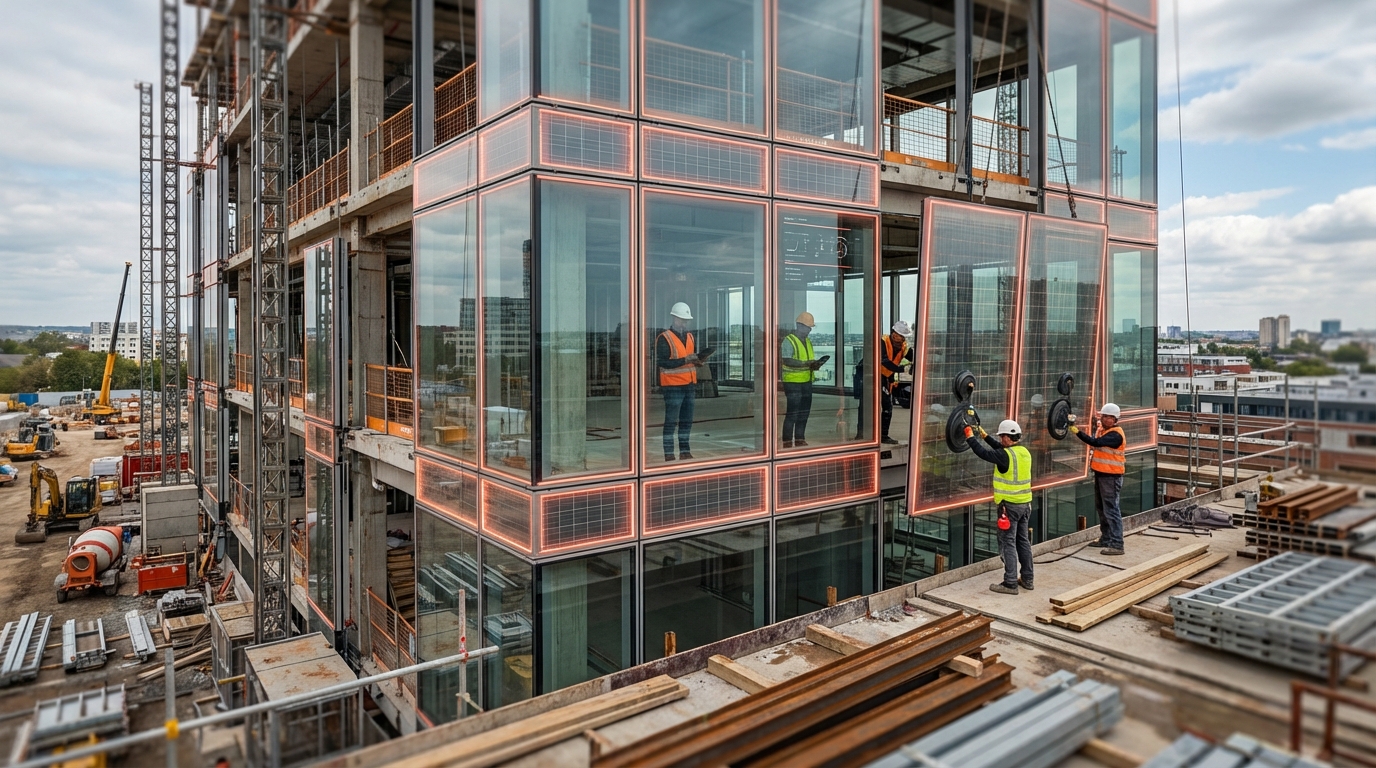
Facades and windows that generate electricity while maintaining daylight and views.
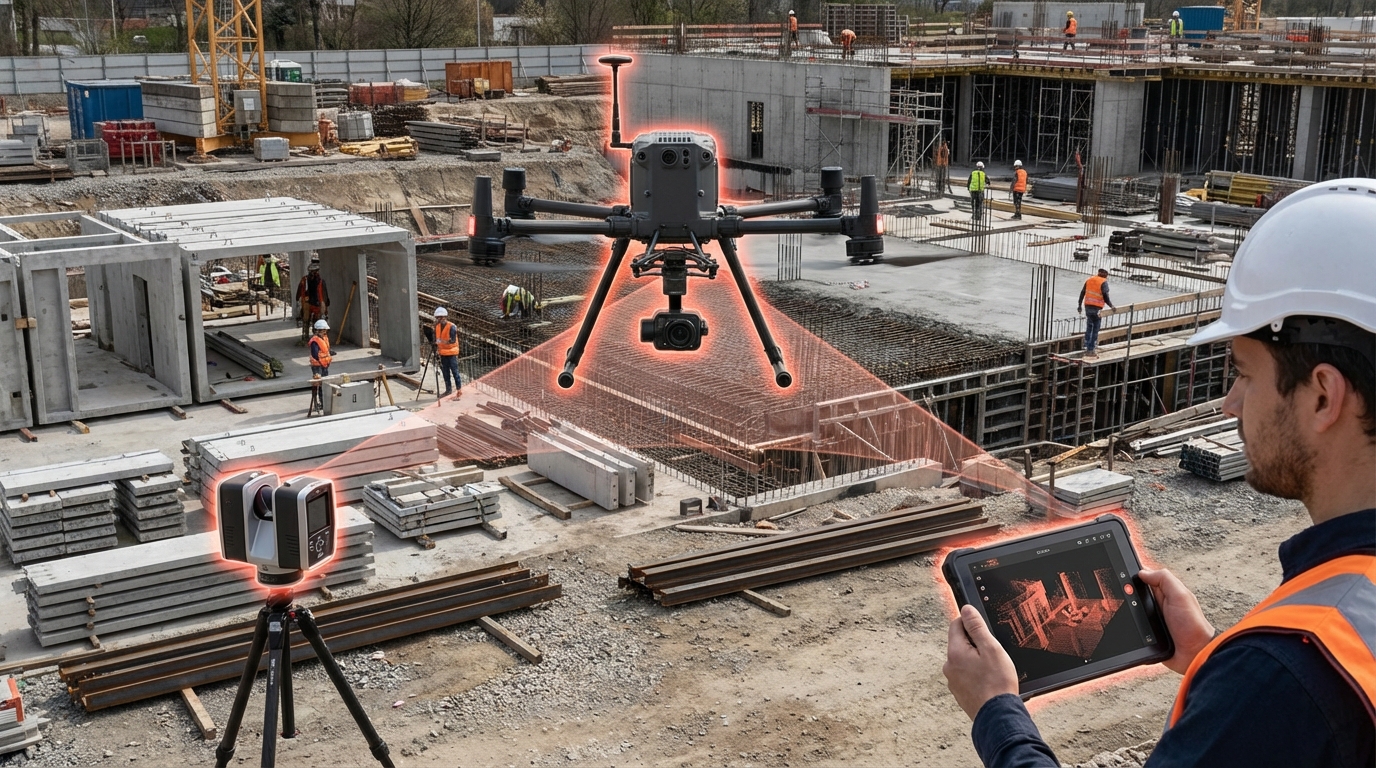
Drones and mobile scanners producing dense point clouds for surveying and progress verification.
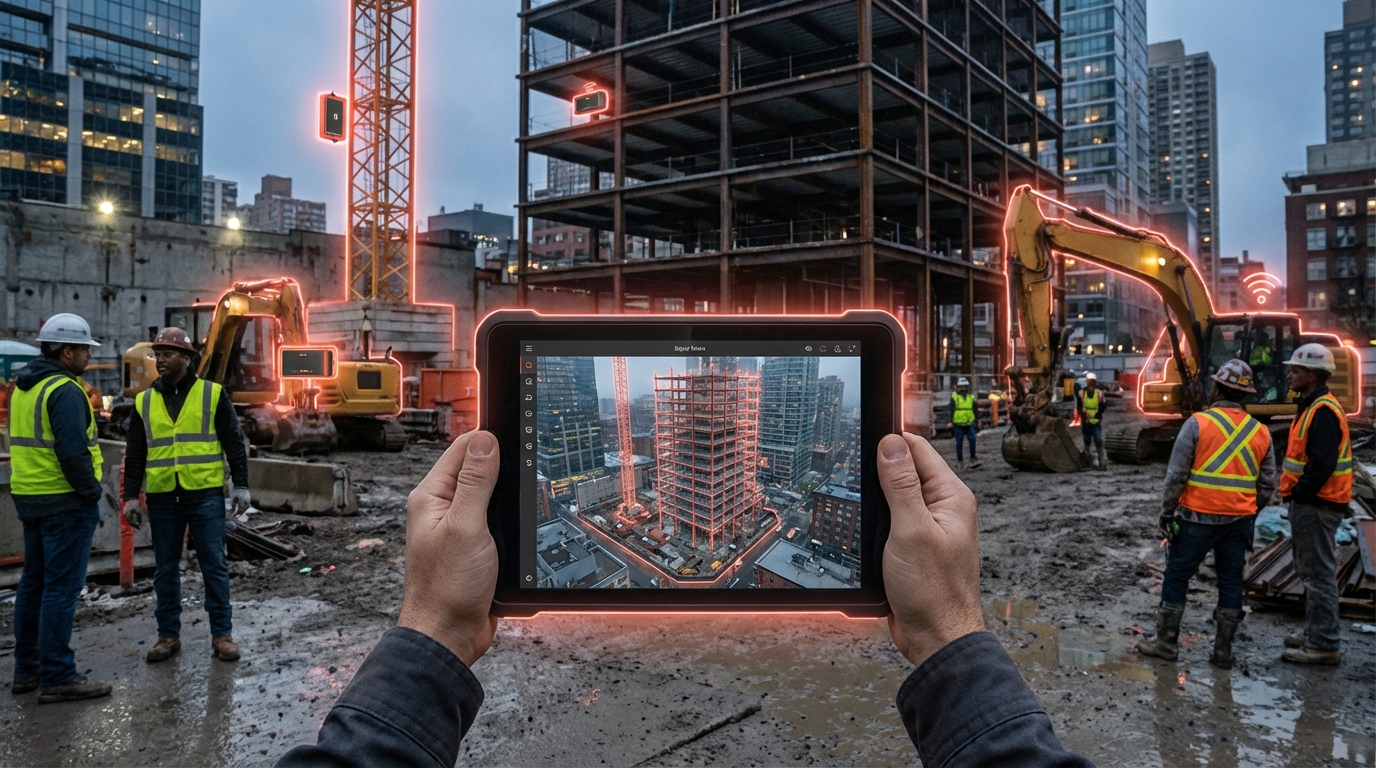
Real-time virtual replicas of physical construction sites and city districts.
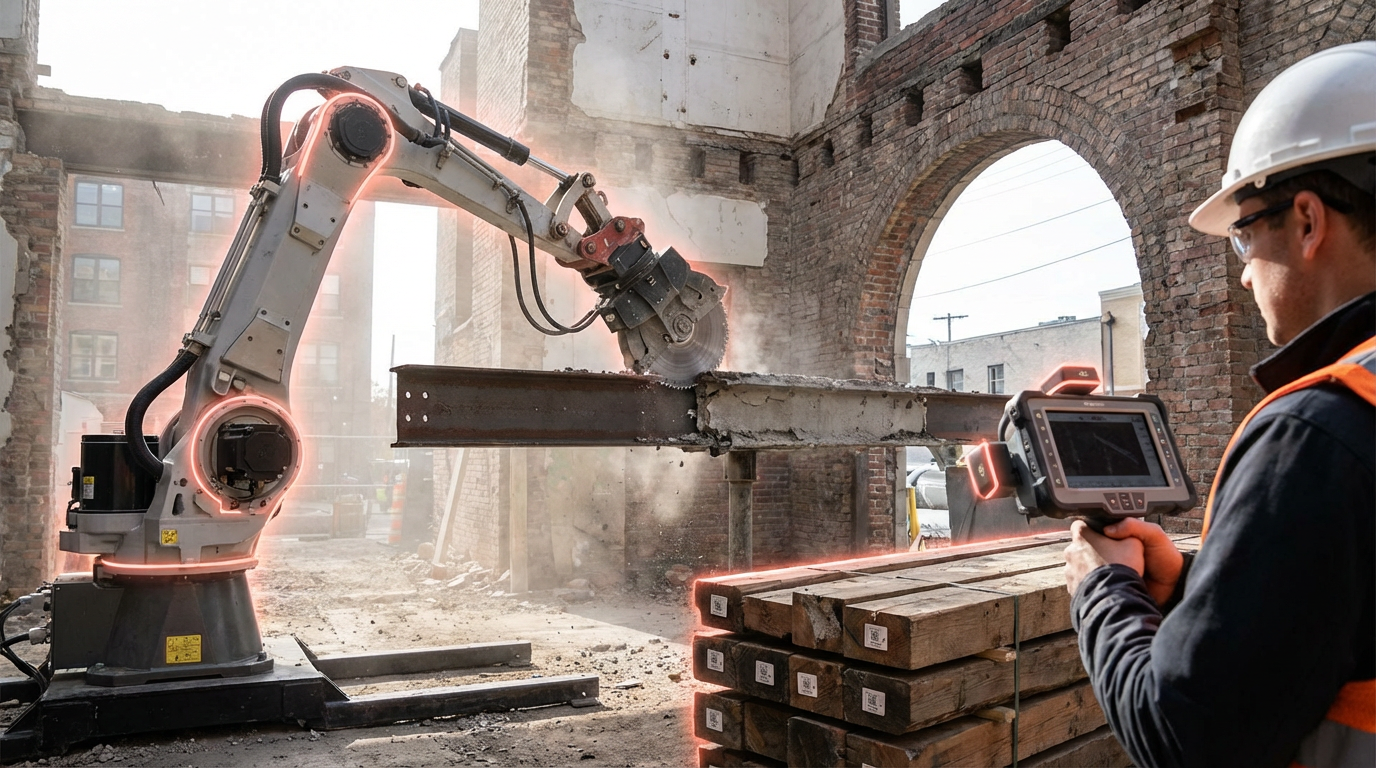
Treating cities as material banks with formalized deconstruction and reuse workflows.
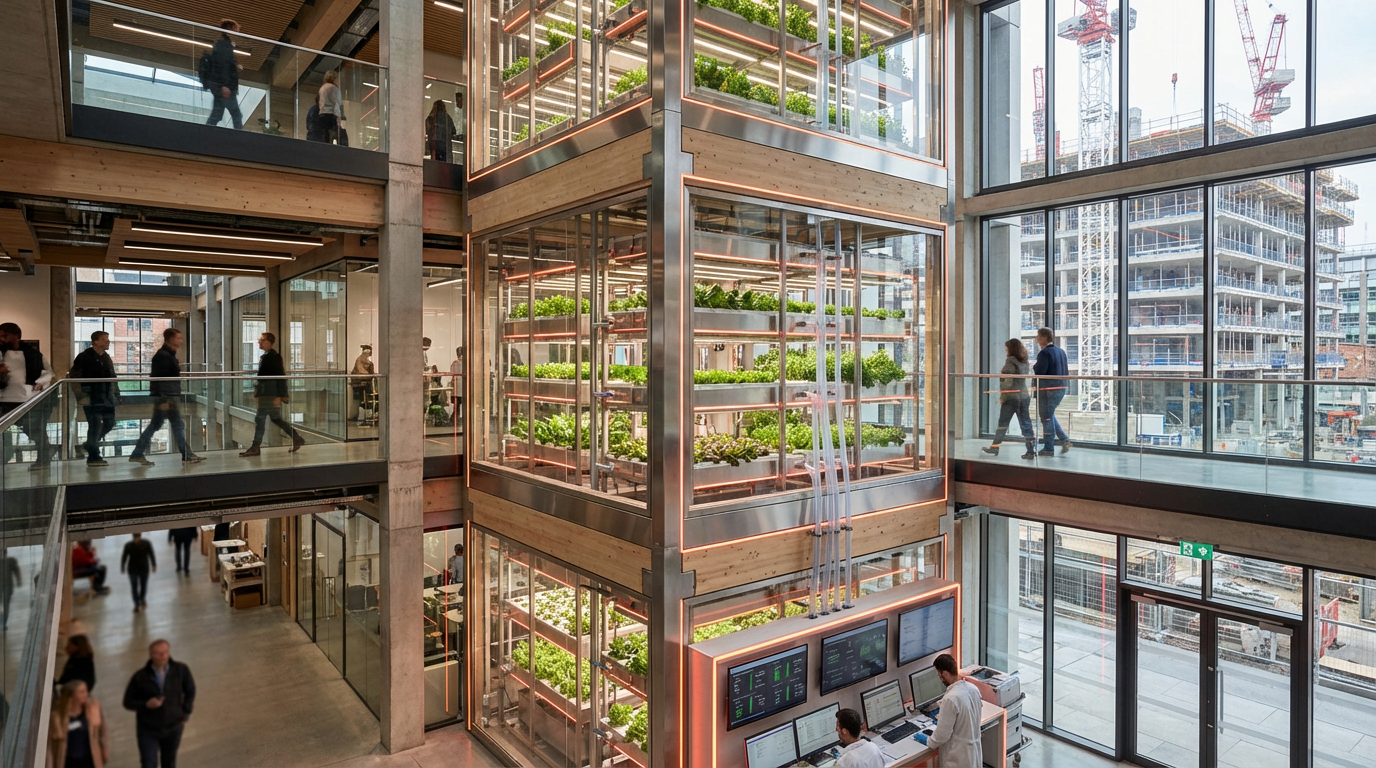
Stacked hydroponic/aeroponic systems within mixed-use developments for local food production.
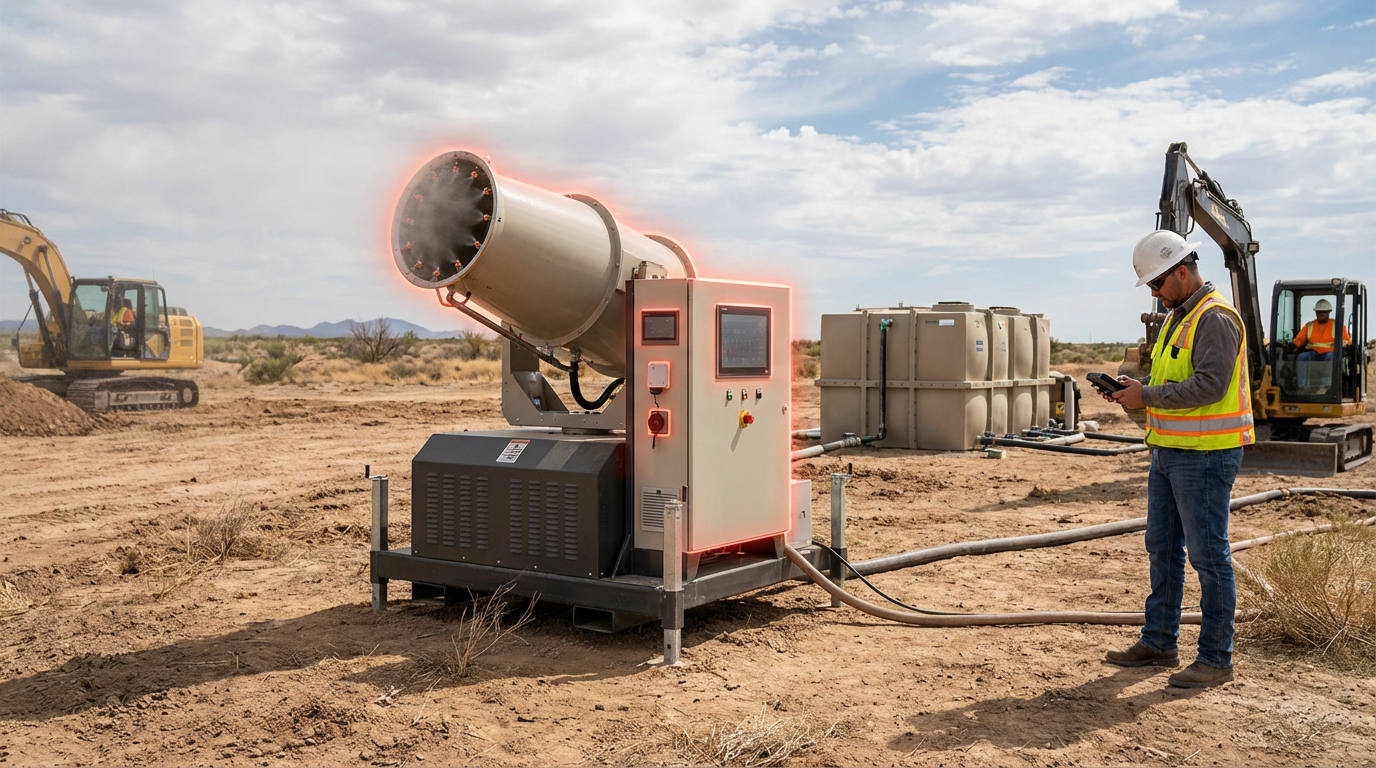
Managing water consumption, dust suppression, and wastewater in water-scarce regions.
Turn this hub into a team session
Interested in our work?
Newsletter
Follow us for weekly foresight in your inbox.