Space-Based Solar Power for Remote Sites
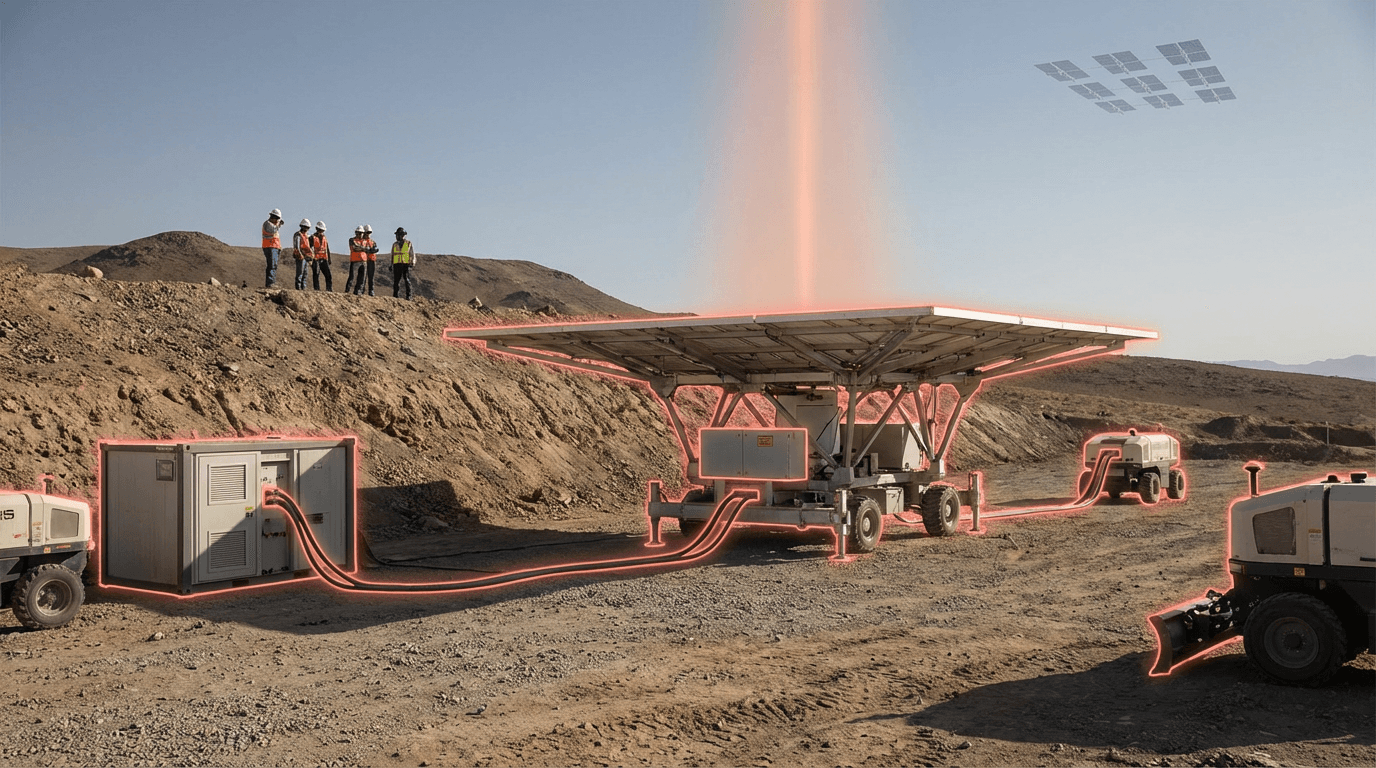
Space-based solar power represents a paradigm shift in how energy might be delivered to the most challenging construction and infrastructure sites on Earth. The technology works by deploying large solar arrays in geostationary or sun-synchronous orbits, where they capture solar energy with far greater efficiency than ground-based systems—unimpeded by atmospheric interference, weather patterns, or the day-night cycle. These orbital platforms convert captured sunlight into electricity, then transmit it to ground receivers via focused microwave or laser beams. The receiving stations, which can be deployed relatively quickly compared to traditional power infrastructure, convert the incoming energy back into electricity for immediate use. This approach fundamentally differs from conventional remote power solutions by eliminating the need for fuel transport, local generation equipment, or extensive transmission line construction across difficult terrain.
For the construction and resource extraction industries, this technology addresses one of the most persistent logistical challenges: delivering reliable, continuous power to sites far from existing electrical grids. Remote mining operations in the Arctic, desert mega-projects, offshore platform construction, and large-scale infrastructure development in mountainous regions currently depend on diesel generators or costly fuel supply chains that are vulnerable to weather, geopolitical disruption, and carbon regulation. Space-based solar power could provide baseload electricity without these vulnerabilities, enabling projects in locations previously considered economically or environmentally prohibitive. The technology also supports the decarbonisation goals increasingly mandated for major infrastructure projects, as it produces zero on-site emissions and dramatically reduces the carbon footprint associated with fuel transportation. Furthermore, the ability to redirect power beams to different locations as projects progress or new sites come online introduces unprecedented flexibility in energy infrastructure planning.
Recent developments suggest this concept is transitioning from theoretical possibility to engineering reality. The European Space Agency has conducted ground demonstrations of wireless power transmission systems, while research programs in China and Japan have tested key components of orbital power platforms. Several aerospace companies are now developing prototype systems, with some analysts projecting that demonstration missions could occur within the next decade. The declining cost of space launch services and advances in photovoltaic efficiency are making the economics increasingly viable for specific use cases, particularly for projects where the alternative costs of remote power generation are exceptionally high. While full-scale deployment remains years away and faces significant technical hurdles—including the development of kilometre-scale orbital structures and ensuring transmission safety—the technology represents a potential long-term solution for powering humanity's most ambitious infrastructure endeavours in the world's most remote locations. As construction projects grow larger and venture into increasingly isolated regions, space-based solar power may evolve from a futuristic concept into a practical component of global infrastructure strategy.
Related Organizations

The Painter Group at Caltech is a world leader in piezo-optomechanical quantum transduction.

Leads the EAGLE-1 mission and the SAGA program to build a European quantum communication infrastructure in space.

Scientific research organization of the US Air Force.

Japanese space agency with a long-running program dedicated to microwave power transmission (SSPS).


UK-based startup developing the CASSIOPeiA solar power satellite concept for continuous gigawatt-scale energy.

Developing a space-based solar power manufacturing technology to beam gigawatts of clean energy to Earth.

Major defense contractor developing Reciprocal Quantum Logic (RQL) for cryogenic computing.

UK government department that has officially backed space-based solar power with innovation funding.

Develops long-range wireless power transmission technology using electromagnetic waves (microwave) for utility-scale applications.
Supporting Evidence
Research this in Signals
Signals turns a topic into a sourced research record you can inspect and rerun. Your first scan is free, and this one starts with Space-Based Solar Power for Remote Sites already loaded, so edit it or scan as is.