Home

Envisioning is an emerging technology research institute and advisory.

XLinkedInInstagramWhatsApp

2011 — 2026

services
  • Data Visualization
  • Data Architecture
  • Signal Scanning
  • Readiness
research
  • Horizons
  • Cities
  • Pixels
  • Fabric
  • Xenotech
work
  • ANBIMA
  • IEEE
  • EPRI
  • Horizon 2045
  • EIT Manufacturing
about
  • Partners
  • Newsletter
  • Contact
  • Login
HomeServicesResearchWorkAbout
  1. Home
  2. Research
  3. Cities
Cities

Urban Innovation & Smart Cities

BACK TO RESEARCHLAUNCH PROJECT
Cities
Login
My Collection

Technologies

M7CFmLD9Qx2KxloytEYe6w
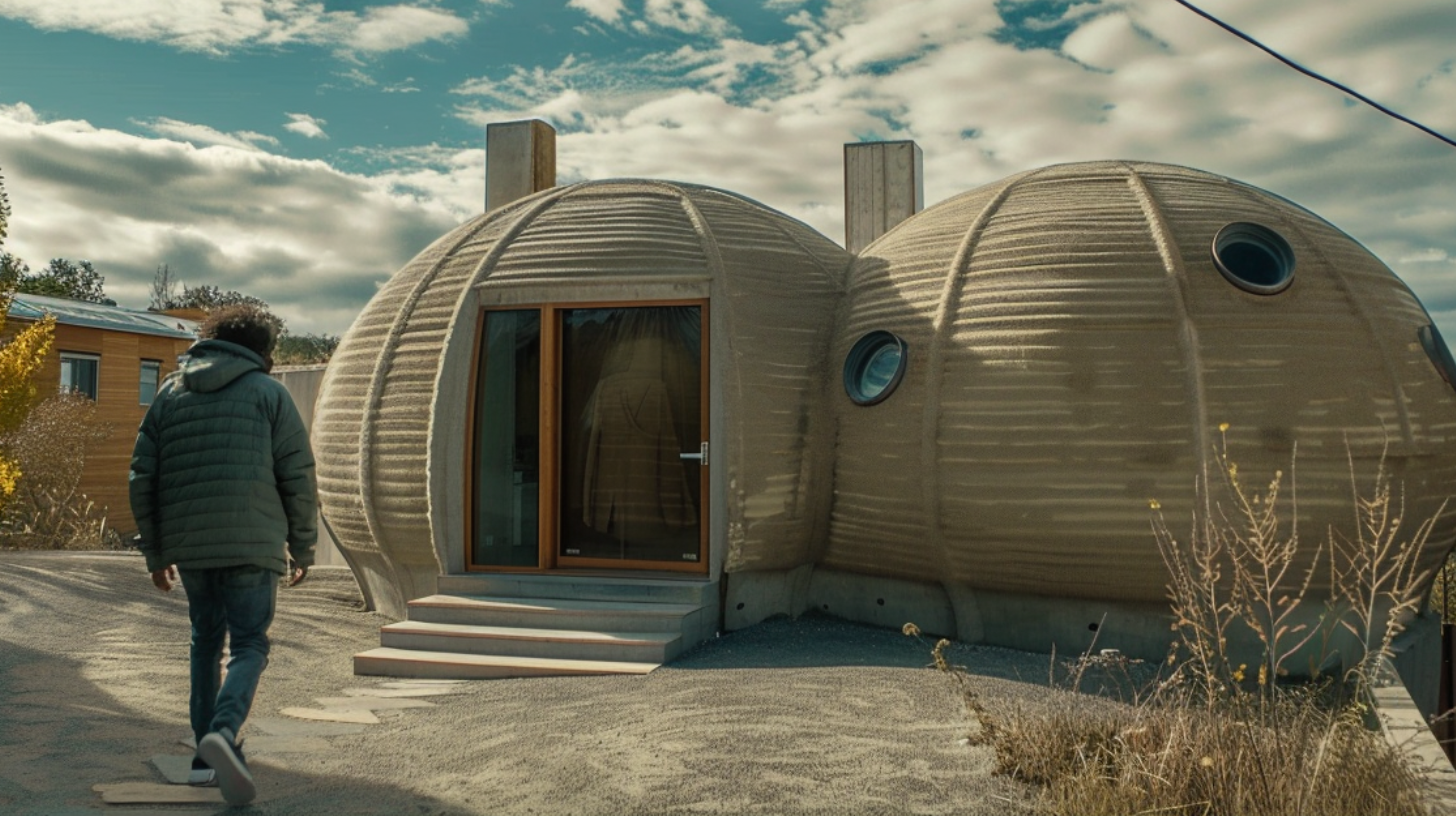
3D Printed Architecture

A construction technology that uses large-scale 3D printers to build structures layer by layer from digital designs. This method addresses critical urban problems, including high construction costs, long building timelines, environmental degradation, and the global housing shortage. It is particularly transformative in providing affordable housing solutions quickly and efficiently, crucial for the urgent needs of growing urban populations and disaster relief scenarios.

Technology Readiness Level
7/9
Diffusion of Innovation
2/5
Technology Life Cycle
2/4
Cx3PaKCxTwyemqGwHgWjsg
6G Mobile Network

The forthcoming generation of wireless communication is being developed to surpass the limitations of 5G by enabling unprecedented data speed, minimal latency, and intelligent connectivity. 6G addresses current bottlenecks by operating in the terahertz spectrum, transforming the urban communication grid into a living digital fabric, capable of sensing, analysing, and responding to its environment. This new network paradigm will allow cities to synchronise autonomous vehicles or deliver real-time digital twins of infrastructure.

Technology Readiness Level
3/9
Diffusion of Innovation
1/5
Technology Life Cycle
1/4
Eqx5A DjQA2cenosRlhVdA
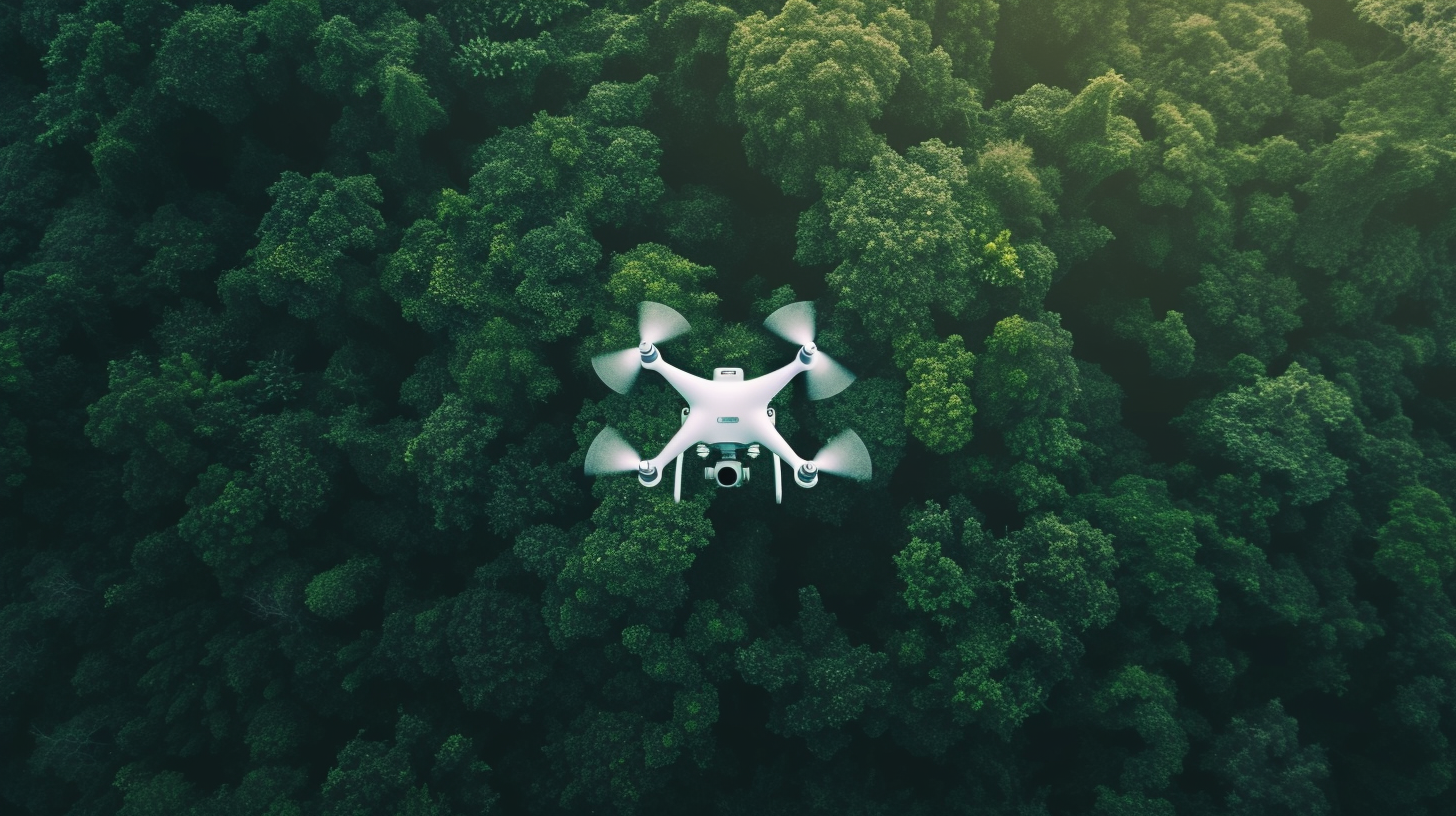
Active Monitoring Drone

This innovative solution tackles the challenges of infrastructure maintenance, environmental monitoring, disaster response, and urban planning. These cutting-edge drones, brimming with advanced sensors, cameras, and communication systems, offer unparalleled real-time data collection and analysis capabilities. By soaring over cities, they can monitor traffic flow, scrutinise infrastructure for potential issues, evaluate environmental conditions such as air and water quality, and provide crucial situational awareness during emergencies.

Technology Readiness Level
8/9
Diffusion of Innovation
3/5
Technology Life Cycle
2/4
H6ZGfOAGRYiyQnO0zdvKVA
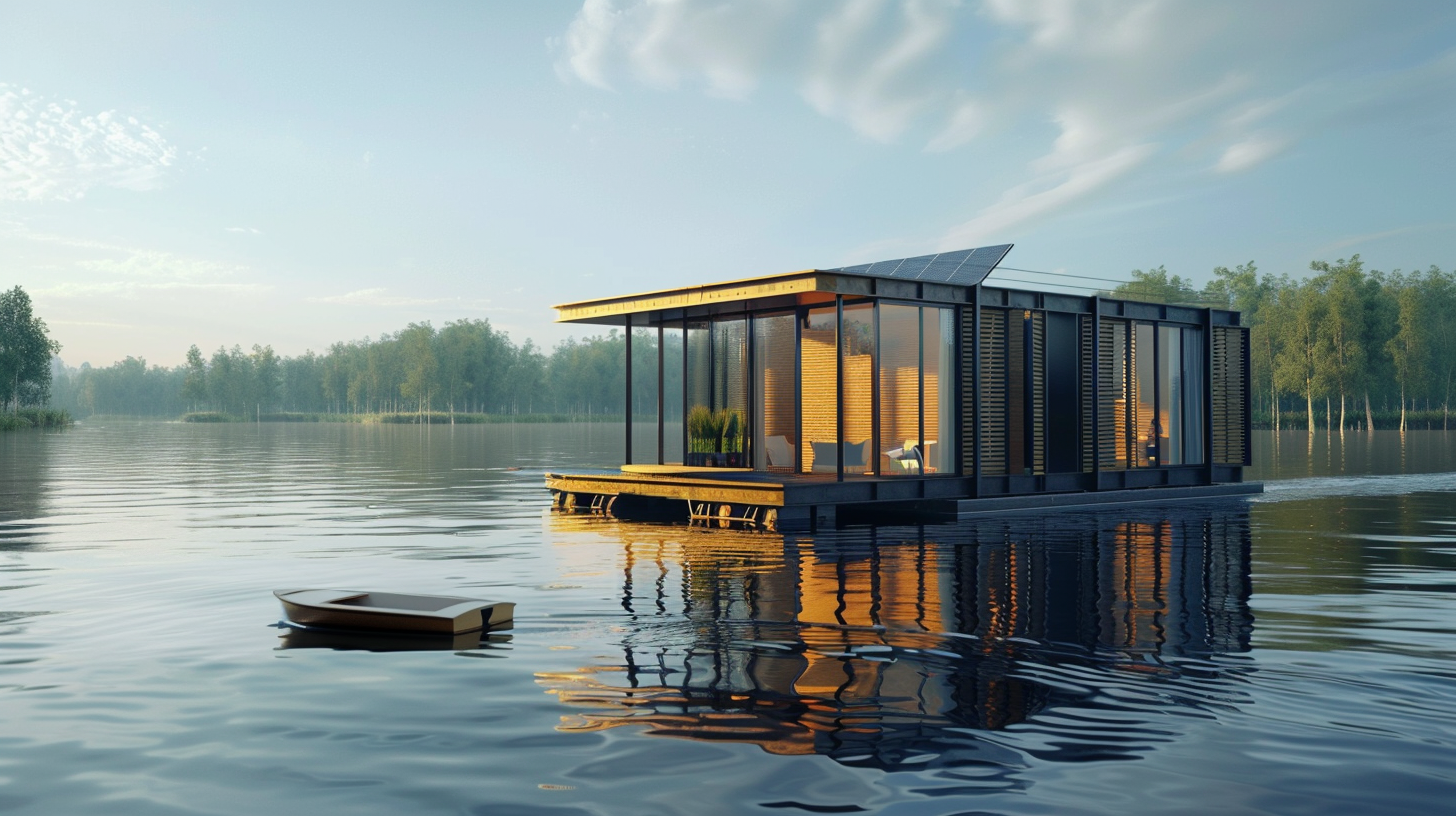
Adaptable Floating Station

Repurposed standard shipping containers are made into multifunctional, floating units capable of providing essential services such as housing, healthcare, and education during flood events. By leveraging advanced materials and engineering techniques, these stations ensure buoyancy, durability, and stability in turbulent waters. They integrate renewable energy sources like solar panels and rainwater harvesting and filtering systems, making them self-sufficient and sustainable.

Technology Readiness Level
6/9
Diffusion of Innovation
2/5
Technology Life Cycle
1/4
GXJauPRaSeG77TPJH4DieQ
Advanced Metering Infrastructure

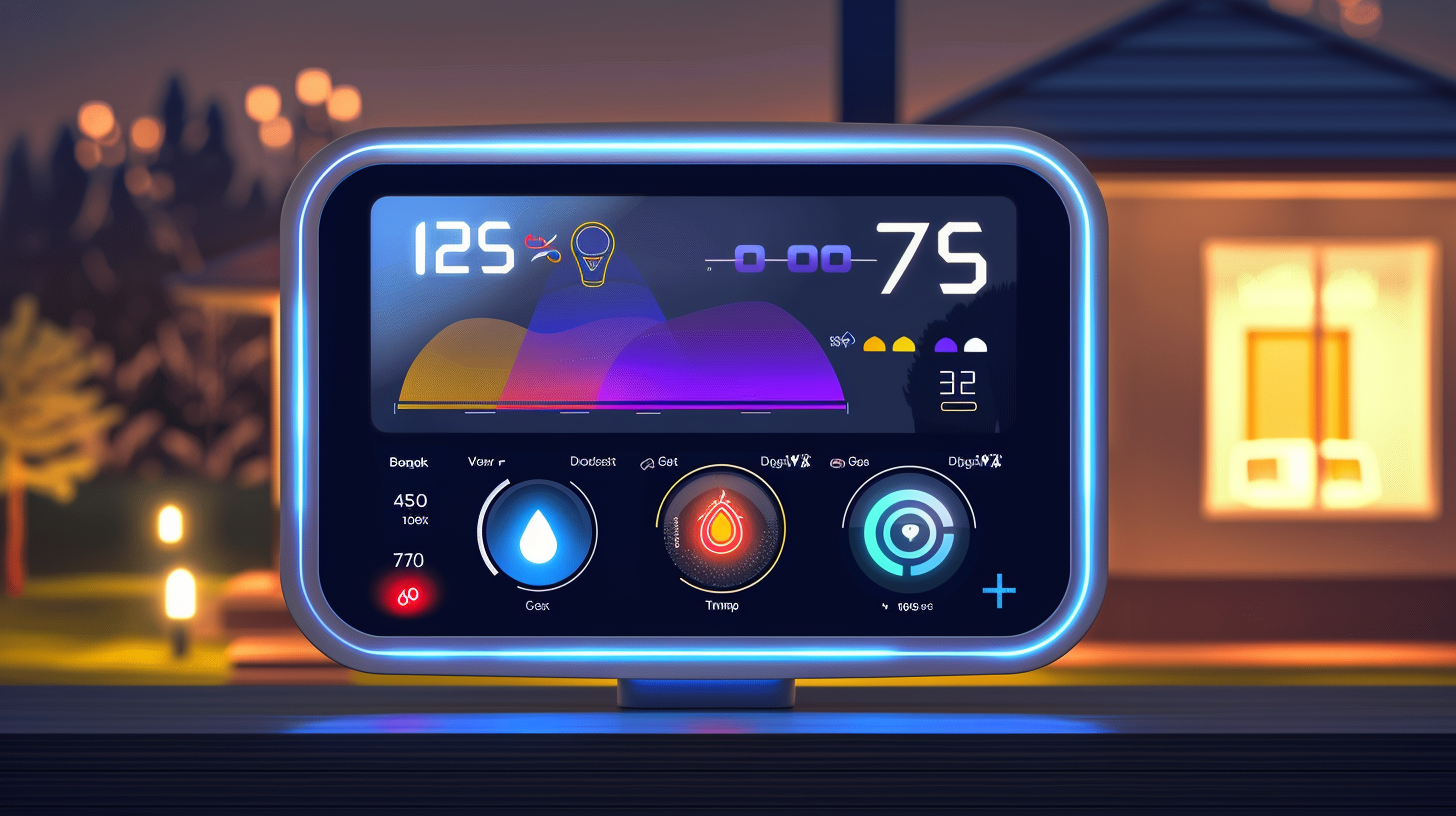
This system addresses key urban challenges such as resource inefficiency, high utility costs, and environmental impact. They consist of interconnected smart meters, communication networks, and data management platforms. By providing real-time data on electricity, water, and gas usage, these networks enable better resource management, reduce wastage, and enhance disaster response. Their ability to optimise resource distribution, empower consumers with detailed consumption data, and support sustainable urban planning makes them crucial for the development of smart, resilient cities.

Technology Readiness Level
9/9
Diffusion of Innovation
4/5
Technology Life Cycle
2/4
Au6IBOOiQBKXrd5UVZfpGg
Aerial Urban Gondola

Also known as cable cars or aerial trams, this solution provides an innovative solution to urban congestion and limited space for road expansion. These systems consist of a network of electric-powered cabins suspended by cables and supported by towers, transporting passengers above city traffic. By utilising underused airspace, gondolas offer a sustainable, efficient, and cost-effective mode of transportation, significantly reducing travel time and environmental impact.

Technology Readiness Level
9/9
Diffusion of Innovation
2/5
Technology Life Cycle
2/4
Fo_8Rp1ESF6lBoRbIg0suw
AI Mentor

These digital mentors provide personalised guidance and support across multiple domains, including education, professional development, mental health, and public services. By analysing vast amounts of data, AI mentors can tailor their advice to individual needs, offering real-time feedback and recommendations that help users achieve their goals. AI mentors facilitate workforce reskilling and upskilling, support small business recovery, and enhance community engagement in urban planning processes.

Technology Readiness Level
7/9
Diffusion of Innovation
3/5
Technology Life Cycle
2/4
MERASA3PSRqe_h1nRlMfsQ
Ancestral Intelligence

This solution requires collaborative efforts with Indigenous communities and integrate ancestral knowledge, insights, and lived experiences into modern living. By leveraging centuries-old practices and ecological knowledge, this solution offers sustainable resource management techniques, disaster resilience strategies, and inclusive community planning. These methods are combined with modern technologies like AI and GIS to enhance their applicability and efficiency in urban settings.

Technology Readiness Level
8/9
Diffusion of Innovation
2/5
Technology Life Cycle
2/4
MERASA3PSRqe_h1nRlMfsQ
AR Workforce Assistance

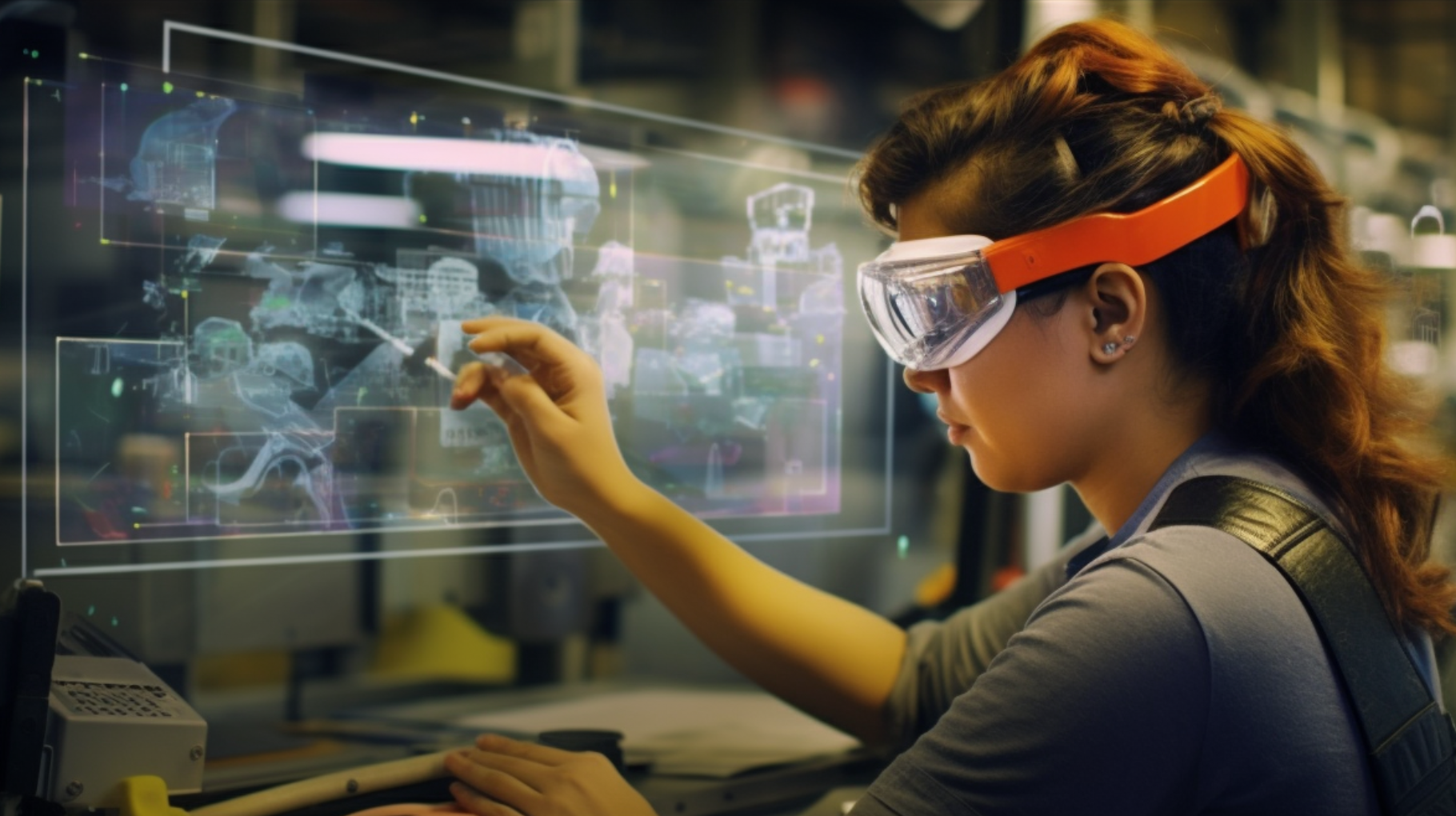
This solution enhances productivity, reduces operational errors, and provides real-time solutions in sectors like construction, maintenance, and emergency response. This technology overlays digital information onto the physical world via smart glasses or mobile devices, offering workers interactive 3D visuals and data directly in their field of vision. By integrating AR with IoT sensors and AI, cities can manage resources sustainably, ensure public safety, and engage communities in urban planning, thereby promoting more resilient, inclusive, and sustainable urban environments.

Technology Readiness Level
7/9
Diffusion of Innovation
2/5
Technology Life Cycle
2/4
Cx3PaKCxTwyemqGwHgWjsg
Artificially Intelligent Governor

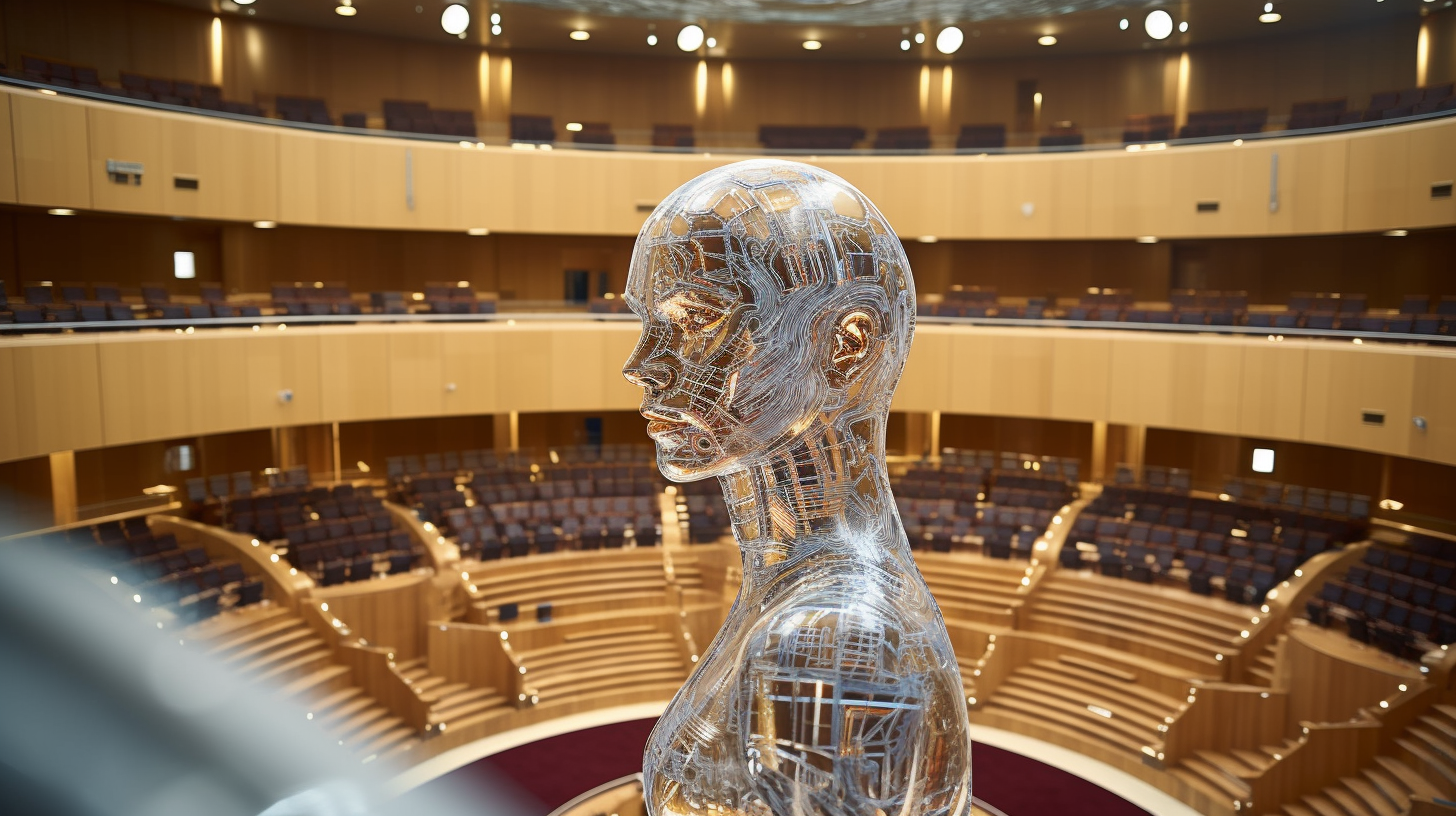
An advanced AI system designed to enhance urban governance by leveraging big data, machine learning, and predictive analytics. This technology addresses urban issues like inefficiencies in infrastructure management, delayed responses to problems, and the inability to adapt swiftly to changing urban dynamics. By integrating various data sources, including real-time traffic information, environmental sensors, and social media trends, the AIG provides a comprehensive overview of city operations.

Technology Readiness Level
5/9
Diffusion of Innovation
1/5
Technology Life Cycle
1/4
M7CFmLD9Qx2KxloytEYe6w
Automated Compliance

Designed to streamline and enhance the process of adhering to complex regulatory requirements in urban settings, this solution leverages AI, machine learning, and IoT sensors to monitor, enforce, and report on regulatory adherence in real-time. This technology addresses the inefficiencies and limitations of traditional manual compliance methods, ensuring safer, more efficient, and transparent urban management. Automated compliance significantly contributes to sustainable urban development by continuously monitoring environmental standards, infrastructure safety, and public health regulations, making cities more resilient and better managed.

Technology Readiness Level
7/9
Diffusion of Innovation
3/5
Technology Life Cycle
2/4
Eqx5A DjQA2cenosRlhVdA
Autonomous Maintenance Software

AMS integrates advanced sensors, artificial intelligence (AI), and the Internet of Things (IoT) to automate the monitoring, diagnosis, and repair of essential urban infrastructure such as water systems, transportation networks, and energy grids. By continuously collecting and analysing data, AMS detects anomalies, predicts potential failures, and initiates maintenance actions without human intervention.

Technology Readiness Level
7/9
Diffusion of Innovation
2/5
Technology Life Cycle
2/4
GXJauPRaSeG77TPJH4DieQ
Autonomous Sustainability Monitoring

This solution addresses urban challenges such as pollution, resource inefficiency, and disaster management. It integrates a network of sensors, artificial intelligence (AI), and data analytics to continuously track and manage environmental parameters like air and water quality, energy consumption, and waste management in real-time. By providing accurate, actionable data, these systems help city planners and policymakers design better sustainability strategies, enhancing urban living conditions and reducing environmental impacts.

Technology Readiness Level
6/9
Diffusion of Innovation
2/5
Technology Life Cycle
1/4
LraSdVa2SxO6f6elFo3w1w
Biobased Materials

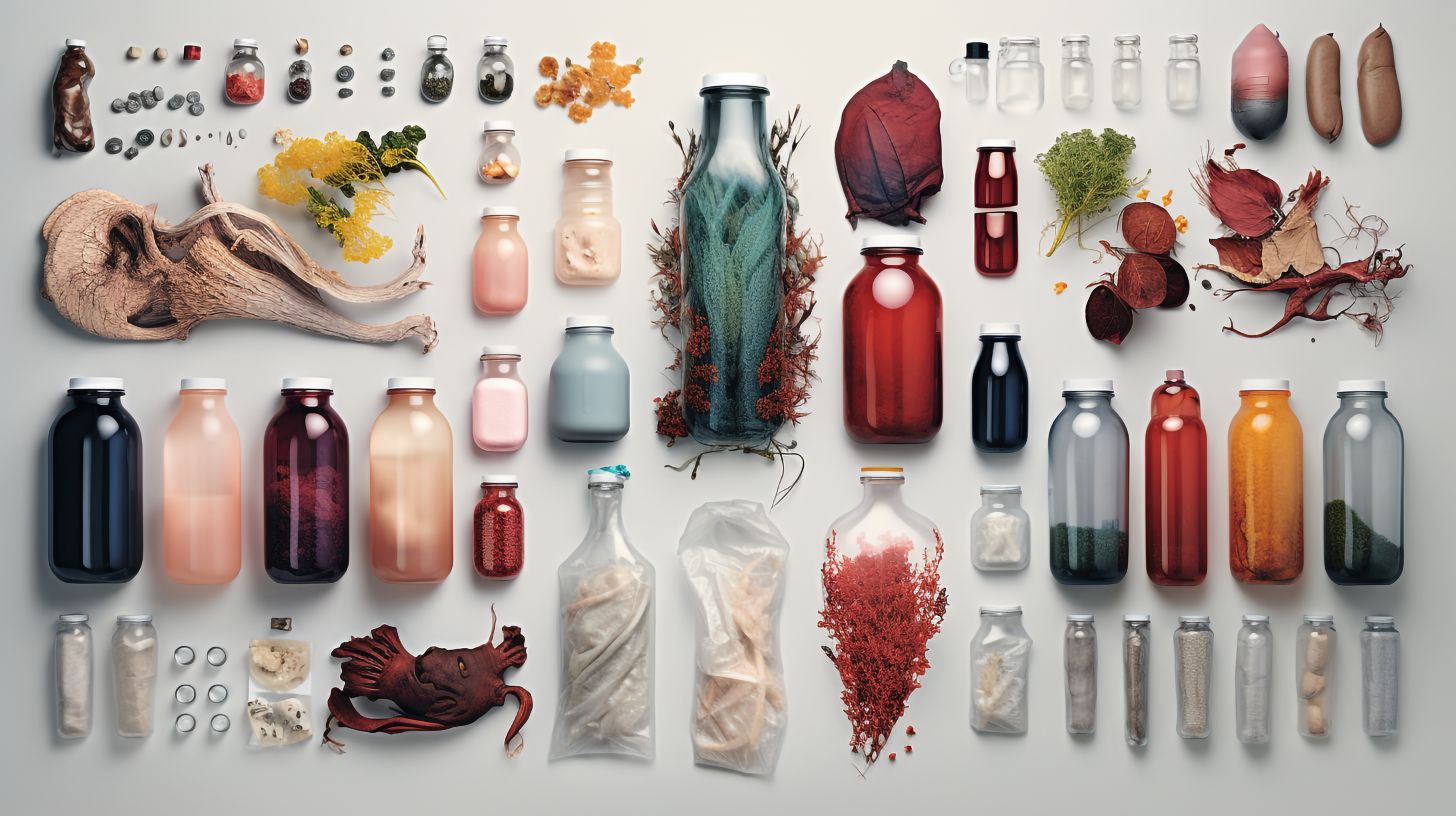
With the growing global emphasis on circularity, climate change mitigation, and reducing reliance on finite fossil fuel resources, this class of materials emerges as a future-oriented solution. Derived from renewable biological sources, such as plants, fungi, and microorganisms, these materials are biocompatible and drastically reduce harm to the planet while also reducing carbon emissions and minimising reliance on non-renewable resources in construction and building materials.

Technology Readiness Level
7/9
Diffusion of Innovation
3/5
Technology Life Cycle
2/4
EKPLqrZGQK6buJZR4i71rg
Biomimicry

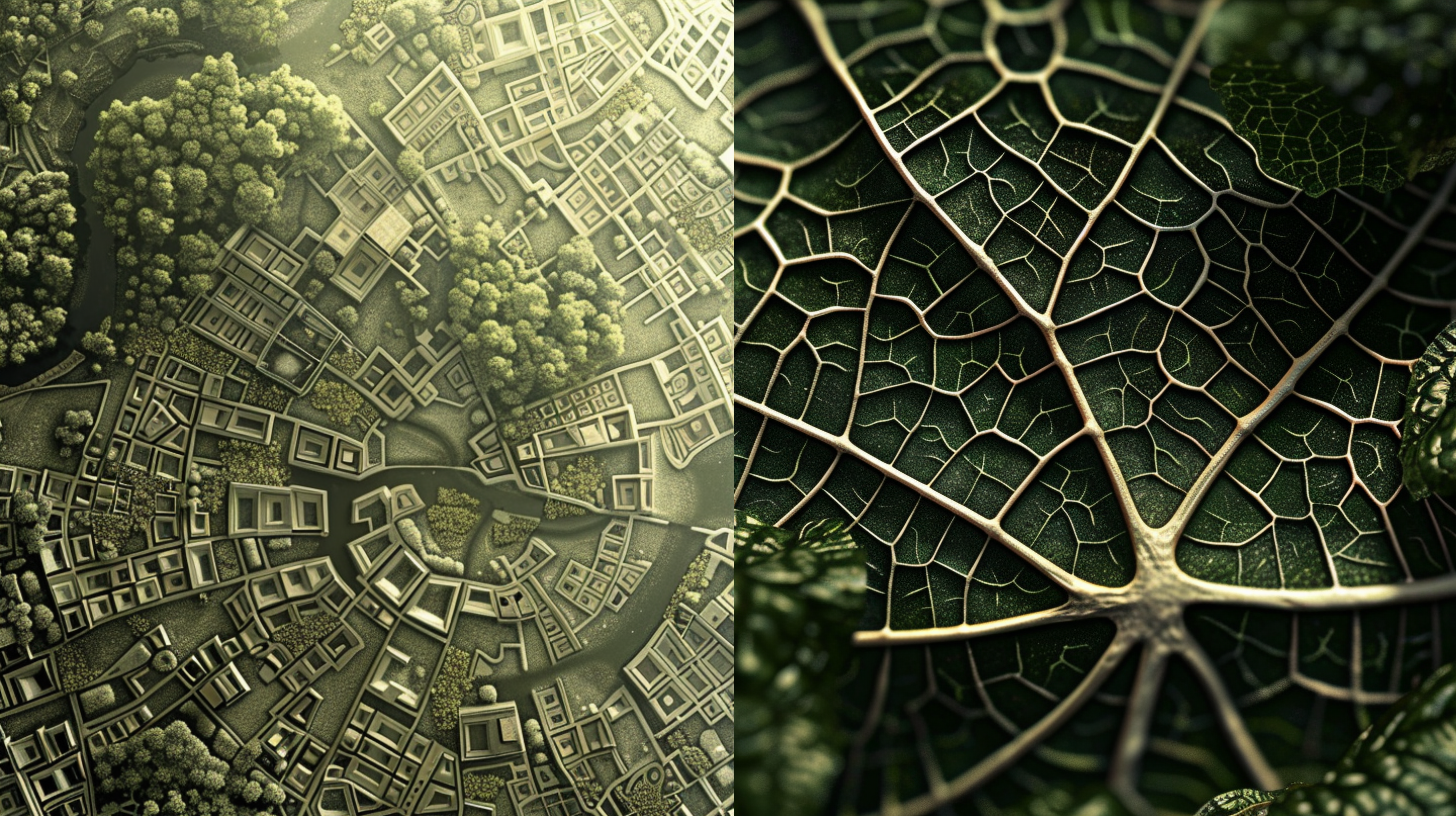
Biomimicry involves studying nature's forms, processes, and systems and applying these principles to human design. This interdisciplinary approach draws from biology, engineering, architecture, and materials science to develop technologies harmonising with the natural world. Examples include energy-efficient buildings, sustainable urban water systems, and innovative waste management solutions. By leveraging nature-inspired designs, biomimicry can help create more sustainable, resilient, and liveable cities. 

Technology Readiness Level
6/9
Diffusion of Innovation
2/5
Technology Life Cycle
2/4
MERASA3PSRqe_h1nRlMfsQ
Bladeless Wind Turbine

Unlike conventional turbines that rely on large, rotating blades, bladeless turbines utilise vortex-induced vibrations to generate electricity. It significantly reduces noise pollution, minimises visual impact, and eliminates the risk of bird and bat collisions, which are common with traditional turbines. Furthermore, the compact design of bladeless turbines allows for easier installation on rooftops and other urban structures, promoting efficient land use and local energy generation.

Technology Readiness Level
5/9
Diffusion of Innovation
1/5
Technology Life Cycle
1/4
M7CFmLD9Qx2KxloytEYe6w
Building Information Modelling

BIM refers to detailed digital representations of a construction project's physical and functional characteristics, which facilitate comprehensive management and documentation, supporting all phases from design through construction to operational life. Through the use of a unified digital model that all stakeholders access and contribute to, it ensures all parties have up-to-date and accurate information. BIM helps reduce errors, minimises cost overruns, and streamlines project timelines by allowing for early detection of potential issues and better visualisation.

Technology Readiness Level
9/9
Diffusion of Innovation
3/5
Technology Life Cycle
3/4
Cx3PaKCxTwyemqGwHgWjsg
Candidate Matching

Align voter preferences with political candidates in an increasingly diverse and fragmented urban environment. By utilising comprehensive survey forms filled out by voters, this technology employs advanced algorithms to analyse responses and match them with the candidates and parties that best reflect their views and needs. This approach enhances democratic engagement by making the electoral process more accessible and personalised, thereby reducing political apathy and fostering a more informed electorate.

Technology Readiness Level
8/9
Diffusion of Innovation
3/5
Technology Life Cycle
2/4
LraSdVa2SxO6f6elFo3w1w
Carbon Capture, Utilisation and Storage

Aimed at addressing the critical problems of greenhouse gas emissions and air pollution, this technology captures carbon dioxide (CO₂) emissions from industrial sources and power plants, preventing them from entering the atmosphere. Once captured, the CO₂ can either be utilised in various industrial processes, such as producing synthetic fuels and construction materials or stored underground in geological formations. CCUS plays a pivotal role in reducing urban air pollution, thereby improving public health by mitigating respiratory and cardiovascular diseases caused by poor air quality.

Technology Readiness Level
7/9
Diffusion of Innovation
2/5
Technology Life Cycle
2/4
LraSdVa2SxO6f6elFo3w1w
Carbon-Cement Supercapacitor

This energy storage solution addresses issues related to renewable energy integration and urban infrastructure resilience. It combines cement, water, and carbon black to create a supercapacitor capable of storing and discharging electrical energy efficiently. It offers a cost-effective, scalable solution to the intermittent nature of renewable energy sources like solar and wind power, ensuring a stable energy supply despite fluctuations in production. By embedding energy storage capabilities into concrete, carbon-cement supercapacitors can be integrated into various urban infrastructures, such as building foundations, roads, and public spaces.

Technology Readiness Level
4/9
Diffusion of Innovation
1/5
Technology Life Cycle
1/4
LraSdVa2SxO6f6elFo3w1w
Cement Recycling

This solution addresses the significant environmental challenge posed by the cement production industry's high carbon emissions. The innovative method utilises electric arc furnaces (EAFs), typically used in steel recycling, to recycle used cement. By substituting lime flux with used cement in the process, the technology produces recycled cement, significantly reducing the carbon footprint of both steel and cement production. This process not only conserves natural resources by reusing materials but also cuts down on waste sent to landfills, supporting a circular economy in construction.

Technology Readiness Level
6/9
Diffusion of Innovation
2/5
Technology Life Cycle
2/4
Au6IBOOiQBKXrd5UVZfpGg
Circular Battery

This energy storage solution addresses critical issues related to energy waste, resource scarcity, and environmental degradation. Unlike traditional batteries that often end up in landfills, circular batteries are engineered for reuse, refurbishment, and recycling, creating a closed-loop lifecycle that significantly reduces electronic waste and the need for raw materials. These batteries store electricity from various sources, including renewable energy, and upon reaching the end of their lifecycle, they are disassembled, and valuable components are recovered and reused.

Technology Readiness Level
7/9
Diffusion of Innovation
2/5
Technology Life Cycle
1/4
Cx3PaKCxTwyemqGwHgWjsg
Cloud-Connected Supply Chain

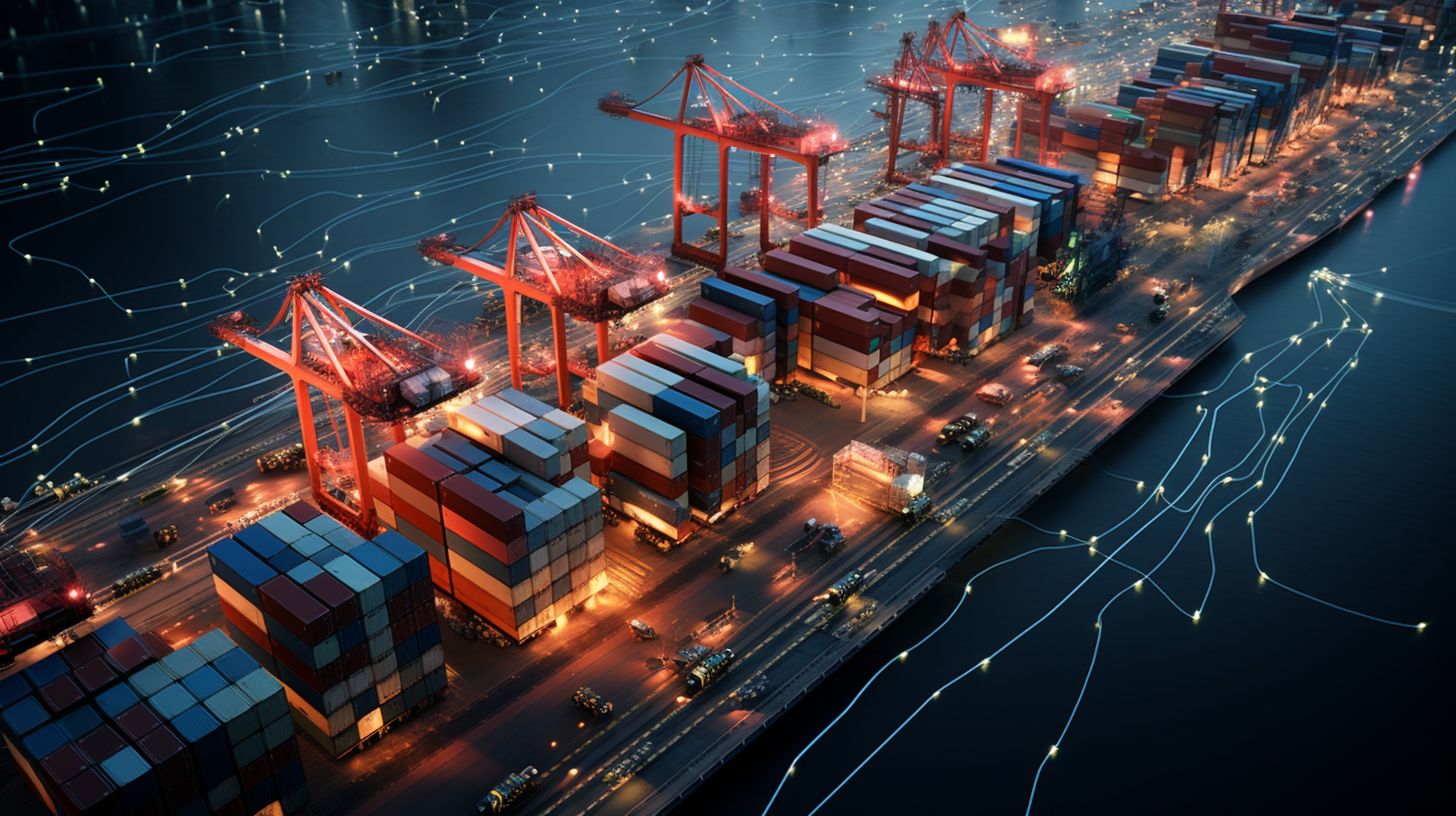
This solution addresses critical inefficiencies in traditional supply chain management, such as fragmented communication, lack of real-time visibility, and delayed response times, all of which can lead to increased operational costs, delays, and resource waste. By integrating cloud computing, IoT, and advanced analytics, this technology creates a unified network that connects all stakeholders in the supply chain, from manufacturers to end consumers, enhancing the efficiency, resilience, and sustainability of supply chains.

Technology Readiness Level
8/9
Diffusion of Innovation
3/5
Technology Life Cycle
2/4
Fo_8Rp1ESF6lBoRbIg0suw
Cognitive Twin

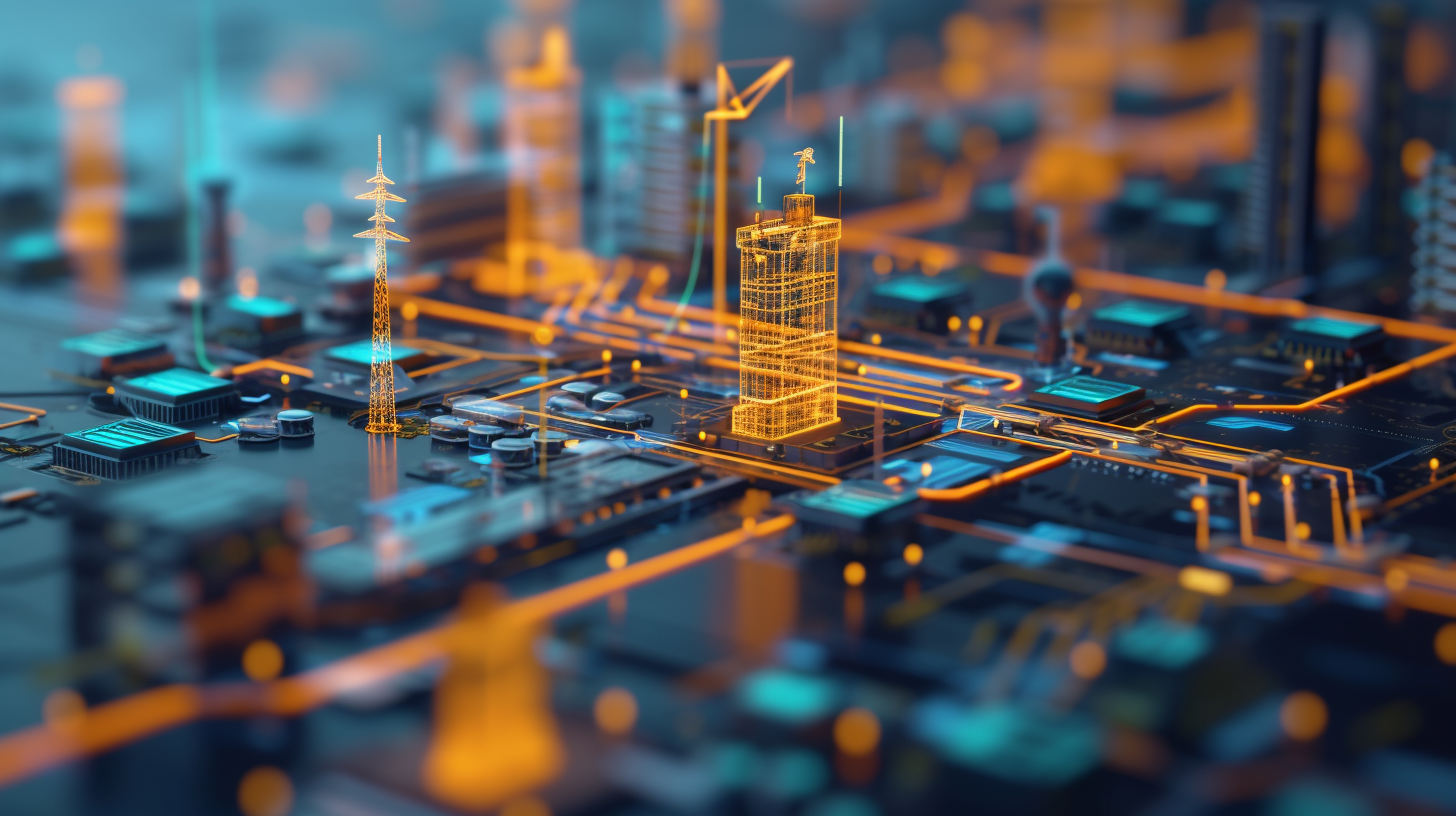
This advanced digital twin is augmented with cognitive computing capabilities, providing a digital representation of a city's physical assets, processes, and systems. Integrating AI, machine learning, and real-time data analytics, cognitive twins create dynamic, self-updating models of urban environments. By simulating scenarios, predicting outcomes, and enabling data-driven decision-making, they help support critical urban challenges such as disaster response, resource optimization, and infrastructure maintenance.

Technology Readiness Level
7/9
Diffusion of Innovation
2/5
Technology Life Cycle
1/4
LraSdVa2SxO6f6elFo3w1w
Cycling Infrastructure

Encompassing bike lanes, parking facilities, and underground parking systems, this solution addresses traffic congestion, air pollution and the need for sustainable and accessible transportation options. This infrastructure provides a dedicated space for cyclists, reducing the risk of accidents and promoting cycling as a viable alternative to car travel. By encouraging more people to cycle, cities can significantly lower their carbon emissions, improve air quality, and enhance public health.

Technology Readiness Level
9/9
Diffusion of Innovation
3/5
Technology Life Cycle
3/4
Cx3PaKCxTwyemqGwHgWjsg
Decentralised Energy Grid

Also known as a distributed energy system, this solution addresses the high demand for energy, the environmental impacts of traditional power sources, and the need for resilient energy infrastructure. This system decentralizes energy production, distributing it across multiple smaller, local sources such as solar panels, wind turbines, and small-scale bioenergy plants. These local energy producers are integrated into a network of smart grids, which use advanced technologies like IoT sensors and AI-driven analytics to manage and balance energy supply and demand dynamically.

Technology Readiness Level
8/9
Diffusion of Innovation
3/5
Technology Life Cycle
2/4
MERASA3PSRqe_h1nRlMfsQ
Decentralised Wastewater Treatment

These systems treat wastewater locally, near its source, thus eliminating the need for large-scale sewer networks and central treatment plants. By using technologies such as constructed wetlands, anaerobic baffled reactors, and biogas reactors, DWT systems effectively reduce pollution, recover valuable resources, and enable the reuse of treated water. This approach not only mitigates environmental impacts but also enhances public health and supports sustainable urban development.

Technology Readiness Level
8/9
Diffusion of Innovation
3/5
Technology Life Cycle
2/4
Eqx5A DjQA2cenosRlhVdA
Digital-Analog Laboratory

To preserve collective and individual memories trapped in outdated media formats, this hybrid facility combines digital and analogue computing technologies to convert, store, and safeguard a wide range of obsolete media, such as tapes, films, and older digital formats, into modern digital files. By leveraging advanced digitisation techniques, the laboratory ensures that invaluable historical and personal records are protected from deterioration and remain accessible.

Technology Readiness Level
8/9
Diffusion of Innovation
4/5
Technology Life Cycle
3/4
GXJauPRaSeG77TPJH4DieQ
Eco-Ethical Label

A certification system designed to address the critical issues of environmental sustainability and ethical consumerism. This solution provides a transparent and reliable method for consumers to identify products that meet stringent environmental and ethical standards. It evaluates the entire lifecycle of a product, from raw material extraction to disposal, ensuring minimal environmental impact and adherence to fair labour practices. By encouraging responsible consumption and production, the eco-ethical label helps reduce the environmental footprint of urban living, supports fair wages and safe working conditions, and enhances community resilience.

Technology Readiness Level
9/9
Diffusion of Innovation
3/5
Technology Life Cycle
3/4
LraSdVa2SxO6f6elFo3w1w
Elastocalorics

This solution tackles the rising demand for energy-efficient and environmentally friendly cooling systems. It works by using materials that absorb and release heat under mechanical stress, eliminating the need for harmful refrigerants and reducing energy consumption. This technology addresses the challenges of climate change and urban heat islands, providing a sustainable alternative for cooling in residential, commercial, and public spaces.

Technology Readiness Level
5/9
Diffusion of Innovation
1/5
Technology Life Cycle
1/4
H6ZGfOAGRYiyQnO0zdvKVA
Emergency Citizen Responder

This solution addresses the delayed emergency response time, which can lead to increased fatalities and injuries during crises such as natural disasters, medical emergencies, and other incidents requiring urgent attention. The ECR system leverages advanced communication technologies and real-time data analytics to mobilise first responders quickly.

Technology Readiness Level
8/9
Diffusion of Innovation
3/5
Technology Life Cycle
2/4
LraSdVa2SxO6f6elFo3w1w
Energy Harvesting

This solution addresses the problem of reliance on finite energy sources like batteries and external power supplies. The aim is to capture ambient energy from sources such as solar radiation, thermal gradients, vibrations, and radiofrequency waves, converting them into usable electrical power. Doing so enables devices to operate autonomously, often for their entire lifespan, without the need for external power or frequent battery replacements. By integrating energy harvesting devices into urban infrastructure, cities can power smart sensors, public lighting, and transportation systems, enhancing sustainability and resilience.

Technology Readiness Level
6/9
Diffusion of Innovation
2/5
Technology Life Cycle
2/4
M7CFmLD9Qx2KxloytEYe6w
Equitable Dynamic Pricing

Aimed at balancing wage inequality and access to essential services, this framework dynamically modifies the cost of goods and services based on an array of socio-economic factors such as gender, race, geographic location, and economic background. The primary goal of EDP is to make necessary goods and services more affordable for underserved and economically disadvantaged communities, promoting greater economic and social inclusion within urban settings.

Technology Readiness Level
4/9
Diffusion of Innovation
1/5
Technology Life Cycle
1/4
Fo_8Rp1ESF6lBoRbIg0suw
Ethical AI

Foster trust and credibility in AI-driven systems, aligning with evolving regulatory requirements and societal expectations. This technology uses transparent and explainable AI models to ensure that the reasoning behind AI-driven choices can be understood and audited. It also integrates ethical guidelines into the AI algorithms and decision-making processes, prioritising principles like human rights, privacy, non-discrimination, and environmental sustainability. Ethical AI can be employed in urban applications such as disaster response, public safety, transportation optimisation, and environmental monitoring. 

Technology Readiness Level
5/9
Diffusion of Innovation
2/5
Technology Life Cycle
1/4
Fo_8Rp1ESF6lBoRbIg0suw
Gender Mainstreaming

This strategic approach aims to solve the problem of gender biases in urban environments, where traditional planning often overlooks the specific needs and experiences of women and other marginalised genders. This approach involves systematically incorporating gender perspectives into all stages of urban development, from policy-making to the design and management of public spaces, transportation, and infrastructure.

Technology Readiness Level
6/9
Diffusion of Innovation
3/5
Technology Life Cycle
2/4
Fo_8Rp1ESF6lBoRbIg0suw
Generative AI

By leveraging advanced algorithms and machine learning techniques, GenAI can create optimised urban designs that enhance sustainability, efficiency, and resilience. This technology generates multiple design scenarios based on previously trained data and specific criteria like energy efficiency, traffic flow, and disaster resilience, enabling urban planners to make informed, data-driven decisions. When integrating community feedback and simulating various urban planning scenarios, this solution fosters more inclusive and participatory planning processes.

Technology Readiness Level
7/9
Diffusion of Innovation
2/5
Technology Life Cycle
2/4
Cx3PaKCxTwyemqGwHgWjsg
Gov-Citizen Communication Channel

This comprehensive digital platform streamlines interactions between government entities and citizens. It integrates various tools such as mobile applications, web portals, and interactive kiosks to facilitate multiple touchpoints for engagement. Citizens can report issues, access municipal services, and participate in community decision-making processes through the platform, which enhances civic engagement and government responsiveness.

Technology Readiness Level
8/9
Diffusion of Innovation
3/5
Technology Life Cycle
2/4
GXJauPRaSeG77TPJH4DieQ
GovCloud

A specialised cloud computing platform designed to address the unique needs of government and municipal organisations. It solves several critical problems related to data management, security, and compliance. GovCloud centralises data storage, processing, and analysis in a secure, scalable environment, ensuring that sensitive information is protected and accessible only to authorised users. The platform integrates data from various municipal departments into a unified system, enabling seamless data sharing and collaboration.

Technology Readiness Level
9/9
Diffusion of Innovation
4/5
Technology Life Cycle
3/4
Cx3PaKCxTwyemqGwHgWjsg
Green Road

This innovative approach promotes climate resilience, ecological conservation and water management by transforming traditional roadways into multifunctional assets. It integrates water management techniques into road design, such as capturing and directing rainwater to reduce runoff and promote groundwater recharge, mitigating urban flooding, and improving water availability for irrigation. This solution promotes sustainability by optimising the use of urban spaces, enhancing community well-being, reducing construction and maintenance costs, and supporting holistic urban planning efforts.

Technology Readiness Level
8/9
Diffusion of Innovation
2/5
Technology Life Cycle
2/4
EKPLqrZGQK6buJZR4i71rg
Green Roof

Also known as living roofs or eco-roofs, these systems consist of a vegetative layer grown on a rooftop, incorporating a waterproof membrane, a drainage system, a growing medium, and plants. They provide multiple environmental benefits, including improving air quality by filtering pollutants and CO2, mitigating urban heat islands by reducing surface temperatures, and managing stormwater through rainwater absorption. Additionally, green roofs enhance urban biodiversity by creating habitats for various species, and they improve the aesthetic and social value of buildings by offering recreational spaces and community gardens.

Technology Readiness Level
9/9
Diffusion of Innovation
3/5
Technology Life Cycle
3/4
Eqx5A DjQA2cenosRlhVdA
Hyperspectral Imaging

A remote sensing technology that captures and processes information across a wide spectrum of light, far beyond the capabilities of the human eye and traditional imaging systems. This enables the identification of materials, detection of chemical compositions, and assessment of various physical properties with high precision. It enhances environmental monitoring by detecting pollutants in air and water and assessing vegetation health, aiding in pollution control and green space management.

Technology Readiness Level
9/9
Diffusion of Innovation
3/5
Technology Life Cycle
2/4
M7CFmLD9Qx2KxloytEYe6w
Inclusionary Zoning

This strategic urban planning tool addresses the critical issues of housing unaffordability and socioeconomic segregation in urban areas. It requires developers to include a certain percentage of affordable housing units within new residential developments, ensuring that low- and moderate-income households can live in the same communities as higher-income residents.

Technology Readiness Level
9/9
Diffusion of Innovation
4/5
Technology Life Cycle
3/4
Fo_8Rp1ESF6lBoRbIg0suw
Integrated Autonomous Energy Grid

To address the inefficiencies and sustainability challenges of traditional urban energy systems, this technology integrates renewable energy sources such as solar and wind power with existing energy infrastructures, managed by sophisticated AI and machine learning algorithms. These systems monitor, predict, and optimise energy flows in real-time, ensuring a stable and efficient energy supply. The IAEG aims to reduce greenhouse gas emissions, enhance energy resilience, and improve energy equity by providing reliable power distribution, even in disaster-prone areas.

Technology Readiness Level
7/9
Diffusion of Innovation
3/5
Technology Life Cycle
2/4
H6ZGfOAGRYiyQnO0zdvKVA
Integrated Public Alert and Warning System

A comprehensive communication system that provides timely and effective dissemination of emergency information. IPAWS integrates multiple communication channels, including mobile phones, radio, television, and internet platforms, to ensure that emergency alerts reach a broad audience swiftly and reliably. The system addresses the shortcomings of traditional alert methods by providing real-time, authenticated information about imminent threats such as natural disasters, public safety emergencies, and health crises.

Technology Readiness Level
9/9
Diffusion of Innovation
3/5
Technology Life Cycle
3/4
Fo_8Rp1ESF6lBoRbIg0suw
Interactive City Kiosk

Public touchscreen devices strategically installed in high-traffic urban areas to provide real-time information and services. These kiosks address difficulty in accessing timely information on public services, navigating city spaces, and engaging with local communities. They are equipped with features such as wayfinding, public transport schedules, local news, emergency alerts, and Wi-Fi connectivity, making them versatile tools for enhancing urban living.

Technology Readiness Level
9/9
Diffusion of Innovation
3/5
Technology Life Cycle
3/4
Fo_8Rp1ESF6lBoRbIg0suw
Internet of Everything

This technological framework expands on the Internet of Things (IoT) by encompassing all elements within a city—people, processes, data, and things—facilitating efficient communication and data exchange. IoE embeds sensors and communication technologies into everyday objects and systems, enabling real-time data collection and automation. This connectivity enhances urban infrastructure by optimising energy management, improving public transportation, and bolstering healthcare services through remote monitoring.

Technology Readiness Level
7/9
Diffusion of Innovation
3/5
Technology Life Cycle
2/4
EKPLqrZGQK6buJZR4i71rg
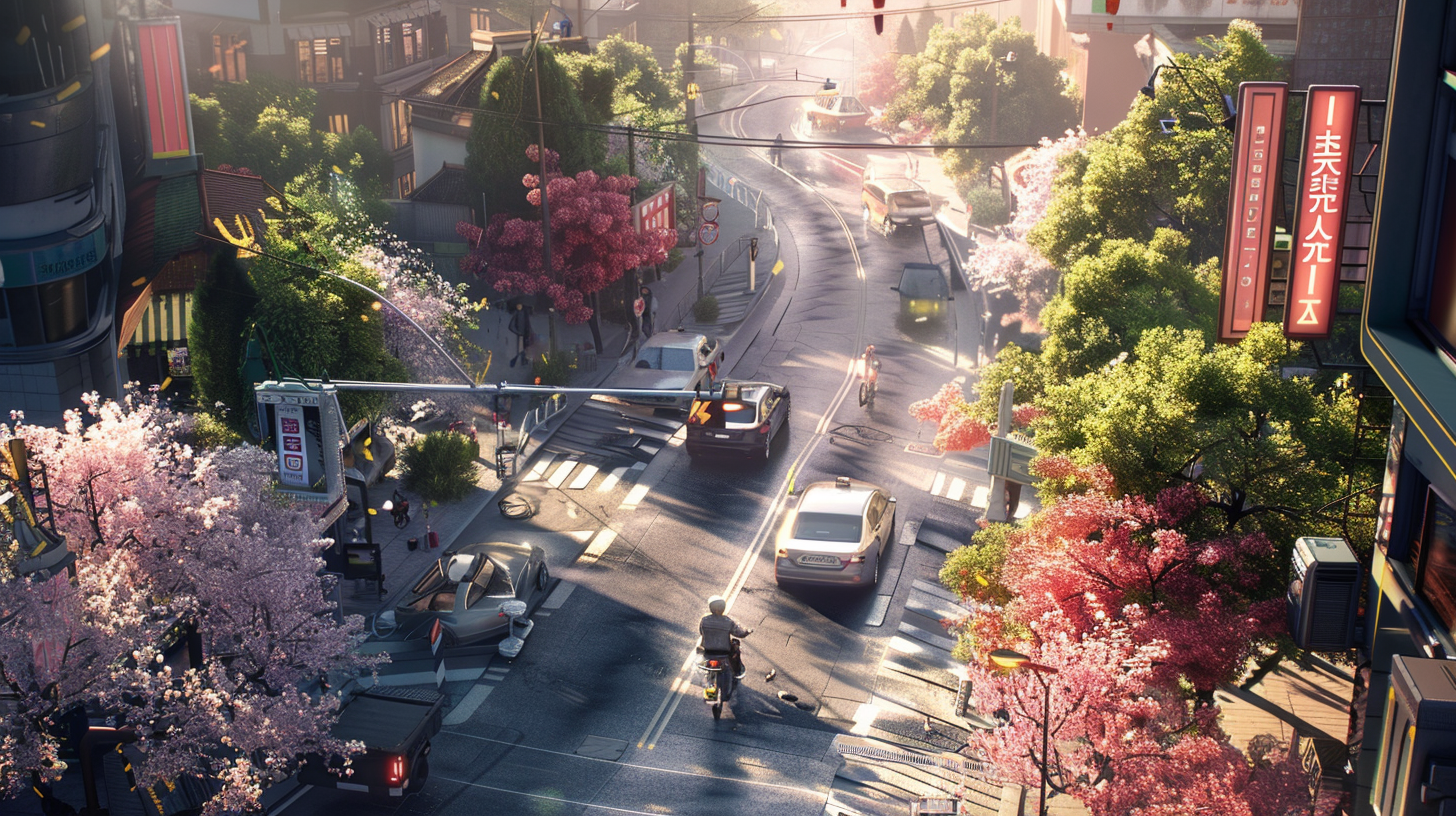
IoT Crosswalk Network

This solution integrates various IoT components, including sensors, cameras, and smart traffic lights, to monitor and manage crosswalk activity in real-time. When a pedestrian approaches a crosswalk, the sensors detect their presence and communicate with traffic lights to ensure they turn red, stopping vehicles and allowing safe passage. By leveraging real-time data and predictive algorithms, IoT Crosswalk Networks not only reduce accidents but also improve traffic flow and promote accessibility by adapting signal timings based on actual traffic conditions.

Technology Readiness Level
7/9
Diffusion of Innovation
2/5
Technology Life Cycle
2/4
Eqx5A DjQA2cenosRlhVdA
LiDAR (Light Detection and Ranging)

This advanced remote sensing method uses laser pulses to measure distances and create highly accurate three-dimensional maps of the environment. These maps provide detailed spatial data that are invaluable for urban planning, transportation systems, and environmental management. By providing precise, real-time data, LiDAR allows for improvement in public services and the development of adaptive strategies for climate change impacts.

Technology Readiness Level
9/9
Diffusion of Innovation
4/5
Technology Life Cycle
3/4
LraSdVa2SxO6f6elFo3w1w
Living Fungal Sensor

Also known as a biohybrid or mycelium-based sensor, this solution merges living organisms with electronic sensing to monitor pollution, soil degradation, and climate-driven risks. Built upon the mycelium, these devices can detect variations in humidity, temperature, pH, and toxic compounds through electrical signals. Unlike conventional silicon sensors, fungal systems are biodegradable, self-repairing, and extremely low-energy.

Technology Readiness Level
3/9
Diffusion of Innovation
2/5
Technology Life Cycle
1/4
Eqx5A DjQA2cenosRlhVdA
Low-Impact Tourism Modelling

This solution addresses significant environmental and societal challenges posed by traditional tourism practices, such as pollution, resource depletion, and cultural disruption. This innovative approach utilises advanced data analytics, Geographic Information Systems (GIS), Internet of Things (IoT) sensors, and artificial intelligence (AI) to collect and analyse data on tourist activities, environmental conditions, and community feedback. By doing so, LITM helps city planners manage and mitigate the adverse effects of tourism, optimising visitor distribution, reducing overcrowding, and protecting sensitive areas.

Technology Readiness Level
7/9
Diffusion of Innovation
2/5
Technology Life Cycle
2/4
H6ZGfOAGRYiyQnO0zdvKVA
Machine Learning Weather Forecasting

This solution provides precise and timely weather forecasts, which traditional methods often struggle to achieve at a hyper-local level. This technology leverages advanced machine learning algorithms to process vast amounts of meteorological data, identifying complex patterns and relationships within the data that traditional models might miss. By continuously learning from new data, MLWF improves its accuracy over time, offering highly detailed weather predictions that are essential for modern urban planning, management, and disaster prevention.

Technology Readiness Level
7/9
Diffusion of Innovation
2/5
Technology Life Cycle
2/4
LraSdVa2SxO6f6elFo3w1w
Machine Vision Recycling System

This solution addresses inefficient urban waste management, which often leads to increased landfill use, pollution, and high operational costs. This technology leverages advanced image recognition and artificial intelligence to accurately identify and sort recyclable materials from waste streams. By automating the sorting process, these systems reduce contamination, enhance recycling rates, and lower the dependency on manual labour.

Technology Readiness Level
6/9
Diffusion of Innovation
3/5
Technology Life Cycle
2/4
MERASA3PSRqe_h1nRlMfsQ
Media Literacy

This solution addresses the growing challenge of navigating the vast and complex digital information landscape. It equips individuals with the skills to critically evaluate and effectively engage with digital media, thereby combating misinformation, enhancing civic participation, and fostering informed decision-making. Media literacy is particularly vital for vulnerable groups such as children, teenagers, and newly connected populations, including those in remote or Indigenous communities, who are often more susceptible to digital exploitation and misinformation.

Technology Readiness Level
6/9
Diffusion of Innovation
3/5
Technology Life Cycle
2/4
Au6IBOOiQBKXrd5UVZfpGg
Micromobility

This transportation solution designed to address critical urban challenges such as traffic congestion, pollution, and the need for efficient last-mile delivery. These technologies encompass small, lightweight vehicles like e-scooters, e-bikes, and mini trolleys, which operate at low speeds and are typically electric-powered. By providing flexible, environmentally friendly alternatives to traditional vehicles, micro-mobility solutions reduce reliance on cars, lower carbon emissions, and ease traffic congestion in crowded urban areas.

Technology Readiness Level
9/9
Diffusion of Innovation
3/5
Technology Life Cycle
3/4
MERASA3PSRqe_h1nRlMfsQ
Mobile Learning

M-learning provides a solution by leveraging mobile devices to deliver educational content and resources anytime and anywhere, transcending the limitations of physical classrooms. This technology utilises smartphones and tablets to offer interactive lessons, real-time assessments, and multimedia content through dedicated apps and web-based platforms. It ensures learning continuity during crises and supports vocational training for economic recovery.

Technology Readiness Level
9/9
Diffusion of Innovation
4/5
Technology Life Cycle
3/4
Au6IBOOiQBKXrd5UVZfpGg
Mobility as a Service

MaaS integrates multiple transport modes—public transit, ride-sharing, bike-sharing, and car rentals—into a single, user-friendly digital platform. It allows users to plan, book, and pay for various transport services through one application, enhancing convenience and efficiency. MaaS promotes sustainable urban mobility by reducing reliance on personal vehicles, thereby lowering emissions and traffic congestion. It also improves social inclusivity by providing equitable access to transportation, especially for underserved communities.

Technology Readiness Level
8/9
Diffusion of Innovation
3/5
Technology Life Cycle
2/4
LraSdVa2SxO6f6elFo3w1w
Modular Nuclear Reactor

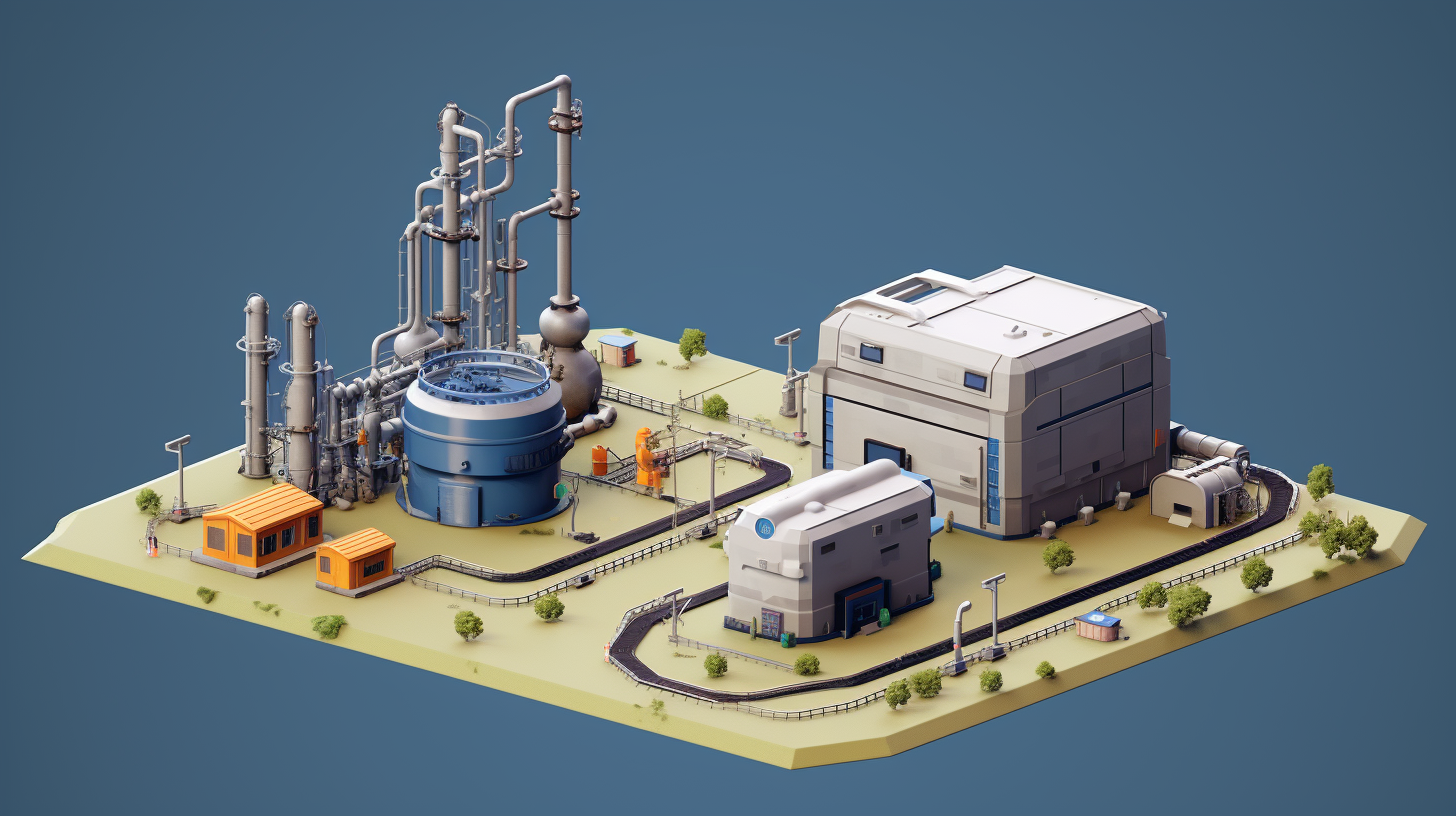
This technology supports the reduction of greenhouse gas emissions, improvement of energy security, and enhancement of disaster resilience. MNRs are small-scale nuclear reactors designed for modular construction, allowing them to be built in factories and transported to their operational sites. This modular approach reduces construction times and costs compared to traditional large-scale nuclear reactors, making them a cost-effective and flexible energy solution. Their advanced safety features, including "walk-away safe" designs, significantly mitigate the risks associated with nuclear energy.

Technology Readiness Level
7/9
Diffusion of Innovation
2/5
Technology Life Cycle
1/4
Eqx5A DjQA2cenosRlhVdA
More-than-human Rights

To create urban environments that are inclusive and supportive of both human and non-human life, this emerging framework integrates the legal and ethical recognition of the rights of animals, plants, and ecosystems into urban planning. This solution aims to ensure that cities are designed to support diverse forms of life. By incorporating green infrastructures such as urban wetlands, green roofs, and wildlife corridors, this technology mitigates environmental impacts, enhances biodiversity, and improves public health and well-being.

Technology Readiness Level
6/9
Diffusion of Innovation
1/5
Technology Life Cycle
1/4
M7CFmLD9Qx2KxloytEYe6w
Mycelium Brick

This biofabricated building material, grown from the root network of fungi, helps reduce the heavy carbon footprint and waste generated by traditional materials such as concrete and fired clay. By utilising agricultural by-products such as sawdust or straw as feedstock, mycelium bricks convert organic waste into robust, lightweight, and biodegradable structures.

Technology Readiness Level
2/9
Diffusion of Innovation
1/5
Technology Life Cycle
1/4
EKPLqrZGQK6buJZR4i71rg
Pedestrian Zone

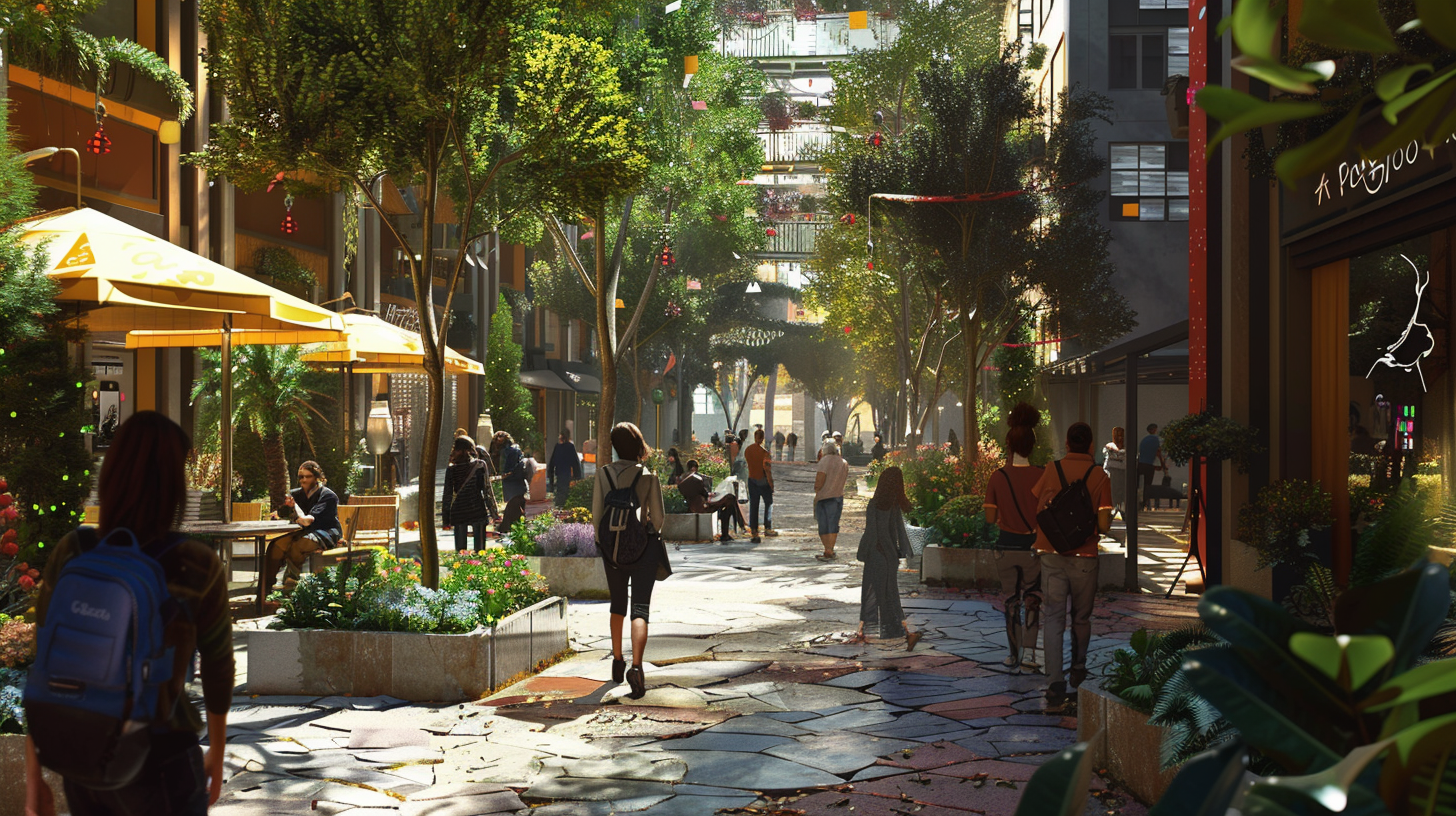
By restricting or eliminating motor vehicle traffic in designated areas, pedestrian zones create safer, more vibrant, and environmentally friendly urban spaces. These zones enhance urban liveability by improving air quality, reducing noise pollution, and encouraging walking and cycling, which contributes to public health and reduces reliance on fossil fuels. Their implementation involves infrastructure such as automated bollards and smart traffic management systems, ensuring that these zones are functional and adaptable.

Technology Readiness Level
9/9
Diffusion of Innovation
4/5
Technology Life Cycle
3/4
MERASA3PSRqe_h1nRlMfsQ
Perovskite Solar Cell

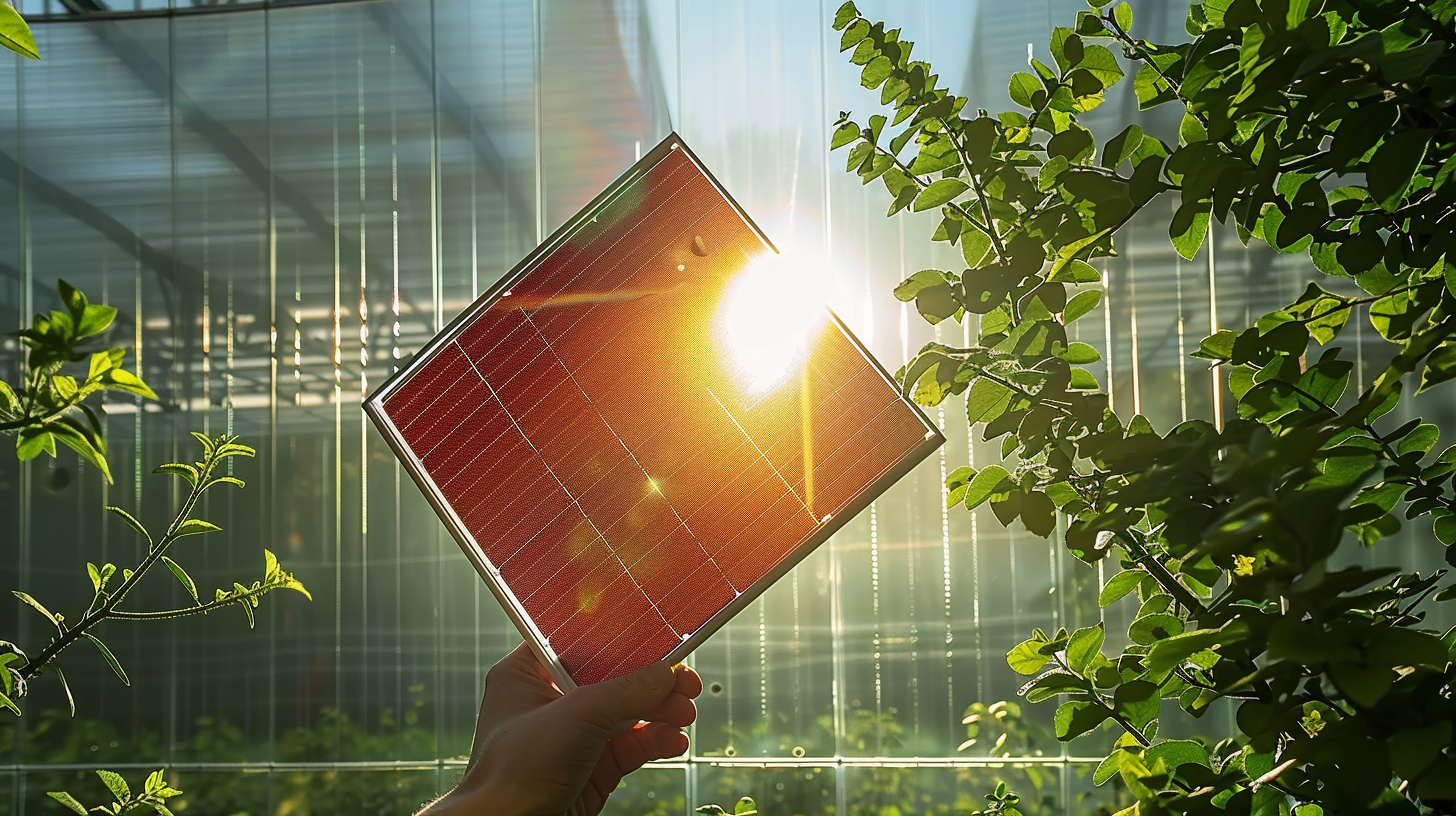
These solar cells utilize a unique hybrid organic-inorganic lead or tin halide material that forms a perovskite crystal structure. This material can be applied in thin layers using low-cost manufacturing techniques, making the production process more economical and versatile. Perovskite solar cells have demonstrated remarkable efficiency rates, capable of absorbing a broader spectrum of light, including low-intensity and diffuse light, which makes them highly efficient even in suboptimal conditions.

Technology Readiness Level
8/9
Diffusion of Innovation
2/5
Technology Life Cycle
2/4
LraSdVa2SxO6f6elFo3w1w
Plug-and-Play Solar Panel

Designed to make solar energy more accessible and user-friendly, this solution addresses significant barriers to solar energy adoption, such as the high costs and complexity of traditional solar installations. These panels are pre-configured, easy to install, and can be plugged directly into a standard electrical outlet, allowing users to start generating their own electricity almost immediately. This technology helps reduce reliance on fossil fuels, lowers carbon emissions, and promotes energy independence, particularly in urban areas where space and infrastructure constraints often limit renewable energy options.

Technology Readiness Level
8/9
Diffusion of Innovation
3/5
Technology Life Cycle
2/4
H6ZGfOAGRYiyQnO0zdvKVA
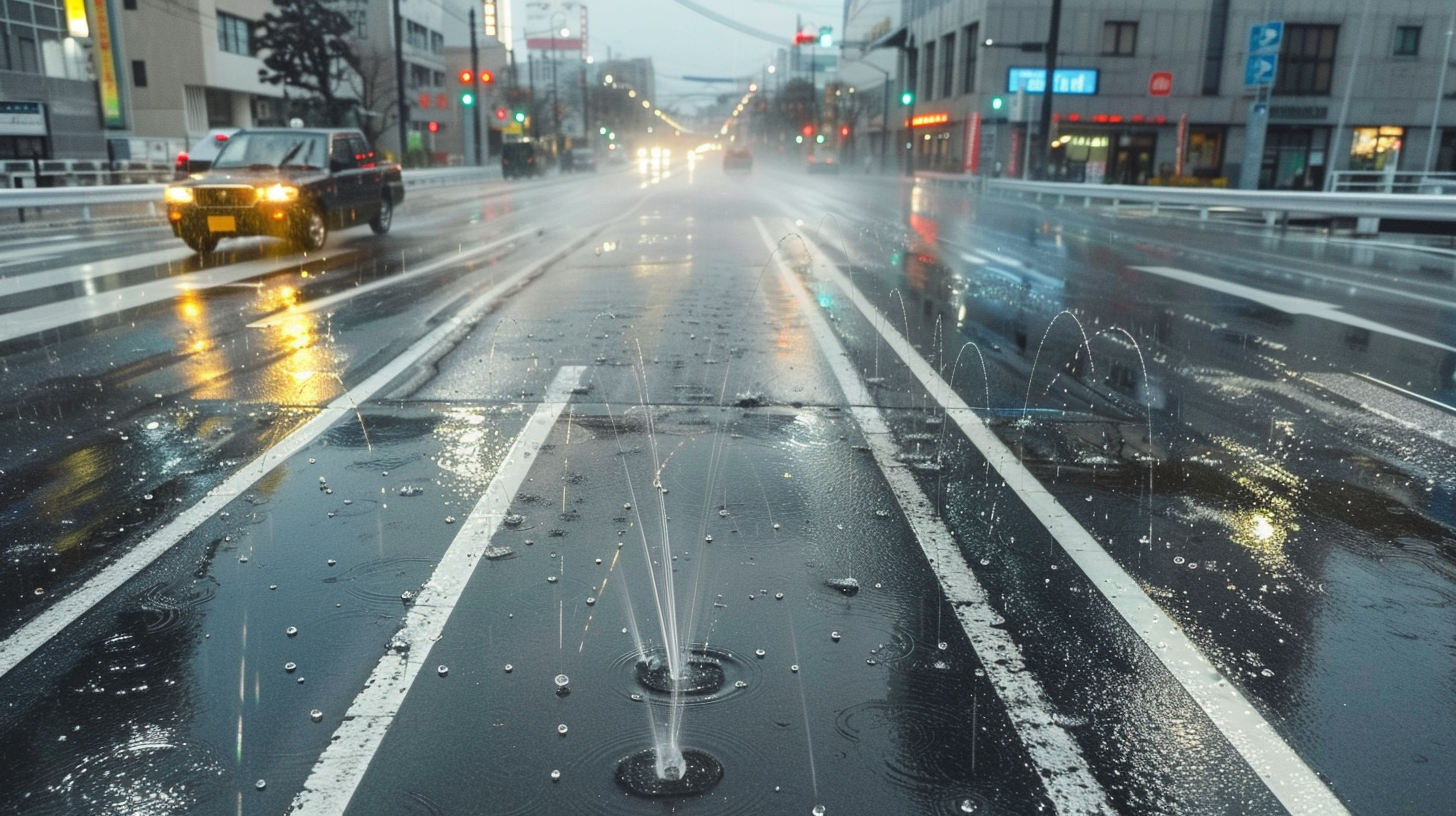
Porous Pavement

This sustainable urban technology is designed to address significant environmental challenges, including stormwater management and the urban heat island effect. It allows water to permeate through its surface, thereby reducing runoff, recharging groundwater, mitigating flooding, improving water quality by filtering pollutants, and reducing surface temperatures, creating cooler urban environments.

Technology Readiness Level
9/9
Diffusion of Innovation
3/5
Technology Life Cycle
3/4
LraSdVa2SxO6f6elFo3w1w
Portable Air Monitoring Tracker

These compact monitors continuously measure and report on air quality by detecting various pollutants, including particulate matter, nitrogen dioxide, ozone, and volatile organic compounds. Equipped with advanced sensors and wireless communication technologies, these trackers provide real-time, location-specific air quality data accessible via mobile applications or web portals. By empowering individuals and communities with detailed air quality information, these devices facilitate informed decisions and protective measures against pollution exposure.

Technology Readiness Level
8/9
Diffusion of Innovation
3/5
Technology Life Cycle
2/4
Cx3PaKCxTwyemqGwHgWjsg
Power Beaming

To tackle the limitations of traditional wired power systems, this solution uses electromagnetic waves to transfer energy over distances without physical connections. This technology eliminates the need for extensive cabling, reduces infrastructure costs and maintenance, and reaches remote facilities and hard-to-reach areas such as islands or farms while providing reliable power during emergencies and supporting renewable energy integration. It enhances urban resilience and sustainability by enabling efficient energy distribution, facilitating smart city developments, and promoting cleaner, more flexible power solutions.

Technology Readiness Level
5/9
Diffusion of Innovation
1/5
Technology Life Cycle
1/4
H6ZGfOAGRYiyQnO0zdvKVA
Programmable Smart Pavement

This solution addresses pressing urban challenges such as flooding, traffic congestion, road deterioration, and inefficient maintenance by embedding sensors, actuators, and responsive materials directly into the pavement. These elements allow the surface to monitor and react to environmental conditions, adjusting permeability during storms to reduce flooding, changing friction in icy conditions to improve safety, and collecting data on load, vibration, and temperature for predictive maintenance.

Technology Readiness Level
3/9
Diffusion of Innovation
1/5
Technology Life Cycle
1/4
Fo_8Rp1ESF6lBoRbIg0suw
Proof-of-Stake Blockchain

Proof-of-Stake (PoS) is a consensus mechanism that addresses critical energy consumption issues and scalability inherent in traditional blockchain systems like Proof-of-Work (PoW). PoS significantly reduces the computational power and electricity required for blockchain operations by selecting validators based on the number of tokens they hold and are willing to stake as collateral. This method not only conserves energy but also enhances transaction speed and scalability, making it more suitable for various urban applications.

Technology Readiness Level
9/9
Diffusion of Innovation
3/5
Technology Life Cycle
2/4
Au6IBOOiQBKXrd5UVZfpGg
Quantum Compass

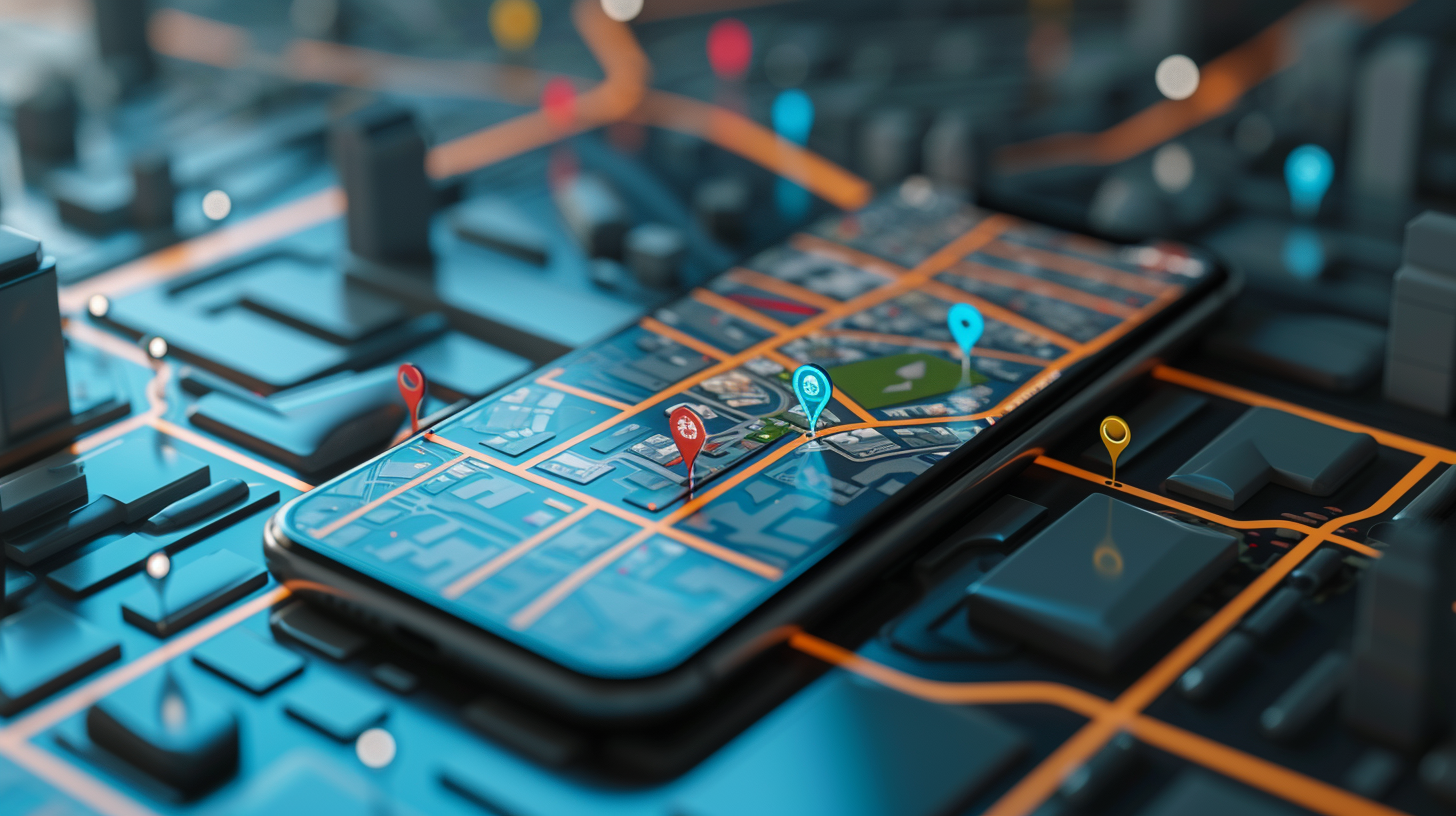
This technology operates on the principles of quantum mechanics, using the precise measurement of atomic states to determine orientation and position without relying on external signals. This makes it especially useful in dense urban areas, underground spaces, or disaster-stricken regions where GPS may fail. The quantum compass has potential applications across various urban contexts, from improving the accuracy of autonomous vehicles and public transportation systems to enhancing emergency response and infrastructure maintenance.

Technology Readiness Level
7/9
Diffusion of Innovation
2/5
Technology Life Cycle
1/4
GXJauPRaSeG77TPJH4DieQ
R-Strategies

This approach, grounded in reducing, reusing, and recycling, transforms waste into valuable resources, mitigates environmental impact, and promotes a circular economy. By integrating these practices into urban planning, cities can reduce landfill use, lower greenhouse gas emissions, and foster economic growth through job creation and cost savings. R-strategies are pivotal for enhancing the sustainability and resilience of urban areas, aligning with global efforts to create sustainable cities and communities.

Technology Readiness Level
7/9
Diffusion of Innovation
3/5
Technology Life Cycle
2/4
EKPLqrZGQK6buJZR4i71rg
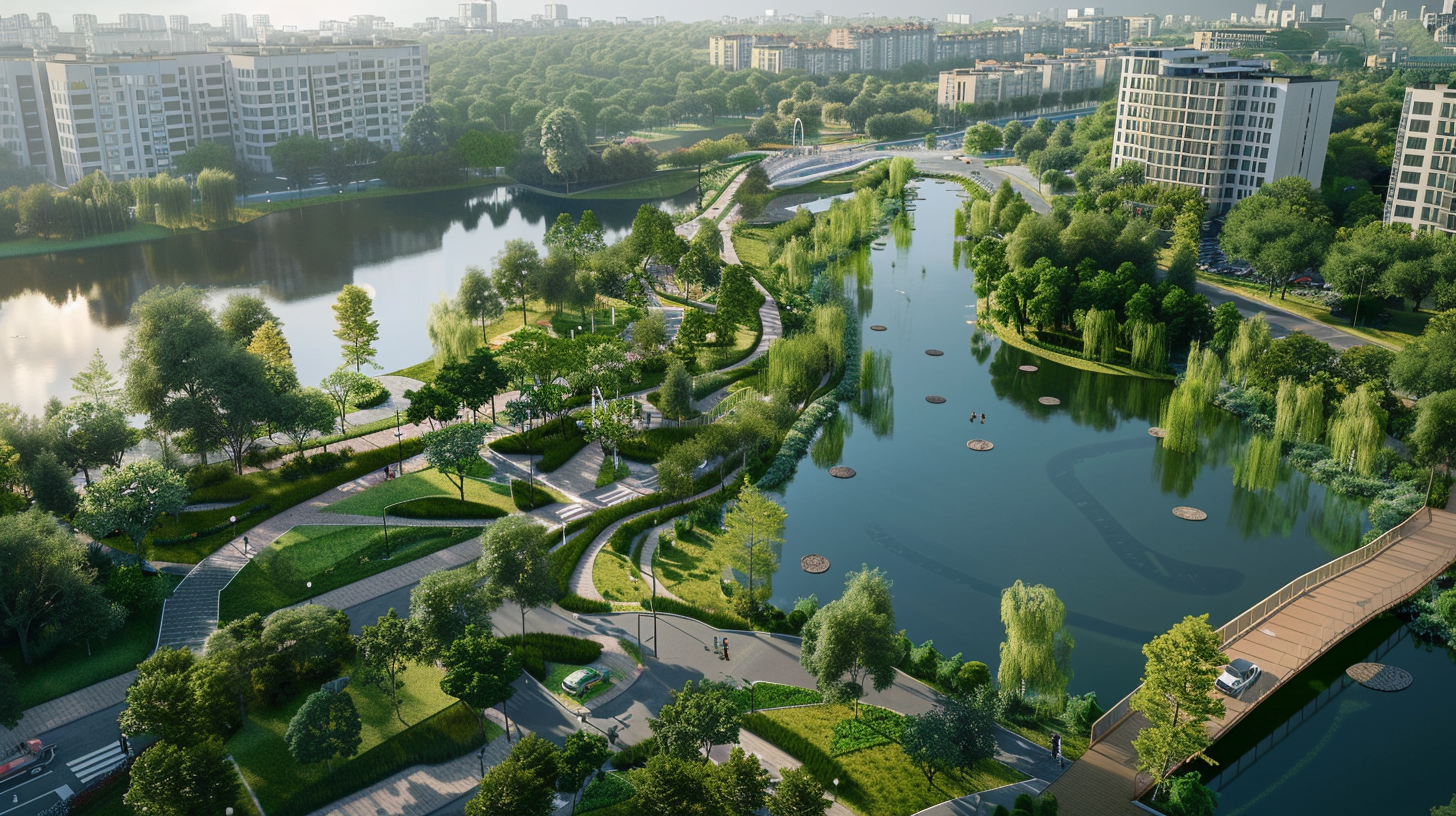
Rain Park

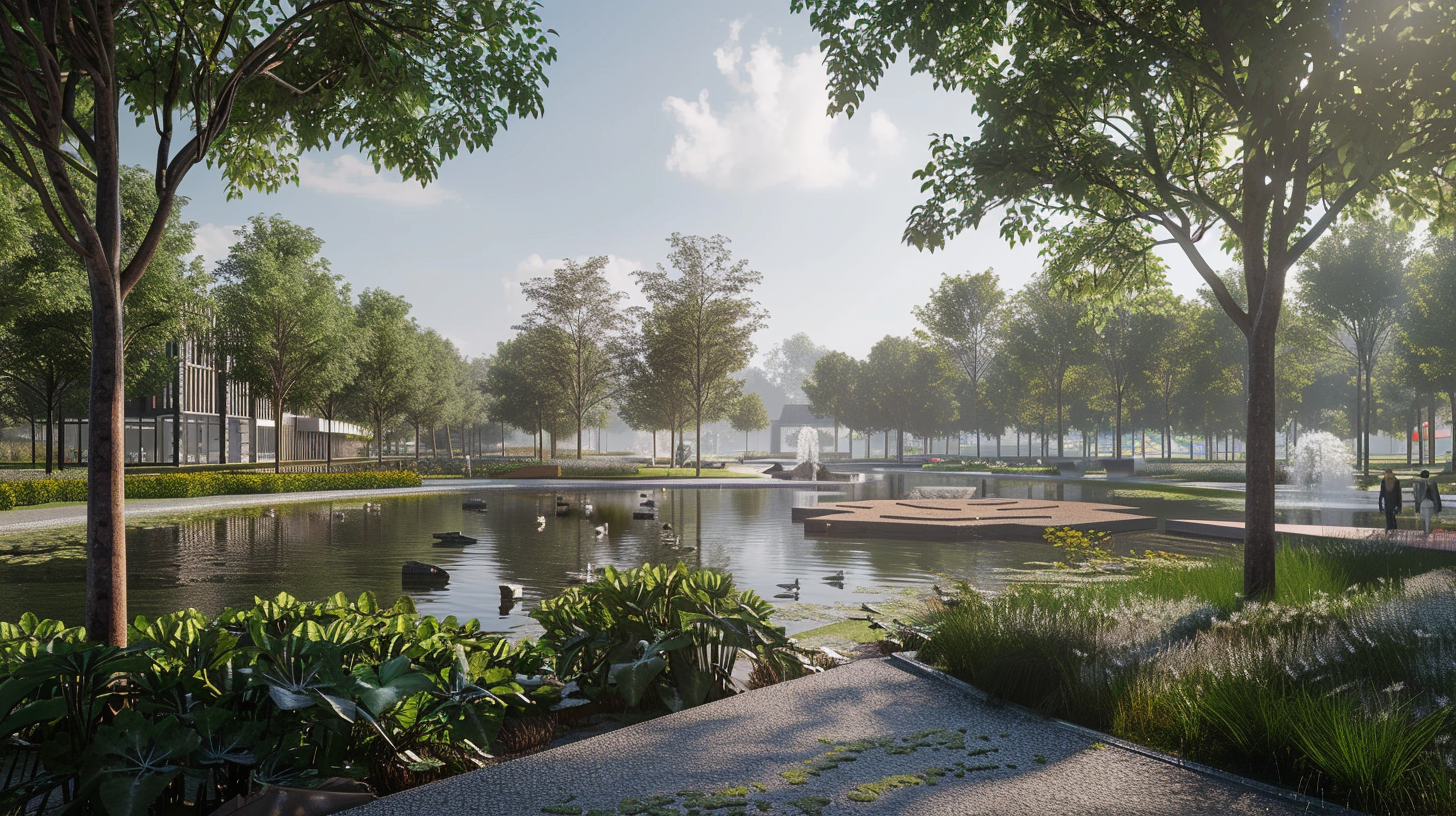
This green infrastructure solution is designed to address urban stormwater management challenges. It offers a green space for the community while also mitigating flooding, reducing water pollution, and enhancing urban resilience by capturing, managing, and utilising stormwater runoff. This landscaped area consists of permeable soil layers and native vegetation that filter pollutants, promote groundwater recharge, and slow down water flow during heavy rainfall.

Technology Readiness Level
8/9
Diffusion of Innovation
3/5
Technology Life Cycle
2/4
MERASA3PSRqe_h1nRlMfsQ
Rainwater Harvesting Ground Tank

To address urban issues related to water scarcity and stormwater management, this system collects and stores rainwater from rooftops and other surfaces, providing a sustainable alternative to traditional water supplies. By capturing rainwater, they help mitigate flooding, reduce pressure on municipal water systems, and promote water conservation. This technology is essential for creating resilient, sustainable cities by ensuring a reliable water supply for non-potable uses such as irrigation, toilet flushing, and emergency reserves.

Technology Readiness Level
9/9
Diffusion of Innovation
3/5
Technology Life Cycle
3/4
Eqx5A DjQA2cenosRlhVdA
Remote Earth Sensing

This solution provides detailed data on the Earth's surface and atmosphere by utilising satellites, drones, and other airborne instruments to monitor and manage urban environments. It solves problems related to urban sprawl, environmental degradation, and disaster response by offering insights into land use, vegetation health, air quality, and infrastructure conditions. Remote Earth sensing is essential for sustainable urban planning, climate change mitigation, and disaster management, making cities more resilient, efficient, and liveable for their inhabitants.

Technology Readiness Level
9/9
Diffusion of Innovation
4/5
Technology Life Cycle
3/4
GXJauPRaSeG77TPJH4DieQ
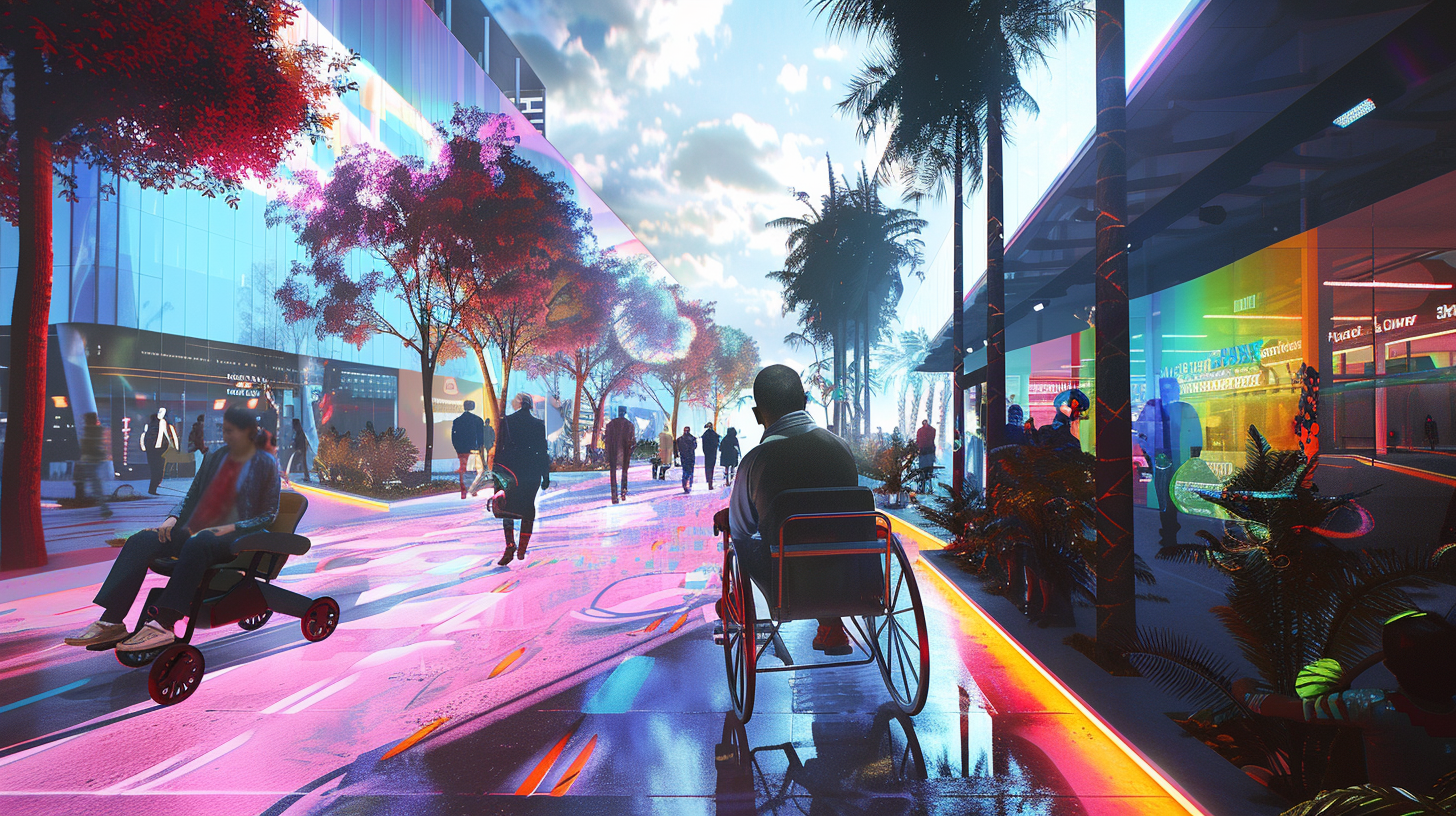
Right to Mobility

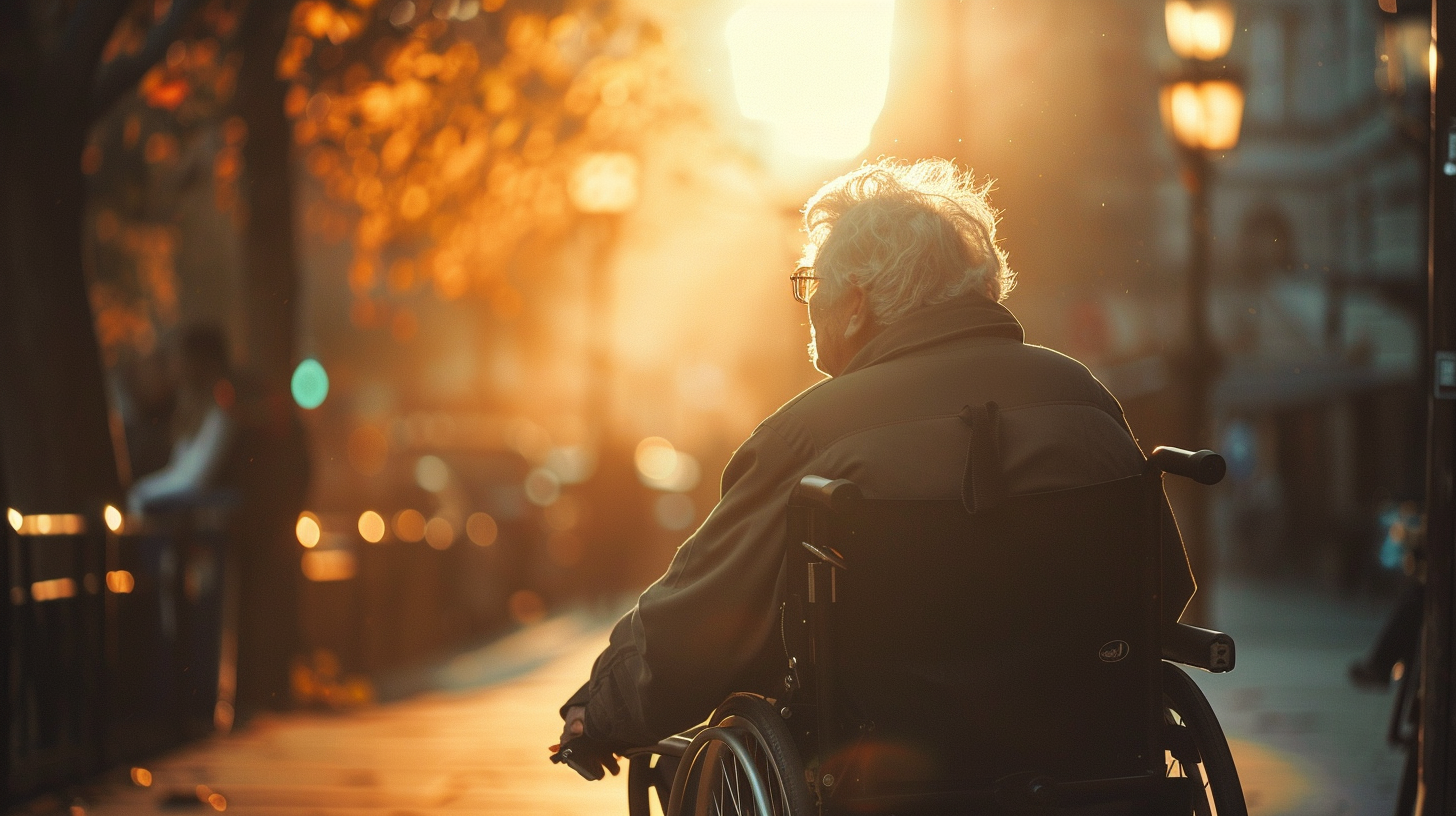
This concept addresses the persistent challenges of urban inequality and accessibility by ensuring that all residents have equitable access to safe, affordable, and sustainable transportation systems. It aims to overcome the disparities in urban mobility that often disadvantage vulnerable populations, such as the elderly, people with disabilities, and low-income residents, who struggle to access essential services, employment, and social opportunities. By prioritising accessibility, inclusivity, and sustainability, the Right to Mobility not only improves social equity within cities but also contributes to reducing carbon emissions and fostering economic resilience.

Technology Readiness Level
8/9
Diffusion of Innovation
2/5
Technology Life Cycle
2/4
Cx3PaKCxTwyemqGwHgWjsg
Rurbanisation

This concept creates balanced, self-sustaining communities that combine the benefits of both urban and rural living environments. By decentralising urban growth, rurbanisation alleviates pressure on urban infrastructures, reduces pollution, and enhances the quality of life for inhabitants. It involves developing infrastructure and services in rural areas, such as high-speed internet, healthcare facilities, and educational institutions, making them attractive alternatives to urban centres. The approach not only supports local economies and job creation but also fosters social cohesion by bridging the gap between urban and rural lifestyles.

Technology Readiness Level
7/9
Diffusion of Innovation
2/5
Technology Life Cycle
2/4
Au6IBOOiQBKXrd5UVZfpGg
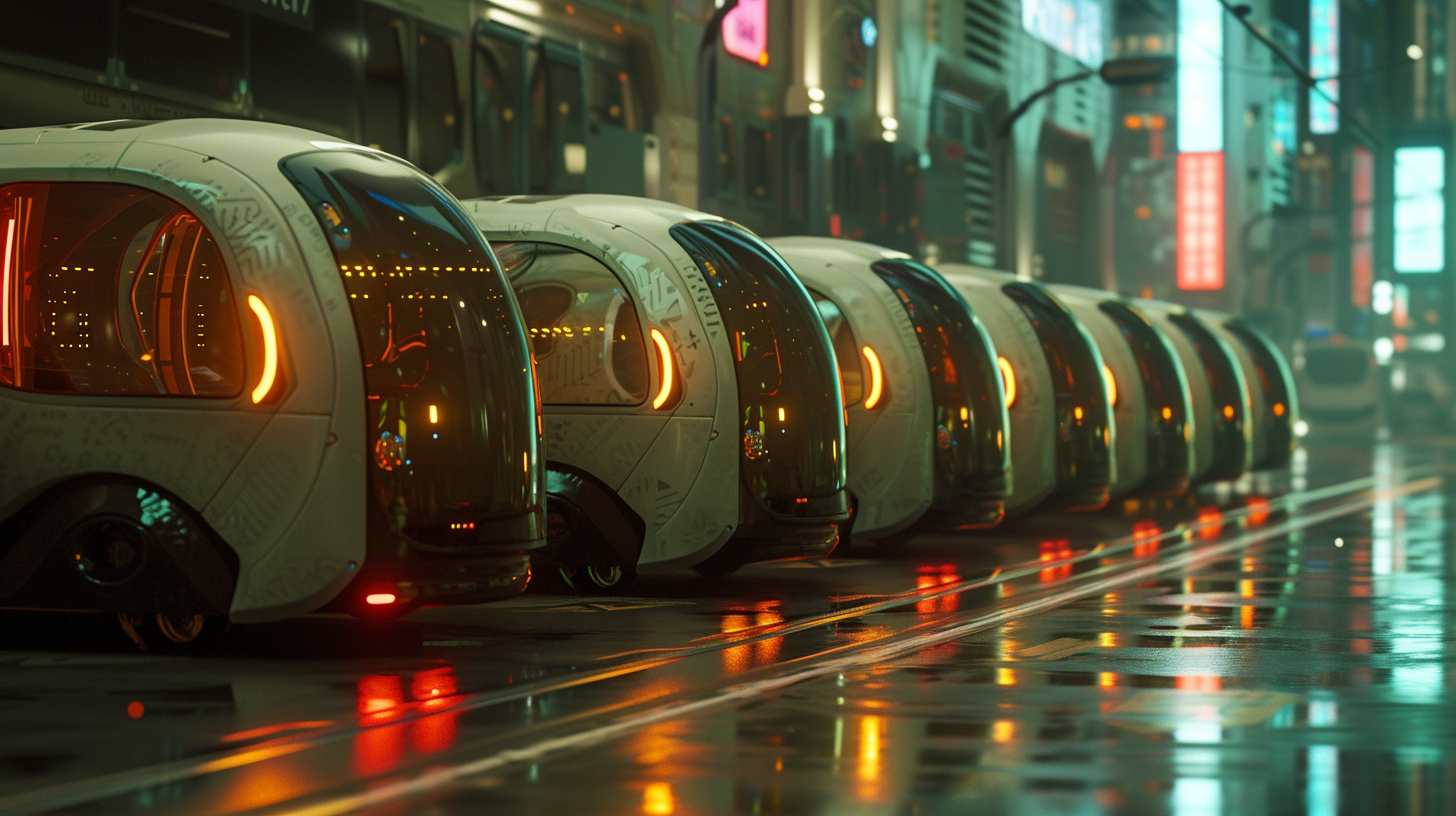
Self-driving Bus

This solution addresses traffic congestion, air pollution, and the inefficiencies of current public transport systems. These autonomous vehicles, equipped with sophisticated technologies like LiDAR, radar, and AI, operate without human intervention, navigating urban environments safely and efficiently. By integrating into existing public transport networks, self-driving buses can improve service reliability, reduce traffic congestion, and support environmental sustainability goals.

Technology Readiness Level
7/9
Diffusion of Innovation
2/5
Technology Life Cycle
1/4
M7CFmLD9Qx2KxloytEYe6w
Self-healing Material

Designed to extend the lifespan of various products and infrastructure, this class of materials autonomously repair themselves without human intervention. This solution addresses problems like high costs and logistical challenges associated with the maintenance and repair of infrastructure such as roads, bridges, buildings, and housing which deteriorate over time due to environmental and mechanical stresses.

Technology Readiness Level
6/9
Diffusion of Innovation
2/5
Technology Life Cycle
2/4
GXJauPRaSeG77TPJH4DieQ
Sharing Economy

By enabling the collaborative use of assets and services, this solution maximises resource utilisation, reduces waste, and fosters community connections. Platforms use advanced digital technology to connect individuals with underutilised resources to those in need, promoting access over ownership. The sharing economy enhances urban sustainability by lowering emissions, reducing the demand for new products, and optimising the use of urban infrastructure. It also contributes to social equity by making goods and services more accessible and supports economic resilience by creating new job opportunities and reducing living costs.

Technology Readiness Level
9/9
Diffusion of Innovation
4/5
Technology Life Cycle
3/4
Fo_8Rp1ESF6lBoRbIg0suw
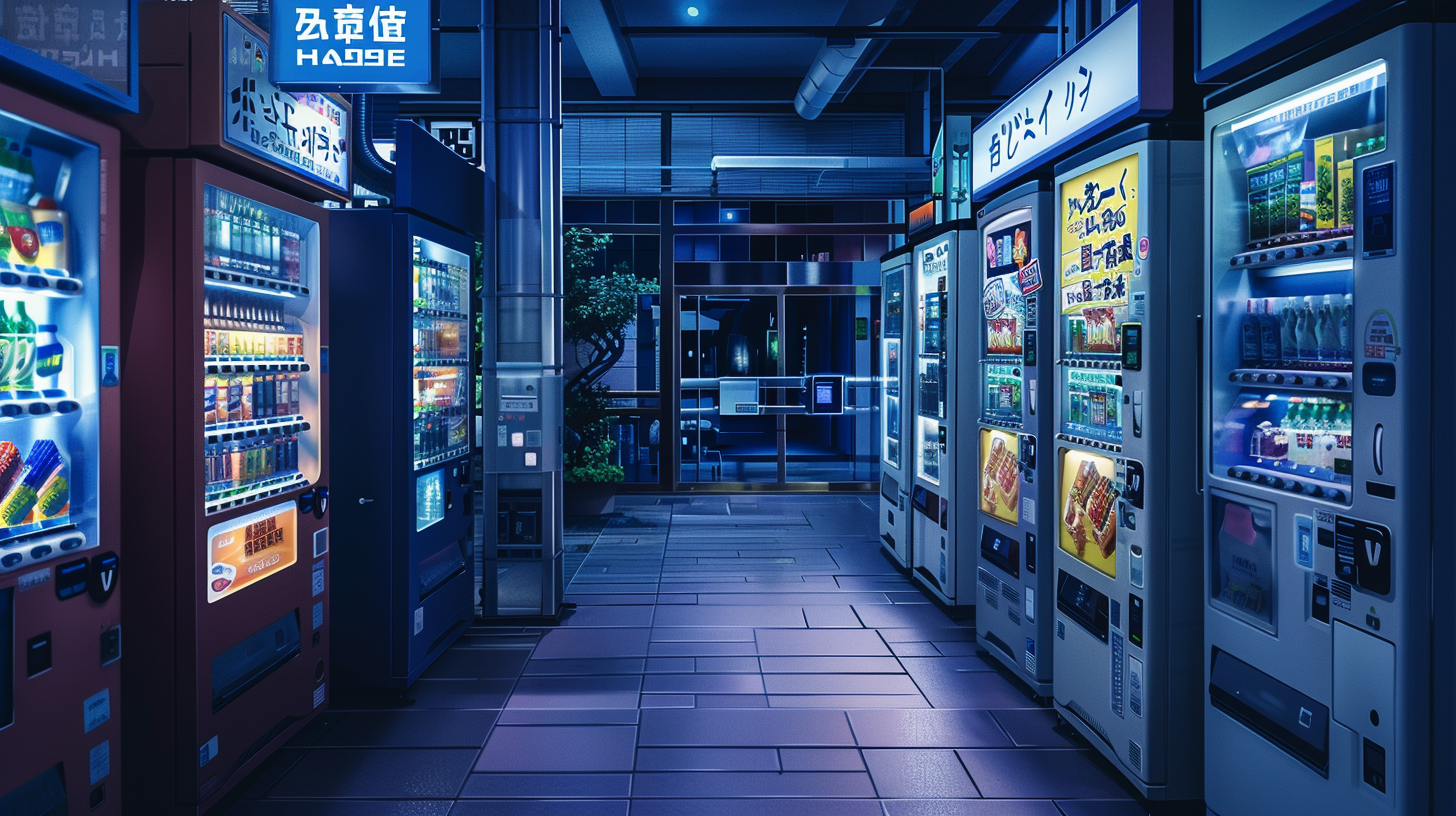
Smart Vending Machine

By offering a versatile, automated solution for the distribution of essential goods, this technology significantly reduces the need for 24-hour staffing in retail environments, providing round-the-clock access to items such as fresh food, healthcare products, and hygiene supplies. These advanced vending machines are equipped with features like advanced inventory management, sensors and contactless payments. They support small businesses by offering a cost-effective retail platform and contribute to urban resilience by maintaining service continuity during emergencies or economic disruptions.

Technology Readiness Level
9/9
Diffusion of Innovation
4/5
Technology Life Cycle
3/4
MERASA3PSRqe_h1nRlMfsQ
Solar Glass

Transparent solar panels absorb sunlight and generate renewable electricity. When incorporated into windows, skylights, façades, and other places where glass is used architecturally, solar panel glass enables the integration of renewable electricity generation into the design of buildings and structures. This technology provides a clean, renewable energy source that reduces reliance on fossil fuels and lowers greenhouse gas emissions. Solar windows enhance building energy efficiency, decrease electricity costs, and contribute to urban resilience by generating power from existing architectural surfaces.

Technology Readiness Level
8/9
Diffusion of Innovation
2/5
Technology Life Cycle
2/4
Au6IBOOiQBKXrd5UVZfpGg
Spatial Computing

By combining elements of computer vision, sensor technologies, and spatial mapping techniques,  digital representations of physical spaces can be created. This solution improves the spatial understanding of machines and a user's mixed-reality experience, enhancing real-time decision-making in areas such as traffic management, resource distribution, and urban planning.

Technology Readiness Level
8/9
Diffusion of Innovation
3/5
Technology Life Cycle
2/4
H6ZGfOAGRYiyQnO0zdvKVA
Sponge City

A transformative urban water management that addresses problems associated with increased urbanisation and climate change—namely, urban flooding, water scarcity, and pollution. This strategy involves retrofitting urban environments with natural and engineered features that mimic natural water processes. Key elements include permeable pavements, green roofs, rain gardens, and artificial wetlands, which work collectively to absorb, filter, and store rainwater.

Technology Readiness Level
6/9
Diffusion of Innovation
3/5
Technology Life Cycle
2/4
GXJauPRaSeG77TPJH4DieQ
Synthetic Data

Designed to address the growing concerns around data privacy, security, and availability in urban environments, this solution involves the generation of artificial data that closely mimic the statistical properties of real-world data without revealing sensitive or personal information. This technology is crucial for enabling advanced data-driven applications in cities, such as disaster preparedness, urban planning, and public health management, without compromising individual privacy.

Technology Readiness Level
8/9
Diffusion of Innovation
3/5
Technology Life Cycle
2/4
MERASA3PSRqe_h1nRlMfsQ
Translating Earbud

Help bridge the linguistic divide that can hinder effective interaction in multicultural urban settings. These earbuds function by providing real-time translation of spoken language, enabling seamless communication between individuals who speak different languages. By facilitating better communication, translating earbuds promote inclusivity and social integration, allowing diverse populations to engage more fully in their communities. This is particularly important in urban contexts where diverse linguistic backgrounds are common and can often lead to social and economic barriers.

Technology Readiness Level
9/9
Diffusion of Innovation
3/5
Technology Life Cycle
2/4
Au6IBOOiQBKXrd5UVZfpGg
Ultra Low Emission Zone

Designed to address the pressing problem of urban air pollution, which significantly impacts public health and contributes to climate change, this solution refers to a designated area within a city where strict emission standards are enforced, requiring vehicles to meet specific environmental criteria or face a daily charge. By incentivising the use of cleaner vehicles and discouraging older, more polluting models, ULEZ helps improve air quality, making cities healthier and more sustainable.

Technology Readiness Level
9/9
Diffusion of Innovation
3/5
Technology Life Cycle
2/4
GXJauPRaSeG77TPJH4DieQ
Universal Basic Income

A socio-economic policy that provides all citizens with a regular, unconditional sum of money, regardless of employment status or income level. This solution addresses economic inequality, job displacement due to automation, and social instability. By offering a guaranteed income, UBI ensures everyone can meet their basic living expenses, which helps reduce poverty and financial stress.

Technology Readiness Level
7/9
Diffusion of Innovation
1/5
Technology Life Cycle
1/4
Fo_8Rp1ESF6lBoRbIg0suw
Universal Design

Universal Design is an essential approach to creating accessible and inclusive urban environments. It aims to solve the problem of exclusion faced by individuals with disabilities, the elderly, and others with varying physical abilities, ensuring they can fully participate in urban life. It includes features like ramps, tactile indicators, and auditory signals in public spaces, transportation systems, and residential housing, making them usable by everyone. It also applies to public digital services.

Technology Readiness Level
9/9
Diffusion of Innovation
4/5
Technology Life Cycle
3/4
EKPLqrZGQK6buJZR4i71rg
Urban Agriculture

This solution addresses urban issues such as food insecurity, environmental degradation, and urban heat islands. This approach encompasses a variety of techniques, including vertical farming, underground farming, hydroponics, and rooftop gardens, to cultivate food within city landscapes. By bringing food production closer to urban consumers, urban agriculture reduces the dependency on long supply chains, enhances food security, and minimises the carbon footprint associated with transporting food over long distances.

Technology Readiness Level
8/9
Diffusion of Innovation
2/5
Technology Life Cycle
2/4
H6ZGfOAGRYiyQnO0zdvKVA
Urban Irrigation

This solution tackles the urban heat island effect, air quality deterioration, and flood risks. Urban irrigation involves the use of advanced irrigation systems, such as smart and remotely controlled sprinklers, deployed not only in green spaces but also on rooftops and roads. By cooling surfaces and reducing dust, these systems lower local temperatures and improve air quality. Additionally, they enhance soil permeability, which helps manage heavy rainfall and reduce flood risks.

Technology Readiness Level
8/9
Diffusion of Innovation
2/5
Technology Life Cycle
2/4
LraSdVa2SxO6f6elFo3w1w
Urban Mining

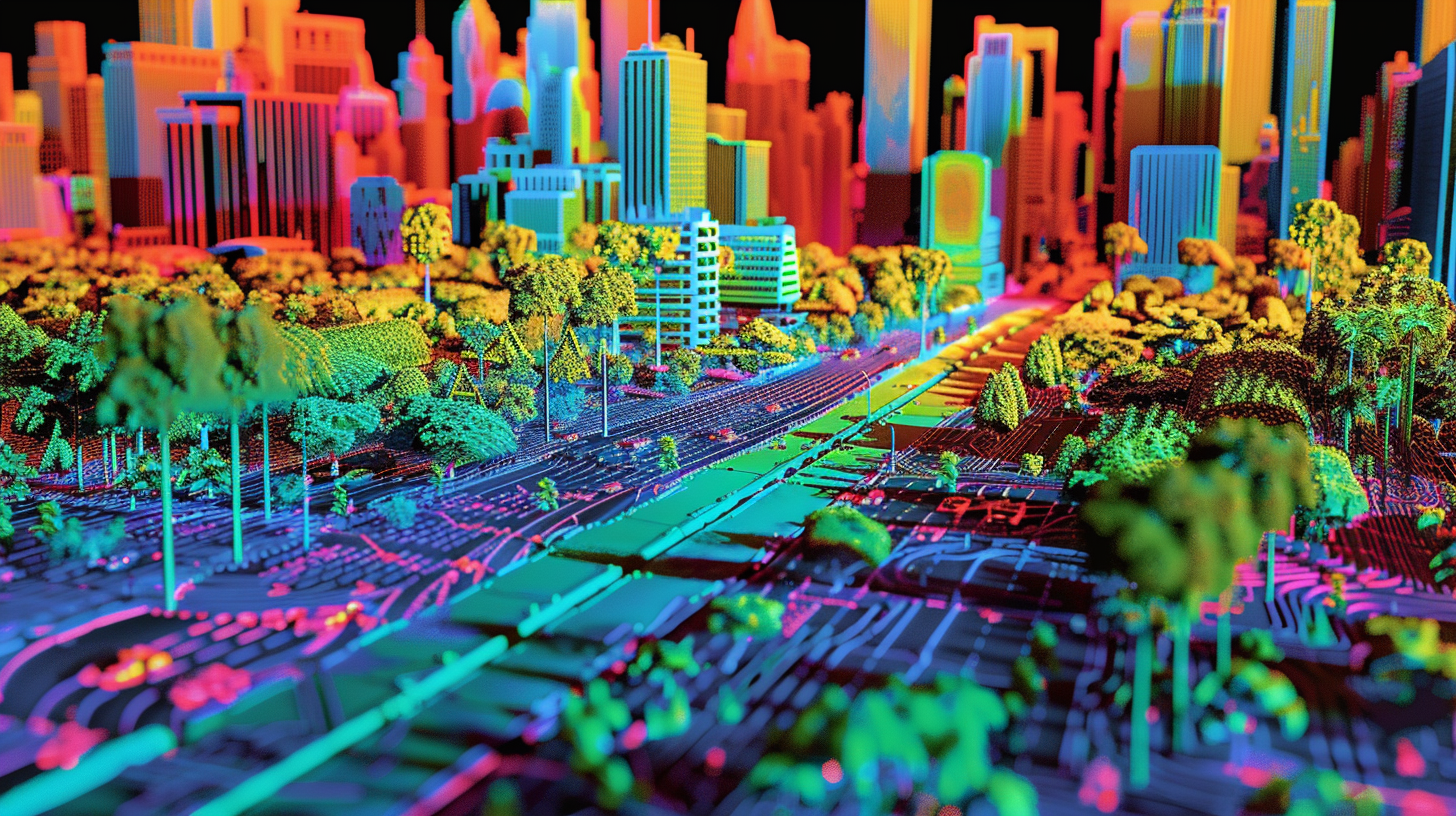
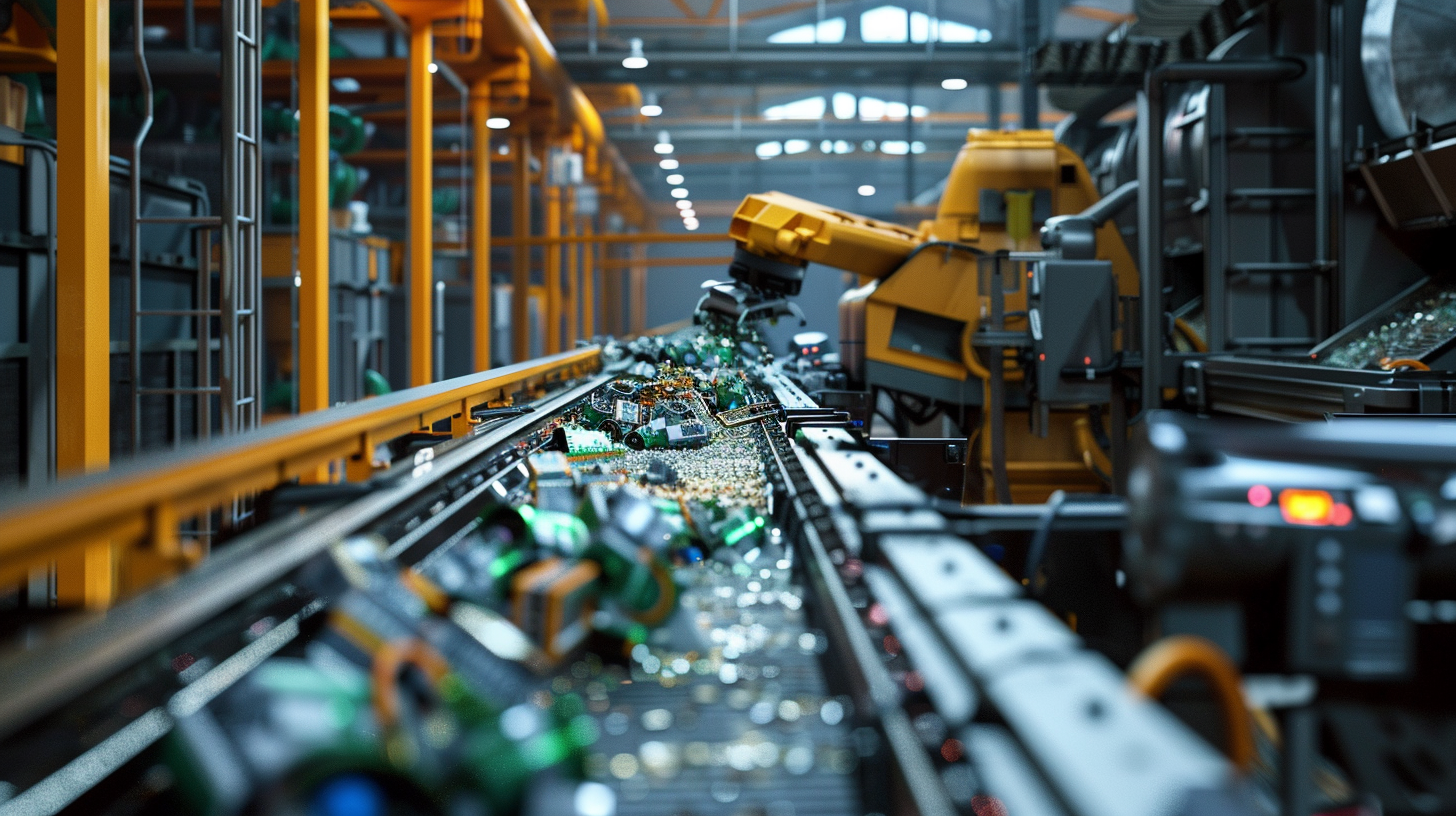
To address resource depletion and waste management in urban environments, this approach focuses on the recovery of valuable materials from waste streams, including electronic waste (e-waste), construction and demolition debris, and end-of-life vehicles, among others. By treating cities as "mines," urban mining taps into the vast reserves of precious metals, rare earth elements, and other valuable materials that are embedded in urban waste, offering a sustainable alternative to traditional mining practices.

Technology Readiness Level
8/9
Diffusion of Innovation
3/5
Technology Life Cycle
2/4
MERASA3PSRqe_h1nRlMfsQ
UV-LED Water Treatment

This solution provides safe, potable water in urban environments by offering an effective and sustainable disinfection solution. This technology uses ultraviolet light-emitting diodes (UV-LEDs) to emit UV light at specific wavelengths, disrupting the DNA of harmful microorganisms in water, thereby rendering them inactive and preventing the spread of waterborne diseases. They are also more compact and durable, allowing for versatile applications ranging from municipal water treatment plants to portable purification devices.

Technology Readiness Level
8/9
Diffusion of Innovation
3/5
Technology Life Cycle
2/4
EKPLqrZGQK6buJZR4i71rg
Variable Environmental Tax

A dynamic taxation system that addresses urban environmental challenges such as pollution, resource depletion, and inefficient land use. Adjusting tax rates based on ecological impact incentivises sustainable practices among businesses and individuals, promoting cleaner air and water, efficient resource use, and green urban development. It has the potential to support sustainable and resilient urban growth, aligning with global sustainability goals and enhancing the quality of life in cities.

Technology Readiness Level
7/9
Diffusion of Innovation
3/5
Technology Life Cycle
2/4
M7CFmLD9Qx2KxloytEYe6w
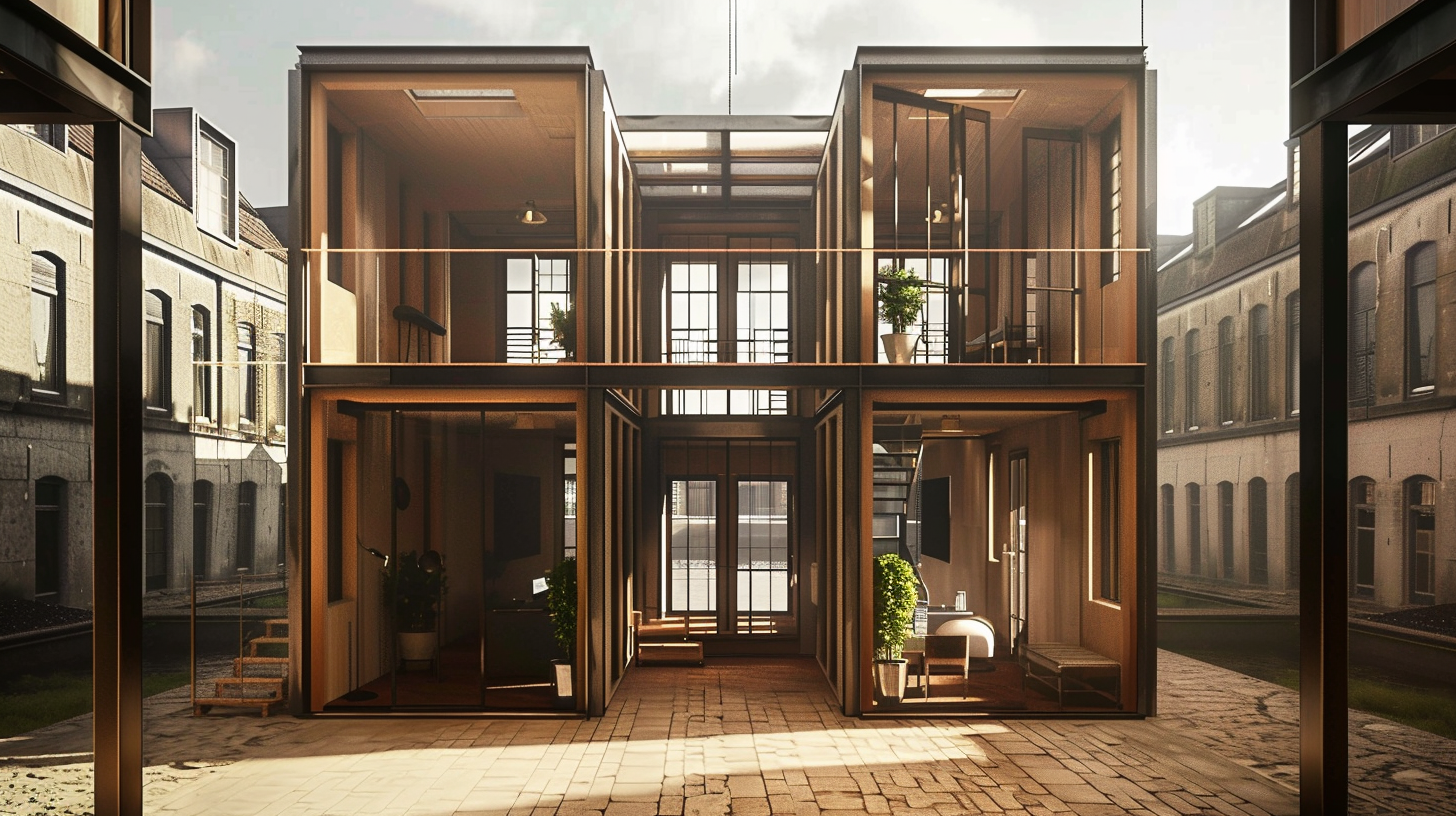
Volumetric Modular Housing

This solution tackles housing shortages, high construction costs, and the need for rapid deployment of disaster relief. Also known as prefabricated construction, it involves the off-site manufacturing of building modules in a controlled factory environment, ensuring high-quality construction and reduced material waste. These modules, complete with all necessary fittings and systems, are then transported and assembled on-site, significantly reducing construction time and on-site disruption.

Technology Readiness Level
9/9
Diffusion of Innovation
3/5
Technology Life Cycle
2/4
LraSdVa2SxO6f6elFo3w1w
Wastewater Analytics Platform

This technology helps cities tackle issues such as water pollution, inefficient resource use, and the high costs associated with traditional wastewater treatment methods. By integrating sensors, data analytics, and machine learning, these platforms continuously monitor wastewater flows and quality, providing real-time data that can detect anomalies, predict maintenance needs, and optimise treatment processes.

Technology Readiness Level
8/9
Diffusion of Innovation
3/5
Technology Life Cycle
2/4
EKPLqrZGQK6buJZR4i71rg
Web GIS

The Web-based Geographic Information Systems addresses the complexities of modern urban management, such as inefficient resource allocation, inadequate infrastructure planning, and disaster response. It operates as an online platform, enabling users to access, share, and analyse geospatial data in real-time through a web browser. This system integrates cloud computing, real-time mapping, and spatial analysis, allowing multiple users to collaborate on urban planning, environmental monitoring, and disaster management.

Technology Readiness Level
9/9
Diffusion of Innovation
4/5
Technology Life Cycle
3/4
H6ZGfOAGRYiyQnO0zdvKVA
Wi-fi Sensing

This technology leverages advancements in Wi-Fi networks to monitor various environmental factors—such as air quality, structural integrity, and crowd density—enabling cities to enhance public safety, optimise resource use, and support sustainable urban planning. Traditional environmental monitoring methods often require extensive infrastructure and maintenance, making them both costly and energy-intensive. Wi-Fi sensing, however, offers a more sophisticated solution by using existing wireless communication networks to simultaneously collect and transmit data, thus reducing the need for separate sensor networks.

Technology Readiness Level
5/9
Diffusion of Innovation
2/5
Technology Life Cycle
1/4
MERASA3PSRqe_h1nRlMfsQ
Wooden Skyscraper

Wooden skyscrapers address the high carbon emissions of traditional construction materials like steel and concrete. These skyscrapers utilise engineered wood products such as cross-laminated timber (CLT) and glued laminated timber (glulam), which are strong, flexible, and sustainable. The primary environmental benefit of wooden skyscrapers is their ability to sequester carbon dioxide, thus reducing the overall carbon footprint of urban buildings.

Technology Readiness Level
8/9
Diffusion of Innovation
2/5
Technology Life Cycle
2/4
M7CFmLD9Qx2KxloytEYe6w
Zero-energy Building

These advanced structures are designed to produce as much energy as they consume, primarily through renewable energy sources. This technology helps reduce greenhouse gas emissions, lower energy consumption, and promote sustainable urban development. ZEBs achieve high energy efficiency through state-of-the-art insulation, energy-efficient HVAC systems, and smart home technologies, which minimise energy loss and optimise usage. As a result, they significantly cut down on carbon emissions and operational energy costs, contributing to environmental sustainability and economic resilience.

Technology Readiness Level
8/9
Diffusion of Innovation
3/5
Technology Life Cycle
2/4

Interested in our work?

Reach out to learn how we can help you with your foresight needs.

Cities is Envisioning's applied foresight program for municipal teams, delivering decision-ready intelligence across infrastructure, mobility, and climate resilience.

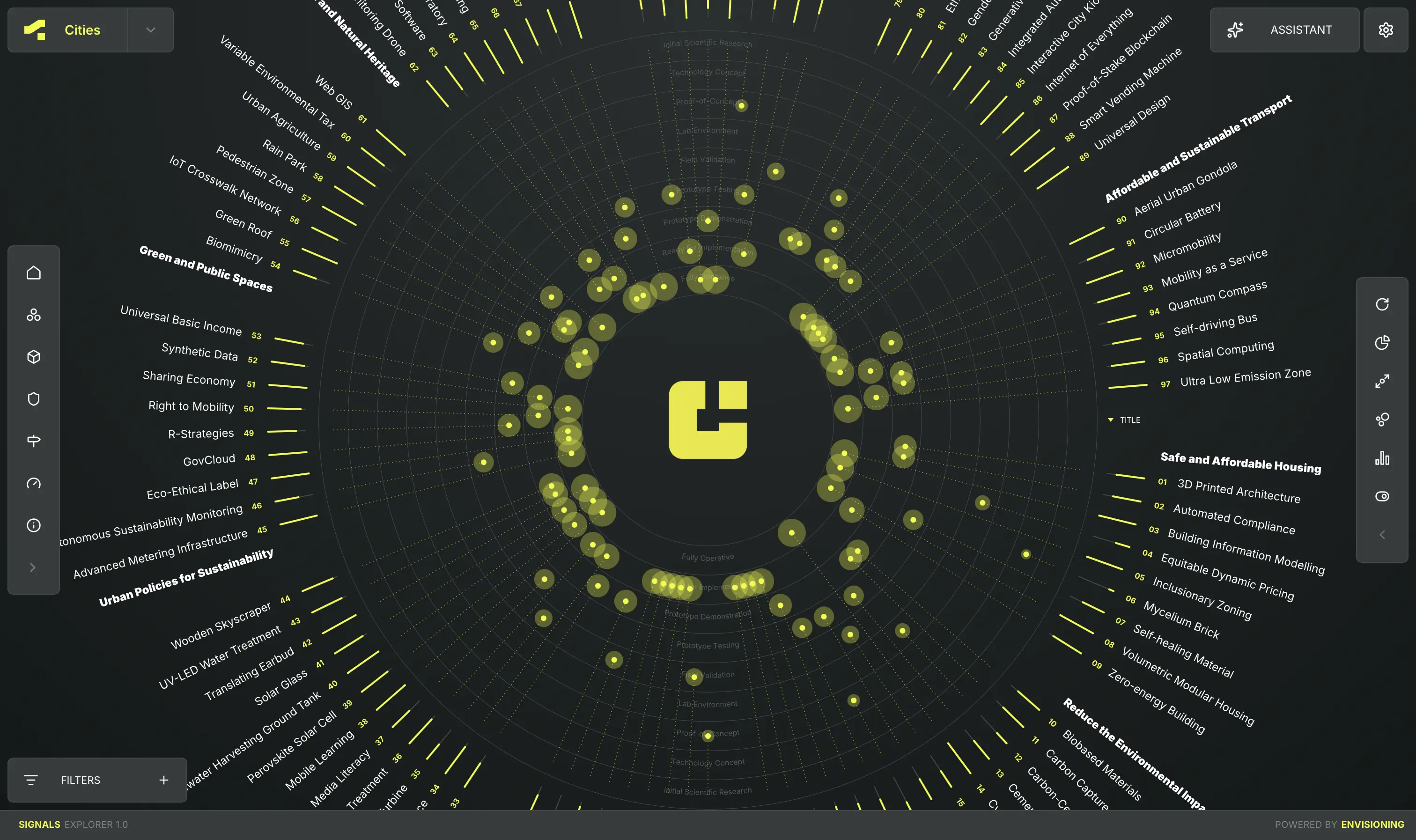
This radar highlights innovative solutions designed to help people imagine and build the future of cities. We focus on SDG11—Sustainable Cities and Communities to promote inclusive, safe, resilient, and sustainable urban development. By aligning with this globally accepted guideline, we aim to make a meaningful impact on how cities evolve.

This resource is free and open-access, ensuring it reaches decision-makers, politicians, startups, businesses, policymakers, educators, and the public. In this version of the Envisioning Cities radar, we go beyond emerging technologies by including policies, ideas, strategies, concepts, and trends. This broadened focus demonstrates that the future of cities depends on more than just technology; social, political, cultural, and economic shifts play an equally important role.

Our Work

  • Developed an interactive AI-powered tool for urban innovation.
  • Features 90+ solutions encompassing policies, ideas, strategies, trends, and technologies.
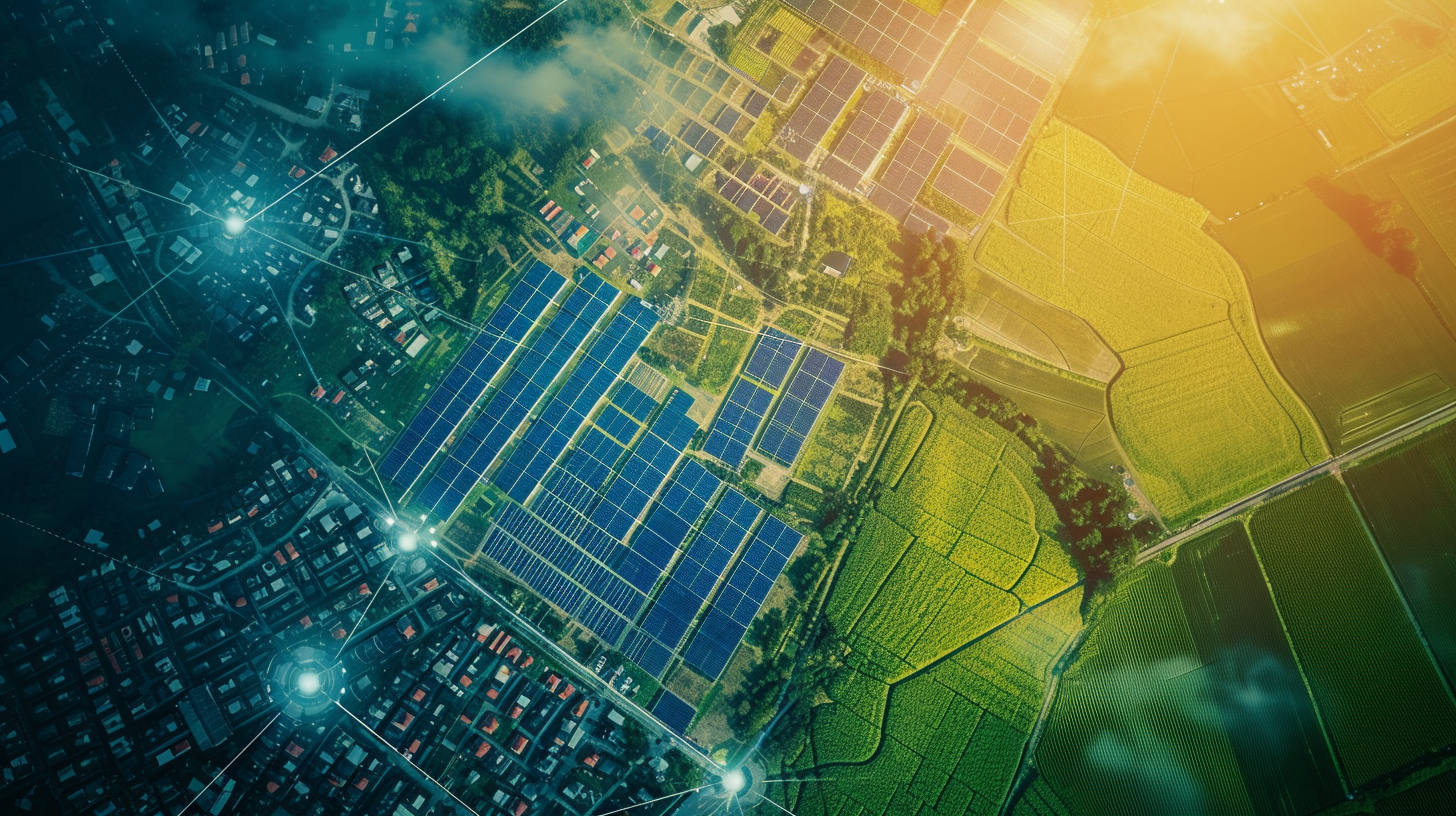
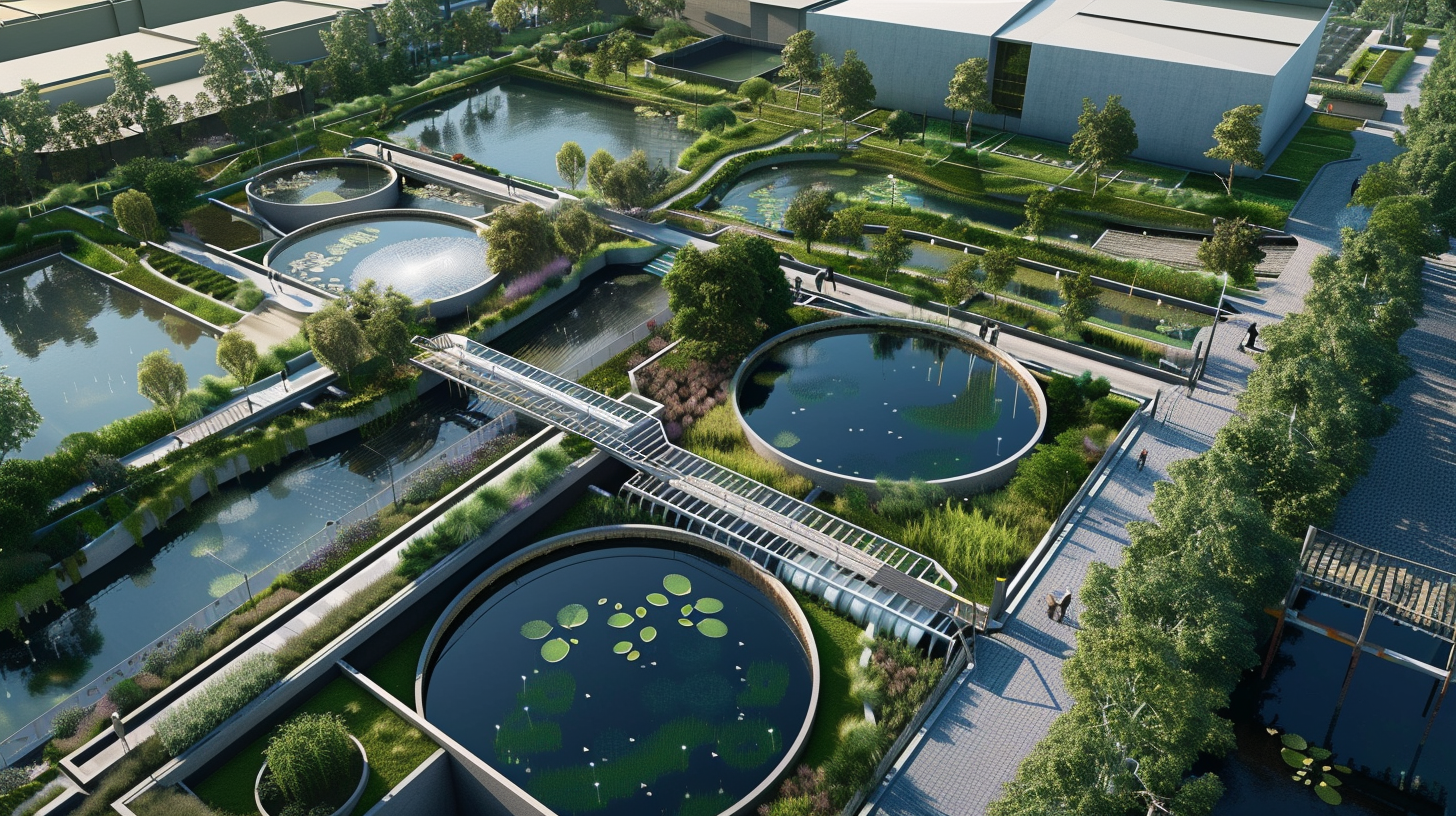
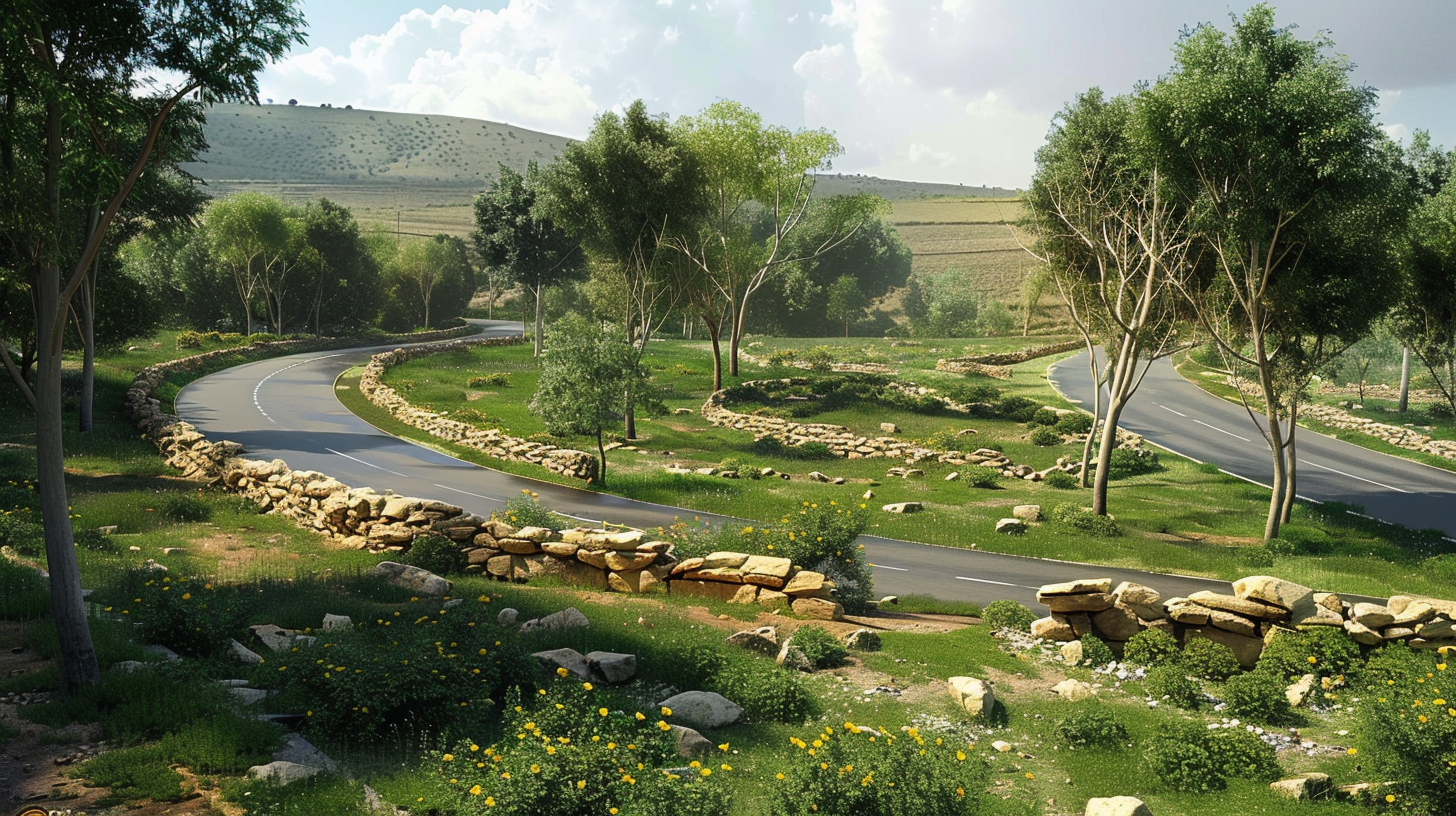
  • Enhanced user experience with AI-generated images created with Midjourney.
  • Ongoing research with periodic updates.

Impact

  • Provides urban planners with actionable insights.
  • Free and open-access, this radar can be used by decision-makers, students, educators and citizens.
  • Increased potential reach with content and AI-Assistant in English and Brazilian Portuguese.
  • Material has been used in workshops and urban innovation classes.
  • Supports Sustainable Development Goals (SDG11).
  • Tagged for the New Urban Agenda and Resilient Recovery: Building Back Better frameworks.

Newsletter

Follow us for weekly foresight in your inbox.
Browse the latest from Artificial Insights, our opinionated weekly briefing exploring the transition toward AGI.
Feb 9, 2026 · Issue 129
Agent in the Loop
Feb 2, 2026 · Issue 128
The Capacity to Name Reality
Jan 19, 2026 · Issue 127
Boiling the Ocean
View all issues