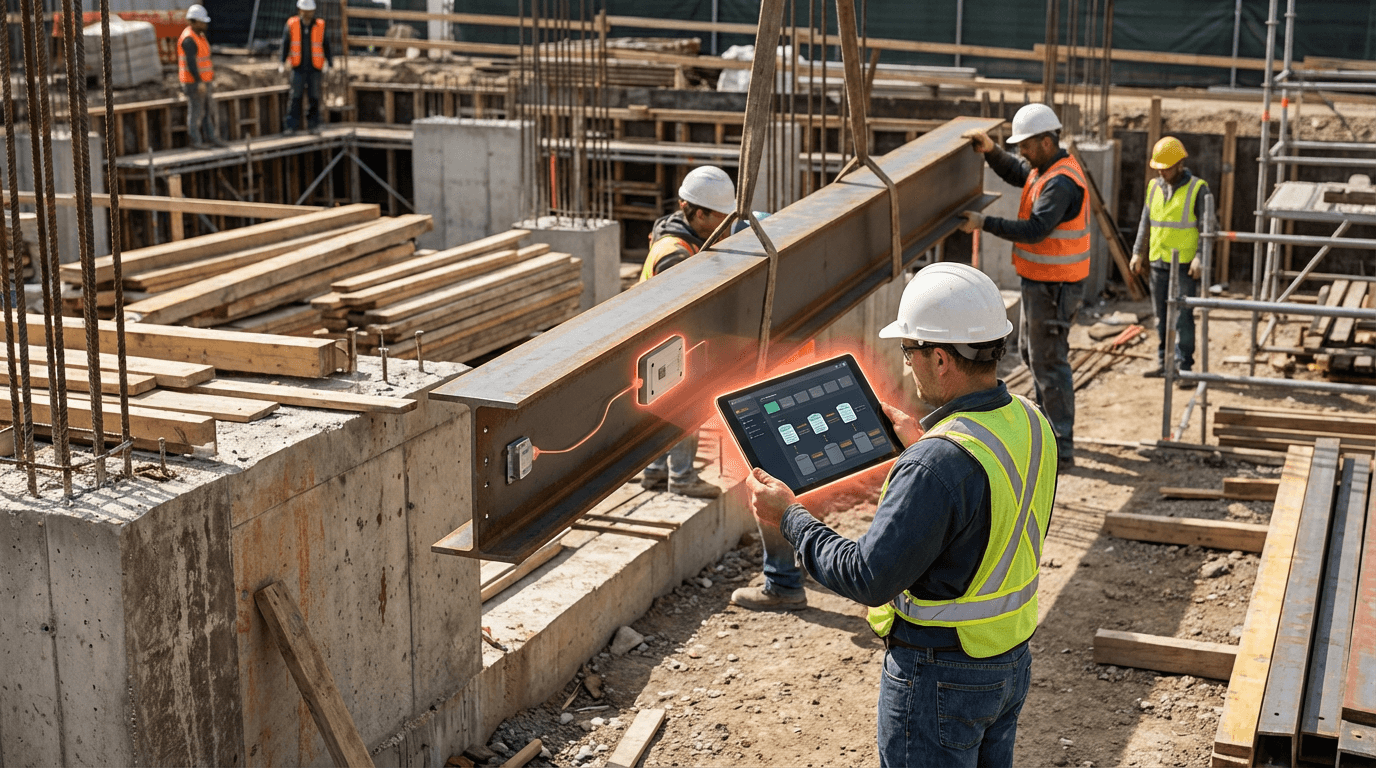
Blockchain Material Tracking
Blockchain material tracking represents a fundamental shift in how the construction industry manages supply chain transparency and accountability. At its core, this technology employs distributed ledger systems to create permanent, tamper-proof records of construction materials as they move from extraction or manufacture through distribution networks to final installation on job sites. Each transaction or transfer point generates a cryptographic record that is validated across multiple network nodes, making it virtually impossible to alter historical data without detection. The system typically integrates with IoT sensors, QR codes, or RFID tags attached to materials, automatically logging data such as origin coordinates, manufacturing dates, quality certifications, and custody transfers. Smart contracts—self-executing code embedded within the blockchain—can automatically trigger payments, compliance checks, or alerts when predefined conditions are met, such as materials arriving on site or passing quality inspections.
The construction industry has long struggled with opacity in material sourcing, leading to significant challenges around counterfeit materials, sustainability compliance failures, and payment disputes between contractors and suppliers. Traditional paper-based or centralized digital tracking systems are vulnerable to manipulation, loss, or fragmentation across multiple parties, making it difficult to verify claims about material origins or environmental credentials. Blockchain material tracking addresses these problems by creating a single source of truth accessible to all authorized stakeholders—from raw material suppliers and manufacturers to general contractors, inspectors, and building owners. This shared visibility enables real-time verification of sustainability certifications, such as responsibly sourced timber or low-carbon concrete, which is increasingly critical as green building standards and regulatory requirements tighten. The technology also streamlines payment processes by reducing disputes over delivery confirmations and quality compliance, potentially accelerating cash flow throughout the supply chain and reducing administrative overhead.
Early deployments of blockchain material tracking have emerged in both public infrastructure projects and private commercial developments, particularly in regions with stringent environmental regulations or high-value projects where material authenticity is paramount. Pilot programs have demonstrated the technology's capacity to reduce documentation time, improve audit readiness, and provide building owners with verifiable records of material provenance that can enhance property valuations and support LEED or similar certifications. As the construction industry faces mounting pressure to demonstrate environmental responsibility and combat material fraud, blockchain tracking systems are increasingly positioned as essential infrastructure for modern project management. The technology aligns with broader industry trends toward digital twins, building information modeling integration, and data-driven construction management, suggesting that immutable material tracking may become standard practice for major projects within the coming decade, fundamentally reshaping accountability and trust across construction supply networks.
Related Organizations

A consortium of universities and industry players developing knowledge and standards for blockchain in the built environment.

Construction management software utilizing blockchain for supply chain verification and payment automation.

Data Gumbo
United States · Company
Provides 'GumboNet', a smart contract network for industrial construction and energy sectors.

Uses blockchain and Zero-Knowledge Proofs to share product data (like chemical content) without revealing sensitive supplier information.

Financial automation platform for construction that uses AI to process invoices and financial documents.

Arup
United Kingdom · Company
A multinational professional services firm dedicated to sustainable development, known for pioneering the use of BIM in complex engineering projects.

Connects physical assets to the blockchain using legally binding smart contracts (Asset Passports).

Provider of Aconex, a cloud-based collaboration solution for construction project management.

A multinational construction and development company with aggressive climate targets and a portfolio of Deep Green projects.

Provides watsonx.governance for managing AI risk and compliance.
Supporting Evidence
Research this in Signals
Signals turns a topic into a sourced research record you can inspect and rerun. Your first scan is free, and this one starts with Blockchain Material Tracking already loaded, so edit it or scan as is.