Tracking signals shaping the future of game ecosystems — game engines, interaction systems, creator tools, and virtual-economy infrastructures.
Technologies

Matchmaking systems that balance skill, latency, play style, and social fit in real time

Design standards that limit dark patterns and high-intensity mechanics in VR/AR for children

Autonomous NPCs and real-time physics that evolve ecosystems independently of player presence
Frameworks governing emotional attachment and memory retention in persistent AI game companions
Machine learning models that accelerate 3D rendering by denoising, optimizing light calculations, and reducing render ti
Game engines that procedurally generate worlds, characters, and stories from player actions in real time
Policy frameworks that cap AI-driven engagement loops and reward mechanics in games
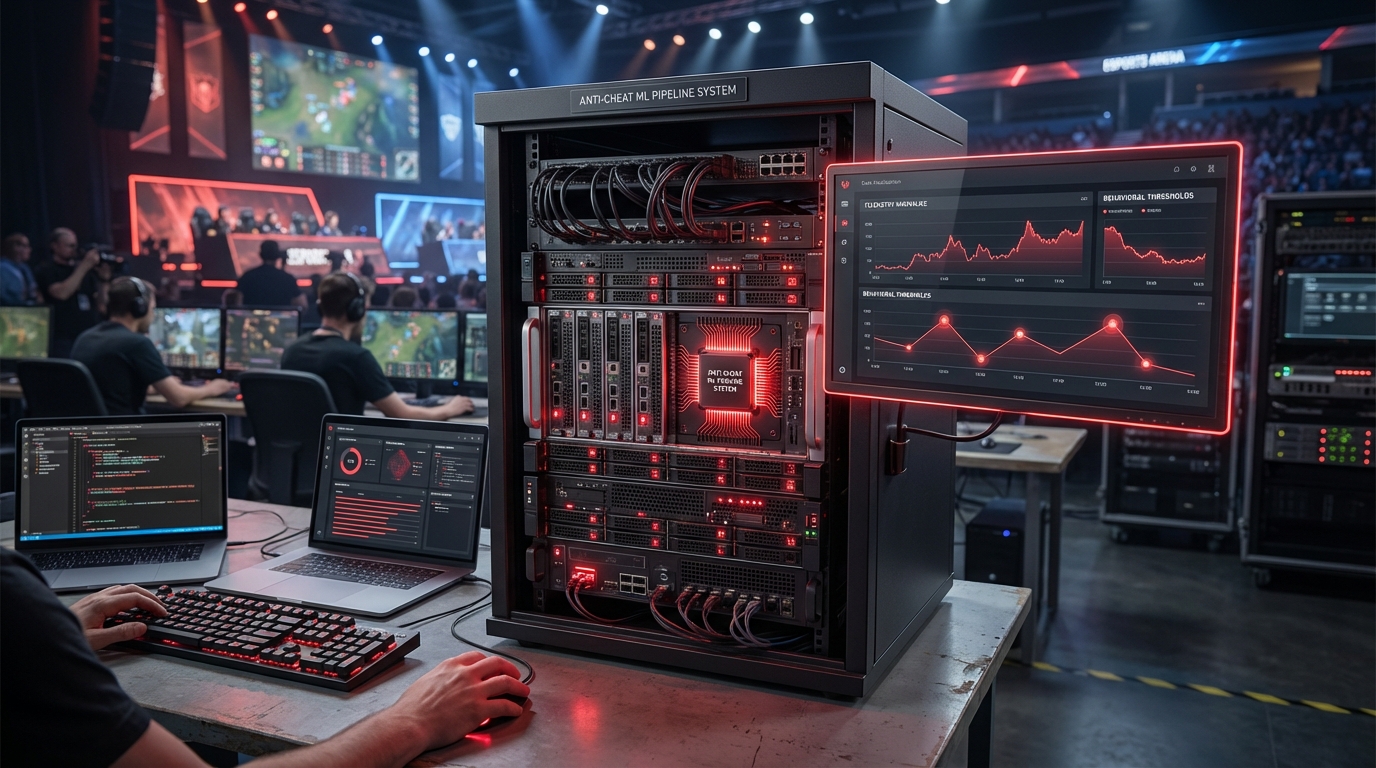
Server-side machine learning that detects aimbots, bots, and exploits from player telemetry
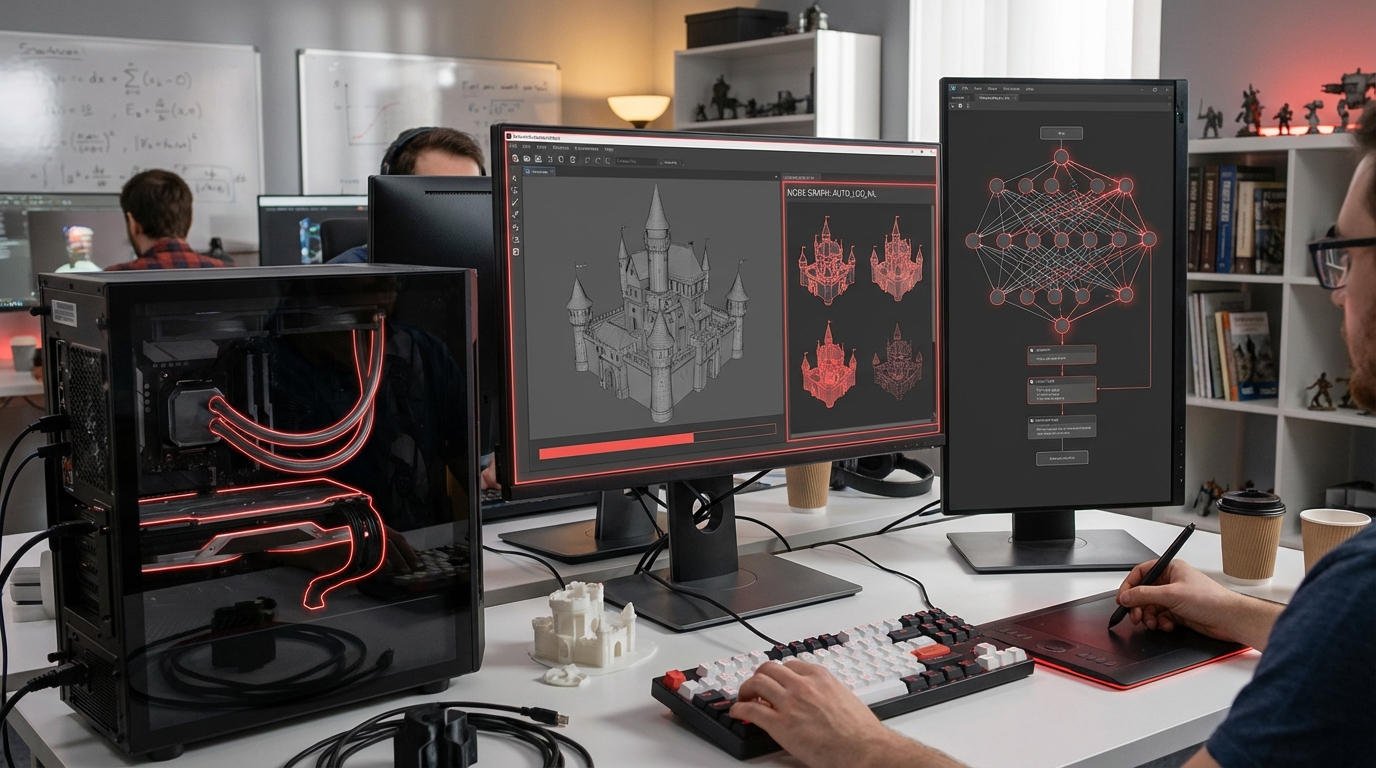
ML-driven mesh simplification that generates optimized level-of-detail assets for game engines
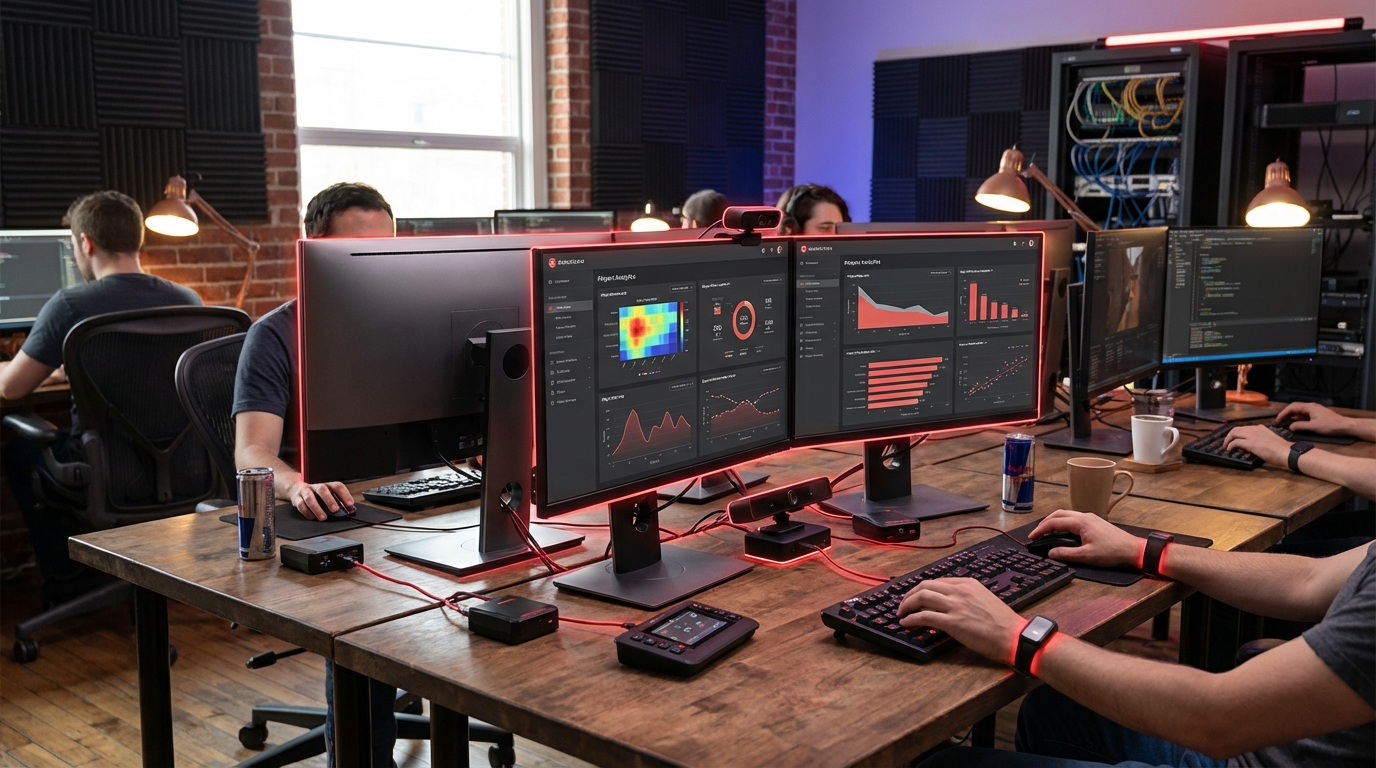
Telemetry platforms that predict player churn and personalize live operations
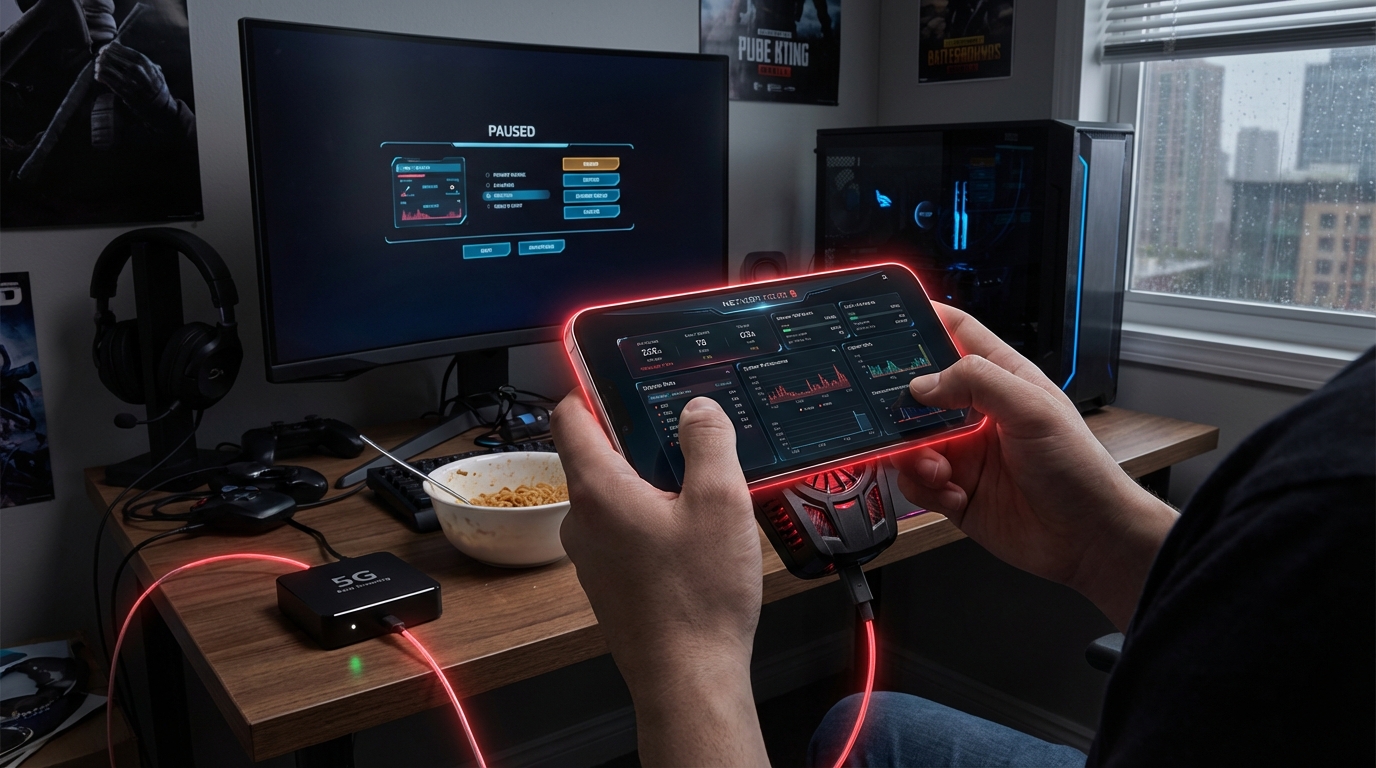
Edge computing and chipset partnerships that bring console-quality games to budget Android devices

Streaming games from remote servers to any device without local hardware requirements

Compact game devices that stream rendering from nearby edge servers for high-end visuals anywhere

Legal protections for brain data collected through gaming interfaces

Platforms that let players build, sell, and earn from in-game content as verified revenue partners
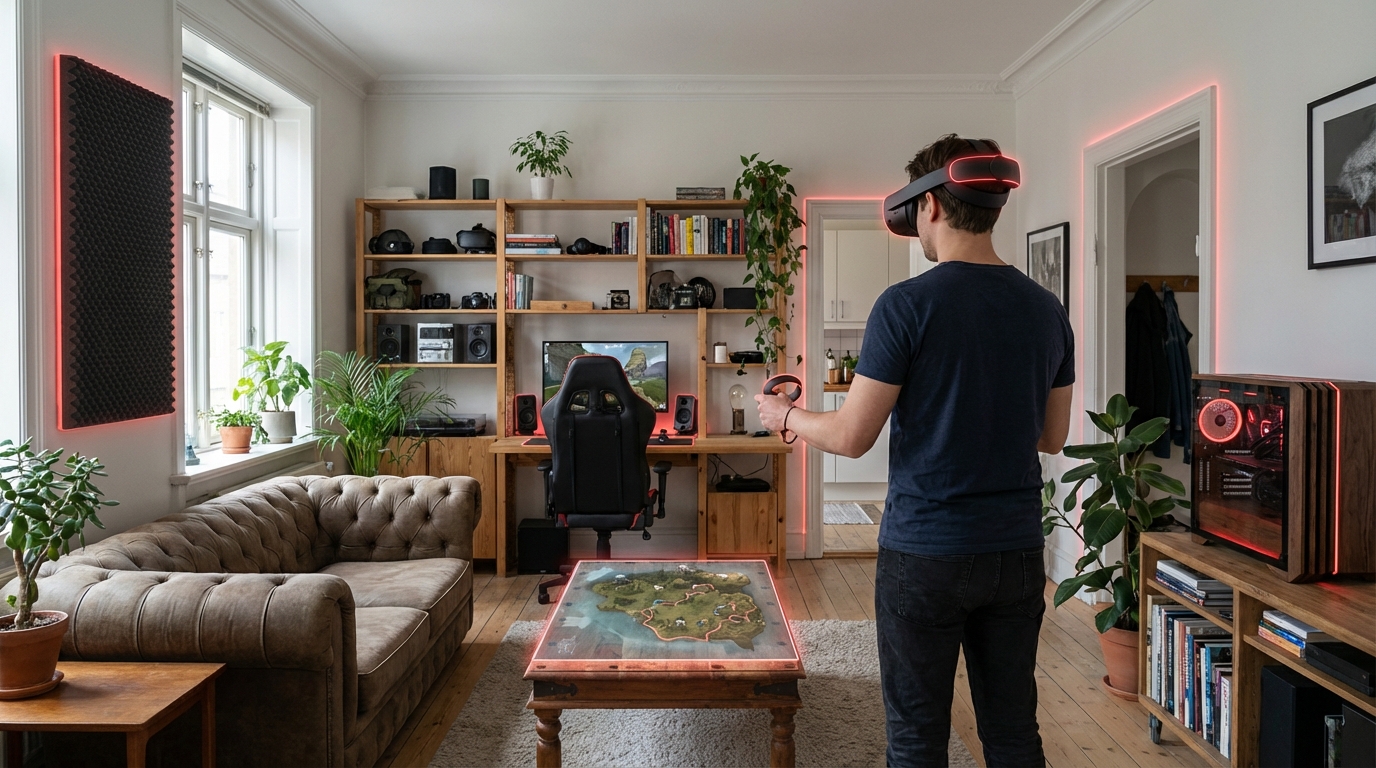
Persistent game layers anchored to real-world locations, blending phones, AR glasses, and live city data
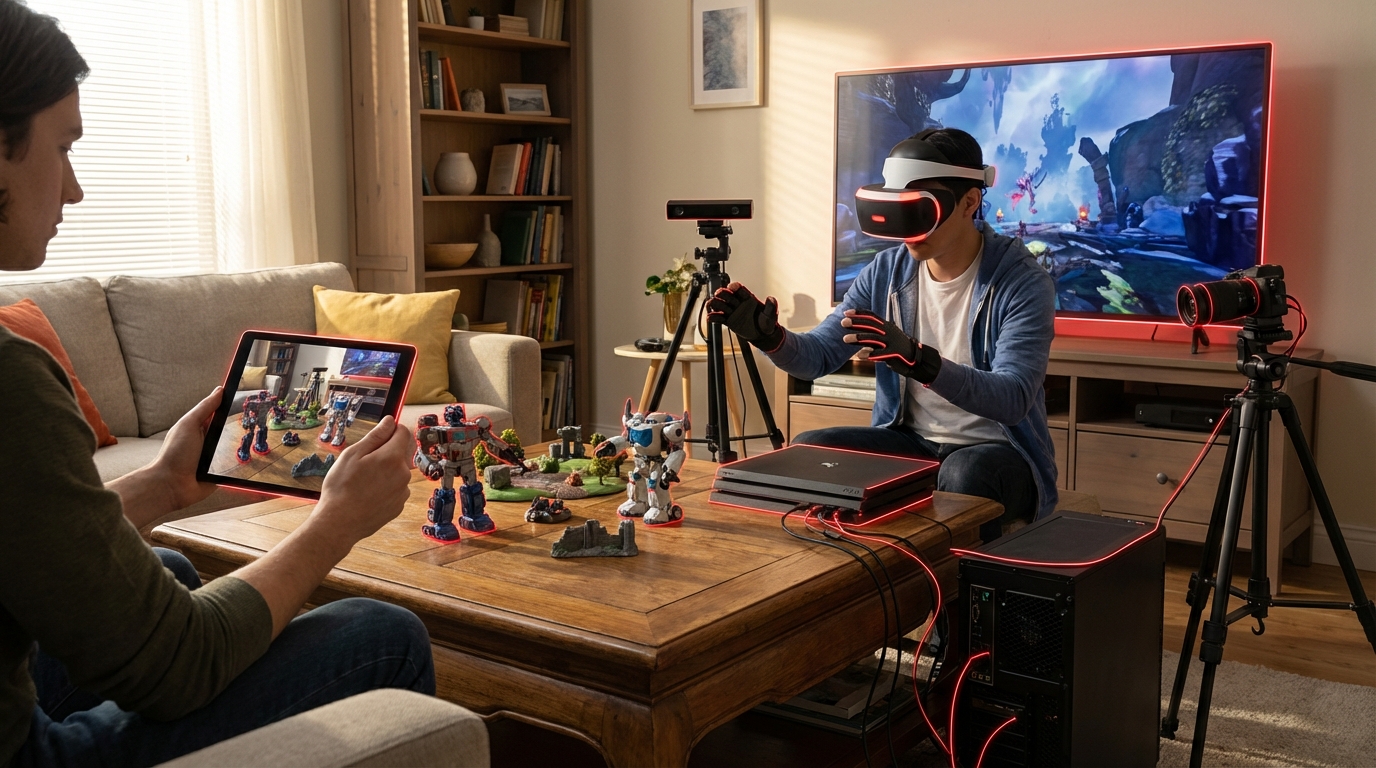
Syncs game progress across physical toys, mobile AR, consoles, and VR headsets
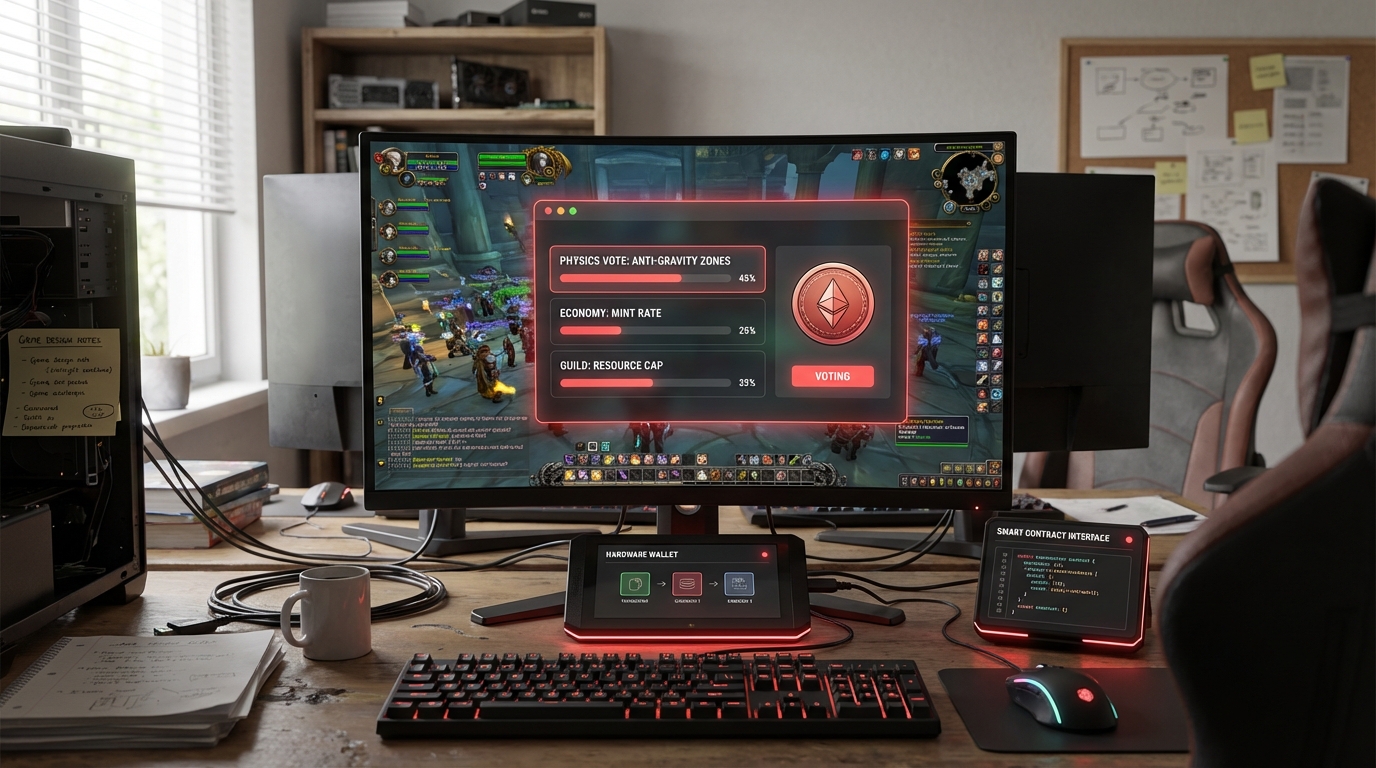
MMOs where players vote on game rules, economies, and content through token-based governance
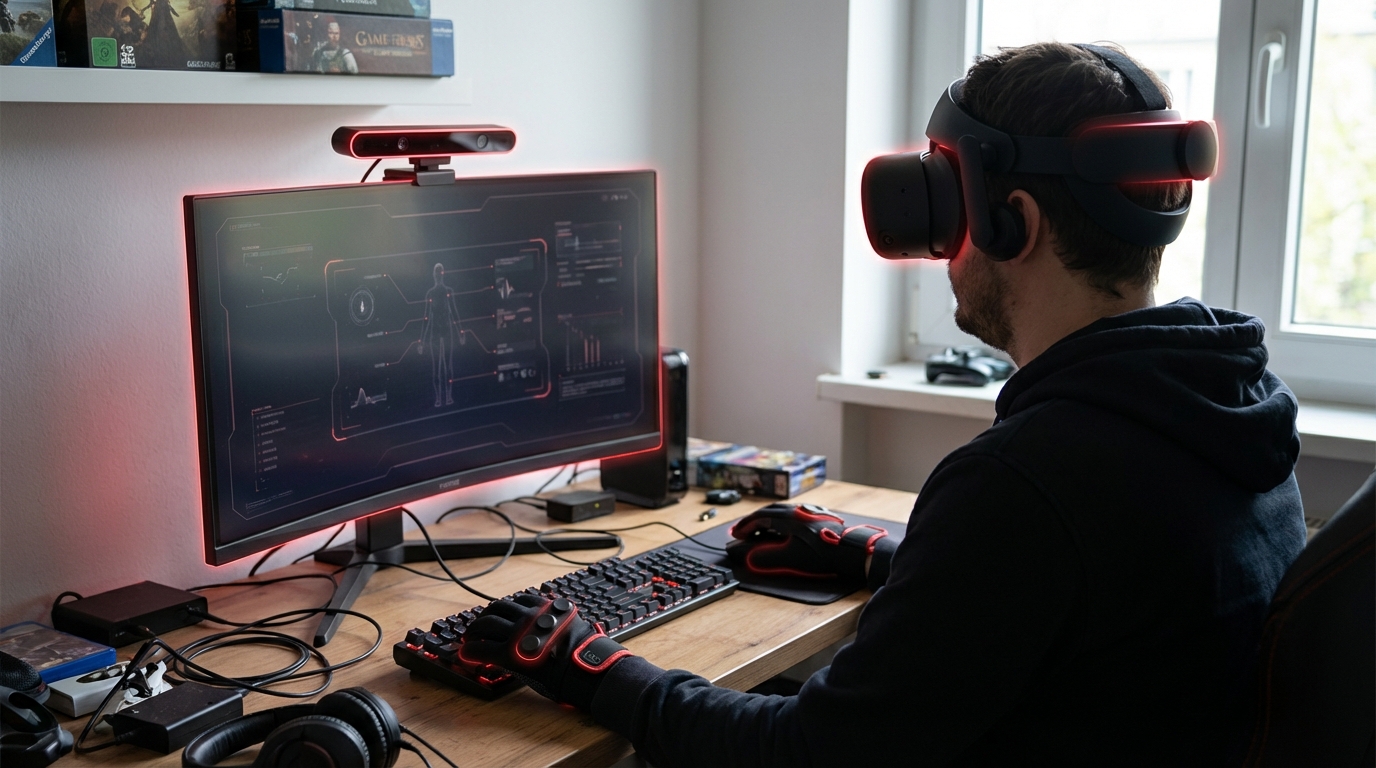
Safeguarding biometric, neural, and spatial data collected by VR/AR systems

Archiving shuttered online games and virtual worlds as playable cultural records

Couture labels designing virtual clothing and accessories for avatars across games and metaverse platforms
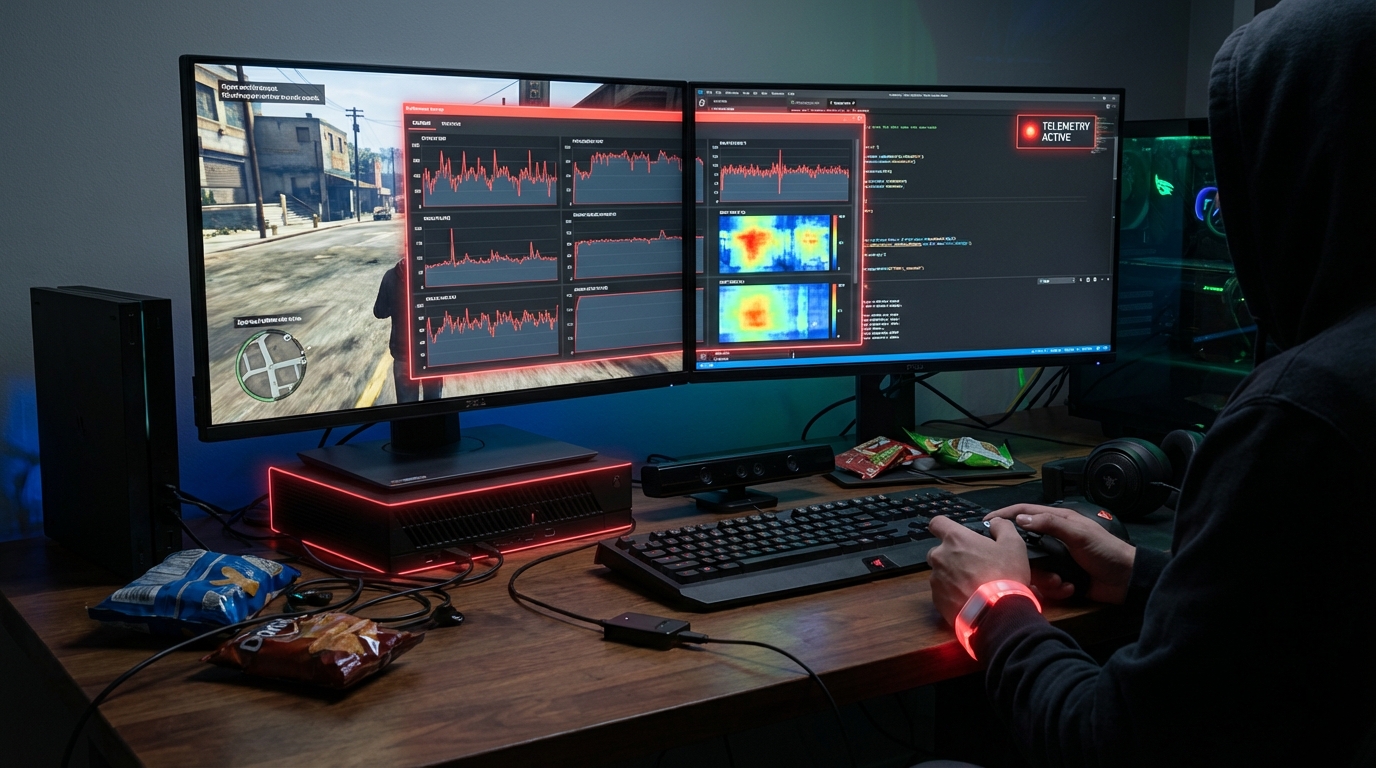
Adjusts game difficulty in real time based on player behavior and performance signals
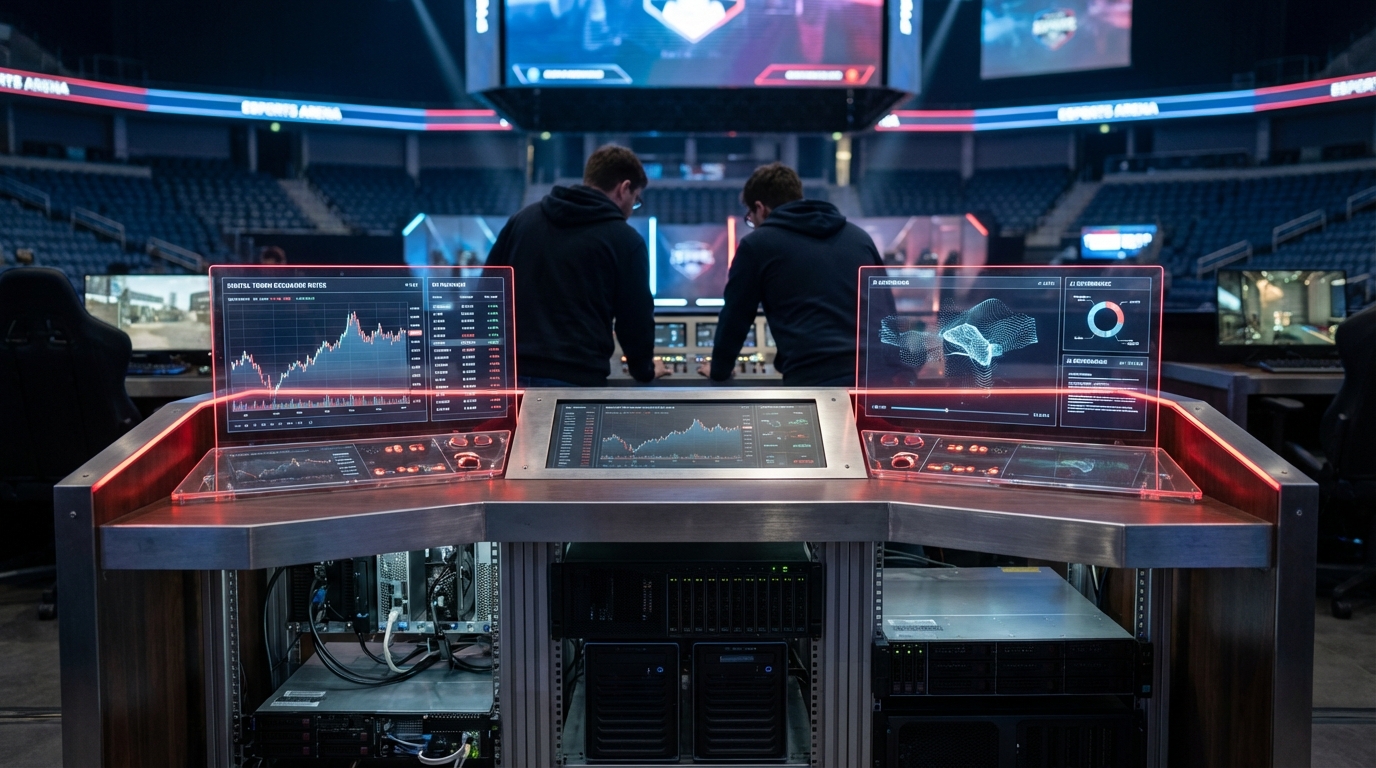
AI-managed in-game markets that adjust prices, drop rates, and taxes to prevent economic collapse

Oversight frameworks and audits to prevent exploitative scarcity and wealth imbalance in game economies
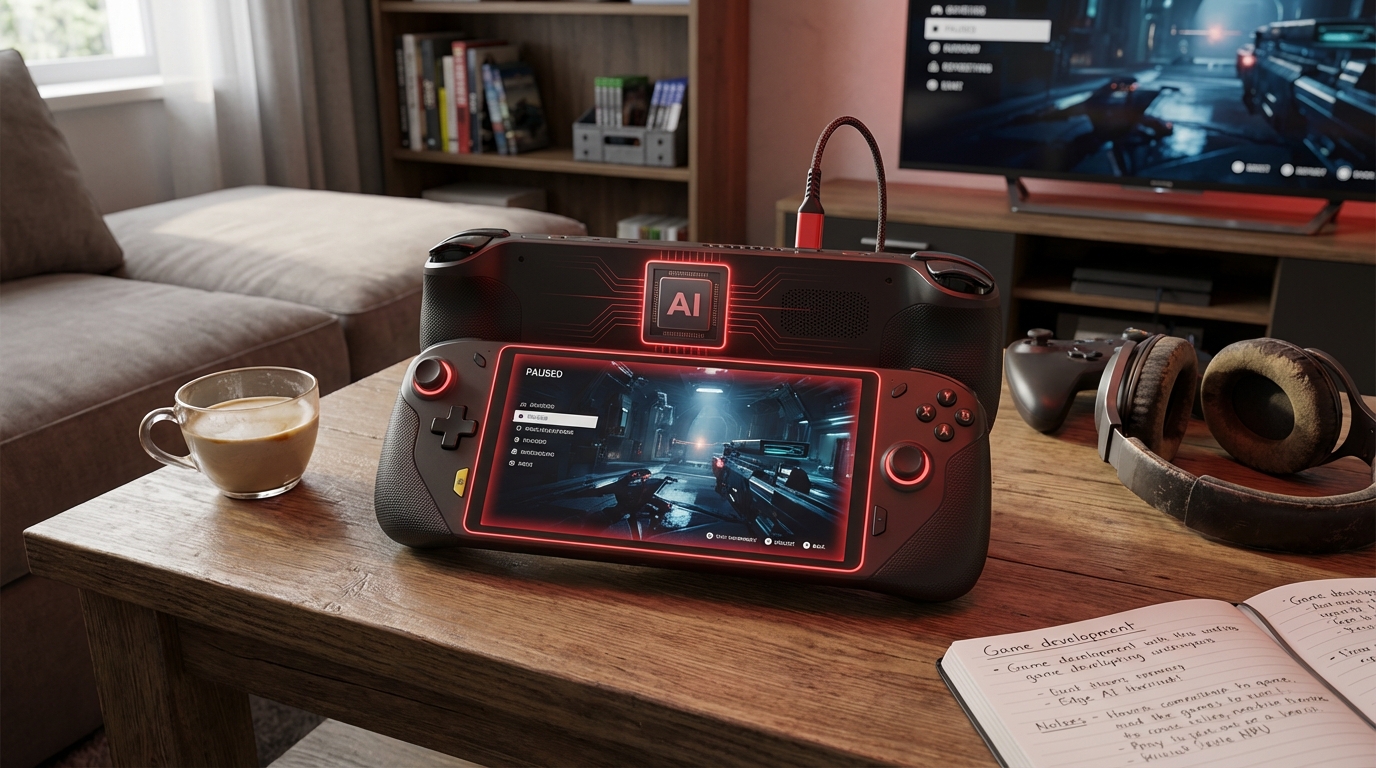
Gaming hardware with built-in neural processors for local AI-driven NPCs, graphics, and adaptive gameplay
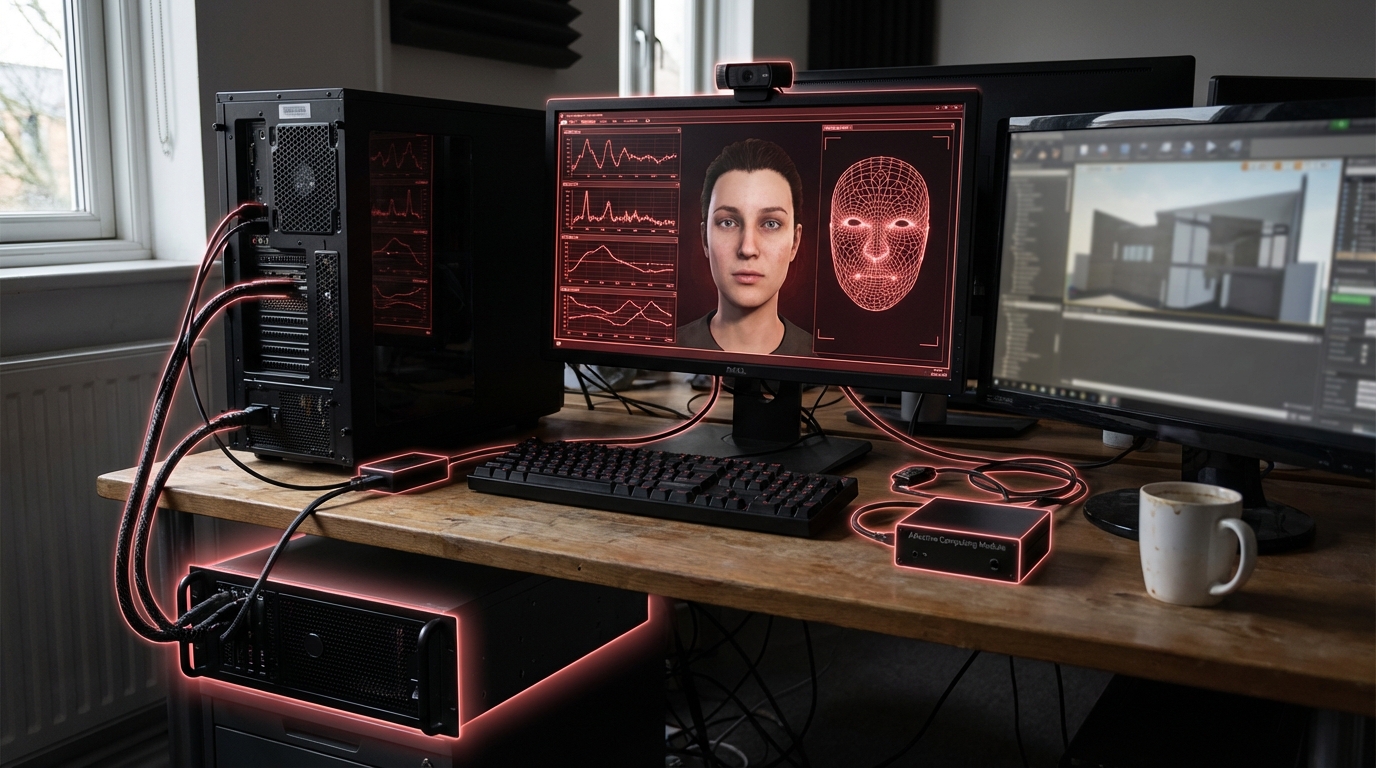
AI systems that model NPC emotions to drive realistic moods, dialogue, and reactions

Biometric and telemetry tracking to optimize professional gaming performance
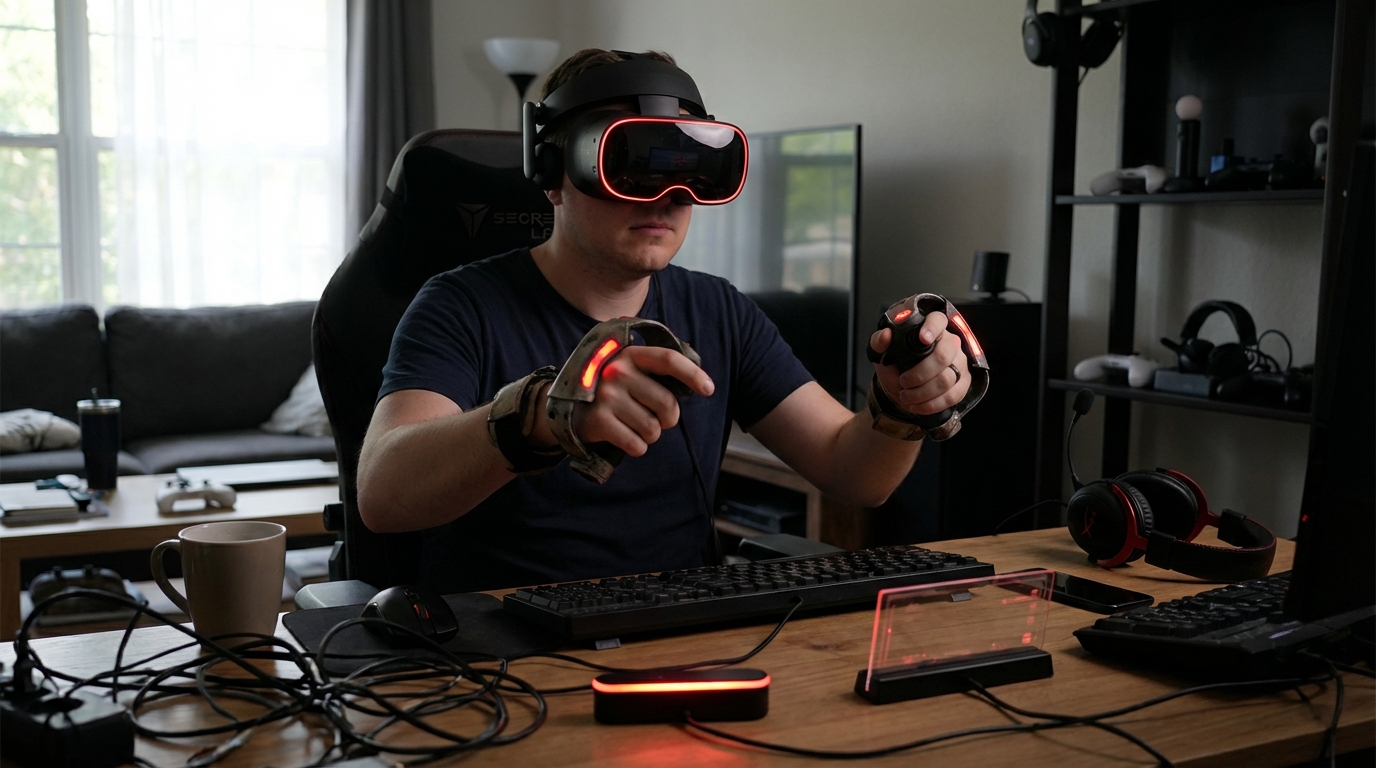
Hardware that maps eye movement to in-game actions and UI navigation

Labor protections and revenue transparency for modders, creators, and play-to-earn workers
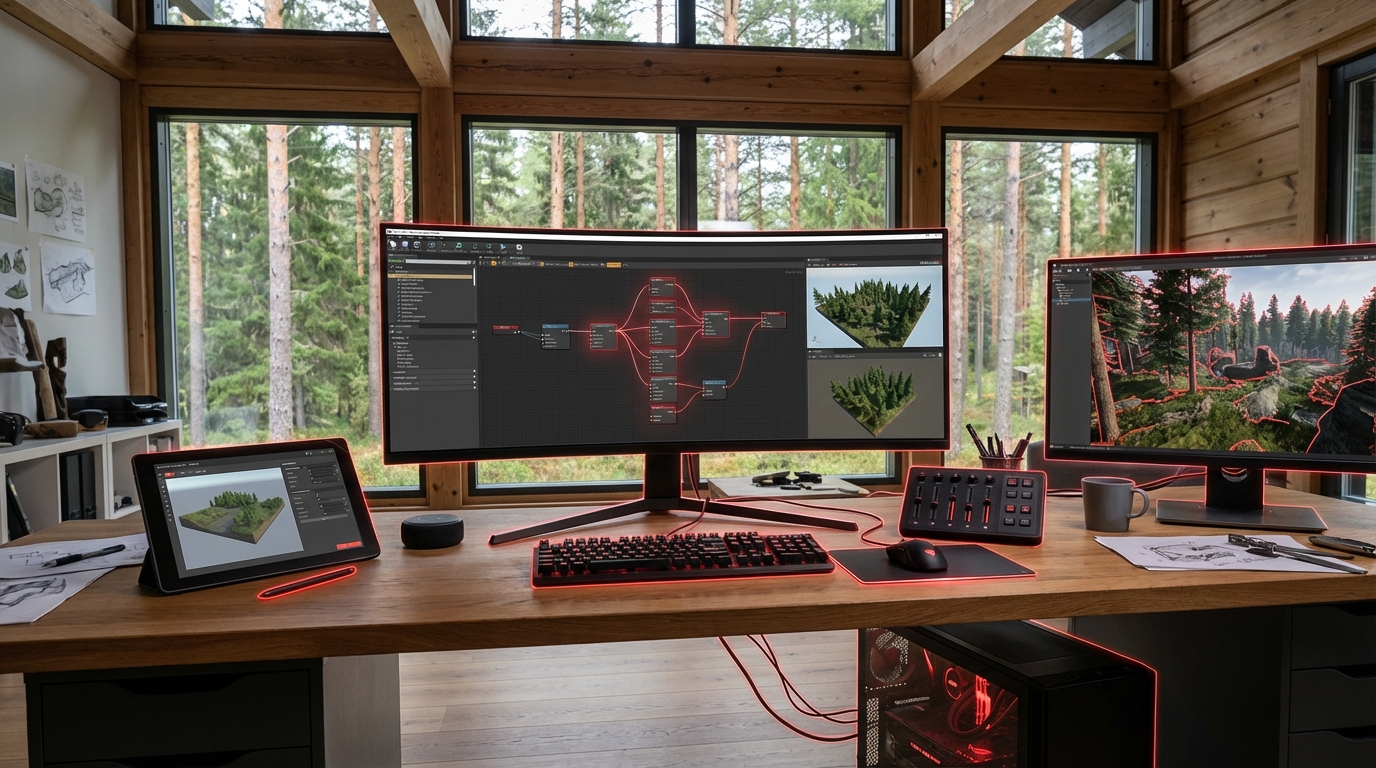
Data-driven pipelines from Finnish studios that generate vast game worlds with small teams
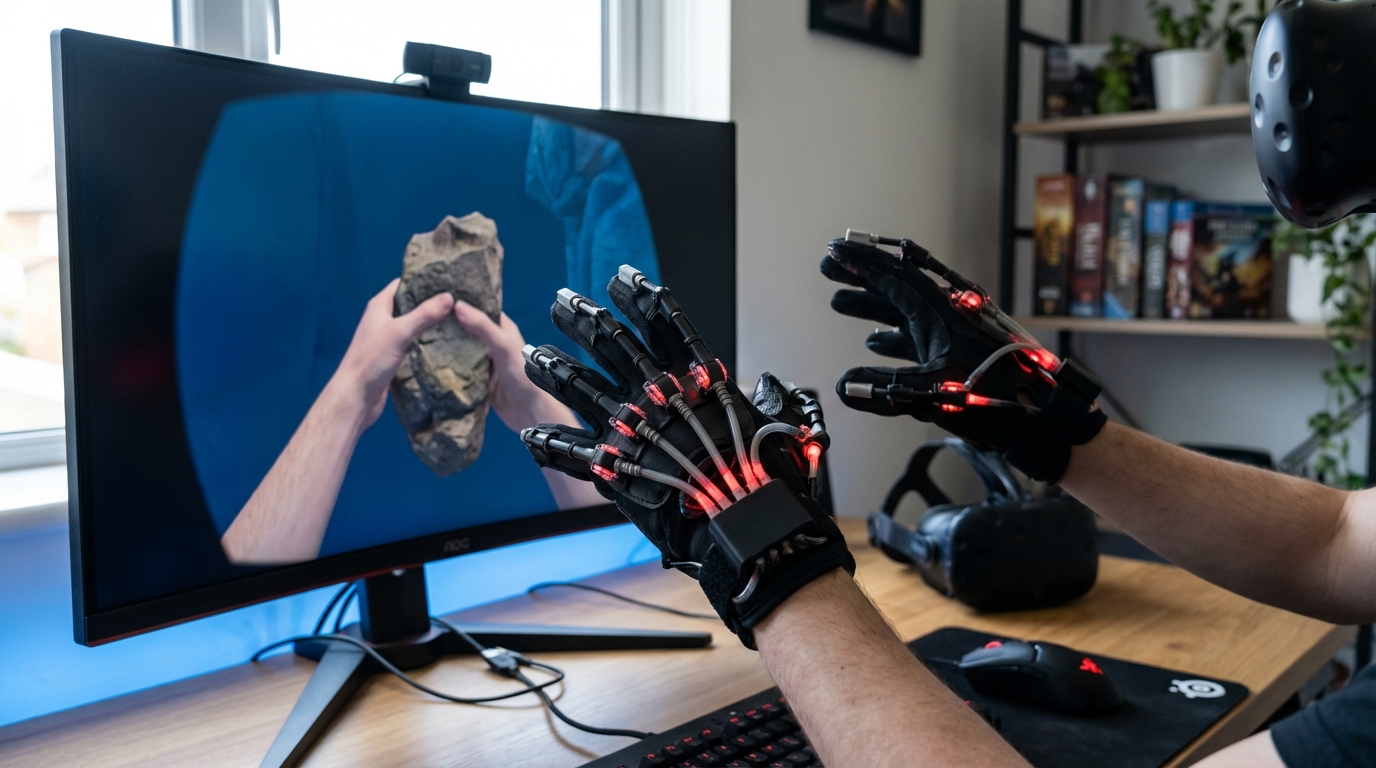
Wearable haptics that simulate resistance and texture when interacting with virtual objects

Hardware that tracks eye movement to render high detail only where players look

Electrical stimulation of inner-ear balance organs to create motion sensations in VR
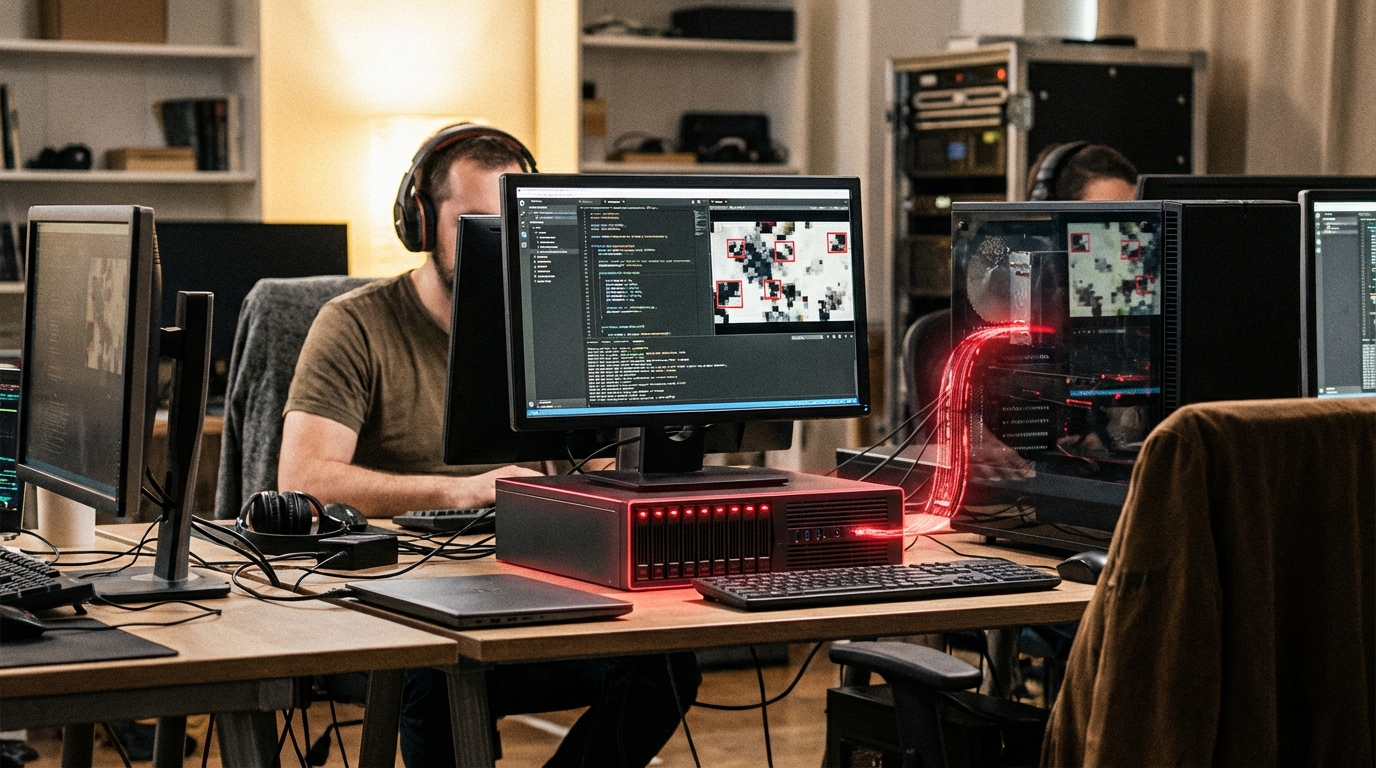
AI systems that screen player-created game assets for harmful or infringing content in real time

AI systems that generate quests, dialogue, and story branches tailored to each player
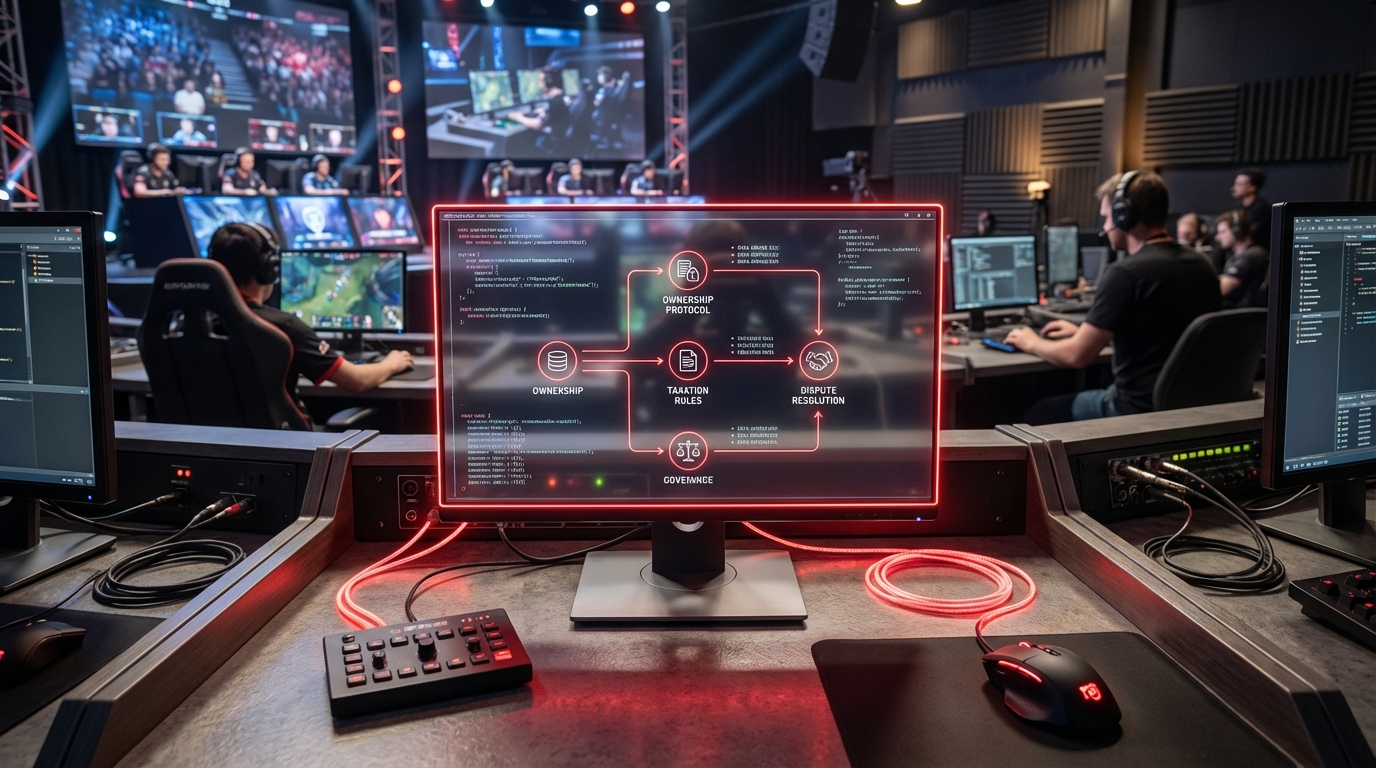
Frameworks for ownership, royalties, and dispute resolution as digital assets move across games and blockchains
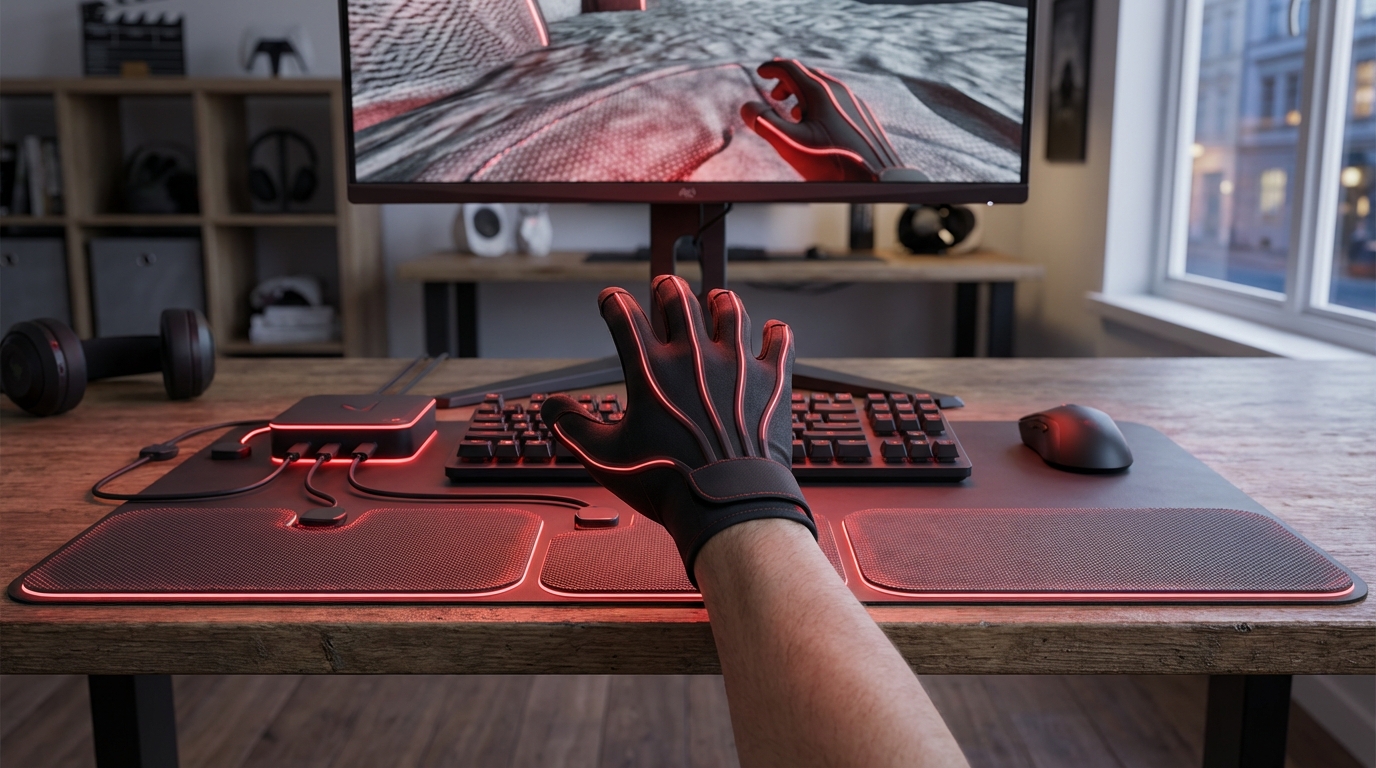
Wearable materials that simulate touch, weight, and texture through soft robotics and programmable surfaces
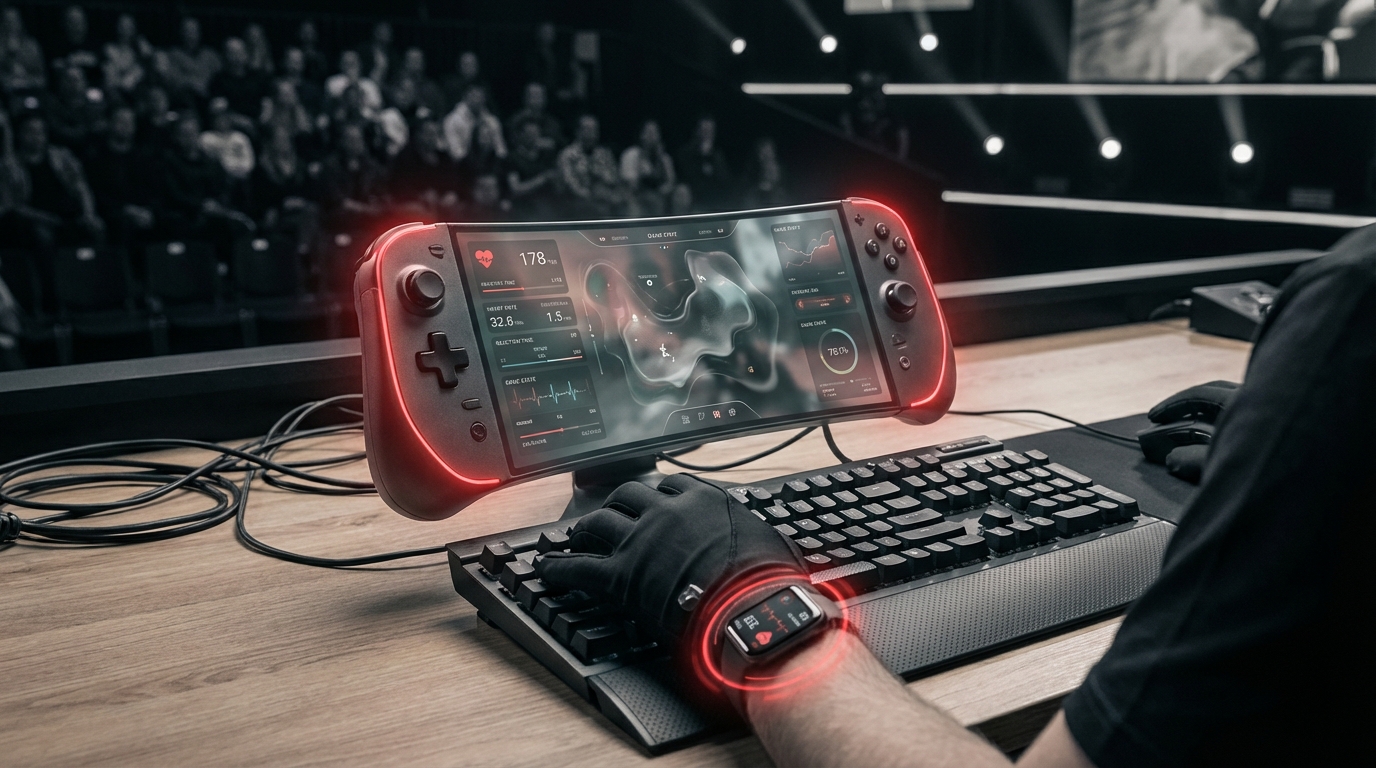
Game UIs that adjust visuals, pacing, and prompts based on real-time biometric and cognitive data
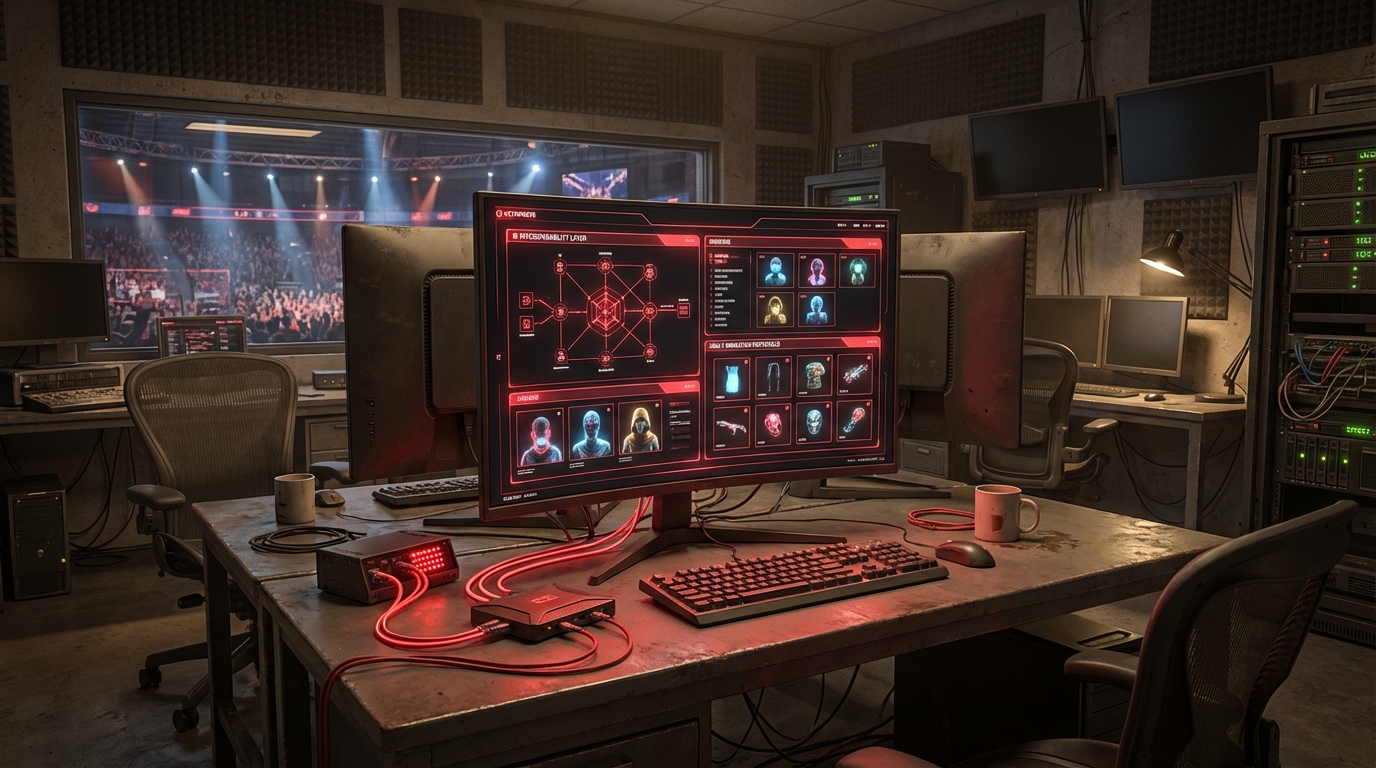
Middleware and standards that let players carry avatars, items, and progress between different games
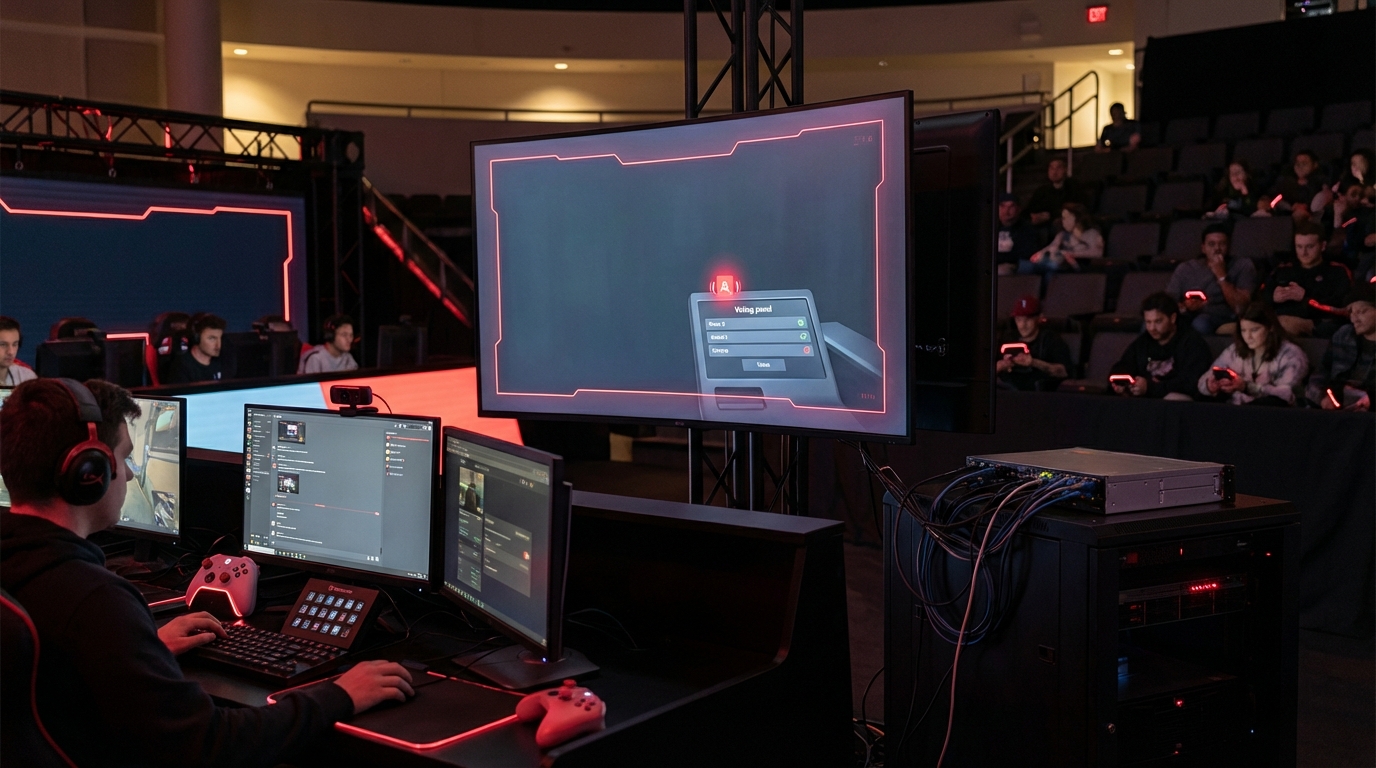
Cloud streaming platforms where audiences trigger in-game events through chat commands and votes

Physical arcade cabinets with touch wheels, hydraulic seats, and environmental effects for rhythm and battle games
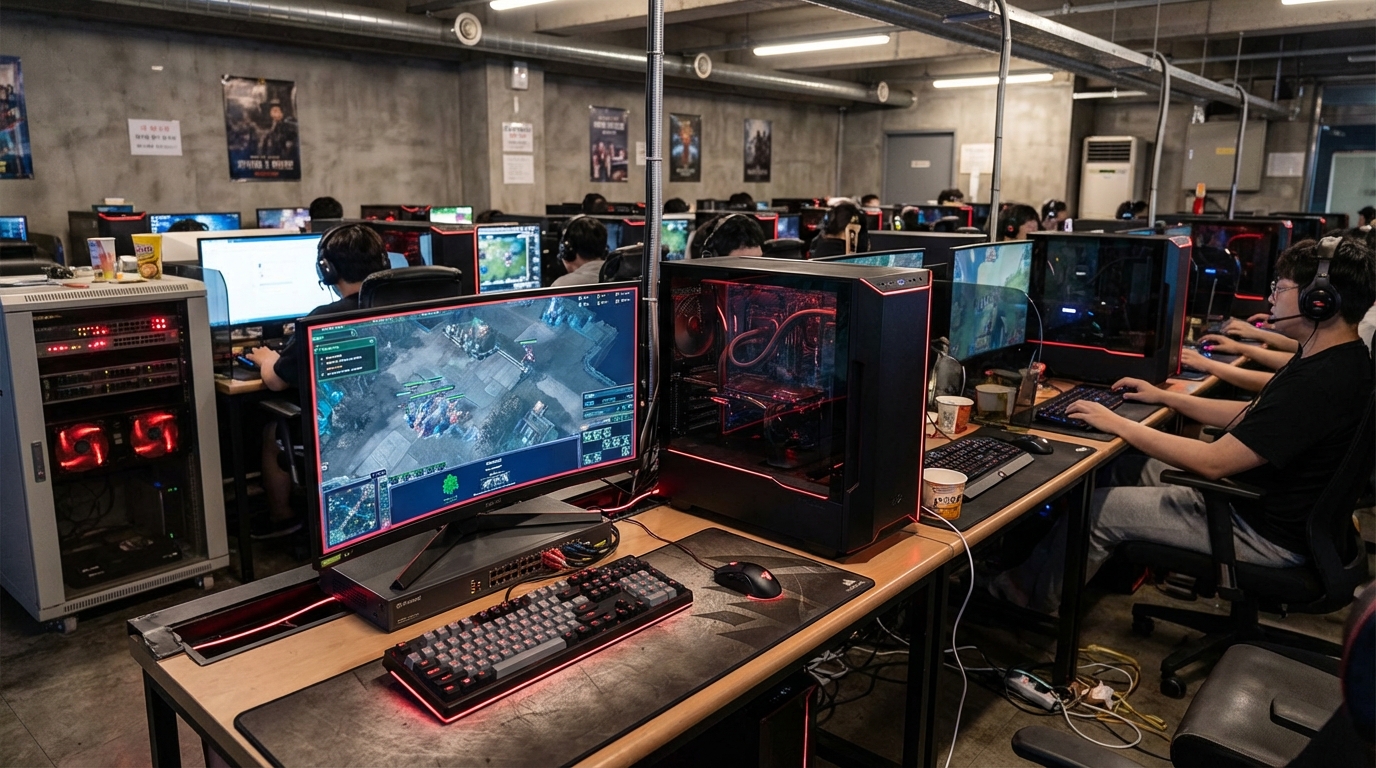
Fiber-connected gaming cafes that blend social play, publisher partnerships, and grassroots esports

AI dungeon masters that improvise dialogue, quests, and rulings in real time for solo or multiplayer RPGs
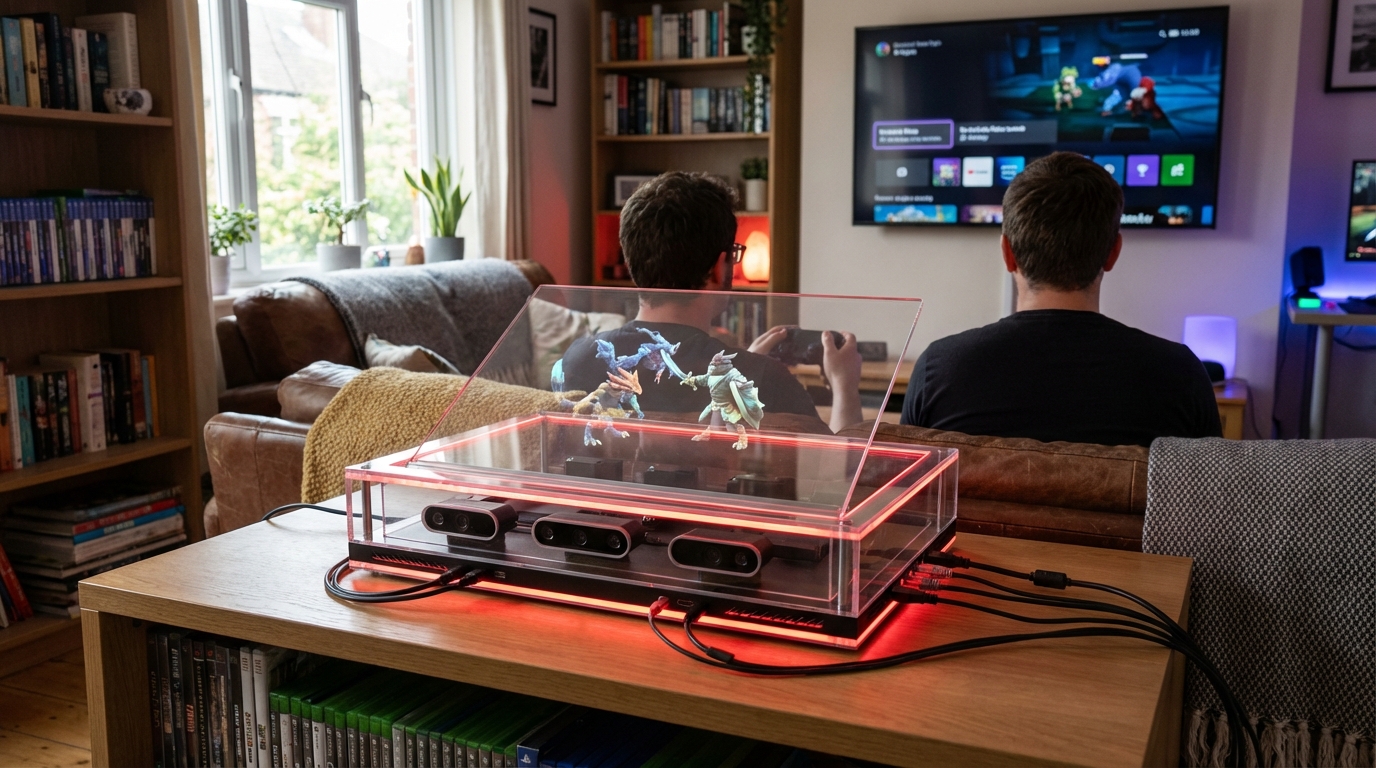
Glasses-free 3D displays that render volumetric game scenes players can view from any angle

Control planes for real-time game tuning, events, and A/B tests without client patches
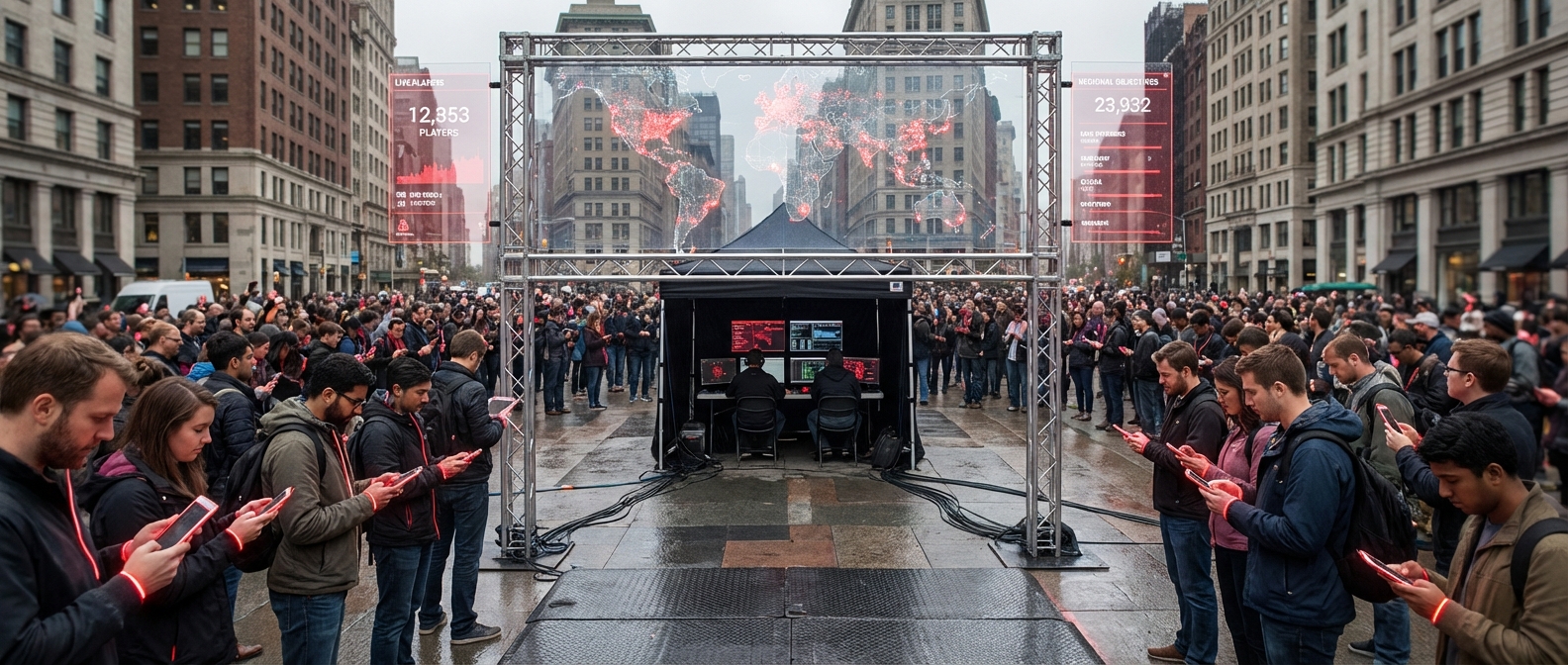
Coordinating city-wide AR events with synchronized quests, holograms, and live crowd management
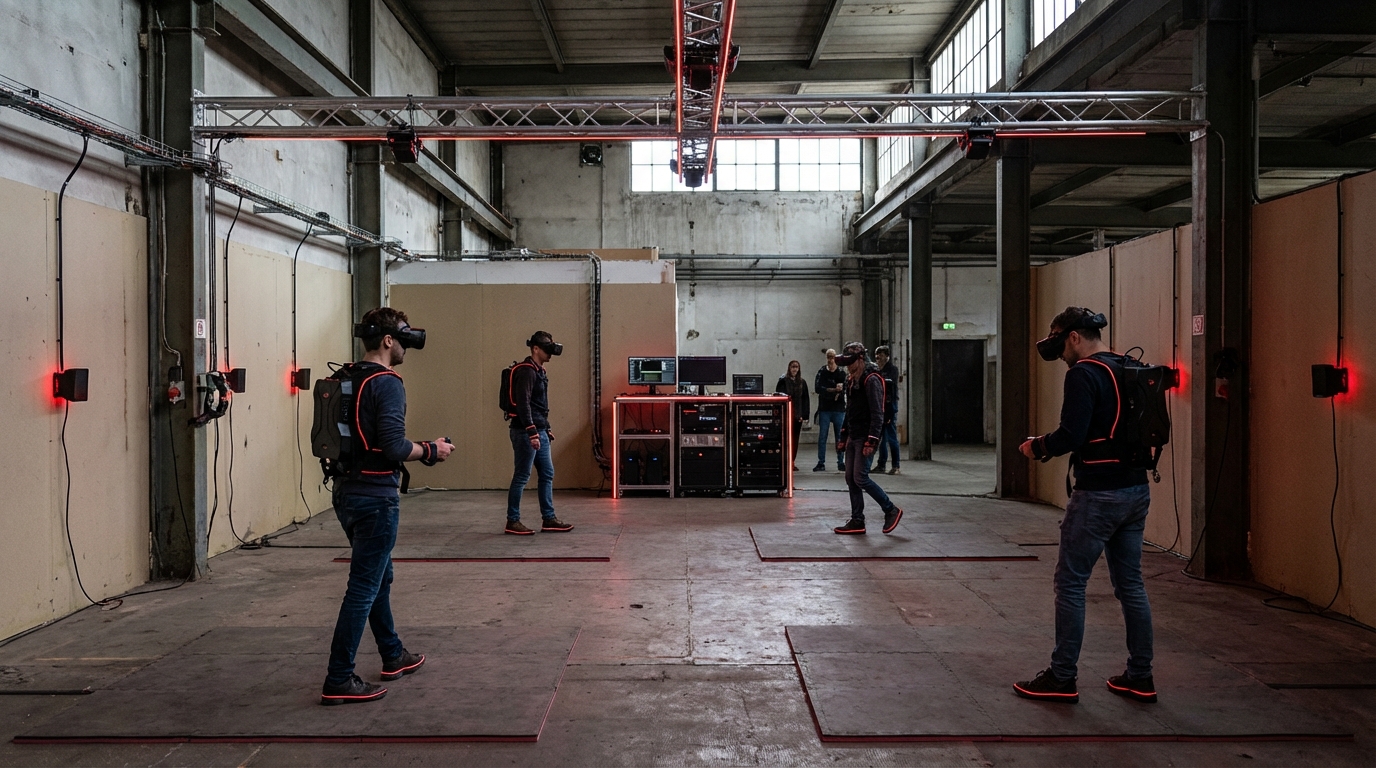
Warehouse-scale VR arenas with haptic floors, tracked props, and multiplayer free-roam experiences
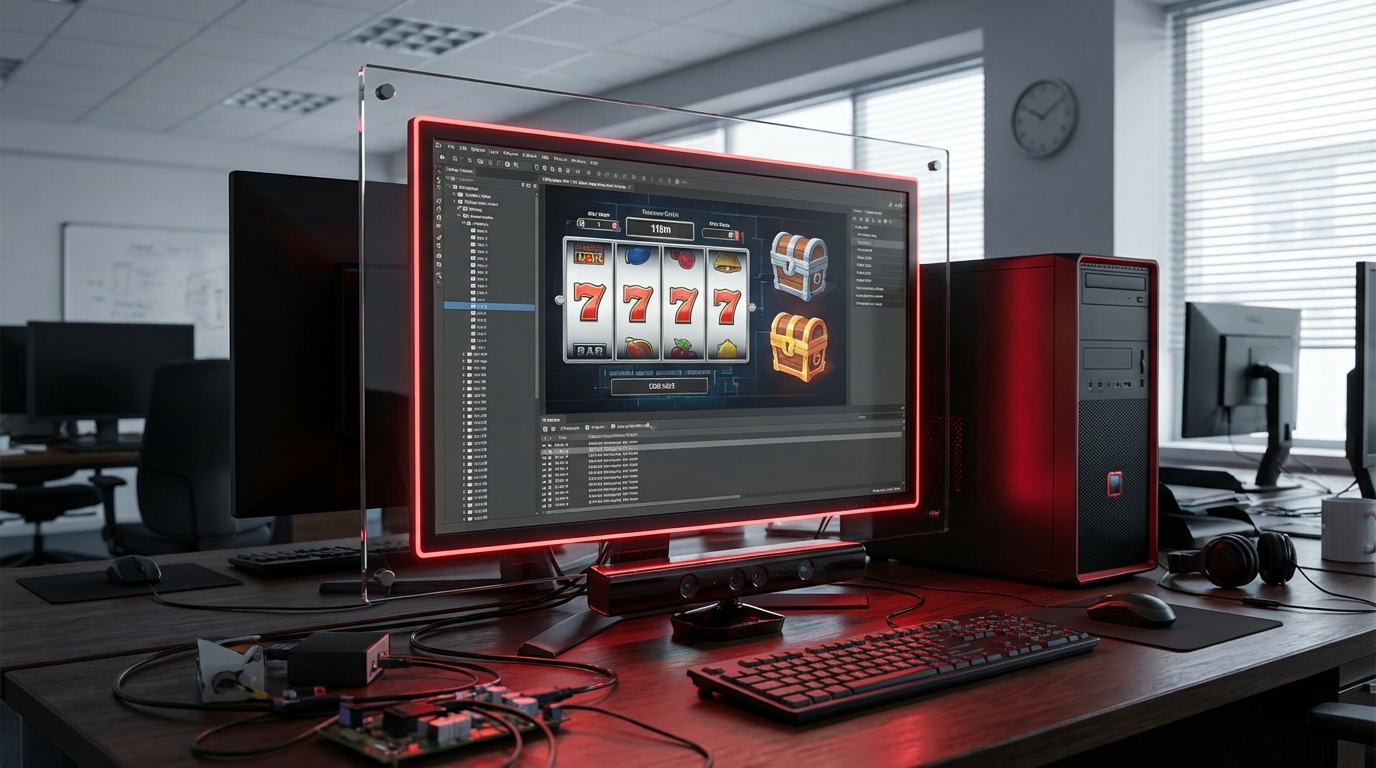
Regulatory frameworks treating randomized in-game rewards as gambling
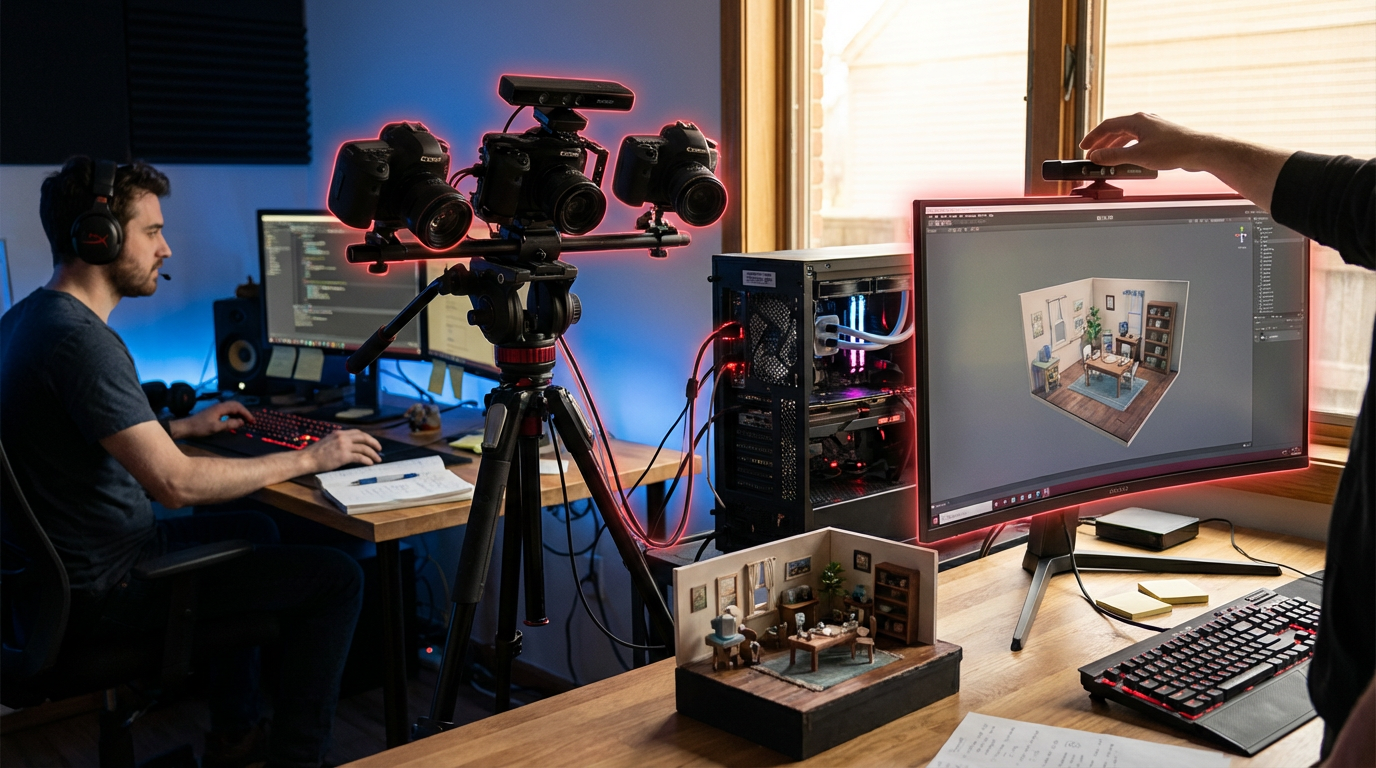
Streams photorealistic 3D environments by sending compact neural models instead of heavy meshes
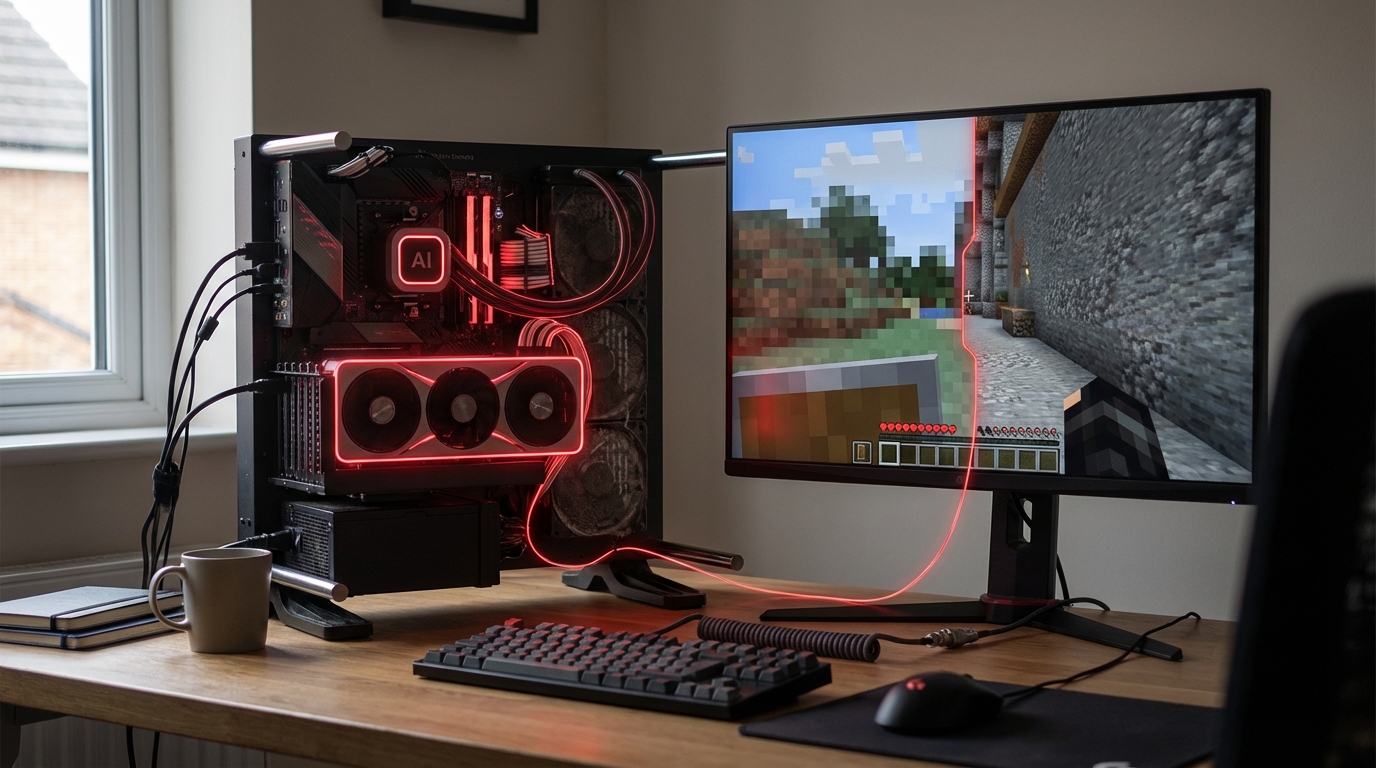
AI-driven codecs that compress game textures up to 90% while preserving visual quality

Headbands and earbuds that translate brain signals into game inputs
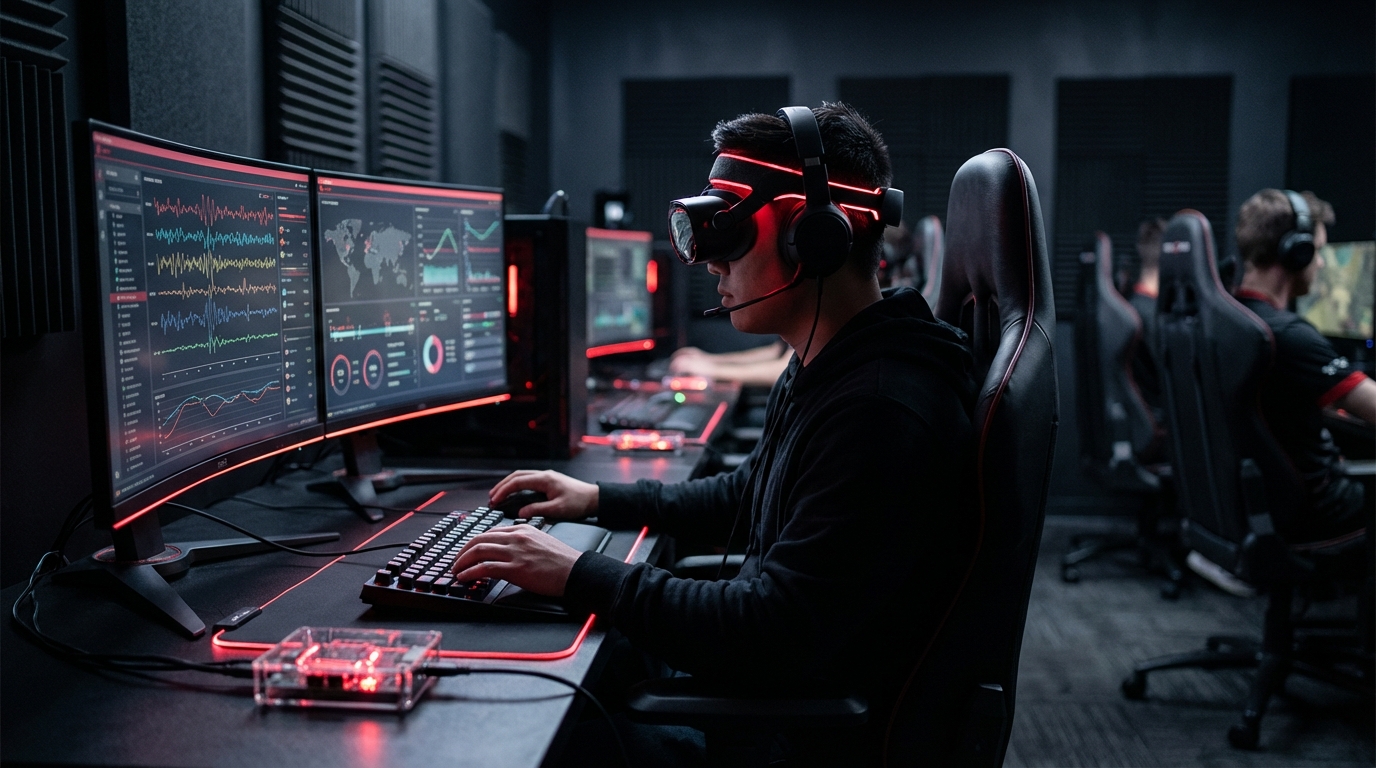
EEG and biometric sensors that train esports athletes to control focus, stress, and reaction speed
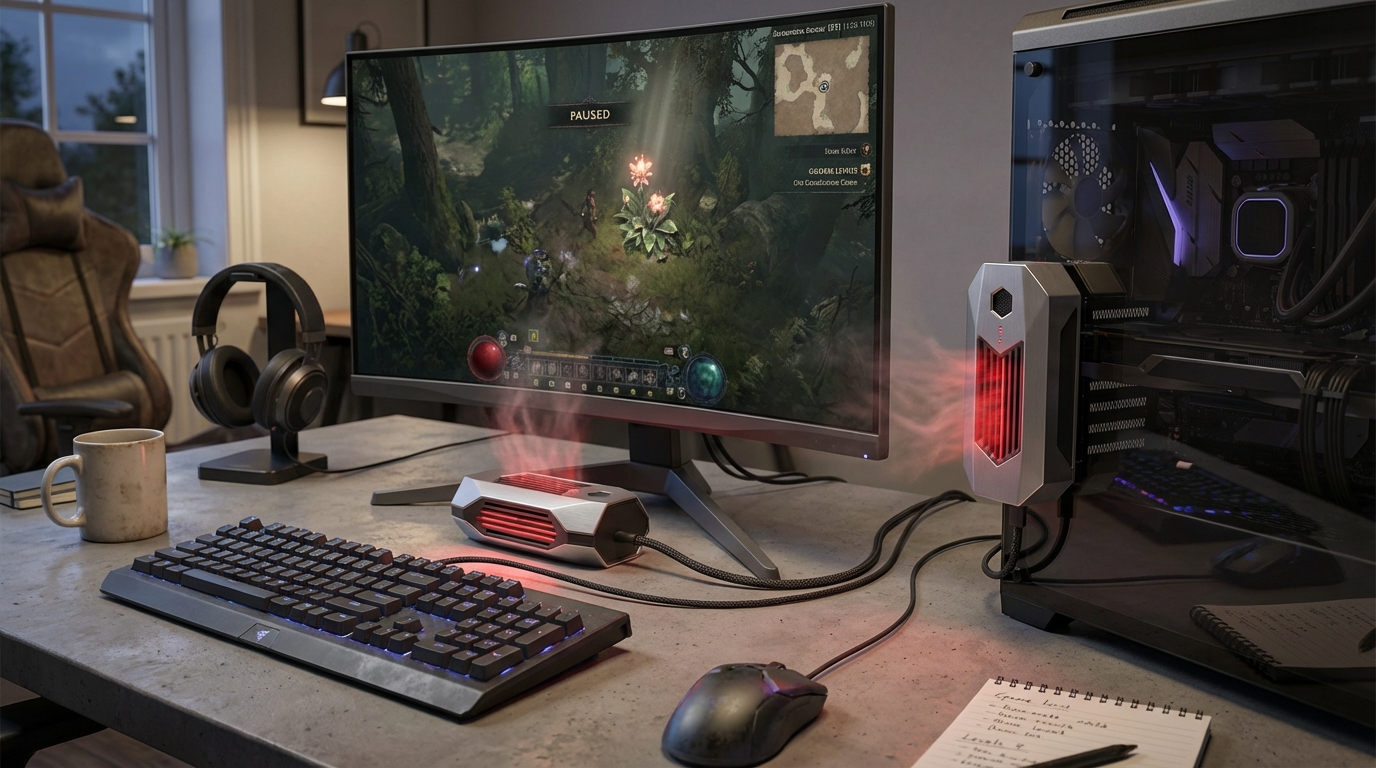
Scent-emitting devices that release game-triggered aromas to deepen immersion
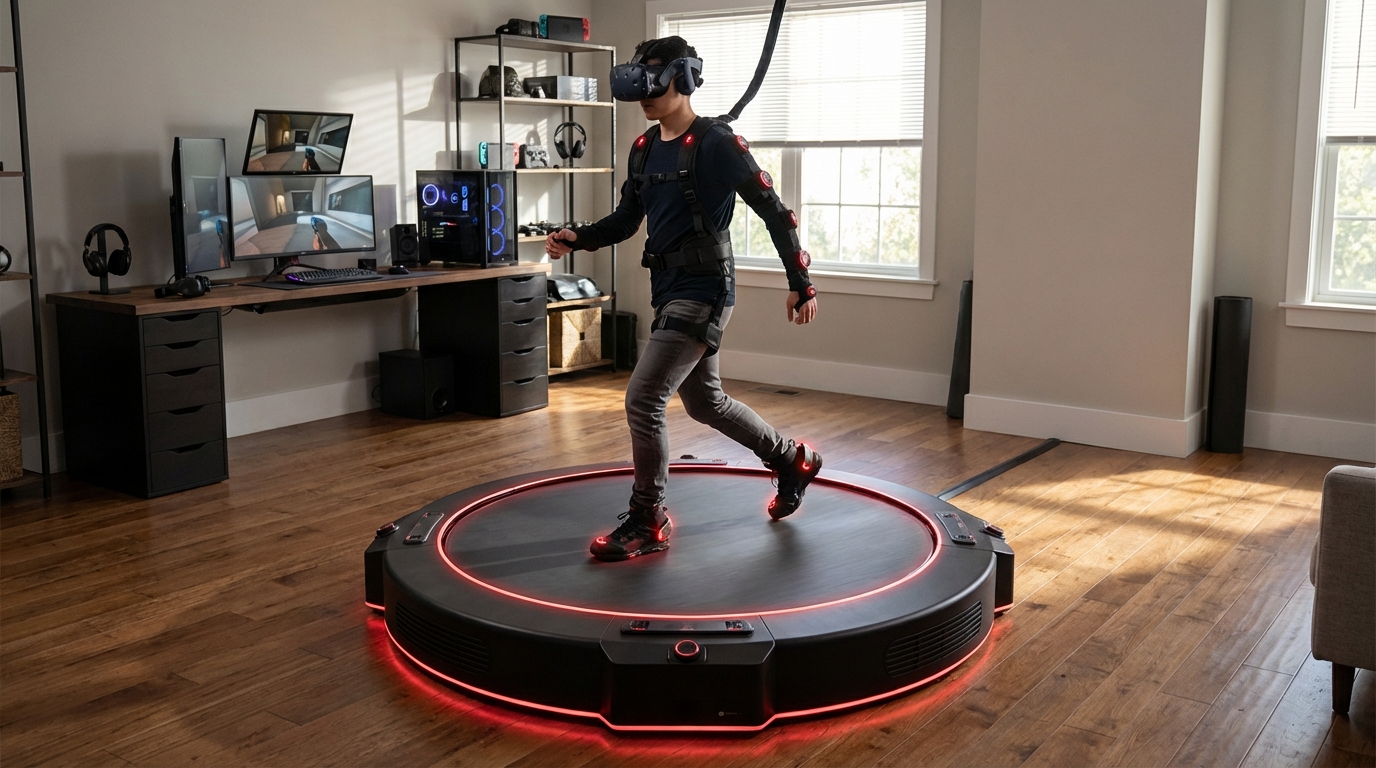
Harness-suspended treadmills that let players walk naturally while staying in place
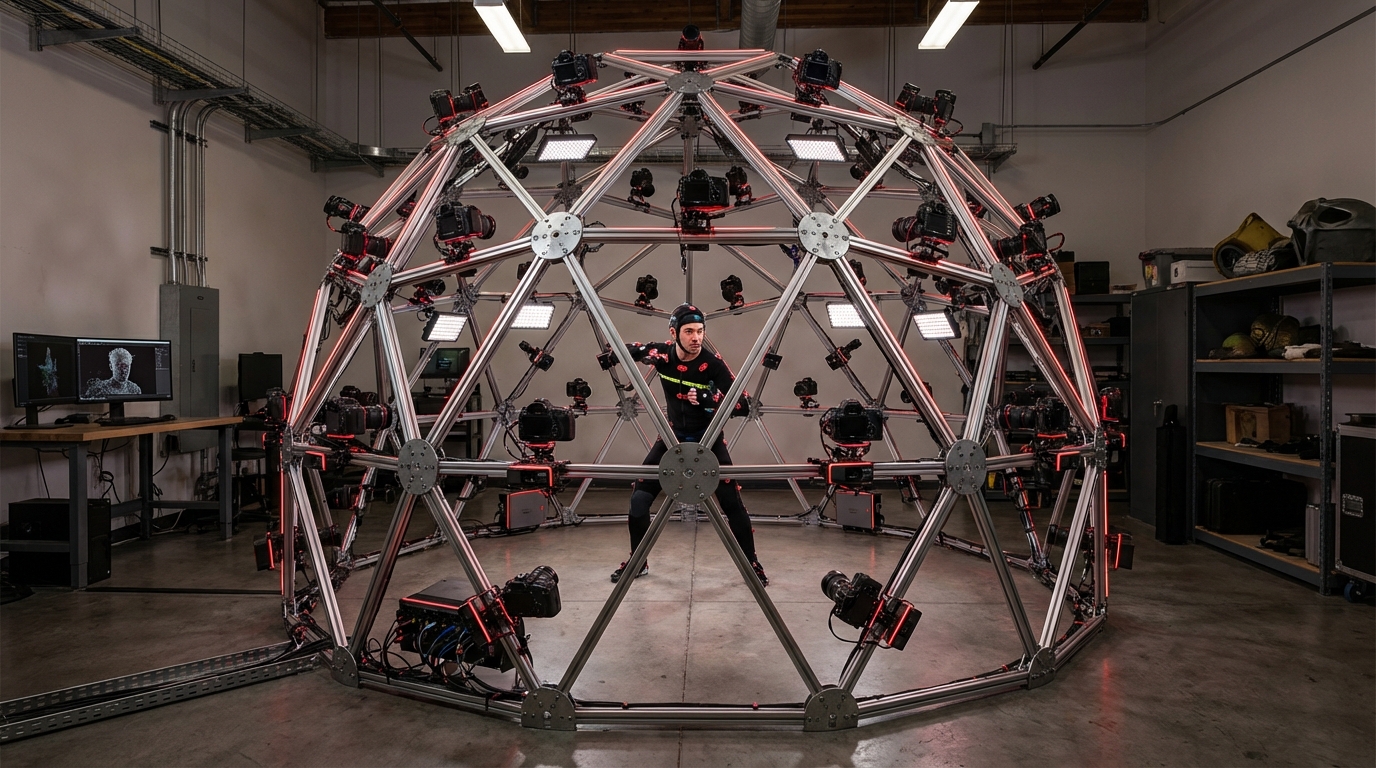
Multi-camera arrays capturing real-world objects and actors as game-ready 3D assets

GPU-accelerated rendering that traces light paths for photorealistic game visuals at playable frame rates
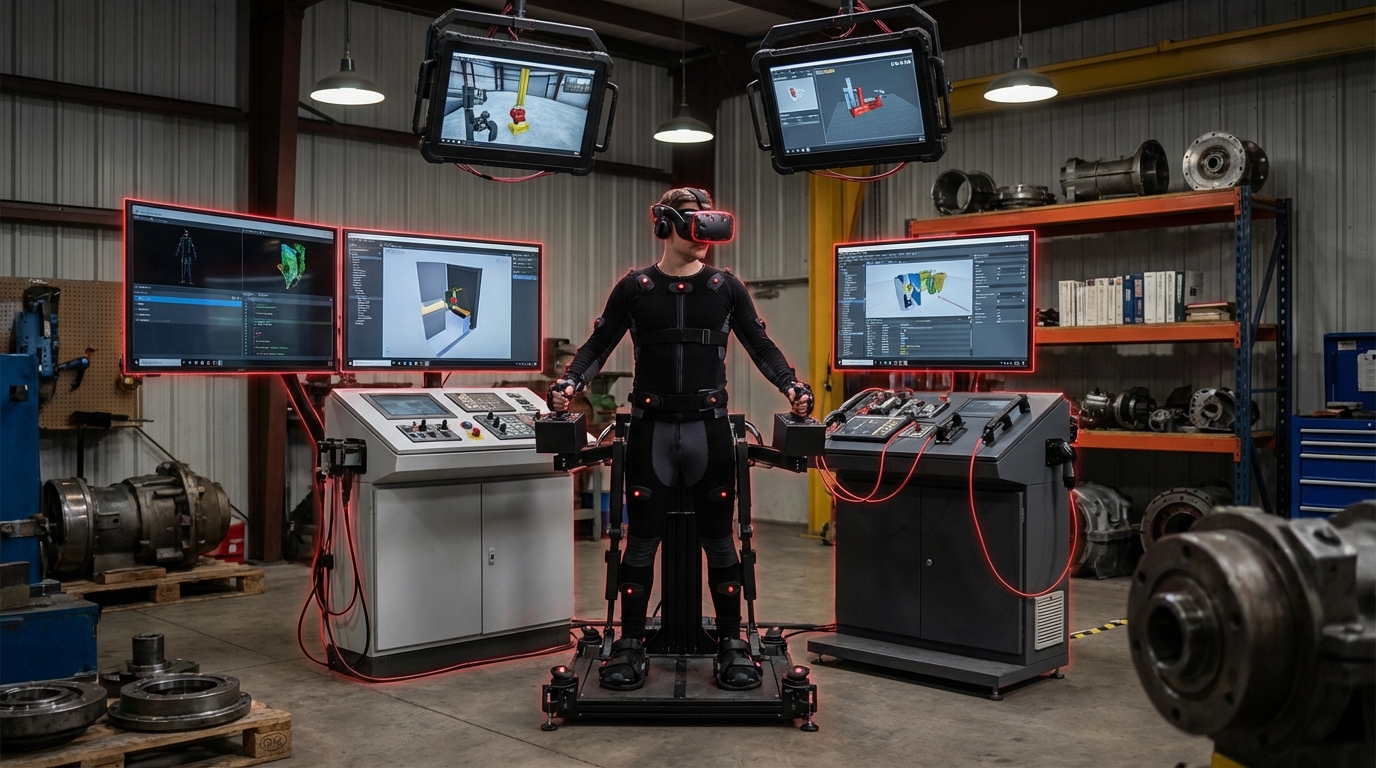
Game engines that replicate factories and facilities for risk-free operational training

Wearable AR displays embedded in contact lenses for always-on visual overlays

Lightweight XR headsets and sensor-embedded surfaces that blend VR, AR, and physical play
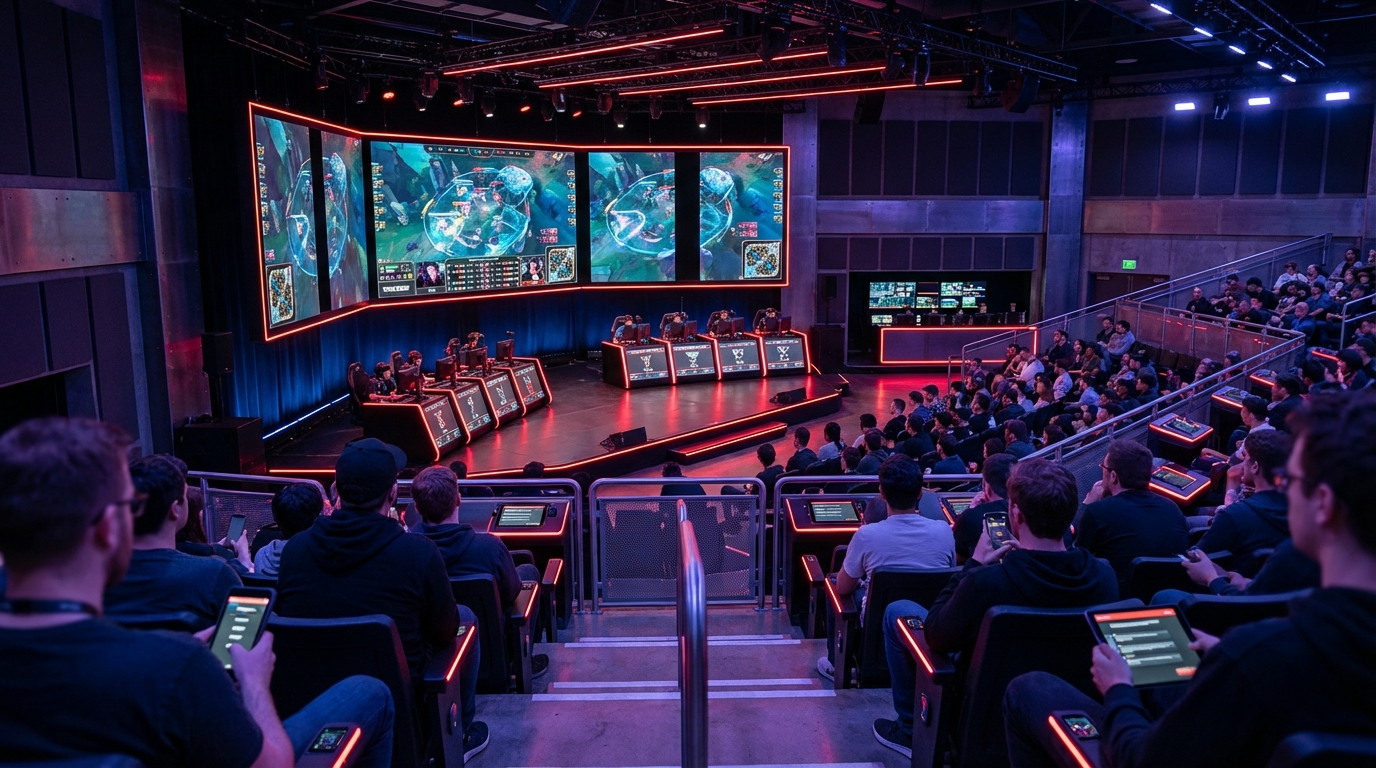
Esports broadcasts that let viewers trigger in-game events, choose camera angles, and interact with live matches

NPCs that remember players, form relationships, and evolve autonomously between sessions
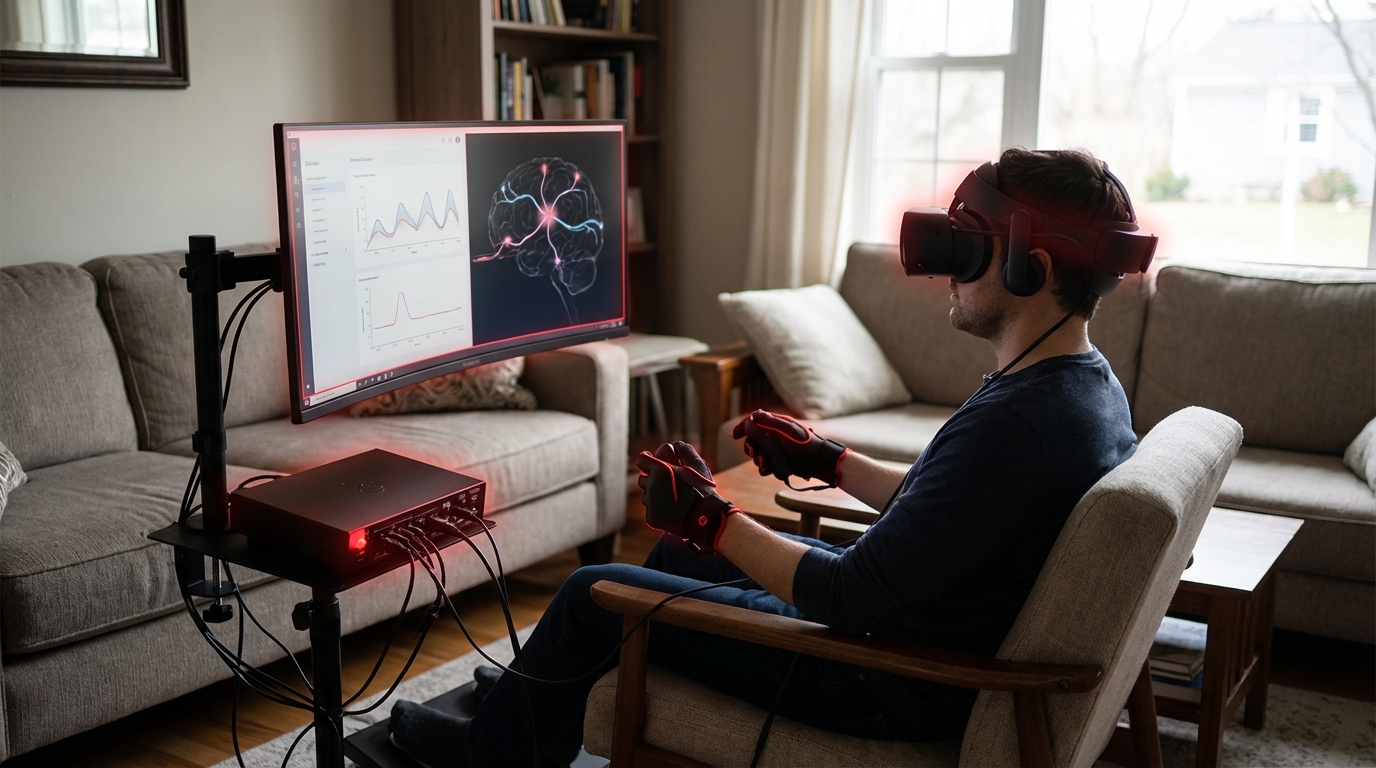
Clinically validated games that treat ADHD, anxiety, and stroke recovery through FDA-cleared mechanics

Middleware that translates touch, voice, gesture, and neural inputs into a unified schema for games
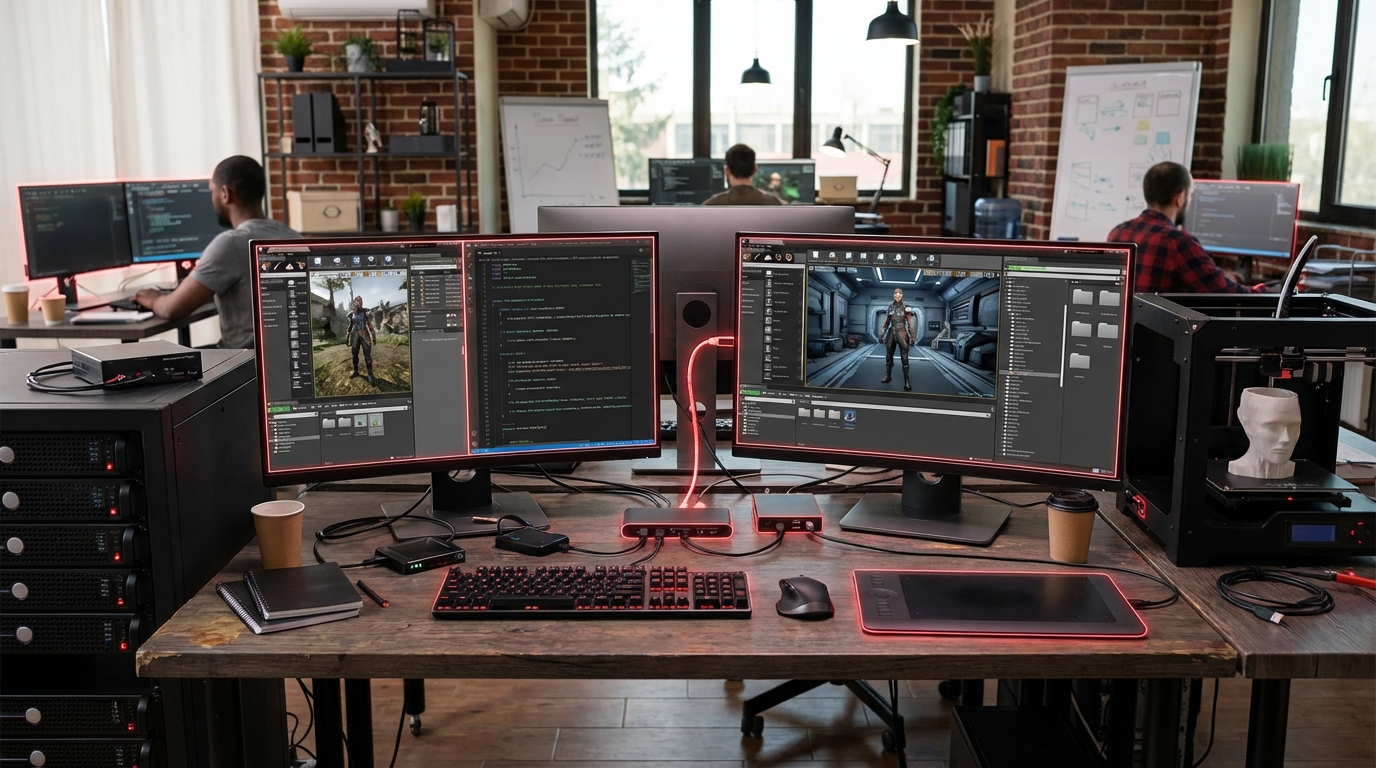
Shared file format that moves 3D assets between Blender, Unity, Unreal, and other game tools

Automated tax reporting and compliance tools for in-game asset transactions
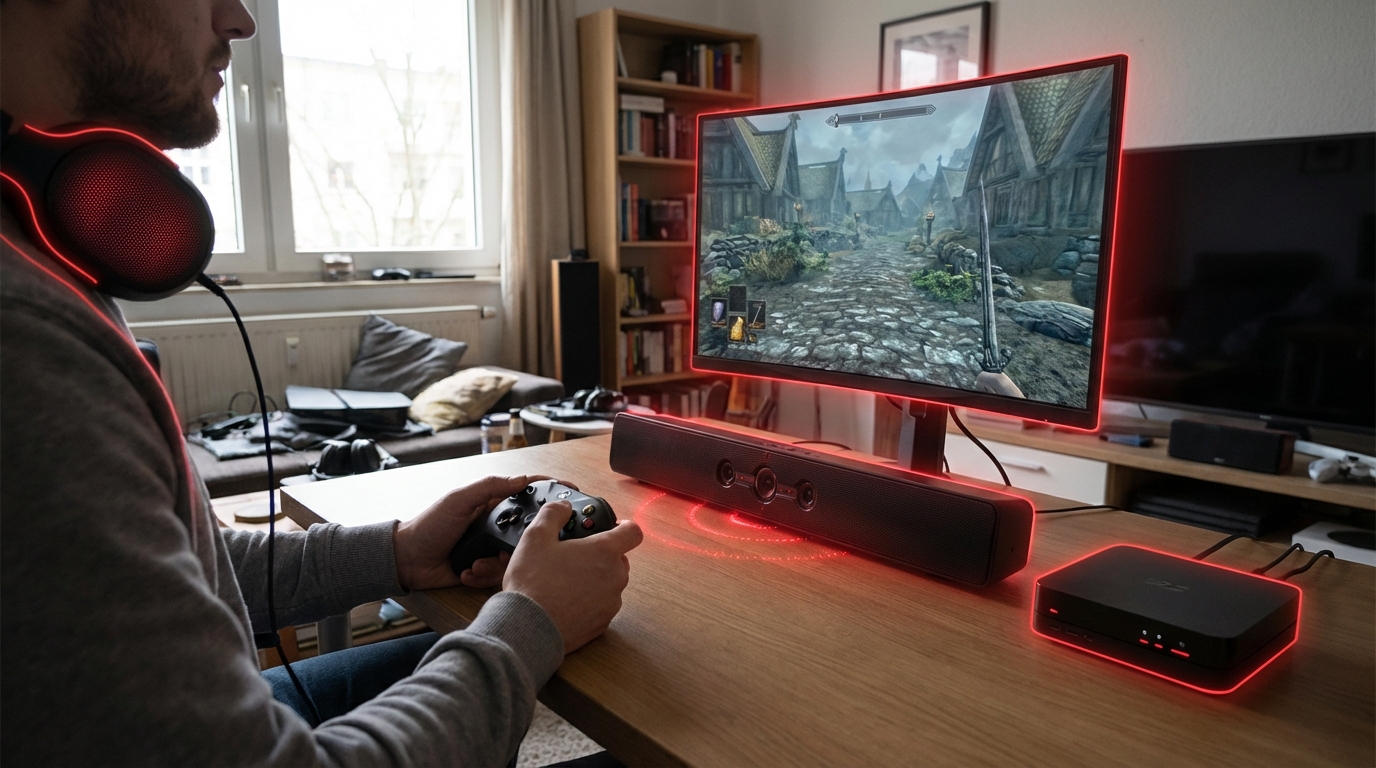
Natural-language interfaces that turn spoken commands into in-game actions


Turn this hub into a team session
Interested in our work?
Newsletter
Follow us for weekly foresight in your inbox.