Mobile Microgrids & Battery Storage for Construction Sites
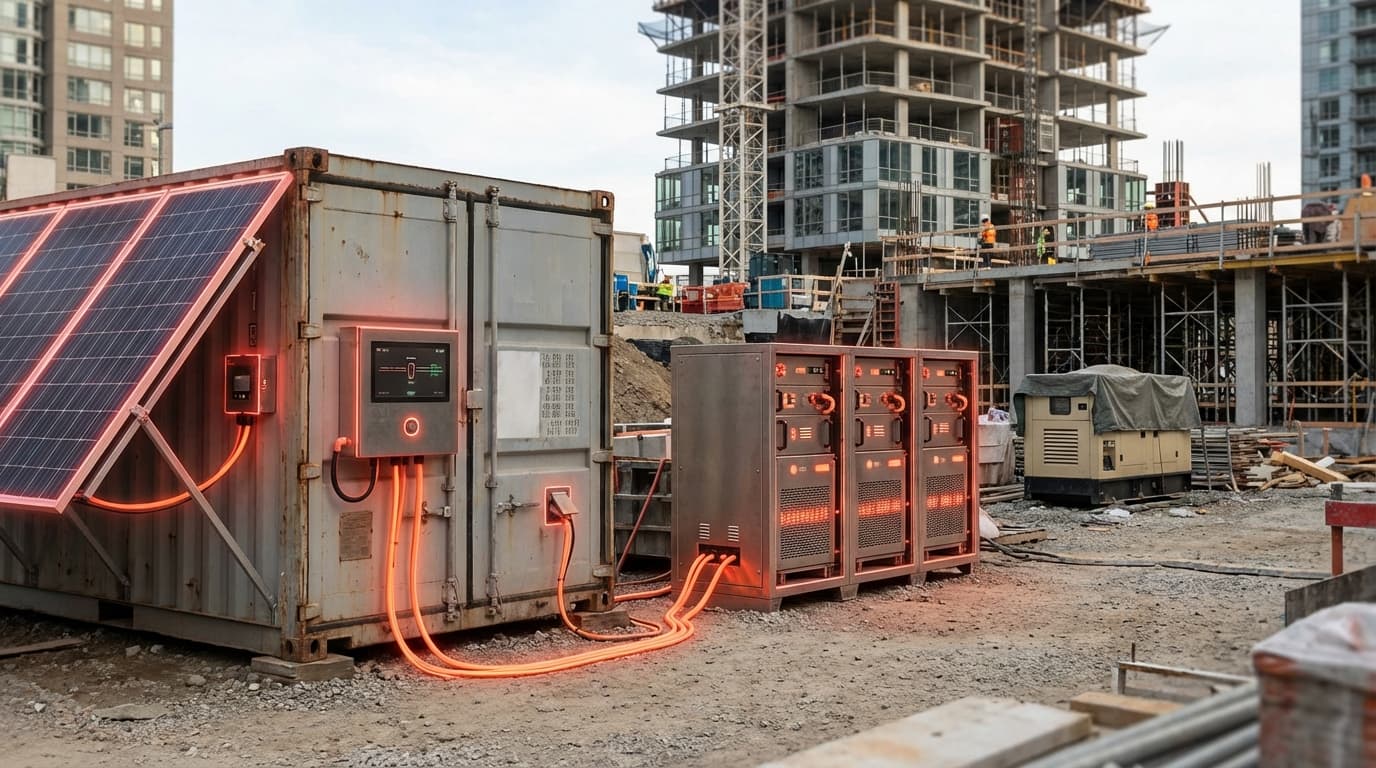
Mobile microgrids combine containerized battery storage systems with solar photovoltaic arrays to deliver reliable electrical power to construction sites without relying on traditional diesel generators. These systems typically consist of lithium-ion battery banks housed in weatherproof shipping containers, paired with roof-mounted or ground-based solar panels that recharge the batteries during daylight hours. The microgrid's power electronics manage the flow of electricity, converting stored DC power to AC current suitable for construction equipment, temporary site offices, lighting systems, and increasingly, electric vehicle charging stations. Advanced models incorporate smart inverters and energy management software that optimize power distribution based on real-time demand, weather forecasts, and battery state of charge. Some configurations allow grid connection when available, enabling the system to draw supplemental power during periods of high demand or export excess solar generation back to the utility network.
The construction industry has long grappled with the environmental and logistical challenges of powering remote or temporary work sites. Diesel generators, while reliable and familiar, produce significant noise pollution that disrupts surrounding communities, emit harmful particulates and greenhouse gases, and require constant fuel deliveries that add cost and complexity to project management. Urban construction projects increasingly face stringent emissions regulations and noise ordinances that restrict or prohibit diesel equipment operation during certain hours or in designated zones. Mobile microgrids address these constraints by providing clean, quiet power that meets regulatory requirements while reducing the carbon footprint of construction activities. The elimination of diesel logistics also removes fuel storage risks, reduces theft concerns, and frees up valuable site space previously dedicated to generator placement and fuel tanks. For contractors working in remote locations, the ability to generate and store power on-site reduces dependence on unreliable grid connections or expensive fuel transport to distant job sites.
Early deployments of mobile microgrids have concentrated in regions with favorable regulatory environments and high electricity costs, where the economic case for solar-plus-storage is most compelling. California's construction sector has seen notable adoption driven by strict air quality standards and utility incentive programs that offset upfront equipment costs. Nordic countries have embraced these systems for infrastructure projects in areas with limited grid access, where the combination of long summer daylight hours and environmental consciousness aligns with mobile microgrid capabilities. In the Gulf states, extreme heat and abundant sunshine create ideal conditions for solar generation, while government mandates for sustainable construction practices encourage contractors to transition away from diesel power. The technology's commercial viability continues to improve as battery costs decline and manufacturers develop more robust, construction-grade enclosures that withstand harsh site conditions. Industry analysts note that the total cost of ownership for mobile microgrids is approaching parity with diesel generators on projects lasting several months or longer, particularly when factoring in avoided fuel costs, reduced maintenance requirements, and potential carbon credit revenues. As battery energy density improves and fast-charging capabilities expand, these systems are expected to power increasingly demanding construction equipment, potentially including electric excavators and concrete pumps, positioning mobile microgrids as essential infrastructure for the decarbonization of the built environment sector.
Related Organizations

Develops the 'Enertainer', an advanced battery energy storage system (BESS) designed specifically to replace diesel generators on construction sites.

Supplier of solar lighting towers and hybrid power solutions for the construction and rail industries.

Global leader in temporary power, aggressively transitioning its fleet to hybrid battery and solar solutions.
Powr2
United States · Company
Manufactures the POWRBANK, a portable energy storage system that integrates with diesel generators to create hybrid microgrids.

Builds portable high-performance battery power supplies for professional construction work.

Manufactures the VOLTstack ecosystem of battery electric generators for film and construction.

Offers the ZenergiZe range of energy storage systems for hybrid power applications.

Pramac
Italy · Company
Produces power generation equipment, including the 'Off Grid' battery energy storage range.

United Rentals
United States · Company
The world's largest equipment rental company, actively adding battery storage and solar microgrids to its fleet.

A battery manufacturer with a dedicated recycling program (Revolt) aiming for 50% recycled material in new cells by 2030.
Supporting Evidence
Research this in Signals
Signals turns a topic into a sourced research record you can inspect and rerun. Your first scan is free, and this one starts with Mobile Microgrids & Battery Storage for Construction Sites already loaded, so edit it or scan as is.