Phase-Change Materials (PCM) for Thermal Mass
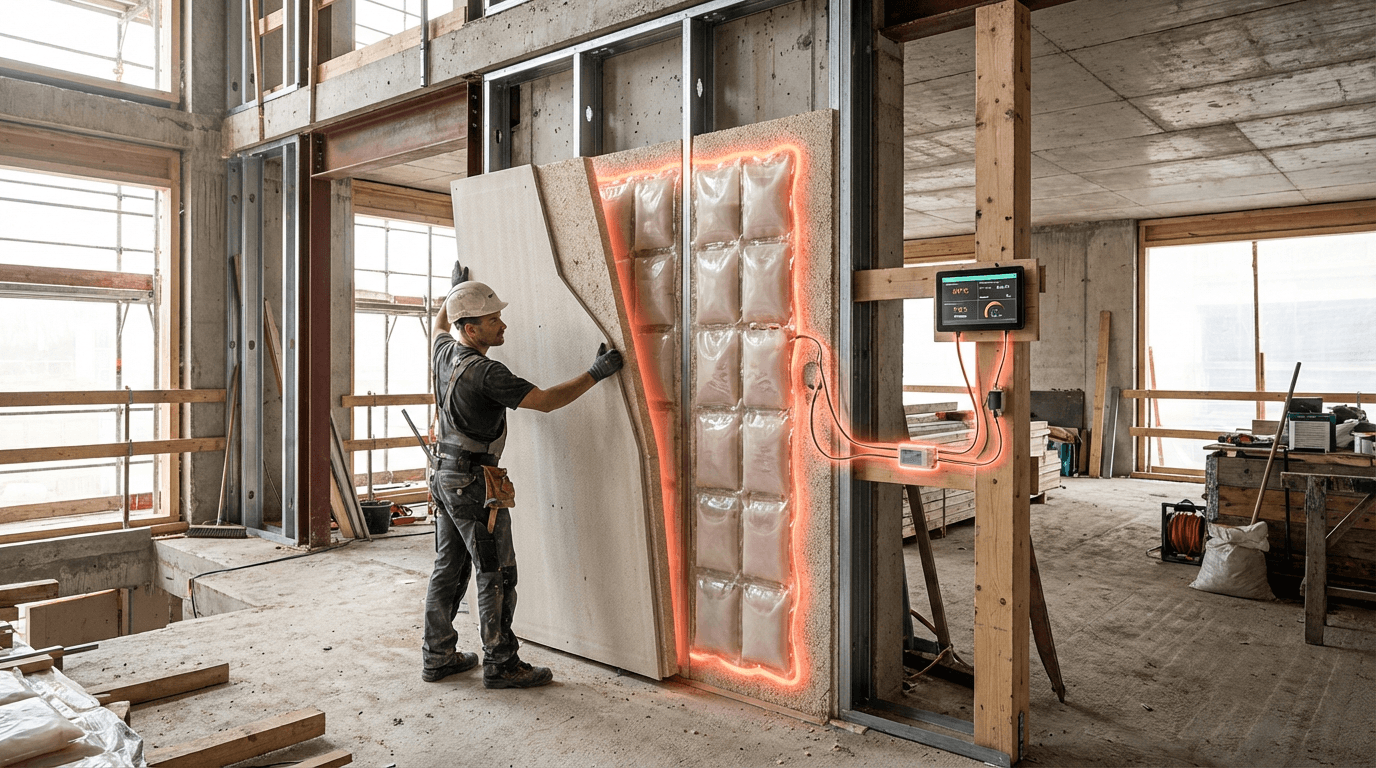
Phase-change materials represent a sophisticated approach to thermal energy storage in buildings, leveraging the physical properties of specific substances that absorb or release substantial amounts of energy during phase transitions—typically from solid to liquid and back again. These materials, commonly encapsulated waxes, paraffins, or salt hydrates, are engineered to change state at temperatures aligned with human comfort zones, typically between 20-28°C (68-82°F). When integrated into building components such as wallboard, ceiling panels, or floor systems, PCMs function as dynamic thermal buffers. As indoor temperatures rise during the day, the material absorbs heat energy and melts, effectively storing thermal energy without significantly increasing room temperature. During cooler evening hours, the process reverses: the PCM solidifies and releases the stored heat, moderating temperature swings and maintaining more stable indoor conditions. This latent heat storage capacity far exceeds the sensible heat storage of conventional building materials of equivalent mass, allowing relatively thin PCM-enhanced panels to perform thermal regulation functions that would otherwise require massive concrete or masonry walls.
The construction industry faces mounting pressure to reduce energy consumption while accommodating design trends toward lighter-weight building systems and increased glazing ratios. Traditional heavyweight construction materials like concrete and brick provide thermal mass that naturally dampens temperature fluctuations, but modern steel-frame and timber-frame buildings often lack this stabilizing effect, leading to greater reliance on mechanical heating and cooling systems. Phase-change materials address this gap by delivering thermal mass benefits without the structural weight penalties. Research indicates that PCM integration can reduce peak cooling loads by 20-40% in appropriate climates, directly translating to smaller HVAC equipment requirements and lower operational costs. This technology proves particularly valuable in regions with significant diurnal temperature swings, where the daily charge-discharge cycle can be fully utilized. Beyond energy savings, PCMs contribute to grid stability by shifting thermal loads away from peak demand periods, supporting broader efforts to integrate renewable energy sources and reduce strain on electrical infrastructure during critical afternoon hours.
Commercial PCM products have progressed from experimental installations to established building materials available from multiple manufacturers, with applications ranging from residential renovations to large-scale commercial developments. Early deployments in European and North American buildings have demonstrated the technology's viability, though adoption remains concentrated in energy-conscious projects and regions with supportive building codes or incentive programs. Current applications include PCM-enhanced gypsum boards for interior walls, ceiling tiles for commercial spaces, and underfloor heating systems that store off-peak electricity as thermal energy. The technology shows particular promise in lightweight modular construction and prefabricated building systems, where traditional thermal mass solutions are impractical. As building energy codes become more stringent and the construction sector seeks passive strategies to achieve net-zero targets, phase-change materials are positioned to become standard components in high-performance building envelopes. Future developments focus on improving PCM longevity through better encapsulation methods, expanding the range of phase-change temperatures to suit diverse climates, and integrating these materials with smart building systems that optimize charge-discharge cycles based on weather forecasts and occupancy patterns.
Related Organizations

A developer of BioPCM (Phase Change Material) mats that can be installed in walls and ceilings to stabilize indoor temperatures and reduce cooling loads.
German manufacturer specializing in phase change materials for thermal management.

Produces bio-based phase change materials derived from agricultural sources like vegetable oil.

Produces compact thermal storage batteries using phase change materials for residential and commercial hot water and heating.

Leading European research institute for solar energy, pioneering agrivoltaics standards and pilot projects.

Manufactures PCM mats that are installed between insulation and drywall to stabilize indoor temperatures.

Specialists in microencapsulation technology, specifically phase change materials.
Materials research company manufacturing PCMs for HVAC applications and cold chain logistics.

Chemical company producing CrodaTherm, a range of bio-based phase change materials.

Provides thermal energy storage systems using PCM for industrial cold storage facilities.
Supporting Evidence
Research this in Signals
Signals turns a topic into a sourced research record you can inspect and rerun. Your first scan is free, and this one starts with Phase-Change Materials (PCM) for Thermal Mass already loaded, so edit it or scan as is.