Supply Chain Integrity & Human Rights Compliance
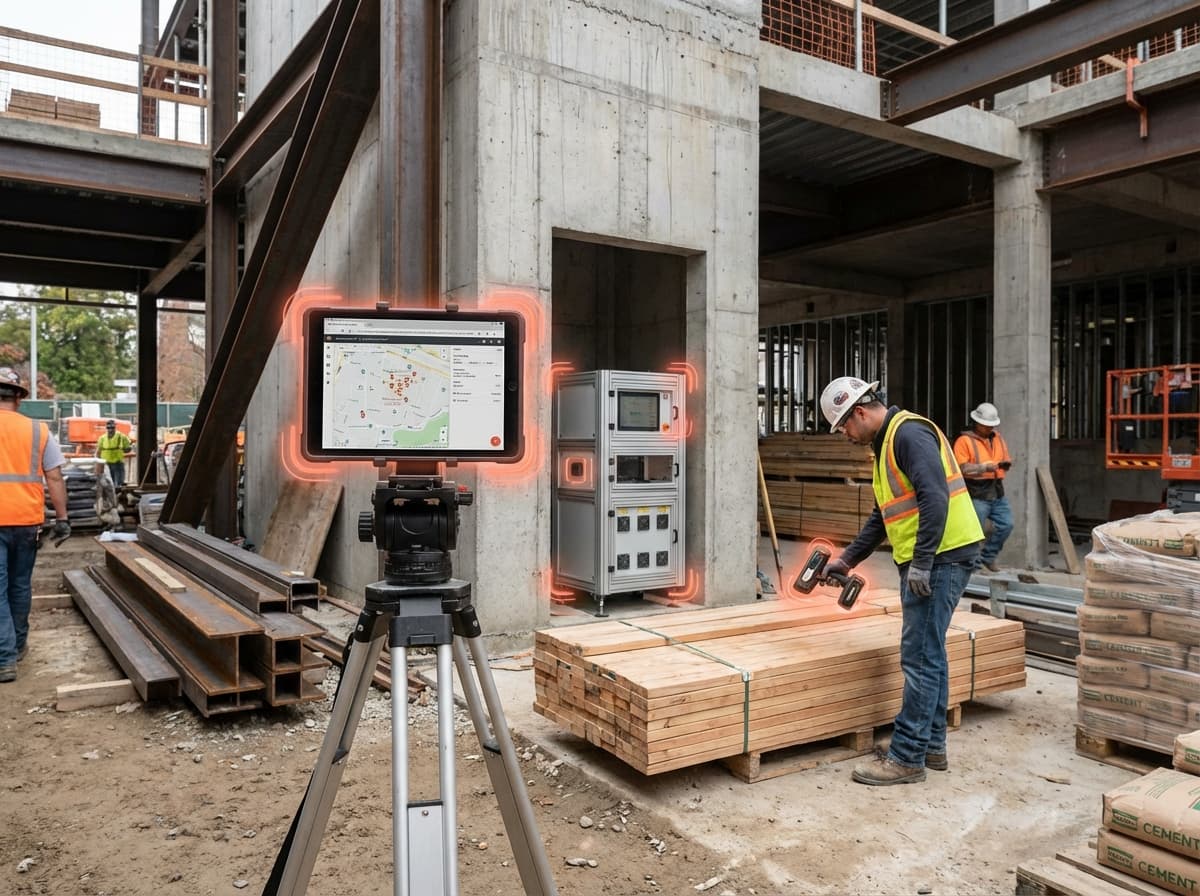
The construction industry's global supply chains have become increasingly complex, spanning multiple countries and involving numerous intermediaries between raw material extraction and final project delivery. This complexity creates significant blind spots regarding the ethical and legal provenance of materials, from timber and steel to rare earth minerals used in building technologies. Supply chain integrity and human rights compliance systems address these challenges through integrated verification frameworks that combine digital traceability, third-party auditing, and policy enforcement mechanisms. These systems typically employ a multi-layered approach: blockchain or distributed ledger technologies to create immutable records of material origins and custody transfers, satellite monitoring and geospatial analysis to verify extraction sites against known conflict zones or protected areas, and standardized certification protocols that assess labor conditions at each production stage. The technical architecture often integrates with existing enterprise resource planning systems, allowing procurement teams to flag high-risk suppliers or materials before contracts are finalized.
The construction sector faces mounting pressure from multiple directions to demonstrate supply chain accountability. Public procurement regulations in major markets increasingly mandate proof that materials are free from forced labor and comply with international sanctions regimes, while institutional investors and corporate clients demand verifiable environmental, social, and governance performance data. Traditional paper-based certification systems have proven inadequate, vulnerable to fraud and unable to provide the granular visibility required by modern compliance frameworks. These integrity systems solve critical problems including the risk of unknowingly sourcing materials produced through forced labor in regions like Xinjiang or conflict minerals from unstable territories, exposure to sanctions violations that could result in project delays and legal penalties, and the reputational damage associated with greenwashing claims when sustainability certifications cannot be substantiated. For construction firms, particularly those working on government contracts or large-scale infrastructure projects, demonstrating supply chain integrity has shifted from a voluntary corporate responsibility initiative to a fundamental business requirement that affects market access and competitive positioning.
Early implementations of comprehensive supply chain integrity systems are emerging across major construction markets, with several large contractors piloting integrated platforms that combine supplier questionnaires, on-site audits, and continuous monitoring capabilities. The European Union's Corporate Sustainability Due Diligence Directive and similar regulations in other jurisdictions are accelerating adoption, creating standardized expectations for supply chain transparency that extend beyond tier-one suppliers to encompass the entire value chain. Industry consortia are developing shared databases and verification protocols to reduce duplication of effort while maintaining competitive confidentiality, recognizing that supply chain integrity is a collective challenge requiring coordinated responses. As artificial intelligence and machine learning capabilities mature, these systems are becoming more sophisticated in their ability to identify anomalies, predict compliance risks, and recommend alternative sourcing strategies. The trajectory points toward supply chain integrity becoming embedded infrastructure within construction procurement processes, with real-time verification replacing periodic audits and transparency expectations extending to encompass not just human rights and sanctions compliance but also carbon accounting, water usage, and biodiversity impacts across the entire material lifecycle.
Related Organizations

Non-profit foundation that launched the 'Design for Freedom' movement.

Supply chain mapping software that helps companies visualize their end-to-end supply chain and ensure compliance.

Uses AI to build a shared source of truth for the global supply chain, mapping networks and compliance.

Provides supply chain traceability and battery passports to ensure ethical sourcing and recycling verification.
An online registry for materials and products, generating 'material passports' for buildings.

The steel industry's first global multi-stakeholder standard and certification initiative.

Supply chain risk management and supplier pre-qualification services.
Supply chain sustainability management solution that automates product compliance and ESG data collection.

Provides business sustainability ratings, intelligence, and collaborative performance improvement tools for global supply chains.
International non-profit organization that promotes responsible management of the world's forests.
A global membership organization that provides one of the world's leading online platforms for companies to manage and improve working conditions.
Supporting Evidence
Research this in Signals
Signals turns a topic into a sourced research record you can inspect and rerun. Your first scan is free, and this one starts with Supply Chain Integrity & Human Rights Compliance already loaded, so edit it or scan as is.