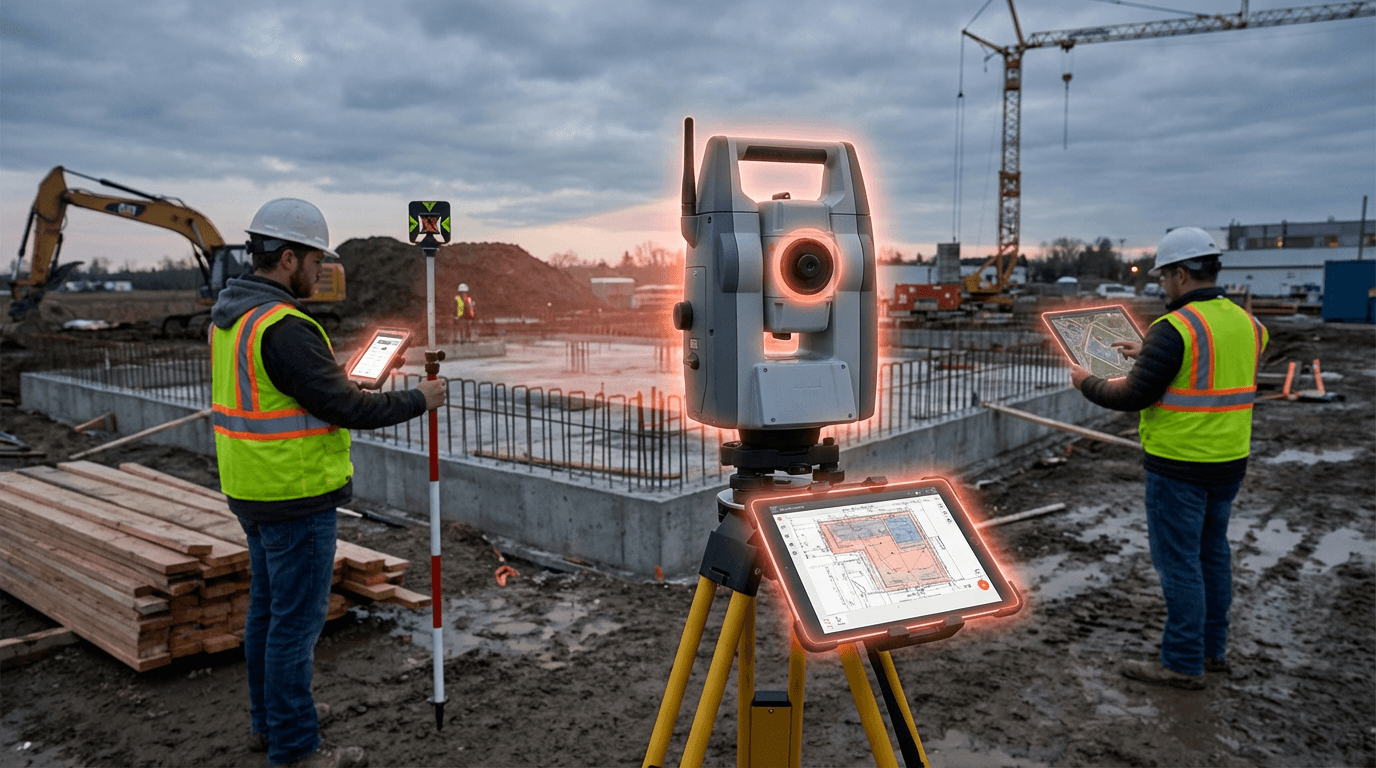
Permitting & Code Compliance Automation (RegTech)
The construction and development industries have long grappled with permitting processes that are notoriously slow, opaque, and inconsistent. Traditional plan review methods rely heavily on manual inspection by building officials who must cross-reference submitted designs against complex building codes, zoning ordinances, and accessibility standards. This human-intensive process can take weeks or months, creating bottlenecks that delay project timelines, increase holding costs, and introduce variability in how regulations are interpreted across different jurisdictions. Permitting and code compliance automation, often categorized as regulatory technology (RegTech) for the built environment, addresses these challenges through digitized plan checks and rule engines that automatically evaluate submitted designs against codified requirements. These systems parse digital building models—typically in formats like Building Information Modeling (BIM) or standardized plan sets—and apply algorithmic checks for compliance with egress requirements, structural codes, energy efficiency standards, accessibility regulations, and zoning constraints. By encoding regulatory logic into software, these platforms can flag potential violations early in the design phase, provide specific feedback on noncompliance issues, and generate standardized documentation that supports both applicant revisions and regulatory review.
For municipalities and building departments, automated compliance checking offers the promise of dramatically reduced cycle times and more consistent application of building codes. Cities facing staffing shortages or surges in development activity can leverage these systems to triage applications, automatically approving straightforward projects while directing human expertise toward complex or exceptional cases. Developers and architects benefit from faster feedback loops, allowing them to identify and correct compliance issues before formal submission rather than discovering problems weeks into the review process. This early detection capability can prevent costly redesigns and construction delays. The technology also enhances auditability by creating detailed digital records of compliance checks, decisions, and revisions, which supports accountability and provides clear documentation in the event of disputes or appeals. For the construction industry more broadly, these systems represent a shift toward data-driven regulatory processes that can better accommodate the increasing complexity of modern building codes, particularly as jurisdictions adopt more stringent energy efficiency and climate resilience requirements.
Several municipalities have begun piloting or implementing automated permitting systems, with early deployments indicating potential reductions in review times from weeks to days for certain project types. However, widespread adoption faces significant challenges, particularly the need to accommodate jurisdictional variation in building codes, zoning rules, and local amendments that can differ substantially even between neighboring cities. Successful implementations require careful configuration to reflect local regulatory nuances while maintaining the transparency necessary for applicants to understand automated decisions and exercise their right to appeal. As building codes evolve to address emerging priorities like decarbonization and climate adaptation, these systems must be continuously updated to reflect new requirements. The trajectory of this technology points toward integration with broader digital permitting ecosystems that connect plan review with inspections, certificate of occupancy issuance, and ongoing building performance monitoring, ultimately supporting the construction industry's transition toward more efficient, predictable, and accountable regulatory processes.
Related Organizations

Singapore government agency championing the CORENET X platform.

Develops model codes and standards used in the design, build, and compliance process (e.g., International Building Code).
UpCodes
United States · Startup
Provides a platform that helps architects and engineers navigate building codes, using AI to identify compliance errors.

An AI platform that assesses land plots for development potential and checks designs against local planning rules instantly.

Provides software for quality assurance and code checking of BIM (Building Information Modeling) models.

Uses computational law to simplify zoning regulations, allowing homeowners to instantly check compliance for ADUs and renovations.

Provider of electronic plan review solutions for government agencies (ProjectDox).

Software platform streamlining the construction permit application and management process.

Provides real-time generative design software for building feasibility, solving site plans for mixed-use, industrial, and residential developments instantly.

Provides civic tech solutions for land management, asset management, and licensing, facilitating automated regulatory enforcement.

Supporting Evidence
Research this in Signals
Signals turns a topic into a sourced research record you can inspect and rerun. Your first scan is free, and this one starts with Permitting & Code Compliance Automation (RegTech) already loaded, so edit it or scan as is.