Low-Carbon Cement & Concrete Chemistries
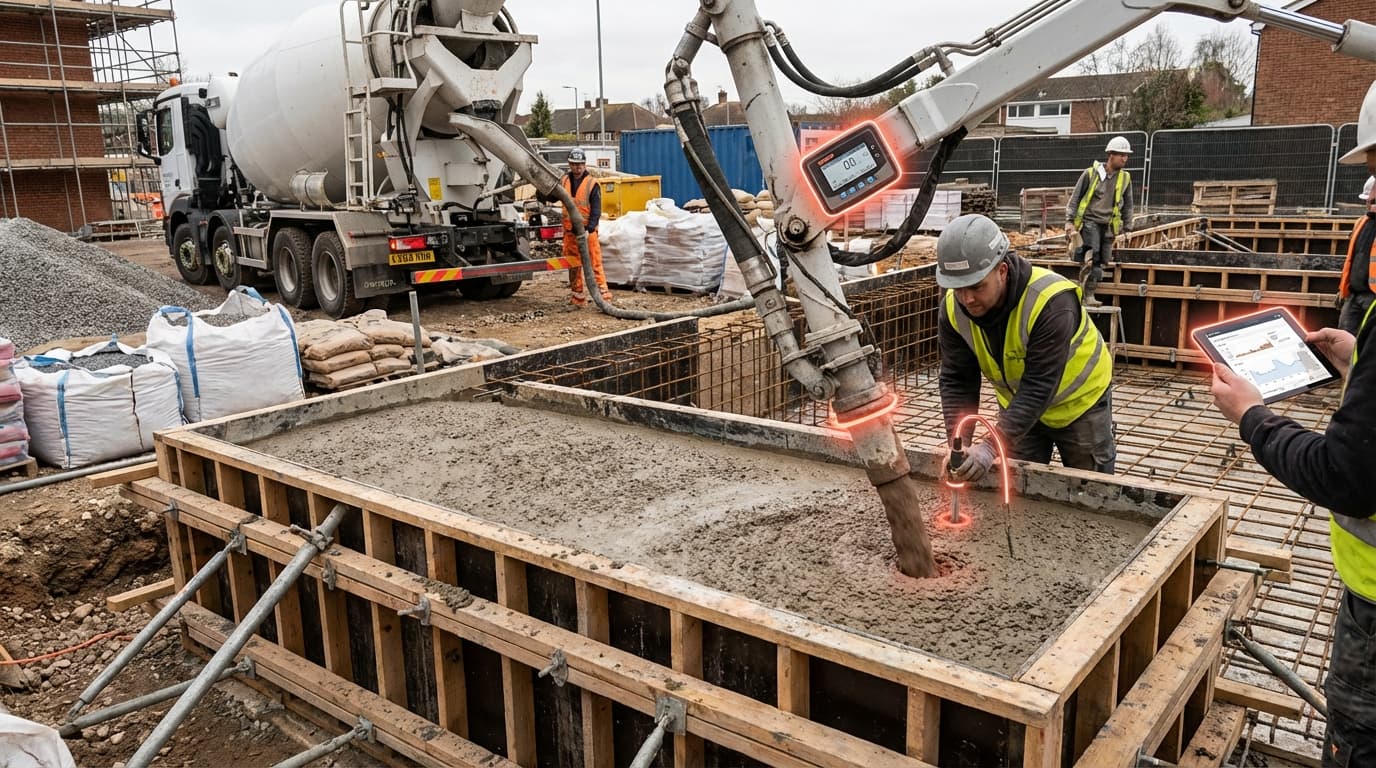
The global construction industry faces a critical challenge: cement production alone accounts for approximately 8% of worldwide carbon dioxide emissions, making it one of the most carbon-intensive materials in modern building. Traditional Portland cement relies on heating limestone to extreme temperatures, a process that releases both process emissions from the chemical transformation and energy emissions from fossil fuel combustion. Low-carbon cement and concrete chemistries represent a fundamental reimagining of how we create the binding materials that hold our built environment together. These alternatives employ novel chemical pathways and supplementary materials to achieve comparable or superior structural performance while dramatically reducing embodied carbon. Key approaches include limestone calcined clay cement (LC3), which substitutes up to 50% of Portland cement clinker with calcined clays and limestone; alkali-activated geopolymers that use industrial byproducts like fly ash or slag as primary binders; and carbon mineralization techniques that inject captured CO2 into concrete mixes, where it permanently mineralizes into stable carbonates. Each chemistry operates through distinct mechanisms—LC3 leverages synergistic reactions between clay minerals and limestone, geopolymers form alumino-silicate networks through alkaline activation, and carbon mineralization accelerates natural carbonation processes—but all share the goal of decoupling concrete performance from carbon intensity.
The construction sector's reliance on conventional cement formulations creates significant barriers to decarbonization, particularly as global infrastructure demand accelerates in developing economies. Low-carbon chemistries address this challenge by offering pathways that can reduce cement-related emissions by 30% to 70% or more, depending on the specific formulation and application. These alternatives solve multiple industry problems simultaneously: they reduce dependence on energy-intensive clinker production, create value streams for industrial waste materials that might otherwise require disposal, and in some cases improve concrete properties such as chemical resistance or long-term durability. However, widespread adoption faces substantial hurdles. Building codes and standards worldwide remain calibrated to Portland cement's well-understood behavior, requiring extensive testing and validation before alternative chemistries gain approval for structural applications. Performance must be demonstrated across diverse environmental conditions, loading scenarios, and timeframes that span decades. Supply chain infrastructure also presents challenges—calcined clays require new processing facilities, geopolymer activators demand careful handling, and carbon mineralization systems need integration with CO2 capture sources. Quality control becomes more complex when working with variable feedstocks or novel chemical systems, necessitating updated testing protocols and workforce training.
Early commercial deployments of low-carbon concrete chemistries are already underway in markets with strong sustainability mandates and progressive building codes. LC3 technology has seen adoption in countries with abundant clay deposits and limited access to traditional supplementary materials, while geopolymer concretes have been specified for infrastructure projects where chemical resistance justifies their higher initial complexity. Carbon-mineralized concrete is emerging in precast applications where controlled curing environments enable reliable mineralization. Industry analysts note that regulatory frameworks are gradually evolving to accommodate performance-based specifications rather than prescriptive material requirements, opening doors for validated alternatives. The trajectory of these technologies aligns with broader construction industry trends toward circular economy principles, industrial ecology, and science-based decarbonization targets. As carbon pricing mechanisms expand and embodied carbon becomes a standard metric in building assessment, low-carbon chemistries are positioned to transition from niche applications to mainstream practice. The path forward requires continued collaboration between materials scientists, structural engineers, code officials, and producers to build the evidence base, supply networks, and institutional confidence necessary for these chemistries to fulfill their potential in reshaping construction's carbon footprint.
Related Organizations

Produces ordinary Portland cement that is carbon-negative by using calcium silicate rocks instead of limestone.
Develops technology to inject captured CO2 into fresh concrete, where it mineralizes and strengthens the material.

Home to the 'Digital Bridge' project and CEBRA, a machine learning method for mapping neural data to low-dimensional spaces.
Develops an electrochemical process to produce low-carbon cement.

Captures CO2 from cement kilns and mineralizes it into a secondary cementitious material, reducing the carbon footprint of concrete.
Develops carbon-negative concrete solutions by using steel slag and curing with CO2, avoiding cement entirely.
Produces clinker-free low-carbon cement using a cold manufacturing process.

A company developing zero-carbon building materials using microalgae.

Creates scalable low-carbon supplementary cementitious materials (SCMs) from common silicate rocks.
Ecocem
Ireland · Company
European producer of low carbon cement technologies, focusing on GGBS (Ground Granulated Blast-furnace Slag).
One of the world's largest building materials companies.

Global leader in innovative and sustainable building solutions.
Supporting Evidence
Research this in Signals
Signals turns a topic into a sourced research record you can inspect and rerun. Your first scan is free, and this one starts with Low-Carbon Cement & Concrete Chemistries already loaded, so edit it or scan as is.