360º Technology Scan
Horizons is our continuously updated intelligence platform synthesizing thousands of technology signals into actionable clusters, readiness scores, and diffusion pathways.
Tracking signals shaping the future of emerging technology — cross-domain signals, trends, readiness levels, and emerging technologies across industries.
Technologies
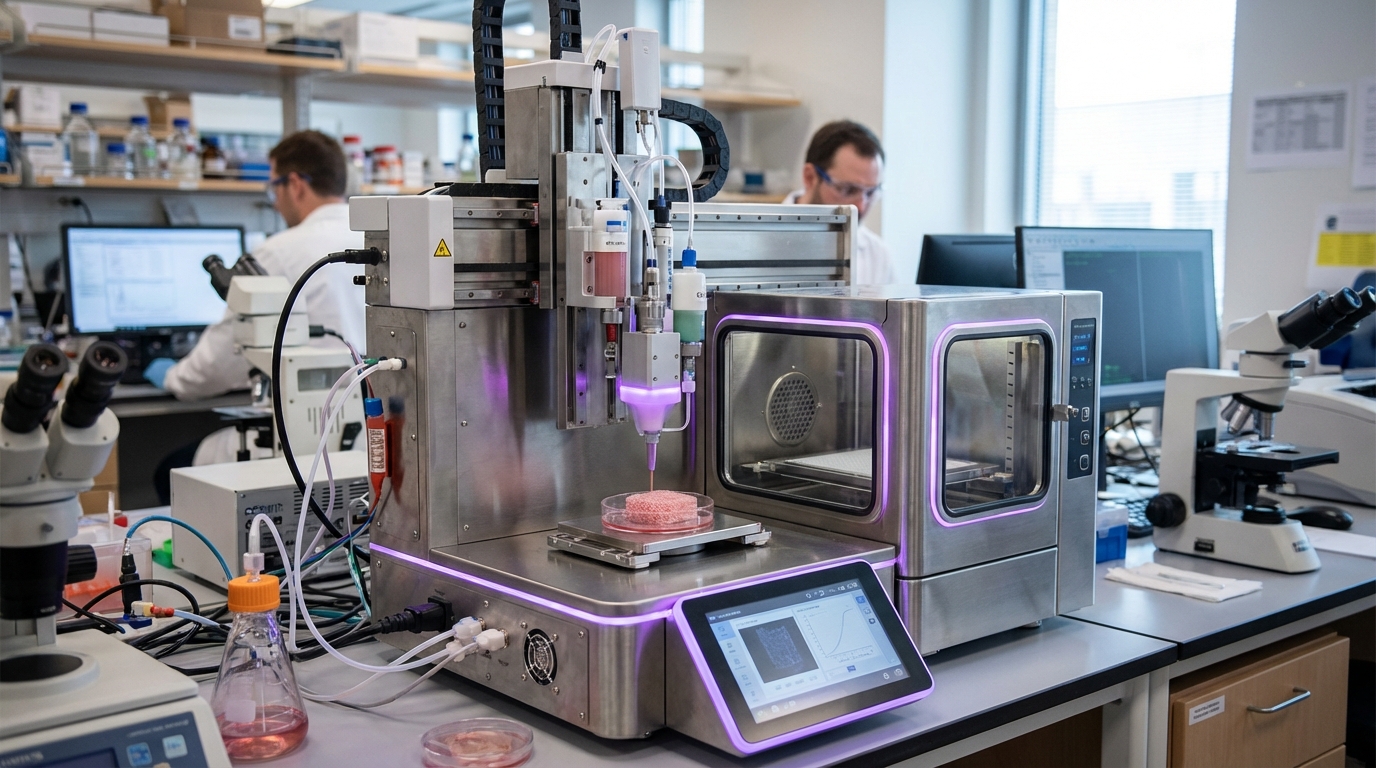
Layer-by-layer fabrication of living tissues and organs using cells, biomaterials, and growth factors
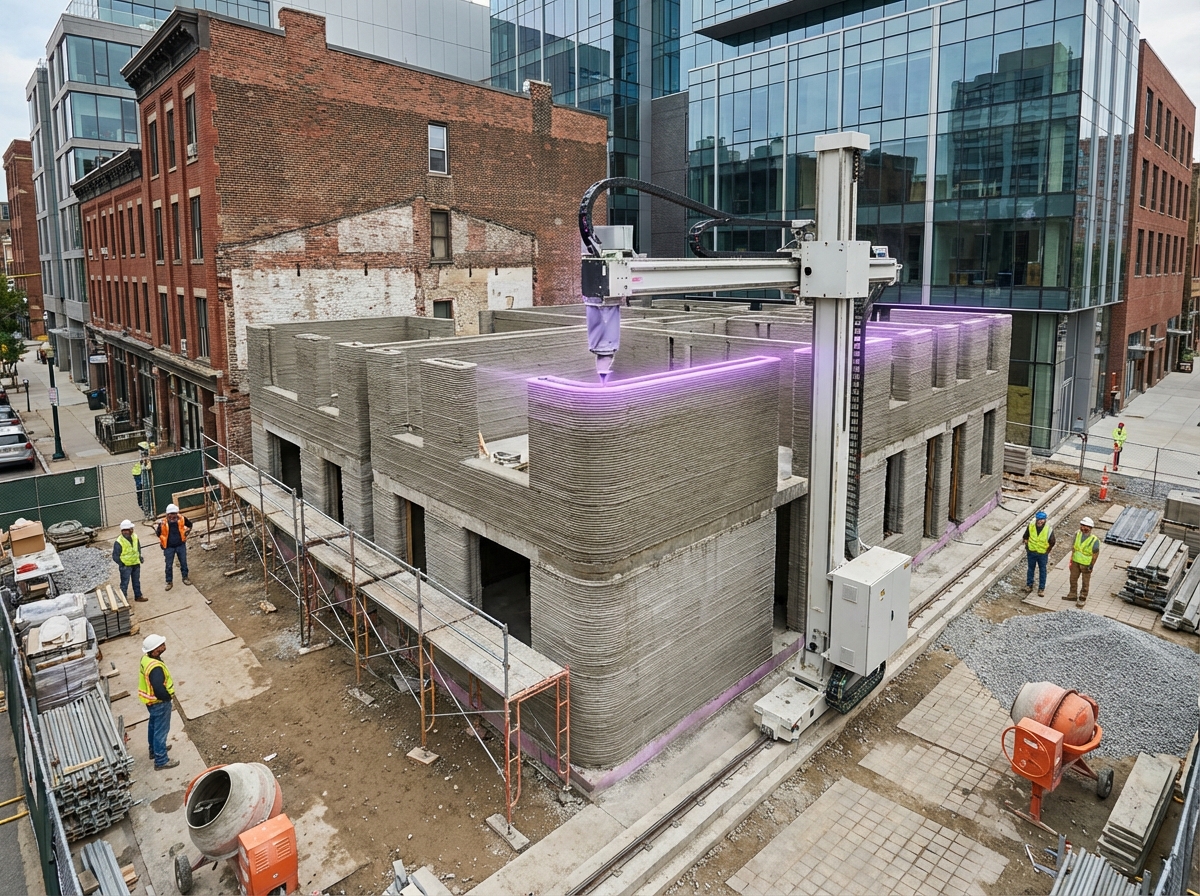
Large-scale additive manufacturing systems that build structures layer by layer from concrete or composites
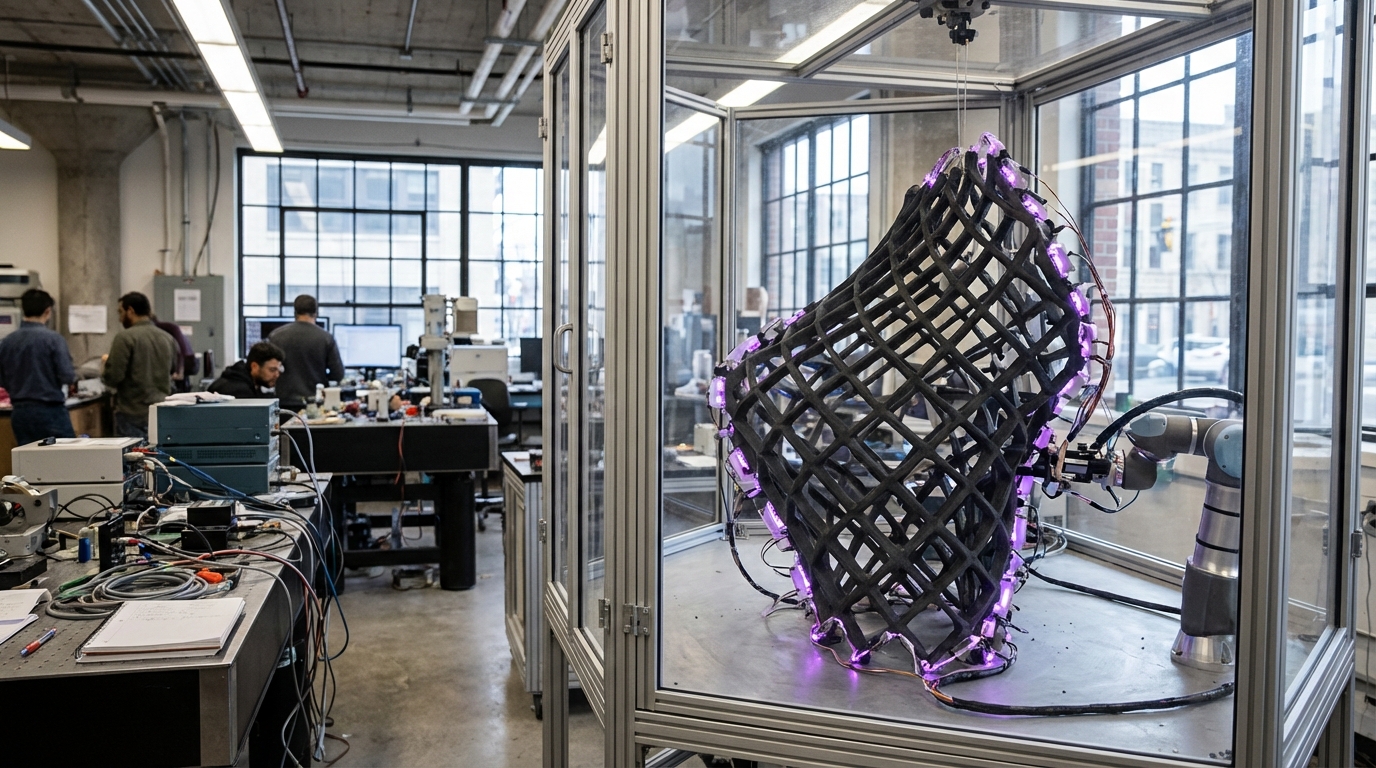
3D-printed objects that transform shape or function when exposed to environmental triggers
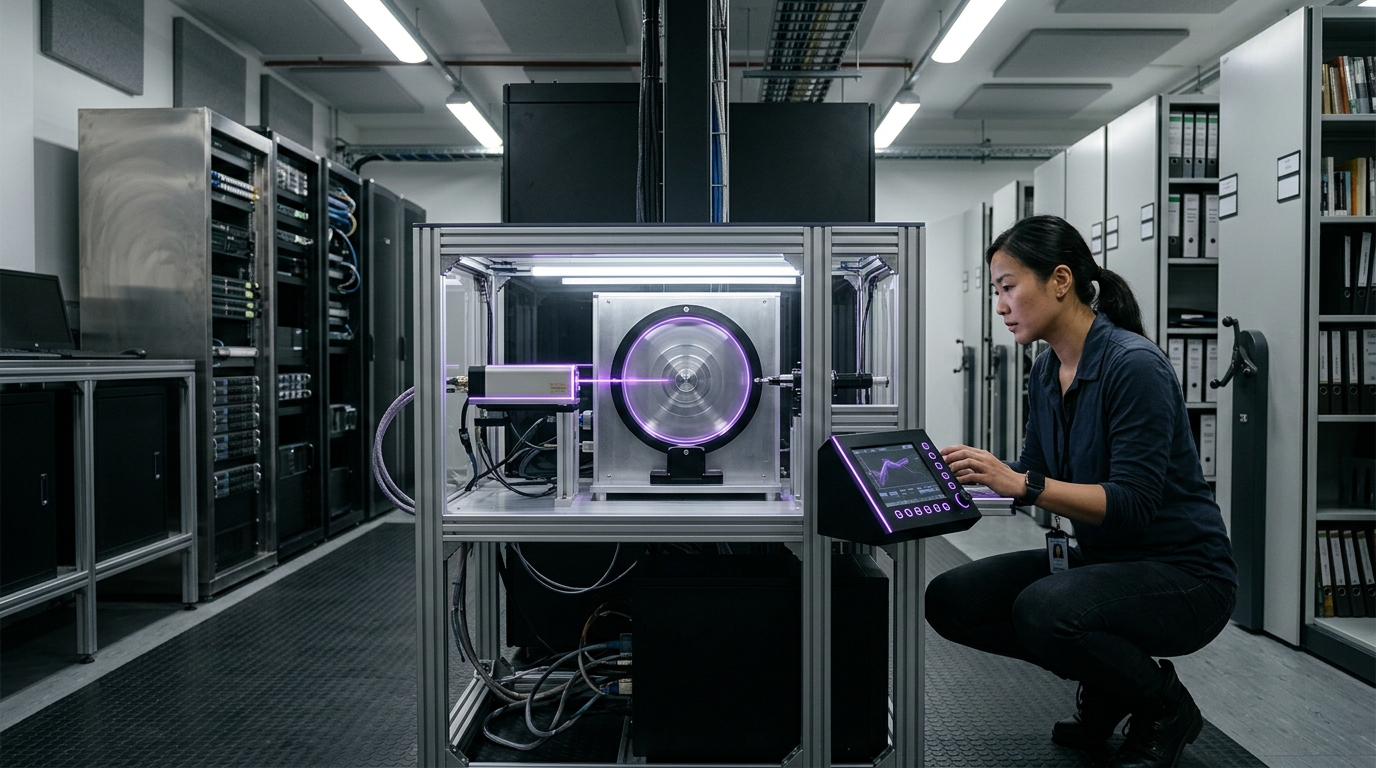
Encodes data in glass using five dimensions for ultra-dense, millennia-stable archival storage
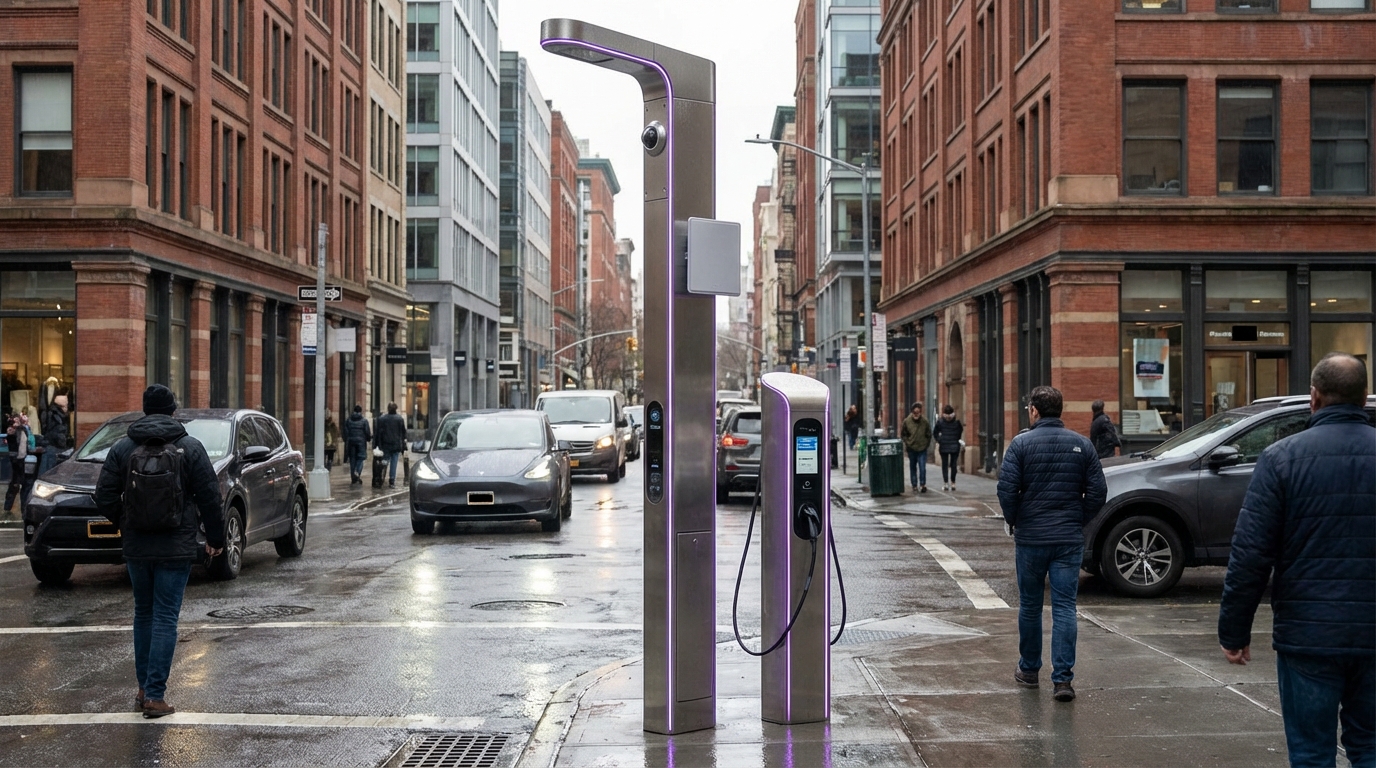
Next-generation wireless with terabit speeds, sub-millisecond latency, and AI integration
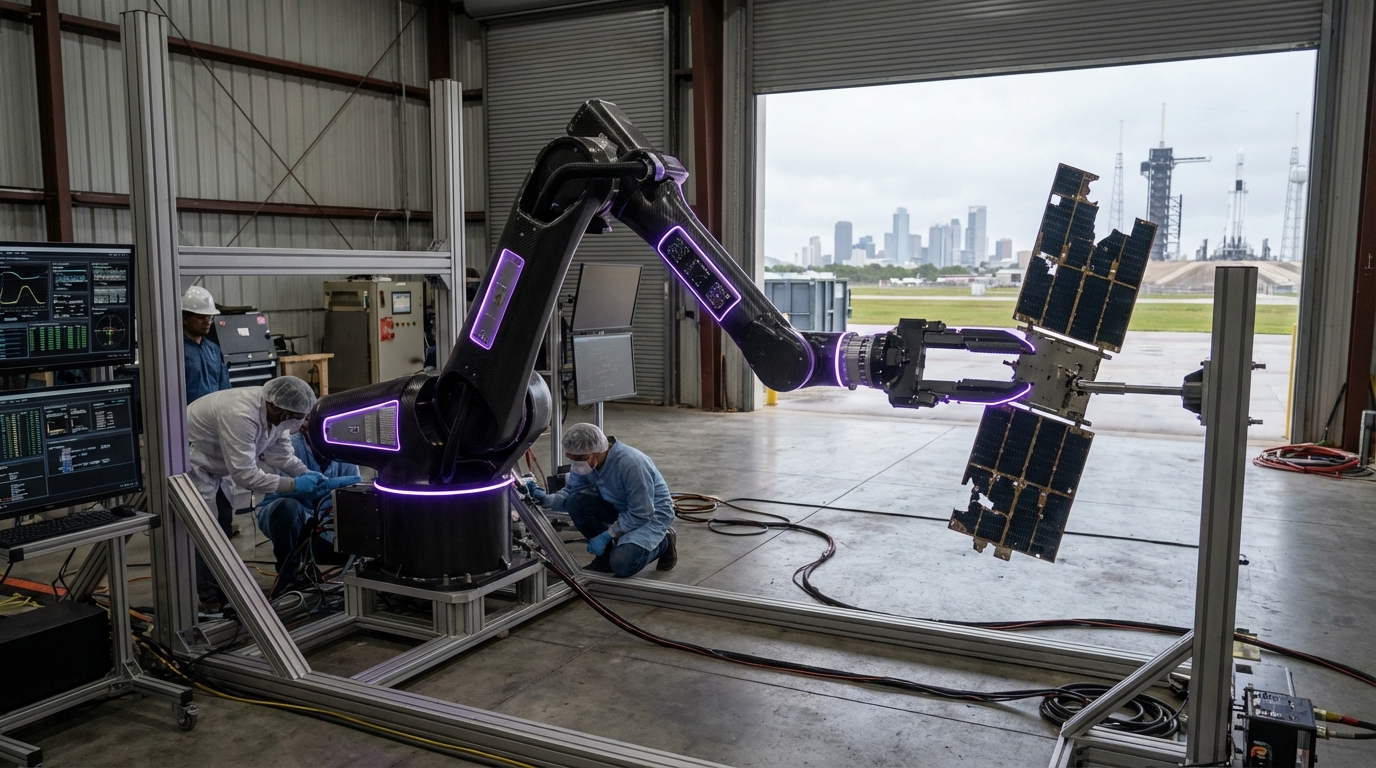
Robotic spacecraft that capture and de-orbit defunct satellites and orbital debris
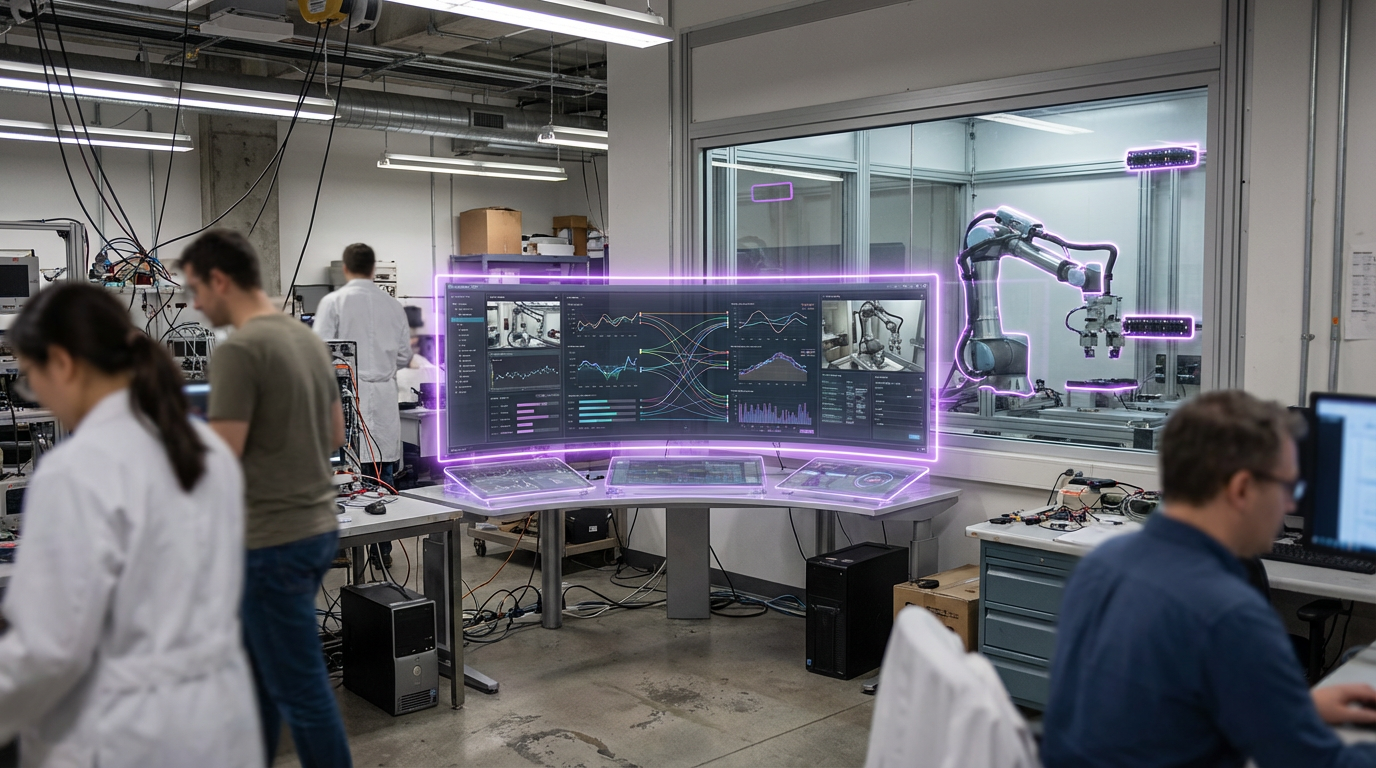
AI systems that autonomously plan, decide, and adapt to achieve goals without constant human input
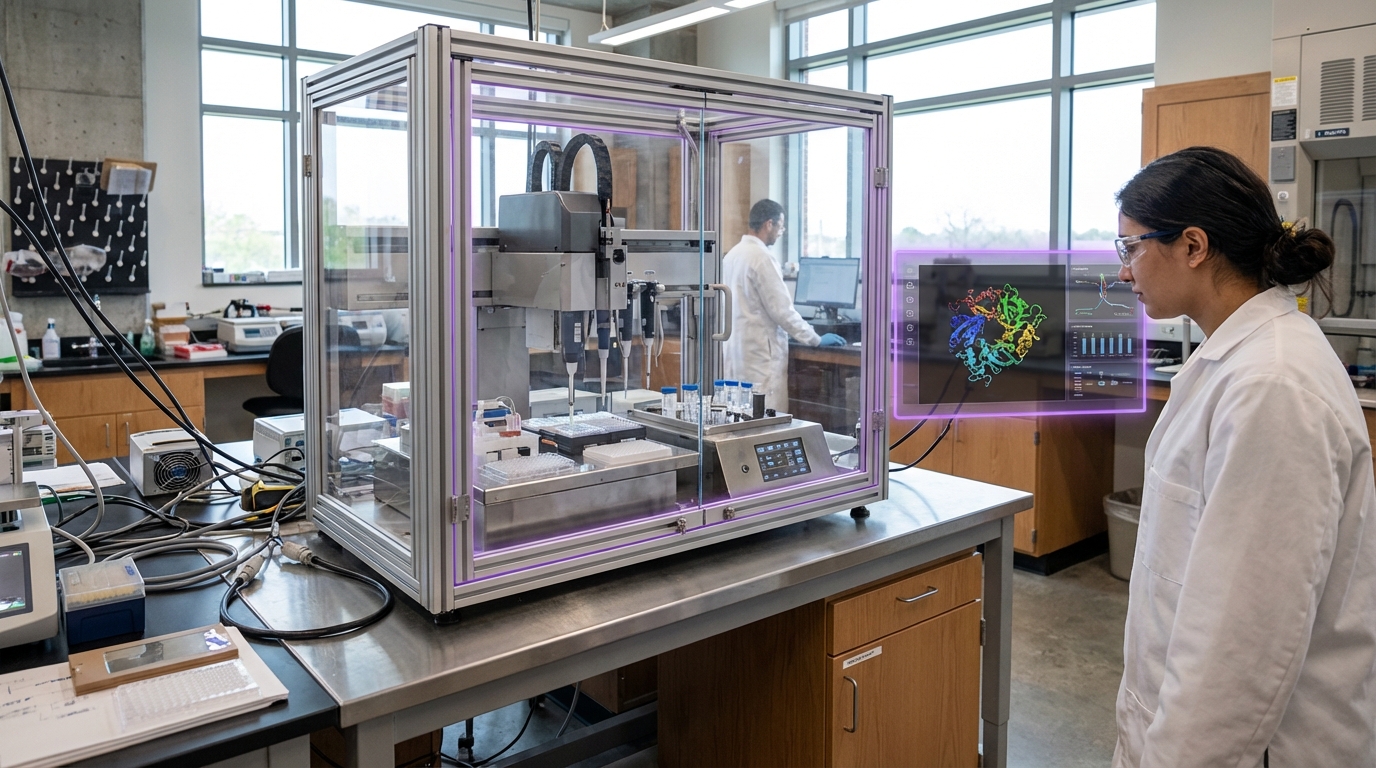
Machine learning algorithms creating novel proteins with specific functions for medicine and industry

Systematic evaluation of AI systems for bias, fairness, compliance, and performance

Urban communication infrastructure that routes data entirely as light, eliminating electronic conversion bottlenecks
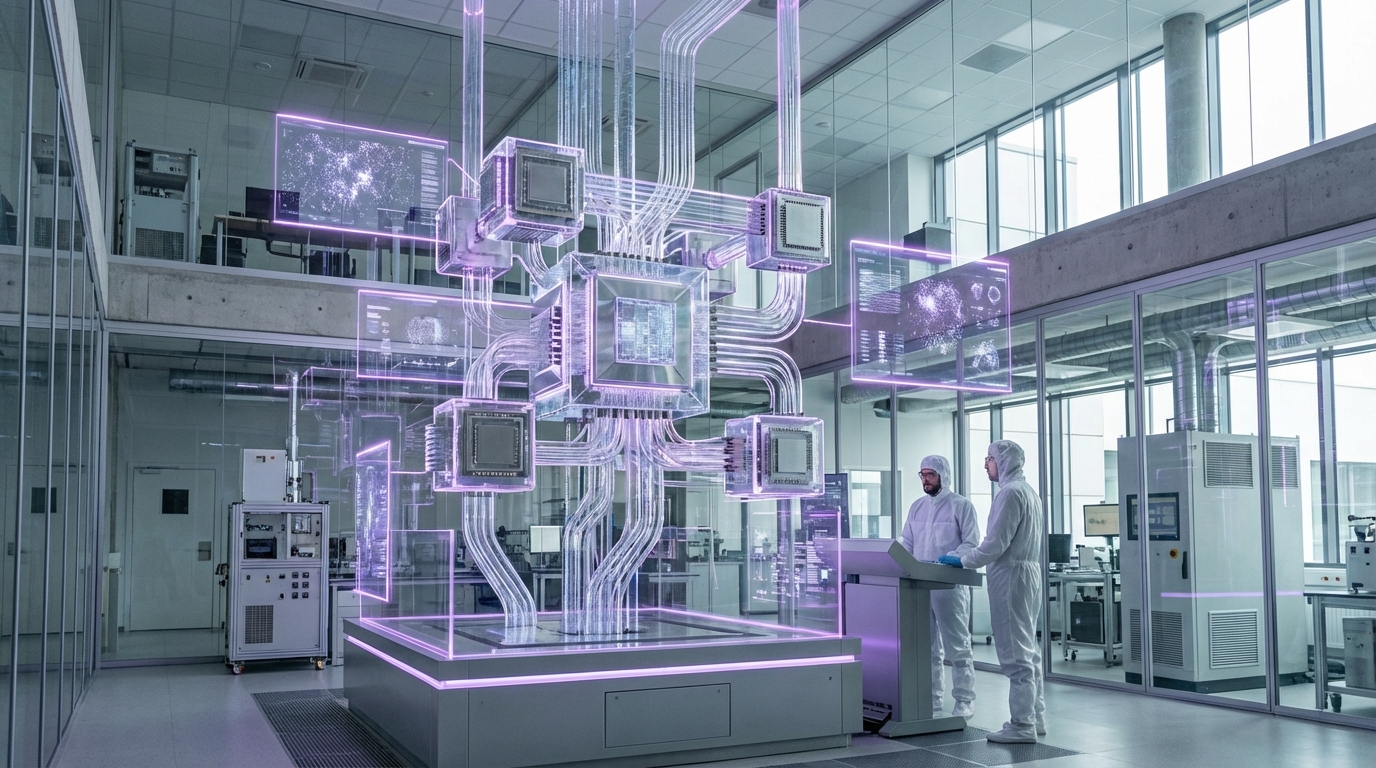
AI systems that exceed human intelligence across all cognitive domains and capabilities
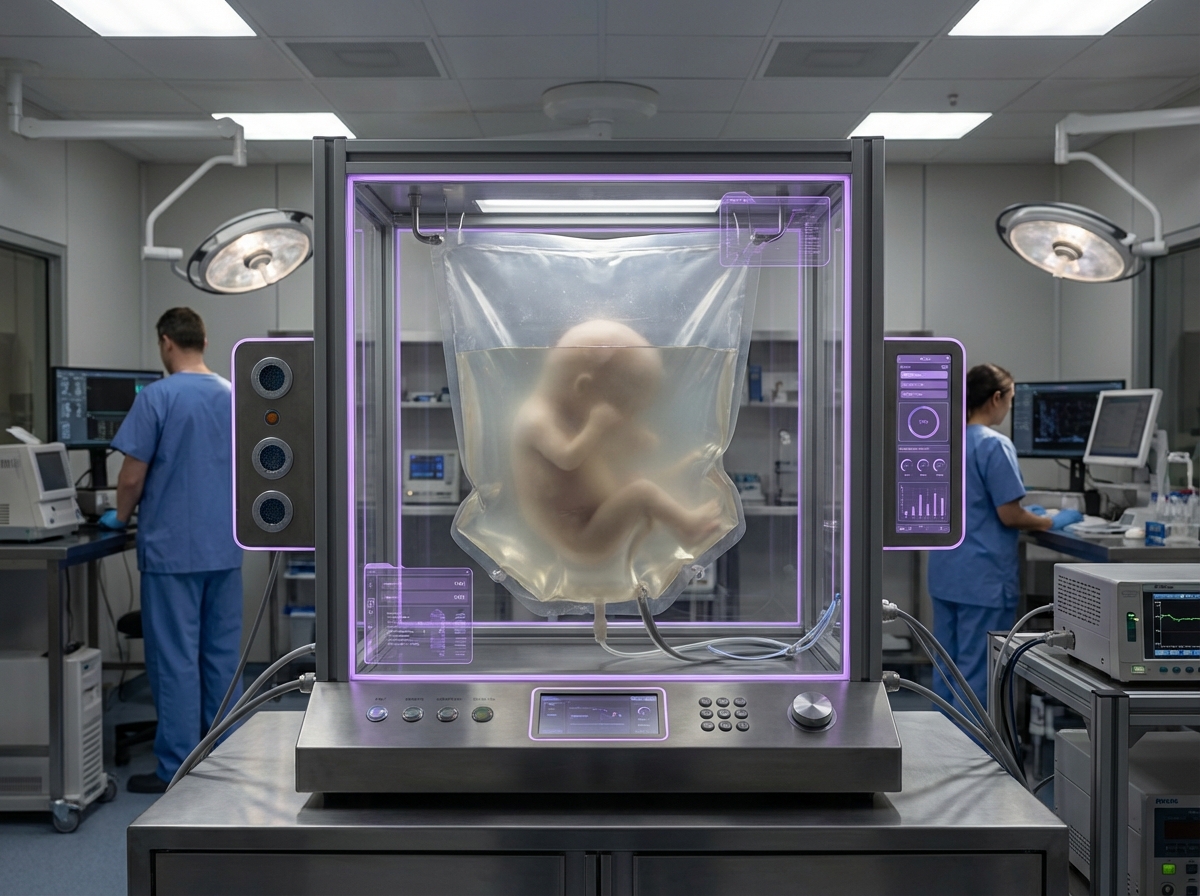
External systems that sustain fetal development outside the human body

AI systems that analyze city data to recommend or automate urban policy decisions
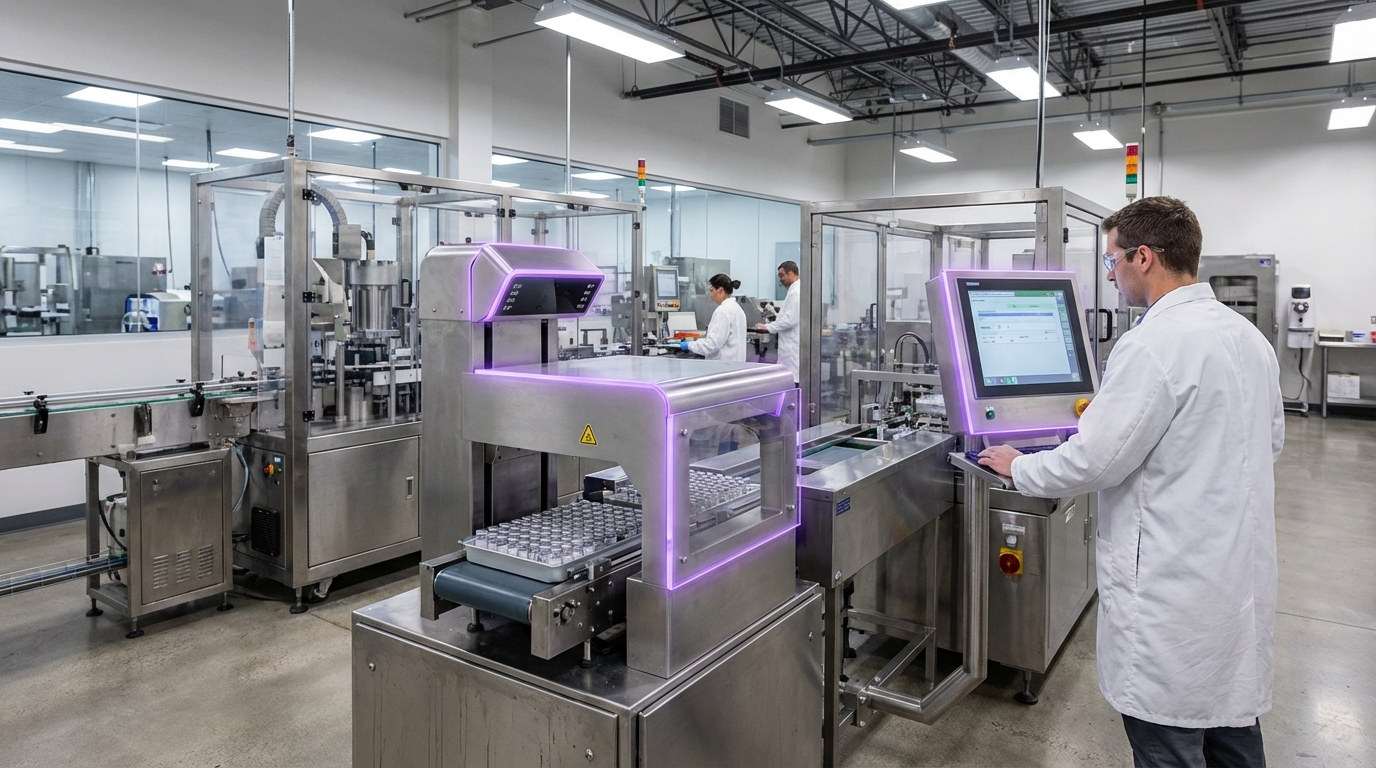
AI-driven systems that monitor and verify regulatory adherence in real time
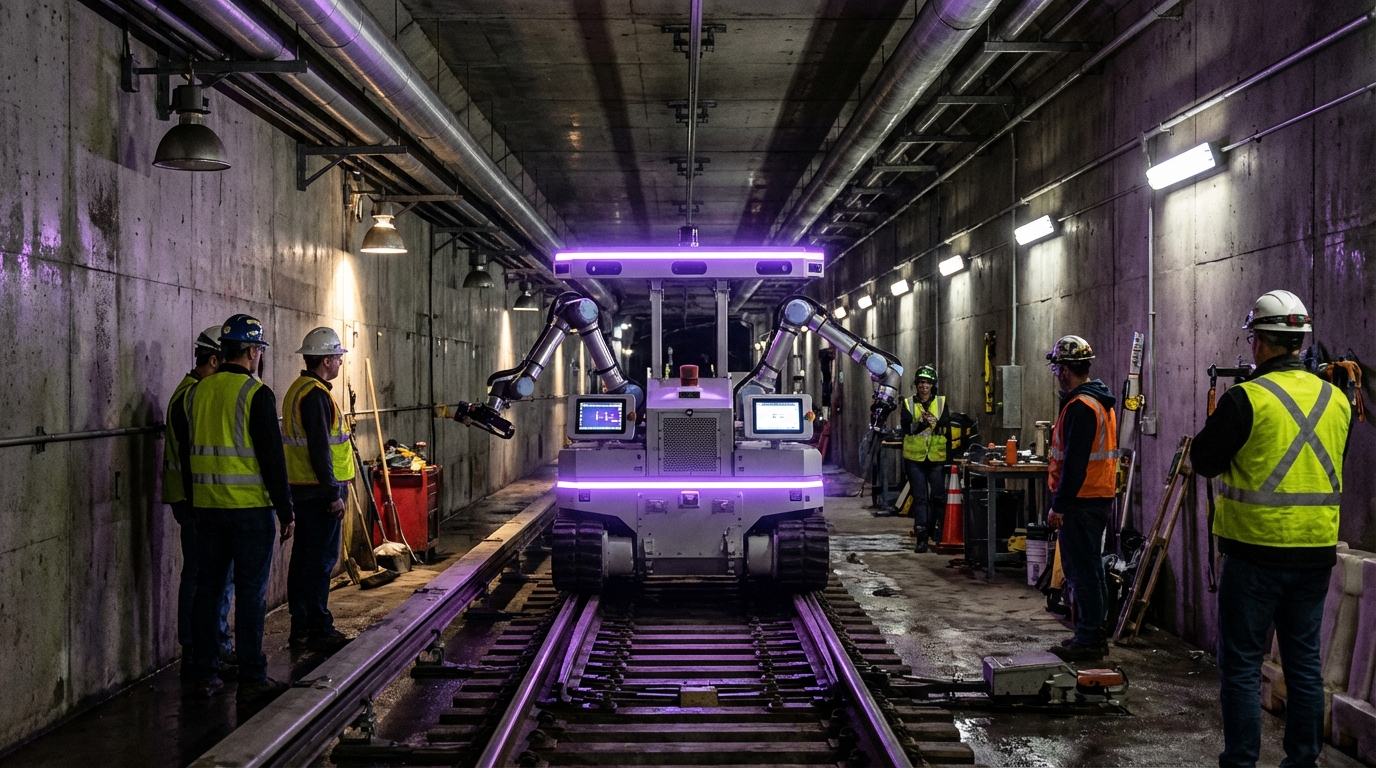
Self-monitoring infrastructure that detects issues and triggers automated repairs using AI and IoT sensors
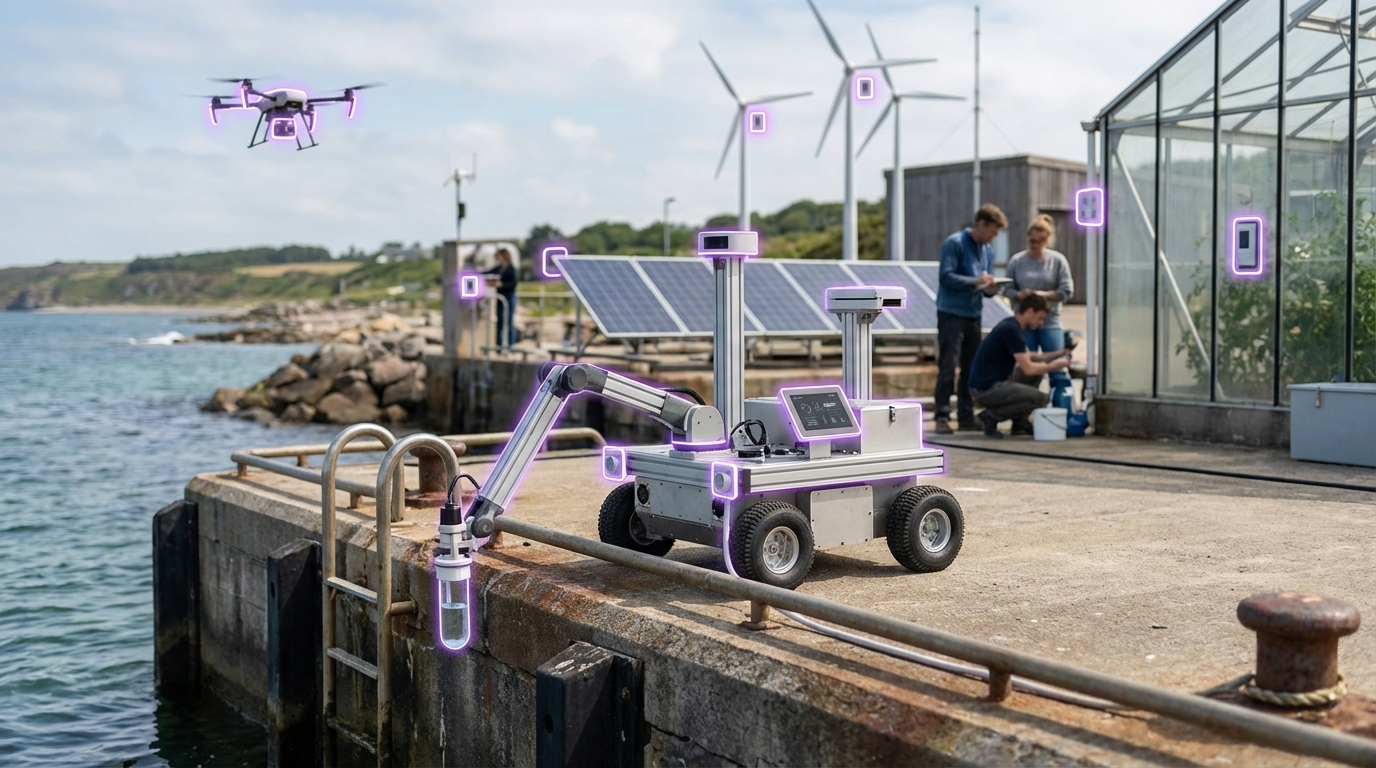
AI-powered sensor networks that track environmental metrics across cities in real time

Computing systems that integrate living neurons with electronic interfaces for adaptive processing
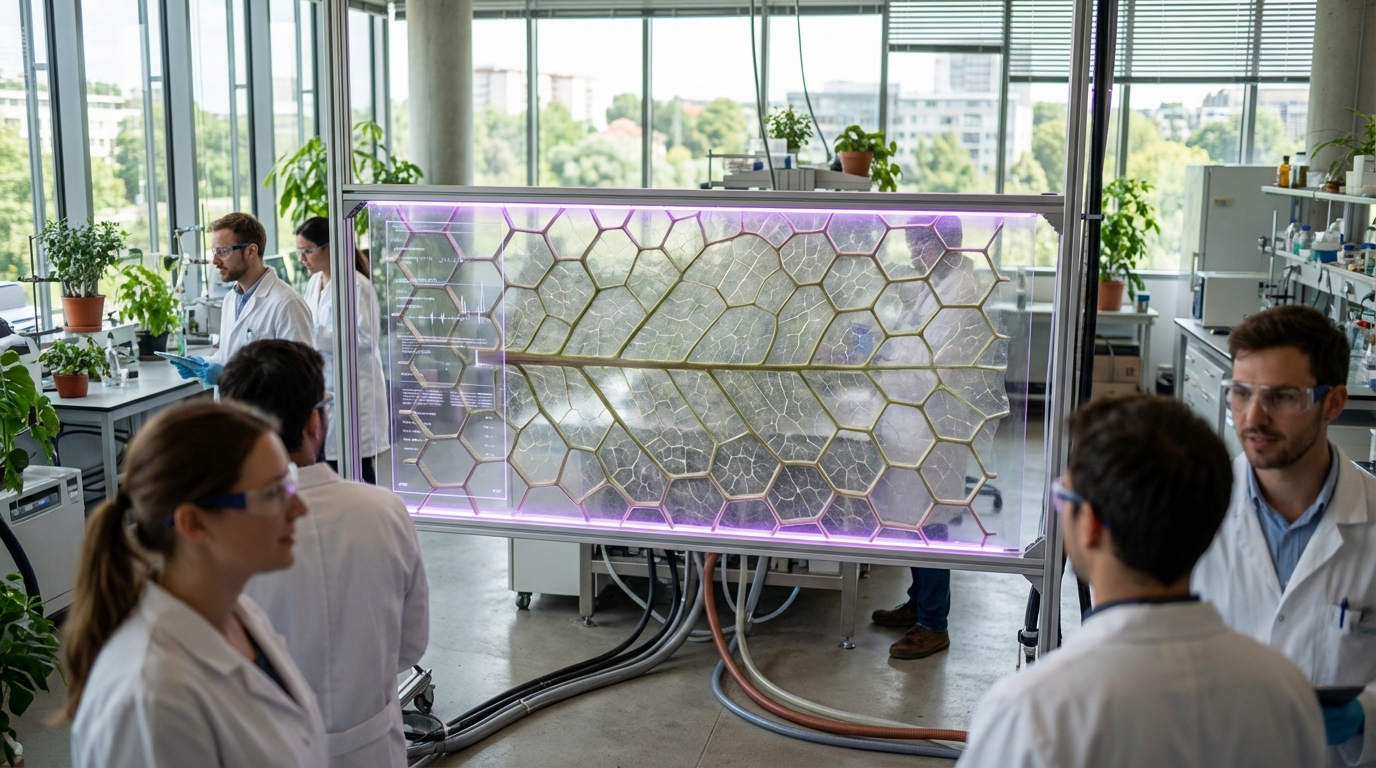
Design methodology that applies nature's proven strategies to solve human engineering and sustainability challenges
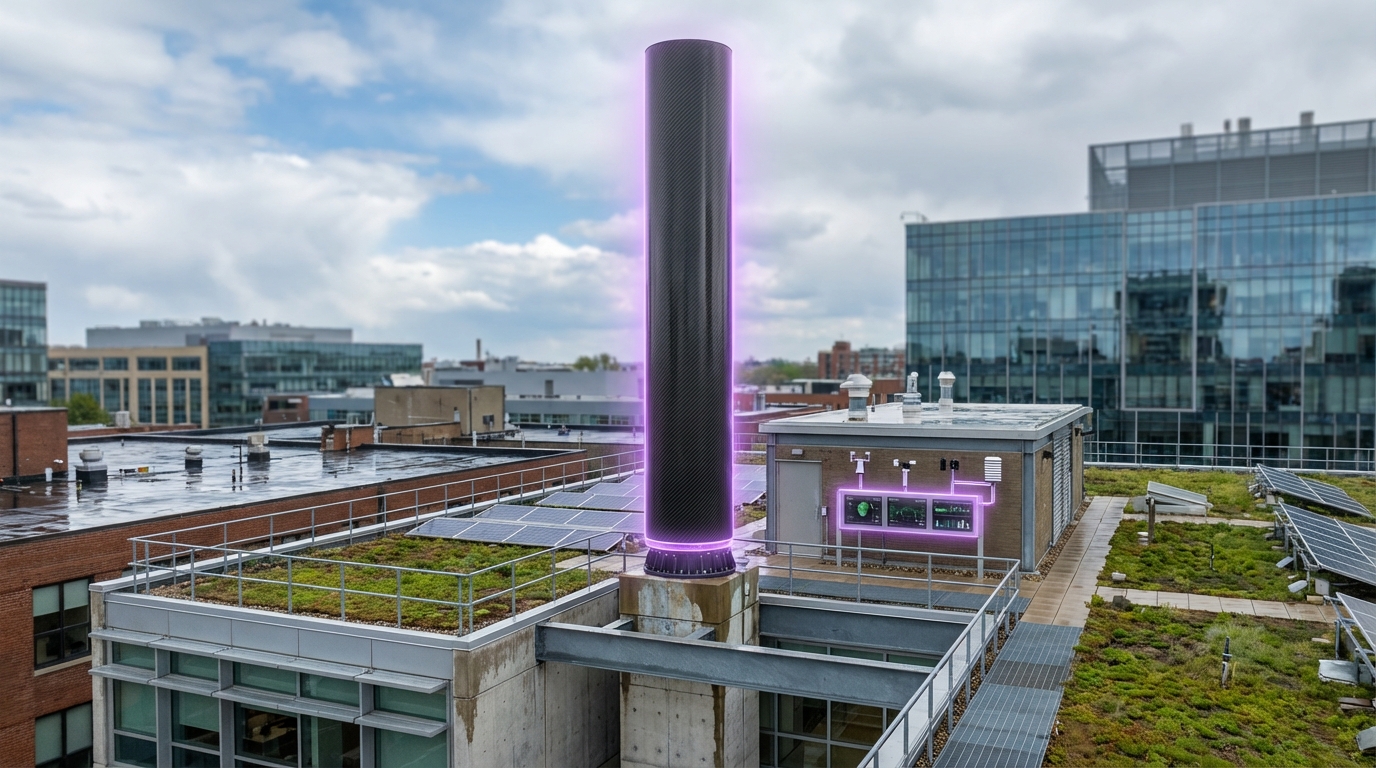
Generating electricity from wind through oscillating structures instead of rotating blades
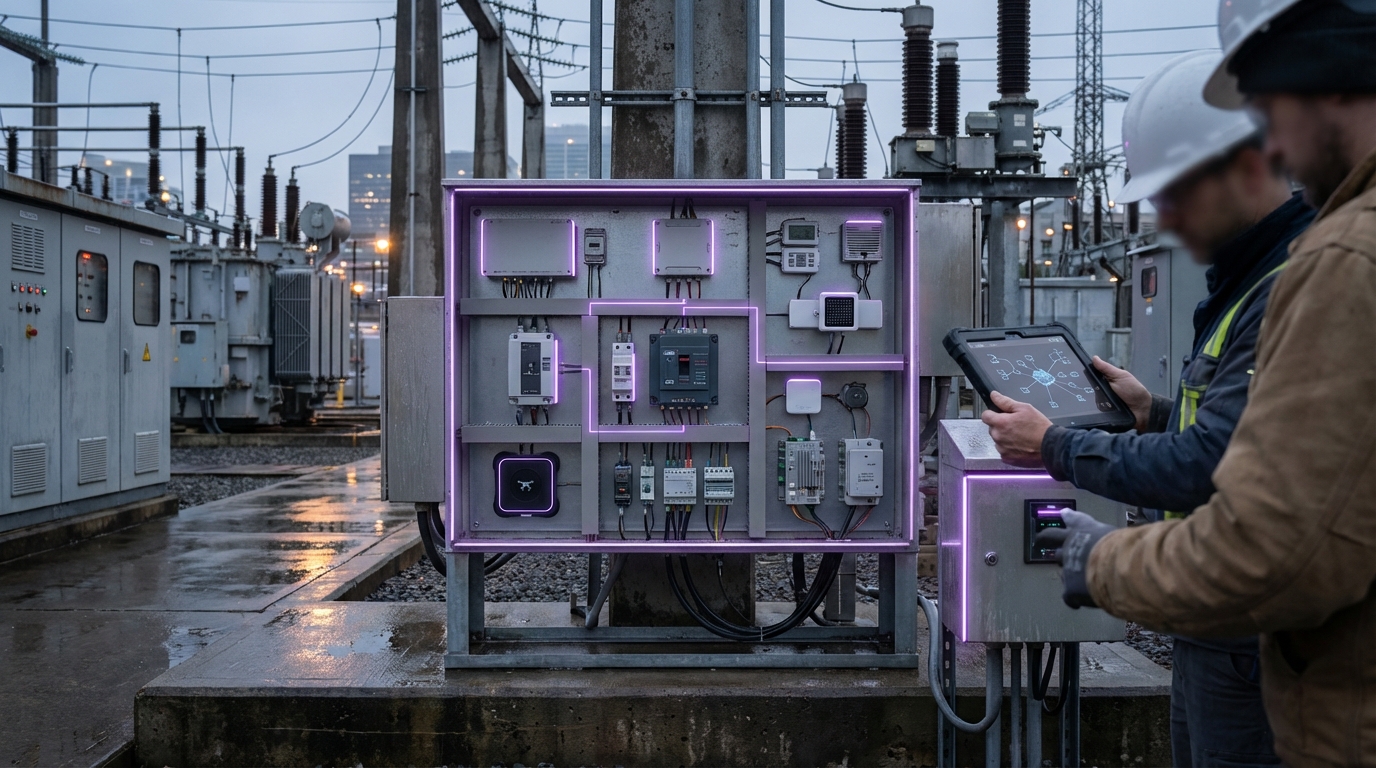
Blockchain-secured IoT networks for transparent manufacturing and supply chain tracking
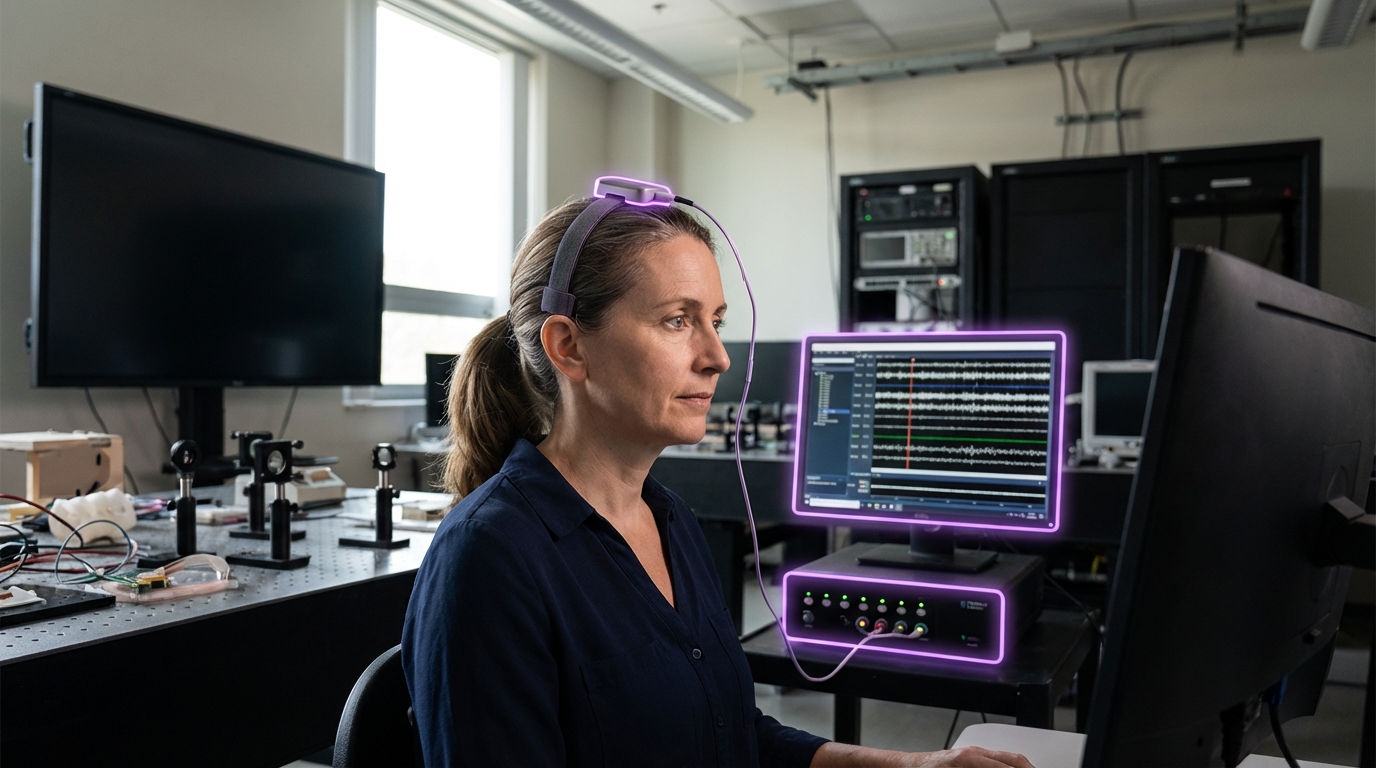
Surgically implanted devices that record and stimulate neural activity for prosthetic control and function restoration
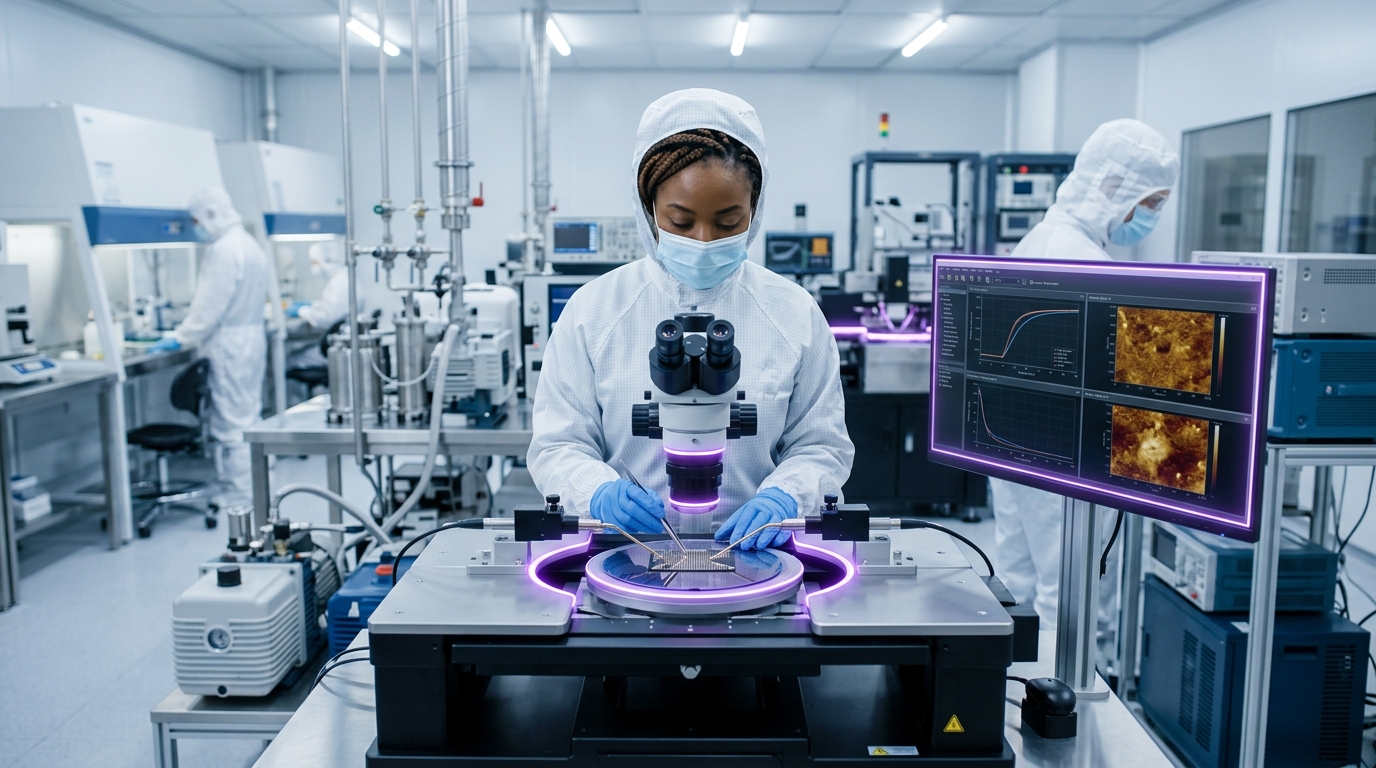
Nanoscale transistors using carbon nanotubes as the channel material for sub-5 nm electronics
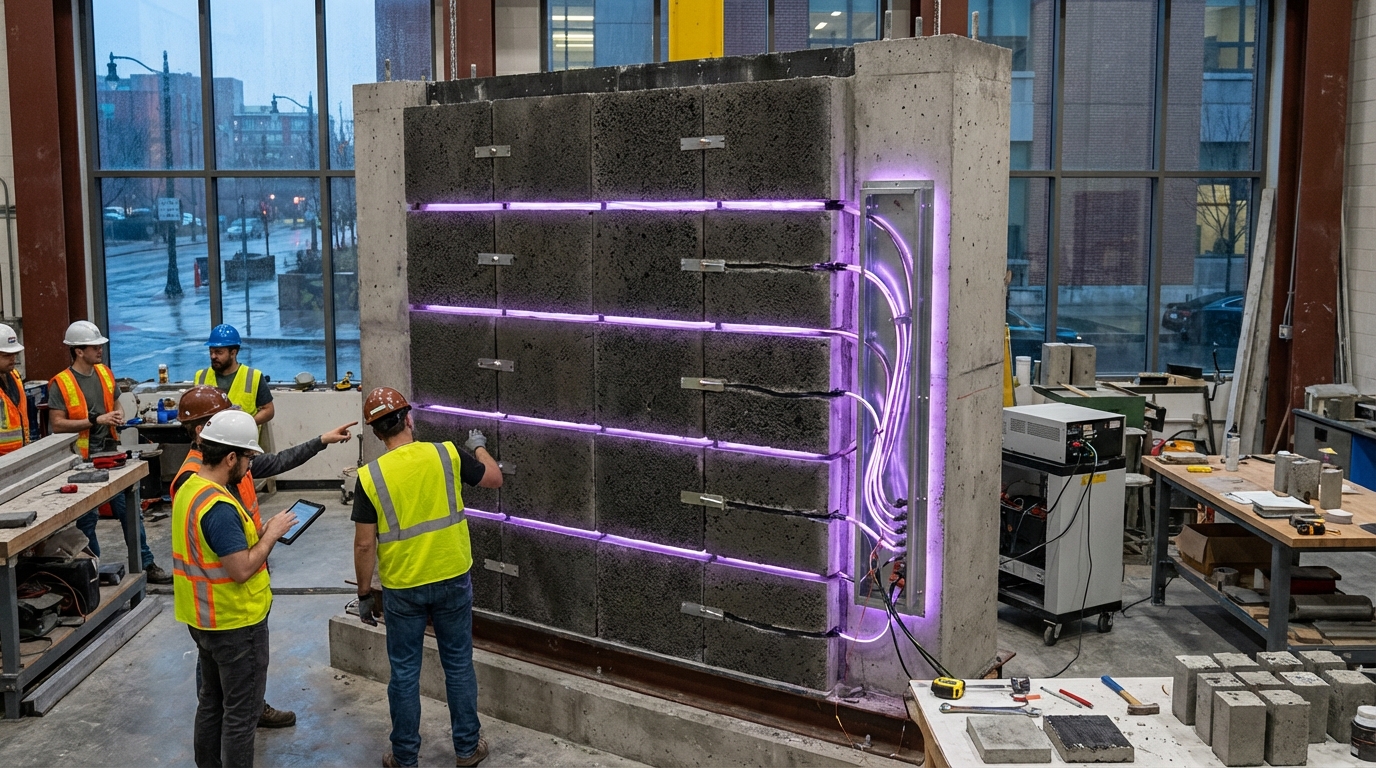
Concrete mixed with conductive carbon to store and discharge electrical energy in buildings
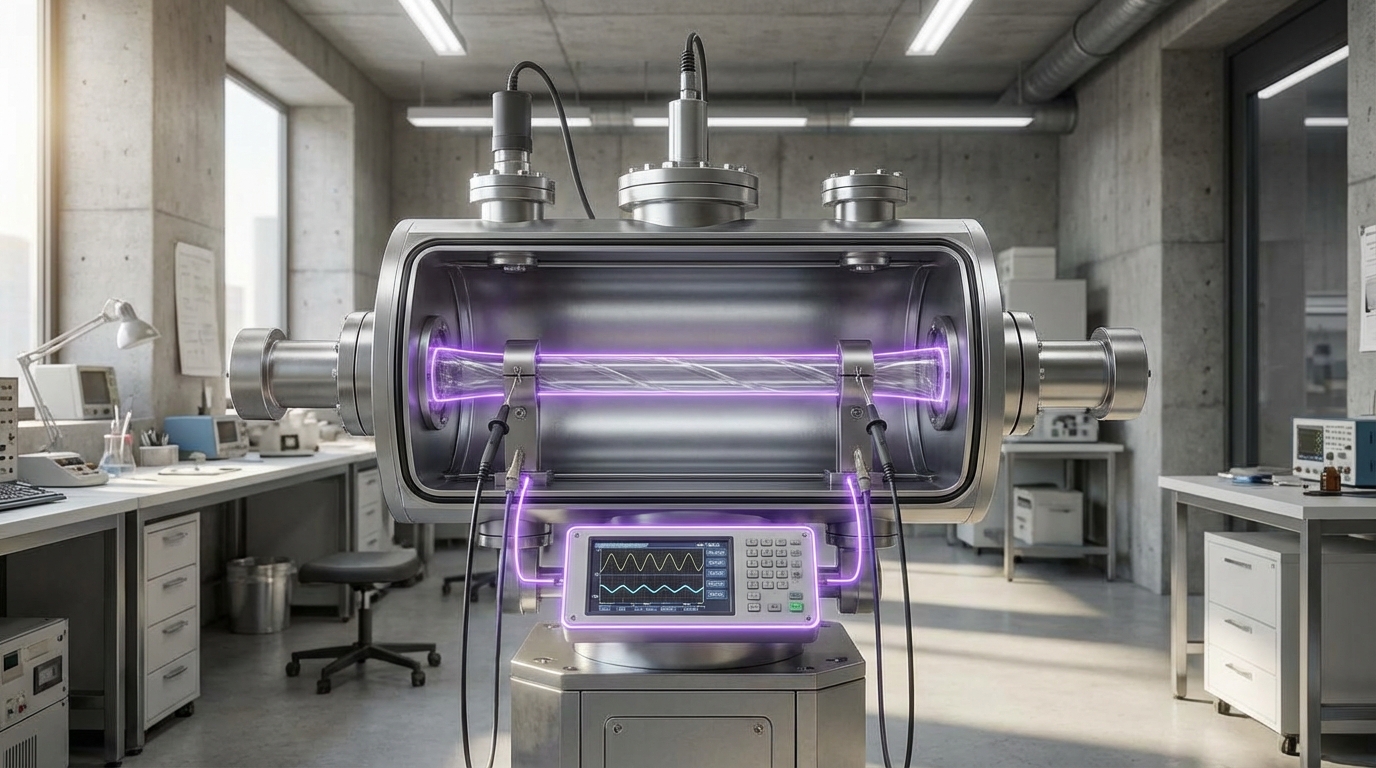
One-dimensional carbon chains potentially stronger than diamond with high conductivity

Growing meat, dairy, and other animal products from cell cultures instead of livestock
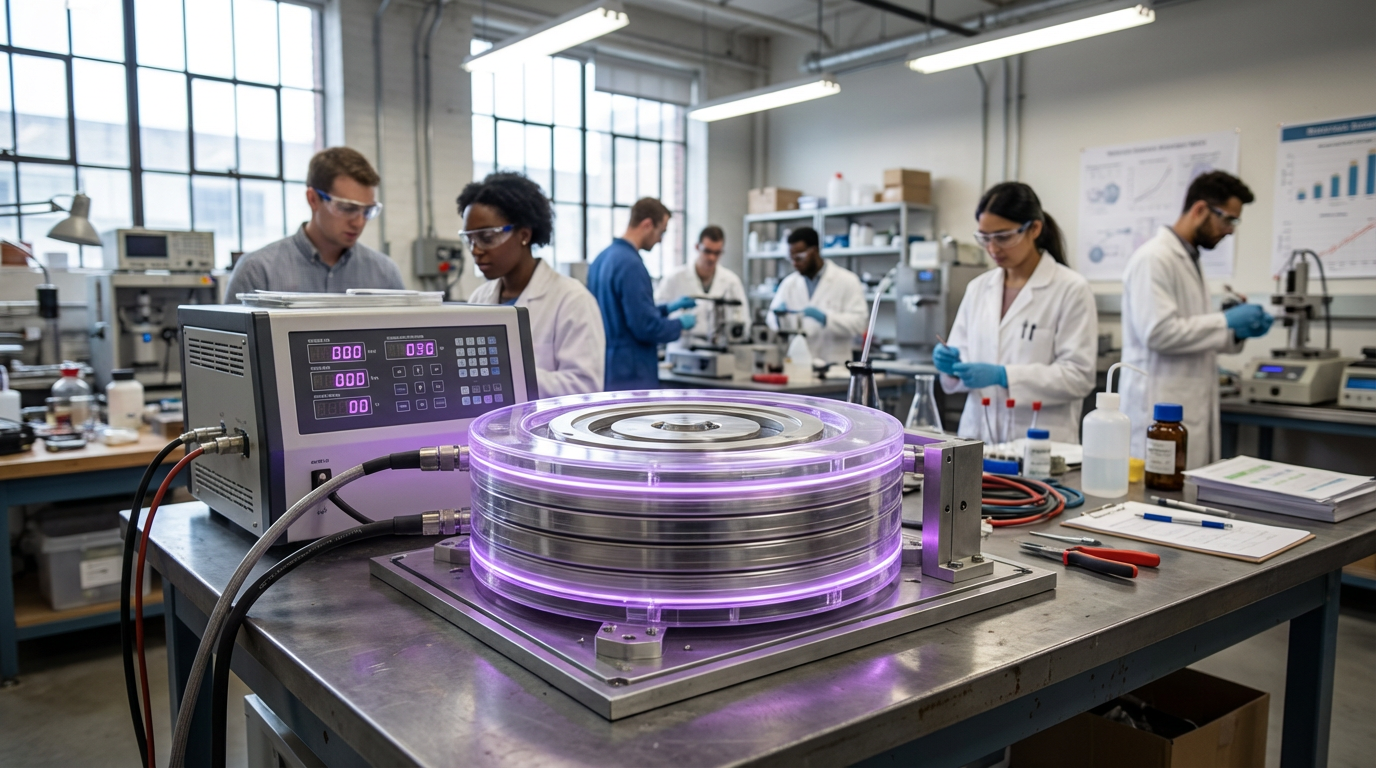
Batteries engineered for reuse, refurbishment, and material recovery across multiple lifecycles
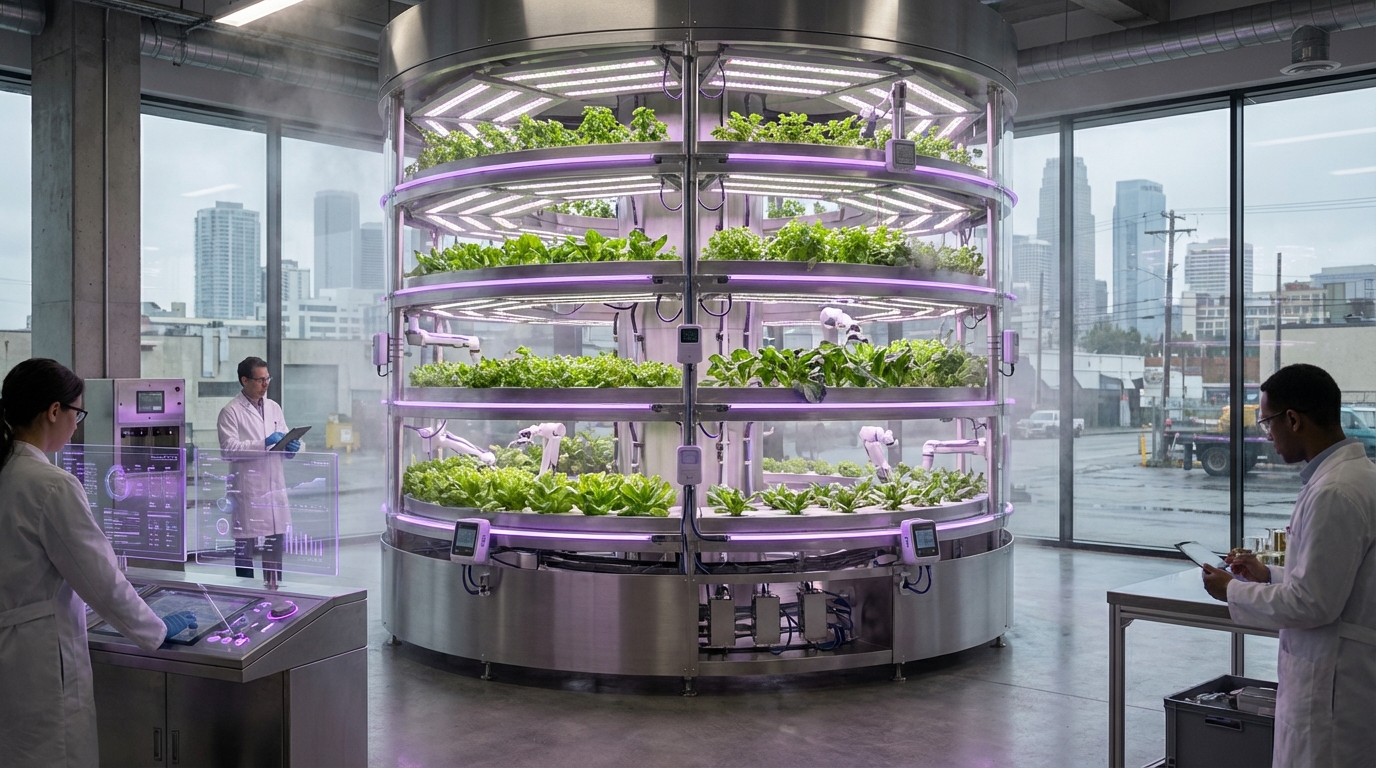
Indoor farming using stacked layers, closed-loop recycling, and optimized light exposure
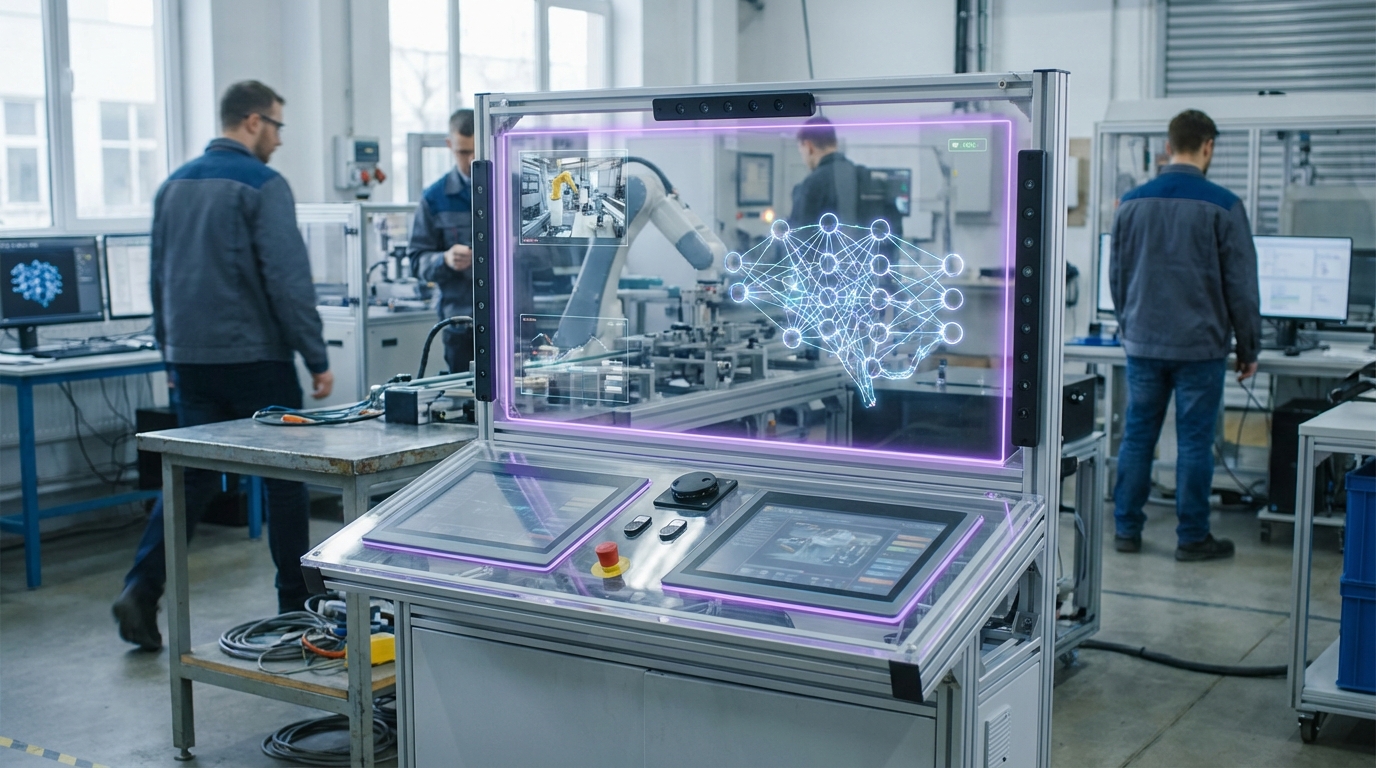
AI-powered digital replicas that learn, predict, and autonomously optimize physical systems
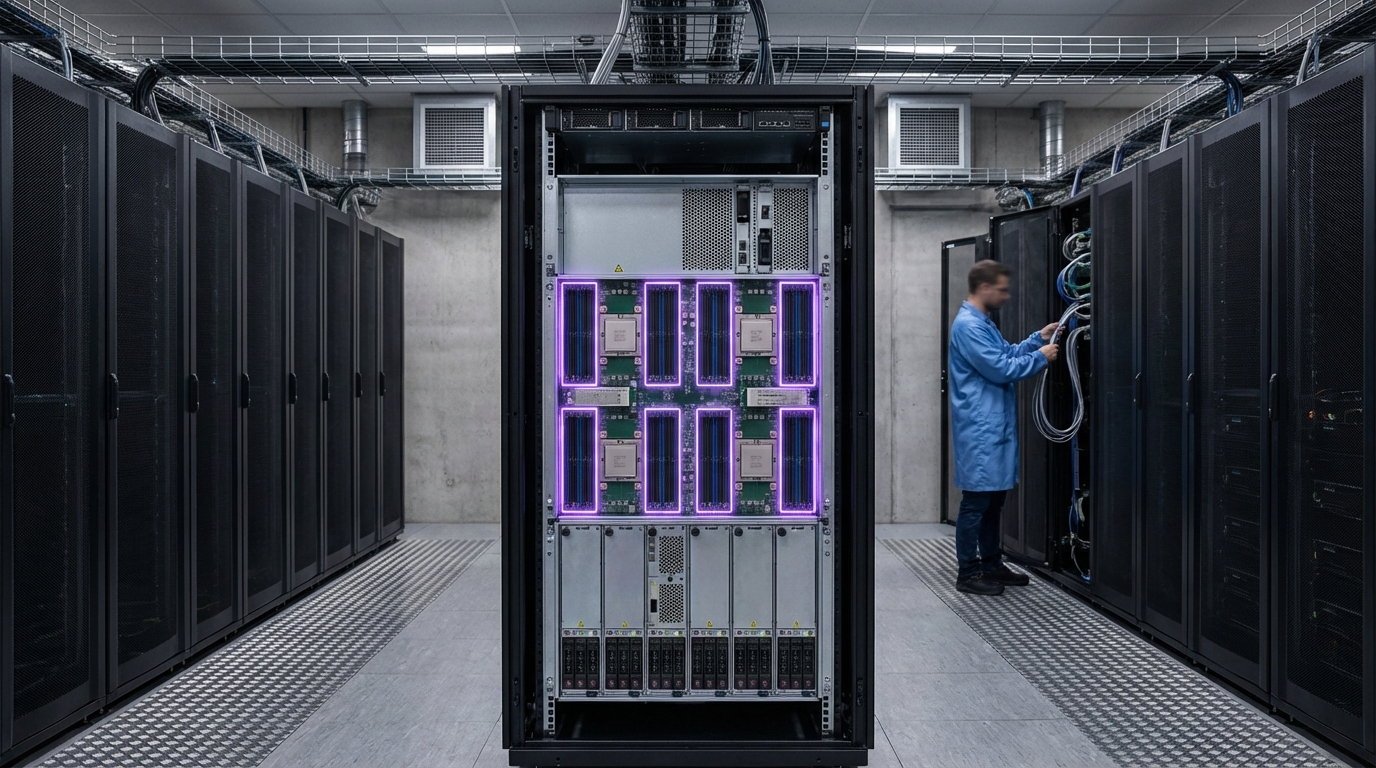
Hardware-isolated environments that encrypt data during active processing
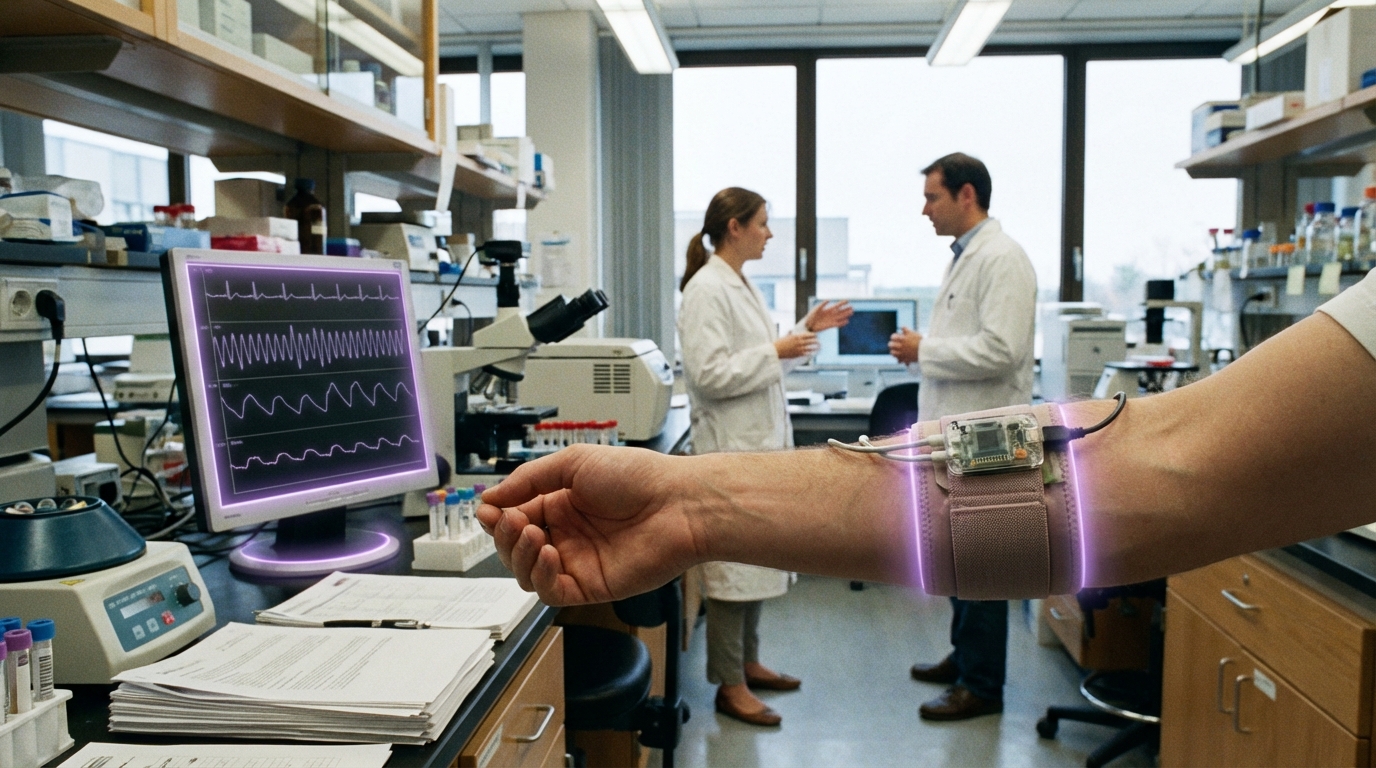
Real-time physiological monitoring through wearables, implants, and ambient sensors
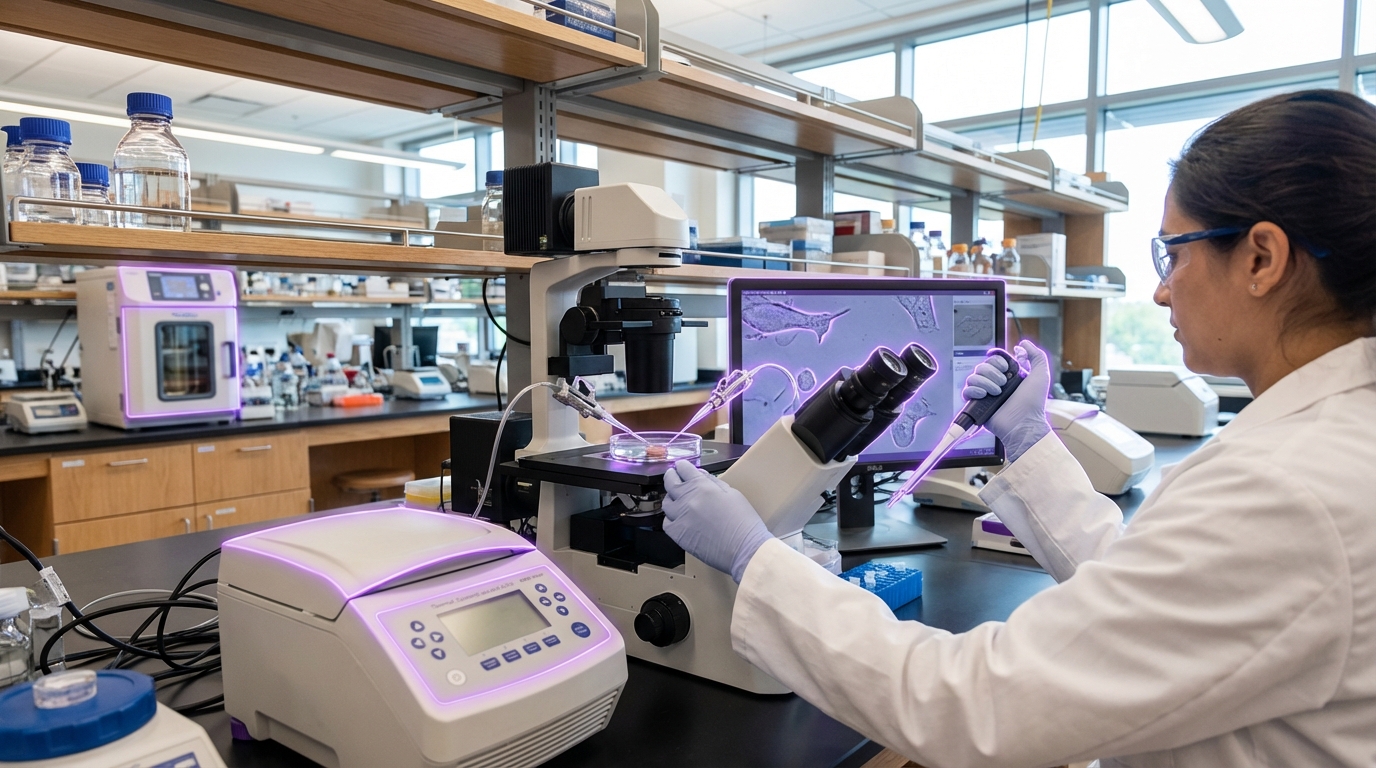
Bacterial-derived system for cutting and editing DNA at precise locations in living cells
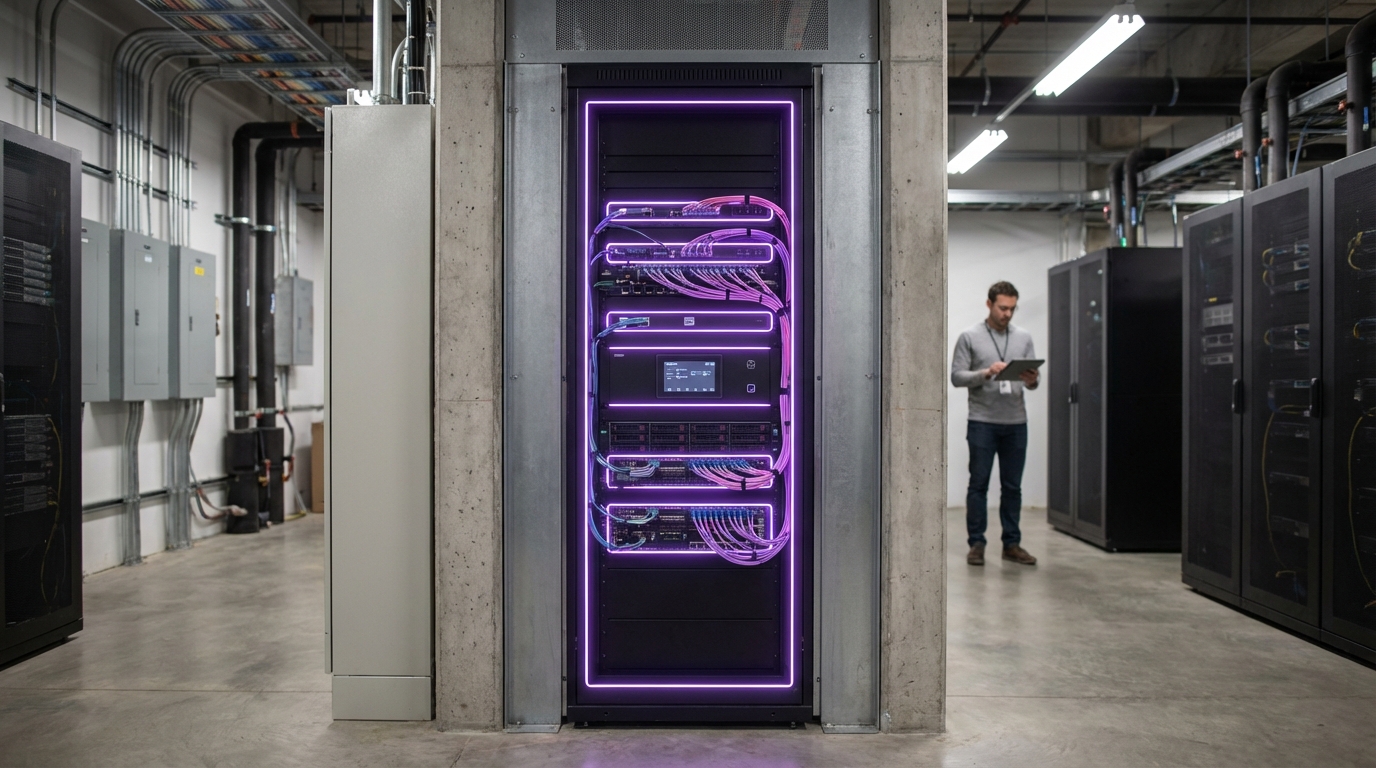
Unified threat detection and response across digital networks and physical control systems

Blockchain-based funding, governance, and data sharing for scientific research
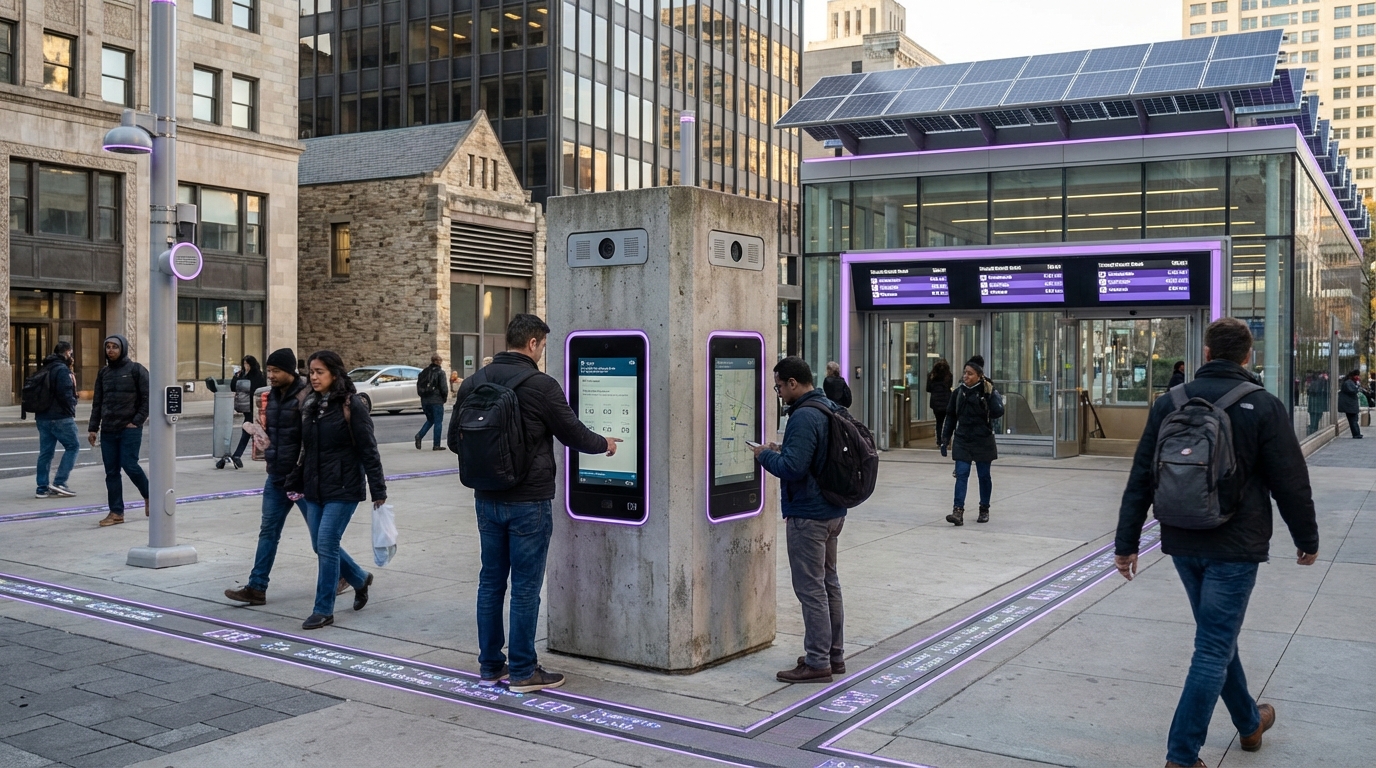
Foundational digital systems for identity, payments, and data exchange built as public utilities

Extracting CO₂ from ambient air using chemical filters for storage or reuse
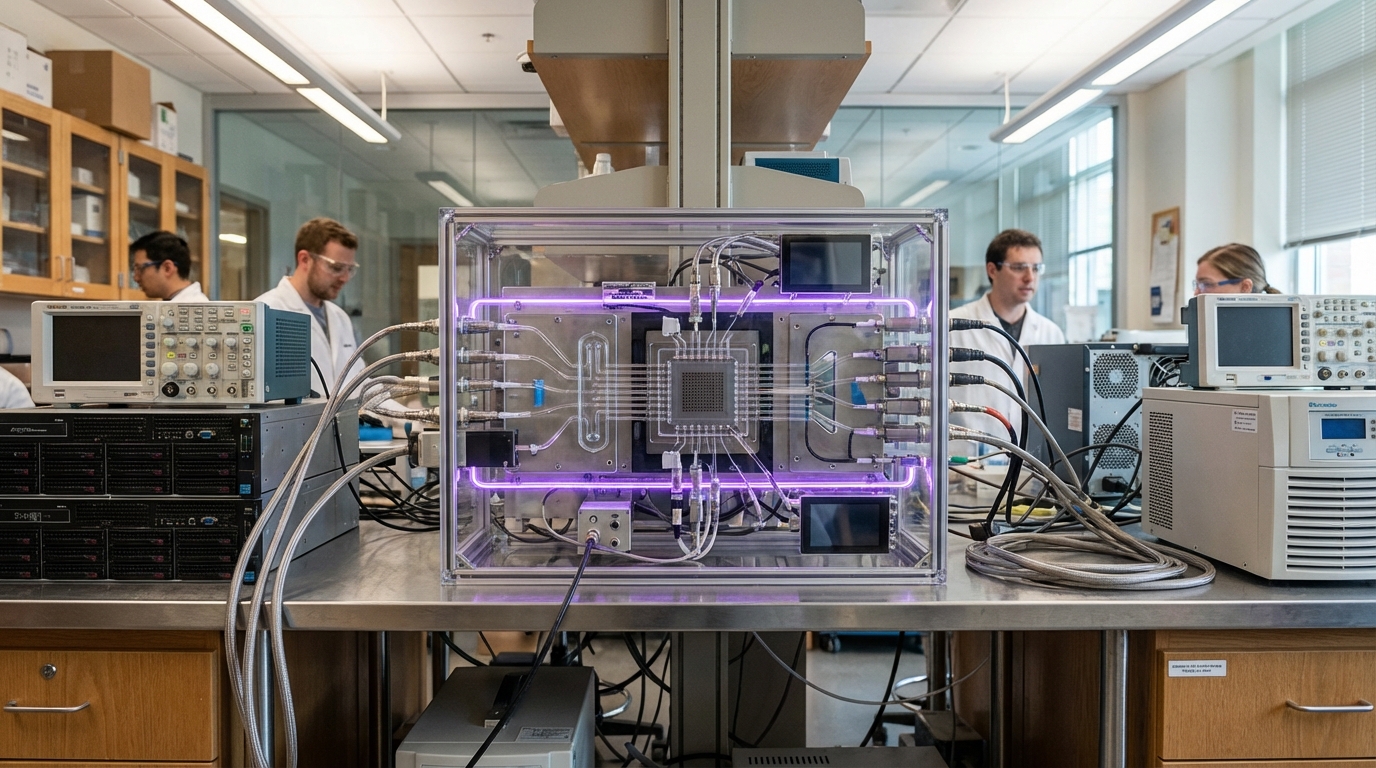
Encoding digital information into synthetic DNA molecules for ultra-dense, long-term archival
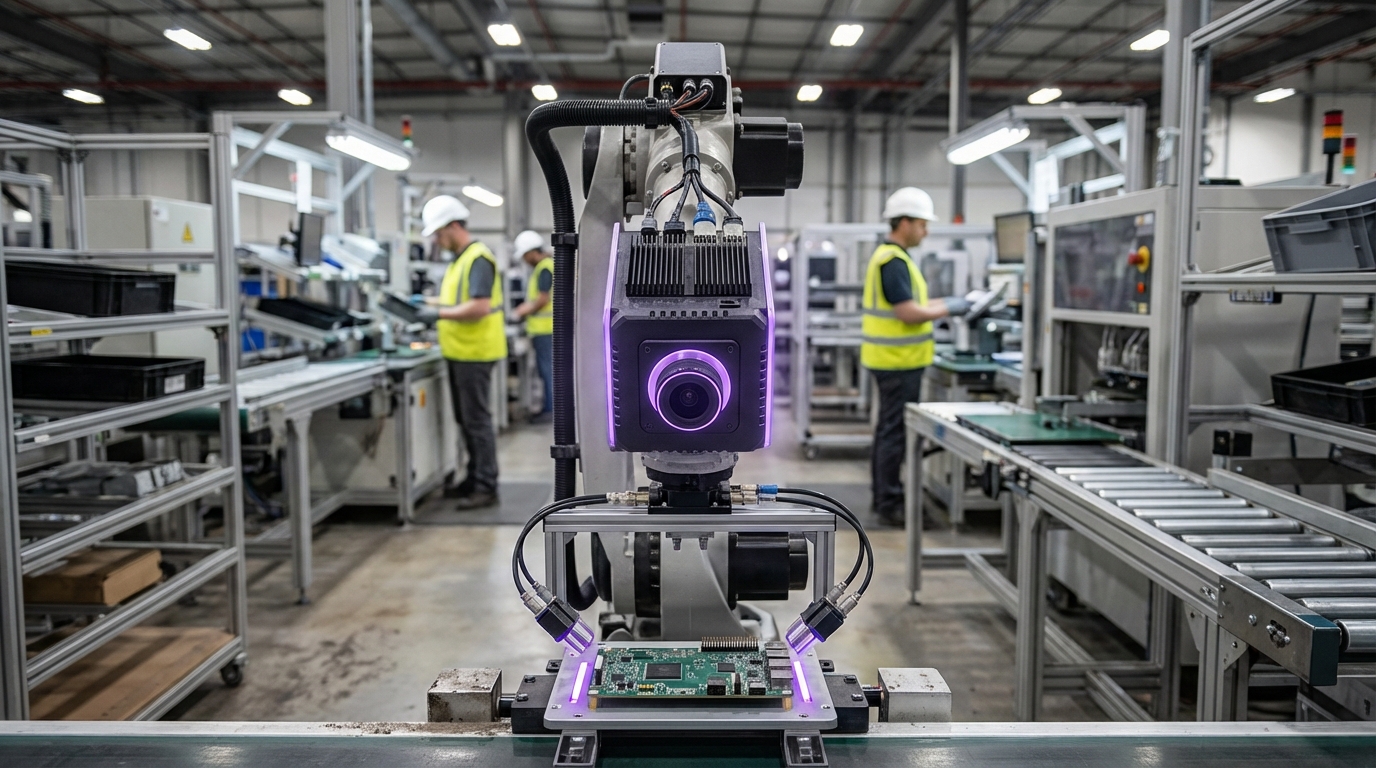
Running AI algorithms locally on devices for real-time processing and data privacy
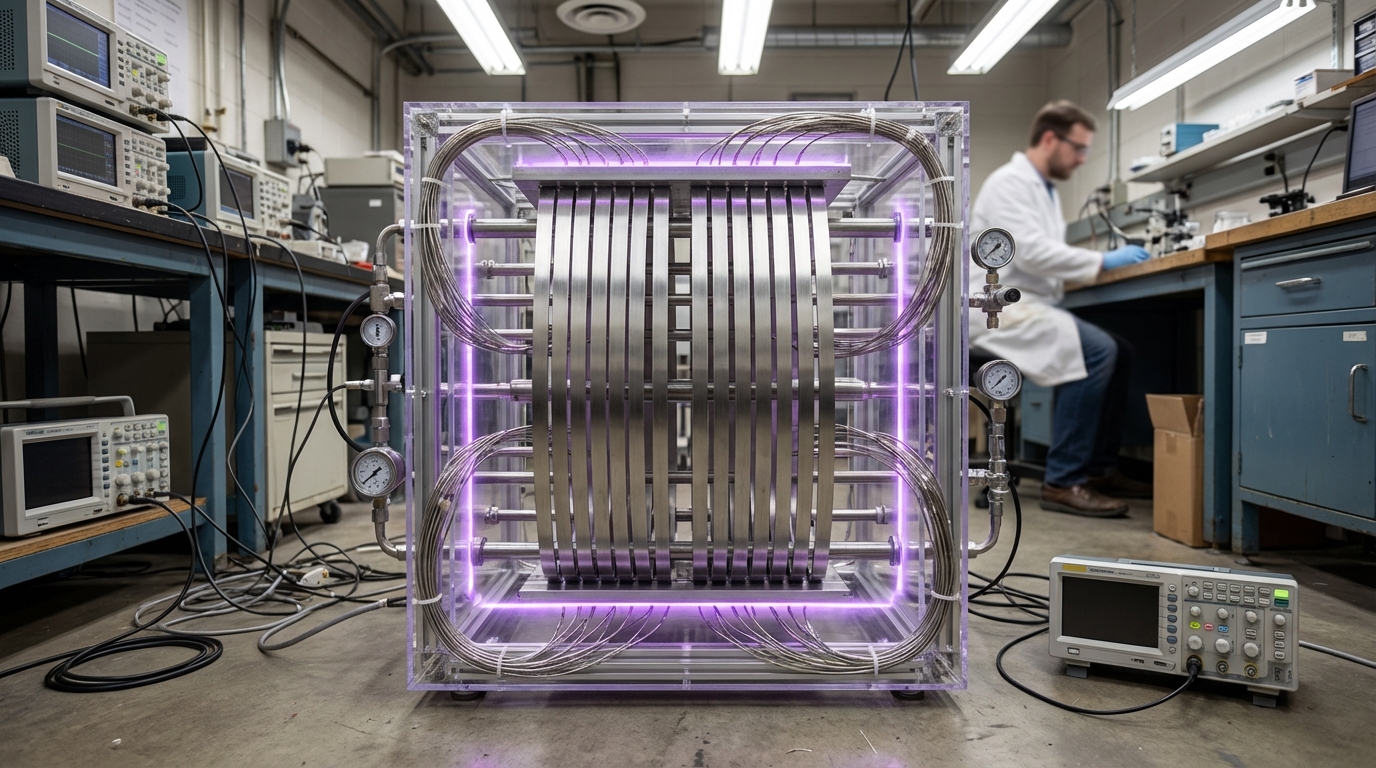
Solid-state cooling using shape-memory alloys that heat and cool under mechanical stress
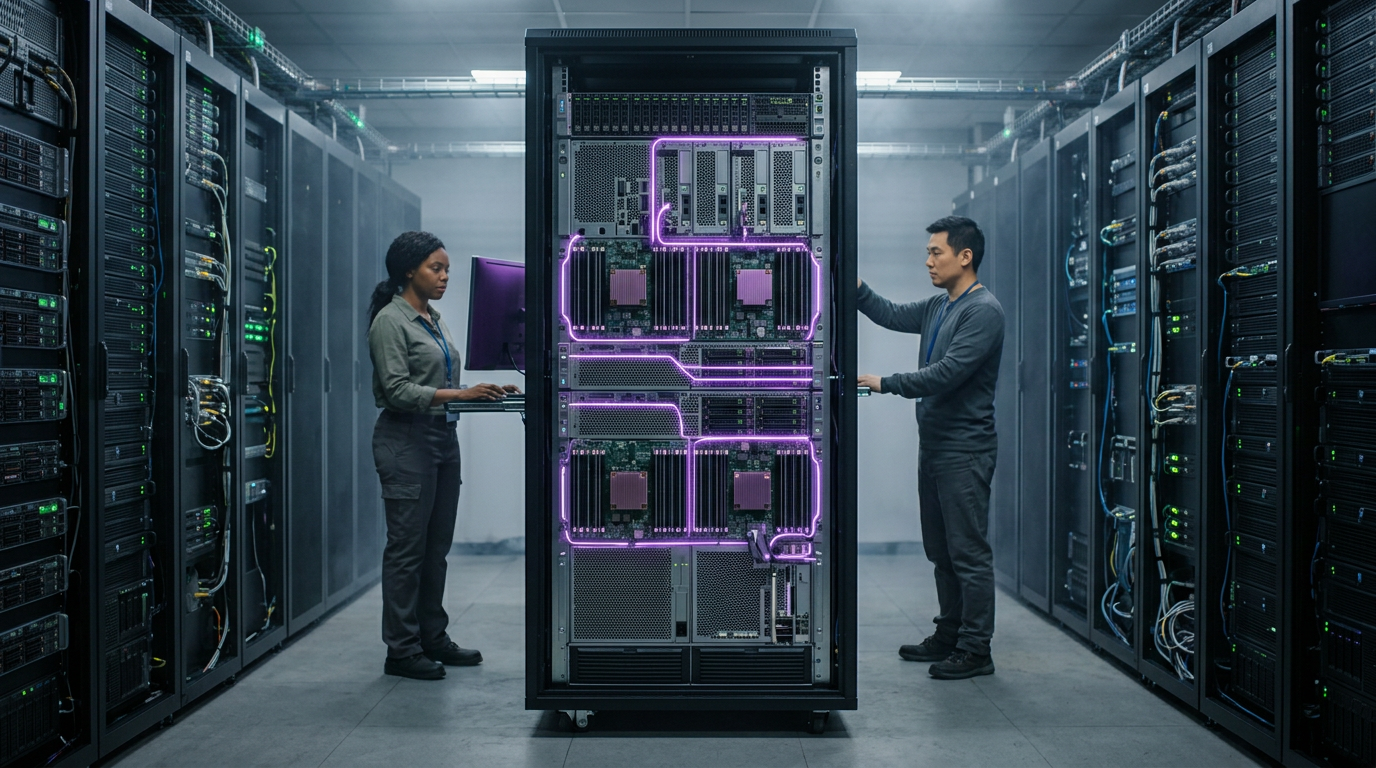
Non-volatile memory architectures beyond SRAM, DRAM, and flash for faster, denser data storage

Electric aircraft enabling vertical takeoff and landing for short-range urban transportation
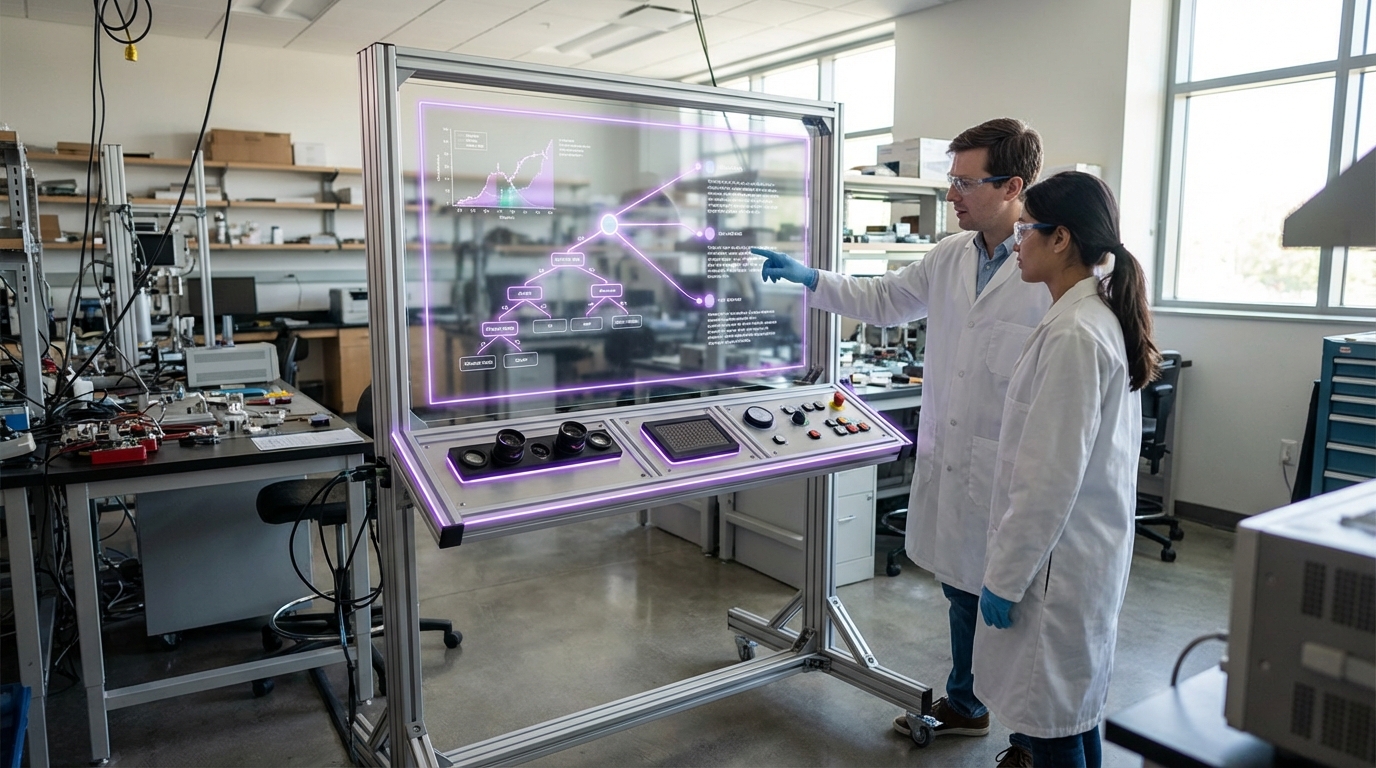
AI systems designed to explain their decisions and reasoning in human-understandable terms
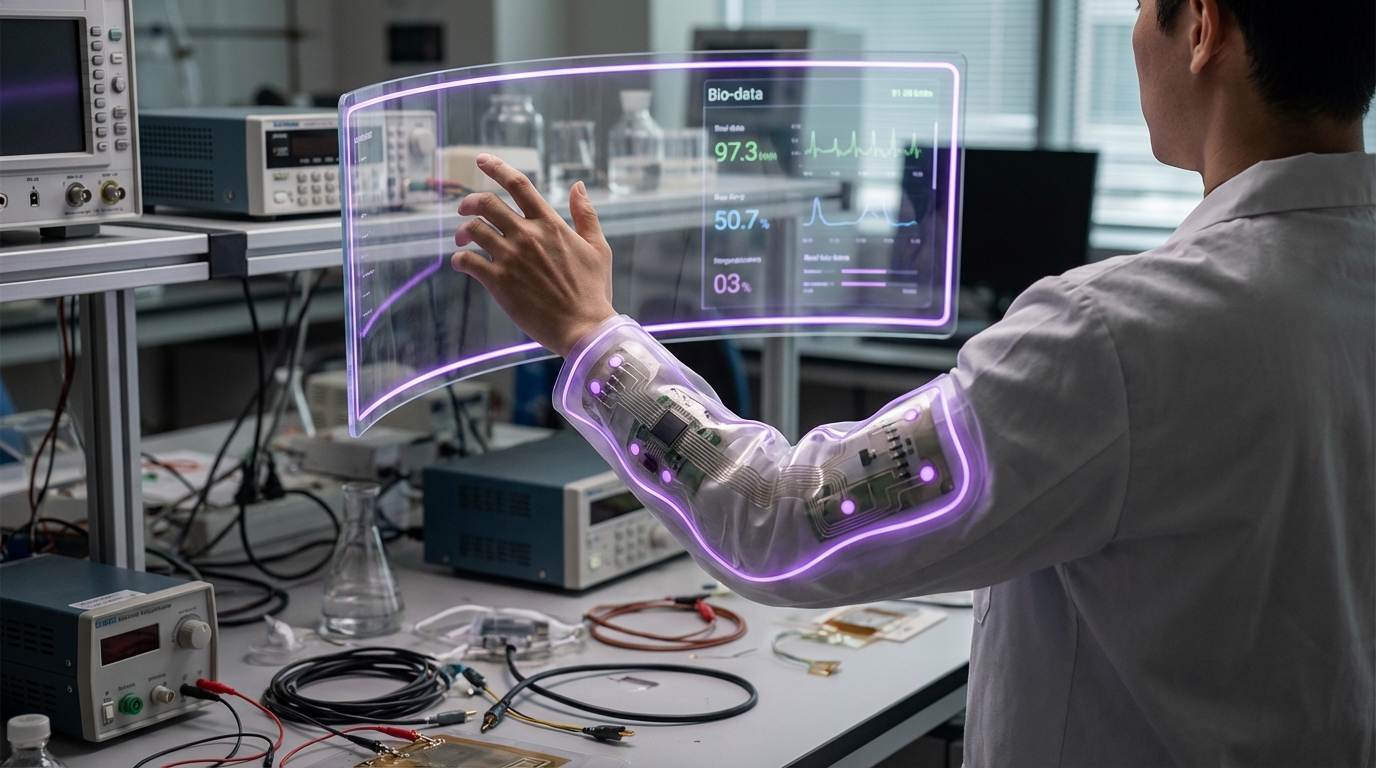
Bendable circuits on flexible substrates for wearables and conformable devices
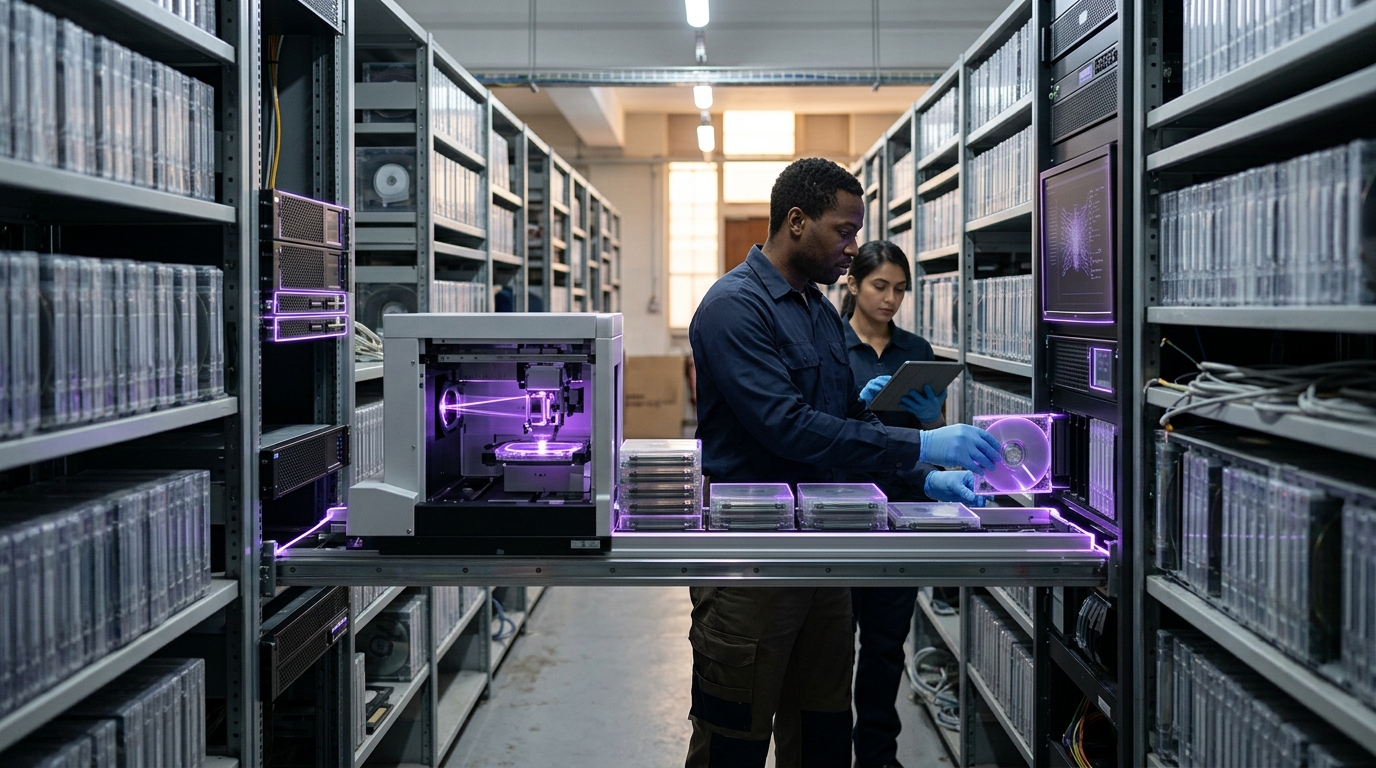
Volumetric and holographic optical storage for high-capacity, long-term data archival
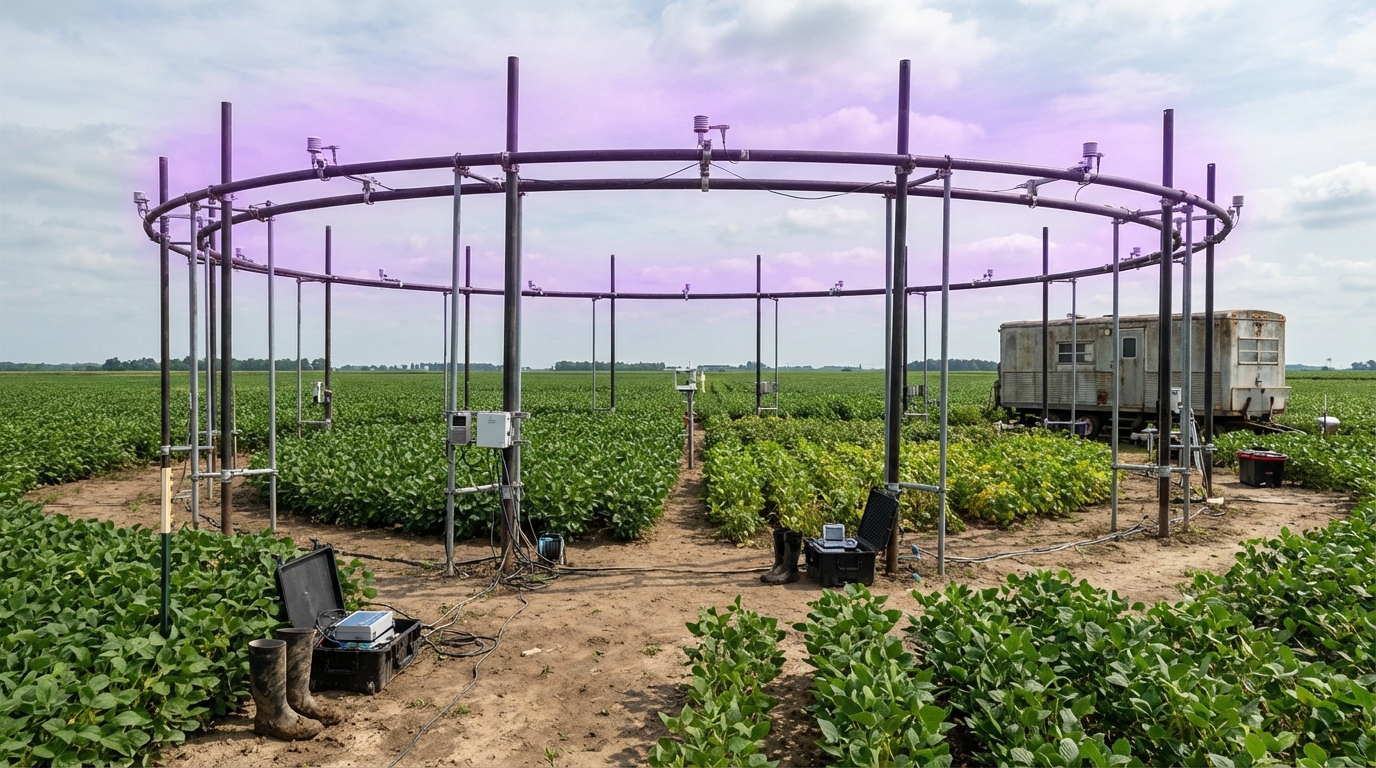
Open-air CO₂ release systems that simulate future atmospheric conditions to study ecosystem responses
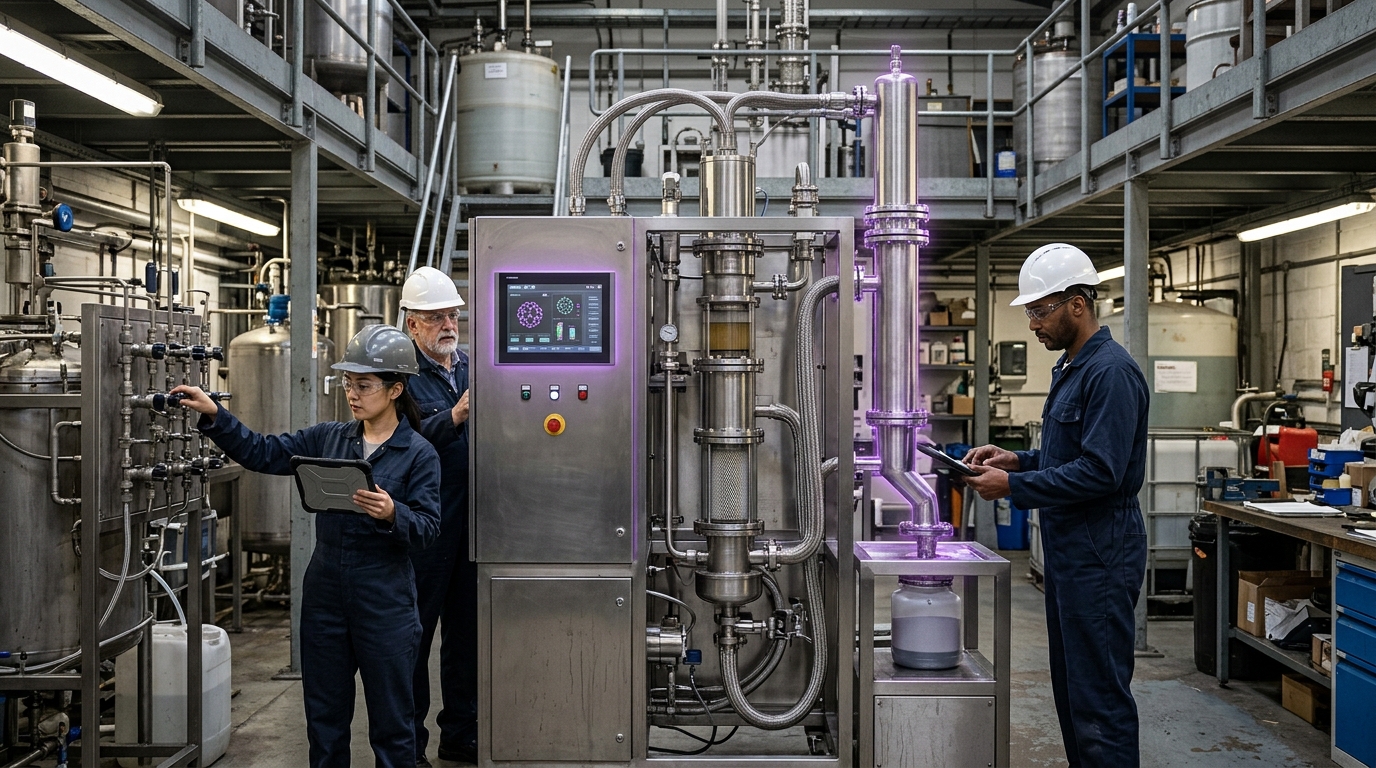
Hollow carbon cage molecules for drug delivery, superconductivity, and advanced materials
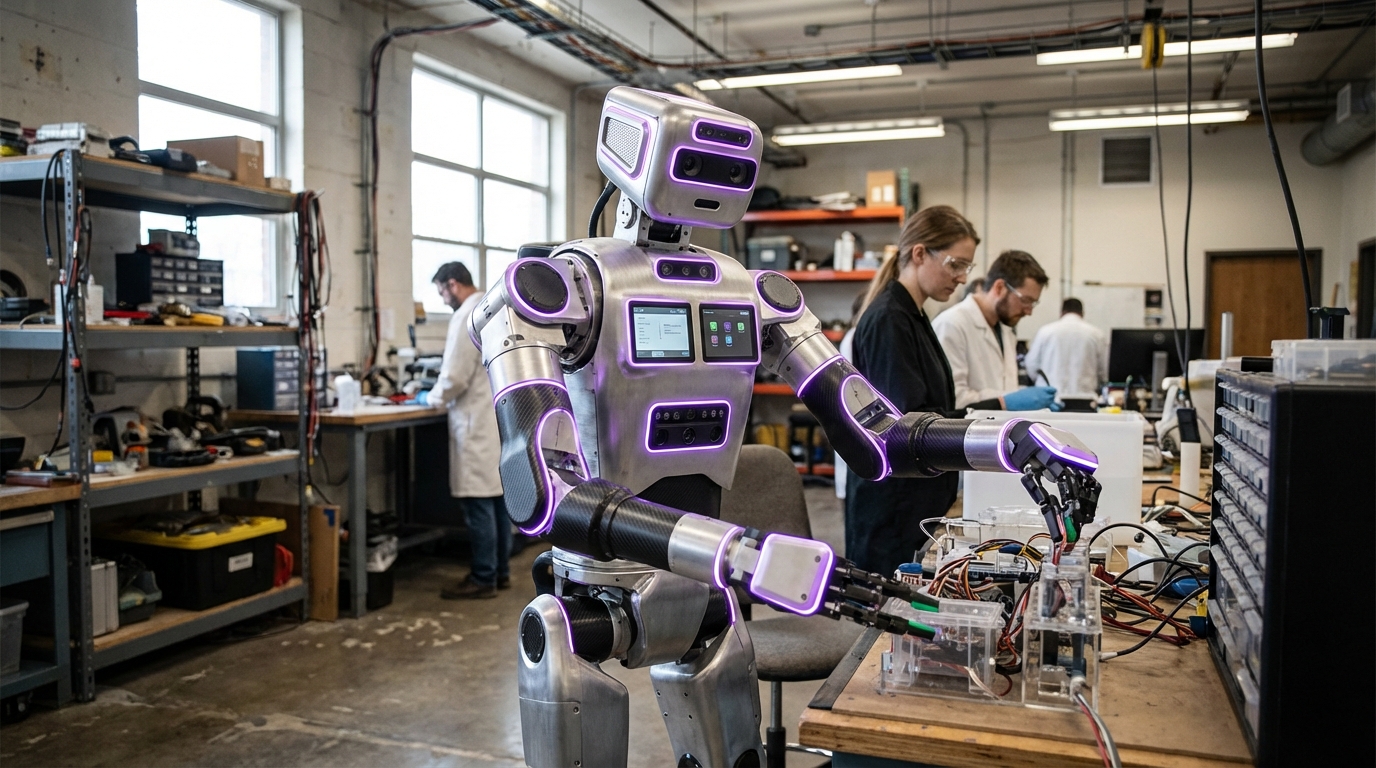
Adaptable robots that handle multiple tasks across industries without specialized programming
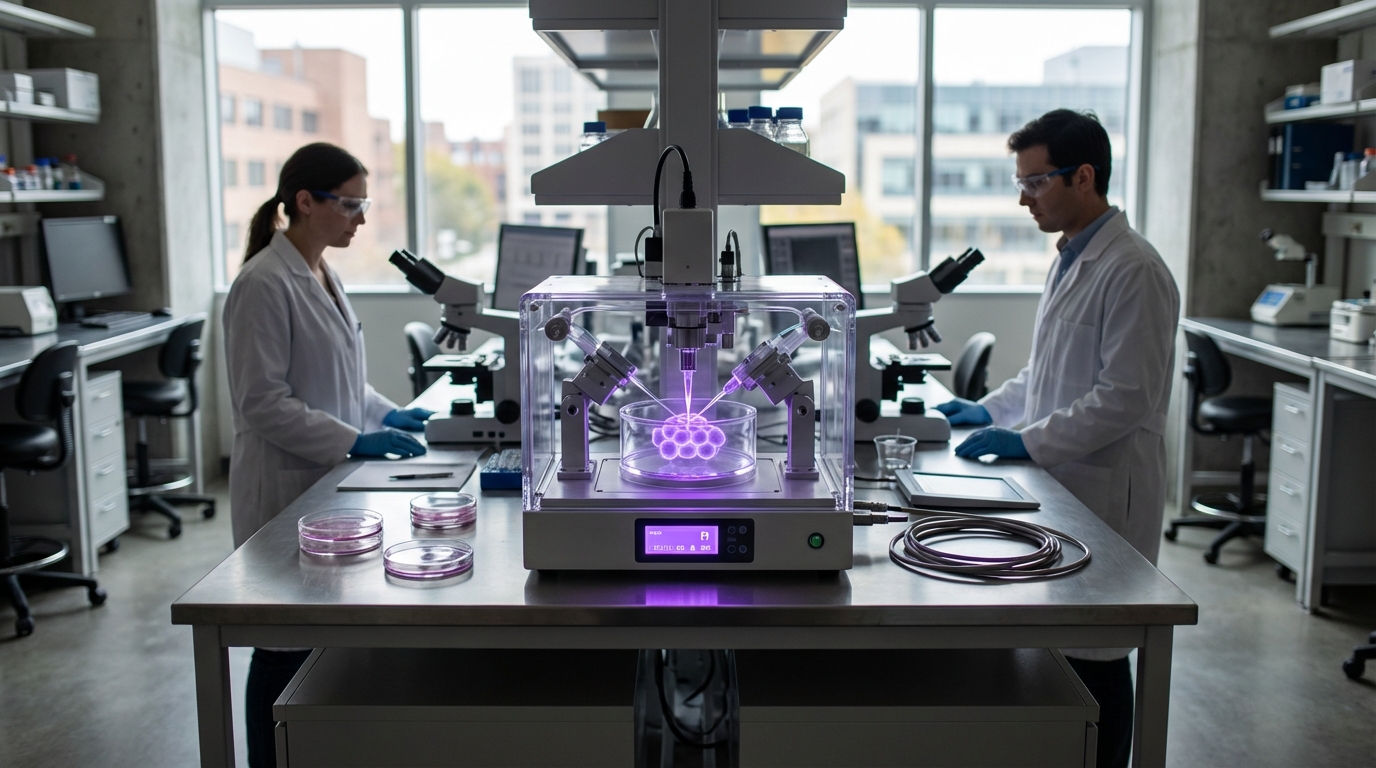
Modifying gene expression to correct defects, silence genes, or transform cell types
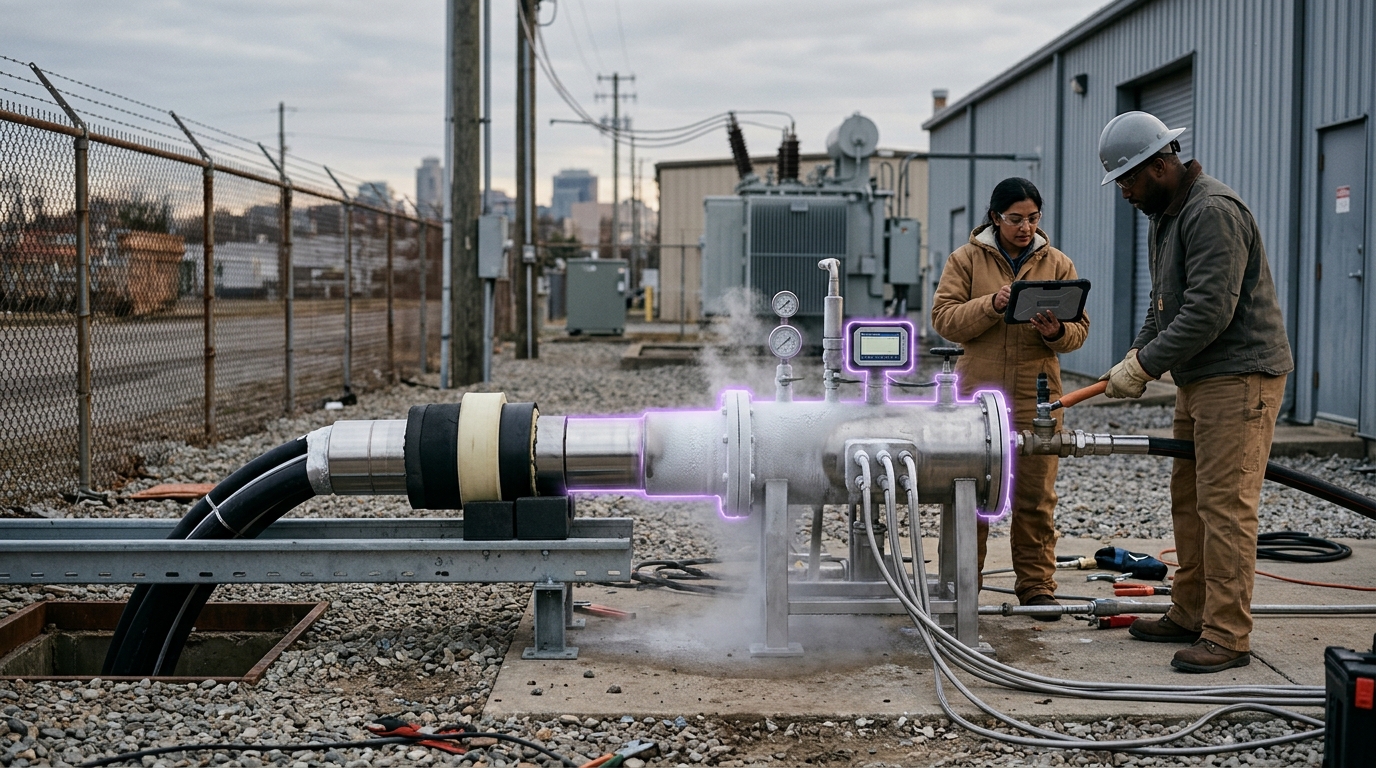
Materials conducting electricity with zero resistance above liquid nitrogen temperatures
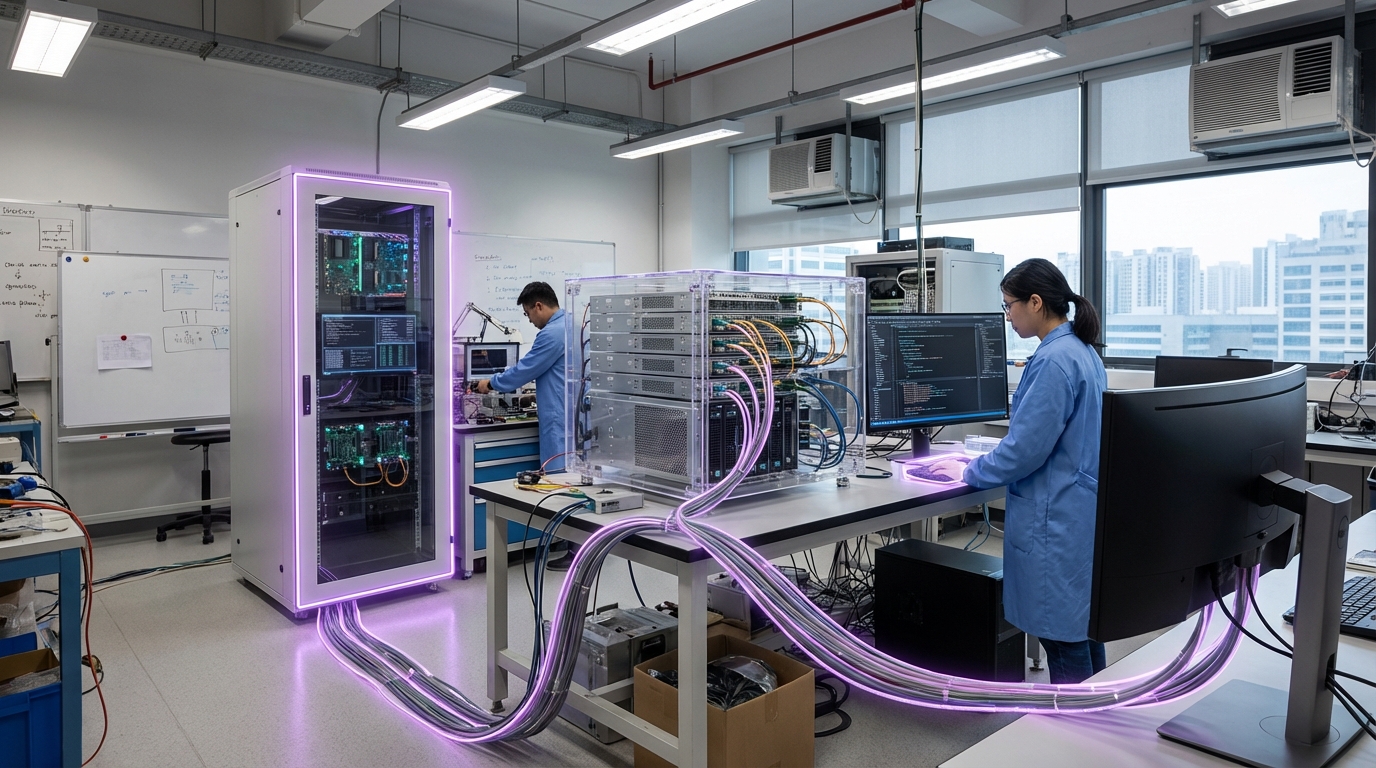
Computing on encrypted data without decrypting it first, preserving privacy throughout processing
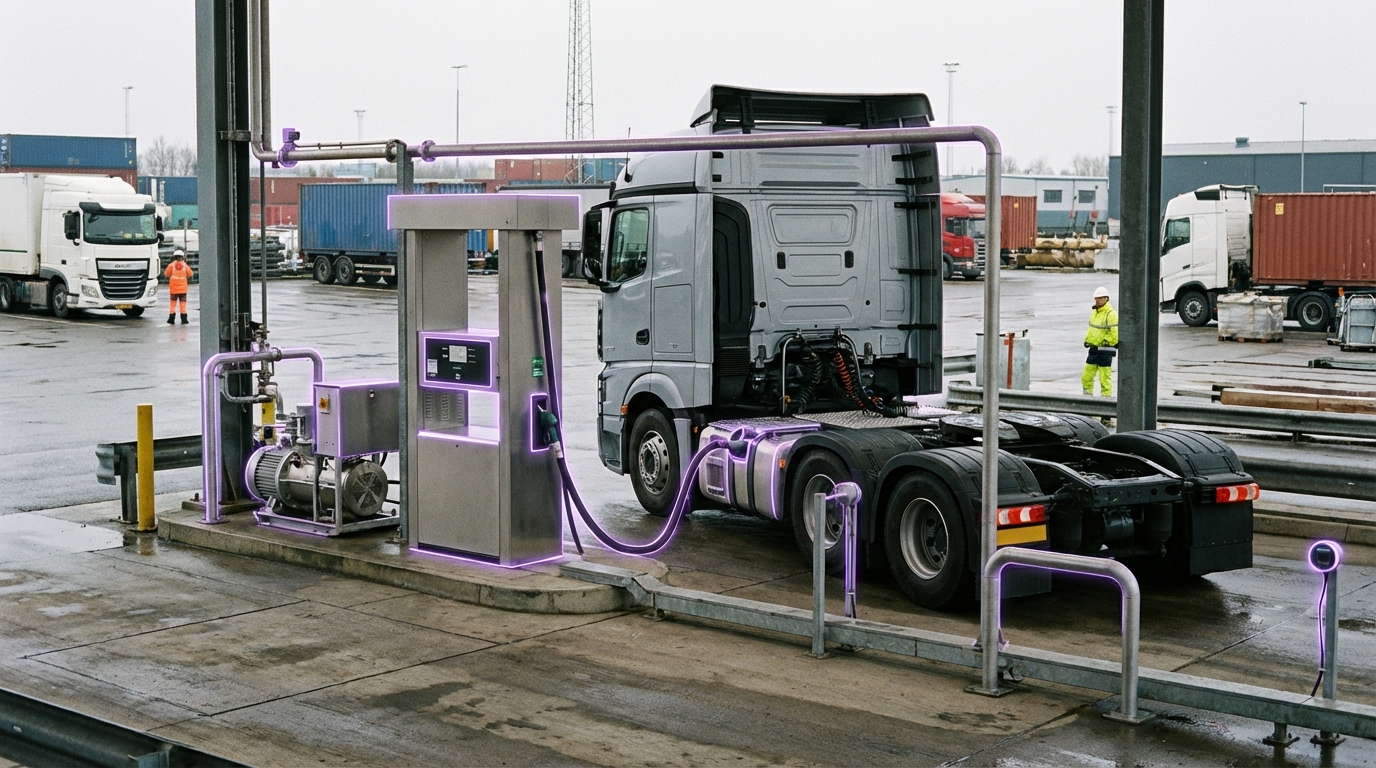
Production, storage, and refueling systems enabling hydrogen-powered trucks, buses, trains, and ships
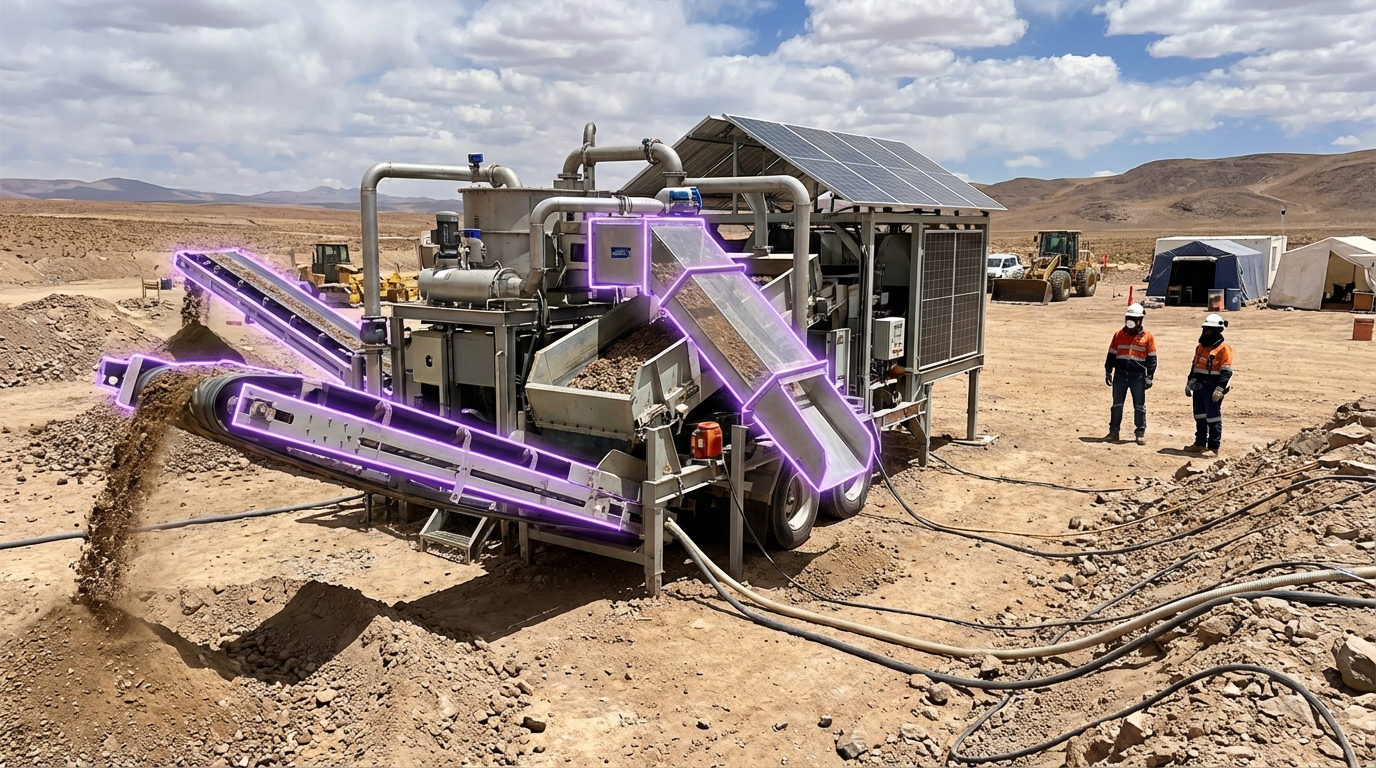
Extracting and processing materials from the Moon, Mars, or asteroids to support space missions
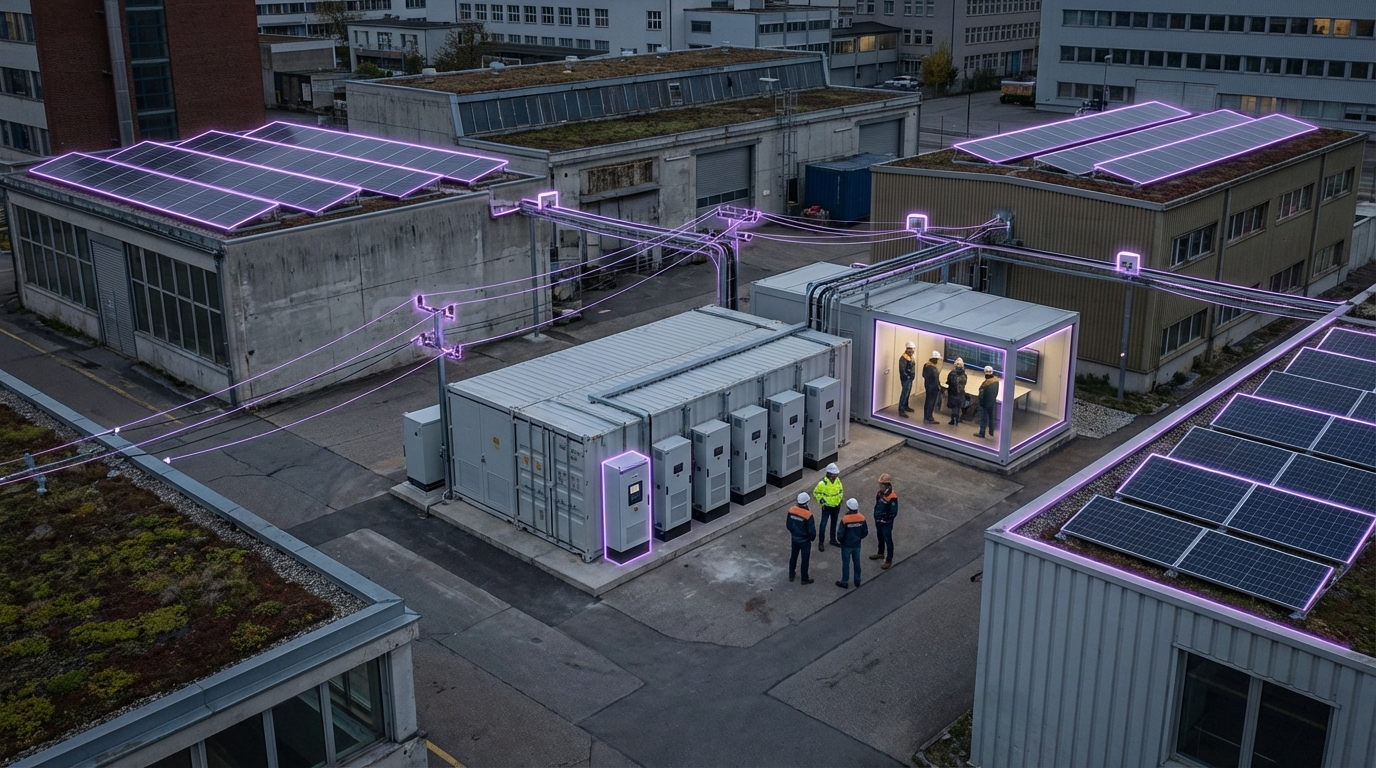
Self-managing power systems that balance renewable sources, storage, and demand using AI
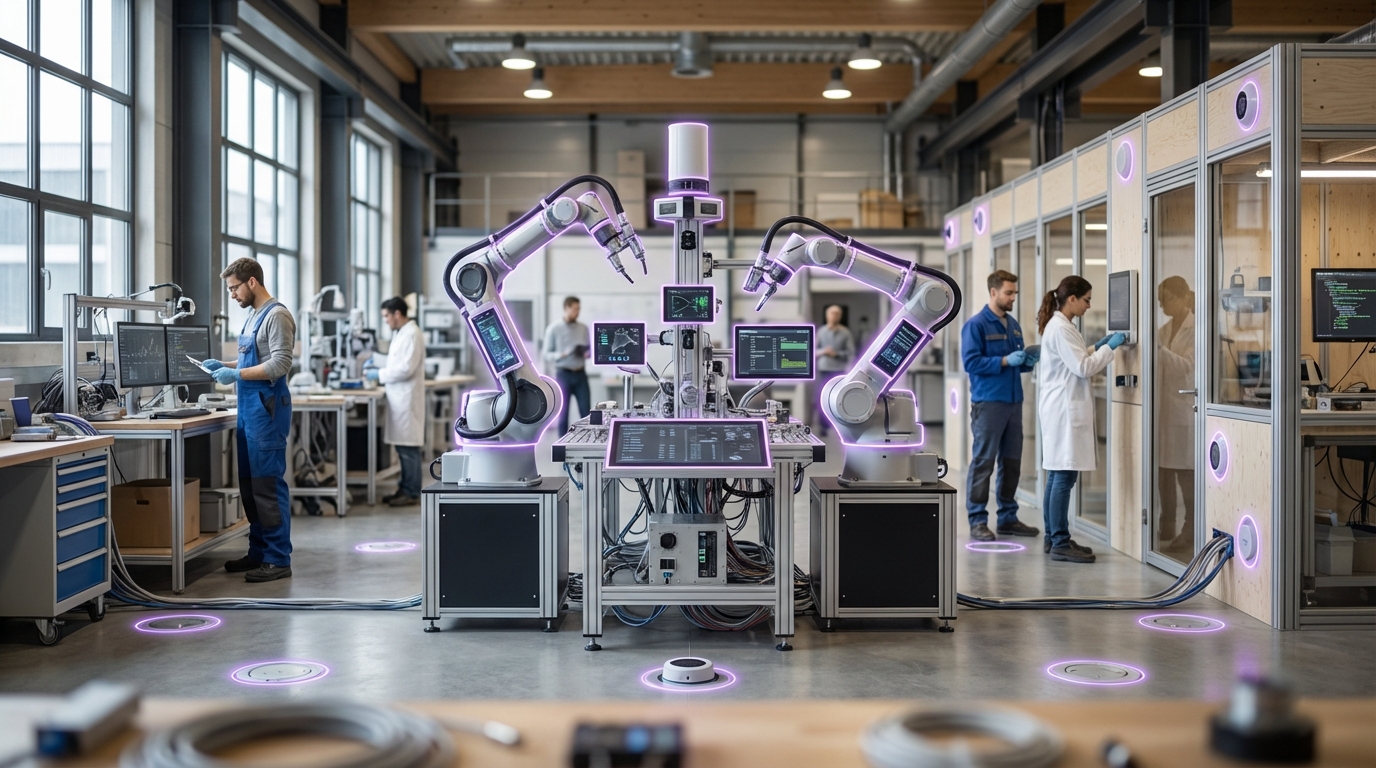
Network connecting people, devices, data, and processes into one intelligent system

Converting mechanical motion from people, machines, and nature into usable electrical power
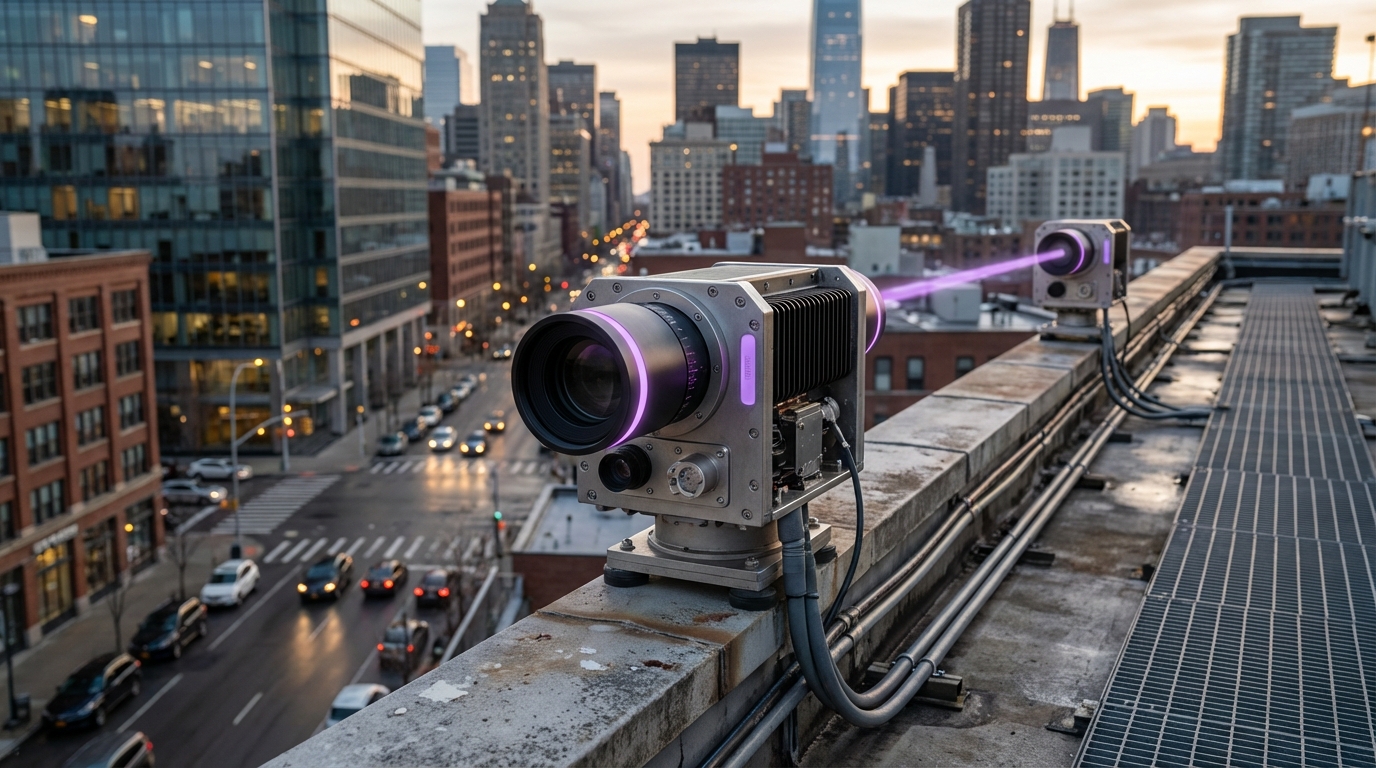
High-bandwidth optical data transmission using laser beams for space and satellite networks
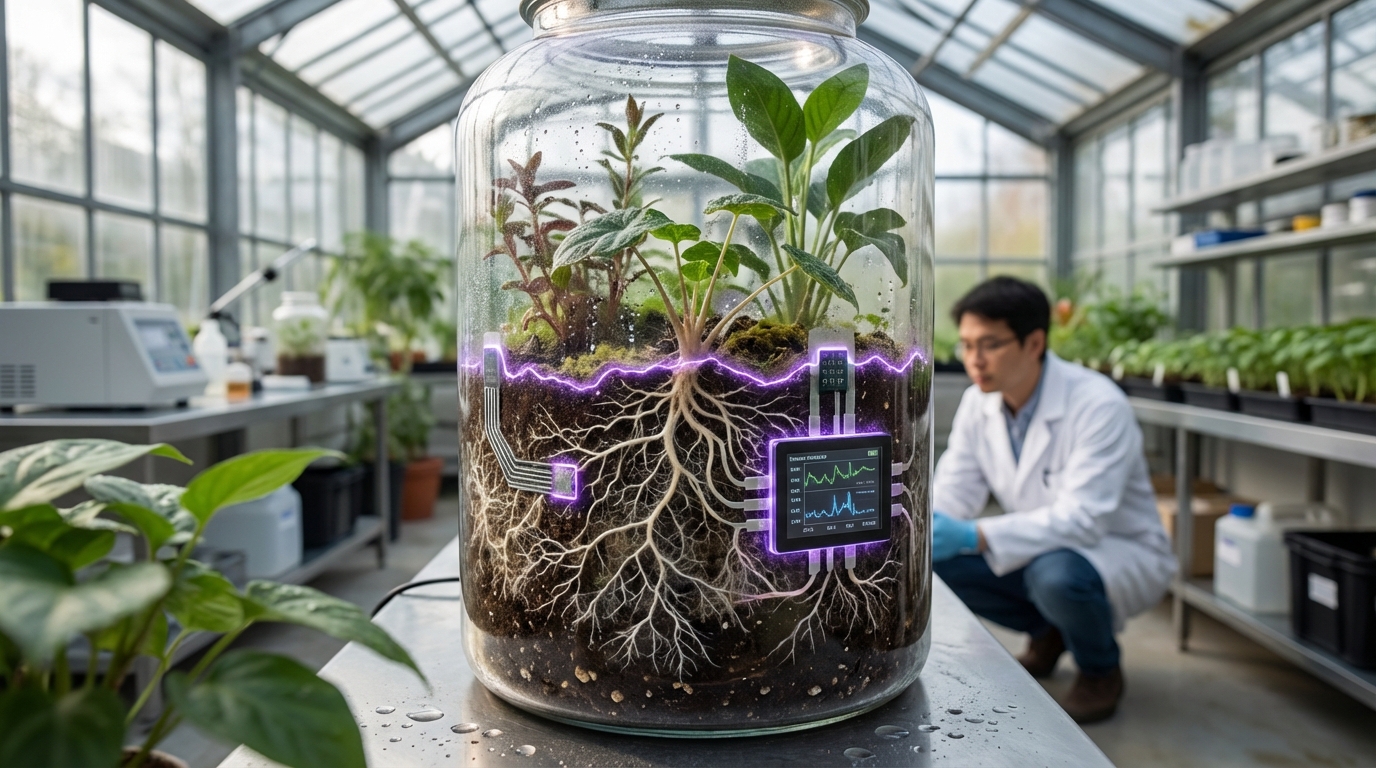
Mycelium networks integrated with electronics to detect pollutants, humidity, and chemical changes

AI models trained on weather data to predict conditions faster and more accurately than physics-based forecasts
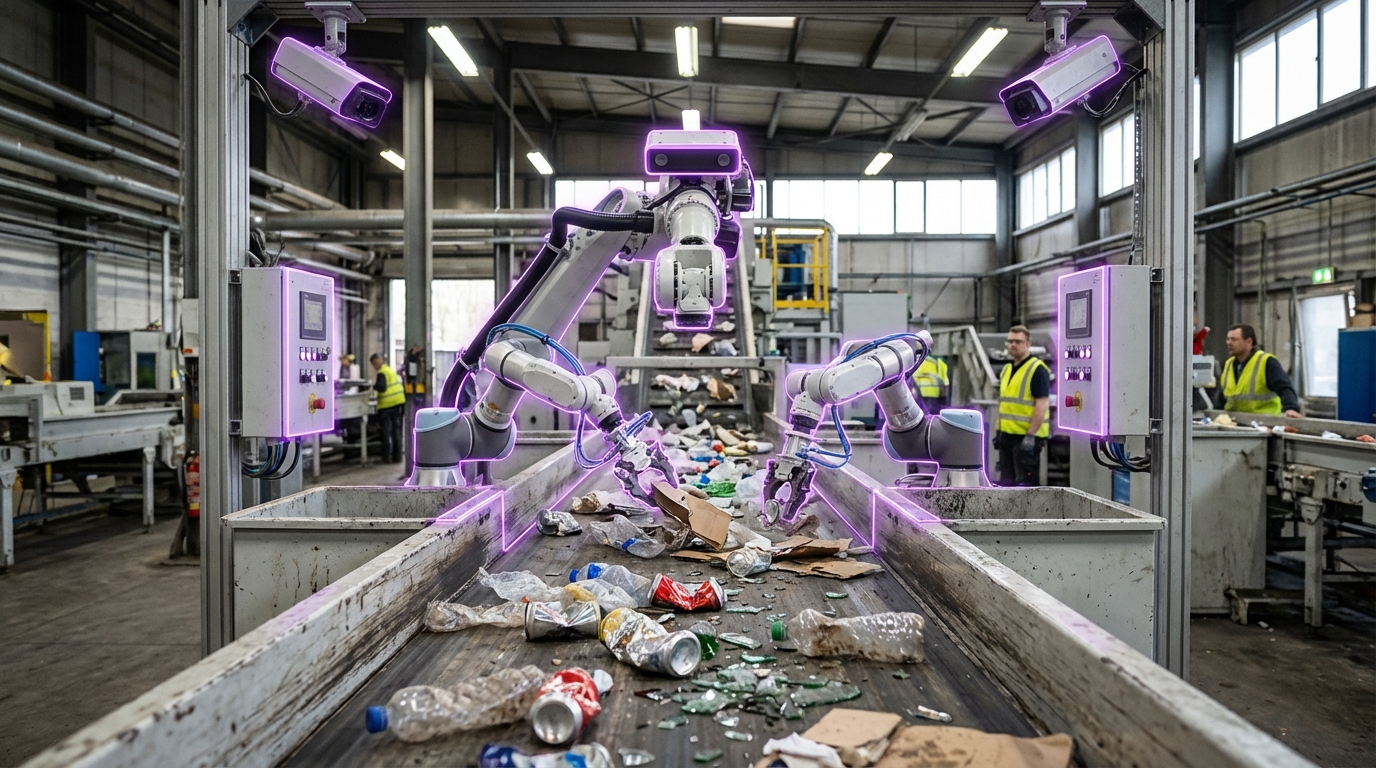
AI-powered cameras and robotics that identify and sort recyclables from waste streams
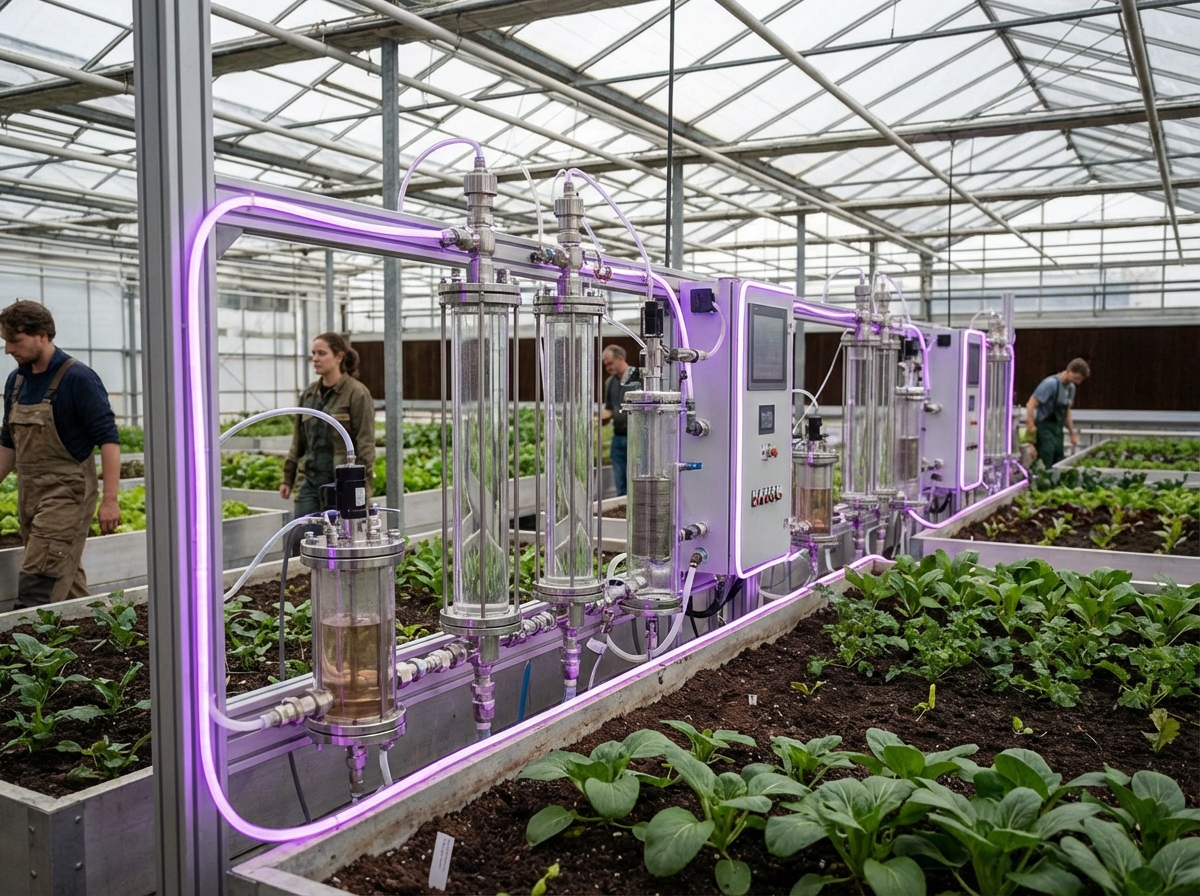
Designing and manipulating microbial communities to improve health, agriculture, and ecosystems

Wearable lenses that project digital overlays directly onto the user's field of view
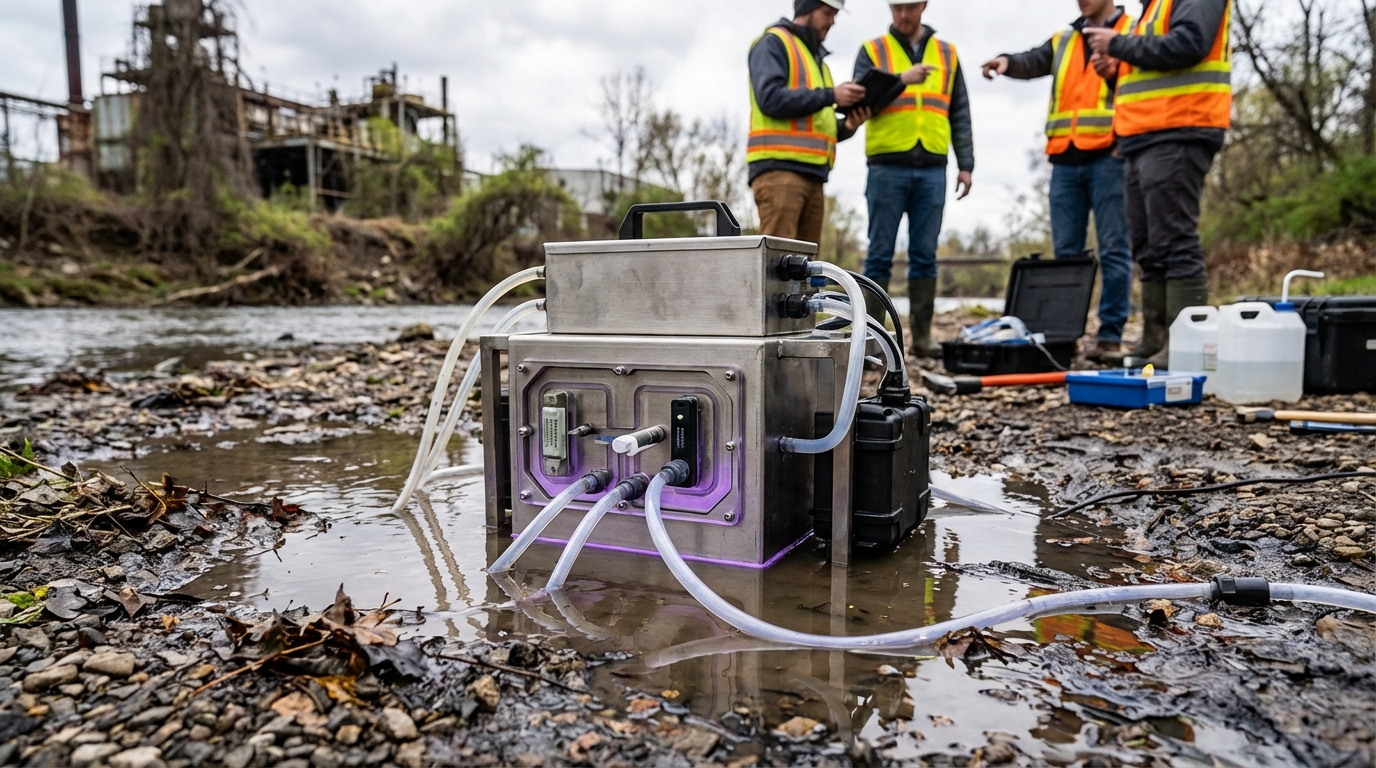
Engineered nanoparticles that enhance biological cleanup of soil and water contaminants
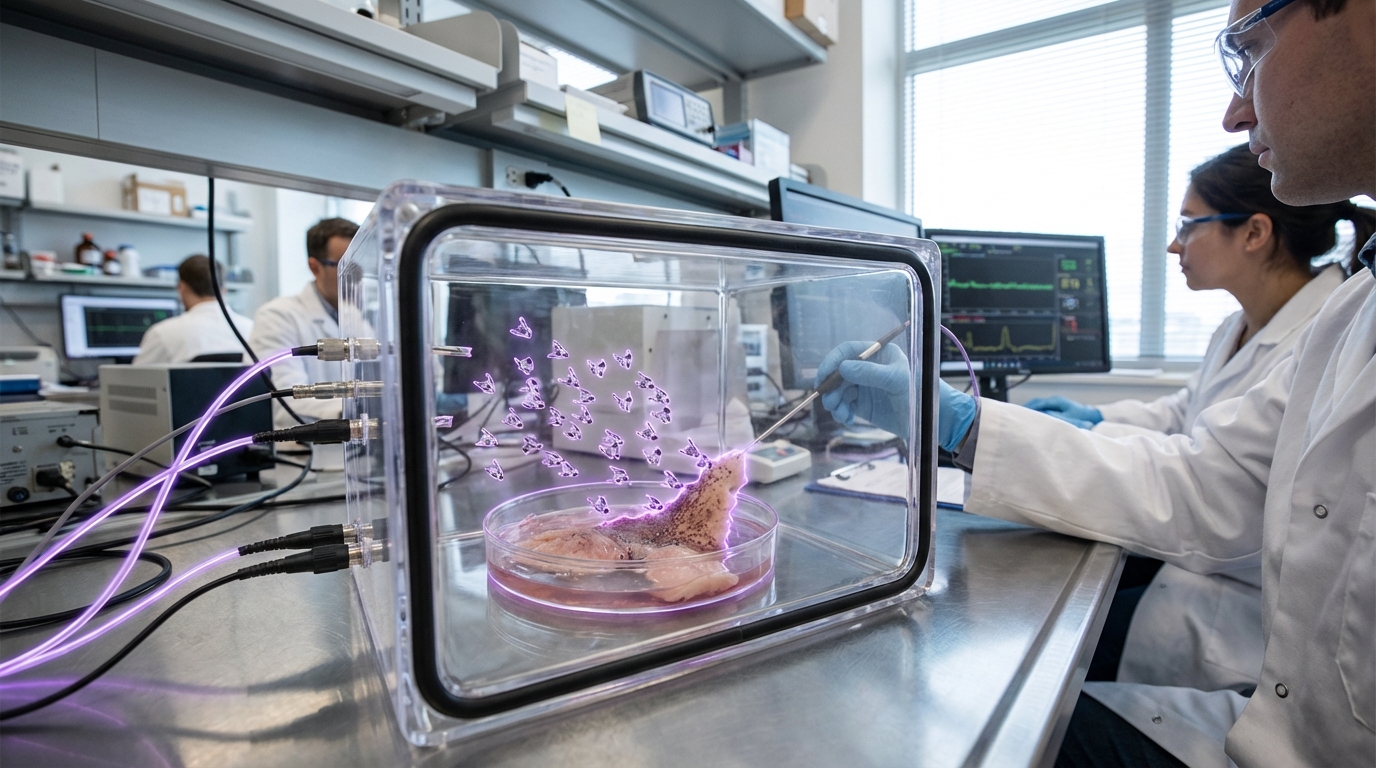
Microscopic robots operating at cellular scale for medicine, diagnostics, and environmental cleanup
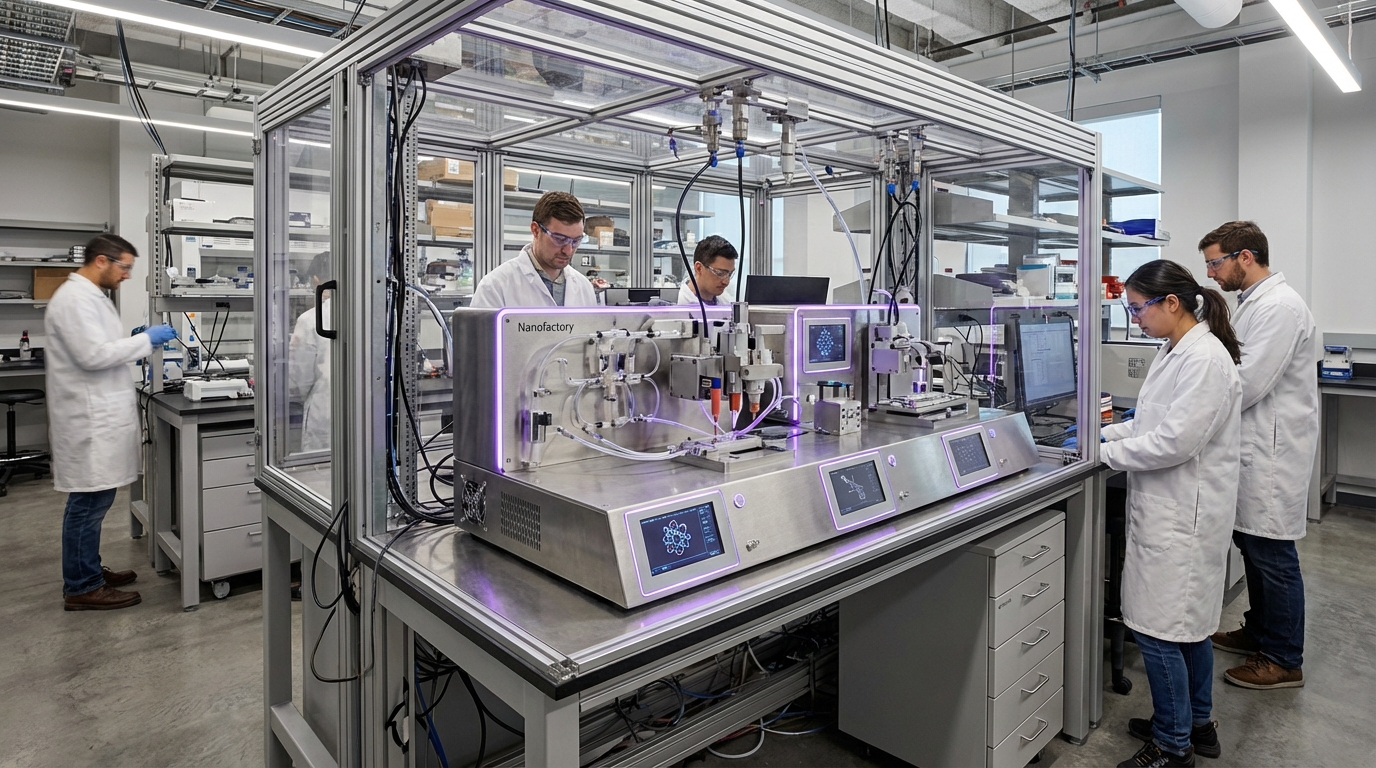
Molecular manufacturing systems that assemble products atom by atom with atomic precision
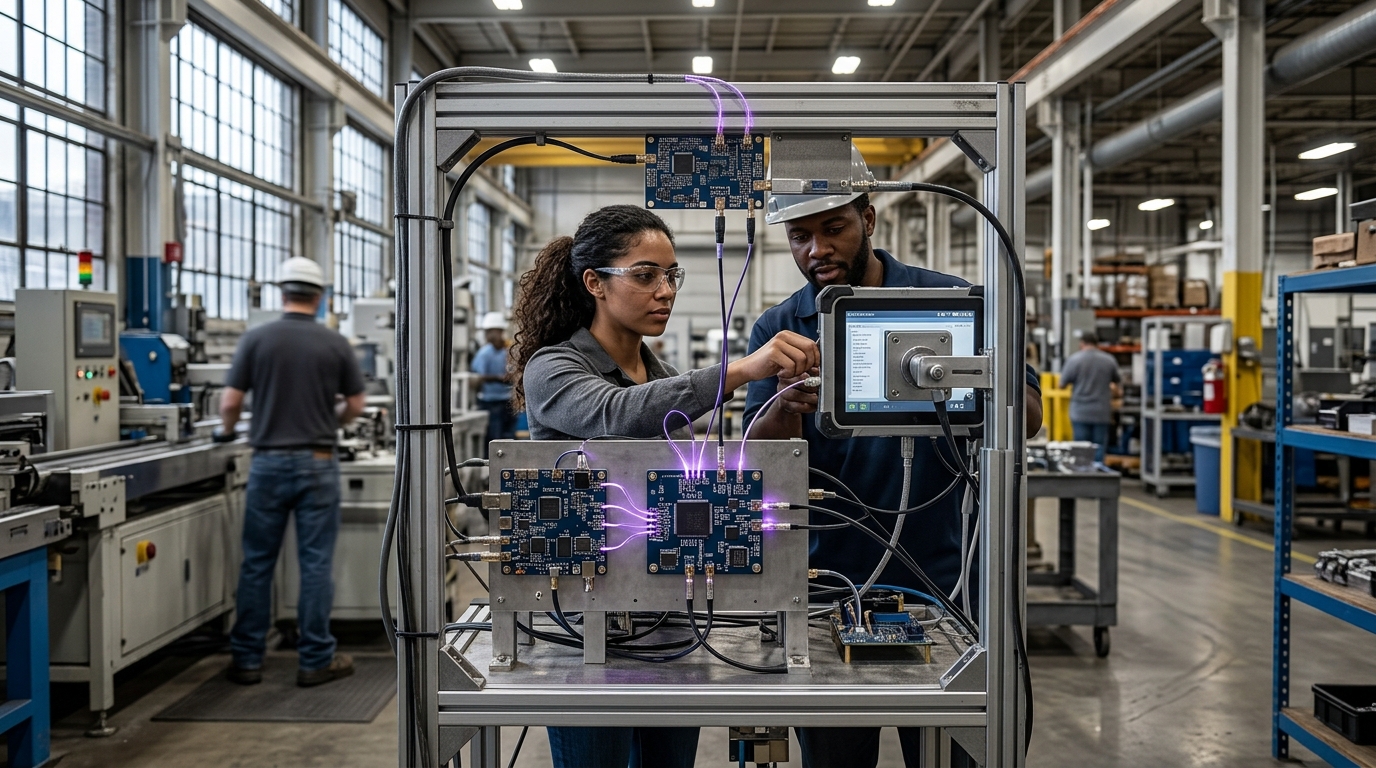
Radio-frequency receivers and transmitters built from carbon nanotubes and nanowires
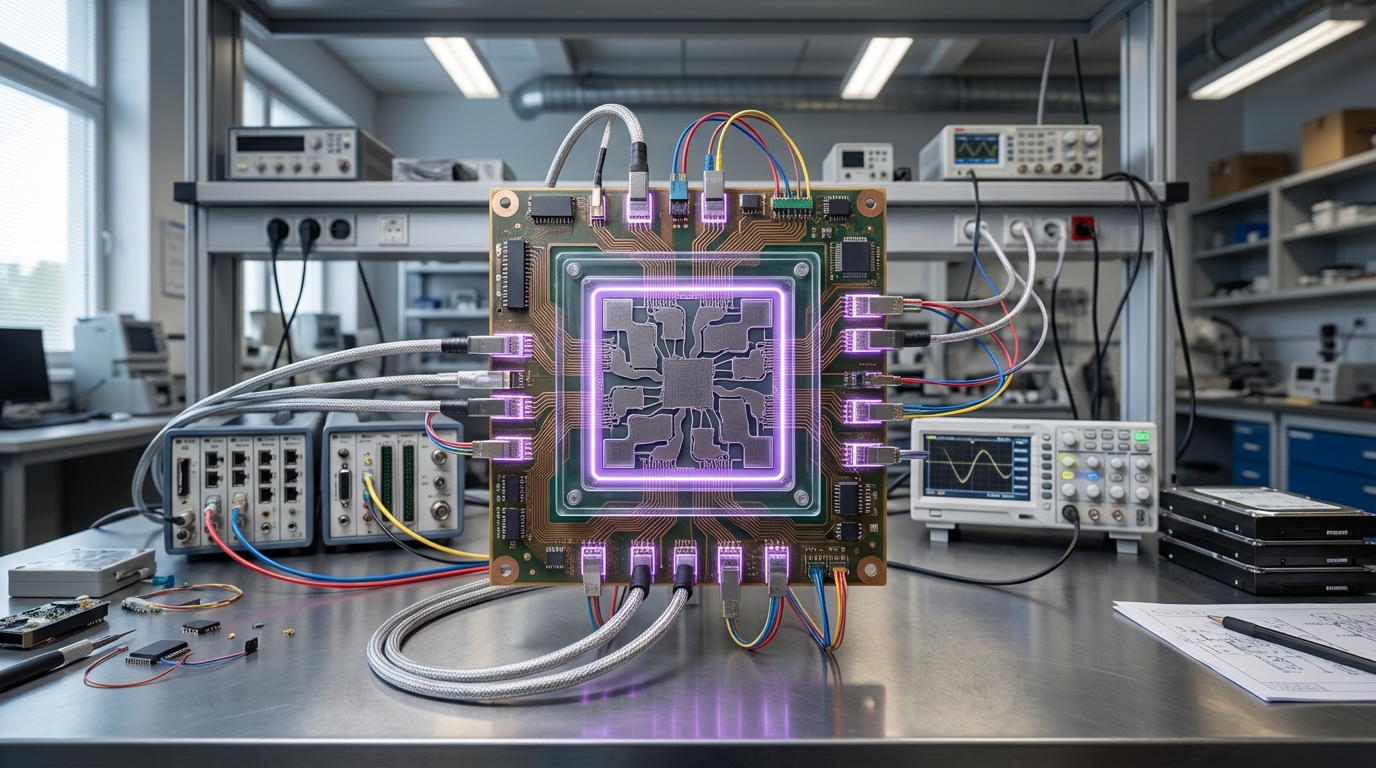
Brain-inspired processors that integrate memory and computation for energy-efficient AI
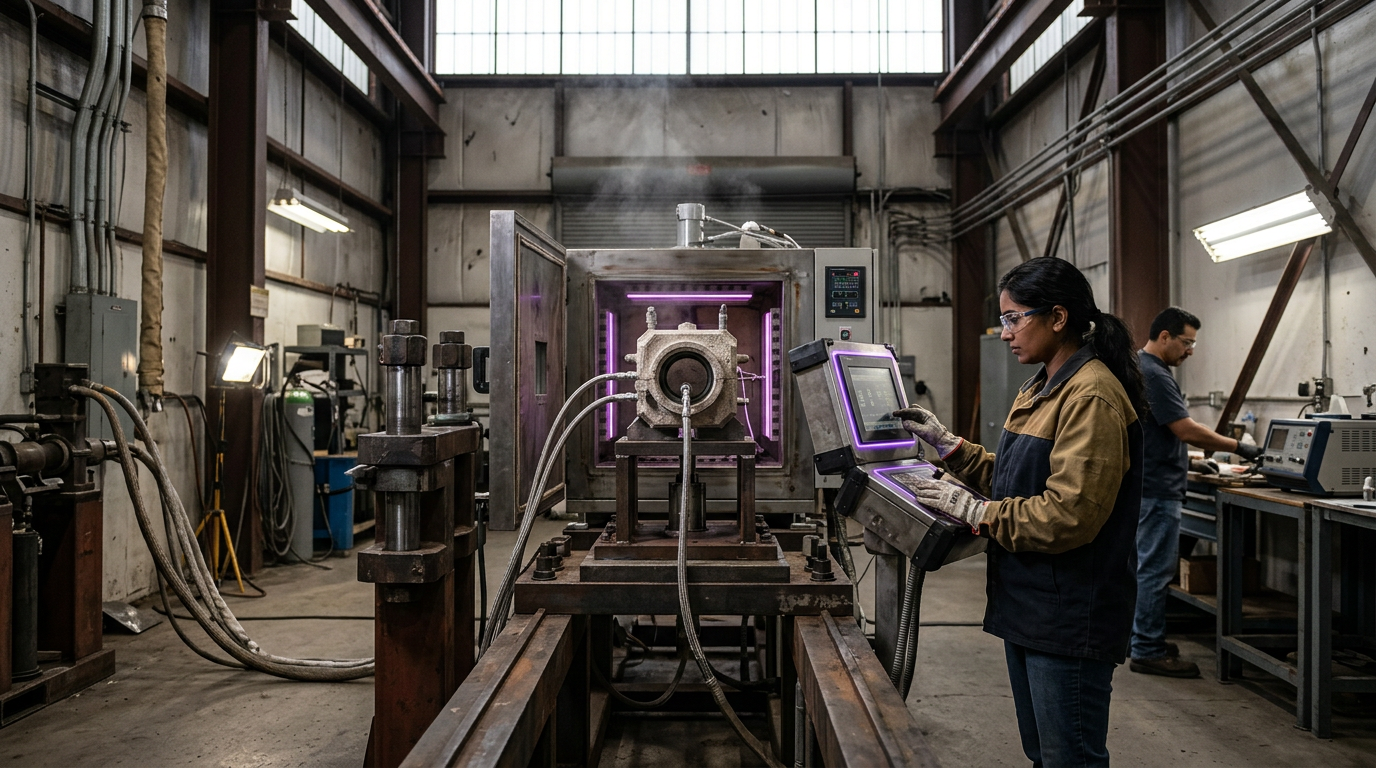
Multi-element alloys and ceramics engineered for strength, stability, and extreme-environment performance
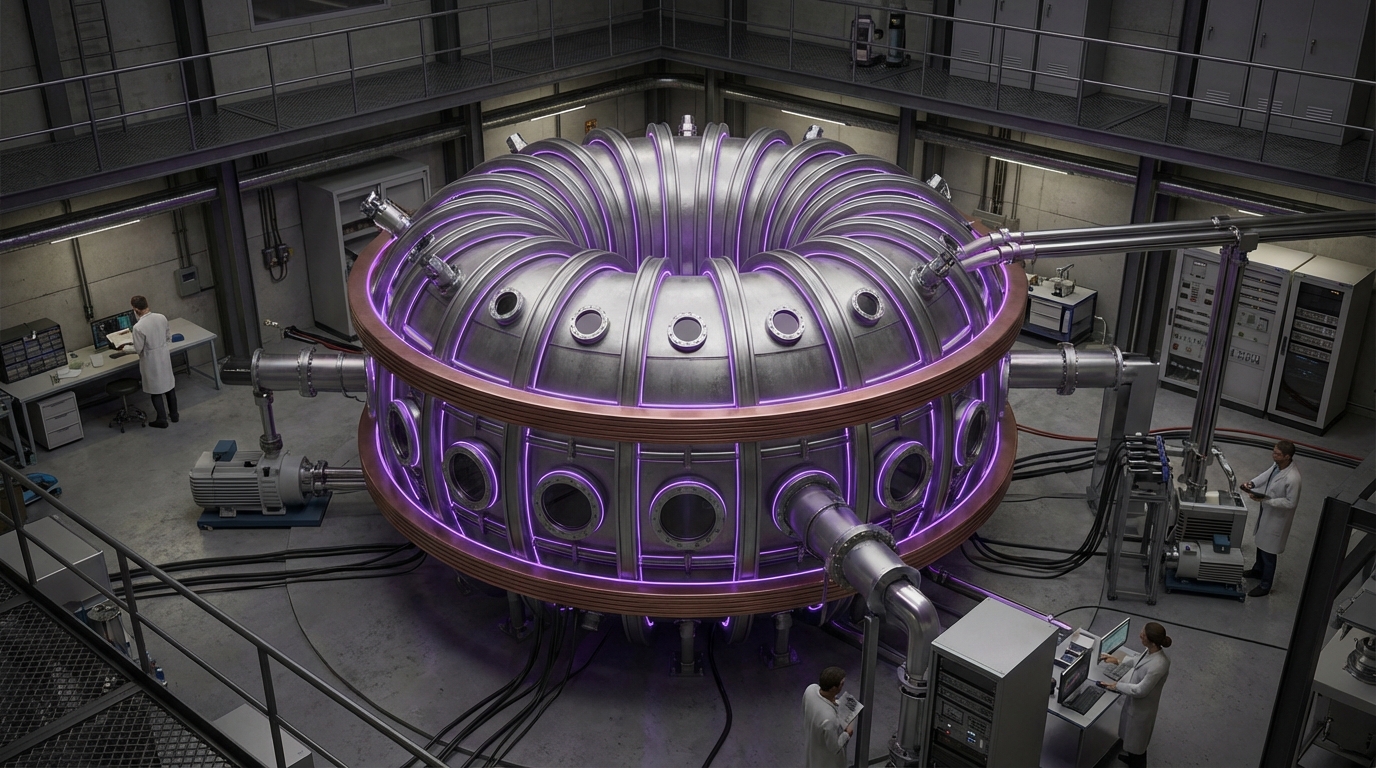
Fusing hydrogen nuclei to generate clean, abundant energy with minimal waste
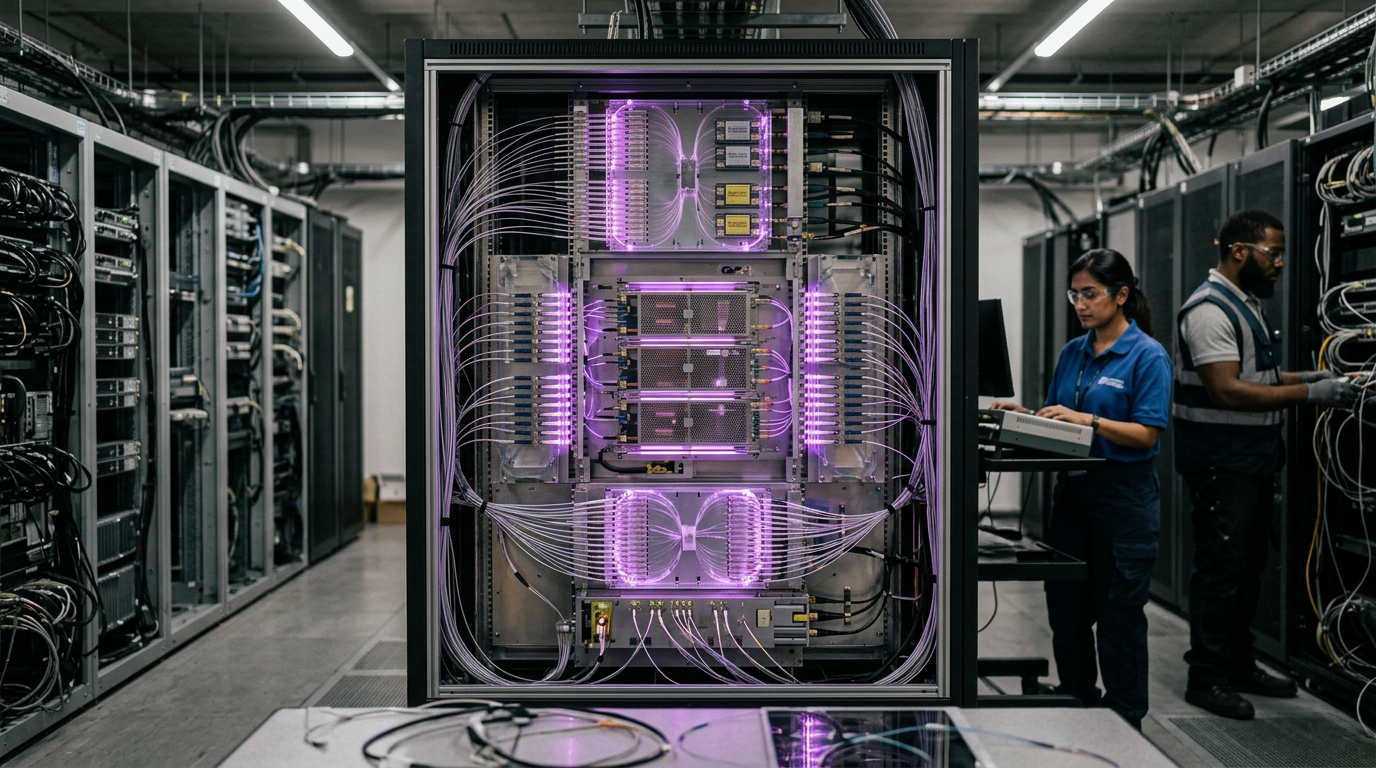
Computing with photons instead of electrons for faster, lower-power processing
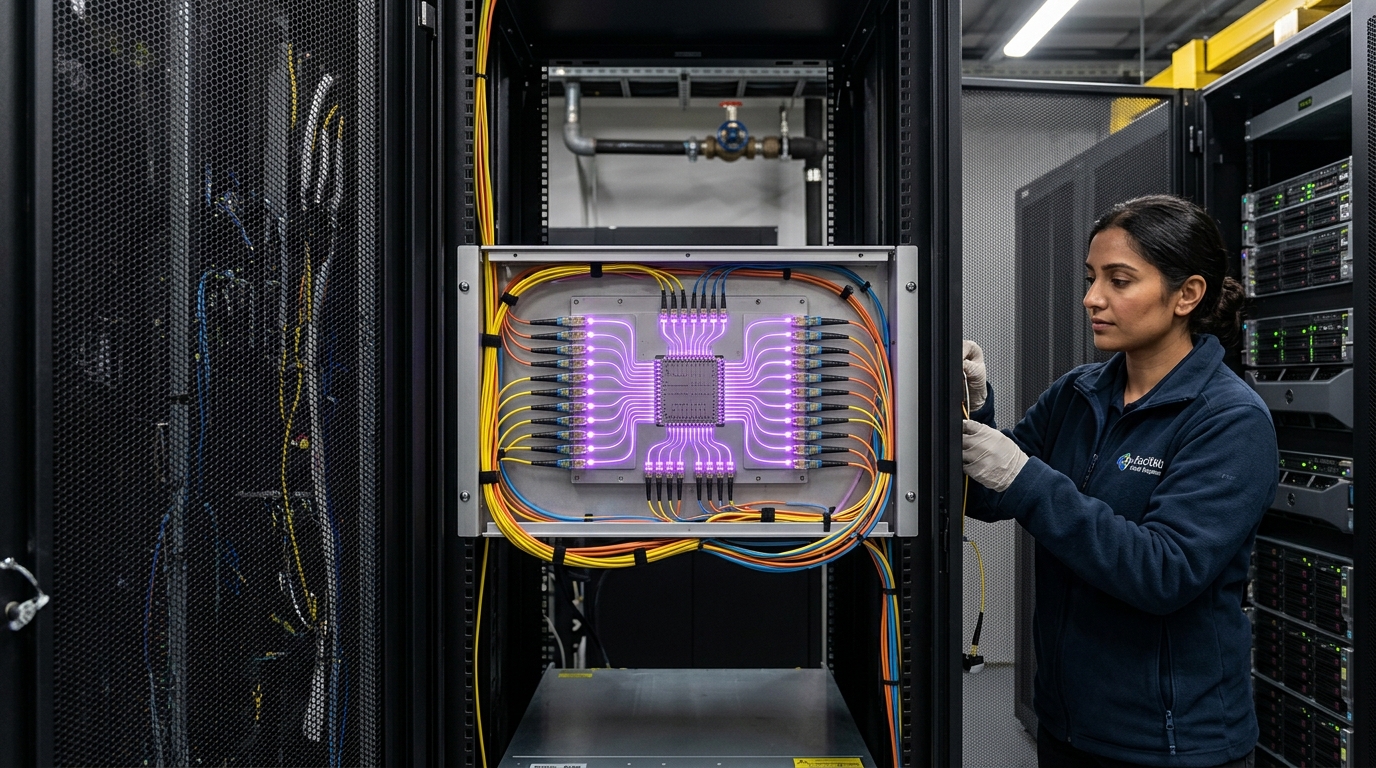
Switching devices where light controls light, enabling optical logic and computing without electronics

Satellite-based computing infrastructure for AI workloads powered by continuous solar energy
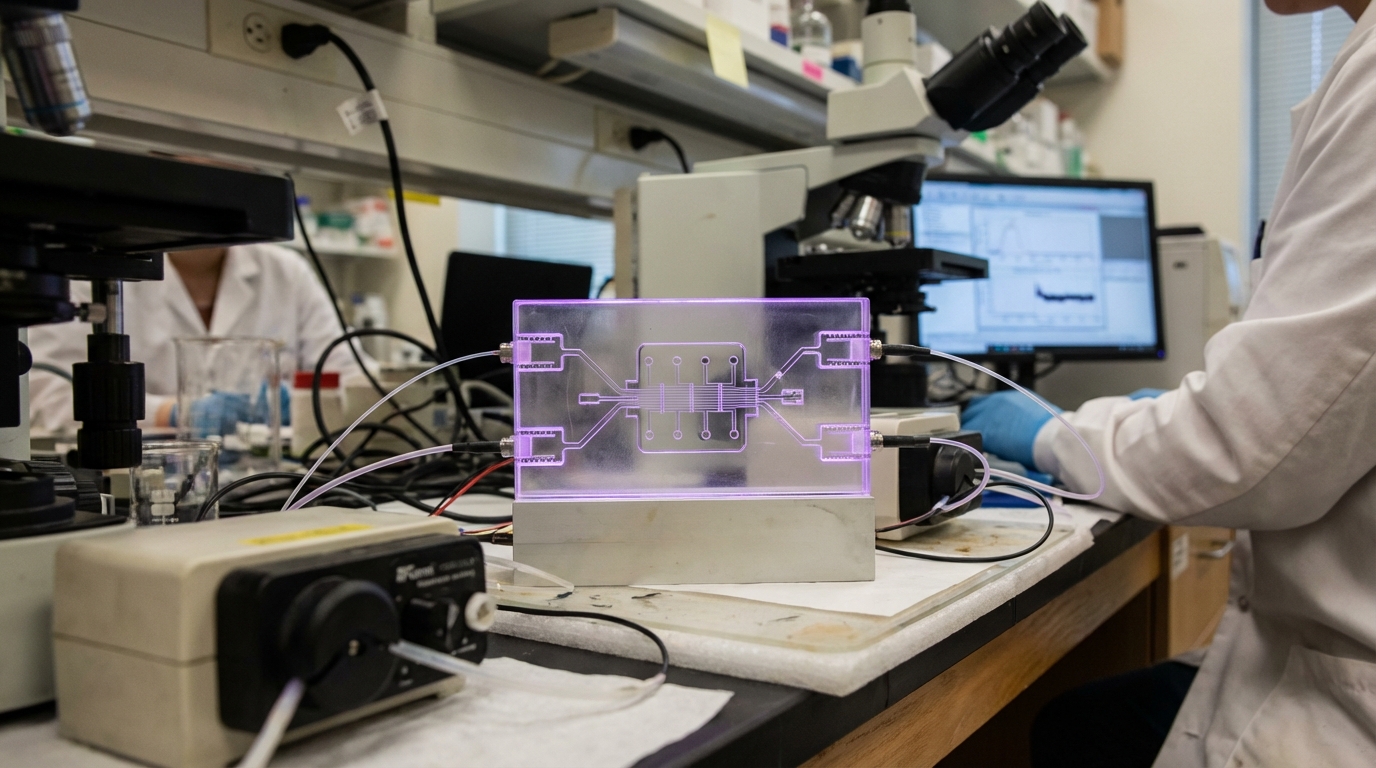
Microfluidic devices that mimic human organ functions for drug testing and disease modeling
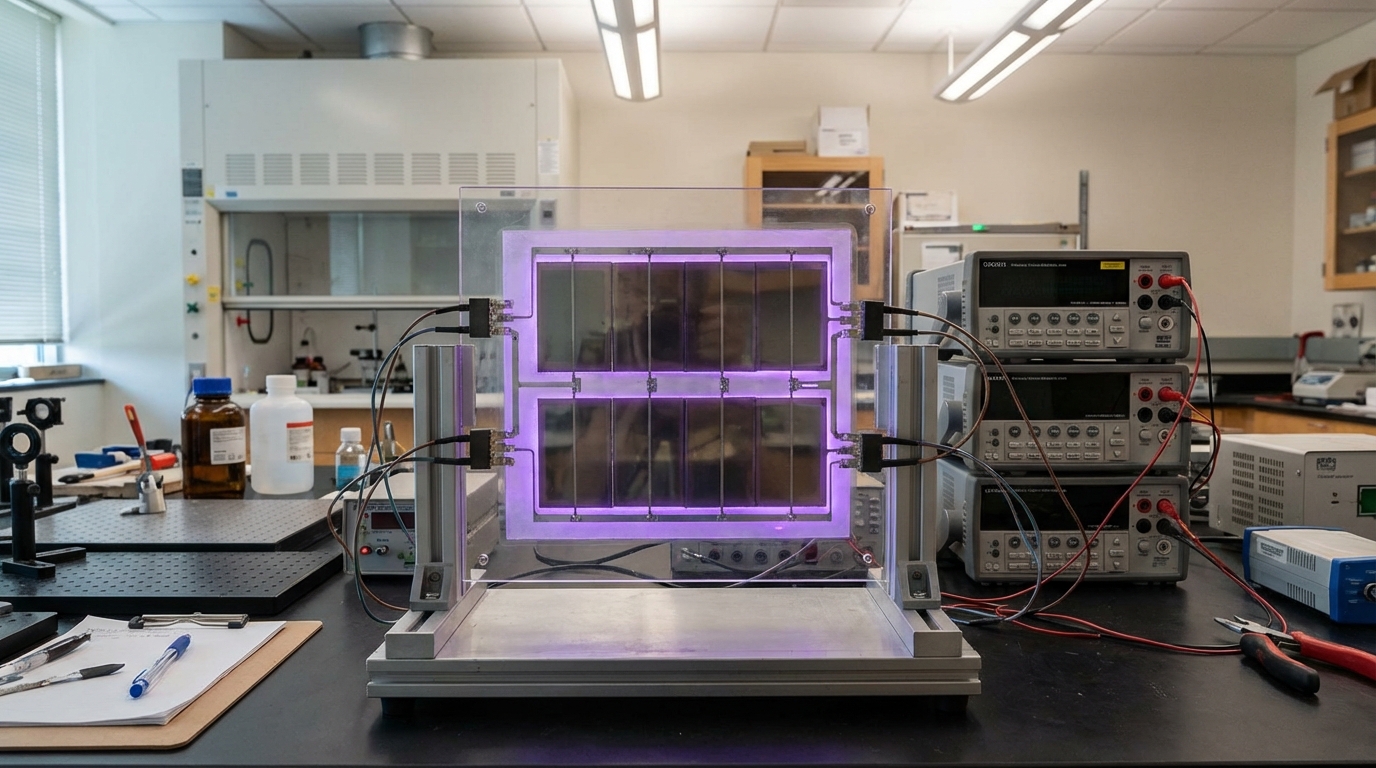
Solar cells using crystal compounds that enable low-cost, flexible manufacturing
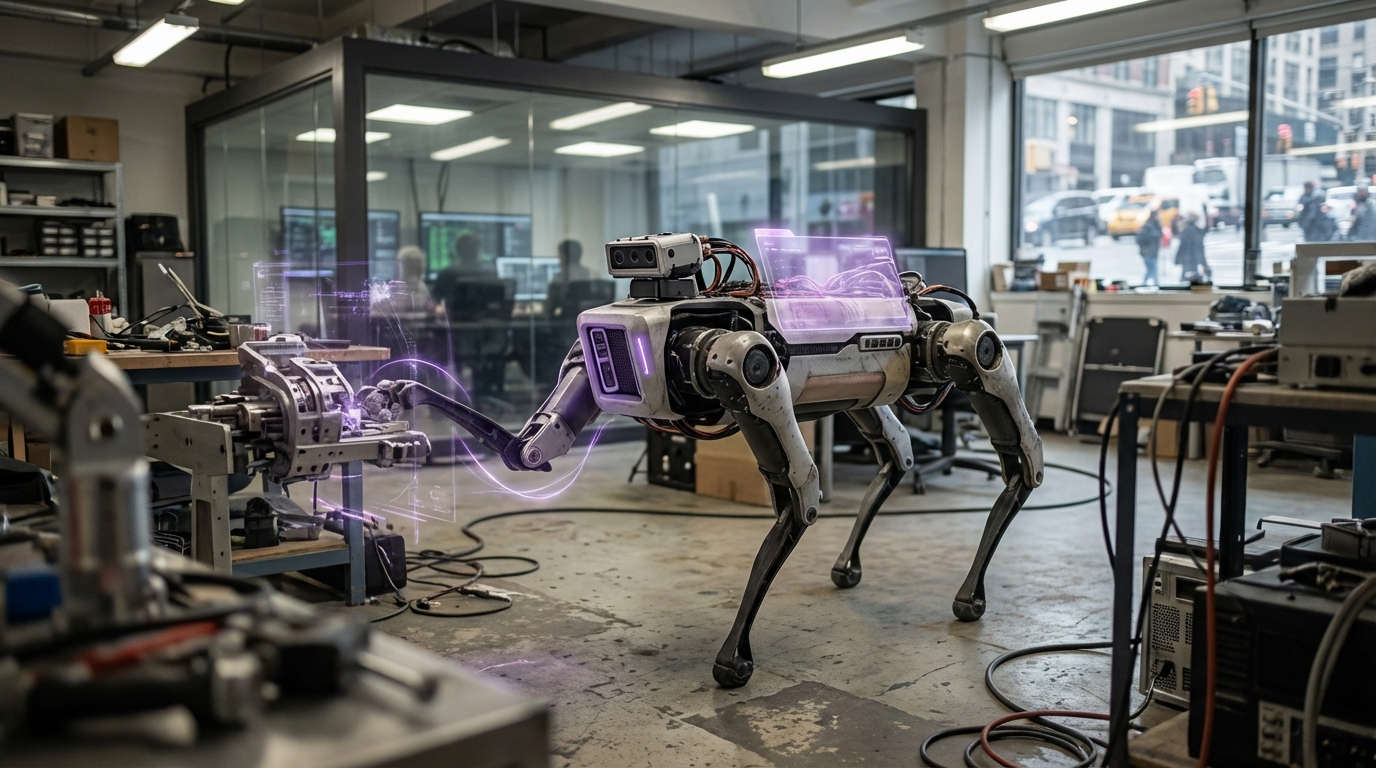
AI systems that perceive, reason about, and manipulate objects in real-world environments
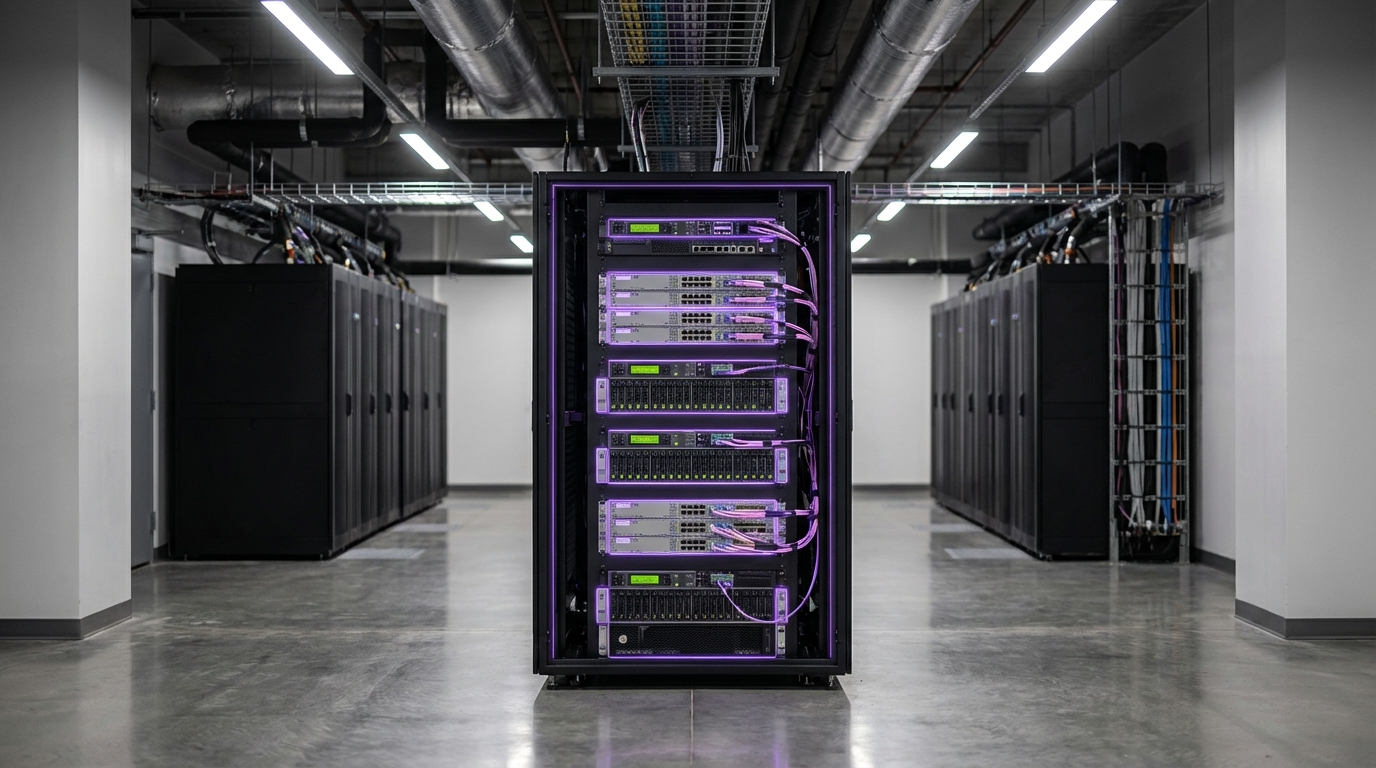
Encryption methods designed to withstand attacks from quantum computers
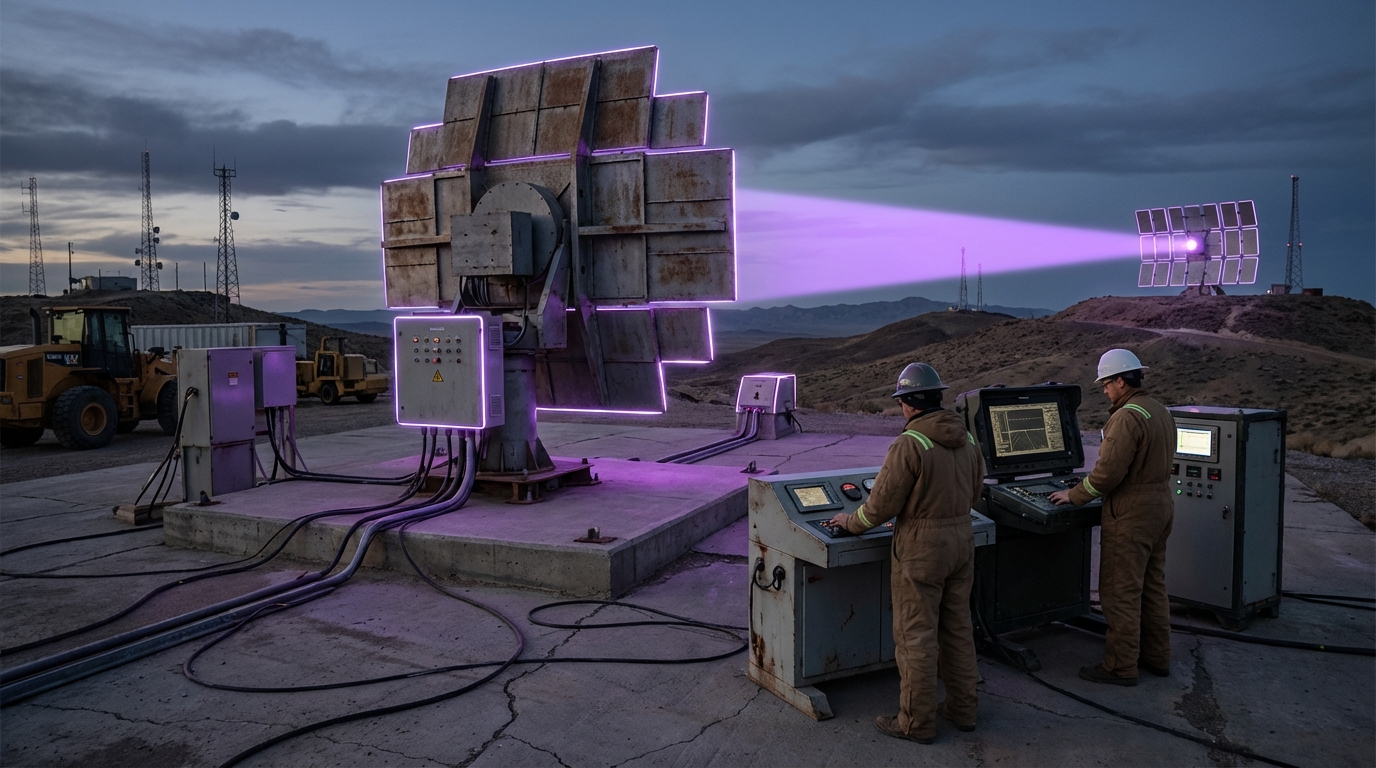
Wireless energy transmission using focused electromagnetic waves like microwaves or lasers
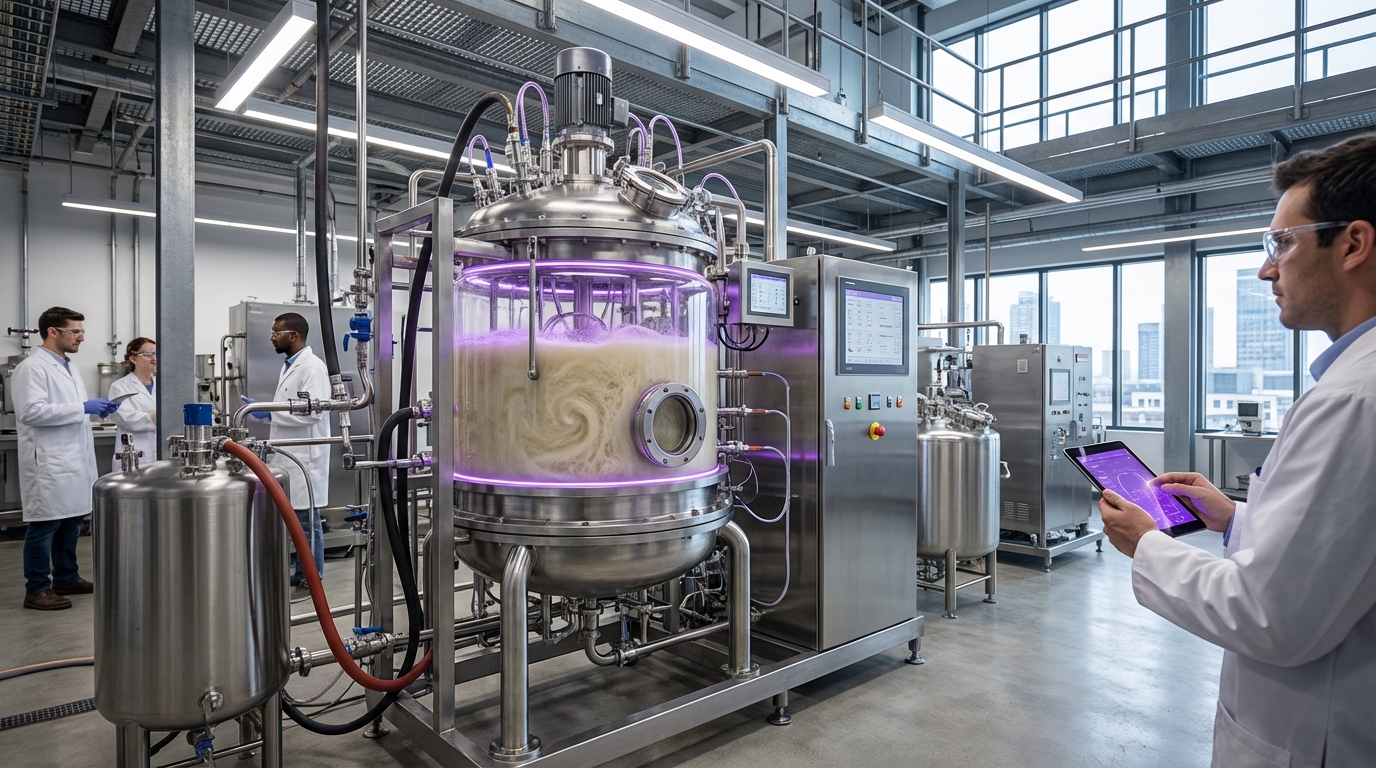
Engineered microbes producing proteins, fats, and ingredients through controlled fermentation
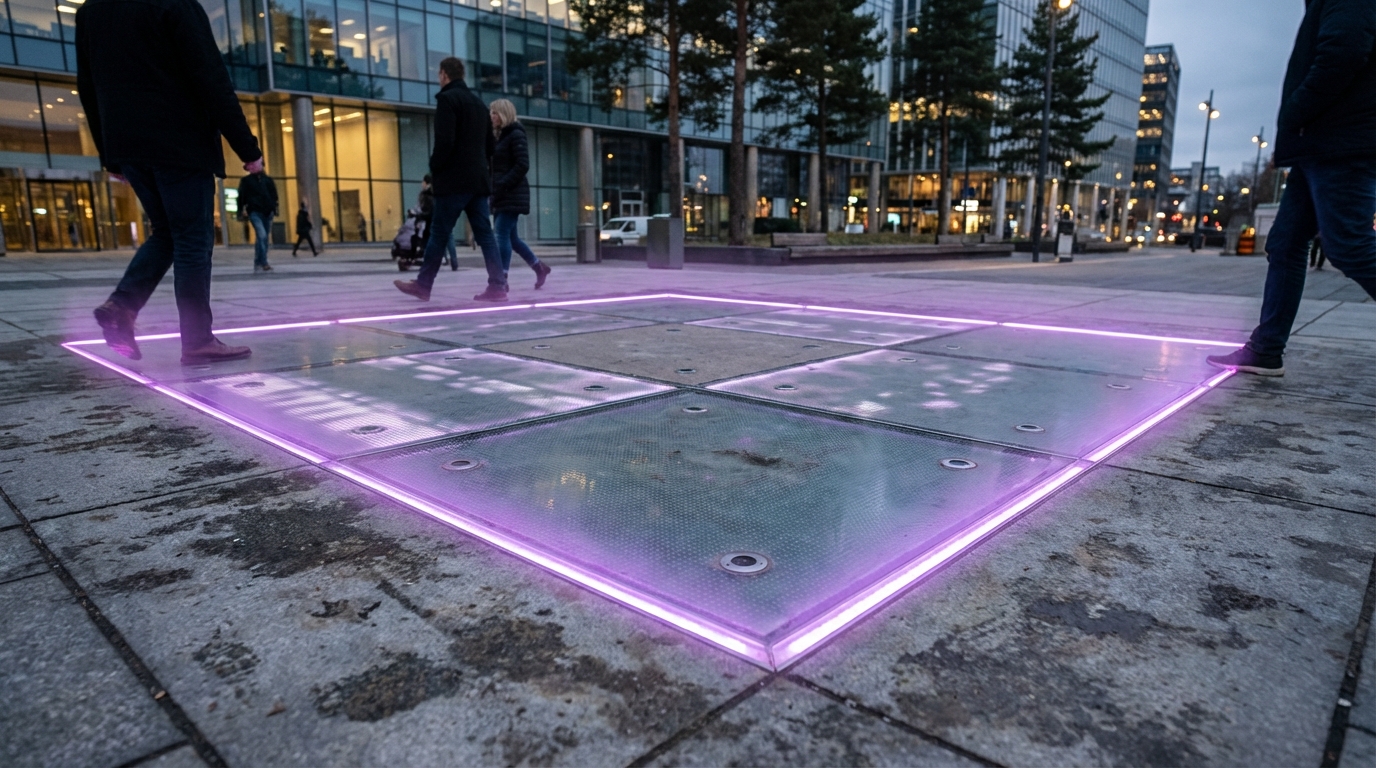
Road surfaces that adapt permeability, temperature, and traffic flow in real-time
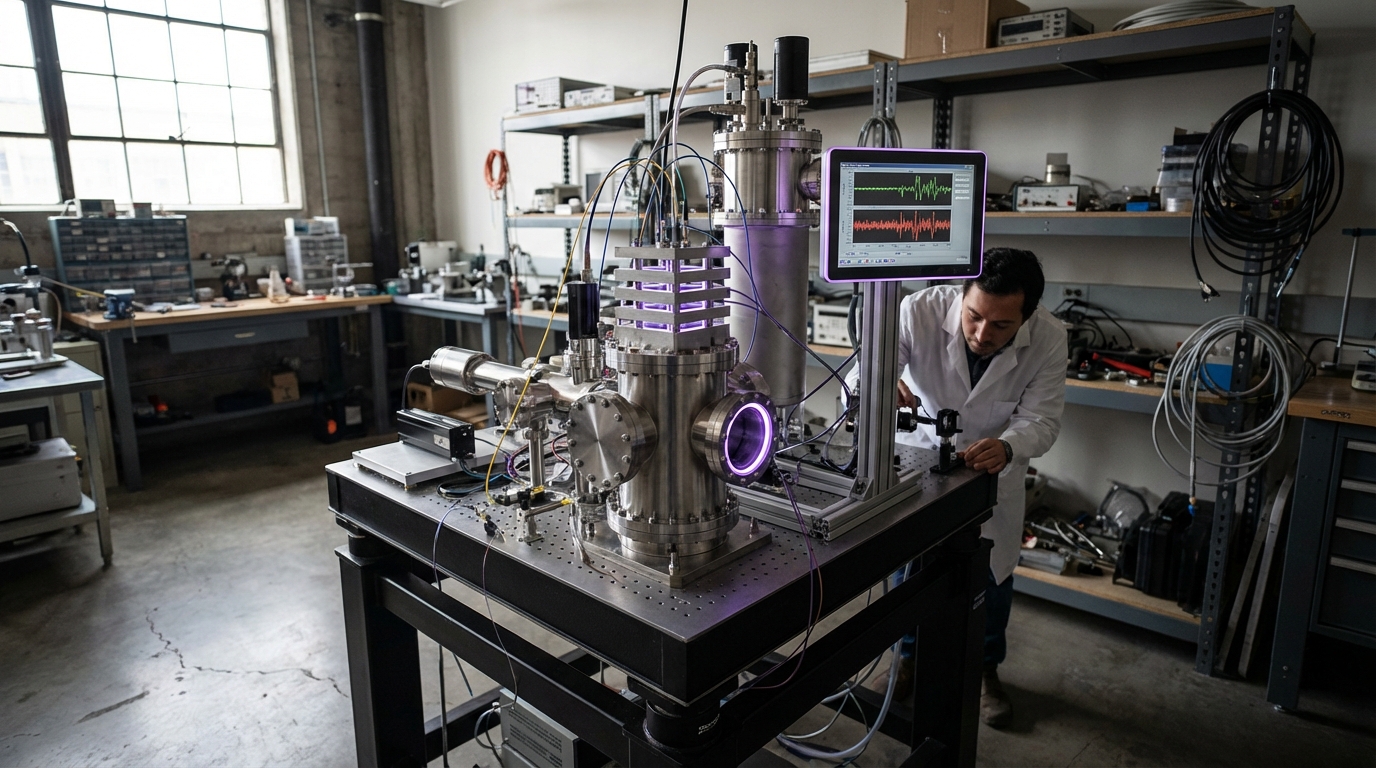
Navigation using quantum sensors to measure position and motion without satellite signals
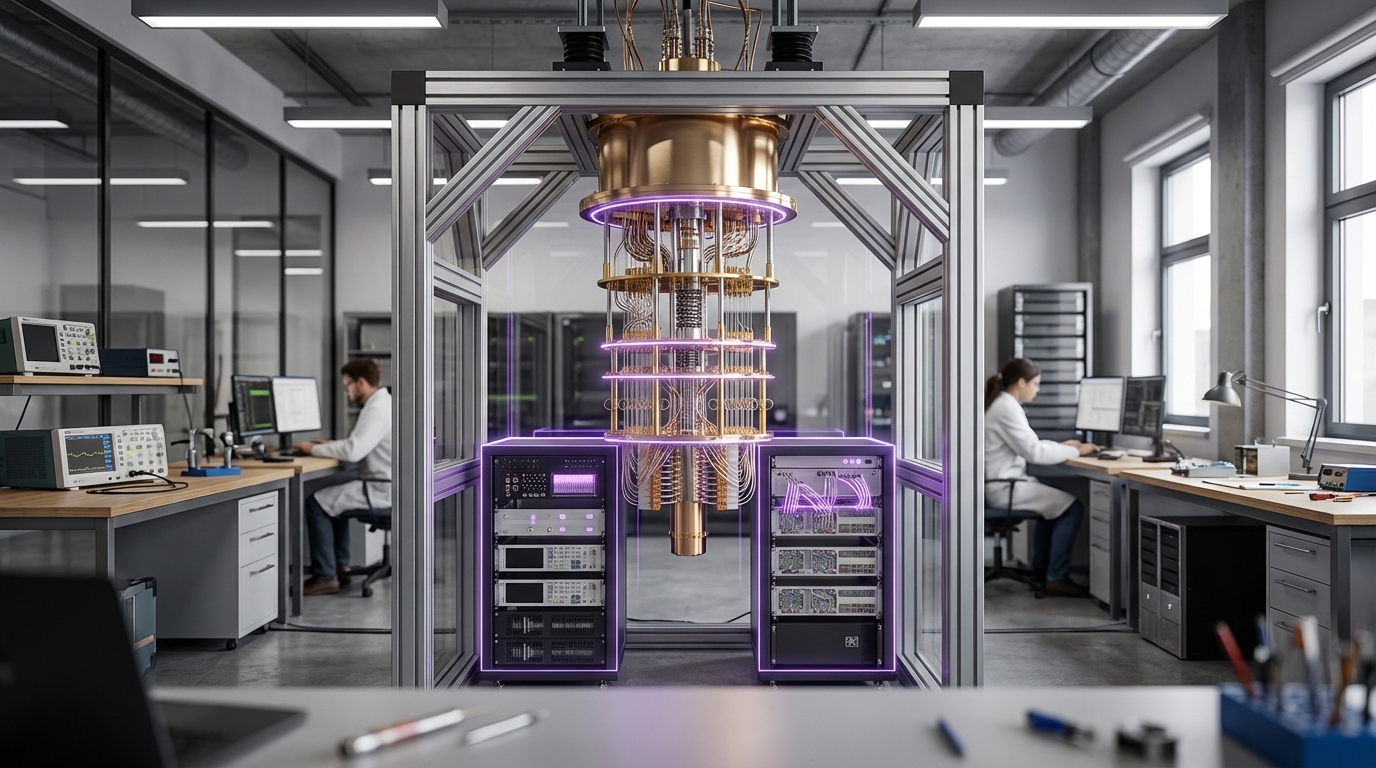
Harnessing quantum mechanics to solve problems beyond classical computing limits
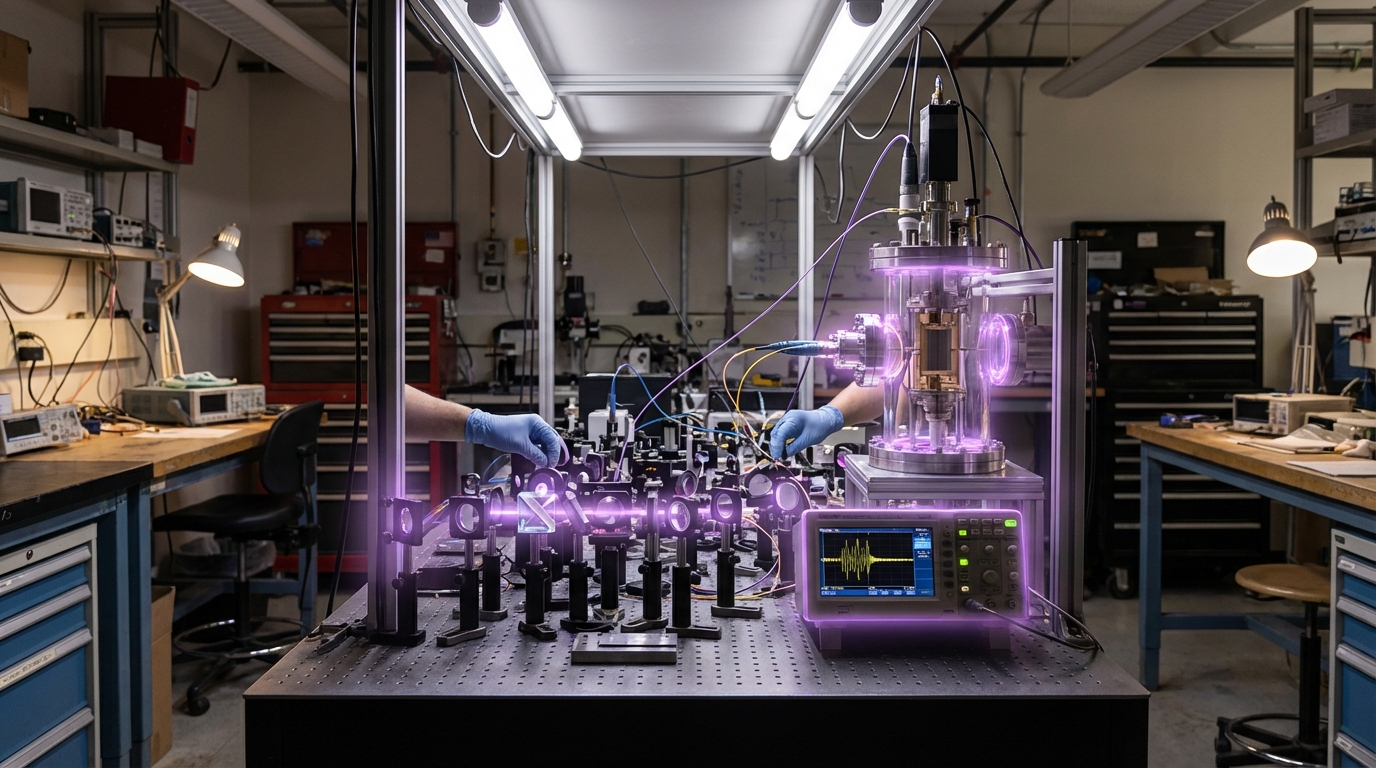
Studying and manipulating light's quantum properties for ultra-precise sensing, secure communication, and photonic compu
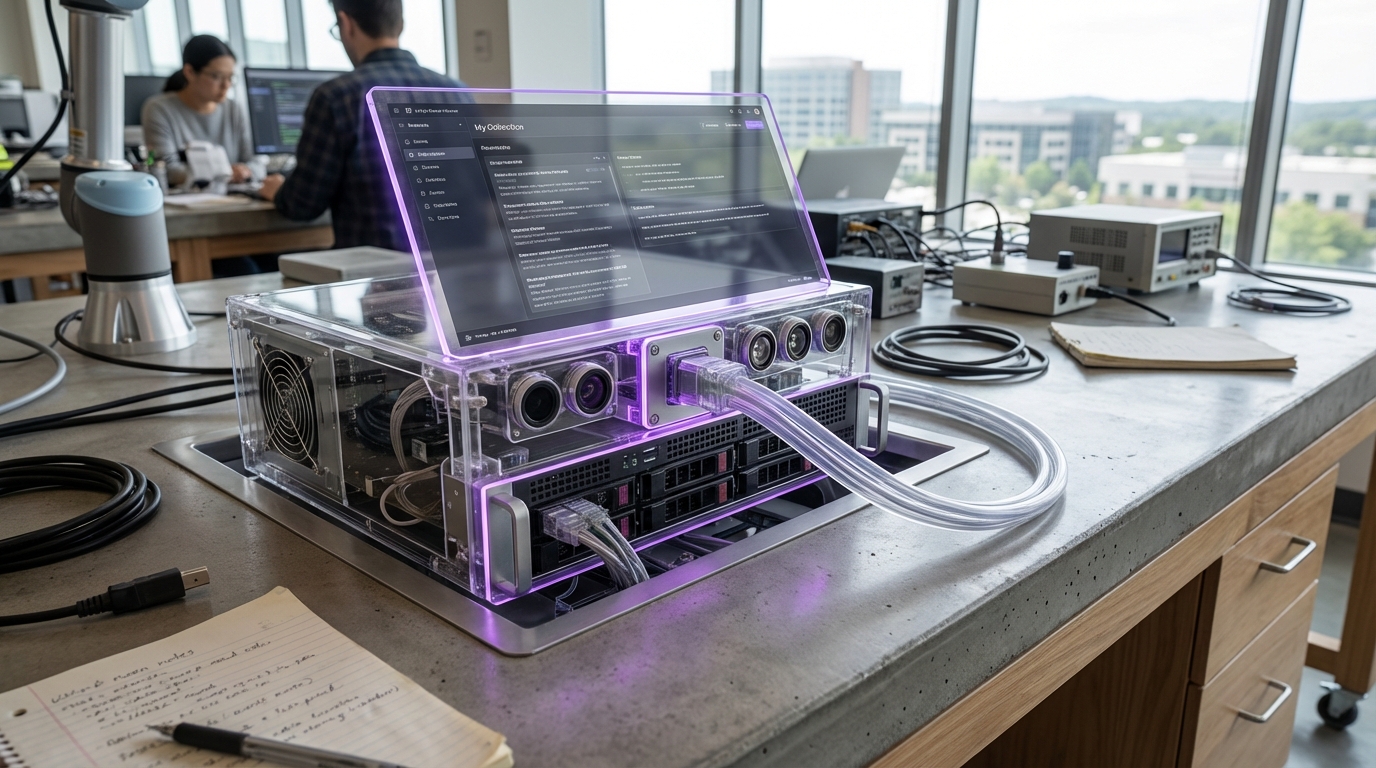
AI systems that query external databases before generating responses to reduce hallucinations
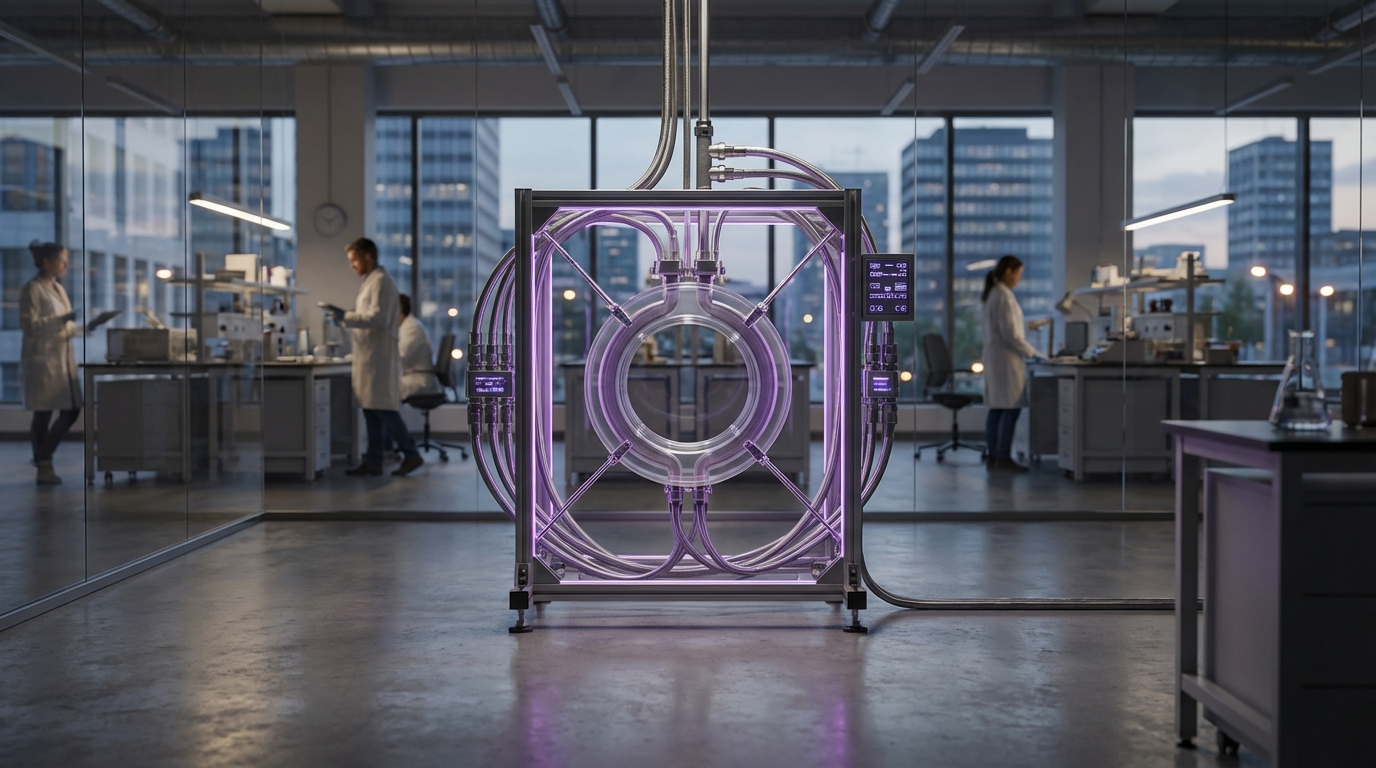
Materials that conduct electricity without resistance at normal temperatures
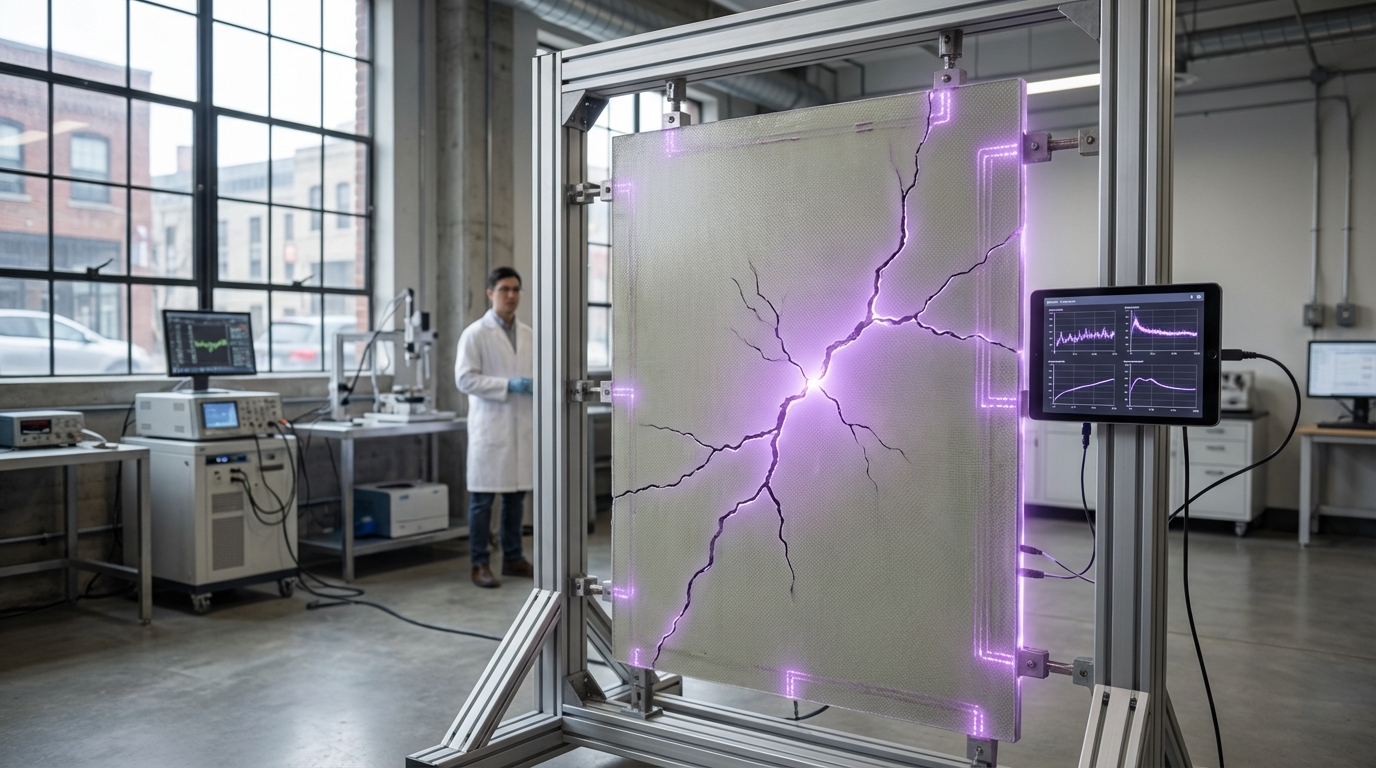
Materials that autonomously repair cracks and damage without external intervention
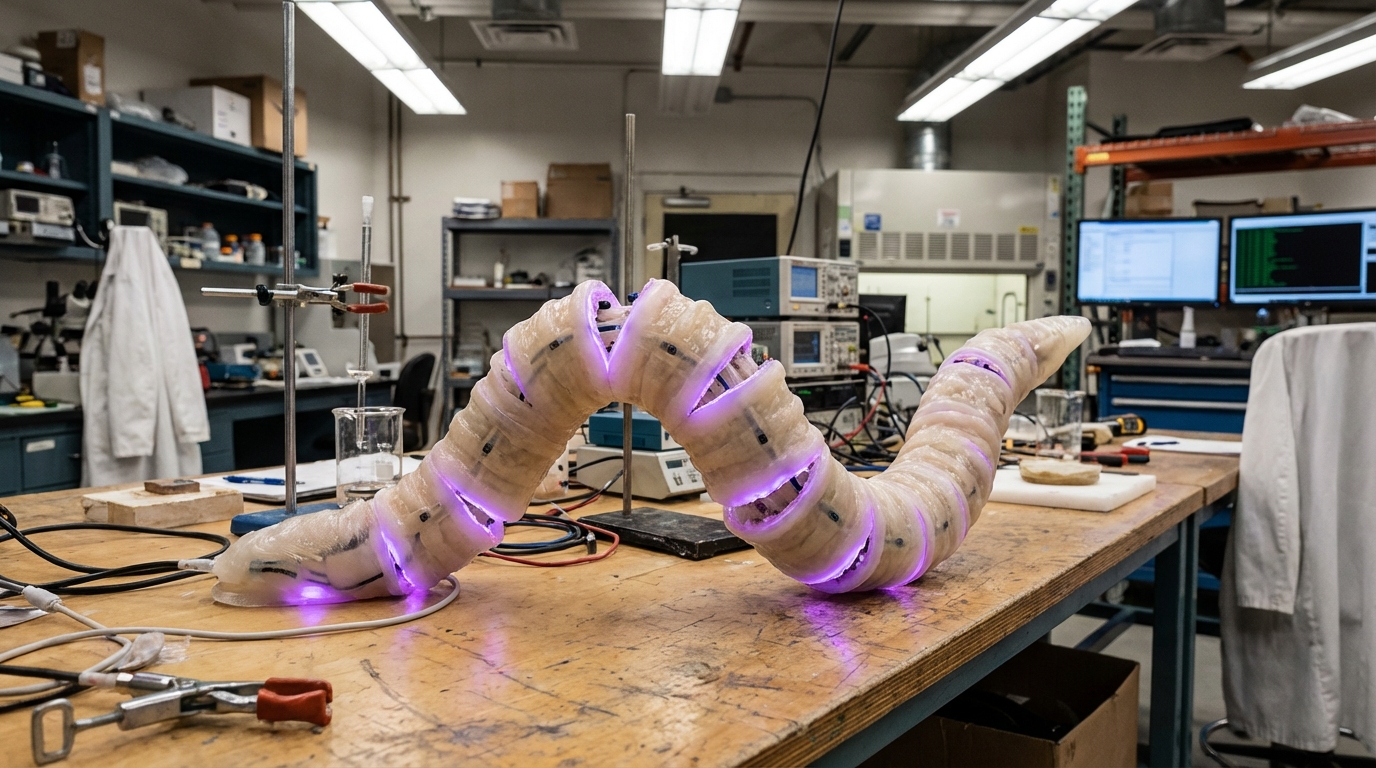
Flexible robots that autonomously repair physical damage using self-healing polymers
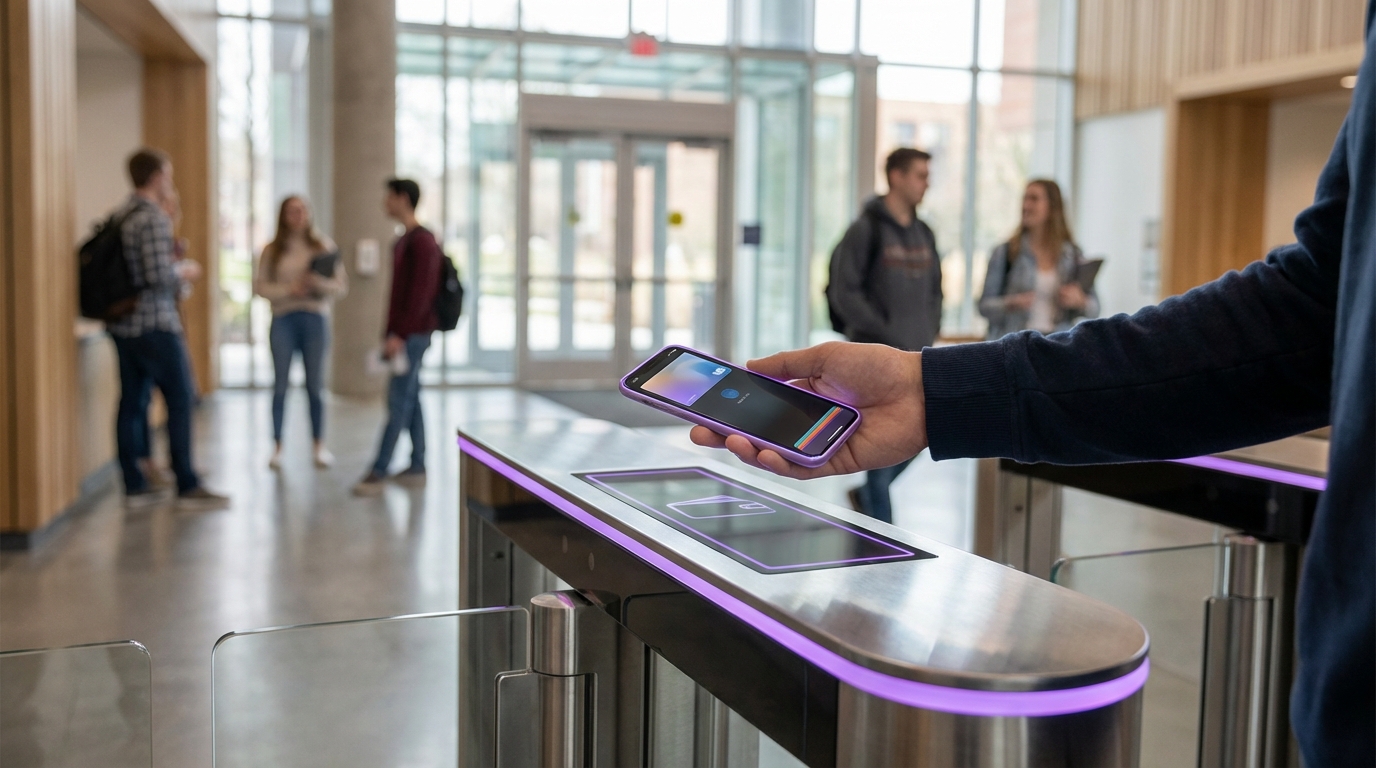
Decentralized digital identity model where users own and control their credentials without central authorities
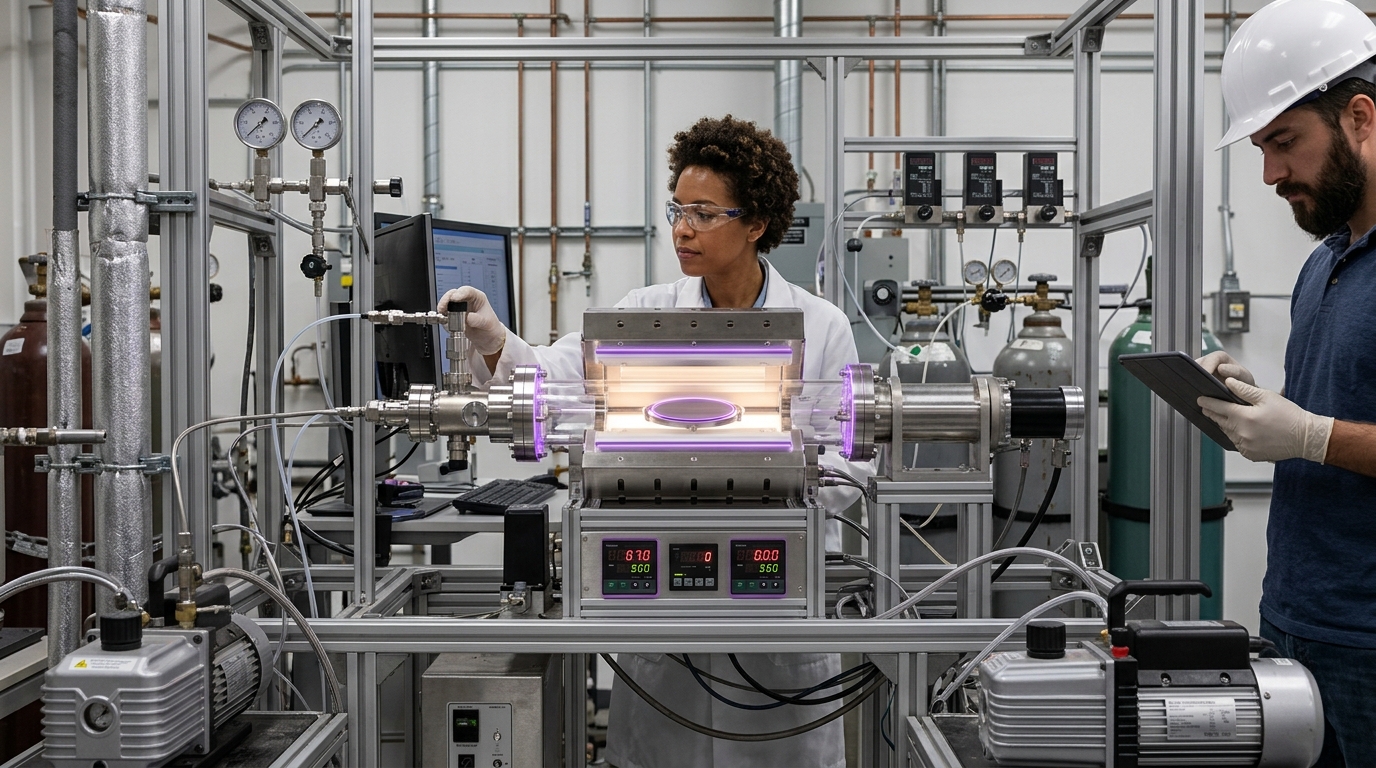
2D silicon sheets for next-generation nanoscale electronics and chip integration
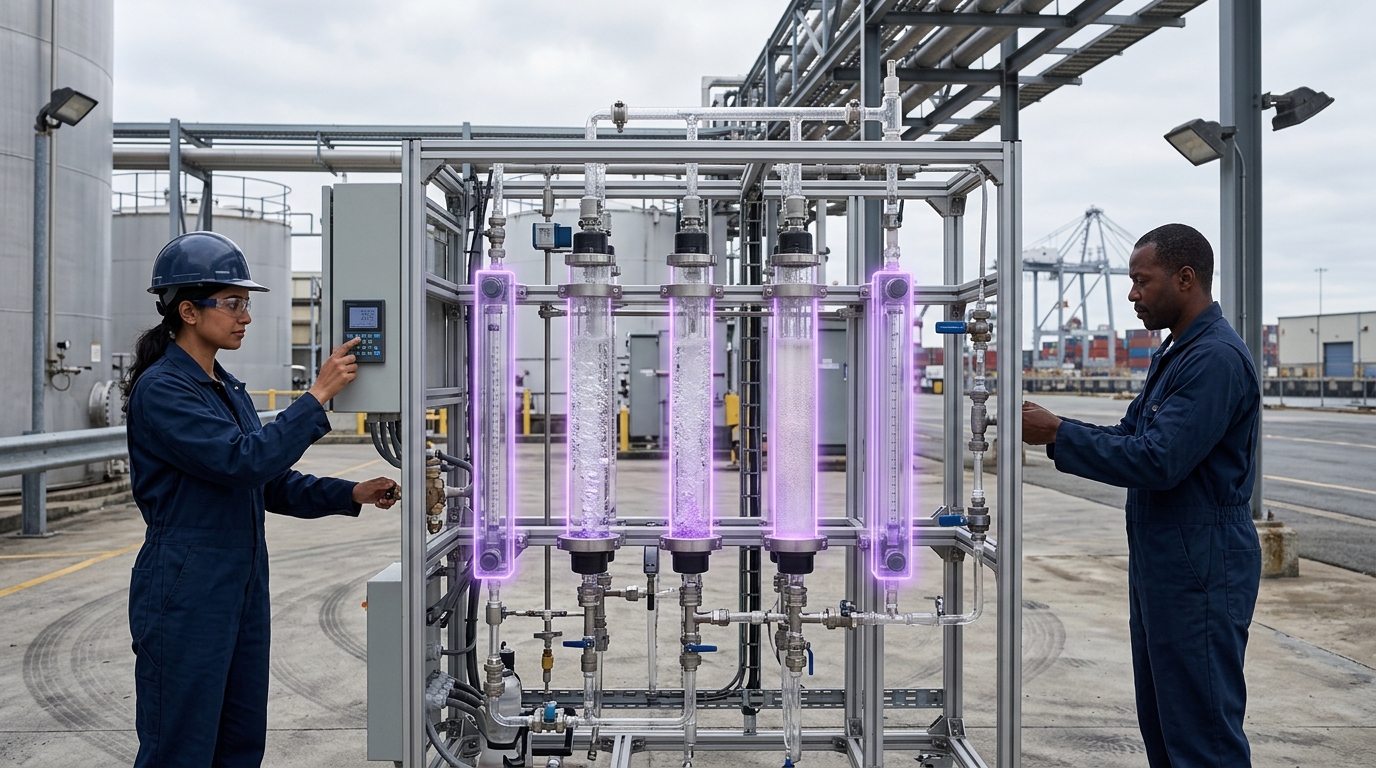
Light-driven catalysts using isolated metal atoms for efficient water splitting and CO₂ reduction

Transparent photovoltaic glass that generates electricity while functioning as windows
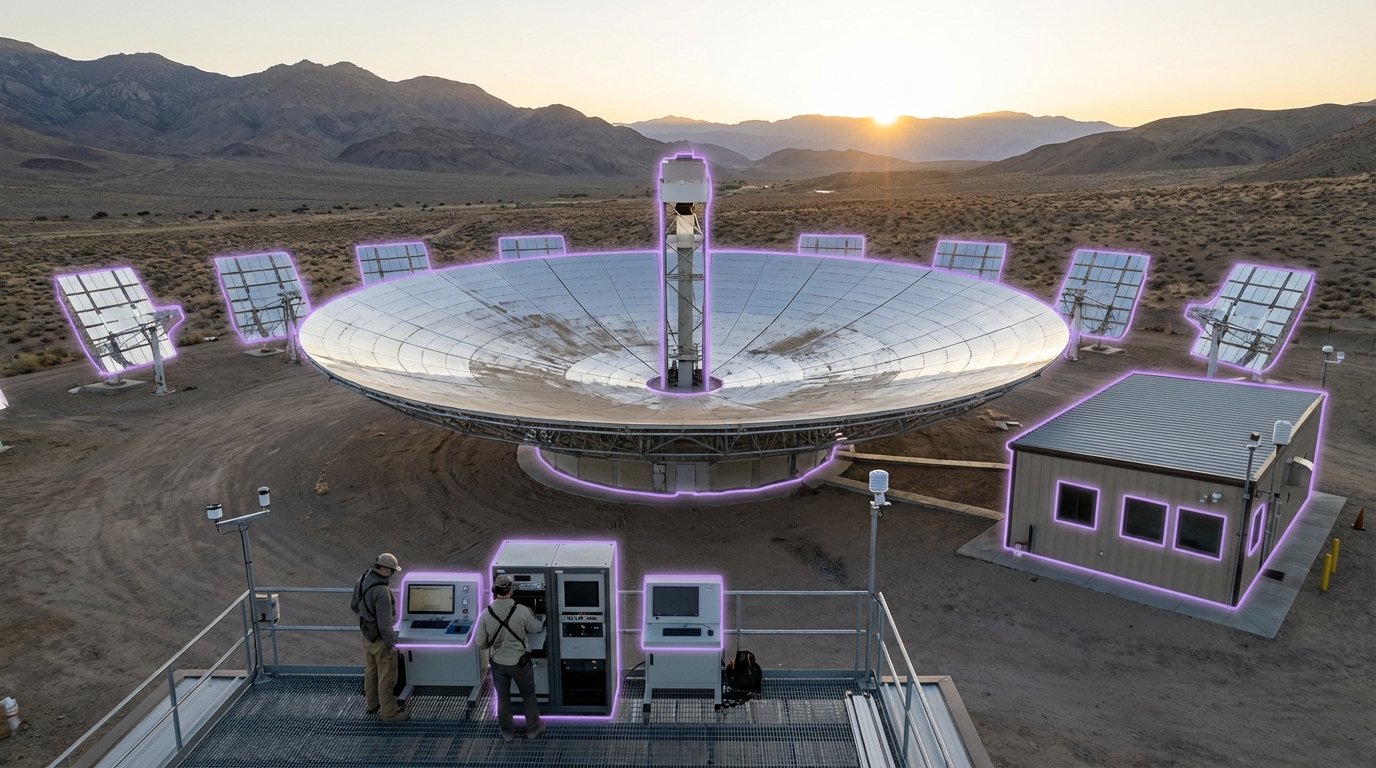
Orbital solar arrays transmitting continuous clean energy to Earth via microwave beams

Digital systems that map and interact with physical 3D environments in real-time
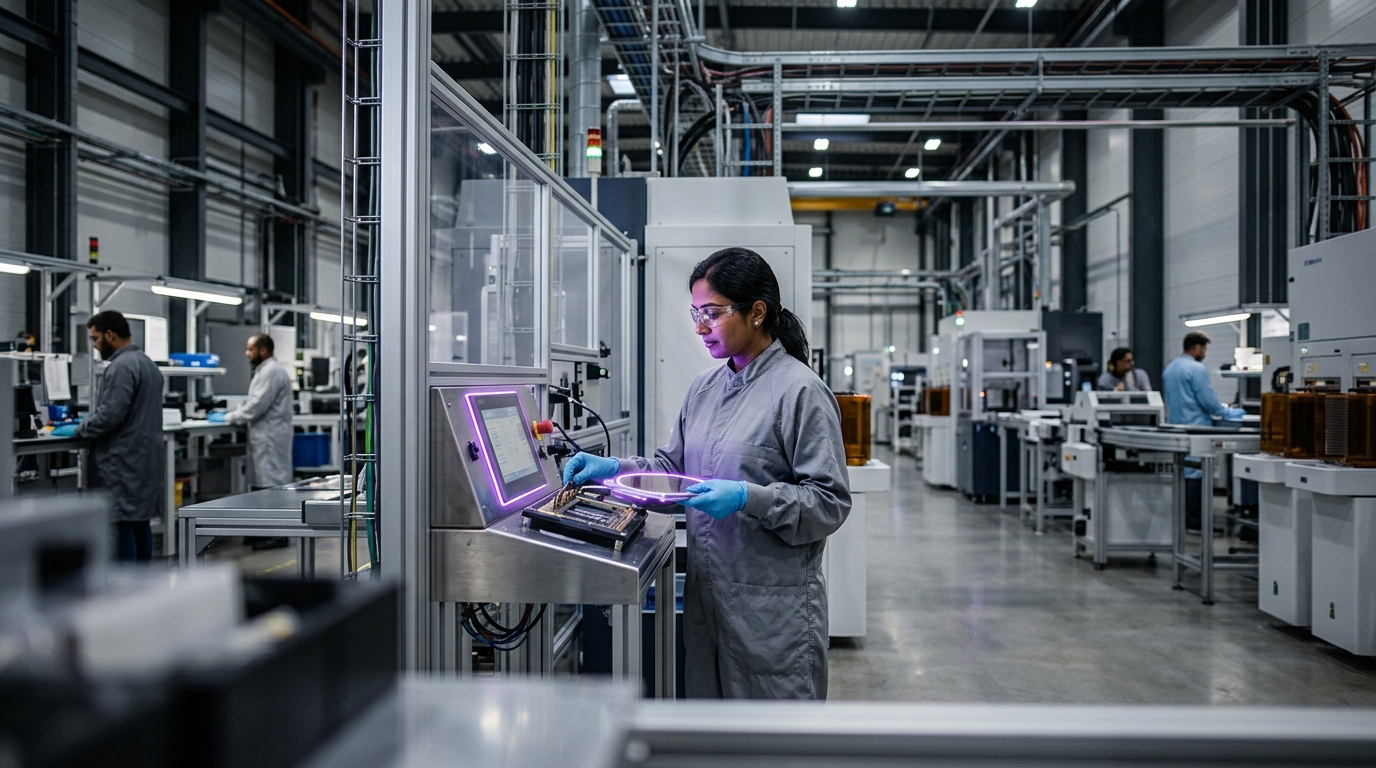
Electronics leveraging electron spin for faster, low-power memory and logic devices
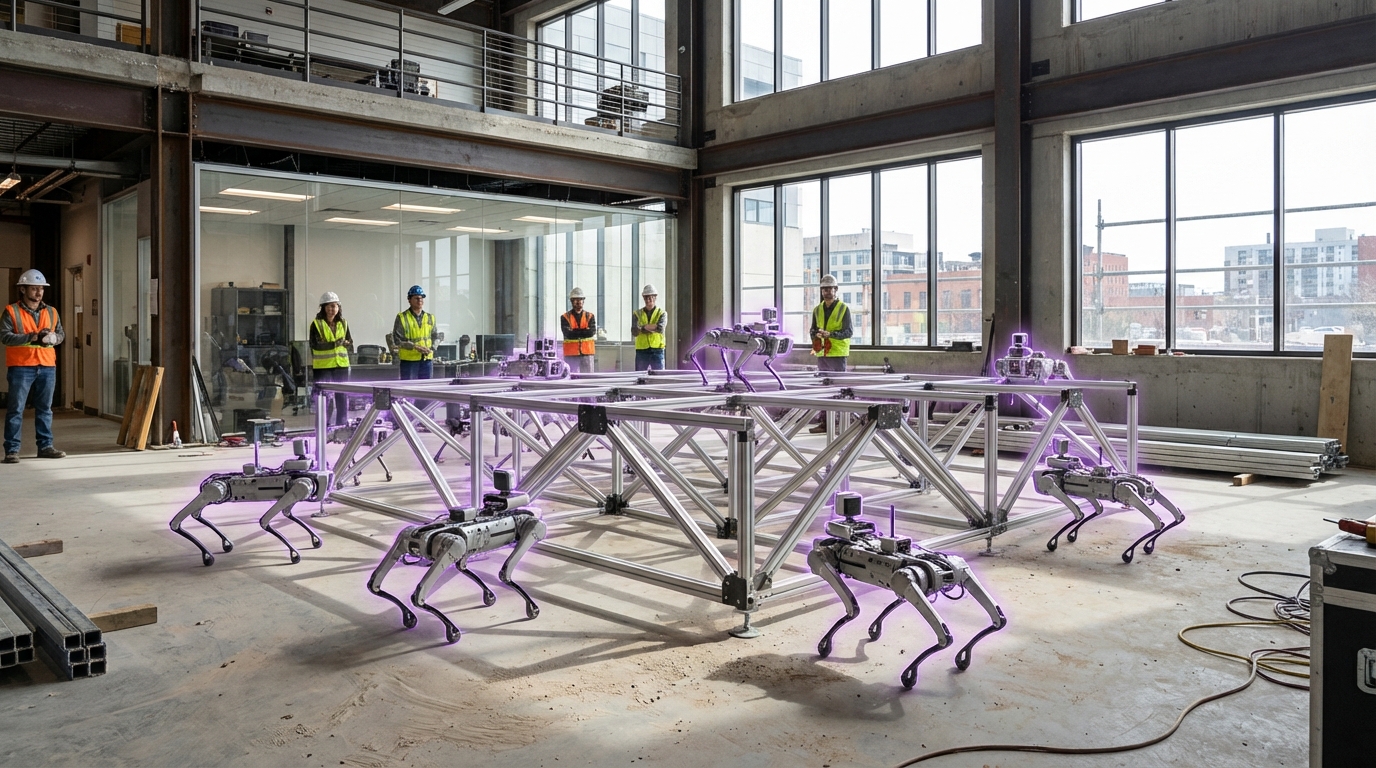
Large groups of simple robots coordinating through local rules to solve complex tasks collectively

Detection and analysis tools for identifying AI-generated images, video, and audio
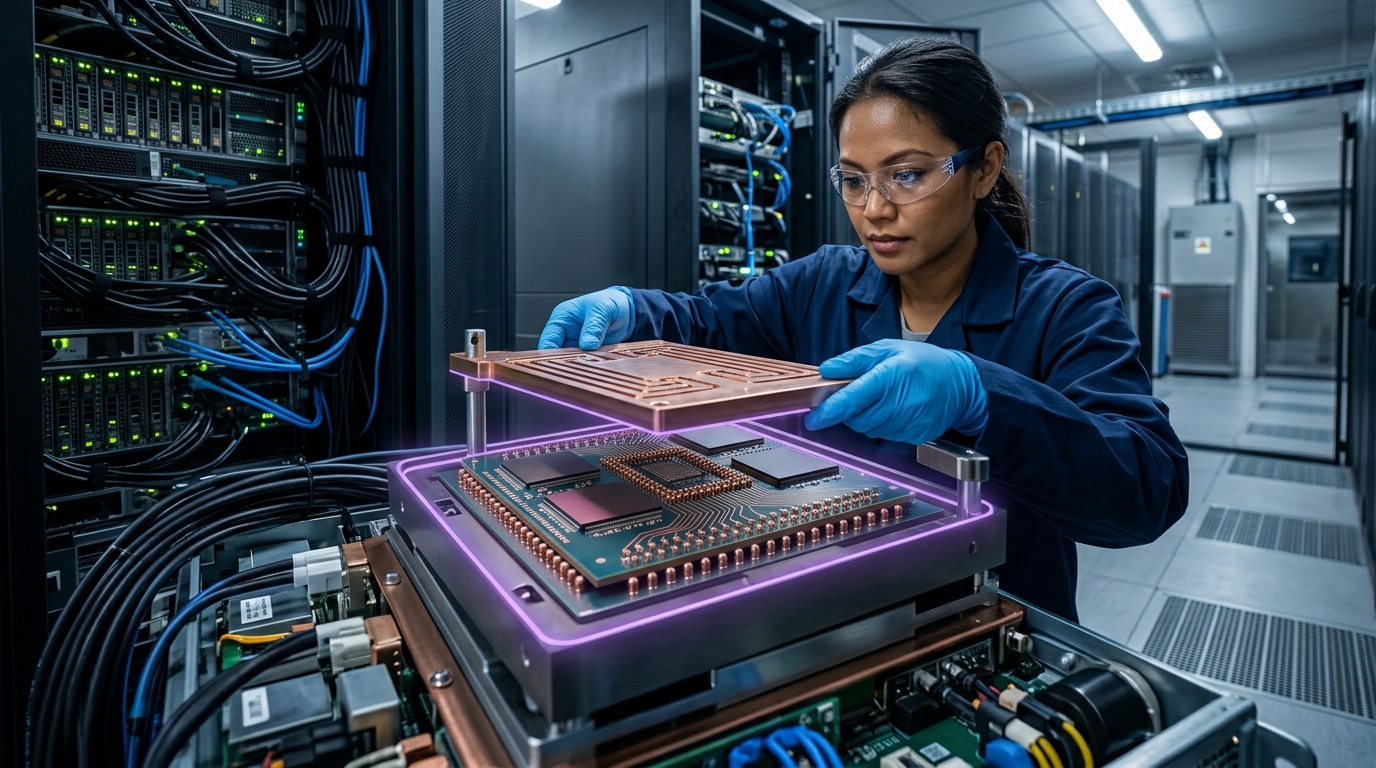
Copper interconnects engineered to extract heat from high-power electronics and dense chip packages

Vertically stacked chips connected by through-silicon vias to boost density and speed
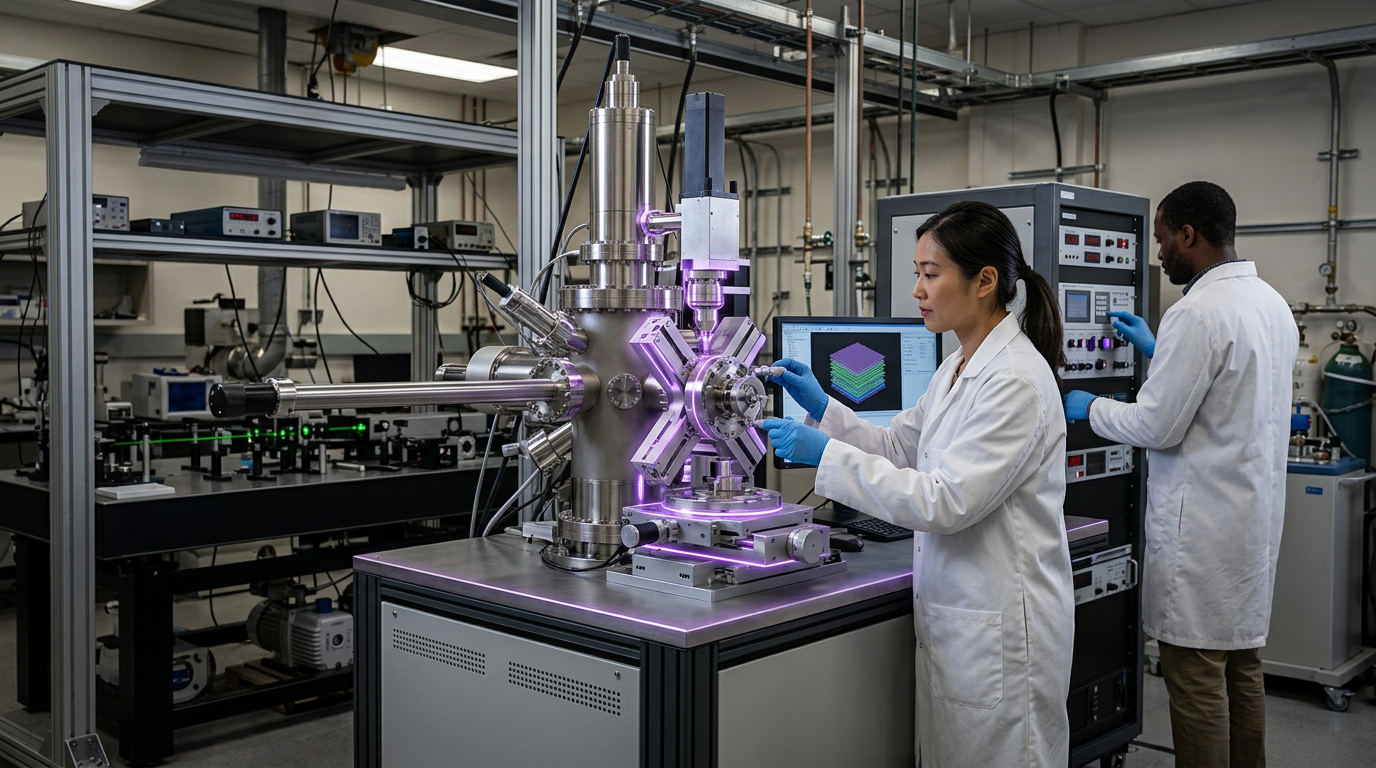
Tuning electronic properties by twisting stacked 2D materials at precise angles
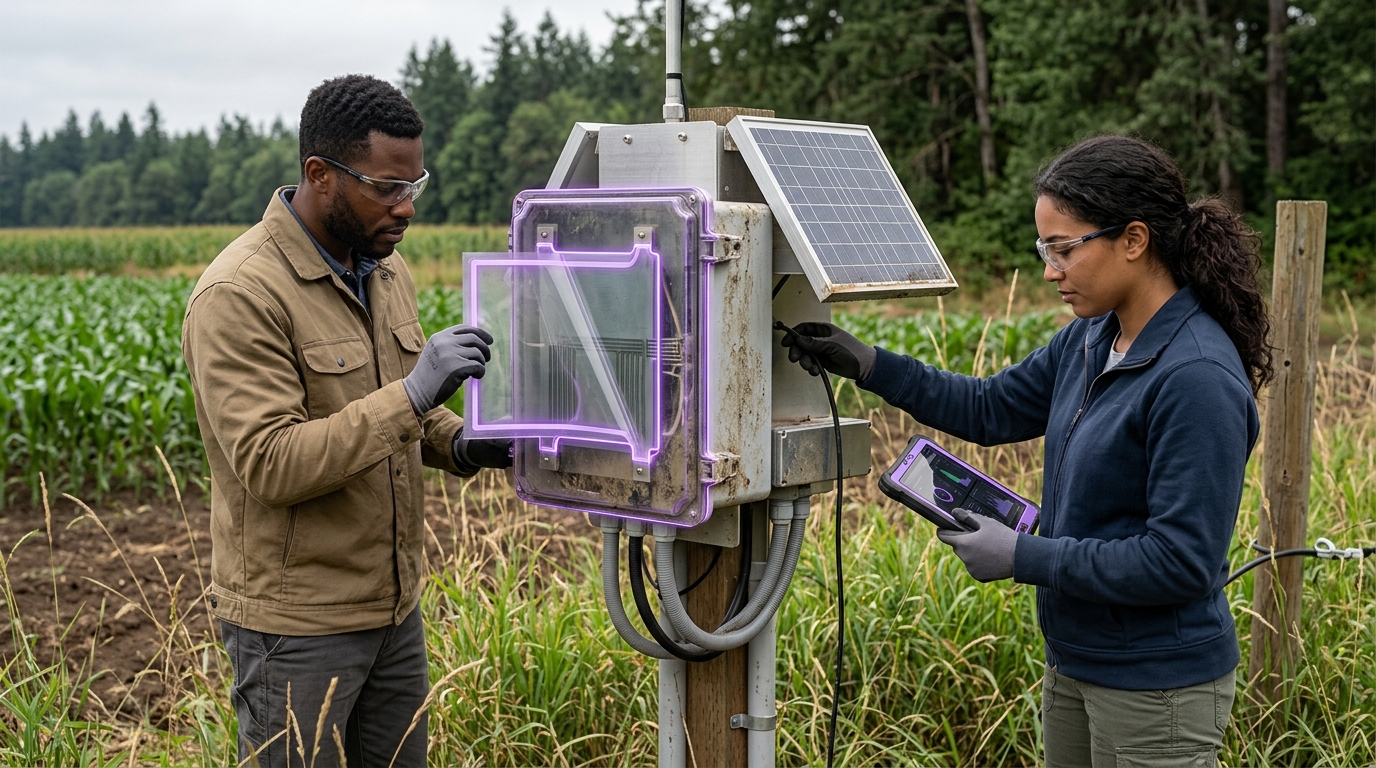
Atomically thin sheets with tunable electronic and optical properties for advanced semiconductors and sensors
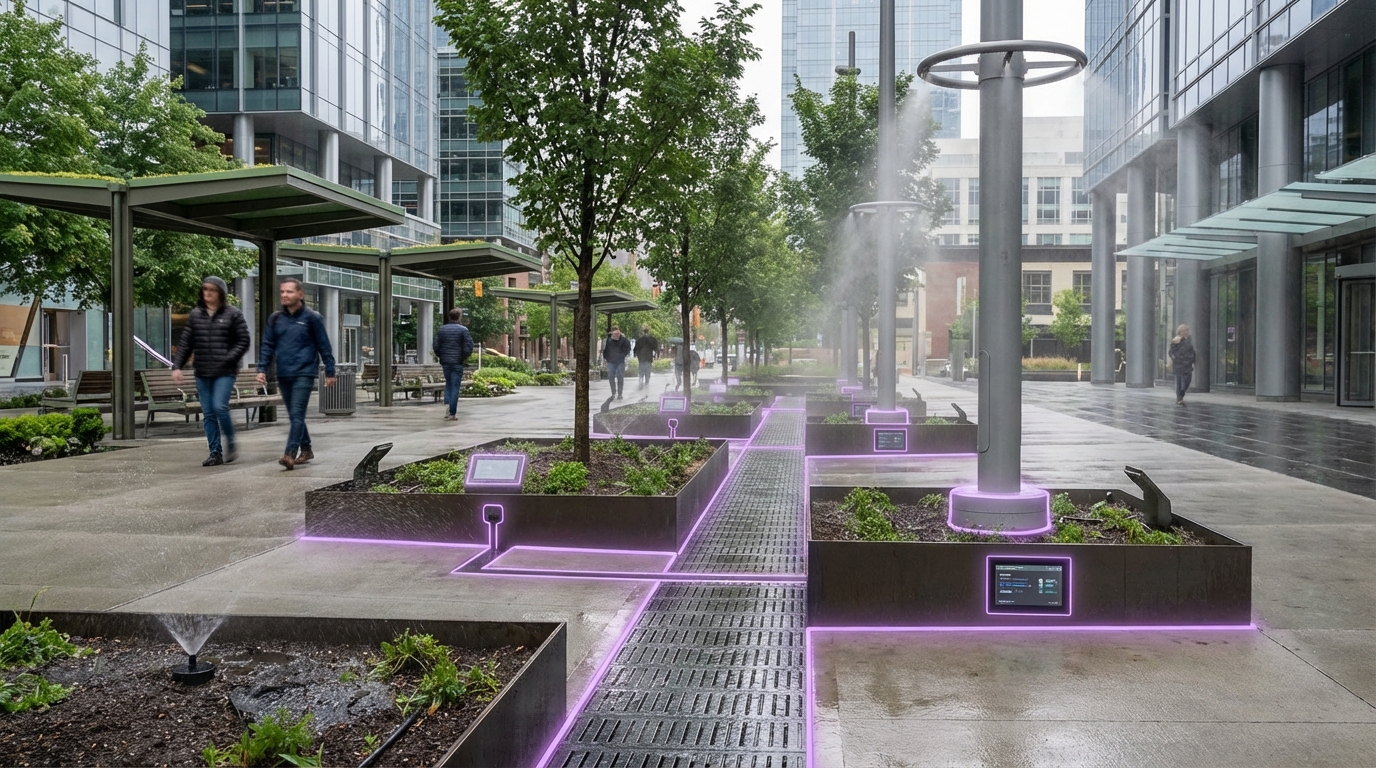
Sensor-controlled water systems that cool urban surfaces and manage heat through targeted irrigation
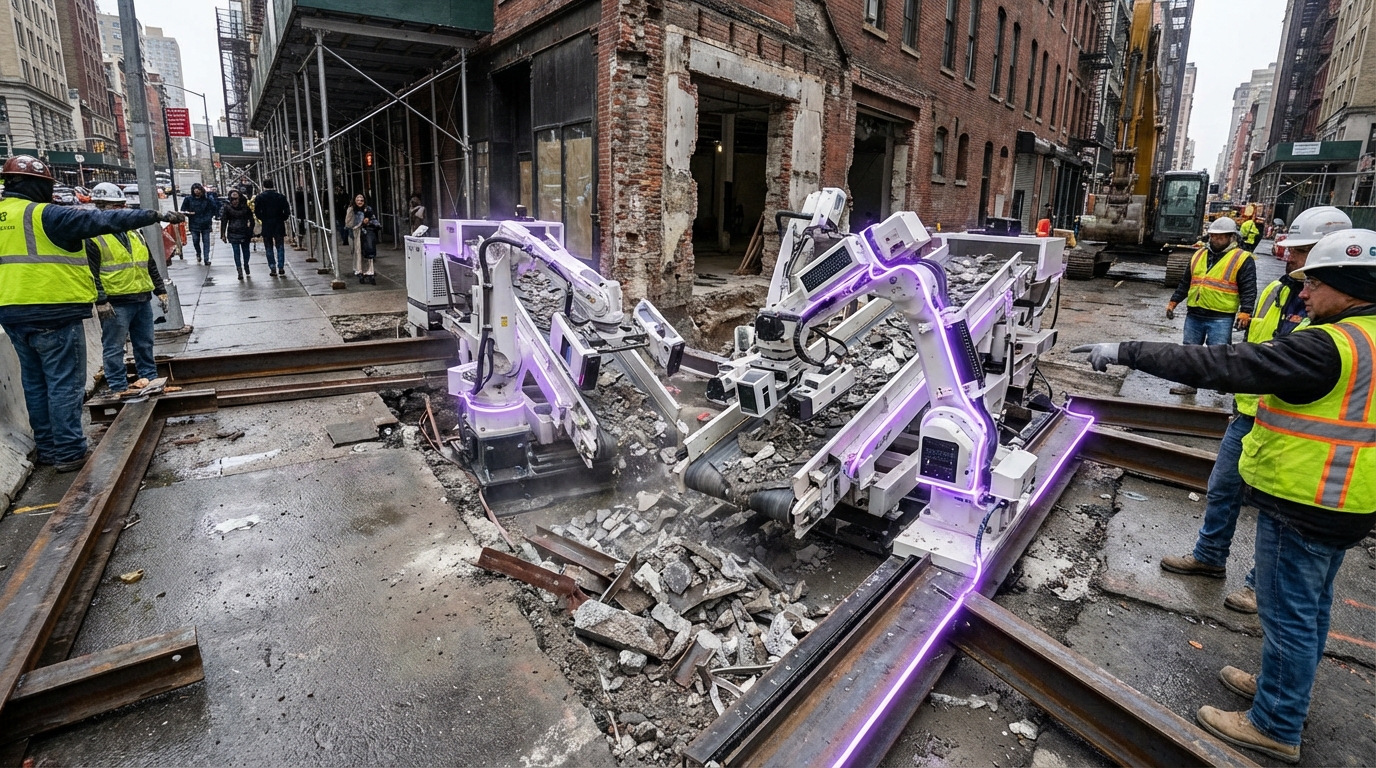
Extracting valuable metals and materials from electronic waste and urban refuse
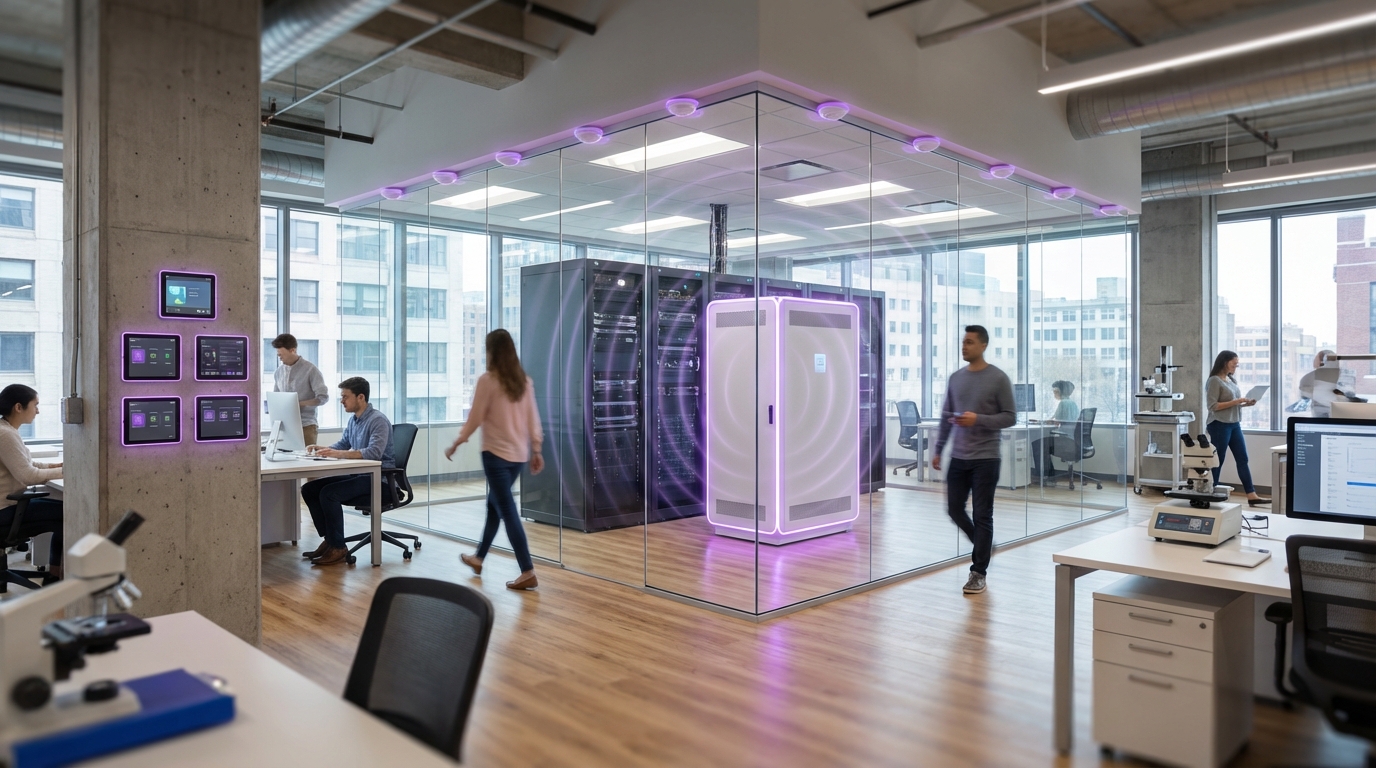
Detecting motion, occupancy, and environmental changes through existing Wi-Fi signal analysis
Turn this hub into a team session
Interested in our work?
Newsletter
Follow us for weekly foresight in your inbox.