Neuro-Rights in the Built Environment
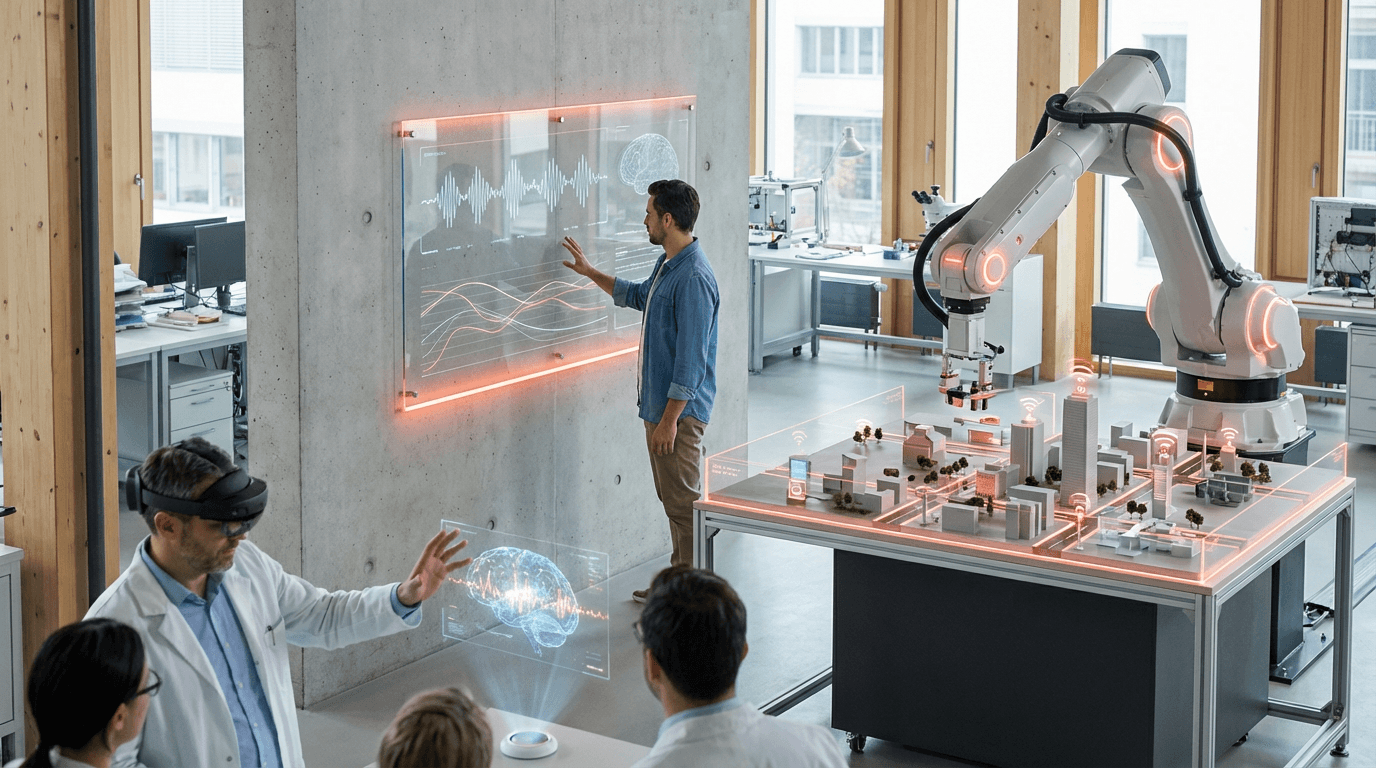
The built environment is increasingly embedded with sensors capable of capturing biometric and neurological data from occupants—ranging from eye-tracking cameras that monitor attention patterns to wearable devices that measure stress hormones and fatigue levels. These systems, often marketed as tools for optimizing workplace productivity or enhancing building performance, create what researchers call "cognitive digital twins"—digital representations of individuals' mental states derived from physiological signals. While traditional privacy frameworks have focused on protecting personal information like names, addresses, and financial records, these emerging technologies raise fundamentally different concerns: they potentially grant building operators unprecedented access to the inner workings of human cognition itself. The technical mechanisms involve aggregating data from multiple sources—thermal cameras detecting emotional arousal, desk sensors measuring fidgeting or posture changes, and even ambient microphones analyzing voice patterns for stress markers—to infer mental states that individuals may not consciously choose to reveal.
The construction and real estate industries face mounting ethical challenges as these monitoring capabilities become more sophisticated and affordable. Building operators could theoretically use cognitive data to identify which employees are most susceptible to distraction, which tenants experience anxiety in certain spaces, or even which individuals exhibit neurological patterns associated with conditions like ADHD or autism. This creates risks of discrimination in hiring, lease renewals, or workspace allocation based on neural profiles rather than job performance. Beyond privacy violations, there are concerns about cognitive manipulation—buildings could adjust lighting, temperature, or ambient sounds to influence occupant behavior in ways that serve commercial interests rather than individual wellbeing. The power asymmetry is profound: while building operators gain detailed insights into occupants' mental states, those being monitored often lack transparency about what data is collected, how it's analyzed, or who has access to these intimate cognitive profiles.
Neuro-rights frameworks are emerging as a response to these challenges, proposing legal protections specifically designed for neural and cognitive data. These frameworks typically establish principles such as mental privacy (the right to keep one's thoughts and mental states confidential), cognitive liberty (freedom from unwanted manipulation of mental processes), and psychological continuity (protection against alterations to one's sense of self). Several jurisdictions have begun exploring legislation that would classify neural data as a protected category requiring explicit consent and strict usage limitations. In the context of buildings, this could mean requiring clear disclosure when cognitive monitoring occurs, establishing data minimization standards that limit collection to what's genuinely necessary for building operations, and prohibiting the use of neural data for discriminatory purposes. As smart buildings become more prevalent and sensor technologies more capable, the integration of neuro-rights into building codes and workplace regulations represents a critical step toward ensuring that architectural innovation enhances rather than undermines human autonomy and dignity.
Related Organizations

Promotes and advances knowledge that links neuroscience research to a growing understanding of human responses to the built environment.
Advocacy group led by Rafael Yuste promoting the five ethical neurorights in international law.
Columbia University Neuro-Rights Initiative
United States · University
An academic initiative dedicated to developing human rights protections for neuro-technology.


The organization leading the global movement to transform buildings in ways that help people thrive.

Think tank and advocacy group focused on data privacy issues.

Produces 'Ethically Aligned Design' standards, addressing the legal and ethical implications of autonomous systems.

The UK's independent regulator for data rights, providing specific guidance on AI and data protection.

Global architecture firm with a dedicated research division (HKS Lab).

PLP Architecture
United Kingdom · Company
London-based architecture firm known for smart buildings.
Supporting Evidence
Research this in Signals
Signals turns a topic into a sourced research record you can inspect and rerun. Your first scan is free, and this one starts with Neuro-Rights in the Built Environment already loaded, so edit it or scan as is.