Where technologies cluster around the world
Regions
77 technologies in Africa
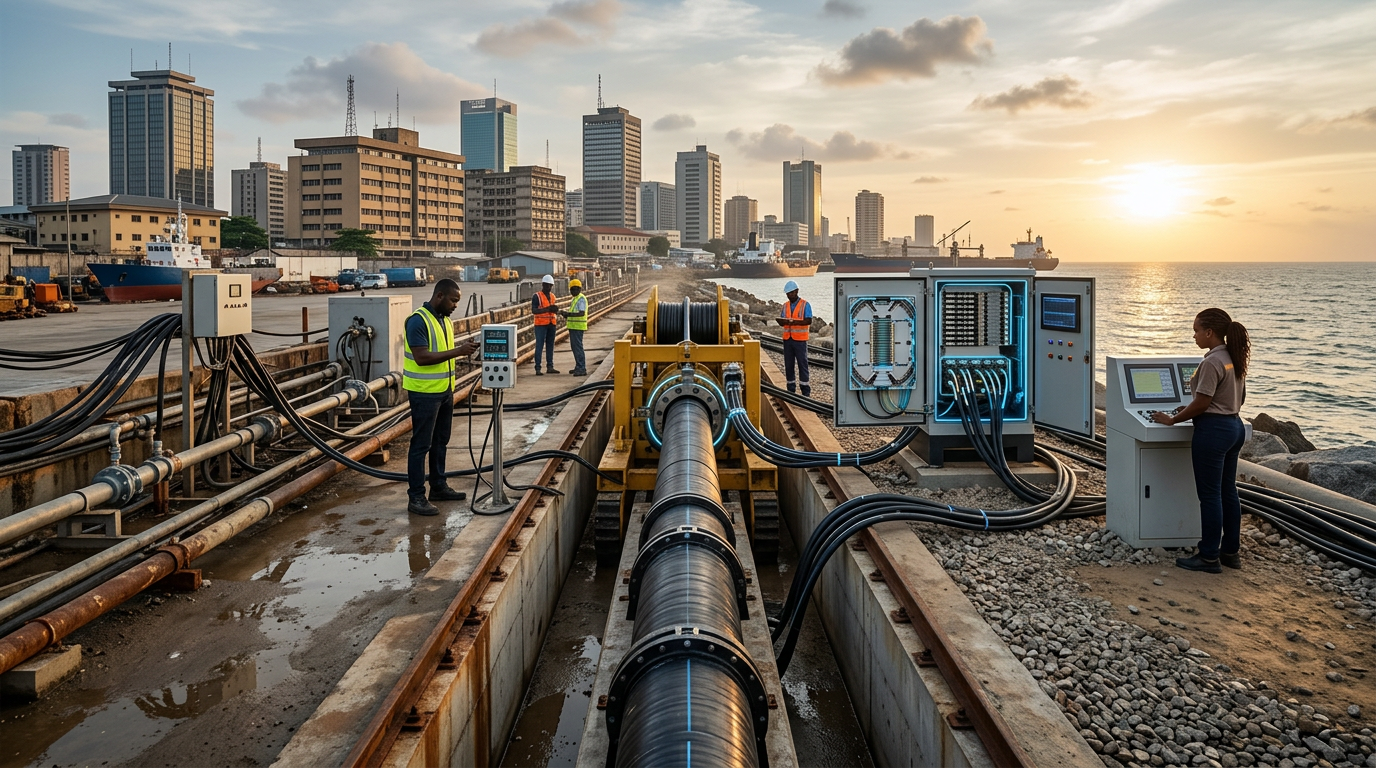
The 2Africa subsea cable — the world's largest at 45,000 km — completed in 2025, circling the entire continent with 16-fiber-pair SDM technology, increasing Africa's bandwidth 20x.
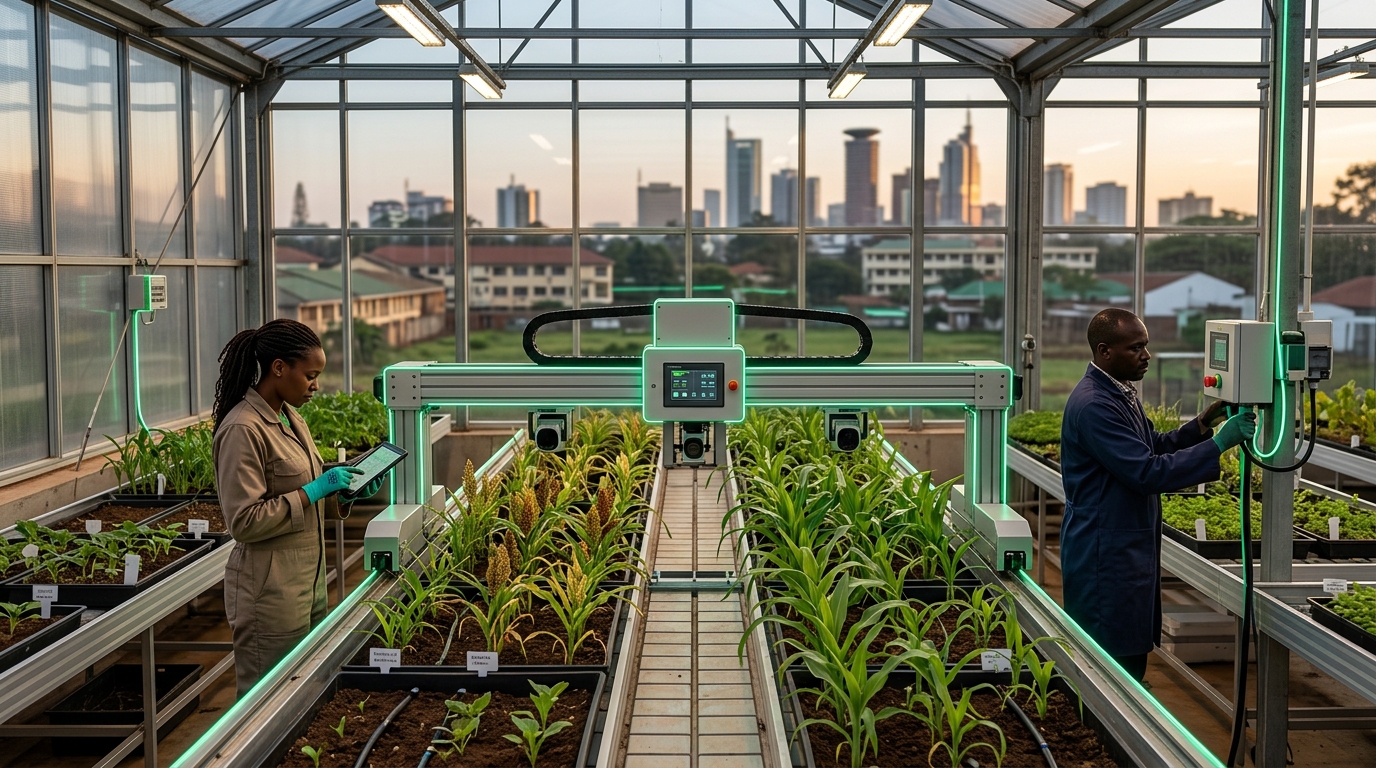
African research institutions are developing drought-resistant, heat-tolerant crop varieties using genomic selection — tailored for African soils, climates, and diets.
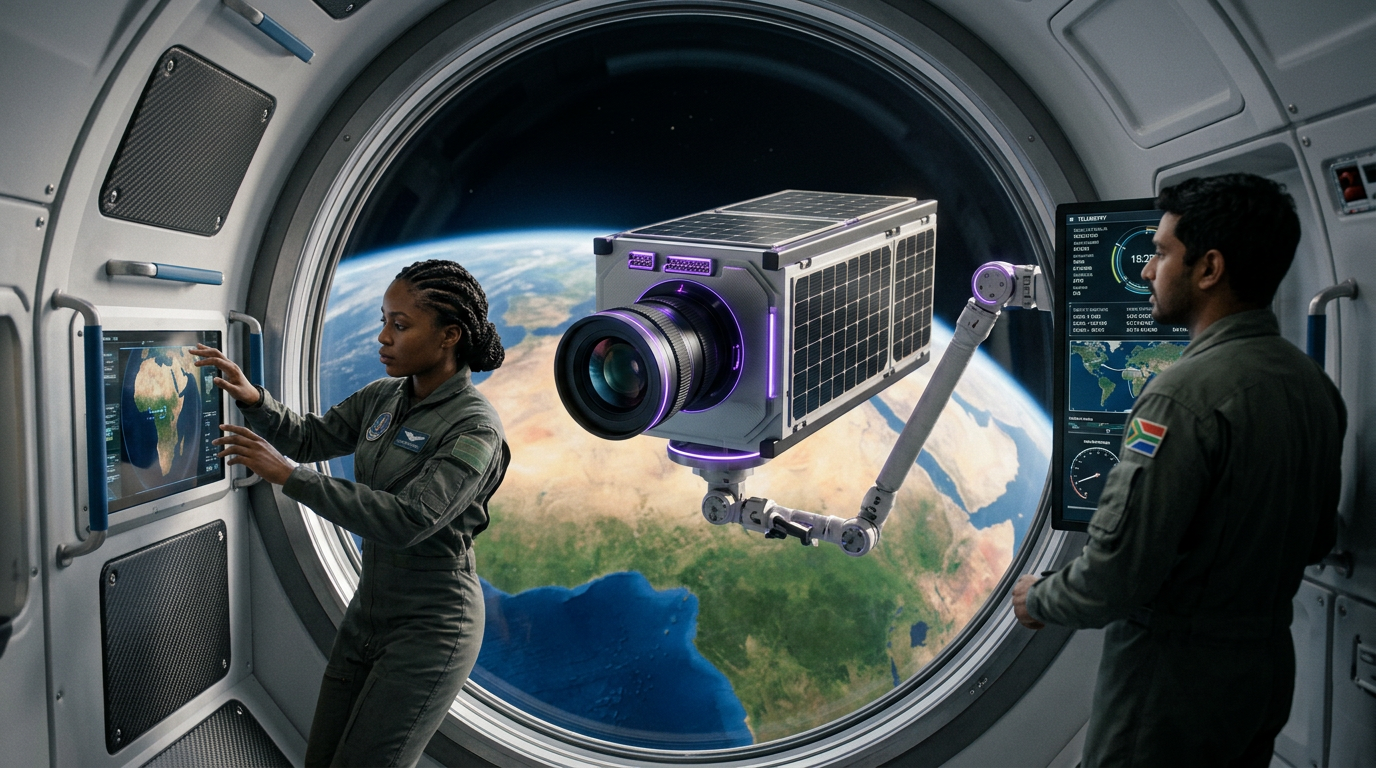
Nigeria, Egypt, and South Africa have launched 40+ satellites for earth observation, with Nigerian engineers trained in satellite design through UK technology transfer programs.
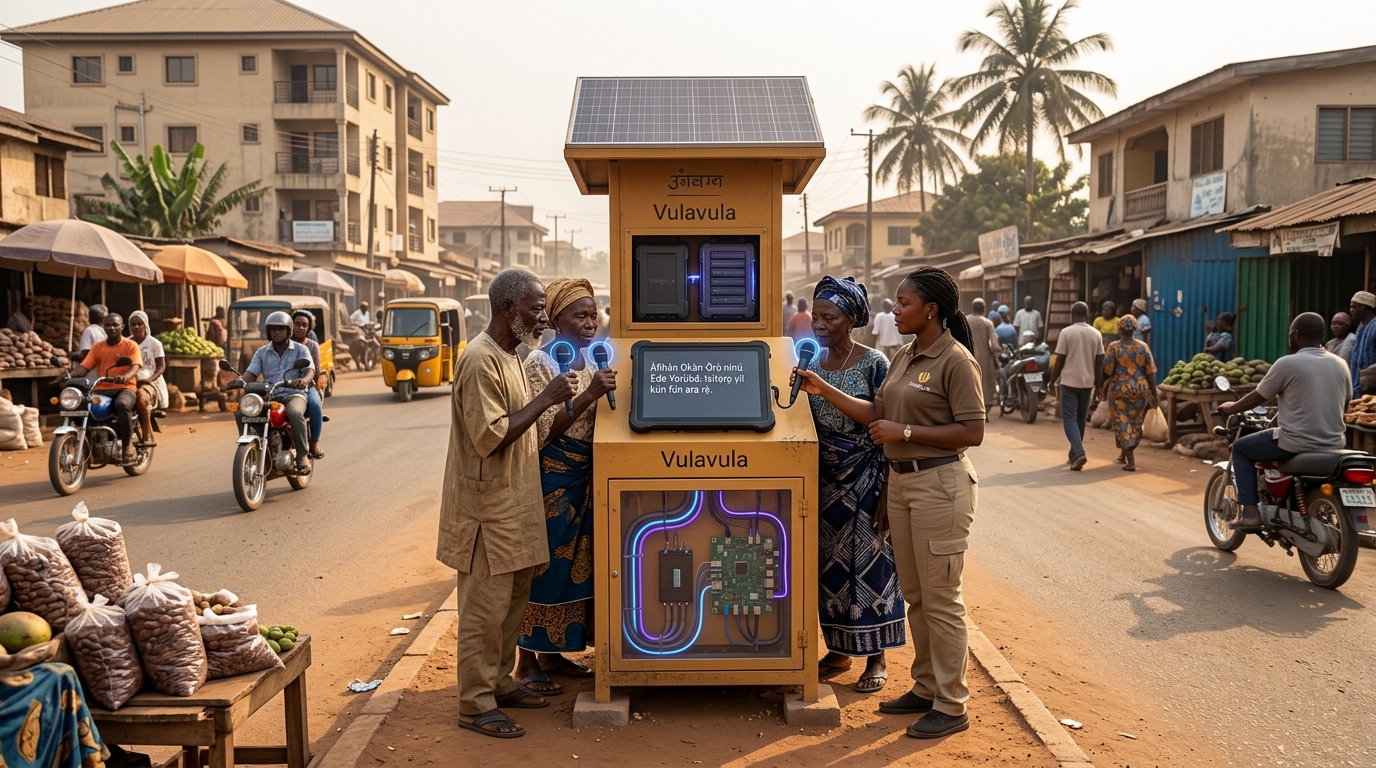
Lelapa AI's Vulavula platform provides speech recognition, translation, and sentiment analysis for African languages — serving the 2,000+ languages that global AI ignores.
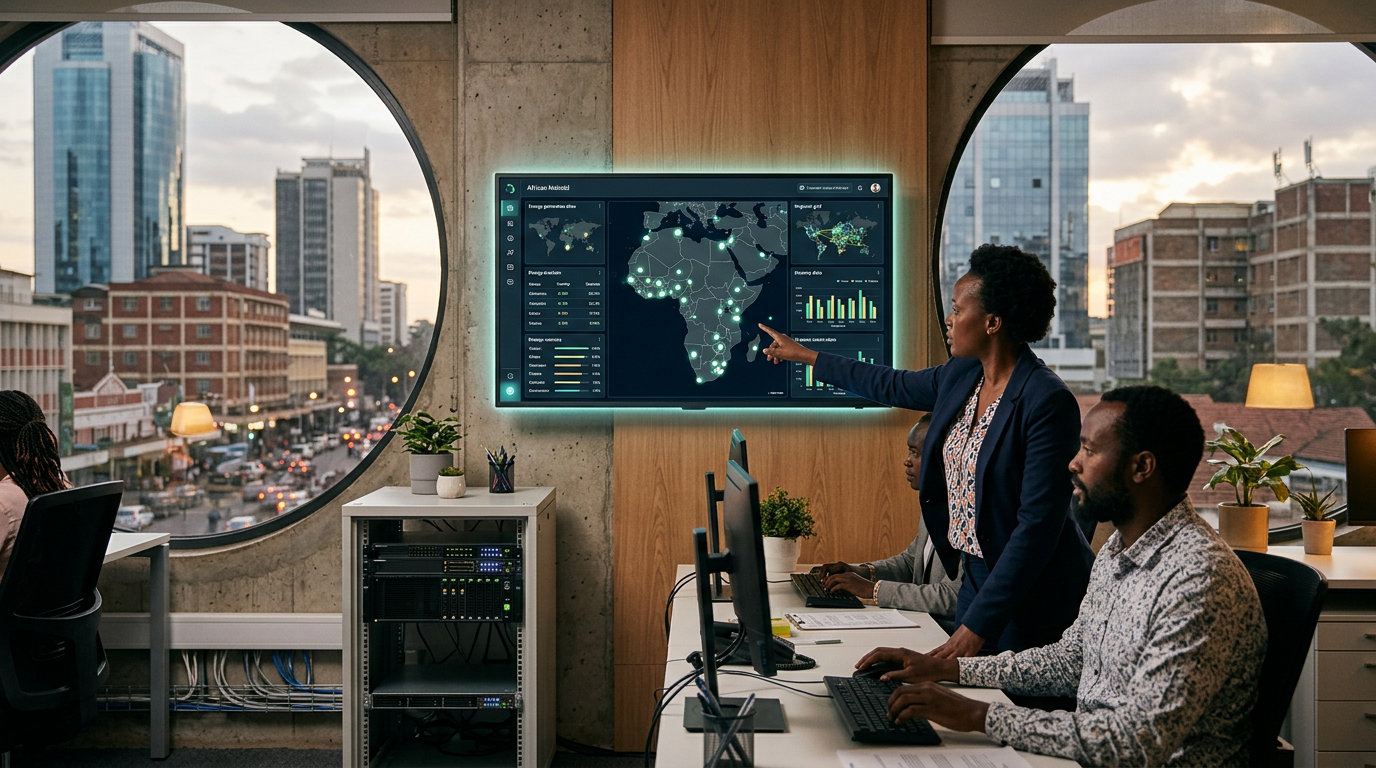
The I-REC (International Renewable Energy Certificate) system tracks and trades renewable energy certificates across 15+ African countries — enabling corporate green energy procurement.

African data center operators are building sovereign cloud infrastructure to keep data on-continent — addressing the fact that 80% of African data is currently stored overseas.
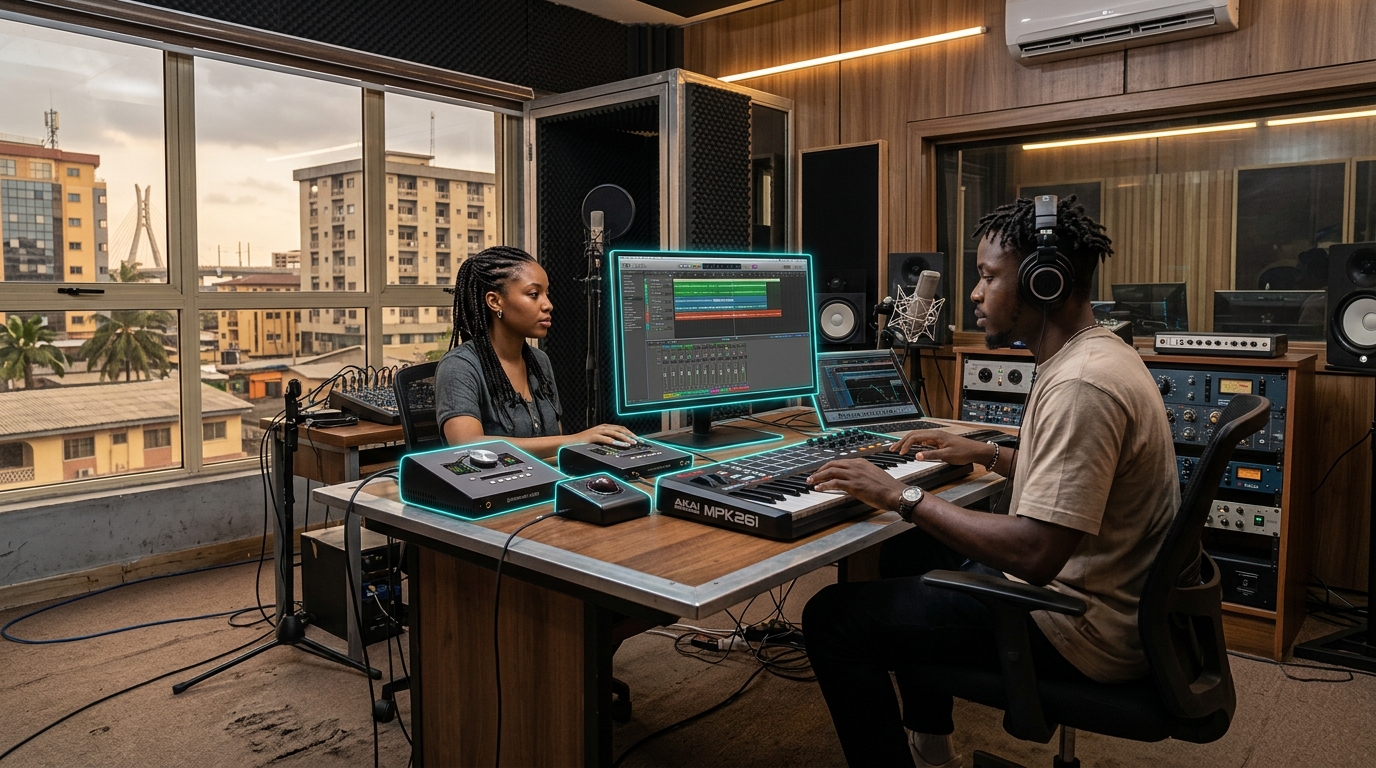
Nigeria's Afrobeats genre has become a global cultural force using digital production tools and distribution — generating $1B+ in annual revenue via streaming platforms.
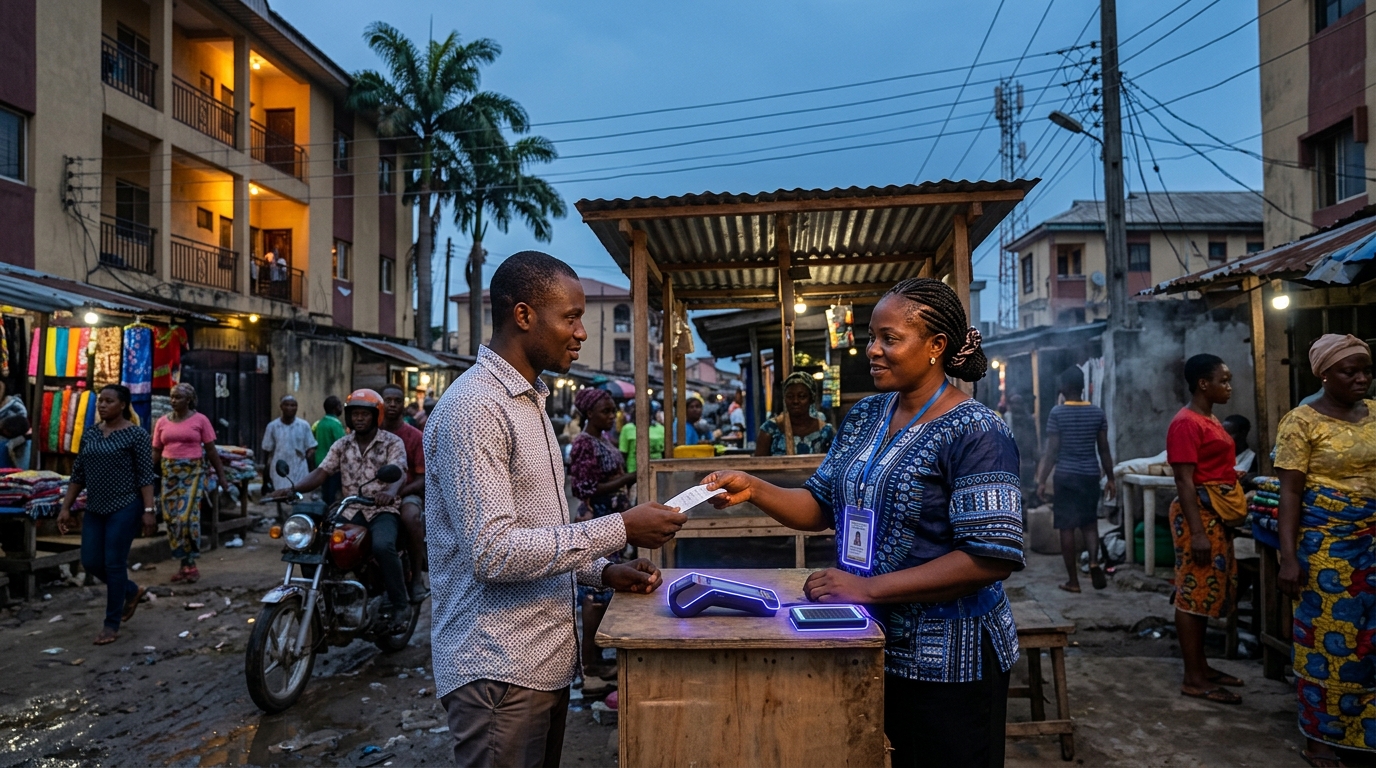
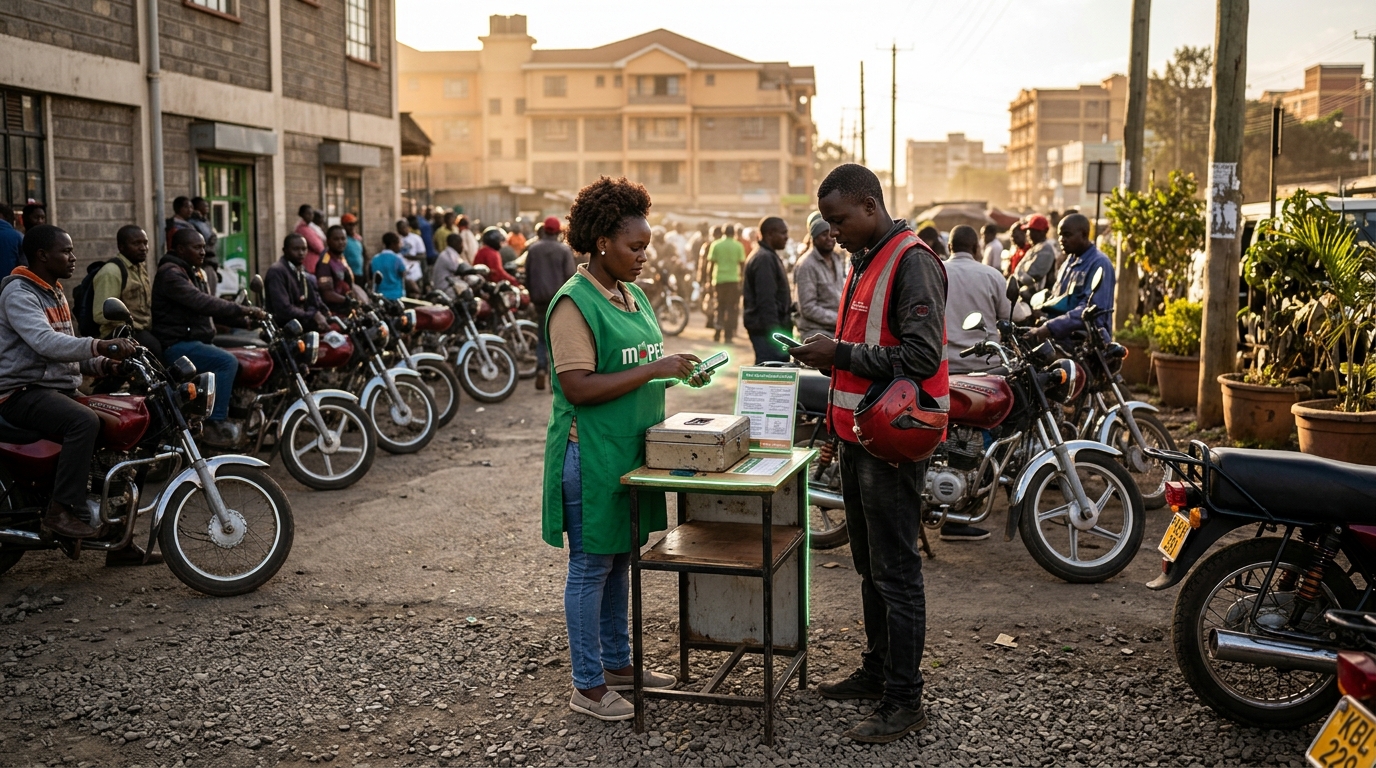
Nigeria's agent banking model deploys 1.4M+ POS terminals through human agents in markets and villages, bringing banking to areas without branches.
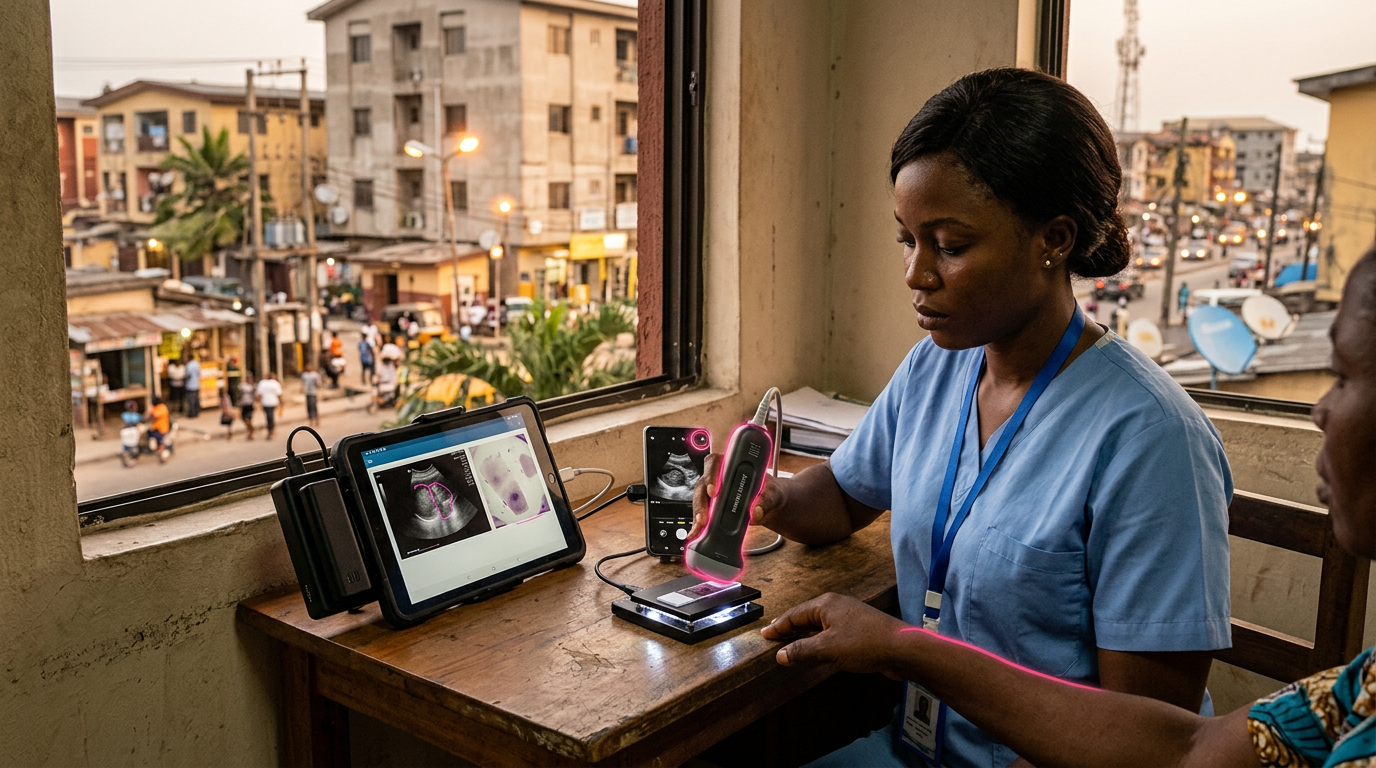
African-built AI models trained on African patient data detect TB, malaria, cervical cancer, and diabetic retinopathy from phone cameras and portable ultrasound devices.
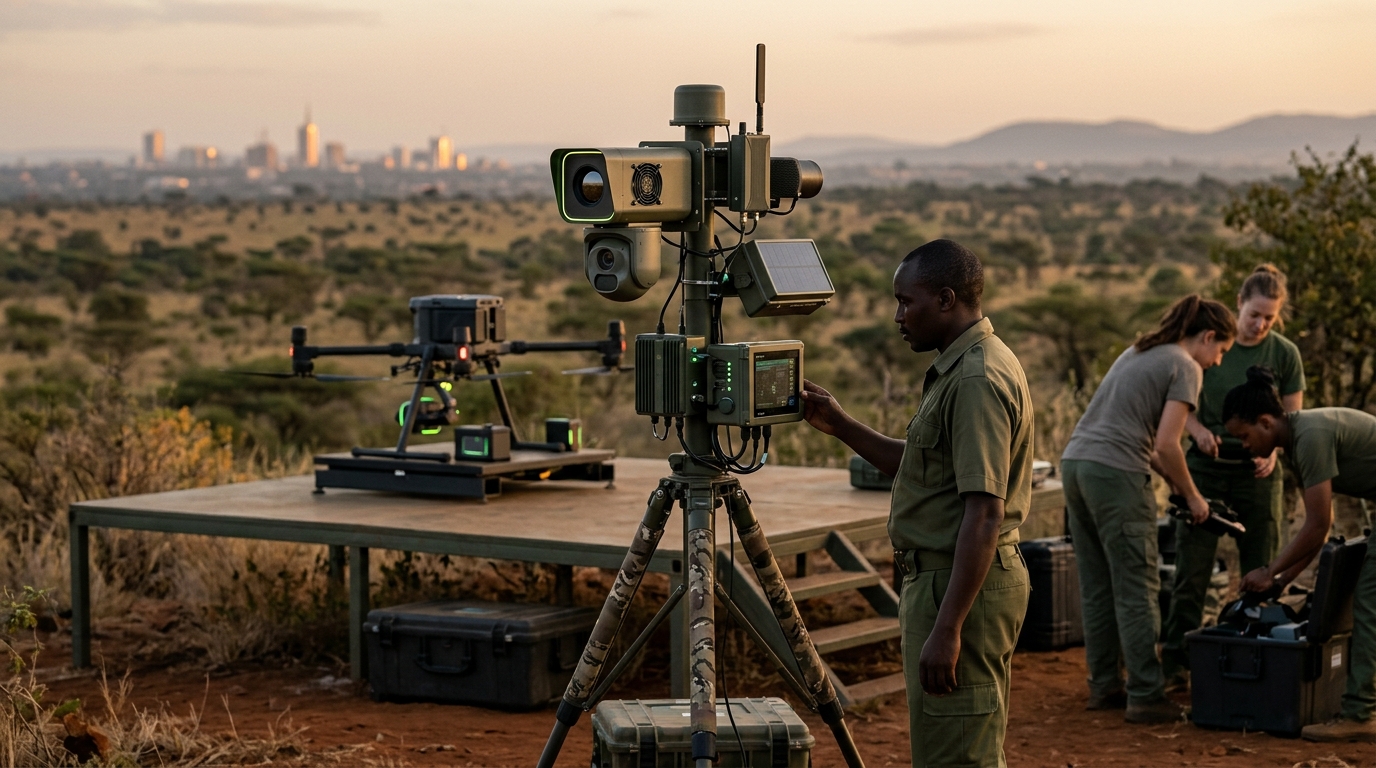
Kenya deploys integrated AI systems combining thermal cameras, drones, acoustic sensors, and predictive analytics to protect endangered species — reducing rhino poaching by 90%+ in protected areas.
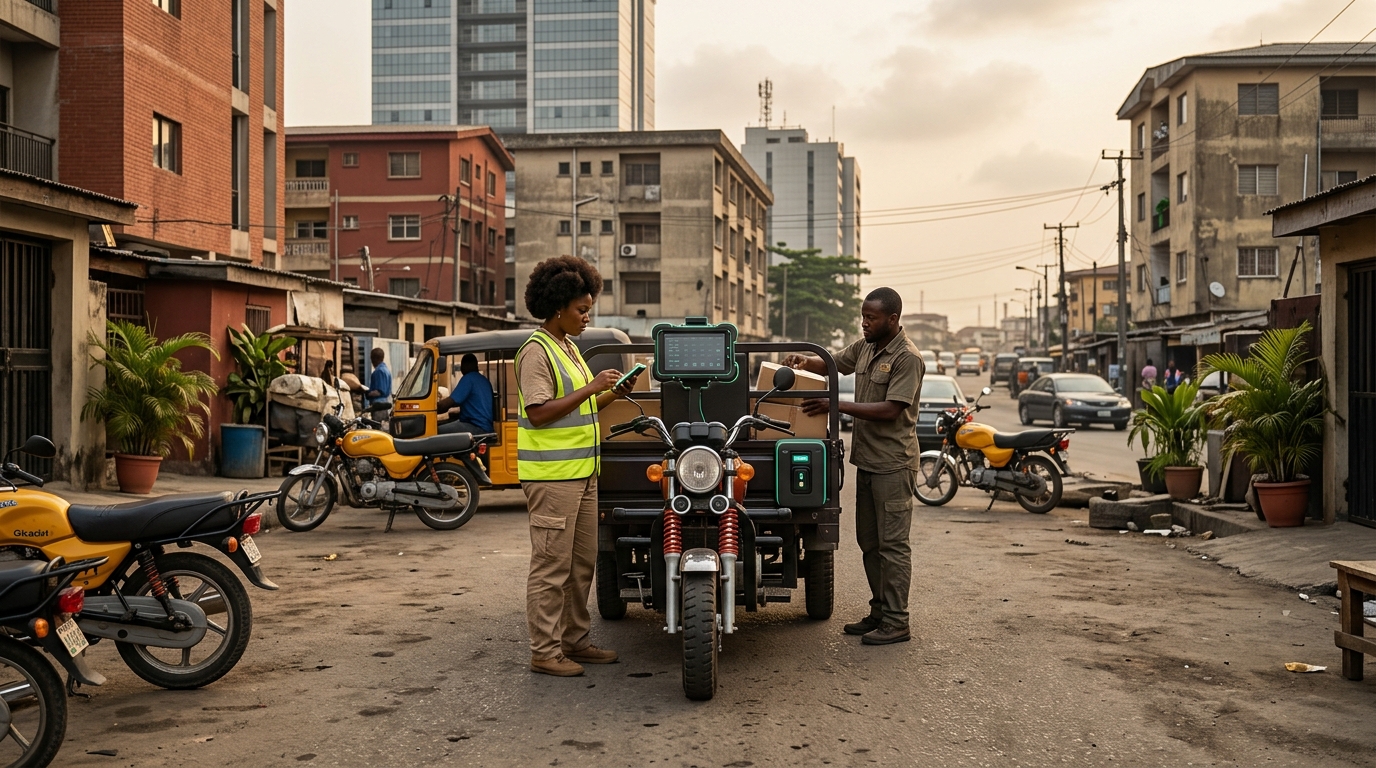
African logistics platforms use AI to optimize deliveries across cities with no formal addresses — companies like Kobo360, Lori Systems, and Sendy serve as Africa's digital freight backbone.
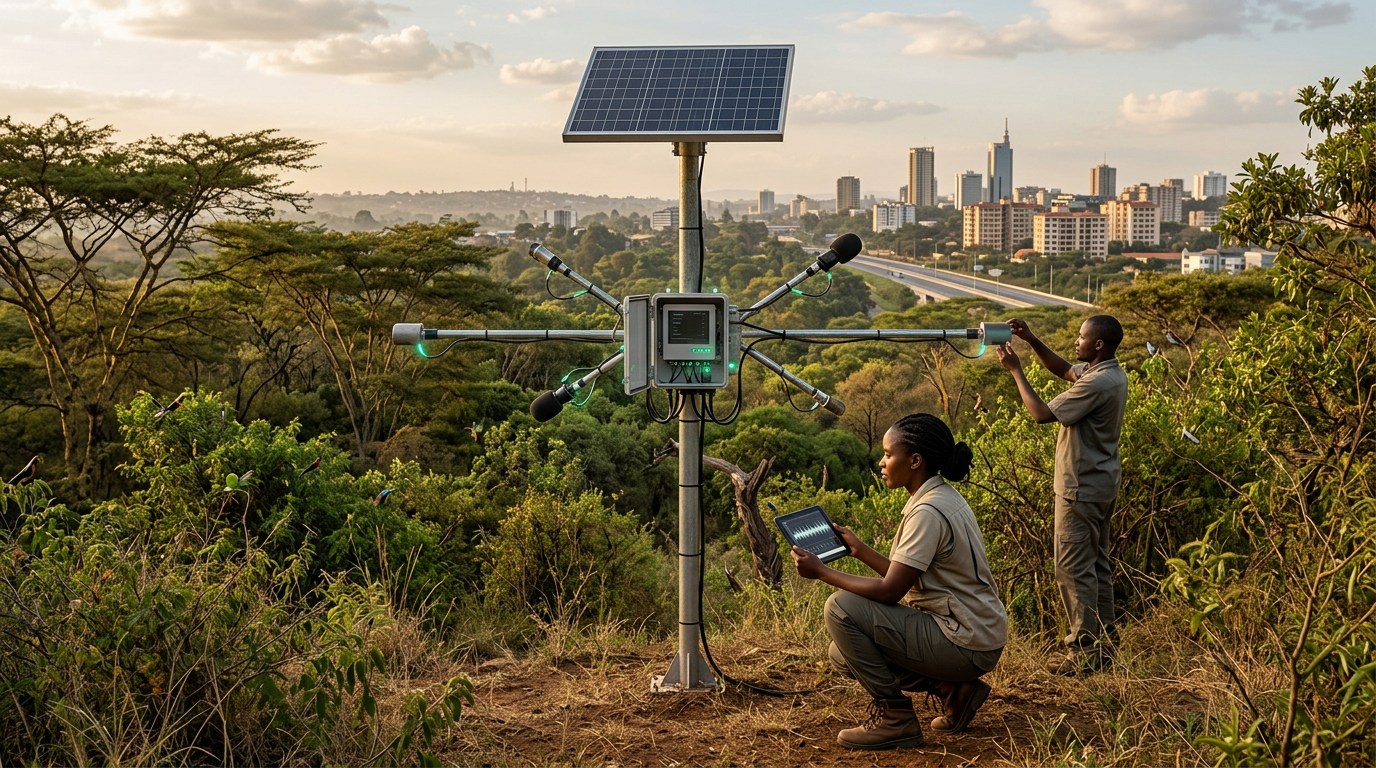
The African Bioacoustics Community deploys AI-analyzed soundscape recorders across African ecosystems — identifying species, detecting threats, and measuring biodiversity from audio alone.
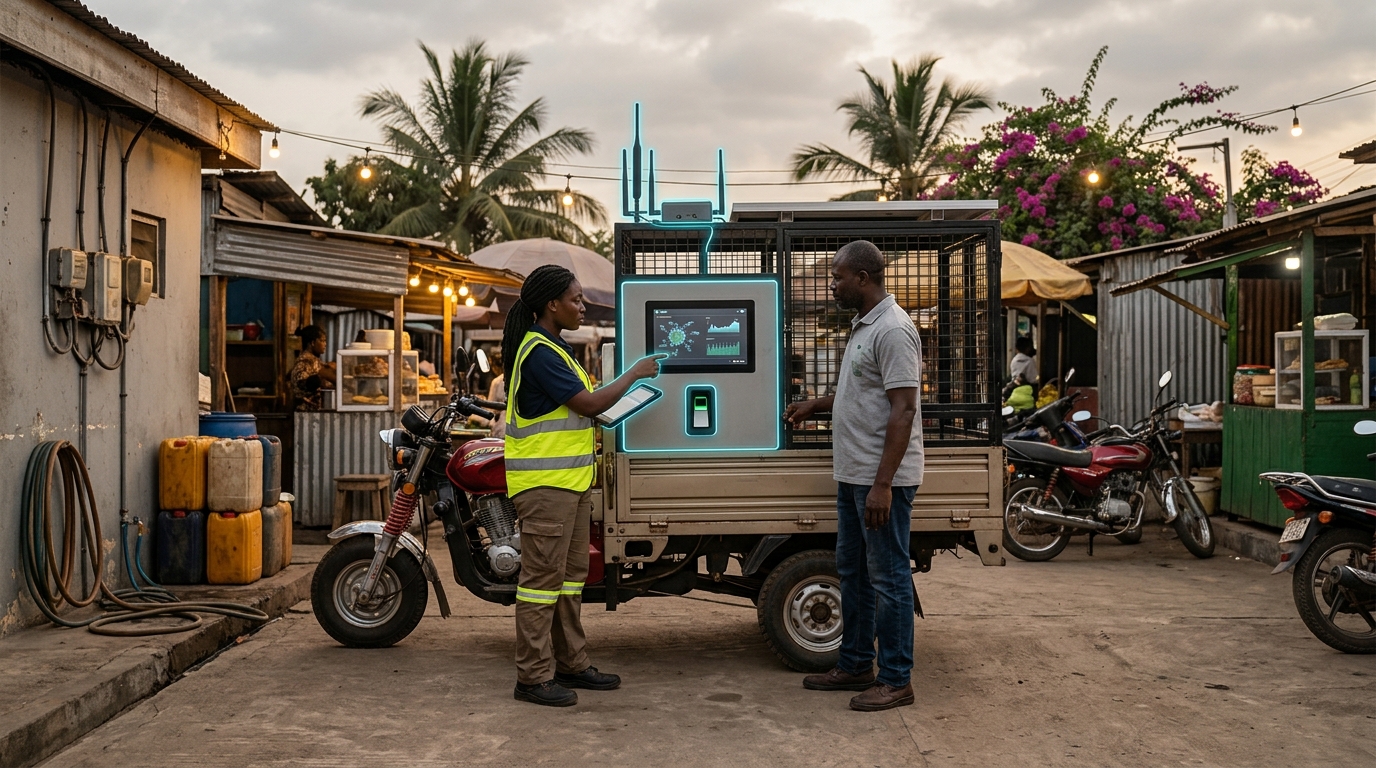
African fintechs use mobile money history, phone usage patterns, and social data to build credit scores for the 300M+ adults with no formal credit history.
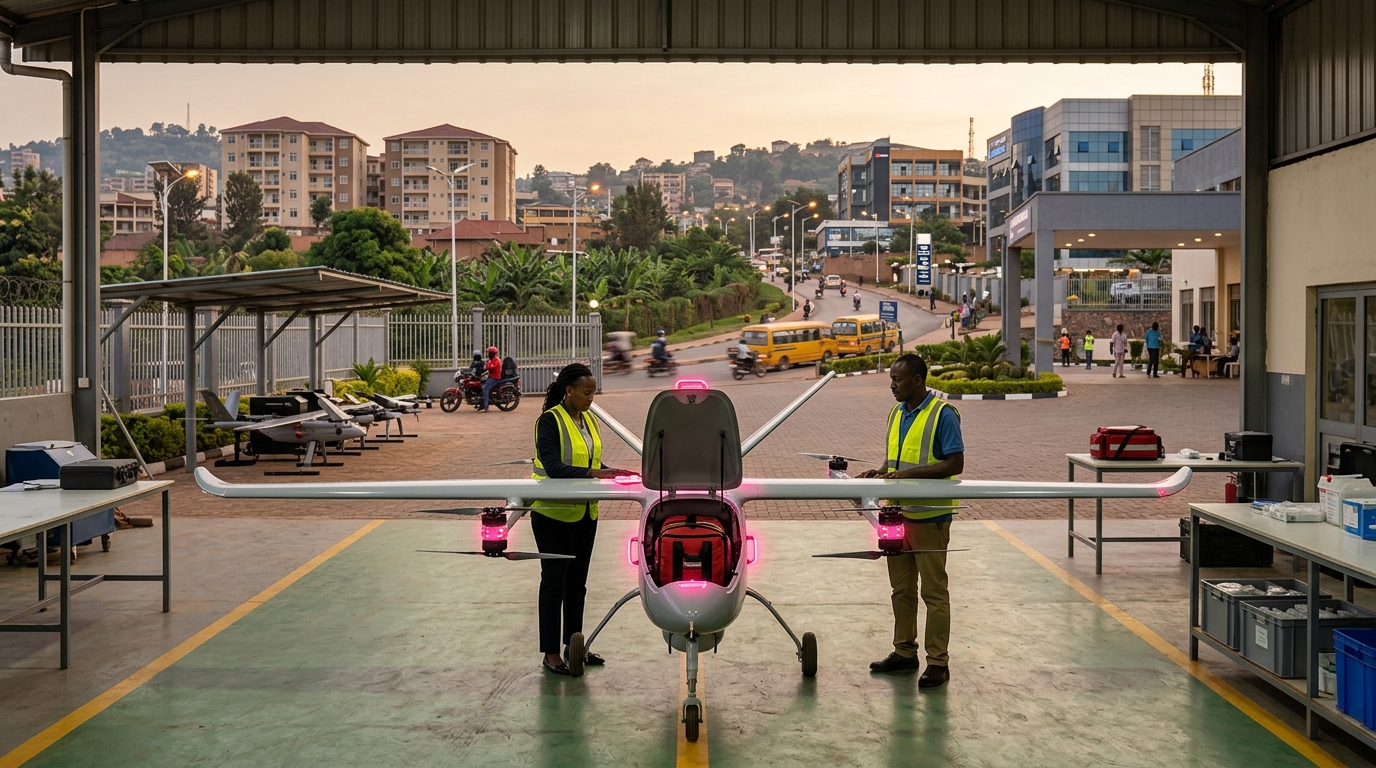
Rwanda became the world's first country to deploy a national drone delivery network for blood and medical supplies in 2016 — now handling 75%+ of blood deliveries outside Kigali.
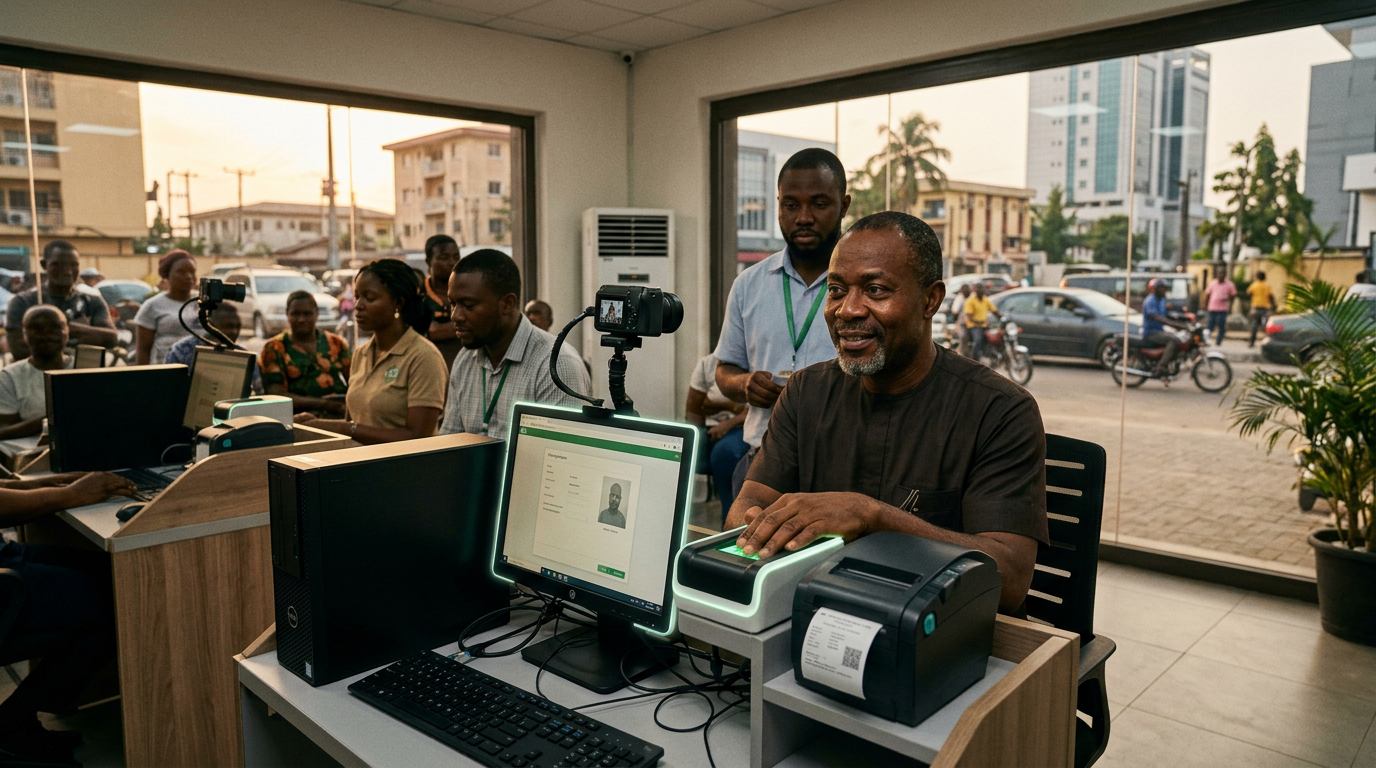
Nigeria's NIMC has enrolled 100M+ citizens in biometric digital IDs, while Kenya and Ghana are deploying similar systems — creating the identity layer for digital economies.
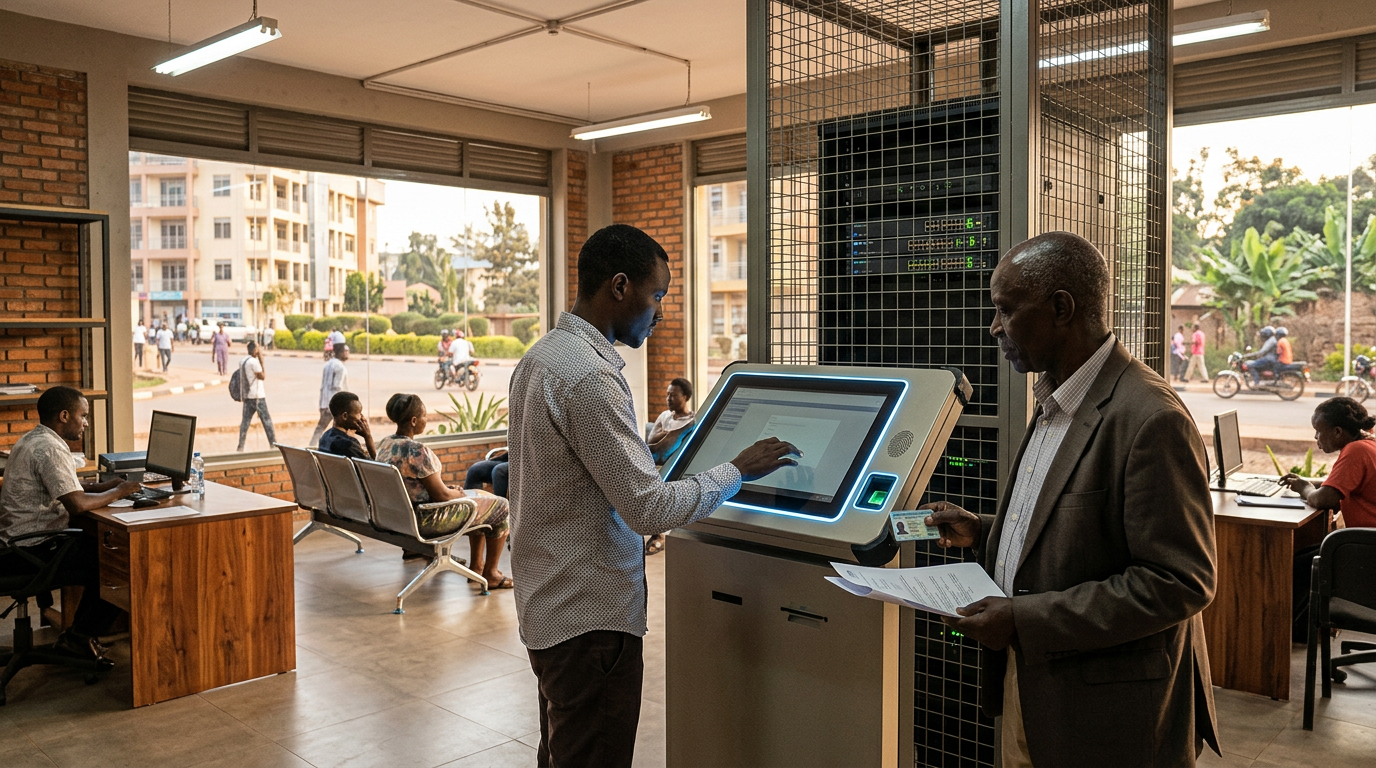
Rwanda completed Africa's most comprehensive digital land registry, registering 11.4M parcels — now exploring blockchain verification to make titles tamper-proof and tradeable.
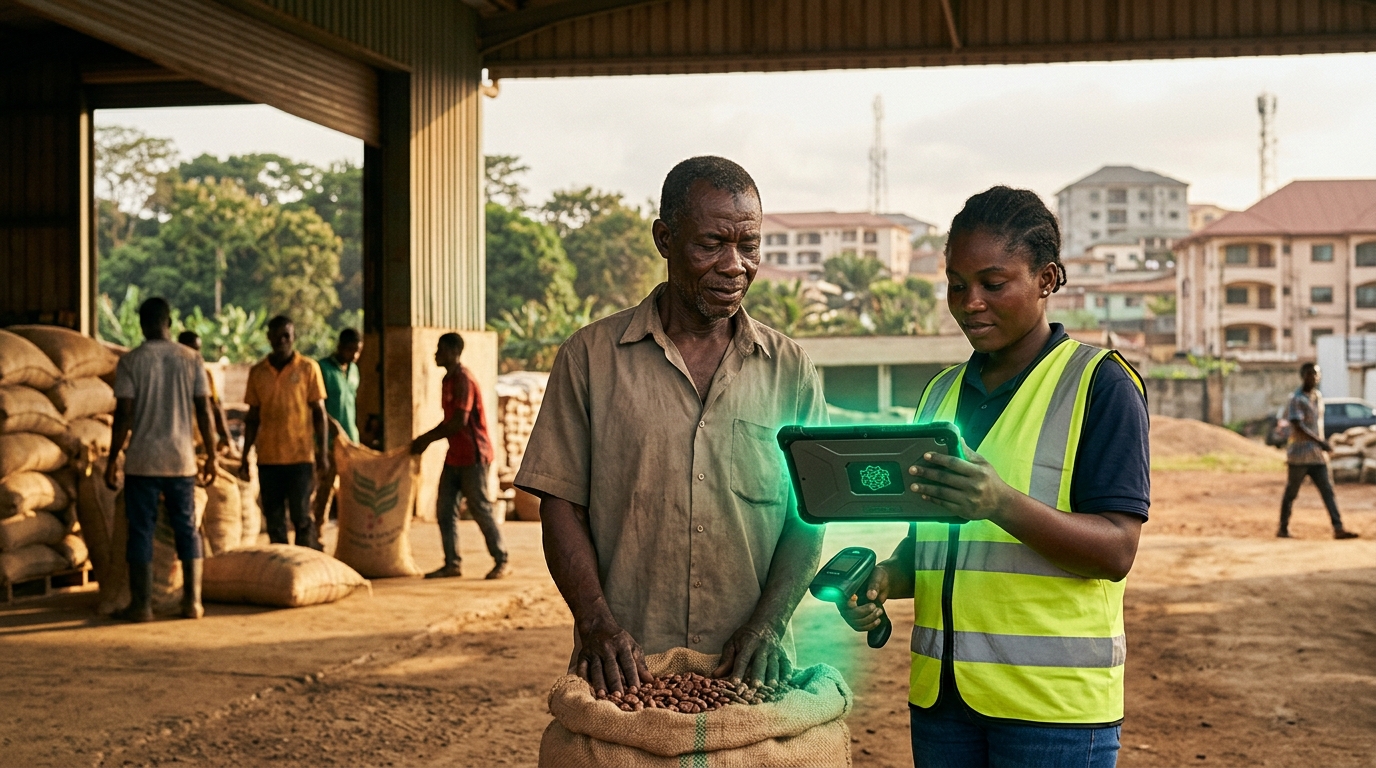
Blockchain platforms trace cocoa, coffee, and minerals from African farms to global buyers — enabling EU deforestation compliance and fair trade verification.
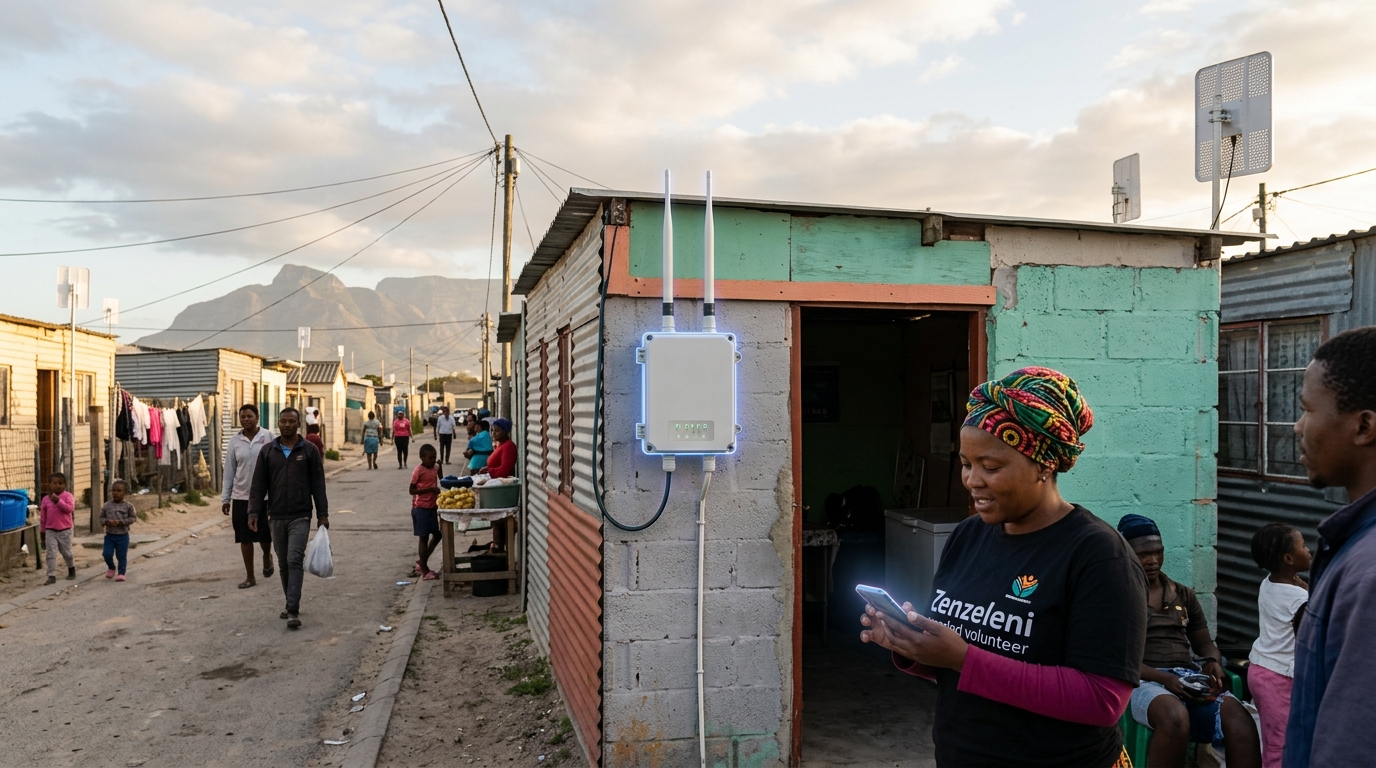
South African townships deploy community-owned mesh networks providing affordable internet — Zenzeleni Networks charges 10x less than mobile data operators.
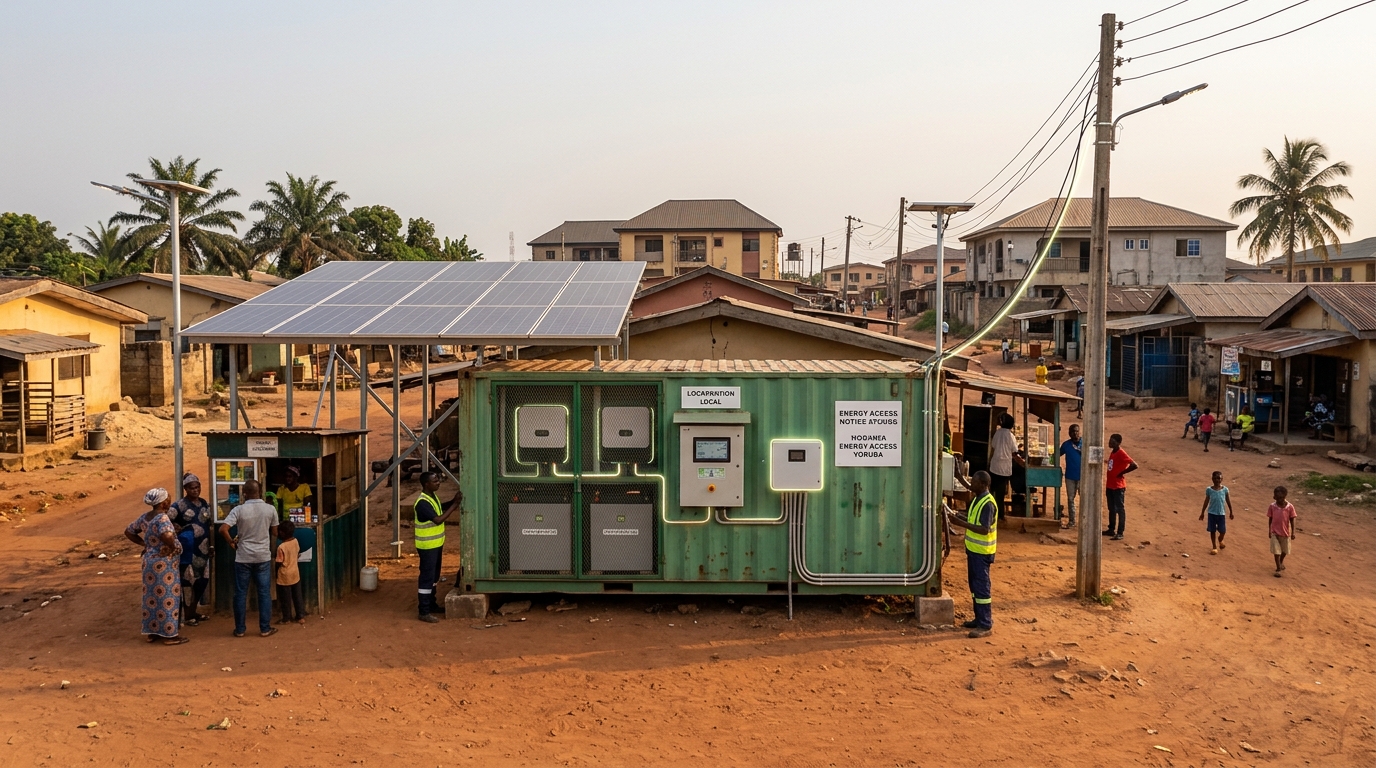
Modular, container-shipped solar mini-grids electrify entire villages in Nigeria and East Africa, serving 5,000+ communities bypassing the national grid entirely.
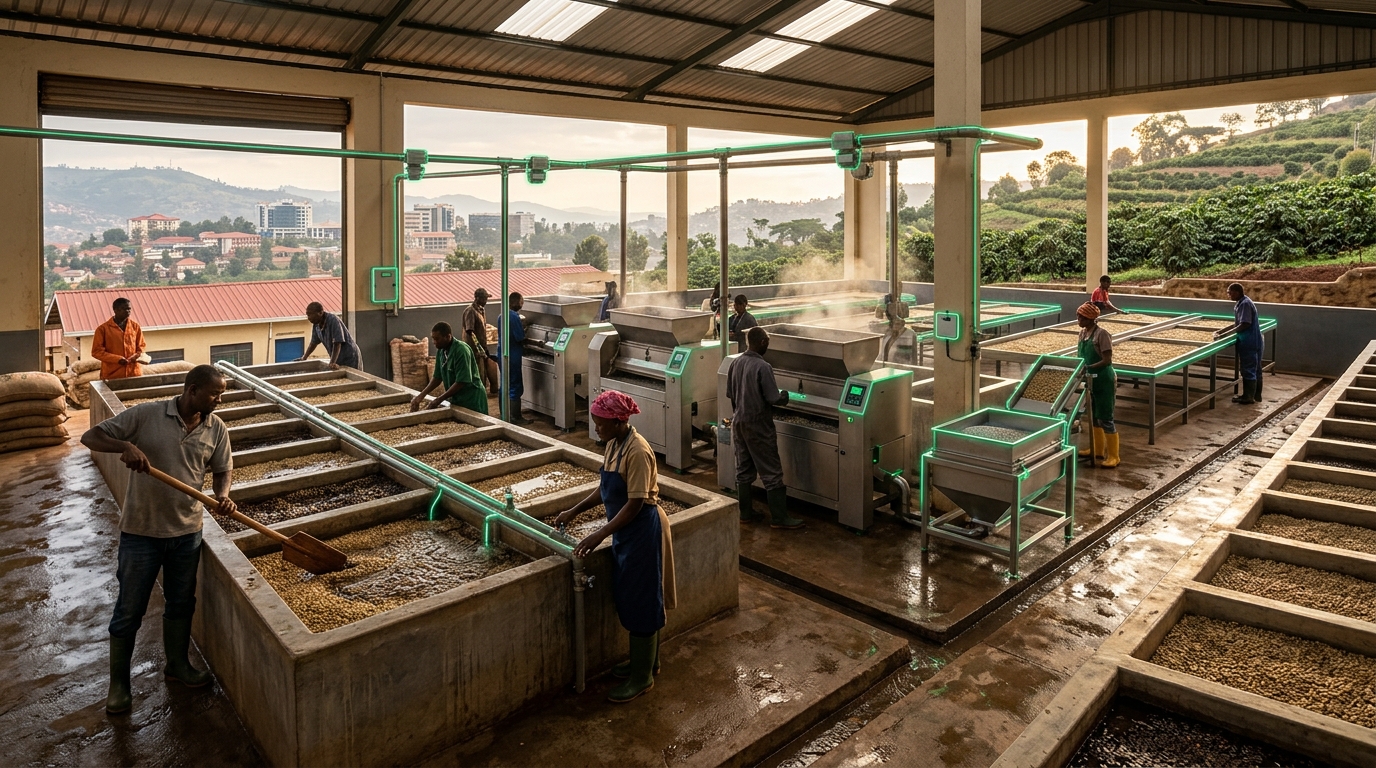
Rwanda scaled from 1 to 245+ coffee washing stations in 13 years, transforming semi-washed commodity output into fully washed specialty coffee commanding 3-5x price premiums.
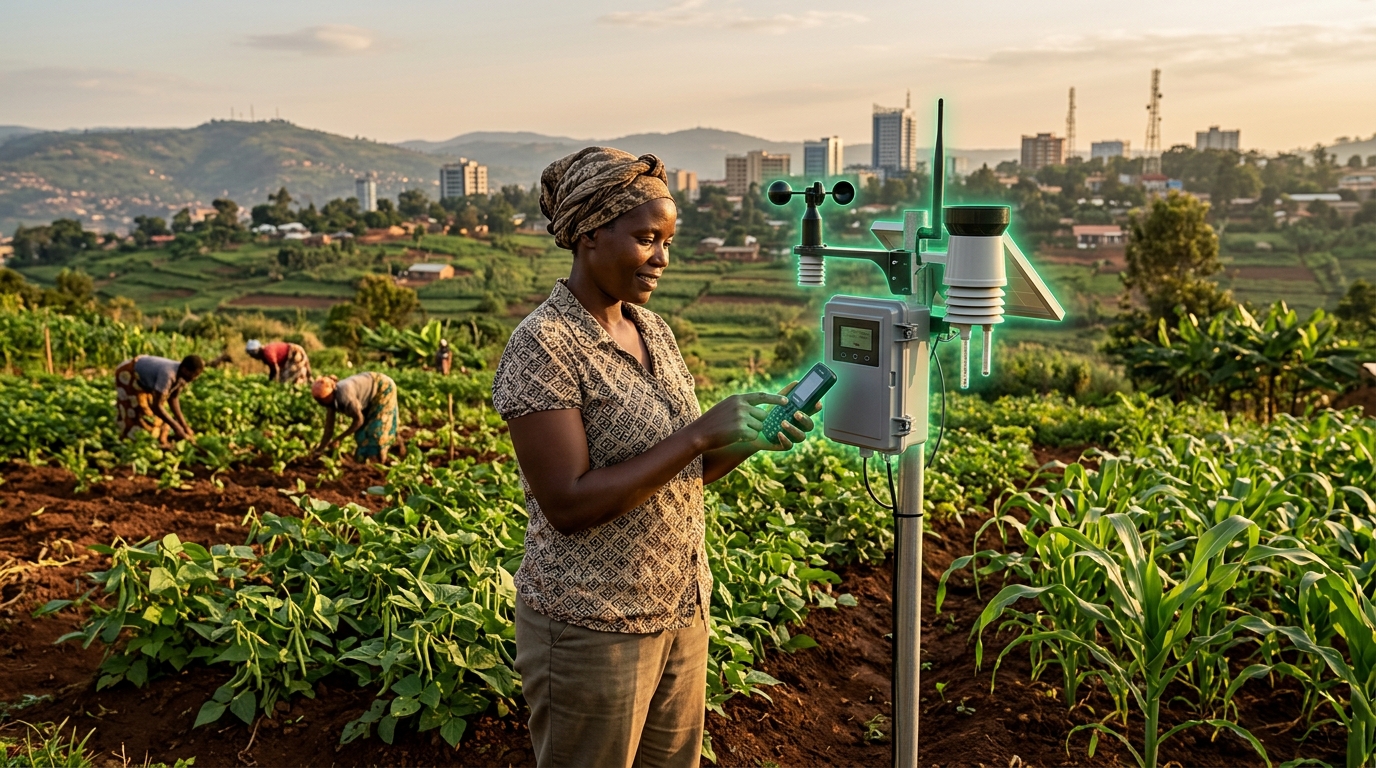
African farmers contribute weather observations via basic phones, creating hyper-local weather data that fills the gap left by Africa's 8x shortfall in weather stations.

South Africa pioneered surface ice plants that send hard ice slurry 4 km underground to cool mines where rock temperatures exceed 66°C — the only proven technology for mining at these depths.
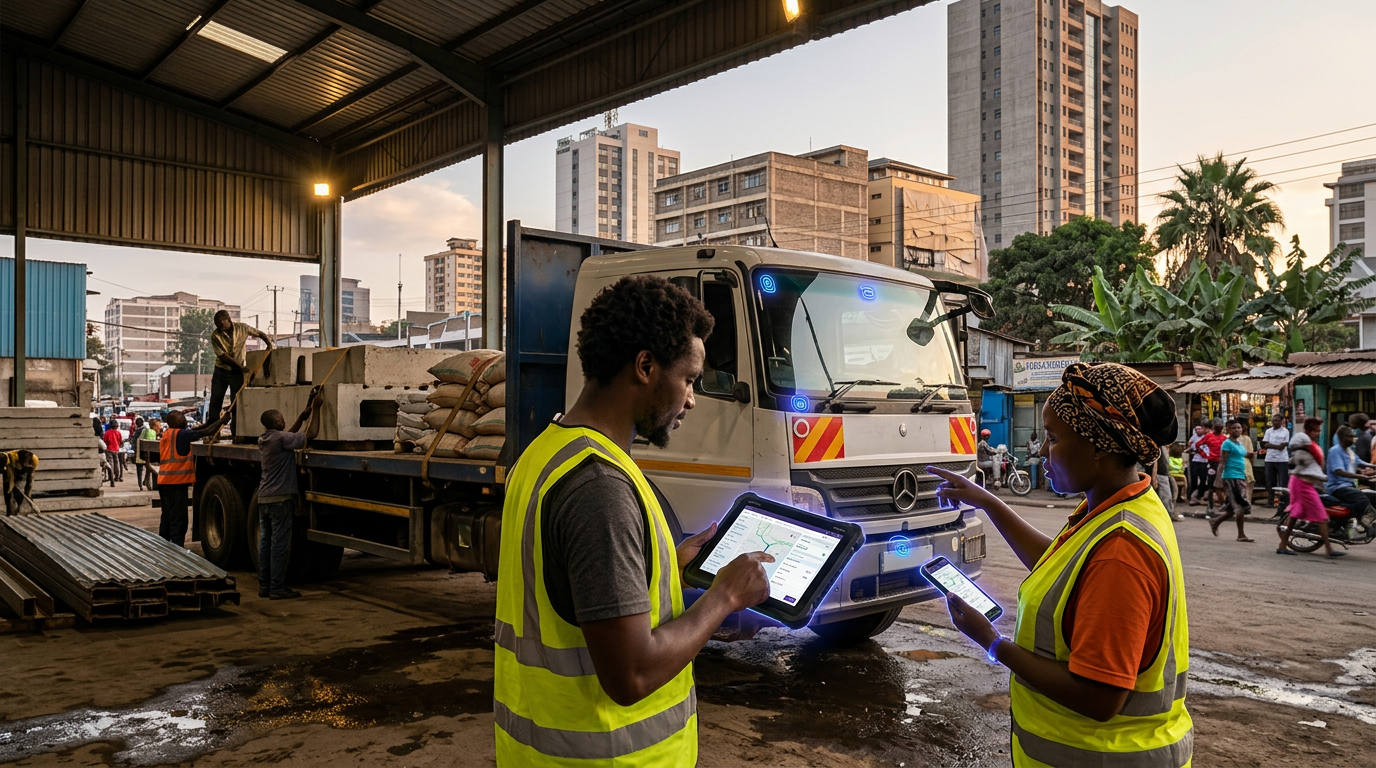
Platforms like Kobo360 and Lori Systems use AI to match cargo with trucks across Africa — reducing the 40%+ empty backhaul rate that makes African logistics the world's most expensive.
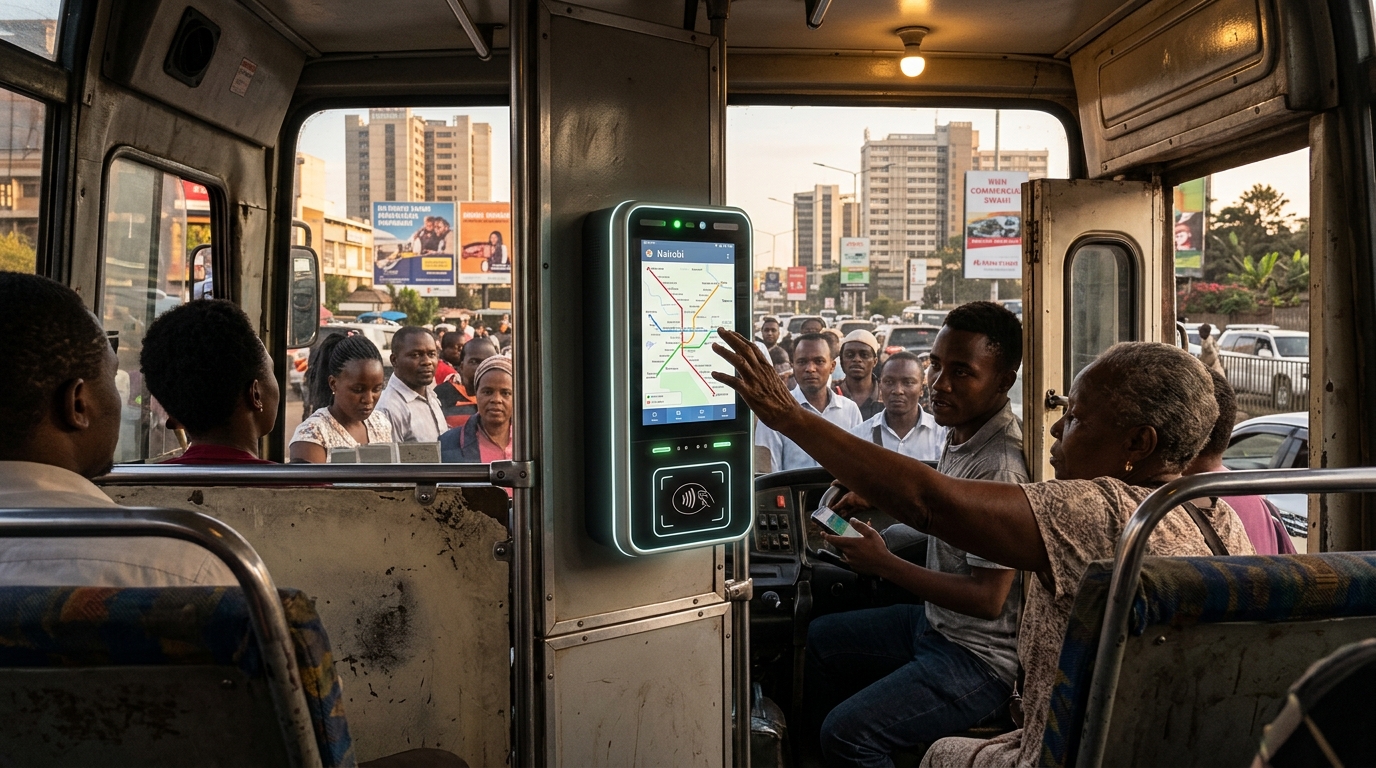
Nairobi's informal matatu bus network has been digitally mapped and integrated with cashless payment systems, serving 3M+ daily riders without formal transit planning.

South African engineers developed calibrated digital twin models (PTB/VUMA) that simulate entire deep-mine ventilation networks in real time — predicting hazards before they kill miners.
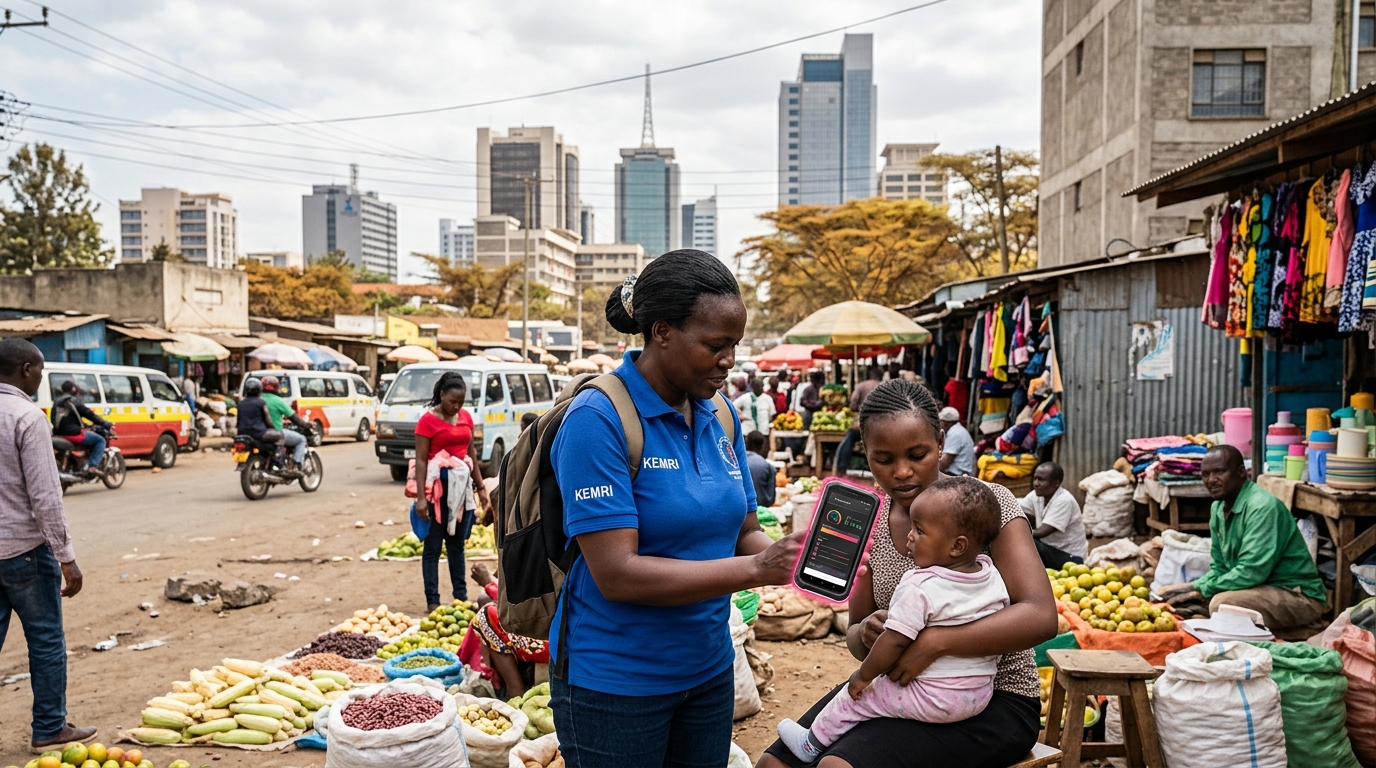
Mobile-enabled platforms equip Africa's 1M+ community health workers with AI-assisted diagnostic tools, real-time patient tracking, and supply chain visibility via basic smartphones.
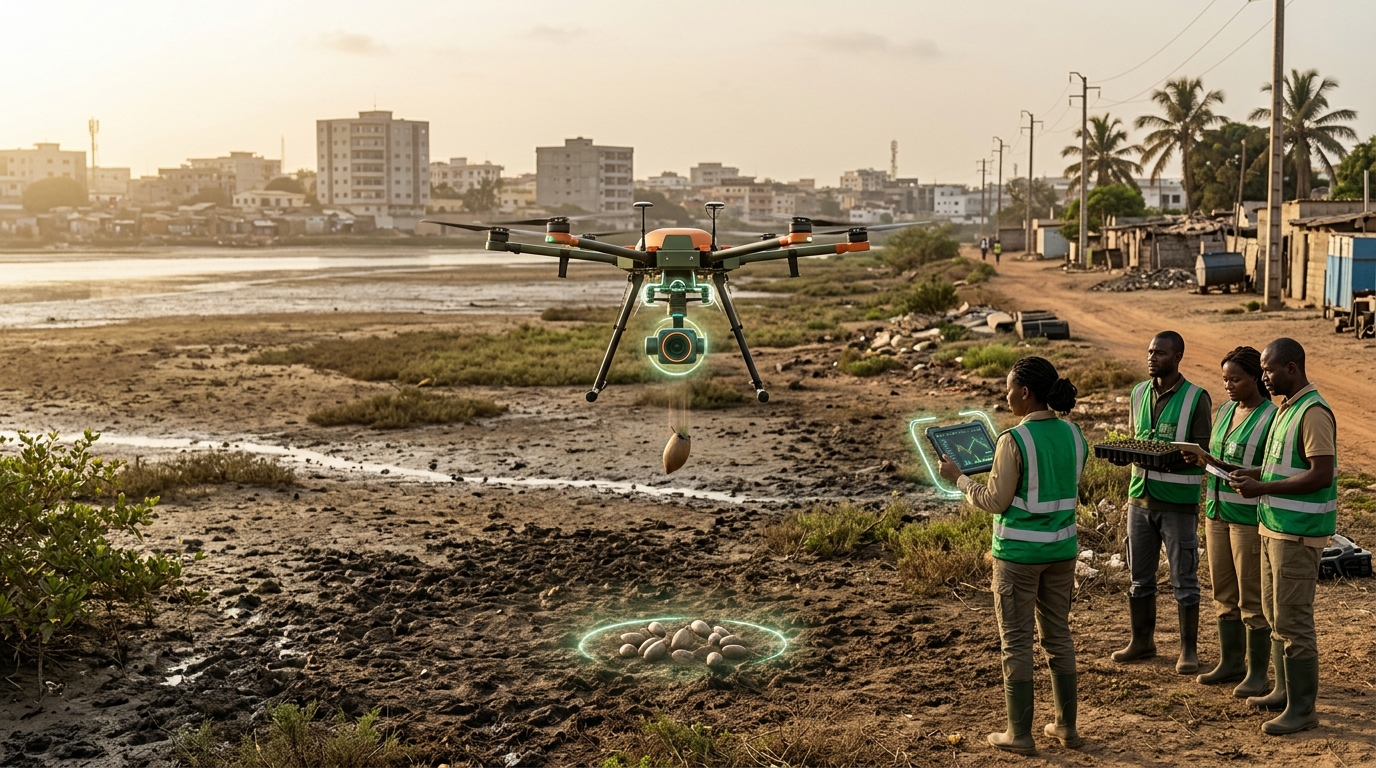
African organizations use drones for seed dispersal, mangrove restoration, and forest monitoring — planting trees 10x faster than manual methods across degraded landscapes.
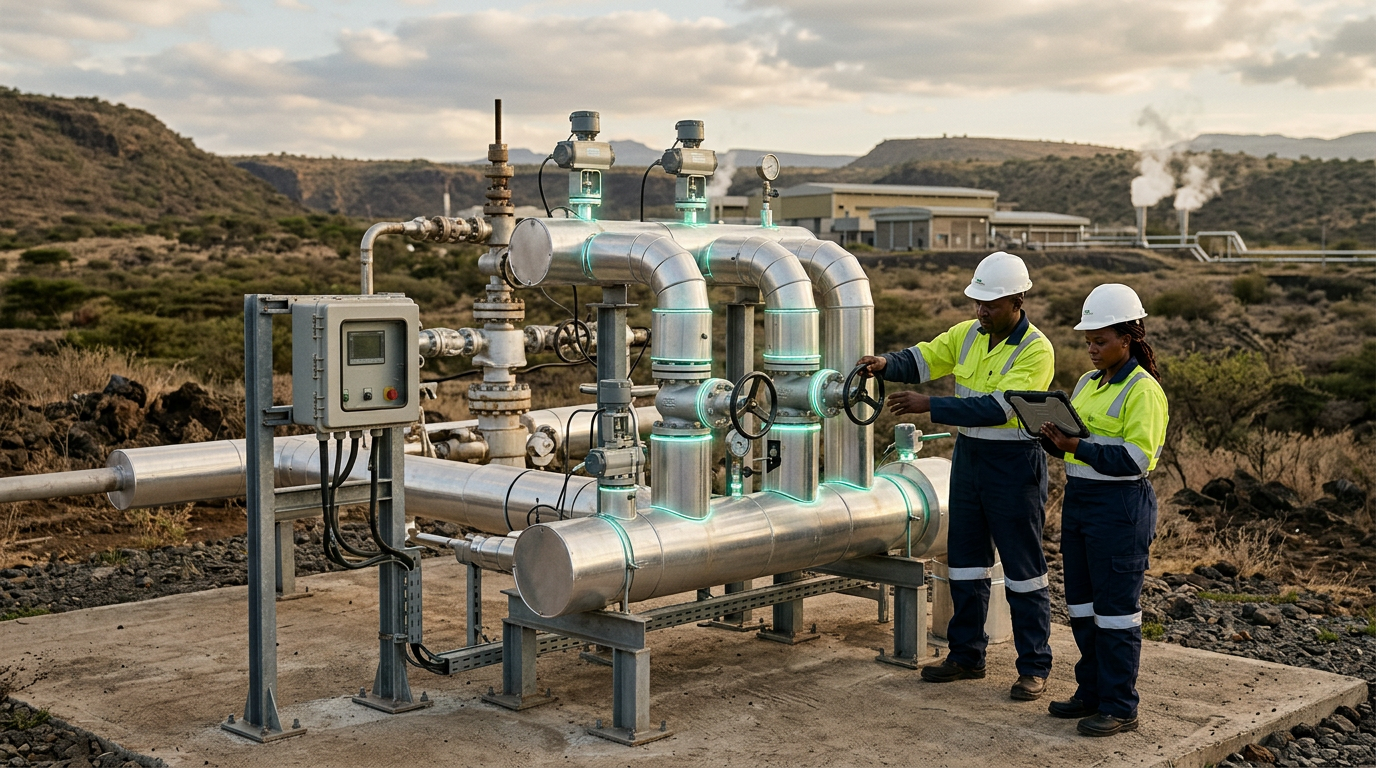
Kenya generates 46% of its electricity from indigenous geothermal energy, with 985 MW installed capacity at Olkaria — making it the world's 7th largest geothermal producer.
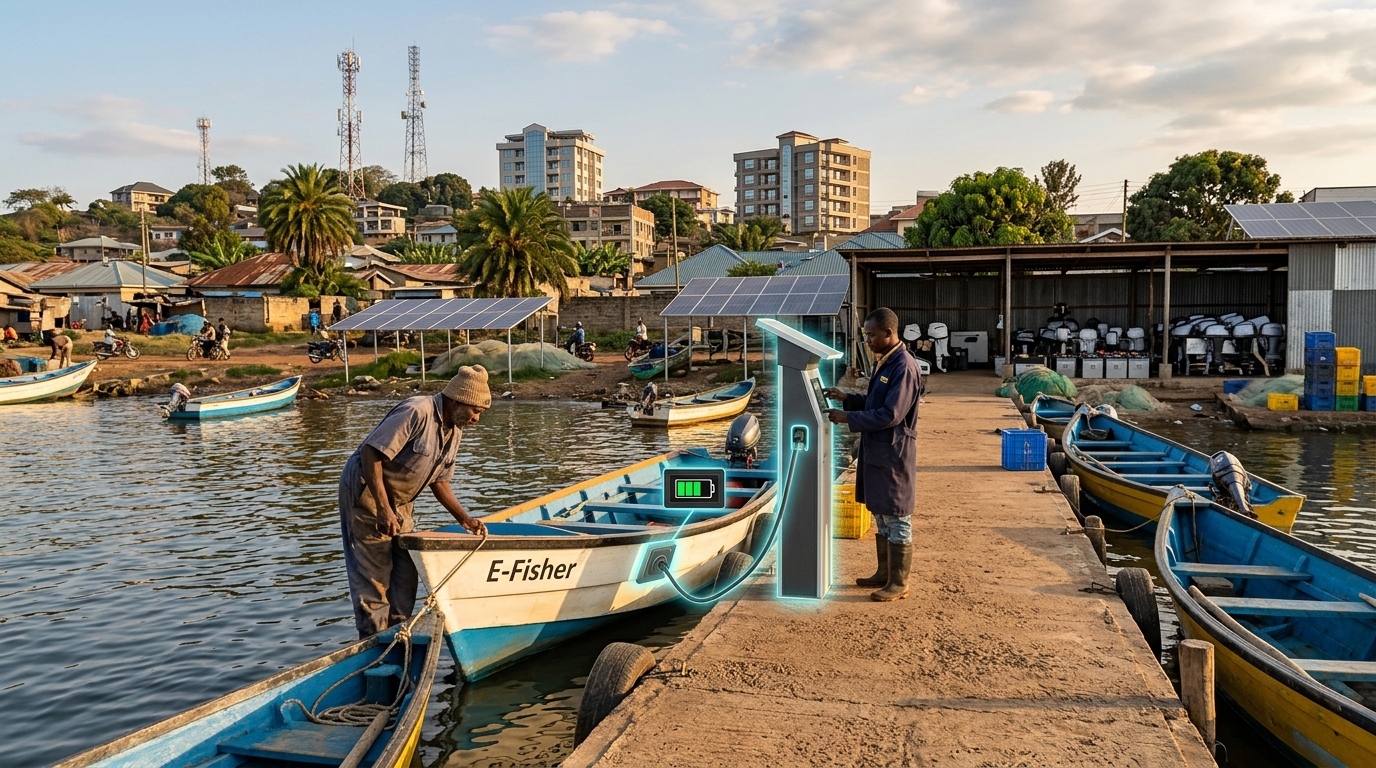
East African startups are developing electric boats for Lake Victoria's 70,000+ fishing vessels and passenger ferries — replacing dangerous petrol-powered boats with solar-charged electric motors.

South African cities are deploying Africa's first electric BRT buses, with Cape Town and Johannesburg piloting battery-electric vehicles on dedicated busways.
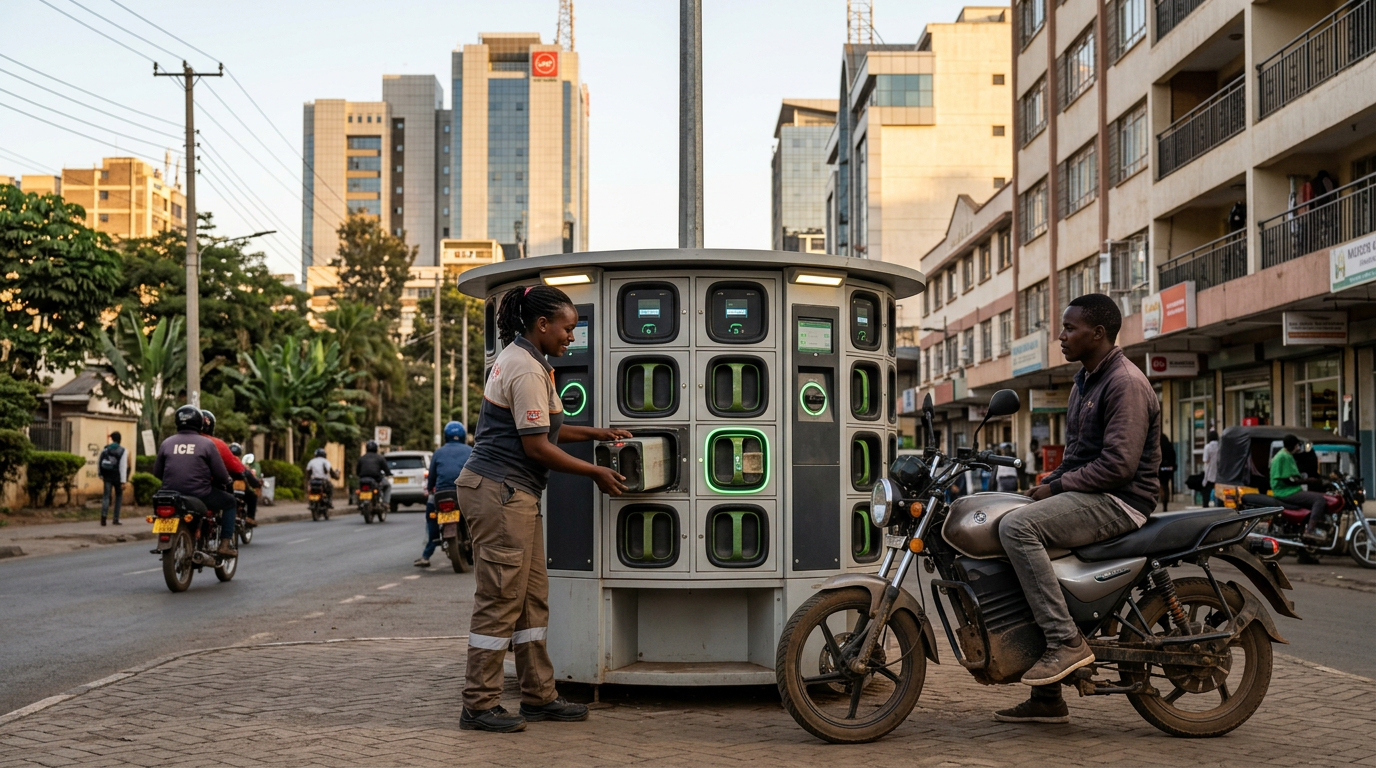
Spiro and Roam are building Africa's EV infrastructure from scratch — 10,000+ electric motorcycles deployed with battery-swap networks across 6 countries, targeting 2M bikes by 2030.
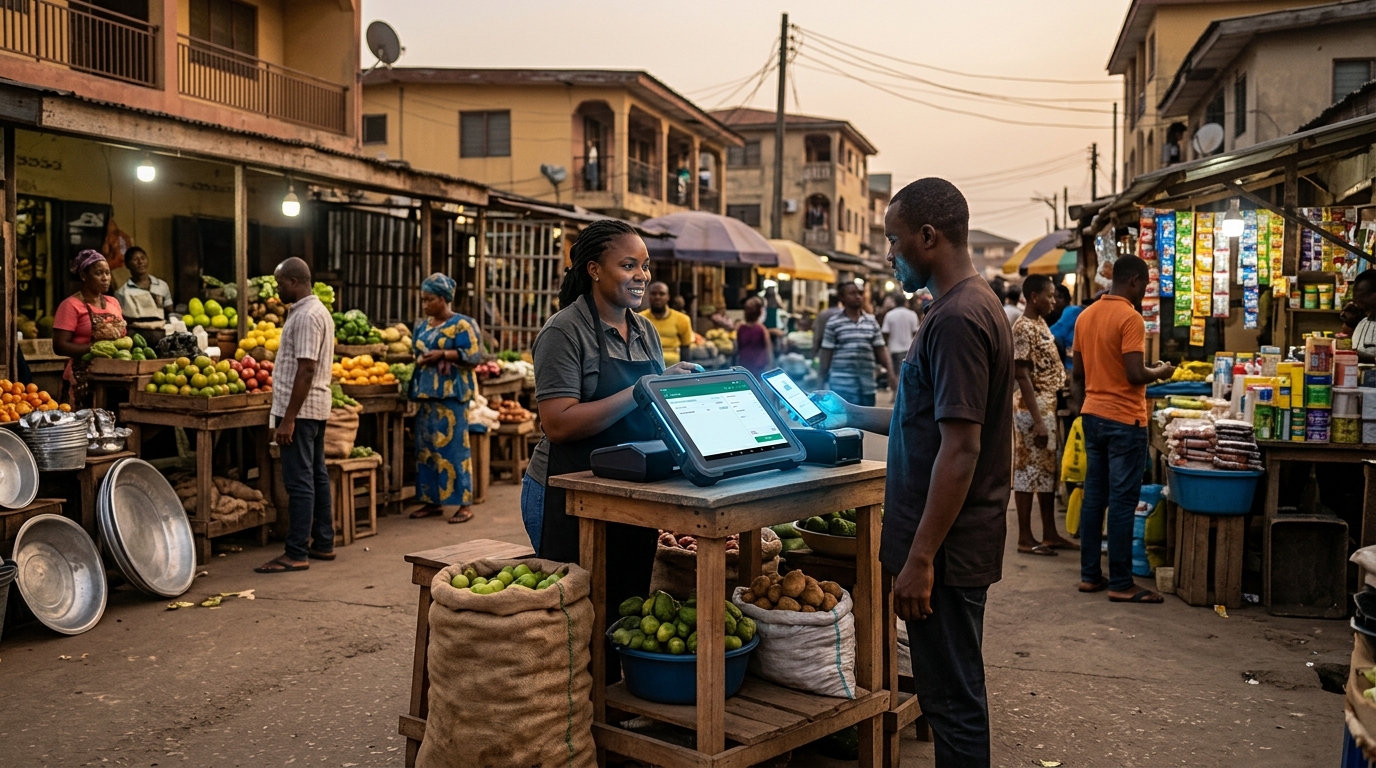
Africa's first blockchain-based CBDC launched in 2021 by Nigeria's central bank — adoption remains low but the technical infrastructure is being rebuilt with blockchain firm Gluwa.
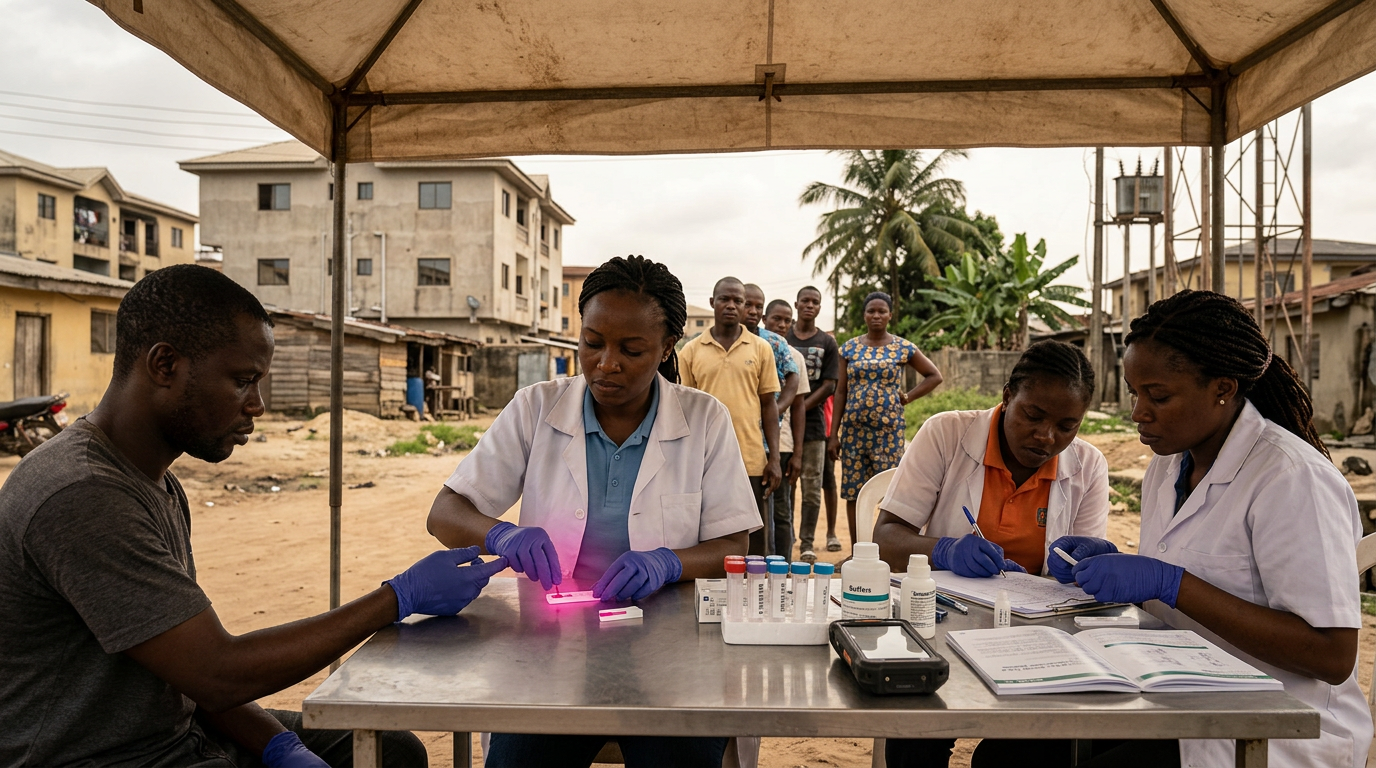
African researchers are developing next-generation malaria rapid diagnostic tests that detect drug-resistant strains and asymptomatic carriers in field conditions.

InstaDeep, founded in Tunis, built Africa's largest AI company — acquired by BioNTech for $680M in 2023, with expertise in reinforcement learning and biological sequence modeling.
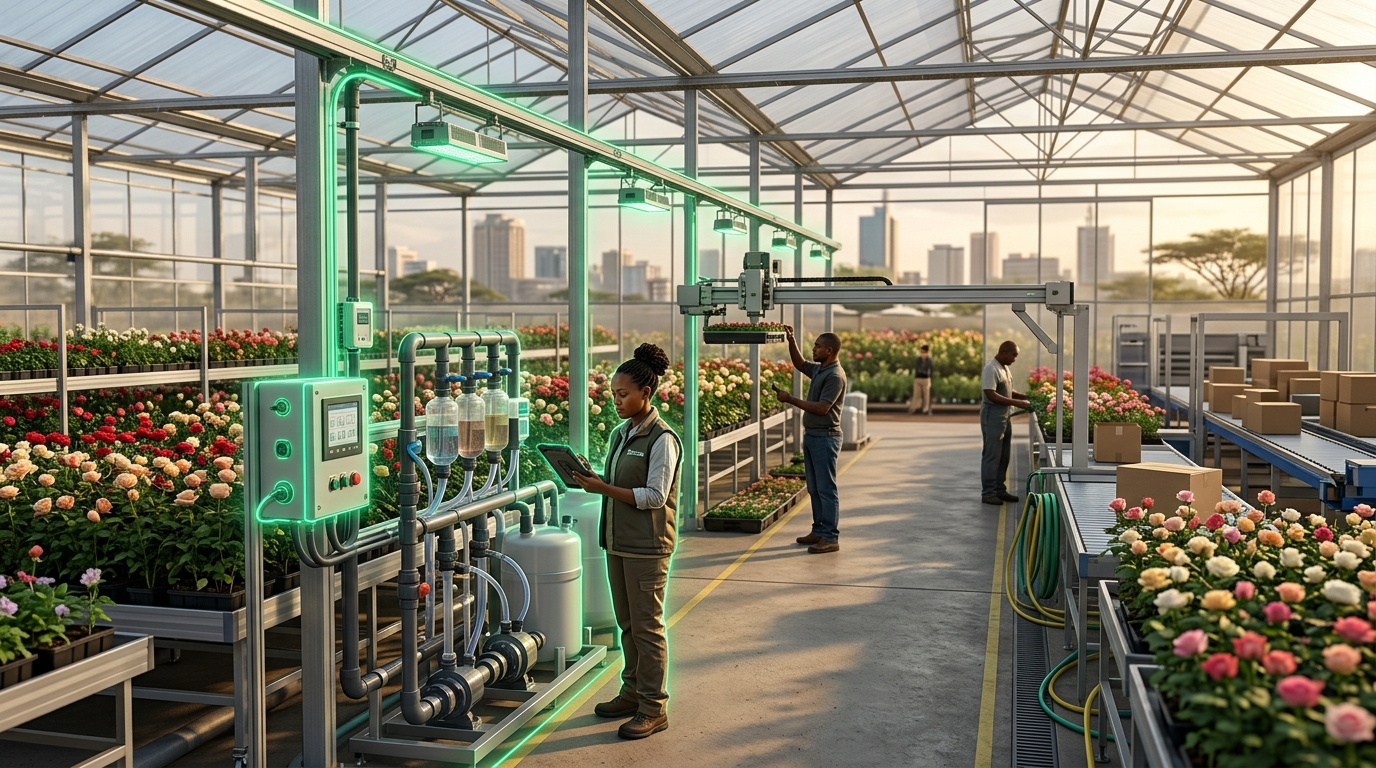
Kenya's $1.5B flower industry — world's #3 exporter — developed integrated greenhouse, fertigation, cold chain, and artificial lighting systems optimized for equatorial altitude conditions.
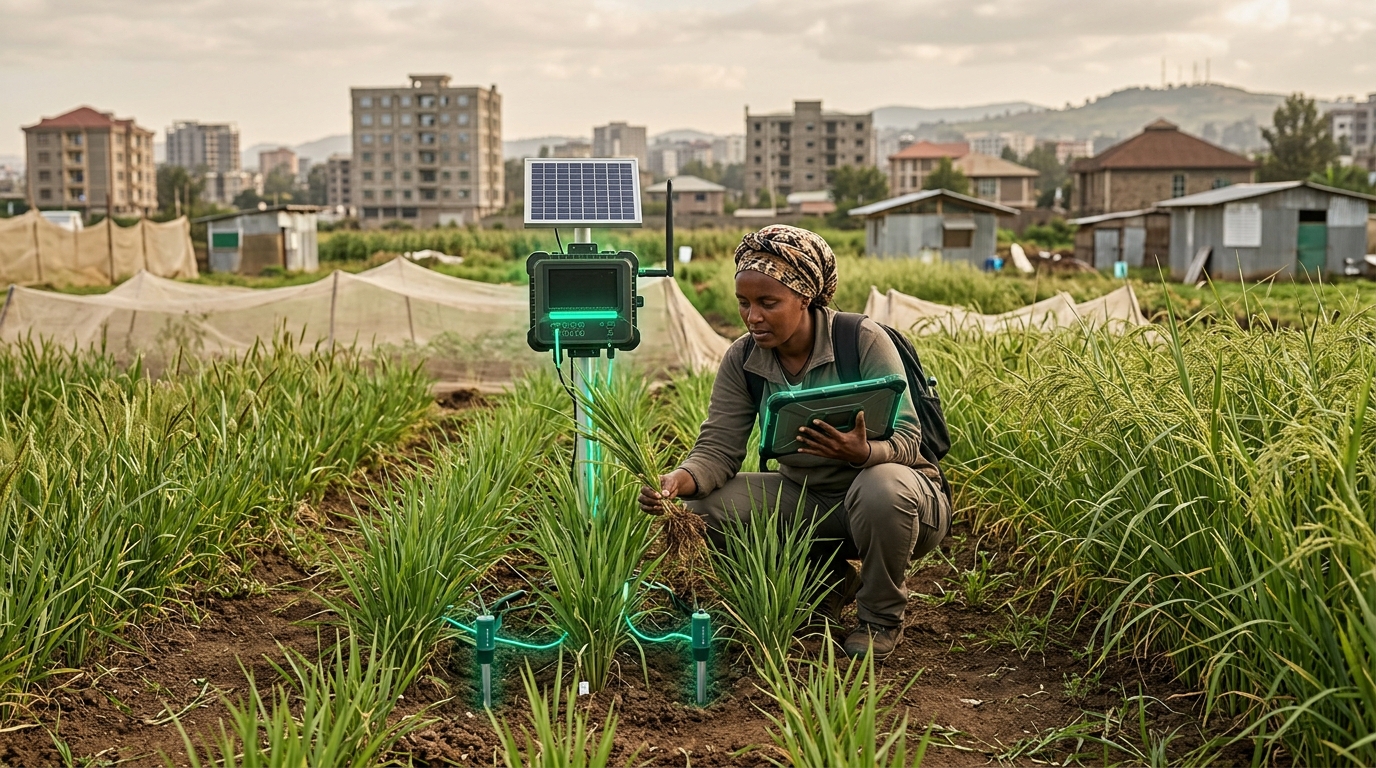
Ethiopian researchers use CRISPR gene editing to develop short-stature teff varieties resistant to lodging — addressing the #1 yield constraint of Africa's most nutritious indigenous grain.
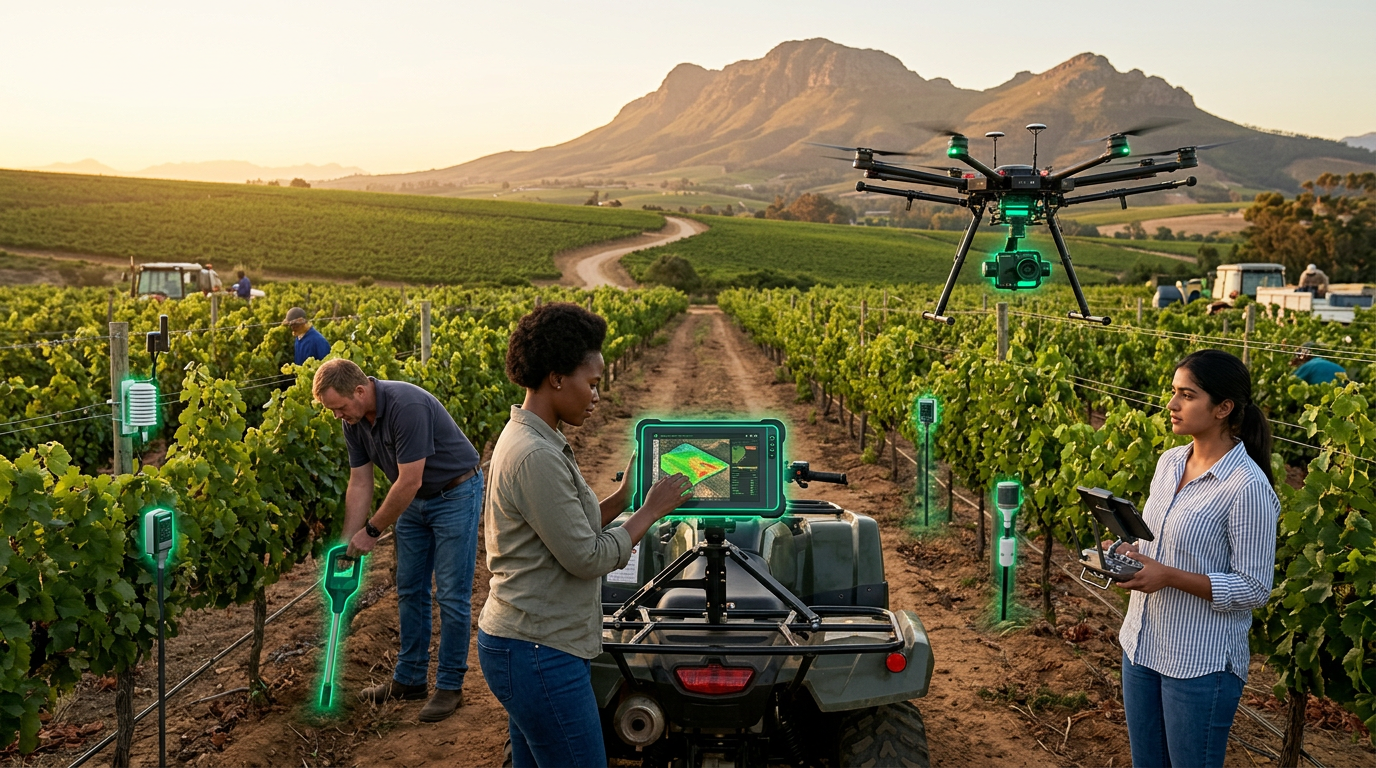
Stellenbosch University developed Africa's most advanced terroir mapping system — using GIS, soil sensors, drones, and AI to optimize vineyard management across 100,000+ hectares of Cape wine lands.
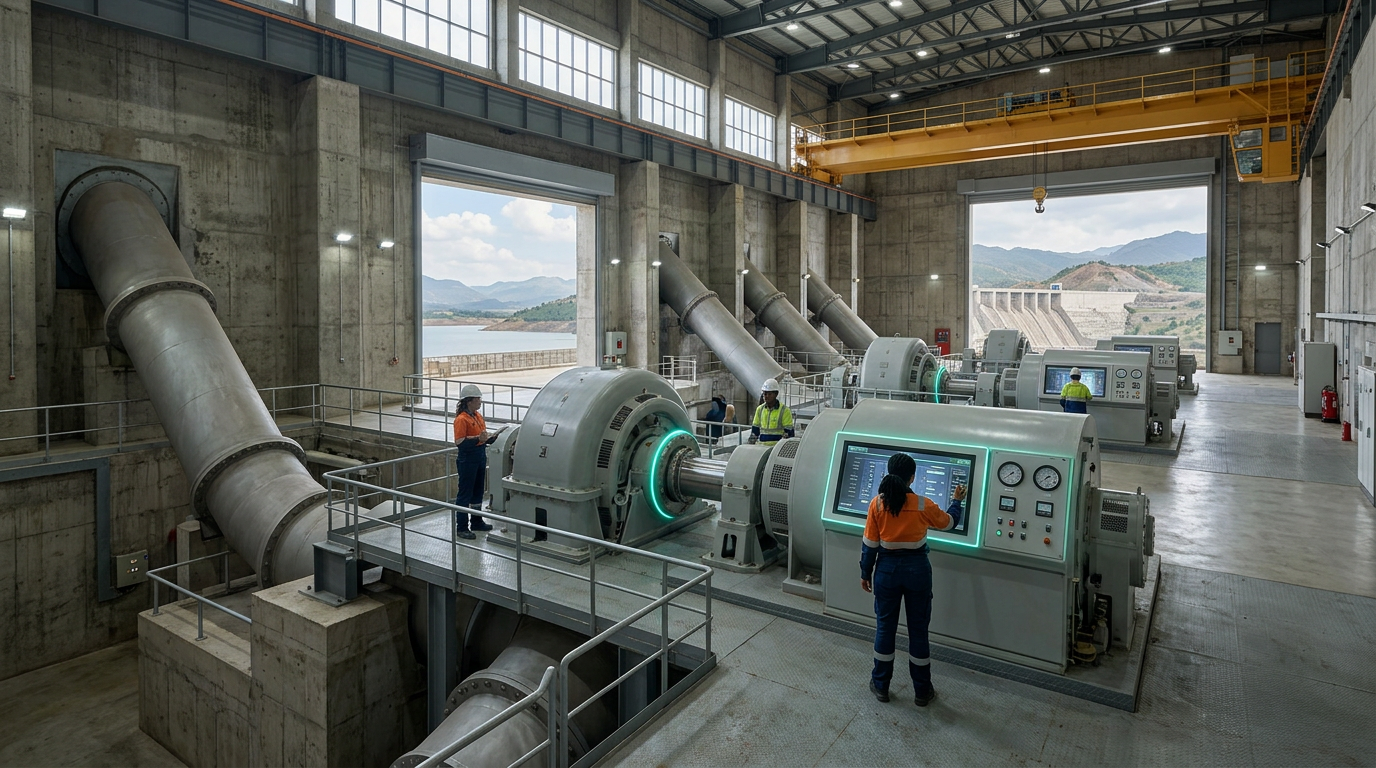
Africa's largest hydroelectric project at 6,450 MW capacity on the Blue Nile — officially opened September 2025 after 14 years of construction, doubling Ethiopia's power generation.
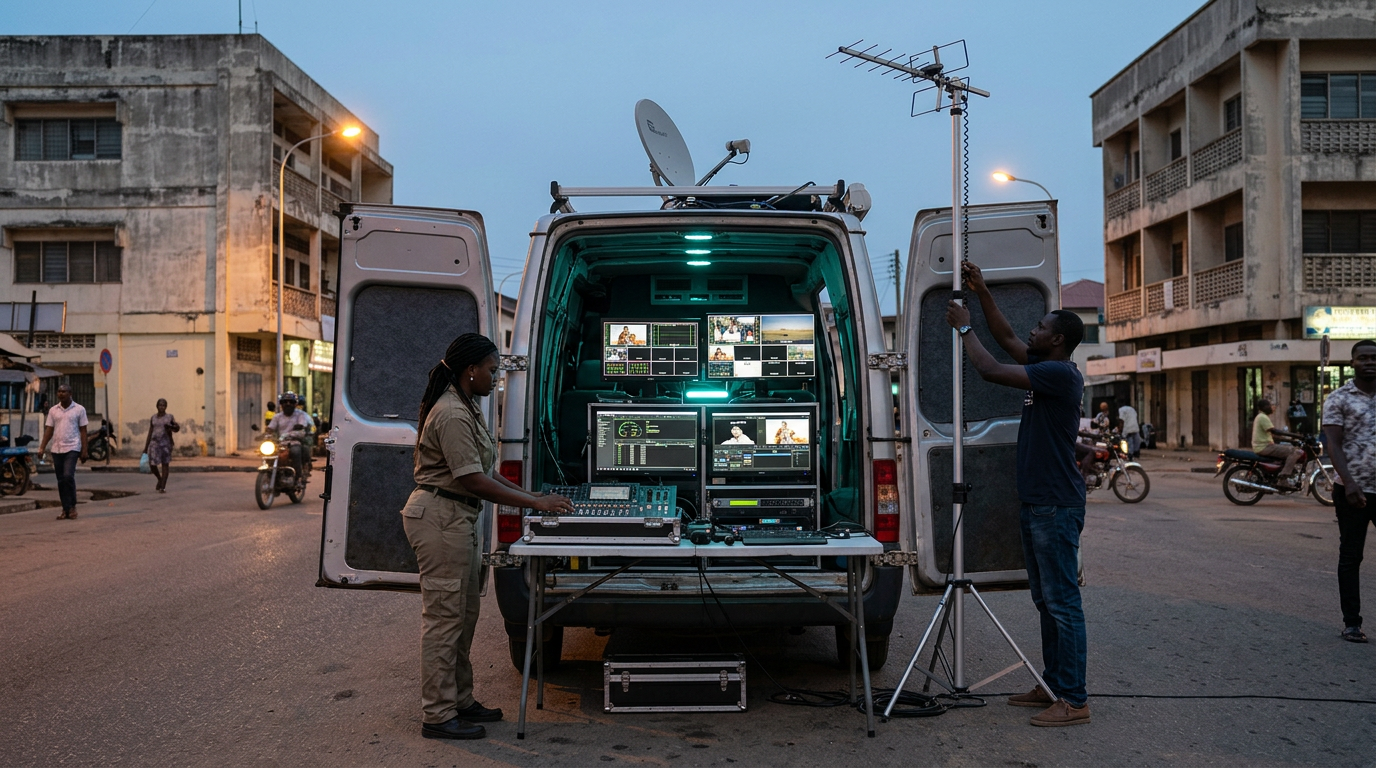
African-built platforms like iROKOtv, Showmax (South Africa), and Mdundo (Kenya) distribute music and video content optimized for low bandwidth and mobile-first consumption.
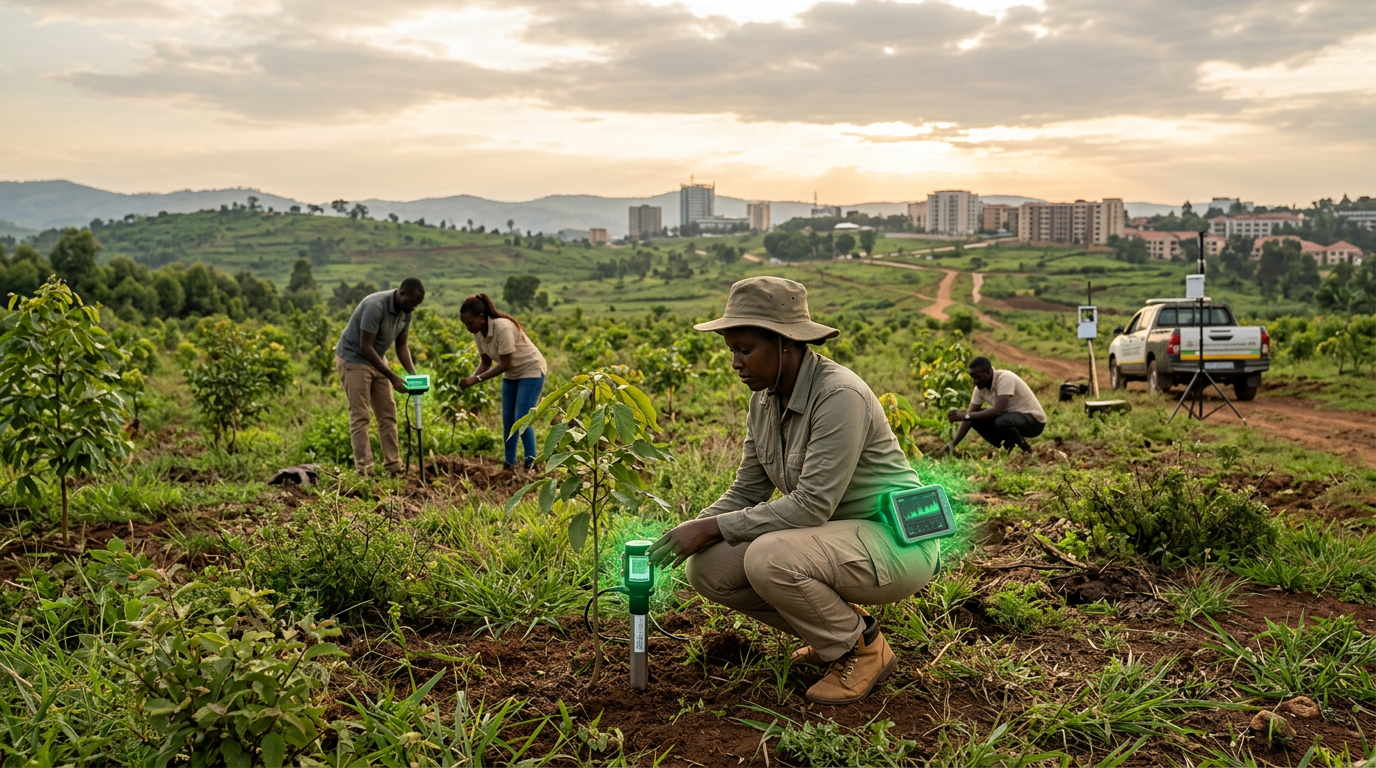
African companies are building MRV (monitoring, reporting, verification) technology for carbon credits generated from cookstove projects, reforestation, and soil carbon sequestration.
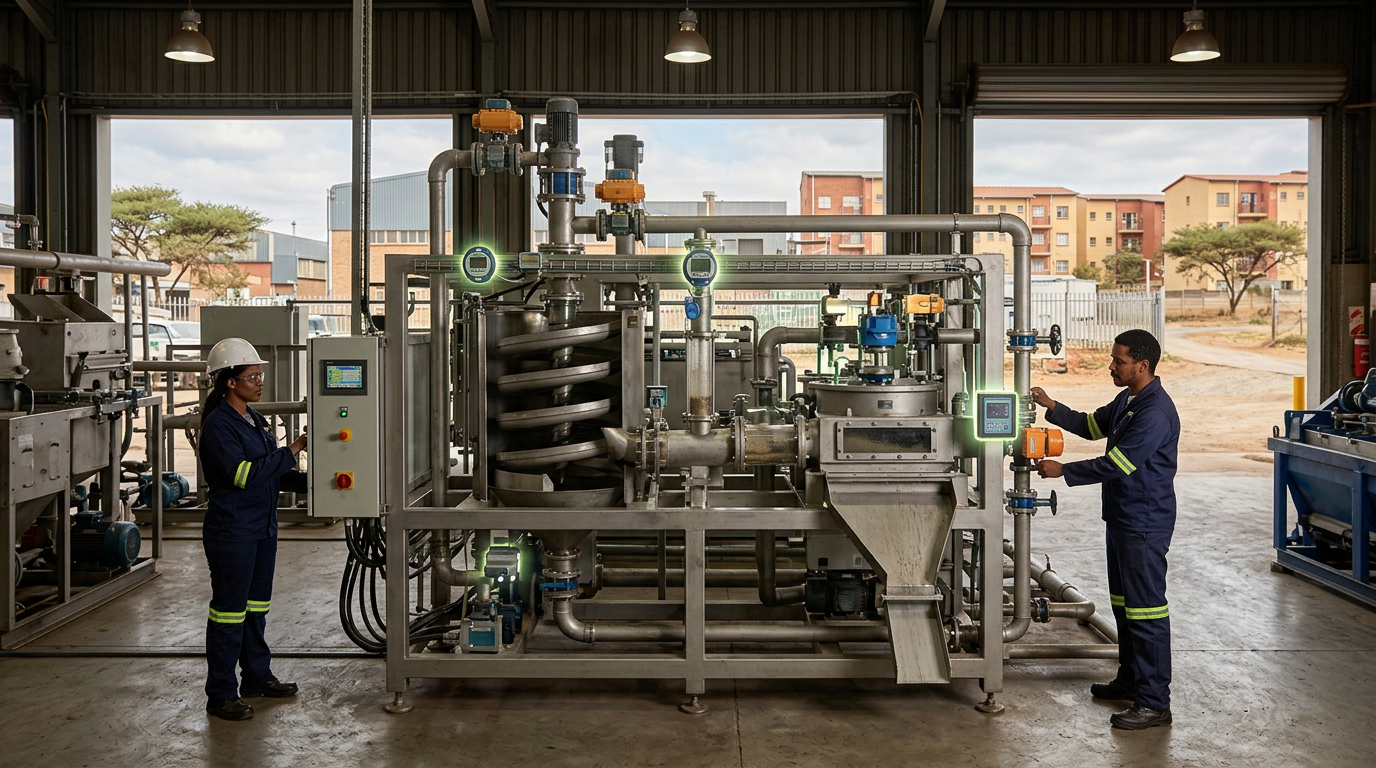
South African research institutions develop proprietary mineral processing technologies for platinum group metals, chrome, and manganese — adding value before export.

Nigeria's Interswitch (2002) built transaction switching infrastructure connecting all Nigerian banks — processing 5B+ transactions annually as Africa's first homegrown payment backbone.
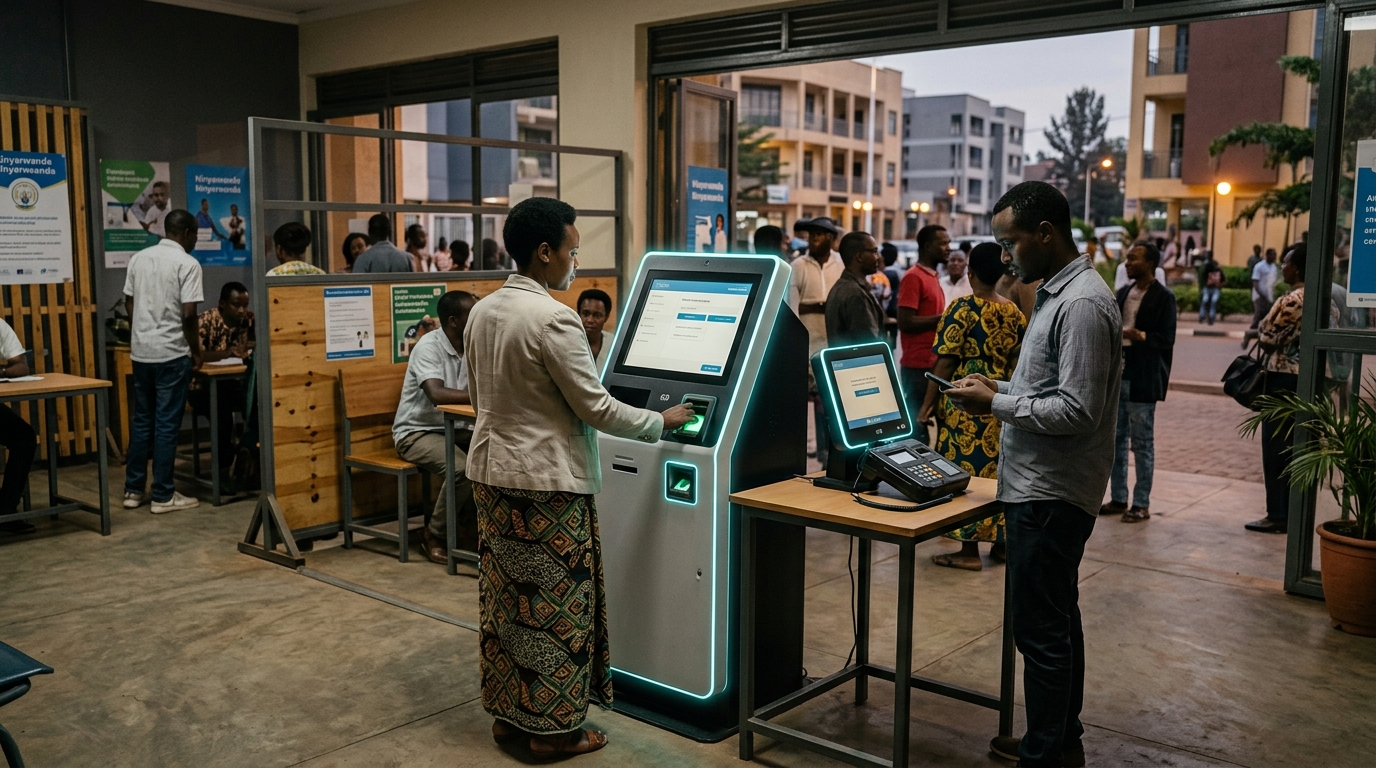
Rwanda's Irembo platform delivers 100+ government services online via web and USSD — from birth certificates to business registration — reaching 90%+ of Rwandans.
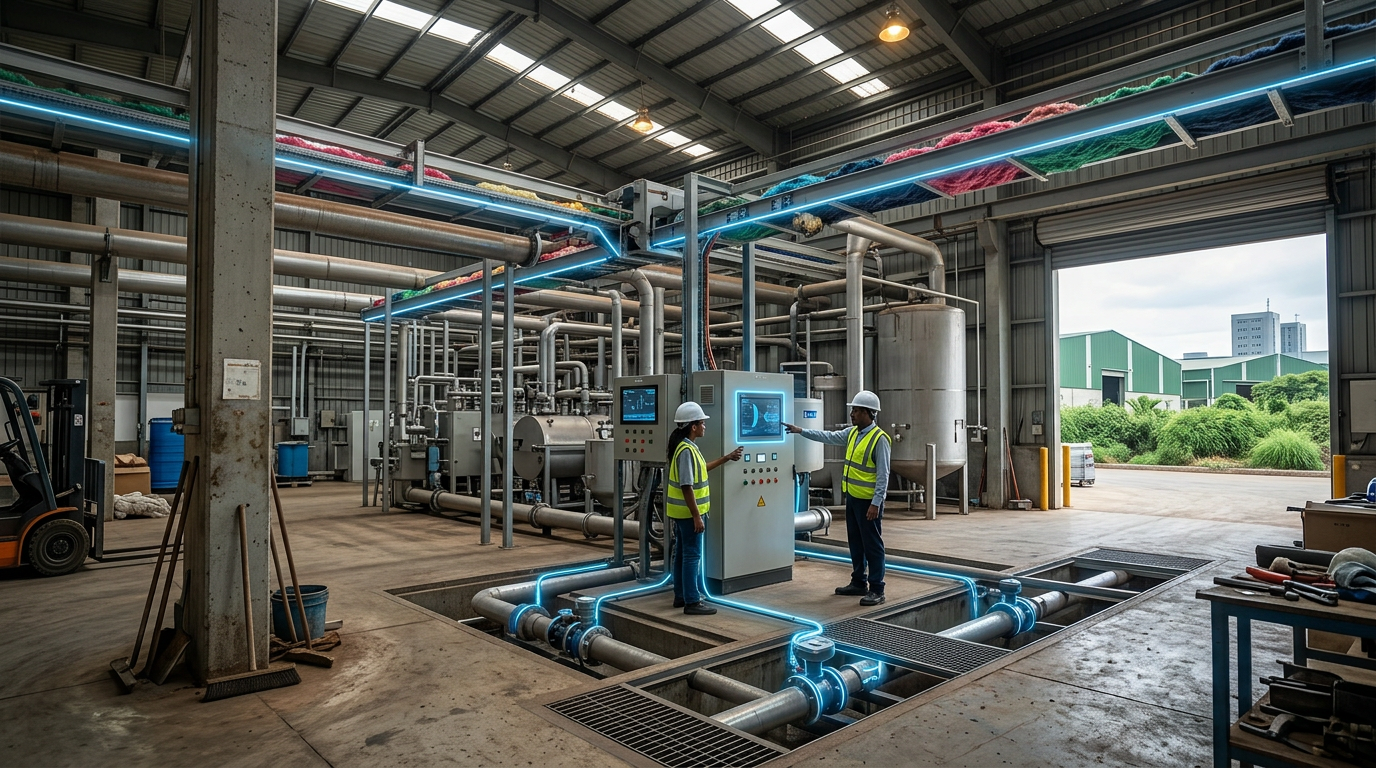
Ethiopia's Hawassa Industrial Park — Africa's largest at 1.4M sqm — integrates zero-liquid-discharge textile processing, on-site water treatment, and 50km of underground piping in a closed-loop system.
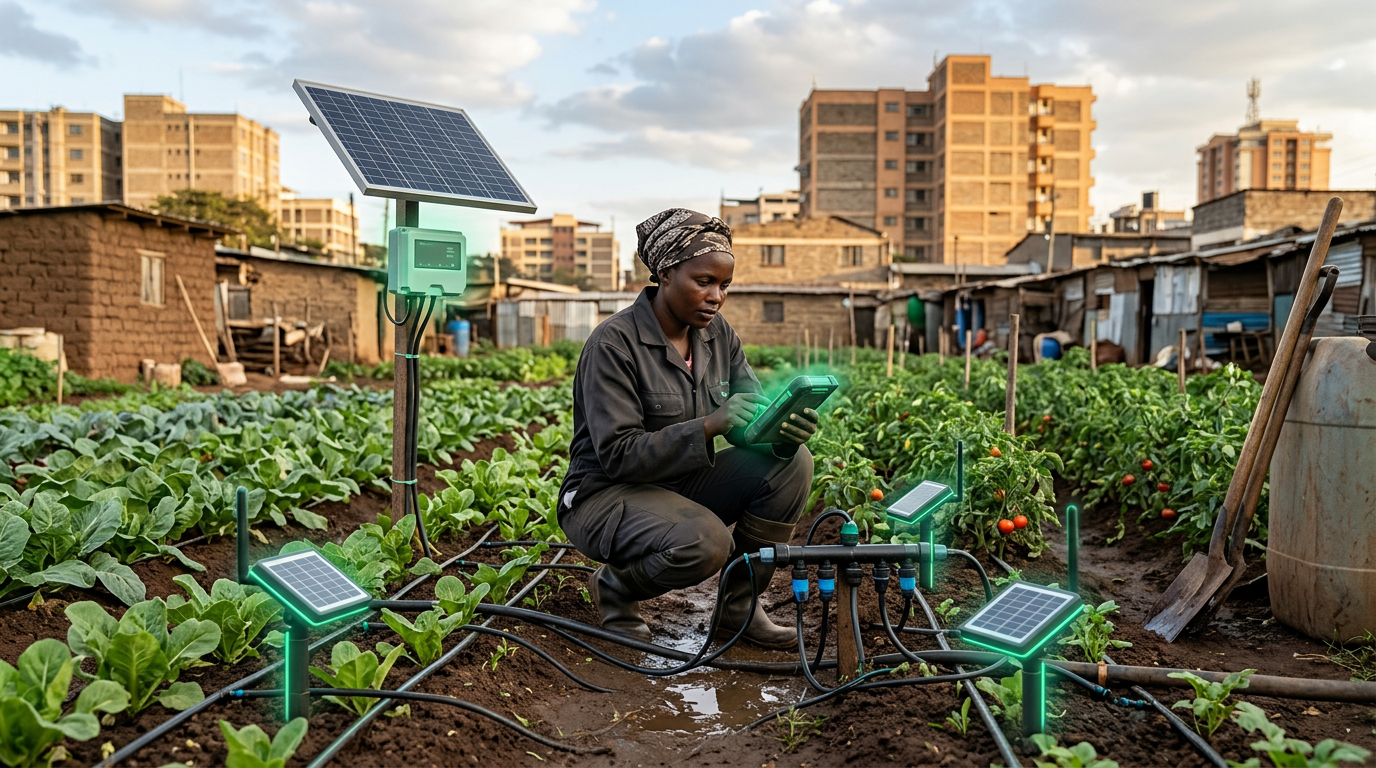
Solar-powered IoT sensors and automated drip irrigation systems reduce water use by 60% on African smallholder farms — critical as climate change increases drought frequency.
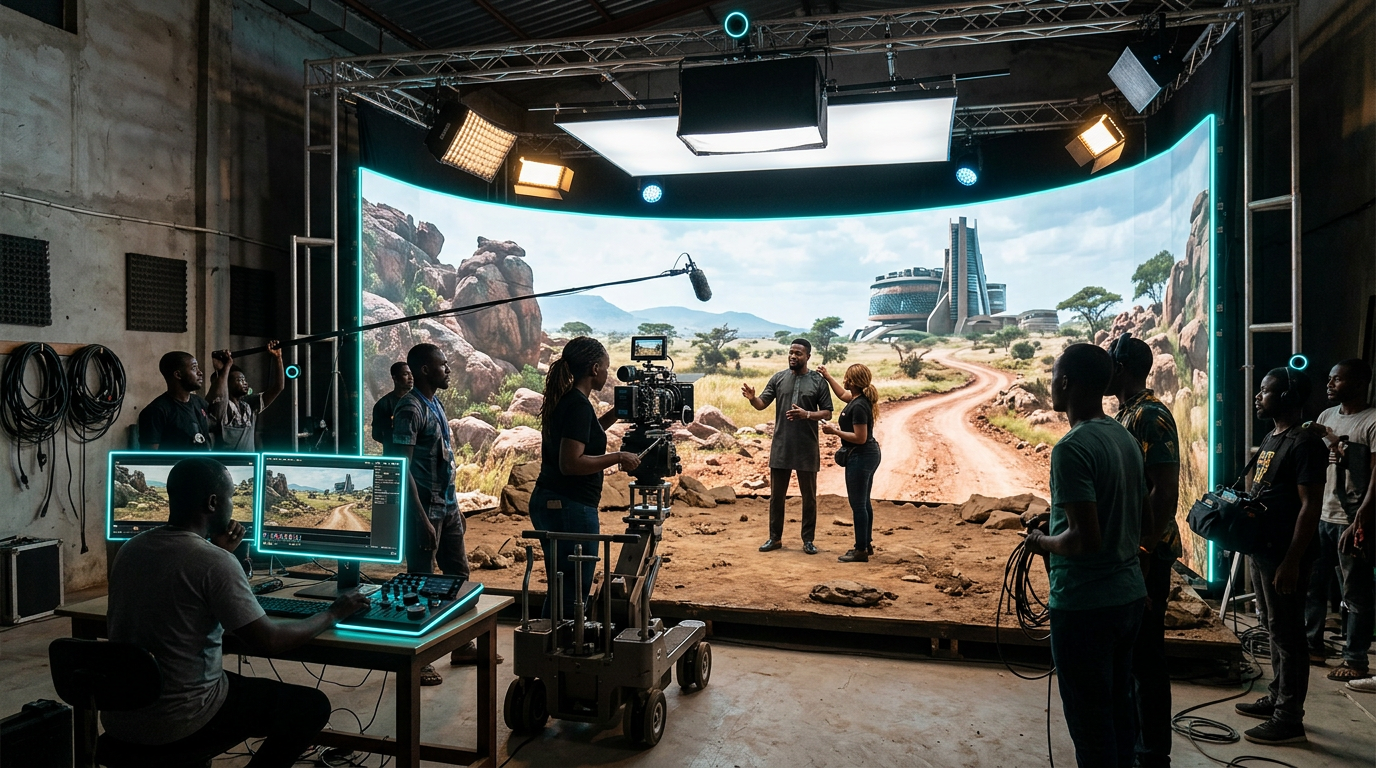
Nollywood filmmakers are adopting LED wall virtual production and AI-assisted post-production — enabling $50K films to achieve visual effects previously requiring $5M+ budgets.
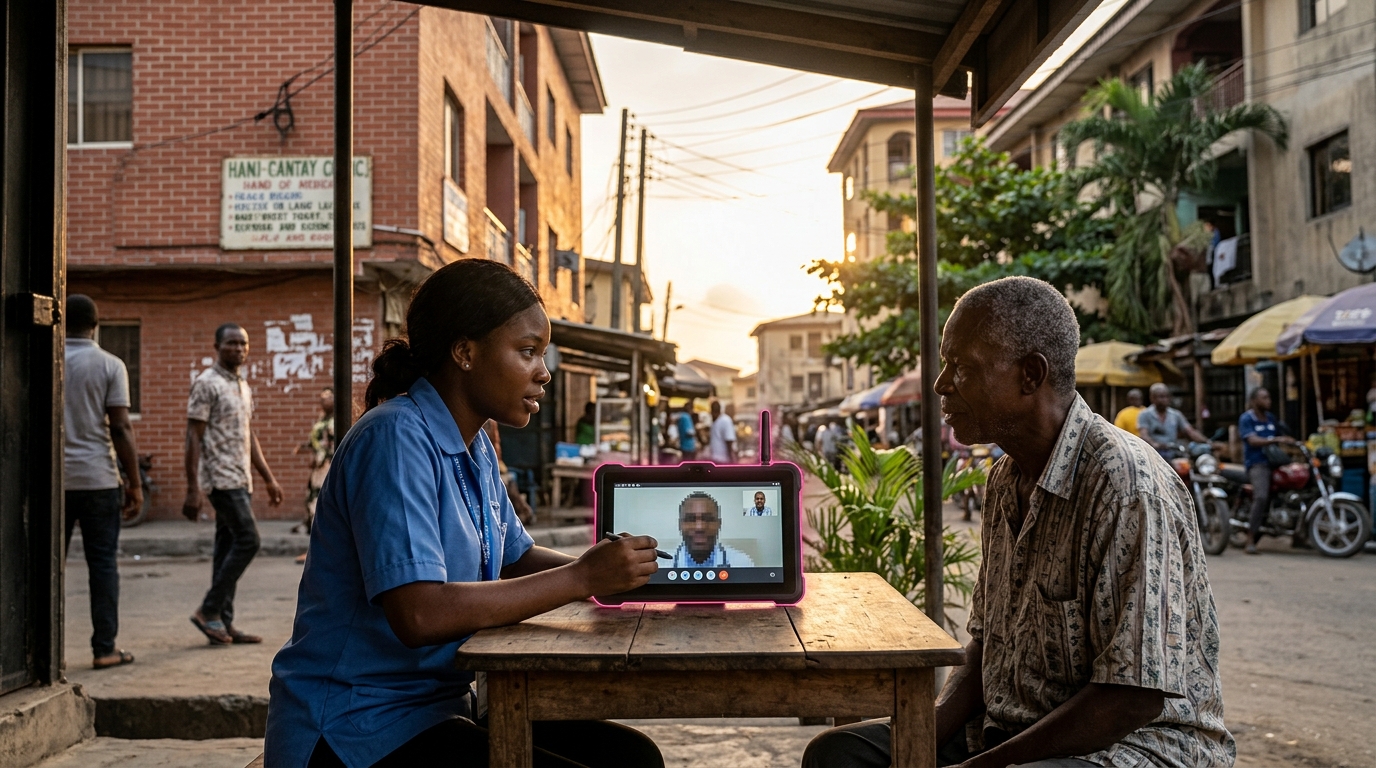
African telemedicine platforms provide doctor consultations via USSD, WhatsApp, and low-bandwidth video — reaching patients in areas with 1 doctor per 10,000 people.
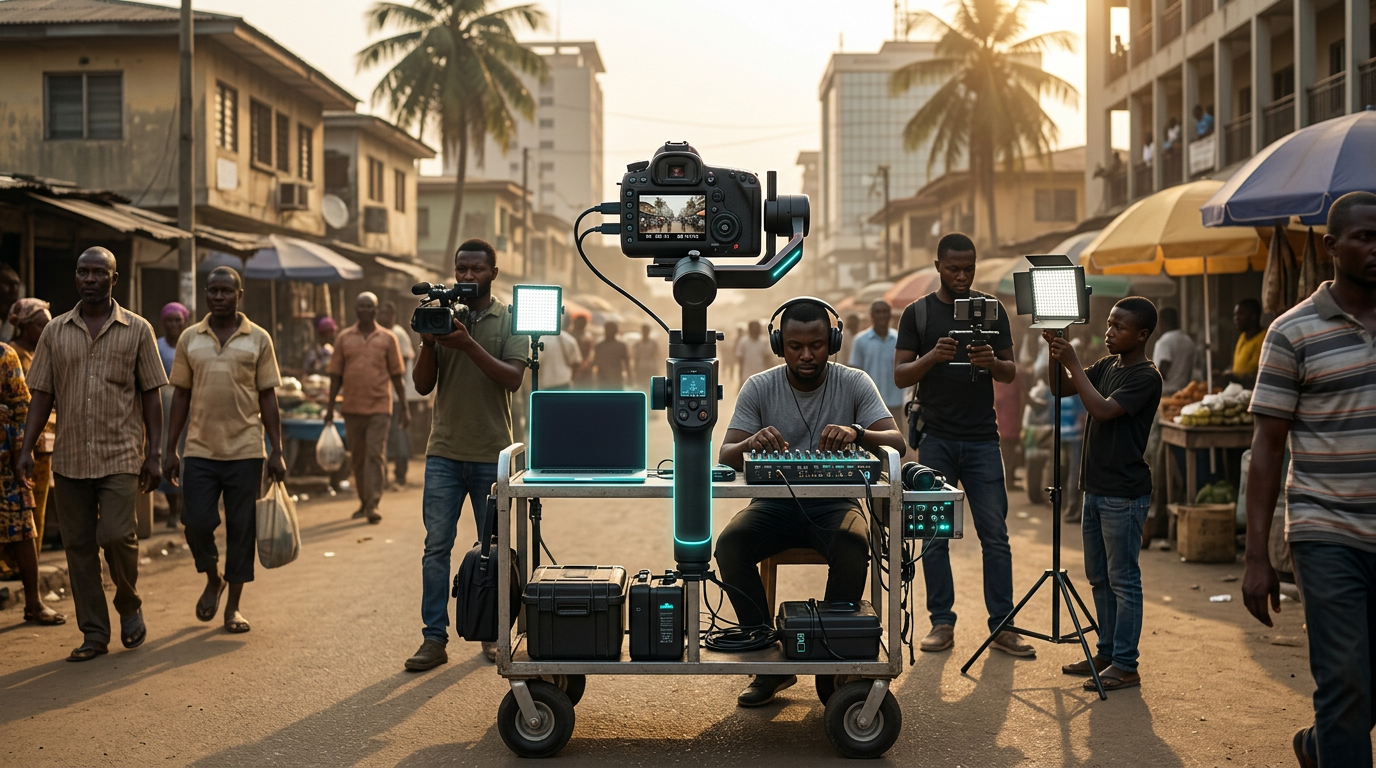
Nollywood produces 2,500+ films annually using mobile-first, digital-native production methods — the world's 2nd largest film industry by volume, now streaming globally.
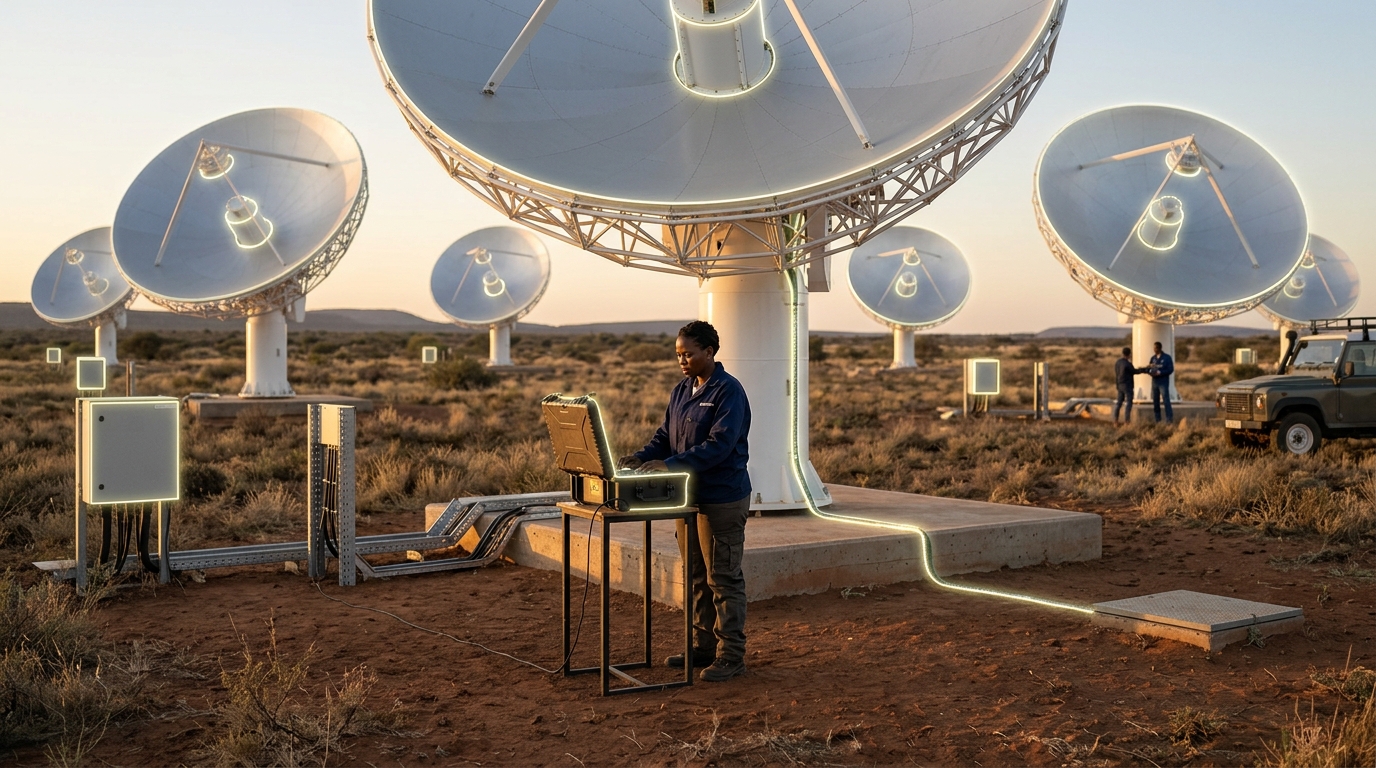
South Africa's 64-dish MeerKAT radio telescope is currently the most sensitive radio telescope in the Southern Hemisphere, producing breakthrough astronomical discoveries since 2018.
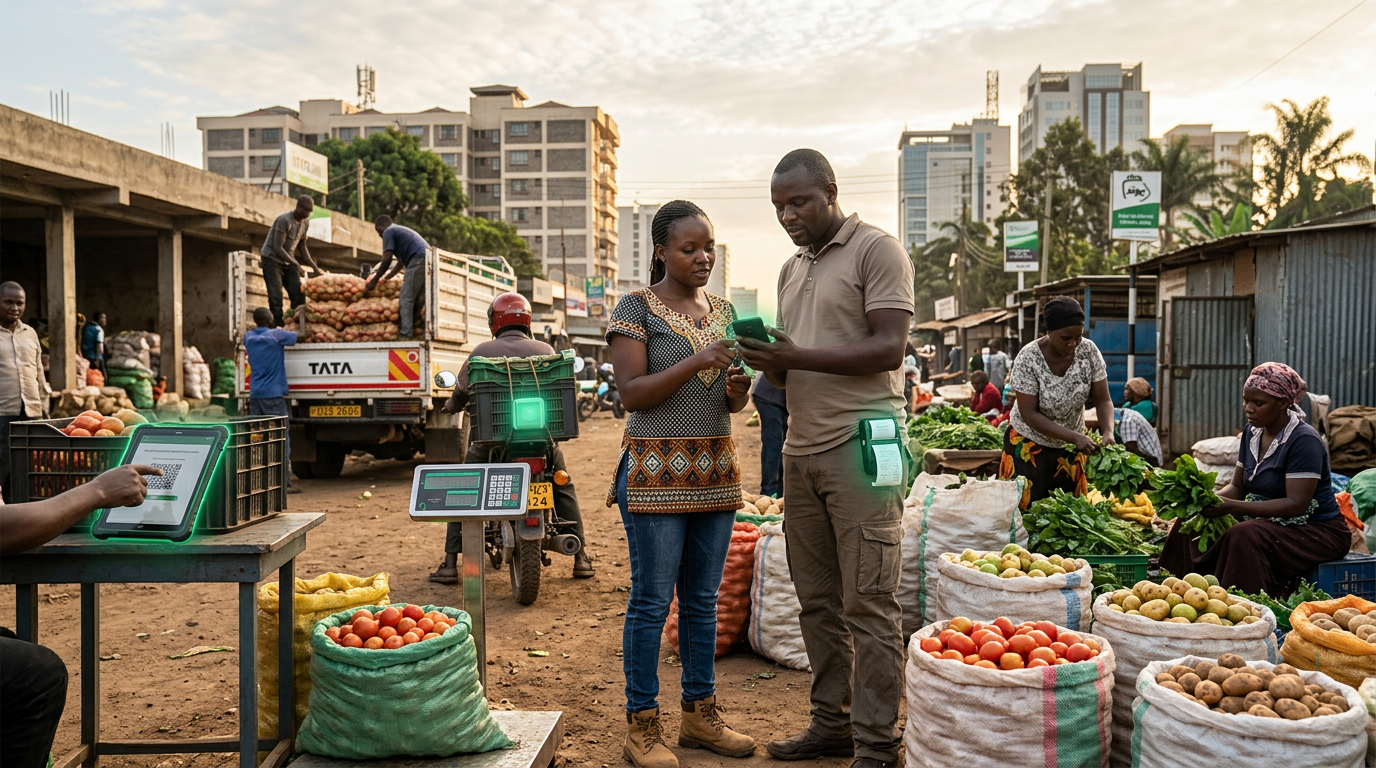
USSD and app-based platforms connect 10M+ African smallholders directly to buyers, eliminating middlemen who typically capture 40-60% of crop value.
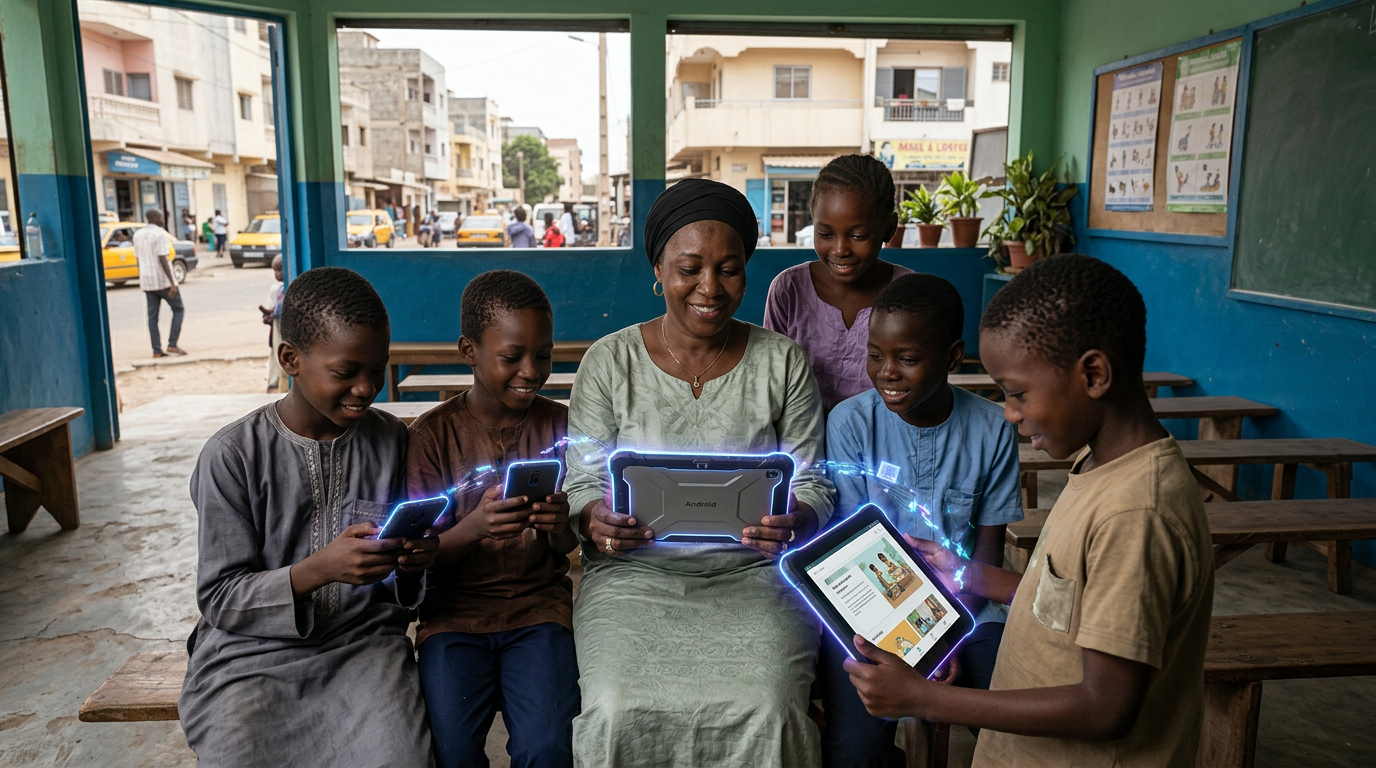
African edtech platforms deliver curriculum-aligned education via smartphones, USSD, and offline-capable apps — reaching 50M+ learners in 30+ countries.
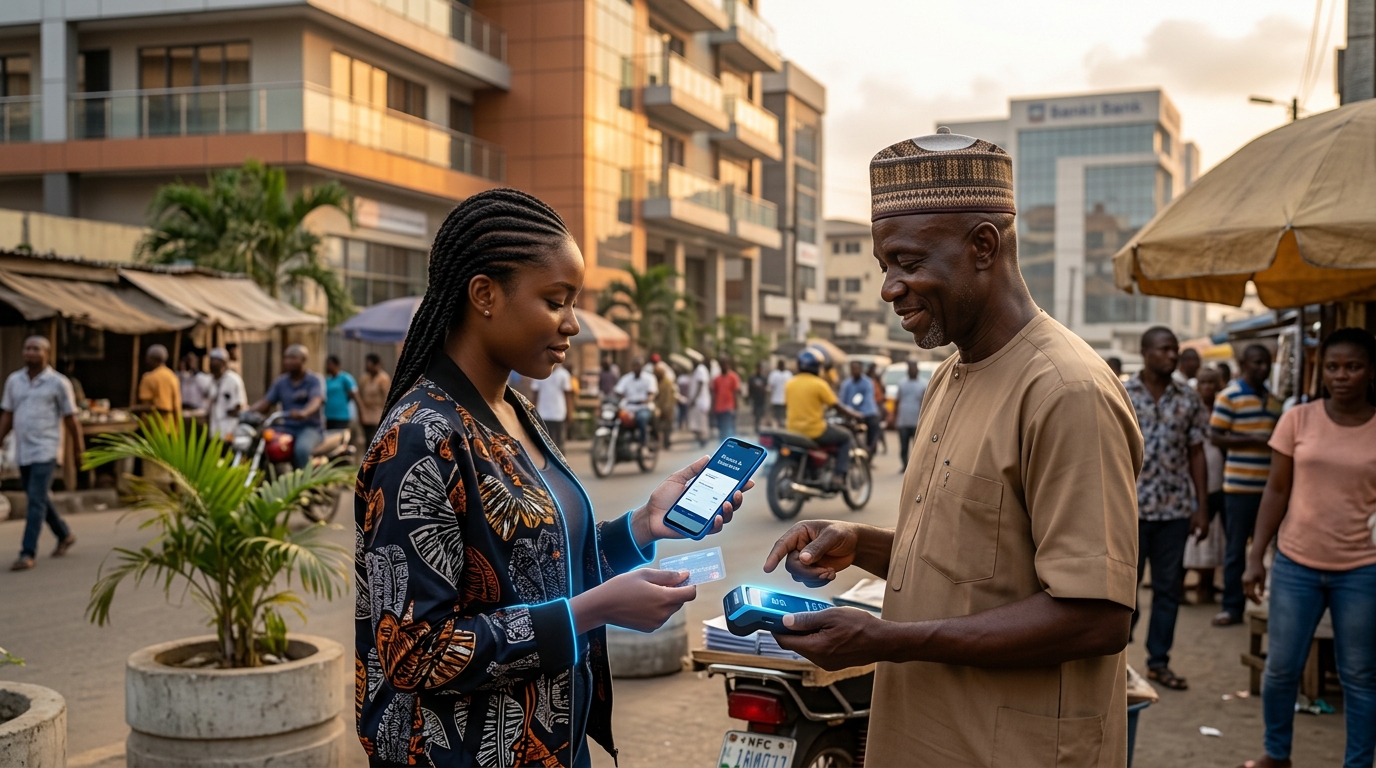
Digital-only banks like Kuda, OPay, and PalmPay serve 40M+ Africans with full banking via smartphone apps — zero branches, zero fees, built for mobile-first populations.
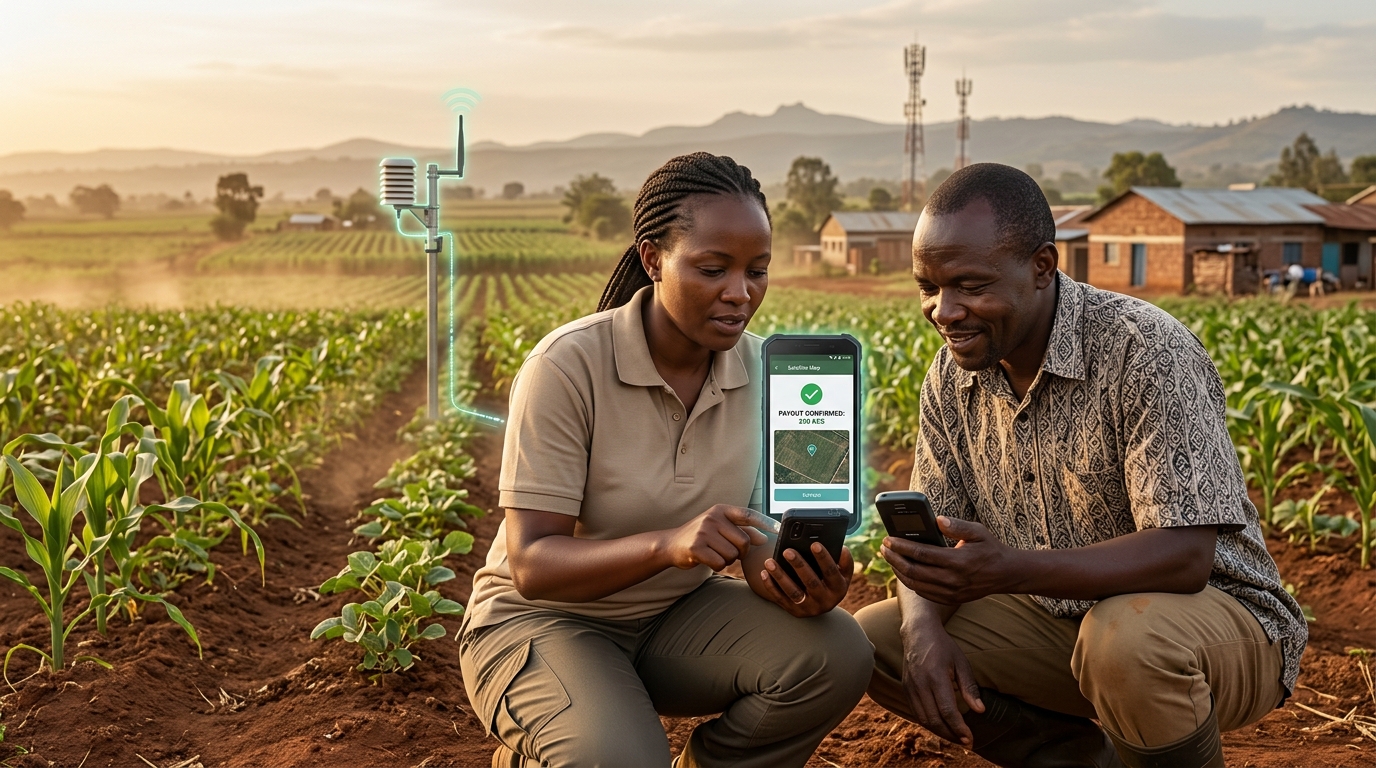
African insurtech startups use satellite data, mobile money, and parametric triggers to deliver crop insurance at $2-5 per season to smallholders — automating payouts without claims processes.
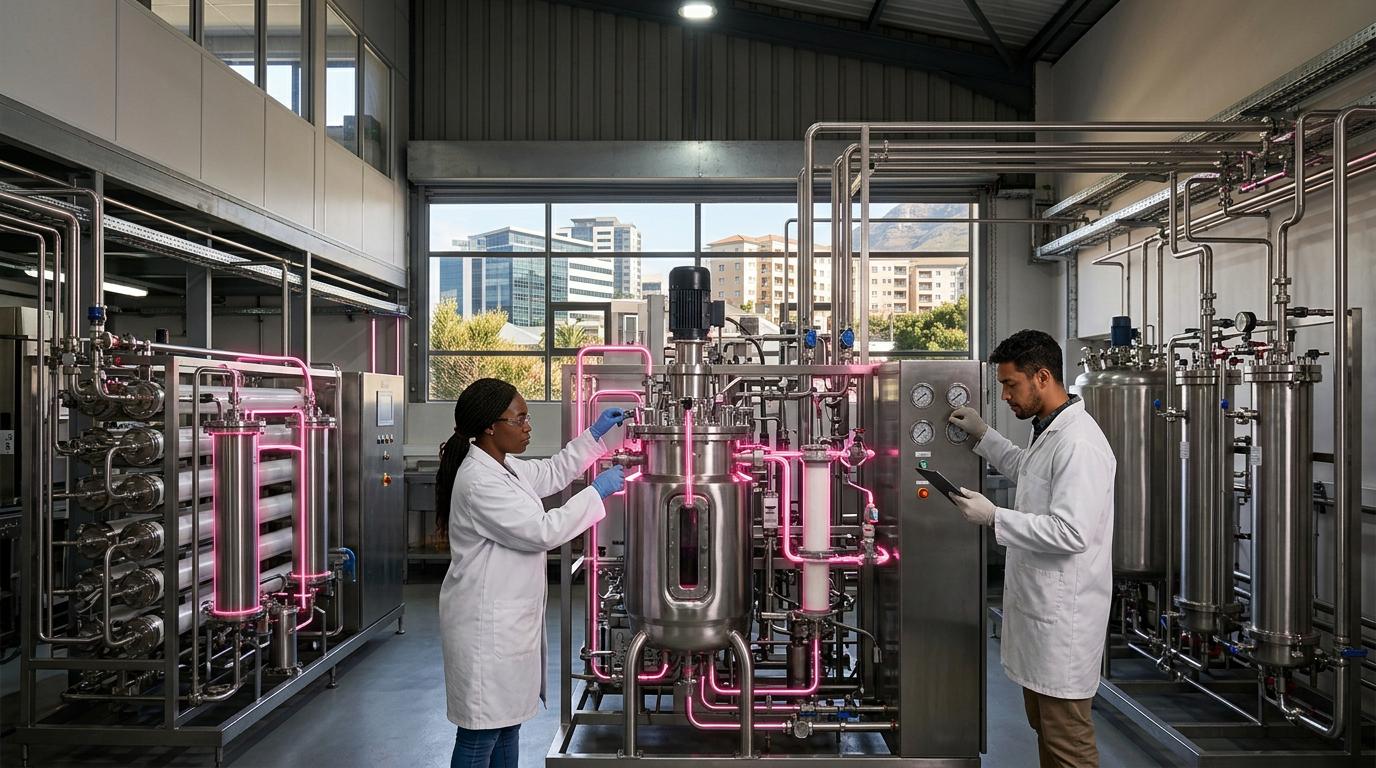
Afrigen Biologics in Cape Town is the WHO-backed hub for mRNA vaccine technology transfer to Africa — reverse-engineering mRNA platform technology and sharing it with 15 countries.
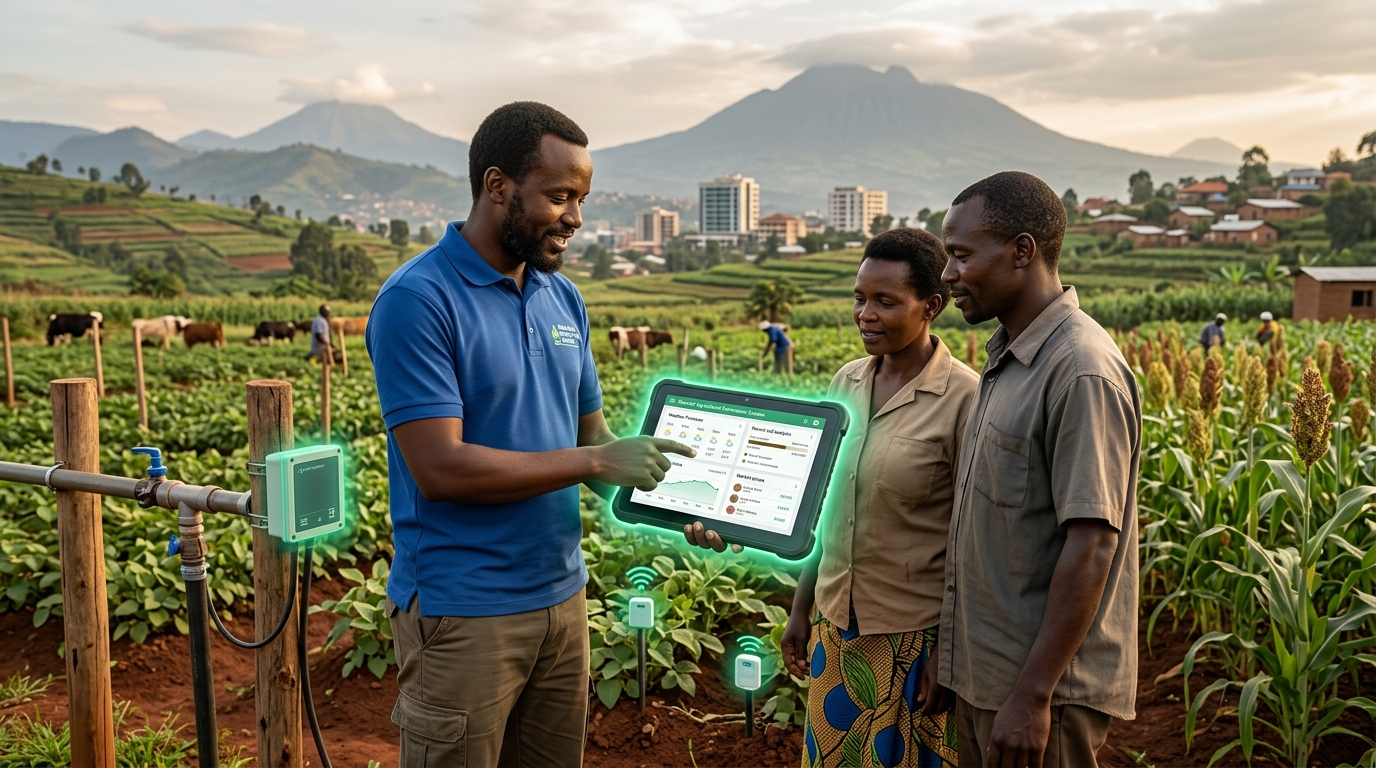
Rwanda's comprehensive digital agriculture platform integrates weather data, soil analysis, market prices, and extension services into a single system serving 2M+ farmers.
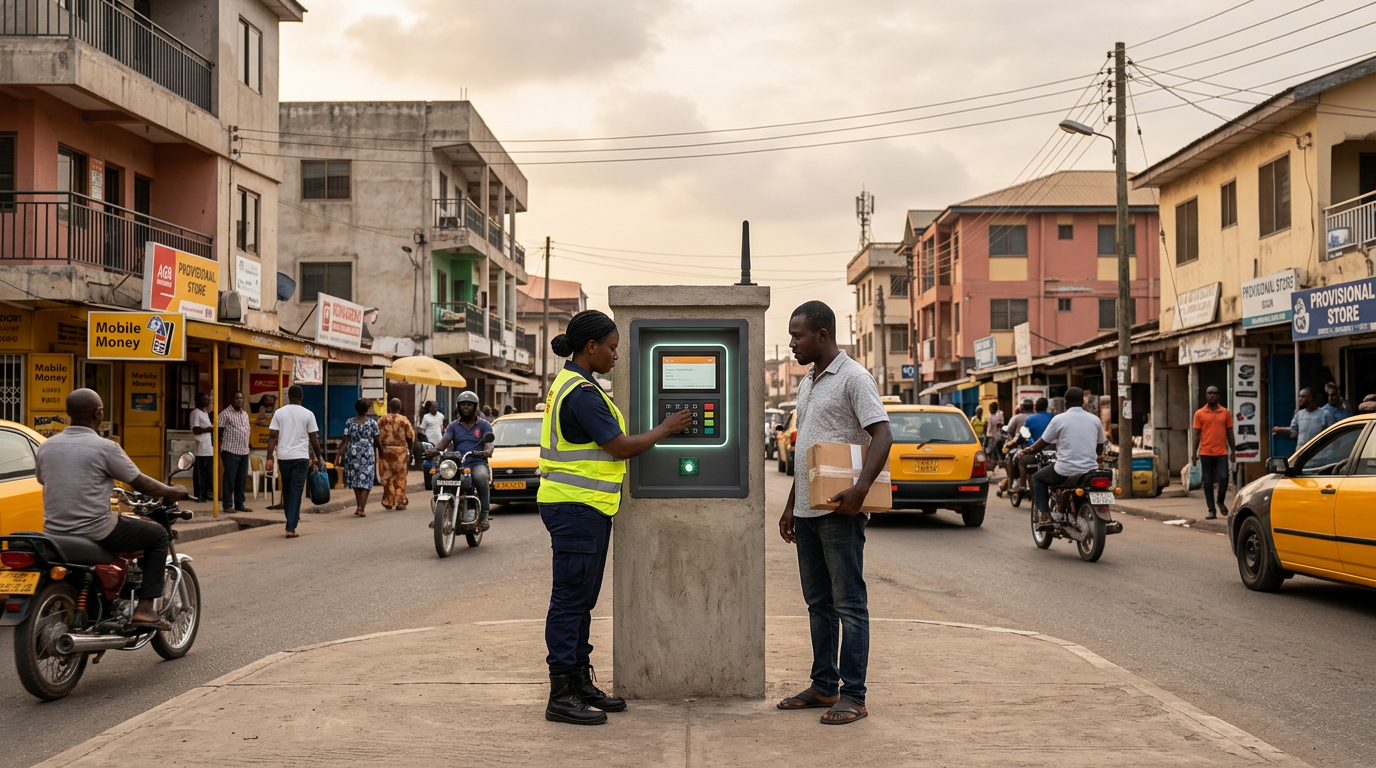
Ghana's GhanaPostGPS assigns unique digital addresses to every 5m x 5m square in the country — giving addresses to the 70% of land without street names.
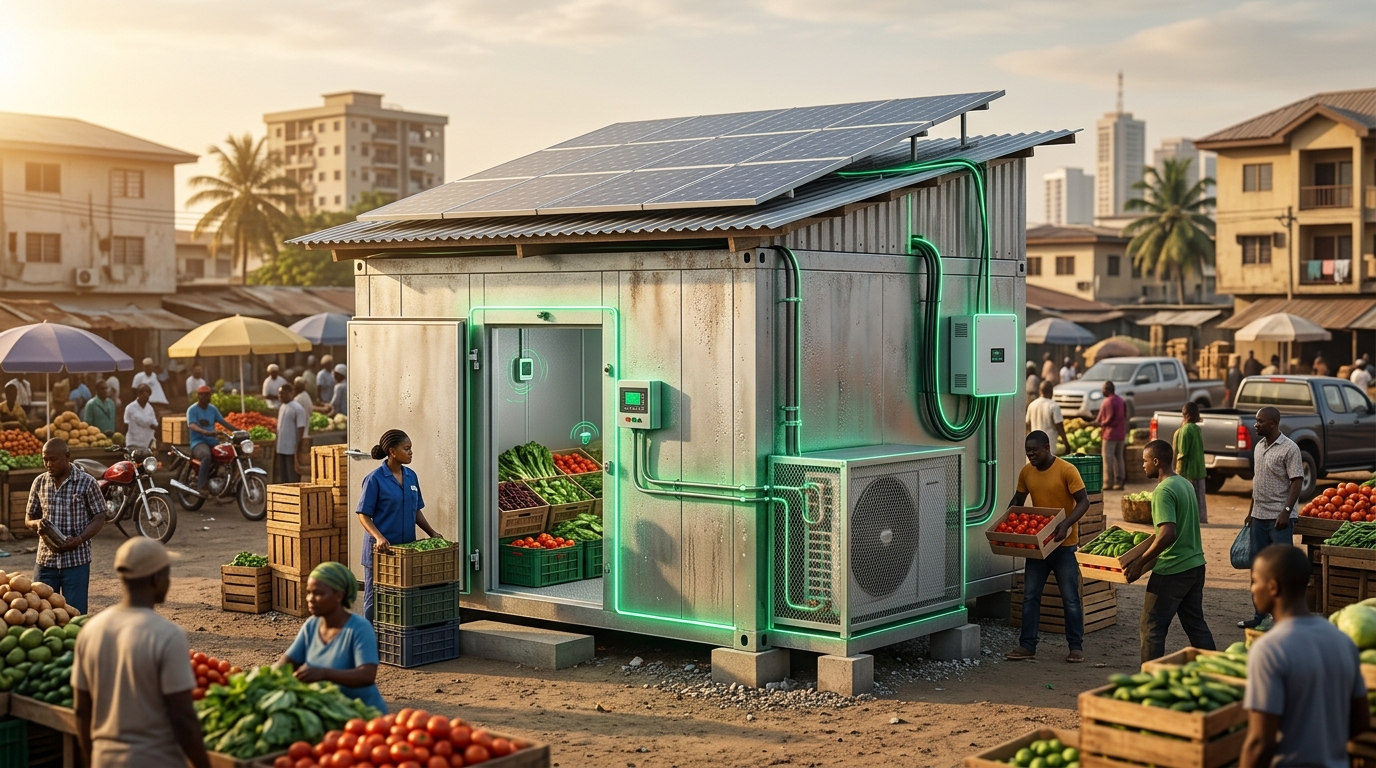
Solar-powered cold rooms and mobile refrigeration units reduce Africa's 40% post-harvest food loss — ColdHubs and similar technologies operate entirely off-grid in markets and farms.
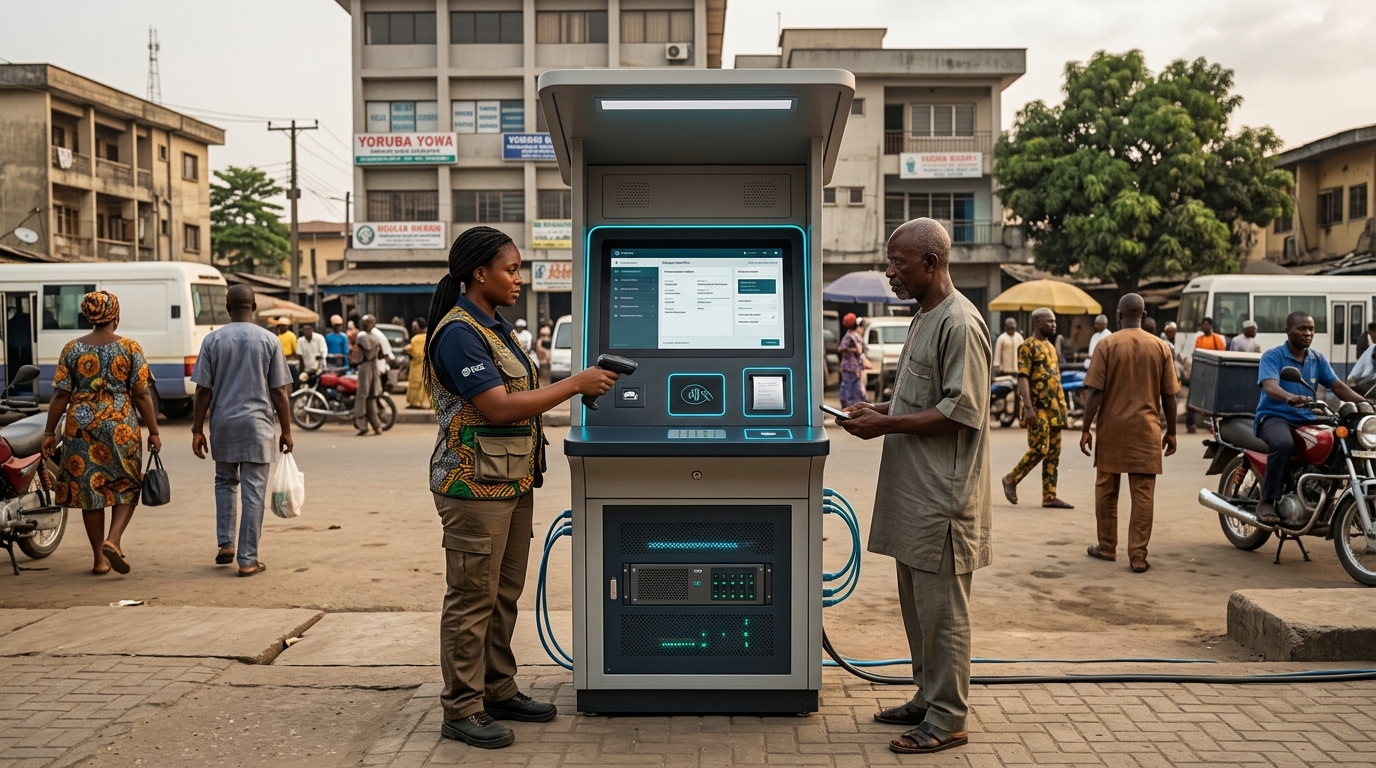
Nigerian-built payment processors Flutterwave, Paystack, and Moniepoint now handle cross-border transactions across 30+ African countries, creating indigenous financial plumbing for the continent.
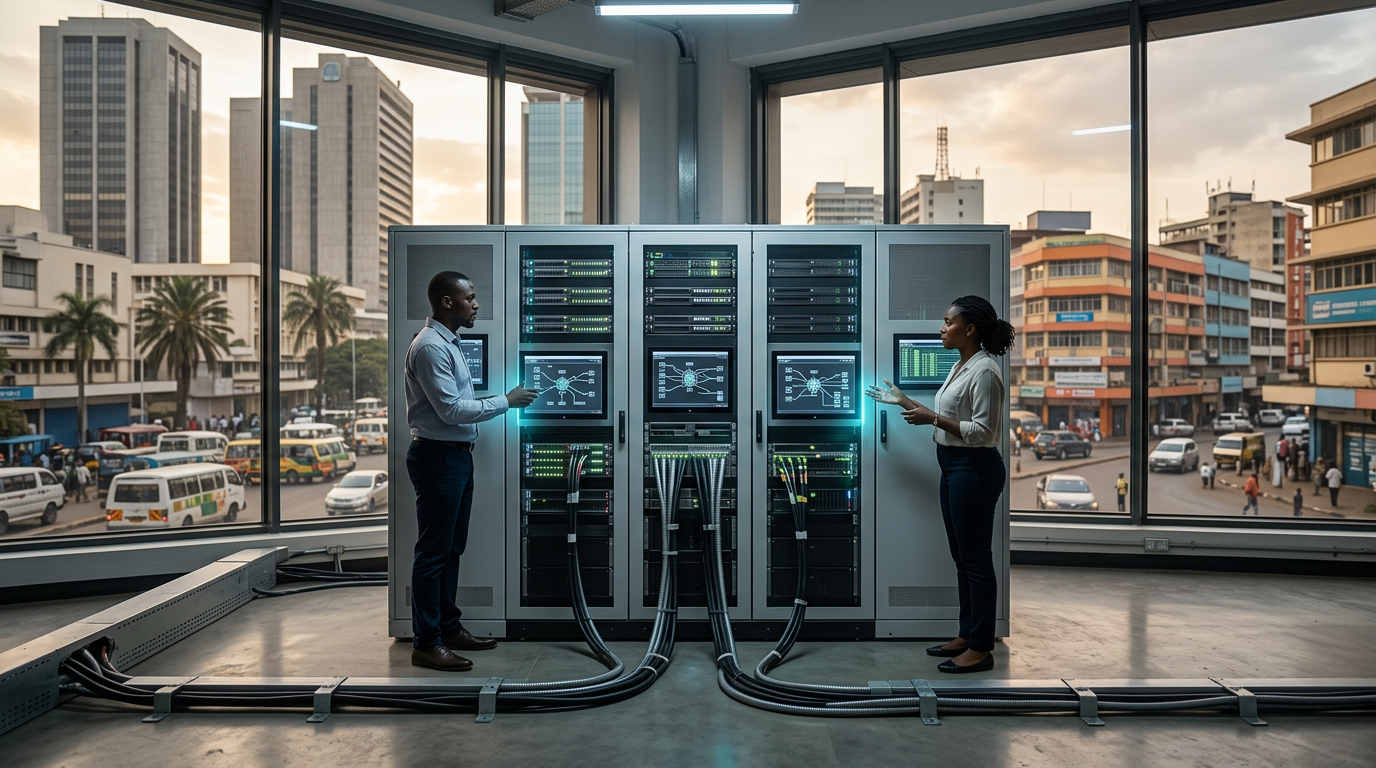
The African Export-Import Bank built PAPSS to enable direct currency-to-currency settlement across Africa — reducing the $5B annual cost of routing African payments through New York and London.
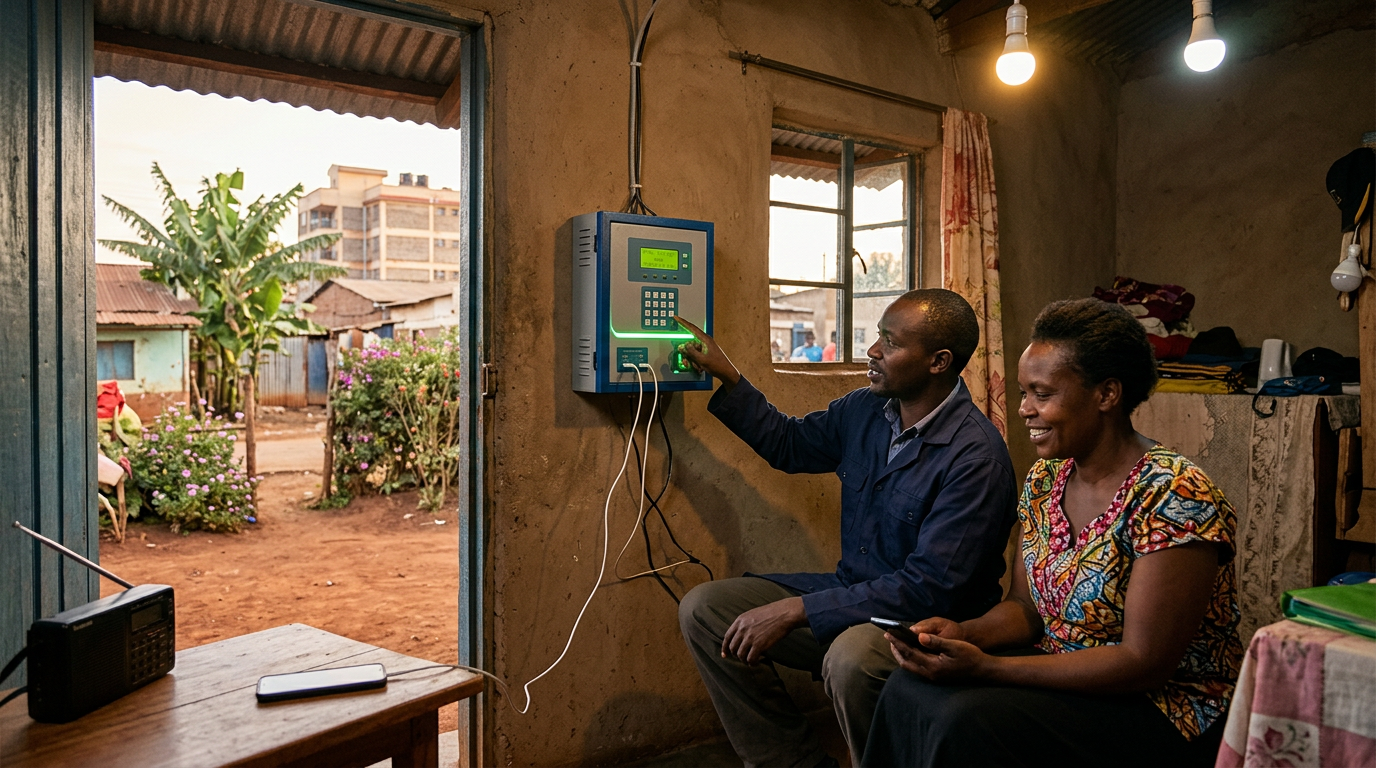
PAYG solar combines IoT-connected panels with mobile money micropayments, bringing electricity to 10M+ off-grid households across East Africa at $0.50/day.
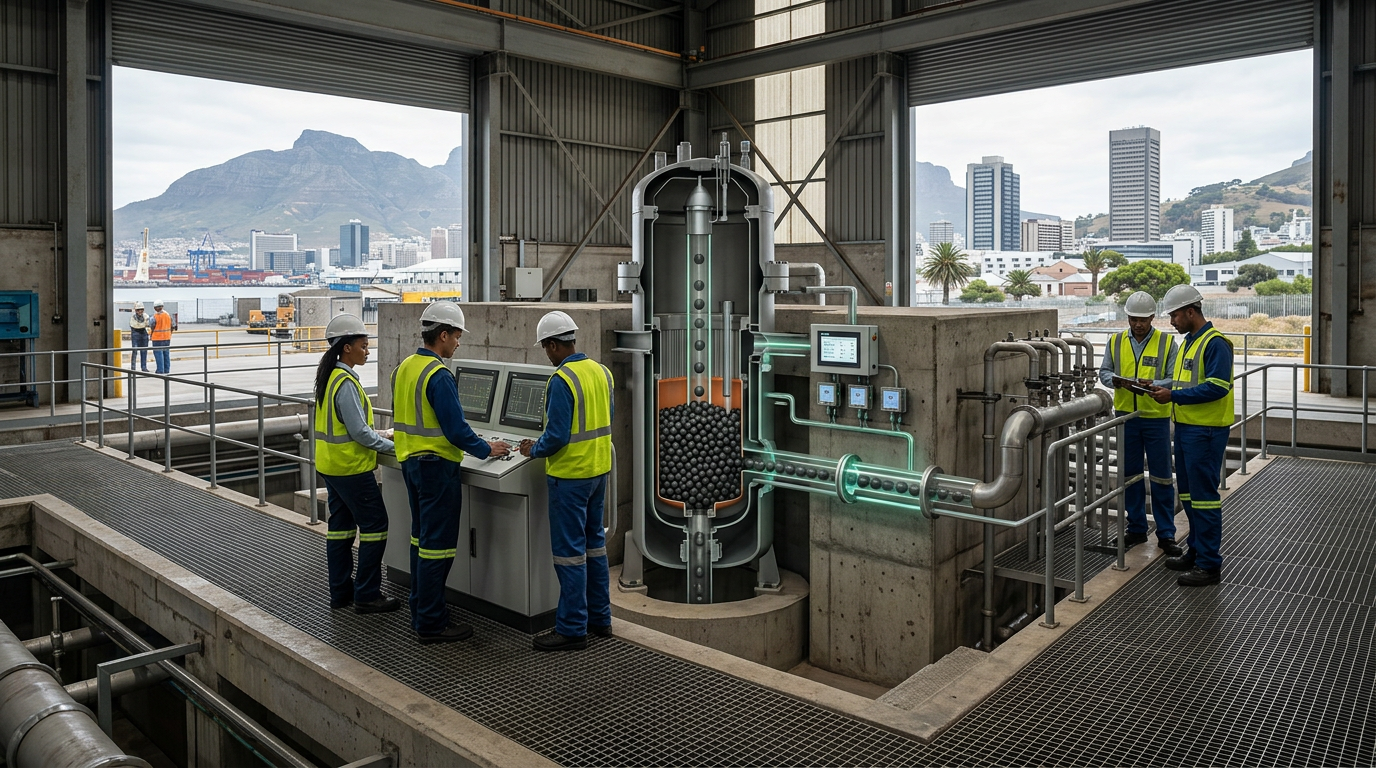
South Africa's indigenous small modular nuclear reactor design is being revived after a decade on hold — one of few SMR designs with extensive R&D heritage outside major nuclear powers.
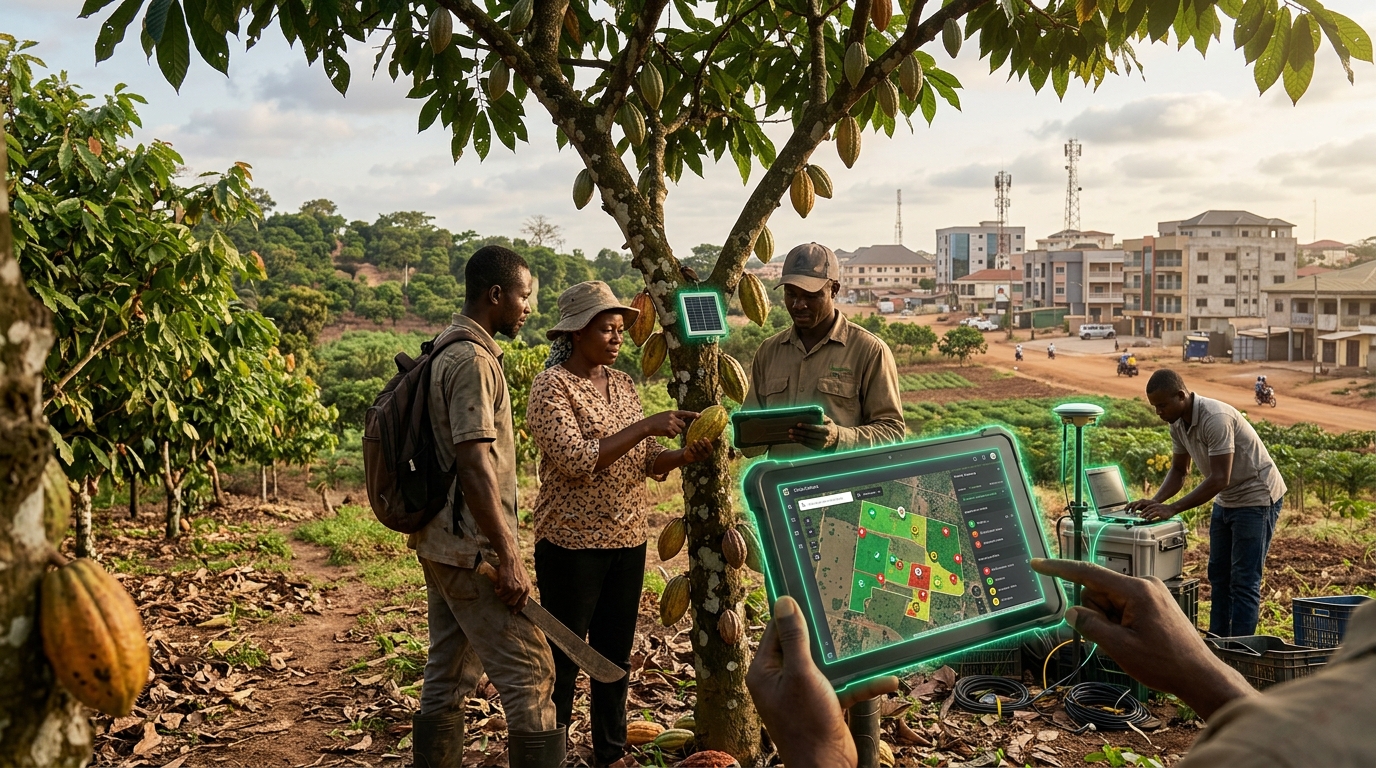
Ghana's cocoa sector deploys satellite imagery with AI analysis to monitor 800,000+ farms for deforestation compliance, disease, and yield optimization.

The $20B Dangote Refinery — world's largest single-train facility at 650,000 bpd, expanding to 1.4M bpd — is ending Africa's paradox of exporting crude and importing refined fuel.

South Africa hosts the mid-frequency component of the world's largest radio telescope — SKA-Mid achieved 'first fringes' in 2025, deploying 197 dishes across the Karoo.
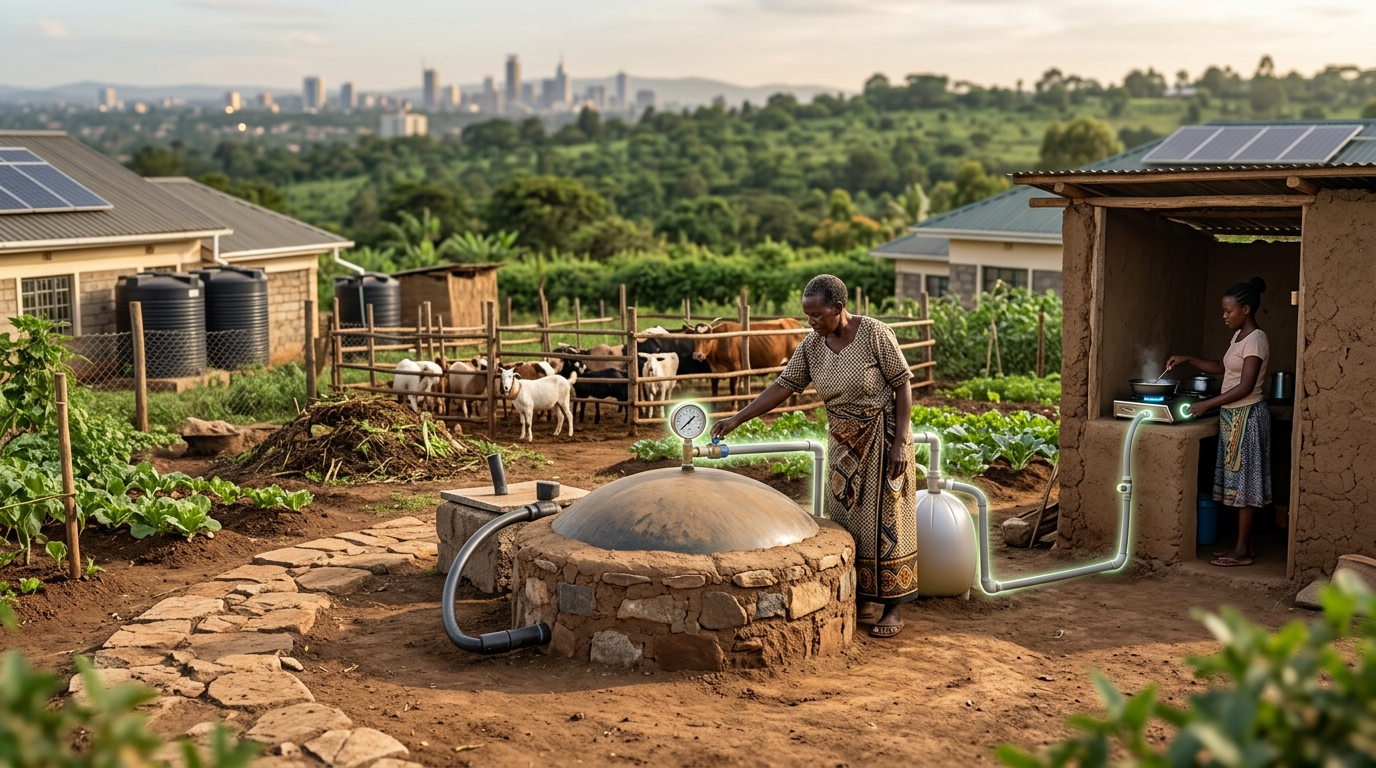
Adapted biogas digesters convert livestock waste into cooking gas for rural African households — replacing charcoal and wood fuel that cause 600,000 African deaths annually from indoor air pollution.
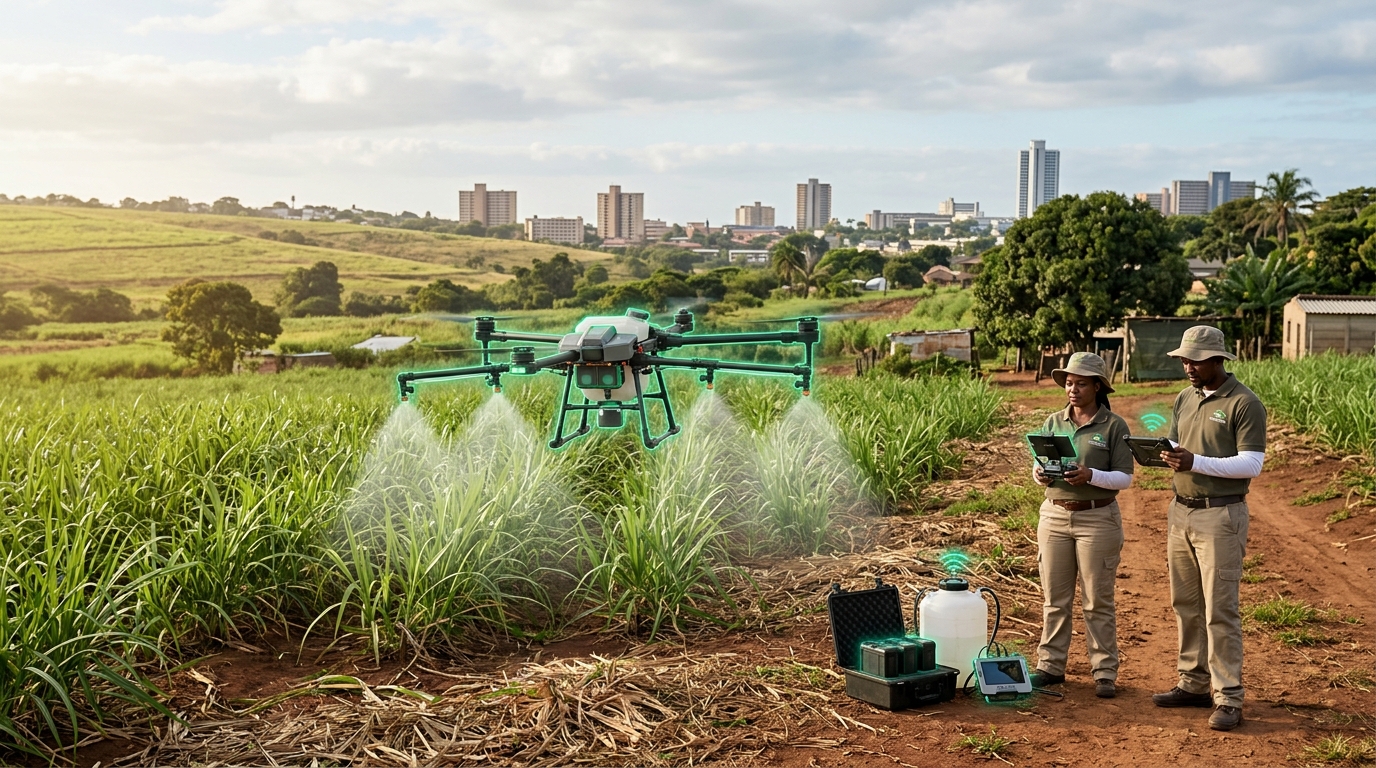
Drone-based precision spraying adapted for African smallholder farms — shared-service models serving cooperatives, boosting sugarcane yields by 1.78 tons/hectare in KwaZulu-Natal.
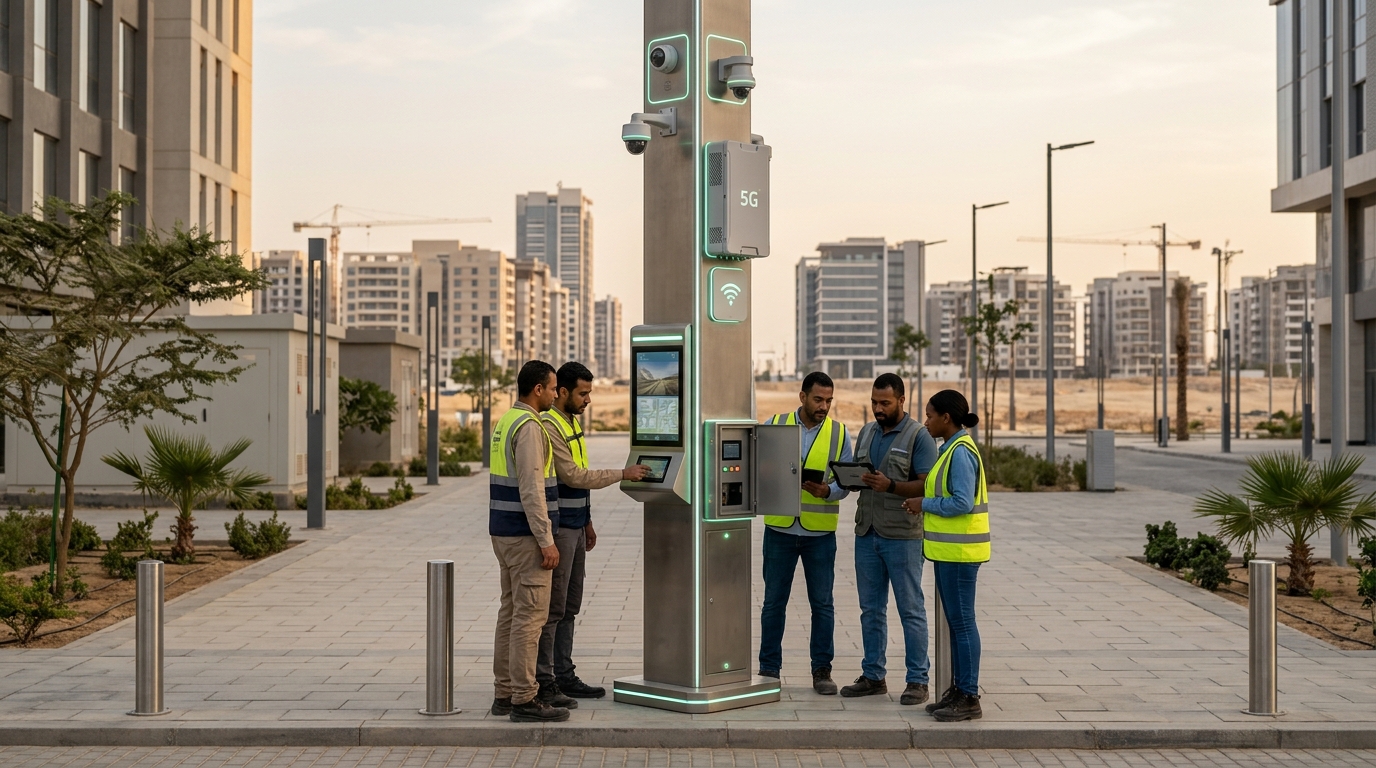
Egypt's New Administrative Capital deploys AI-driven traffic management, IoT sensors, smart grid technology, and public WiFi infrastructure across a city built from scratch for 6.5M people.

Off-grid solar-powered water treatment kiosks provide clean water at $0.01/liter in rural Africa — using UV purification and PAYG mobile money payment.
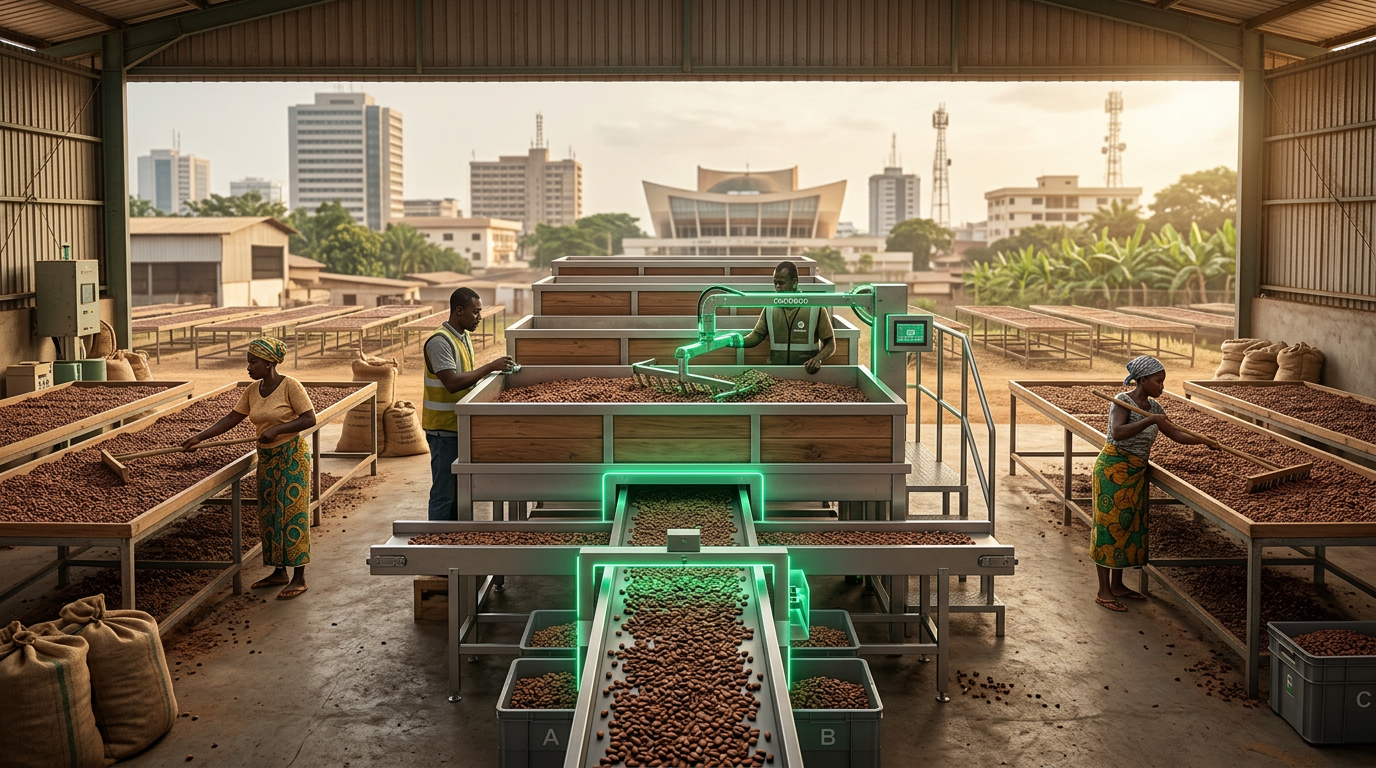
Ghana's COCOBOD built Africa's most rigorous cocoa quality system — standardized fermentation, sun-drying, and multi-stage grading commanding a $100-200/tonne 'Ghana premium' globally.

Egypt's expanded Suez Canal uses AI-powered vessel traffic management, electronic navigation aids, and real-time monitoring to handle 100+ daily transits through the world's most important waterway.

South Africa is developing indigenous SAR satellite capabilities for maritime domain awareness and border security — critical for monitoring Africa's vast coastlines.
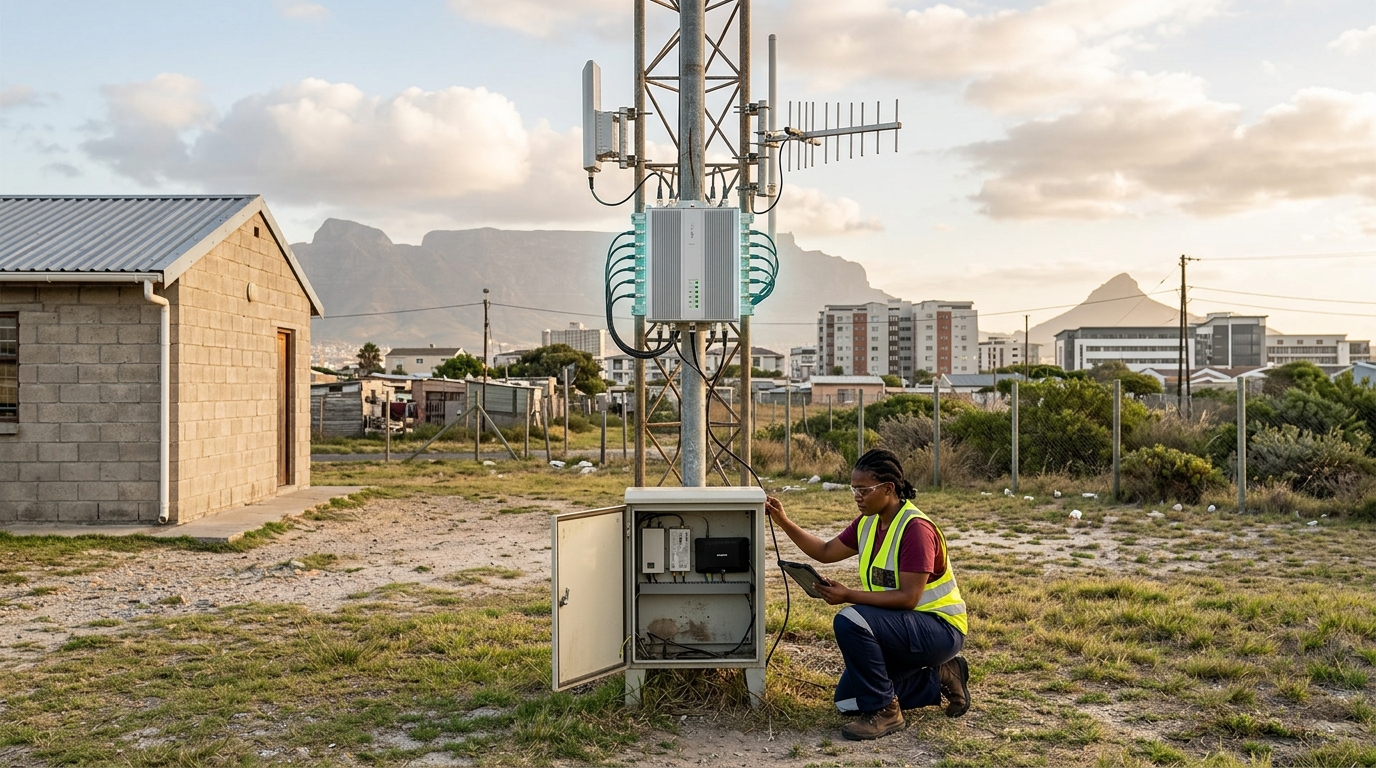
South Africa and other African countries use unused TV broadcast spectrum to deliver broadband internet to rural areas — covering 10+ km per base station without new fiber.

South Africa's mines — the world's deepest at 4 km — are pioneering AI-powered safety systems, autonomous drilling, and seismic prediction technology for extreme underground conditions.
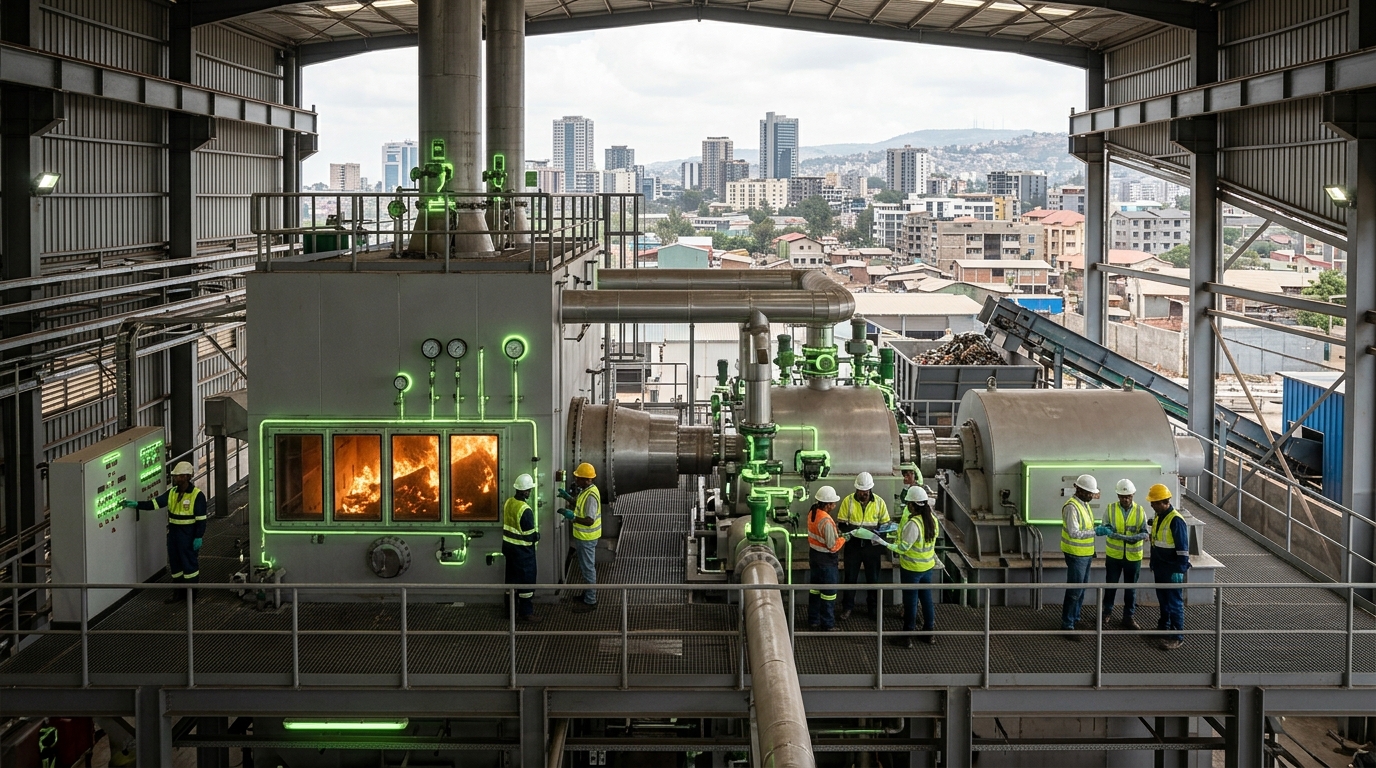
Ethiopia's Reppie is Africa's first waste-to-energy plant — incinerating 1,400 tonnes of waste daily to generate 25 MW, tackling landfill crisis and energy poverty.
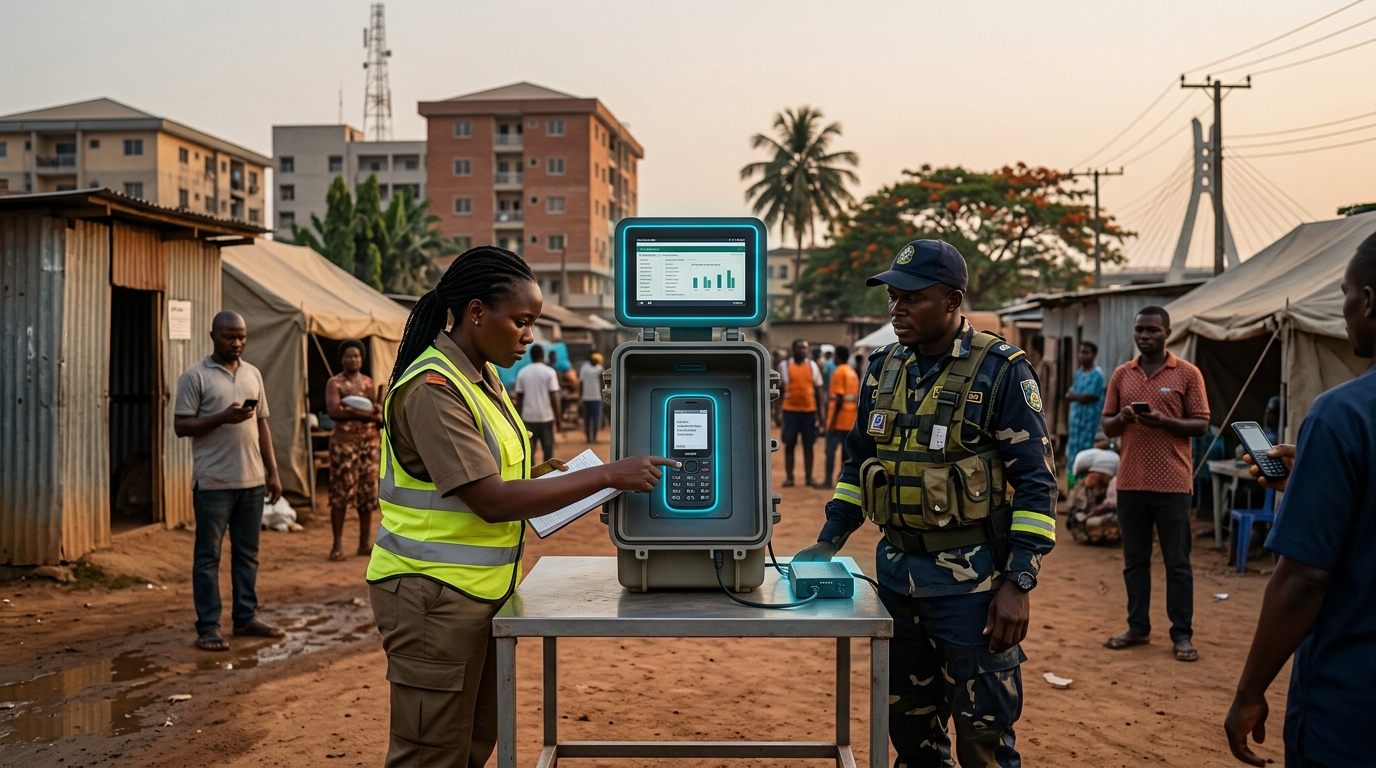
African governments deploy emergency response systems via USSD — enabling disaster alerts, missing person reports, and emergency coordination on feature phones without internet.