Voice-First Digital Interfaces for African Languages
Geography: Emea · Africa · Africa
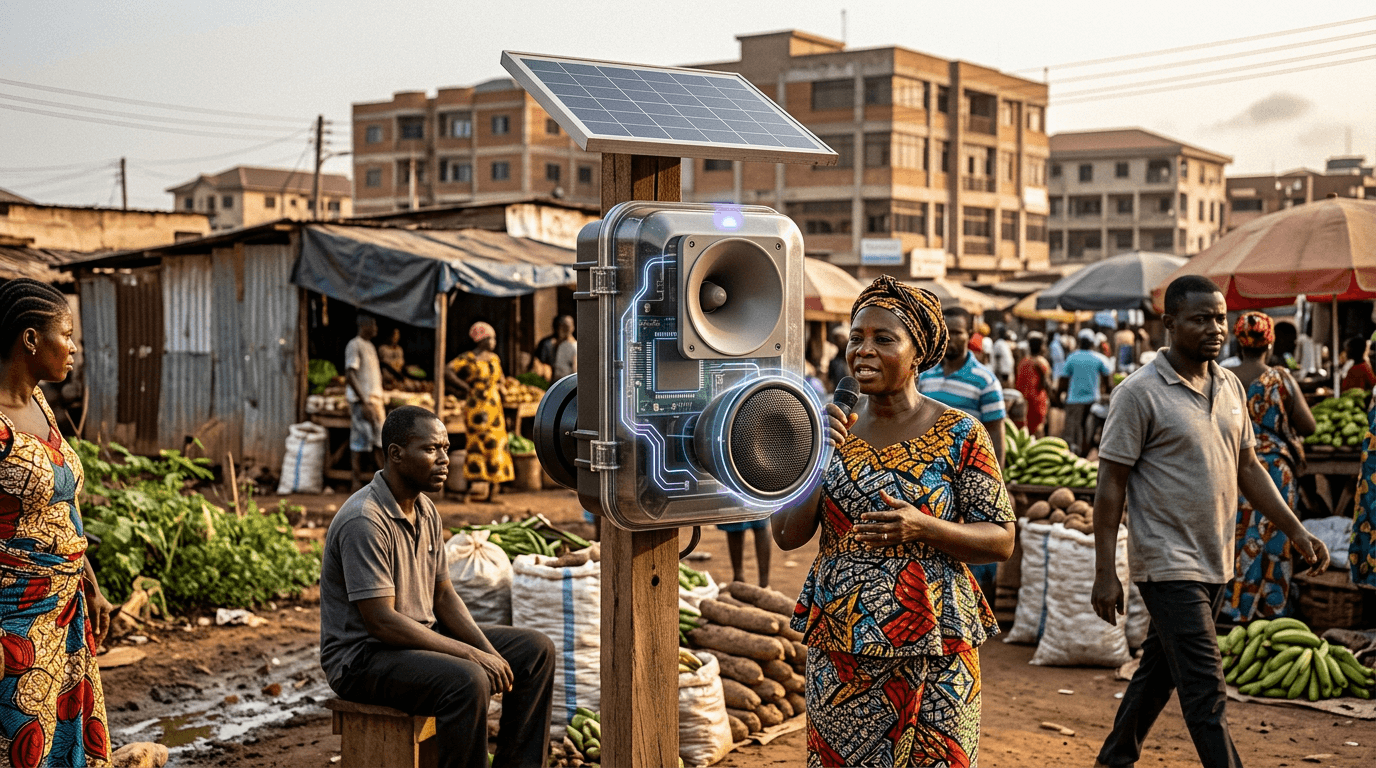
Voice-first interfaces are being developed for African languages to serve the continent's 40% adult illiteracy rate. These systems allow users to interact with digital services — banking, health information, agricultural advisories, government services — entirely by speaking in their native language. Companies like Weni (Nigeria) and research labs at Makerere University (Uganda) are building voice recognition and text-to-speech systems for Yoruba, Igbo, Hausa, Luganda, Swahili, and dozens of other languages.
The technology challenge is immense: African languages are tonal (pitch changes meaning), have limited digital text corpora for training AI models, and include extensive code-switching with colonial languages. Building accurate speech recognition for Yoruba or Amharic requires dedicated data collection, native-speaker annotation, and models that handle tonal variation — work that Google and Amazon have not prioritized.
Voice interfaces represent a potential democratization breakthrough. Literacy has been the gatekeeping technology of the modern economy — you need to read and write to use banking apps, fill government forms, or search the internet. Voice AI could bypass this entirely, giving a Hausa-speaking grandmother who never attended school direct access to the digital economy. This is not incremental improvement; it's a fundamental expansion of who can participate in the digital world.
Research this in Signals
Signals turns a topic into a sourced research record you can inspect and rerun. Your first scan is free, and this one starts with Voice-First Digital Interfaces for African Languages already loaded, so edit it or scan as is.