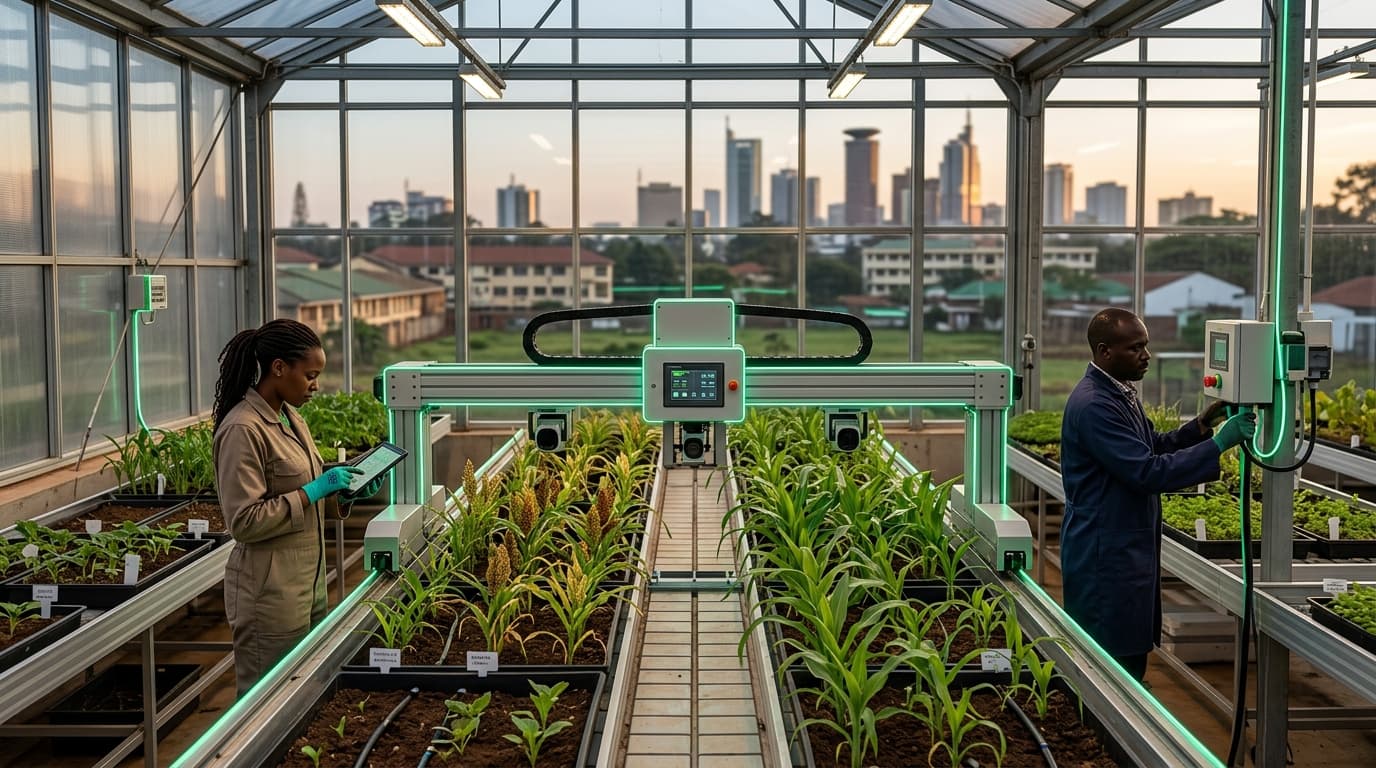
African Climate-Resilient Crop Genomics
Geography: Emea · Africa · Africa
African agricultural research institutions — IITA (Nigeria), ICRISAT (Kenya hub), KALRO (Kenya), and the African Orphan Crops Consortium — are using genomic tools to develop crop varieties adapted to African conditions. The focus is on 'orphan crops' (cassava, millet, sorghum, cowpea, teff) that feed hundreds of millions but receive minimal attention from global seed companies focused on wheat, corn, and rice. Genomic selection accelerates breeding from 10-15 years to 3-5 years.
Climate change hits African agriculture harder than any other region — the continent's farmers are predominantly rainfed, growing crops at the margins of heat and drought tolerance. The IITA's work on cassava — Africa's most important food security crop, feeding 500 million people — has produced varieties with 40% higher yields and resistance to cassava mosaic disease and brown streak virus, both devastating African-specific diseases.
The strategic dimension is food sovereignty. Africa imports $35 billion in food annually. Developing crop varieties optimized for African conditions, controlled by African institutions, reduces dependence on foreign seed companies. Teff genomics research in Ethiopia, cowpea breeding in Nigeria, and drought-resistant maize in Kenya represent indigenous solutions to indigenous challenges that global agricultural research historically ignored.
Research this in Signals
Signals turns a topic into a sourced research record you can inspect and rerun. Your first scan is free, and this one starts with African Climate-Resilient Crop Genomics already loaded, so edit it or scan as is.