eNaira Central Bank Digital Currency
Geography: Emea · Africa · Africa
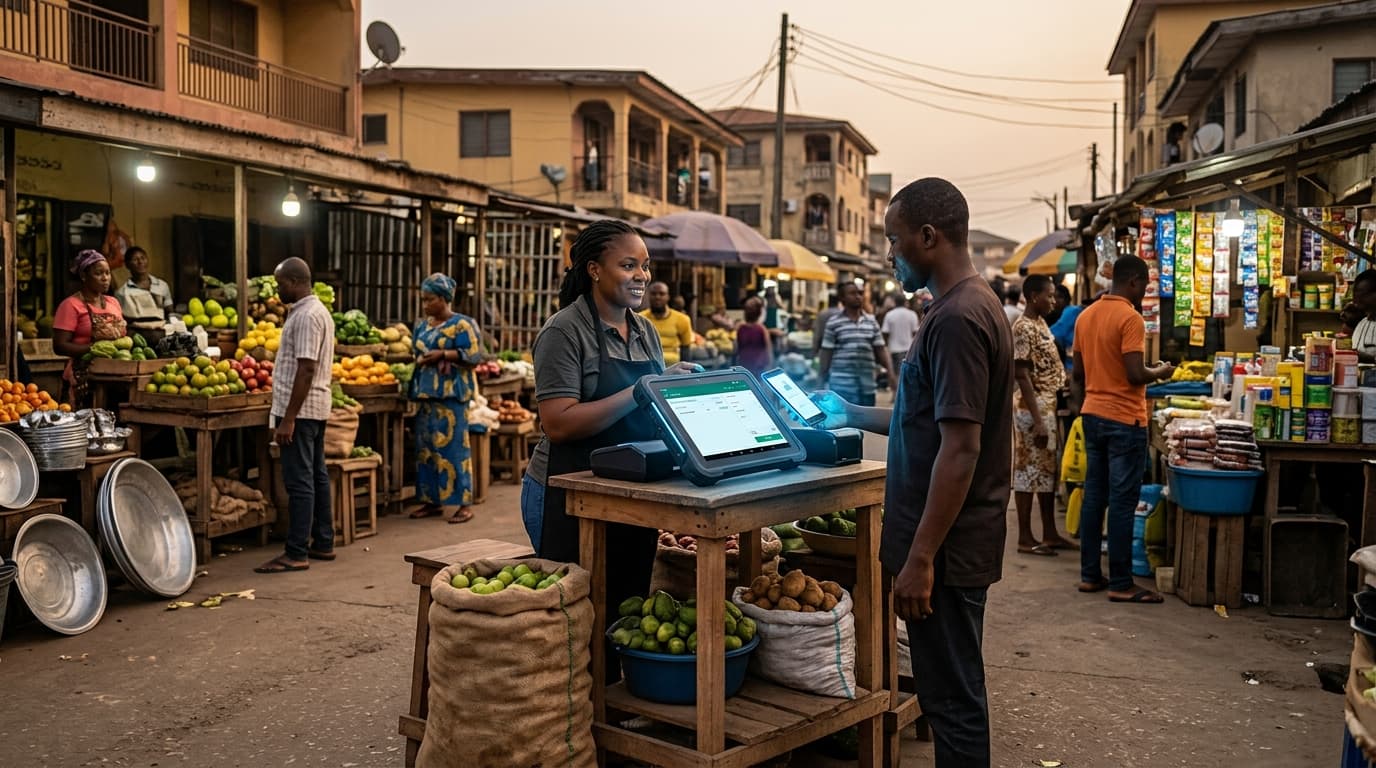
Nigeria launched the eNaira in October 2021, becoming the first African country and one of the first globally to deploy a central bank digital currency. Built on the Hyperledger Fabric blockchain, eNaira was designed to complement cash and promote financial inclusion among Nigeria's 40 million unbanked adults. The currency enables peer-to-peer payments, merchant transactions, and government disbursements through a dedicated wallet app.
Adoption has been disappointing — only about 0.5% of Nigerians actively use eNaira. In March 2024, the Central Bank of Nigeria signed an MoU with Gluwa Nigeria to overhaul the system's blockchain infrastructure and boost adoption. The gap between eNaira's promise and its reality highlights the challenge of top-down digital currency deployment in a market where mobile money and fintech apps already meet consumer needs.
Despite its struggles, eNaira represents an important experiment in African digital sovereignty. It demonstrated that an African central bank could design, build, and deploy a CBDC independently. The lessons — particularly around user experience, offline functionality, and competition with existing payment methods — are being studied by the 15+ other African central banks exploring CBDCs.
Research this in Signals
Signals turns a topic into a sourced research record you can inspect and rerun. Your first scan is free, and this one starts with eNaira Central Bank Digital Currency already loaded, so edit it or scan as is.