USSD-Based Emergency and Disaster Response Systems
Geography: Emea · Africa · Africa
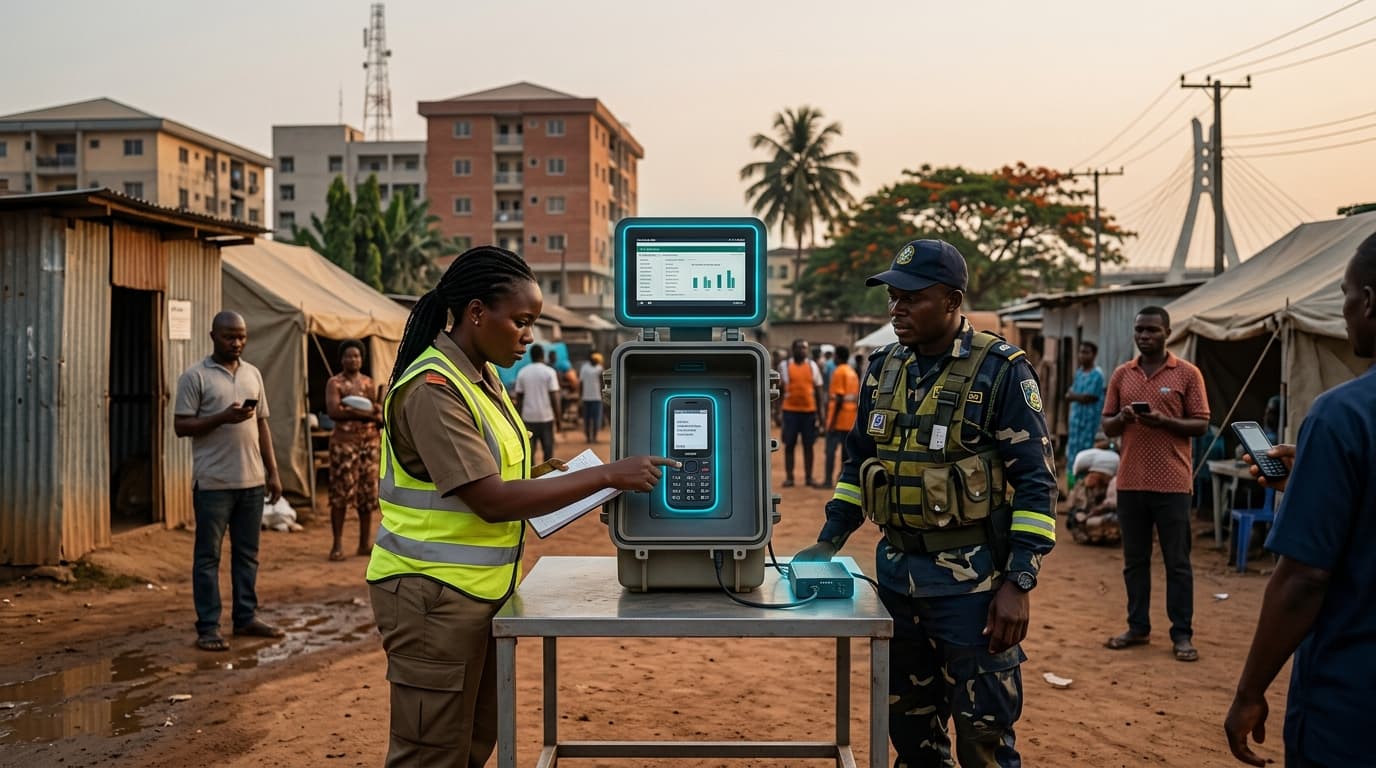
African nations have adapted USSD technology — the same protocol that powers M-Pesa — for emergency response and disaster management. Systems allow citizens to report emergencies, receive disaster warnings (floods, disease outbreaks, security alerts), and coordinate with responders using basic feature phones. Kenya's Ushahidi platform, originally built during the 2008 post-election crisis, pioneered crowdsourced crisis mapping — citizens report incidents via SMS and USSD that are plotted on real-time maps for responders.
The Ushahidi model has been deployed in over 160 countries for election monitoring, disaster response, and conflict tracking. But its origin is distinctly Kenyan — built in 72 hours by Nairobi developers during a crisis, using technology accessible to the widest possible population. The platform demonstrates that Africa's constraint-driven innovation (no internet? use SMS; no smartphones? use USSD) produces solutions with global applicability.
Emergency USSD services are now standard across multiple African countries: flood early warning in Mozambique, disease surveillance in Nigeria, and community security reporting in South Africa. The technology's strength is reach — it works on every phone ever manufactured, requires no app download, and functions without internet connectivity. In a continent where internet penetration averages 40% but mobile phone ownership exceeds 80%, USSD-based emergency systems reach twice the population that app-based alternatives could.
Research this in Signals
Signals turns a topic into a sourced research record you can inspect and rerun. Your first scan is free, and this one starts with USSD-Based Emergency and Disaster Response Systems already loaded, so edit it or scan as is.