African Language Natural Language Processing
Geography: Emea · Africa · Africa
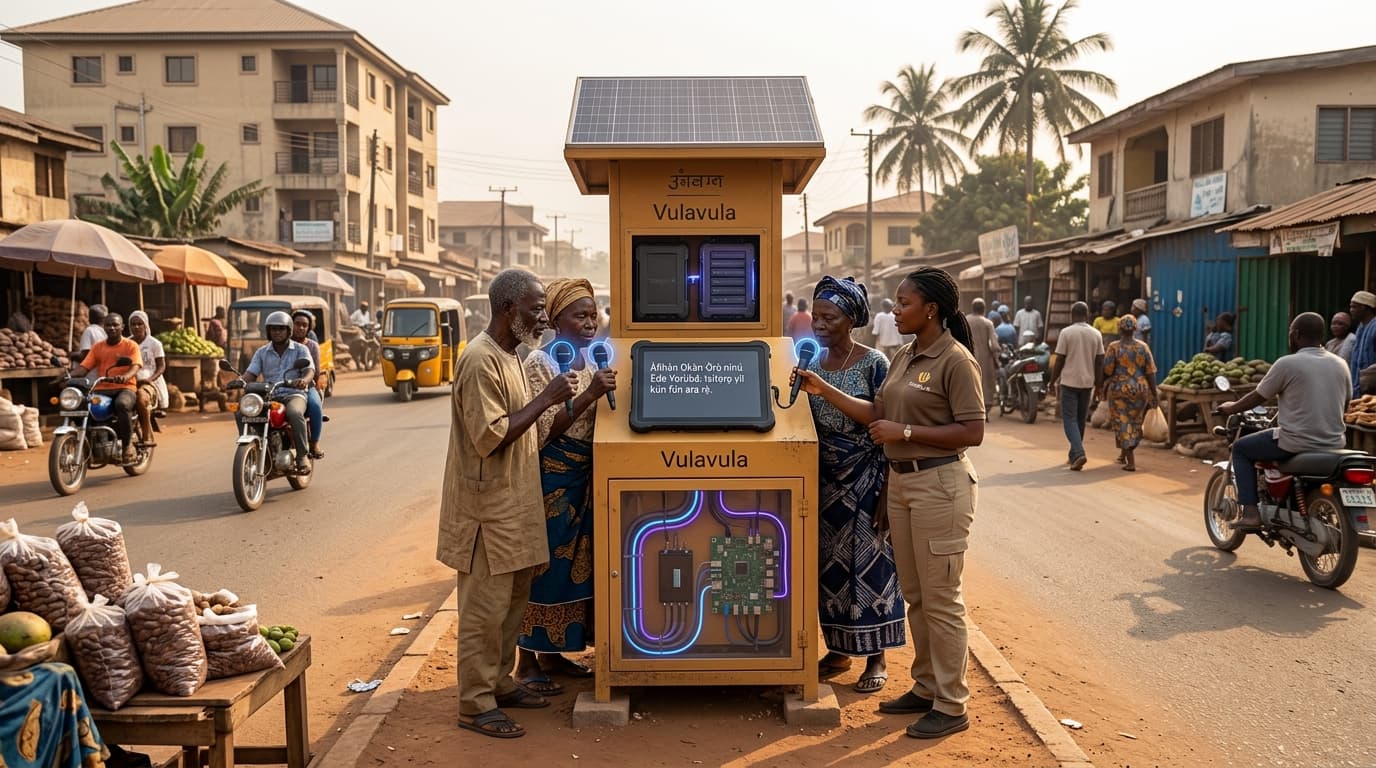
Lelapa AI (South Africa) has built Vulavula, a multilingual API platform providing speech recognition, machine translation, sentiment analysis, and intent detection for African languages — including support for code-switching, where speakers mix languages within sentences (a universal practice across Africa). The platform covers major languages like Swahili, Yoruba, Zulu, Amharic, and Igbo, with ongoing expansion to smaller languages.
This matters because global AI companies overwhelmingly train on English, Chinese, and European languages. Africa's 2,000+ languages are severely underrepresented in training data, meaning ChatGPT, Google Translate, and Siri work poorly or not at all for most Africans. Lelapa's approach involves collecting African language data, training models specifically for African linguistic patterns, and deploying them via APIs that any developer can integrate. The focus on code-switching is particularly important — a customer service bot in Lagos must understand Yoruba-English mixing, not pure Yoruba.
The Masakhane NLP community (a grassroots research collaboration of African researchers) and organizations like Google's AI Ghana team are contributing to the broader ecosystem. InstaDeep, a Tunisian-founded AI company acquired by BioNTech for $680 million in 2023, demonstrated that world-class AI can be built from Africa. The strategic question is whether African language AI will be controlled by African companies and institutions, or whether it will be another domain dominated by Silicon Valley.
Research this in Signals
Signals turns a topic into a sourced research record you can inspect and rerun. Your first scan is free, and this one starts with African Language Natural Language Processing already loaded, so edit it or scan as is.