Smart City Digital Infrastructure
Geography: Emea · Africa · Africa
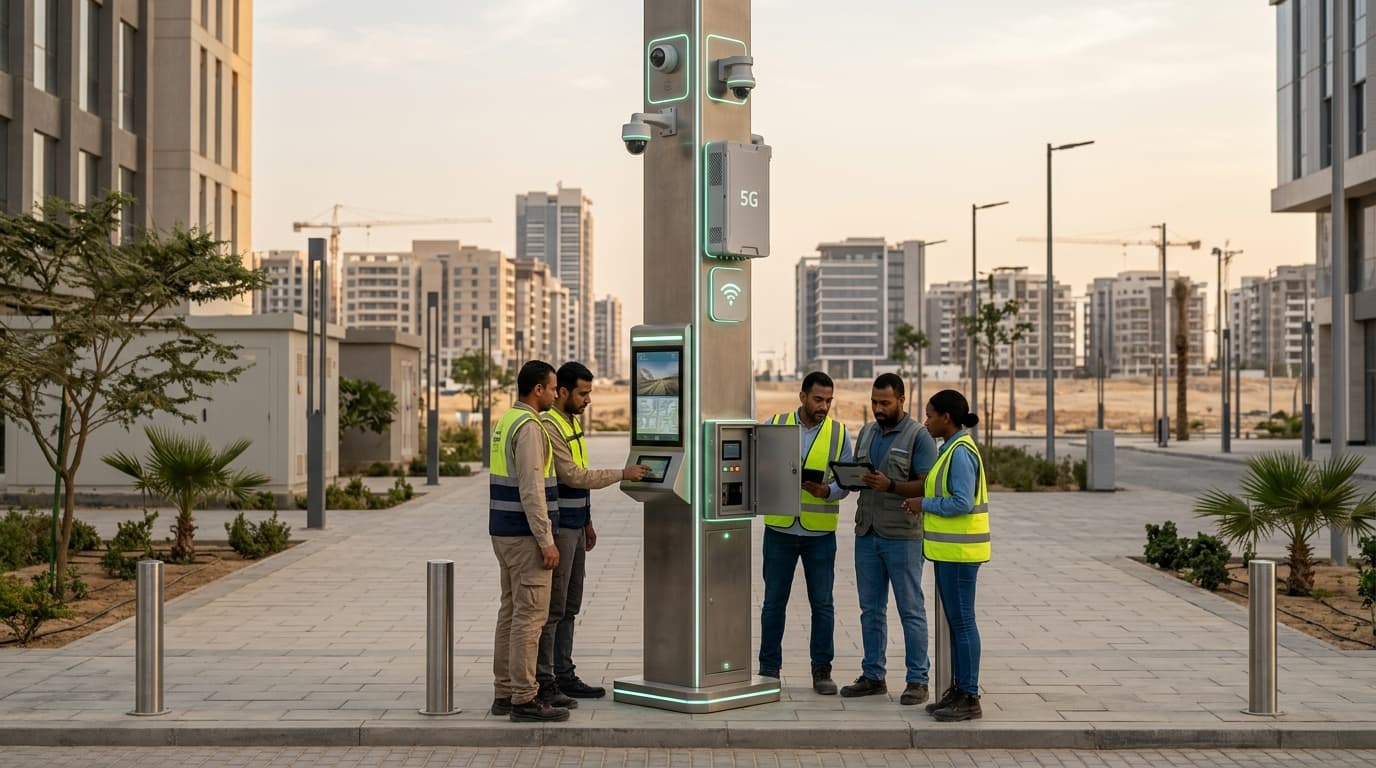
Egypt's New Administrative Capital (NAC), inaugurated in April 2024, is Africa's largest smart city project — a purpose-built city 45 km east of Cairo designed to house 6.5 million people and serve as the country's new governmental center. The city integrates IoT sensors across infrastructure, AI-driven traffic management, smart grid electricity distribution, public WiFi beamed from streetlights, and digital identity systems for building access and payments.
The NAC's smart city technology includes a central command center for real-time urban management, smart water and waste management systems, and integrated public transport with digital payment. Fourteen government ministries have already relocated. The Central Business District features Africa's tallest building (the Iconic Tower at 385m) and is designed as a mixed-use tech hub.
Building a smart city from scratch allows Egypt to bypass the retrofit challenges that constrain existing cities. However, the project's strategic significance lies in demonstrating African-led urban planning at mega-scale. If successful, the NAC model could inform the 70+ new cities Africa needs to build by 2050 to accommodate its urbanizing population. The risk is that it becomes an enclave for elites rather than a replicable template — the technology choices made here will influence African urbanization for decades.
Research this in Signals
Signals turns a topic into a sourced research record you can inspect and rerun. Your first scan is free, and this one starts with Smart City Digital Infrastructure already loaded, so edit it or scan as is.