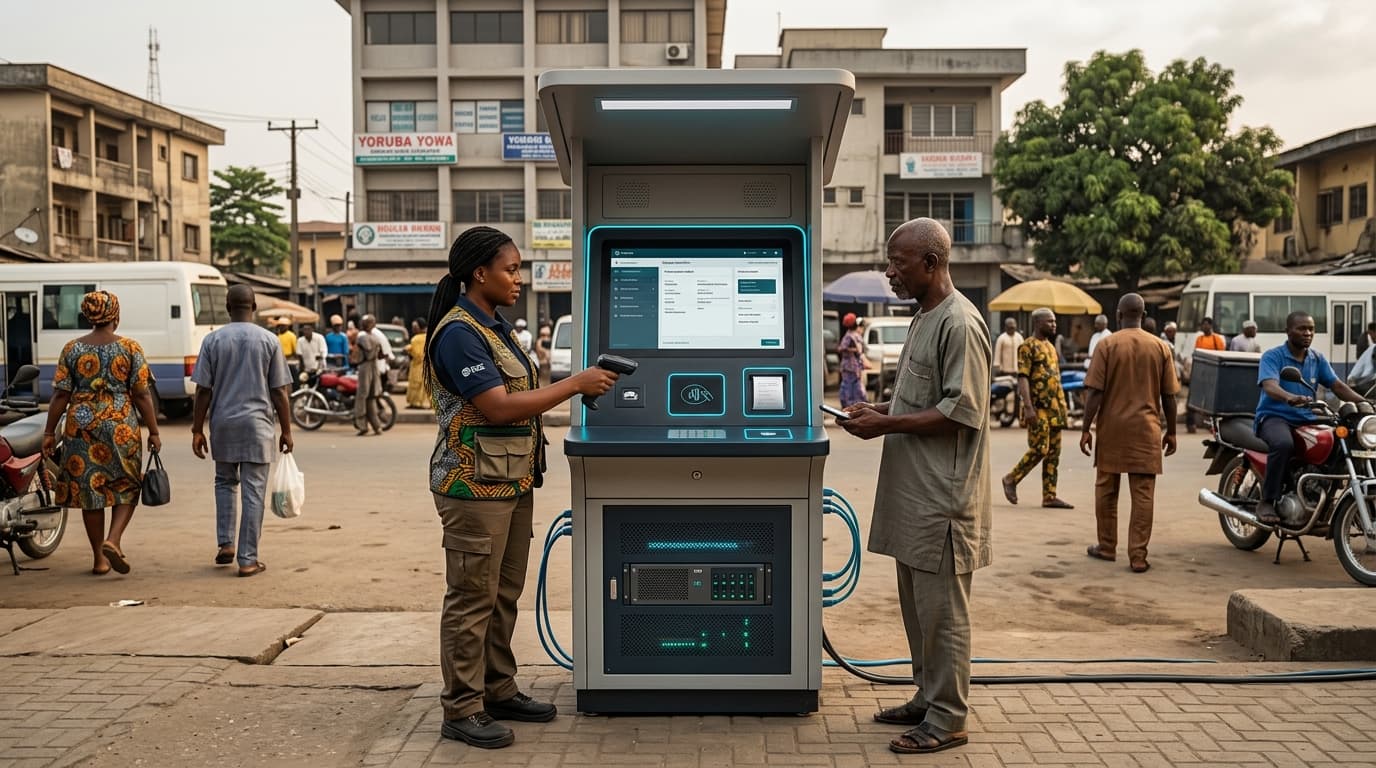
Pan-African Cross-Border Payment Infrastructure
Geography: Emea · Africa · Africa
Nigeria has emerged as Africa's fintech capital, producing payment infrastructure companies that serve the entire continent. Flutterwave (founded 2016, valued at $3B) provides payment APIs enabling merchants across 30+ African countries to accept payments via cards, mobile money, bank transfers, and USSD. Paystack (acquired by Stripe for $200M in 2020) processes payments for over 600,000 businesses. Moniepoint processes over $18B monthly, focusing on agent banking for the unbanked.
These aren't just payment processors — they're solving Africa's fragmentation problem. The continent has 54 countries, 42 currencies, and dozens of mobile money systems that don't interoperate. Nigerian fintech companies built the middleware layer that connects these systems, enabling a merchant in Ghana to accept M-Pesa from Kenya and MTN Mobile Money from Uganda in a single checkout. This is infrastructure that Visa and Mastercard never built for Africa.
The strategic implication is financial sovereignty. Africa's payment rails are increasingly African-built and African-owned. Between 2023 and 2024, currency devaluations (the naira lost 70% of its value) stress-tested these systems, and they survived. The next frontier is the Pan-African Payment and Settlement System (PAPSS), launched by the African Export-Import Bank, which aims to reduce Africa's $5B annual cross-border payment costs by enabling direct currency-to-currency settlement.
Research this in Signals
Signals turns a topic into a sourced research record you can inspect and rerun. Your first scan is free, and this one starts with Pan-African Cross-Border Payment Infrastructure already loaded, so edit it or scan as is.