Blockchain and Digital Land Registry Systems
Geography: Emea · Africa · Africa
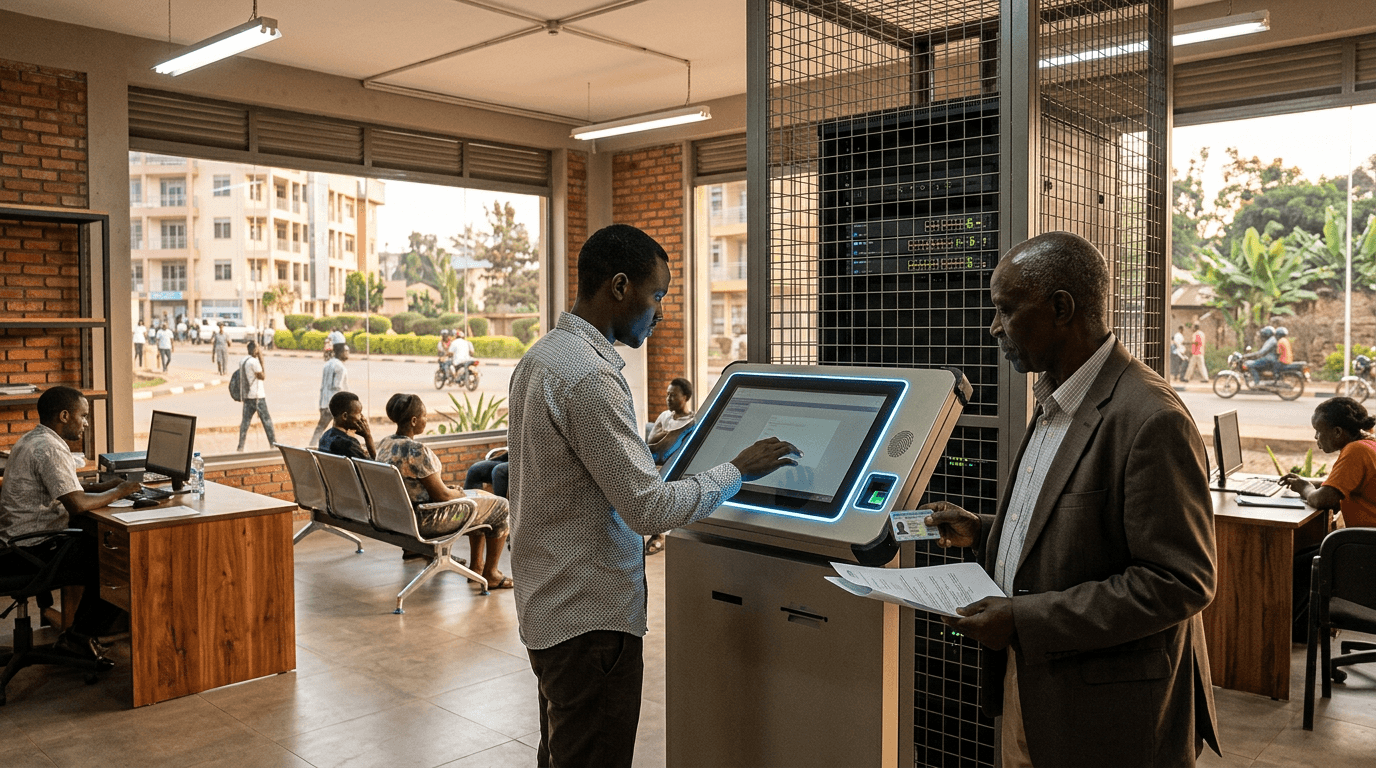
Rwanda completed a national land registration program that mapped and titled 11.4 million land parcels — one of the most comprehensive land registries in Africa. The system uses GIS mapping, GPS surveys, and a centralized digital database maintained by the Rwanda Land Management and Use Authority (RLMUA). Land titles can be verified digitally, transfers processed online, and disputes resolved using authoritative spatial data. Rwanda is now exploring blockchain technology to make land records tamper-proof.
Land tenure insecurity is one of Africa's most fundamental economic barriers. An estimated 90% of rural land in Sub-Saharan Africa is unregistered and undocumented. Without formal title, land cannot be used as collateral for loans, cannot be sold or transferred efficiently, and is vulnerable to expropriation. Rwanda's systematic registration program — conducted over several years using community-based mapping — proved that comprehensive land registration is achievable in low-income African countries.
The technology approach is notable: rather than waiting for perfect cadastral surveys, Rwanda used 'general boundary' mapping with community validation — neighbors confirm boundaries together. This pragmatic approach achieved 90%+ coverage at a fraction of the cost of traditional surveying. Ghana, Kenya, and other countries are studying Rwanda's model. Blockchain integration could enable land titles to become tradeable assets, unlocking trillions in 'dead capital' across the continent.
Research this in Signals
Signals turns a topic into a sourced research record you can inspect and rerun. Your first scan is free, and this one starts with Blockchain and Digital Land Registry Systems already loaded, so edit it or scan as is.