Digitized Community Health Worker Platforms
Geography: Emea · Africa · Africa
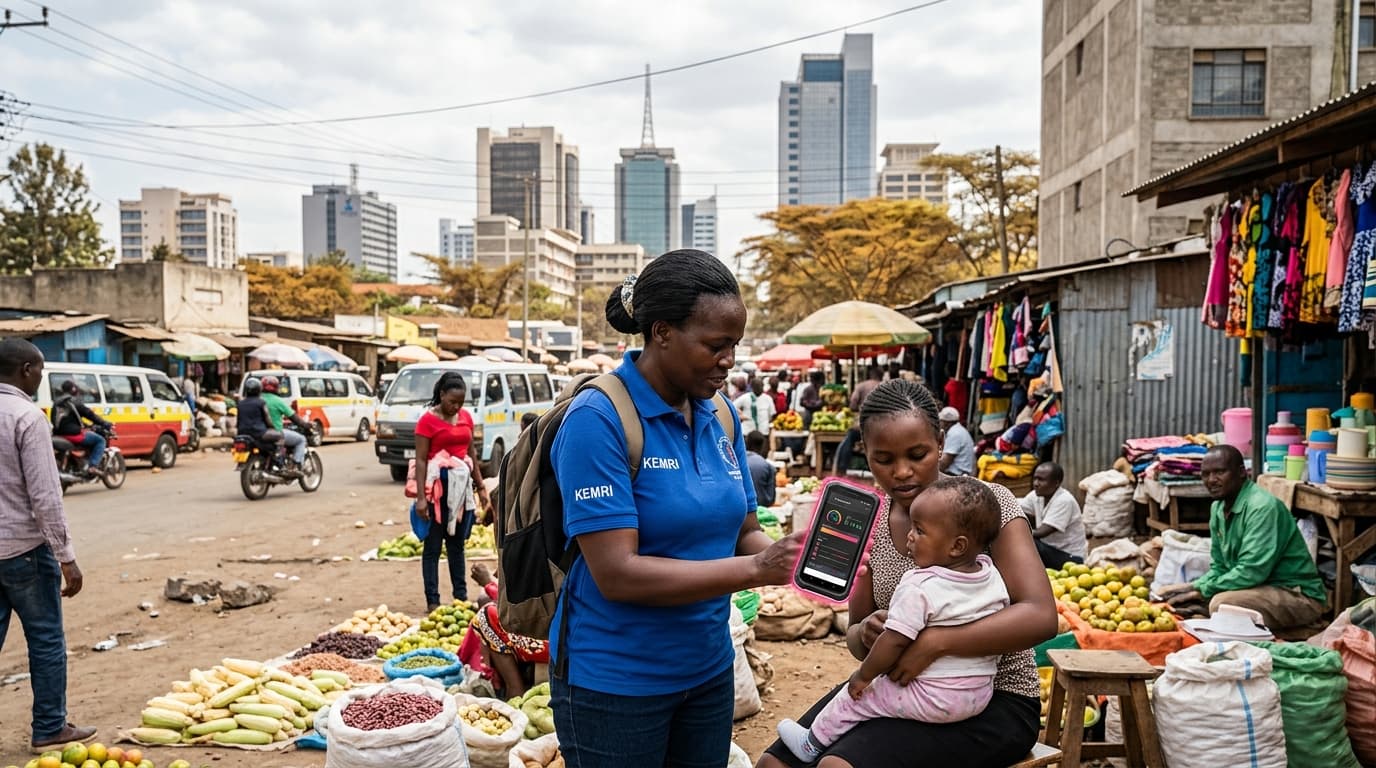
Community health workers (CHWs) are the backbone of healthcare delivery in rural Africa — over 1 million across the continent provide primary care, maternal health services, and disease surveillance in areas with no doctors or clinics. Digital platforms like Medic Mobile (now Medic), CommCare, and locally developed systems have equipped CHWs with smartphone-based tools for patient registration, symptom screening, treatment protocols, referral tracking, and supply chain management.
These platforms work offline-first, syncing data when connectivity is available. They support SMS-based reporting for CHWs without smartphones. AI-assisted triage helps workers with limited training identify danger signs in pregnant women, malnourished children, and patients with TB or malaria symptoms. Real-time dashboards give health ministries visibility into disease patterns across thousands of remote communities.
The model is uniquely African in its design philosophy: rather than waiting for enough doctors (Africa has 0.2 physicians per 1,000 people vs. 3.5 in Europe), it multiplies the effectiveness of existing human infrastructure with technology. Ethiopia's Health Extension Program, Kenya's Community Health Strategy, and Rwanda's CHW network all use these digital tools at national scale. The approach is now being studied and adopted in South Asia and Southeast Asia.
Research this in Signals
Signals turns a topic into a sourced research record you can inspect and rerun. Your first scan is free, and this one starts with Digitized Community Health Worker Platforms already loaded, so edit it or scan as is.