Technologies
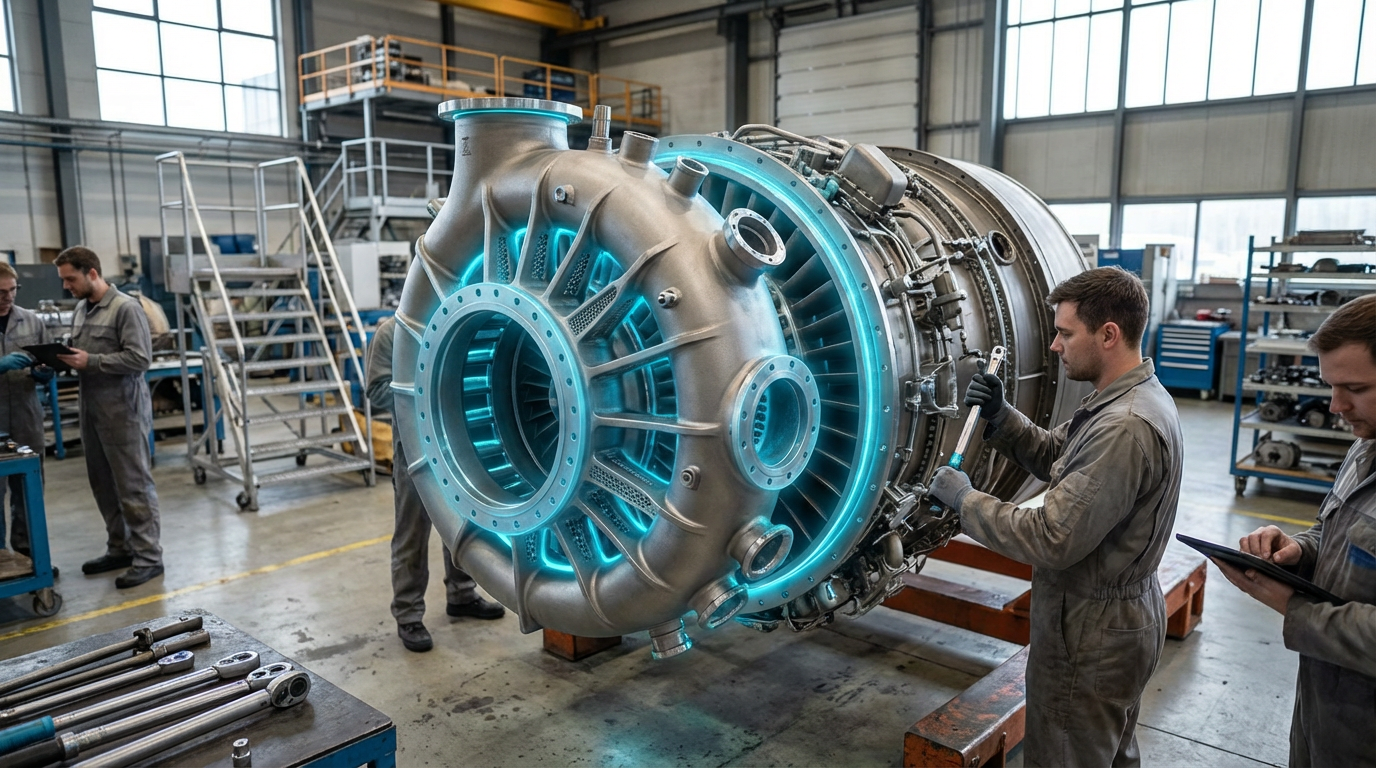
Layer-by-layer metal fabrication enabling complex geometries and weight reduction in aircraft components
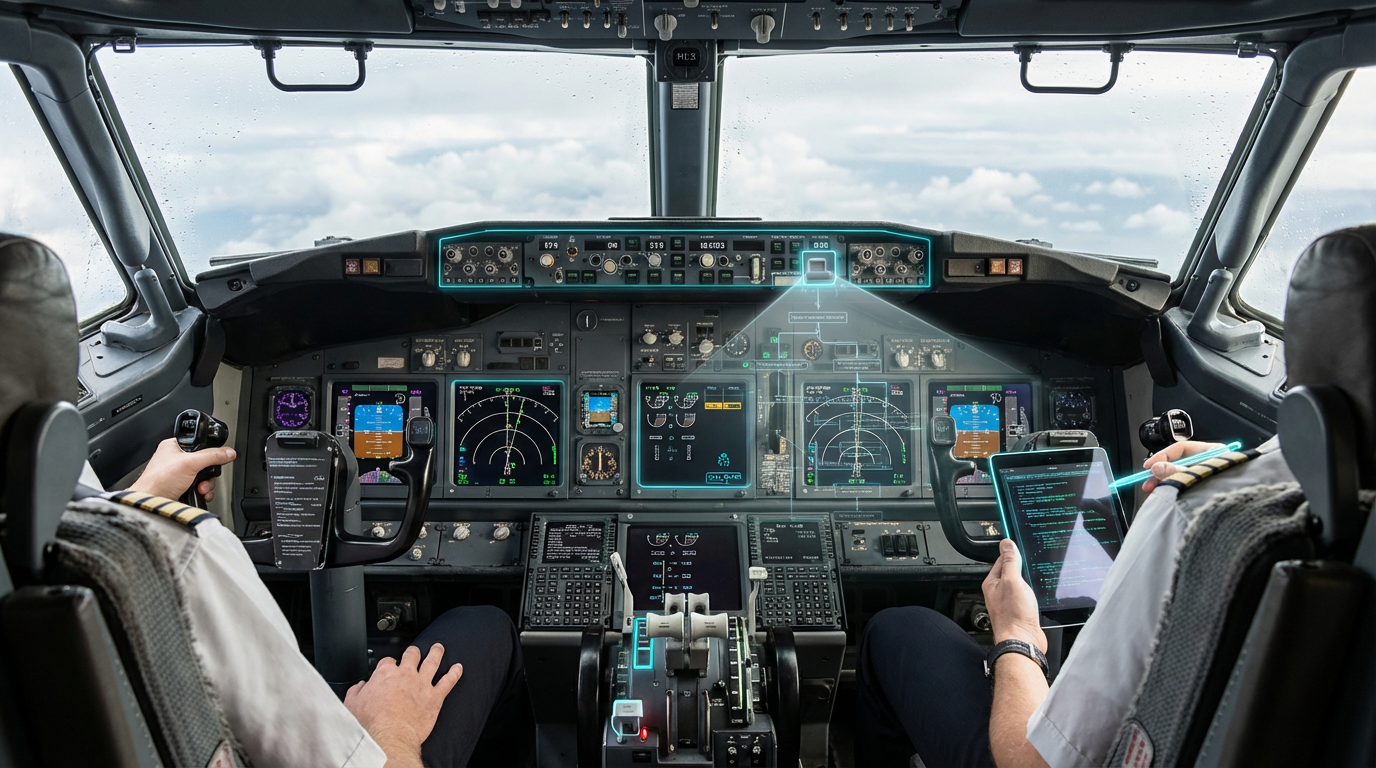
Standards for proving AI flight systems are safe, accountable, and aware of their limits
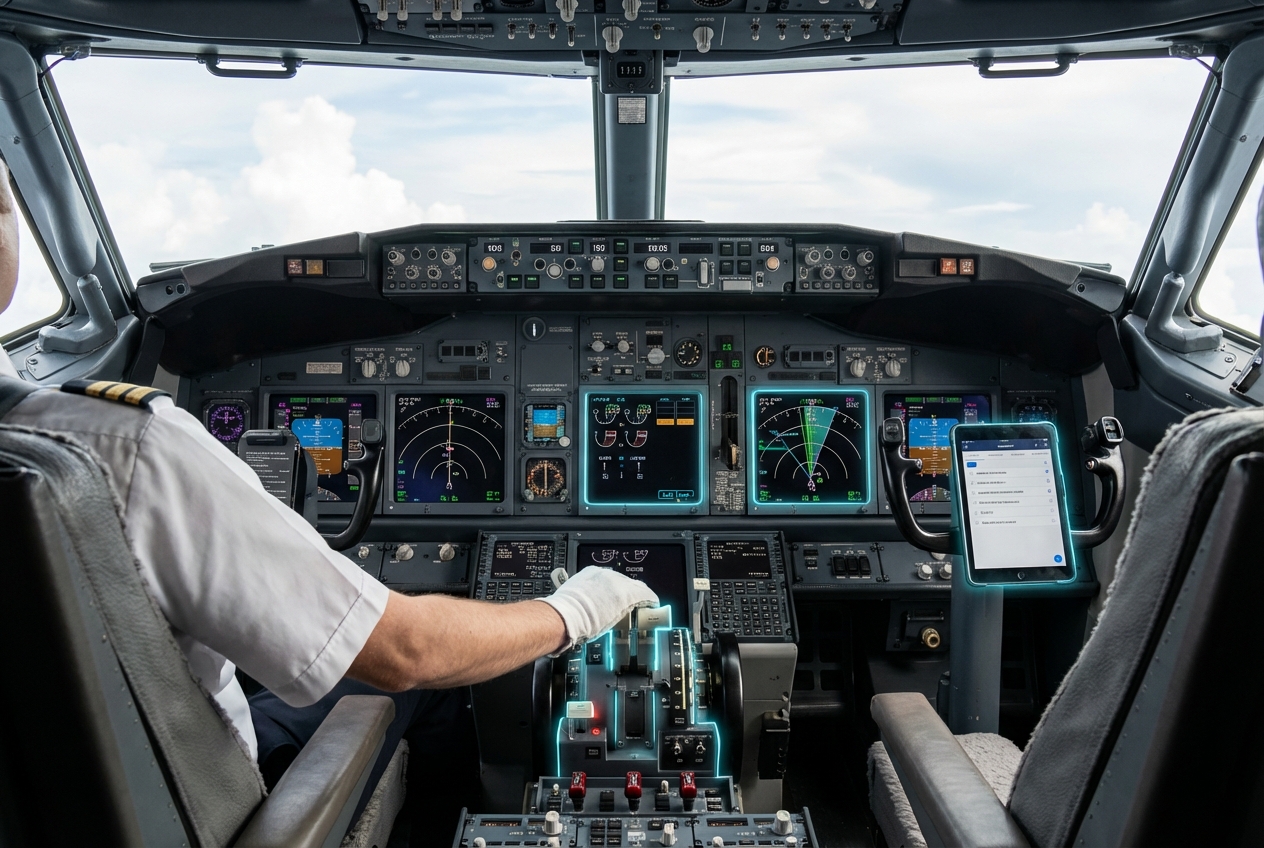
Real-time AI guidance for pilots during normal and emergency flight operations
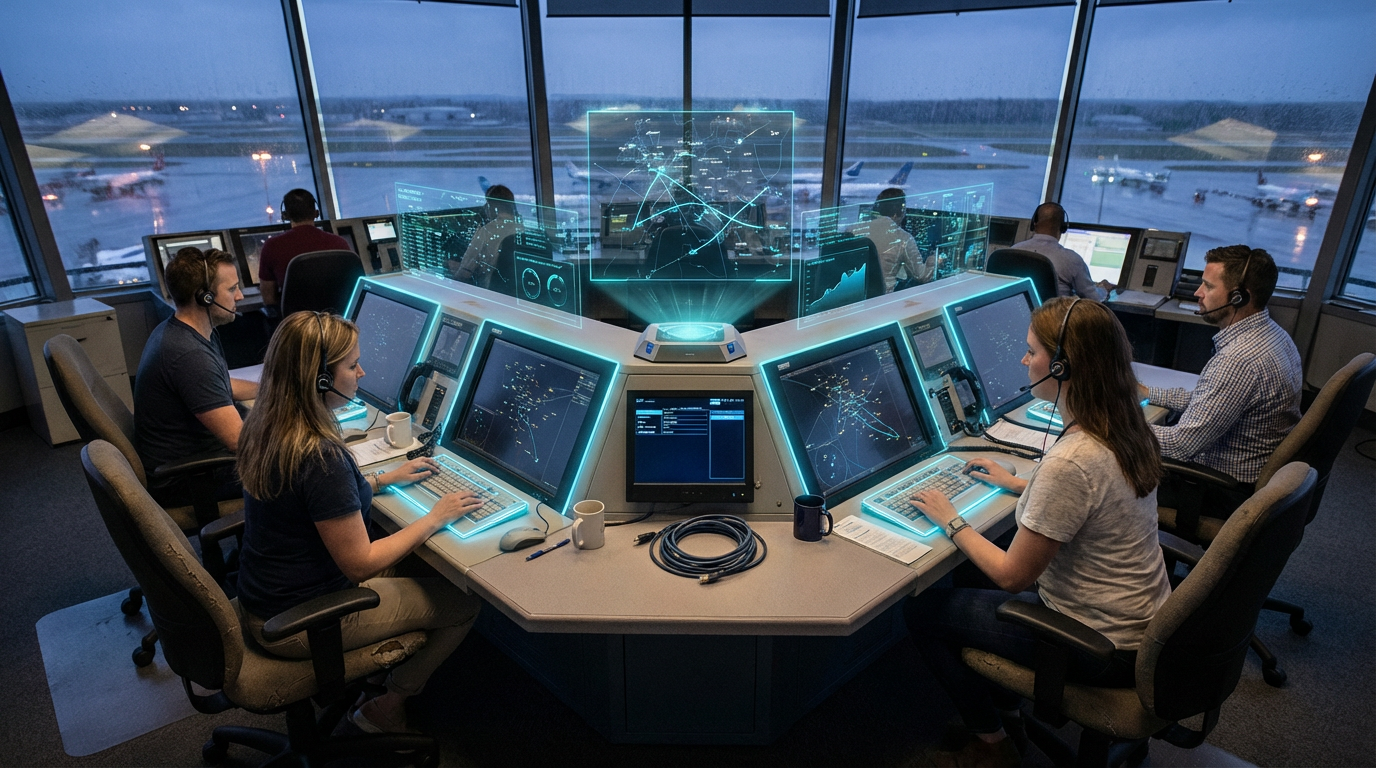
Machine learning systems that dynamically optimize airspace routing and aircraft flow
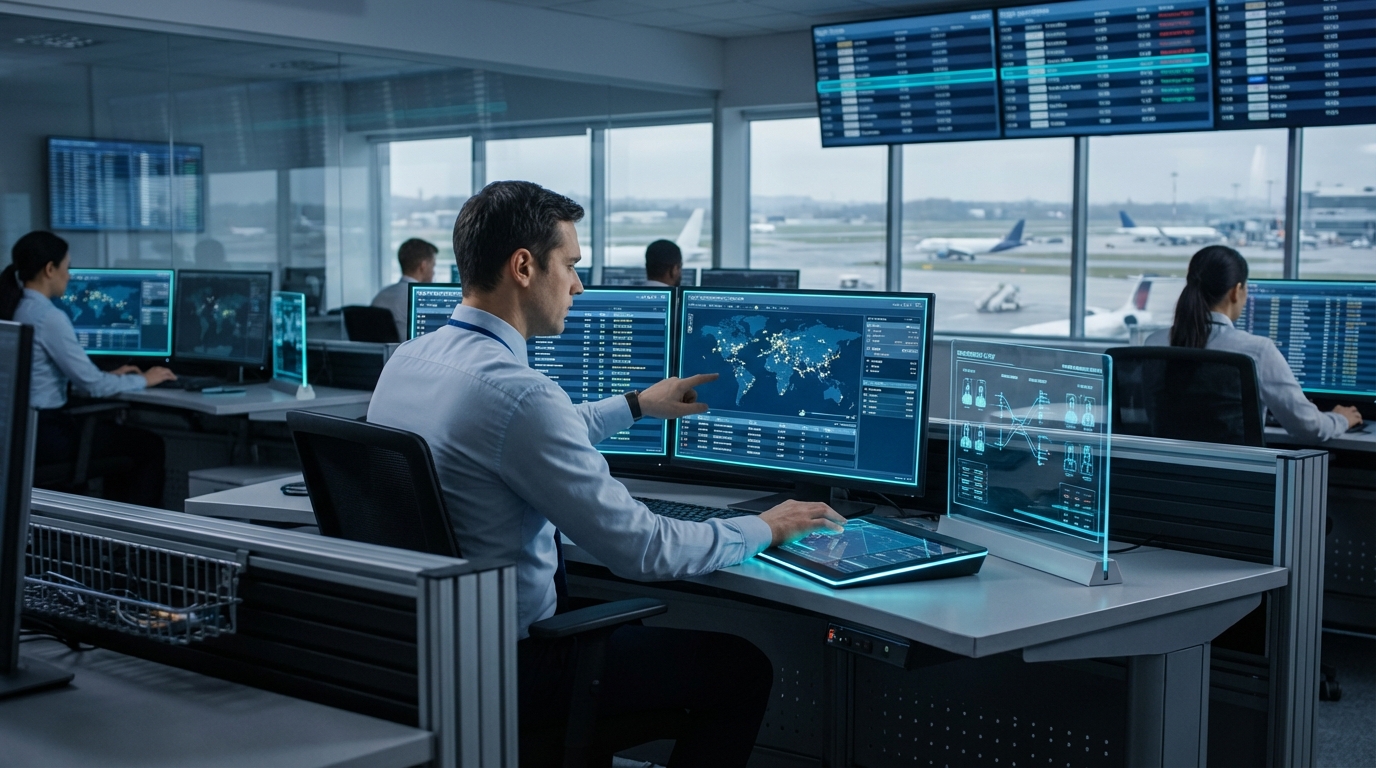
AI systems that coordinate crew, aircraft, and passenger logistics when flights are disrupted
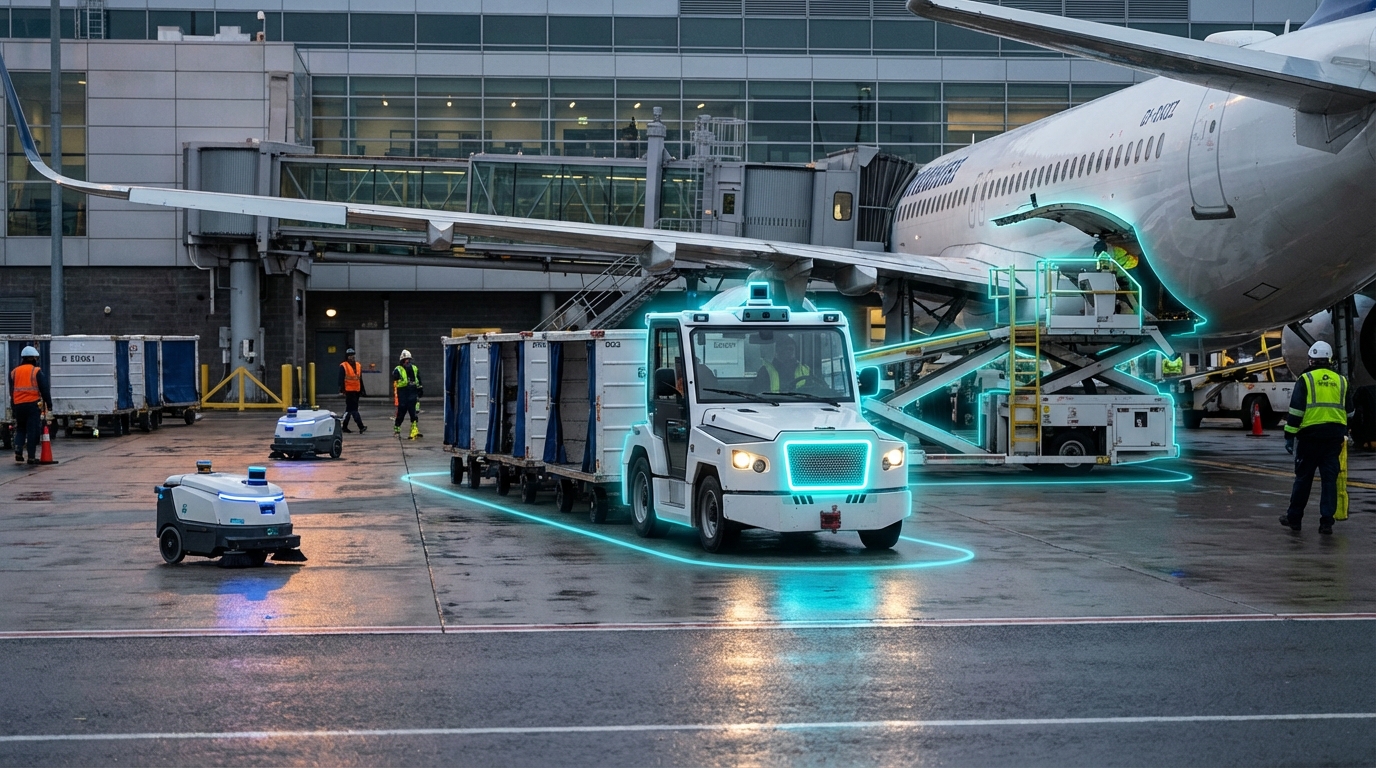
Robots handling baggage, cleaning, inspection, and ground support to speed aircraft turnaround

High-altitude UAVs and balloons providing long-duration communications and Earth observation
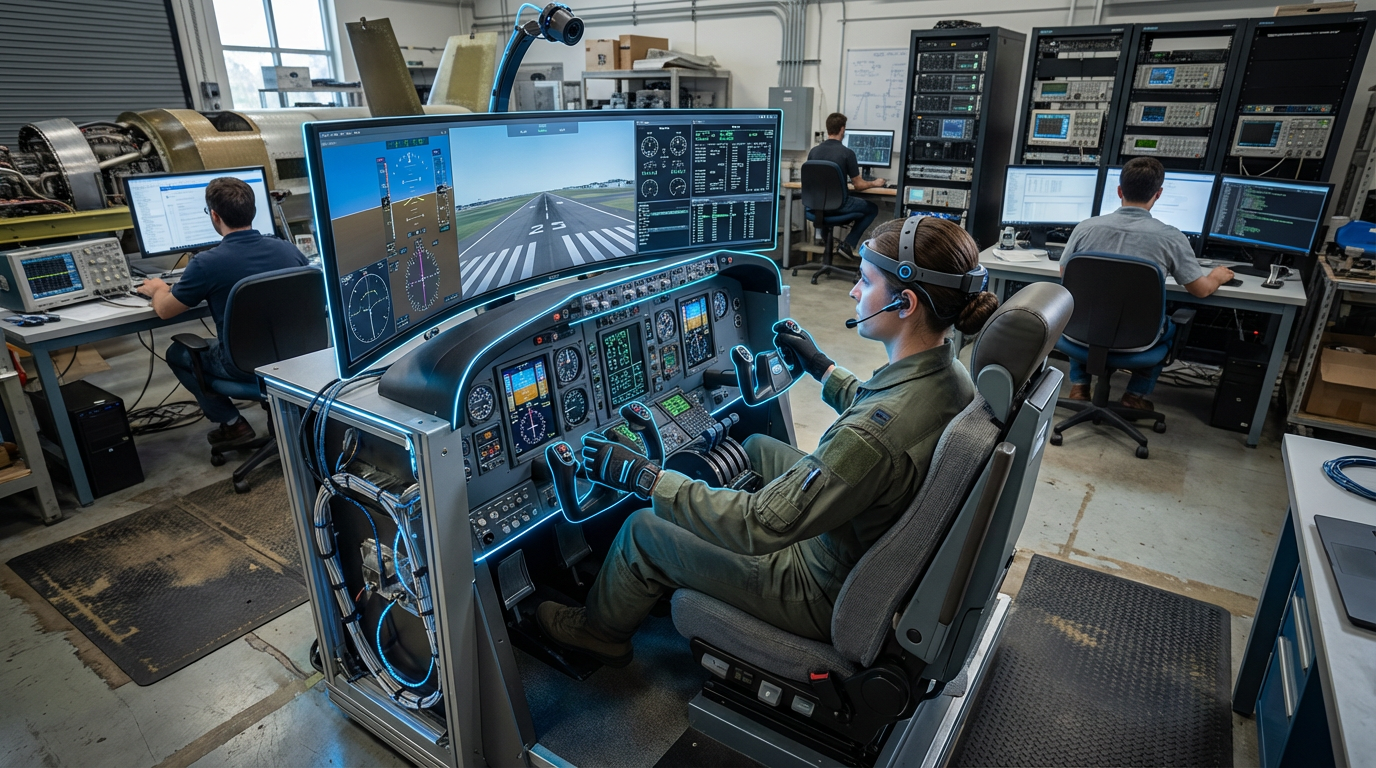
Balancing pilot automation reliance with manual flying skill retention in modern cockpits
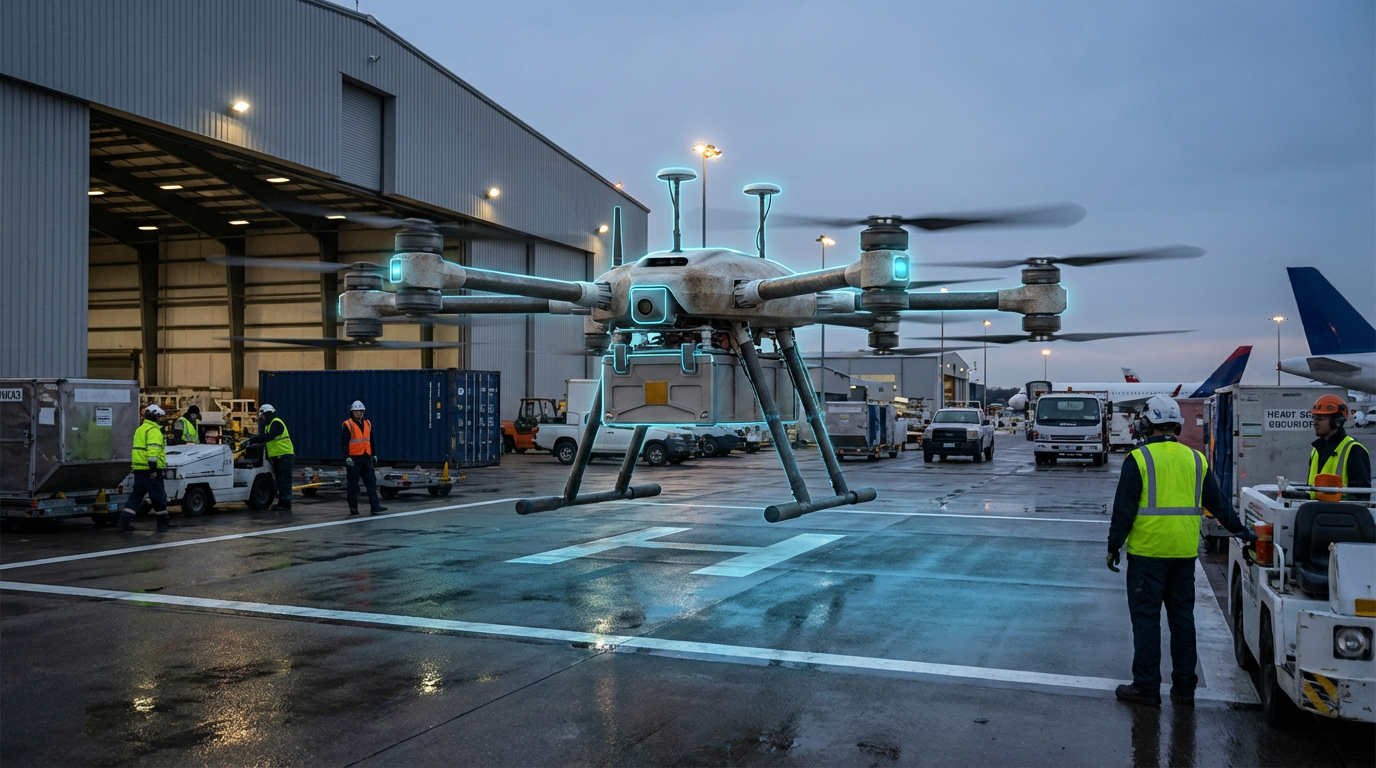
Heavy-lift UAVs transporting cargo across middle-mile routes without pilots
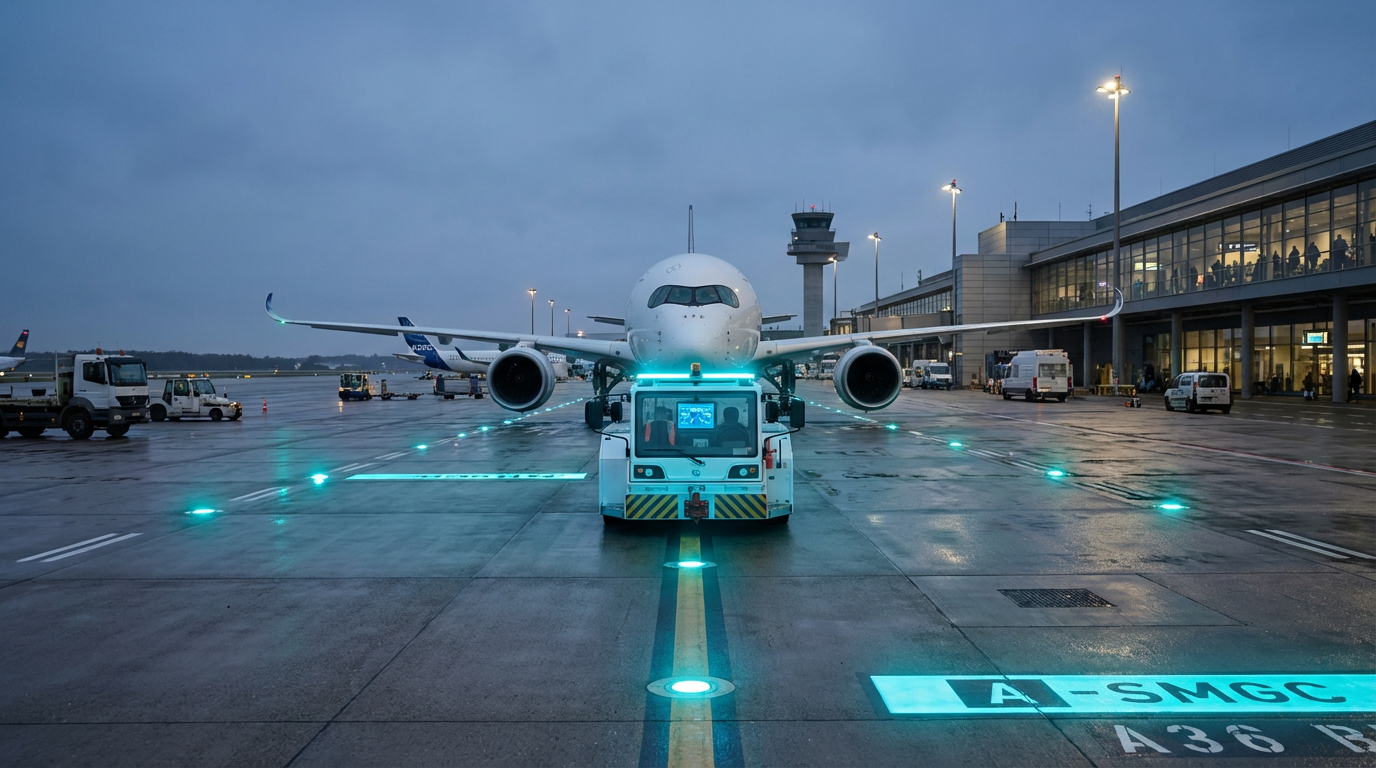
Automated systems that guide aircraft and vehicles on airport surfaces to prevent runway incursions
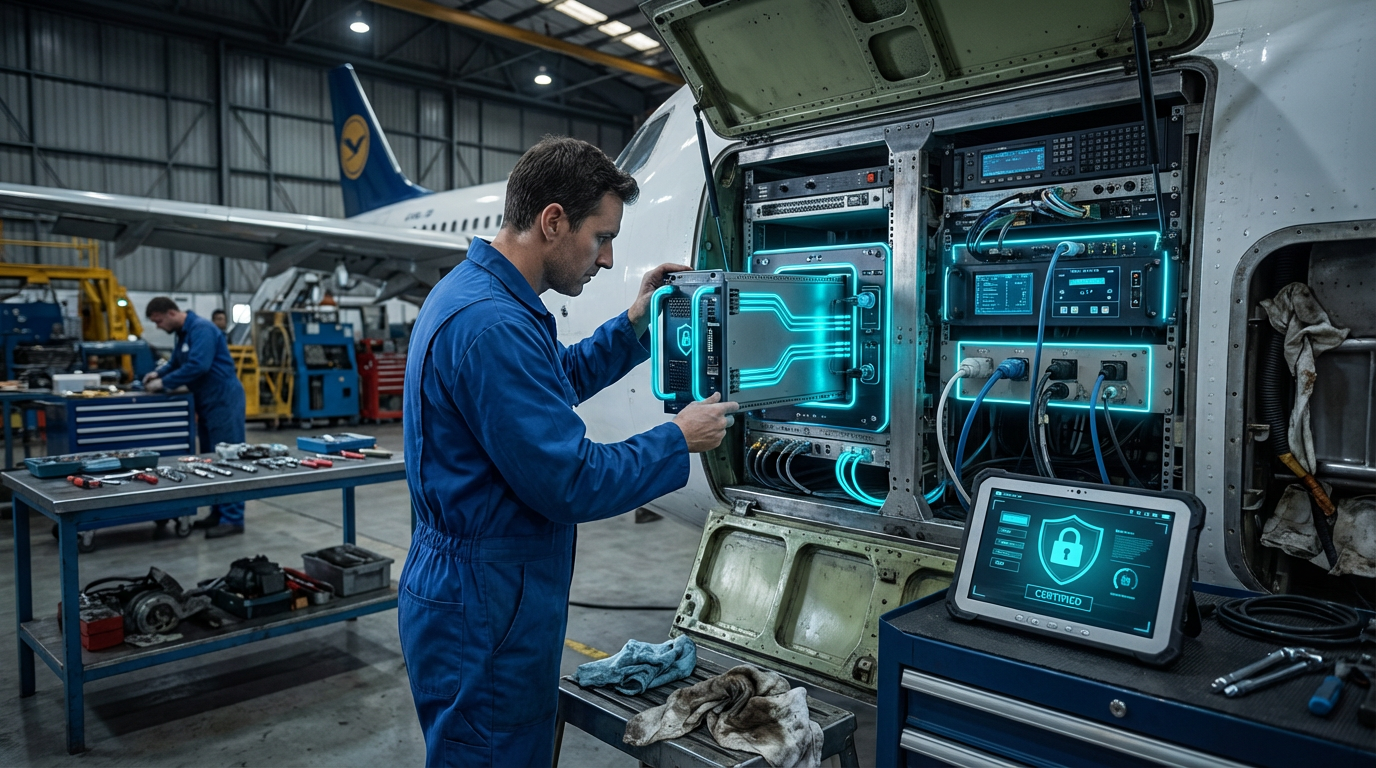
Frameworks ensuring aircraft systems, connectivity, and supply chains meet cybersecurity standards
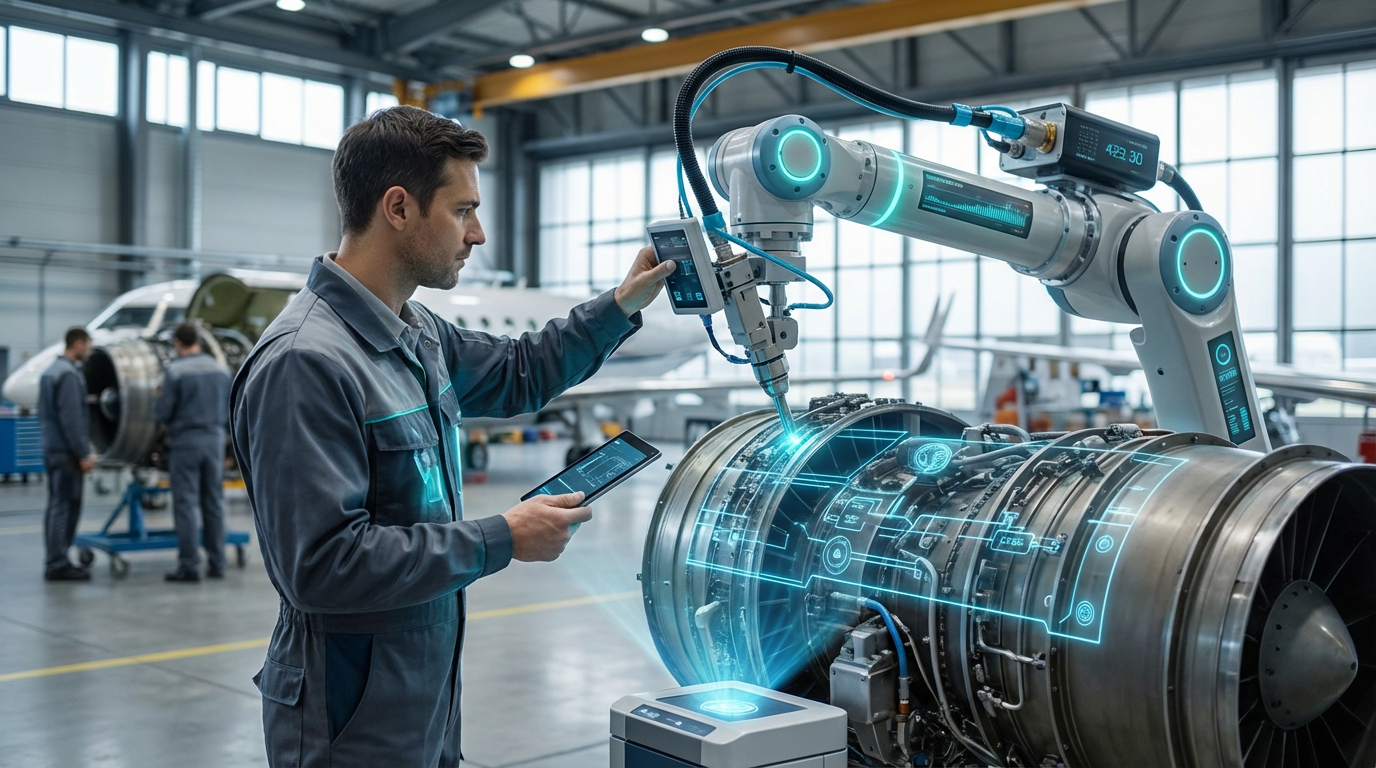
Managing job displacement, retraining programs, and labor equity as aviation adopts autonomous systems
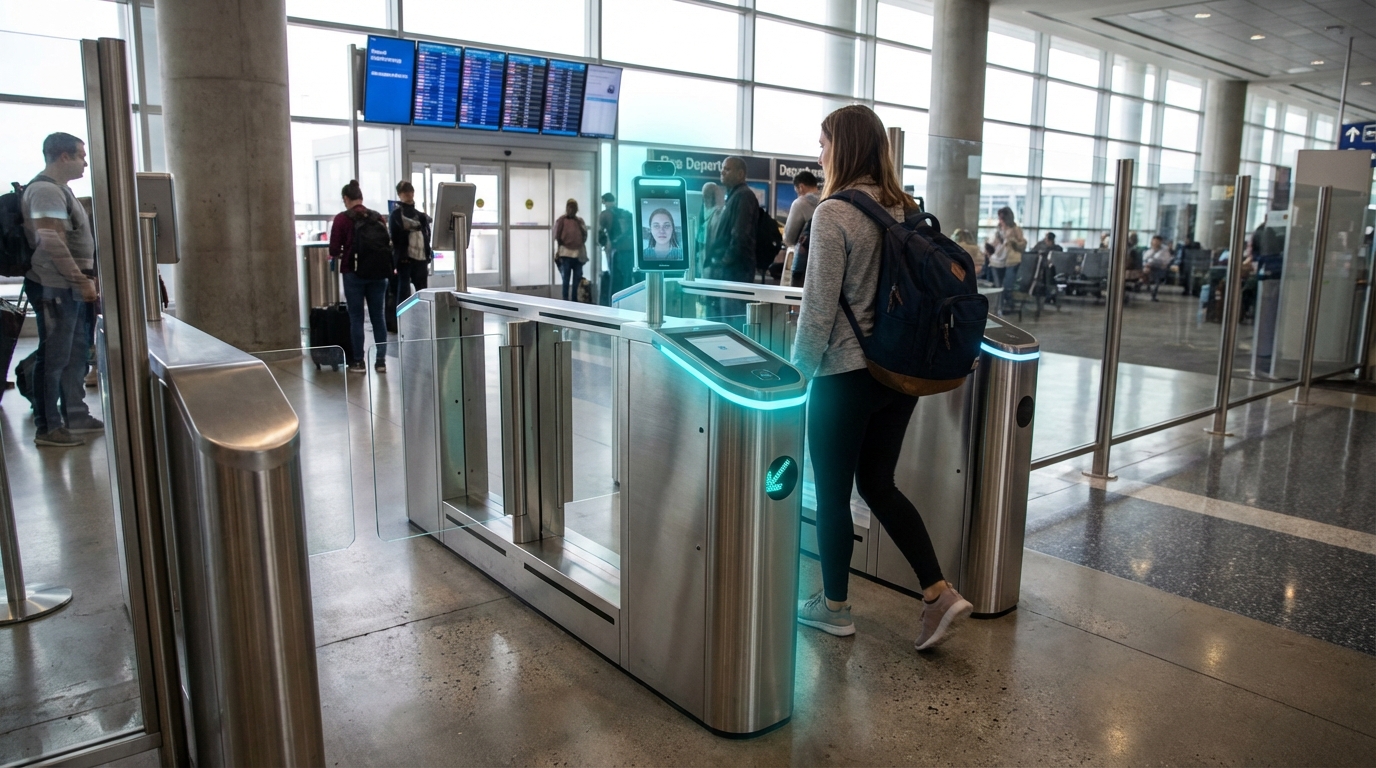
Automated identity verification using facial recognition, fingerprints, or iris scans at airport checkpoints
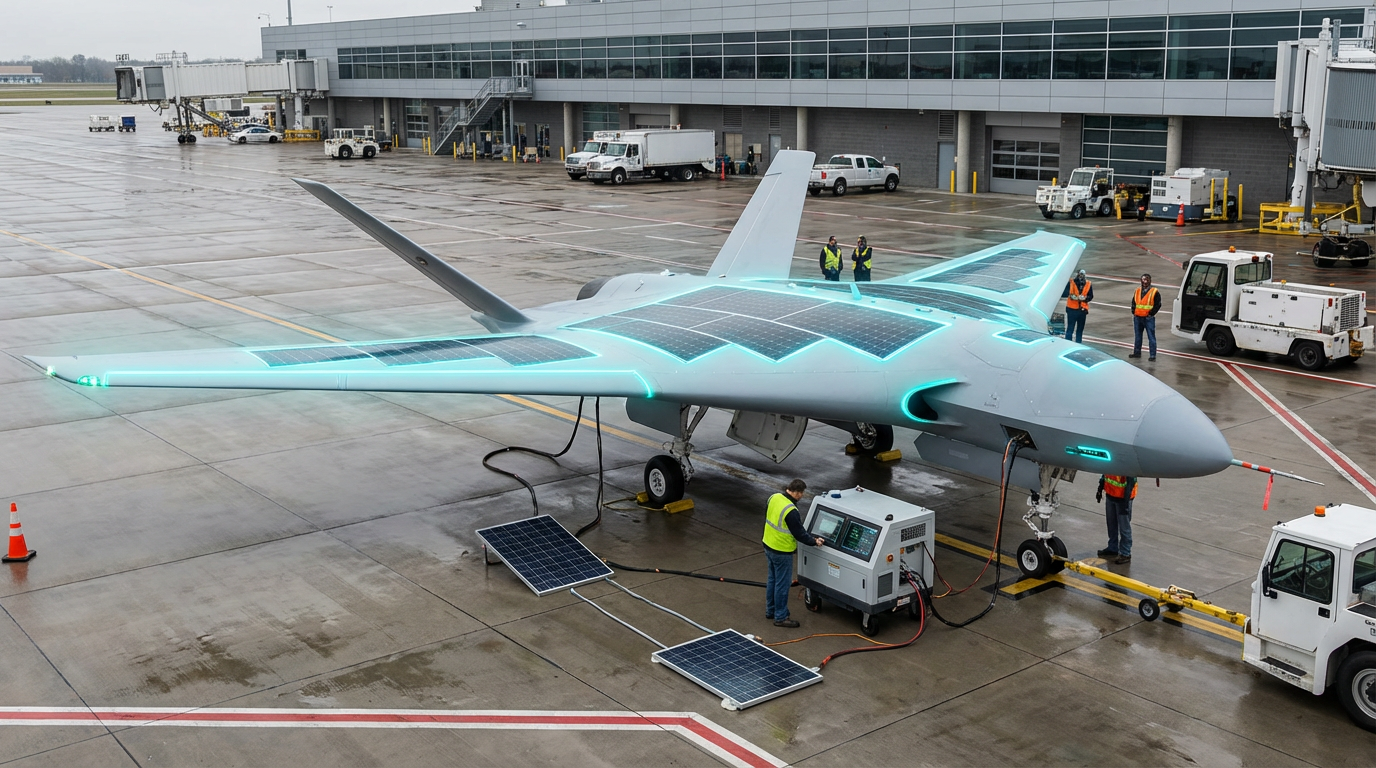
Aircraft designs that merge wing and fuselage into a single lifting surface for greater fuel efficiency
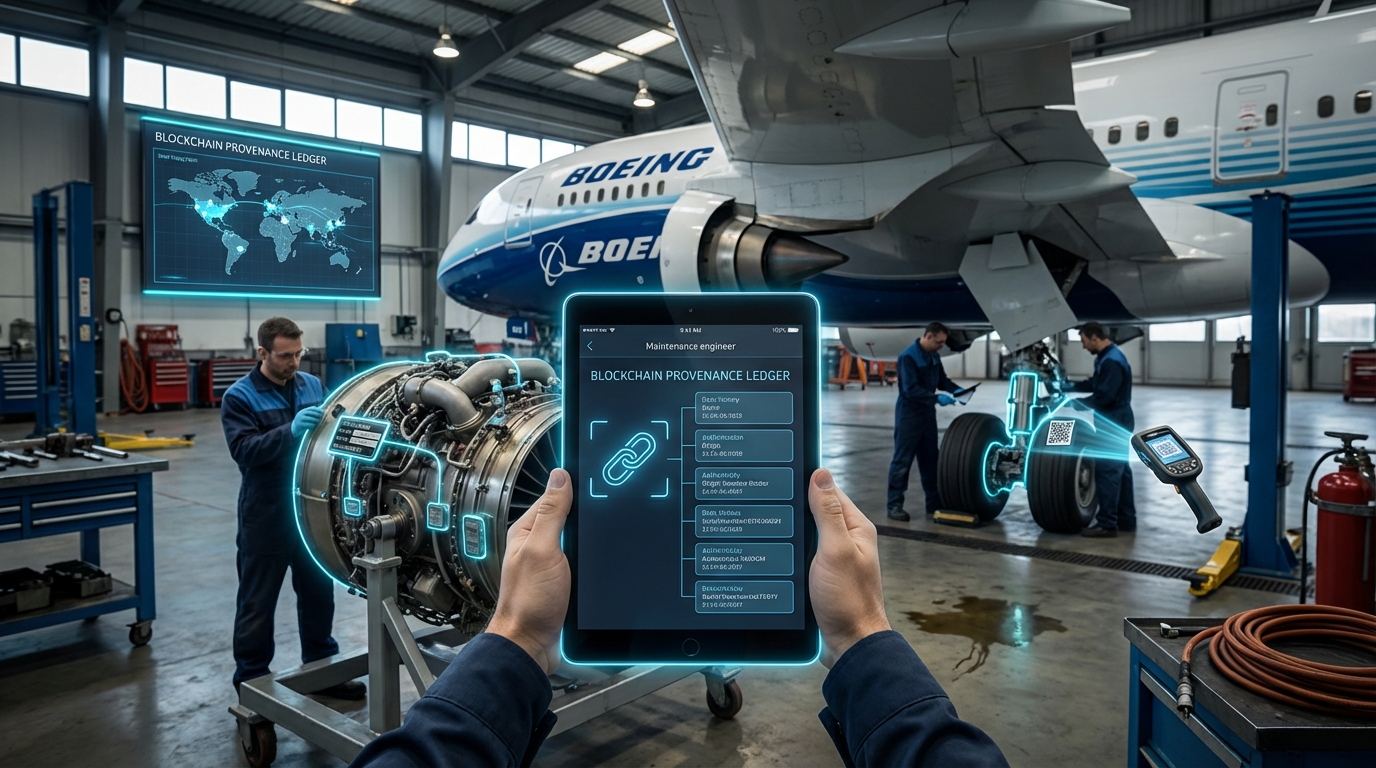
Distributed ledgers tracking aerospace parts, maintenance history, and emergency logistics
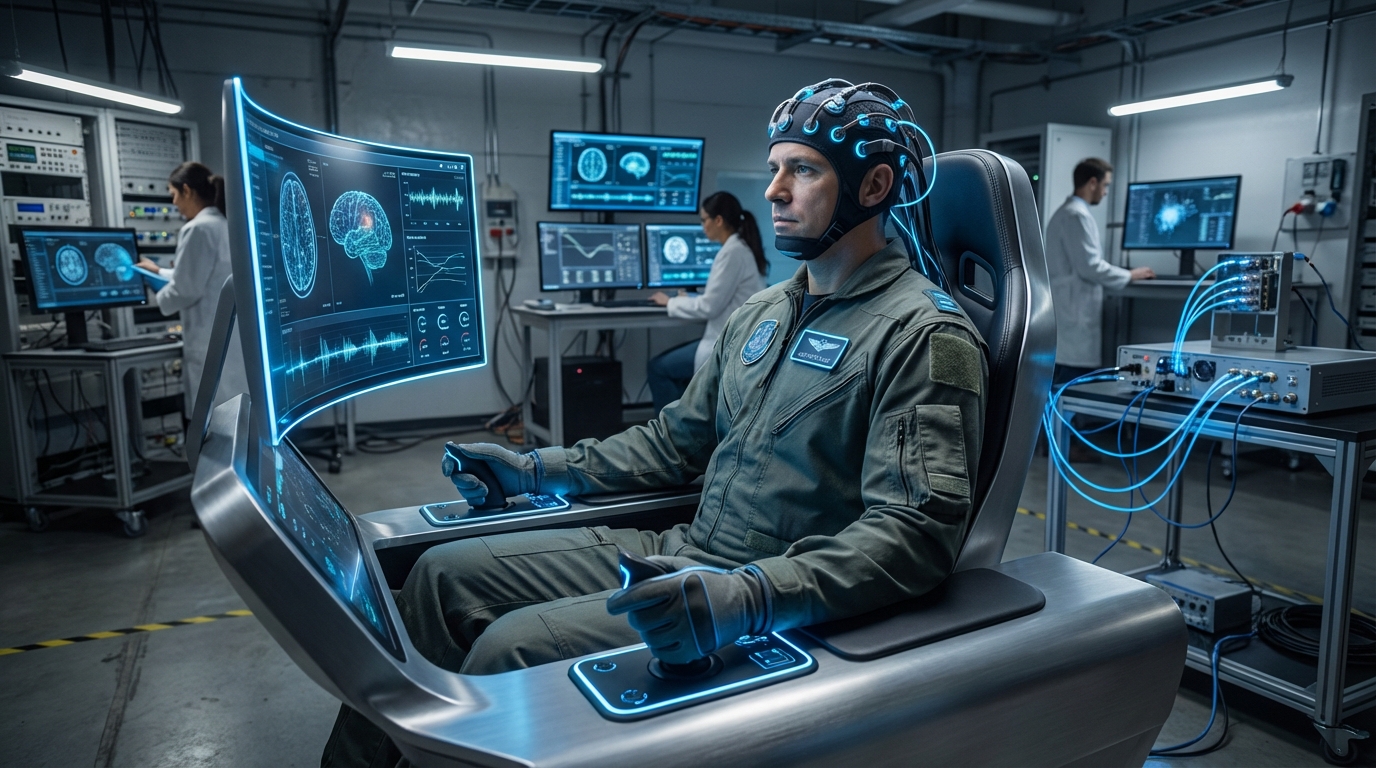
Neural interfaces that read pilot brain activity to control aircraft and monitor cognitive state
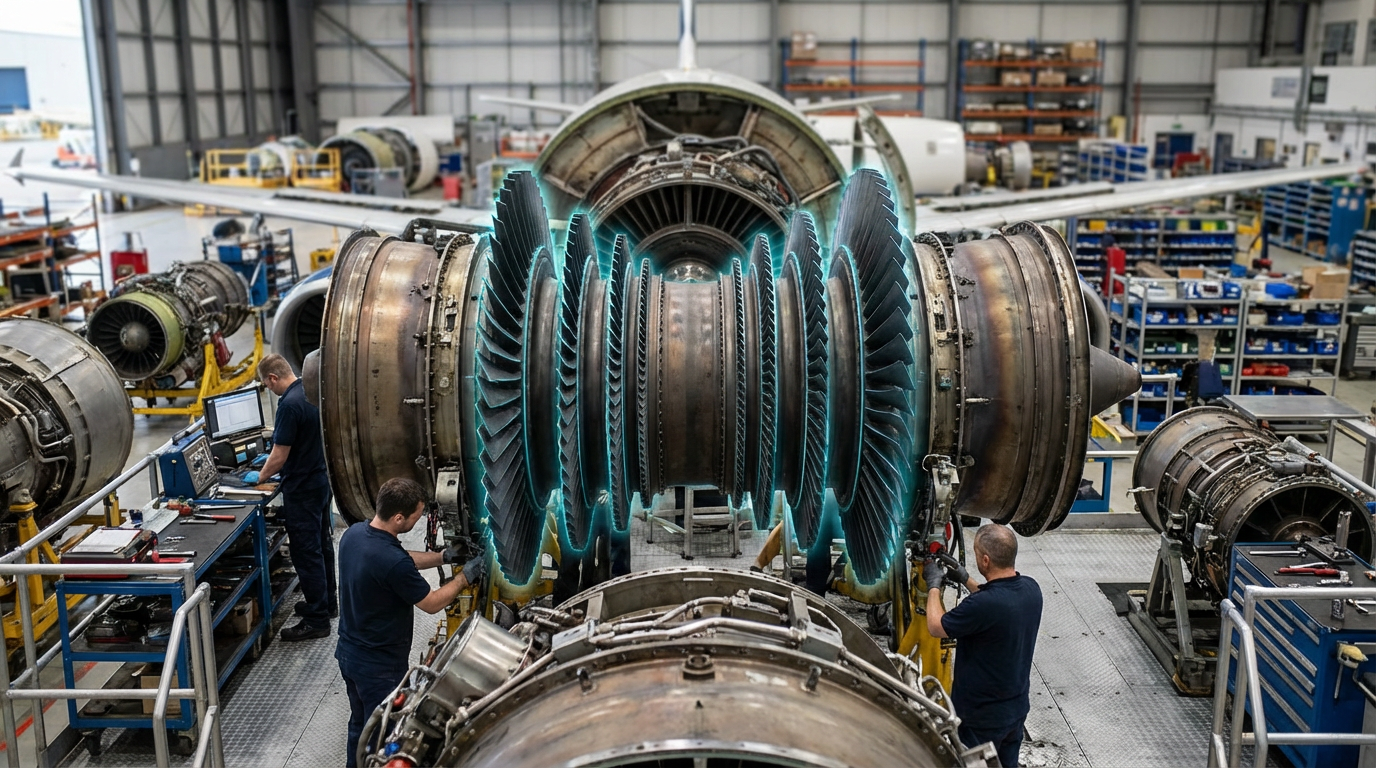
Heat-resistant composites that let jet engines run hotter and more efficiently than metal allows
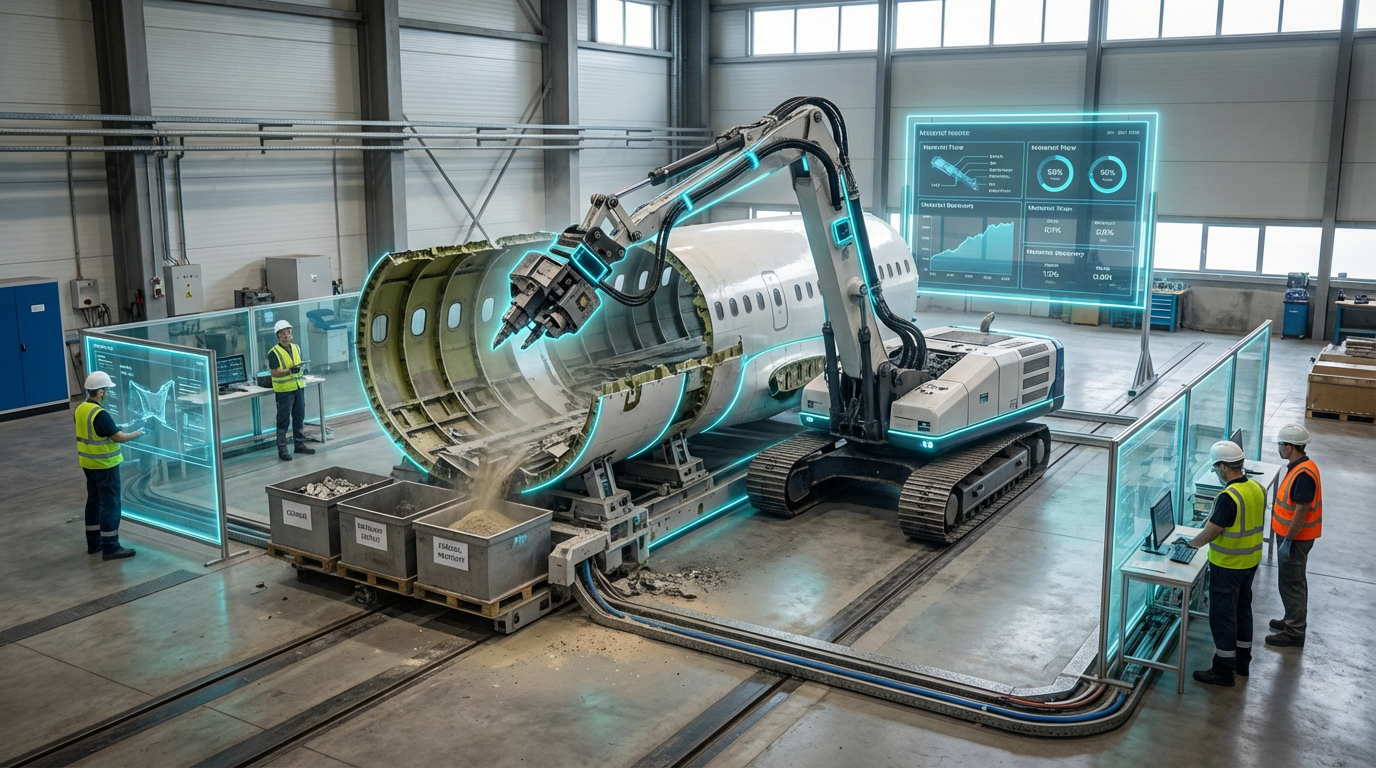
Recycling airframes and recovering materials when aircraft retire to reduce waste and reuse components
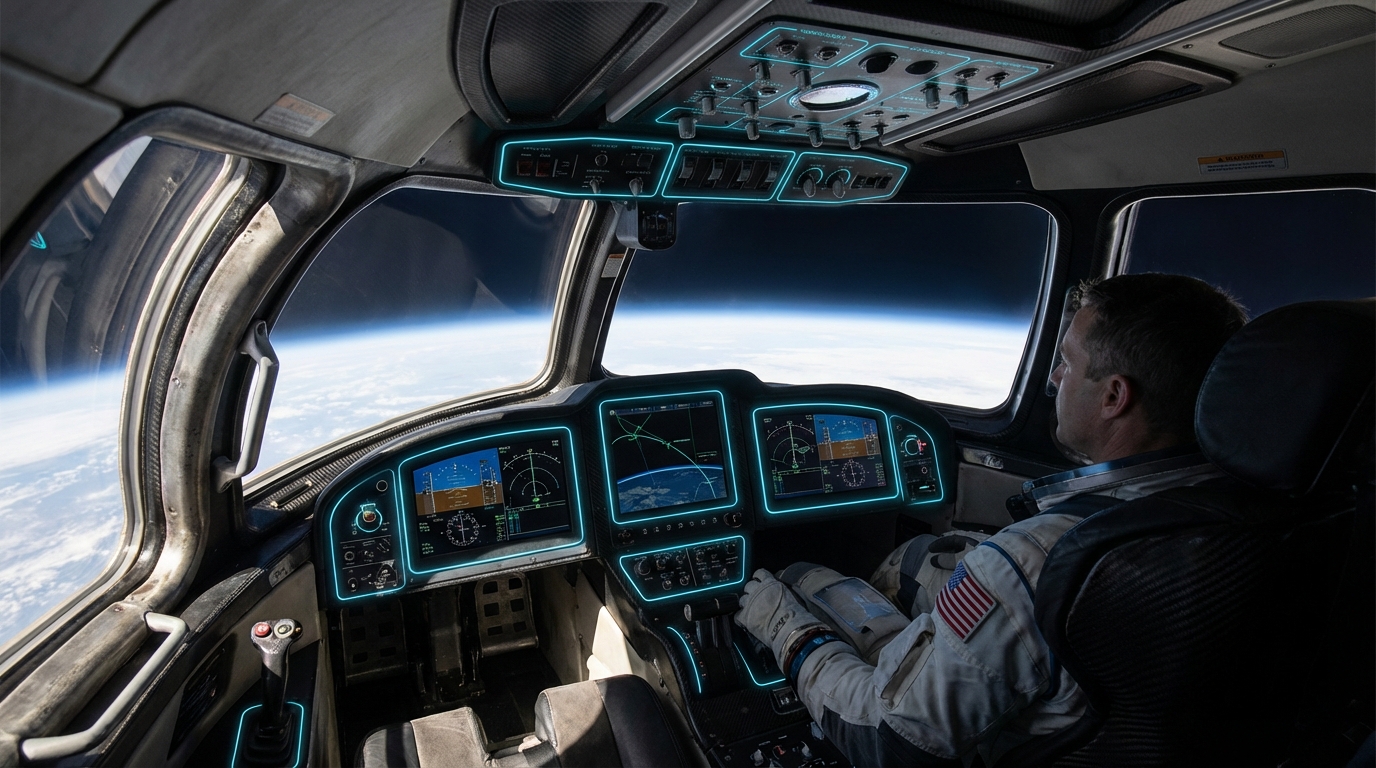
Passenger flights to the edge of space for weightlessness and Earth views
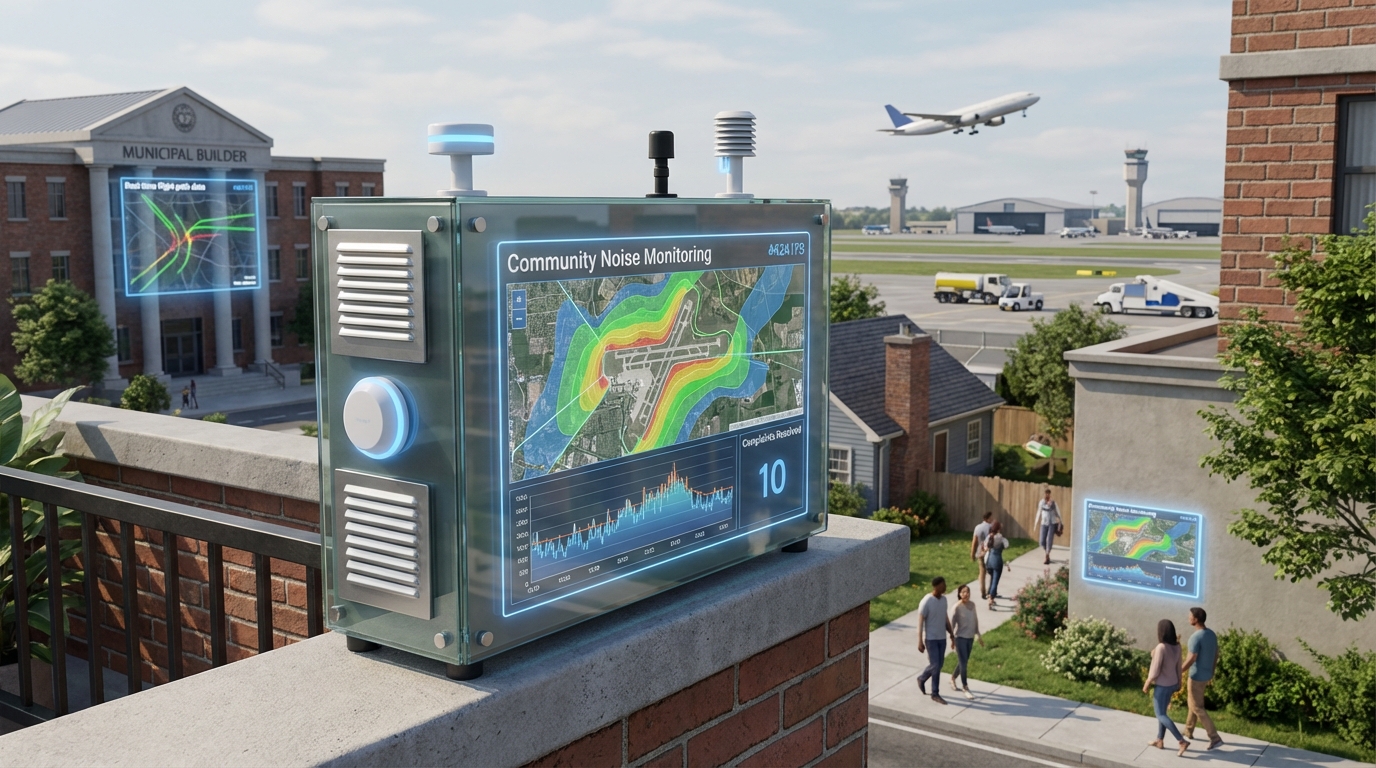
Real-time acoustic tracking and public dashboards to measure and address aircraft noise impact
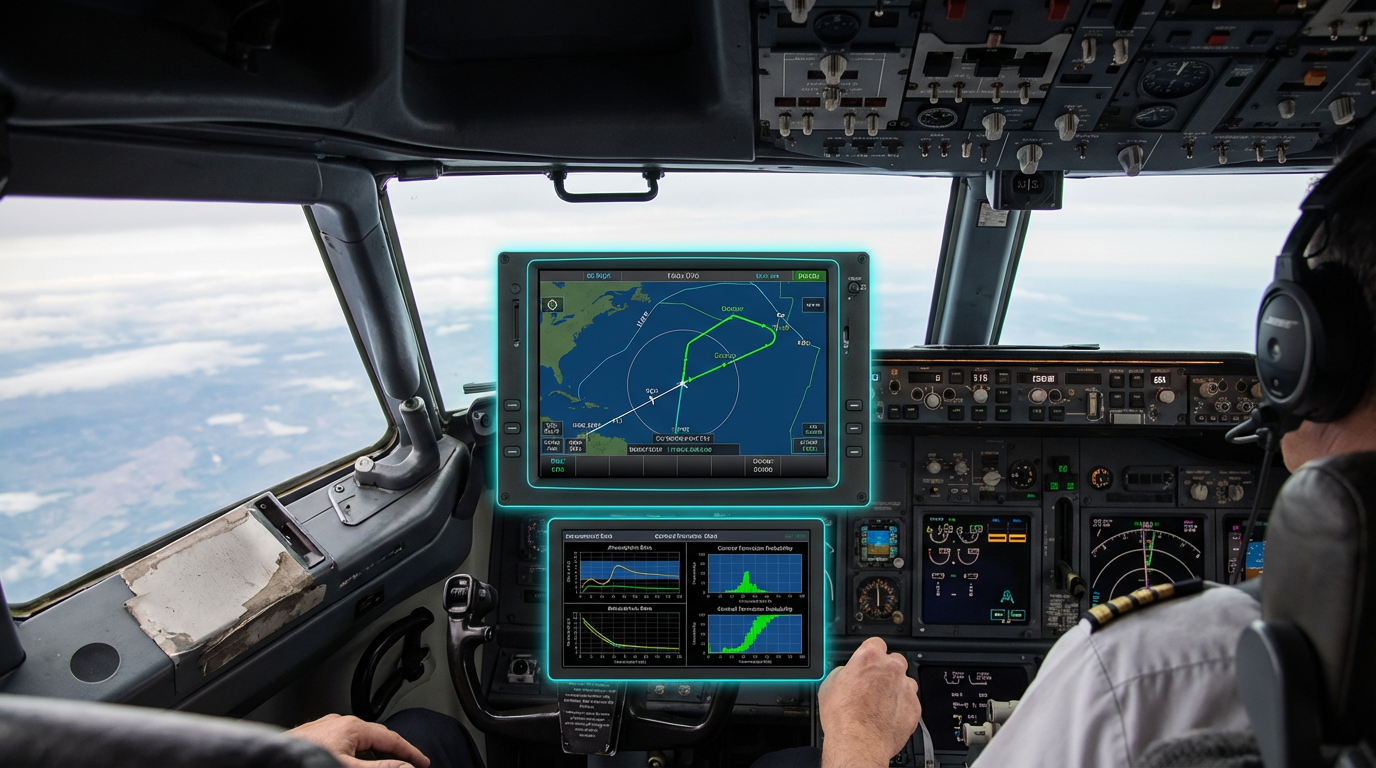
Flight path adjustments to minimize contrail formation and reduce aviation's climate impact
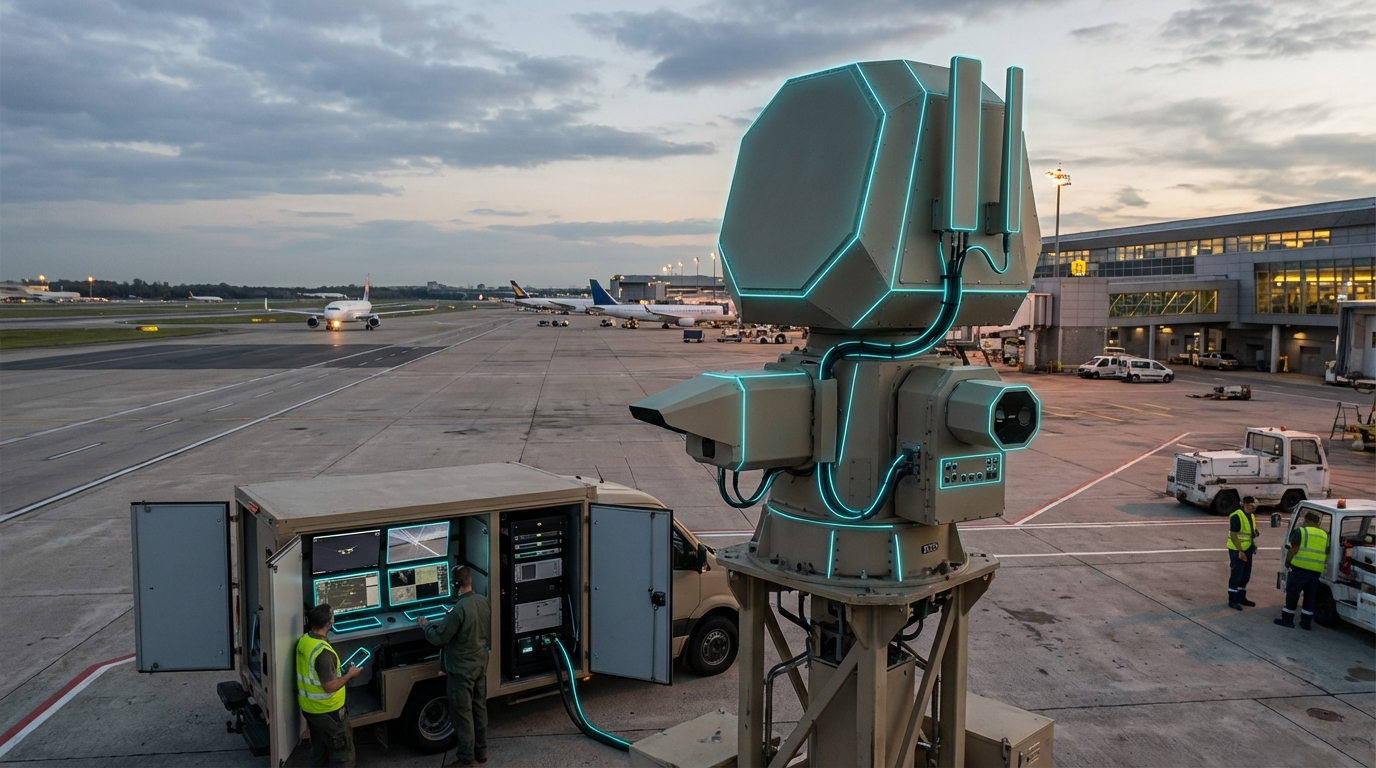
Multi-layered systems to detect, track, and neutralize unauthorized drones near airports
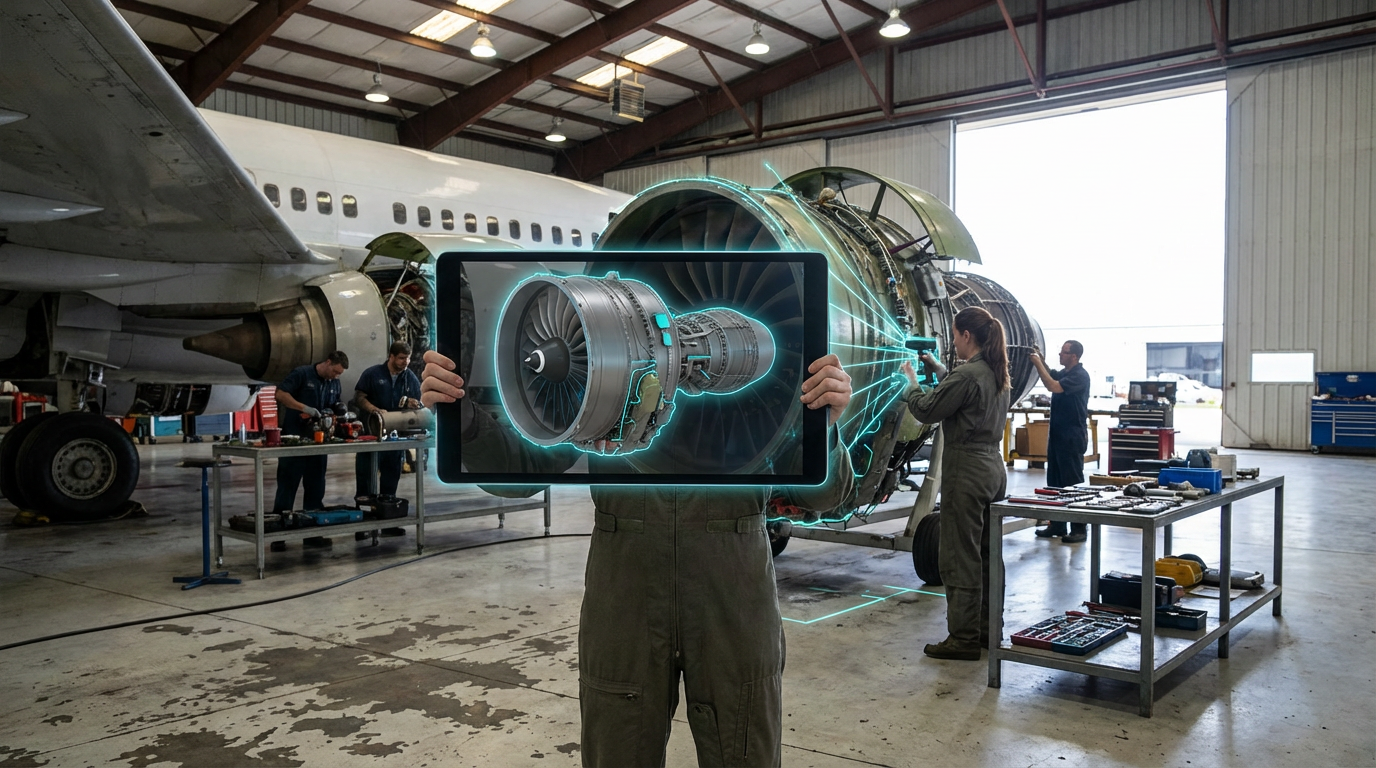
Virtual aircraft replicas that mirror real-time sensor data for predictive maintenance and simulation
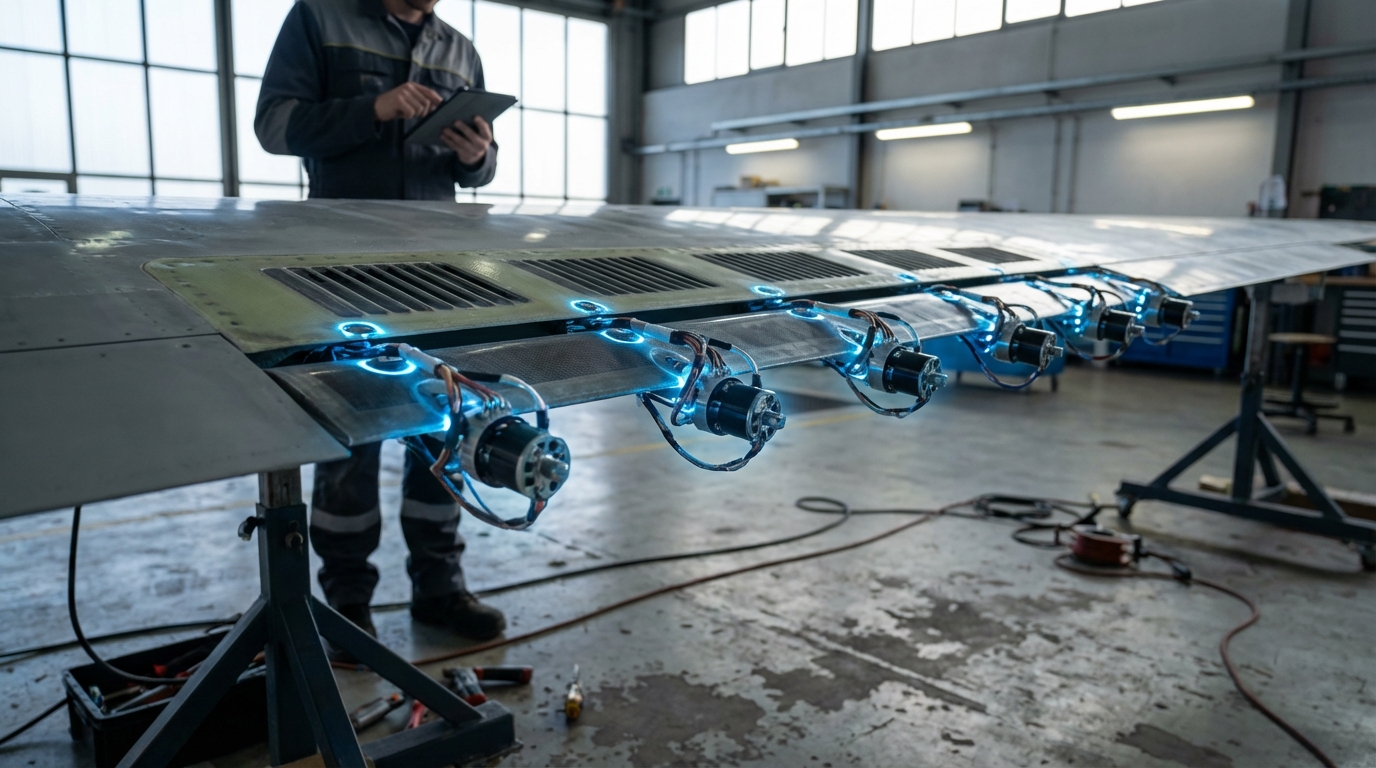
Arrays of small electric motors distributed across aircraft wings and fuselage for thrust
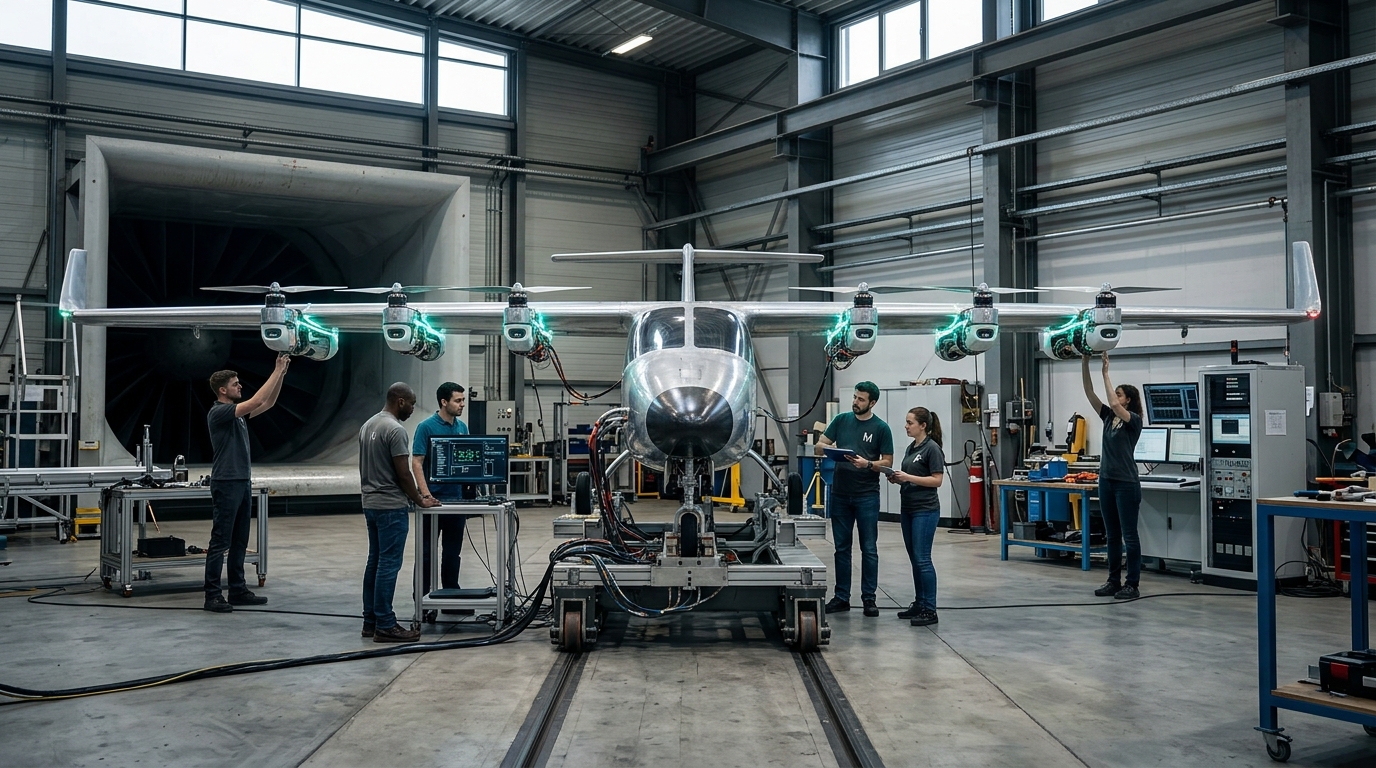
Multiple small motors distributed across an aircraft for improved efficiency and redundancy
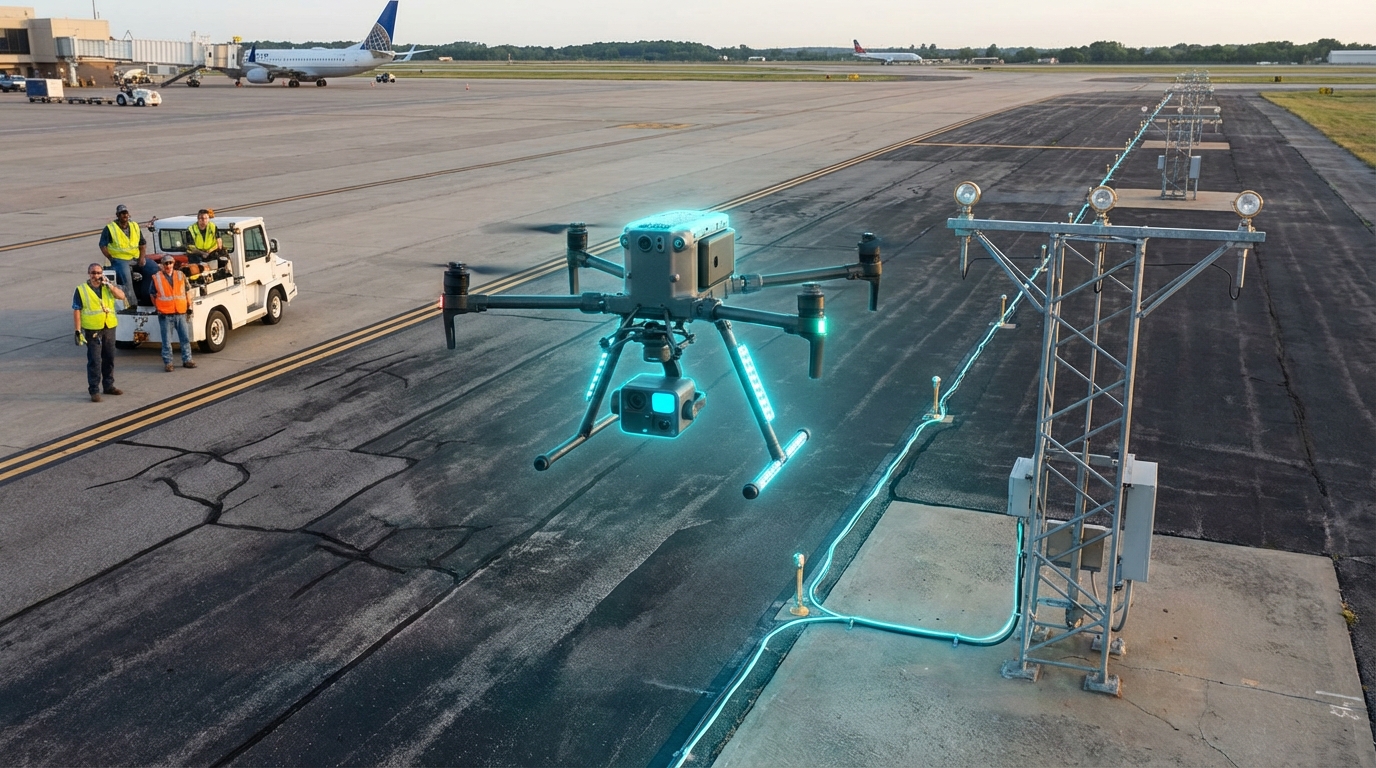
Unmanned aircraft inspecting runways, taxiways, lighting, and aircraft exteriors to reduce downtime
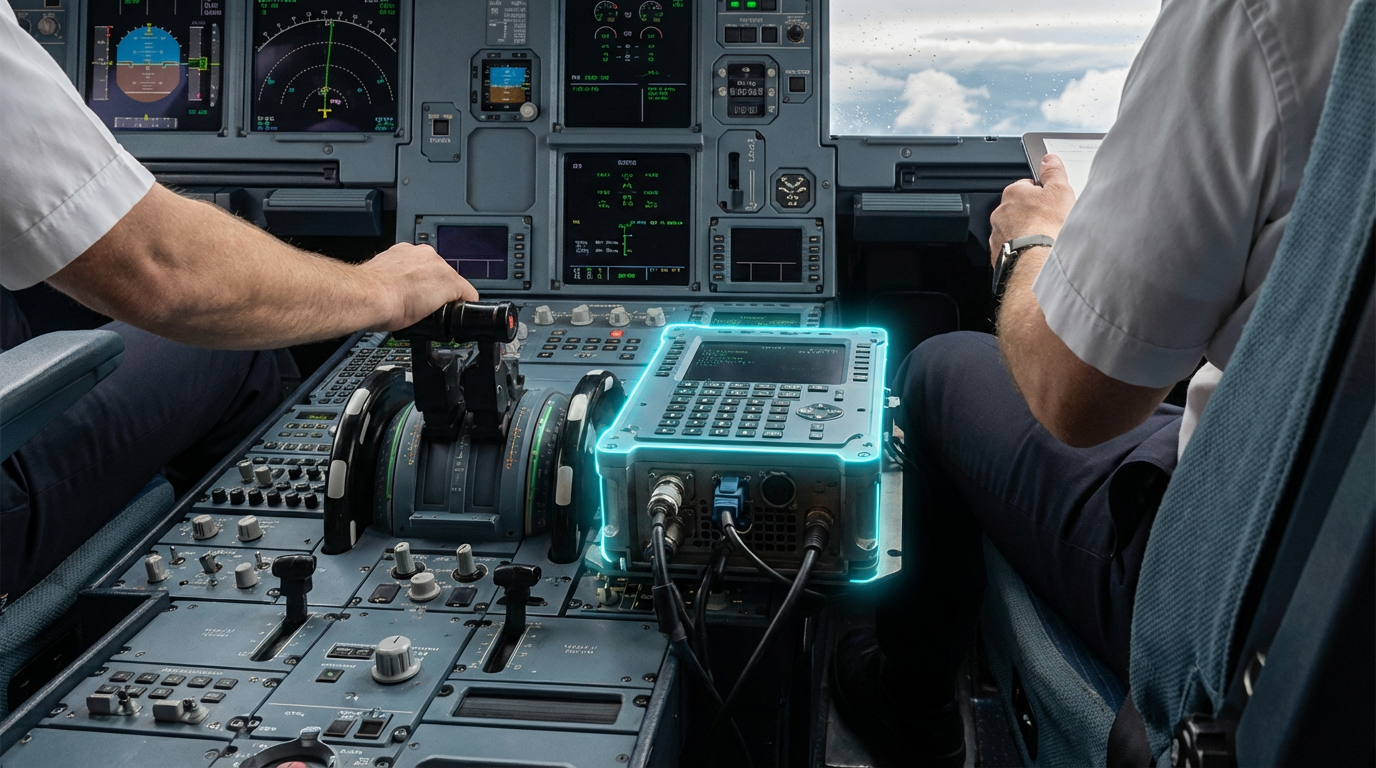
Machine learning models running locally on aircraft hardware for split-second autonomous flight decisions
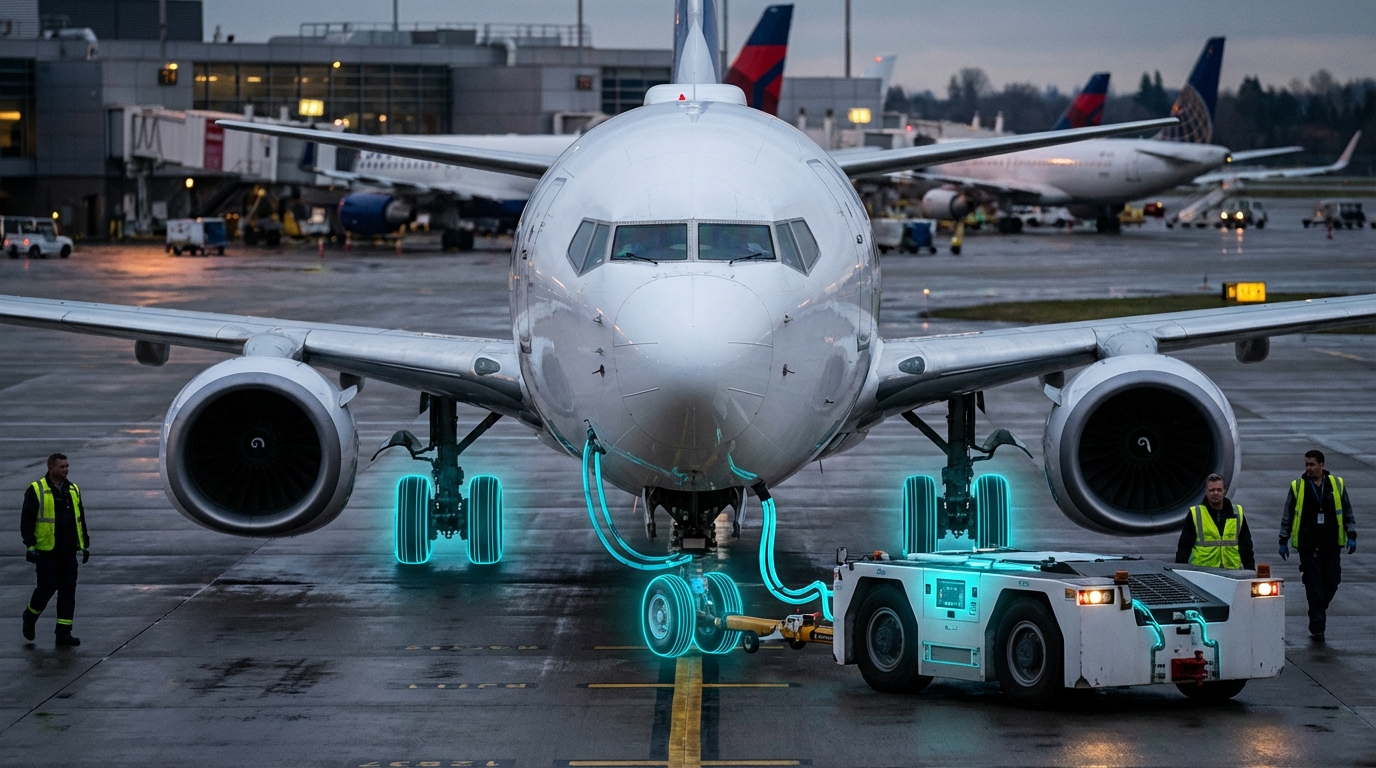
Electric motors in landing gear or autonomous tugs move aircraft on the ground without jet engines
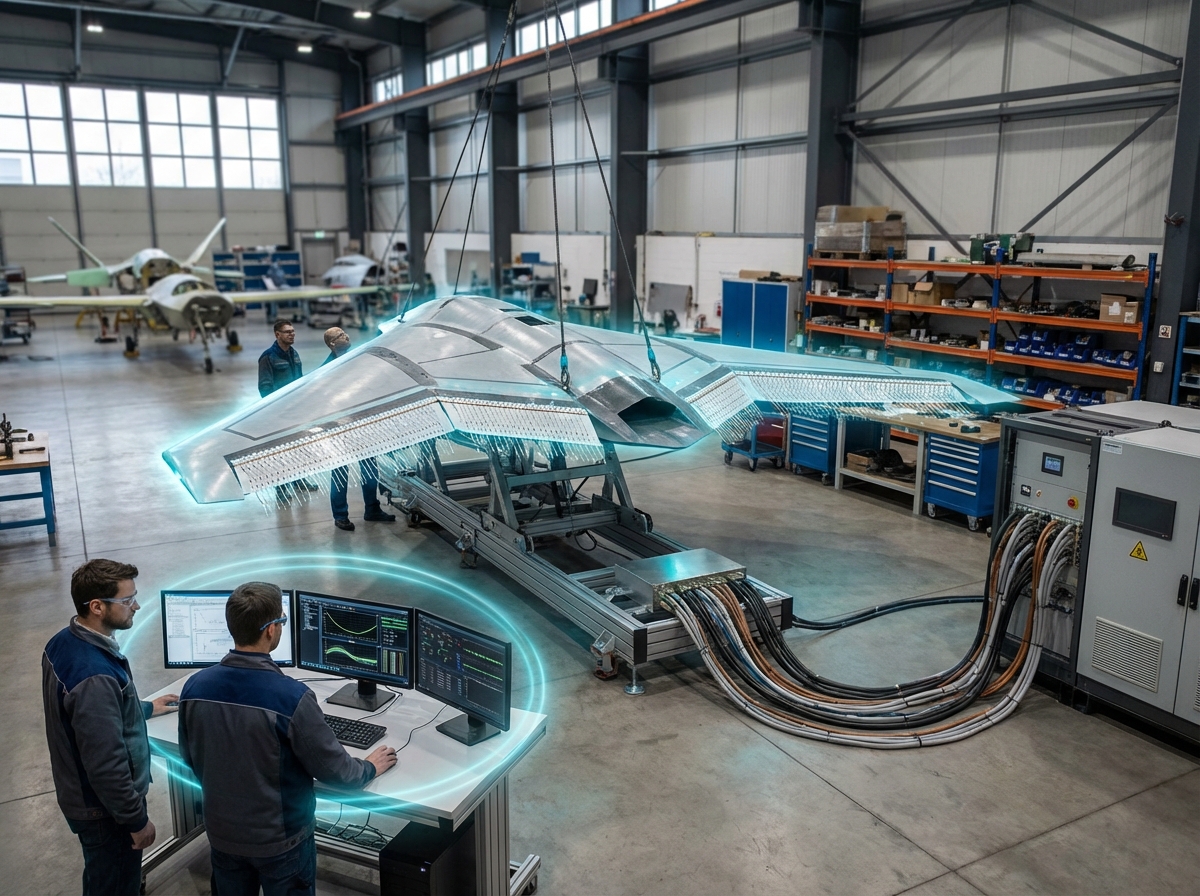
Propulsion using electric fields to accelerate ionized air molecules instead of mechanical engines
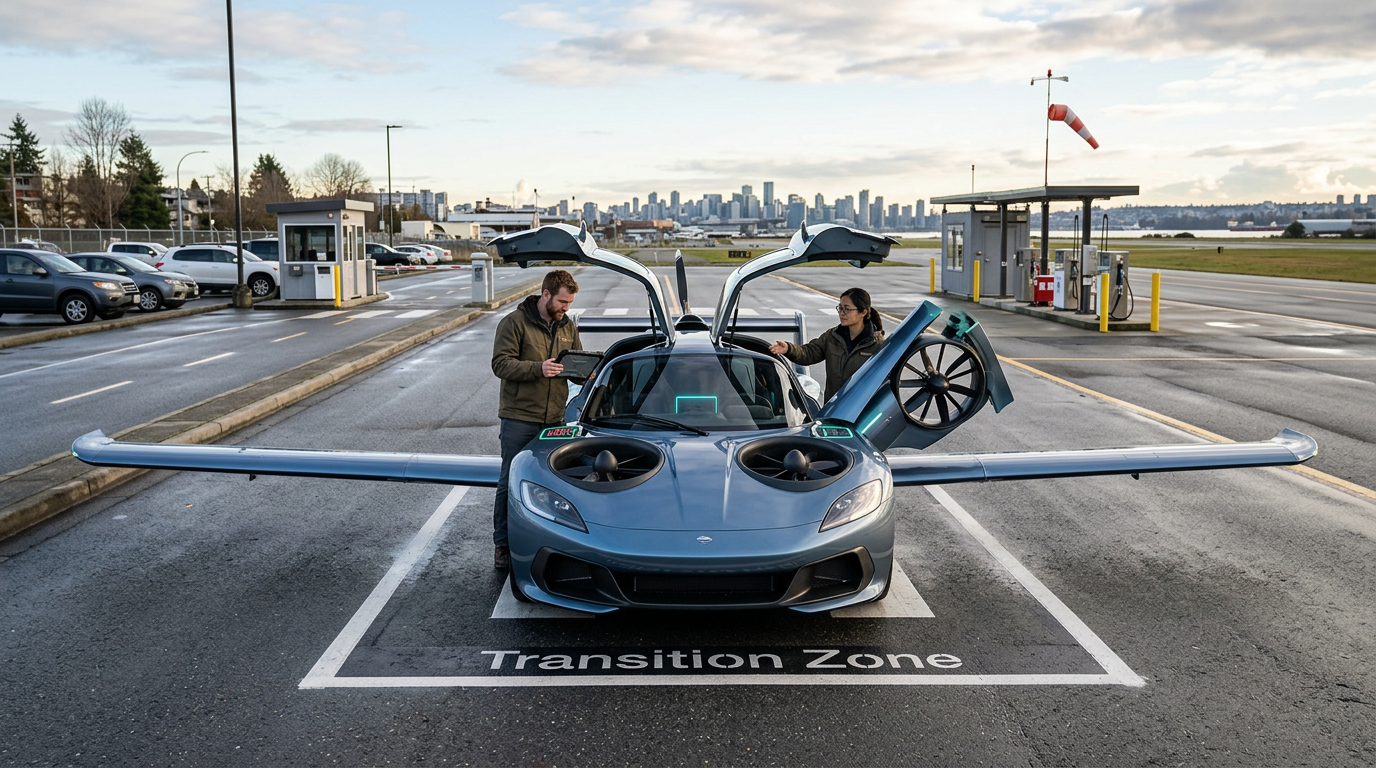
Vehicles designed to drive on roads and fly, bridging personal transport and aviation
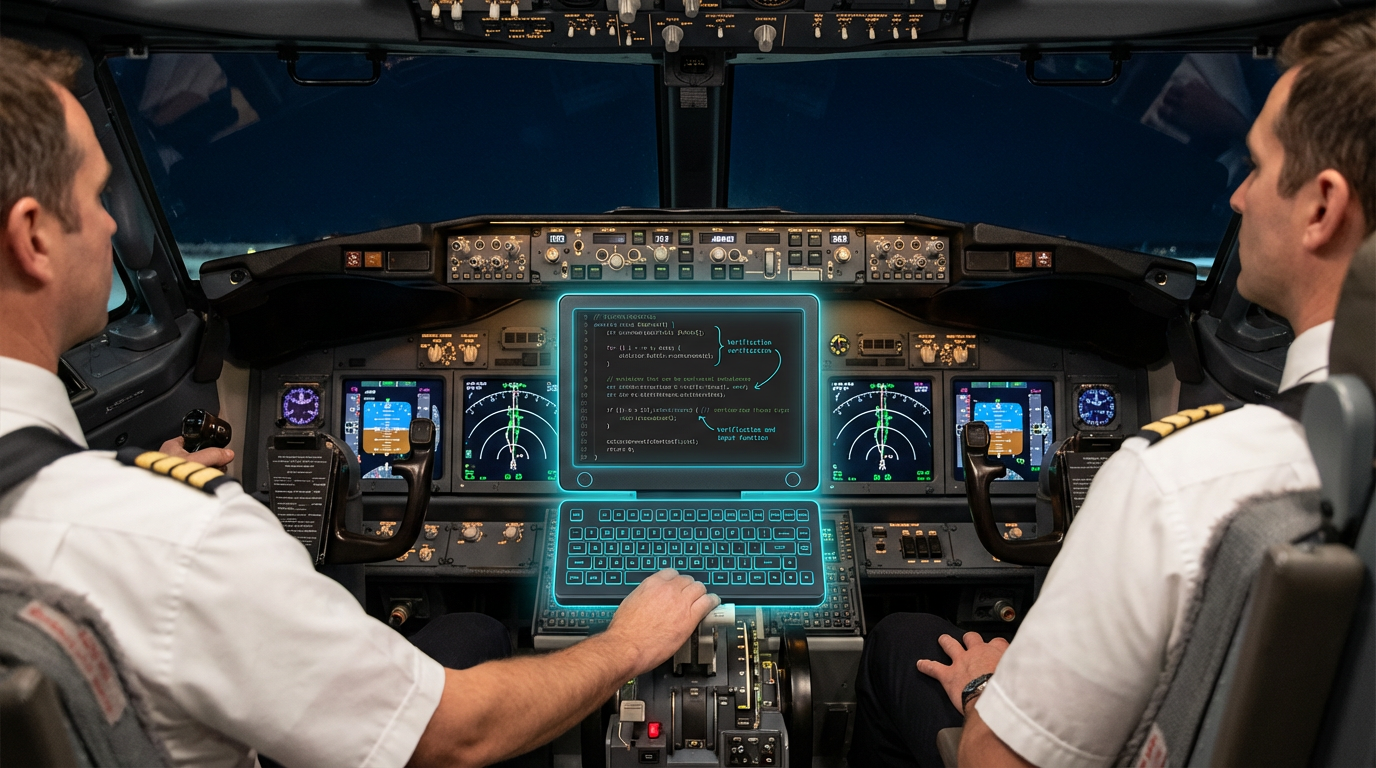
Mathematical proofs that verify airborne software is free of critical defects
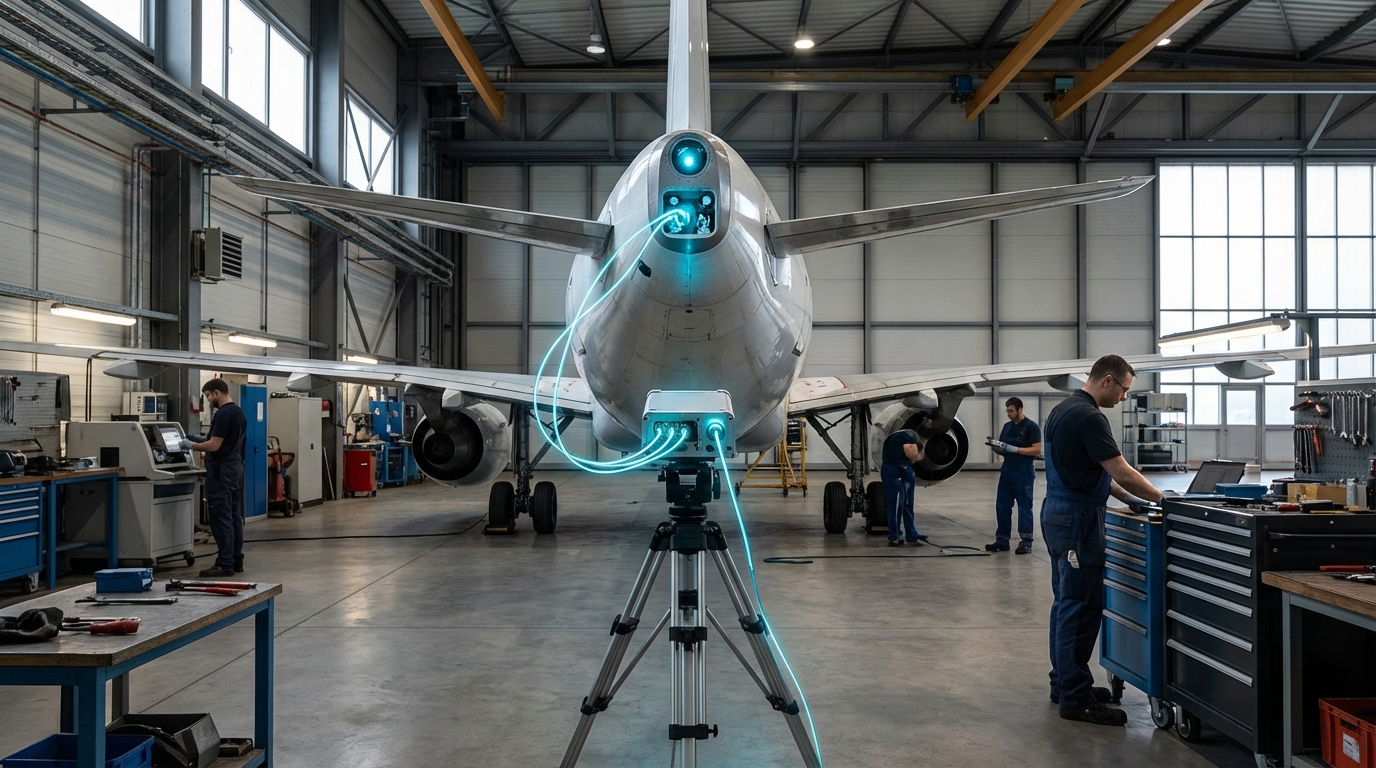
Laser-based data links between aircraft, satellites, and ground stations
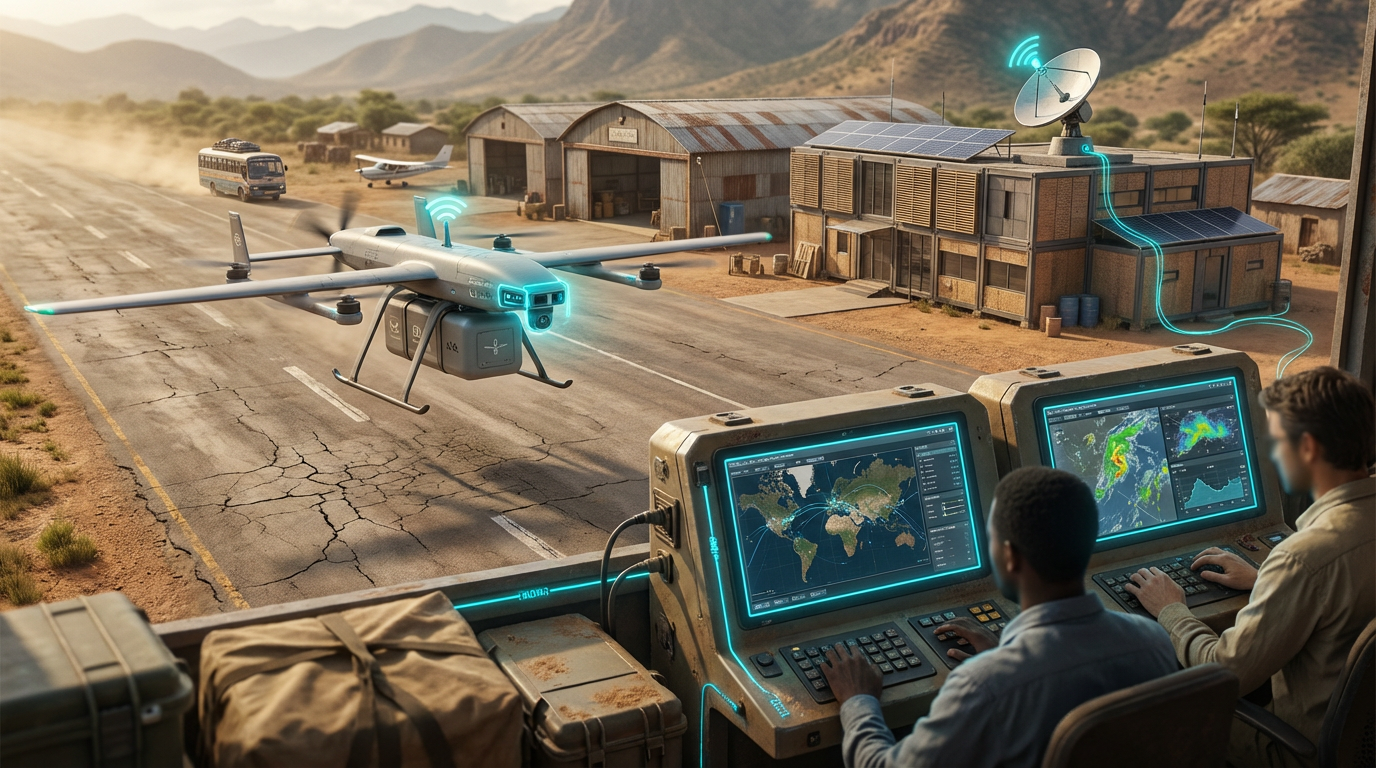
Bridging the aviation technology gap between developed and developing regions
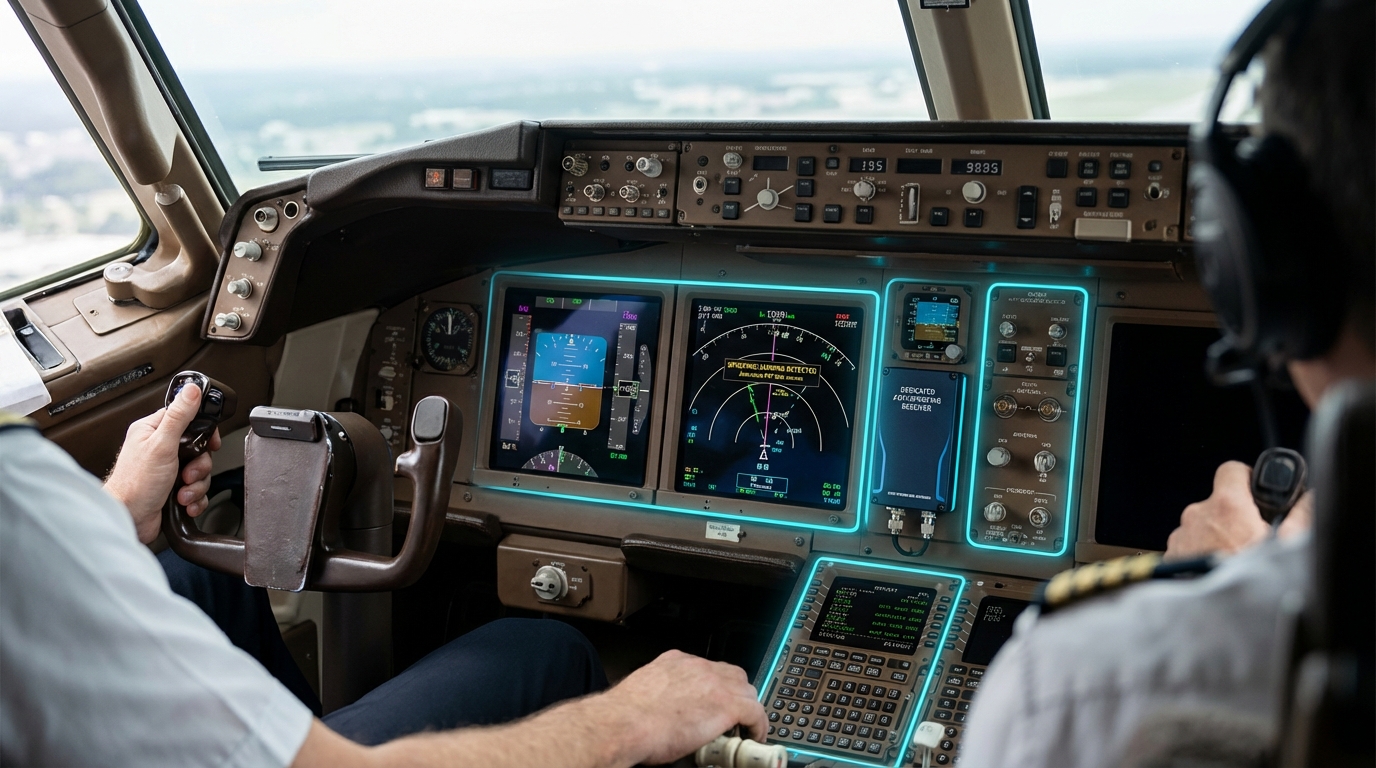
Technologies that detect and counter GPS jamming, spoofing, and signal loss in aviation
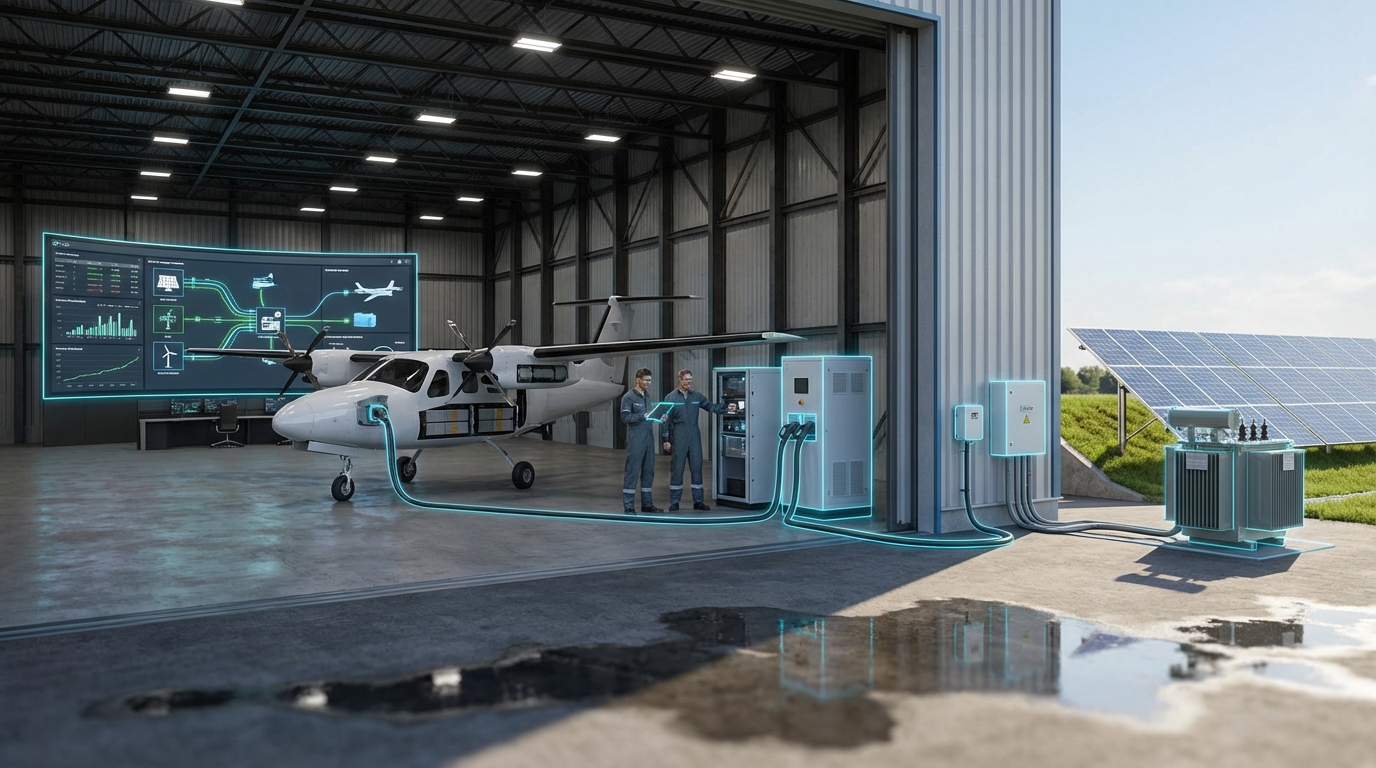
Integrating electric aircraft charging infrastructure with power grids at scale
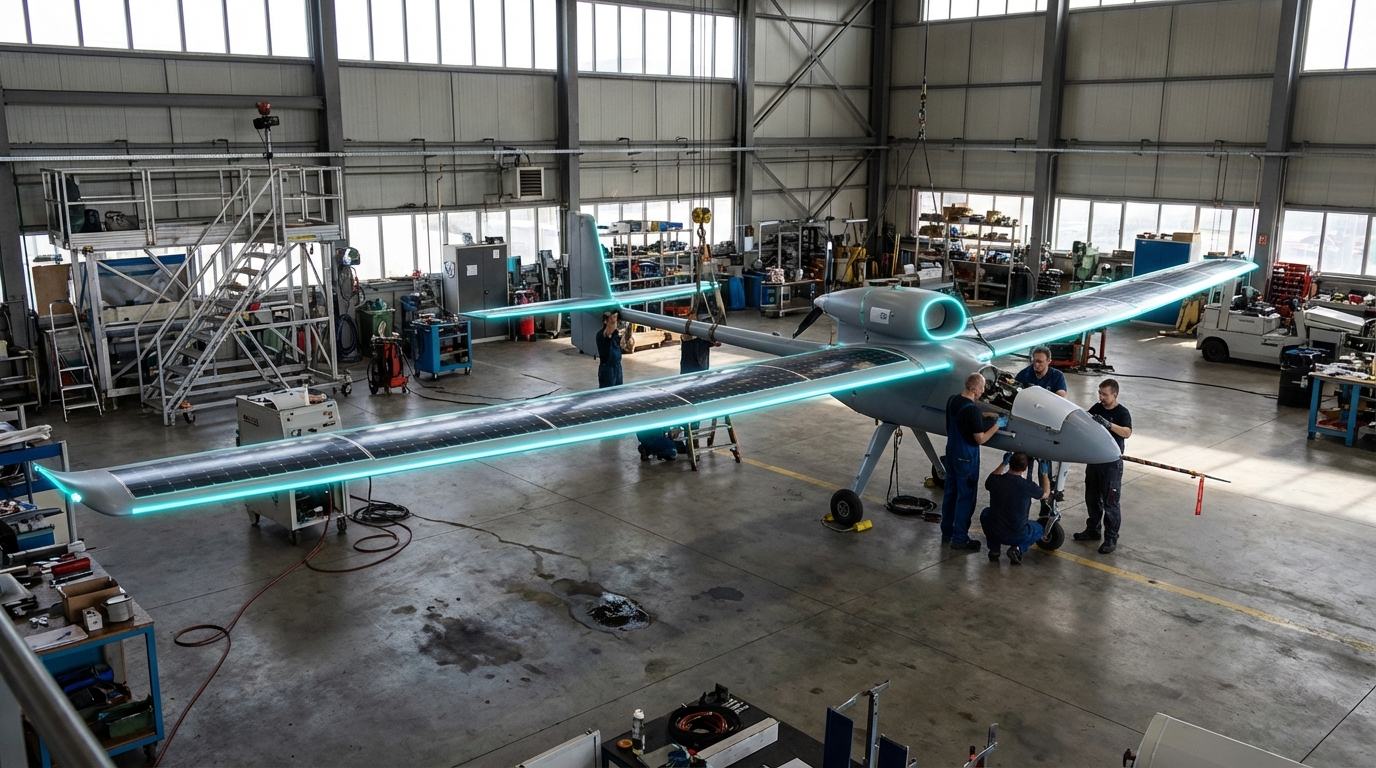
Stratospheric aircraft and airships providing persistent coverage between planes and satellites
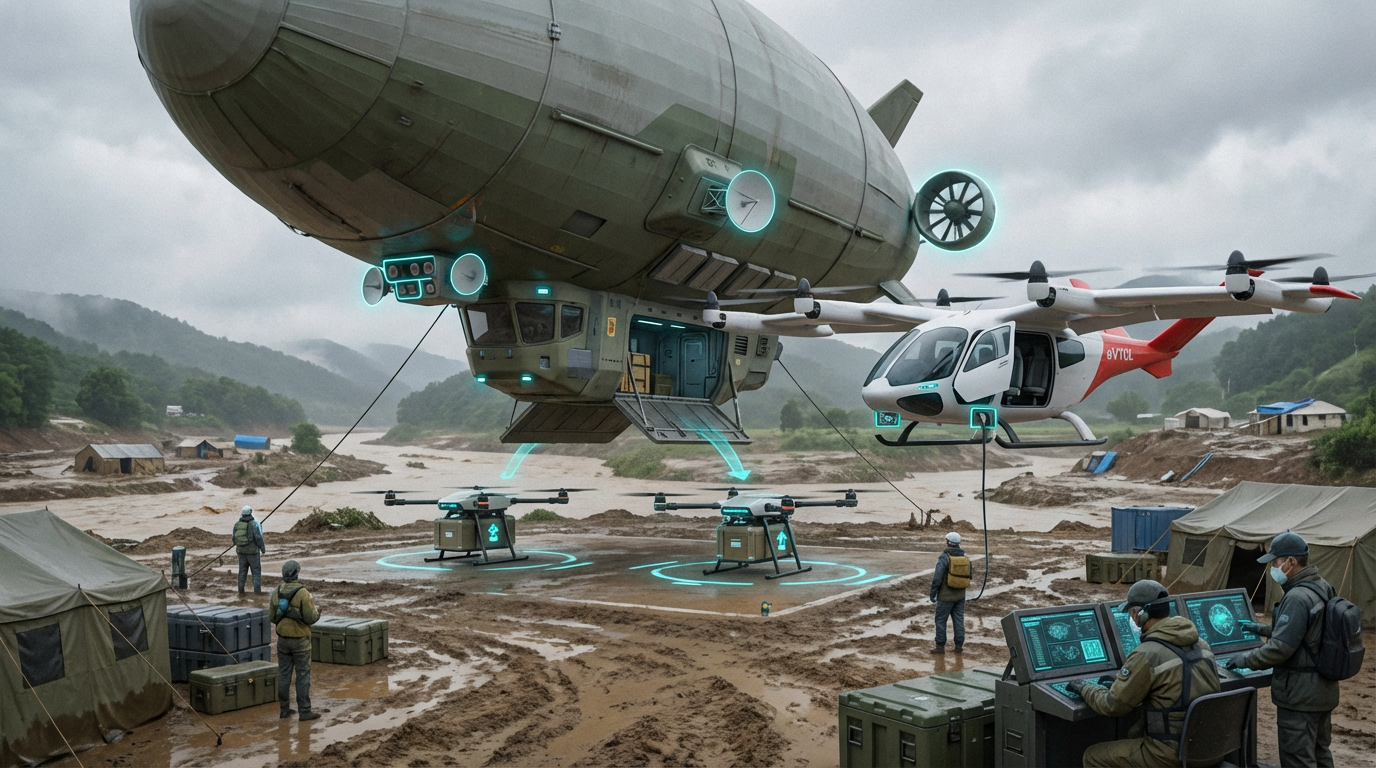
Autonomous aircraft delivering emergency supplies to disaster zones without runways
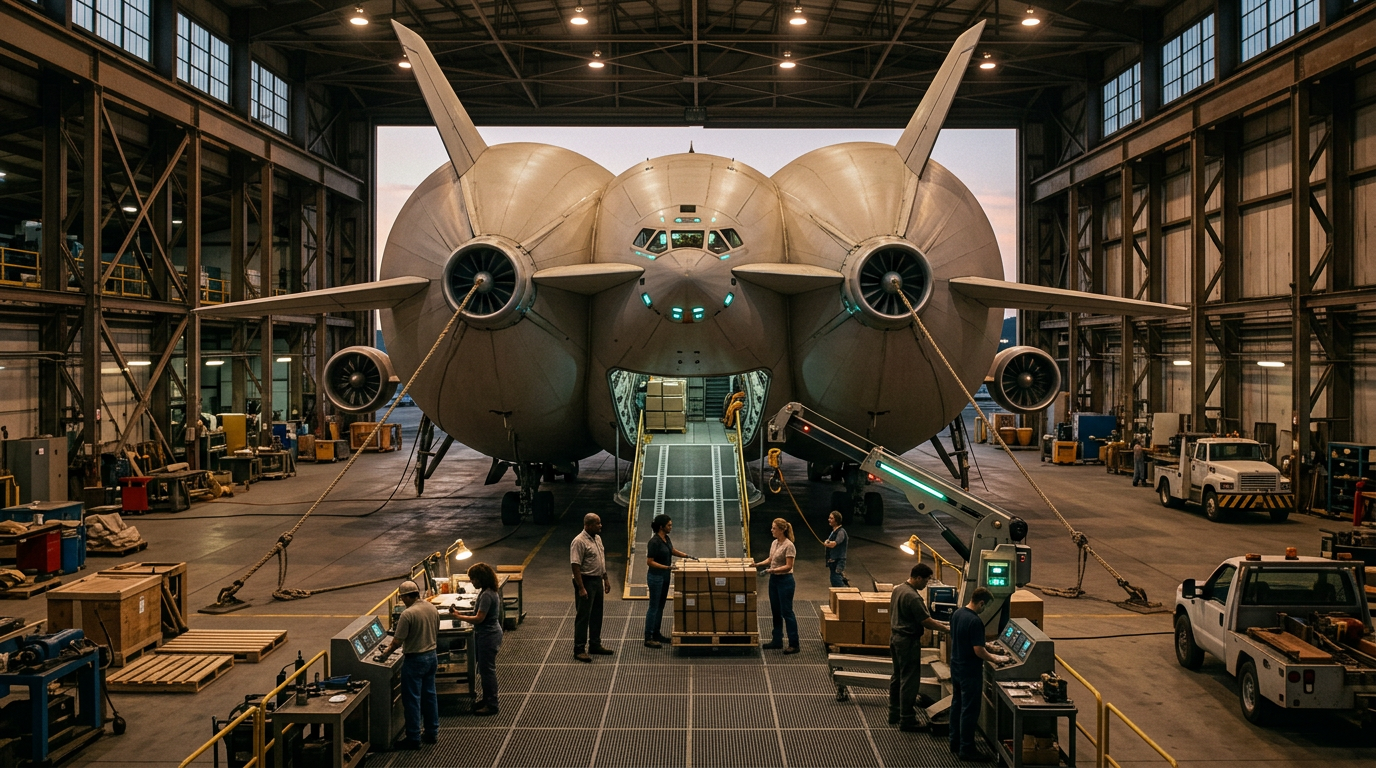
Aircraft combining buoyancy and aerodynamic lift for fuel-efficient cargo and surveillance
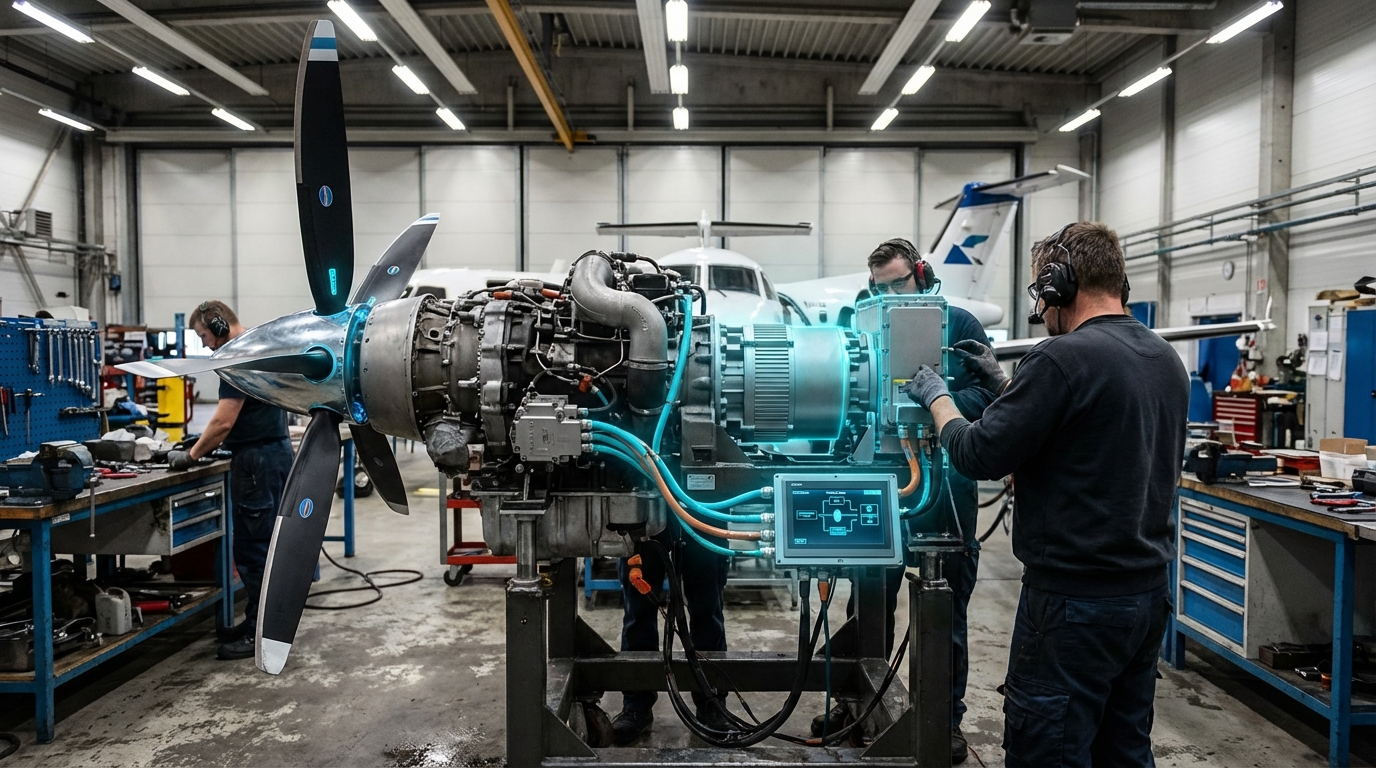
Aircraft engines combining gas turbines with electric motors to cut fuel use and emissions
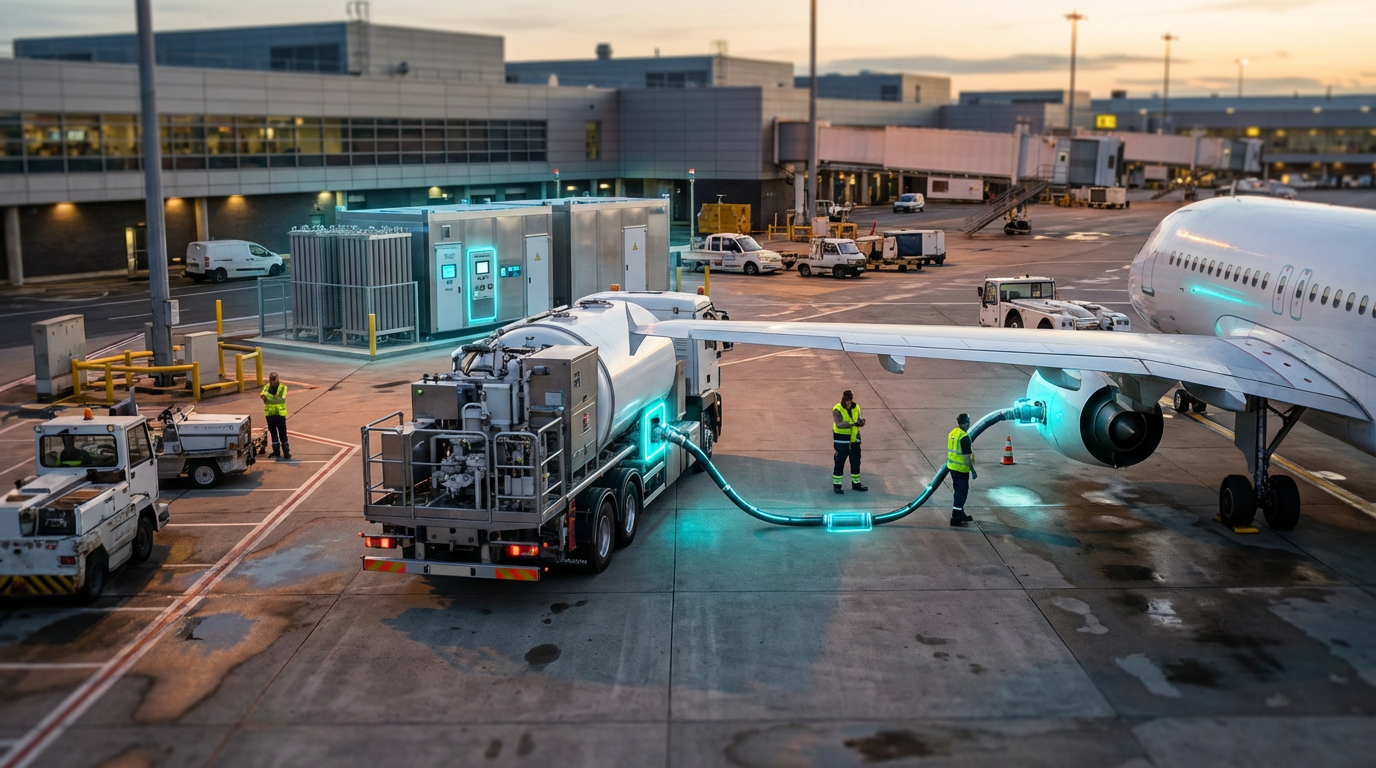
Cryogenic systems for storing and dispensing liquid hydrogen fuel to aircraft at airports
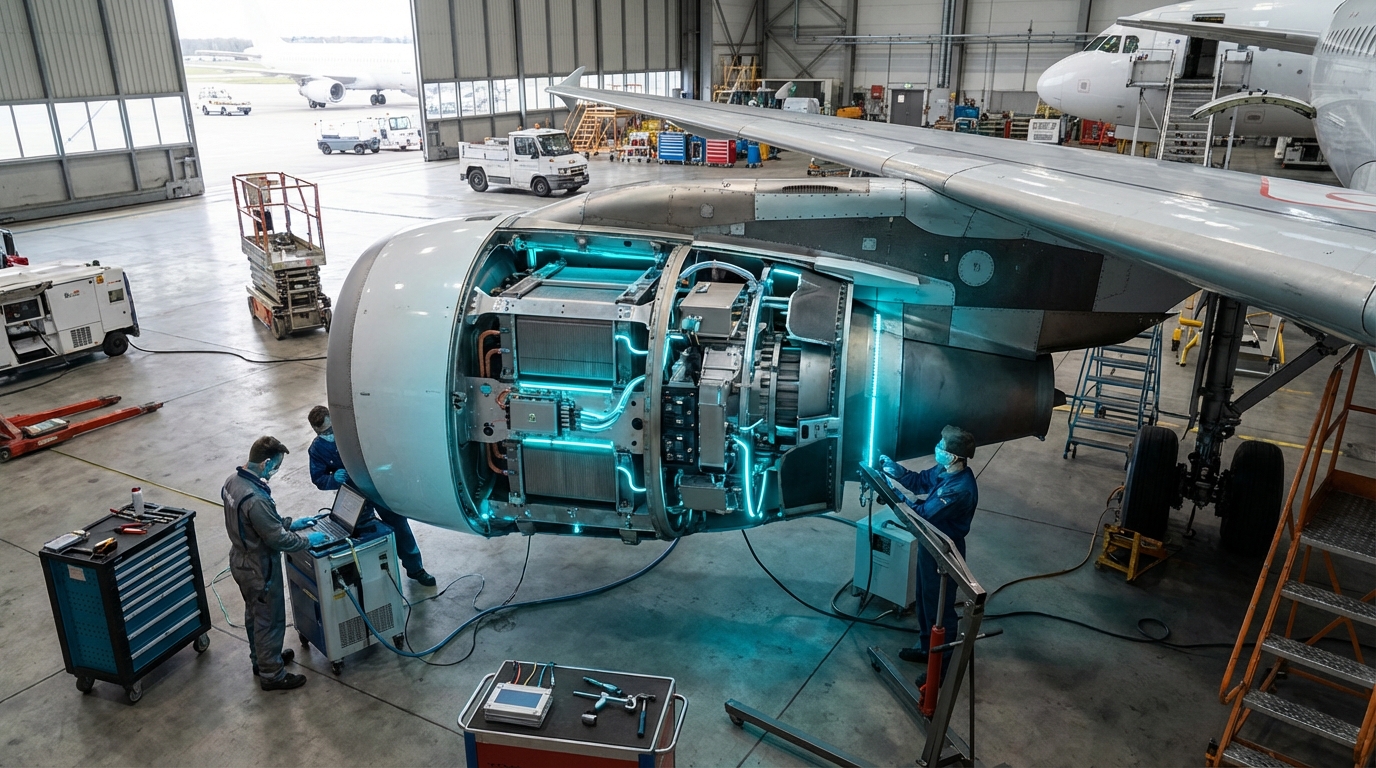
Fuel cells converting hydrogen to electricity for zero-emission flight propulsion
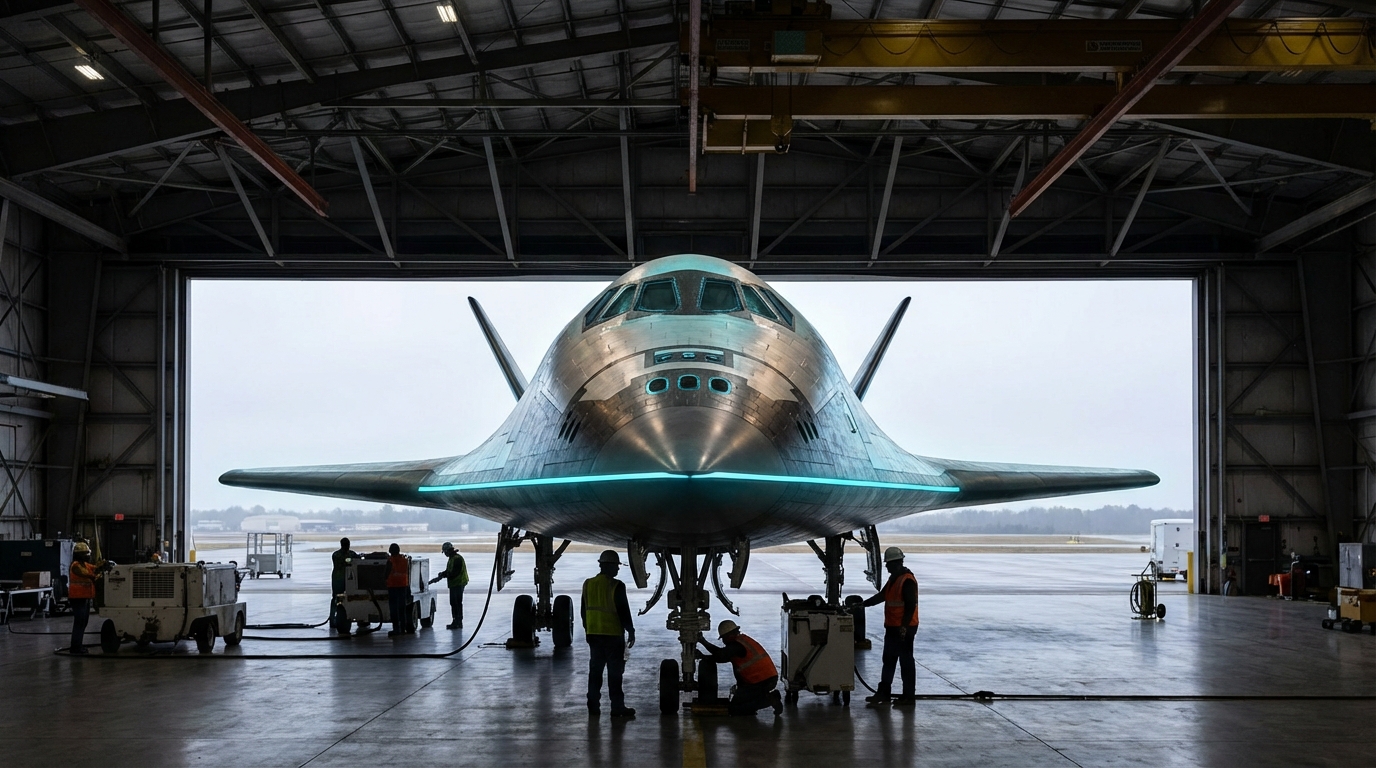
Mach 5+ aircraft using scramjets and hybrid propulsion for rapid intercontinental travel
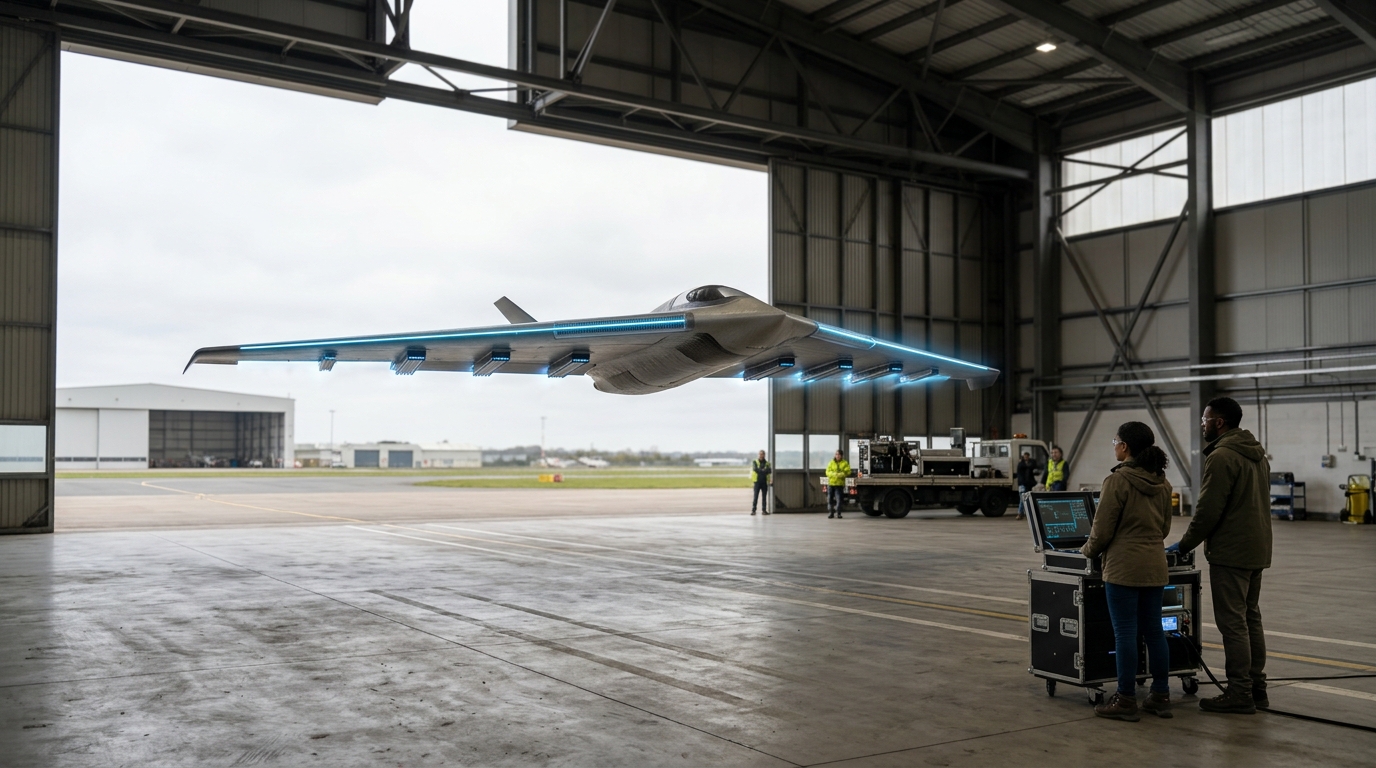
Aircraft propelled by ion wind instead of engines or propellers
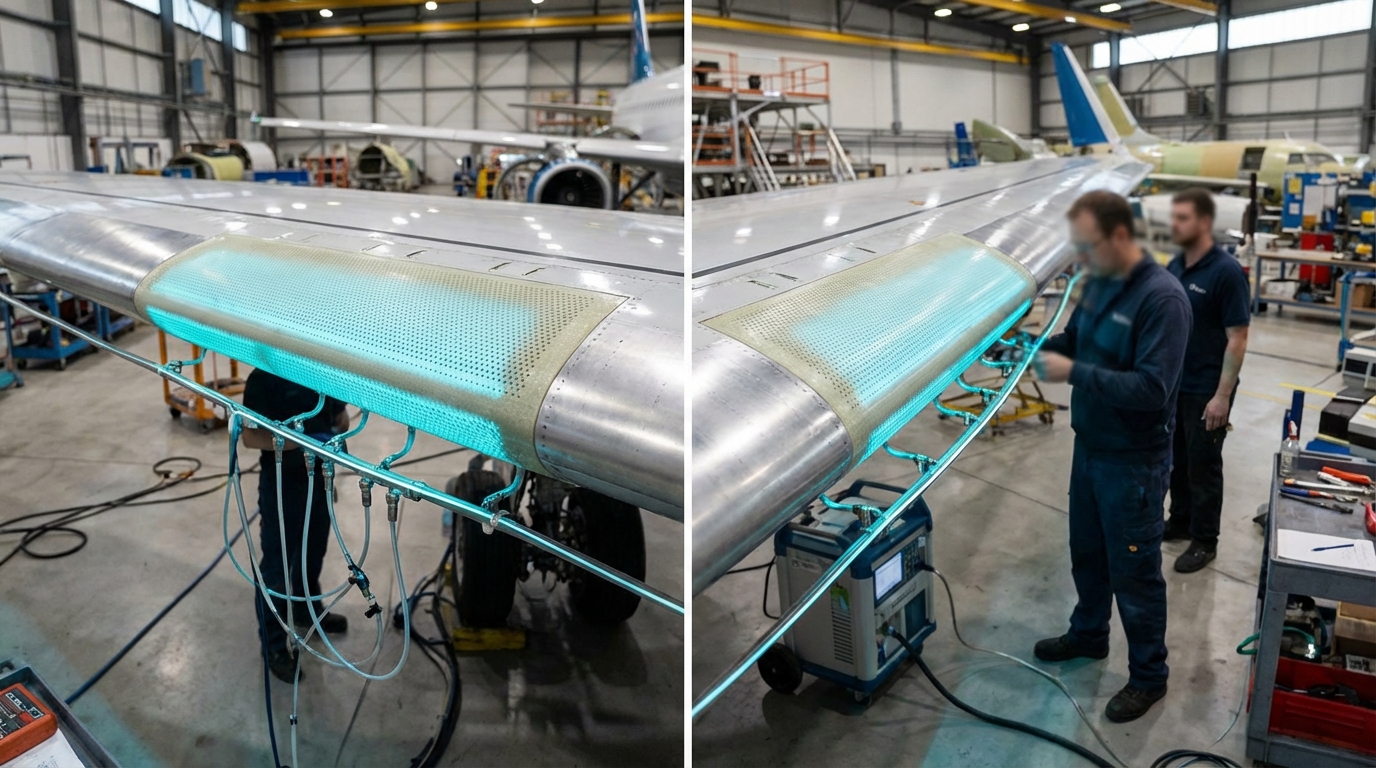
Maintaining smooth airflow over aircraft surfaces to reduce drag and improve fuel efficiency
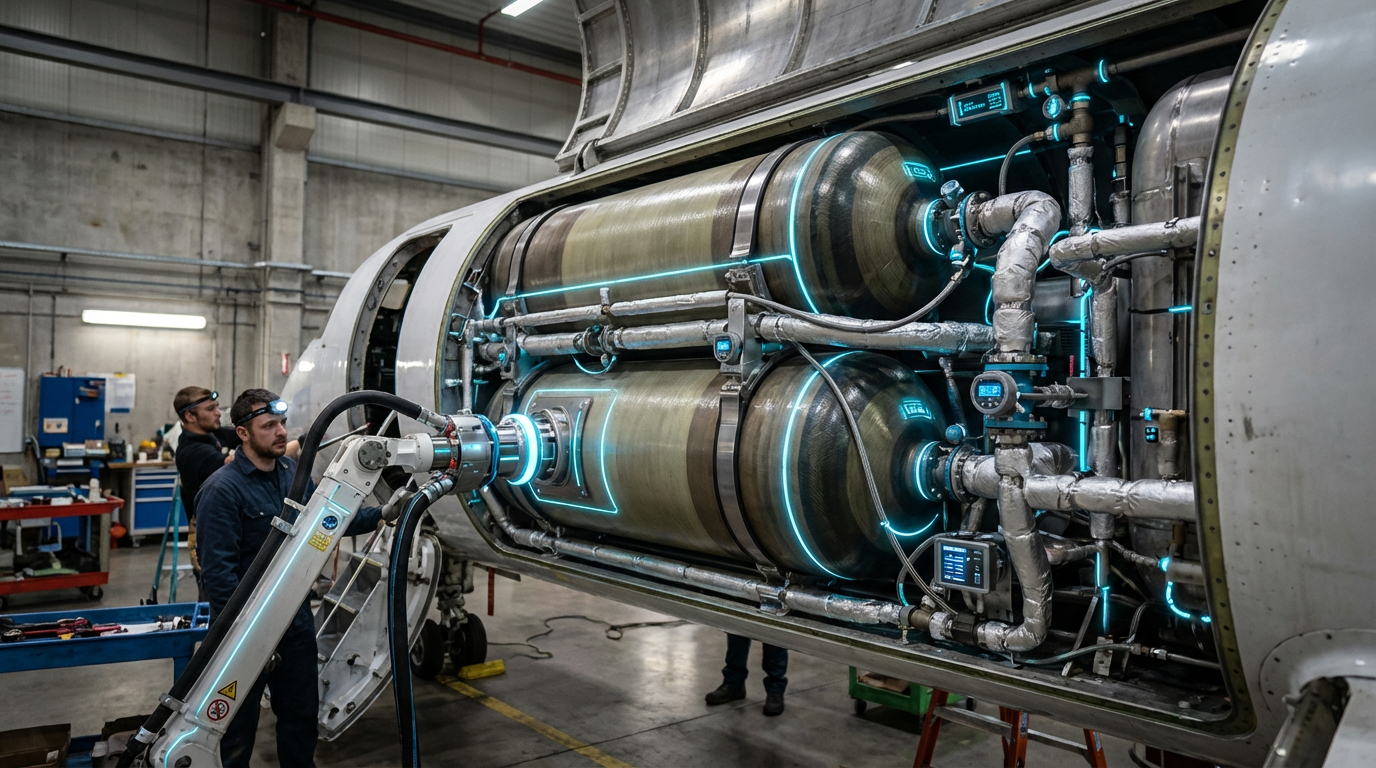
Cryogenic tanks and fuel handling systems enabling hydrogen-powered aircraft
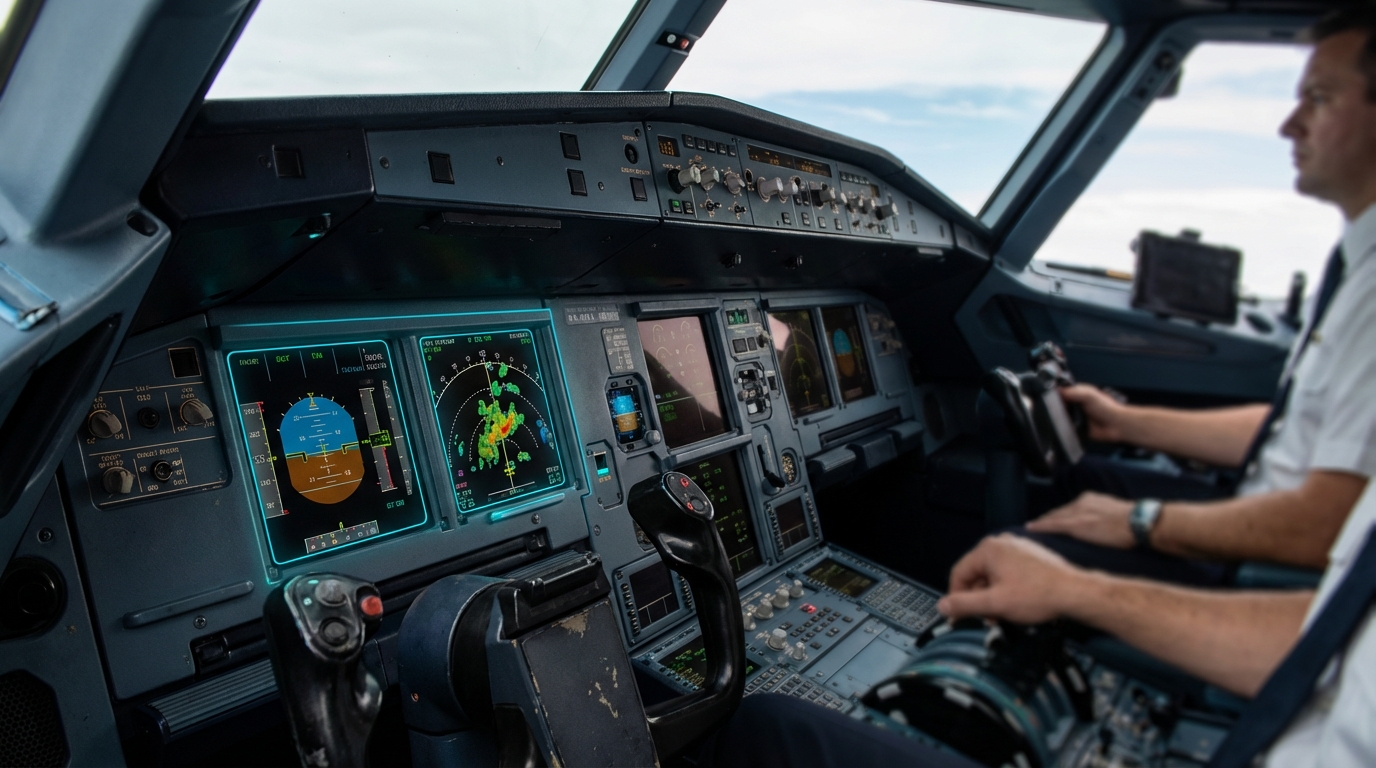
Machine learning models that predict turbulence and weather hazards minutes before they occur
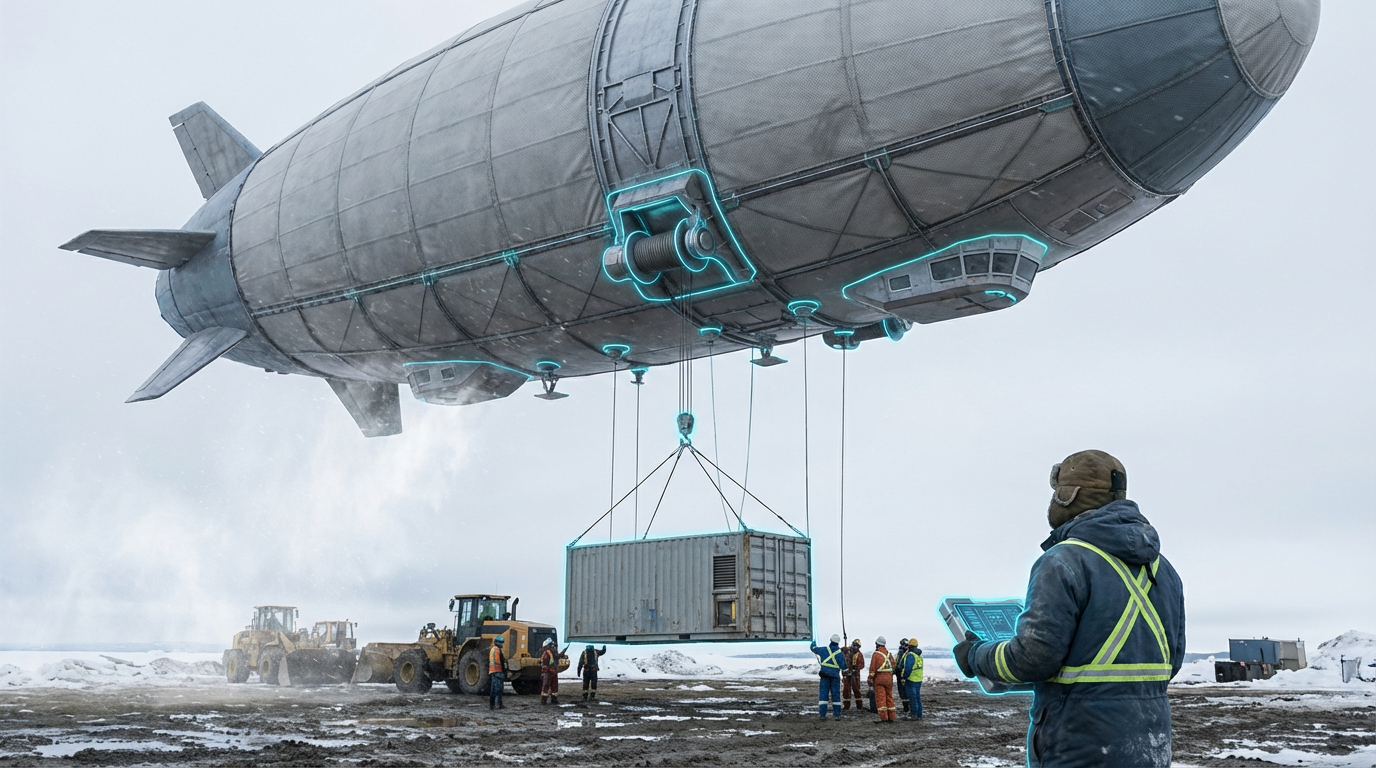
Helium-lifted aircraft designed to deliver heavy cargo to areas lacking runways or infrastructure
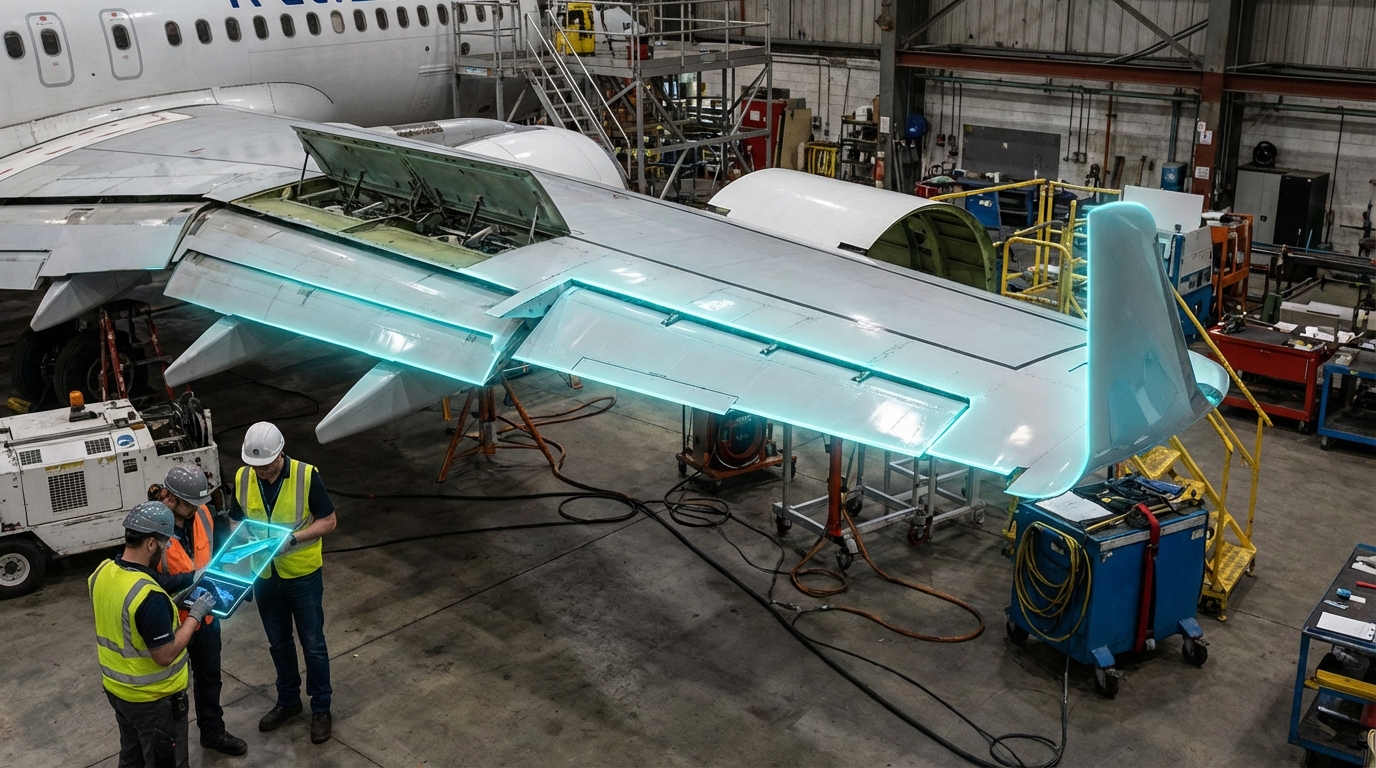
Wings that continuously adjust their shape during flight to optimize aerodynamics across flight conditions
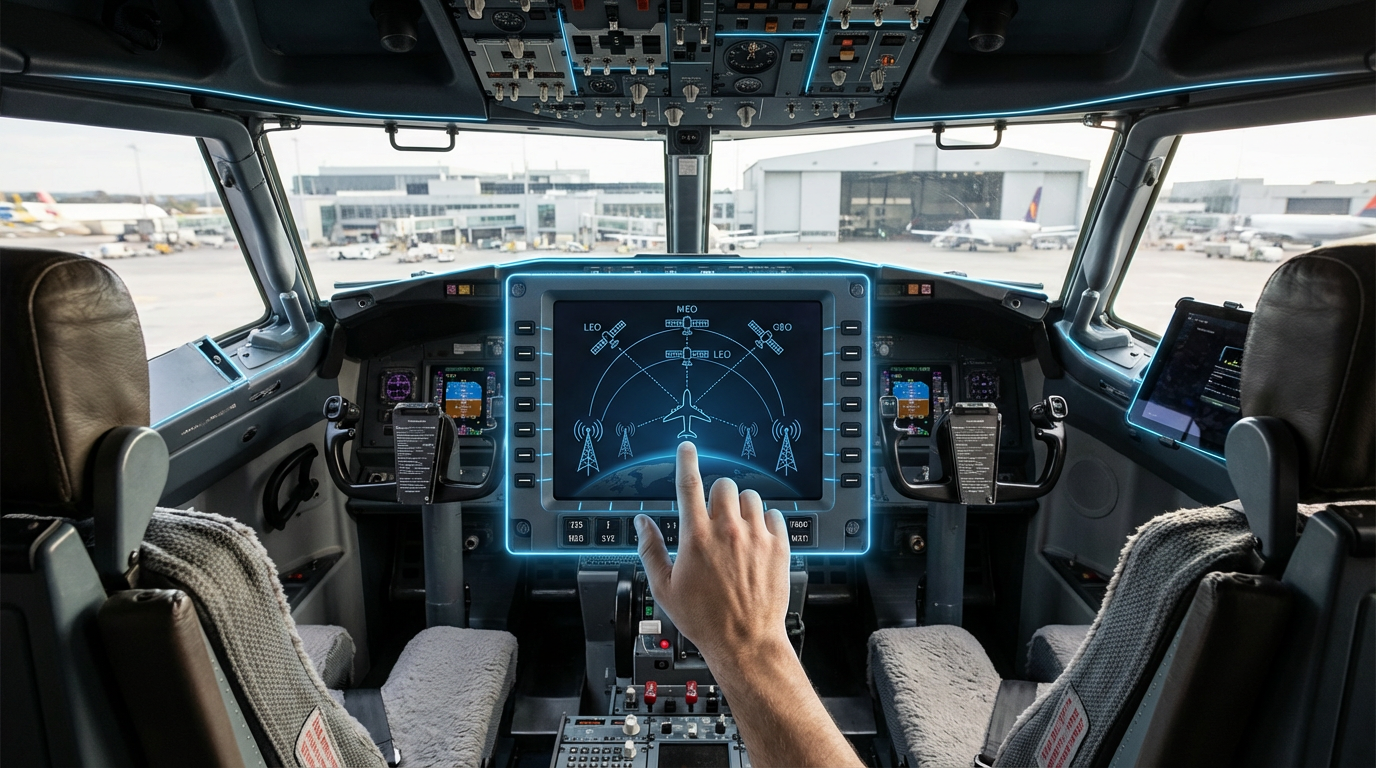
Combining LEO, MEO, and GEO satellites with ground networks for continuous aircraft connectivity
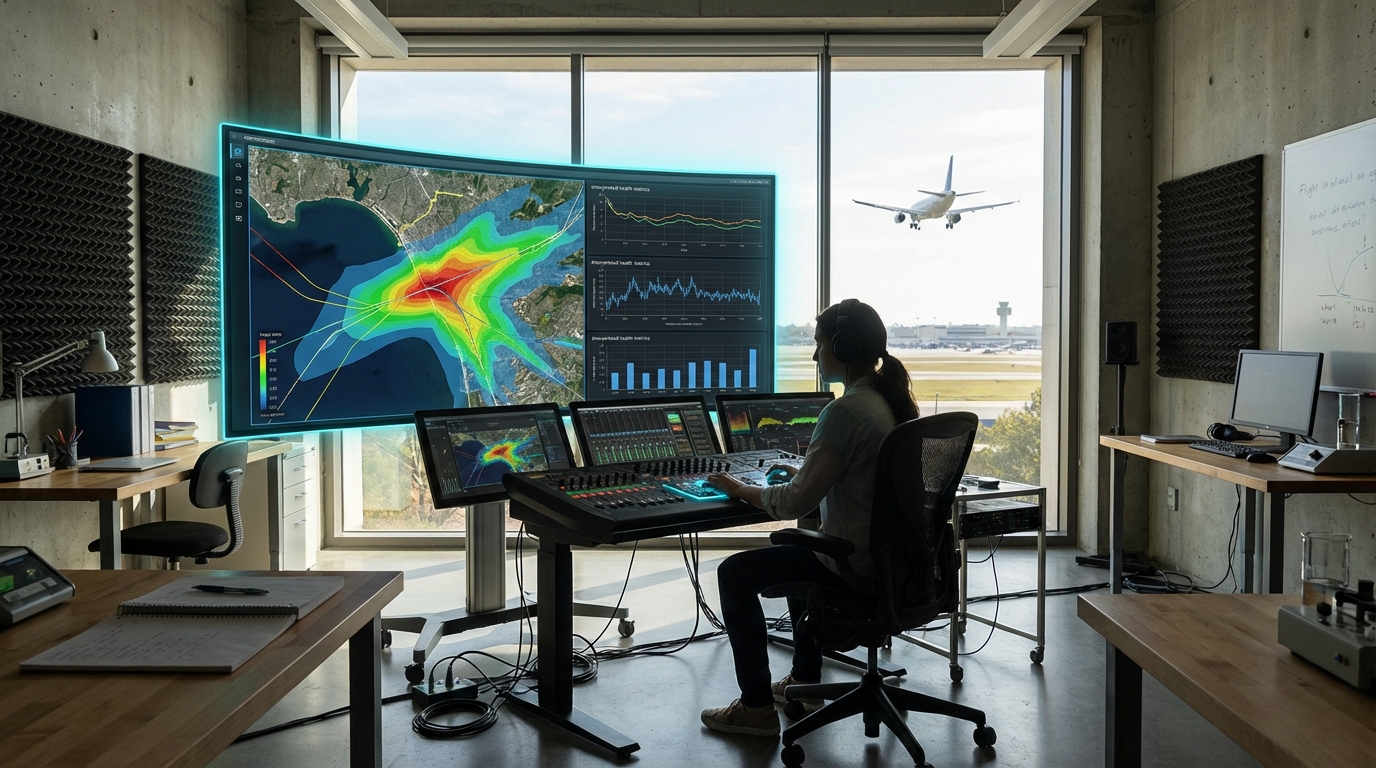
Research linking aircraft noise exposure to cardiovascular disease and mental health outcomes
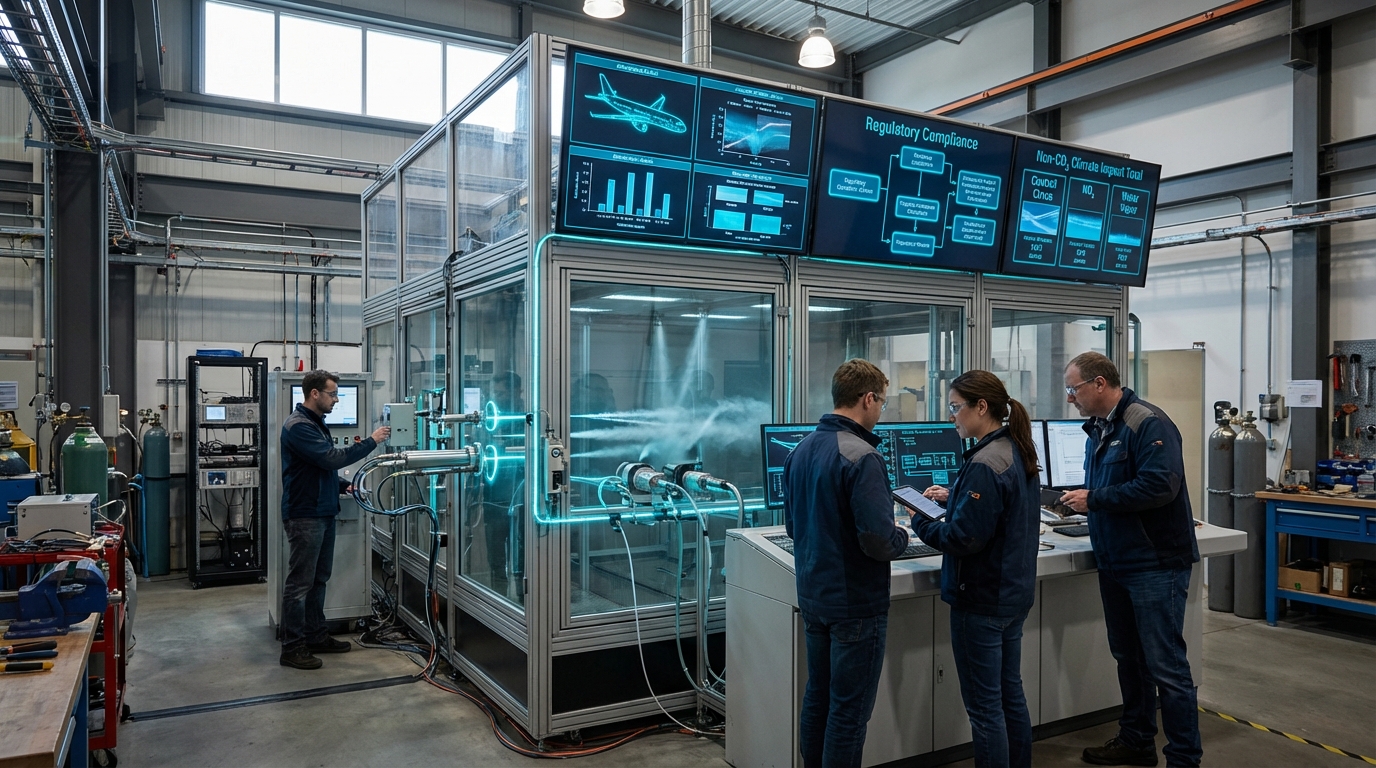
Measuring and regulating aviation's non-CO₂ climate impacts like contrails, NOx, and water vapor
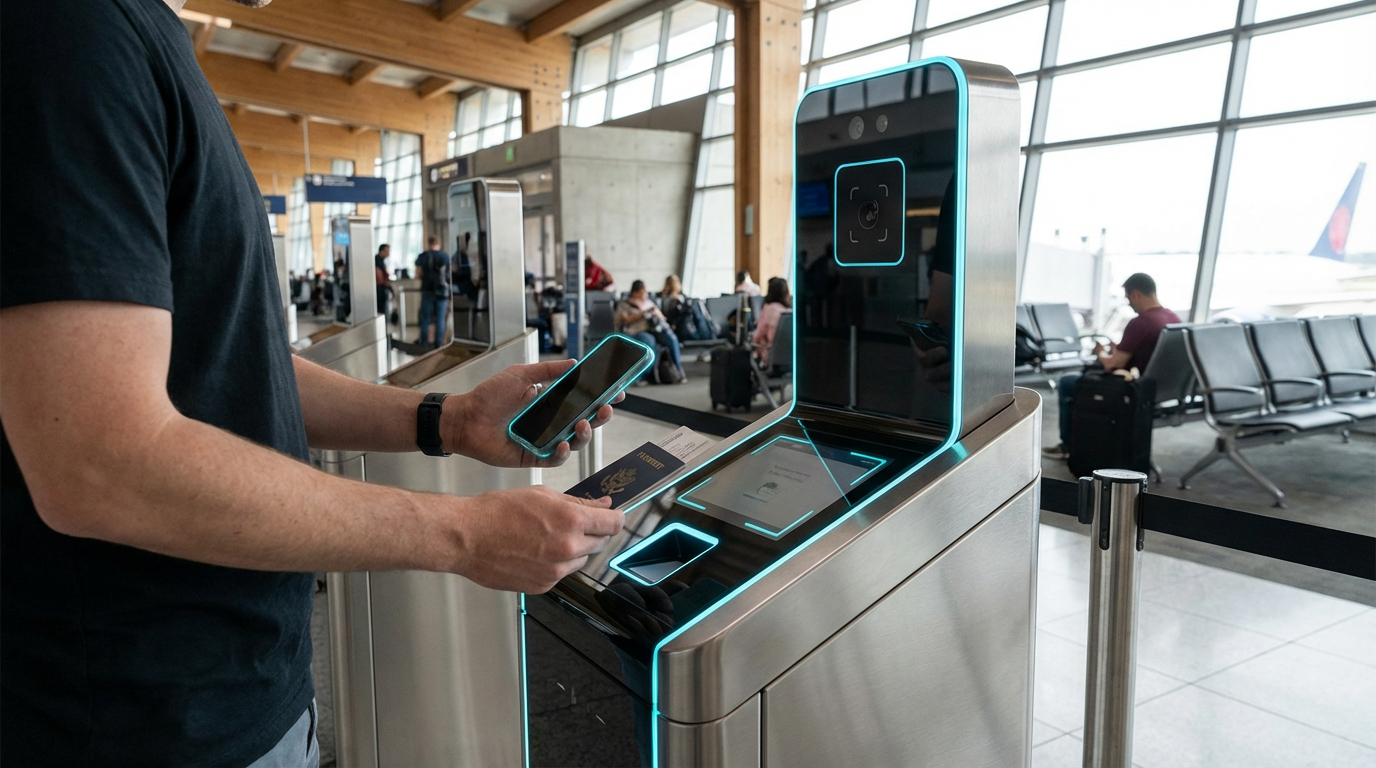
Cryptographic methods to verify travelers without exposing full identity data
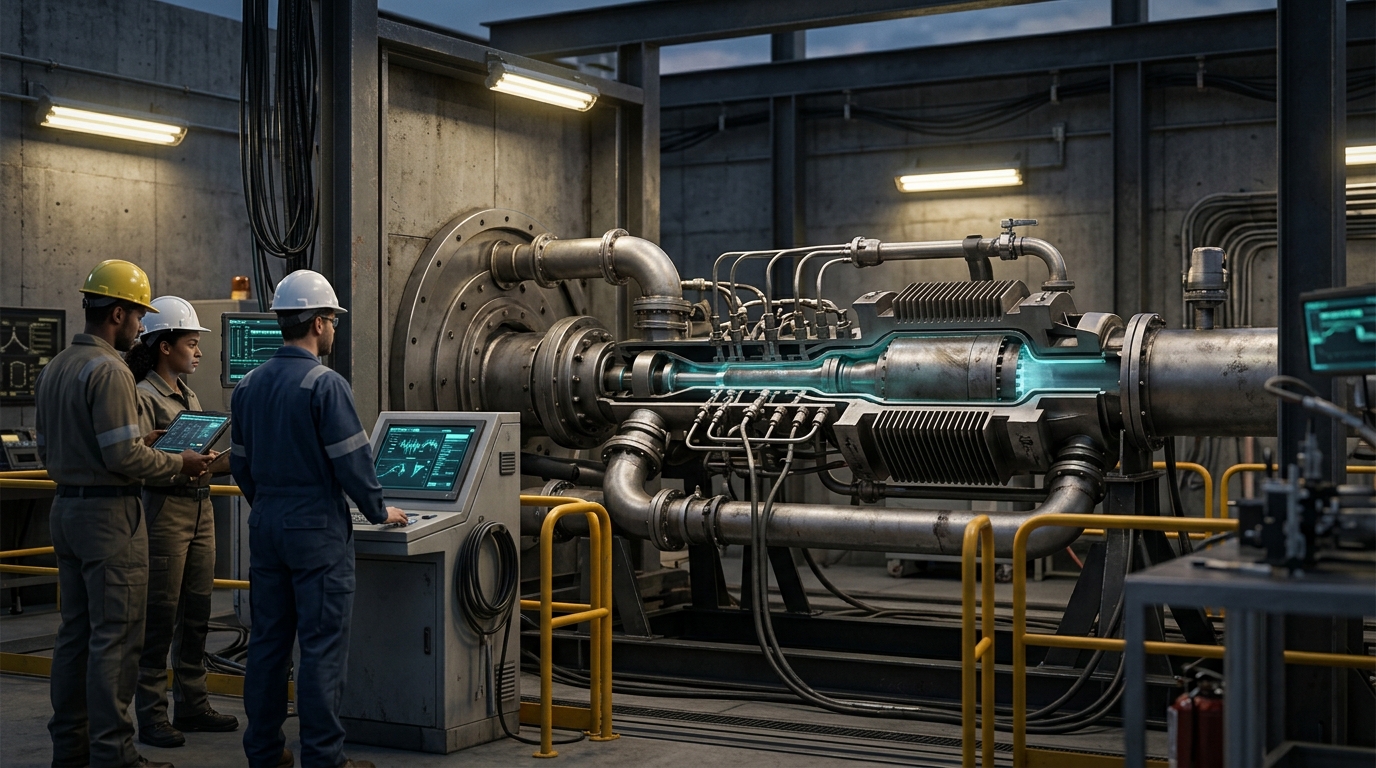
Propulsion using controlled detonation waves instead of conventional combustion for higher efficiency
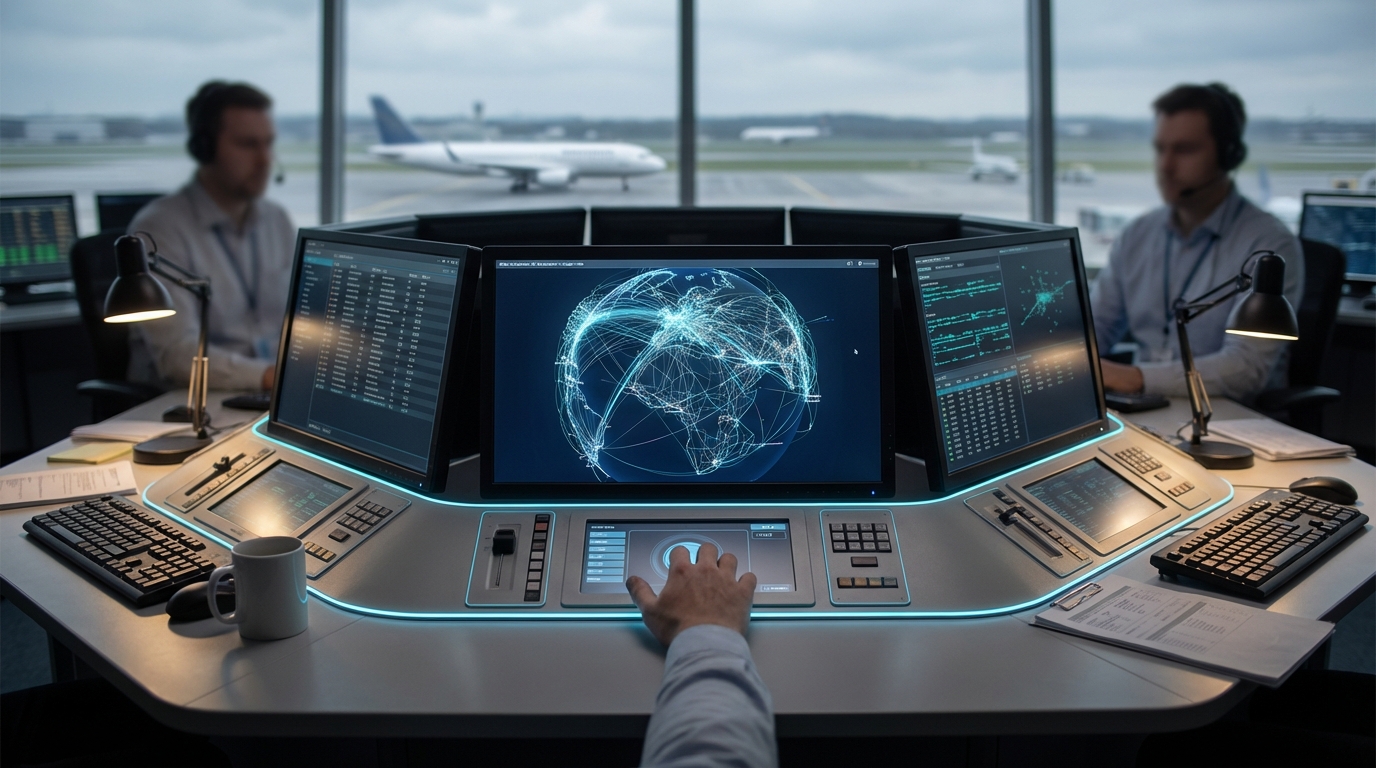
Quantum computing applied to airline routing, scheduling, and fleet management challenges
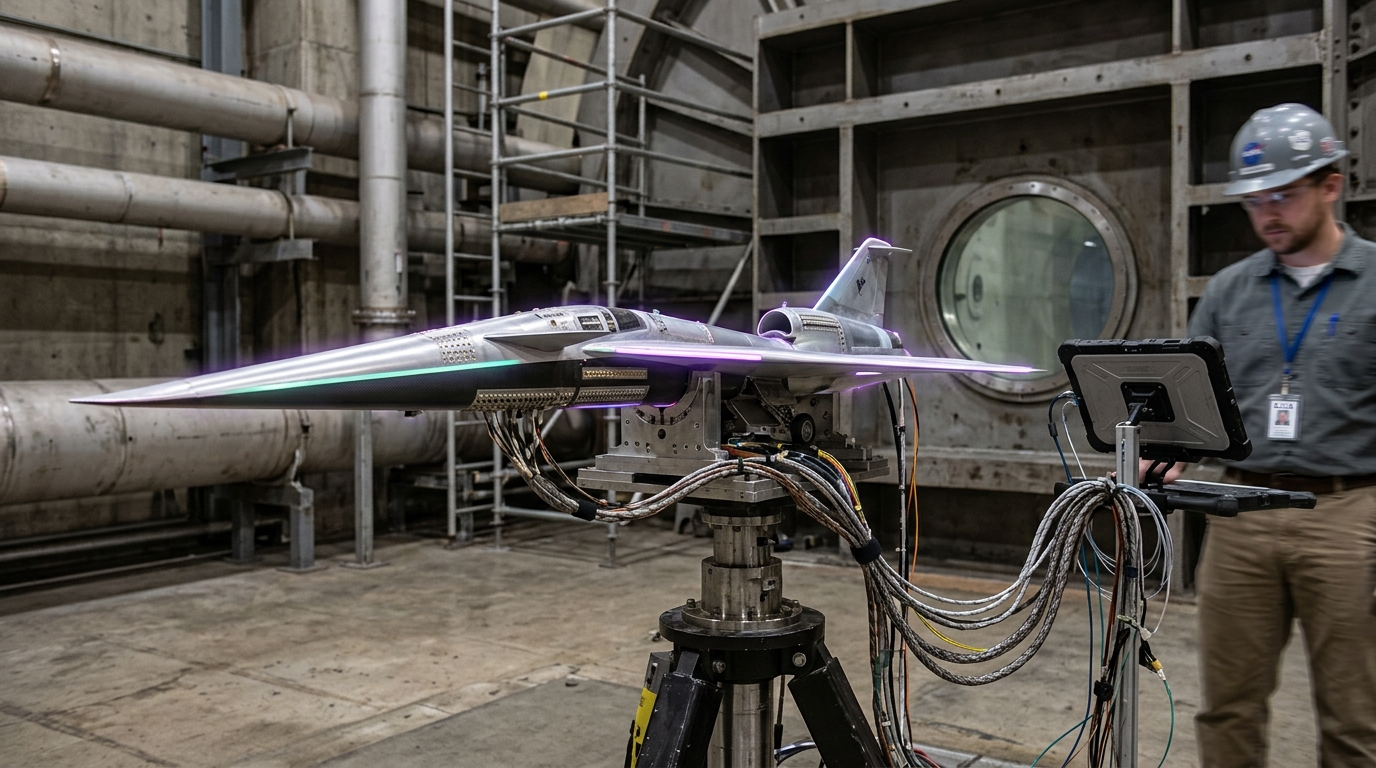
Supersonic aircraft engineered to minimize sonic boom for over-land flight
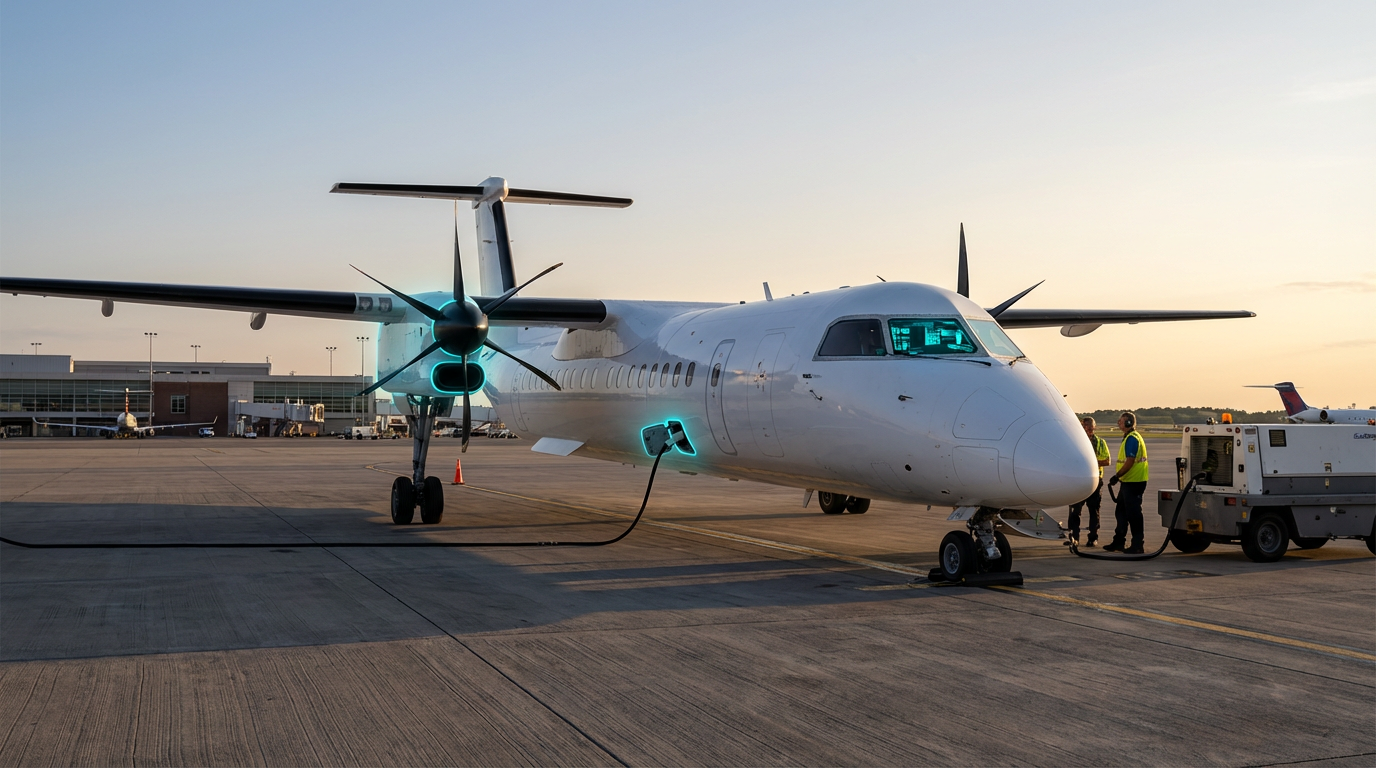
Battery and hybrid-electric aircraft for 9–50 passengers on short-haul regional routes
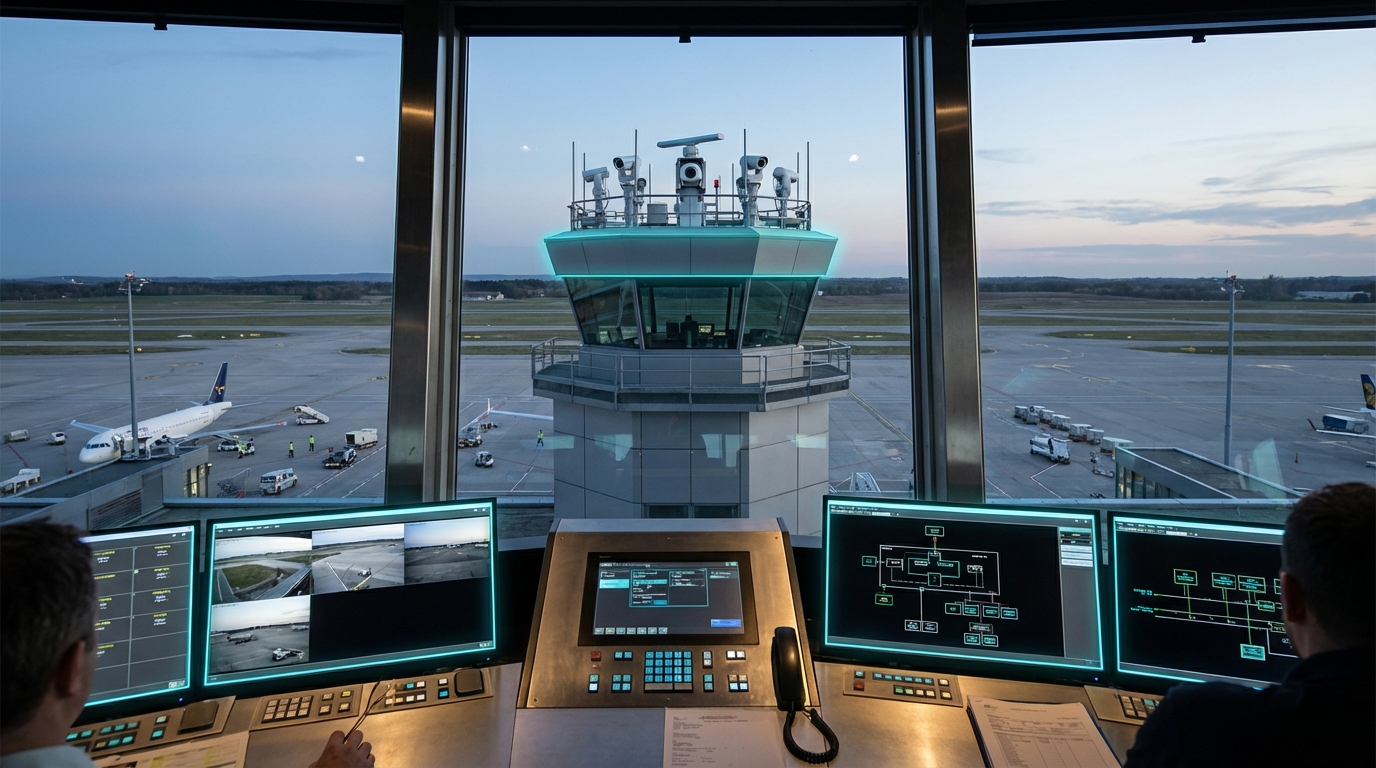
Camera-and-sensor systems enabling air traffic control from remote locations
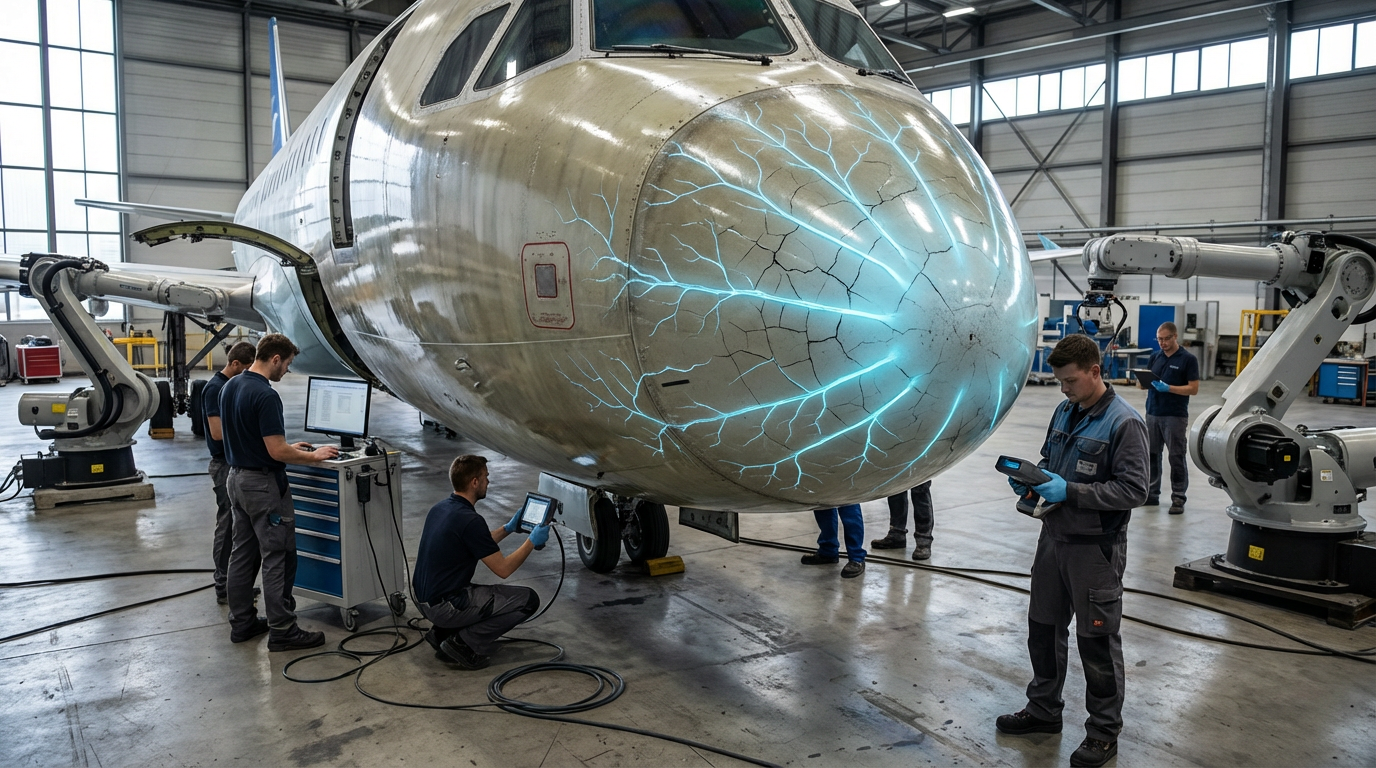
Composites that autonomously repair micro-cracks in aircraft structures using embedded healing agents
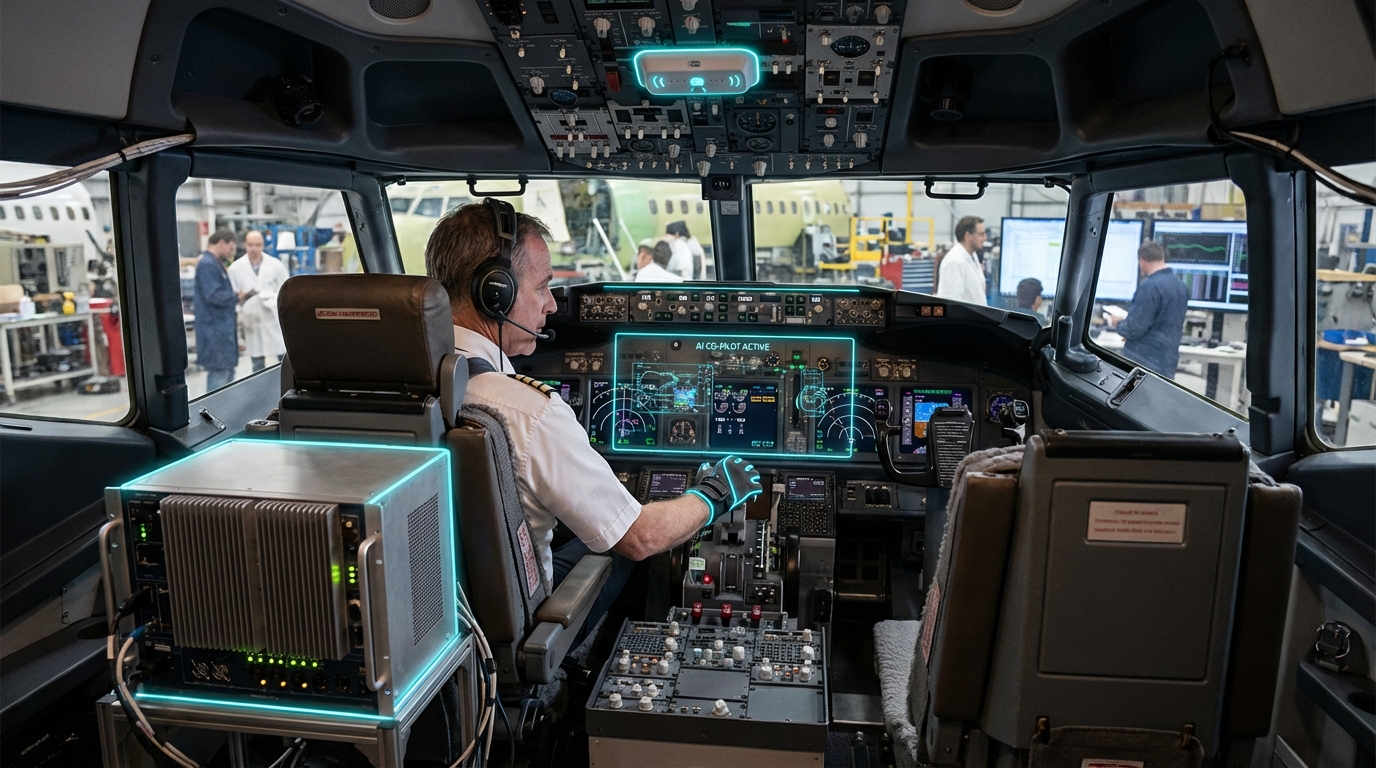
Human-machine teaming enabling safe commercial flights with one pilot instead of two
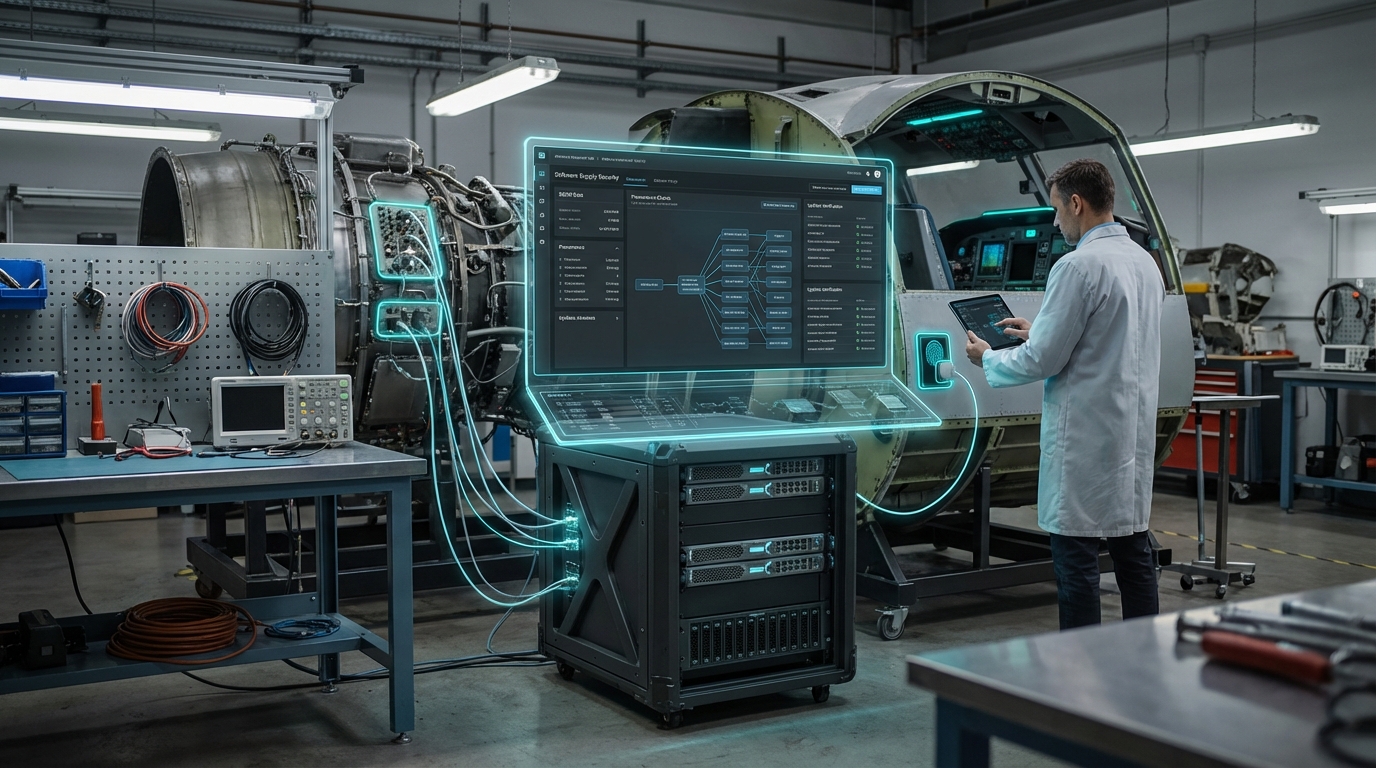
Verifying and tracking software components in avionics and ground systems to prevent malicious code
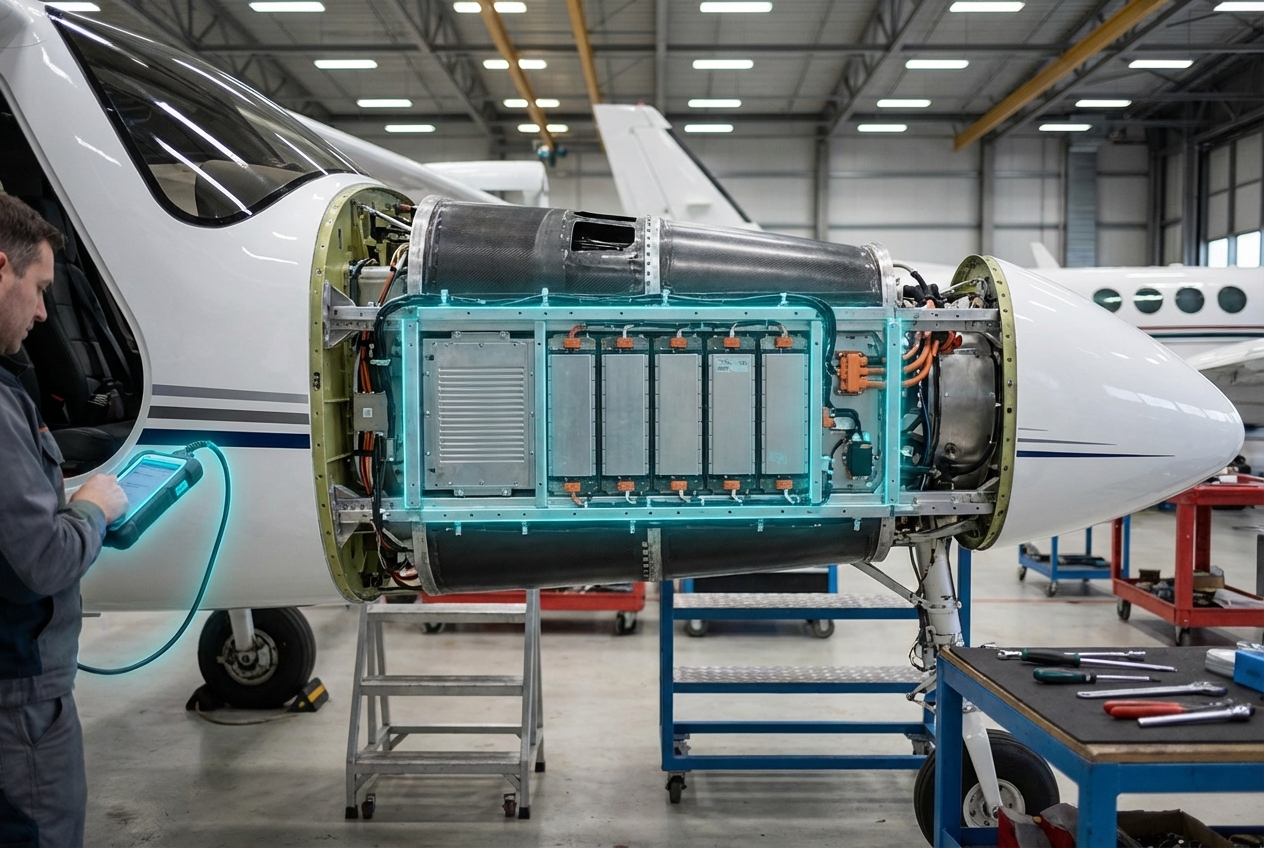
Energy storage using solid electrolytes instead of flammable liquids for safer, denser power
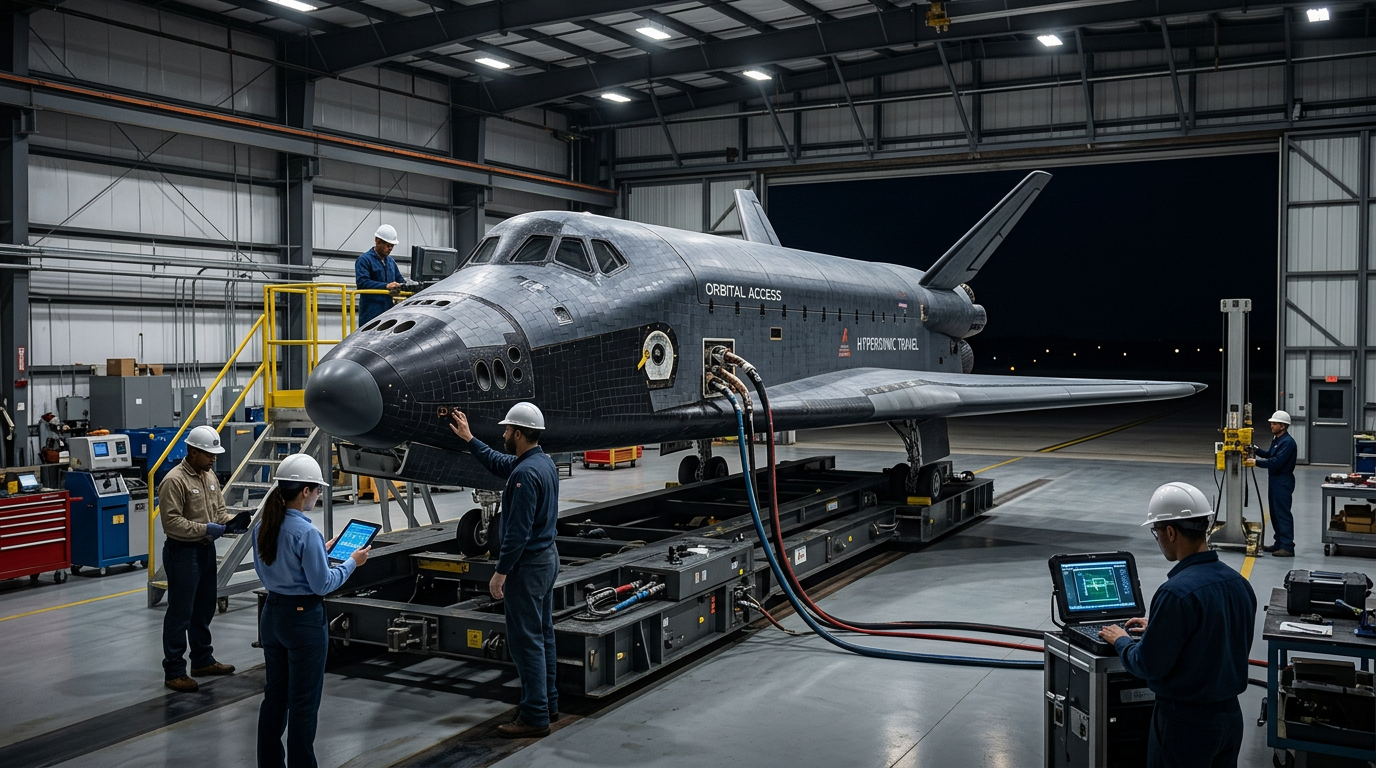
Reusable spacecraft that take off and land like aircraft for orbital access and hypersonic travel
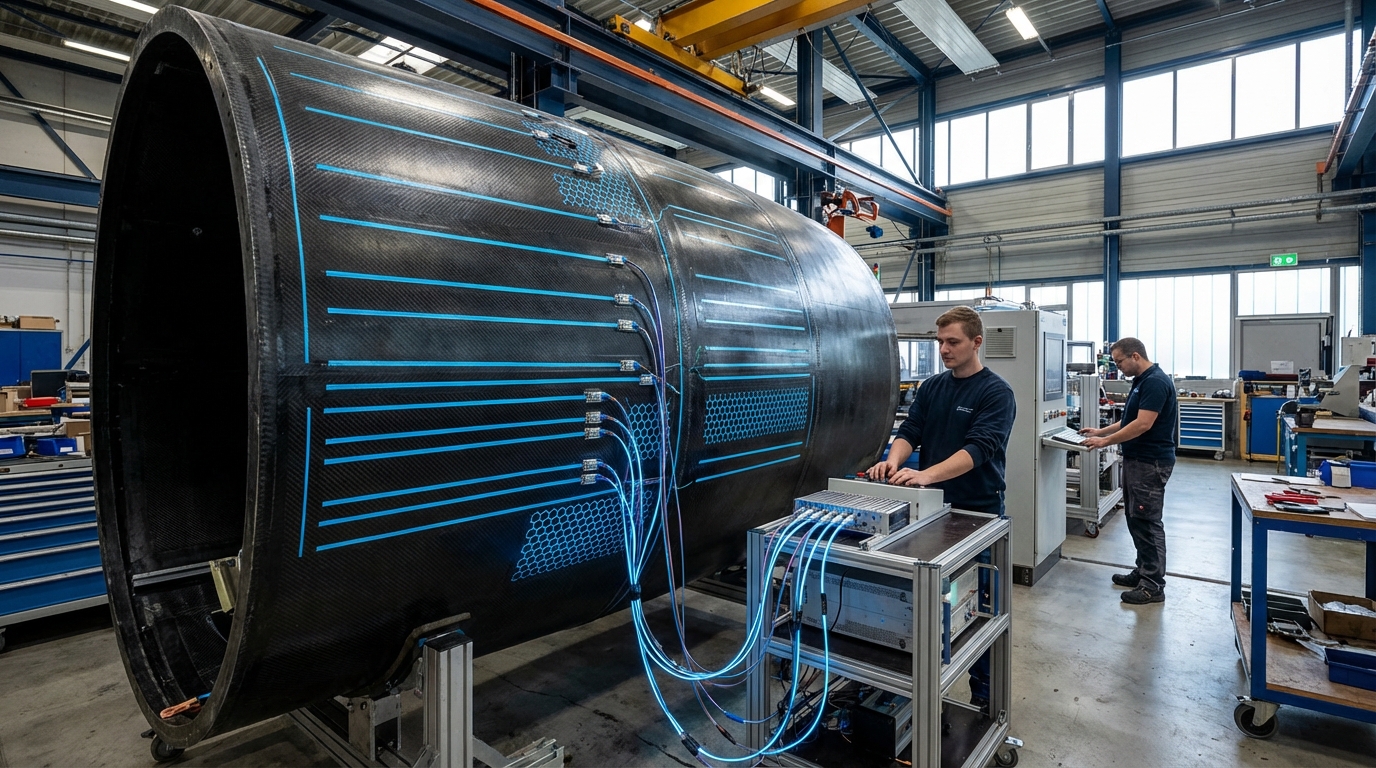
Carbon fiber composites that store electrical energy while bearing structural loads in aircraft
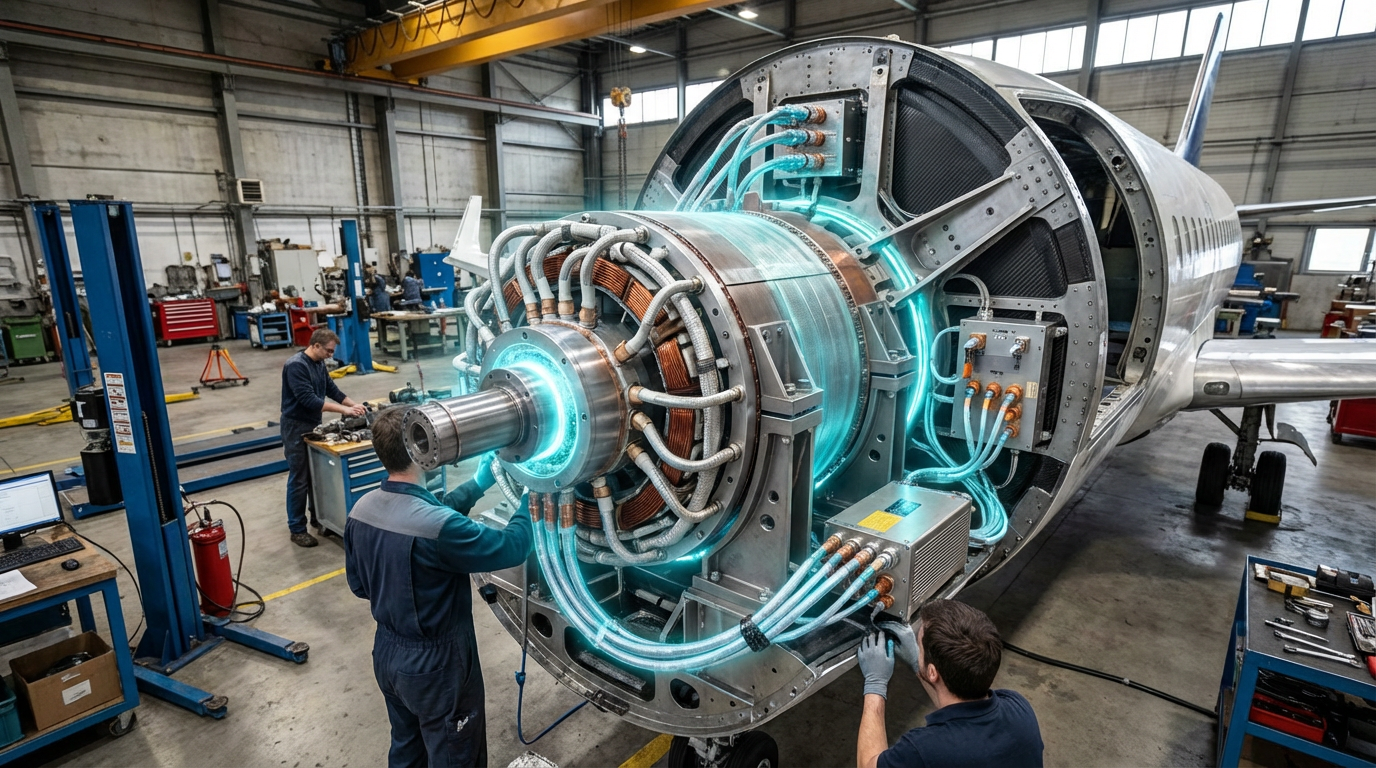
Electric machines using zero-resistance materials for lightweight, high-power aircraft propulsion
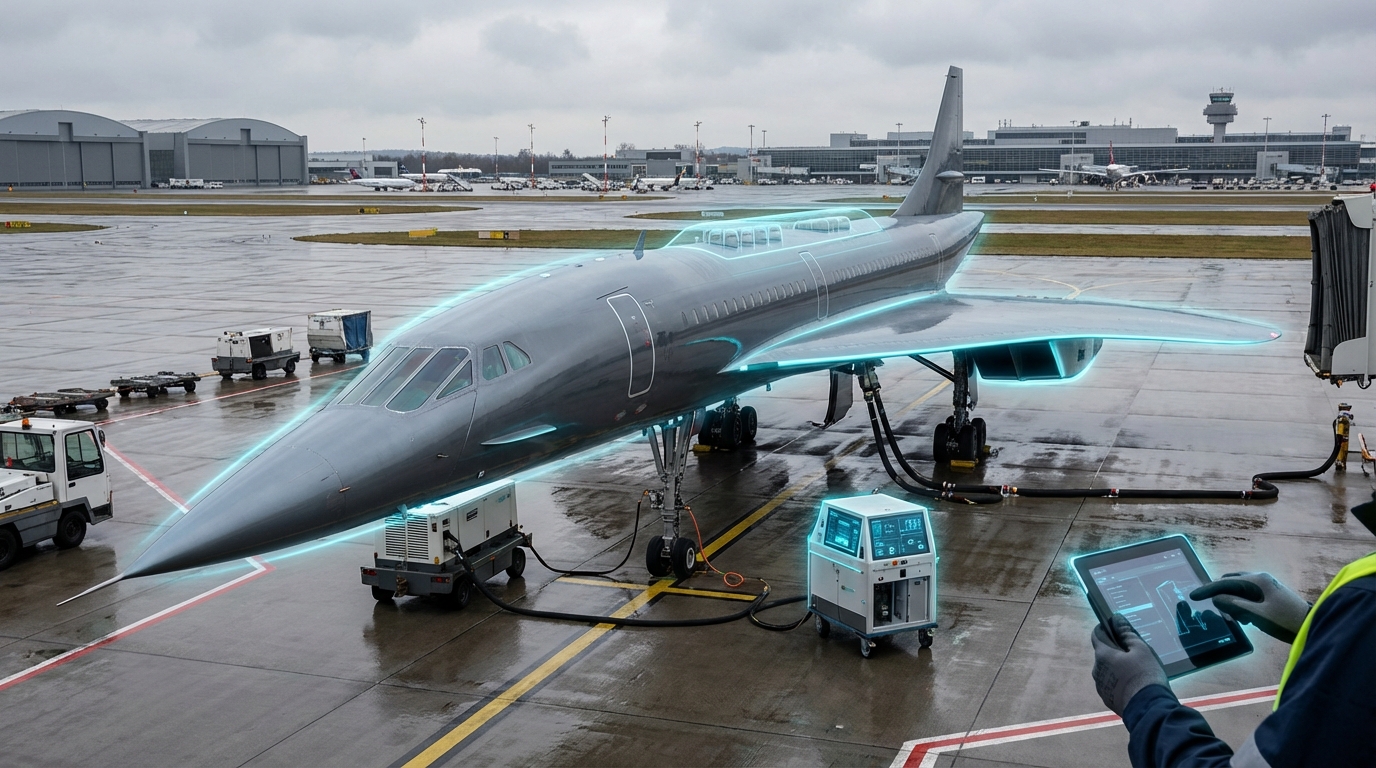
Passenger jets designed to fly faster than sound with quieter sonic booms
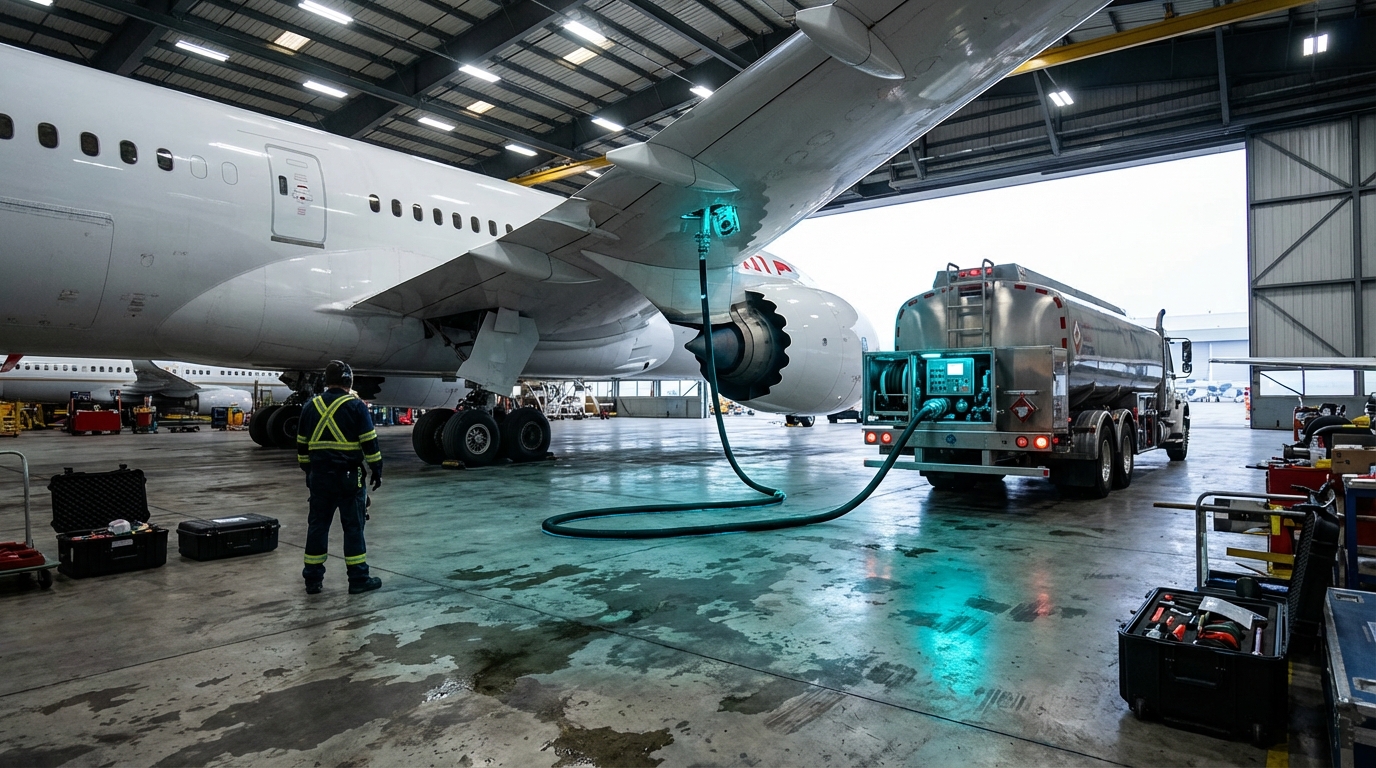
Low-carbon jet fuels compatible with existing aircraft engines and infrastructure
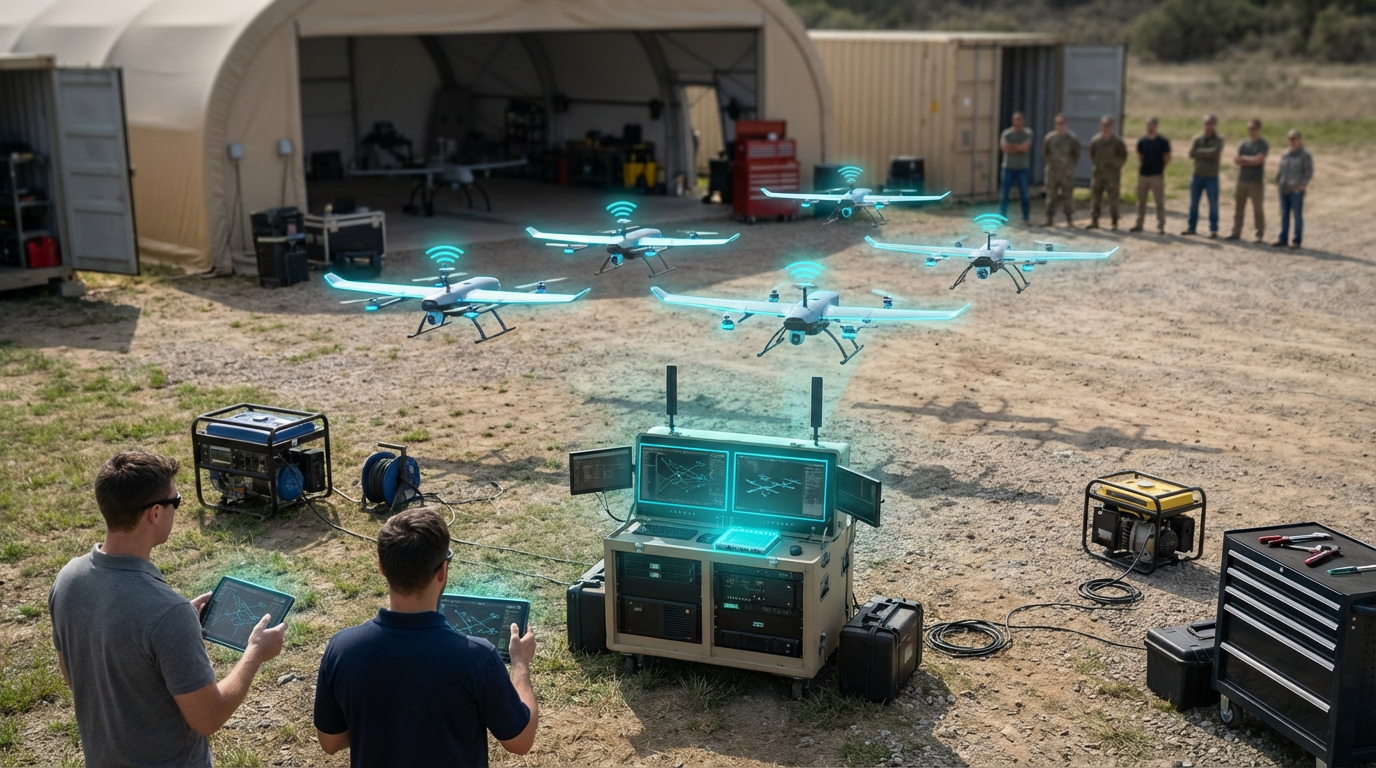
Distributed control enabling drone fleets to coordinate autonomously without central command
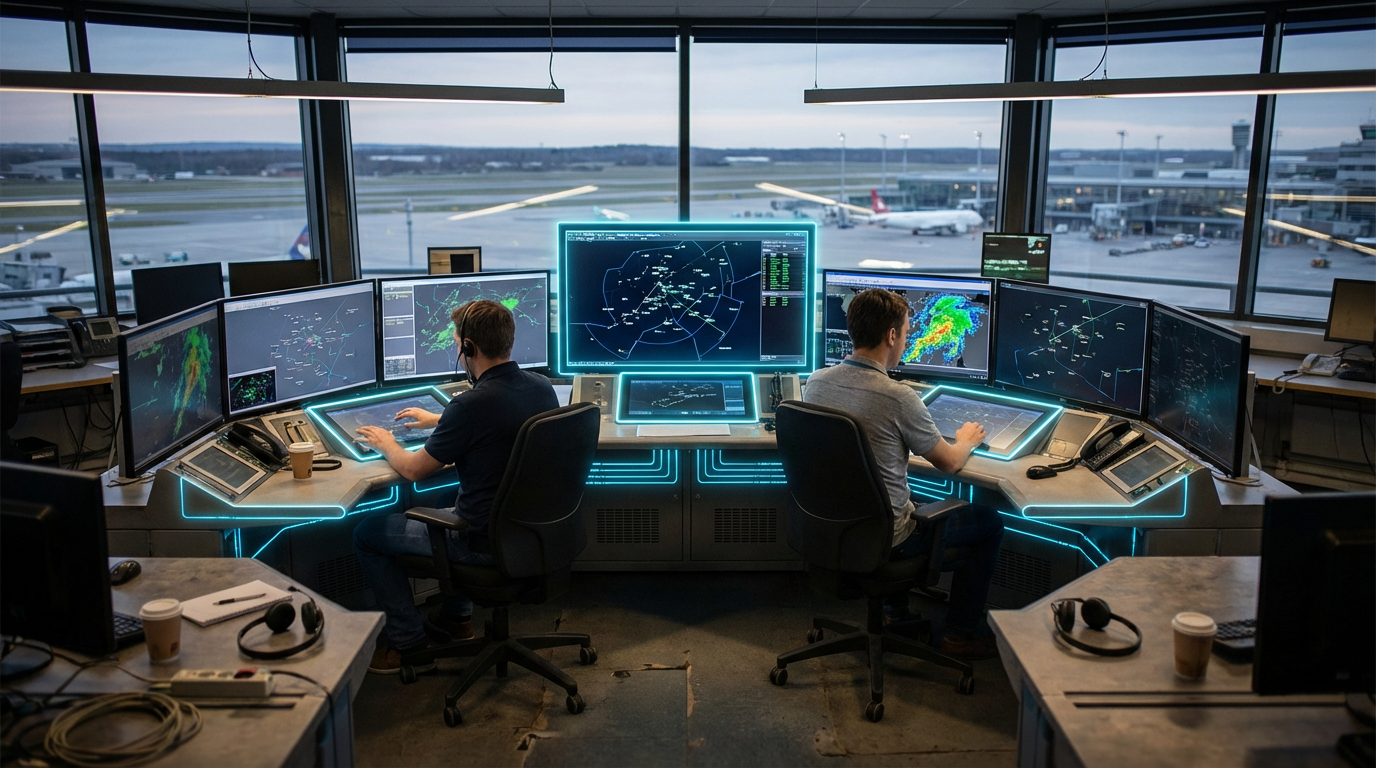
Service-oriented architecture enabling real-time aviation data sharing across airlines, ATC, and airports
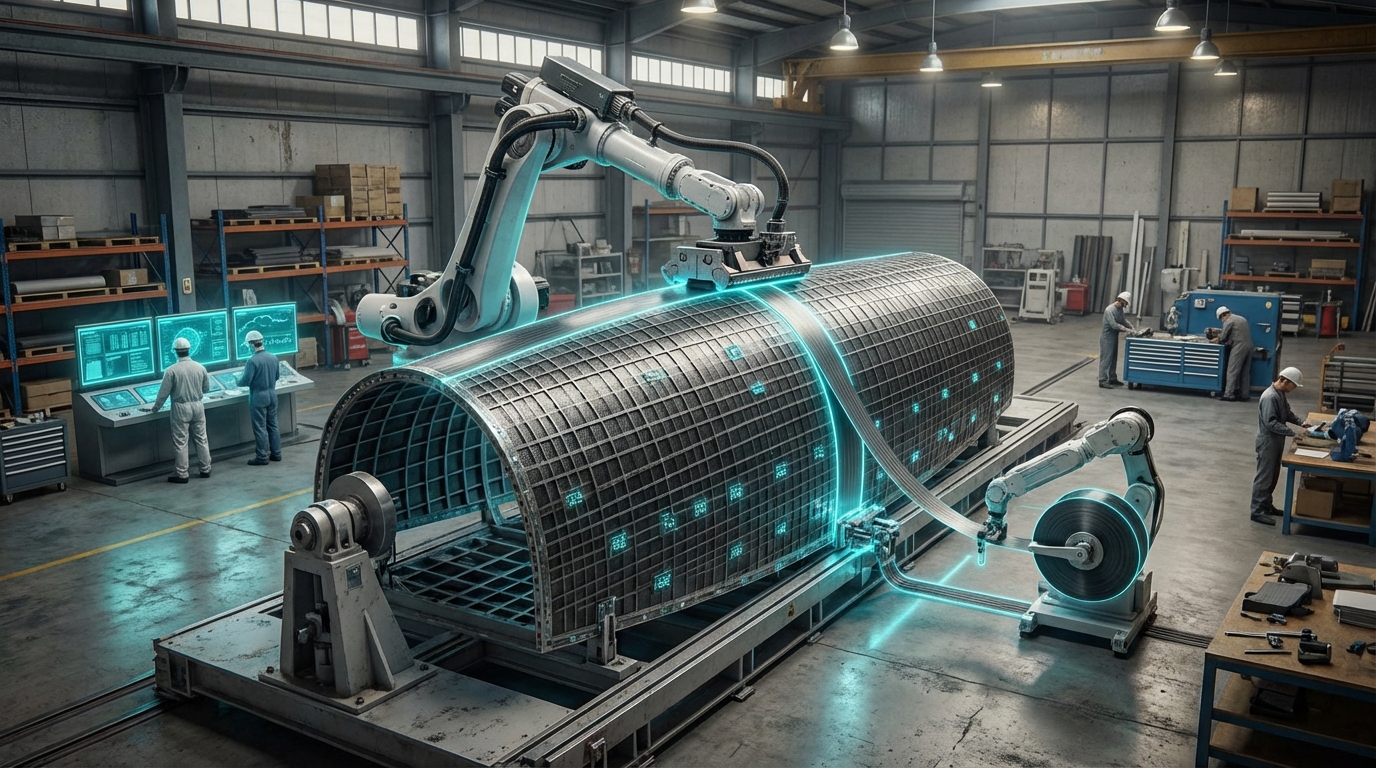
Reusable composite materials that can be melted and reformed for faster aircraft production
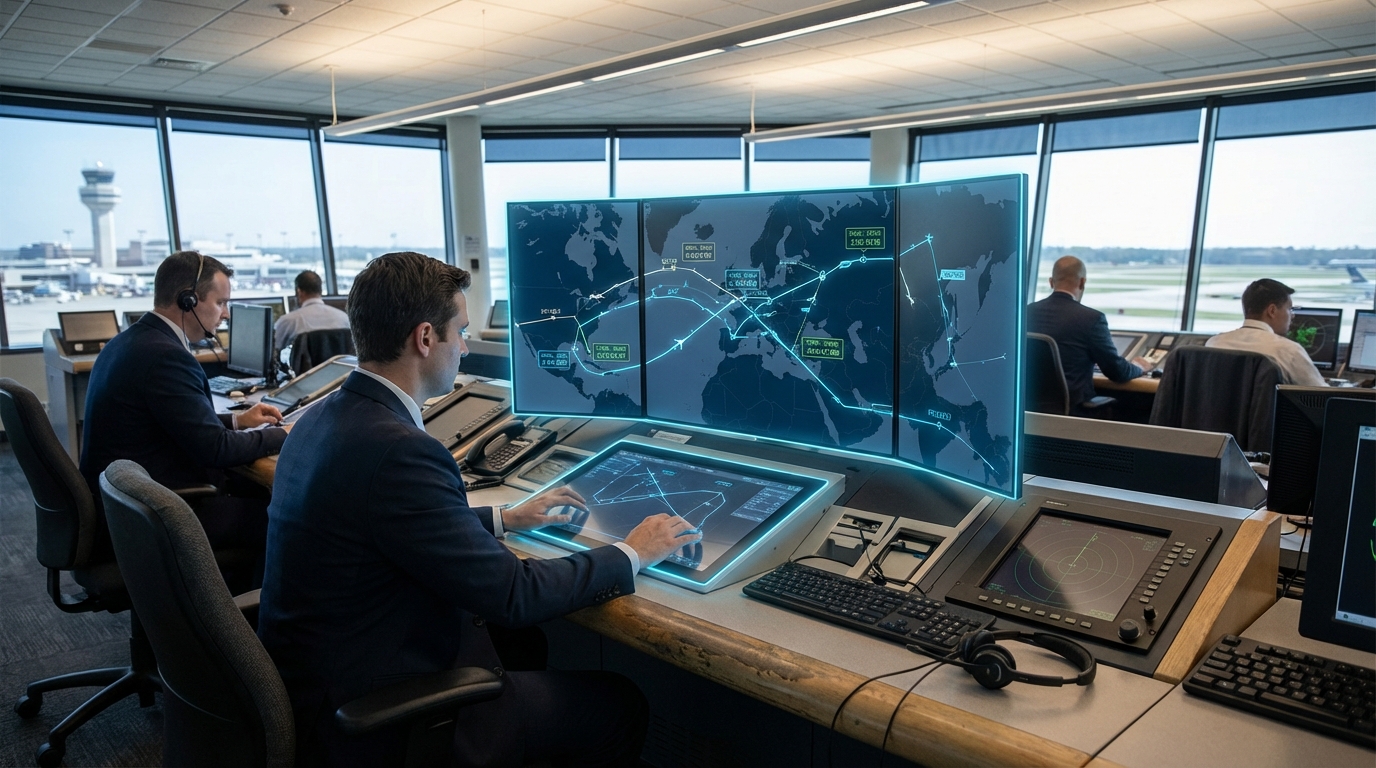
Air traffic management using shared 4D flight paths (lat, long, altitude, time) instead of discrete clearances
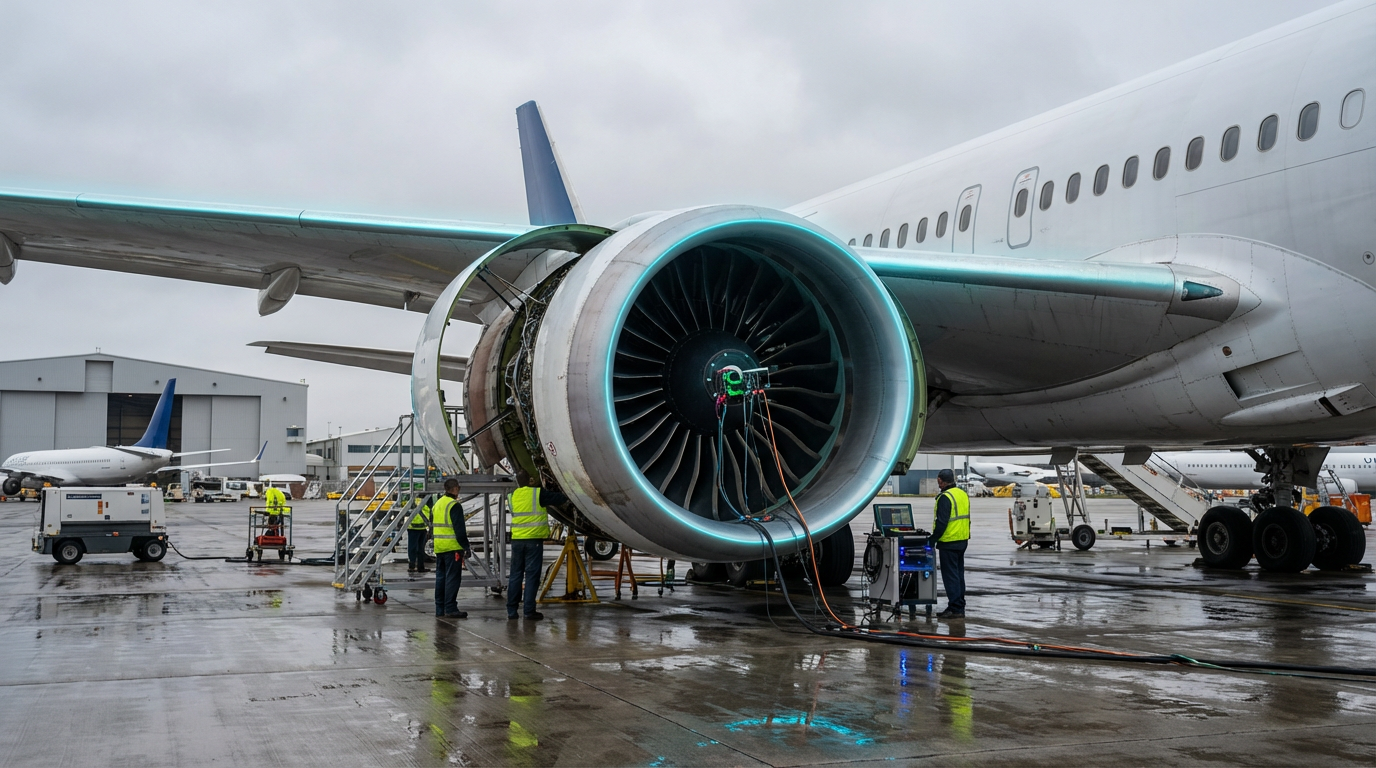
Turbofan designs with extreme bypass ratios and exposed rotors for fuel efficiency
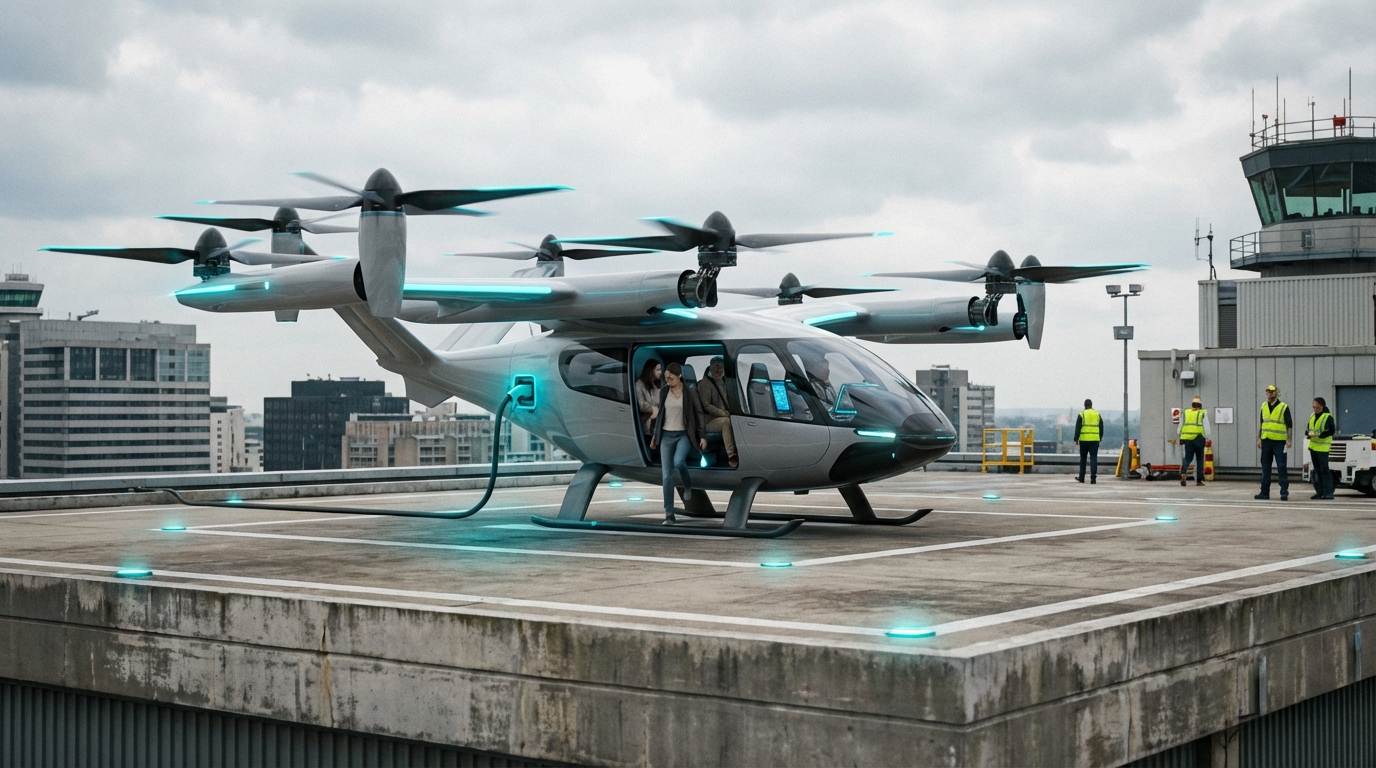
Electric air taxi networks using eVTOL aircraft for on-demand urban flights
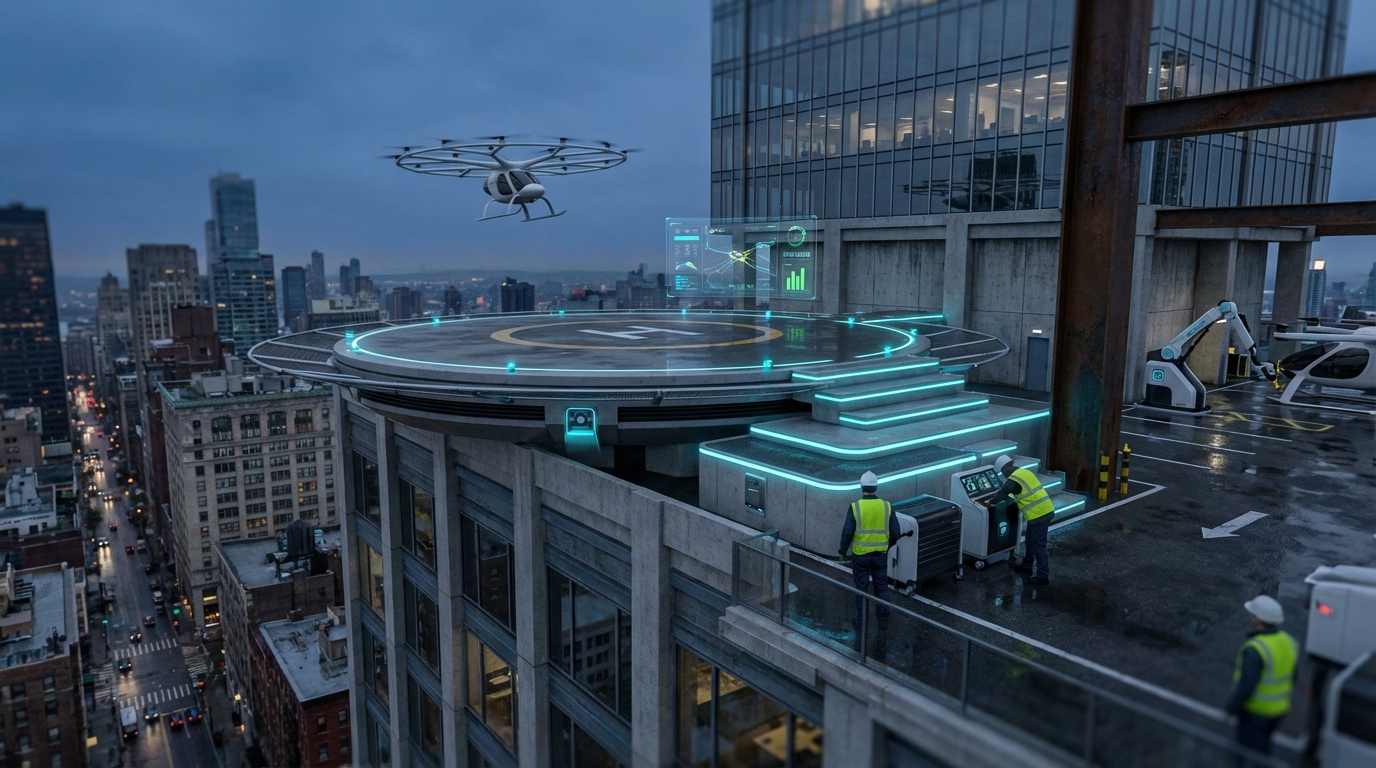
Specialized landing facilities with charging and boarding systems for urban air mobility aircraft
Turn this hub into a team session
Interested in our work?
Newsletter
Follow us for weekly foresight in your inbox.