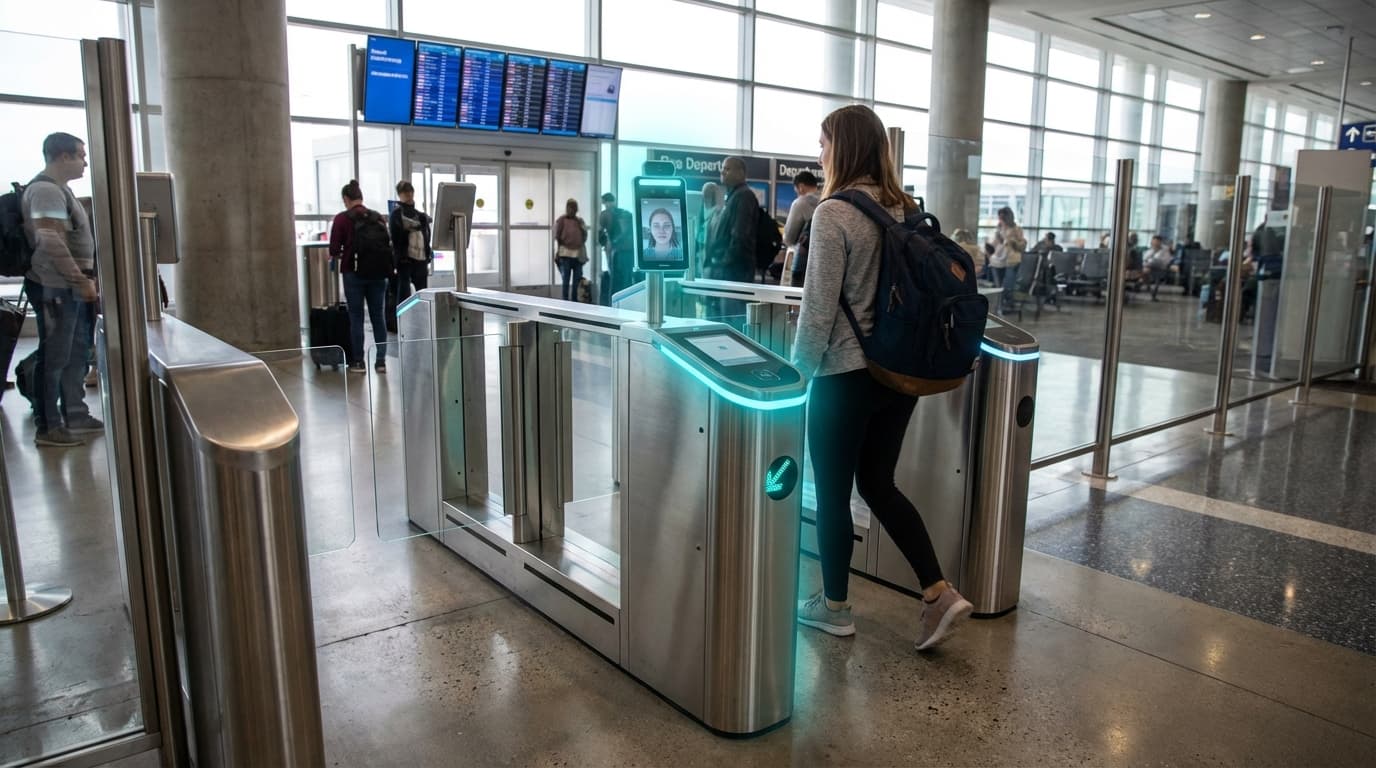
Biometric Passenger Processing
Biometric passenger processing represents a fundamental shift in how airports verify traveler identities, replacing traditional document checks with automated systems that use unique biological characteristics such as facial features, fingerprints, or iris patterns. The technology operates through a network of cameras and sensors positioned at key checkpoints throughout the airport—from bag drop to security screening, boarding gates, and customs clearance. When passengers first enroll in the system, their biometric data is captured and linked to their travel documents and booking information. As they move through the airport, cameras capture their biometric markers and match them against stored templates in real-time, typically completing verification in under two seconds. This creates what the industry calls a "curb-to-gate" contactless journey, where passengers can theoretically navigate the entire airport without presenting physical documents or boarding passes.
The aviation industry has embraced biometric processing as a solution to several persistent operational challenges. Long security queues and boarding delays cost airlines billions annually in missed connections and passenger dissatisfaction, while manual document verification remains vulnerable to human error and fraud. Biometric systems promise to accelerate passenger throughput by up to 30 percent at security checkpoints while simultaneously enhancing security through more reliable identity verification. For airports struggling with capacity constraints, this technology offers a path to handle growing passenger volumes without expanding physical infrastructure. Airlines benefit from reduced boarding times and improved on-time performance, while passengers gain convenience through faster processing. The COVID-19 pandemic accelerated adoption as contactless solutions became a health imperative, with several major airports implementing biometric systems that allow passengers to move through multiple touchpoints without physical contact with staff or shared surfaces.
Major international airports in the United States, Europe, and Asia have deployed biometric systems at varying scales, with some facilities processing millions of passengers through facial recognition annually. However, implementation remains uneven, and the technology faces mounting scrutiny over privacy implications and algorithmic fairness. Studies have documented accuracy disparities across demographic groups, with some systems showing higher error rates for women and people with darker skin tones, raising concerns about discriminatory outcomes. Data retention policies vary widely, with questions about how long biometric information is stored, who has access to it, and whether passengers can meaningfully opt out. Privacy advocates warn that normalizing biometric surveillance in airports could set precedents for broader public monitoring. As regulatory frameworks evolve and technology improves, the industry faces pressure to balance operational efficiency gains with robust privacy protections, transparent consent mechanisms, and ongoing audits to ensure algorithmic fairness across all passenger populations.
Related Organizations

Specializes in seamless travel and digital identity management, providing automated border control gates globally.

Operates a private biometric screening service at airports using iris and fingerprint verification to expedite security.

Develops Vector Annealing, a quantum-inspired simulated annealing service running on high-performance vector supercomputers.

Collins Aerospace
United States · Company
A major aerospace and defense contractor, a subsidiary of RTX Corporation.

Provides 'Genuine Presence Assurance' technology that verifies a user is real and present without storing sensitive biometric templates unnecessarily.

Specializes in self-service bag drop systems equipped with biometric identification cameras.

Specializes in digital onboarding and biometric authentication solutions with mobile-first architecture.

Provides security entrance control solutions, including automated boarding gates and immigration gates for airports.

Develops facial recognition and computer vision systems for expedited airport security and customs processing.

A joint venture between Giesecke+Devrient and Bundesdruckerei, providing integrated identity solutions and e-gates.
Supporting Evidence
Research this in Signals
Signals turns a topic into a sourced research record you can inspect and rerun. Your first scan is free, and this one starts with Biometric Passenger Processing already loaded, so edit it or scan as is.