Noise Pollution & Community Health Studies
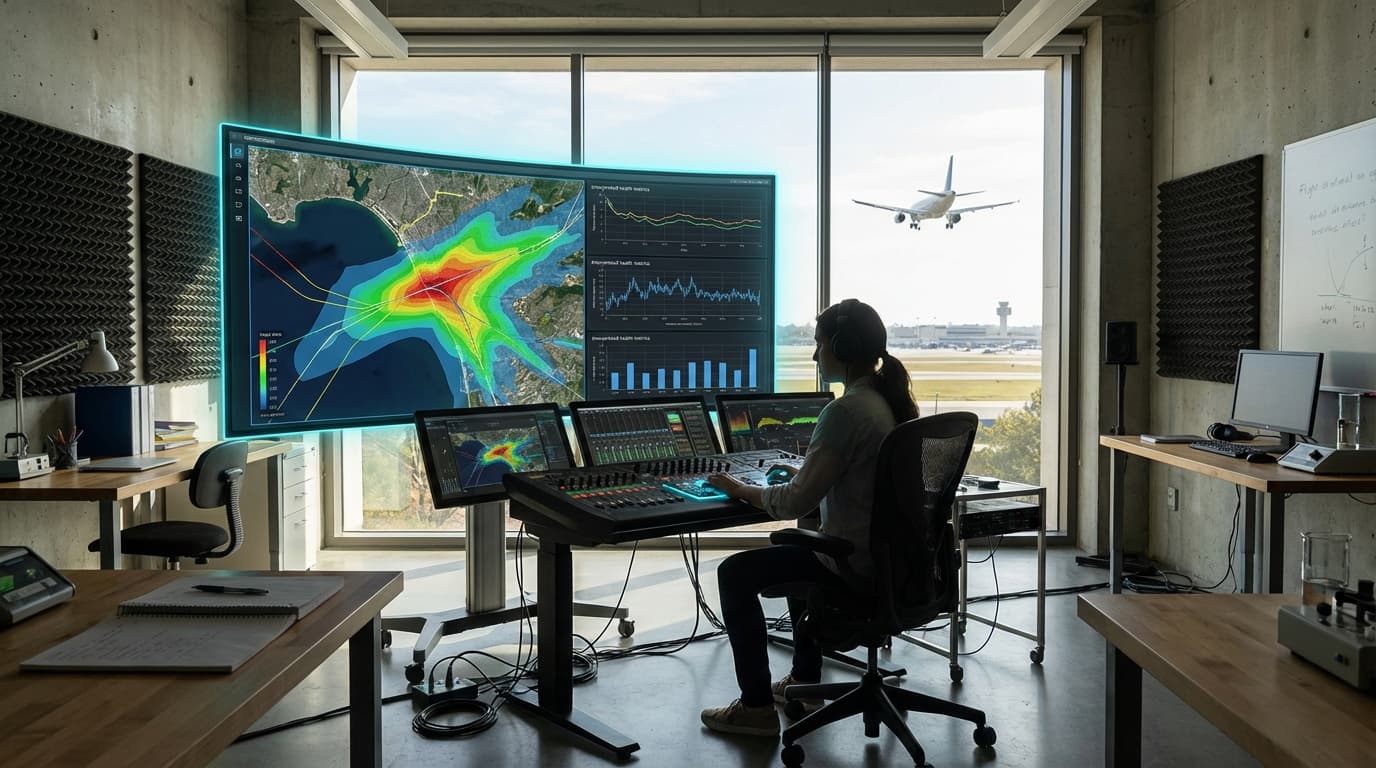
The persistent roar of aircraft engines has long been a source of complaint for communities near airports, but only in recent decades has rigorous epidemiological research begun to quantify the true health burden of aviation noise exposure. Noise pollution from aircraft operations represents a unique environmental stressor that combines both auditory disturbance and physiological stress responses. Unlike many other forms of pollution, aircraft noise is intermittent yet predictable, creating patterns of exposure that can disrupt circadian rhythms and trigger chronic stress responses. The sound energy from takeoffs and landings penetrates buildings and outdoor spaces alike, with low-frequency components that are particularly difficult to mitigate through conventional soundproofing. Research methodologies have evolved from simple proximity-based exposure estimates to sophisticated noise contour mapping that accounts for flight paths, aircraft types, time of day, and meteorological conditions. Modern studies increasingly integrate wearable biosensors that track heart rate variability, sleep architecture, and stress hormone levels, creating unprecedented datasets that link specific noise events to measurable physiological responses in real time.
The aviation industry faces mounting pressure as evidence accumulates linking chronic noise exposure to serious health outcomes that extend far beyond mere annoyance. Cardiovascular impacts are particularly concerning, with longitudinal studies documenting elevated rates of hypertension, ischemic heart disease, and stroke among populations exposed to sustained aircraft noise above certain thresholds. Sleep disruption emerges as a critical pathway, with nighttime flights triggering arousal responses even when individuals do not consciously wake, leading to fragmented sleep patterns that compound over years into chronic health conditions. Children living near major airports show measurable deficits in reading comprehension, memory consolidation, and academic performance, effects that persist even after controlling for socioeconomic factors. Mental health outcomes including anxiety disorders and depression correlate with noise exposure levels, creating quality-of-life impacts that extend throughout affected communities. These findings challenge the traditional cost-benefit calculations that have guided airport expansion decisions, forcing regulators and planners to weigh economic development against documented public health harms. The evidence also reveals environmental justice dimensions, as noise-impacted communities often overlap with lower-income neighborhoods and communities of color that have historically had less political power to resist airport development.
This growing body of research is already reshaping aviation policy and technology development across multiple fronts. Regulatory agencies in Europe and North America have begun incorporating health-based noise limits into airport operating permits, moving beyond simple decibel thresholds to consider cumulative exposure and nighttime sensitivity. Land-use planning around airports increasingly restricts residential development in high-noise zones, though this creates tension with housing affordability goals in many metropolitan areas. Curfews and preferential runway systems that route flights away from populated areas during sensitive hours represent operational interventions informed by health data, though they often conflict with airline efficiency objectives and airport capacity constraints. Perhaps most significantly, noise pollution research is driving innovation in aircraft design, with manufacturers investing in quieter engine technologies, modified approach procedures that reduce thrust during descent, and airframe modifications that minimize aerodynamic noise. The integration of continuous health monitoring data with noise mapping systems promises to create feedback loops that allow real-time adjustment of flight operations based on community health impacts. As aviation continues to grow globally, particularly in emerging markets where airport proximity to dense urban populations is common, these health studies provide essential evidence for balancing the undeniable economic and connectivity benefits of air travel against the well-documented costs to human health and community wellbeing.
Research this in Signals
Signals turns a topic into a sourced research record you can inspect and rerun. Your first scan is free, and this one starts with Noise Pollution & Community Health Studies already loaded, so edit it or scan as is.