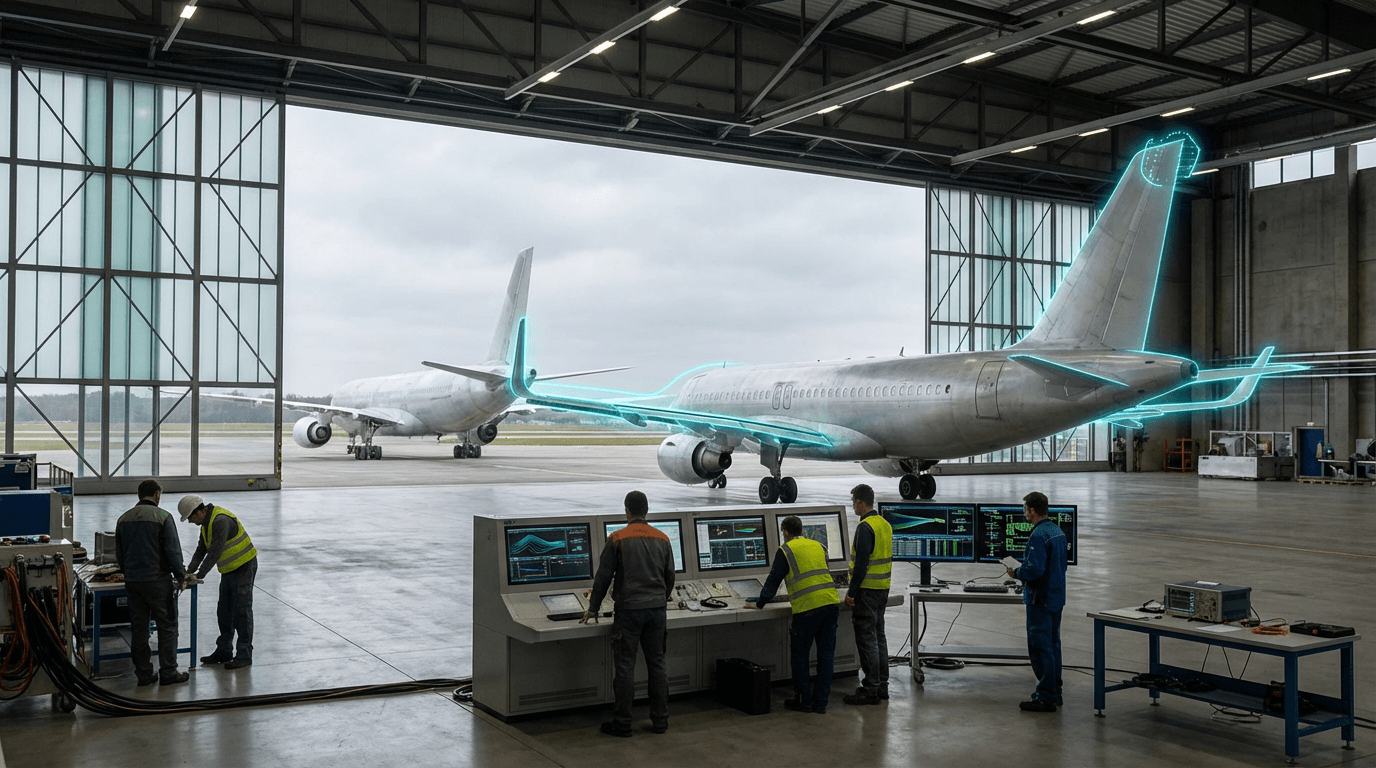
Wake Energy Retrieval (Formation Flight)
Wake energy retrieval through formation flight represents a sophisticated aerodynamic efficiency technique where aircraft fly in carefully coordinated patterns to exploit the upward-moving air generated by a leading aircraft's wingtip vortices. When an aircraft generates lift, it creates a rotating column of air—known as a wake vortex—that trails behind each wingtip. The trailing aircraft positions itself slightly behind and to the side of the leader, typically 1.5 to 3 kilometres back, where it can ride the rising air currents much like a surfer catches a wave. This positioning requires extraordinarily precise flight control, maintained through advanced autopilot systems that continuously adjust the follower's position using real-time data from GPS, air-data sensors, and sometimes direct aircraft-to-aircraft communication. The aerodynamic benefit comes from the trailing aircraft effectively "borrowing" lift energy that would otherwise dissipate into the atmosphere, reducing the thrust required to maintain altitude and speed.
The aviation industry faces mounting pressure to reduce fuel consumption and carbon emissions while managing increasingly congested airspace and rising operational costs. Traditional efficiency gains from engine improvements and aerodynamic refinements are reaching diminishing returns, prompting airlines to explore more radical operational innovations. Formation flight addresses these challenges by extracting value from energy that currently goes to waste—the powerful vortices that every aircraft inevitably generates. The fuel savings potential of 5–10% may seem modest, but on long-haul routes where aircraft burn tens of thousands of litres of fuel, this translates to substantial cost reductions and emissions cuts. However, implementing formation flight commercially requires overcoming significant operational hurdles: air traffic control systems must accommodate paired aircraft flying closer than current separation standards allow, scheduling systems need to match compatible flights departing around the same time on similar routes, and certification authorities must validate that the turbulence experienced by the trailing aircraft remains within acceptable passenger comfort limits.
Flight trials have demonstrated the technical feasibility of wake energy retrieval under controlled conditions, with test programmes showing that modern autopilot systems can maintain the precise positioning required for sustained periods. The concept builds on decades of military formation flying experience but adapts it for the commercial aviation environment where safety margins, passenger expectations, and regulatory frameworks differ substantially. Current research focuses on developing the operational procedures, communication protocols, and air traffic management integration needed to make formation flight routine rather than experimental. As the technology matures, it could become particularly valuable on high-density transatlantic and transpacific routes where multiple aircraft from partner airlines fly similar paths daily. The broader trajectory points toward increasingly collaborative flight operations, where aircraft coordinate not just for efficiency but as part of a more integrated, system-wide approach to managing airspace as a shared resource in an era demanding both economic viability and environmental responsibility.
Research this in Signals
Signals turns a topic into a sourced research record you can inspect and rerun. Your first scan is free, and this one starts with Wake Energy Retrieval (Formation Flight) already loaded, so edit it or scan as is.