Aviation Workforce & Automation Transition Impacts
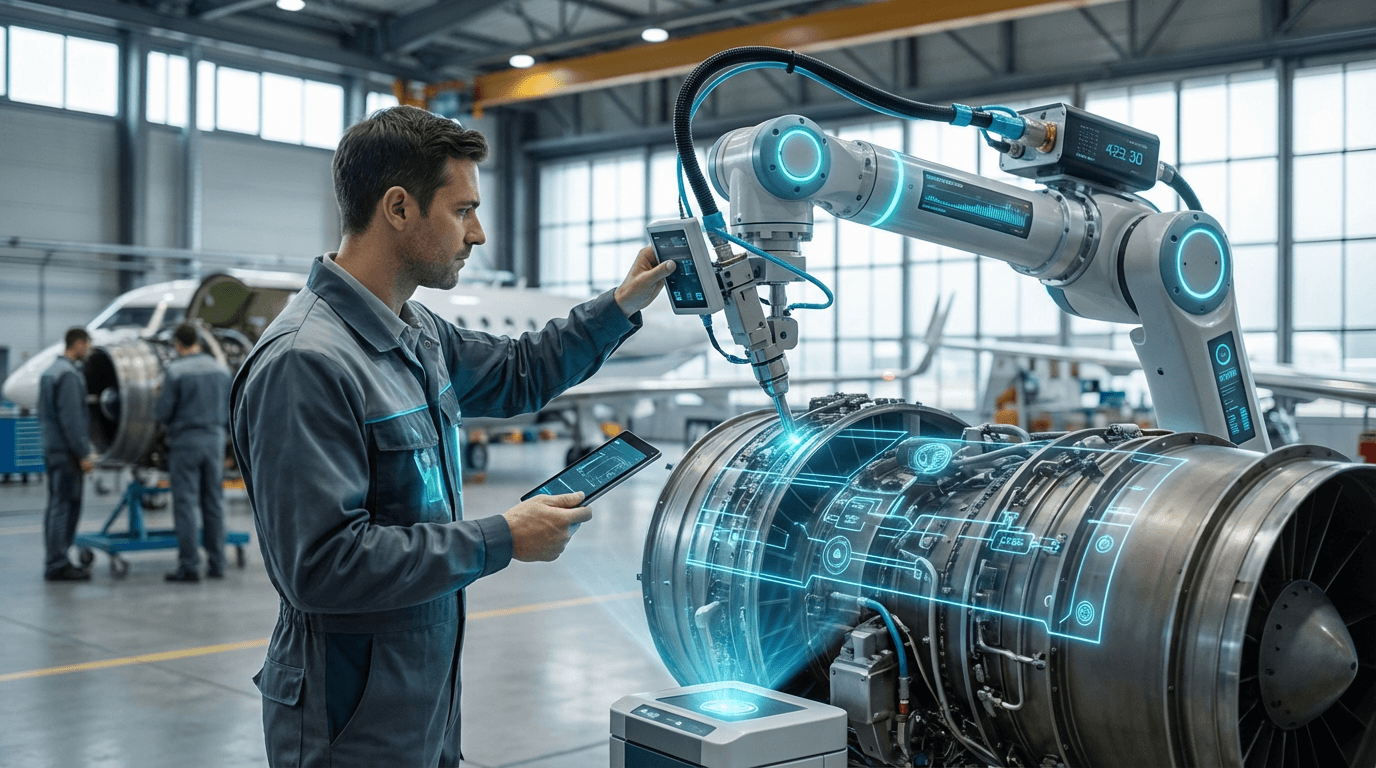
The aviation industry stands at a critical juncture where increasing automation and autonomous systems are fundamentally reshaping the employment landscape. This transition encompasses not merely the introduction of new technologies but a comprehensive transformation of the workforce structure across all aviation sectors. At its core, the challenge involves managing the displacement of traditional roles—pilots navigating commercial aircraft, air traffic controllers coordinating flight paths, maintenance technicians performing manual inspections, and ground crew handling baggage and aircraft servicing—while simultaneously cultivating entirely new categories of employment. These emerging roles include remote aircraft operators who may supervise multiple autonomous systems simultaneously, data scientists who interpret vast streams of flight and operational data, cybersecurity specialists protecting increasingly networked aviation infrastructure, and AI system supervisors who ensure machine learning algorithms function safely within regulatory parameters. The technical mechanisms driving this shift range from advanced autopilot systems and computer vision for automated inspections to machine learning algorithms that optimise flight routes and predictive maintenance schedules, each progressively reducing the need for direct human intervention in tasks that have defined aviation careers for decades.
The industry implications of this workforce transformation extend far beyond individual job categories to encompass entire regional economies and social structures. Aviation-dependent communities, particularly those hosting major airports or aerospace manufacturing facilities, face the prospect of significant economic disruption if workforce transitions are poorly managed. The challenge is compounded by the fact that many current aviation professionals possess highly specialised skills that may not directly transfer to emerging roles, creating potential skills gaps that could slow both technological adoption and economic adaptation. Moreover, the transition raises fundamental questions about equity and access: who will have opportunities to retrain for new positions, how will displaced workers maintain financial stability during transition periods, and will the benefits of increased automation accrue broadly or concentrate among technology providers and airline operators? Industry stakeholders recognise that without proactive intervention, automation could exacerbate existing inequalities, potentially excluding workers from lower-income backgrounds or regions with limited access to advanced technical education from participating in aviation's automated future.
Forward-thinking aviation authorities and major carriers have begun implementing workforce transition frameworks that prioritise retraining and skills development. These initiatives include partnerships between airlines and educational institutions to create pathways from traditional aviation roles into technology-focused positions, apprenticeship programs that allow current employees to gradually acquire new competencies while maintaining employment, and pilot programs exploring how human-machine teaming can preserve meaningful work while capturing automation's efficiency benefits. Some regions are establishing dedicated transition funds to support workers through retraining periods, while labour organisations are negotiating agreements that protect employment levels even as job functions evolve. The trajectory of this transition will likely unfold over decades rather than years, allowing for gradual adaptation, but success will require sustained commitment from industry, government, and educational institutions. As automation becomes increasingly prevalent across aviation operations, the sector's ability to manage this workforce transformation equitably will serve as a crucial test case for other industries facing similar technological disruption, demonstrating whether advanced automation can enhance both operational efficiency and human welfare simultaneously.
Related Organizations

Air Line Pilots Association, International (ALPA)
United States · Nonprofit
The largest airline pilot union in the world.

A UN specialized agency that sets global standards for passports (Machine Readable Travel Documents) and Digital Travel Credentials (DTC).

A global leader in simulation and training for civil aviation, defense, and healthcare.
Representative body of European pilots.

Regulatory body defining the 'U-space' regulatory framework for drone integration in Europe.

Developing the 'Merlin Pilot', an autonomous flight system designed to enable reduced crew and eventually pilot-less operations for cargo and commercial aircraft.

Developing automation systems to enable remote operation of existing cargo aircraft (e.g., Cessna Caravan).

The world's largest fully accredited university specializing in aviation and aerospace.

A global aerospace and defense technology innovator delivering end-to-end solutions.
Nonprofit dedicated to the encouragement and advancement of women in all aviation career fields.
Supporting Evidence
Research this in Signals
Signals turns a topic into a sourced research record you can inspect and rerun. Your first scan is free, and this one starts with Aviation Workforce & Automation Transition Impacts already loaded, so edit it or scan as is.