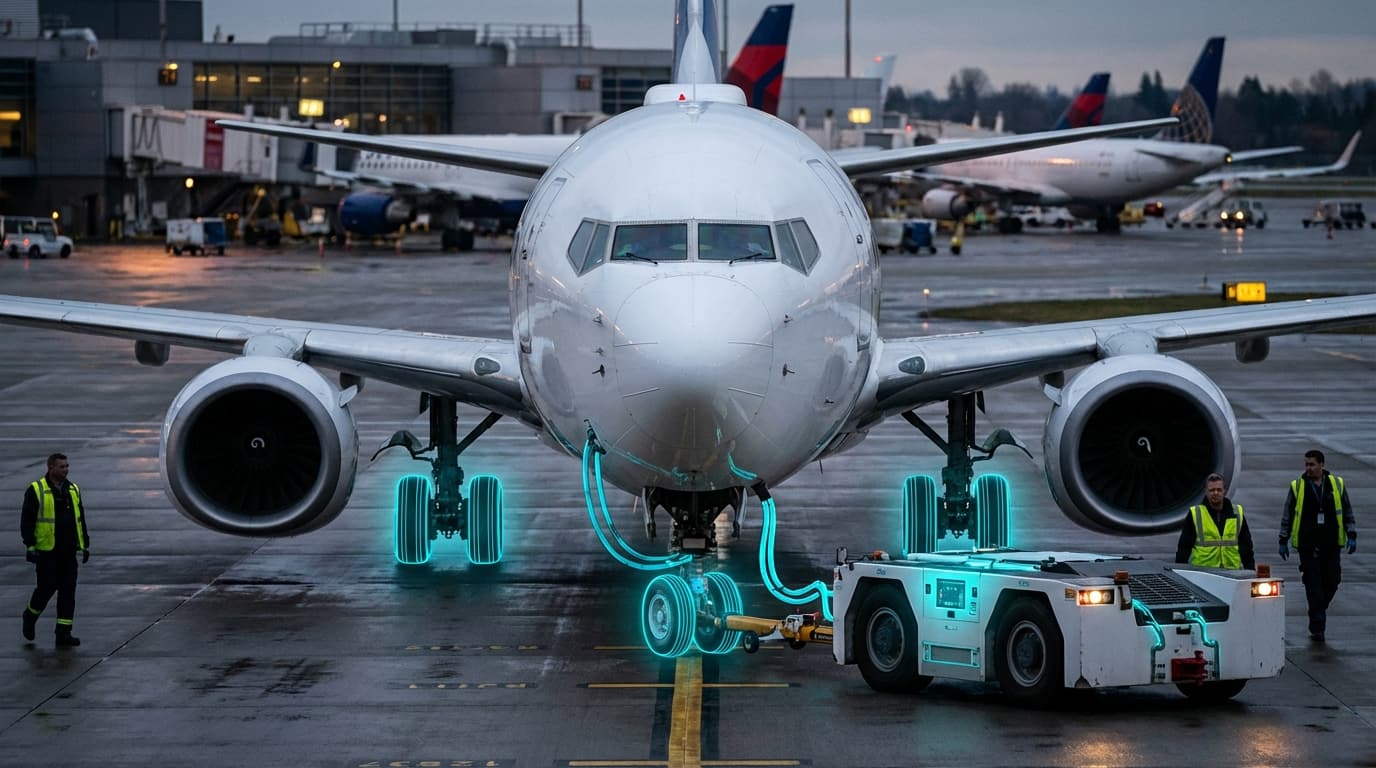
Electric Taxiing Systems
Electric taxiing systems represent a fundamental shift in how aircraft move on the ground, addressing one of aviation's most fuel-intensive yet overlooked operational phases. Traditional aircraft rely on their main jet engines to taxi between gates and runways, a process that consumes significant amounts of fuel while generating noise and emissions in densely populated airport environments. Electric taxiing technology replaces this approach by installing electric motors directly into the aircraft's main landing gear wheels or deploying autonomous tow vehicles that can move aircraft without engine power. These systems draw electricity from onboard auxiliary power units or ground-based power sources, enabling the aircraft to maneuver independently across the tarmac. The technical architecture typically involves integrating high-torque electric motors capable of moving aircraft weighing hundreds of tons, along with sophisticated control systems that allow pilots to maintain precise speed and directional control during ground operations.
The aviation industry faces mounting pressure to reduce its environmental footprint, particularly around airports where ground operations contribute disproportionately to local air quality issues and noise pollution. Electric taxiing directly addresses these challenges by eliminating the need to run fuel-hungry jet engines during what can be extended periods of ground movement, especially at congested hub airports. Research suggests that taxiing can account for a substantial portion of total fuel consumption on short-haul routes, where ground time represents a larger fraction of the overall journey. Beyond fuel savings, these systems reduce brake wear by enabling more controlled deceleration, lower maintenance costs associated with engine start-stop cycles, and decrease the risk of foreign object damage from debris ingestion during low-speed ground operations. Airlines operating in noise-sensitive environments or facing stringent emissions regulations find particular value in technology that can demonstrate measurable reductions in both environmental impact and operating costs.
Several airlines and aircraft manufacturers have begun evaluating electric taxiing systems through pilot programs and retrofit initiatives, though widespread commercial adoption remains in early stages. The technology faces implementation challenges including the added weight of electric motors and batteries, integration complexity with existing aircraft systems, and the need for operational procedure changes and pilot training. Airport infrastructure must also evolve to support these systems, particularly if ground-based charging or towing automation becomes standard practice. Nevertheless, as airports worldwide pursue carbon-neutral goals and cities tighten restrictions on aviation emissions, electric taxiing aligns with broader industry trends toward electrification and operational efficiency. The technology represents a pragmatic near-term solution that can deliver environmental benefits without requiring the wholesale redesign of aircraft or airport infrastructure, positioning it as a transitional innovation on the path toward more sustainable aviation operations.
Related Organizations

Produces autonomous robotic combat vehicles (Rex MK II) and AI-driven loitering munitions (Harop).
Developing an in-wheel electric motor system allowing aircraft to taxi forward and backward without engines or tugs.

Ground handling subsidiary of Lufthansa, actively deploying and testing TaxiBot and electric tugs at Frankfurt Airport.

Safran
France · Company
Manufacturer of the FELIN future soldier system for the French Army, which includes physiological monitoring capabilities.

A leading manufacturer of ground support equipment, including the manufacturing of the TaxiBot system.
Amsterdam Airport Schiphol
Netherlands · Company
Major European hub actively running 'Sustainable Taxiing' trials with TaxiBots and electric tugs.

Manufactures wireless, electric remote-controlled tugs for aircraft pushback and maneuvering.
A subsidiary of Alvest Group focused on sustainable aviation ground solutions, promoting engine-off taxiing.

Produces the 'PHOENIX' series of battery-electric towbarless aircraft tractors.

Supplier of electric Ground Power Units (eGPU) that support aircraft electrical needs while engines are off during taxi/gate ops.
Supporting Evidence
Research this in Signals
Signals turns a topic into a sourced research record you can inspect and rerun. Your first scan is free, and this one starts with Electric Taxiing Systems already loaded, so edit it or scan as is.