Where technologies cluster around the world
Regions
88 technologies in Japan
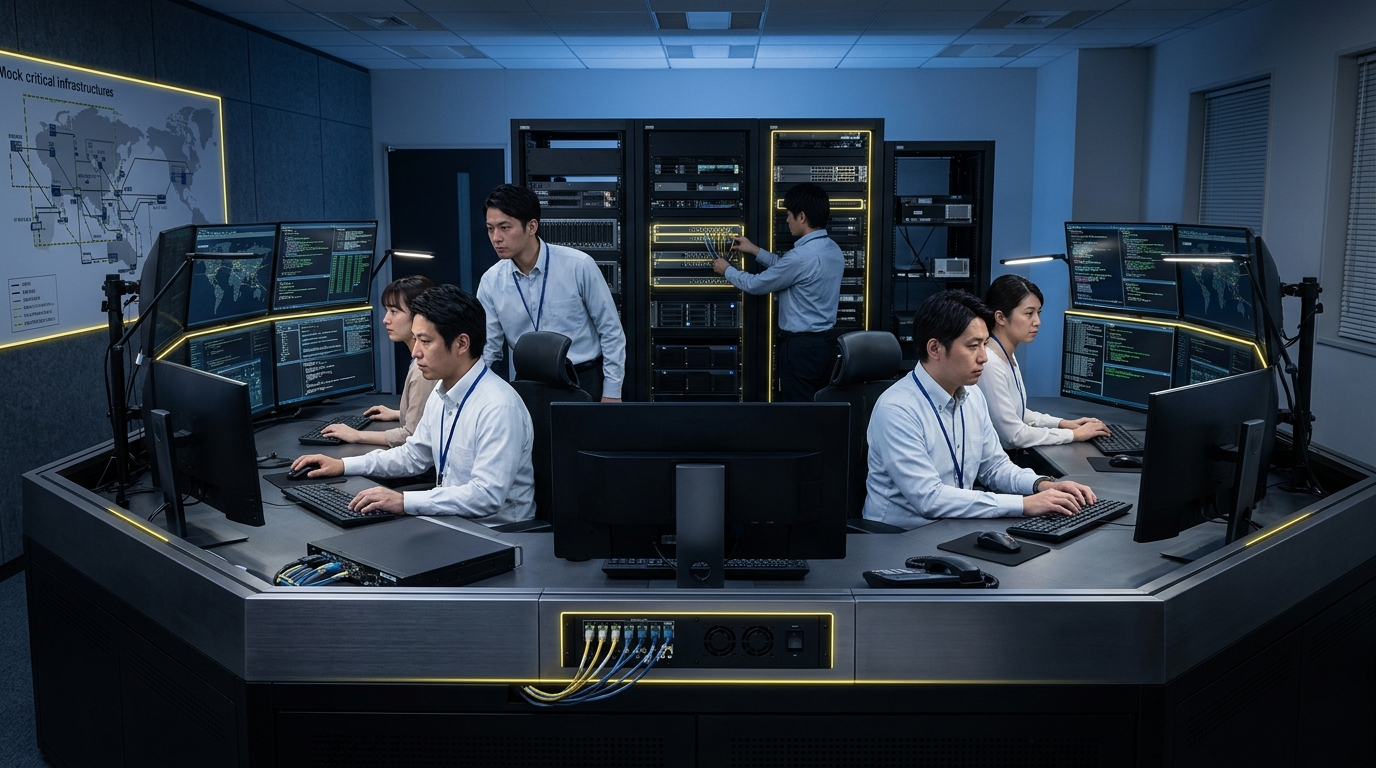
Japan is building 'active cyber defense' capabilities — shifting from passive monitoring to offensive cyber operations as part of the defense spending doubling.
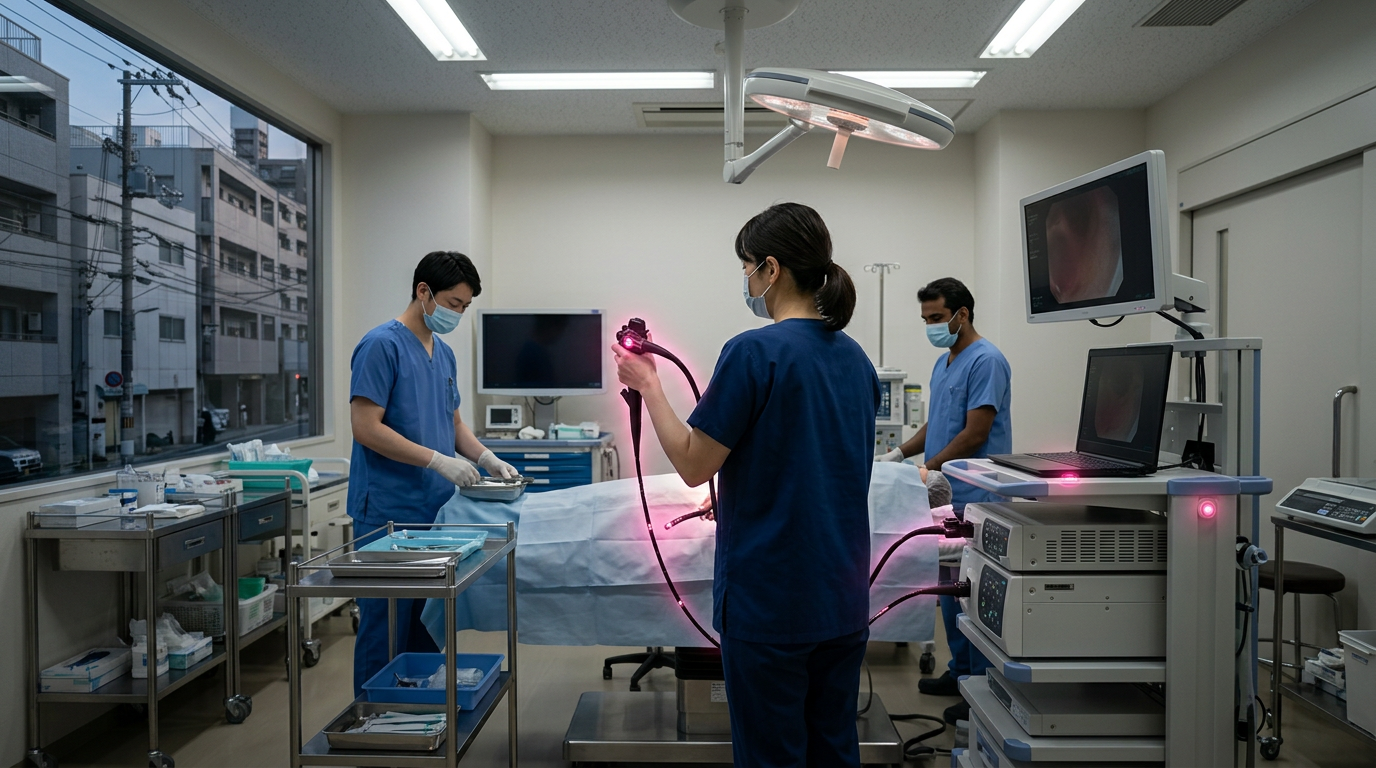
Olympus controls ~70% of the global gastrointestinal endoscope market — integrating AI-assisted diagnosis for real-time cancer detection.
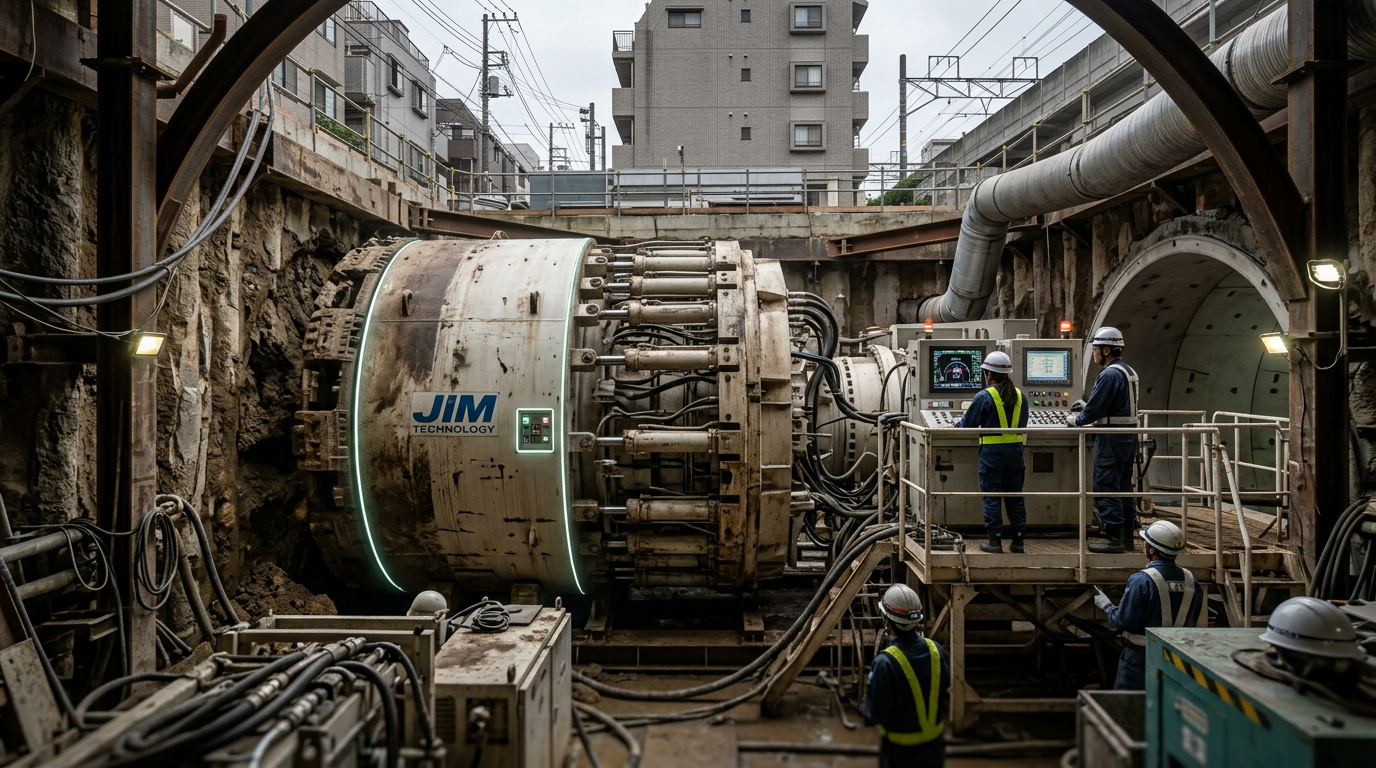
Japan's JIM Technology (IHI-MHI-JFE) builds the world's most advanced shield tunneling machines — including non-circular, double-O, and rectangular profiles that no other country can produce at scale.
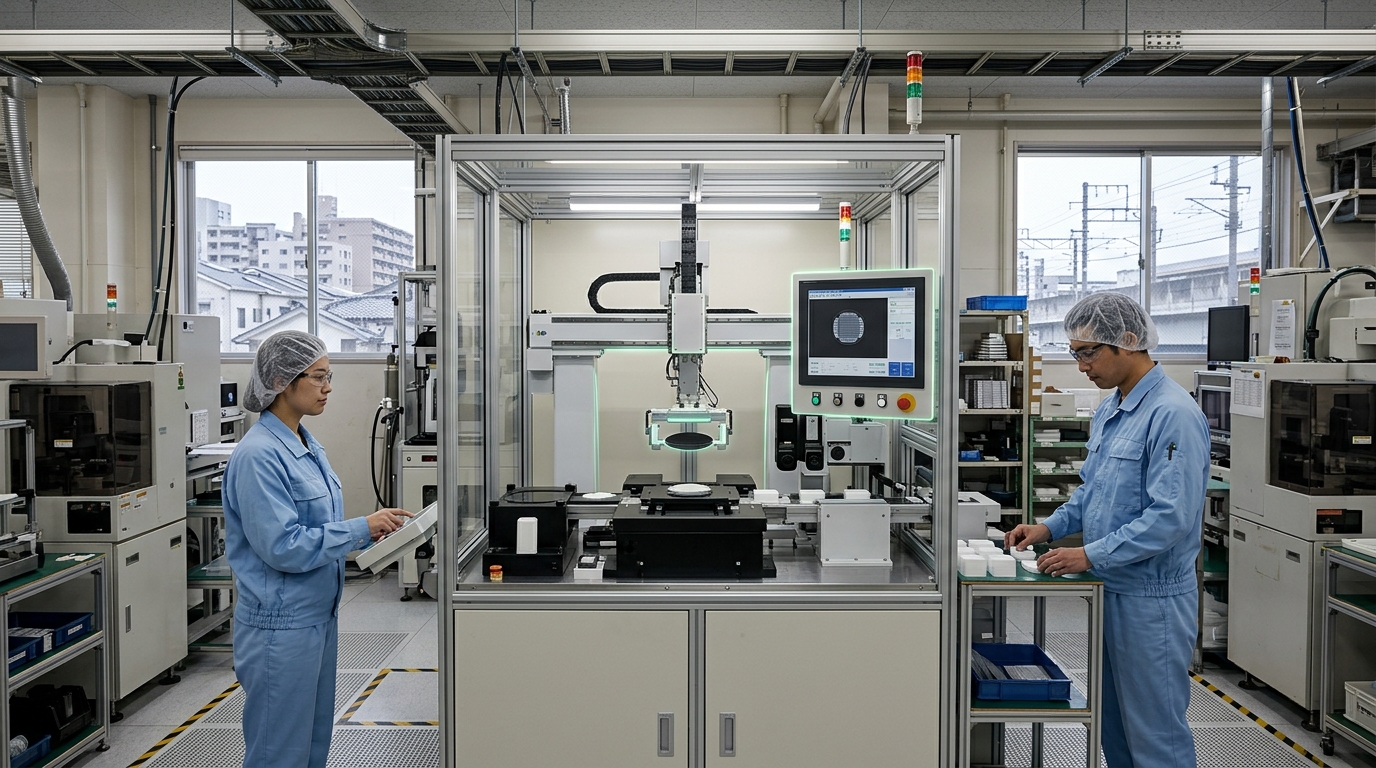
Kyocera, NGK, and Murata dominate global advanced ceramics for semiconductors, automotive sensors, and electronic components.
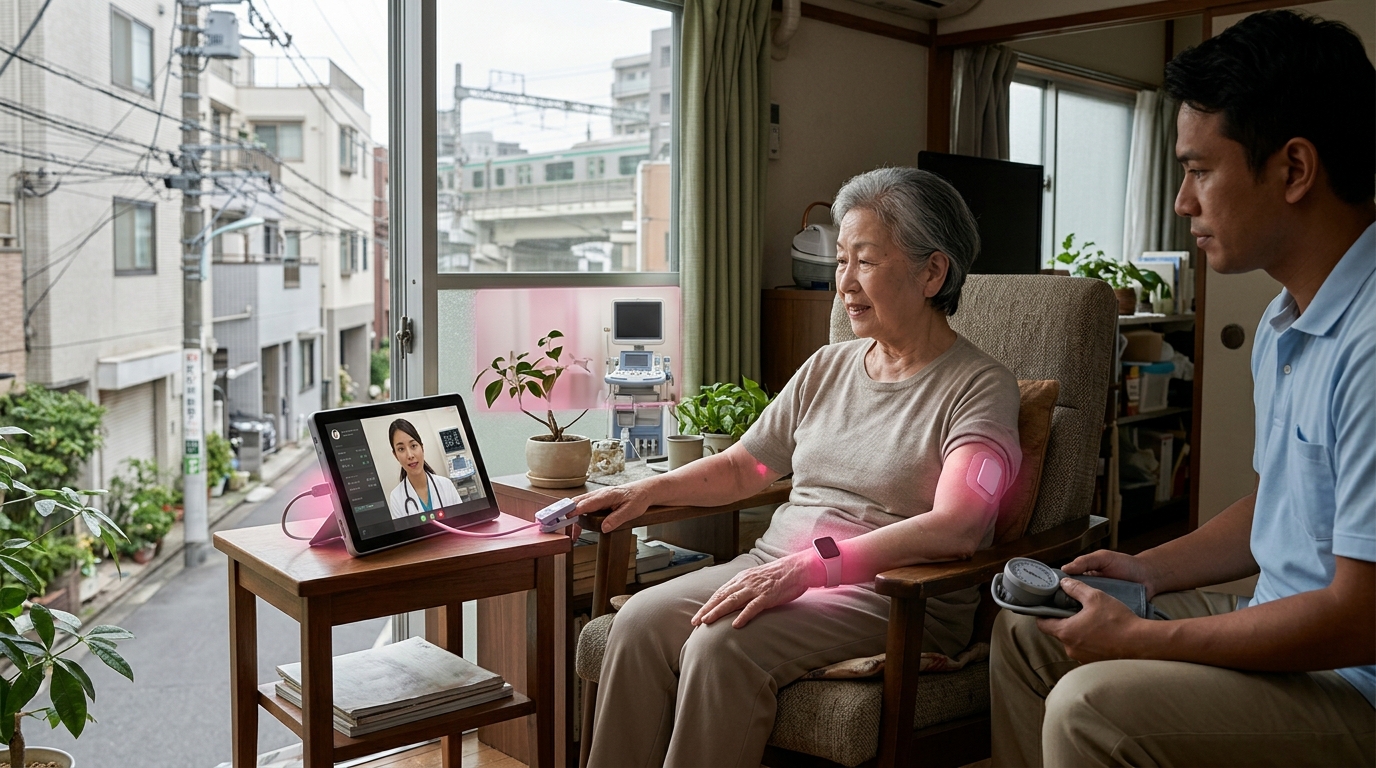
Japan's status as the world's most aged society (29% over 65) drives innovation in telemedicine, wearable monitoring, and dementia care technology.
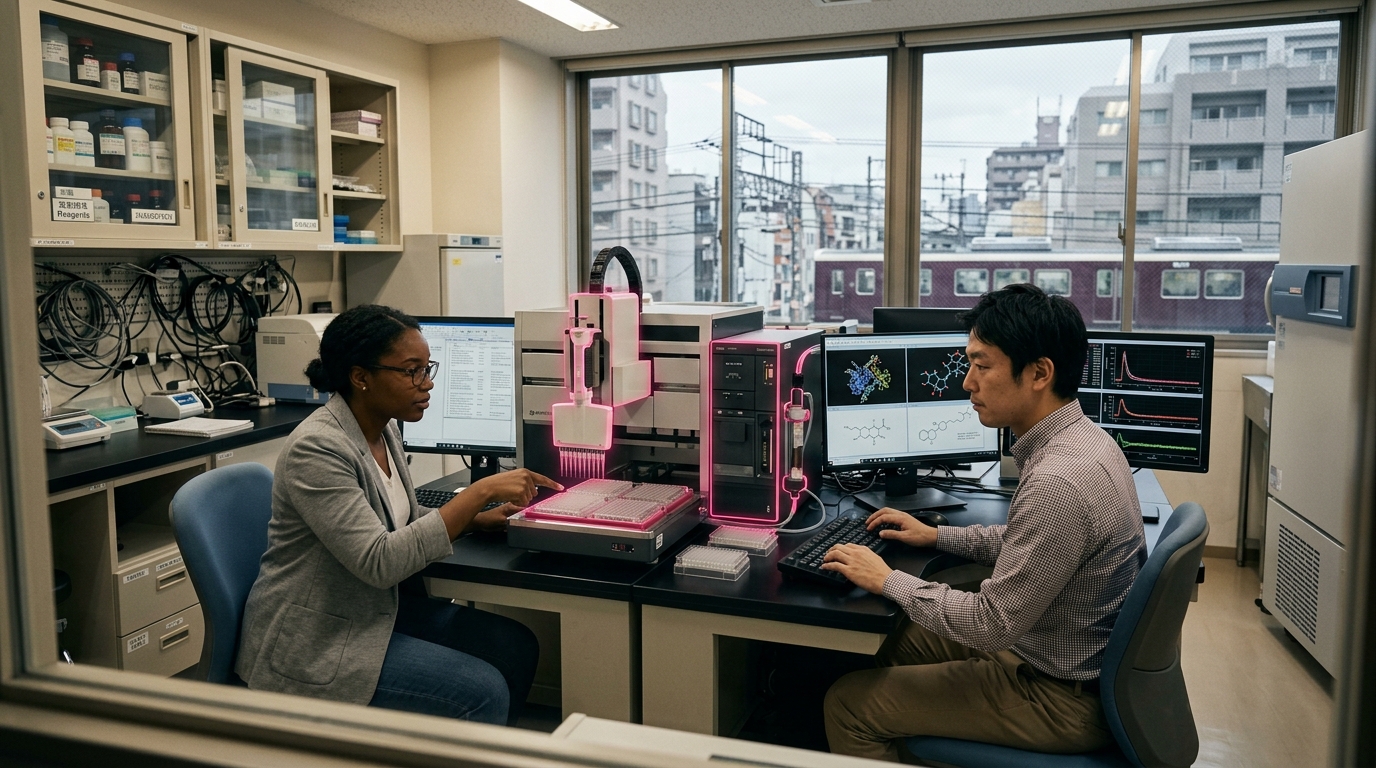
Fujitsu and Japanese pharma companies are deploying AI to accelerate clinical research and address Japan's 'drug loss' crisis — domestic drug approvals lagging global standards.
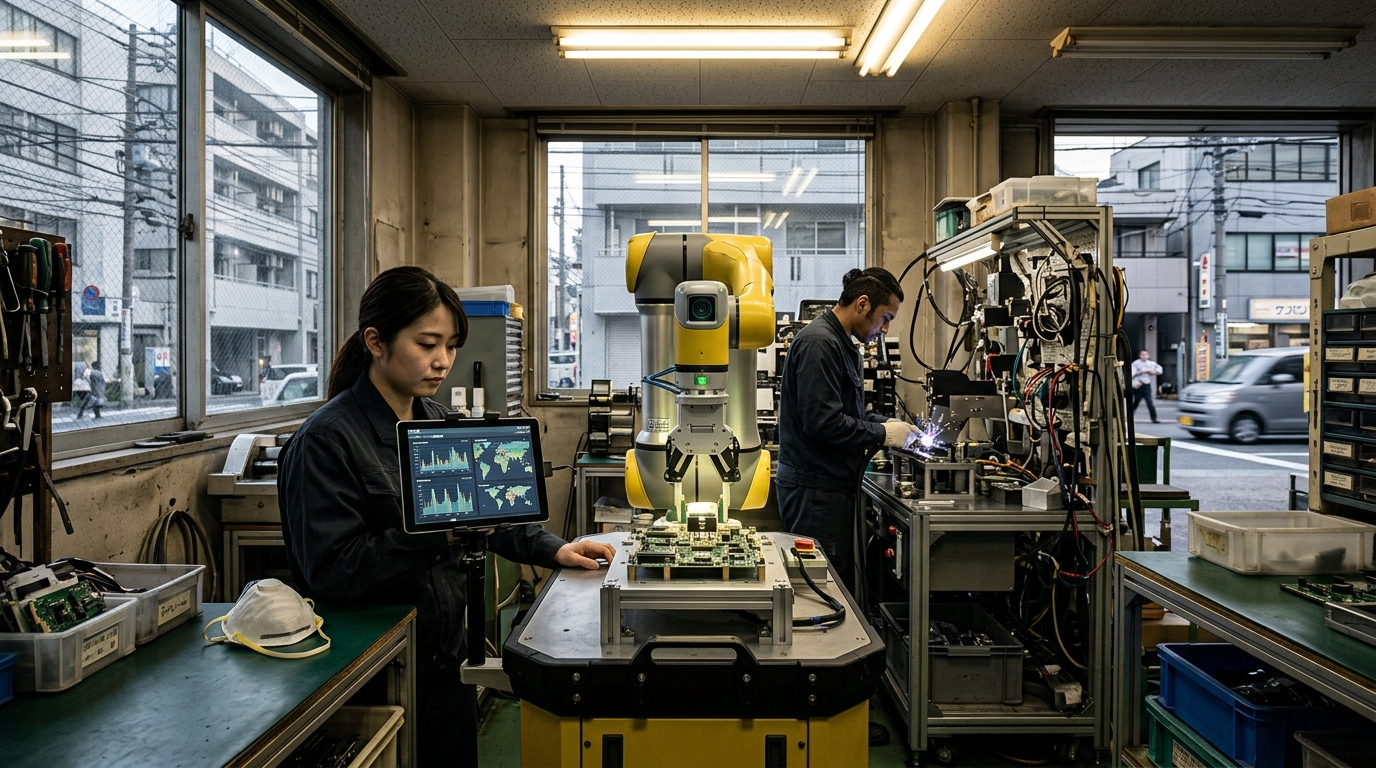
Yaskawa-SoftBank partnership and Fanuc AI integration are bringing AI-native collaborative robots to Japanese offices and factories by 2026.
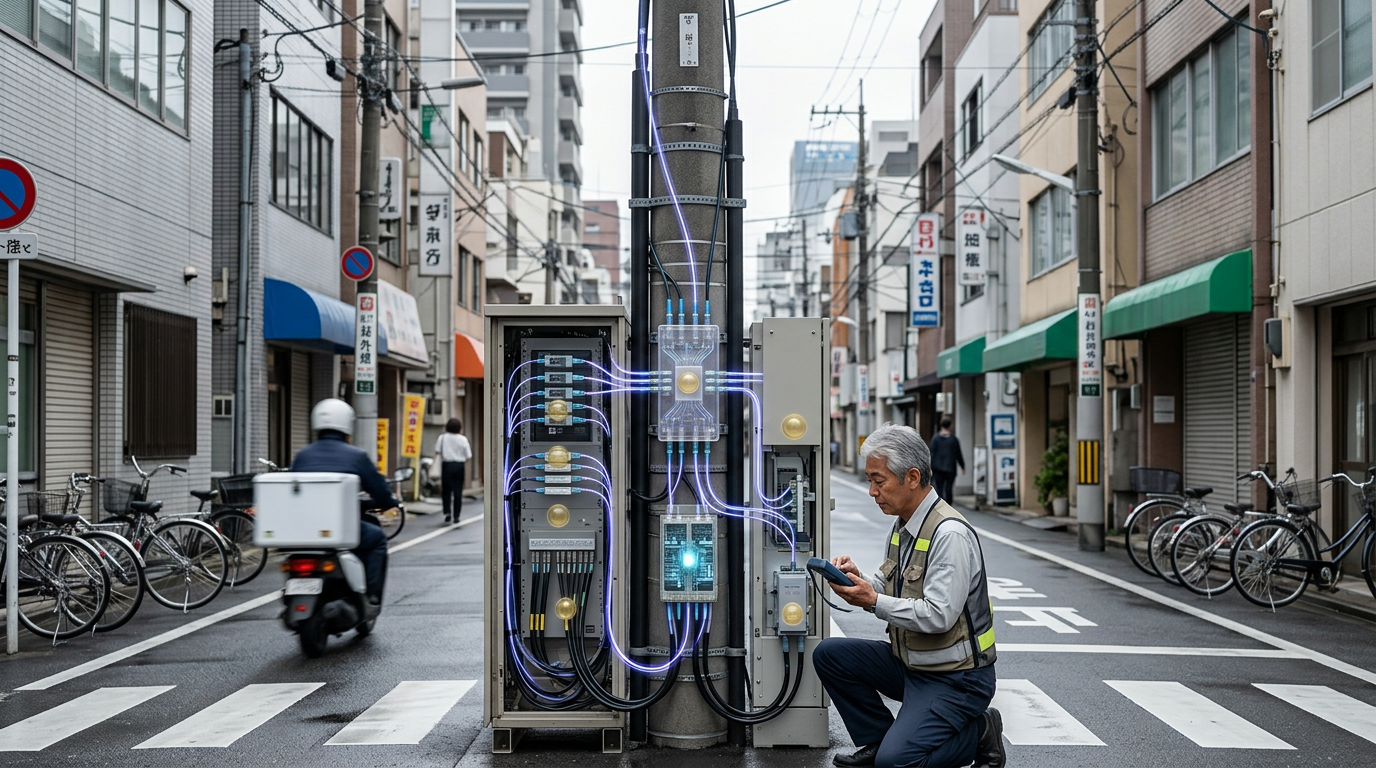
NTT's IOWN initiative aims to replace electronic networking with end-to-end photonic infrastructure — targeting 100x power efficiency and 1/200th latency by 2030.
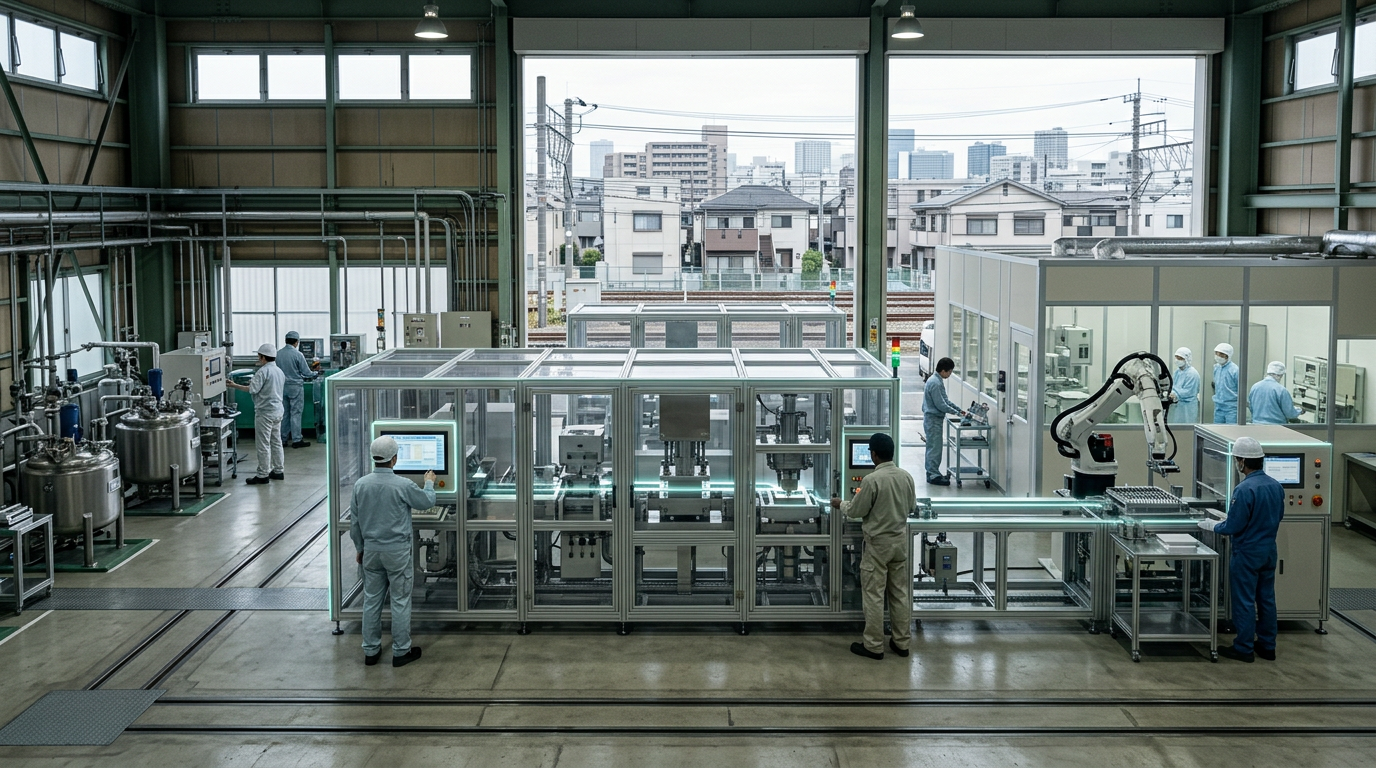
Toyota and Idemitsu Kosan broke ground on a solid electrolyte pilot plant in January 2026 — targeting 1,000km range EVs and 10 GWh production by 2027.
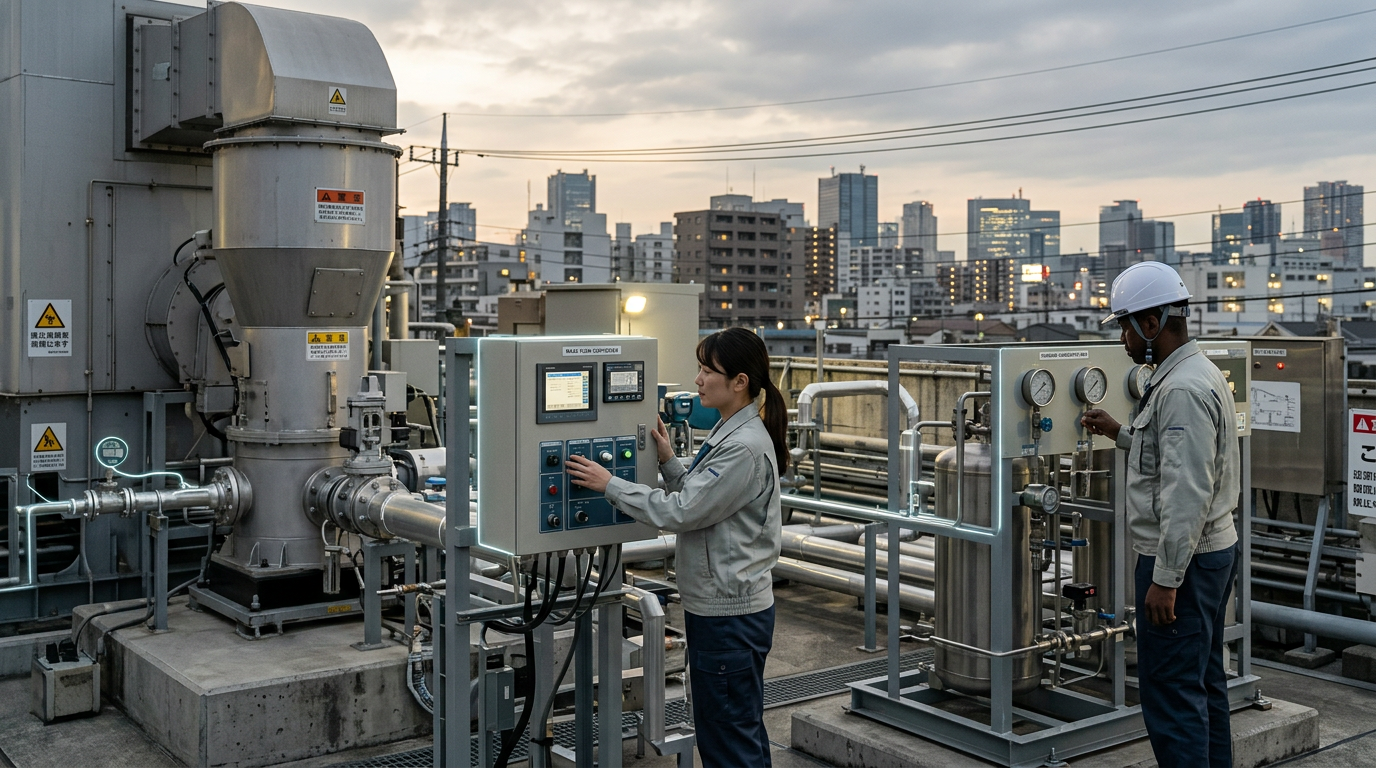
Japan leads global ammonia co-firing with JERA and IHI demonstrating 20% ammonia blending in coal power plants — a pathway to decarbonize baseload electricity.
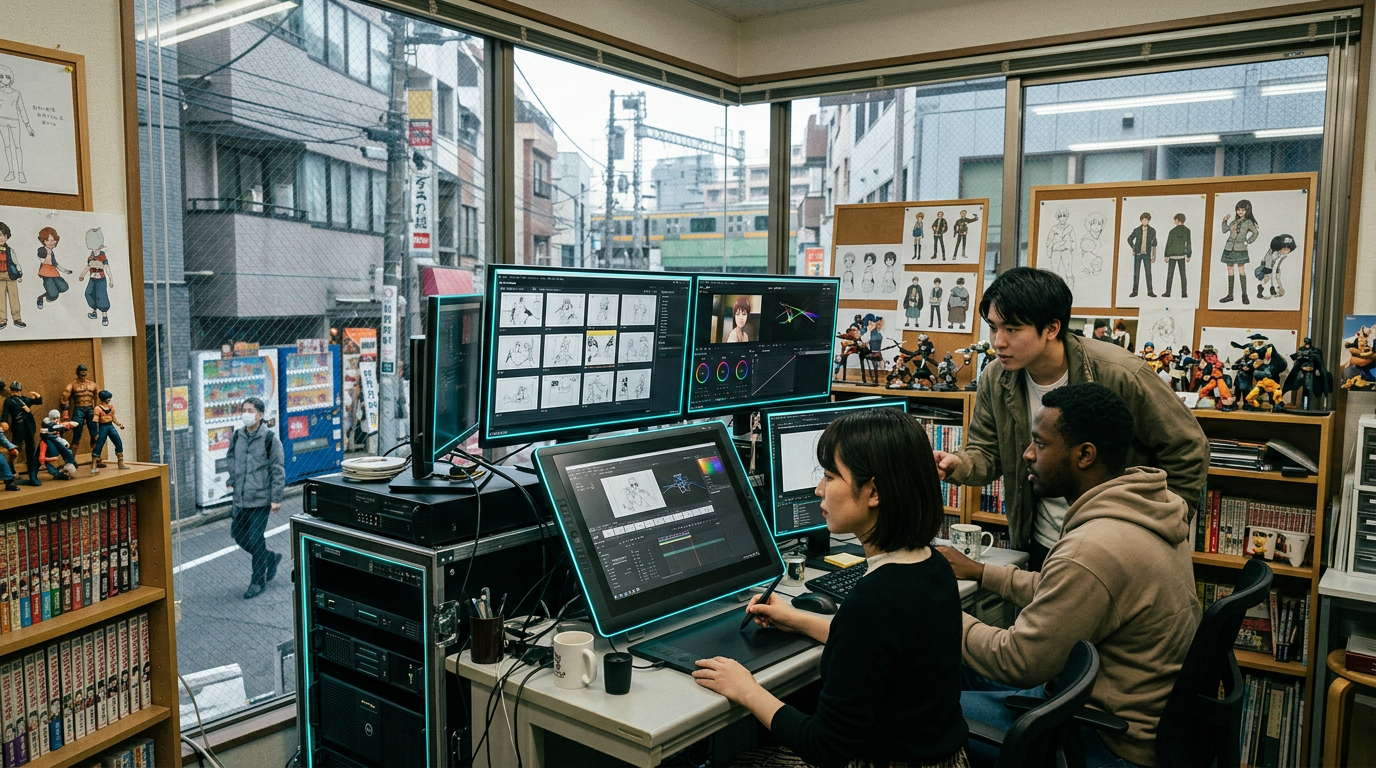
Japan's anime industry reached ¥3.2 trillion ($22B) in 2023 — increasingly a platform for AI-assisted production and global streaming distribution.
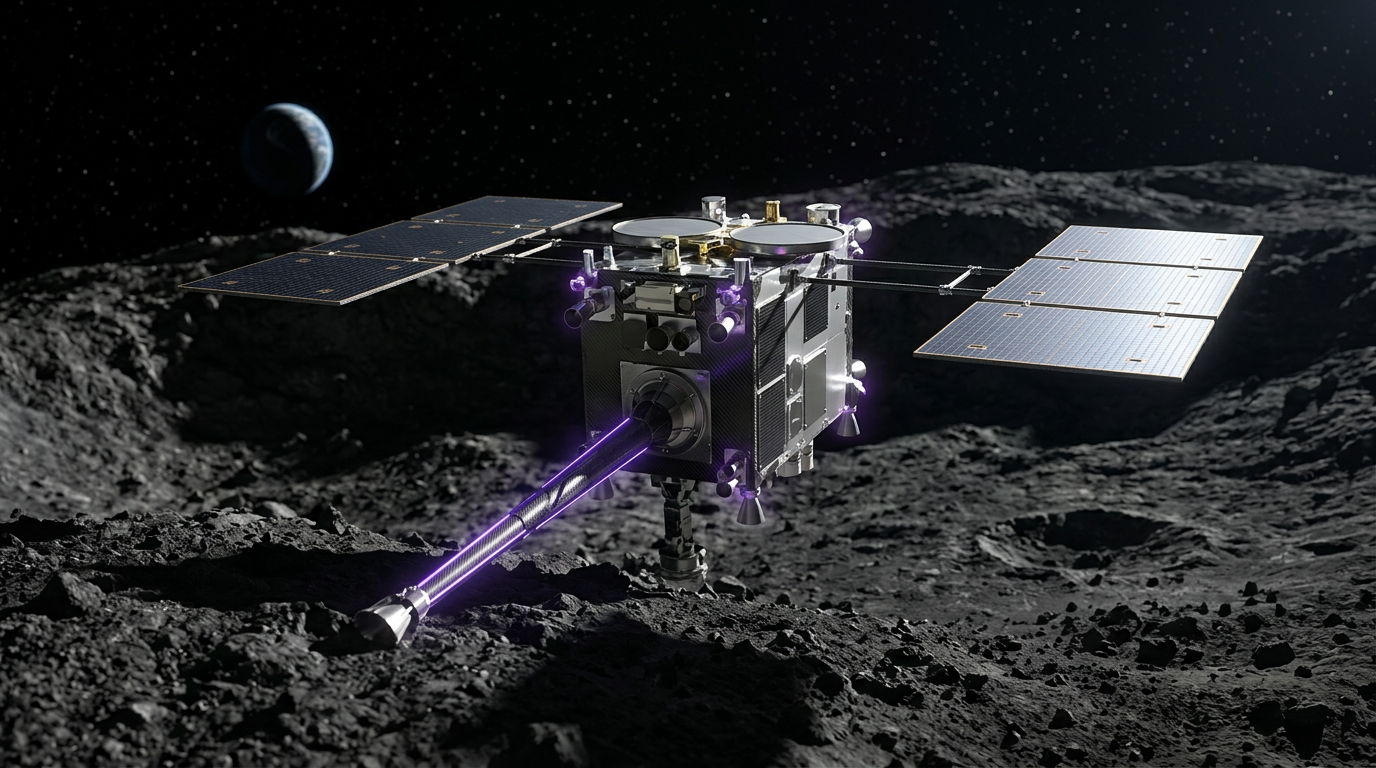
Hayabusa2 achieved nine engineering world firsts including the first subsurface asteroid sample collection — returning 5.4g from asteroid Ryugu and demonstrating Japan's precision engineering culture at interplanetary scale.
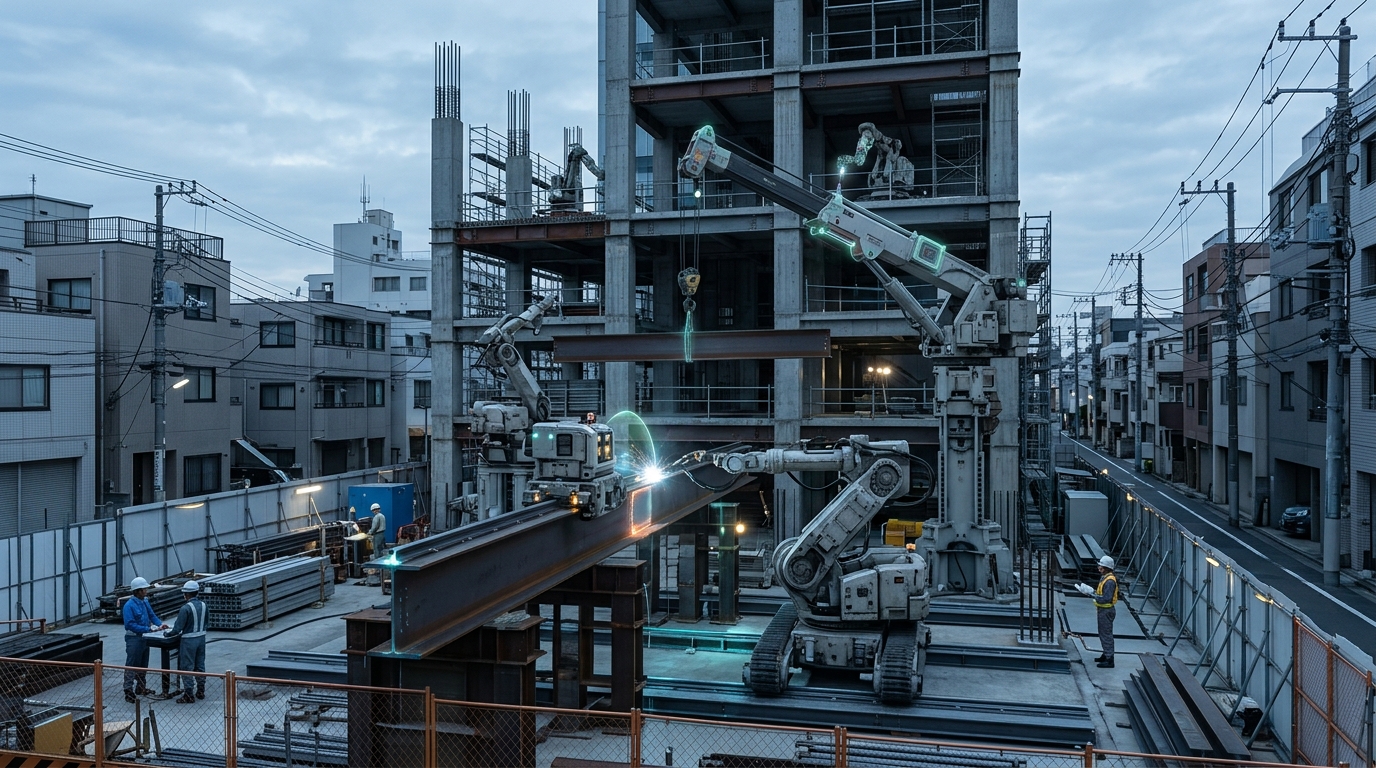
Shimizu, Obayashi, Kajima, and Takenaka are deploying robotic welders, autonomous cranes, and AI-coordinated construction systems — building entire dams and skyscrapers with minimal human labor.
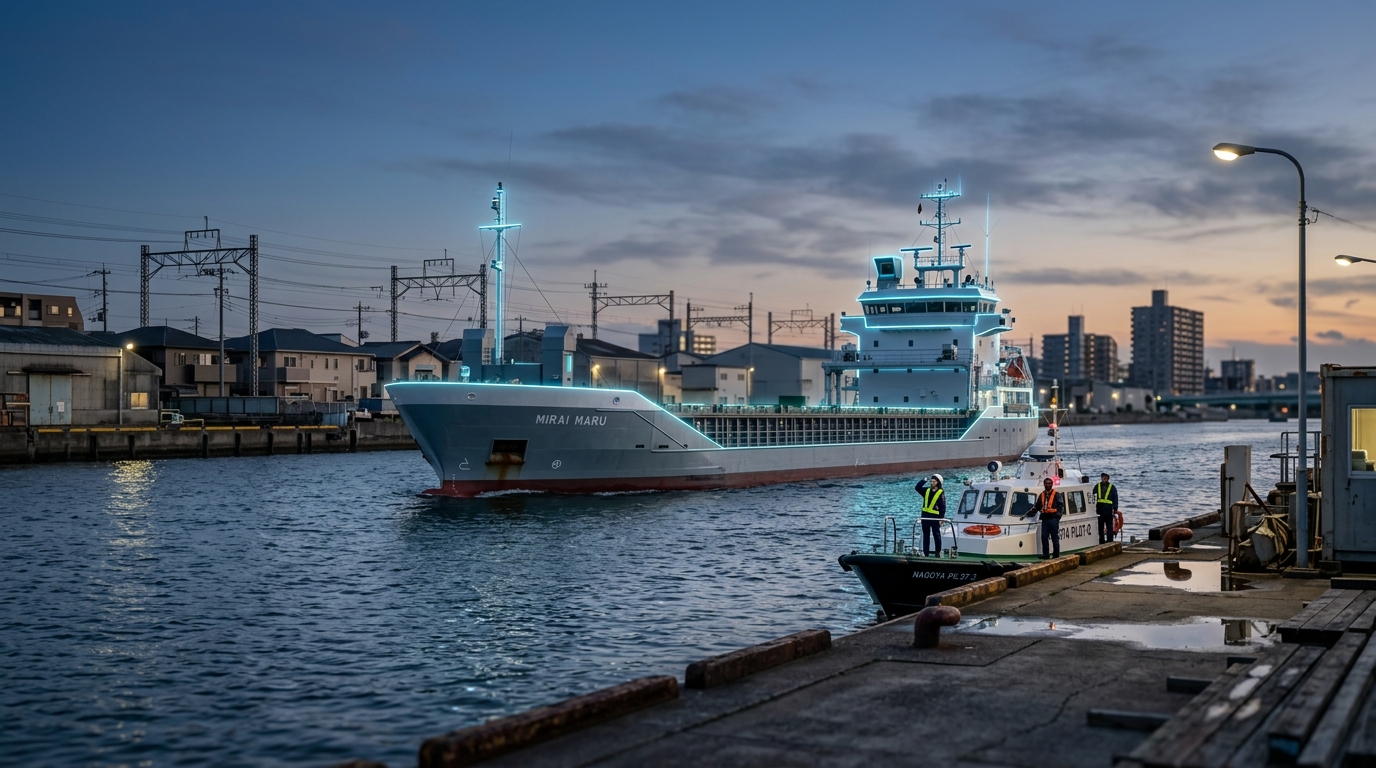
Japan completed the world's first fully autonomous cargo ship voyages in 2022 and is commercializing autonomous coastal shipping to address a 50% seafarer shortage.
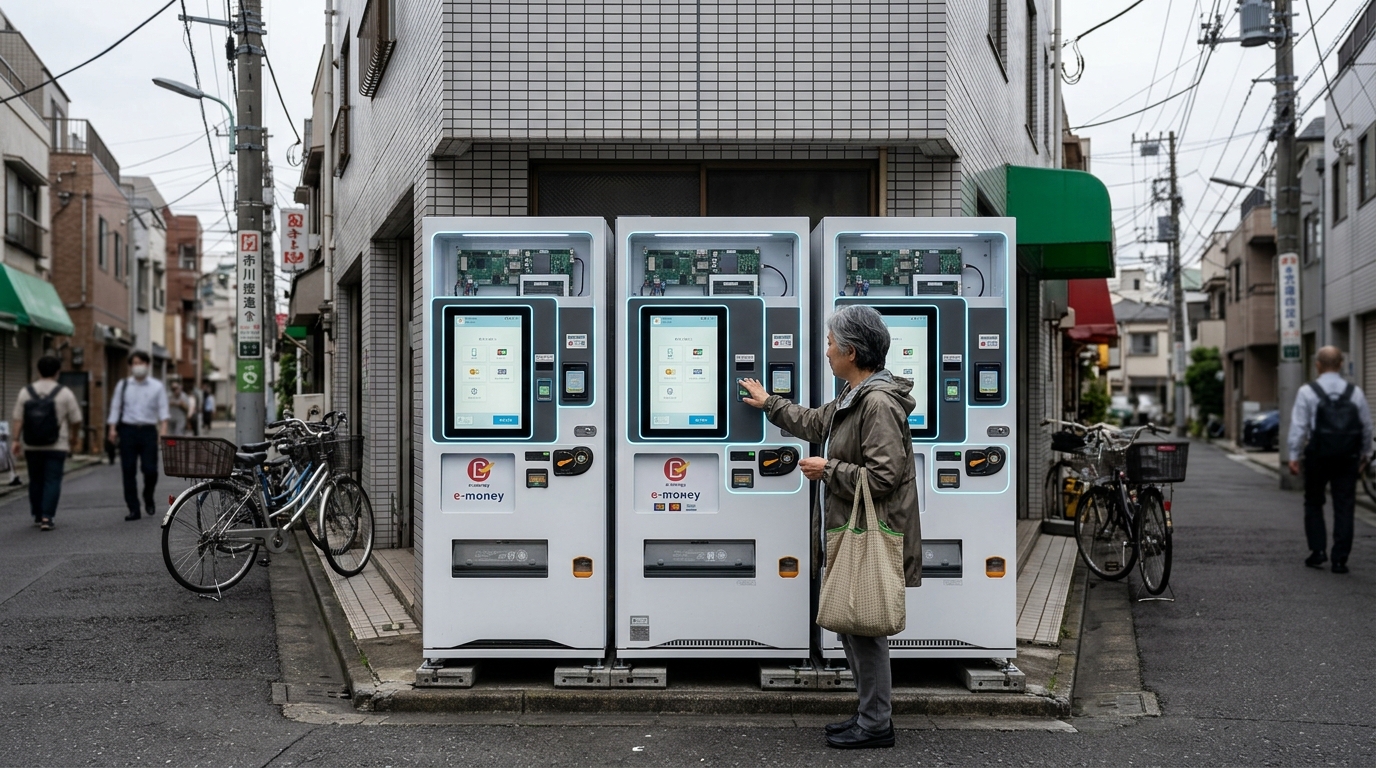
Japan operates 4+ million vending machines generating $27.5 billion annually — increasingly IoT-connected, AI-optimized, and serving as autonomous retail endpoints for everything from hot meals to disaster supplies.
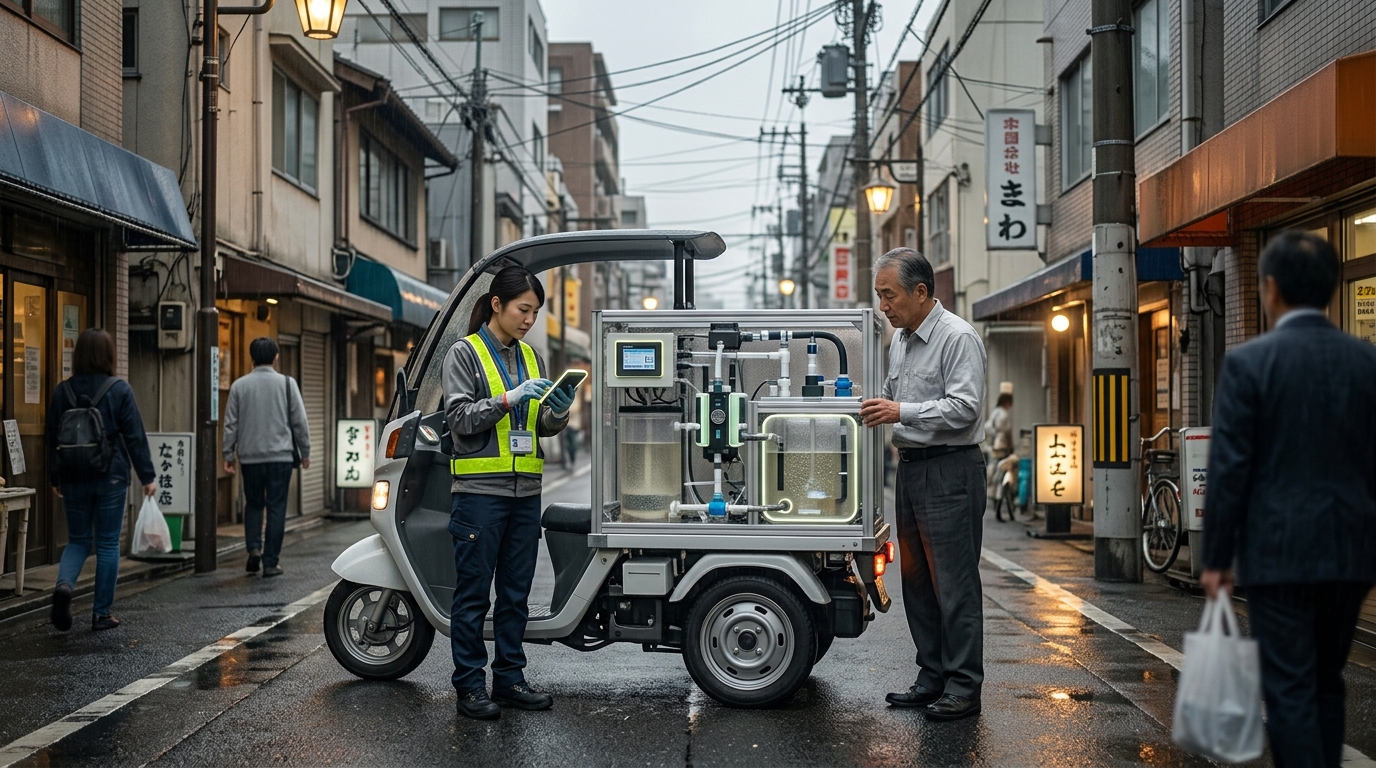
Japan leads in biodegradable plastics with Kaneka's PHBH and Mitsubishi Chemical's BioPBS — targeting marine-degradable packaging as an alternative to petroleum-based plastics.
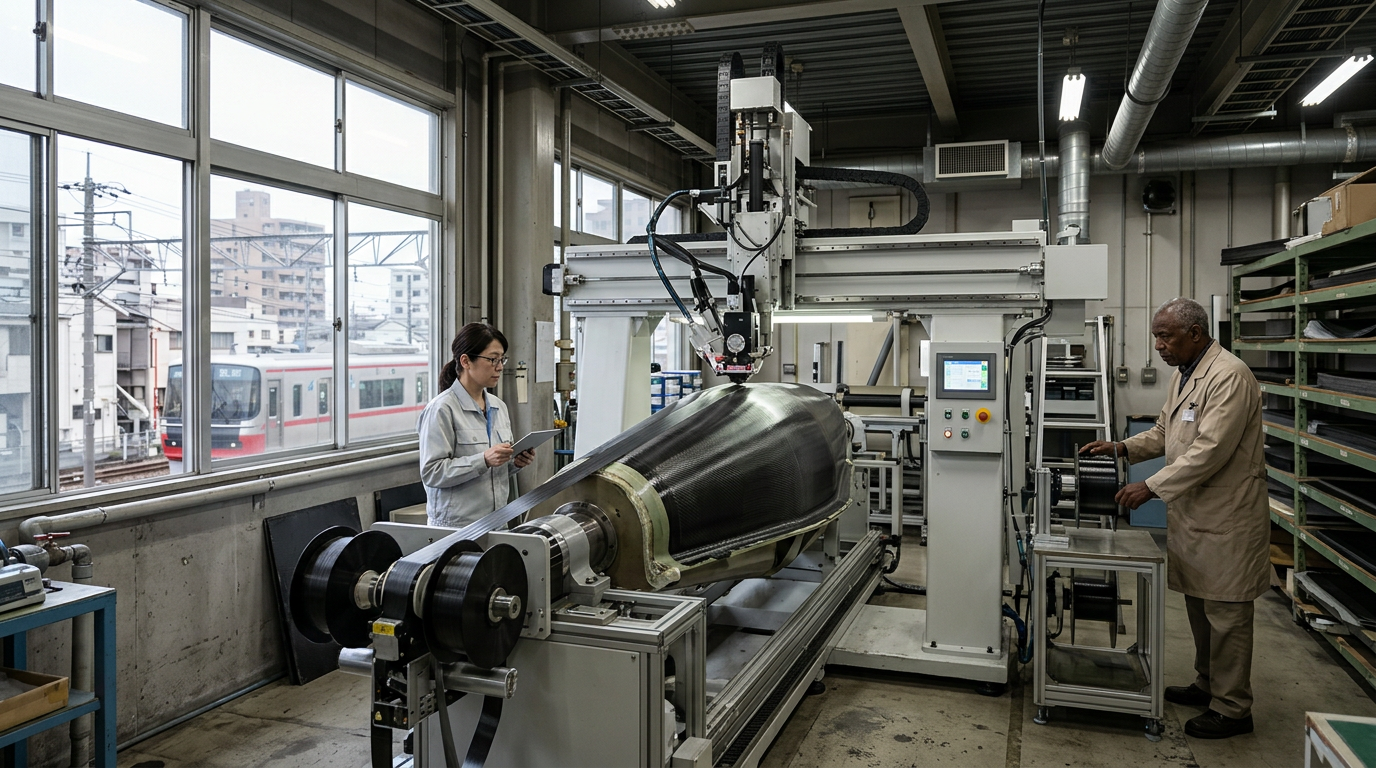
Toray Industries controls 50%+ of global carbon fiber production — every Boeing 787 and Airbus A350 depends on Japanese carbon fiber.
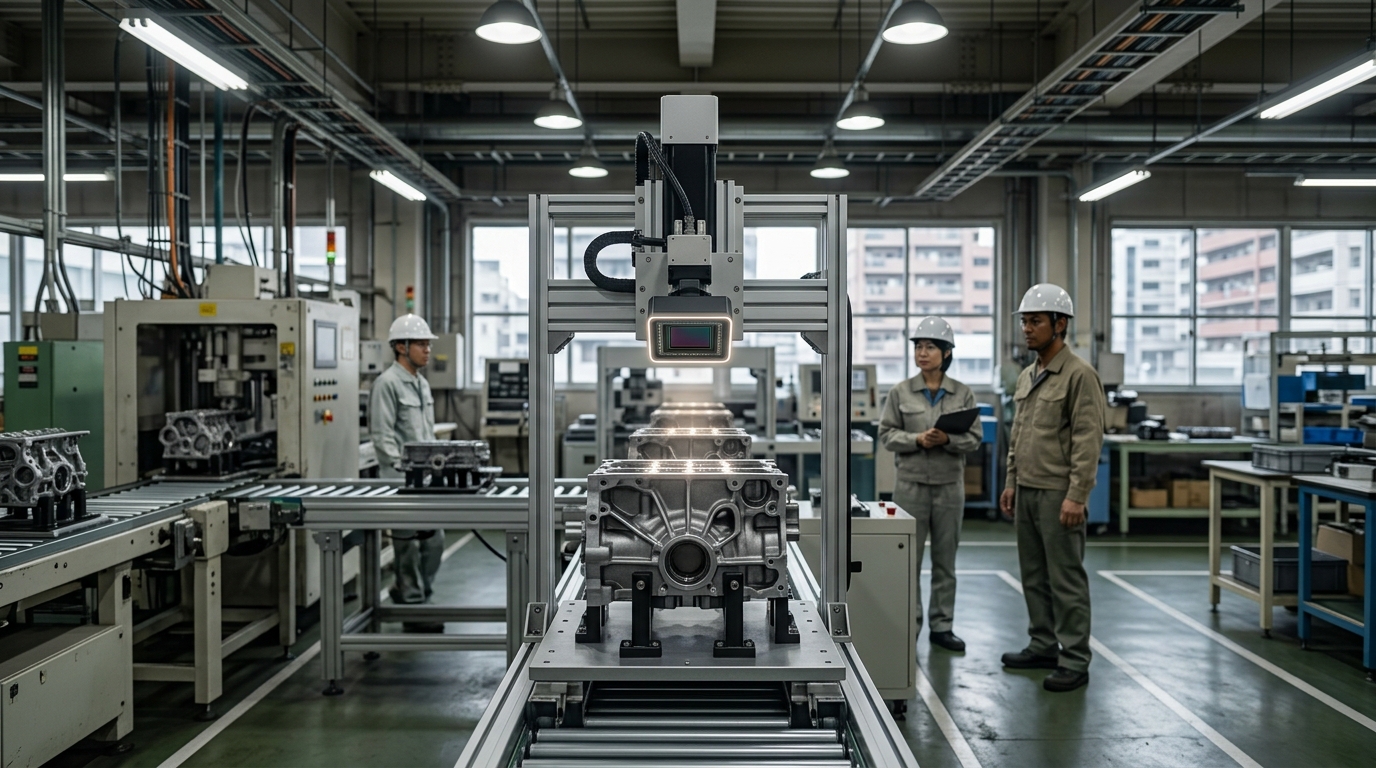
Sony Semiconductor Solutions holds ~48% of Japan's image sensor output and leads the global CMOS image sensor market — every iPhone, most autonomous vehicles, and industrial vision systems rely on Sony sensors.
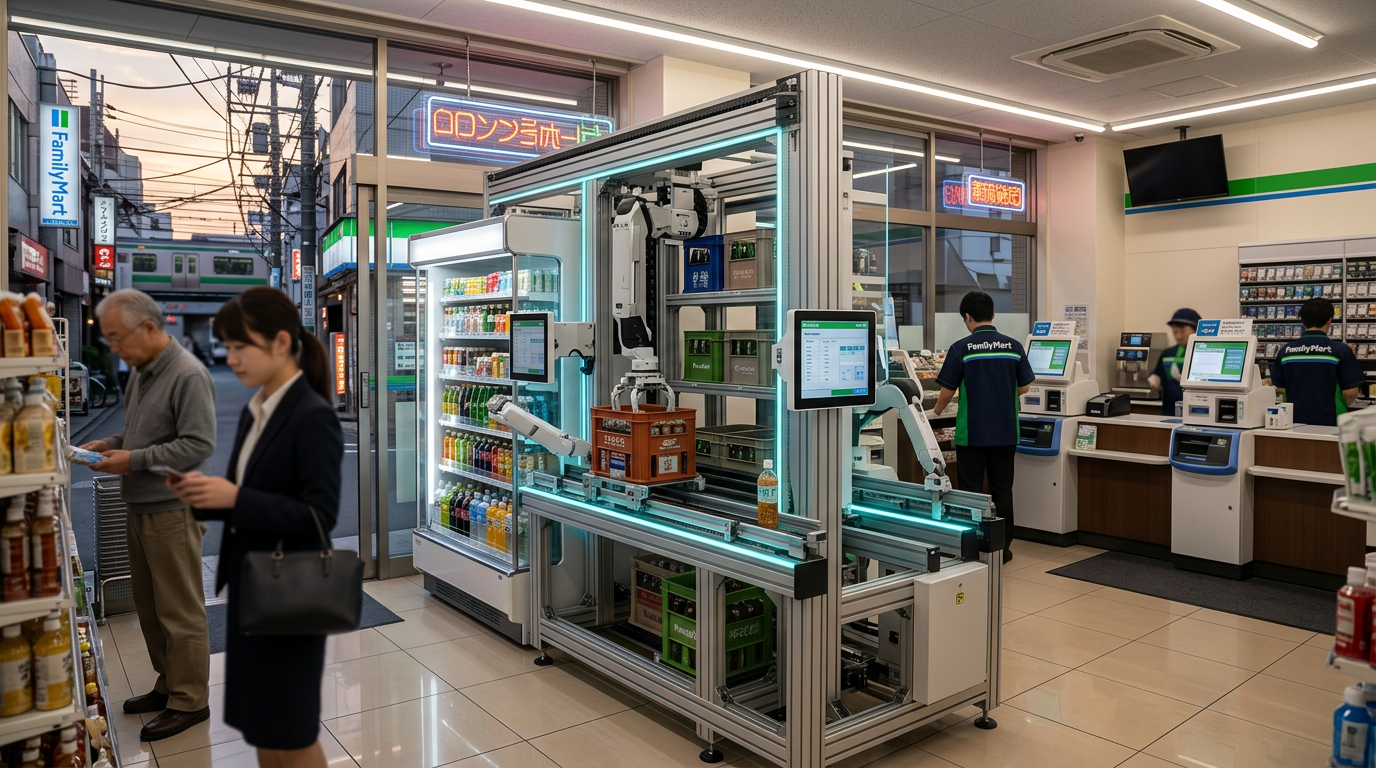
Japan's 56,000 convenience stores are the world's most technologically advanced retail operations — deploying AI demand forecasting, automated ordering, self-checkout, and increasingly robotic stocking.
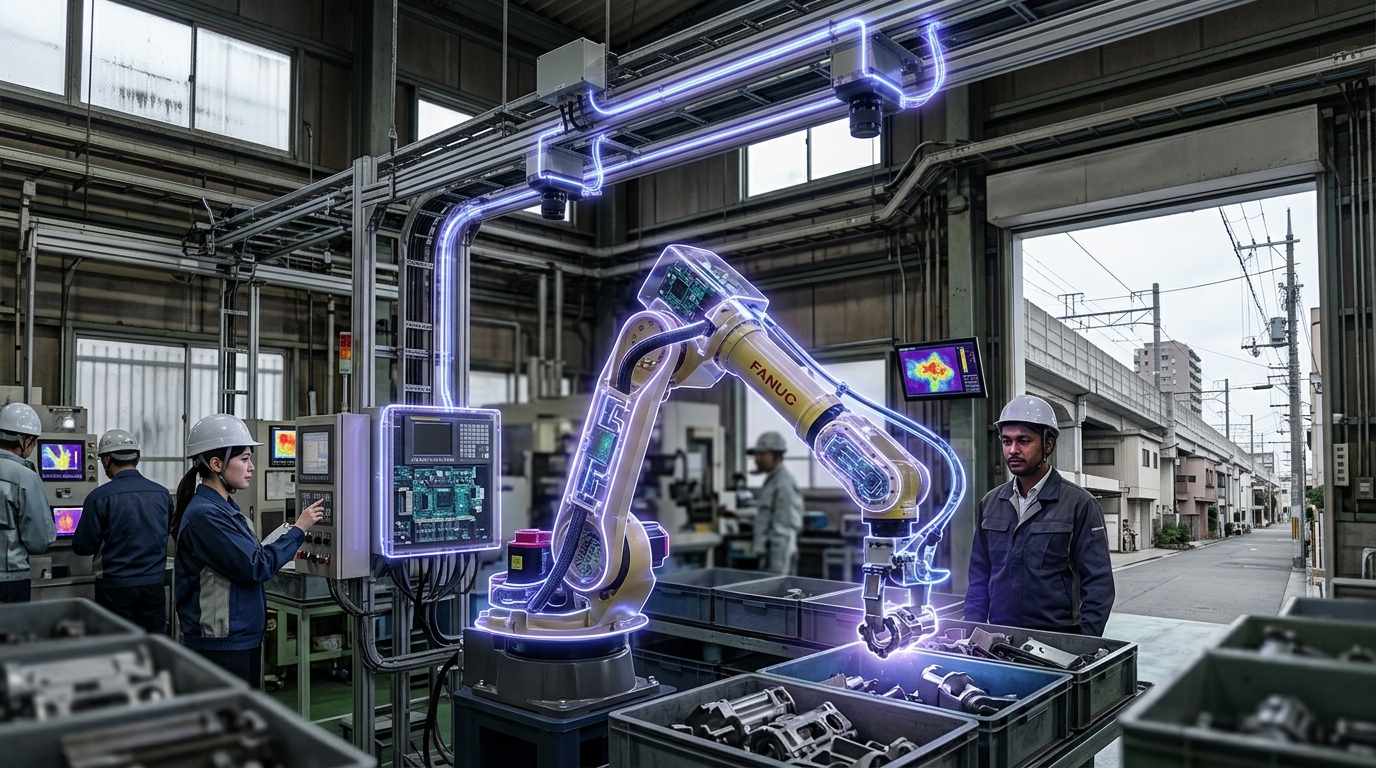
Preferred Networks remains Japan's most established AI company — applying deep learning to manufacturing, drug discovery, and autonomous driving with Toyota and Fanuc partnerships.
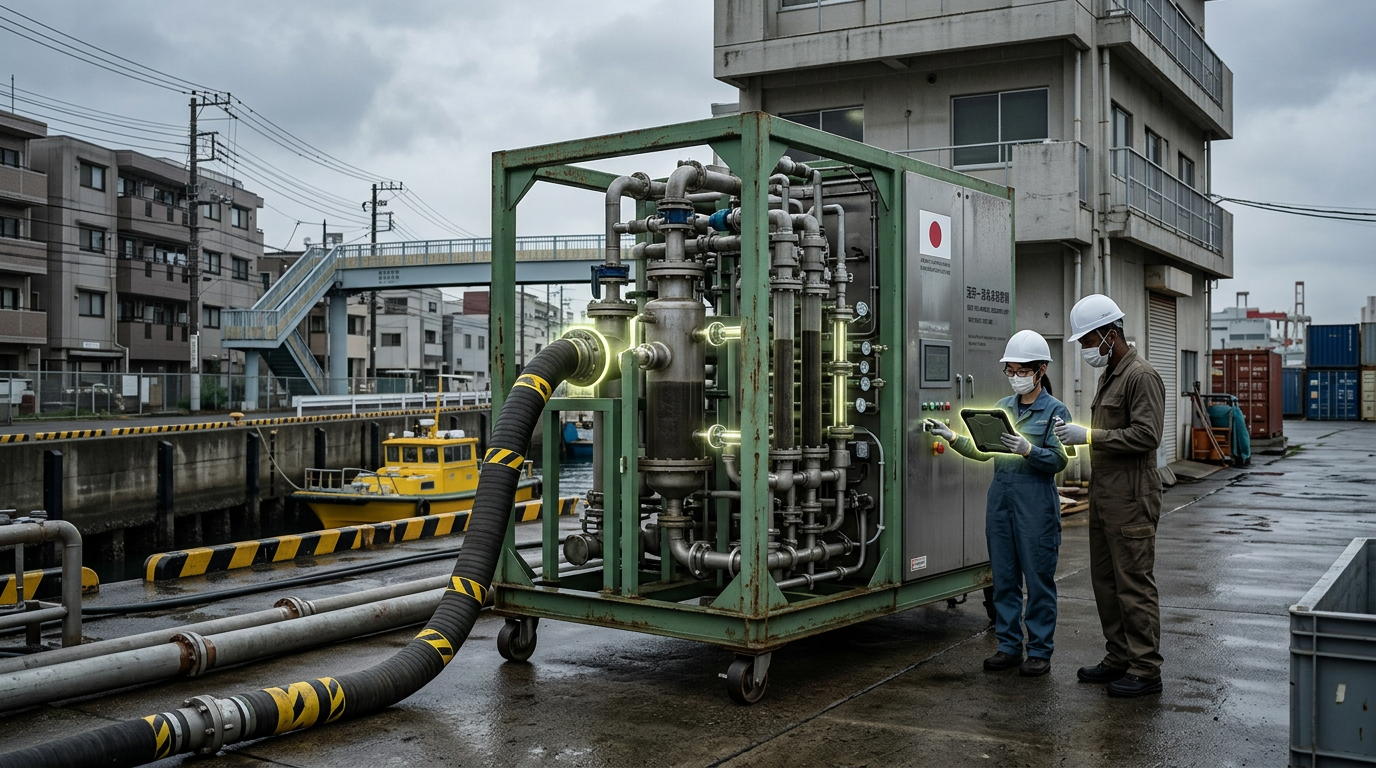
Japan successfully pumped rare-earth-rich mud from 6,000 meters below the Pacific in February 2026 — the world's first continuous deep-seabed mineral extraction, potentially holding 700 years of global rare earth supply.
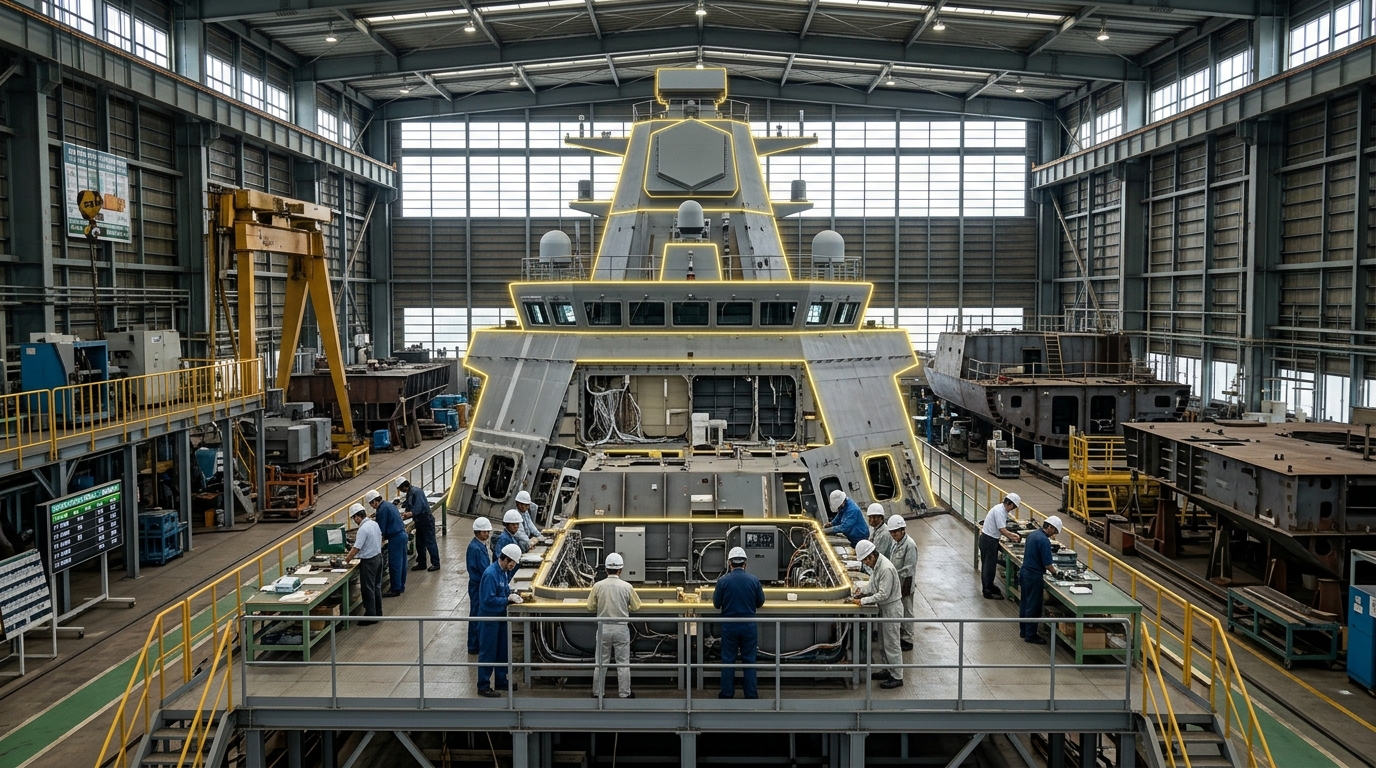
Japan is doubling defense spending to 2% of GDP (~$80 billion/year) by 2027 — the most dramatic military buildup since WWII, reshaping defense industrial capacity.
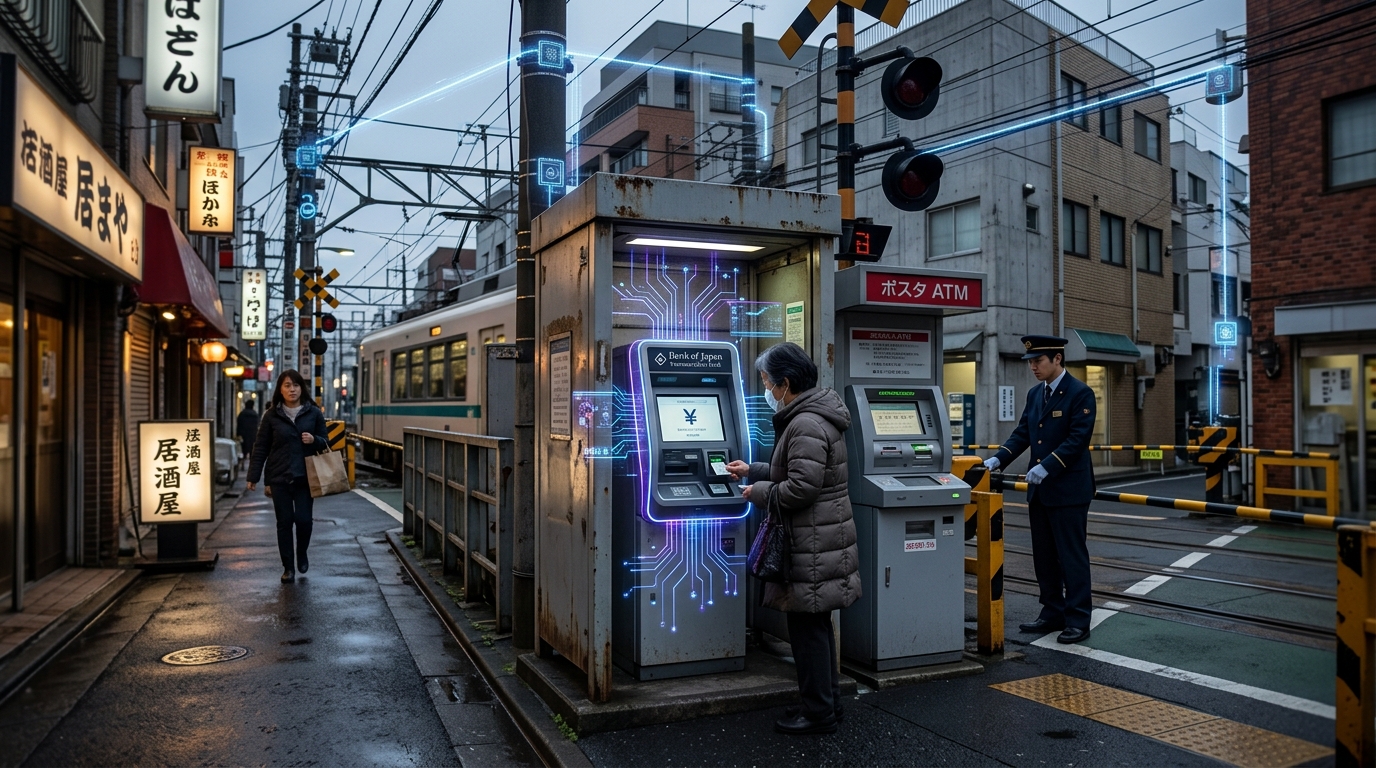
The Bank of Japan completed Phase 2 CBDC pilot testing in 2025 — exploring a digital yen for retail payments while maintaining cash infrastructure for the aging population.
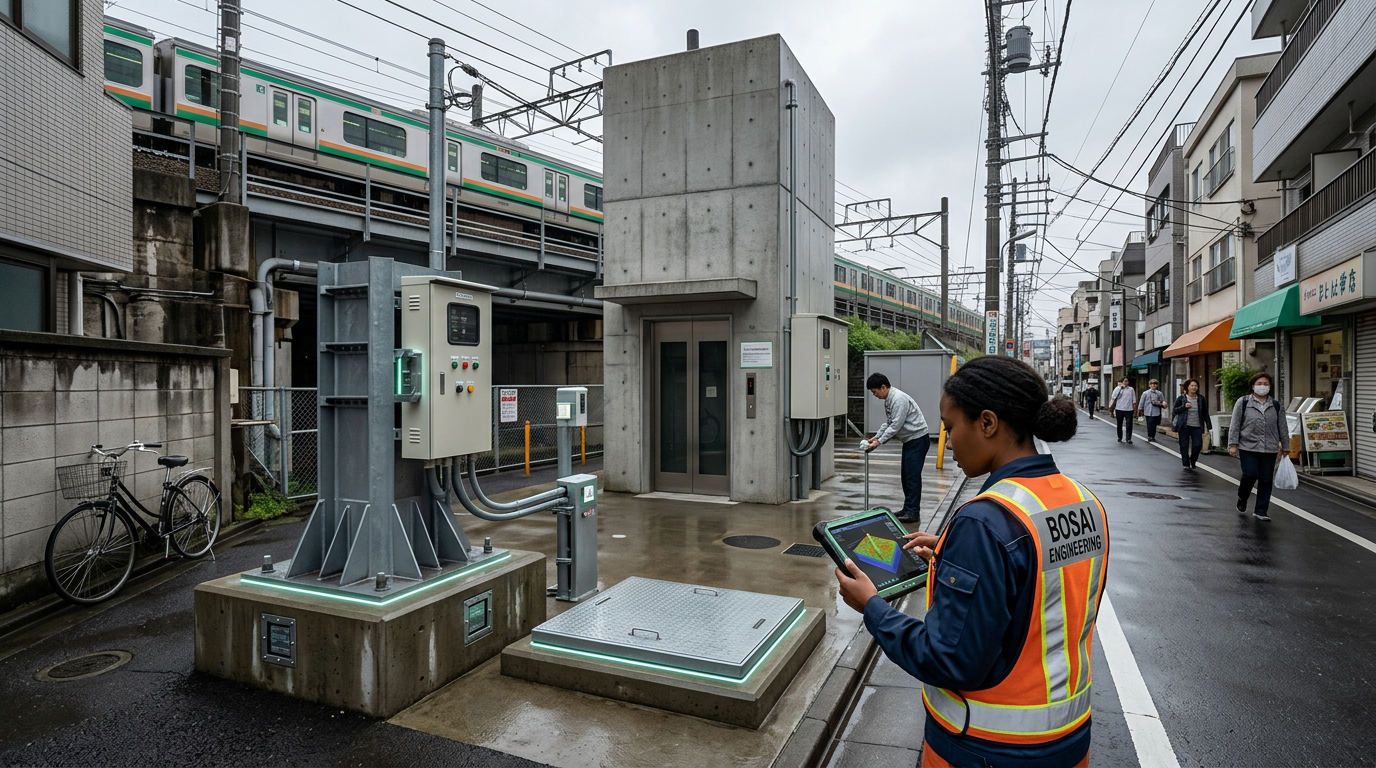
Japan's 'bosai' disaster prevention system — seismic codes, tsunami walls, AI prediction, community preparedness — is the world's most comprehensive resilience framework, now exported to 90+ countries.
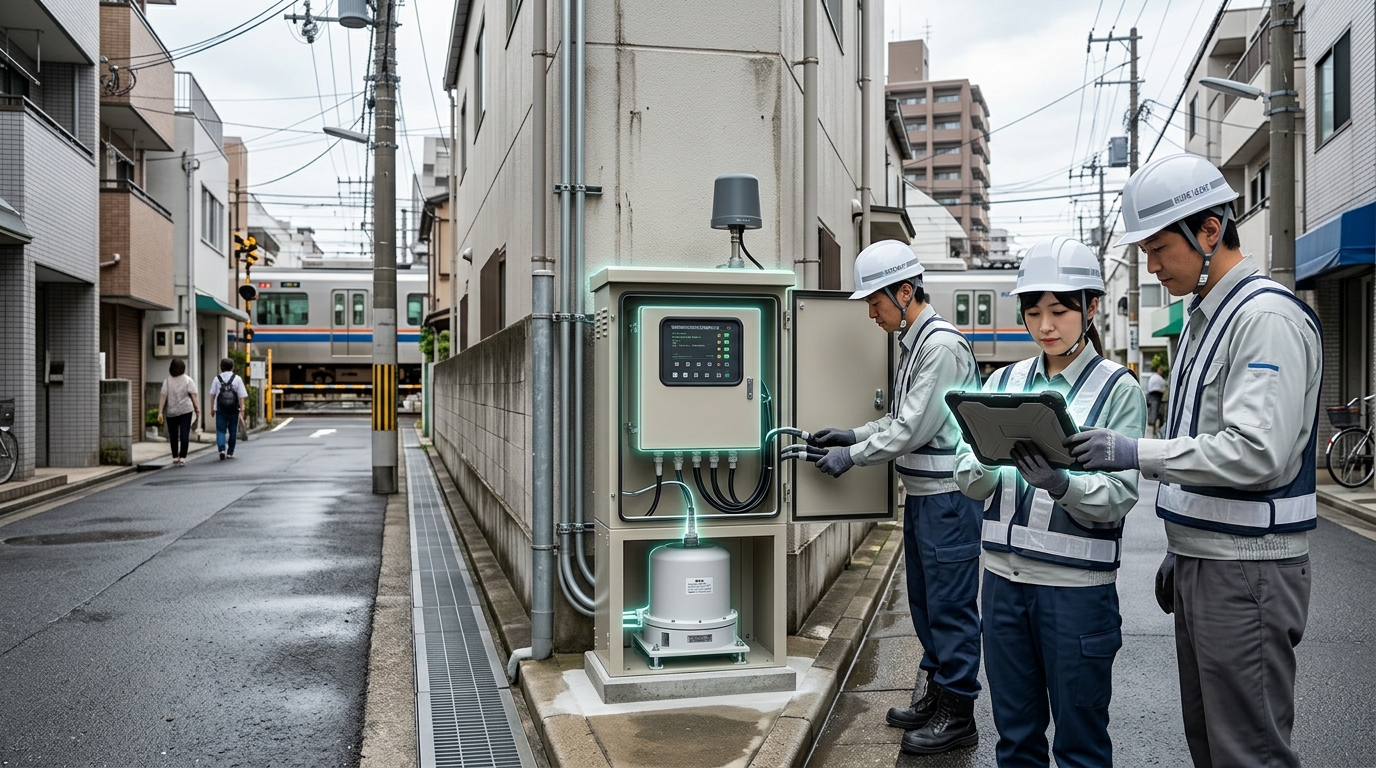
Japan's 4,235-seismometer EEW network gives seconds to tens of seconds of warning before earthquake shaking hits — the world's most advanced seismic alert system, now exported globally.
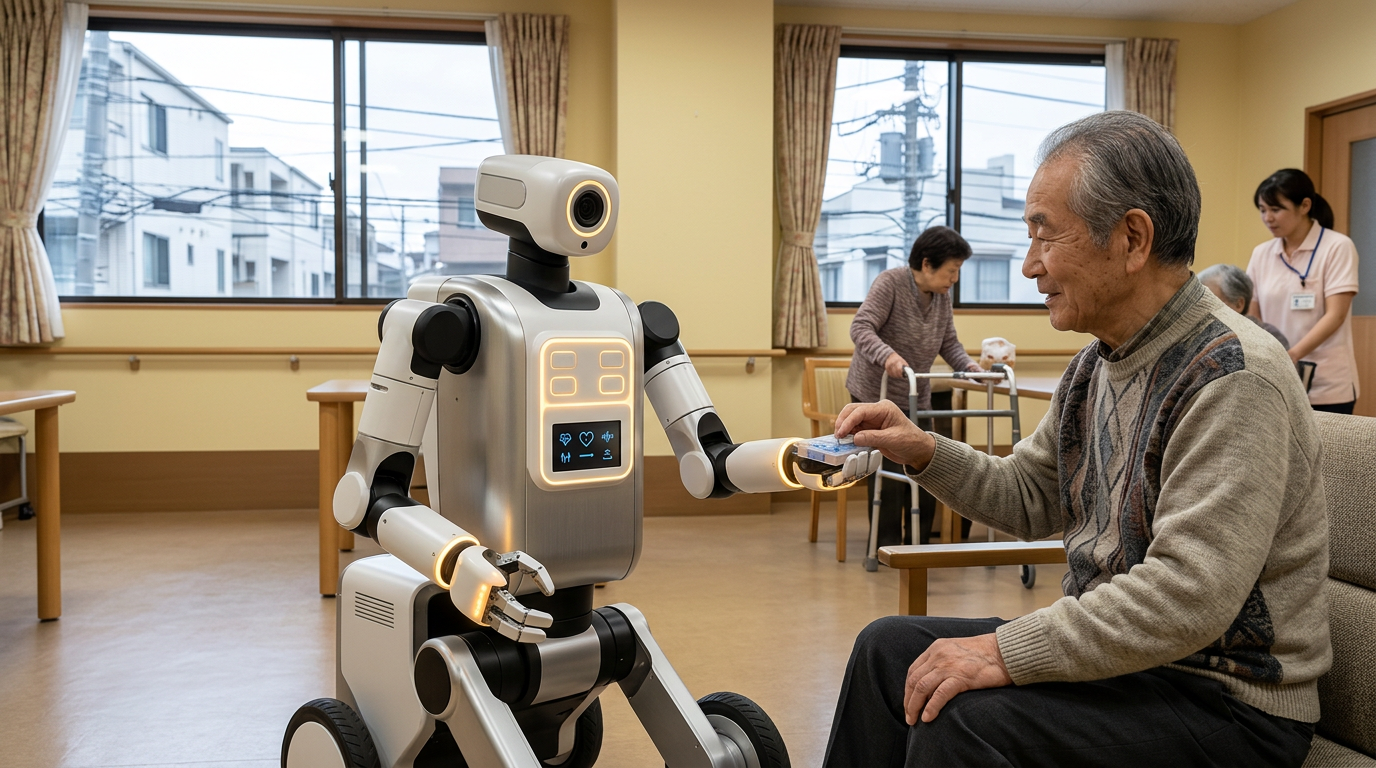
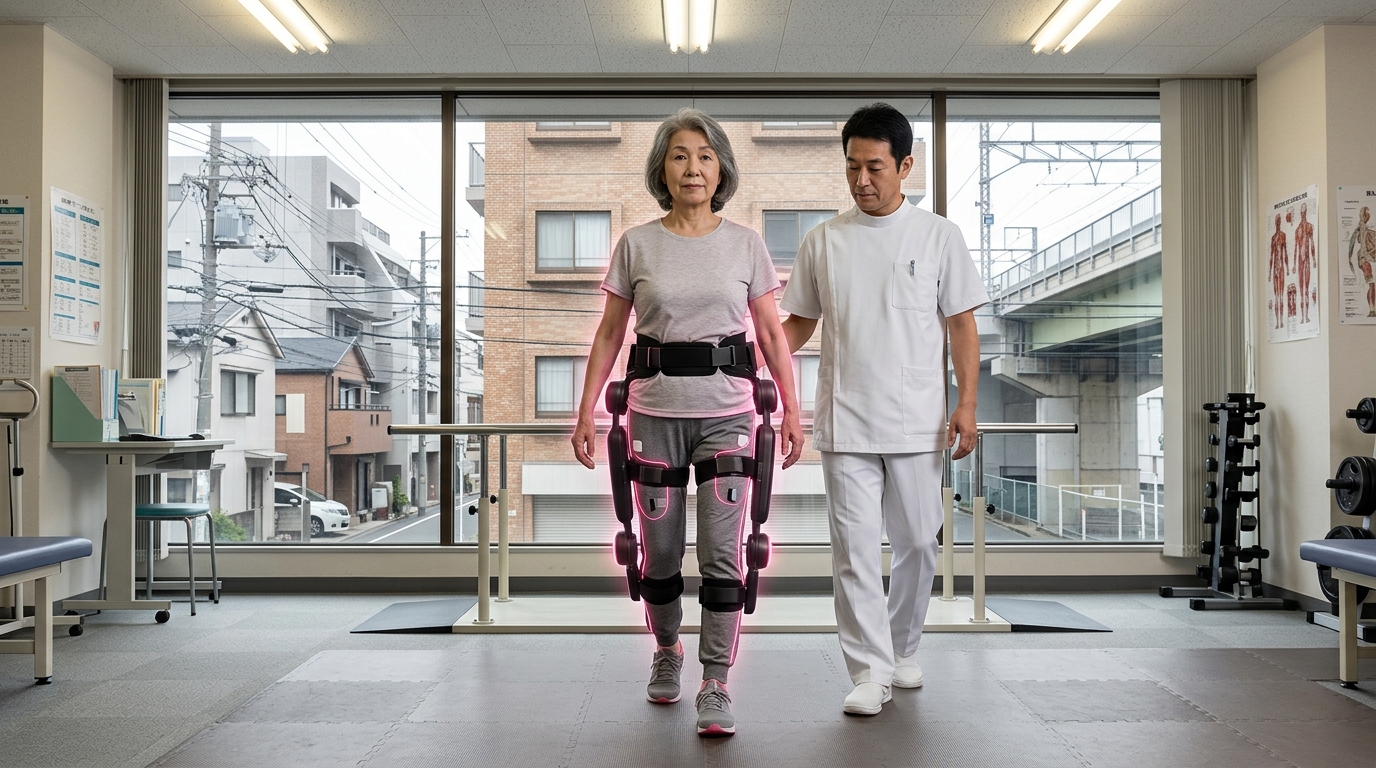
Japan leads in deploying AI-driven care robots like Waseda's AIREC for elder care — driven by the world's most aged society and a 700,000-caregiver shortage.
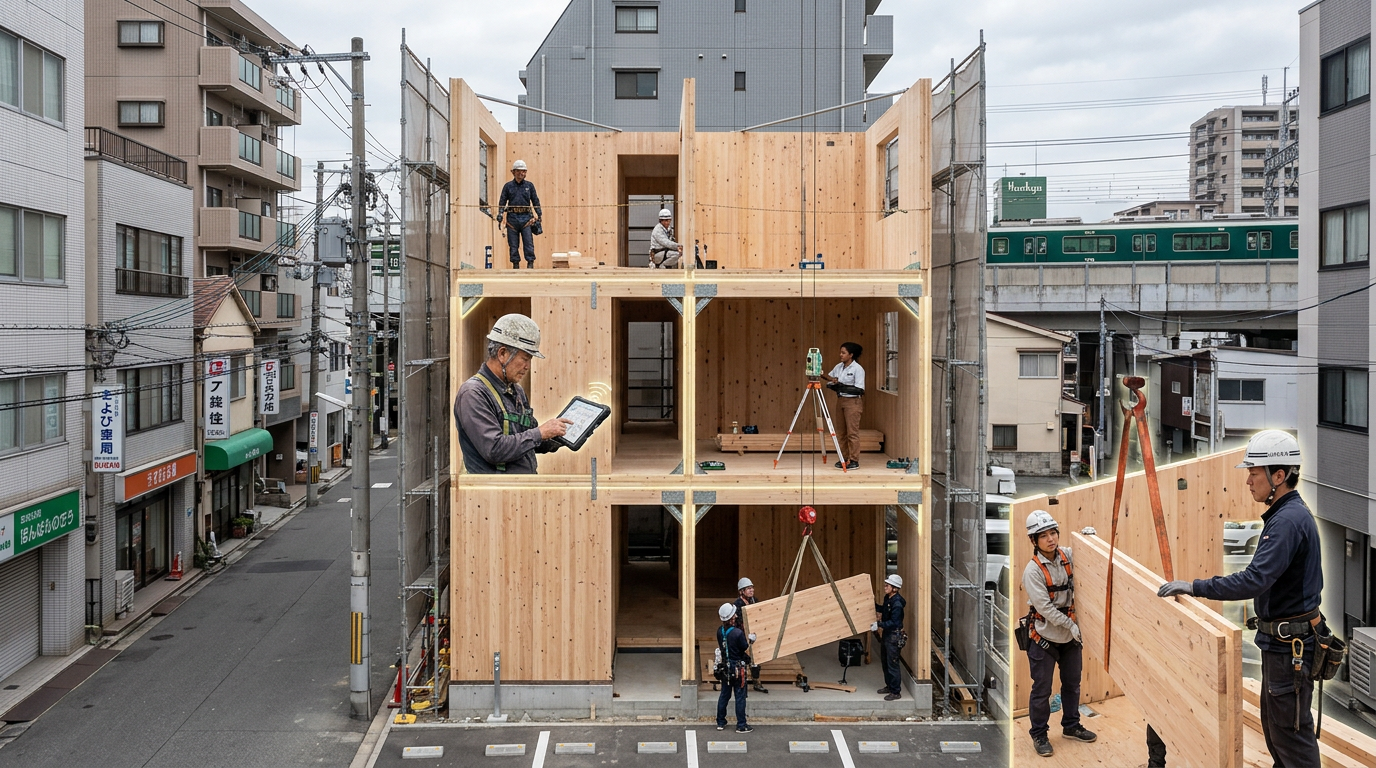
Japan is pioneering earthquake-resistant mass timber construction using cross-laminated timber (CLT) — combining traditional wood culture with seismic engineering to build multi-story wooden structures in the world's most earthquake-prone country.
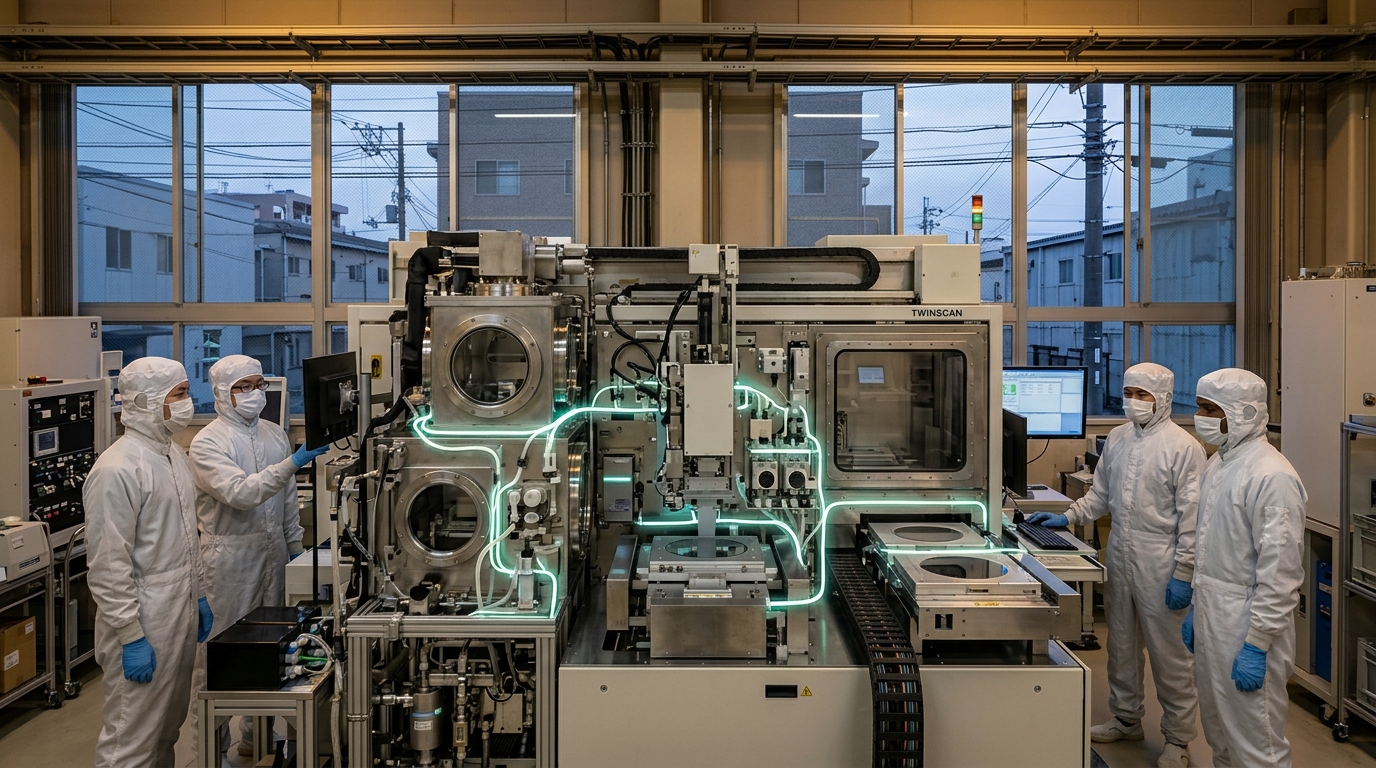
JSR, Tokyo Ohka Kogyo, Shin-Etsu, and Fujifilm control 87-91% of the global photoresist market — no advanced chip exists without Japanese chemistry.
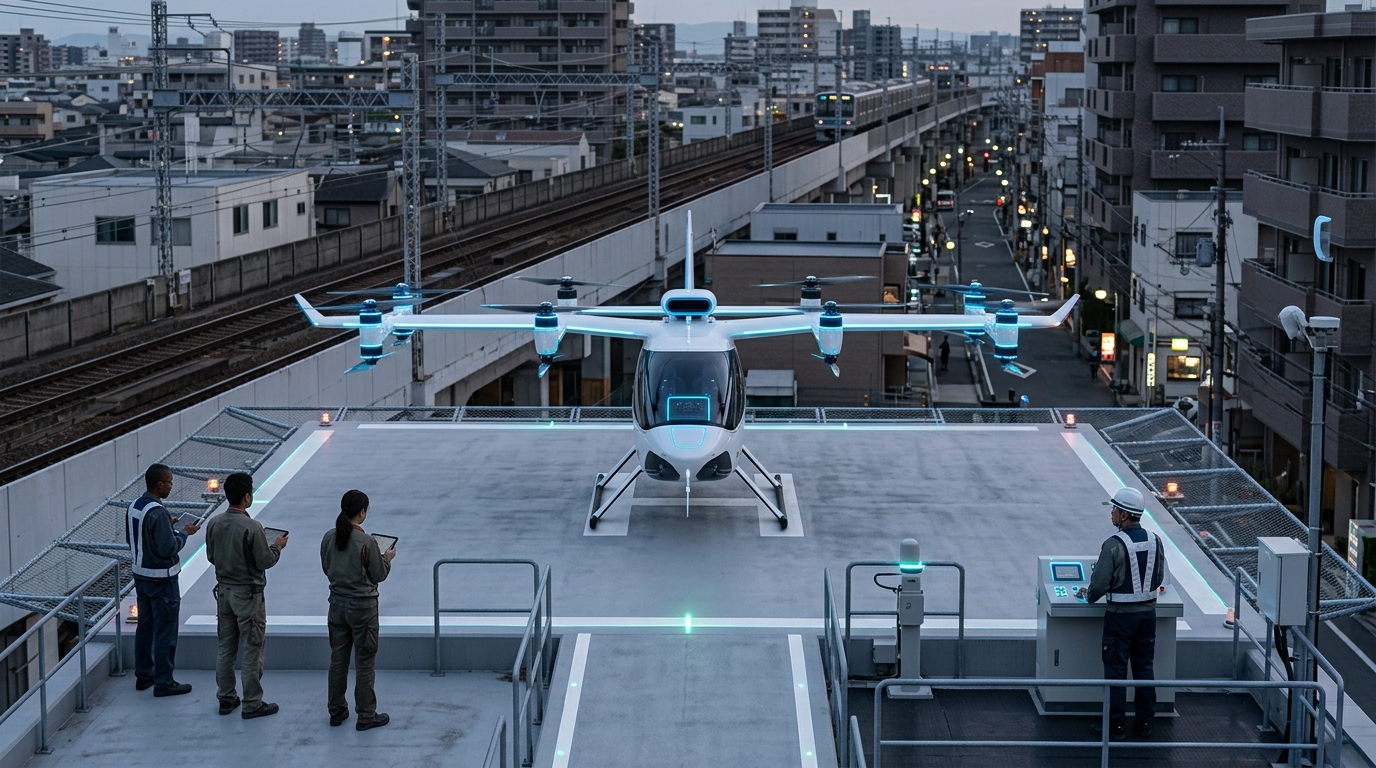
SkyDrive conducted Japan's first public eVTOL demo flights at Osaka Expo 2025 and is expanding to US markets with showroom partners in Florida.
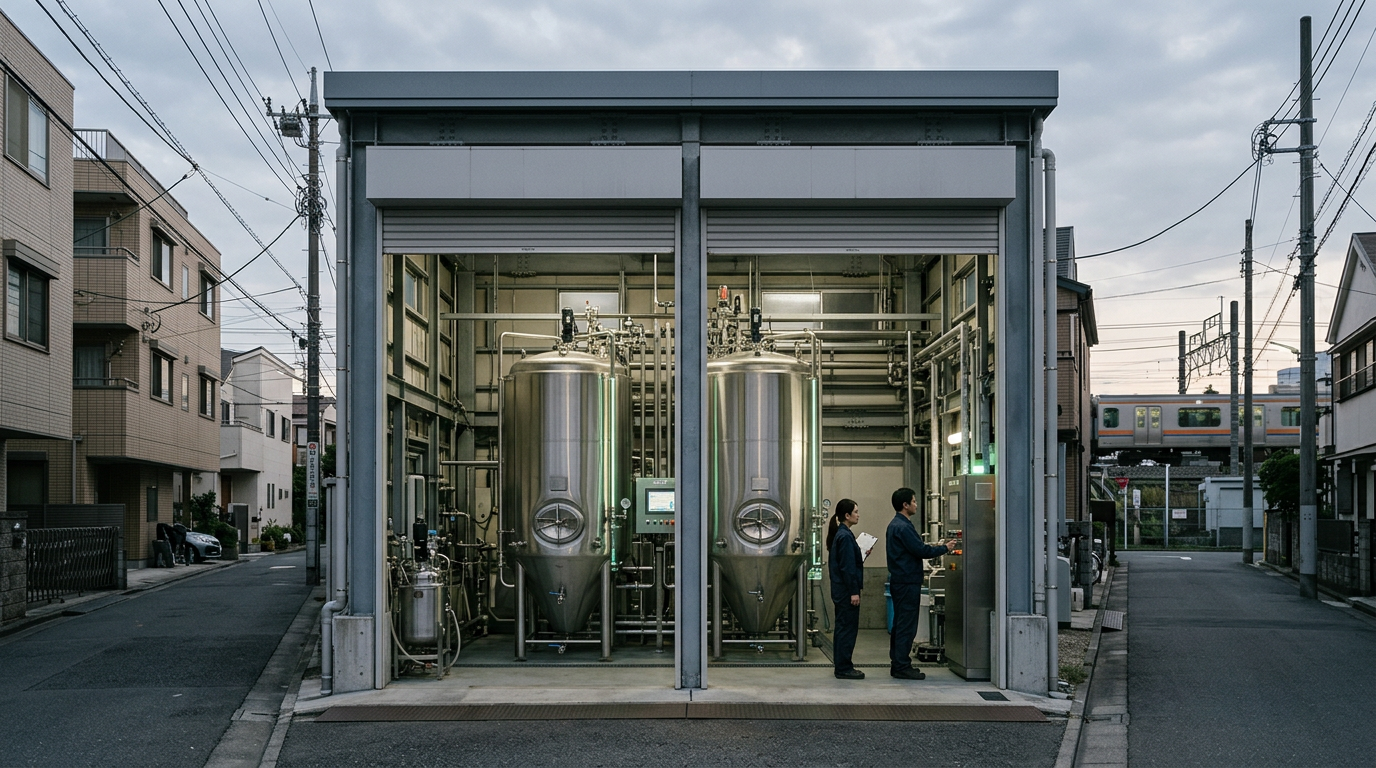
Spiber's Brewed Protein — fermented structural proteins replacing animal and petroleum textiles — is now used by 45+ brands with mass production at 500+ tonnes/year, blending Japan's ancient koji mastery with synthetic biology.
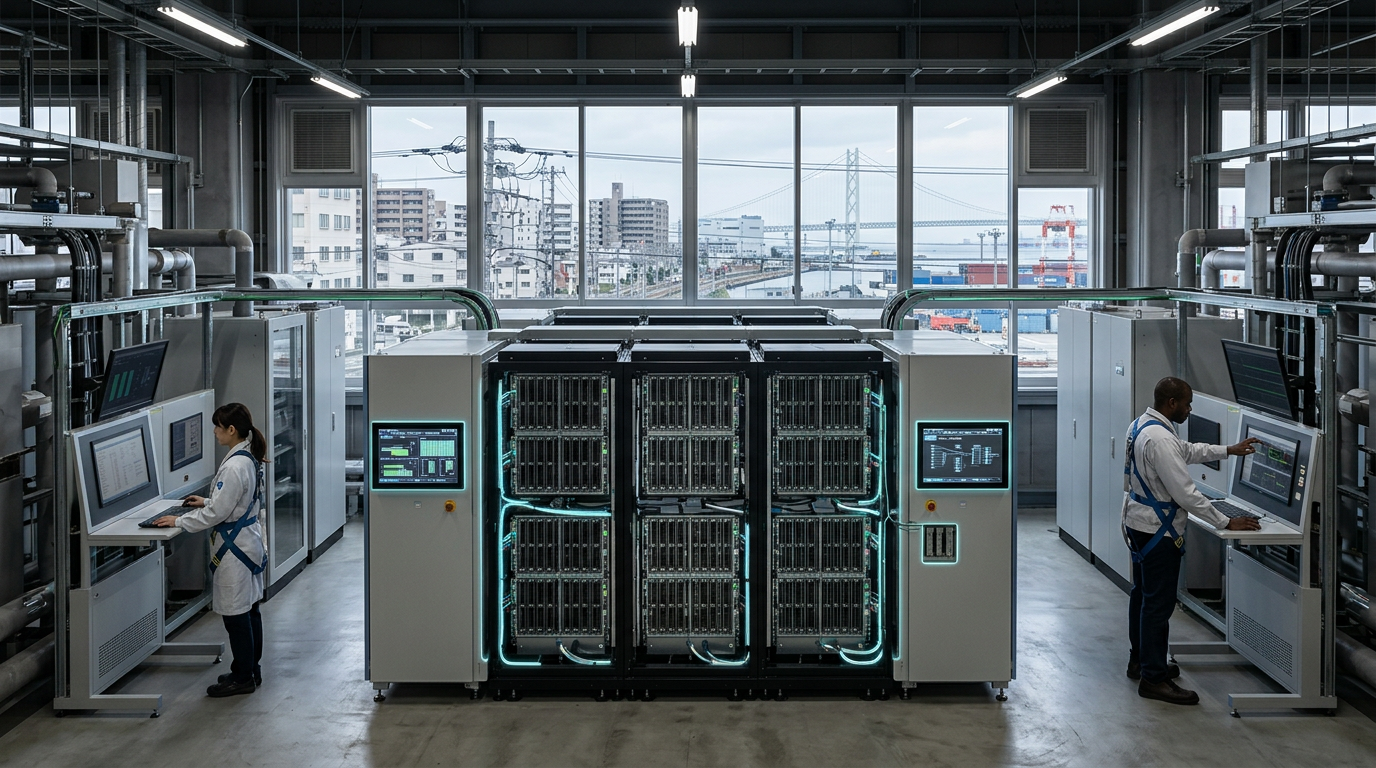
RIKEN, Fujitsu, and NVIDIA are co-designing FugakuNEXT — a zettascale supercomputer targeting operation by 2030 with a ¥110 billion ($750M) budget.
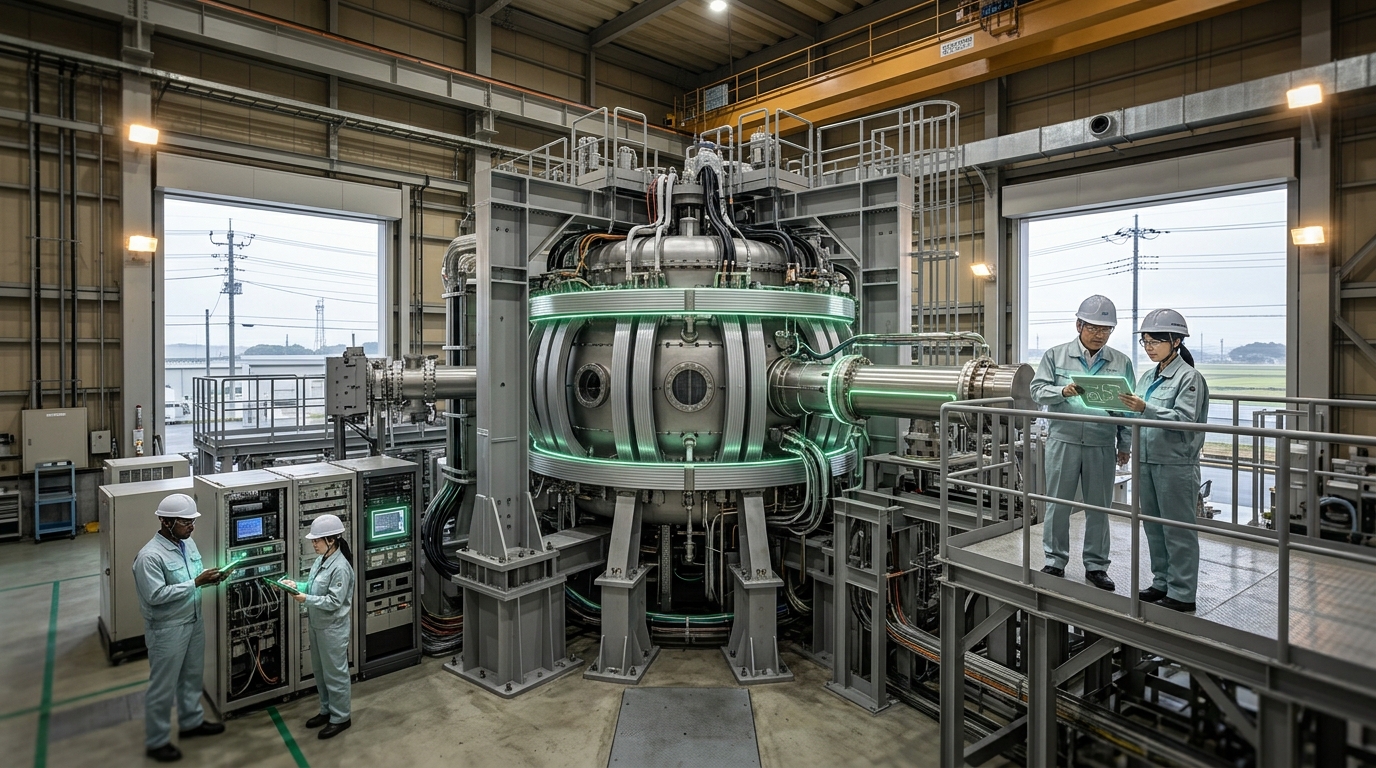
JT-60SA is the world's largest superconducting tokamak — scheduled for full experiments in 2026 as the primary ITER support facility.
Nintendo, Sony, and Capcom generate $25B+ annually — Japanese gaming is the world's most valuable cultural technology export, shaping global entertainment norms.
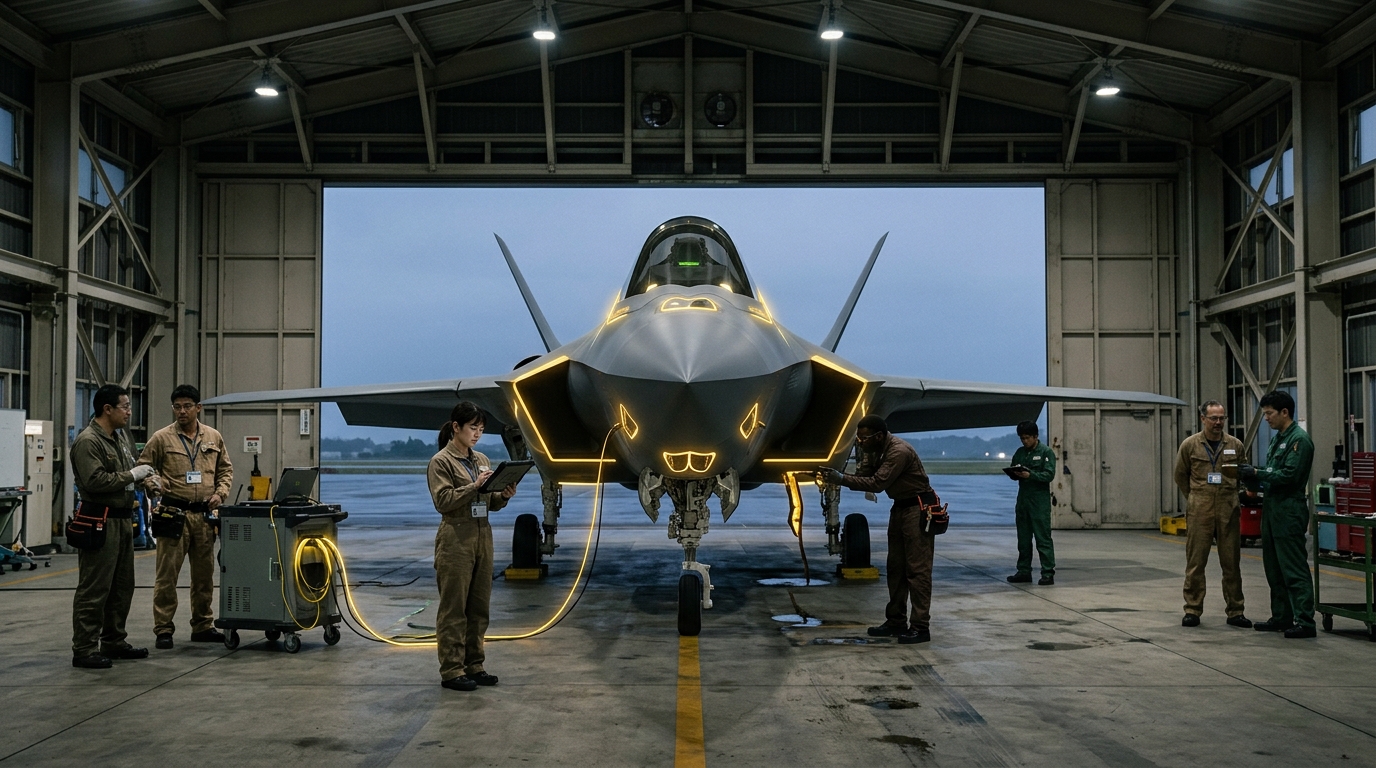
Japan, UK, and Italy's Global Combat Air Programme targets a 2035 sixth-gen stealth fighter — Japan's most ambitious defense technology program since WWII.
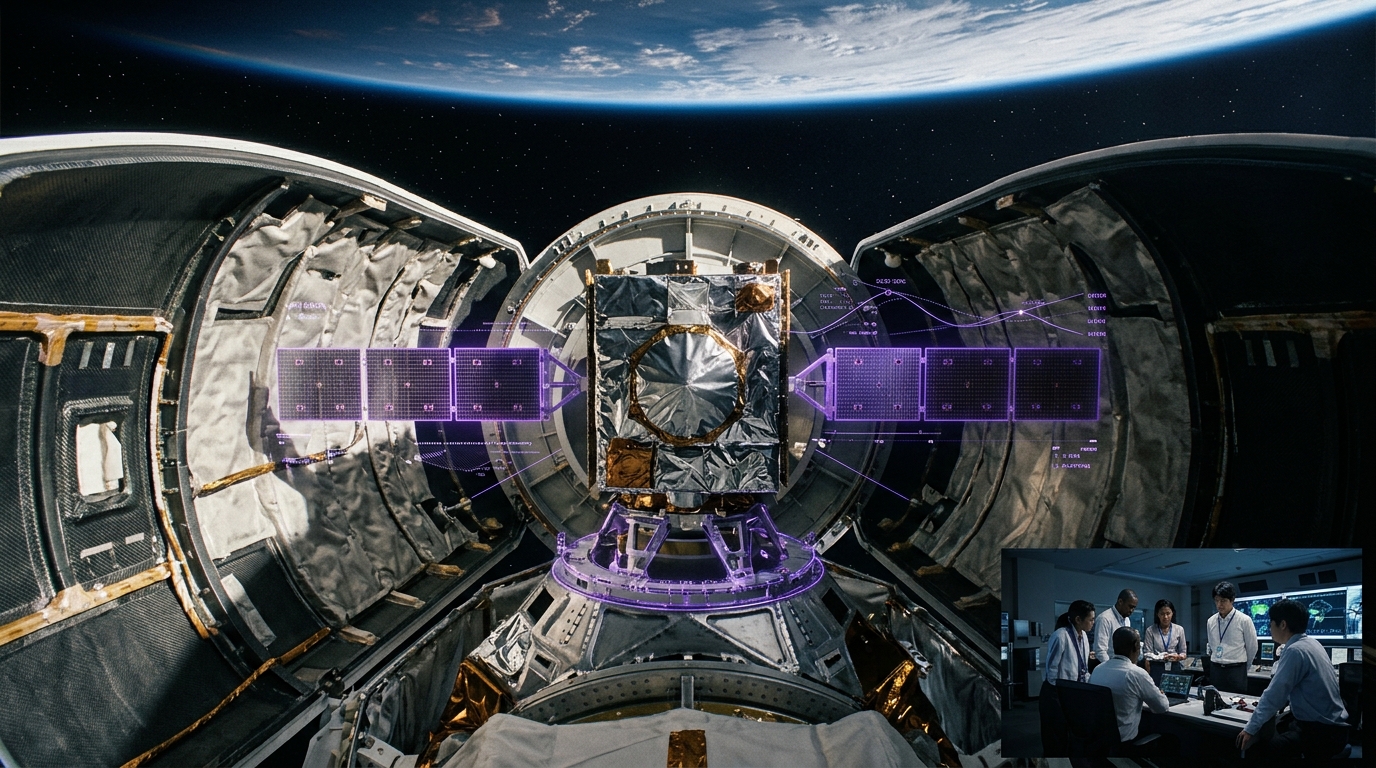
JAXA's H3 rocket achieved four consecutive successful launches through 2025, becoming Japan's new flagship launcher for QZSS navigation and ISS resupply.
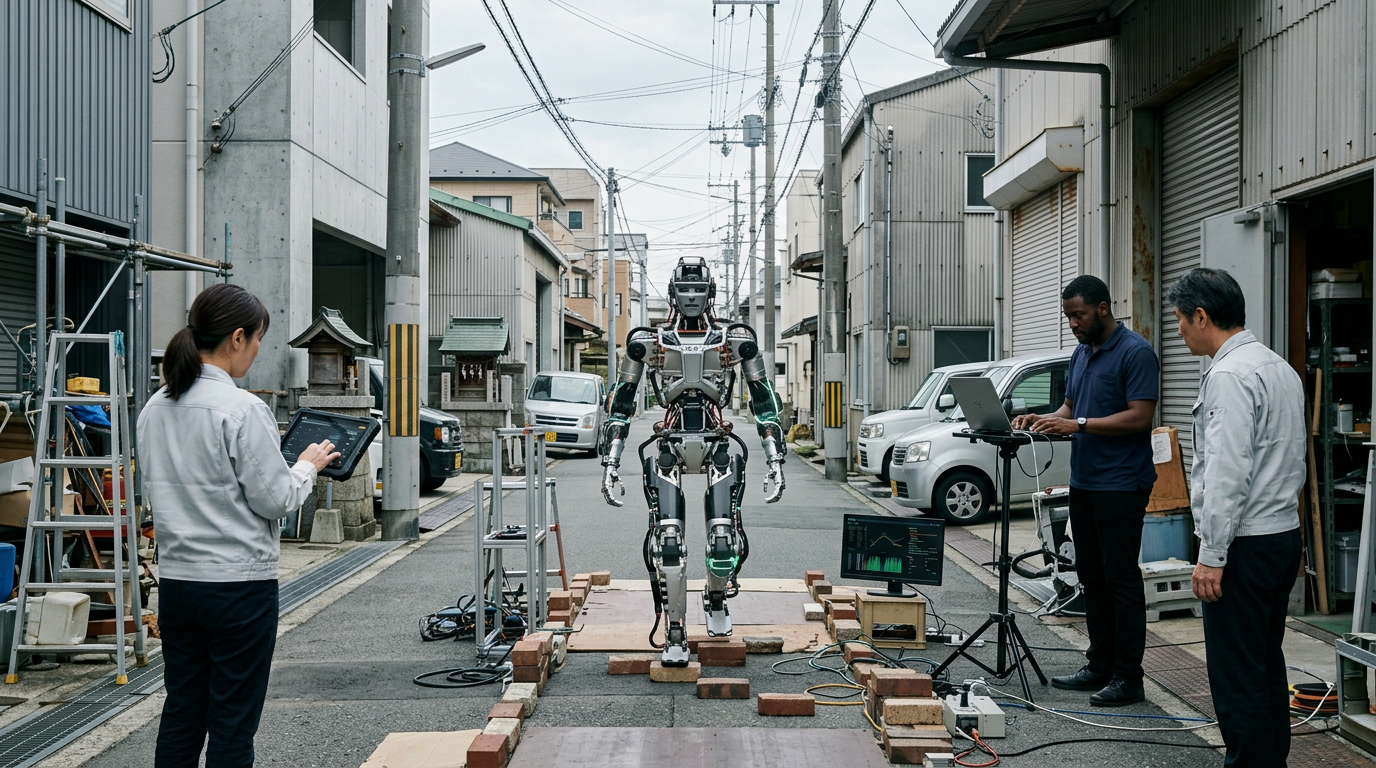
Despite pioneering humanoid robots (ASIMO, AIBO), Japan has fallen behind China and the US in the AI-driven humanoid boom — a recognized strategic gap.
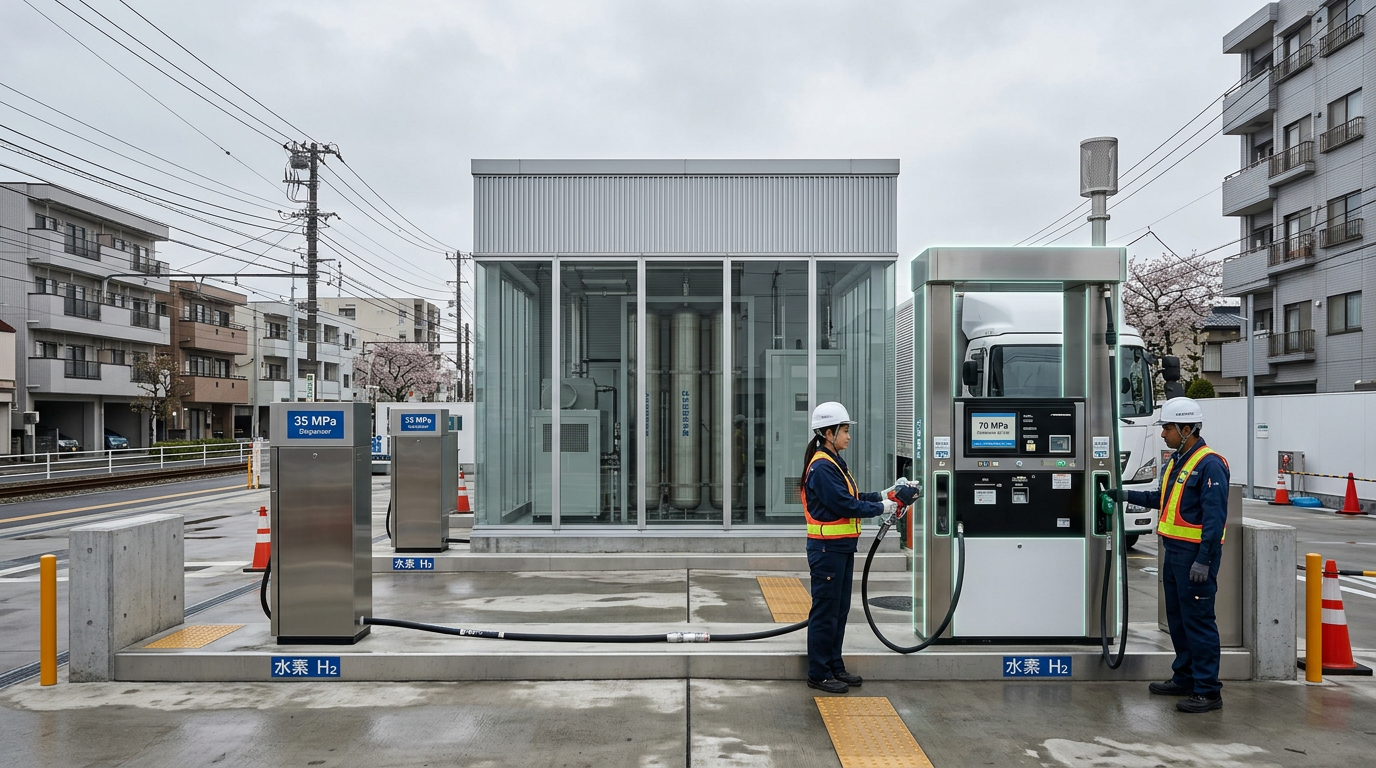
Japan leads global hydrogen deployment with 160+ refueling stations and pioneering ammonia co-firing in coal power plants to decarbonize baseload electricity.
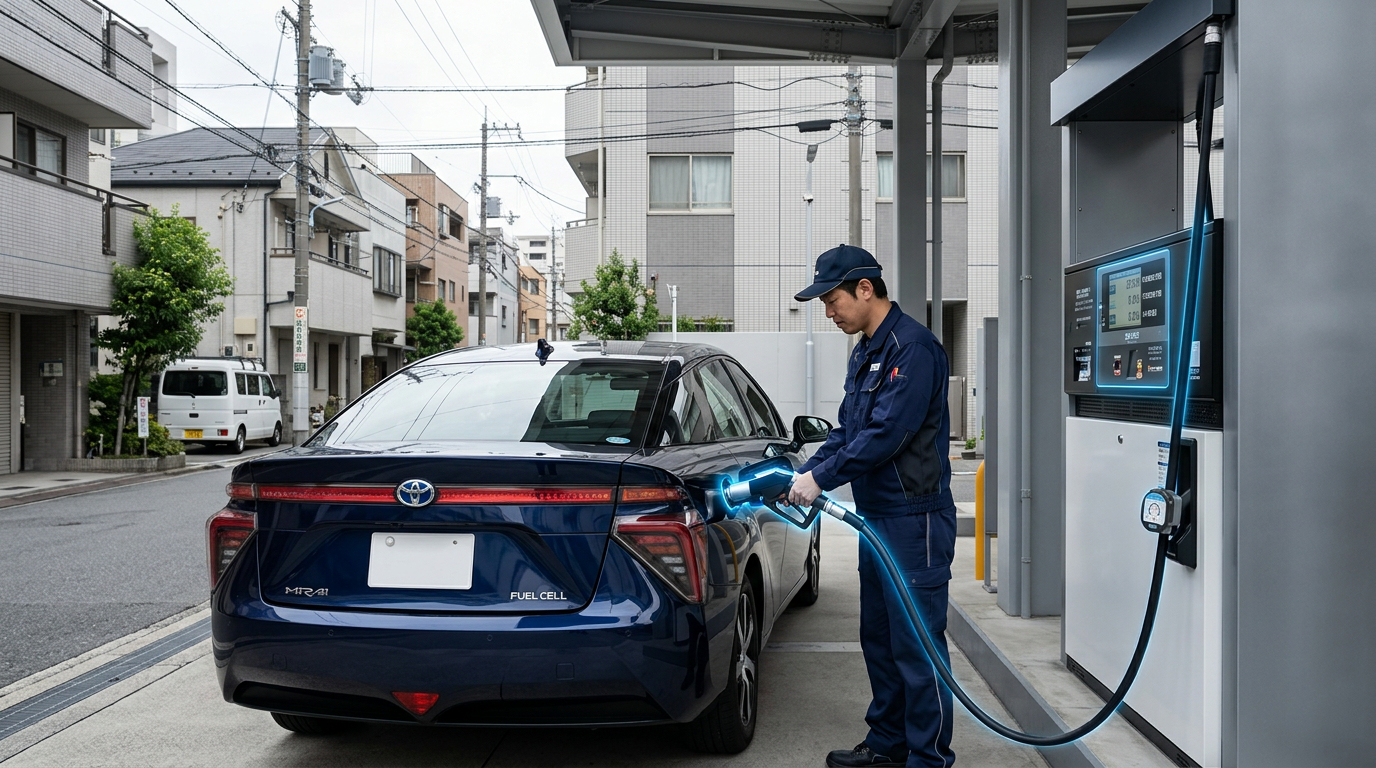
Japan operates the world's most extensive hydrogen refueling network (~160 stations) with Toyota Mirai and Honda CR-V FC leading fuel cell vehicle production.
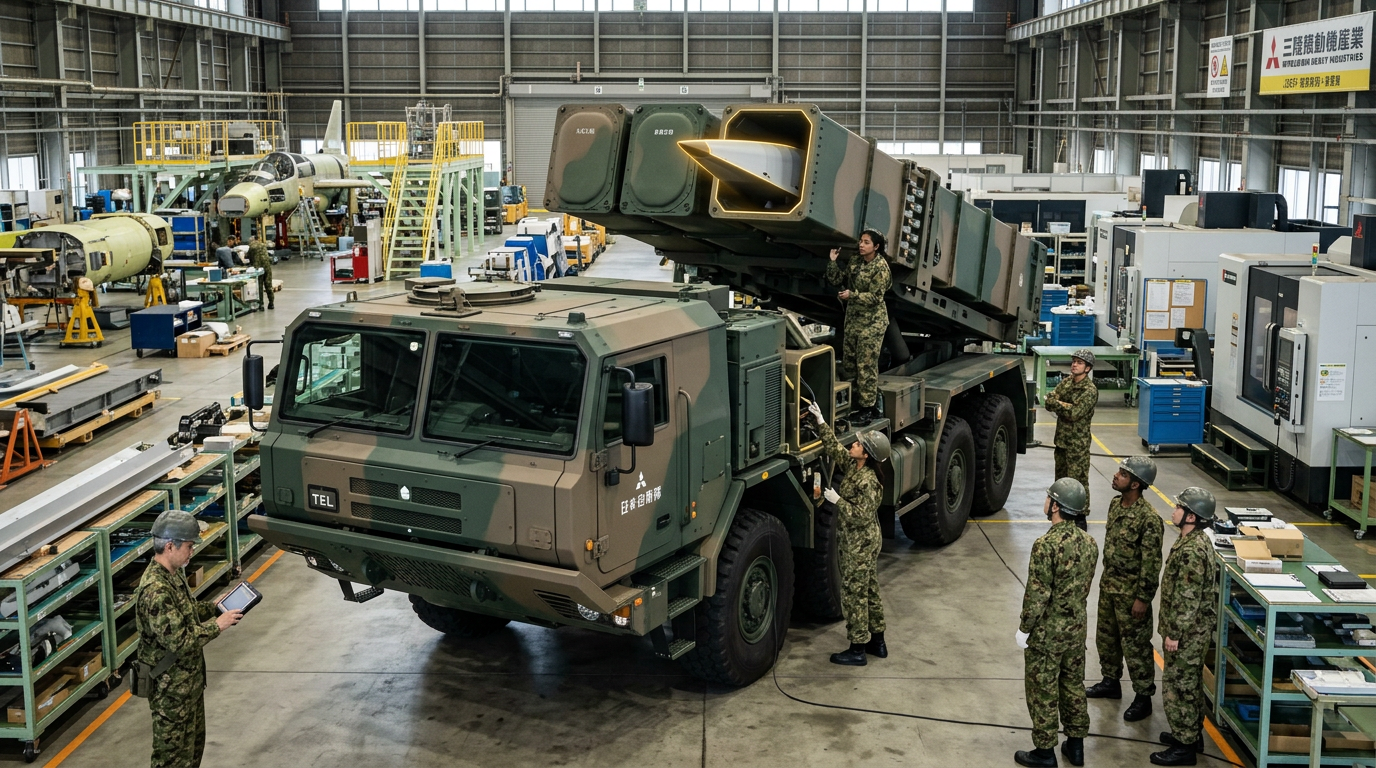
Japan begins mass production of Mach 5+ hypersonic guided missiles in FY2026 — with Mitsubishi Heavy Industries leading production and ground-launched Block 1 variant nearing deployment.
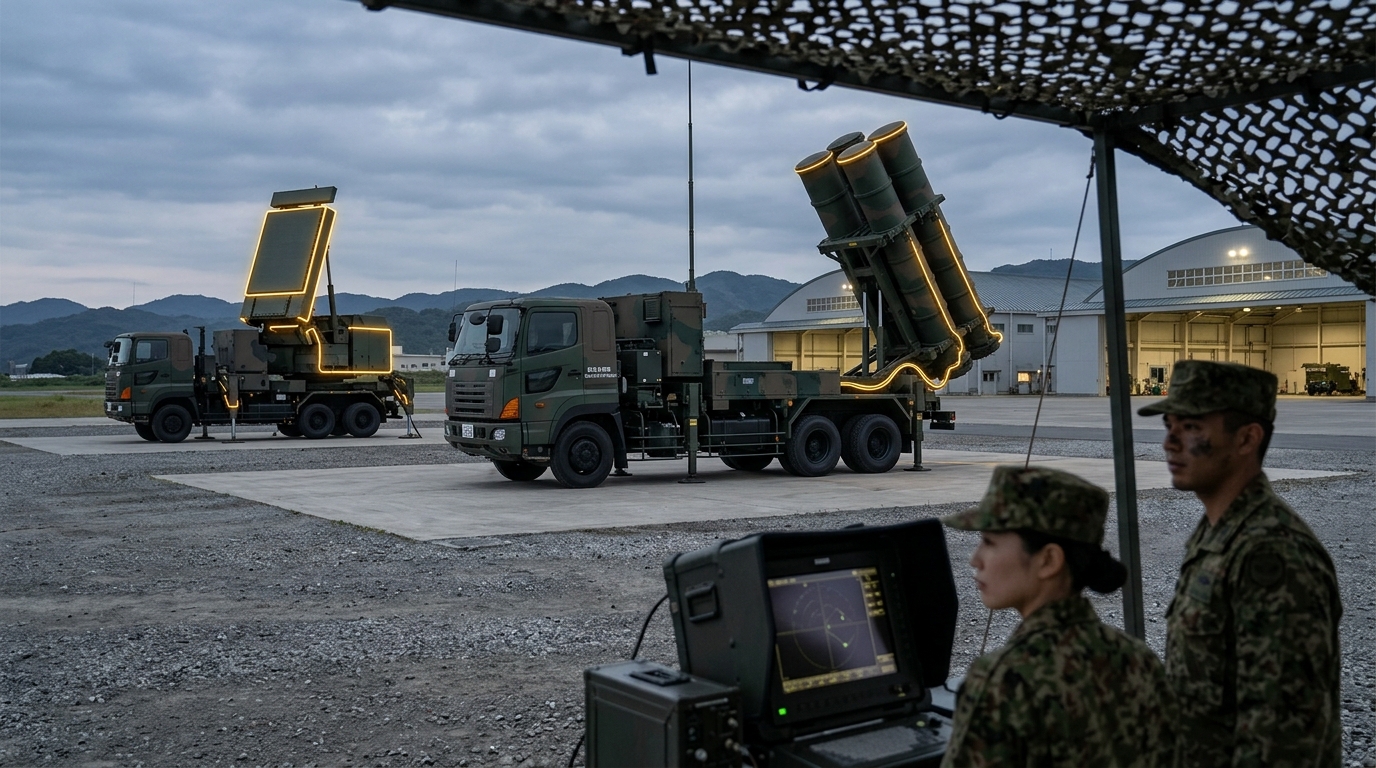
Japan is co-developing Glide Phase Interceptors with the U.S. and mass-producing upgraded Chu-SAM Kai interceptors 3 years ahead of schedule to counter hypersonic threats.
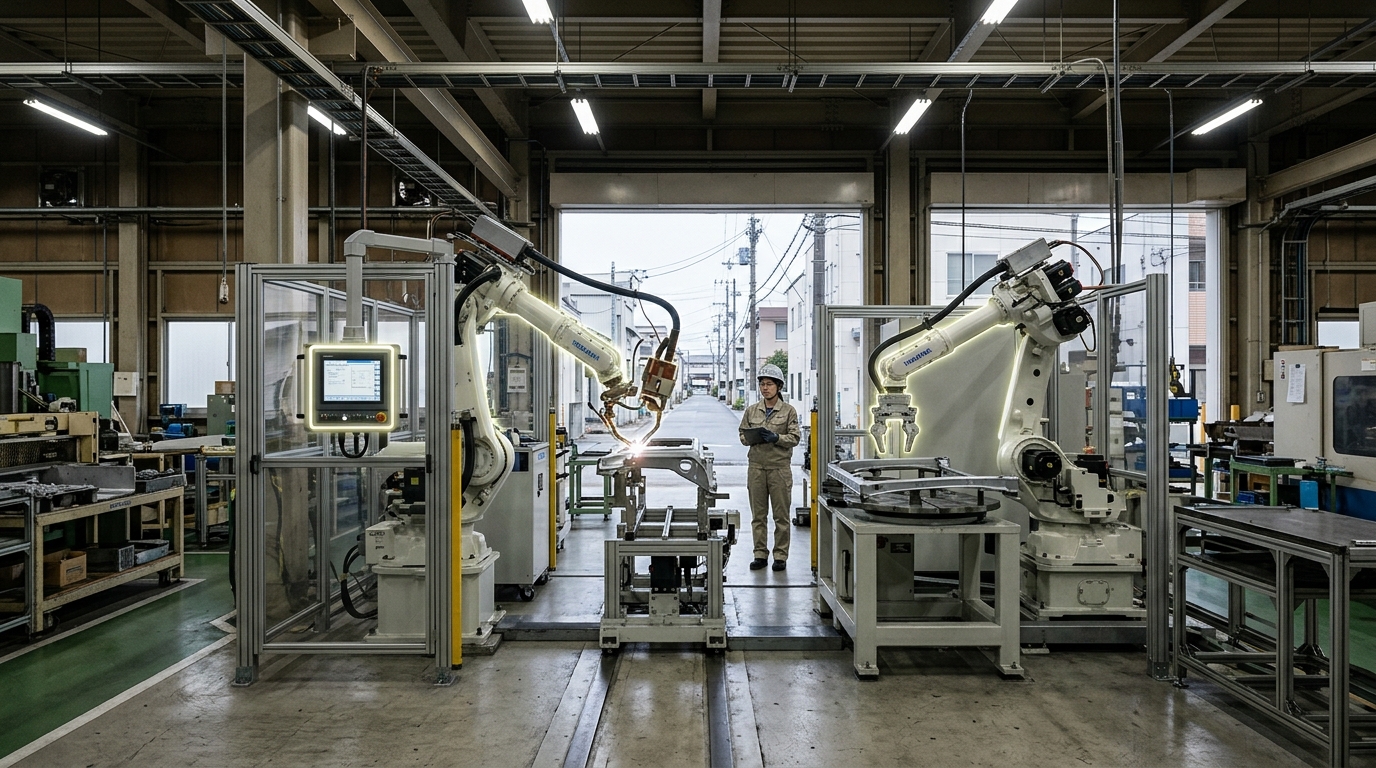
Fanuc, Yaskawa, Kawasaki, and Nachi dominate global industrial robotics with Japan producing ~45% of the world's industrial robots.
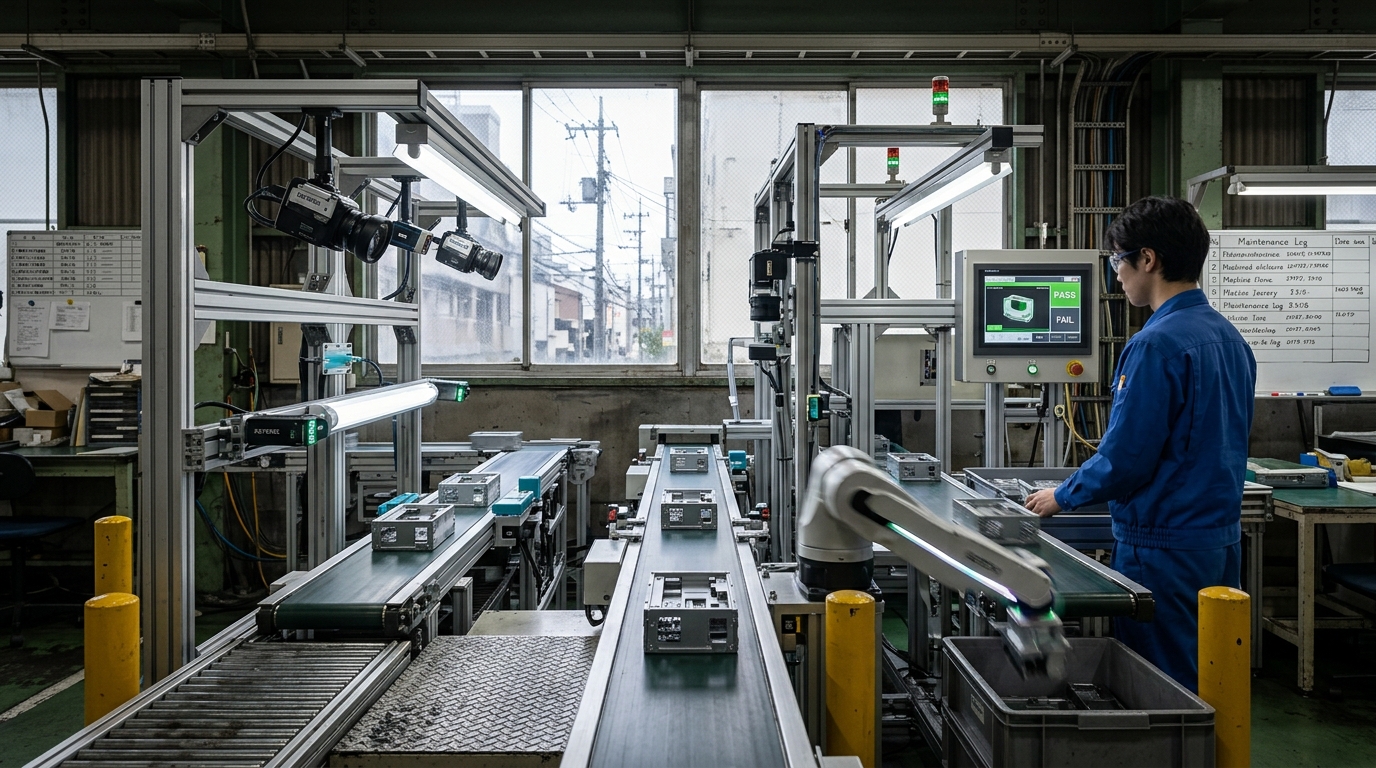
Keyence — Japan's most valuable manufacturer at $100B+ market cap — dominates factory automation sensors, laser markers, and machine vision with AI-enabled inspection systems that detect defects invisible to humans.
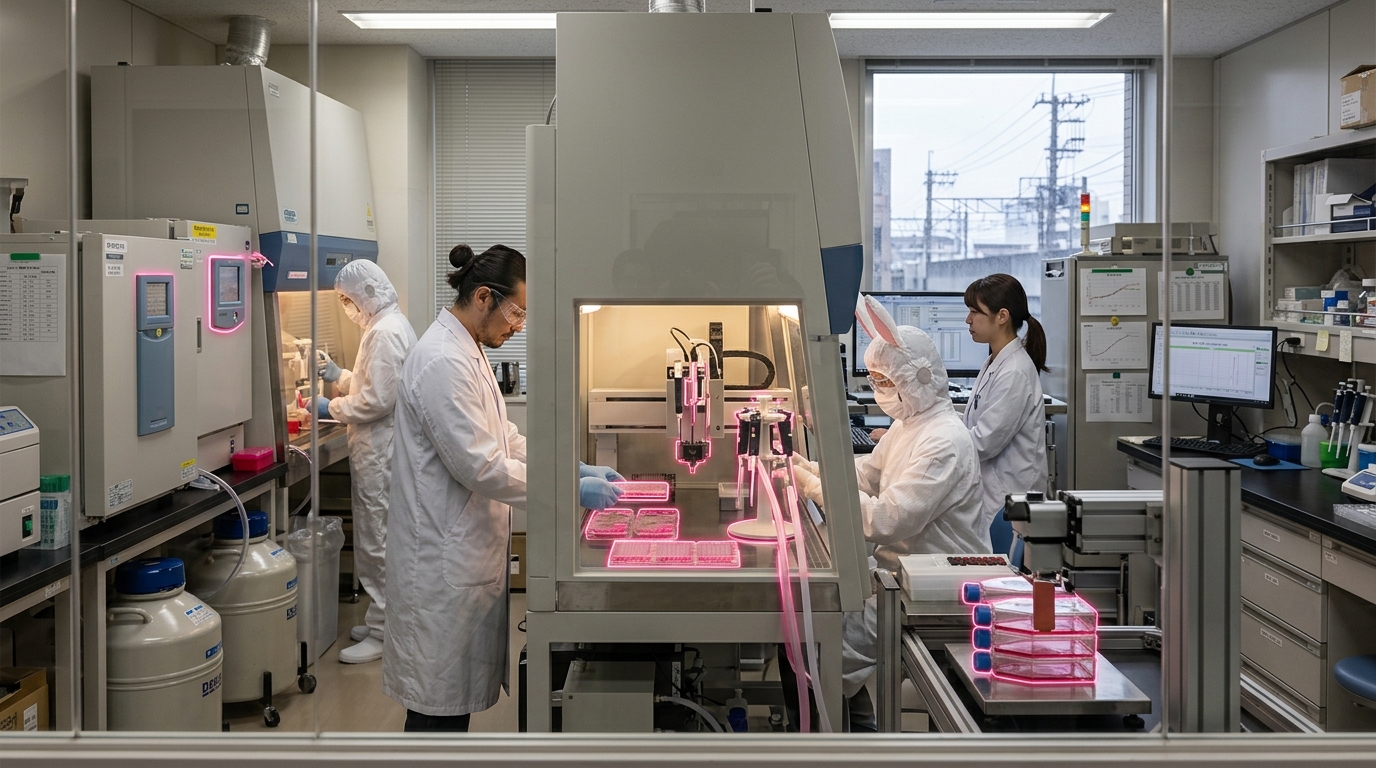
Japan filed the world's first regulatory submission for an iPS cell-based therapy in 2025 — a decade after Yamanaka's Nobel Prize, clinical applications are arriving.
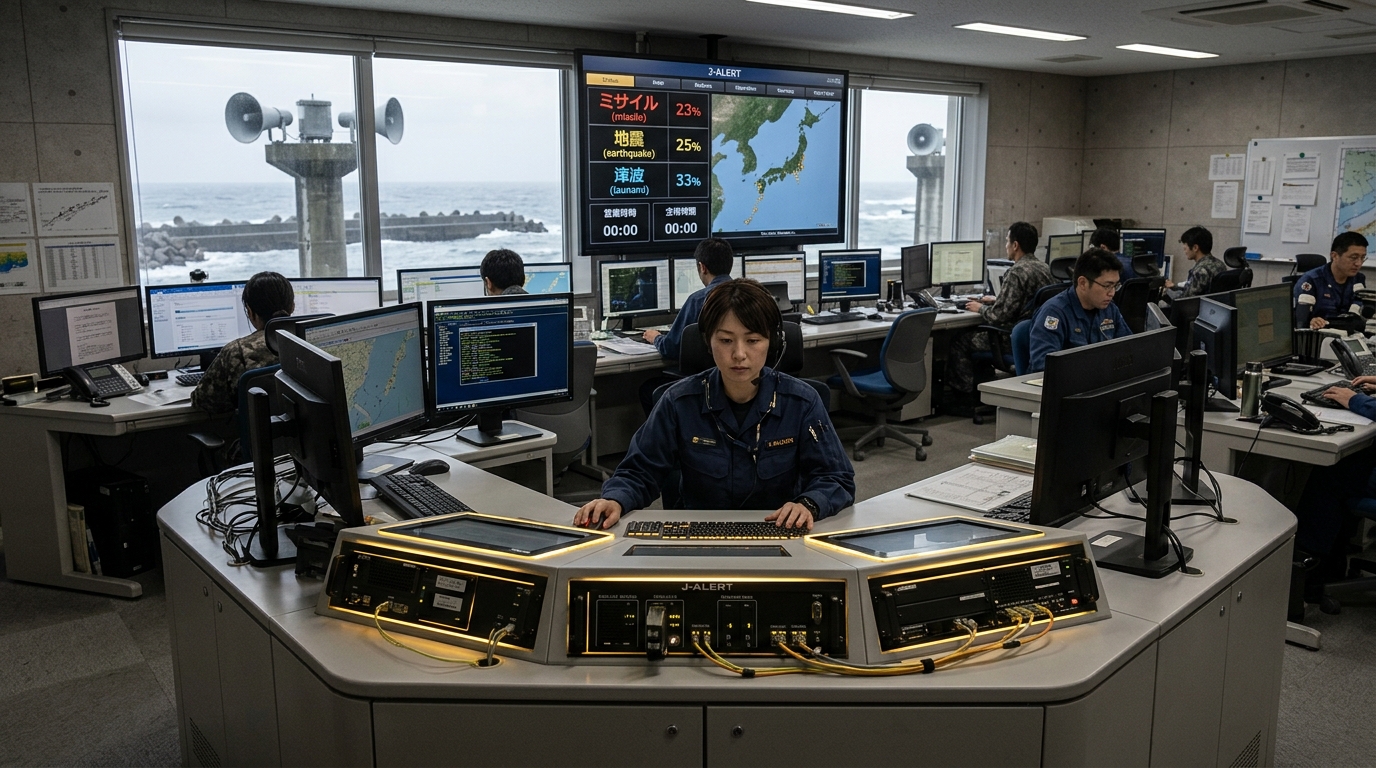
Japan's nationwide satellite-linked emergency alert system delivers missile, earthquake, and tsunami warnings to 100M+ people within seconds via dedicated infrastructure.
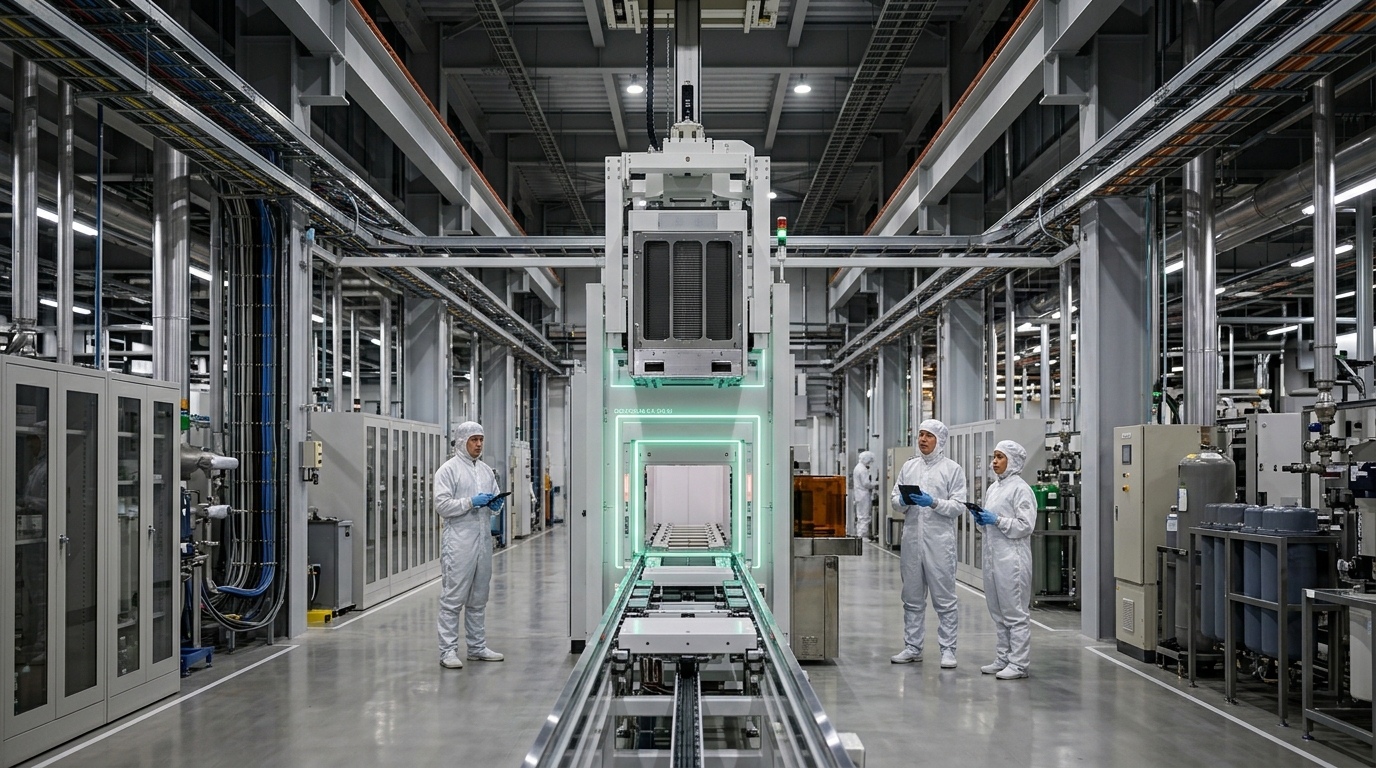
TSMC's JASM fab in Kumamoto is operational with 55,000 wafers/month capacity — a second fab ($13.9B) is under construction targeting 6/7nm with potential upgrade to 4nm.
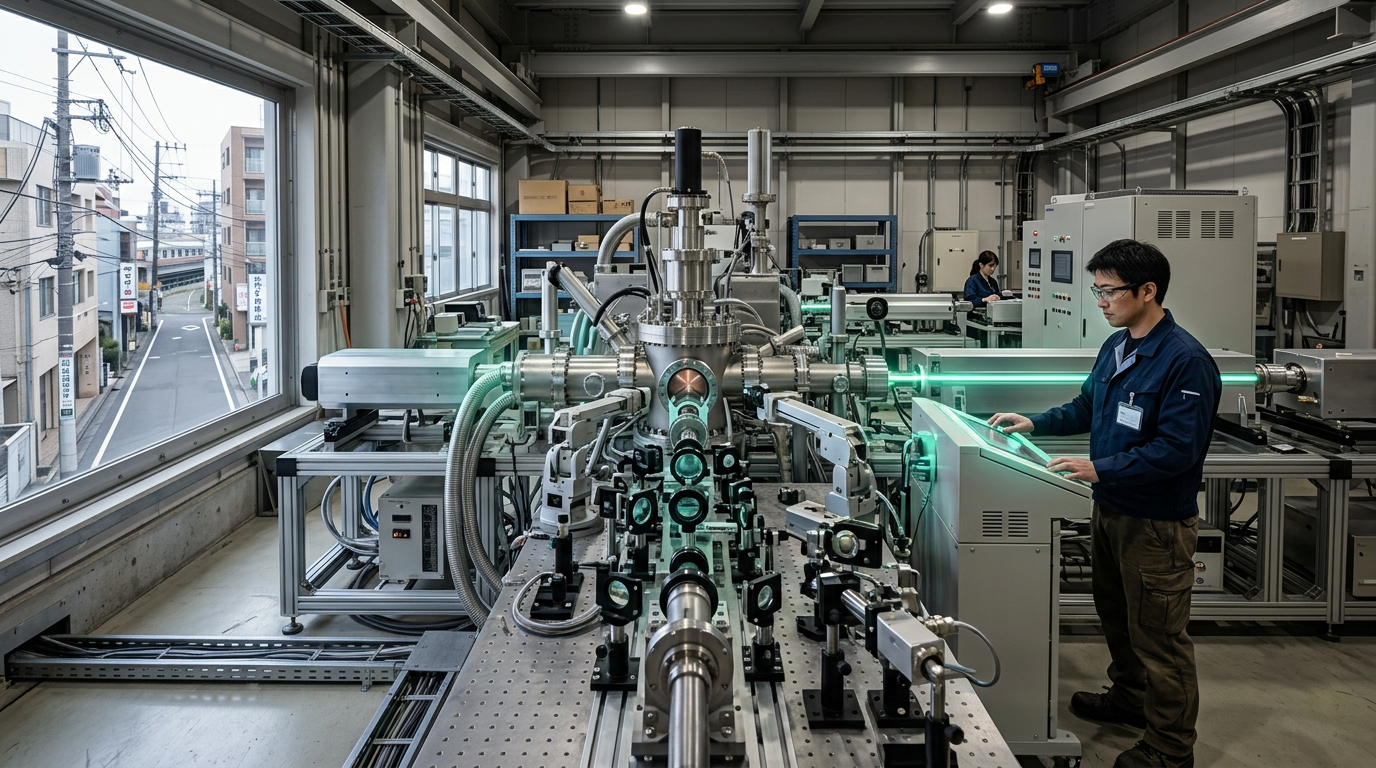
EX-Fusion and Hamamatsu Photonics achieved the world's first continuous high-power laser target irradiation for fusion research in 2025 — Japan's unique laser heritage pursuing a path to fusion power distinct from tokamaks.
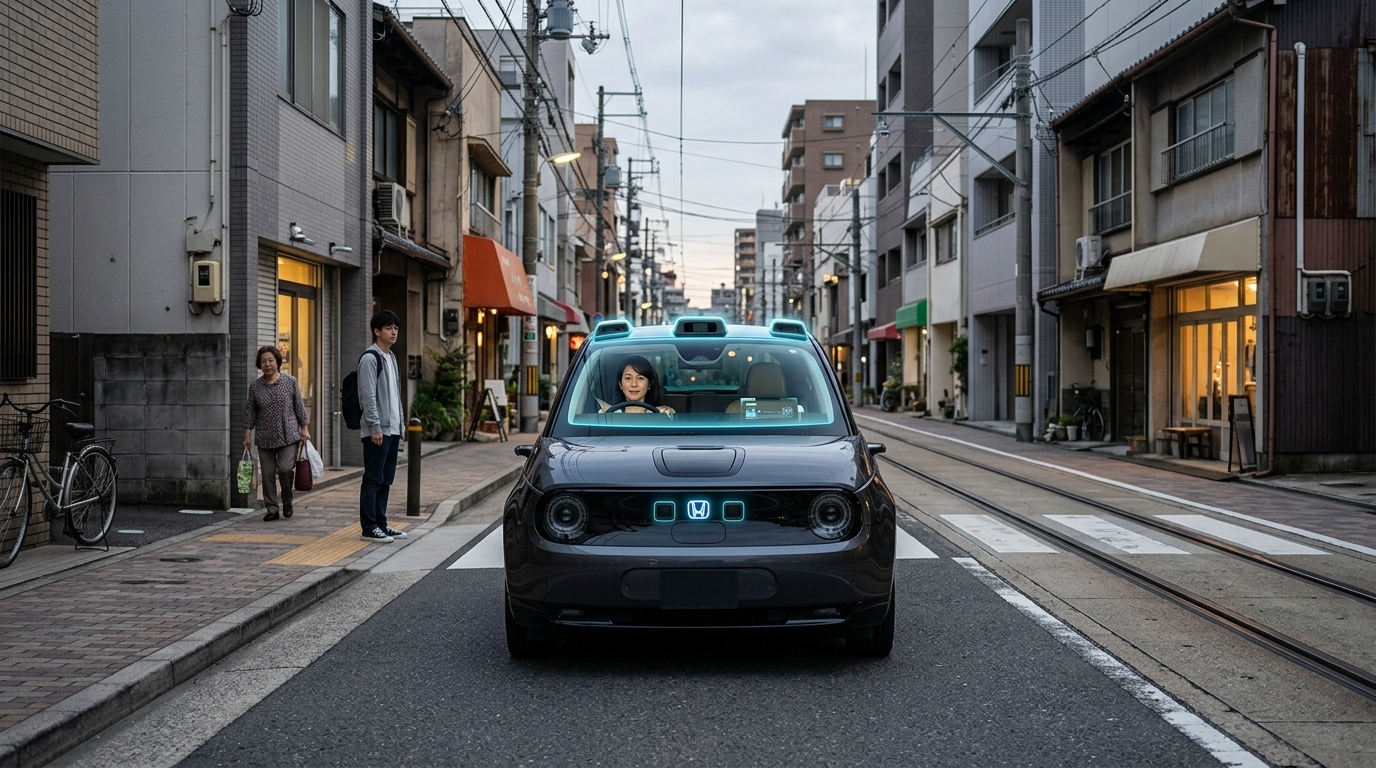
Honda launched the world's first commercially available Level 3 autonomous vehicle in 2021 and is bringing Level 3 to its 2026 '0 Series' EVs globally.
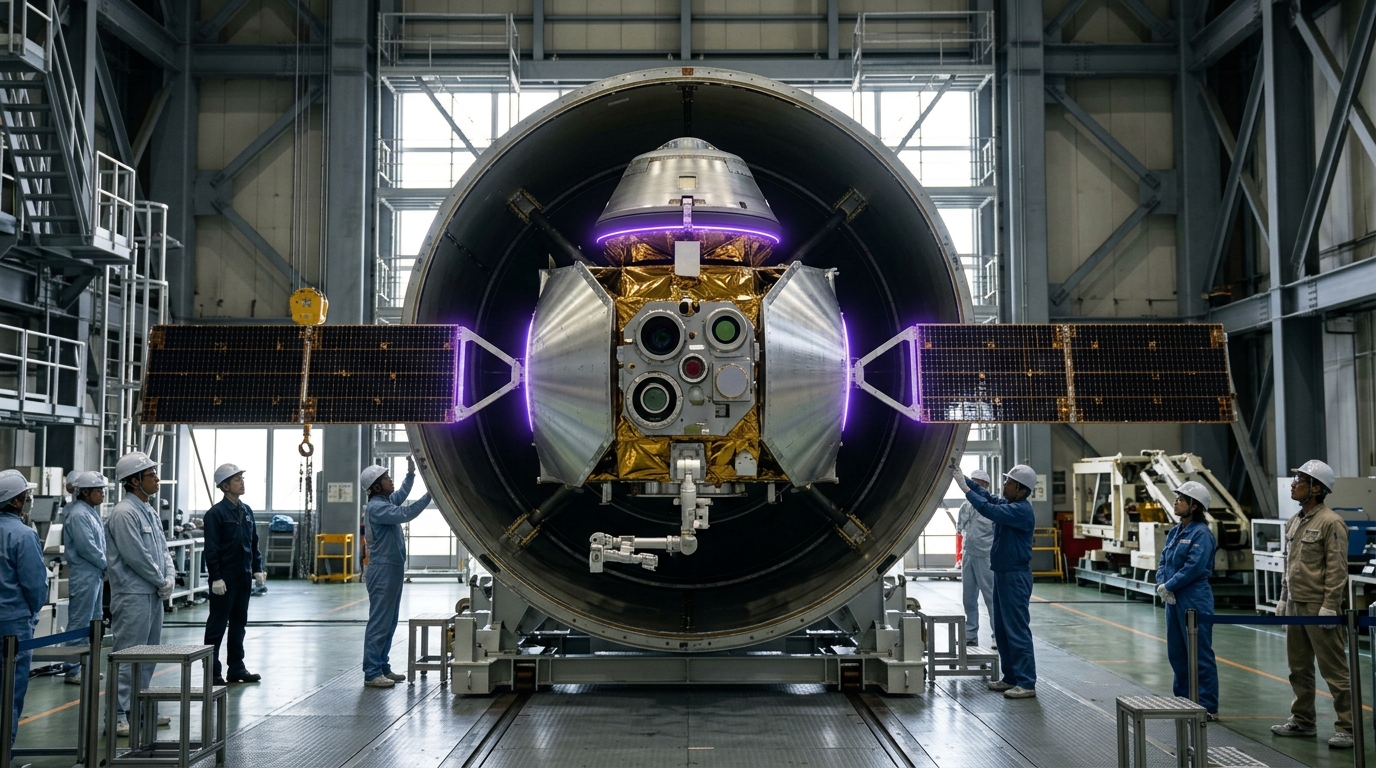
JAXA's MMX mission launches in FY2026 on an H3 rocket to explore Phobos and Deimos and return the first samples from a Martian moon.
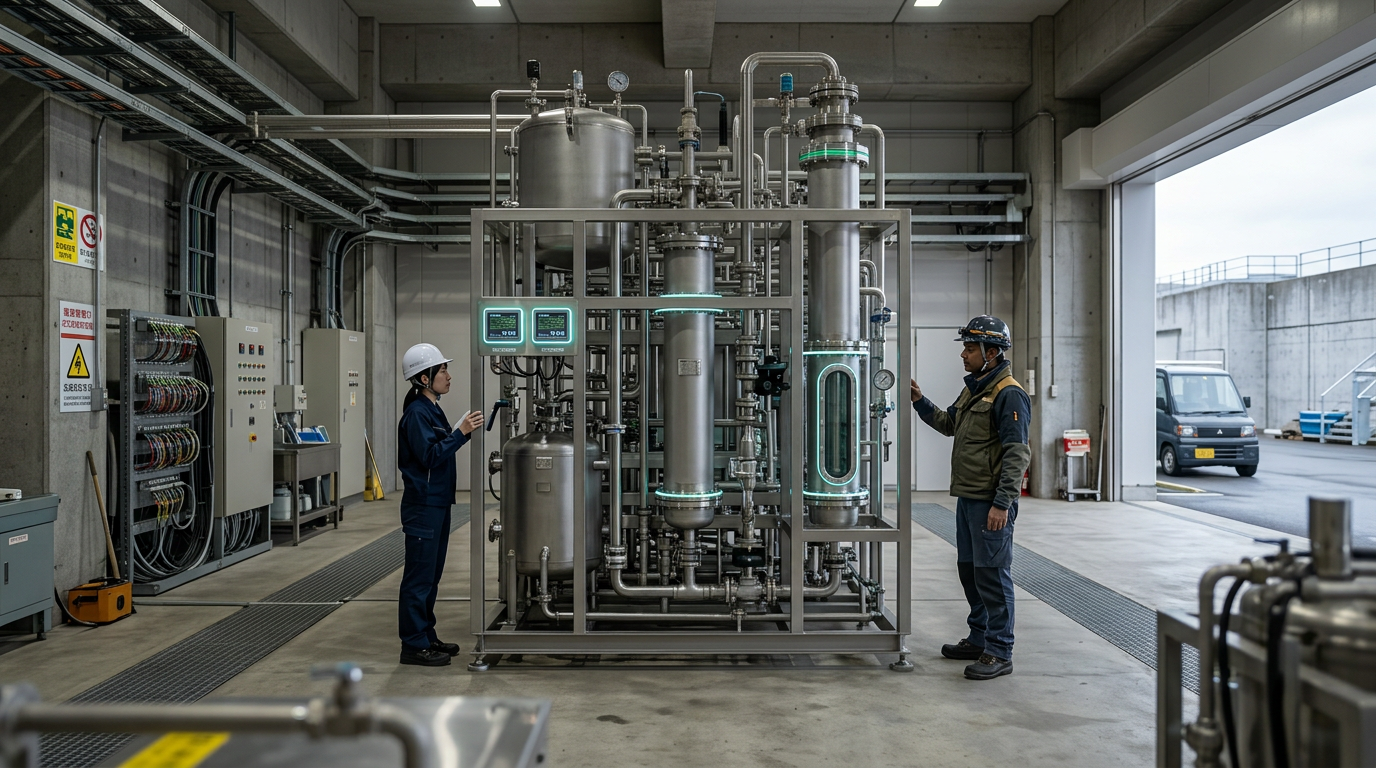
TEPCO's ALPS removes 62 radionuclides from contaminated water to below regulatory limits — the world's most advanced radioactive water treatment system, processing 1.3+ million tonnes of Fukushima coolant water.
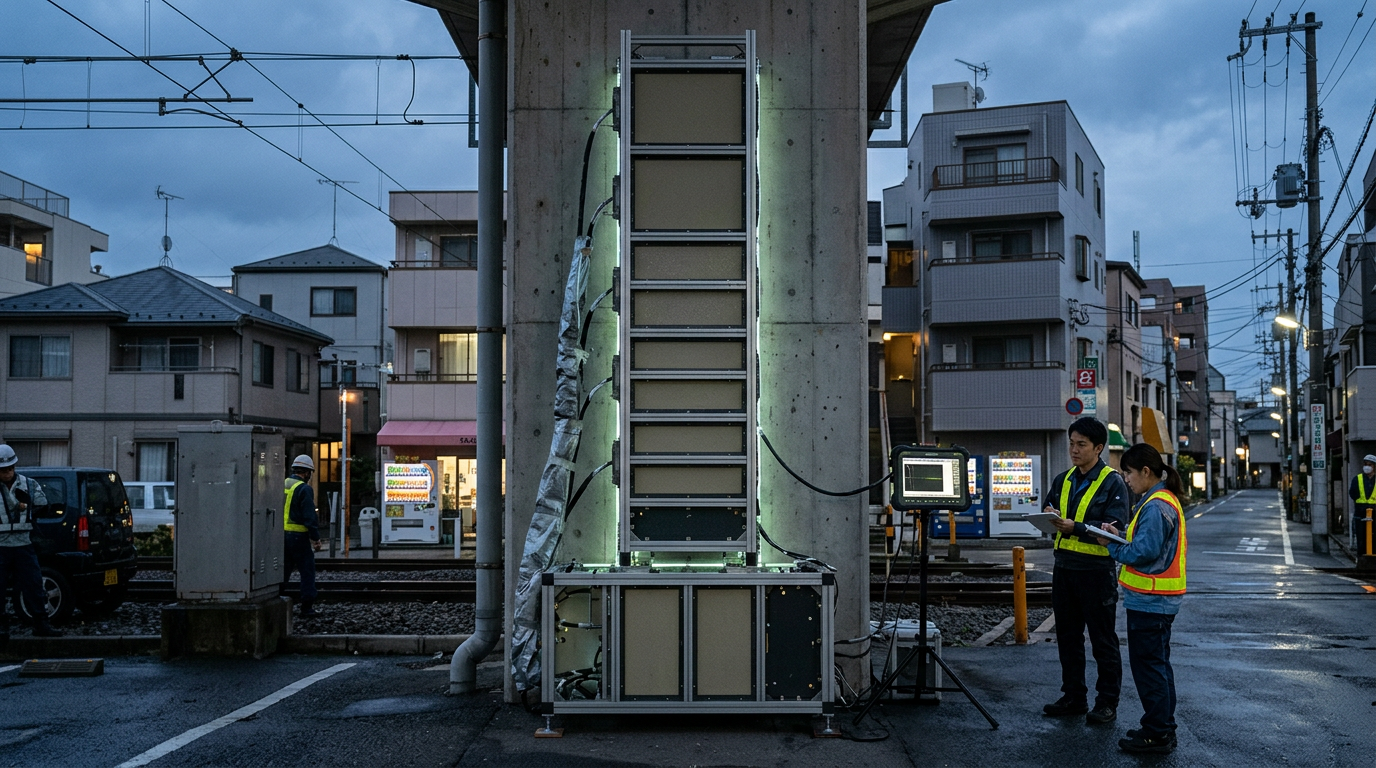
Japanese scientists pioneered using cosmic ray muons to see inside pyramids, volcanoes, and nuclear reactors — now commercializing the technology for infrastructure inspection of bridges, tunnels, and dams.
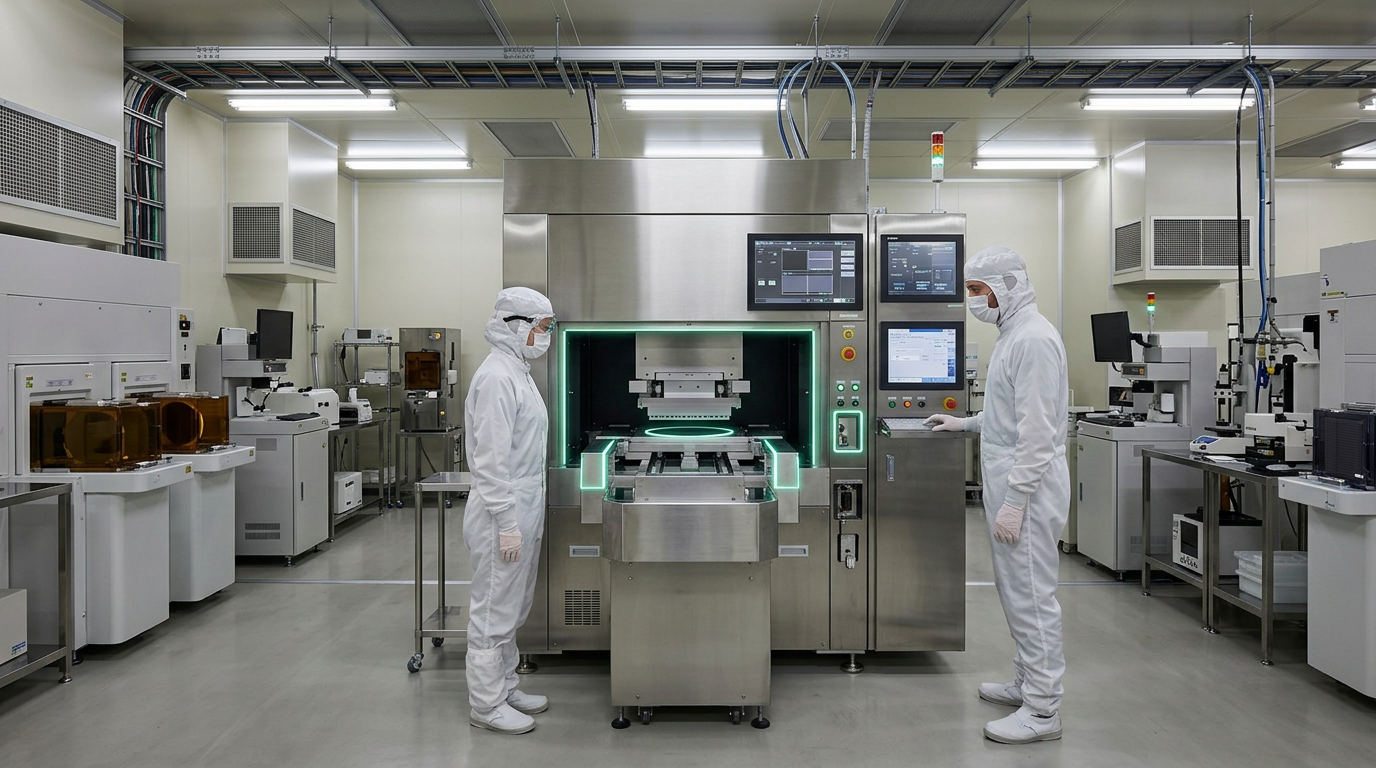
Canon's nanoimprint lithography 'stamps' chip patterns using 90% less power than EUV at potentially 1/10th the cost — delivered its first system to a customer in 2024, capable of 2nm-class patterning.
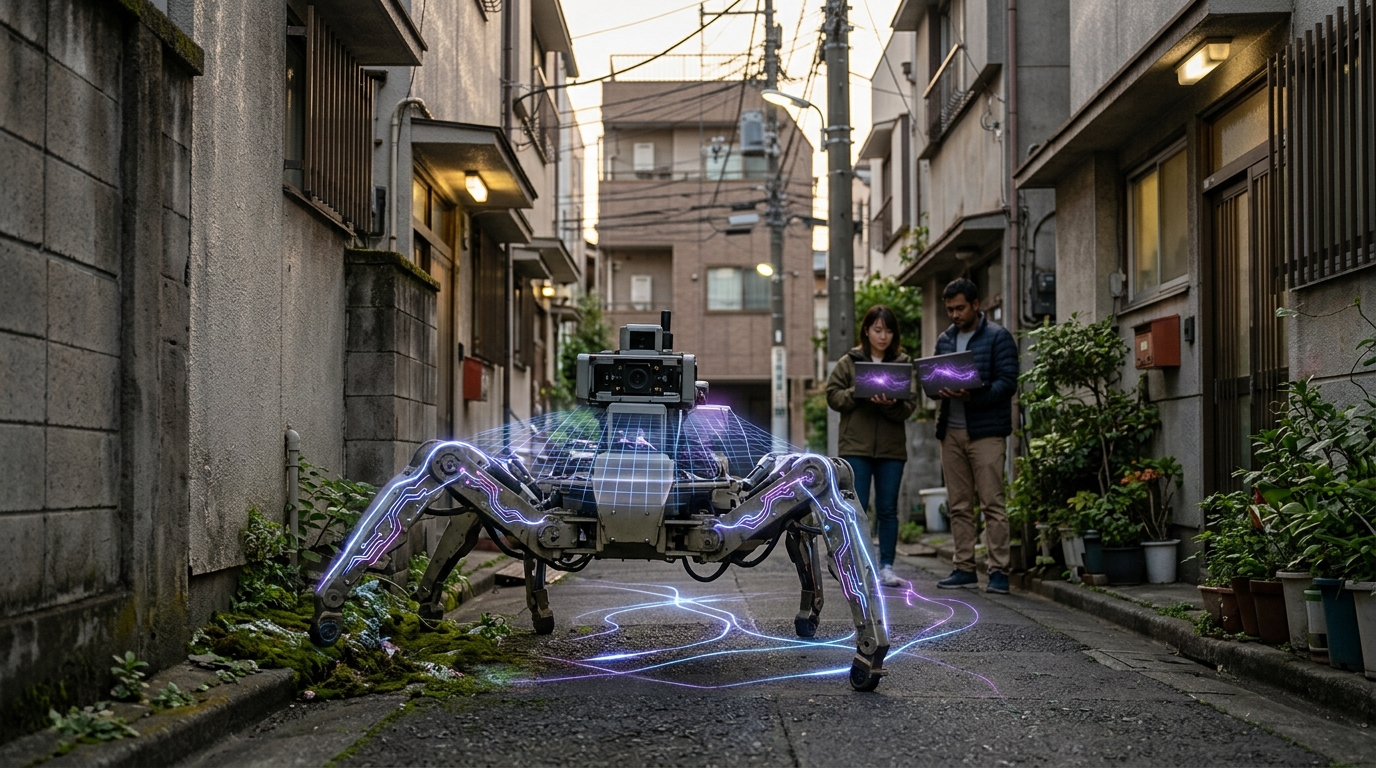
Sakana AI raised $135M Series B at $2.65B valuation in November 2025 — Tokyo-based, founded by ex-Google Brain researchers, building evolutionary and collective AI approaches.
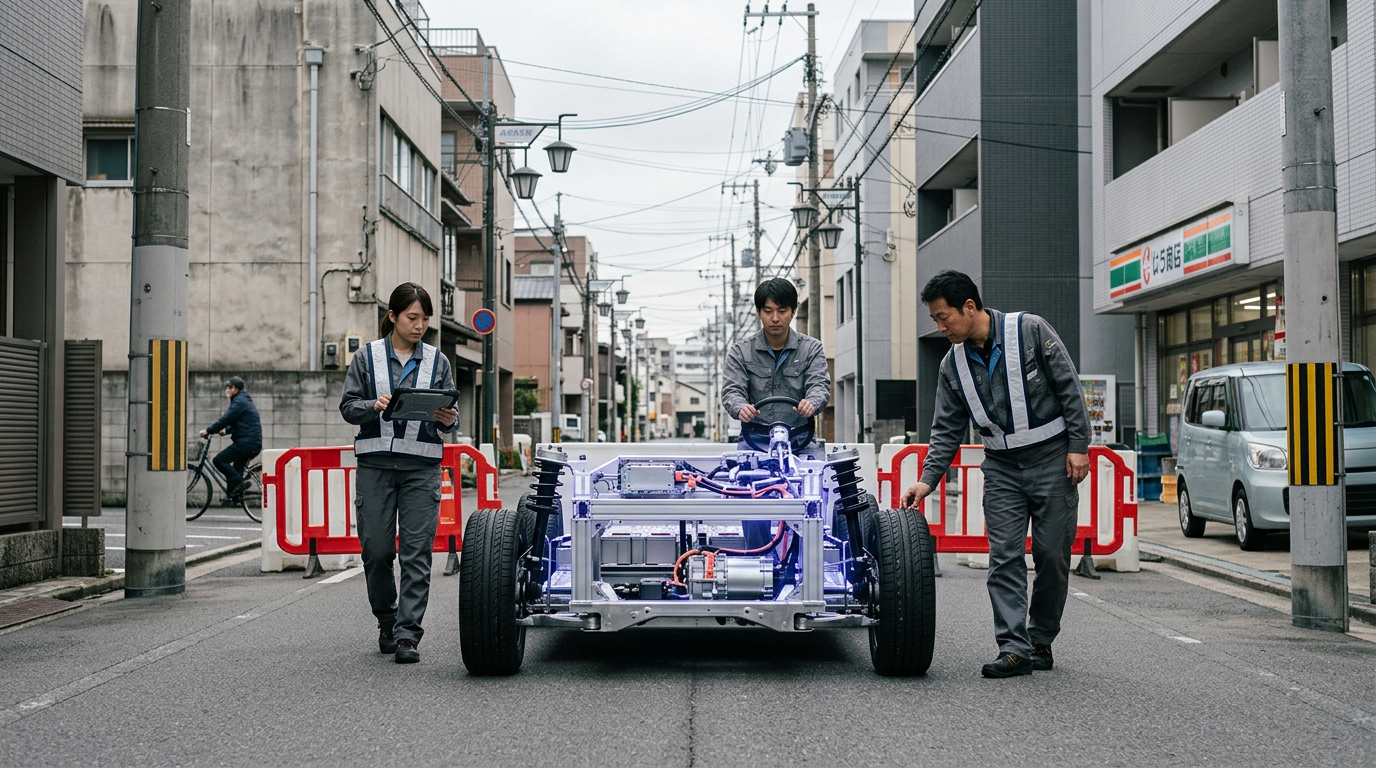
Toyota, Honda, and Nissan are launching dedicated EV platforms in 2025-2027 after initially falling behind Chinese and Tesla competitors.
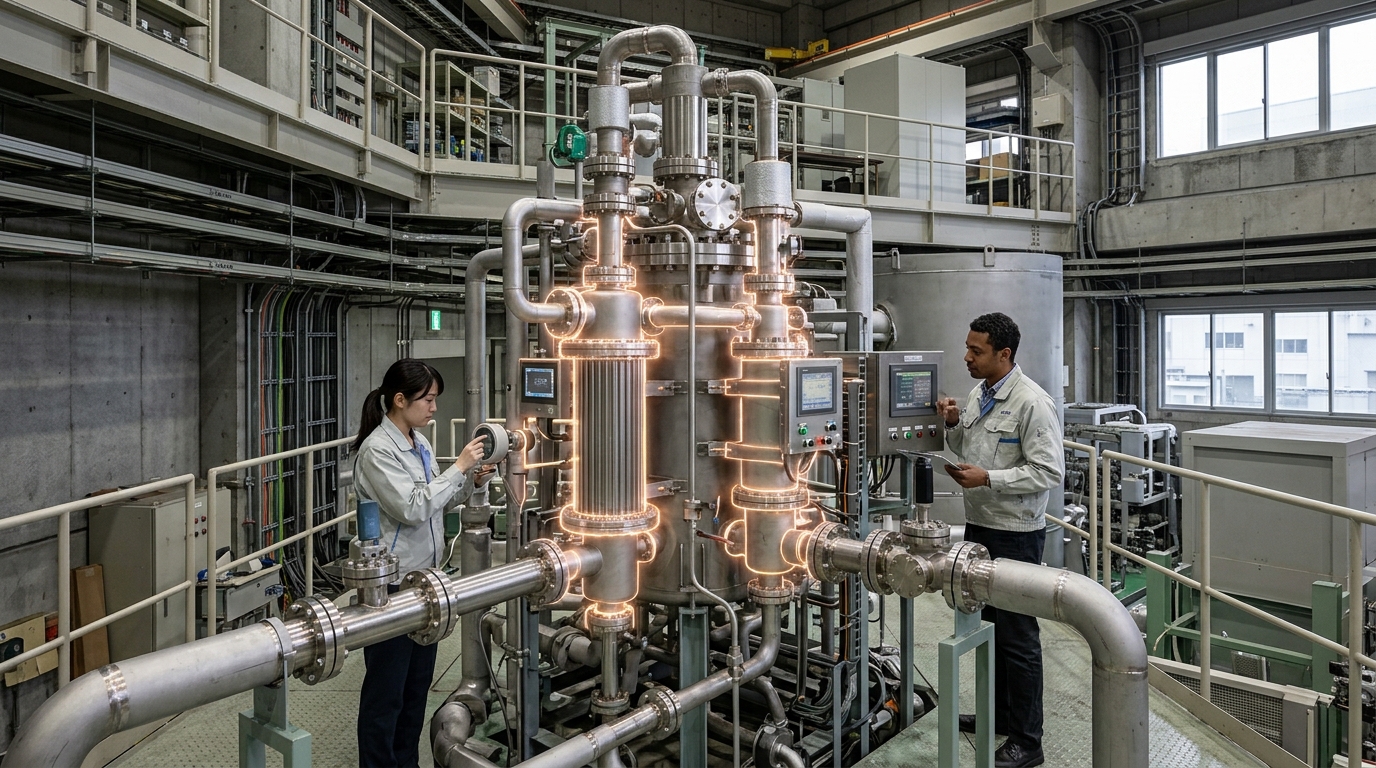
Japan is developing high-temperature gas reactors (HTGR) and small modular reactors — JAEA's HTTR achieved 950°C output for hydrogen production and industrial heat.
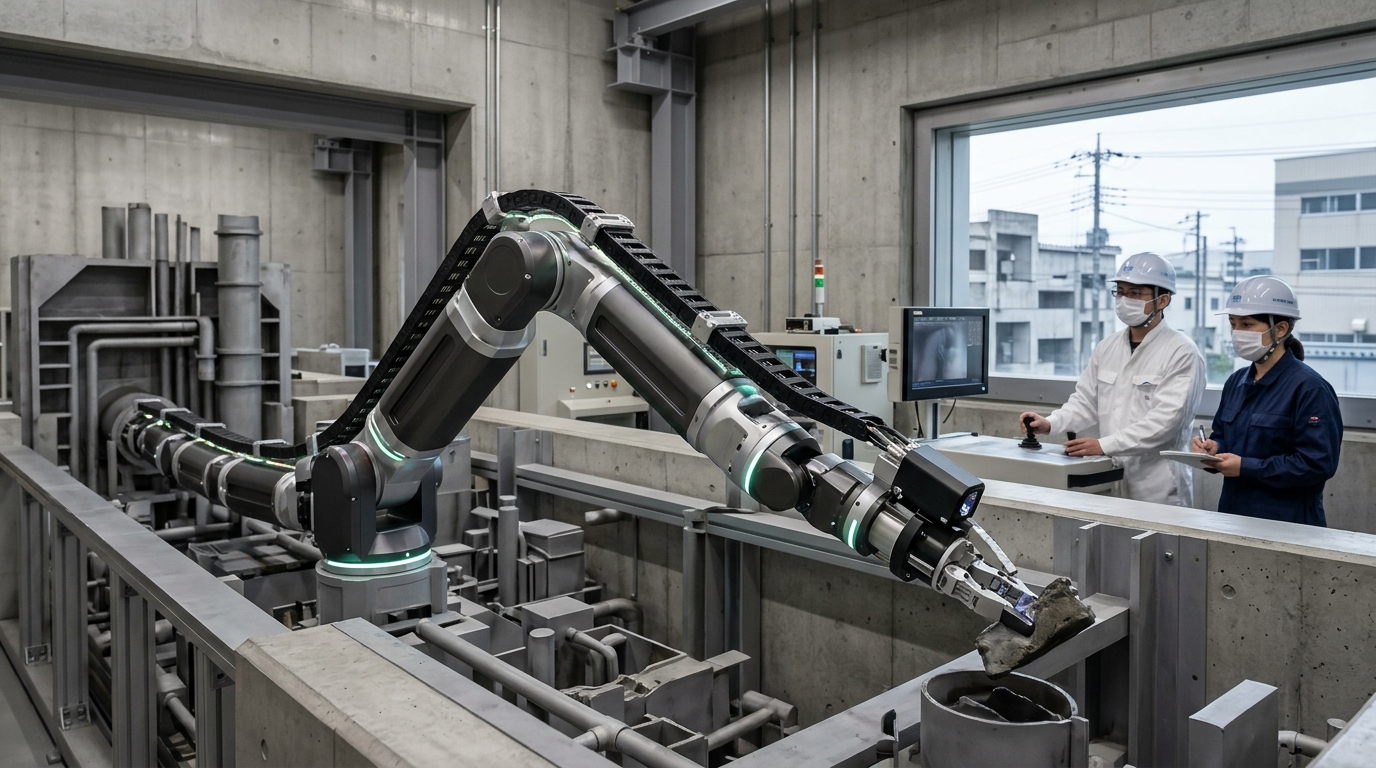
TEPCO unveiled a new snake-like robotic arm in February 2026 for Fukushima fuel debris removal — the world's most extreme radiation-hardened robotics, forced into existence by the worst nuclear disaster since Chernobyl.
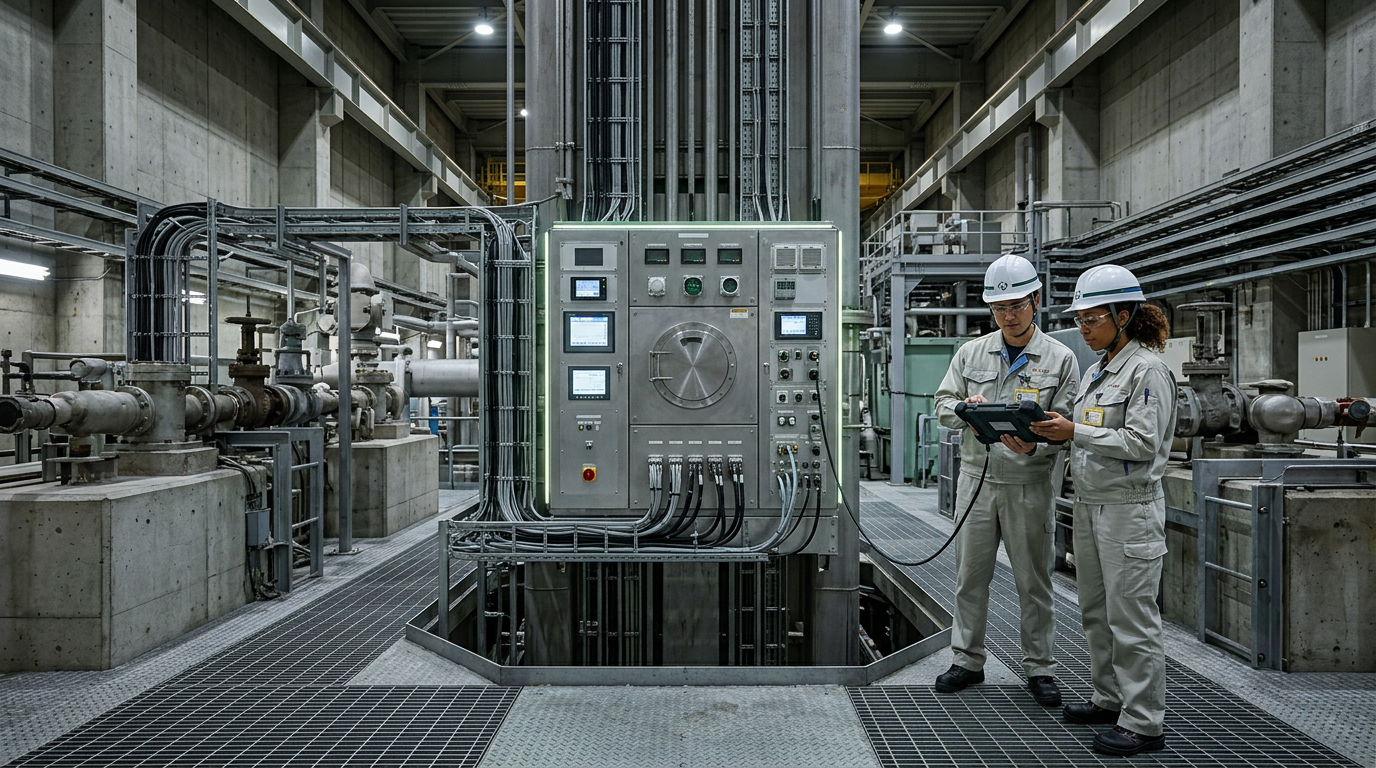
Japan restarted Kashiwazaki-Kariwa Unit 6 in January 2026 — the world's largest nuclear plant — signaling a decisive policy shift from nuclear reduction to maximization.
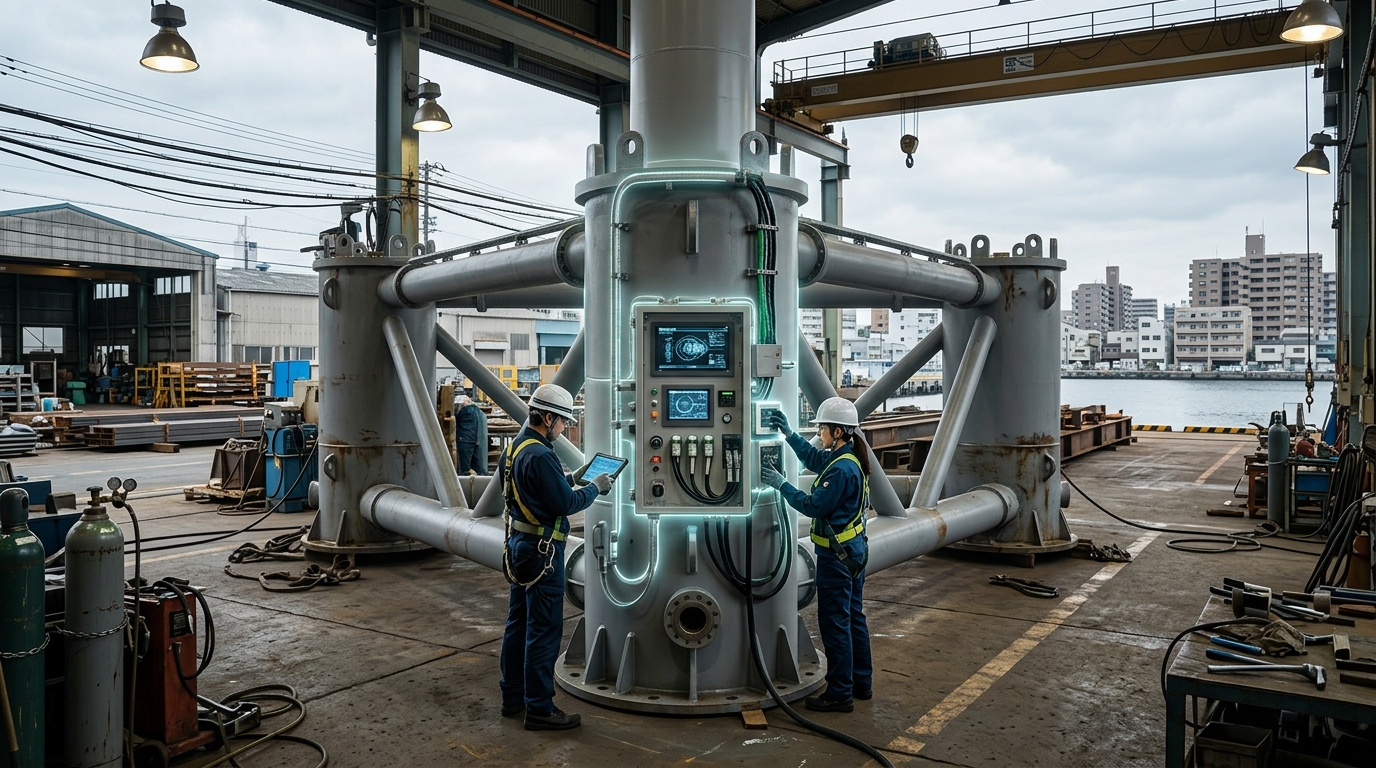
Japan targets 10 GW of offshore wind by 2030 — leveraging deep-water floating wind turbine technology suited to its steep continental shelf.
Japan invented perovskite photovoltaics and leads commercialization — METI targets ¥20/W production cost by 2025, declining to ¥10/W by 2040.
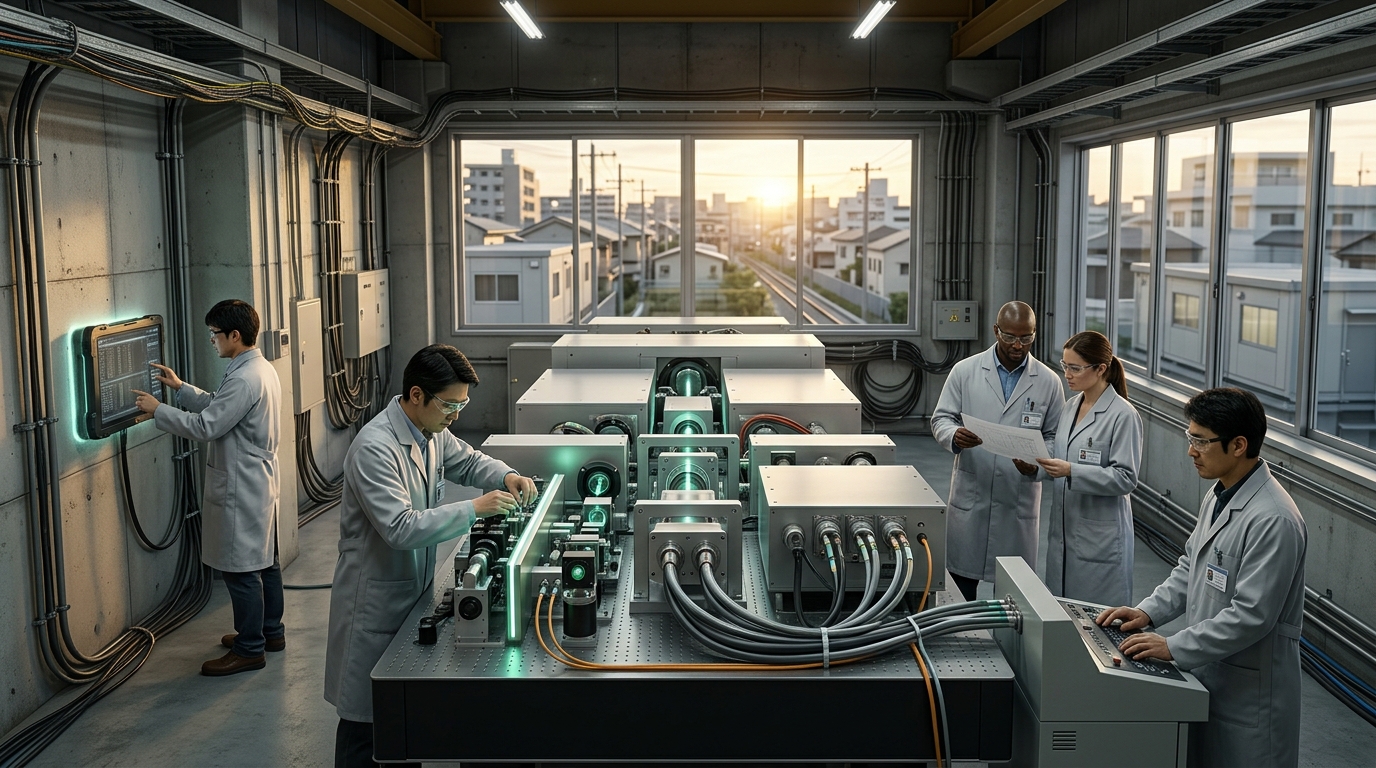
Hamamatsu Photonics controls 90% of the global photomultiplier tube market and achieved a world-leading 200J laser output at 10Hz in 2025 — powering everything from PET scanners to particle physics.
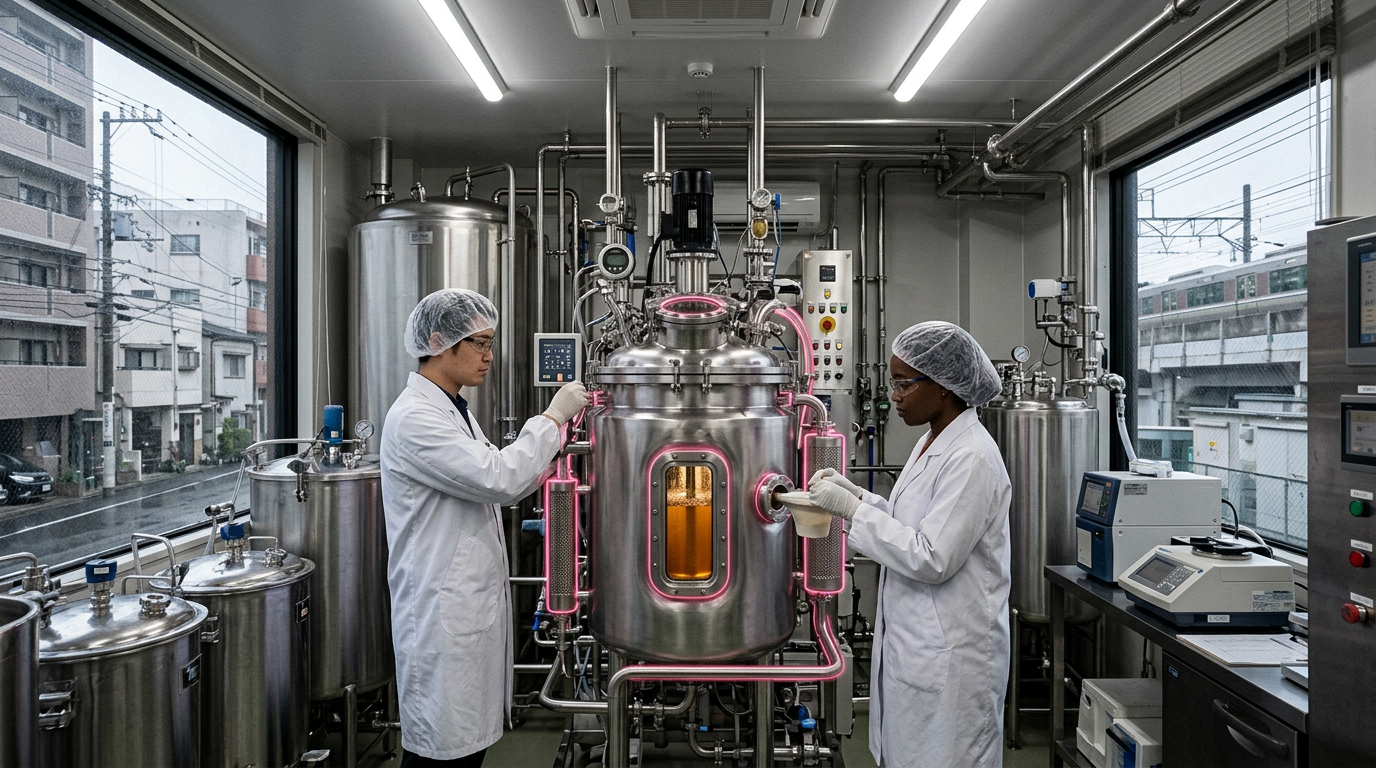
Japan invented umami as a concept, dominates global amino acid production through Ajinomoto, and has leveraged fermentation science into semiconductor materials — ABF substrate holds ~100% of the CPU insulation market.
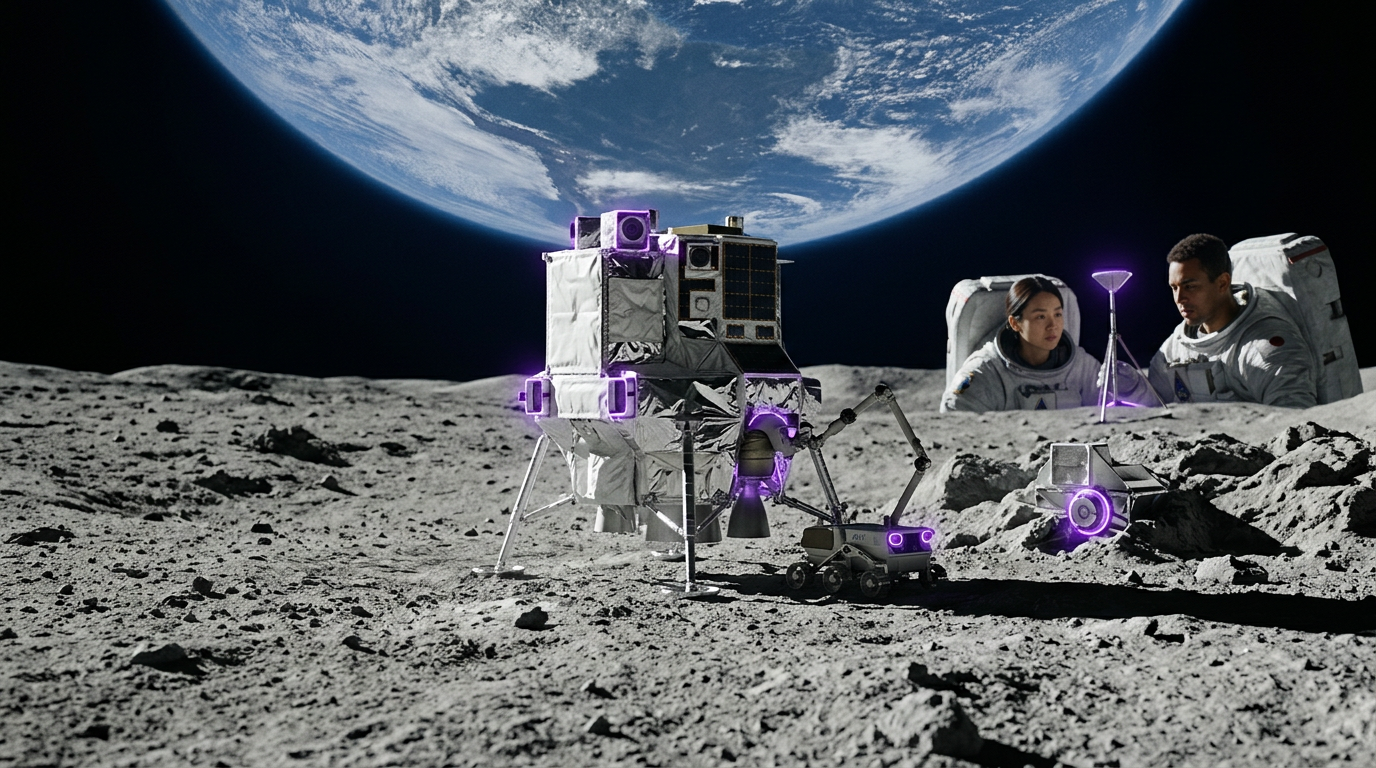
JAXA's SLIM 'Moon Sniper' achieved pinpoint lunar landing within 55 meters of target in January 2024 — demonstrating navigation technology applicable to all future planetary missions.
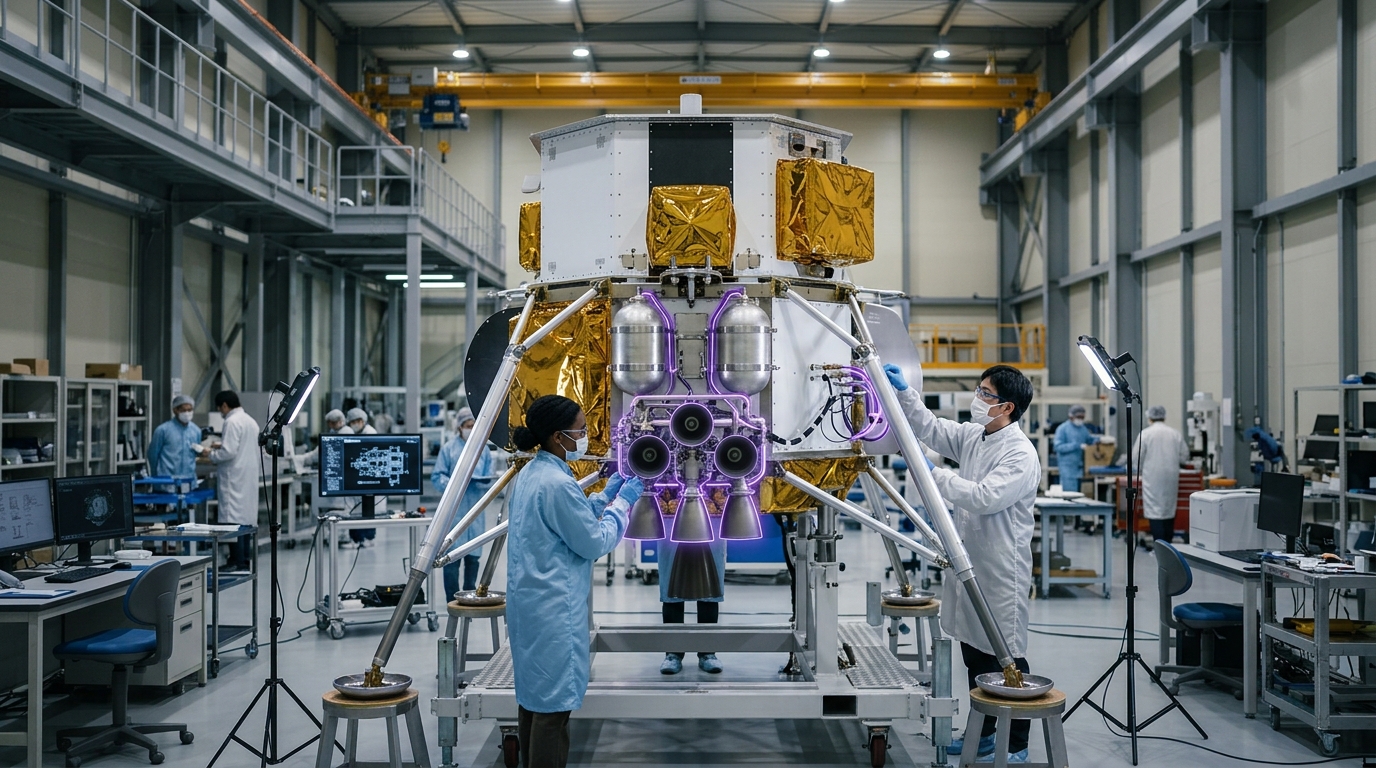
ispace secured a $55M NASA CLPS contract and signed a JAXA propulsion study agreement — building Japan's private space sector alongside government missions.
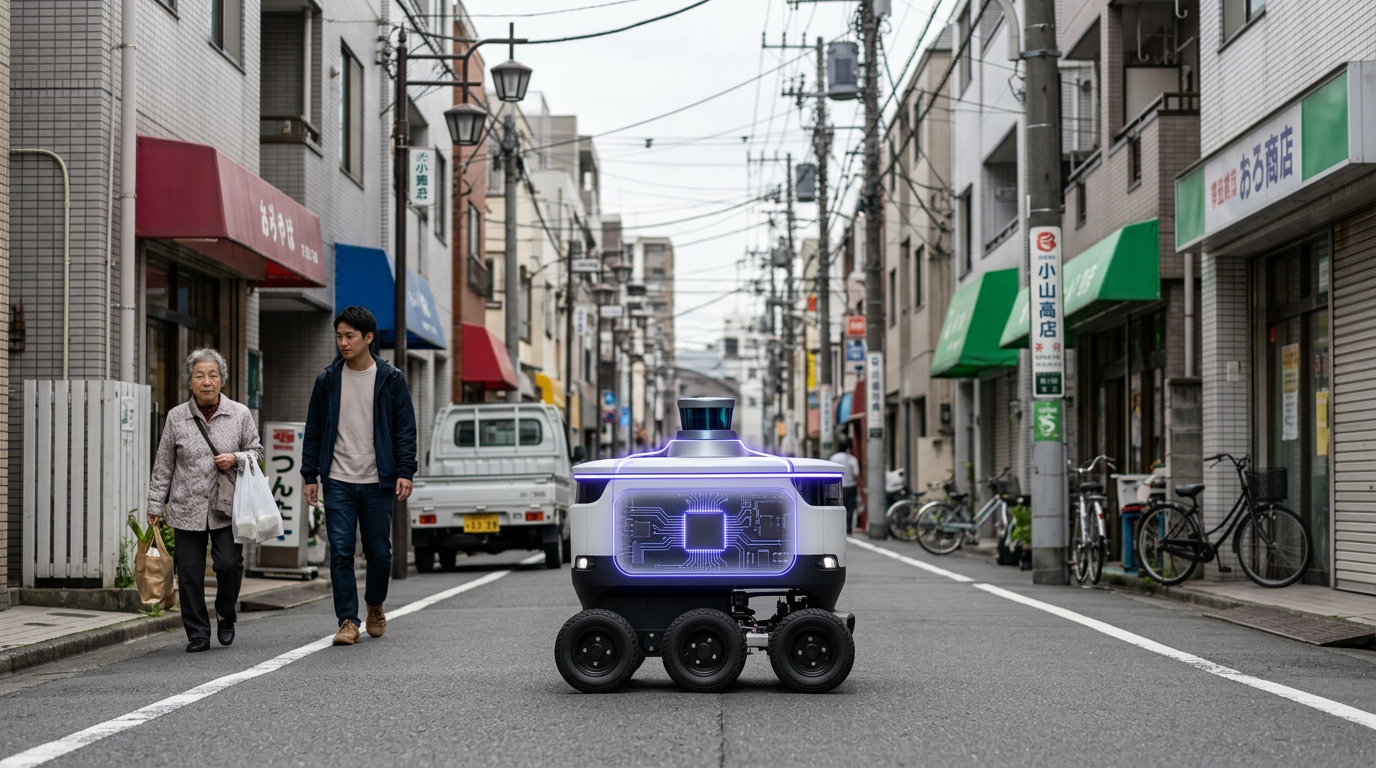
Japan enacted the AI Promotion Act in May 2025 — the world's most permissive major-economy AI framework, including copyright exemptions for AI training data.
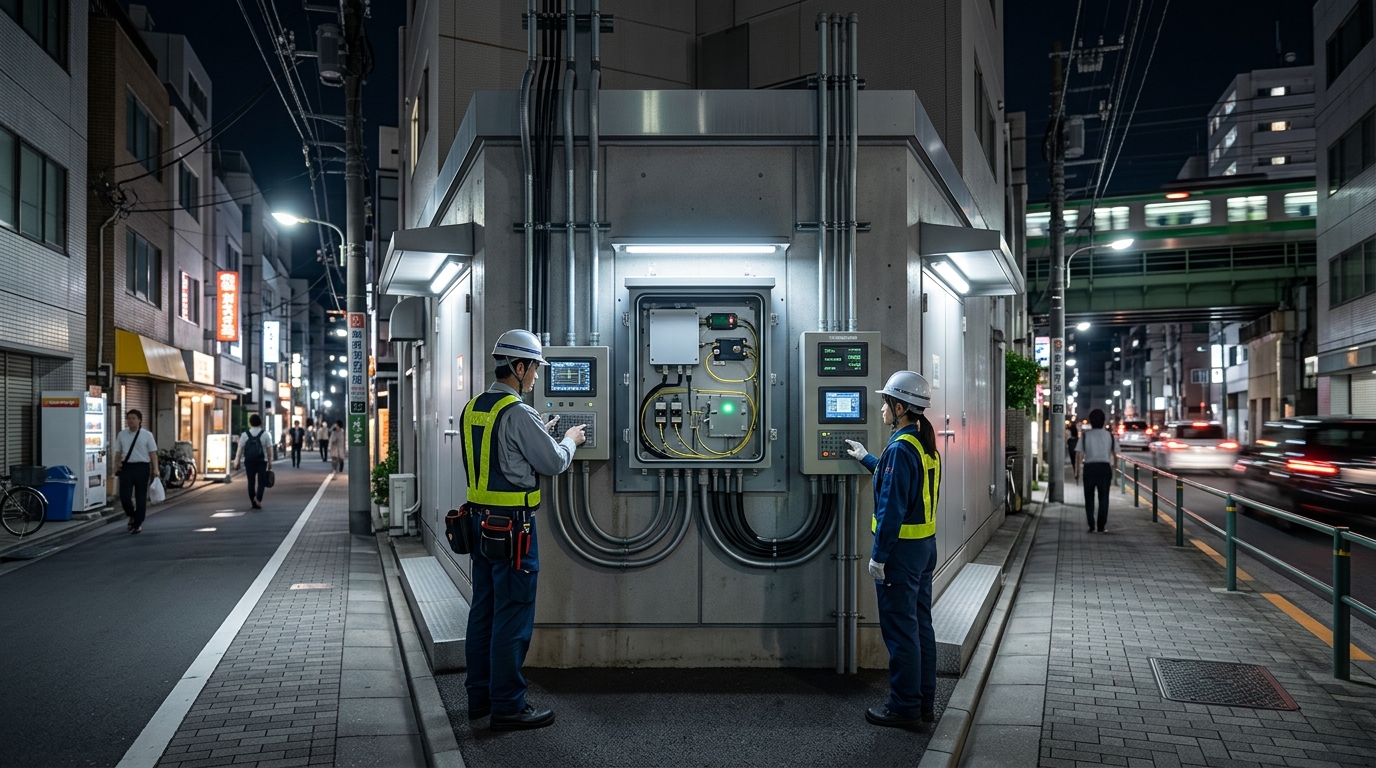
Japan operates quantum key distribution testbeds through NICT and Toshiba — pursuing unhackable communications for government and financial networks.
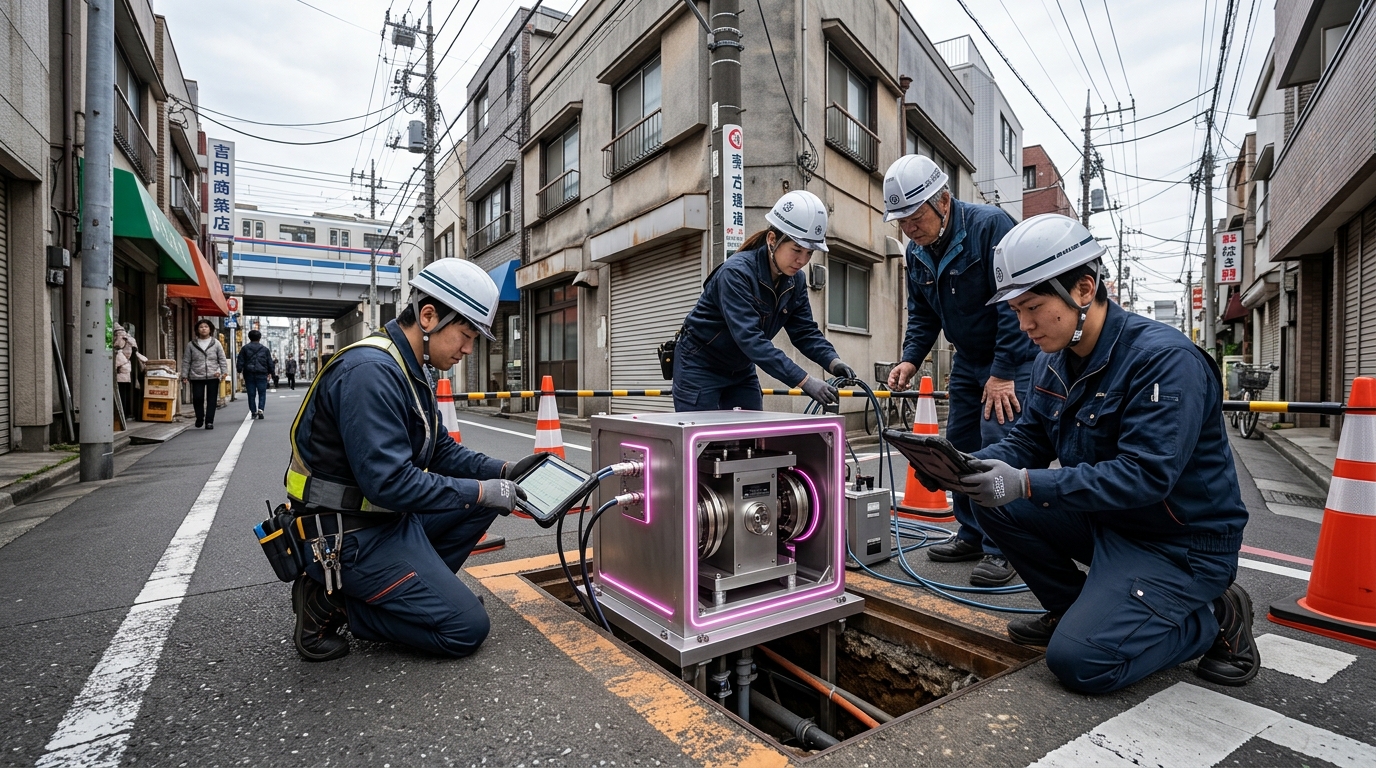
Japanese research institutions are developing quantum sensors for ultra-precise navigation, medical imaging, and underground resource detection — nearer-term applications of quantum physics.
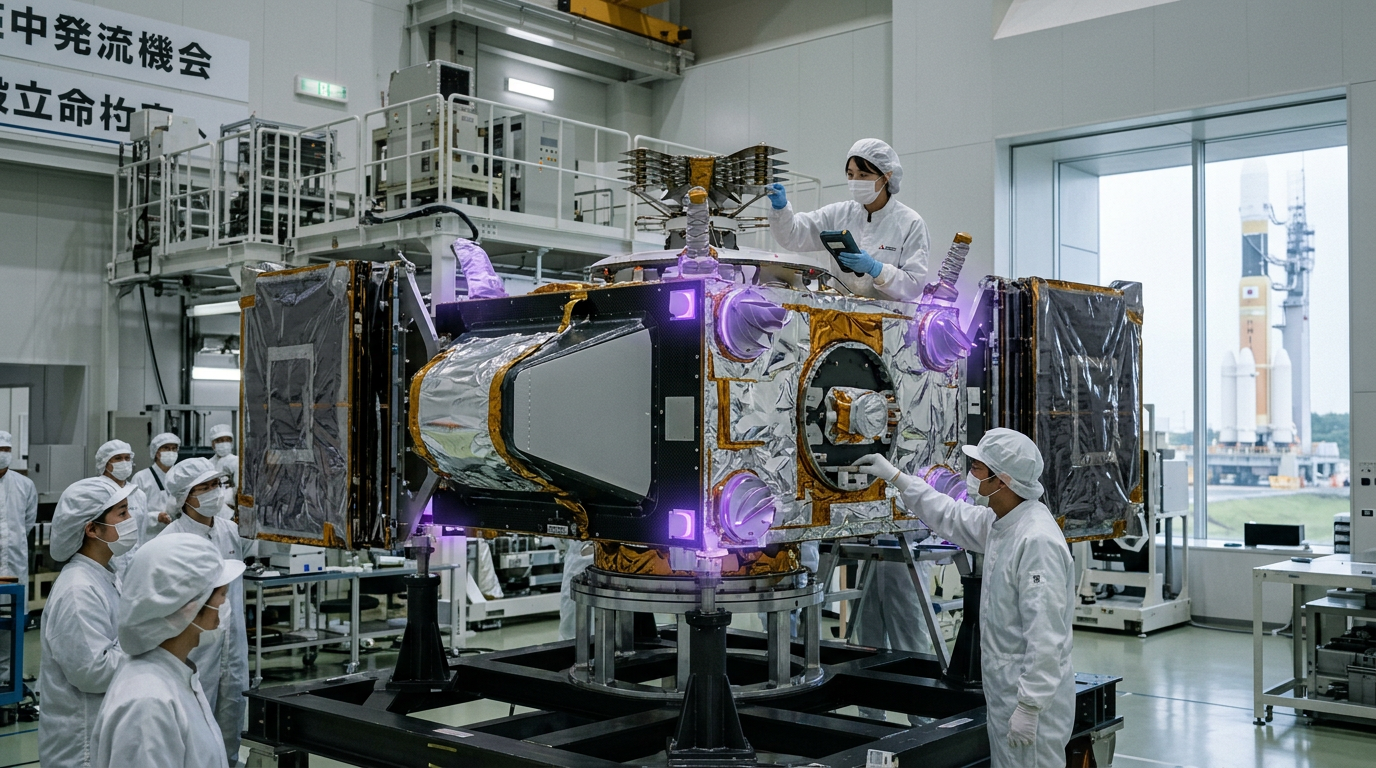
Japan's regional GNSS augmentation system provides centimeter-level positioning over Japan and Asia-Oceania, expanding from 4 to 7 satellites by 2026 for standalone capability.
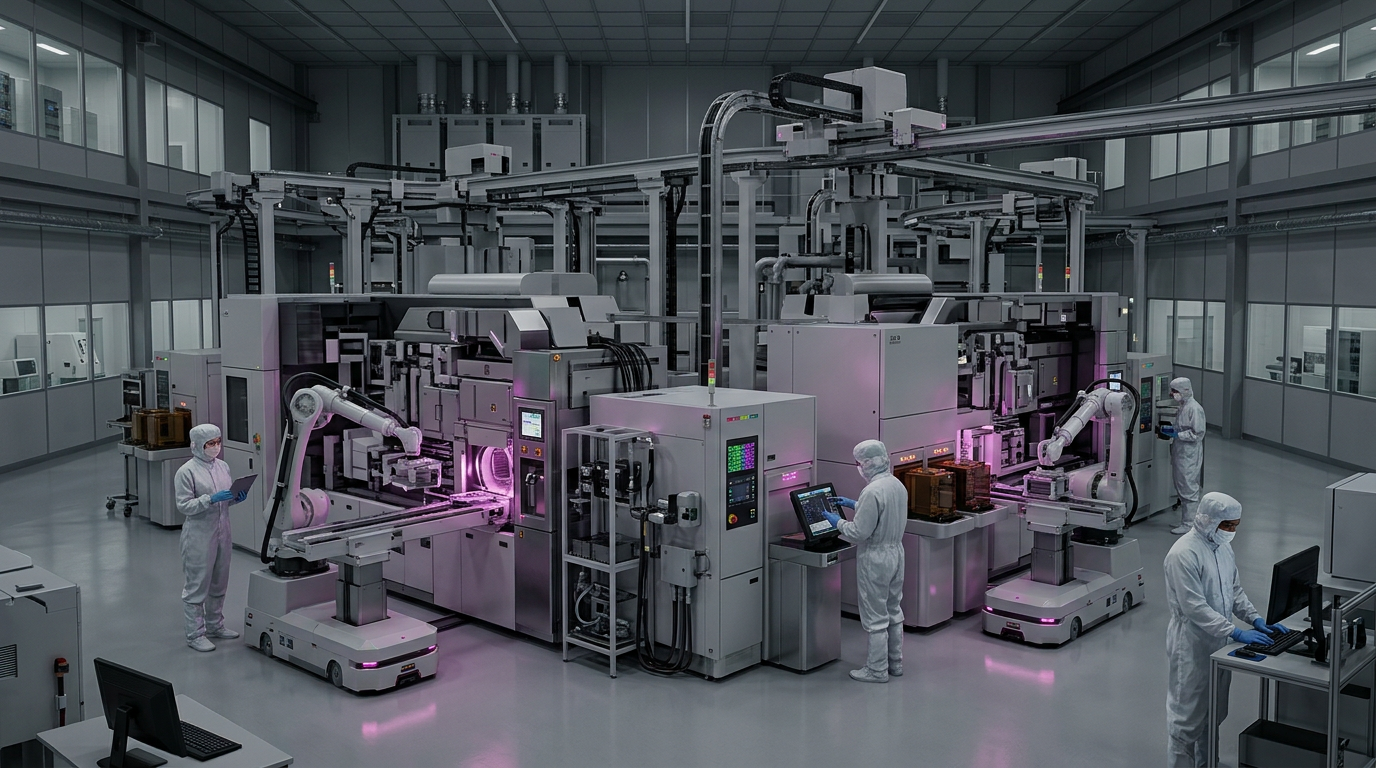
Rapidus produced working 2nm prototypes in 2025 with IBM technology — targeting mass production in Hokkaido by 2027, backed by ¥267.6 billion in government-private funding.
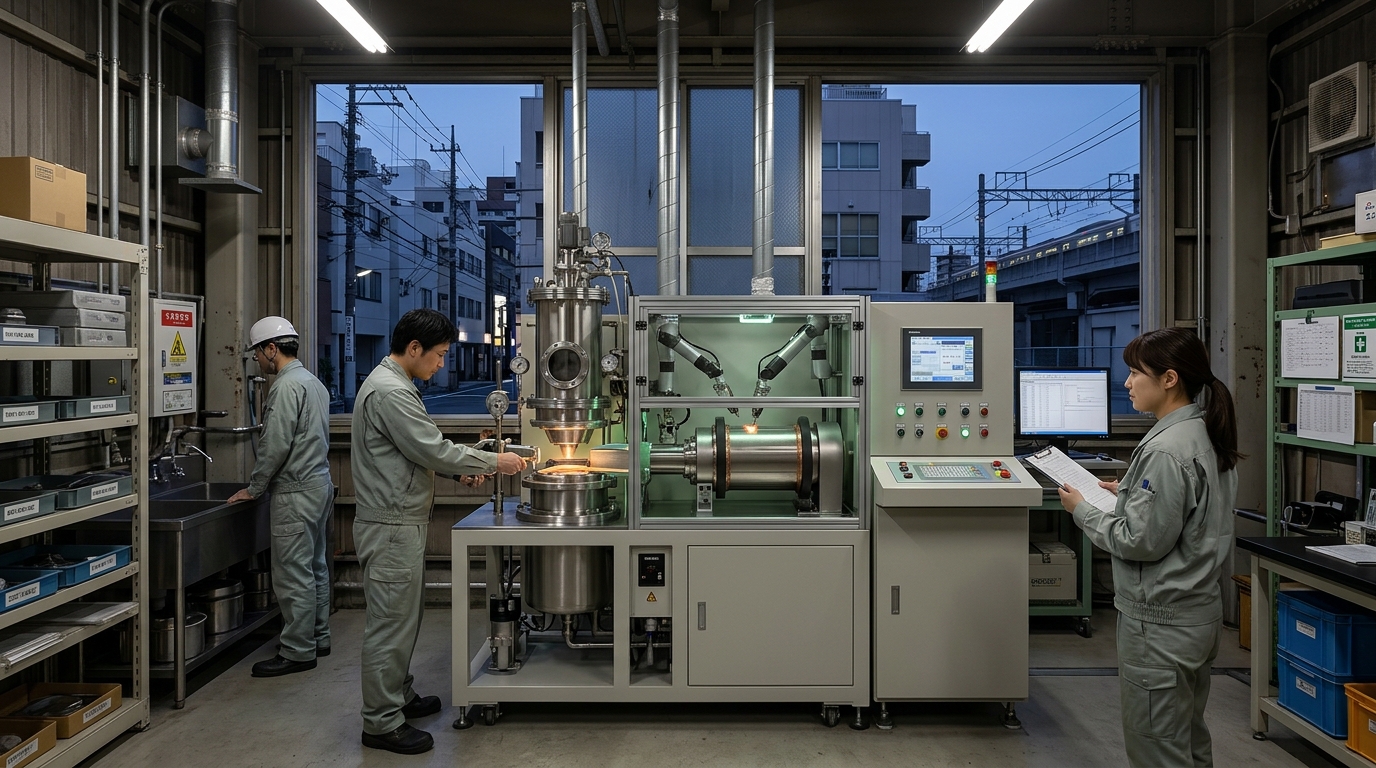
Japan leads global R&D in rare earth recycling and reduced-rare-earth motors — driven by strategic vulnerability to Chinese supply dominance.
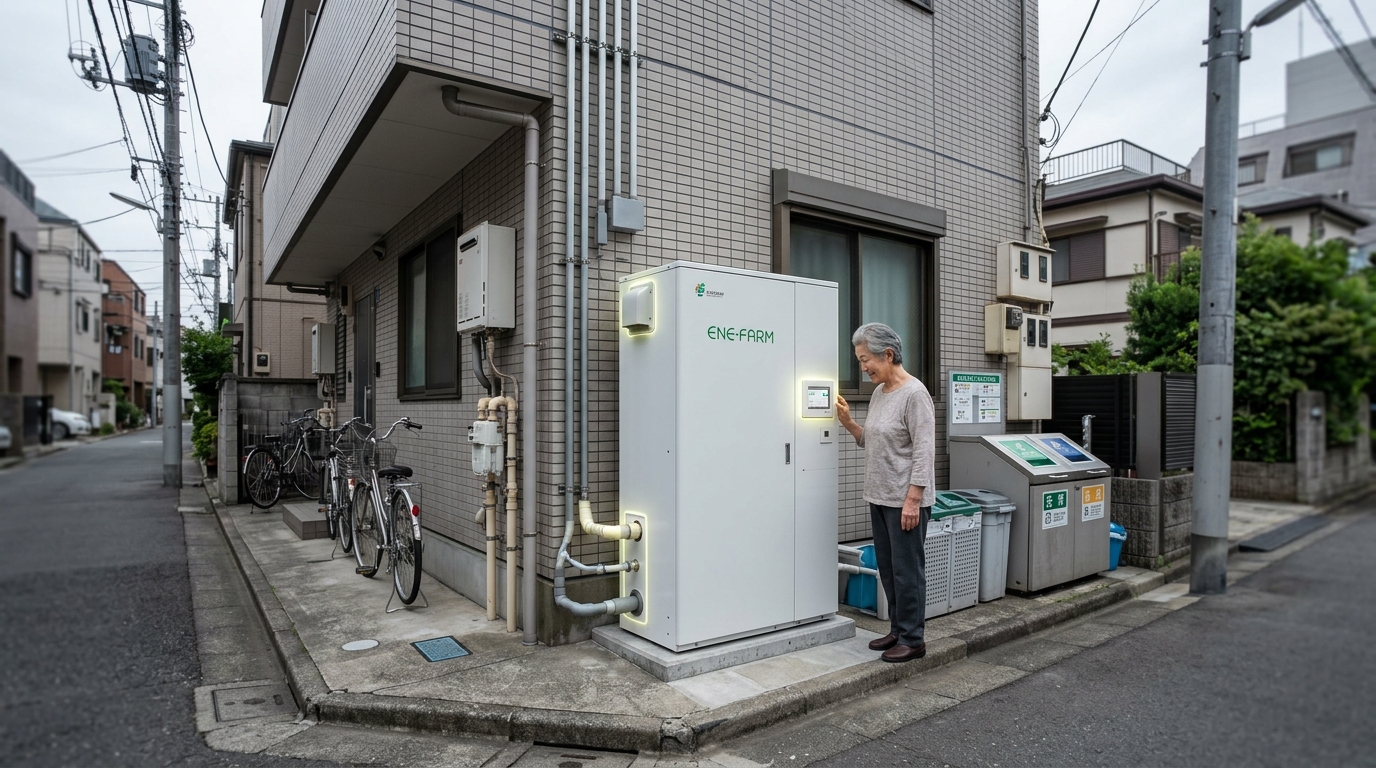
Japan has deployed 500,000+ ENE-FARM residential fuel cells — the world's only mass-market home cogeneration system, generating electricity and hot water from natural gas at 97% total efficiency.
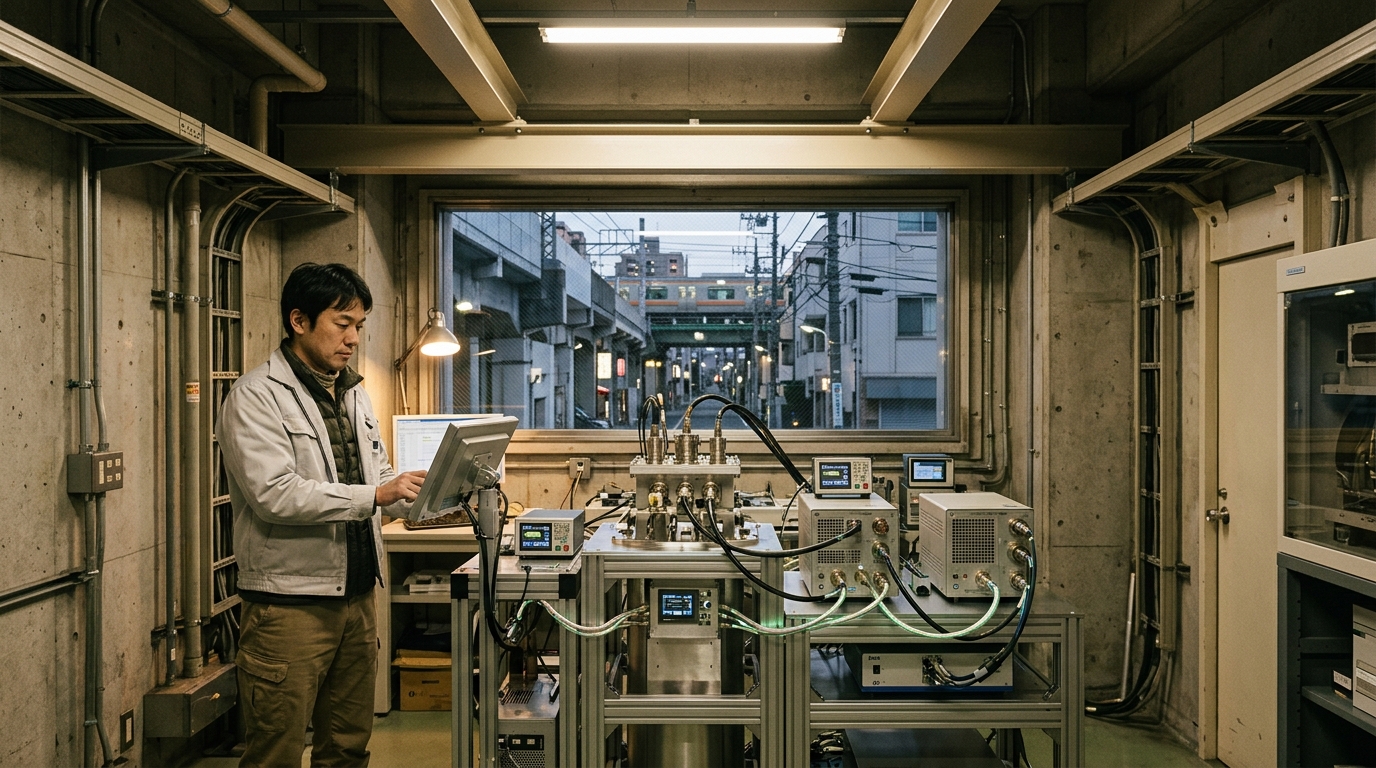
RIKEN operates Japan's premier research infrastructure — from the SPring-8 synchrotron to quantum computing labs — underpinning breakthroughs across physics, biology, and computing.
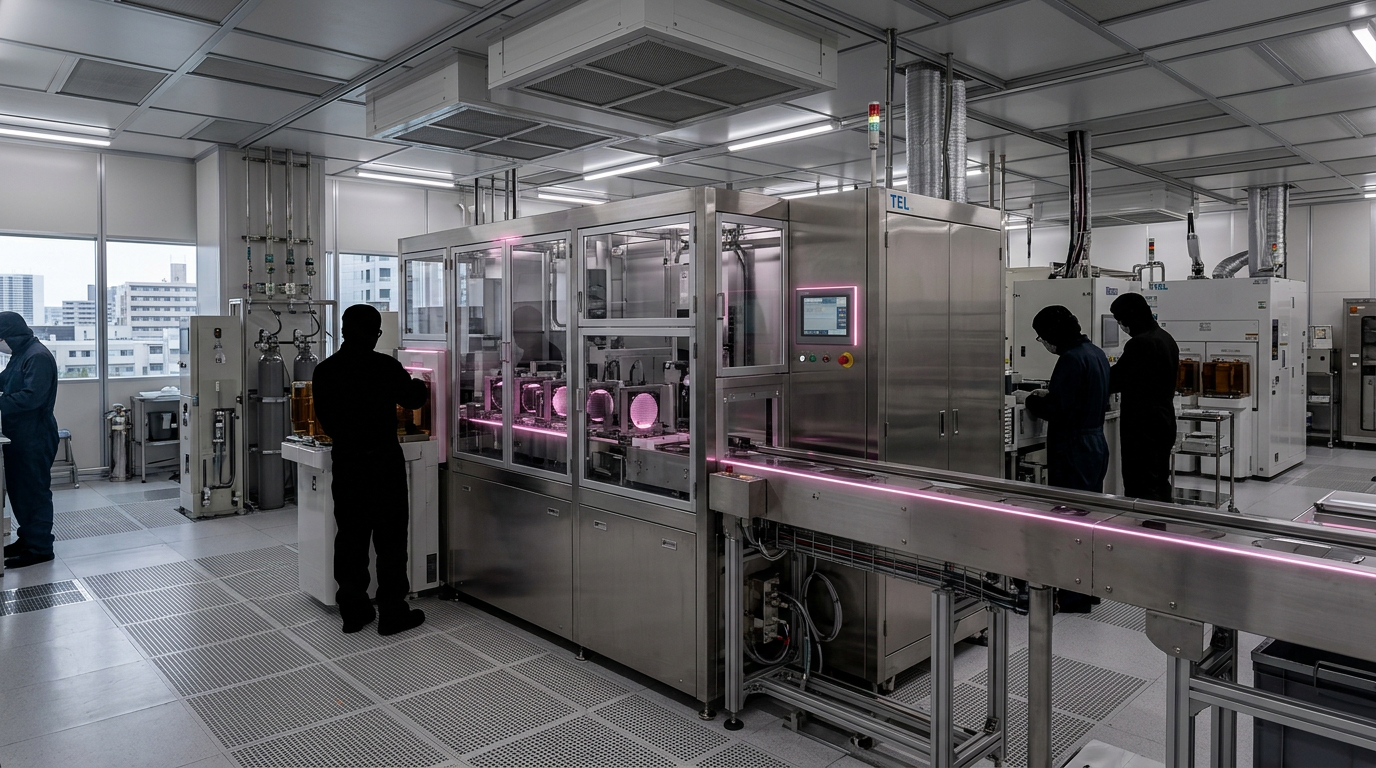
Tokyo Electron and Screen Holdings control 88% of the global coater/developer market — essential for every chip manufactured worldwide.
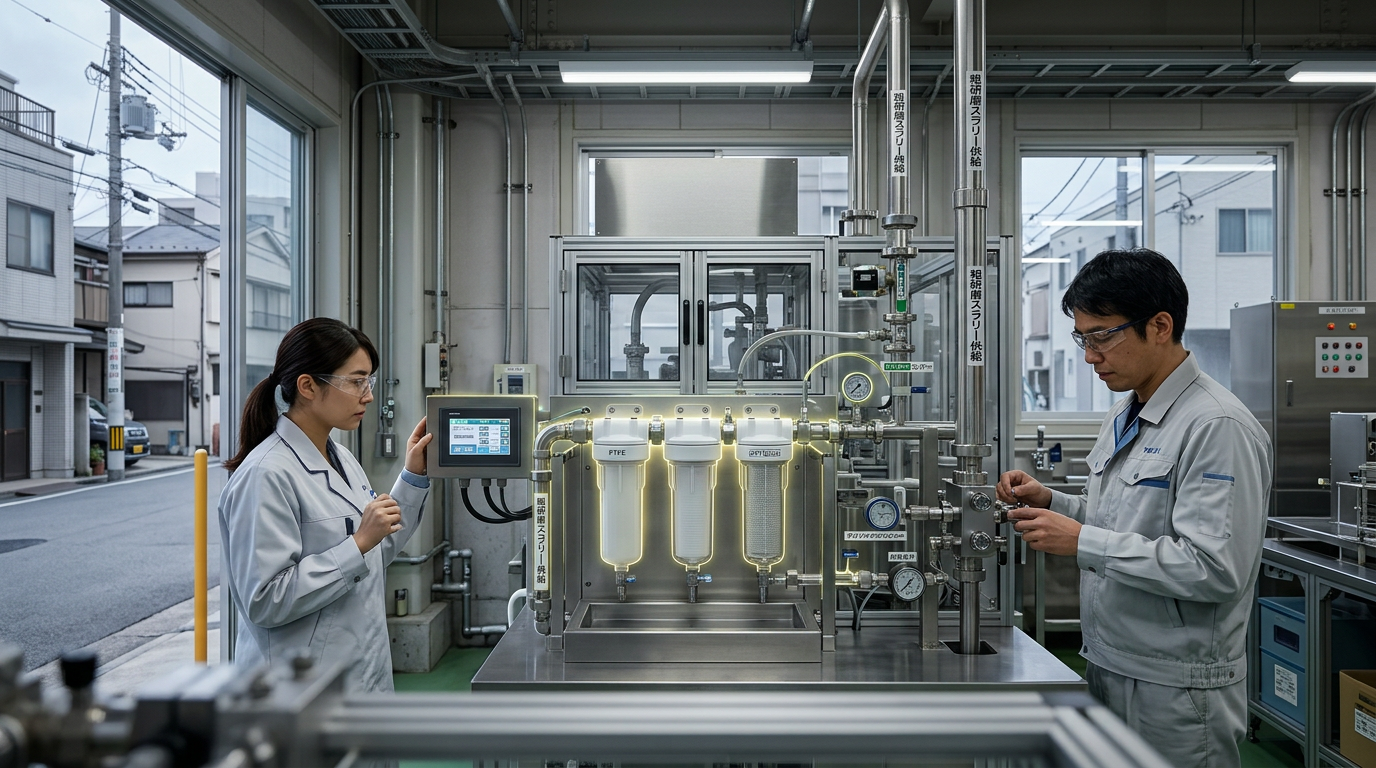
Japanese chemical firms dominate semiconductor process chemicals — CMP slurries (Fujimi), etchants (Stella Chemifa), and cleaning agents — controlling 50%+ of multiple critical segments.
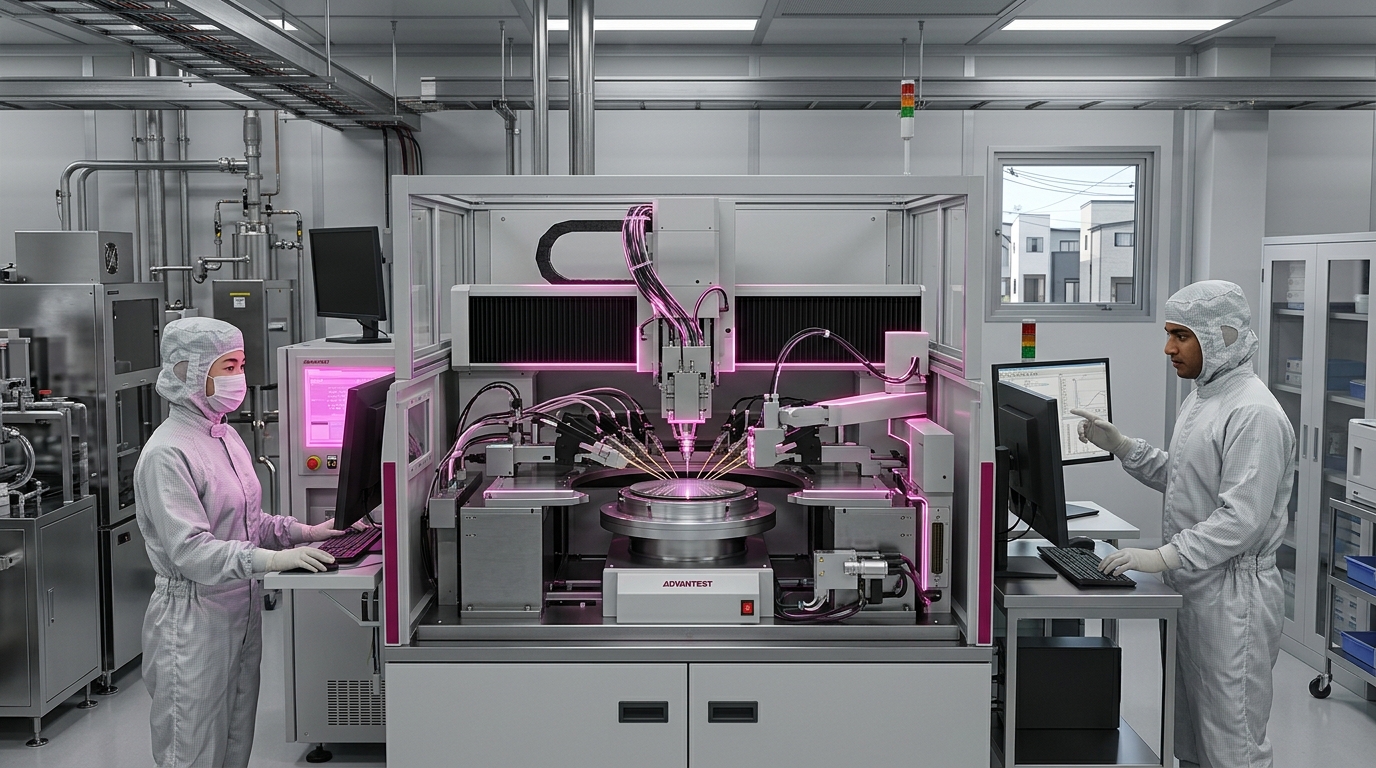
Advantest dominates semiconductor testing (55% market share), Disco leads wafer dicing — critical niche equipment with no viable alternatives.
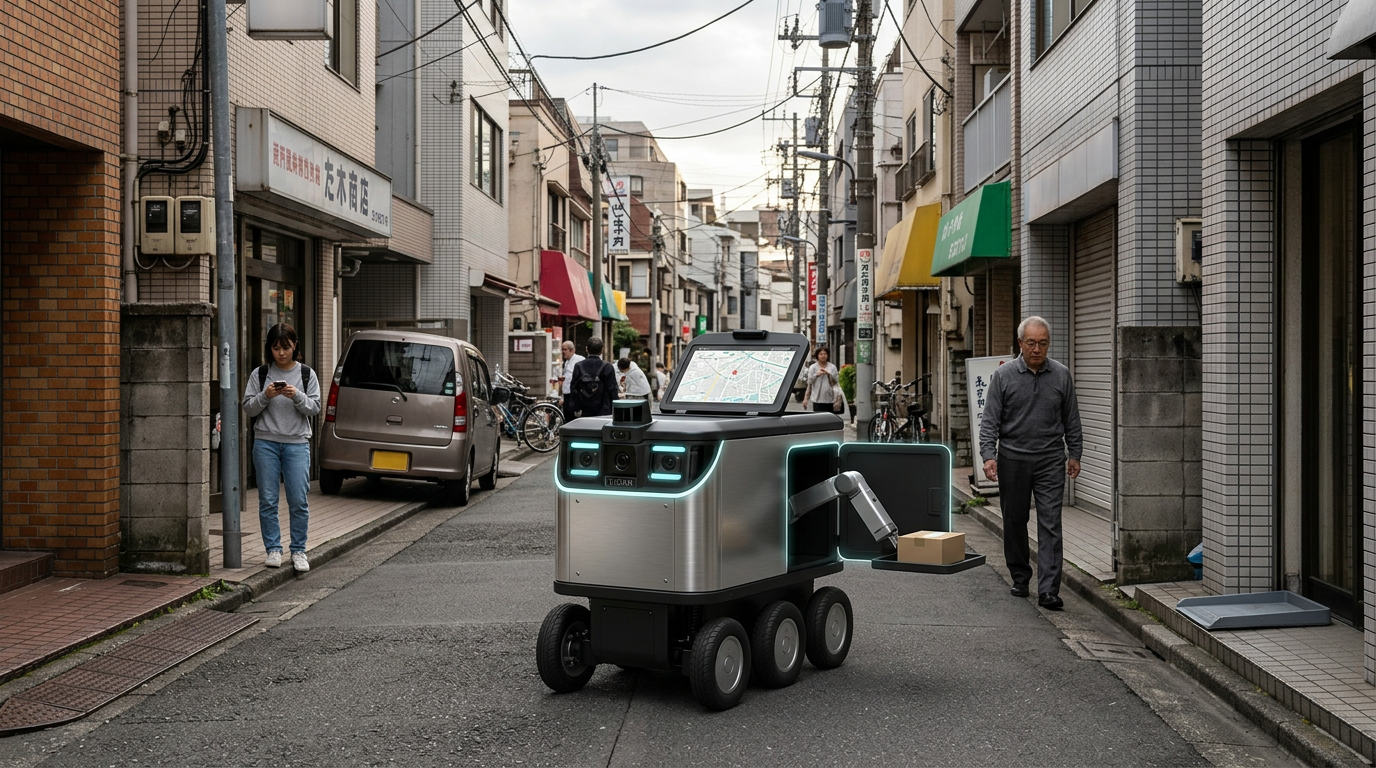
Japan deploys delivery robots, restaurant service bots, and warehouse automation at scale — driven by labor shortages exceeding 6 million workers by 2030.
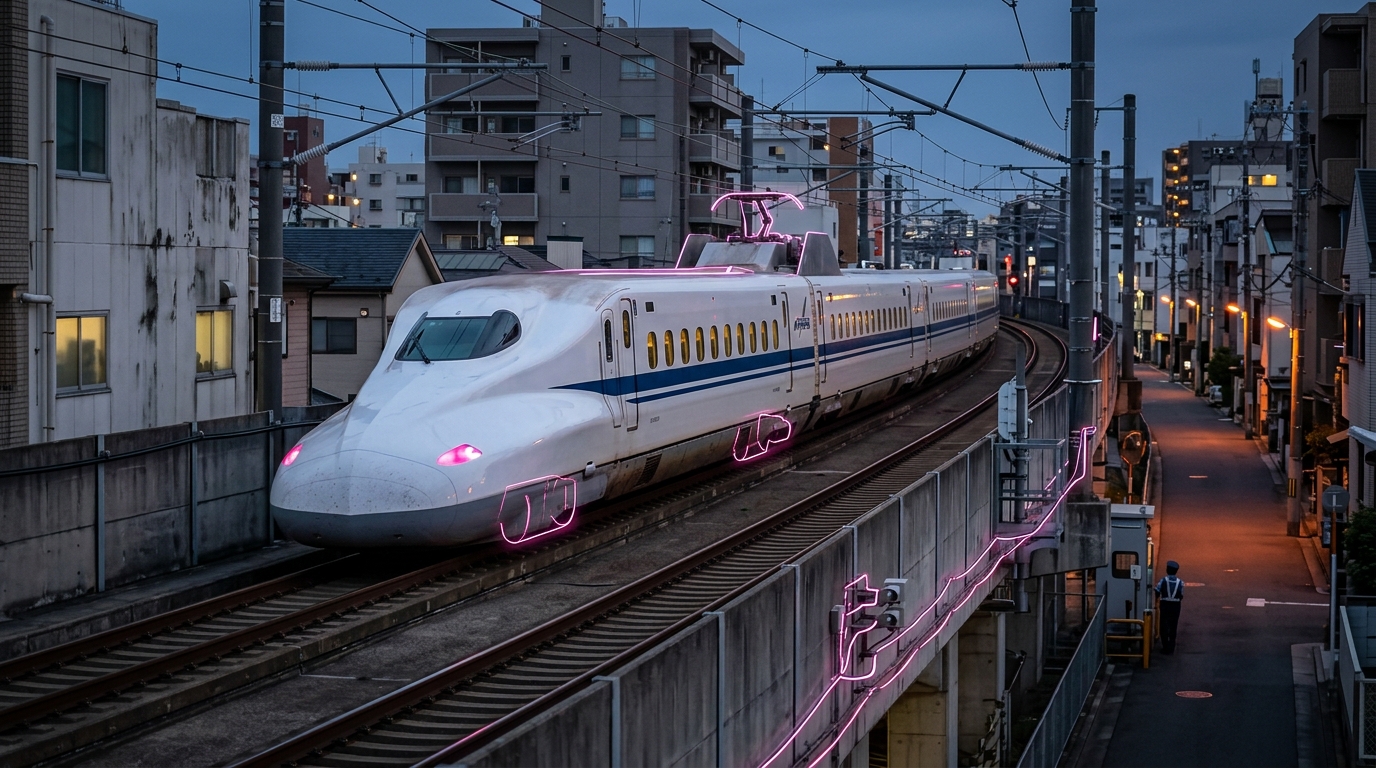
Zero passenger fatalities in 60+ years carrying 10+ billion passengers — the Shinkansen is not just a fast train but the world's most successful systems engineering achievement in transportation.
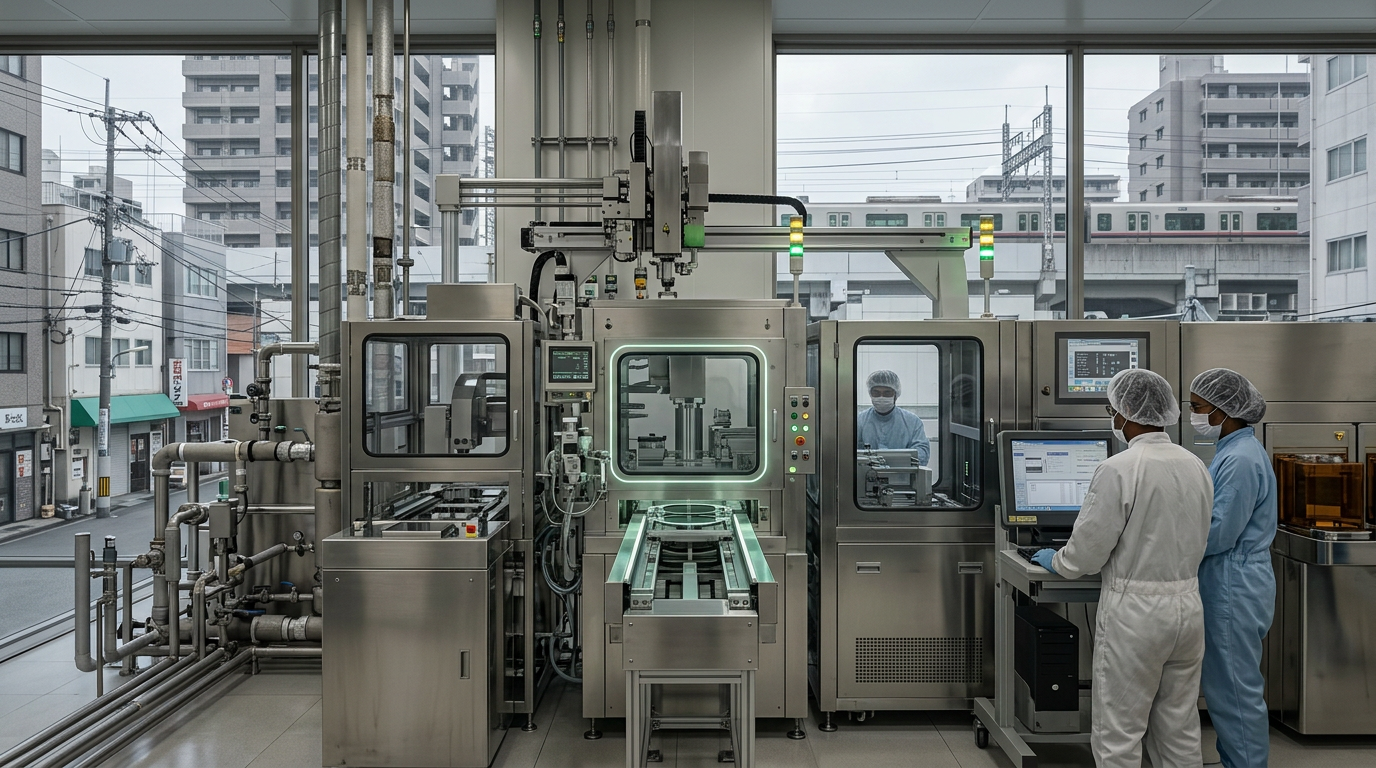
Shin-Etsu Chemical and SUMCO control 53% of global silicon wafer production — the foundational substrate for every semiconductor chip.
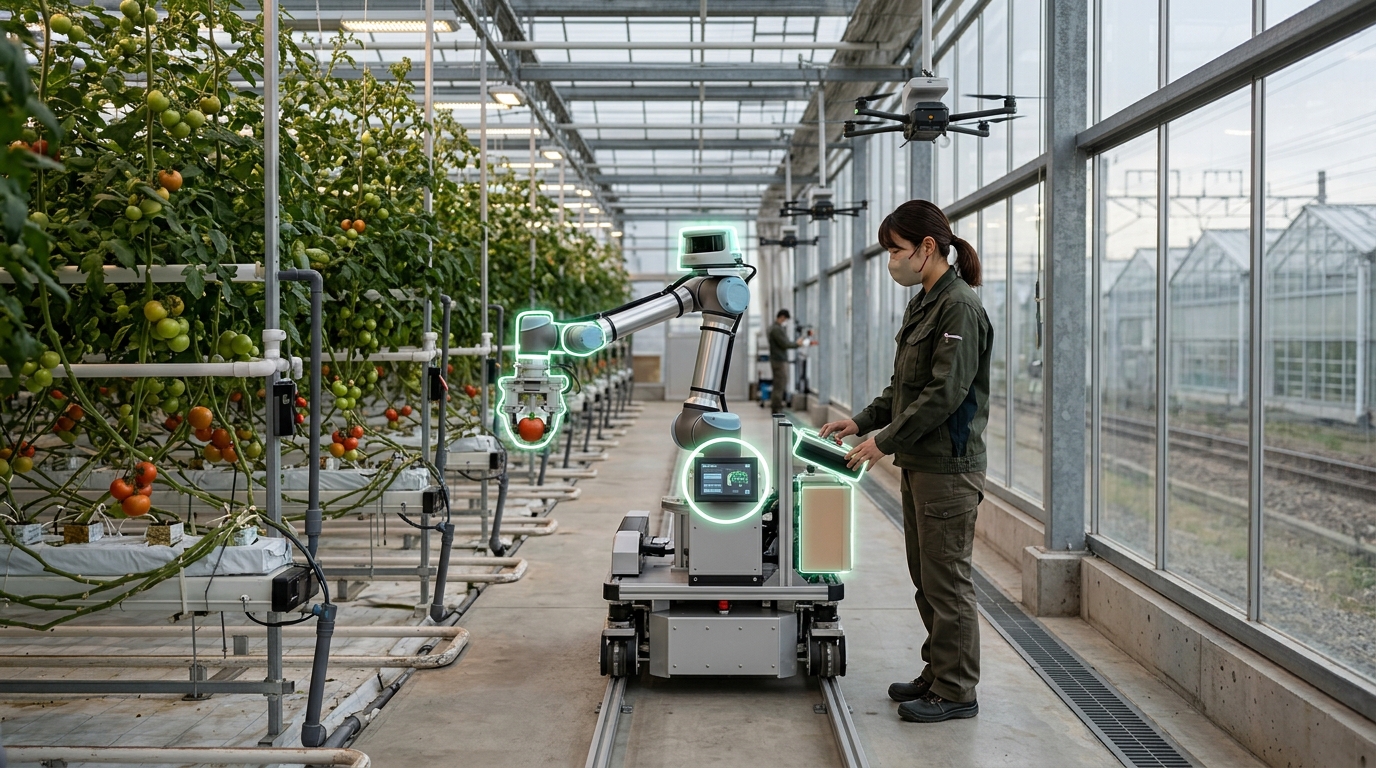
Japan deploys autonomous tractors, drone crop monitoring, and AI harvest prediction to sustain food production as the average farmer age exceeds 68 years.
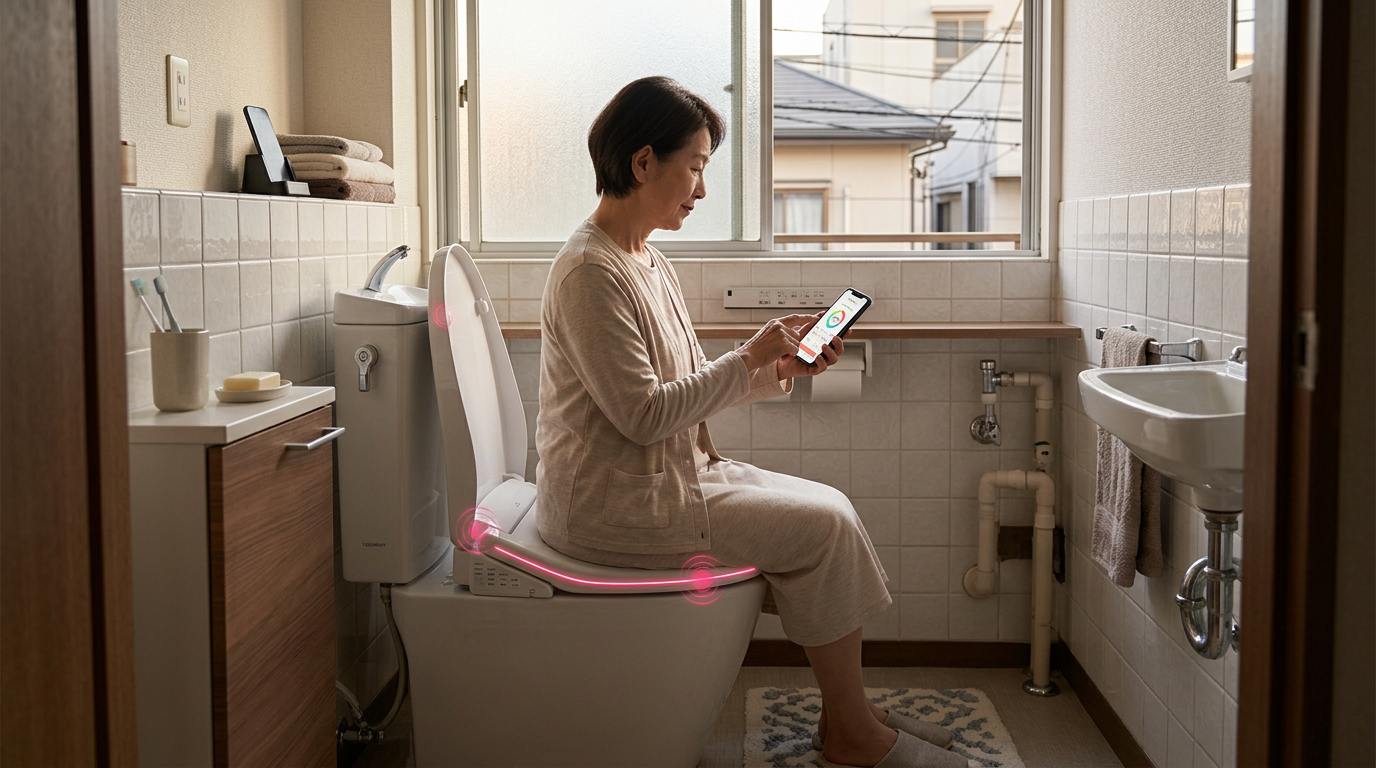
TOTO's Washlet — installed in 80%+ of Japanese homes — is evolving from hygiene innovation to health monitoring platform, with the 2025 Neorest 'Stool Scan' analyzing stool shape, color, and volume via app.
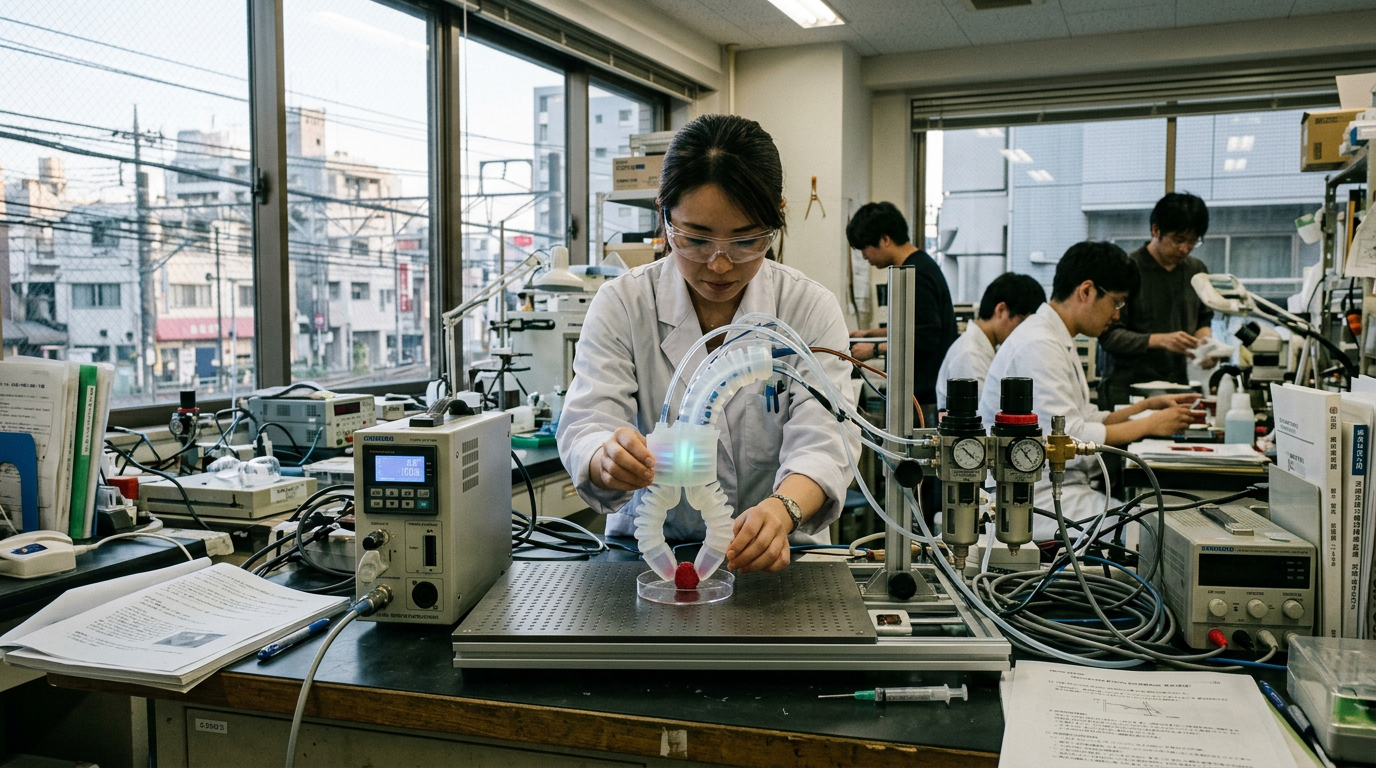
Japanese universities lead in soft actuator and bio-inspired robotics research, with applications in minimally invasive surgery and delicate food handling.
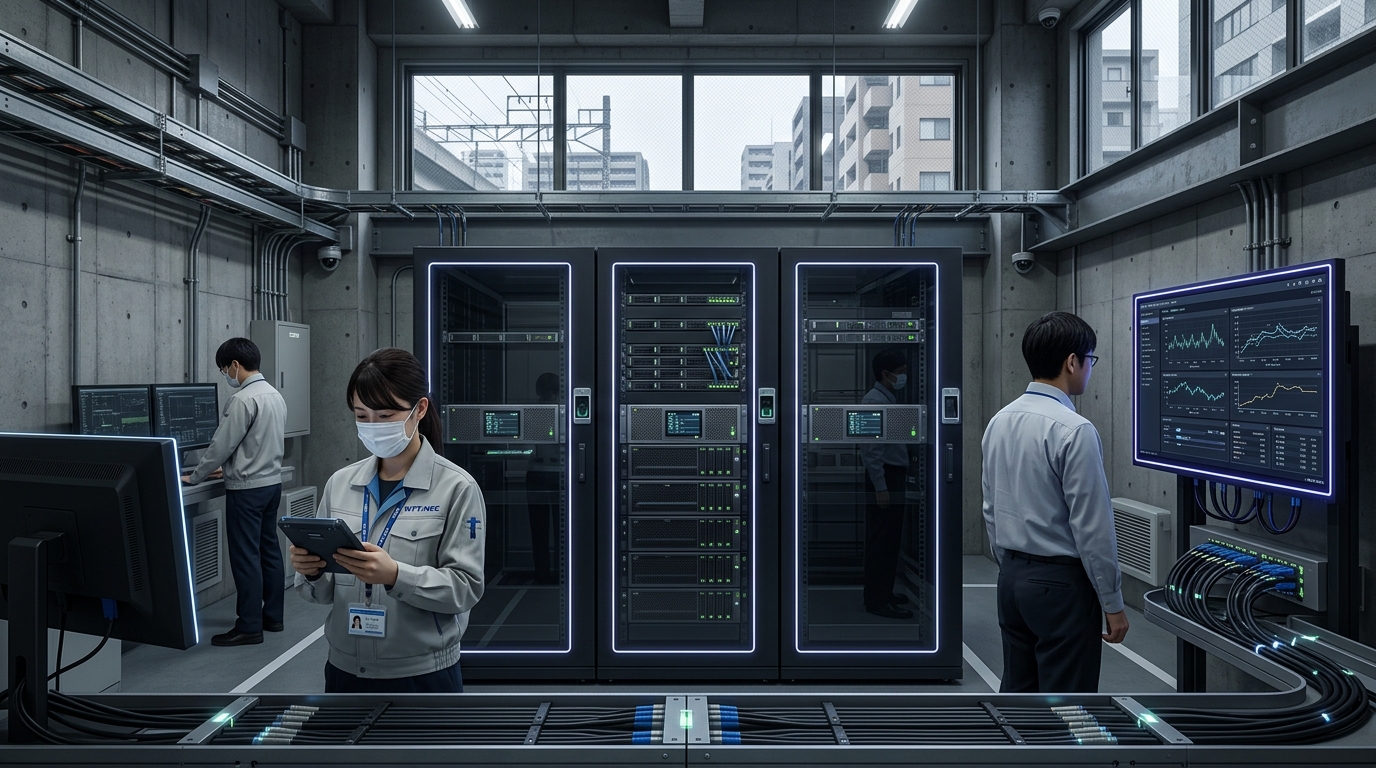
Japan's government cloud program mandates domestic data residency and is increasingly prioritizing NTT, NEC, and Fujitsu over U.S. hyperscalers for sensitive government workloads.
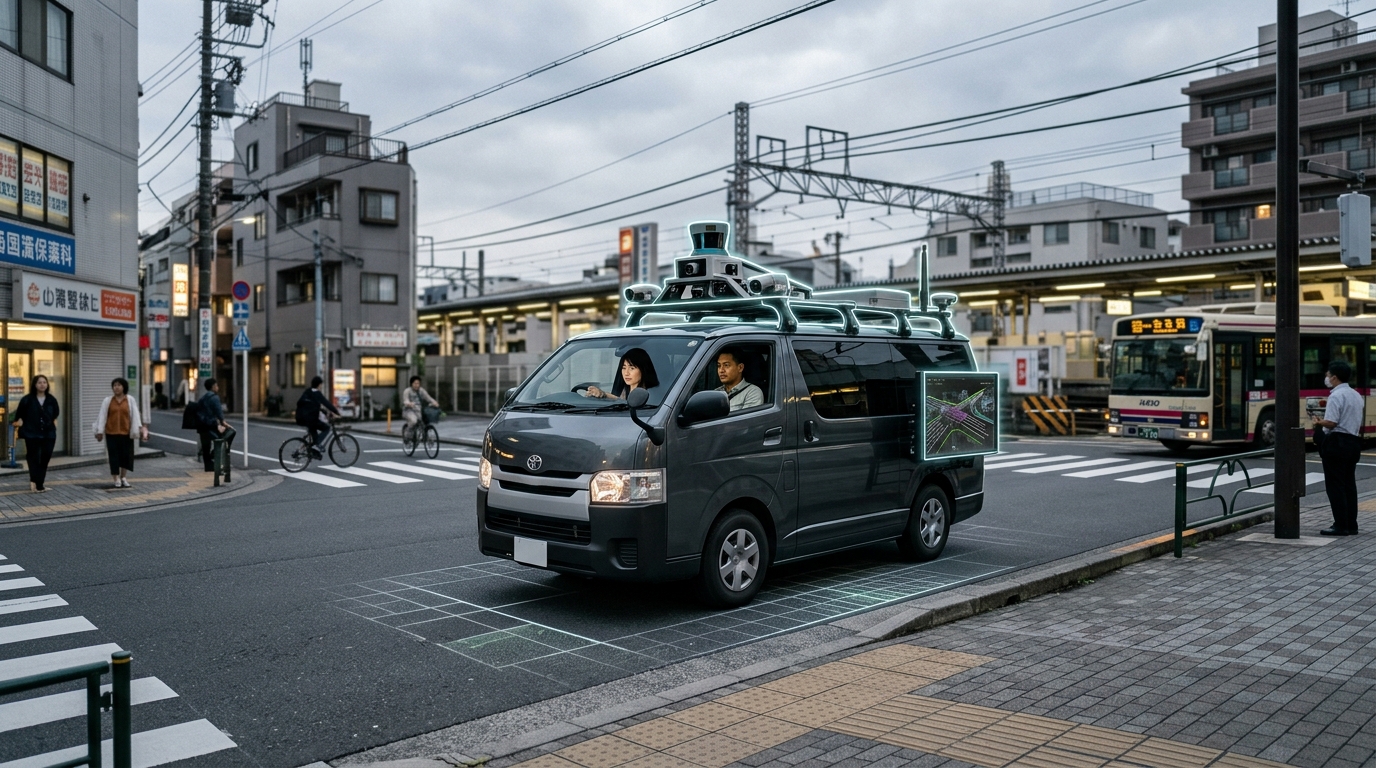
Japan maintains sovereign HD mapping through Zenrin and Dynamic Map Platform, providing centimeter-accurate 3D road data critical for autonomous driving without foreign dependency.
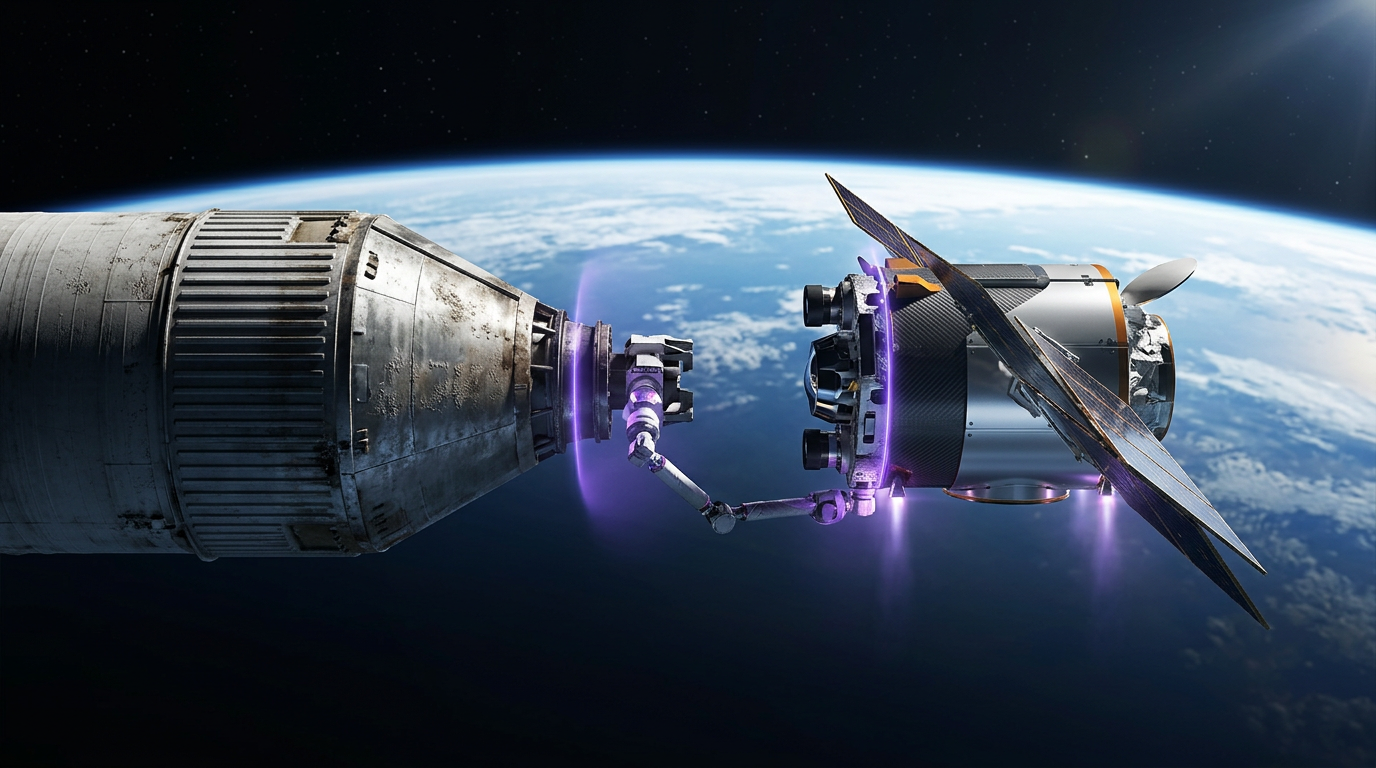
Tokyo-based Astroscale is the world leader in orbital debris removal — its ADRAS-J mission achieved a historic 15-meter approach to space debris, with Airbus placing the first commercial order for docking plates.
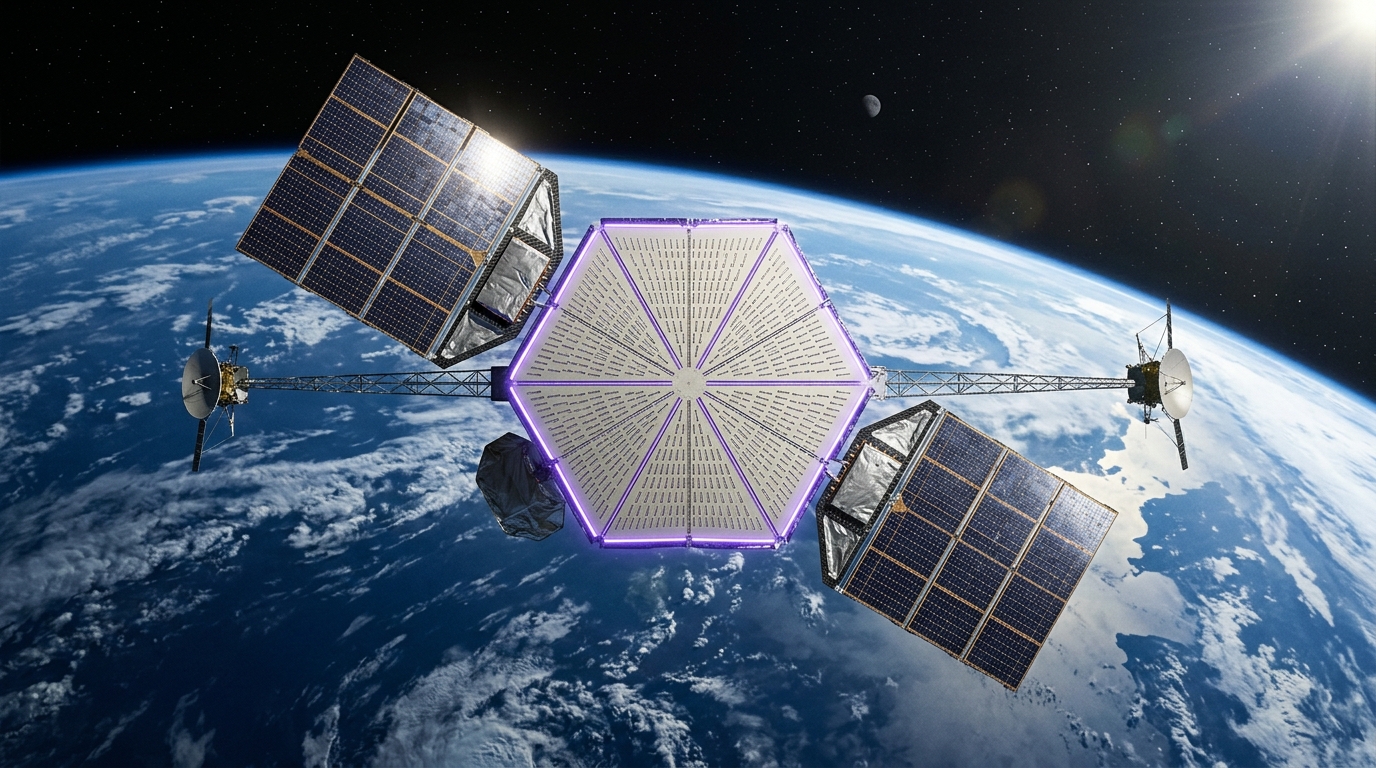
JAXA has pursued space-based solar power research for two decades — demonstrating wireless power transmission over 55 meters in 2015 and continuing microwave beaming experiments.
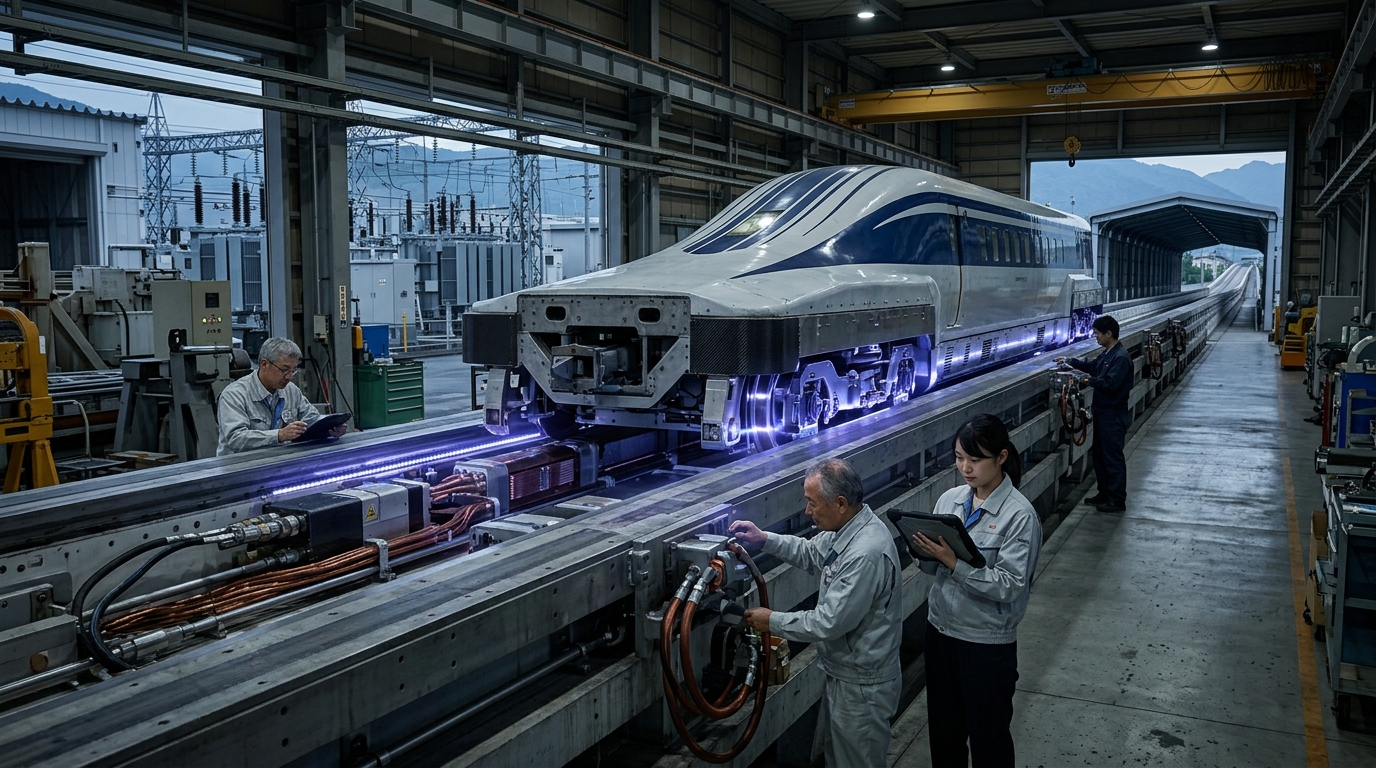
JR Central's Chuo Shinkansen superconducting maglev achieved 603 km/h — the world's fastest train — but the Tokyo-Osaka line faces delays to 2037+.
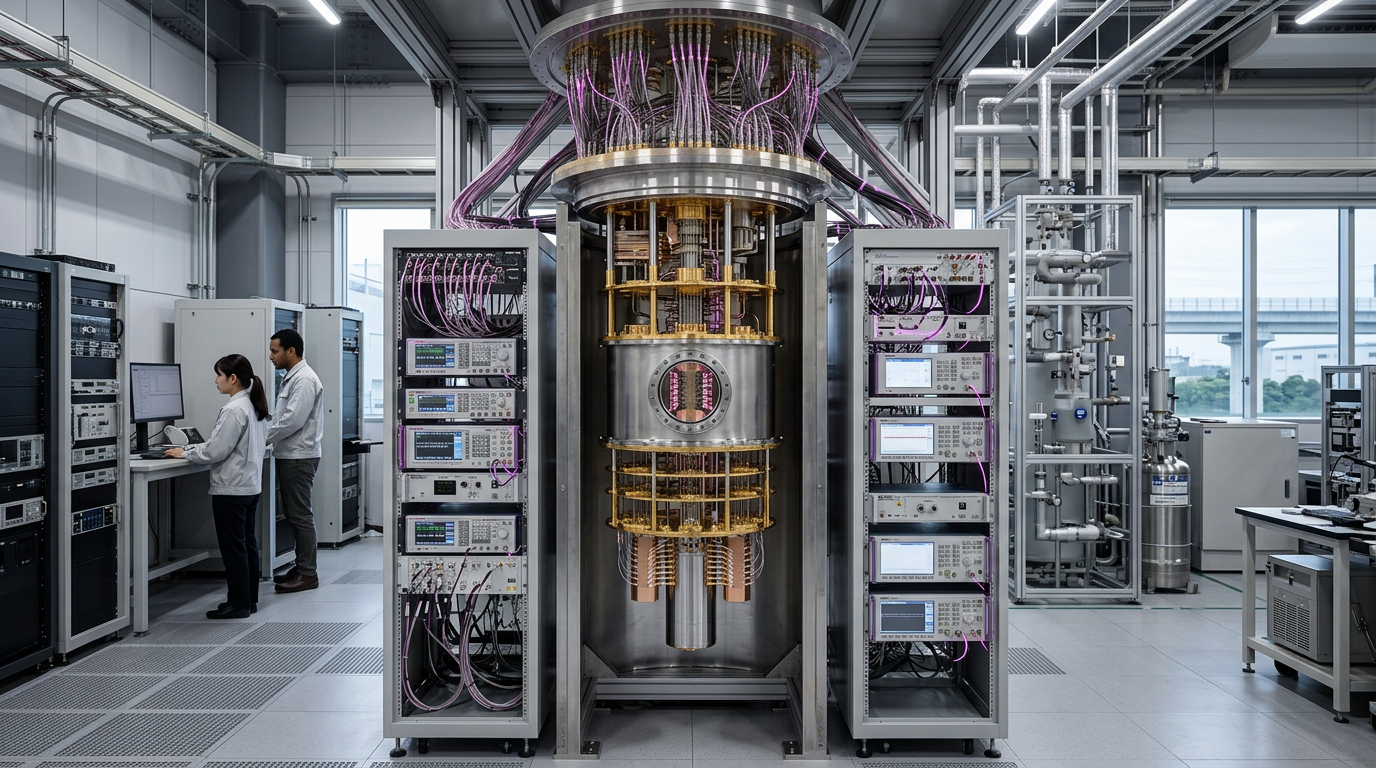
Fujitsu and RIKEN unveiled a world-leading 256-qubit superconducting quantum computer in April 2025 — with a 1,000-qubit system planned for 2026 and 10,000+ qubits by 2030.
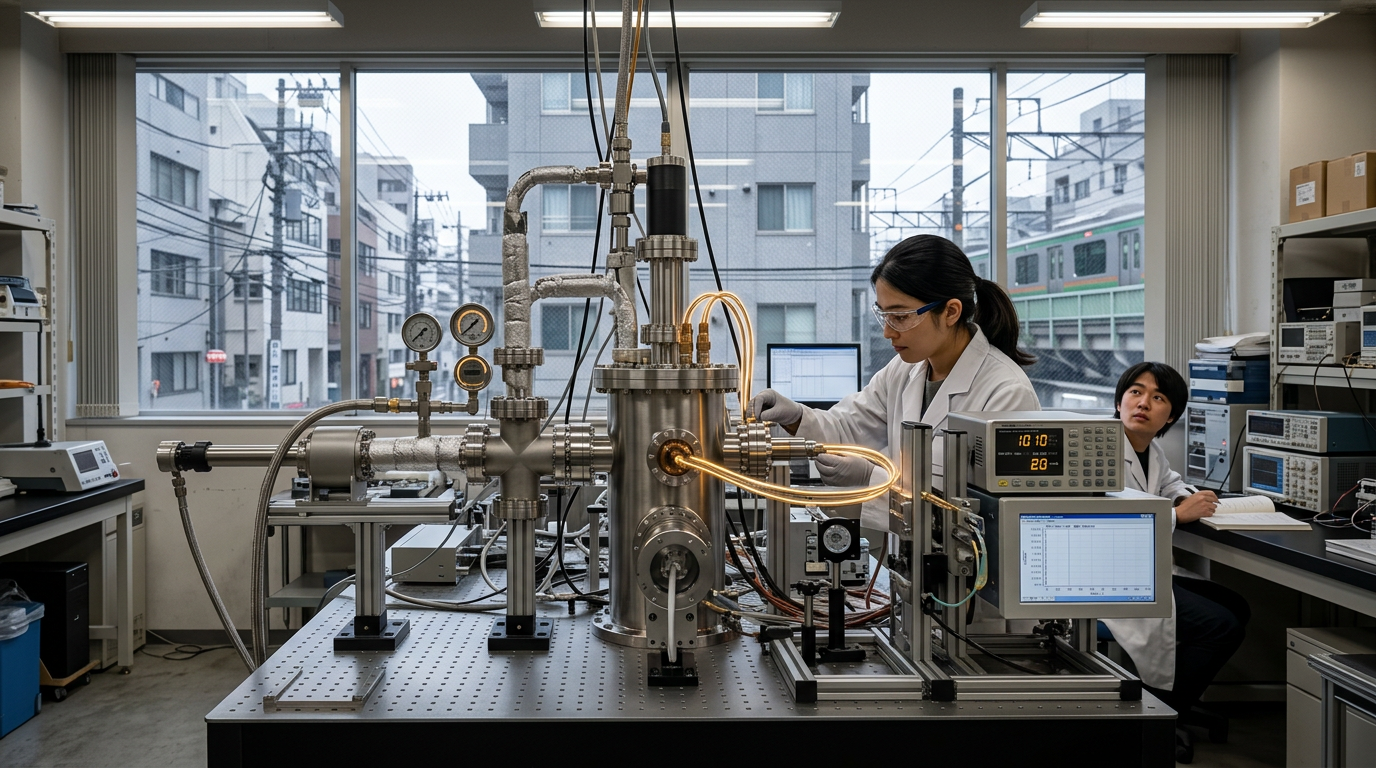
Japan leads in practical superconductor applications — from JT-60SA tokamak magnets to maglev propulsion — with ongoing research into higher-temperature superconducting materials.
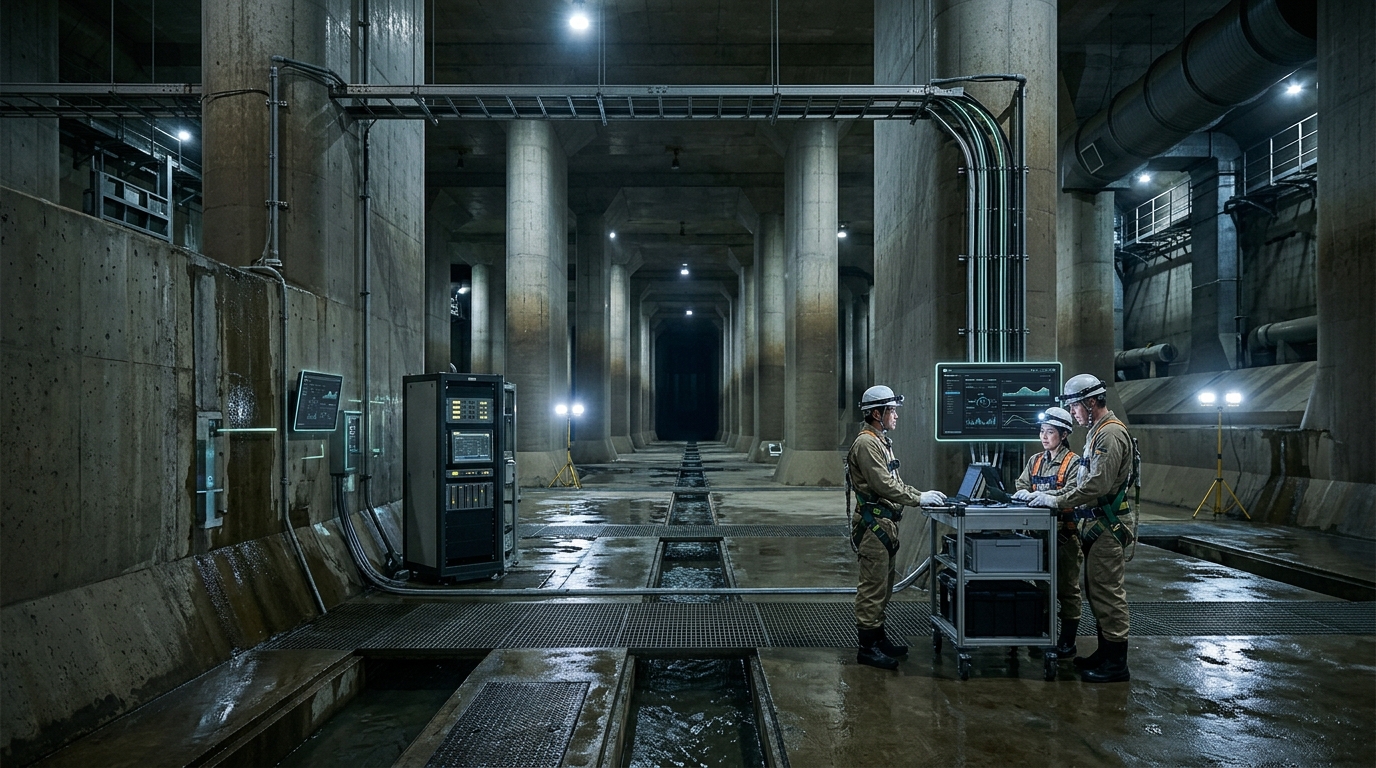
The Metropolitan Area Outer Underground Discharge Channel — a cathedral-sized $2.6 billion underground cistern 50 meters below Tokyo — is the world's largest flood diversion facility and a monument to Japanese infrastructure engineering.