iPS Cell Therapy (Induced Pluripotent Stem Cells)
Geography: Asia Pacific · East Asia · Japan
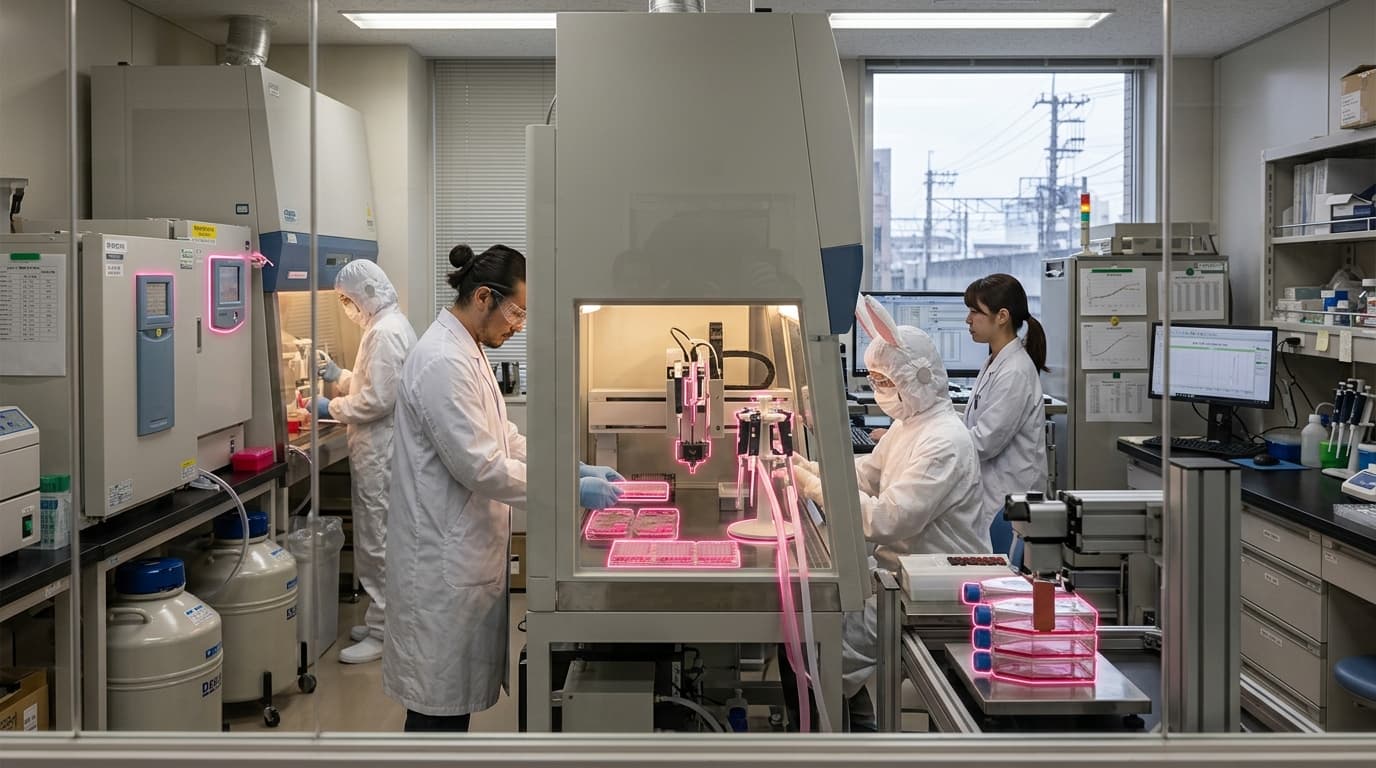
Japan achieved a landmark in regenerative medicine in 2025 with the world's first regulatory submission for an iPS cell-based therapy. Clinical trials have demonstrated the safety of iPS cell therapy for Parkinson's disease (dopamine neuron transplantation, Kyoto University CiRA), and RIKEN's iPS-derived retinal pigment epithelium transplants for age-related macular degeneration have shown promising results. Heartseed Inc. is developing iPS-derived cardiomyocyte sheets for heart failure.
The iPS cell technology was invented by Shinya Yamanaka at Kyoto University in 2006 (Nobel Prize 2012), and Japan has maintained global leadership through the CiRA research center, the RIKEN BioResource Center, and a dedicated regulatory pathway (Act on the Safety of Regenerative Medicine, 2014). Japan's approach uses 'clinical-grade' iPS cell stocks — pre-screened, banked cell lines from HLA-homozygous donors that can be matched to large portions of the population.
The strategic significance extends beyond medicine: iPS cells enable drug screening on human tissue models (reducing animal testing), disease modeling for rare genetic conditions, and potentially growing replacement organs. Japan's decade-long investment in iPS infrastructure — cell banks, manufacturing standards, regulatory frameworks — creates barriers to entry that newer entrants (China, US) will need years to replicate.
Research this in Signals
Signals turns a topic into a sourced research record you can inspect and rerun. Your first scan is free, and this one starts with iPS Cell Therapy (Induced Pluripotent Stem Cells) already loaded, so edit it or scan as is.