Next-Generation Nuclear Reactor Development
Geography: Asia Pacific · East Asia · Japan
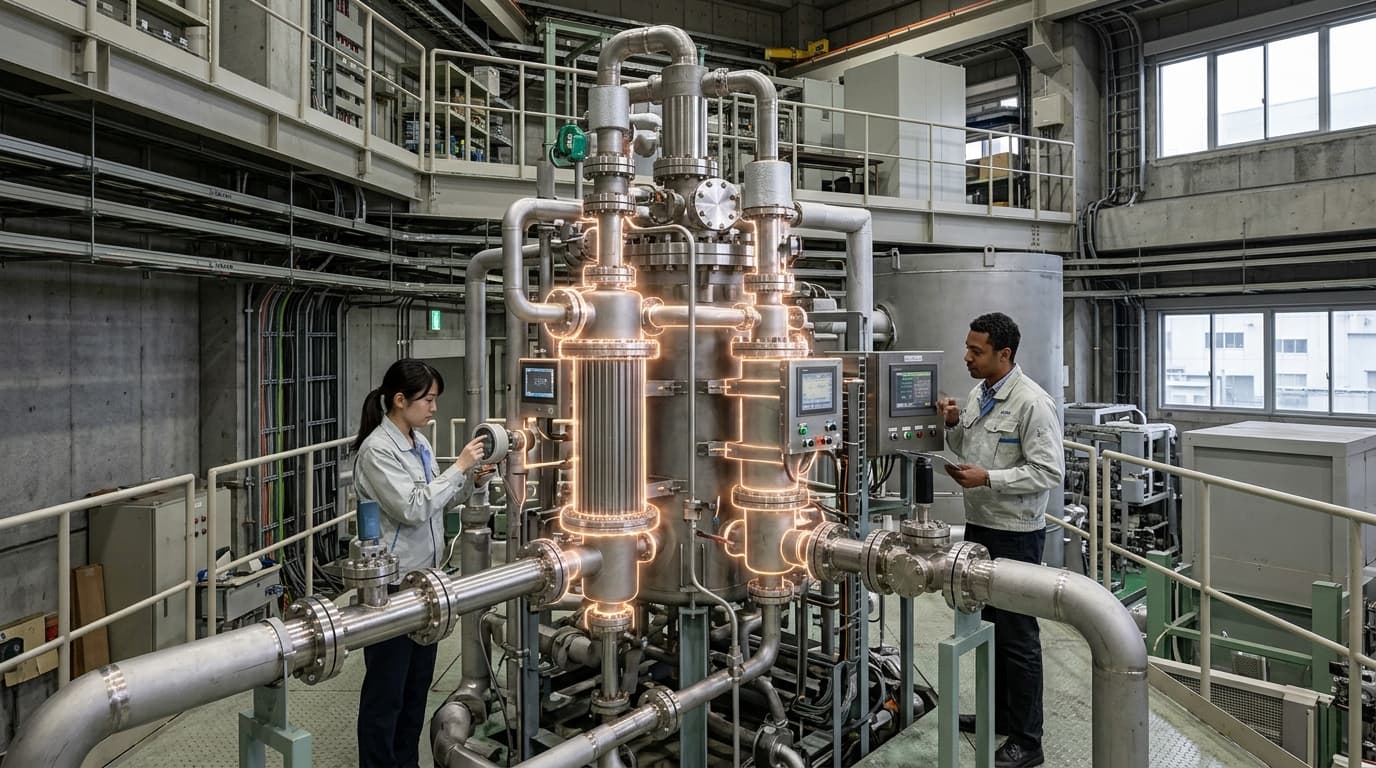
Japan Atomic Energy Agency (JAEA) operates the High Temperature Engineering Test Reactor (HTTR) in Oarai, which achieved 950°C coolant outlet temperature — the world's highest for a nuclear reactor. This extreme temperature enables direct hydrogen production through thermochemical water splitting and industrial process heat, applications impossible with conventional light-water reactors. Japan is also participating in Generation IV reactor development through international collaborations.
Small modular reactor (SMR) development is gaining momentum with Mitsubishi Heavy Industries exploring designs for factory-built, transportable reactors. Japan's existing nuclear regulatory framework and extensive operating experience provide a foundation for next-generation reactor licensing. The government's 2024 energy policy update explicitly supports next-generation nuclear technologies alongside the restart of existing plants.
The strategic logic connects nuclear with hydrogen: Japan's hydrogen economy requires massive hydrogen production, and nuclear-powered hydrogen (via high-temperature electrolysis or thermochemical splitting) could be cheaper and more reliable than renewable-powered electrolysis. If Japan successfully couples next-generation nuclear reactors with hydrogen production, it creates a domestic, carbon-free energy-to-fuel pathway independent of weather variability or imported fossil fuels.
Research this in Signals
Signals turns a topic into a sourced research record you can inspect and rerun. Your first scan is free, and this one starts with Next-Generation Nuclear Reactor Development already loaded, so edit it or scan as is.