Space-Based Solar Power Research
Geography: Asia Pacific · East Asia · Japan
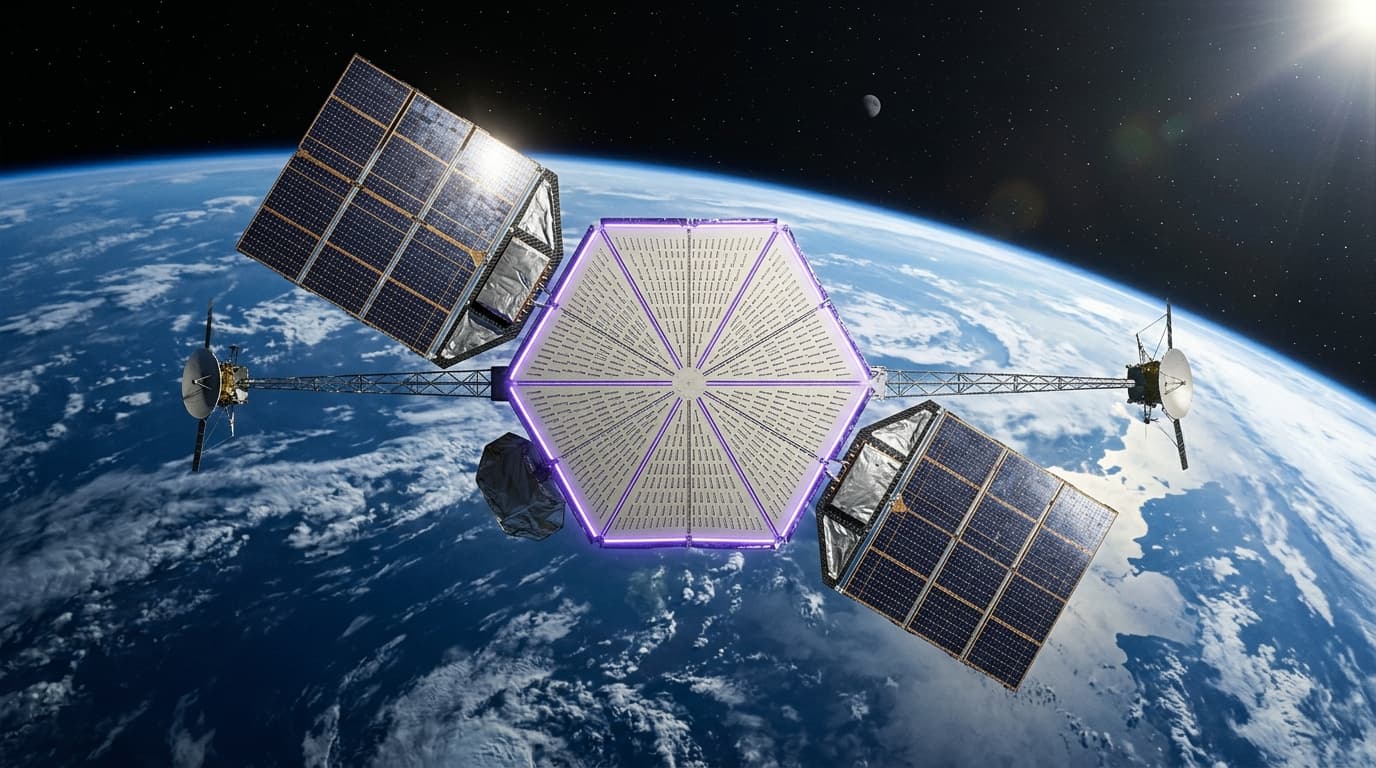
Japan has the world's longest-running space-based solar power (SBSP) research program, led by JAXA and the Institute for Unmanned Space Experiment Free Flyer (USEF). The concept involves deploying large solar arrays in geostationary orbit where sunlight is constant and unobstructed, then transmitting energy to Earth via microwave or laser beaming. JAXA demonstrated wireless power transmission over 55 meters with 1.8 kW power in 2015, and continues research on efficient microwave rectenna (receiving antenna) designs.
The appeal of SBSP for Japan is unique: an energy-import-dependent island nation with limited land for terrestrial renewables could receive continuous solar energy from space regardless of weather, season, or geography. The Japanese government's Space Basic Plan includes SBSP as a long-term energy technology, though commercial viability likely requires launch cost reductions below $100/kg to orbit.
While SBSP remains speculative, Japan's sustained investment in the underlying technologies — efficient photovoltaics, wireless power transmission, large space structure assembly — generates spinoff applications for terrestrial wireless charging, point-to-point power transmission, and space infrastructure construction. If launch costs continue to decline (as SpaceX's Starship promises), Japan's two decades of SBSP research could become practically relevant sooner than expected.
Research this in Signals
Signals turns a topic into a sourced research record you can inspect and rerun. Your first scan is free, and this one starts with Space-Based Solar Power Research already loaded, so edit it or scan as is.