Fermentation-Derived Structural Protein Materials
Geography: Asia Pacific · East Asia · Japan
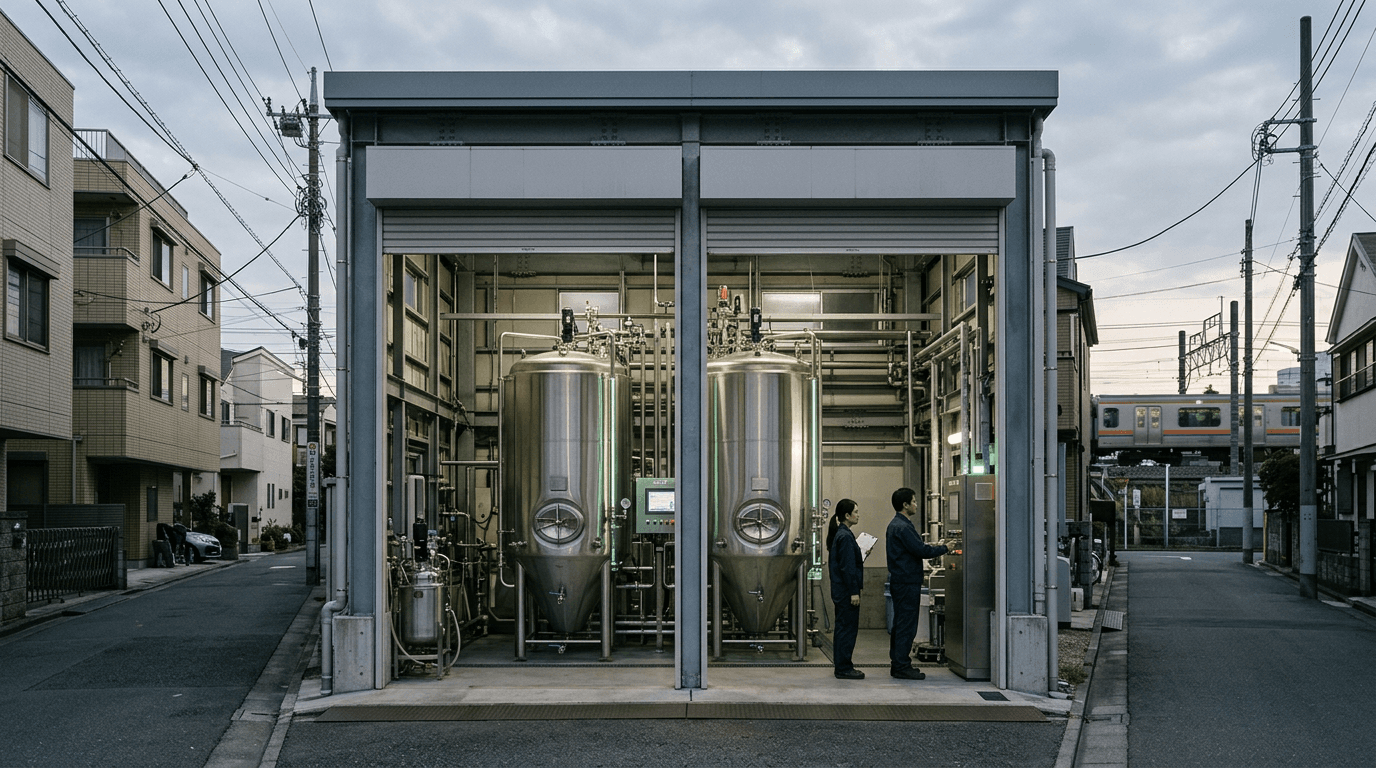
Spiber Inc., based in Tsuruoka, Yamagata, has commercialized Brewed Protein™ — structural protein materials produced through microbial fermentation of plant-derived sugars, creating fibers, resins, and films that replace animal-derived (cashmere, silk, leather) and petroleum-based materials. By 2025, over 45 brands and 193 products use Brewed Protein fibers, including The North Face, Goldwin, Woolrich, and Pangaia. Spiber raised $65 million in early 2025 and operates mass production facilities in Tsuruoka (Japan) and Rayong (Thailand), with capacity exceeding 500 tonnes per year — the world's largest structural protein fermentation operation.
Spiber's technology descends directly from Japan's millennium-long mastery of fermentation. The same biological engineering tradition that created sake, miso, soy sauce, and koji culture now programs microorganisms to produce designer structural proteins. Spiber's platform can tune protein properties (tensile strength, elasticity, thermal performance) by modifying amino acid sequences, creating materials impossible to produce from natural sources. The partnership with Shiseido to develop cosmetic protein ingredients demonstrates breadth beyond textiles.
The strategic significance is that Spiber represents a new category of materials manufacturing — biology replacing chemistry. If fermentation-derived proteins can achieve cost parity with petroleum textiles (target: late 2020s through scale-up), they offer a pathway to decarbonize the $1.7 trillion global textile industry while eliminating animal-derived material supply chains. Japan's unique position — deep fermentation expertise plus advanced bioengineering — creates a natural competitive advantage in precision fermentation that mirrors its semiconductor materials dominance: controlling the substrate layer of a massive industry.
Research this in Signals
Signals turns a topic into a sourced research record you can inspect and rerun. Your first scan is free, and this one starts with Fermentation-Derived Structural Protein Materials already loaded, so edit it or scan as is.