Asteroid Sample Return Engineering (Hayabusa2)
Geography: Asia Pacific · East Asia · Japan
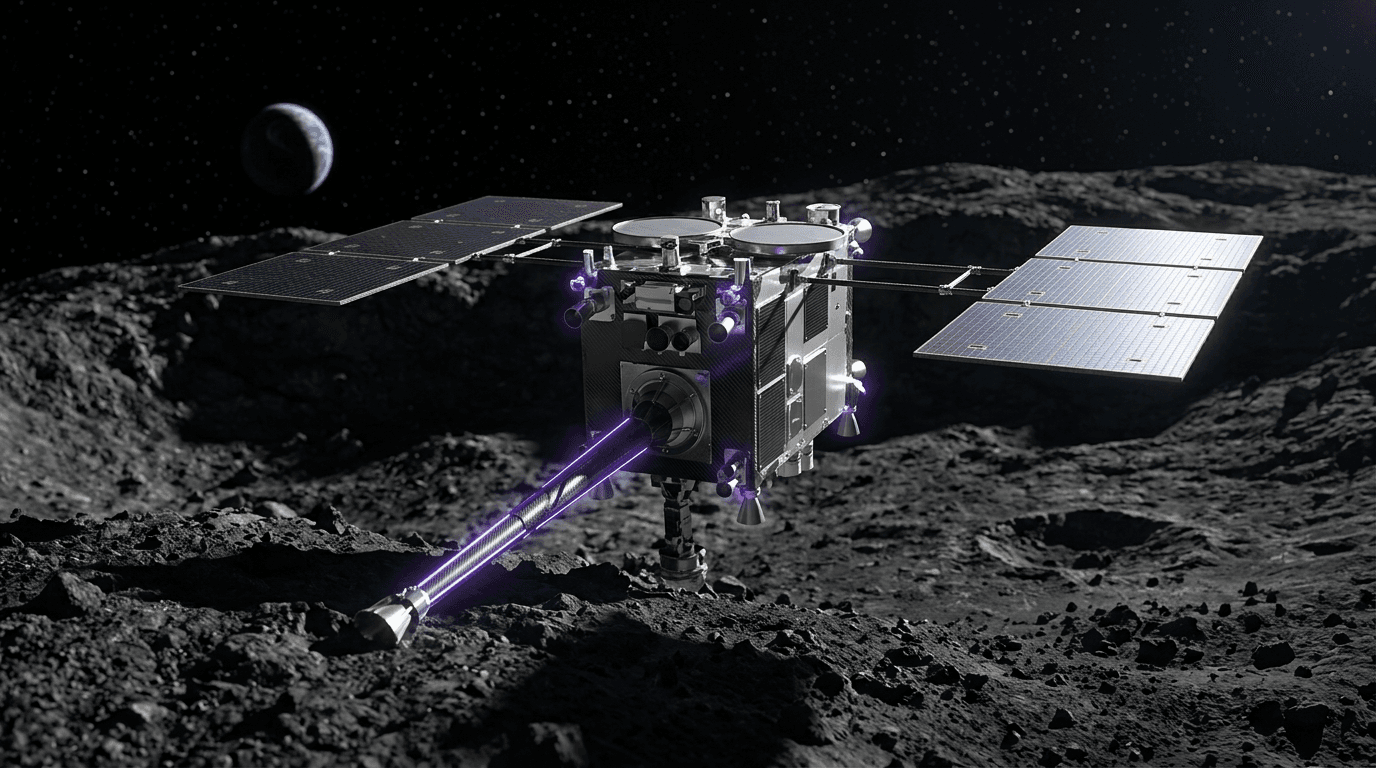
JAXA's Hayabusa2 mission to asteroid Ryugu (2014-2020) achieved nine engineering world firsts, including the first mobile surface exploration of a small body using autonomous robots, the first artificial crater creation on an asteroid (using a kinetic impactor to expose subsurface material), and the first collection of subsurface samples from an asteroid. The spacecraft returned 5.4 grams of pristine material from a C-type asteroid — samples that have since revealed amino acids, organic compounds, and pre-solar grains older than the solar system itself.
What makes Hayabusa2 remarkable as an engineering achievement is the cascade of precision operations performed autonomously 300 million kilometers from Earth: deploying four rovers (MINERVA-II1A/B, MINERVA-II2, and MASCOT), executing two touchdowns on a 900-meter asteroid with boulder-strewn terrain, firing a projectile to create an artificial crater, collecting material from the crater, and returning the samples in a capsule that landed within meters of the target zone in Australia. Each operation had narrow margins and no room for do-overs.
Hayabusa2 is more than a space mission — it's a demonstration of Japan's precision engineering methodology applied at interplanetary scale. The original Hayabusa mission (2003-2010) was plagued by failures but still returned microscopic asteroid grains through extraordinary improvisation. Hayabusa2 took every lesson learned and executed flawlessly. This iterate-and-perfect approach — accepting initial failure as data, then engineering success — is distinctly Japanese and directly parallel to how Toyota developed lean manufacturing or how Japanese semiconductor equipment makers refined their processes over decades.
Research this in Signals
Signals turns a topic into a sourced research record you can inspect and rerun. Your first scan is free, and this one starts with Asteroid Sample Return Engineering (Hayabusa2) already loaded, so edit it or scan as is.