Offshore Wind Energy Development
Geography: Asia Pacific · East Asia · Japan
Japan's offshore wind strategy prioritizes floating wind turbine technology, necessitated by its steep continental shelf that makes traditional bottom-fixed foundations impractical beyond a few kilometers offshore. The government targets 10 GW by 2030 and 30-45 GW by 2040. Several areas have been designated as promotion zones under the 2019 Renewable Energy Sea Area Use Act, with auction rounds underway in Akita, Chiba, and Nagasaki prefectures.
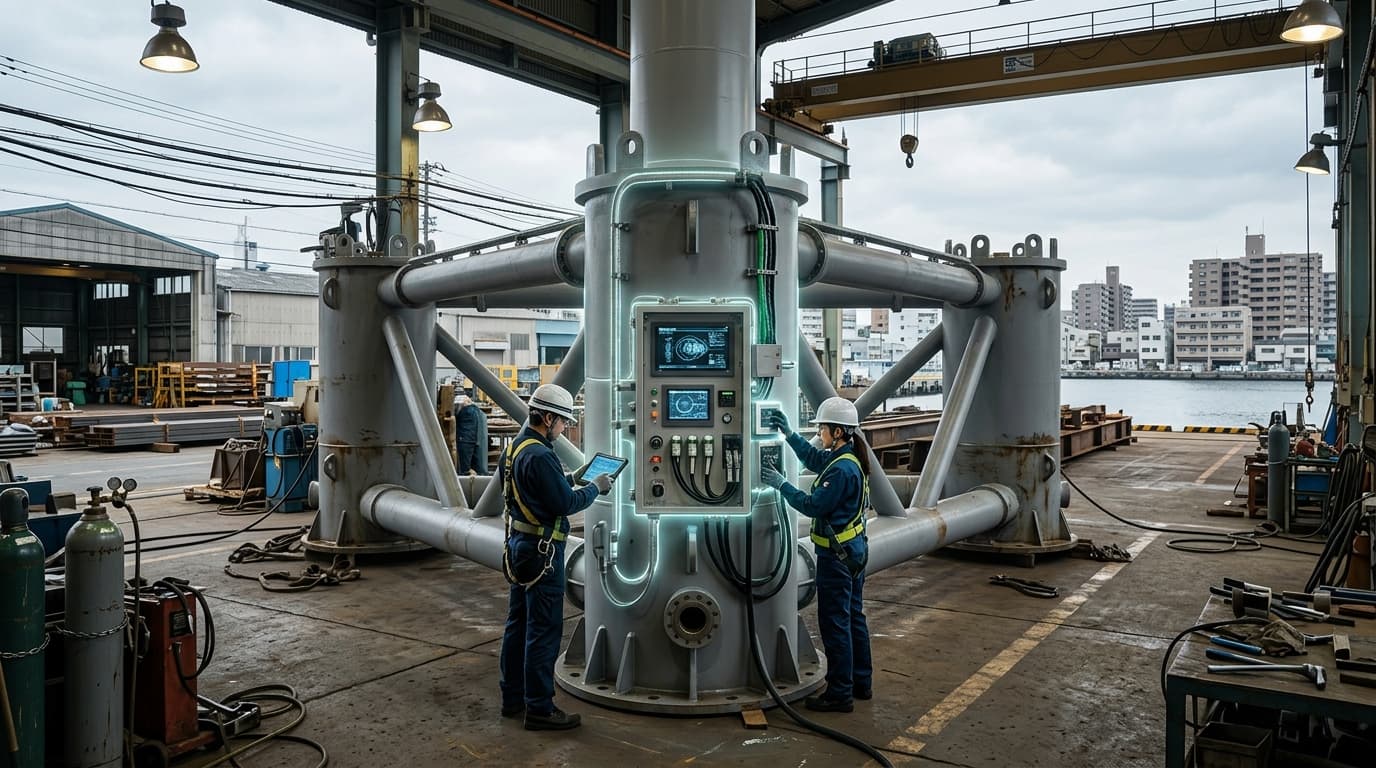
Floating wind is a natural fit for Japan's deep-water coastline and engineering capabilities. Japanese companies including Toda Corporation, Mitsubishi Heavy Industries, and Hitachi Zosen are developing floating platform technologies. The Goto floating wind farm off Nagasaki — one of the world's first commercial-scale floating wind projects — demonstrates Japan's commitment to the technology.
The challenge is scale and speed. Japan's offshore wind deployment lags far behind the UK, China, and Northern Europe in installed capacity. Regulatory complexity (multiple ministries, fishing rights, environmental reviews) slows development. However, floating wind technology is still nascent globally, giving Japan an opportunity to establish technology leadership in a segment where its deep-water expertise and marine engineering tradition provide natural advantages.
Research this in Signals
Signals turns a topic into a sourced research record you can inspect and rerun. Your first scan is free, and this one starts with Offshore Wind Energy Development already loaded, so edit it or scan as is.