Rare Earth Recycling and Alternatives
Geography: Asia Pacific · East Asia · Japan
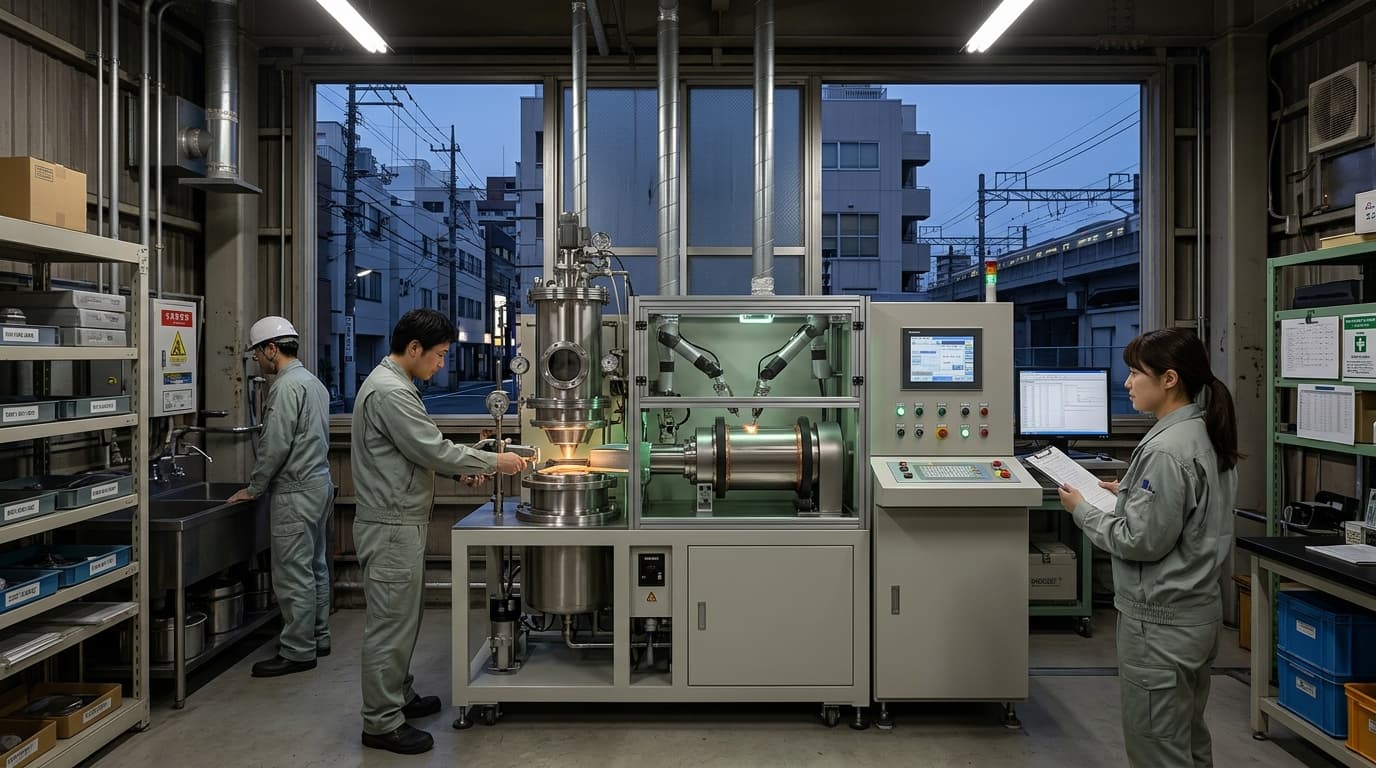
Japan has invested heavily in rare earth recycling and substitution technologies since China's 2010 rare earth export restrictions exposed critical supply chain vulnerabilities. JOGMEC (Japan Oil, Gas and Metals National Corporation) operates pilot-scale rare earth recycling from electronic waste, while TDK, Hitachi Metals, and Shin-Etsu have developed reduced-rare-earth and rare-earth-free permanent magnets for motors and generators.
The technologies span multiple approaches: hydrometallurgical extraction of neodymium and dysprosium from end-of-life electronics, grain boundary diffusion processes that reduce heavy rare earth content in NdFeB magnets by 50%, and entirely new magnetic materials based on iron-nitride or manganese-bismuth compounds. Japan's urban mining initiative treats the country's 140 million tonnes of retired electronics as a domestic rare earth resource.
Strategically, rare earth independence is a national security priority. Japan consumed approximately 30% of global rare earth output before 2010, almost entirely from China. The diversification strategy — recycling, substitution, and alternative sourcing from Australia and Canada — has reduced this dependency significantly. The technology transfers to allies (EU, US) through JOGMEC partnerships amplify Japan's diplomatic leverage.
Research this in Signals
Signals turns a topic into a sourced research record you can inspect and rerun. Your first scan is free, and this one starts with Rare Earth Recycling and Alternatives already loaded, so edit it or scan as is.