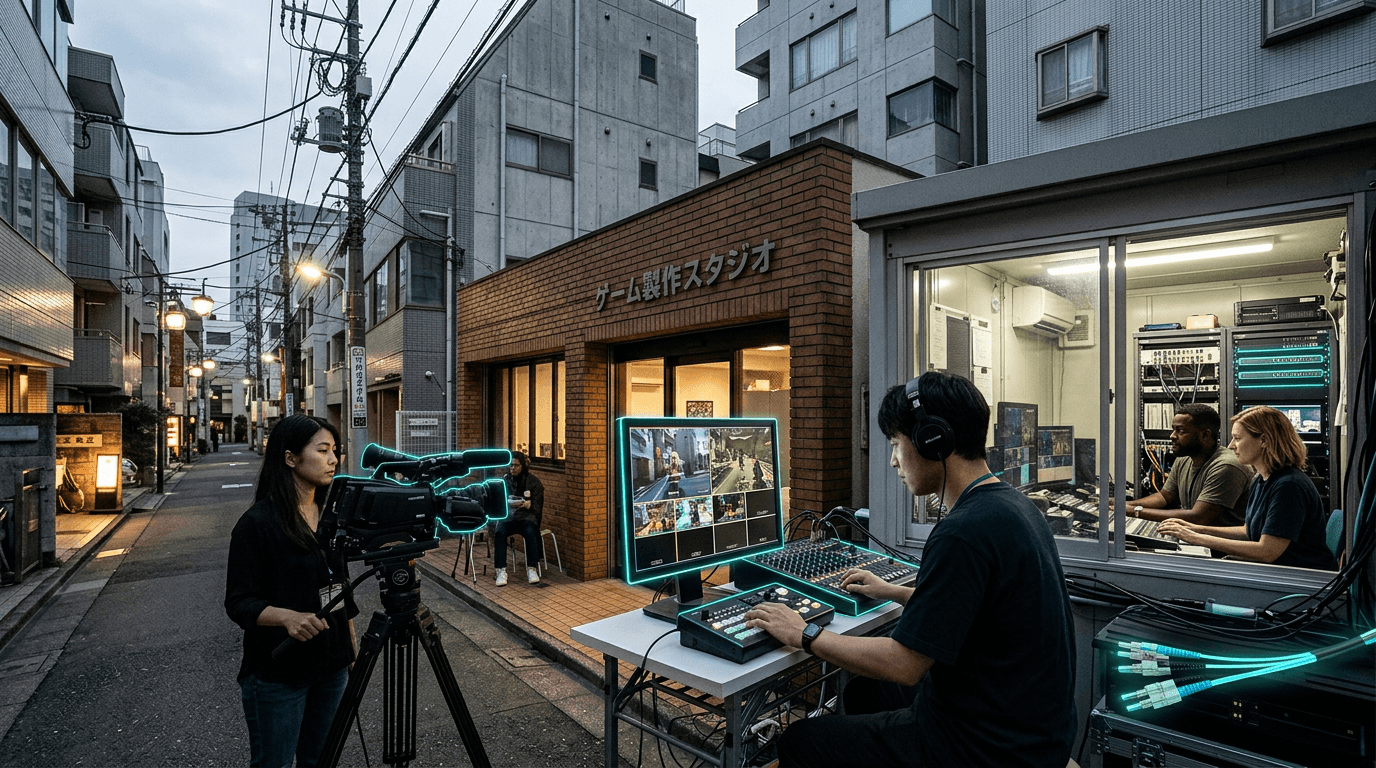
Gaming as Cultural Technology Export
Geography: Asia Pacific · East Asia · Japan
Japan's gaming industry generates over $25 billion annually through Nintendo (Switch 2 launching 2025, Mario and Zelda franchises), Sony Interactive Entertainment (PlayStation 5, first-party studios), Capcom (Monster Hunter, Resident Evil), Square Enix (Final Fantasy), and dozens of other studios. Nintendo alone has sold over 146 million Switch consoles, and the Switch 2 launch represents the next hardware cycle. Japan produces roughly 25% of global game software revenue.
Gaming is Japan's most commercially successful cultural technology export. Unlike anime or manga, gaming generates hardware ecosystem revenue (consoles, peripherals), recurring subscription income (PlayStation Plus, Nintendo Switch Online), and mobile gaming revenue. Japan's approach — emphasizing gameplay innovation and character design over photorealism — has created globally beloved franchises with 30+ year longevity (Mario since 1985, Zelda since 1986, Final Fantasy since 1987).
The strategic dimension of gaming as cultural technology is underappreciated: Japanese game design aesthetics, UI/UX patterns, and narrative structures influence global digital culture. The overlap between gaming and other technology sectors is deepening — Sony's spatial computing (PlayStation VR2), Nintendo's unique hardware design (Joy-Con, Ring Fit), and AI integration in game development all create technology spillovers. Japan's gaming industry is also a talent pipeline, producing engineers and designers who move into robotics, automotive UI, and mixed reality development.
Research this in Signals
Signals turns a topic into a sourced research record you can inspect and rerun. Your first scan is free, and this one starts with Gaming as Cultural Technology Export already loaded, so edit it or scan as is.