Humanoid Robotics Research
Geography: Asia Pacific · East Asia · Japan
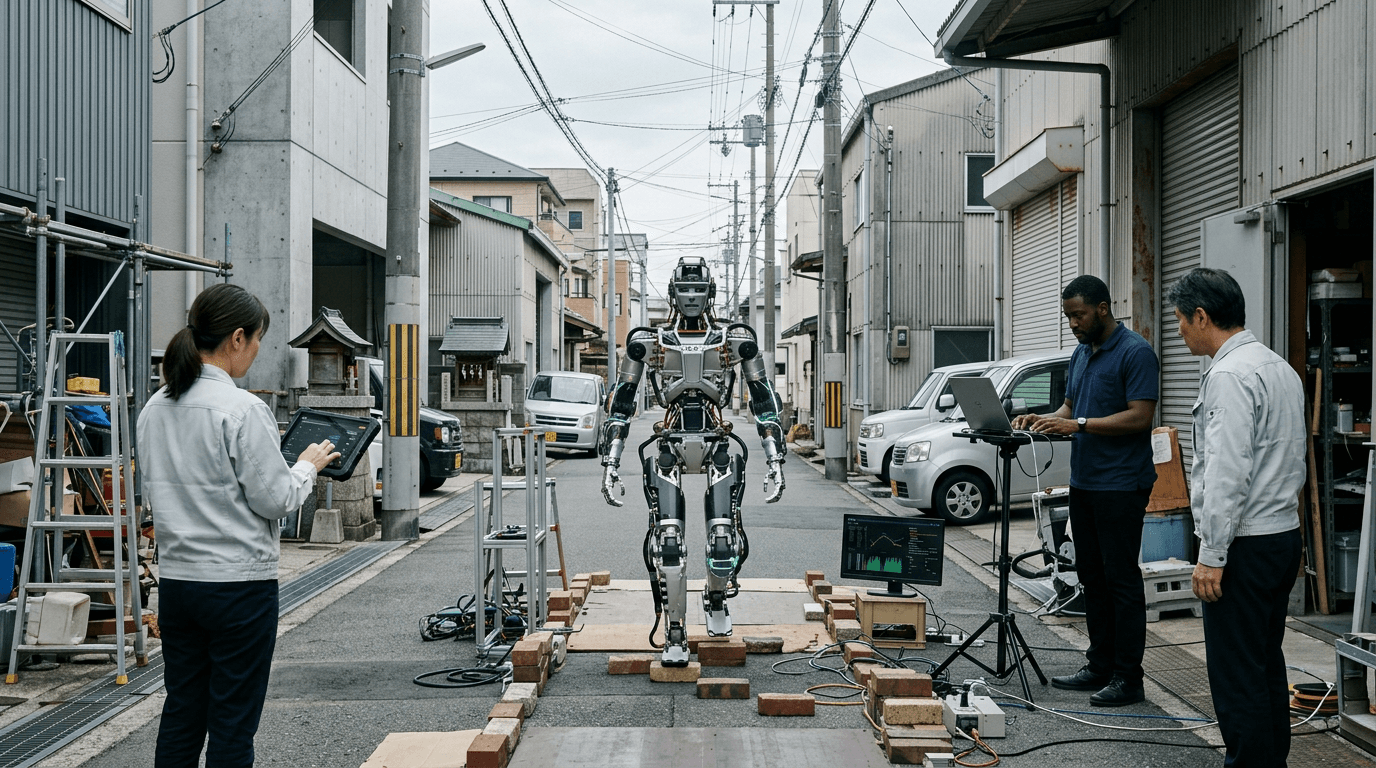
Japan pioneered humanoid robotics with Honda's ASIMO (1986-2022), Toyota's T-HR3 and Partner Robots, and Sony's AIBO. However, the current wave of AI-driven humanoid development is dominated by US companies (Figure AI, Tesla Optimus) and Chinese competitors (Unitree, XPeng). At iREX 2025, Japan's domestic humanoid offerings were notably absent from the major exhibitions, with industrial heavyweights like Fanuc and Yaskawa focusing on established factory automation.
This gap is widely recognized in Japan. SoftBank's investment in humanoid initiatives and GMO Internet Group's dancing humanoid at iREX 2025 signal renewed corporate interest. Japan's advantage lies in decades of mechanical engineering expertise, but the AI software layer — where large language models and foundation models enable natural human interaction — is where Japan lags. The country's humanoid robot research remains world-class at universities (Osaka University, University of Tokyo) but has struggled to translate into commercial products.
The strategic risk for Japan is that humanoid robots represent the next major platform shift in robotics — from programmed tools to general-purpose AI-embodied agents — and missing this wave would erode Japan's broader robotics leadership. METI's 2024 robotics strategy update specifically addresses this gap with new funding for AI-robotics integration.
Research this in Signals
Signals turns a topic into a sourced research record you can inspect and rerun. Your first scan is free, and this one starts with Humanoid Robotics Research already loaded, so edit it or scan as is.