Where technologies cluster around the world
Regions
92 technologies in United States
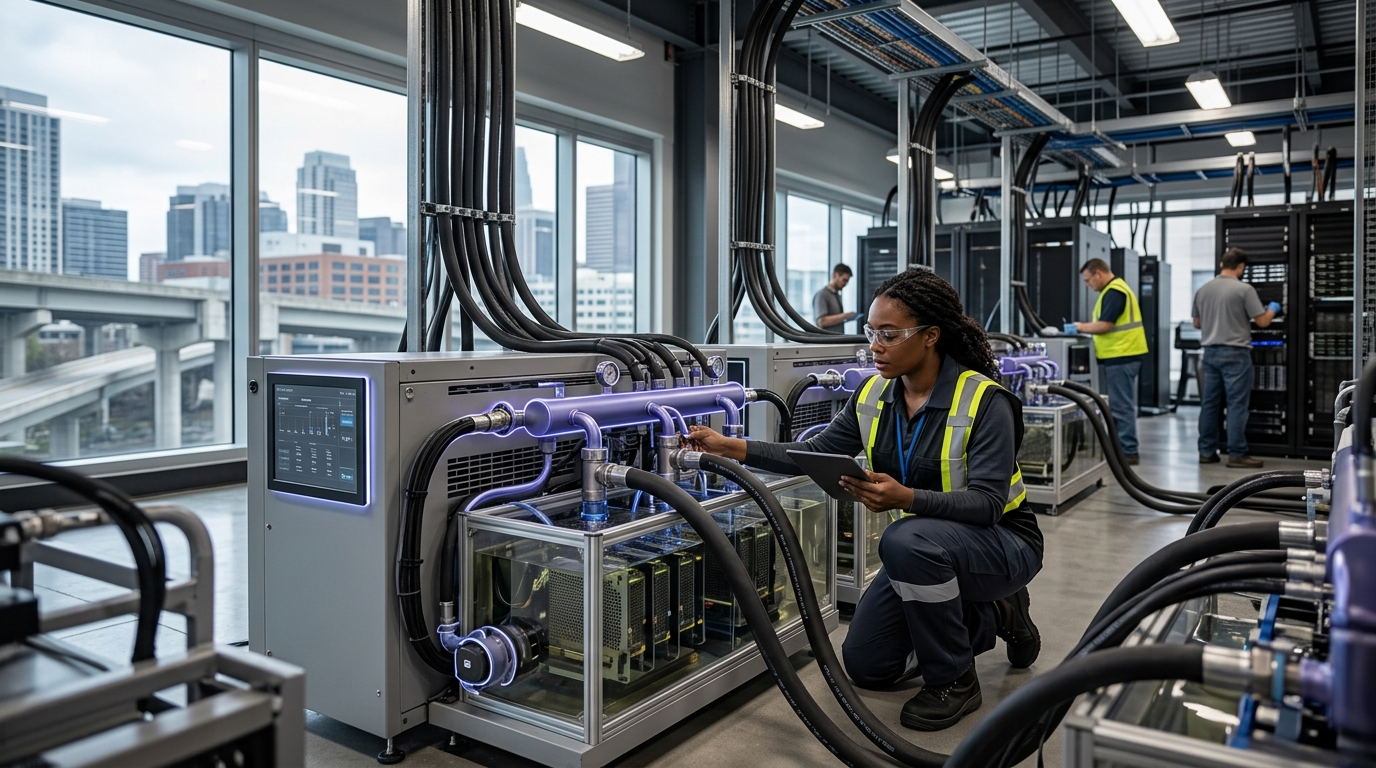
Direct-to-chip liquid cooling and full immersion cooling from Vertiv, CoolIT, and GRC are becoming mandatory for AI data centers as GPU power density exceeds 1 kW per chip — air cooling alone can no longer handle the thermal load.
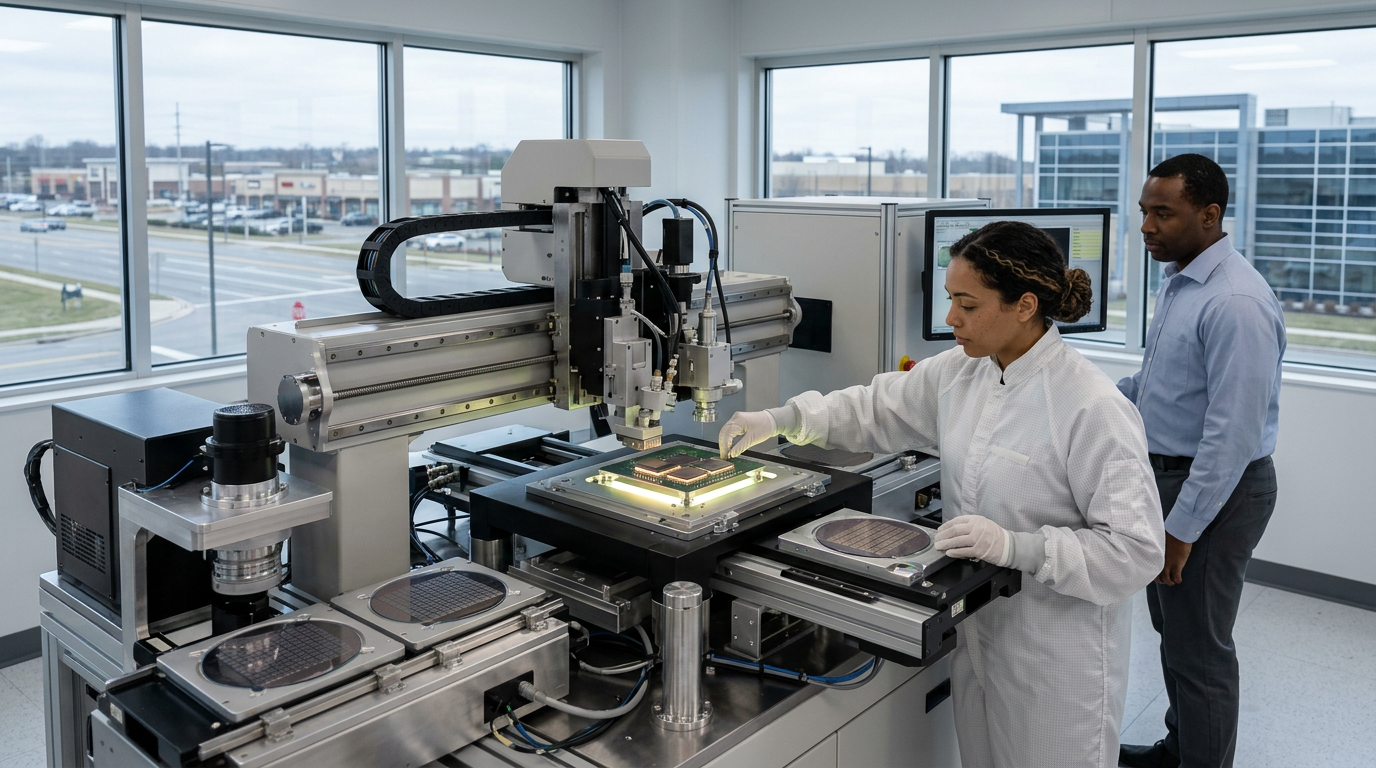
TSMC's CoWoS and Intel's Foveros 3D packaging technologies stack chiplets and high-bandwidth memory into integrated packages, becoming the key bottleneck in AI chip supply — CHIPS Act funds dedicated US packaging facilities.
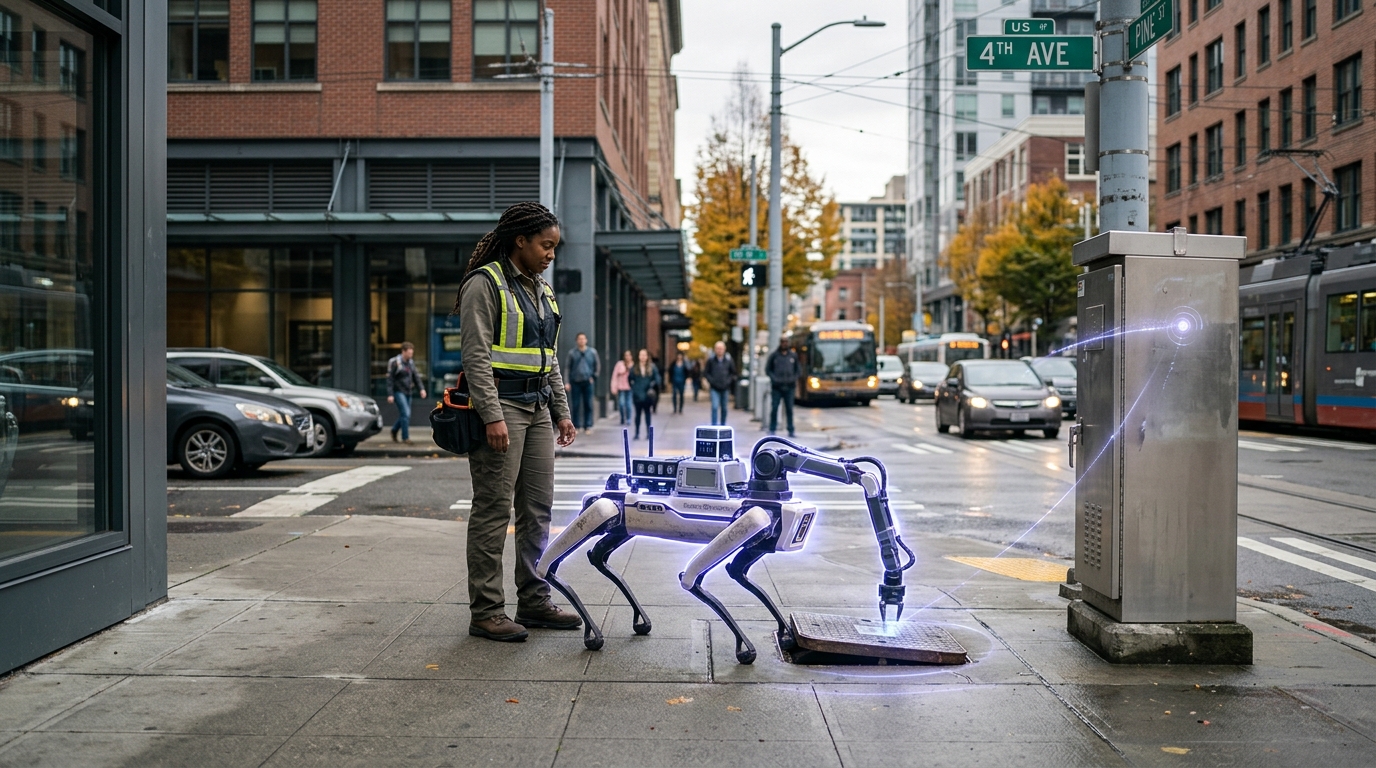
AI agents that autonomously plan, use tools, browse the web, write code, and execute multi-step workflows are moving from demos to production deployment via frameworks like MCP, LangChain, and enterprise platforms.
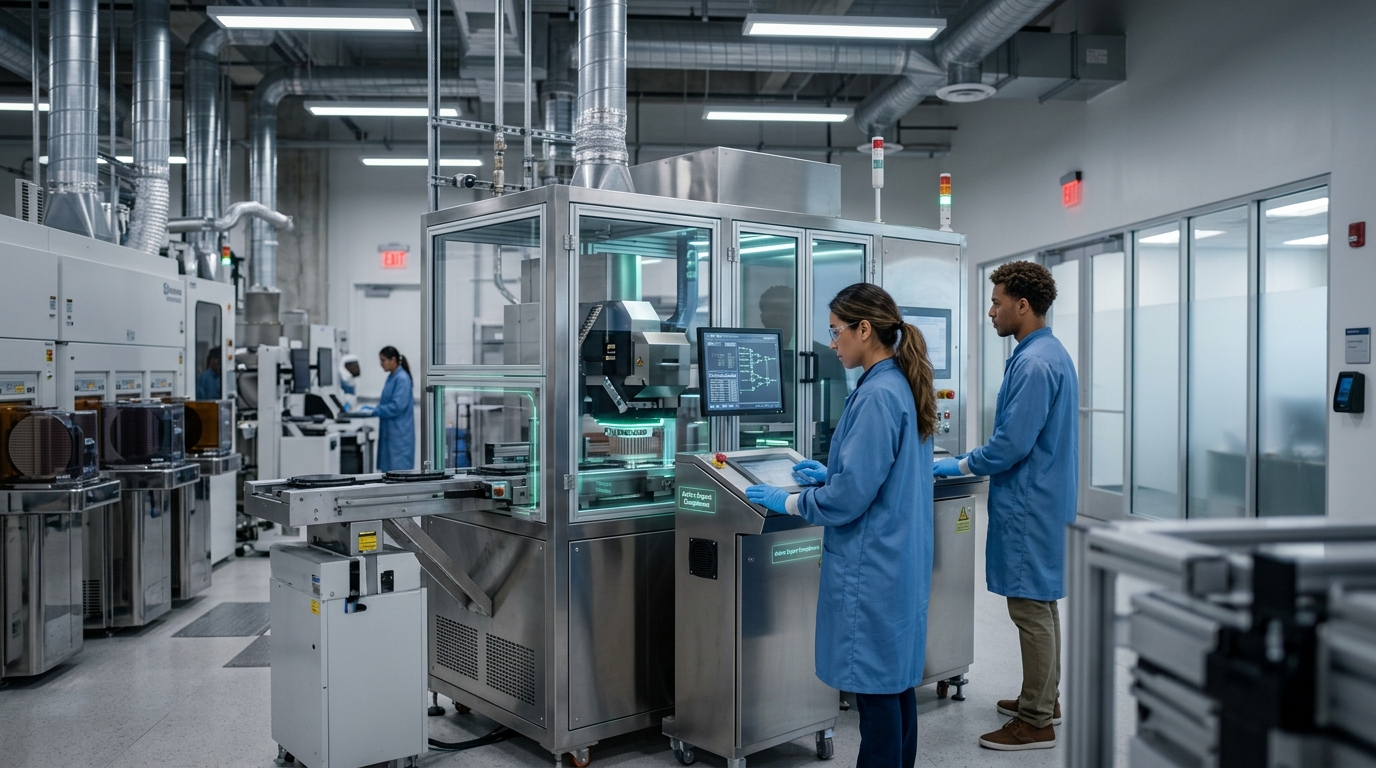
The January 2025 AI Diffusion Rule created a tiered global framework restricting advanced AI chip exports, effectively weaponizing US semiconductor dominance as a geopolitical tool against China's AI ambitions.
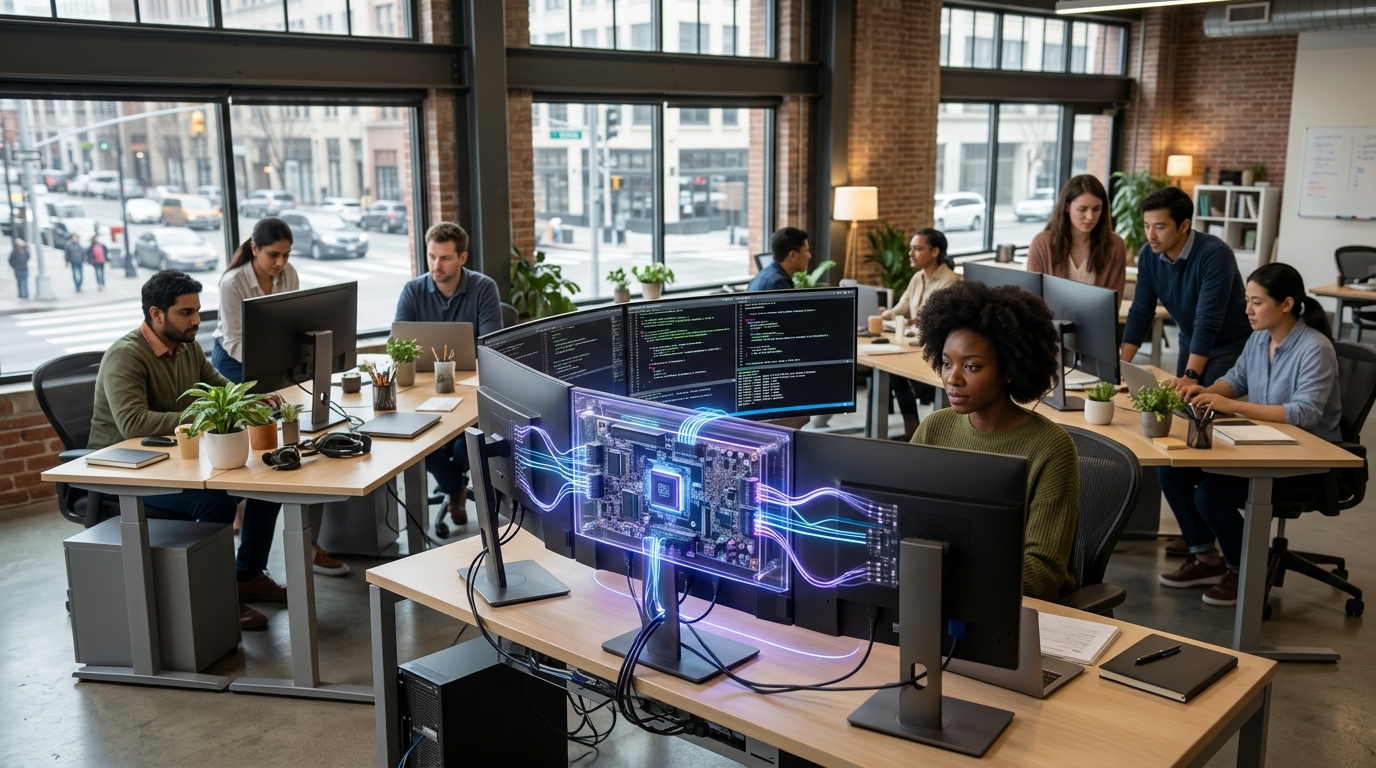
Autonomous coding agents from Anthropic, OpenAI, and startups like Cursor and Devin can now write, test, and deploy production code with minimal human oversight, fundamentally reshaping software development.
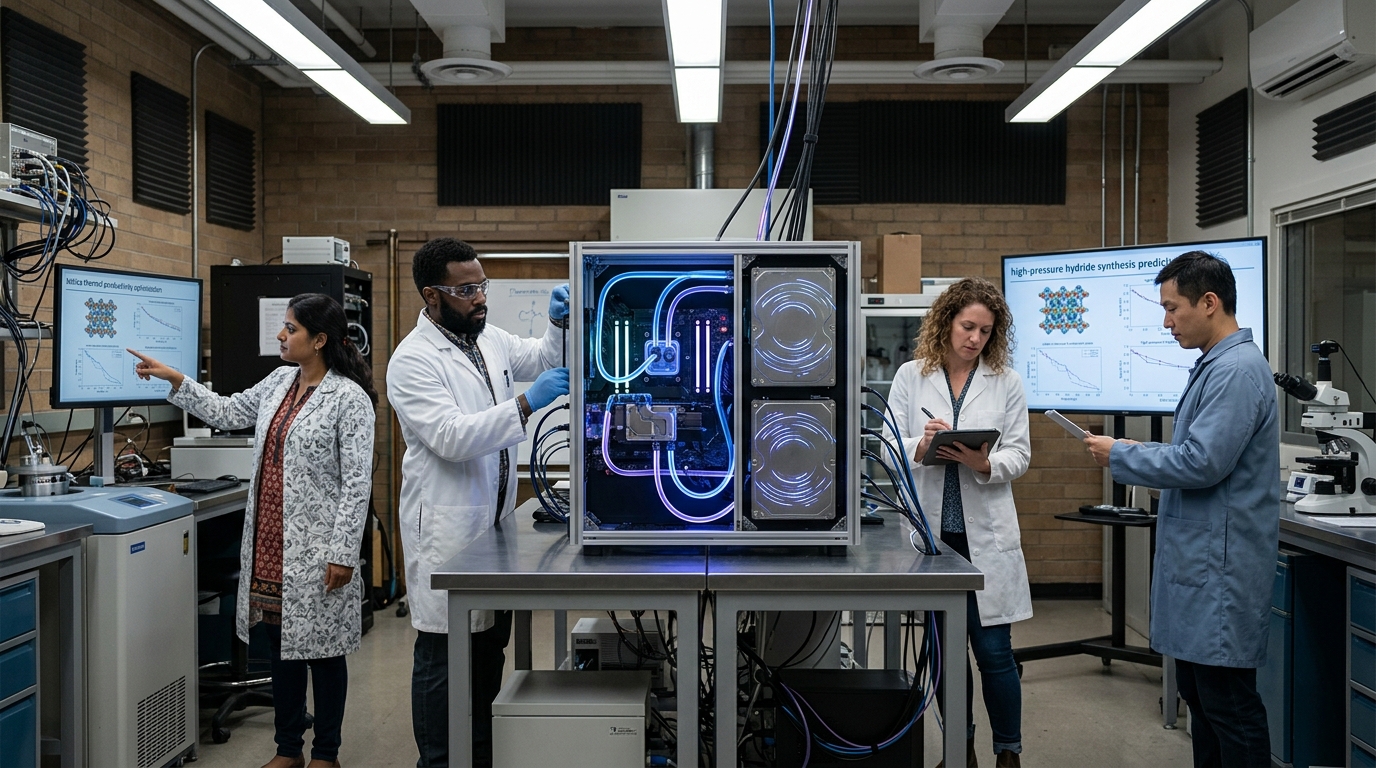
AI systems are now generating novel scientific hypotheses and discovering new materials, drugs, and mathematical proofs — DARPA's expMath program applies AI to breakthrough advances in national security-related mathematics.
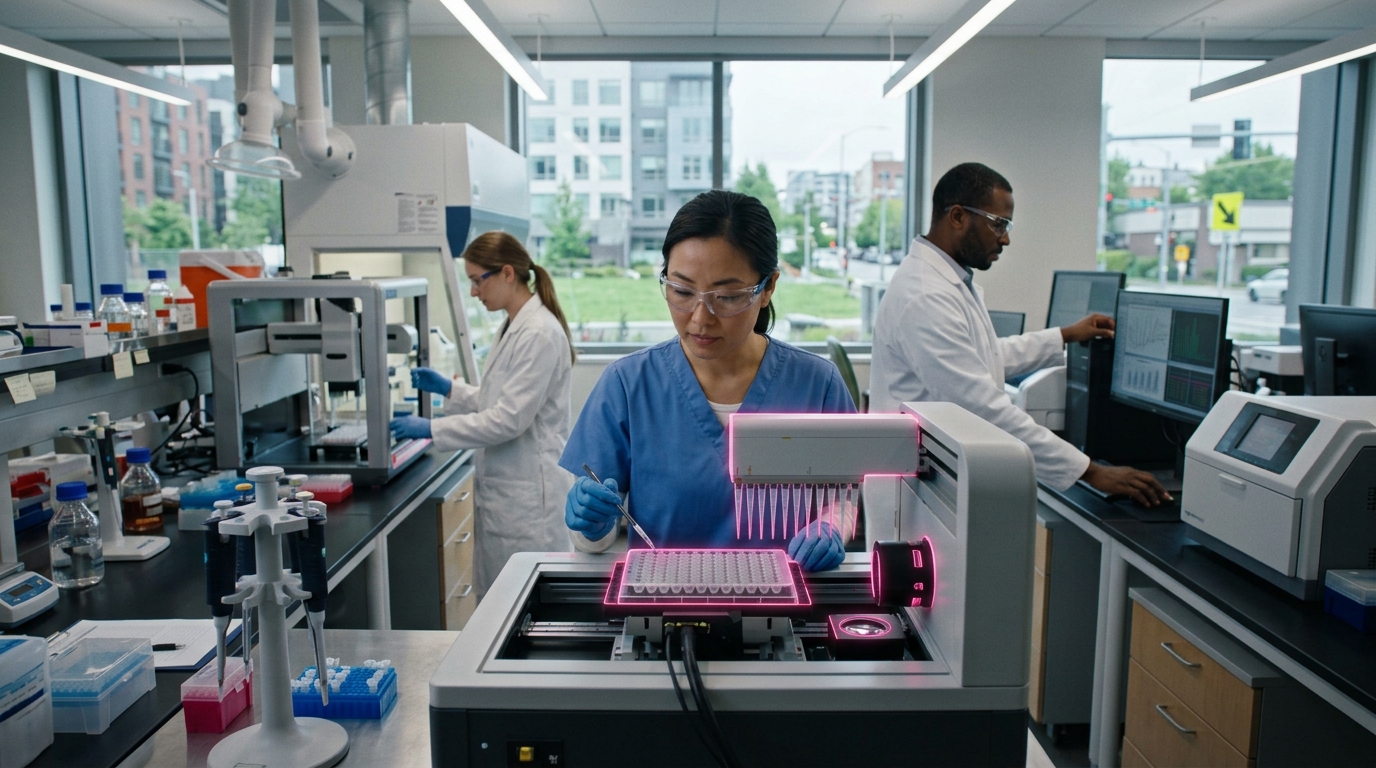
AlphaFold 3 and RoseTTAFold All-Atom predict protein-drug interactions, while David Baker's lab designs entirely novel proteins with therapeutic and industrial applications that don't exist in nature.
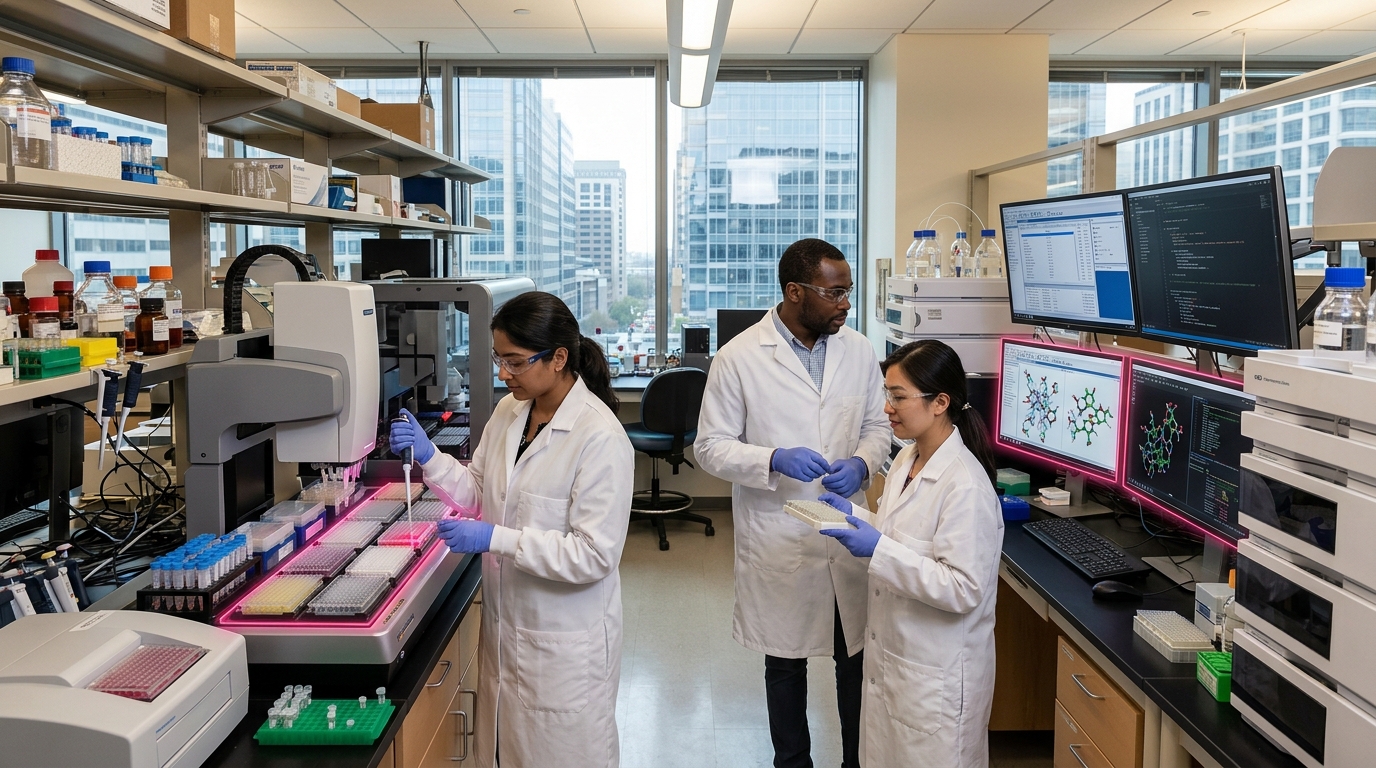
Recursion Pharmaceuticals, Insilico Medicine, and Isomorphic Labs (DeepMind) are using AI to design novel drug molecules, with multiple AI-discovered compounds now in human clinical trials.
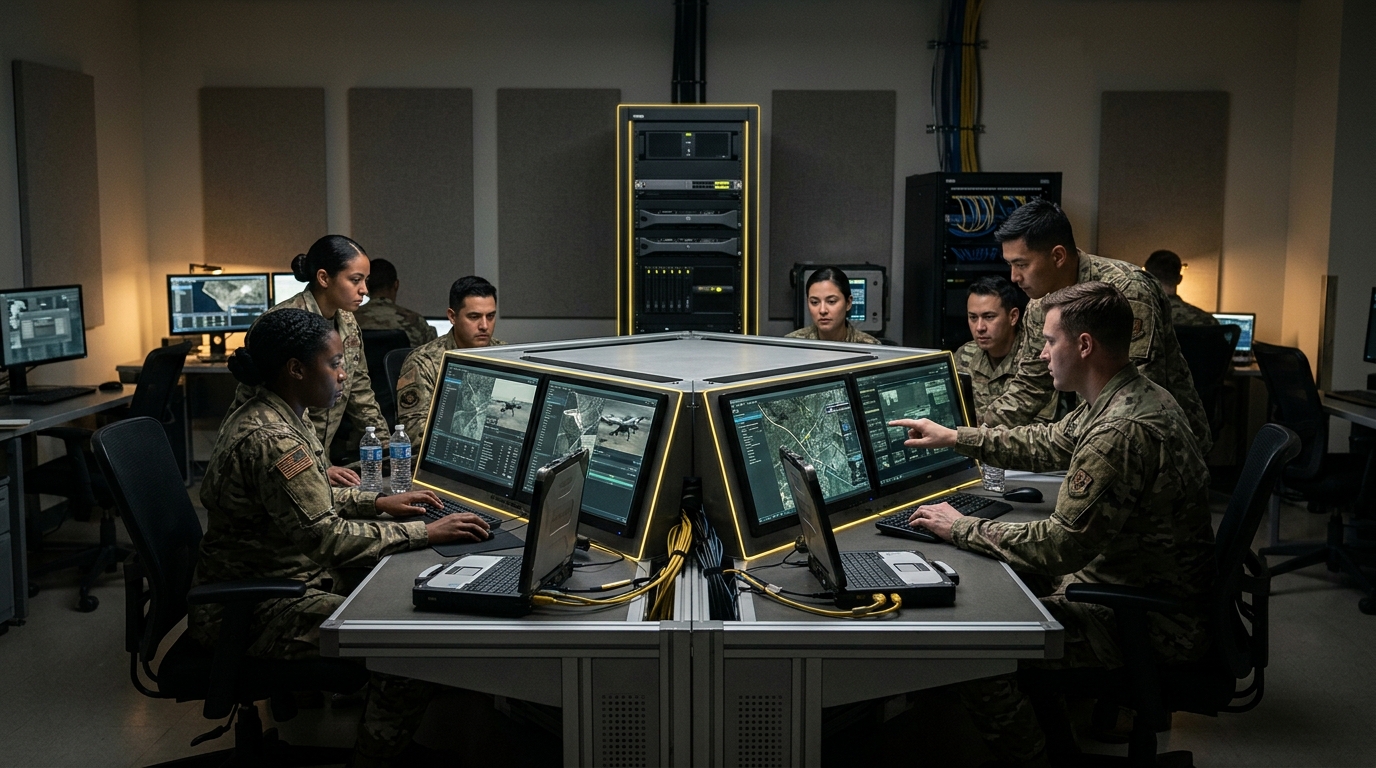
Anduril's Lattice platform won an $86M SOCOM contract to integrate and coordinate diverse autonomous systems across domains, while Palantir's Maven Smart System NATO was selected for alliance-wide military planning.
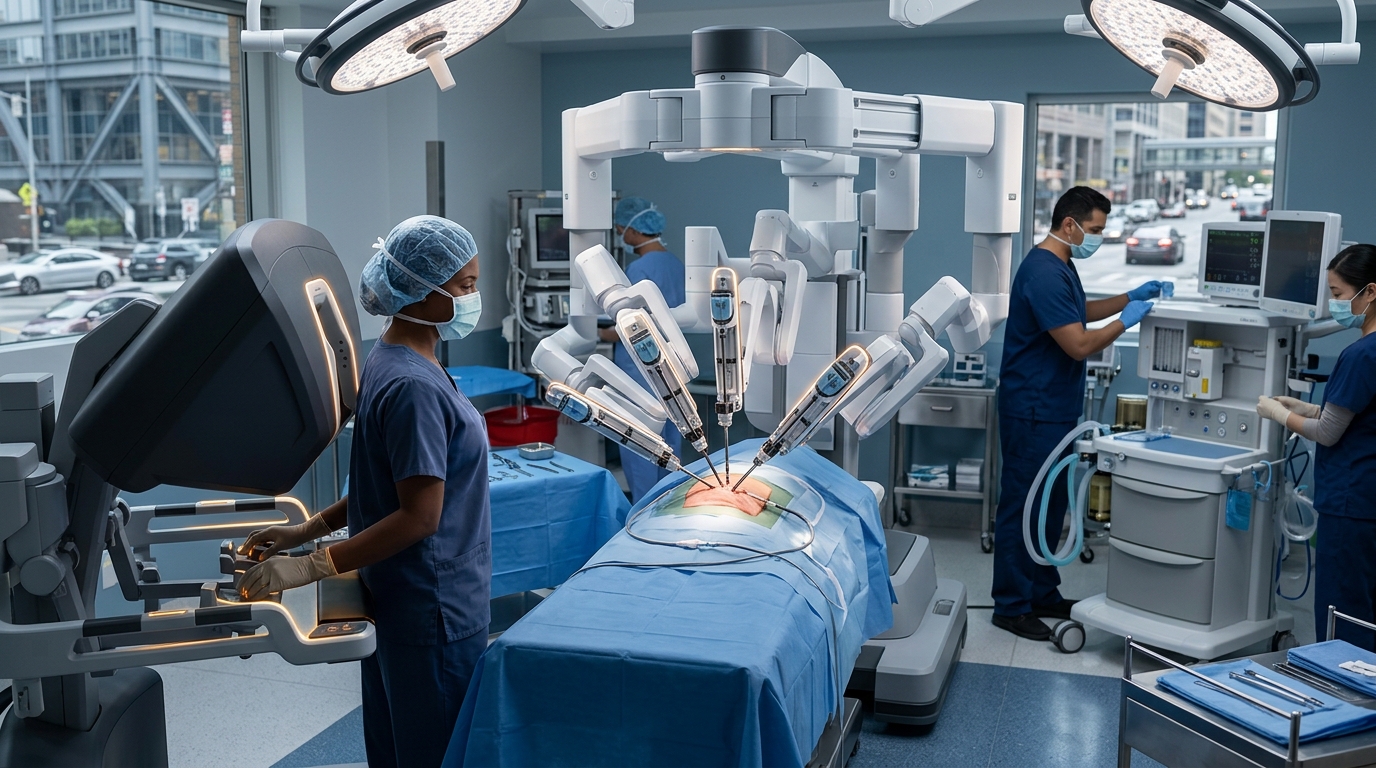
Intuitive Surgical's da Vinci 5 integrates AI-powered force feedback and real-time tissue analysis, while startups like Vicarious Surgical develop miniaturized single-incision robotic systems for outpatient procedures.
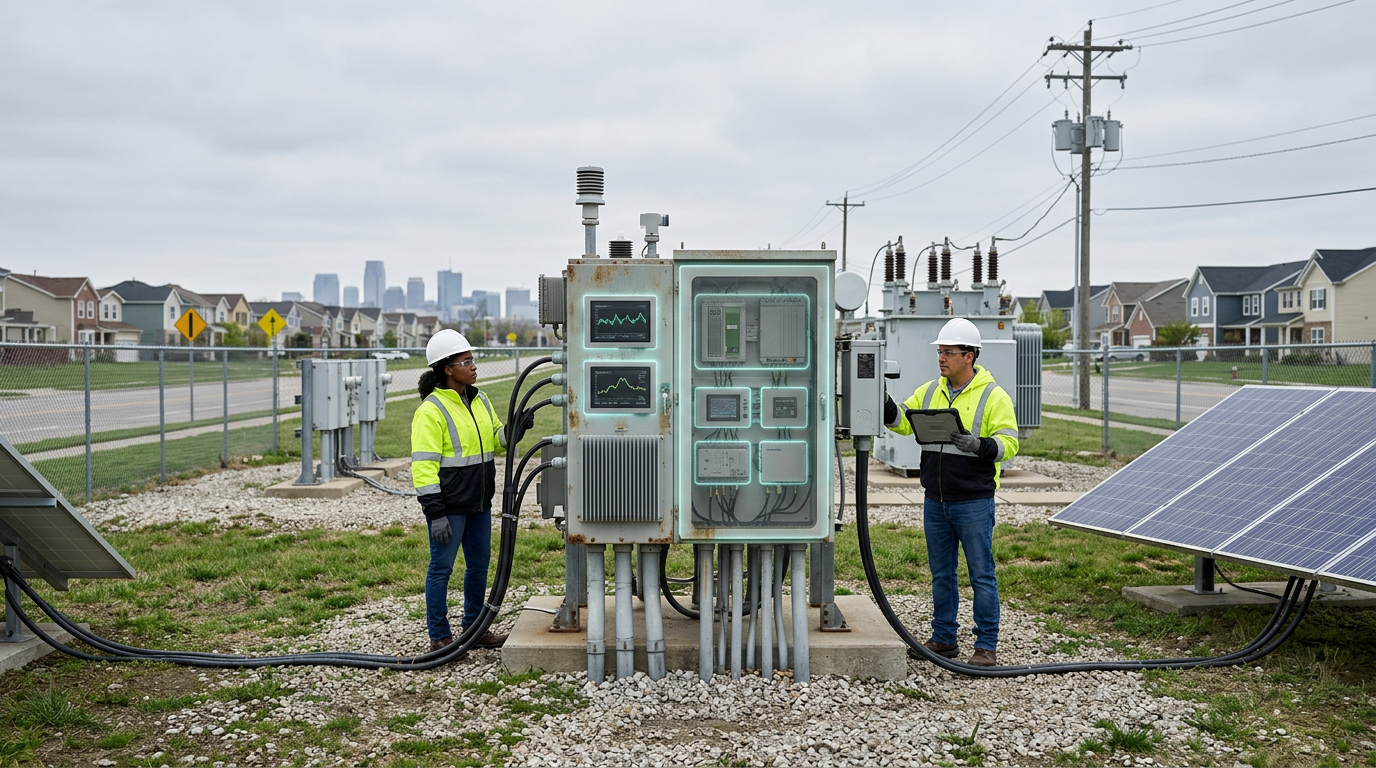
AI-driven grid management platforms from AutoGrid, Stem, and utilities are coordinating millions of distributed energy resources in real-time, turning chaotic two-way power flows into a reliable, flexible grid.
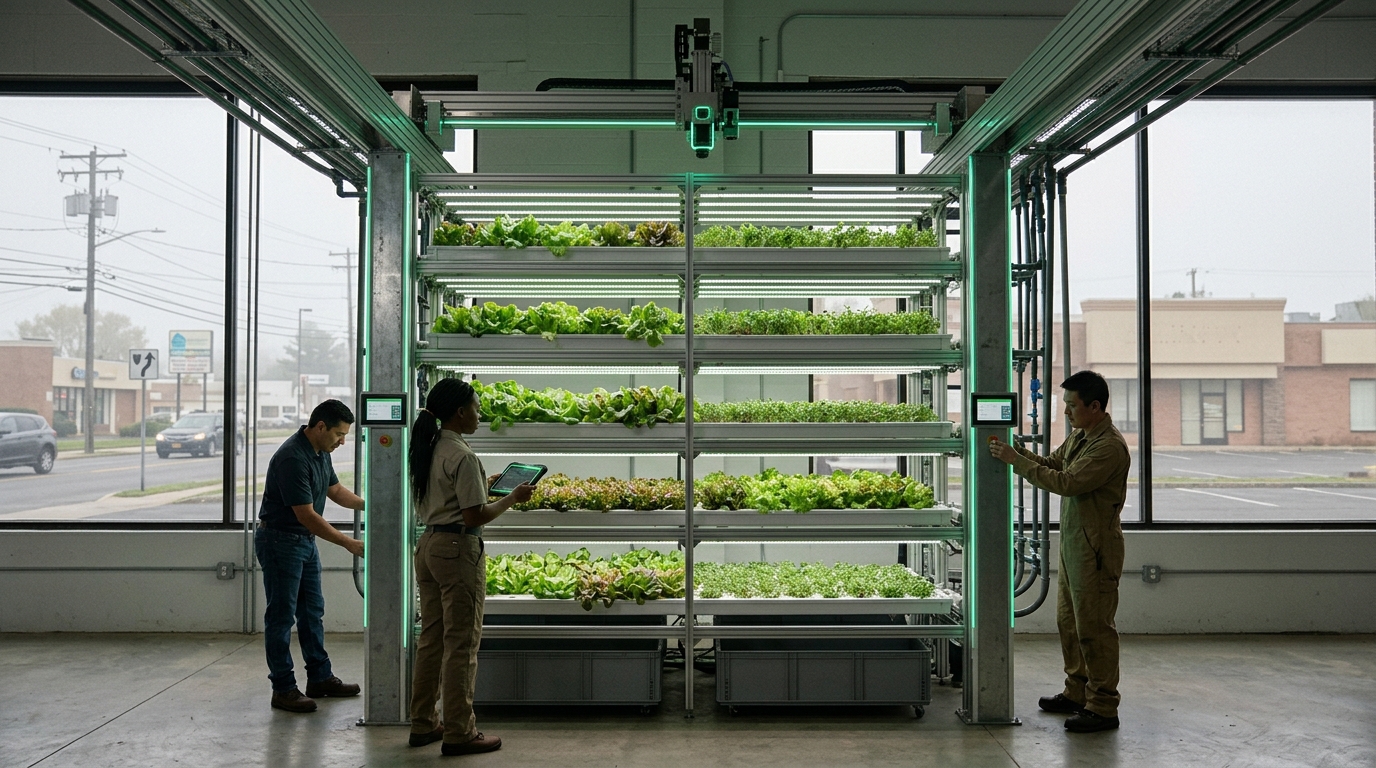
Plenty Unlimited, Bowery Farming, and AeroFarms use AI-controlled LED lighting, hydroponics, and robotics to grow leafy greens at 100x the yield per acre of traditional farming, with Plenty's Compton facility producing 4.5 million pounds annually.
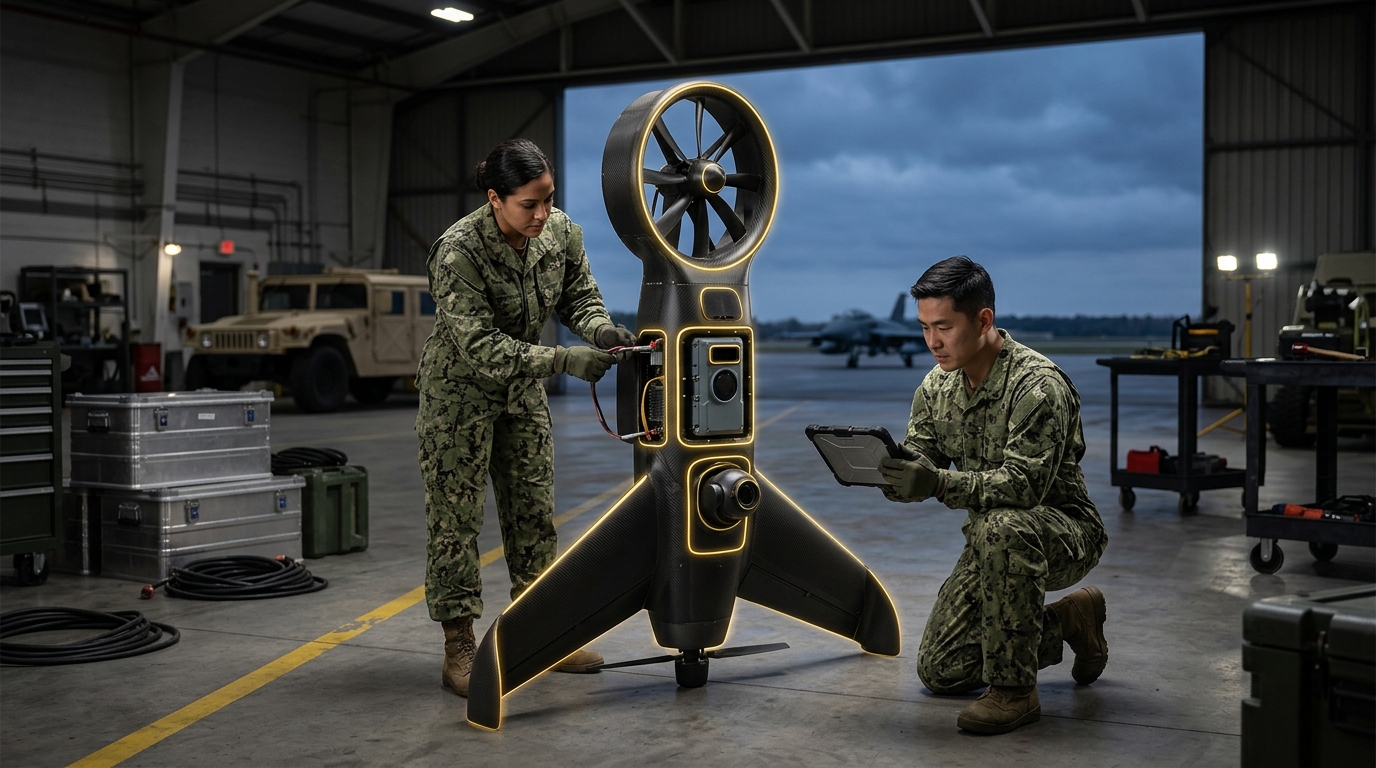
Shield AI's Hivemind enables GPS-denied autonomous flight and has been combat-tested in Ukraine with the V-BAT drone, while the company reached a $12B valuation in early 2026.
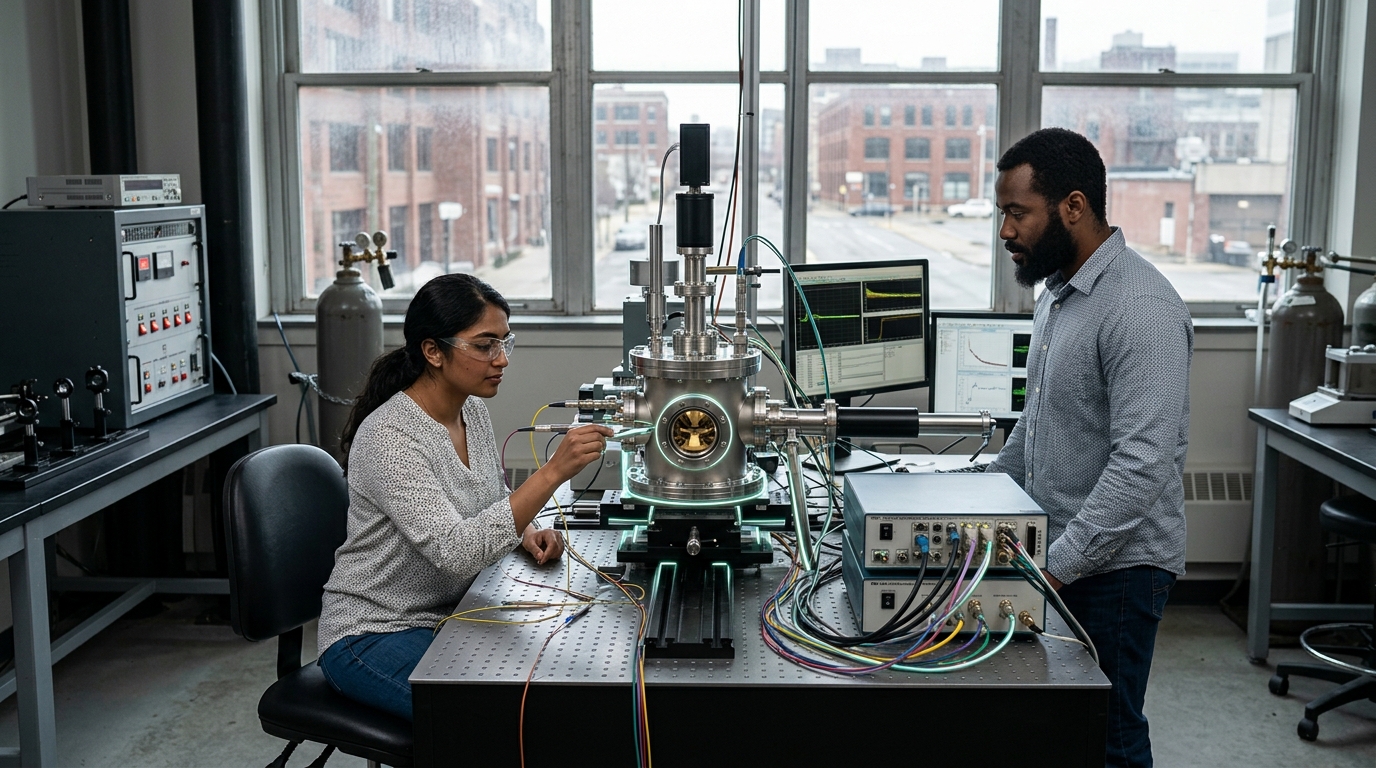
DARPA is funding research into altermagnets — a newly discovered class of magnetic materials that combine properties of ferromagnets and antiferromagnets — which could enable spintronic processors for next-generation computing.

Aurora Innovation launched commercial driverless trucking on Texas highways in 2024, and Kodiak Robotics is deploying autonomous trucks for the US Army, addressing a 78,000-driver shortage in US freight.

Saronic quadrupled its valuation building autonomous warships, while the Navy's Ghost Fleet Overlord program has demonstrated large unmanned surface vessels operating autonomously for months at sea.

Waymo operates fully driverless ride-hailing in San Francisco, Phoenix, Los Angeles, and Austin, completing over 150,000 paid trips per week with zero safety drivers — the first commercially viable autonomous vehicle service.

Anduril's Dive-LD and Boeing's Orca XLUUV are creating a new class of large autonomous underwater vehicles for submarine-hunting, mine warfare, and intelligence gathering without risking crewed submarines.
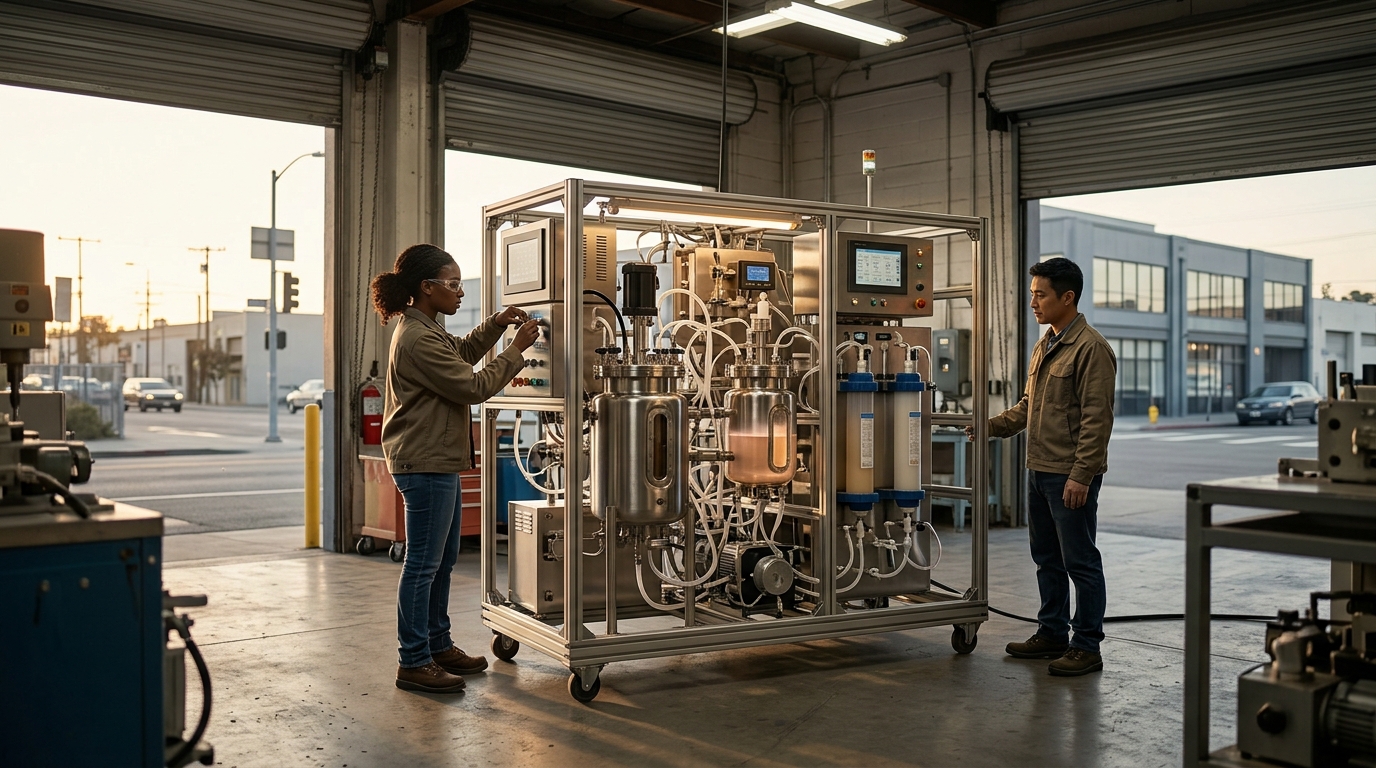
Cell-free systems use purified enzymes and cellular machinery outside living cells to produce proteins, chemicals, and therapeutics in hours rather than days — enabling rapid, on-demand manufacturing without the unpredictability of living organisms.
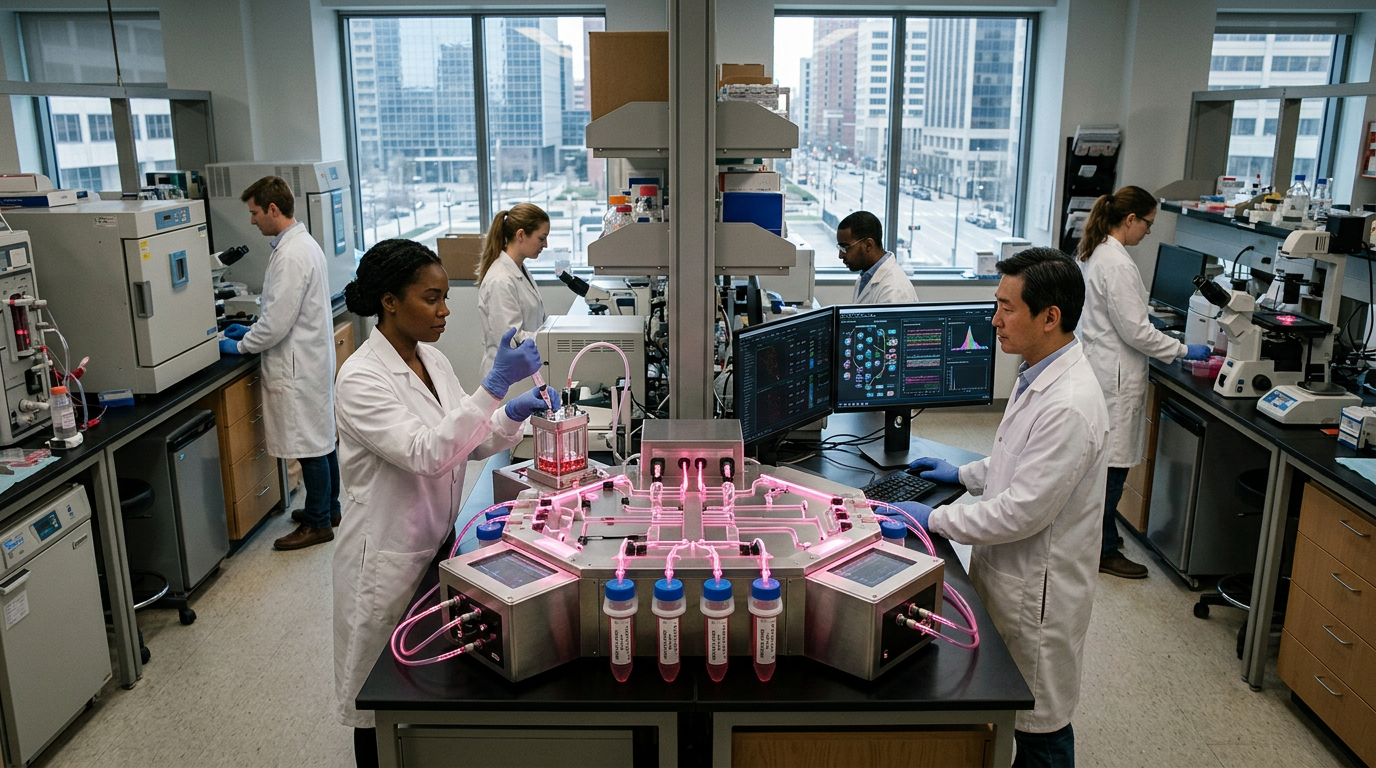
Altos Labs ($3B funded by Bezos), Retro Biosciences (backed by Sam Altman), and Life Biosciences are racing to translate partial epigenetic reprogramming — resetting cells to younger states — into human anti-aging therapies.
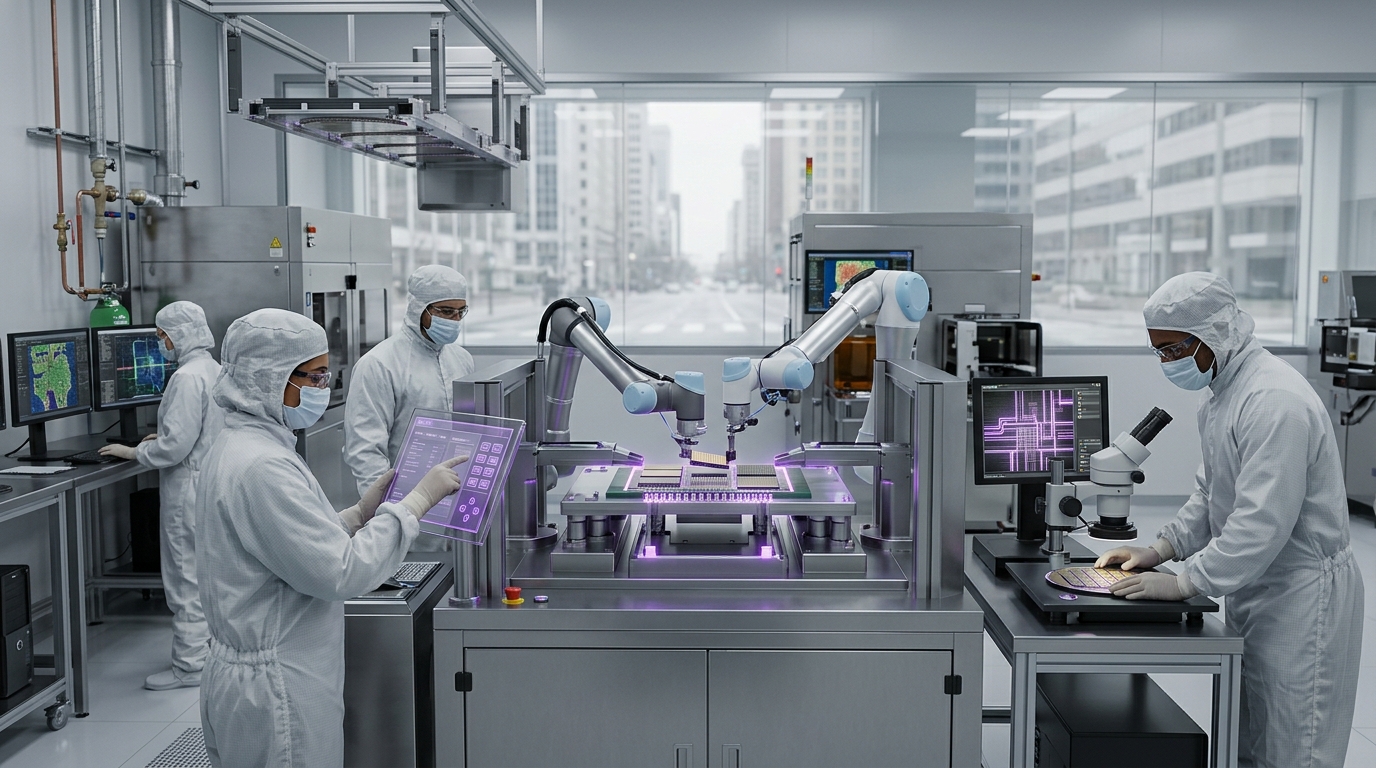
Modular chiplet architectures using UCIe standards and advanced 3D packaging are projected to reach a $600B market by 2031, enabling mix-and-match silicon from different foundries and process nodes.

Anduril's YFQ-44A Fury drone flew with both Shield AI's Hivemind and Anduril's Lattice autonomous piloting systems in a single flight, demonstrating swappable AI for unmanned wingman combat aircraft.
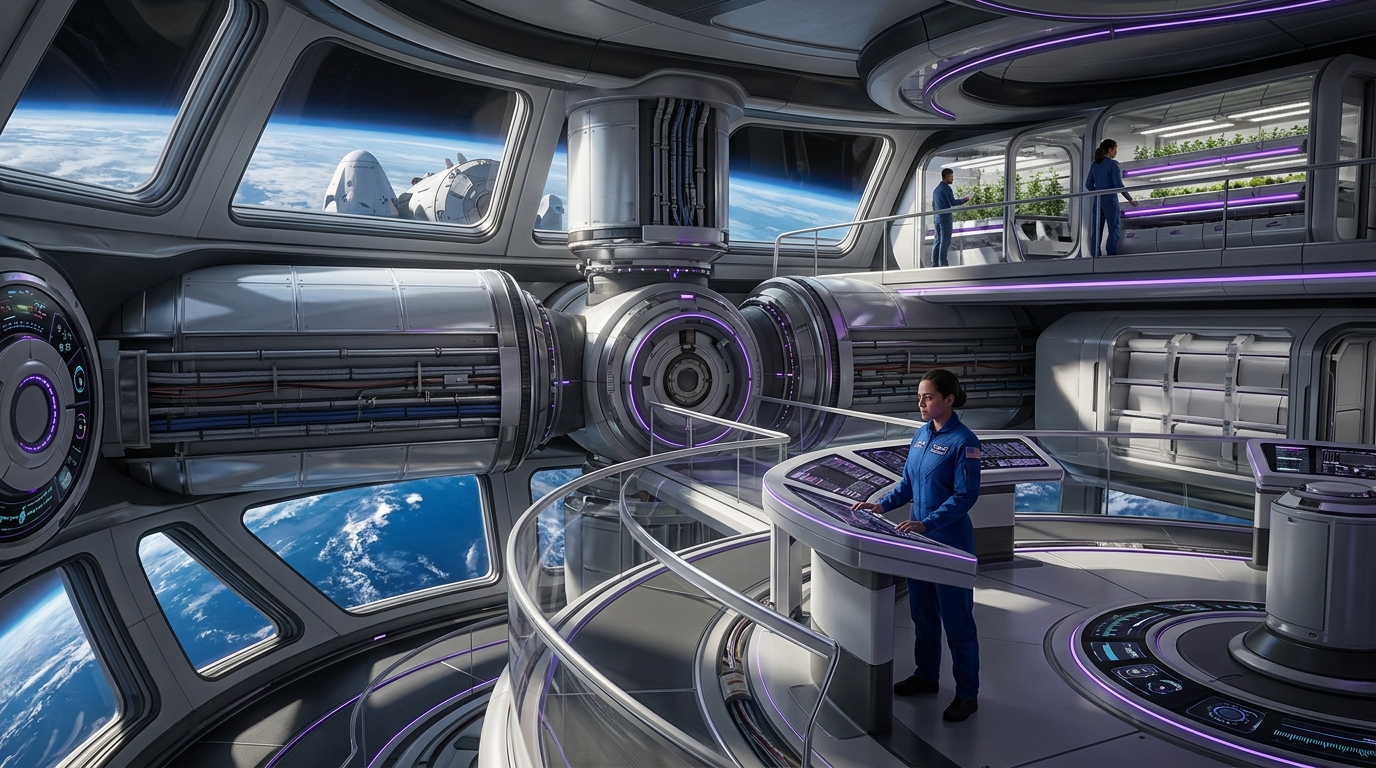
Vast's Haven-1, Axiom Space's modules, and Blue Origin's Orbital Reef are competing to replace the ISS with commercial space stations, with the first private modules targeting launch by 2026-2027.
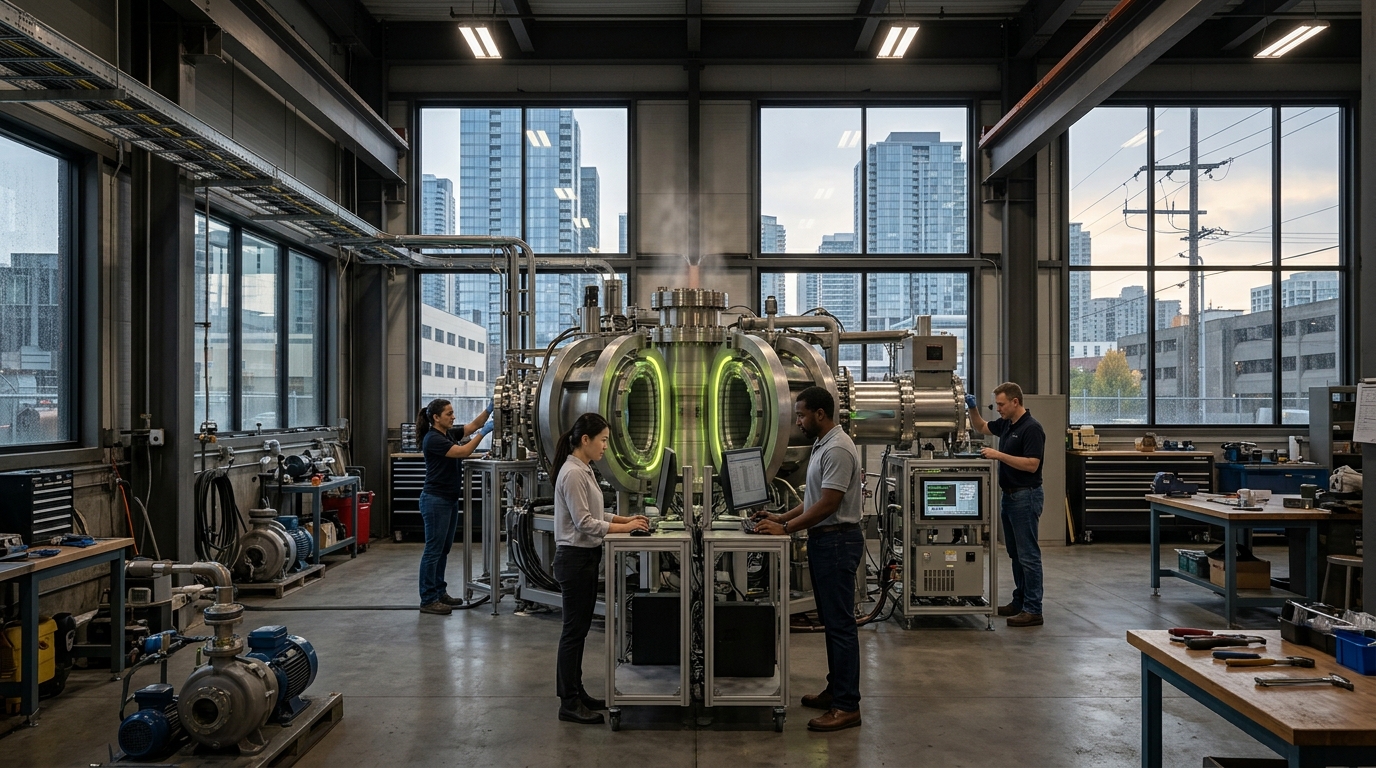
Helion Energy broke ground on its Orion plant in 2025 and claims it will deliver carbon-free fusion energy to Microsoft by 2028, using D-He3 fuel in a compact field-reversed configuration reactor.
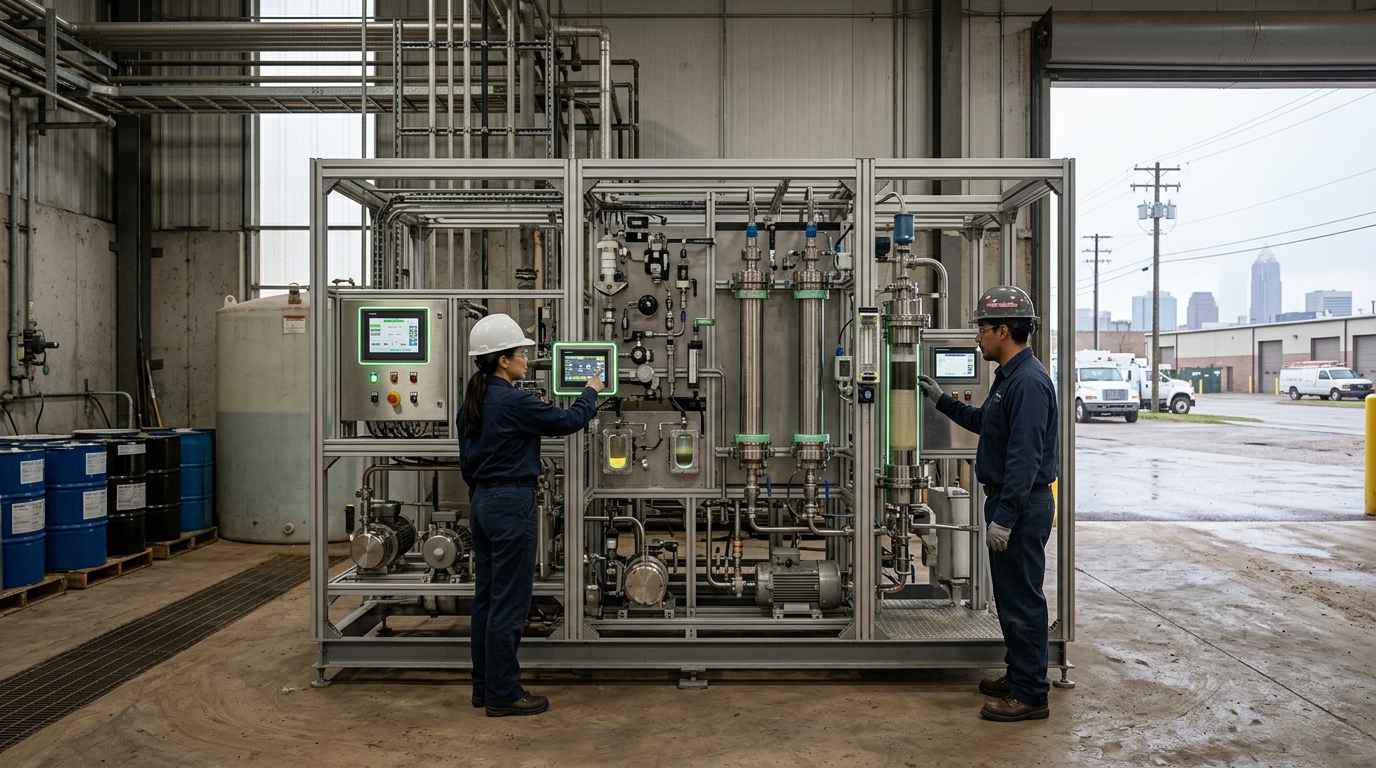
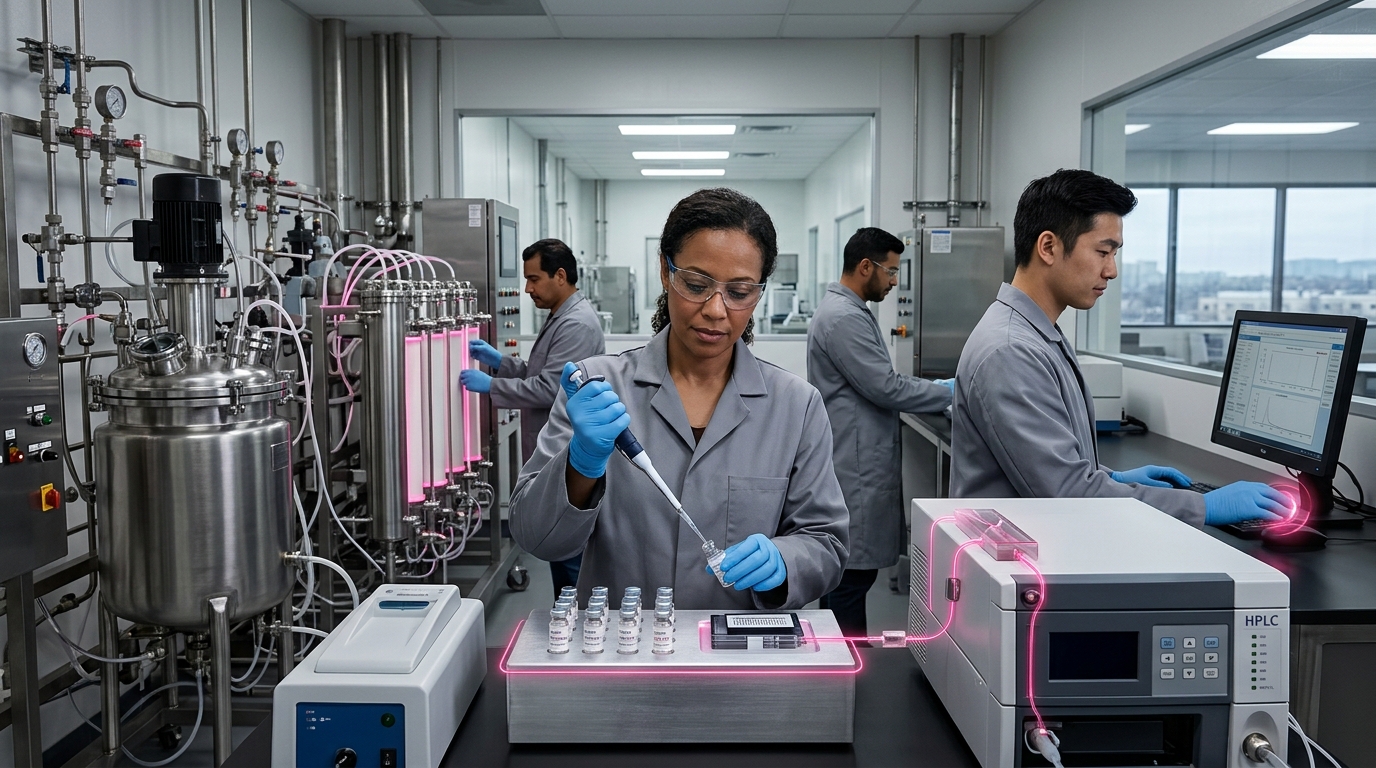
Oak Ridge National Lab and DOE-funded startups have developed next-generation ligand-based solvent extraction and continuous chromatography systems that separate individual rare earth elements 10-100x faster than conventional batch processes, with 30% lower acid consumption.
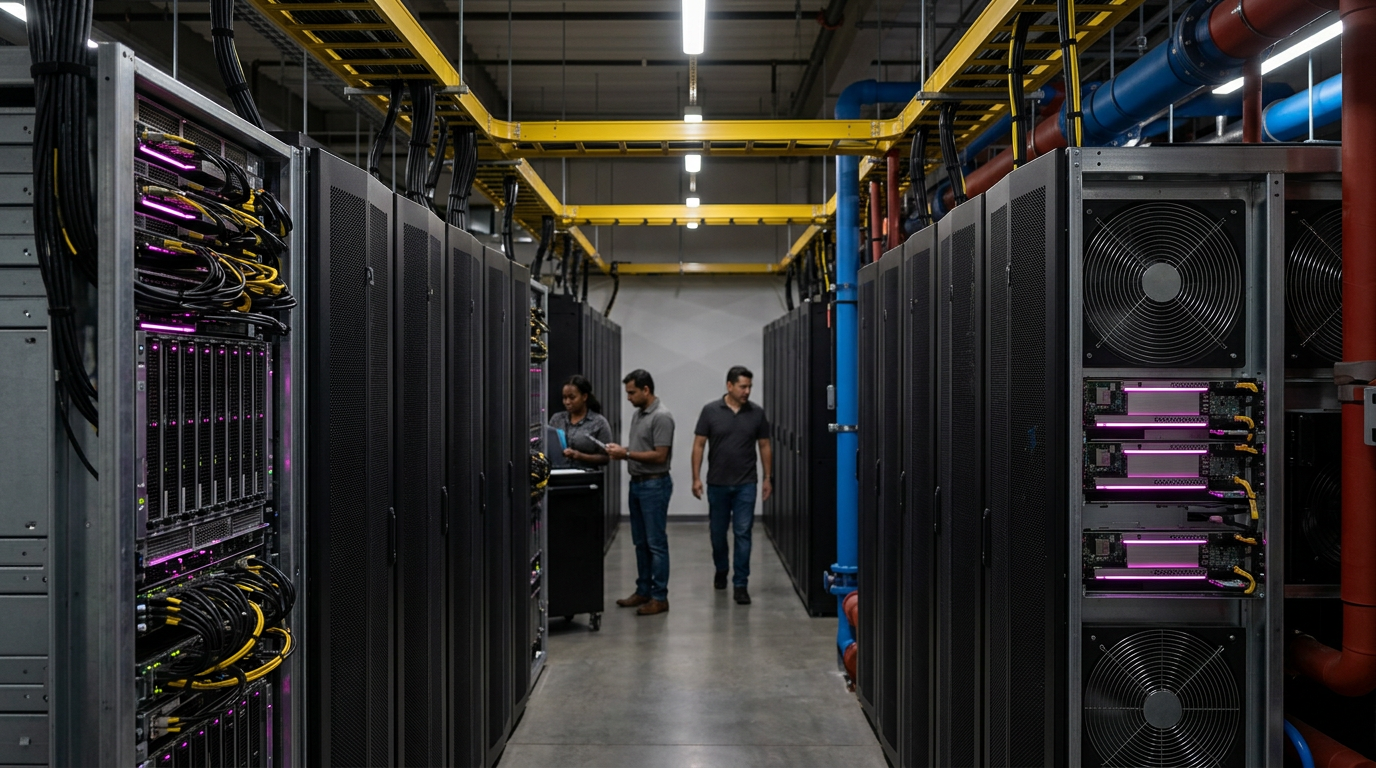
Purpose-built inference chips from Groq, Cerebras, and hyperscaler custom silicon (Google TPUs, Amazon Trainium, Microsoft Maia) are optimizing for cost-per-token rather than raw training power.
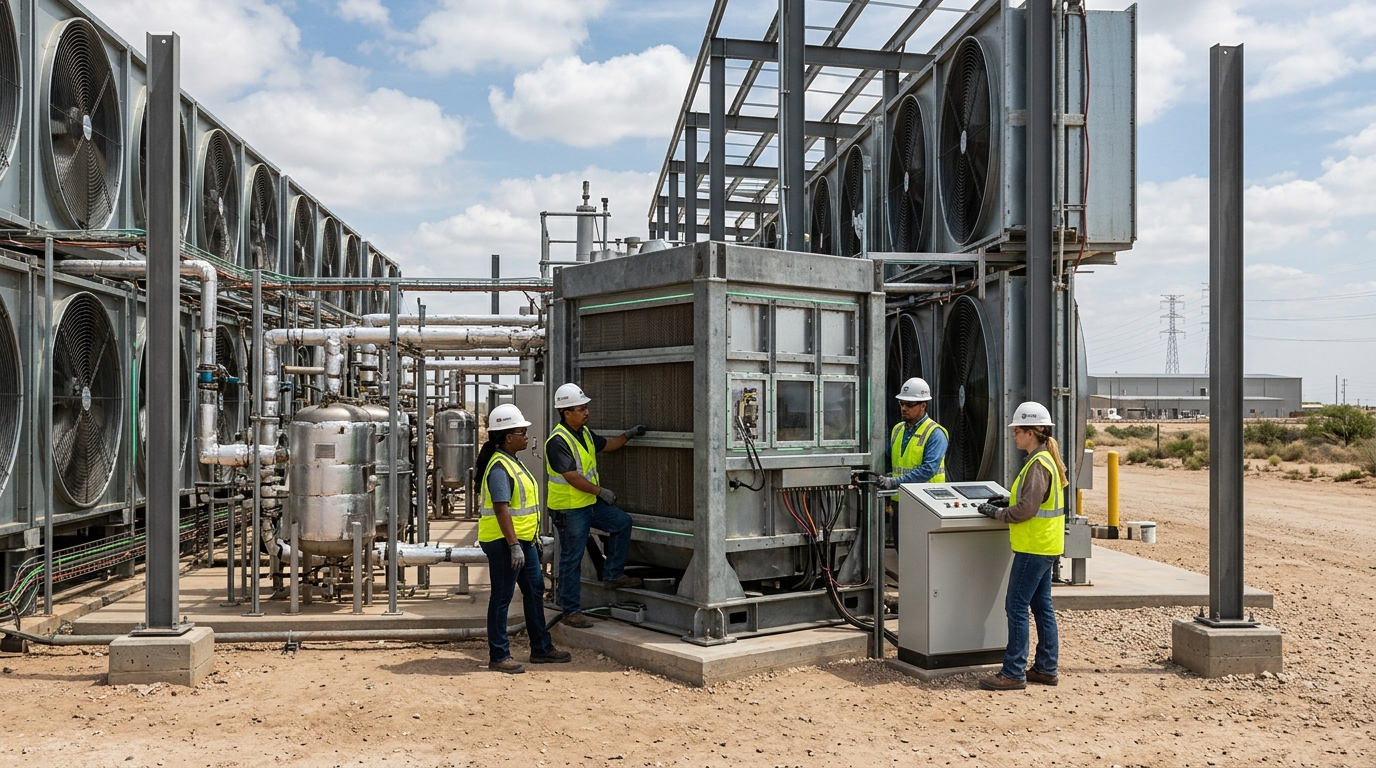
Occidental's Stratos DAC facility in Texas (the world's largest) and DOE-funded Regional DAC Hubs are scaling technology to remove CO₂ directly from the atmosphere at costs approaching $200-400/tonne.
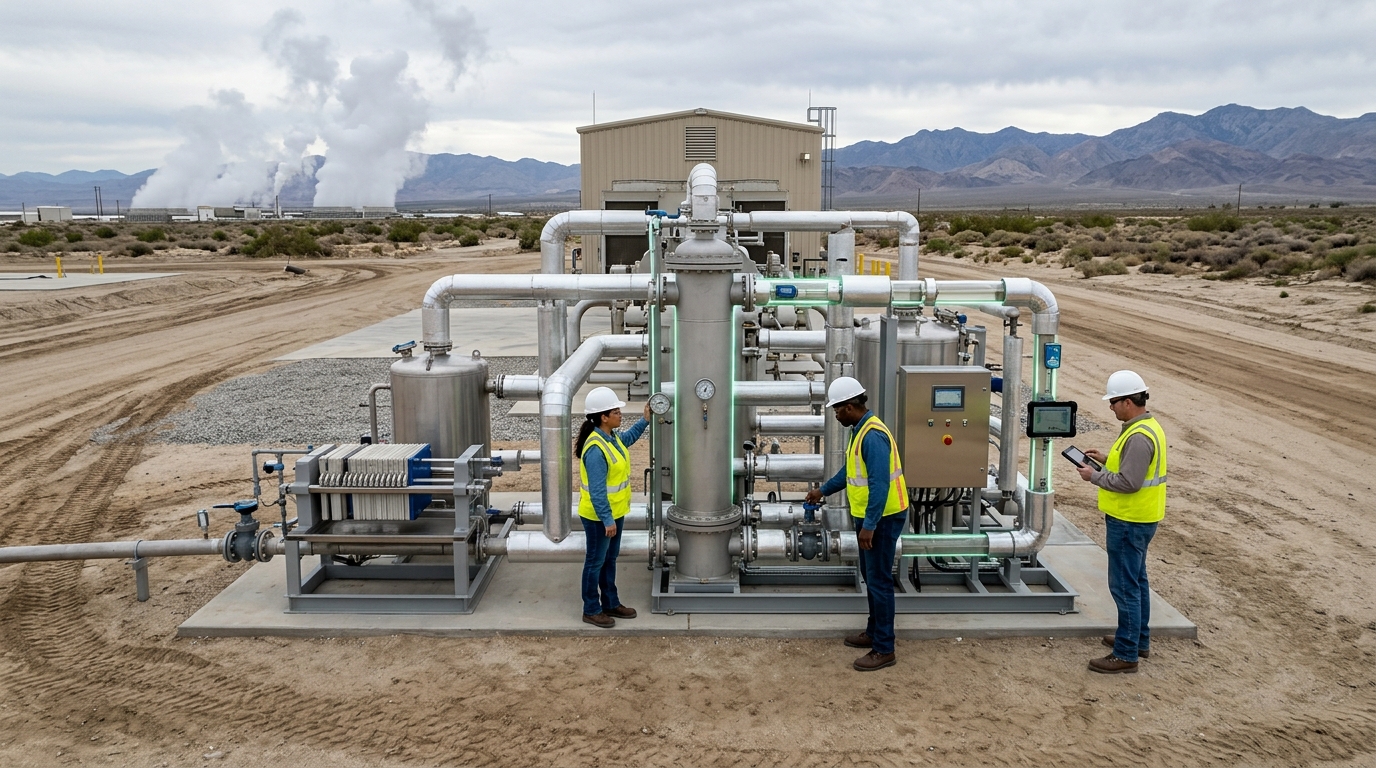
The DOE committed a $1.4 billion loan to EnergySource Minerals for a direct lithium extraction plant at the Salton Sea, part of a broader push to produce 'green lithium' from geothermal brines without the massive evaporation ponds used in South America.
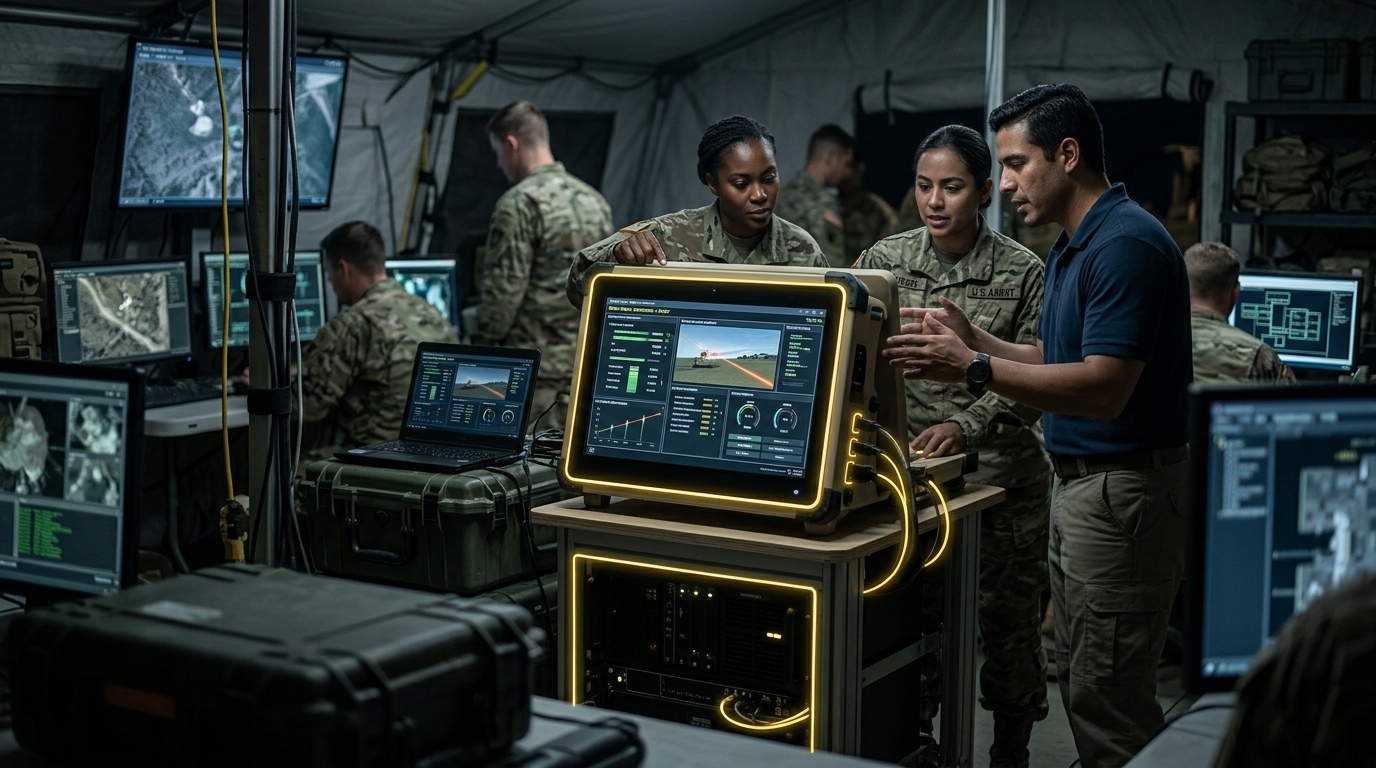
The DoD is scaling high-energy laser weapons from 150 kW to 500 kW by 2030 with reduced size and weight, targeting megawatt-class systems for missile defense and counter-drone operations.
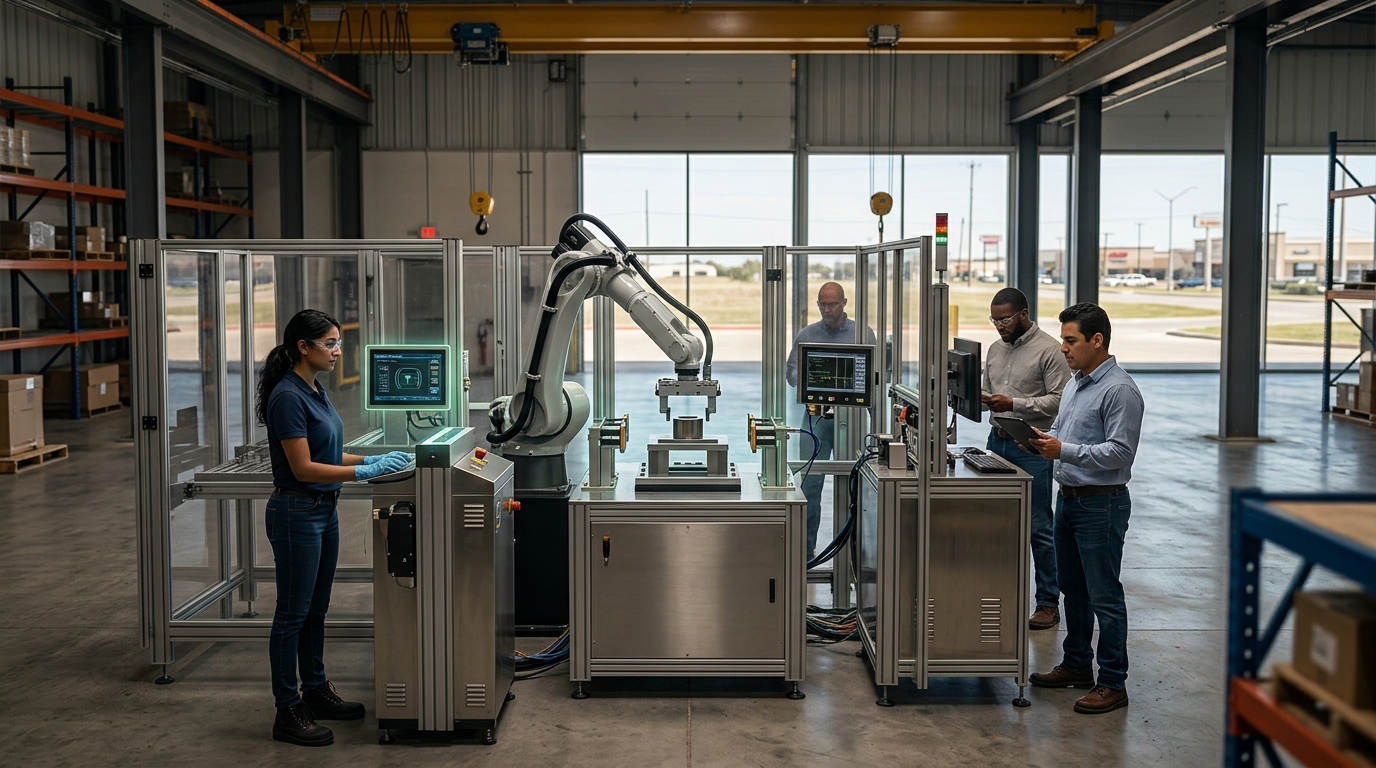
MP Materials' DOD-backed Independence facility in Texas will produce rare earth metals, alloys, and permanent magnets domestically for the first time, breaking China's 90% monopoly on processed rare earths critical to EVs, wind turbines, and defense systems.
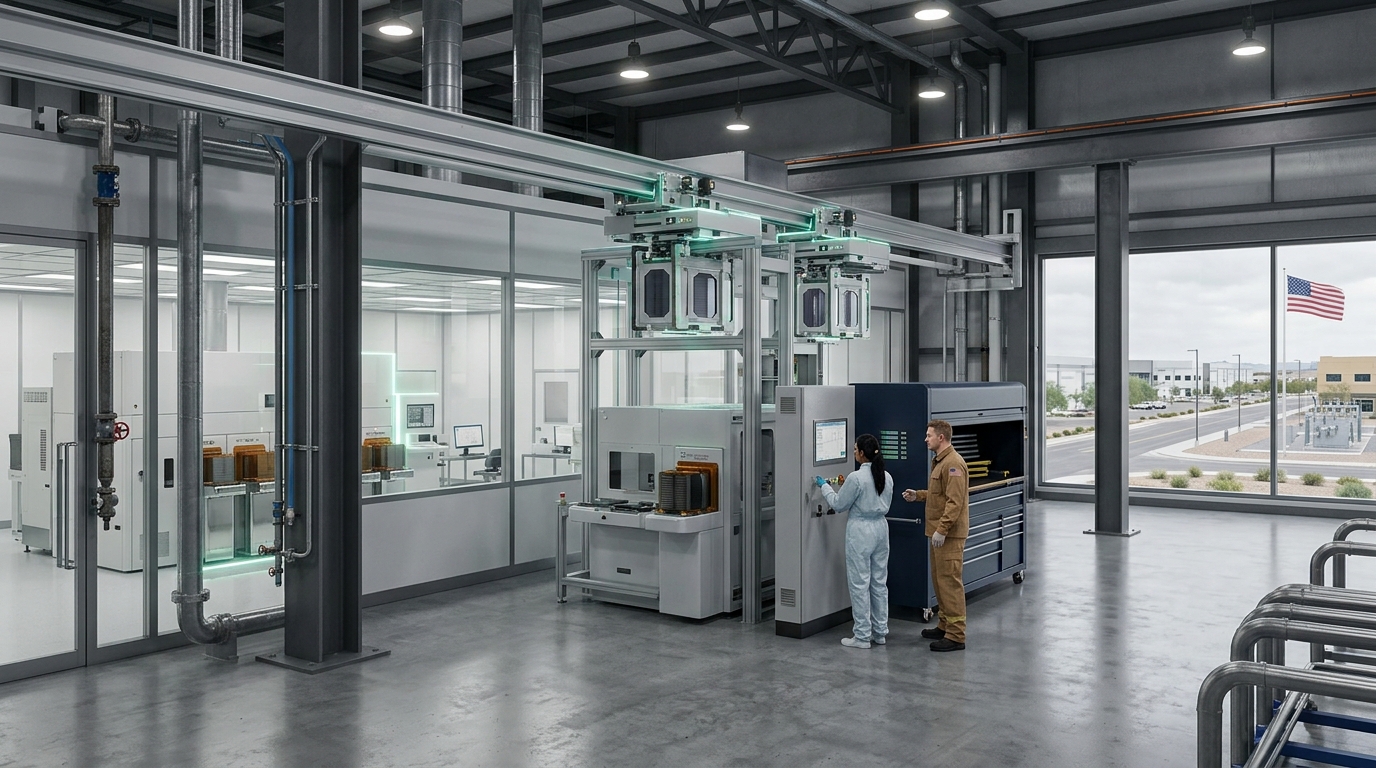
The $280B CHIPS and Science Act is funding new leading-edge fabs from TSMC (Arizona), Intel, Samsung, and Micron on US soil, reshoring advanced chip production for the first time in decades.
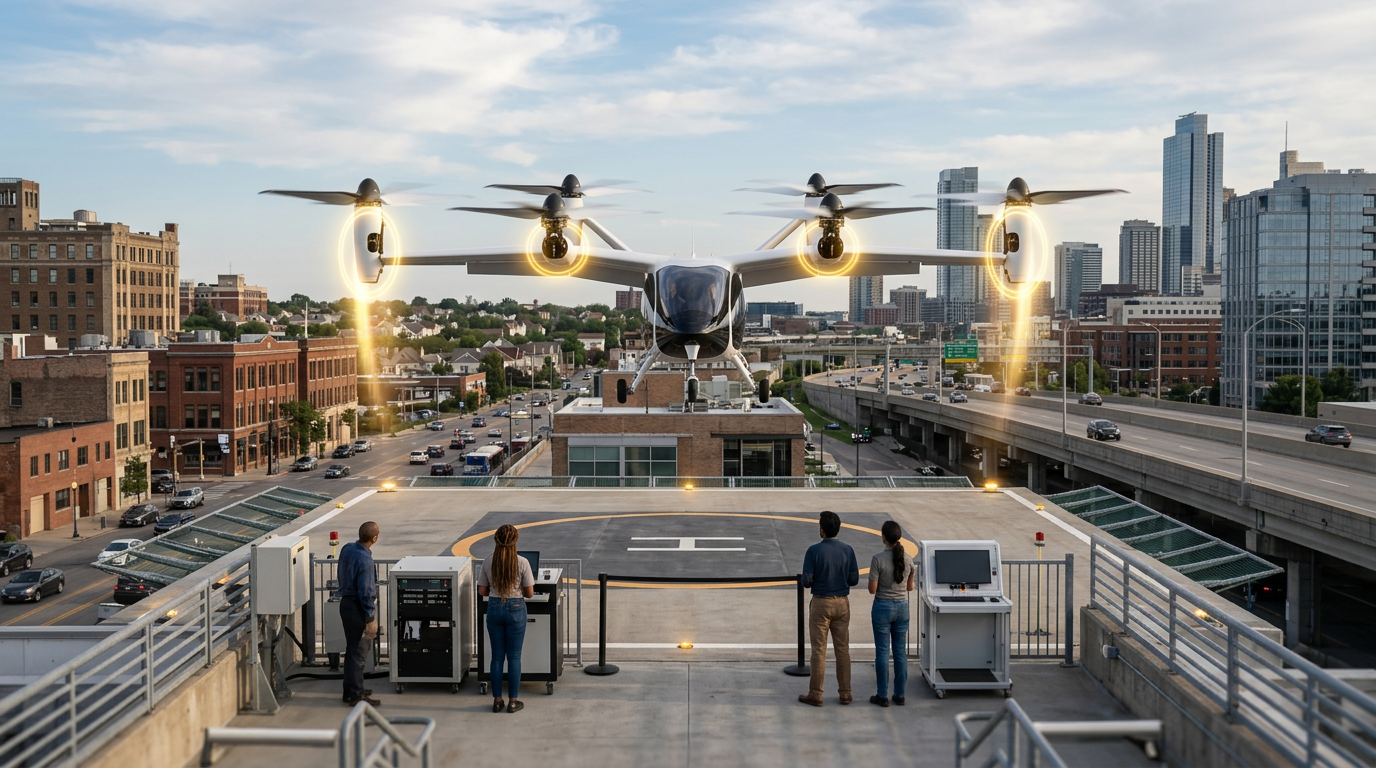
Joby Aviation received FAA Part 135 air carrier certification and is targeting 2025-2026 commercial launch of its 5-seat electric air taxi with 150-mile range, while Archer Aviation's Midnight is in flight testing.
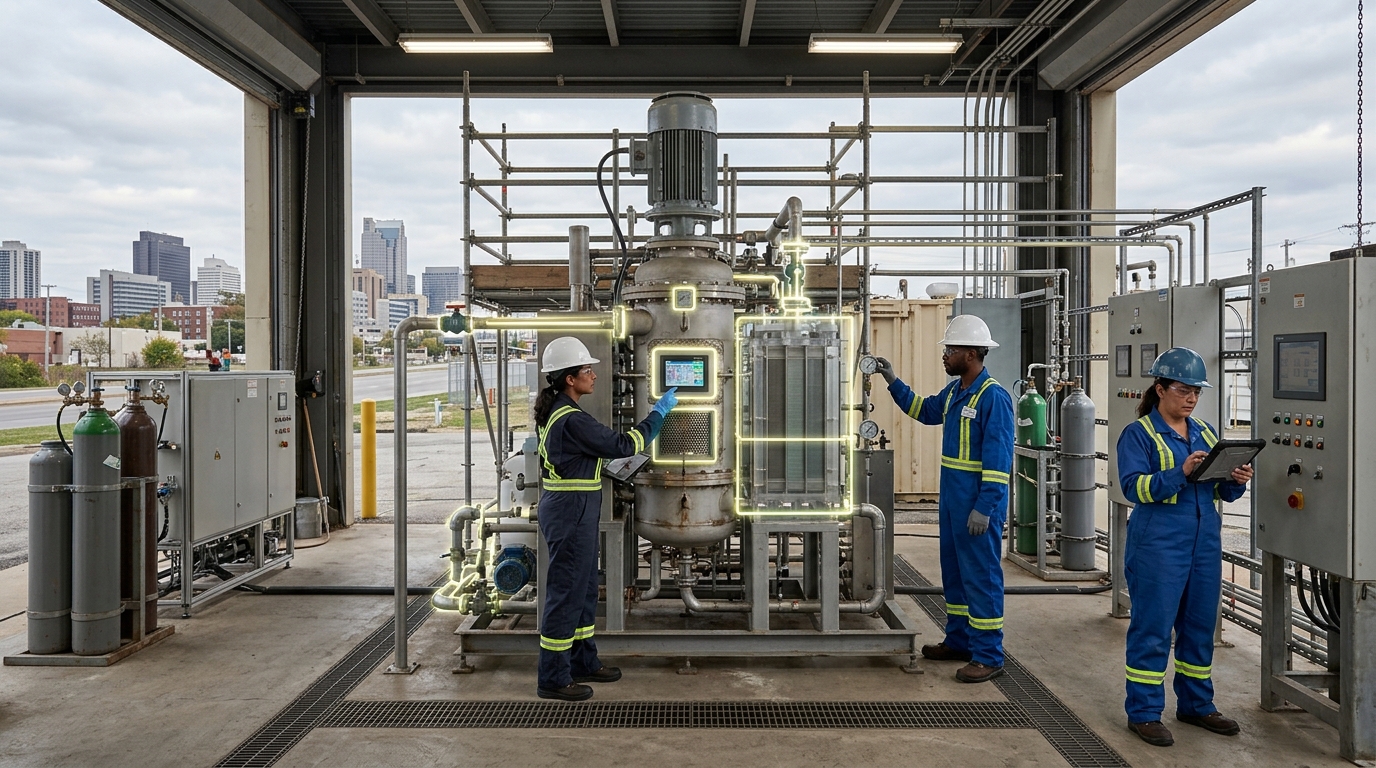
Companies like Twelve (backed by $645M+) use electrolyzers to convert captured CO₂ and water into synthetic jet fuel, chemicals, and materials using only renewable electricity — creating drop-in replacements for fossil-derived products.
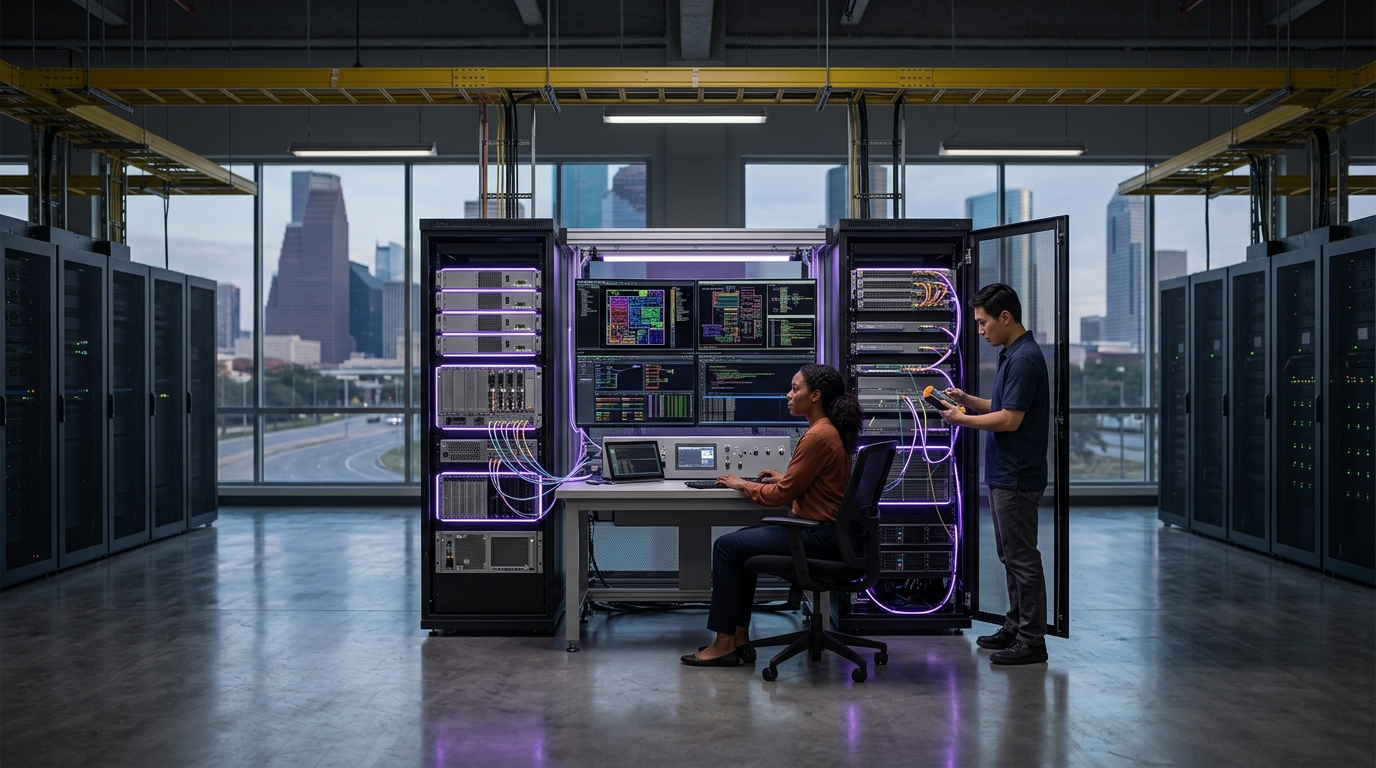
U.S. firms Synopsys, Cadence, and Siemens EDA control ~80% of the global chip design tool market, a critical chokepoint in semiconductor sovereignty.
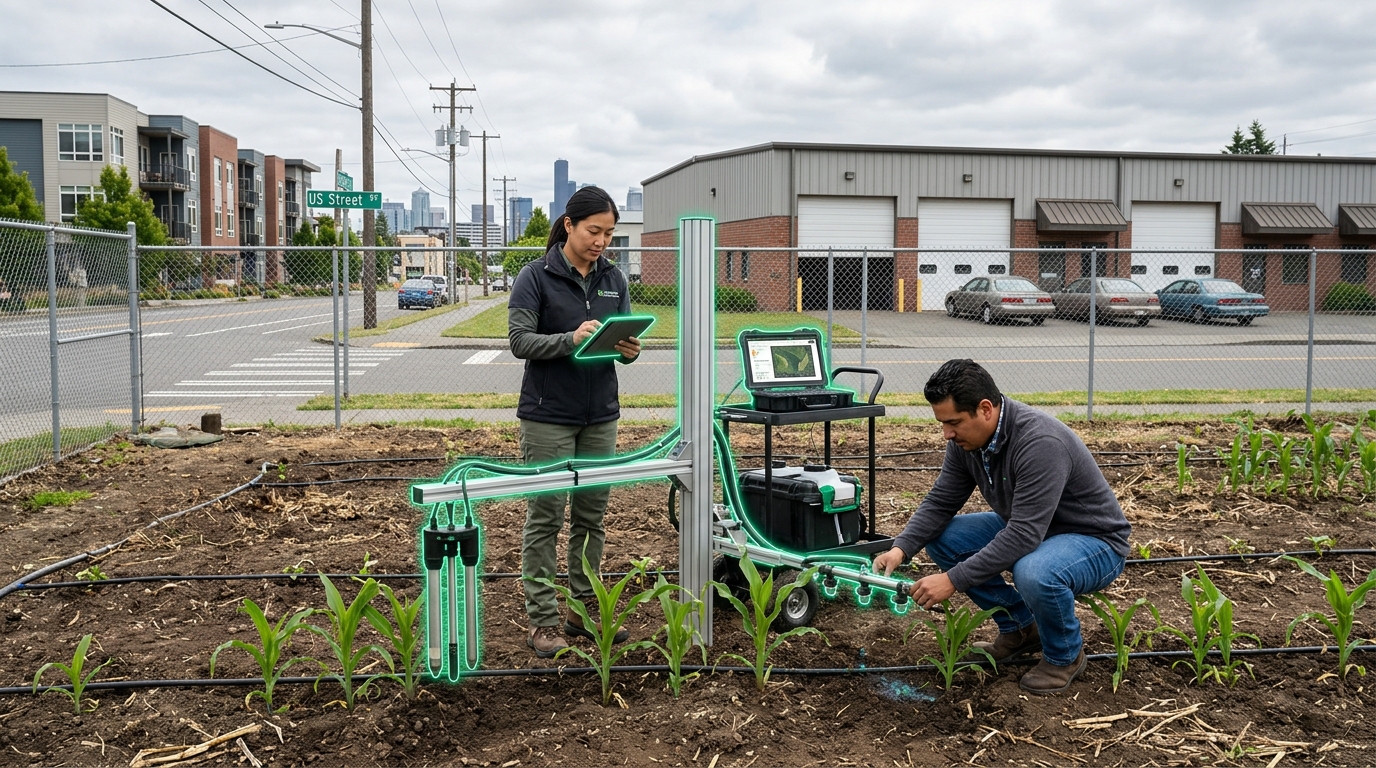
Pivot Bio and Joyn Bio are engineering microbes that fix atmospheric nitrogen directly at crop roots, reducing dependence on synthetic fertilizers that account for 1-2% of global CO₂ emissions.
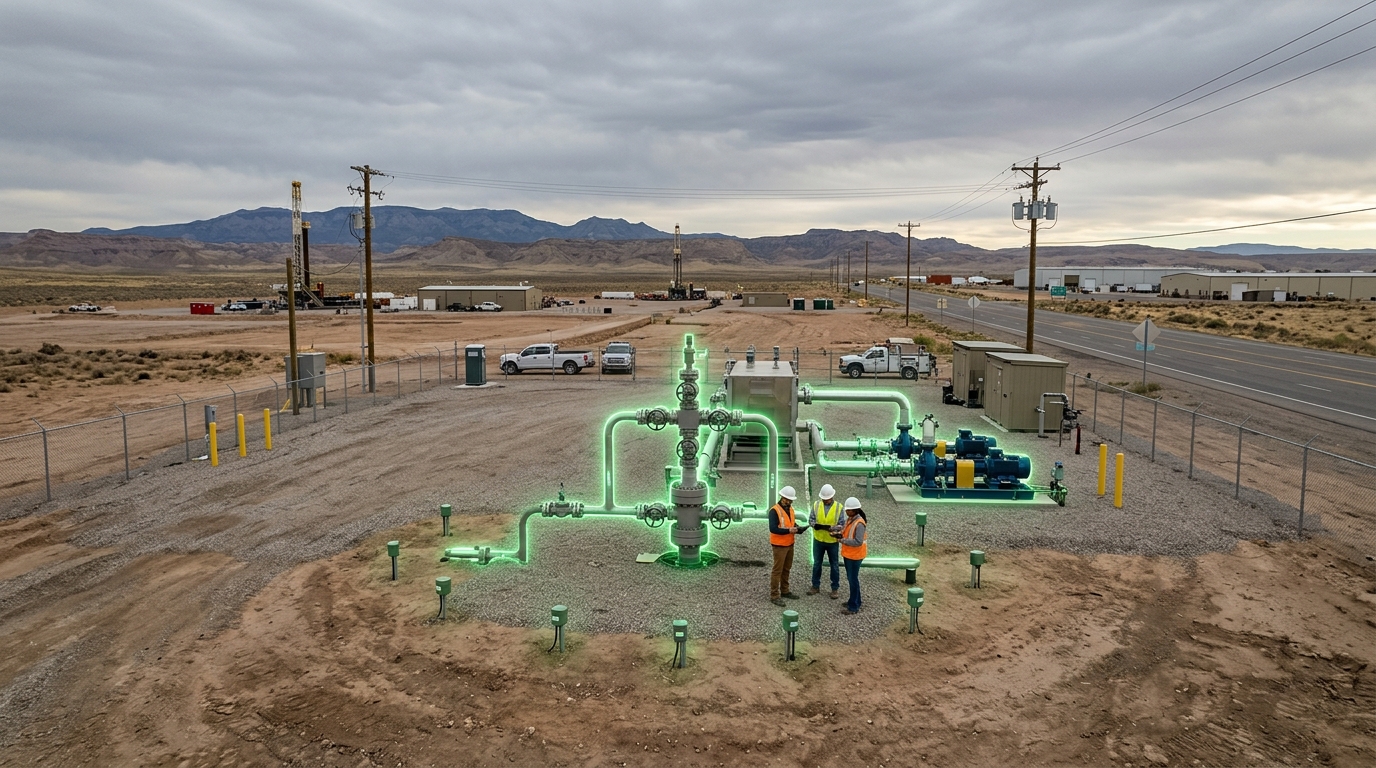
Fervo Energy's Cape Station Phase I will deliver 100 MW of baseload clean geothermal power to the grid in October 2026, the world's first commercial-scale EGS project, with 10 GW of identified capacity in Utah alone.
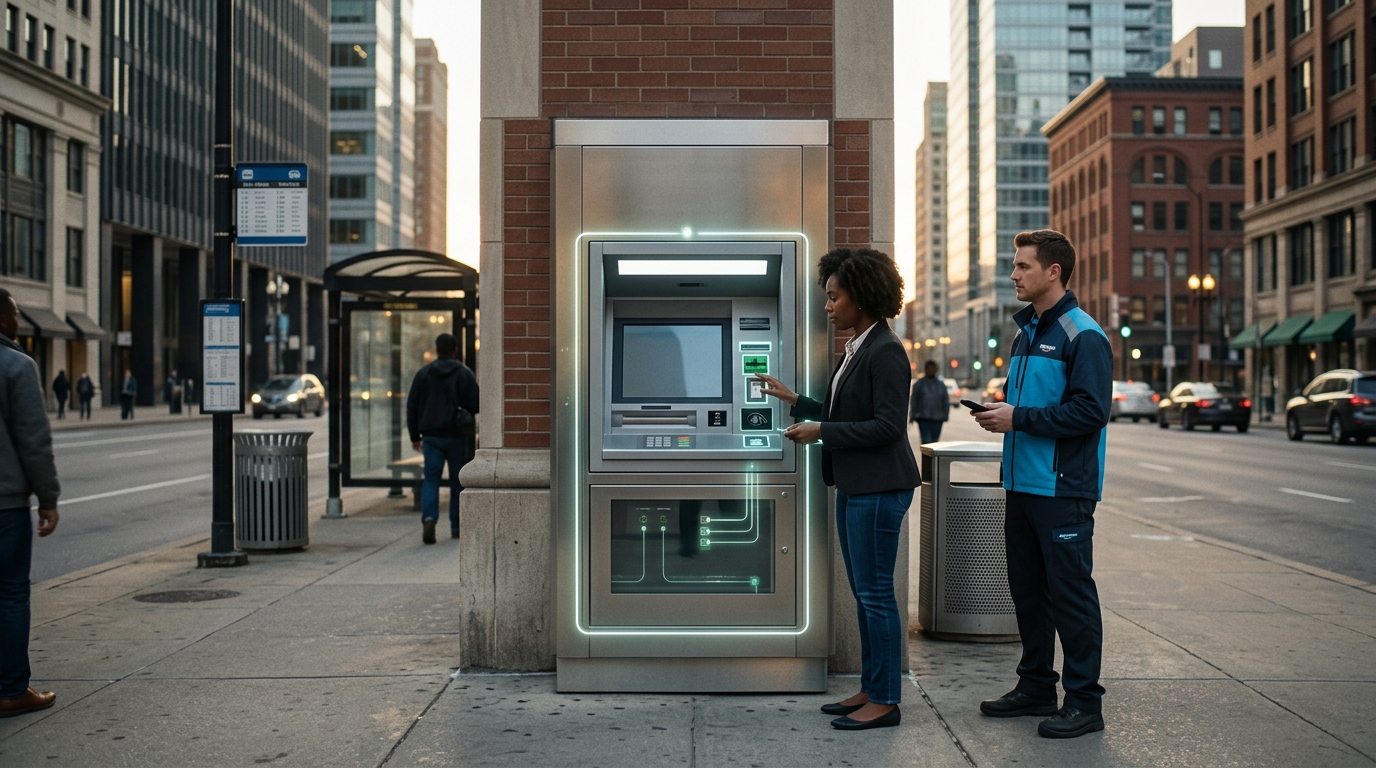
Federal Reserve's real-time payment rail enables instant settlement across 1,000+ U.S. financial institutions, reducing dependence on private payment networks.
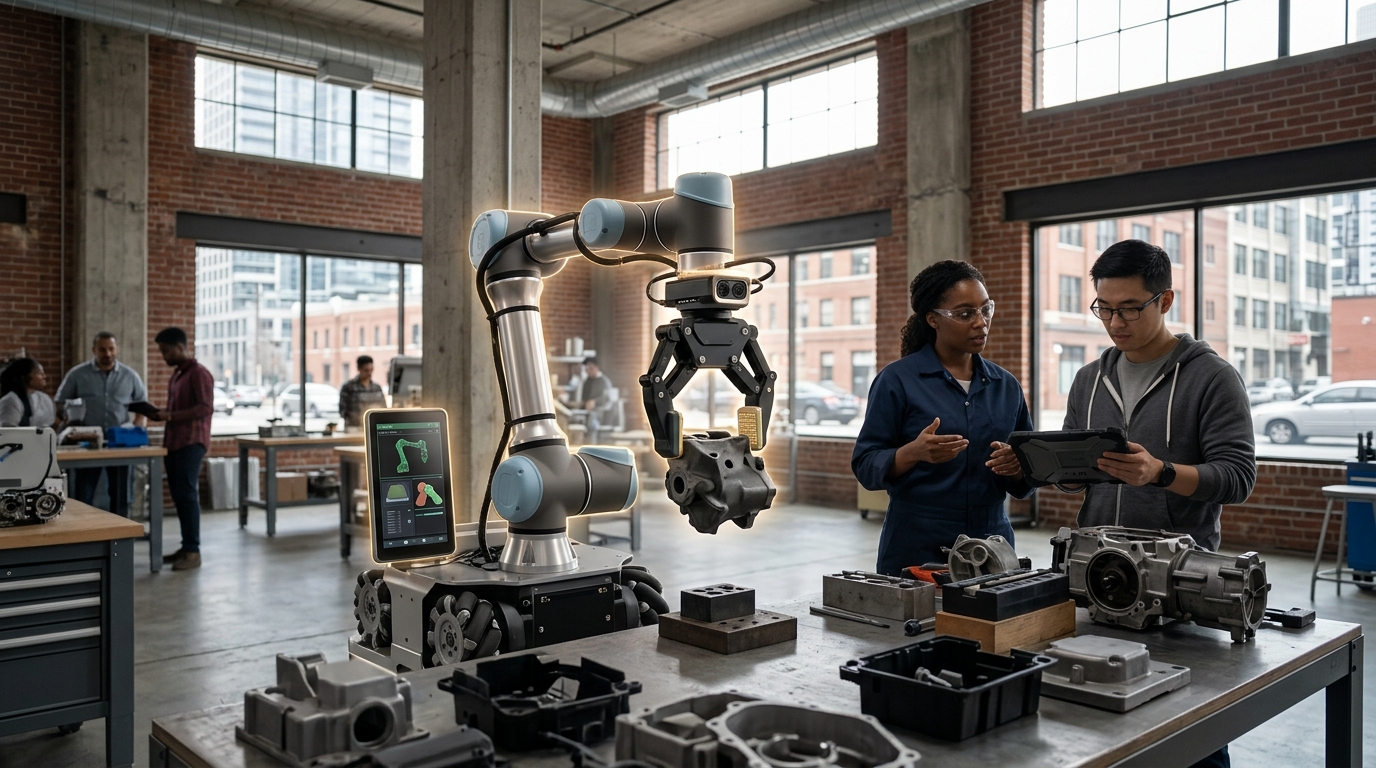
Vision-language-action models from Google (RT-2), NVIDIA (GR00T), and startups like Physical Intelligence are enabling robots to understand natural language instructions and generalize manipulation skills across novel objects and environments.
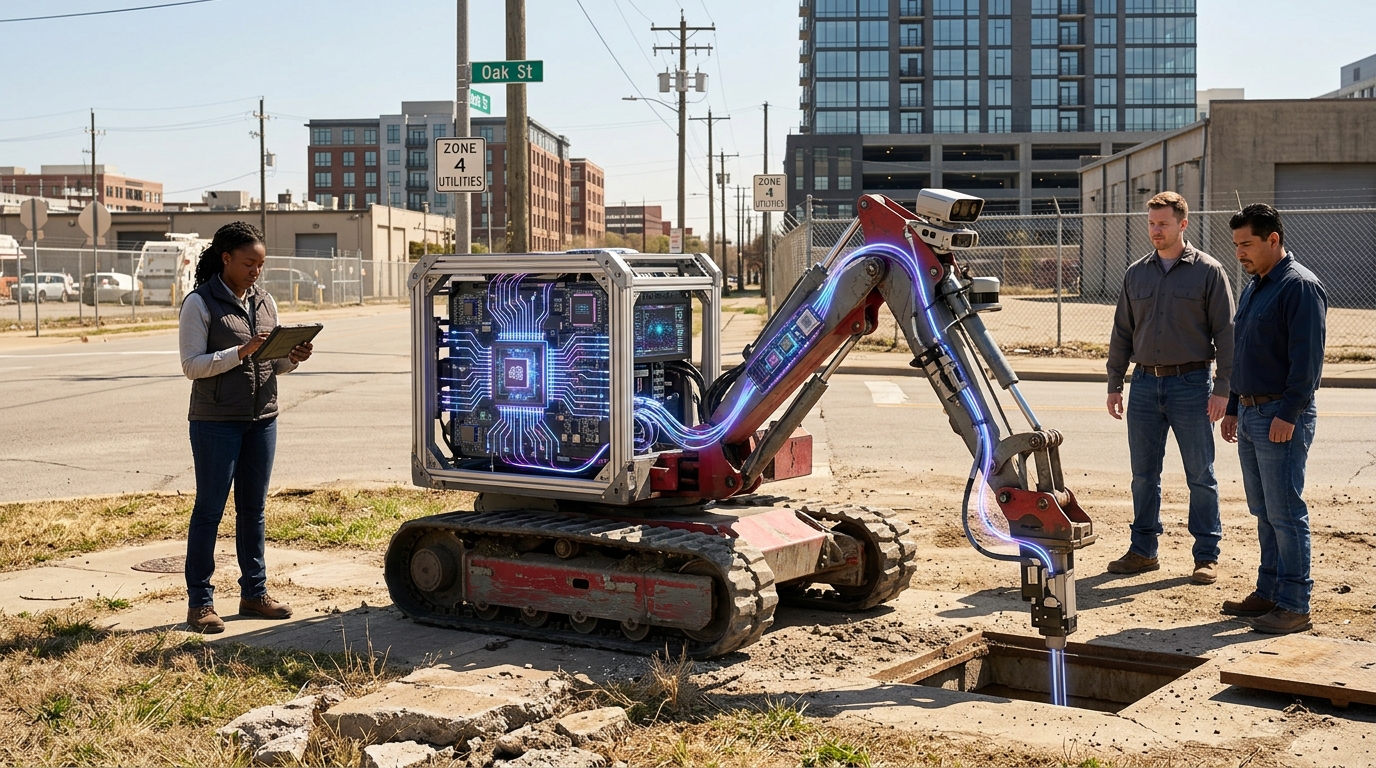
OpenAI, Anthropic, Google DeepMind, and xAI are shipping reasoning models that chain multi-step logic, with o3 and Claude achieving expert-level performance on PhD-level science benchmarks.
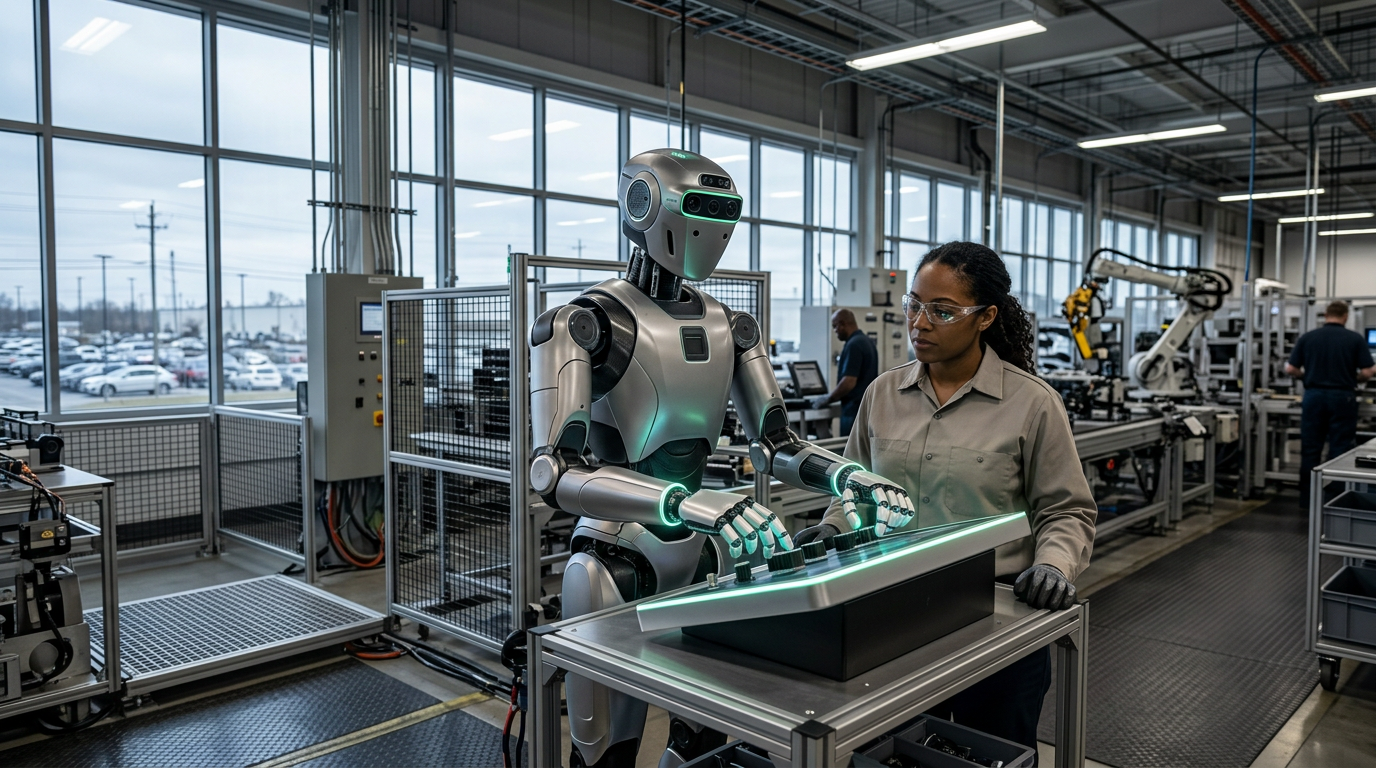
Figure AI ($1B Series C, backed by OpenAI and NVIDIA), Apptronik ($773M funding), and Agility Robotics are deploying humanoid robots in BMW and Mercedes factories, with 2025 marking the breakthrough year for AI-driven humanoid dexterity.
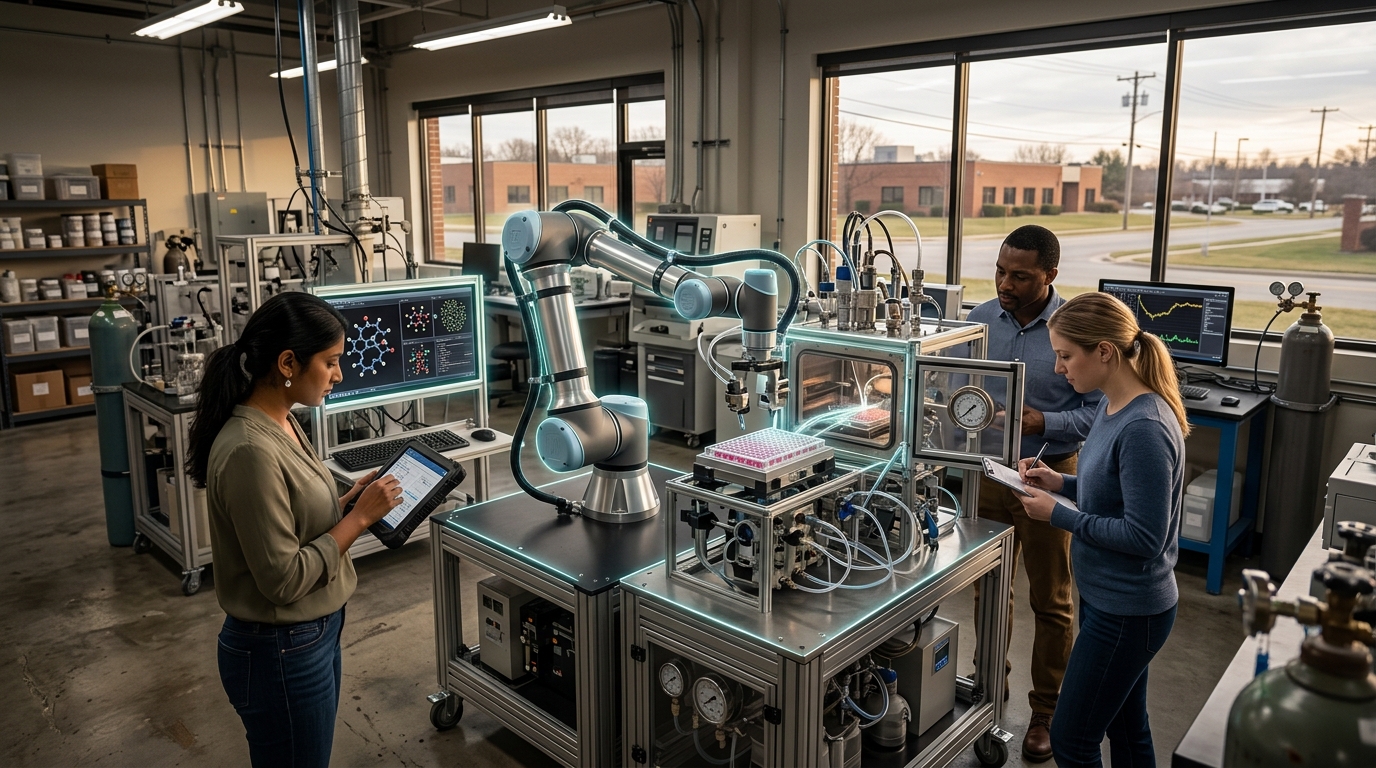
Google DeepMind's GNoME discovered 2.2 million new crystal structures, while US national labs use AI to design novel alloys, polymers, and catalysts 100x faster than traditional experimental methods.
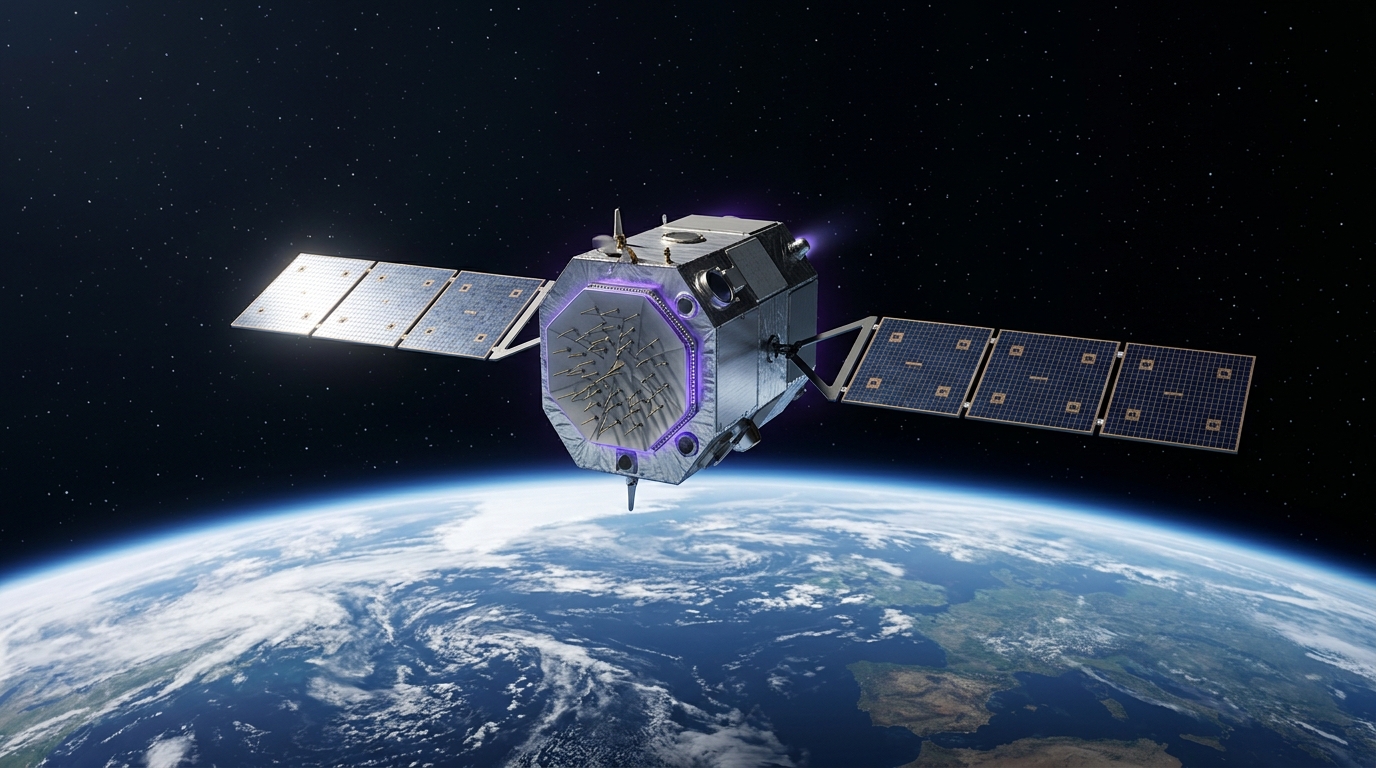
Next-gen GPS III satellites deliver 3x accuracy and 8x anti-jamming power, with Block IIIF adding regional military signals launching from 2026.
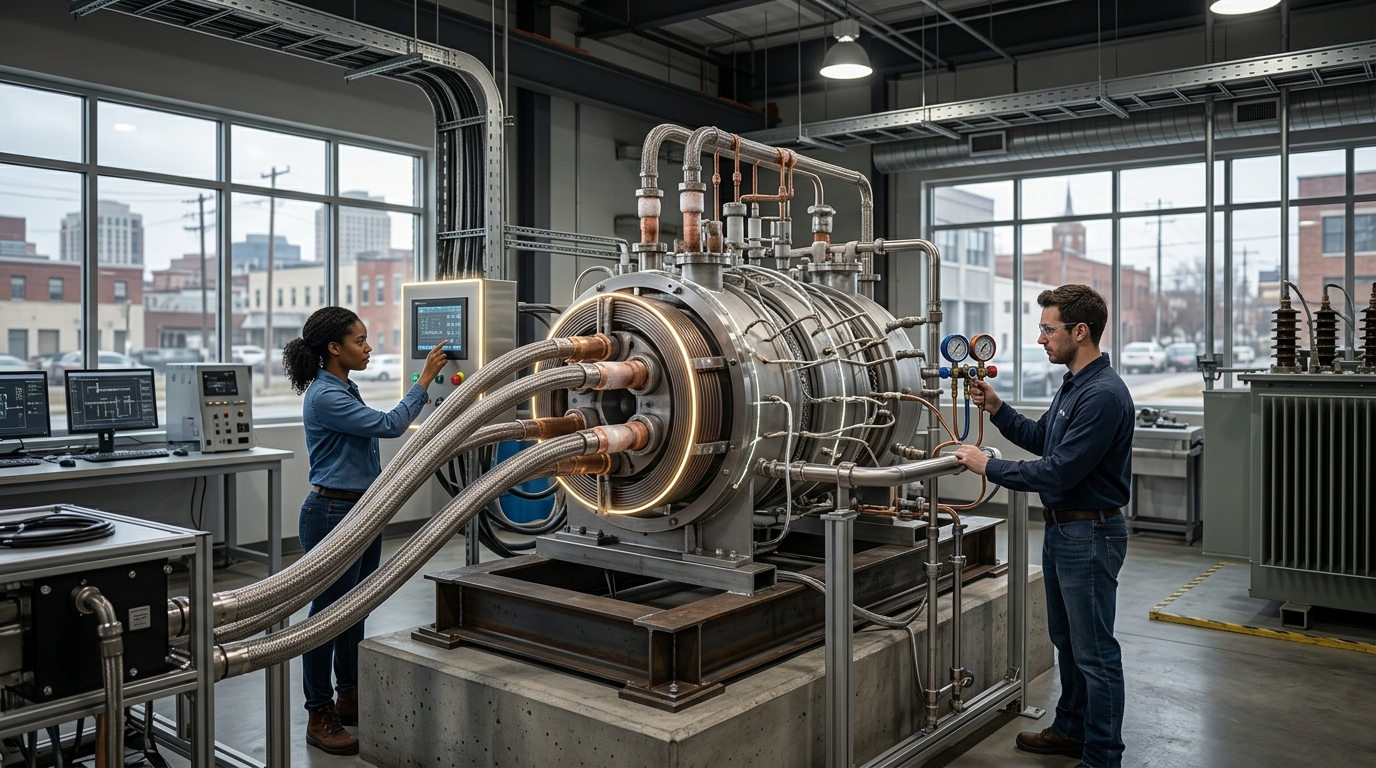
REBCO (Rare Earth Barium Copper Oxide) tape is enabling Commonwealth Fusion Systems' tokamak magnets, more compact MRI machines, lossless power transmission, and next-generation particle accelerators.
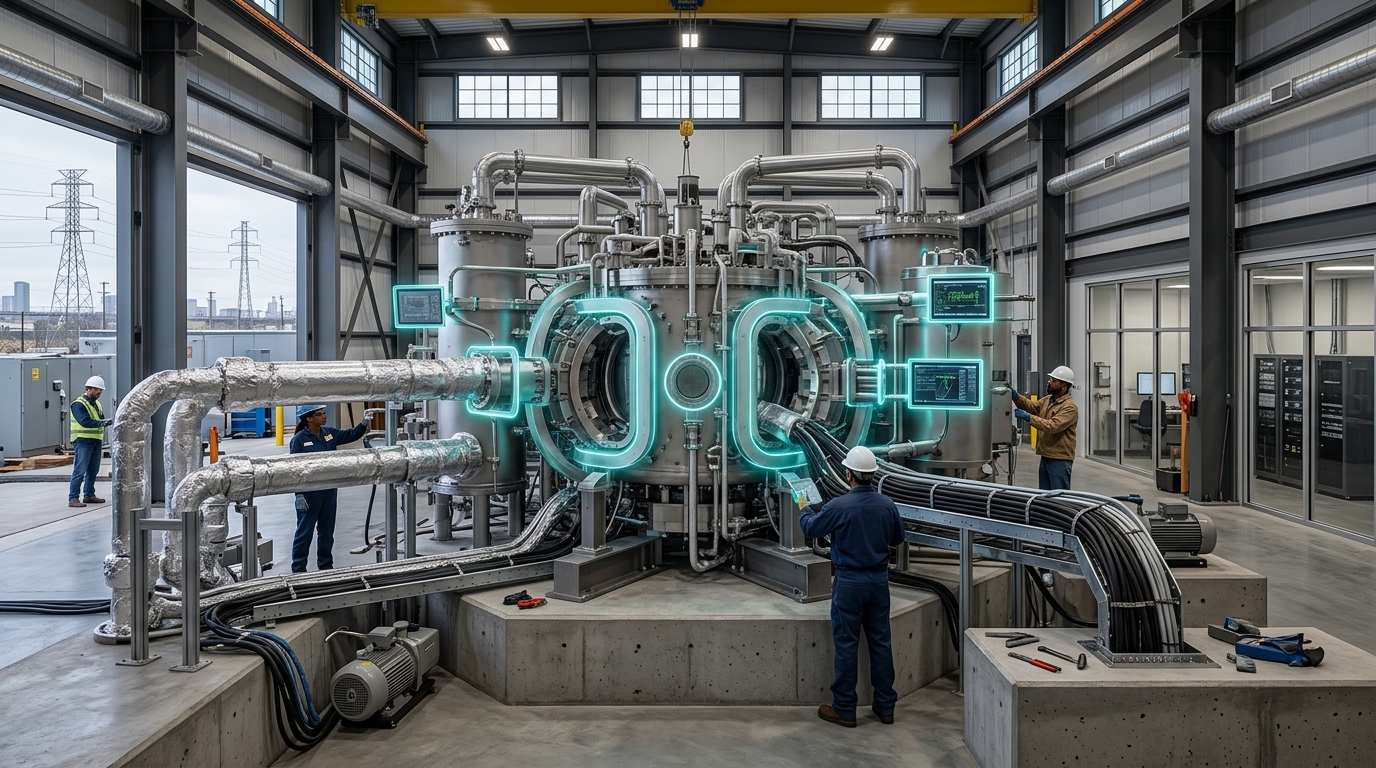
Commonwealth Fusion Systems is building SPARC, a compact tokamak using revolutionary high-temperature superconducting magnets, with the Da Vinci commercial plant targeting grid power in the early 2030s.
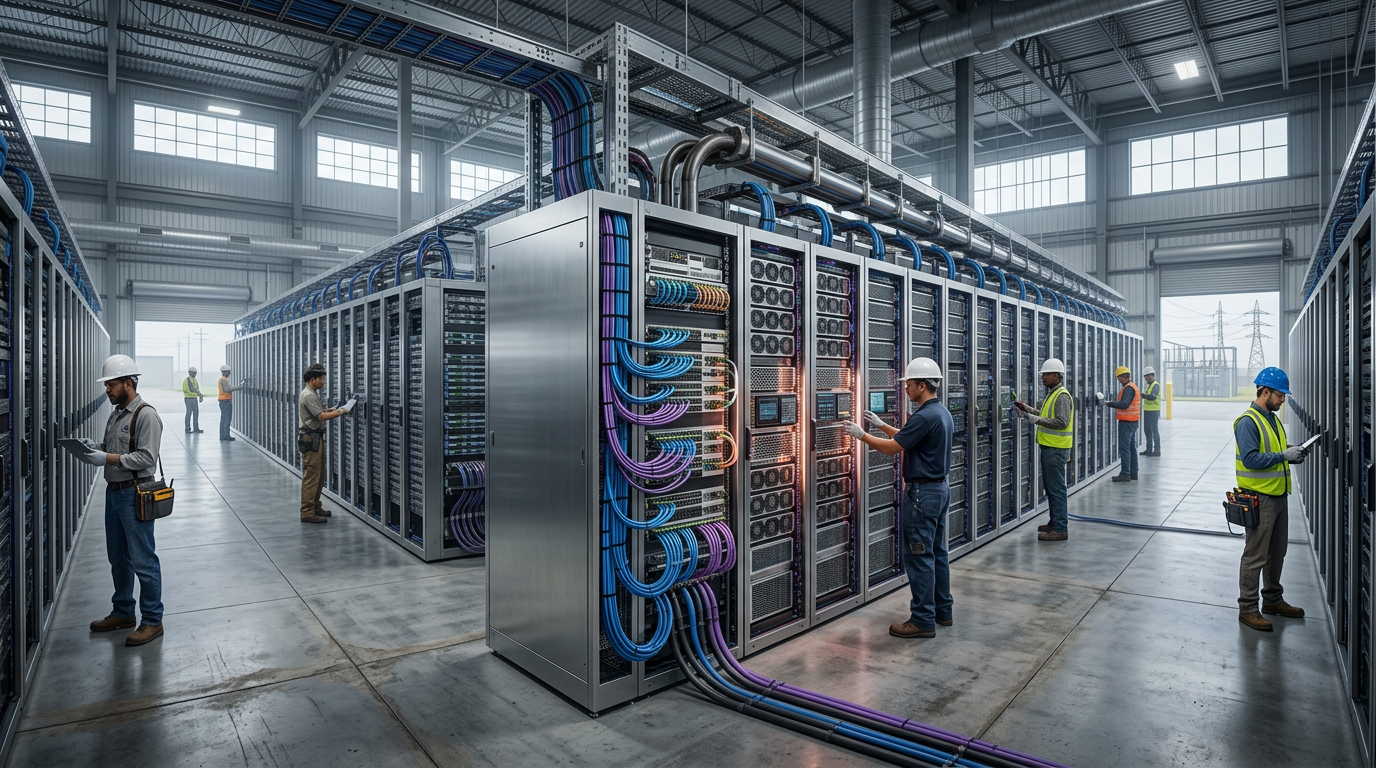
US hyperscalers are investing over $300 billion in AI data centers in 2025-2026, with Microsoft, Google, Amazon, and Meta each planning multi-gigawatt campuses that consume as much power as small cities.
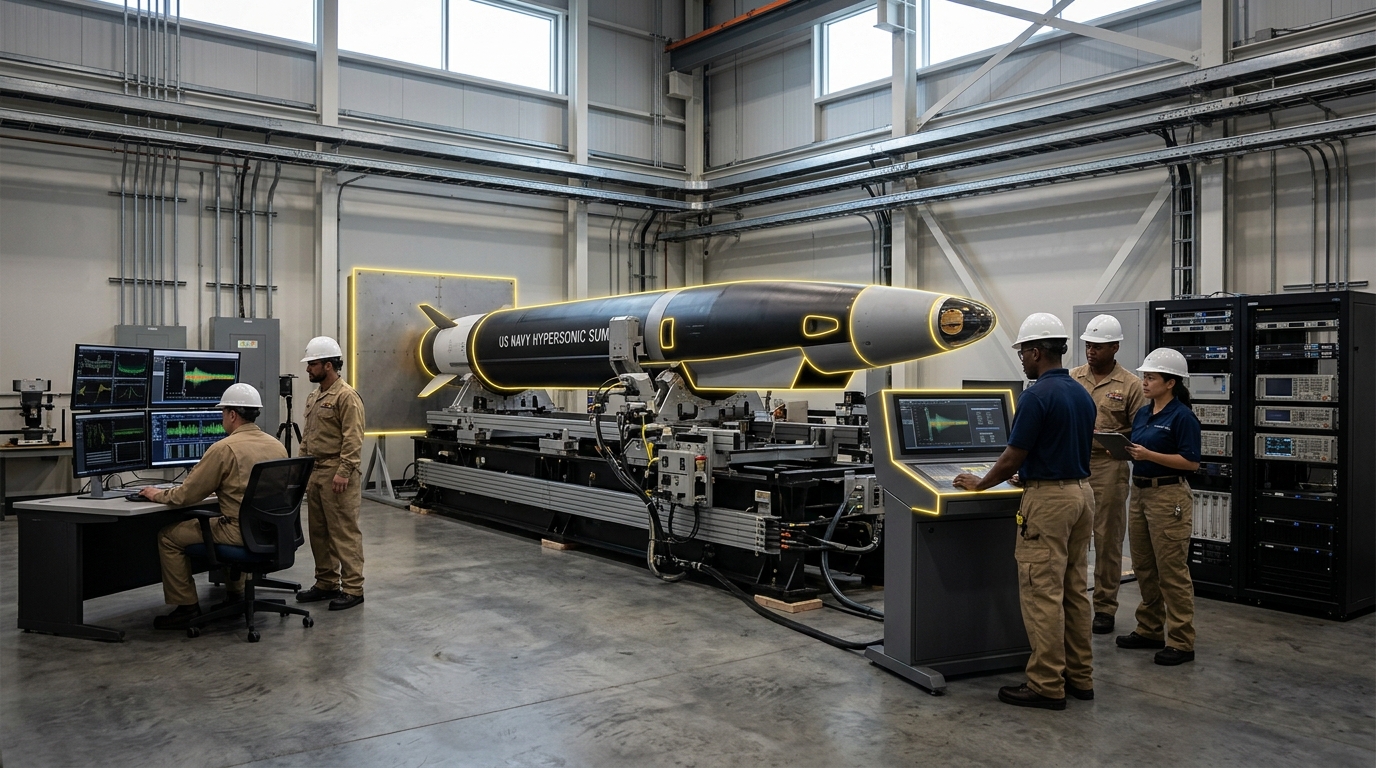
The US Navy completed successful end-to-end tests of its All-Up-Round hypersonic missile in 2024-2025, with Lockheed Martin opening a 17,000 sq ft integration lab for hypersonic systems in Alabama.
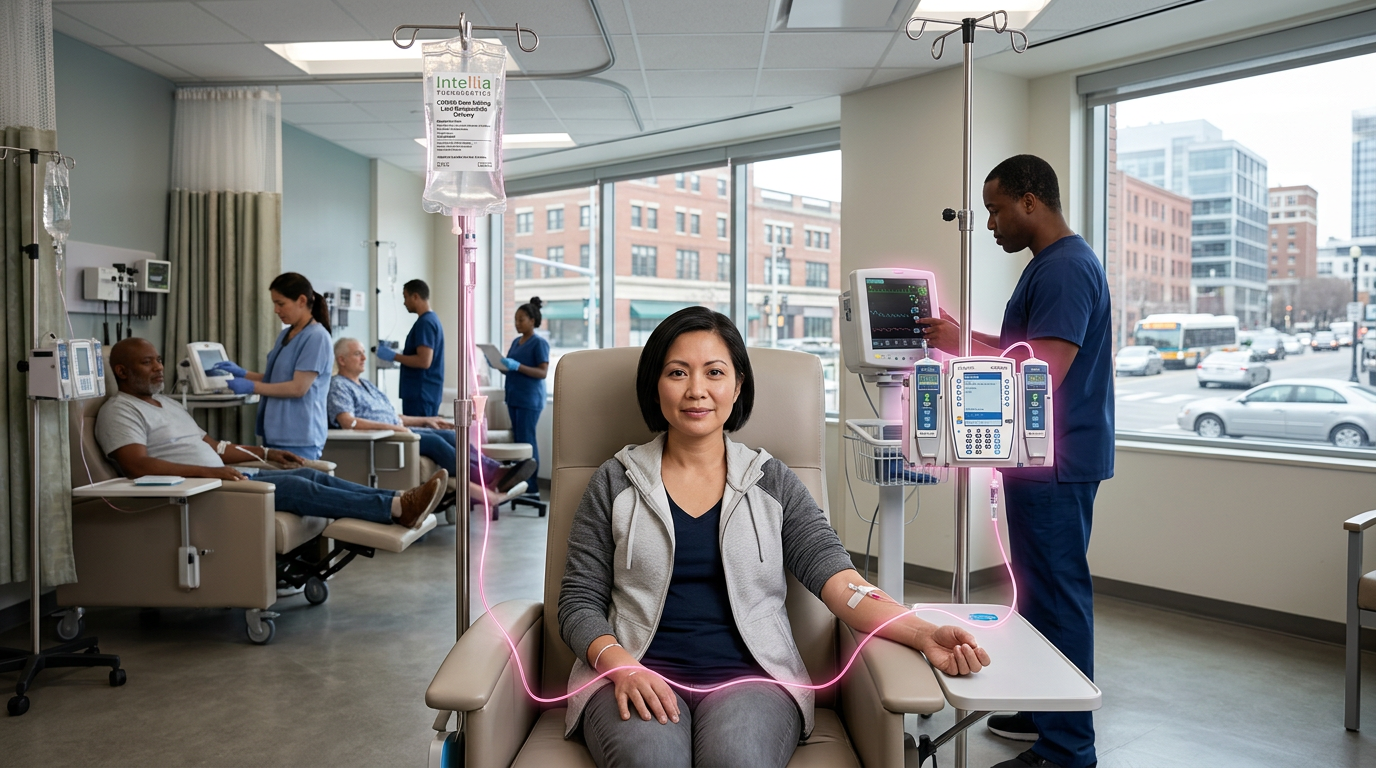
Intellia Therapeutics demonstrated the first systemic in vivo CRISPR gene editing in humans using lipid nanoparticles, with clinical data showing single-dose treatments that durably silence disease-causing genes — a potential one-and-done cure for genetic diseases.
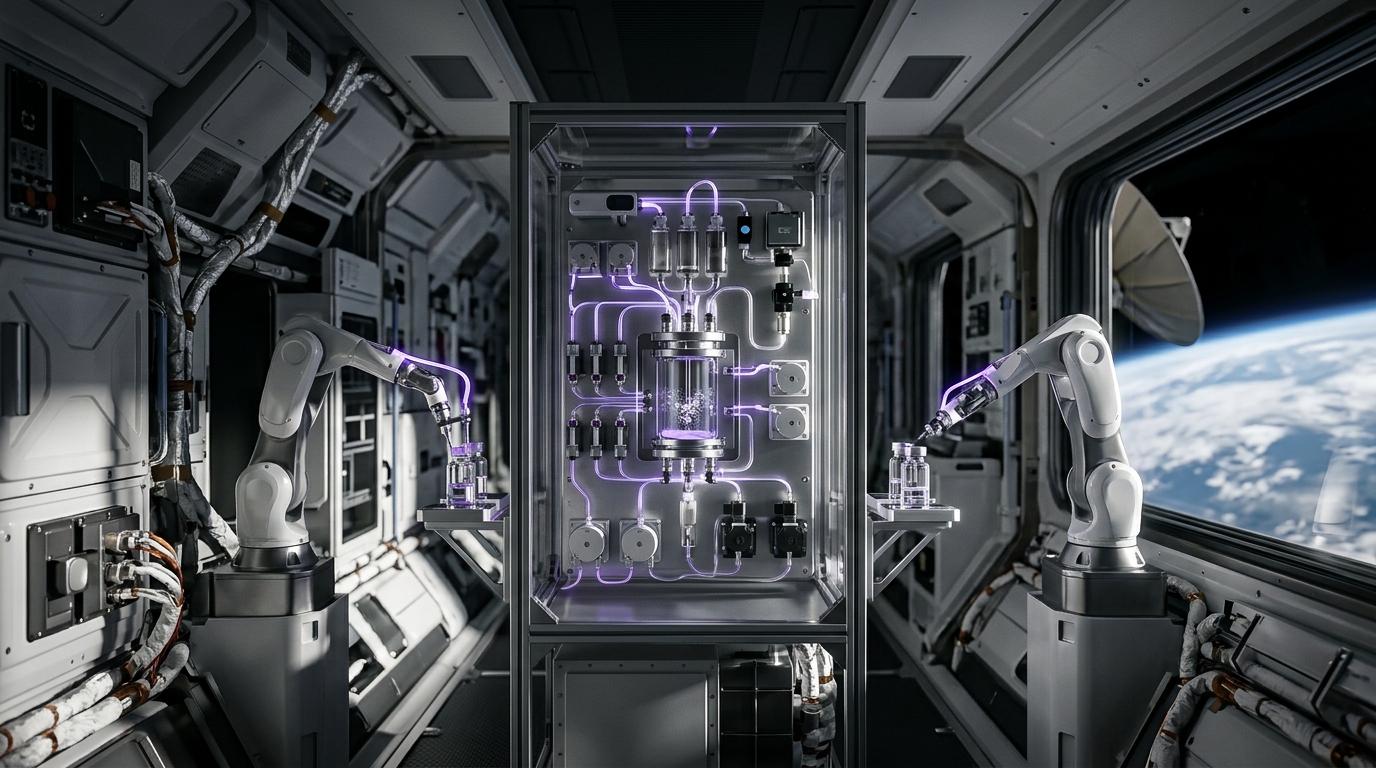
Varda Space Industries completed its third orbital manufacturing mission in 2025, producing pharmaceutical crystals in microgravity and returning them to Earth via reentry capsule — proving space as a manufacturing venue.
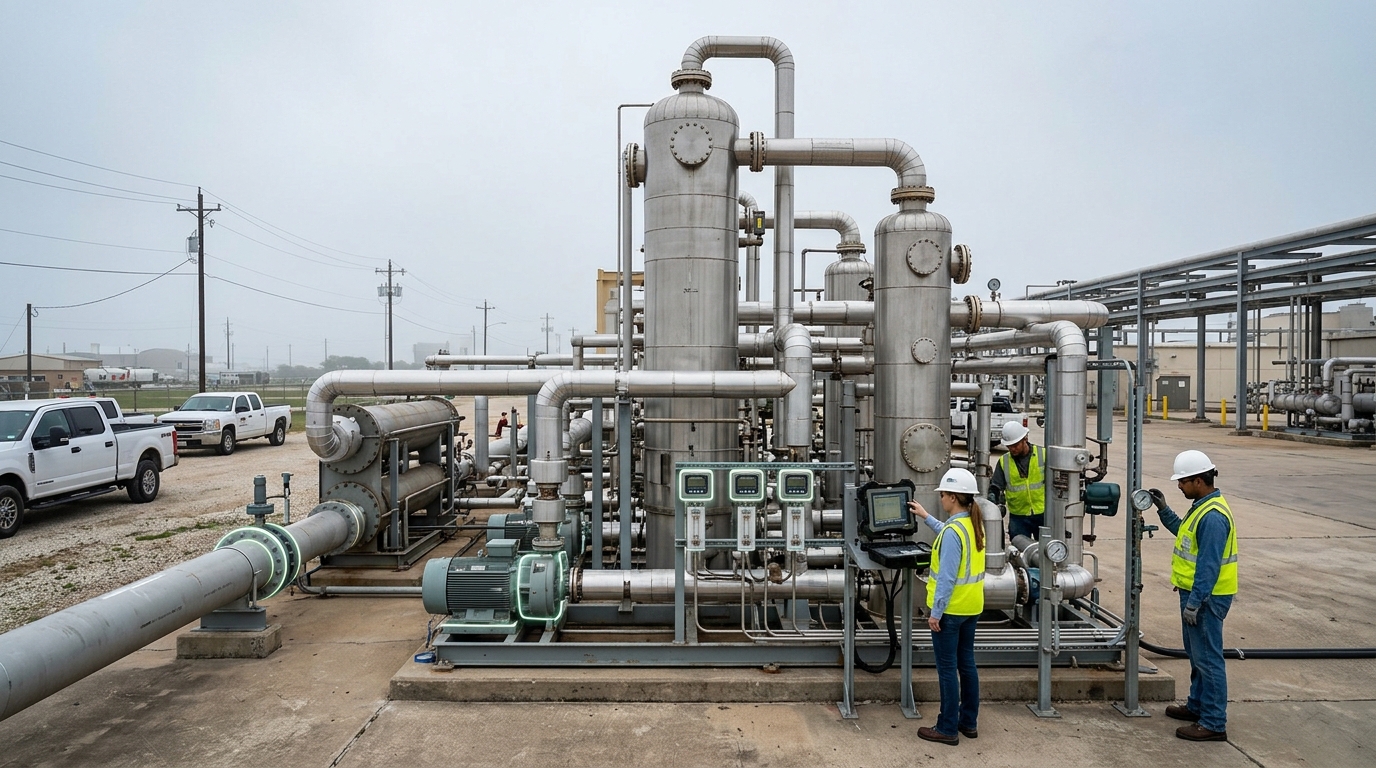
The Calpine Baytown Energy Center targets 2 million metric tons of CO₂ capture annually, Google backed a 400 MW gas plant capturing 90% of emissions, and the Gulf Coast CCS cluster is emerging as the world's largest storage complex.
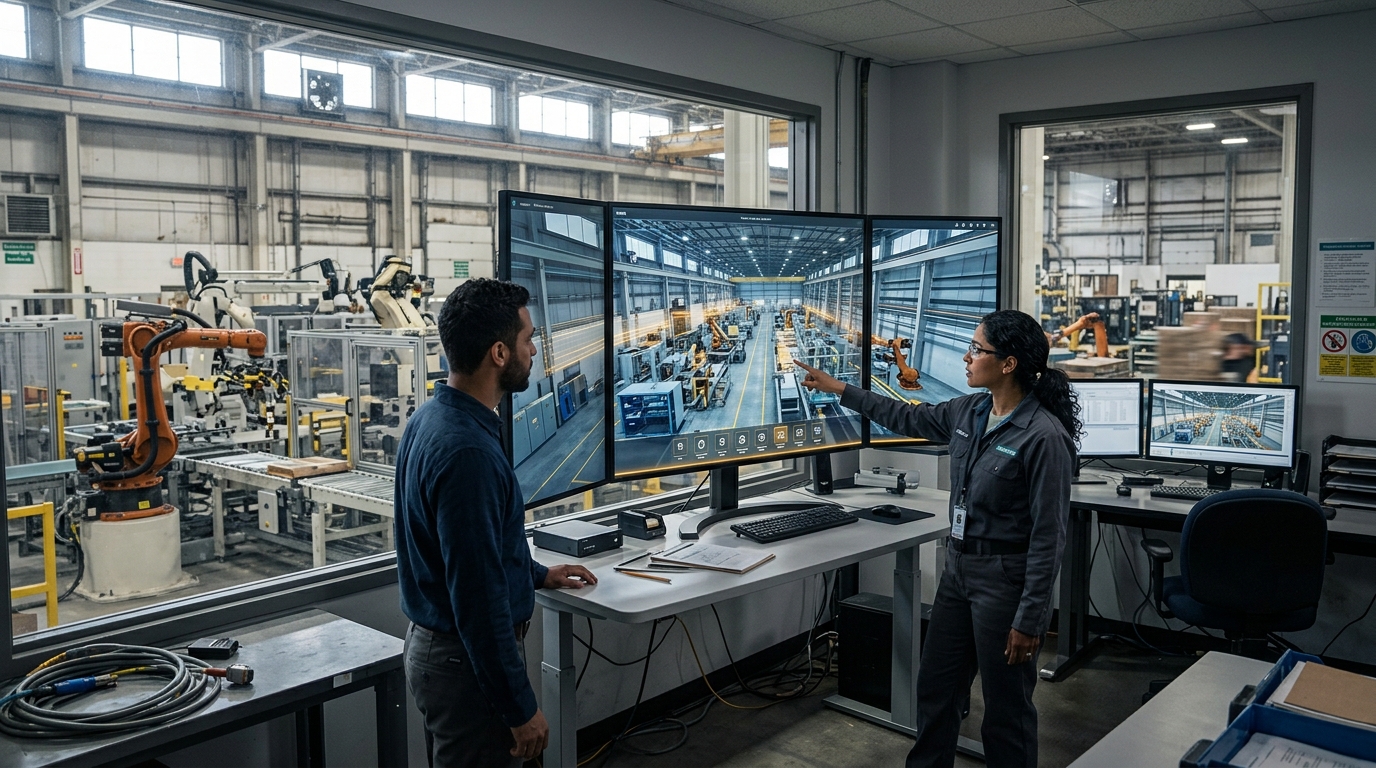
NVIDIA Omniverse and Siemens Xcelerator enable physics-accurate digital replicas of factories, power plants, and supply chains that simulate operations in real-time, enabling predictive maintenance and process optimization before physical changes.
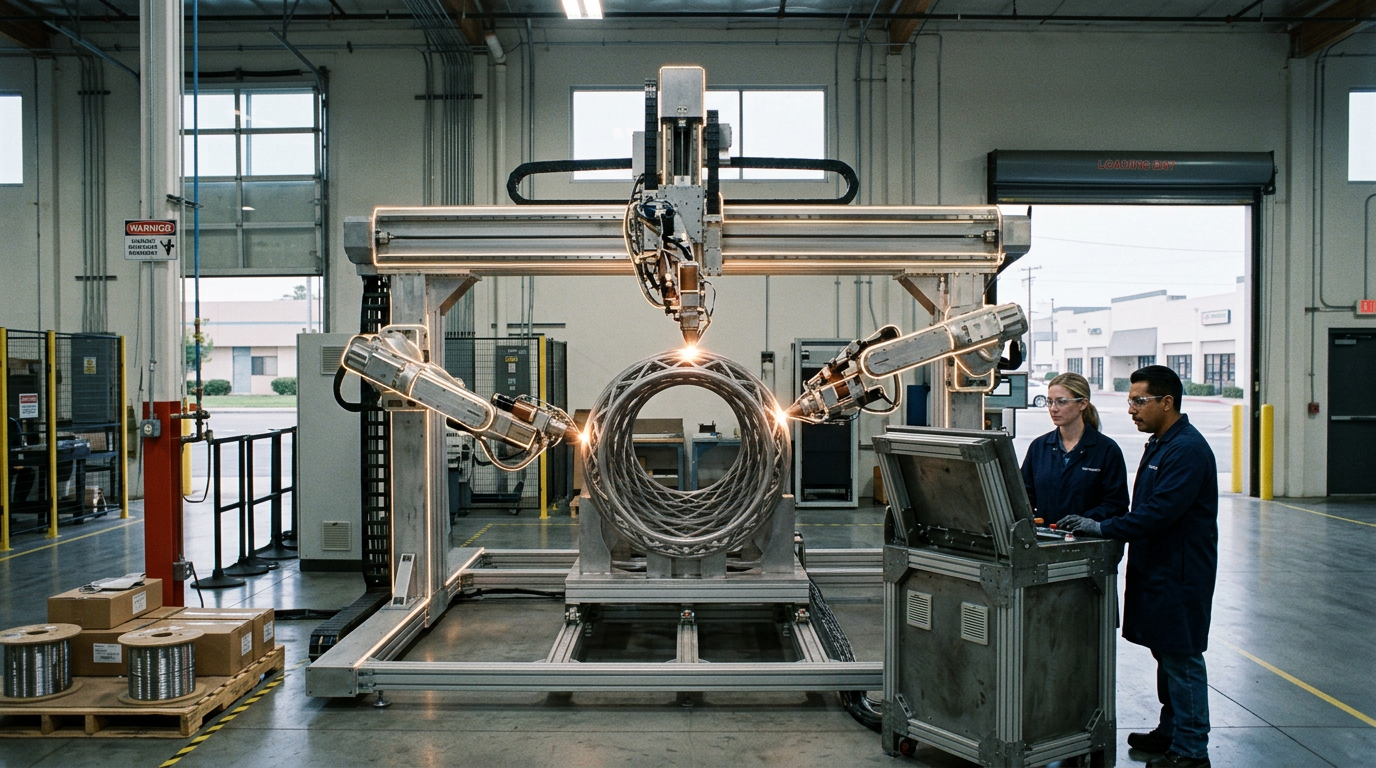
Relativity Space's Stargate is the world's largest 3D metal printer, producing rocket structures in days rather than months, while Boeing, Lockheed, and GE Aviation now 3D-print flight-critical components.
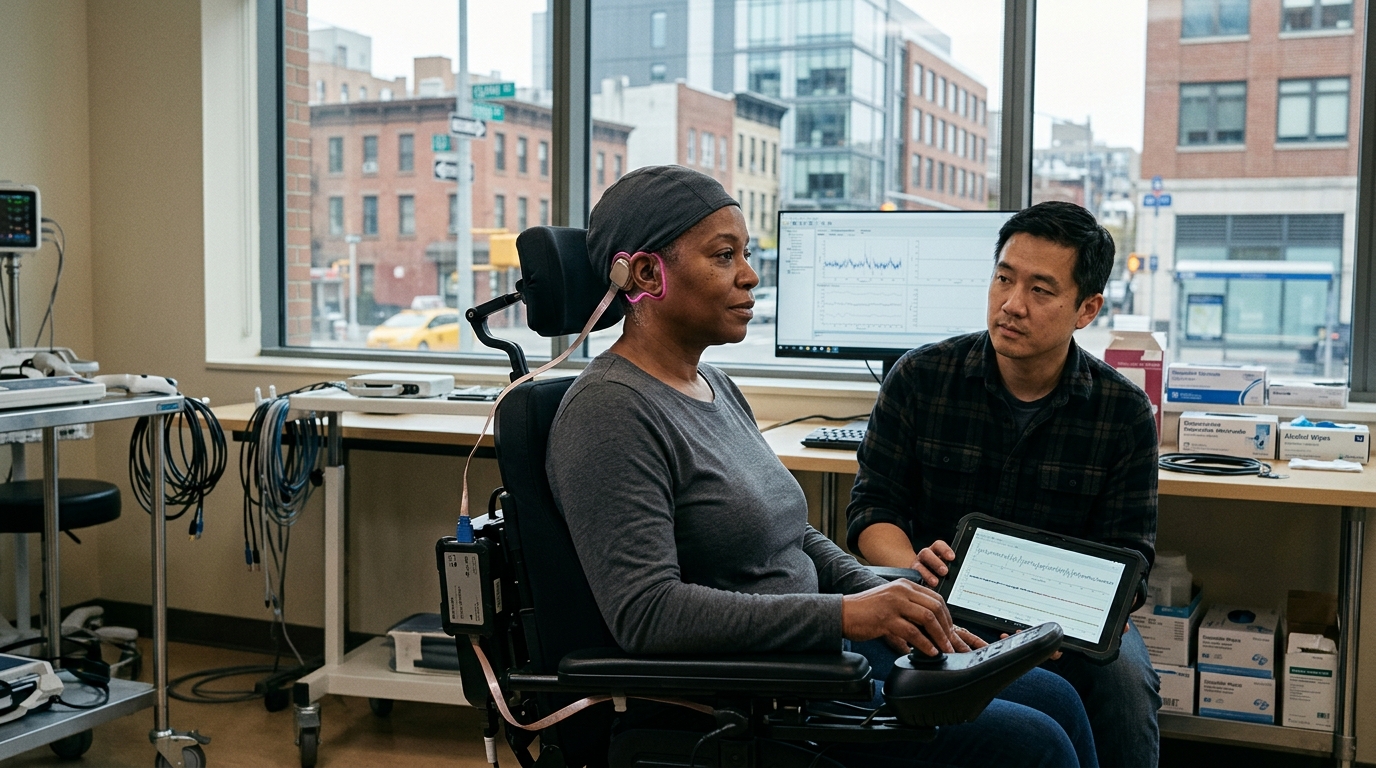
Paradromics completed its first human BCI implant in 2025 and received FDA approval for speech restoration trials, while Neuralink has multiple patients using its device — Morgan Stanley values the BCI market at $400 billion.
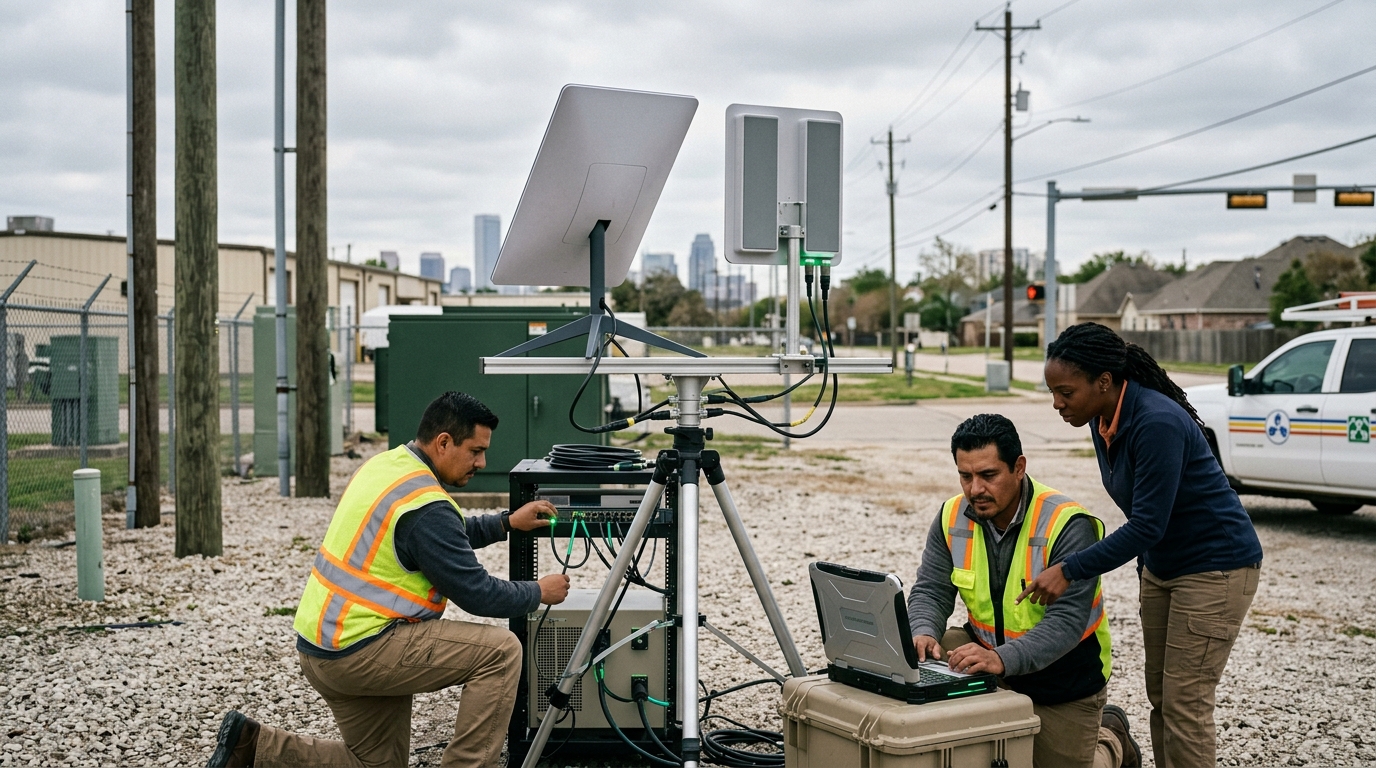
SpaceX Starlink serves over 4 million subscribers across 100+ countries with low-latency broadband from 6,000+ satellites, while Amazon Kuiper began deploying its 3,236-satellite constellation to compete.
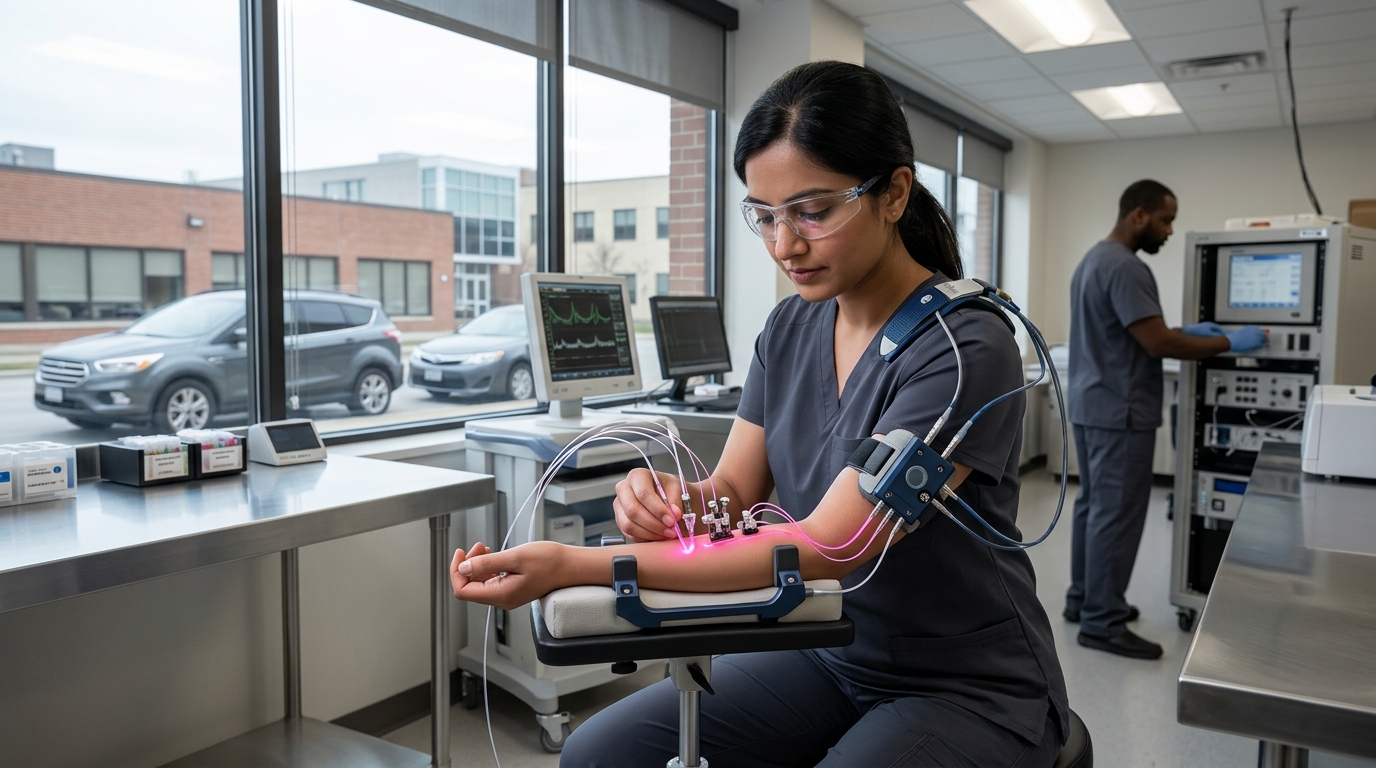
DARPA's Generative Optogenetics program aims to use precisely timed beams of light to direct the synthesis of DNA and RNA directly within living cells — potentially enabling on-demand genetic medicine without external manufacturing.
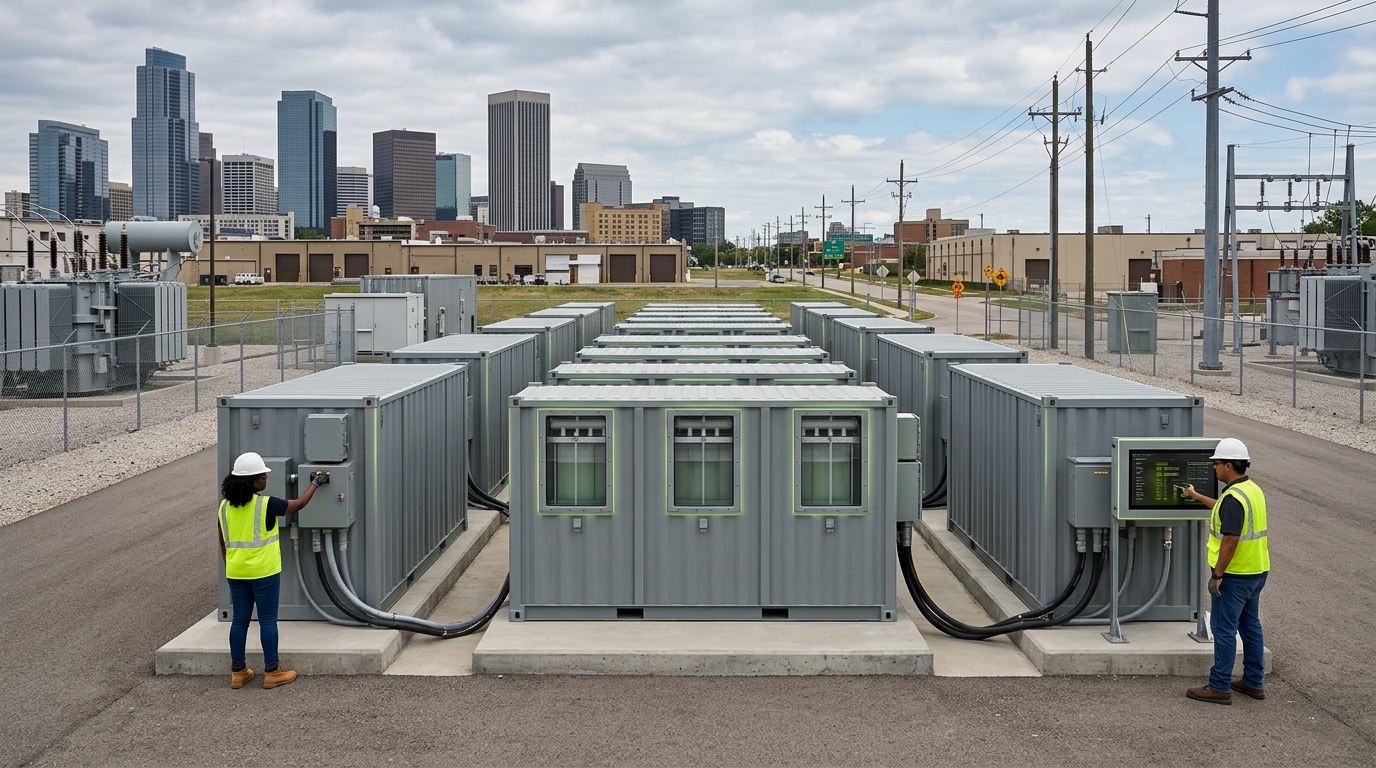
Iron-air batteries (Form Energy), flow batteries, and compressed air systems are targeting 100+ hour storage duration at costs below $20/kWh, essential for a grid powered primarily by intermittent renewables.
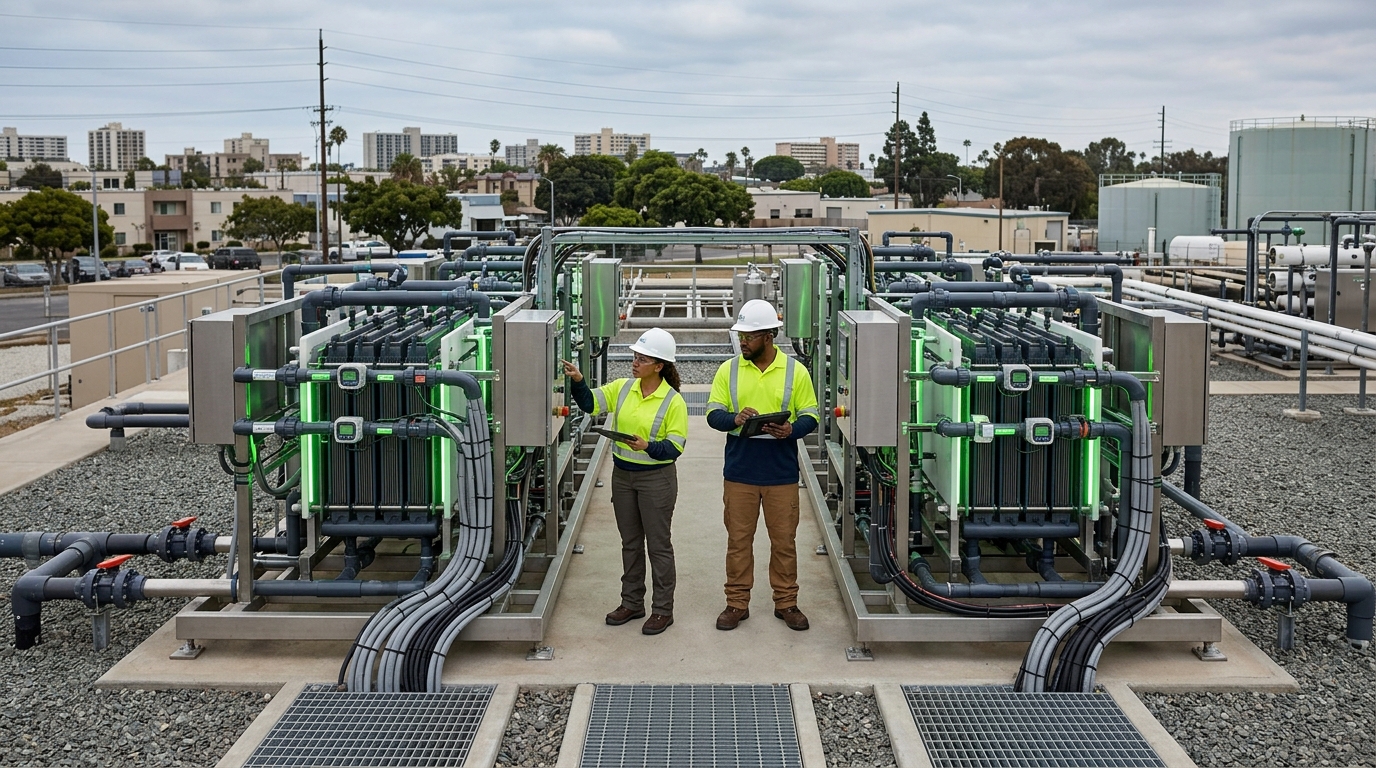
Next-generation electrodialysis and capacitive deionization systems from US startups and university labs use electric fields rather than pressure to remove salt from water, consuming 30-50% less energy than reverse osmosis and enabling solar-powered desalination.
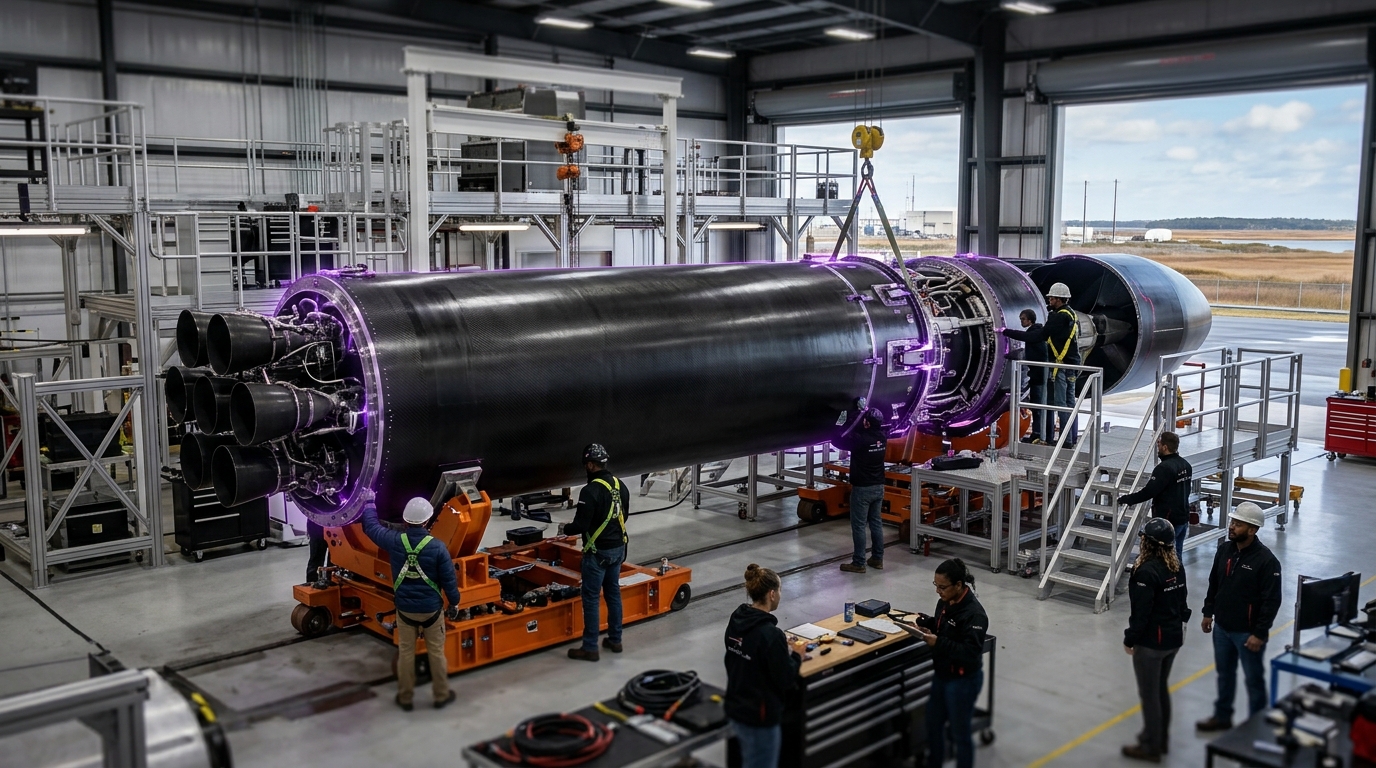
Rocket Lab's Neutron and Relativity Space's Terran R are developing medium-lift reusable rockets to break SpaceX's near-monopoly, with Rocket Lab already the second most frequent US launch provider via Electron.
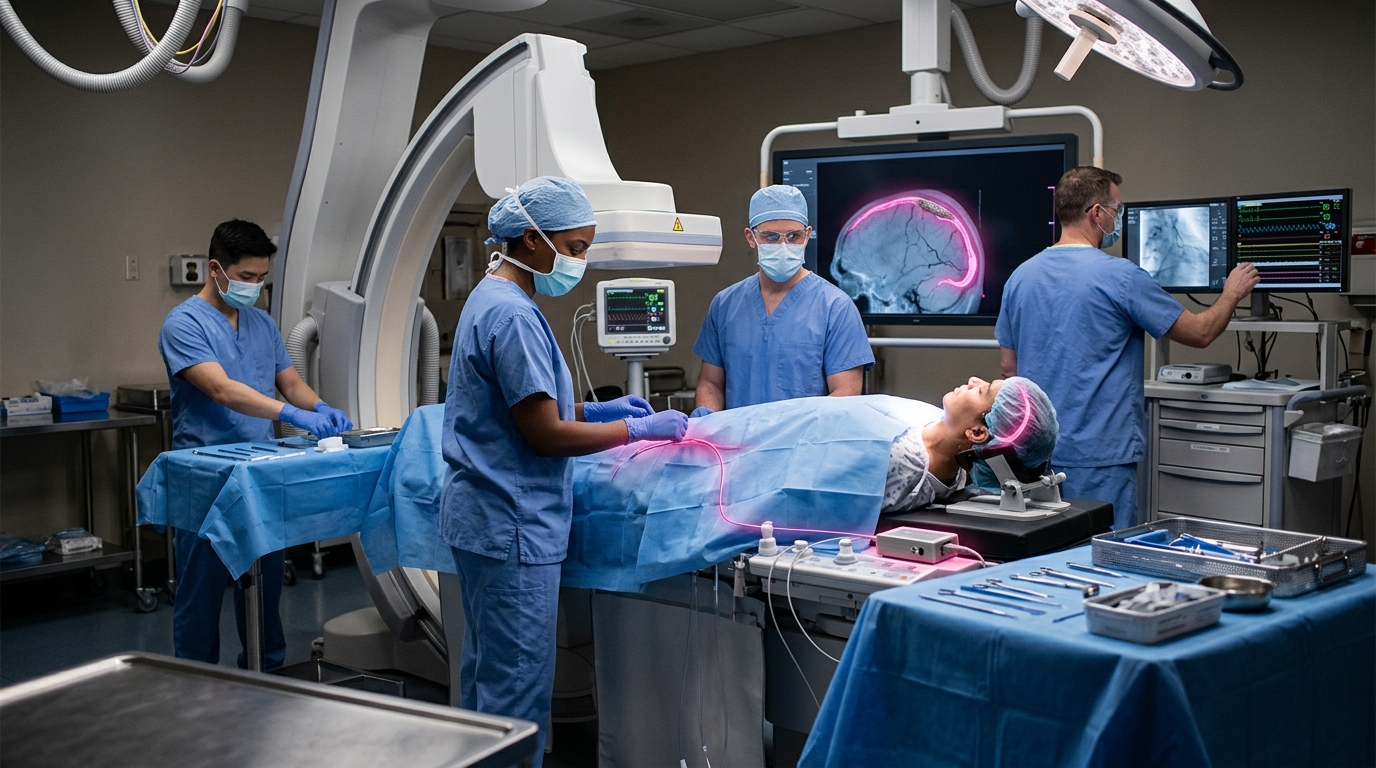
Synchron's Stentrode BCI is implanted via blood vessels without open-brain surgery, while Precision Neuroscience's ultra-thin electrode array slips between skull and brain — offering safer paths to neural interface adoption.
Moderna and BioNTech are expanding mRNA technology beyond COVID vaccines to cancer immunotherapy, rare genetic diseases, autoimmune disorders, and combination flu-COVID vaccines entering market in 2026.
Models that natively process text, images, video, audio, and code in a single architecture are enabling new categories of applications from real-time video understanding to robotic control.
Brain-inspired chips from Intel (Loihi 2), IBM (NorthPole), and DARPA-funded programs process information using spiking neural networks at 100x lower power than conventional processors for edge AI tasks.
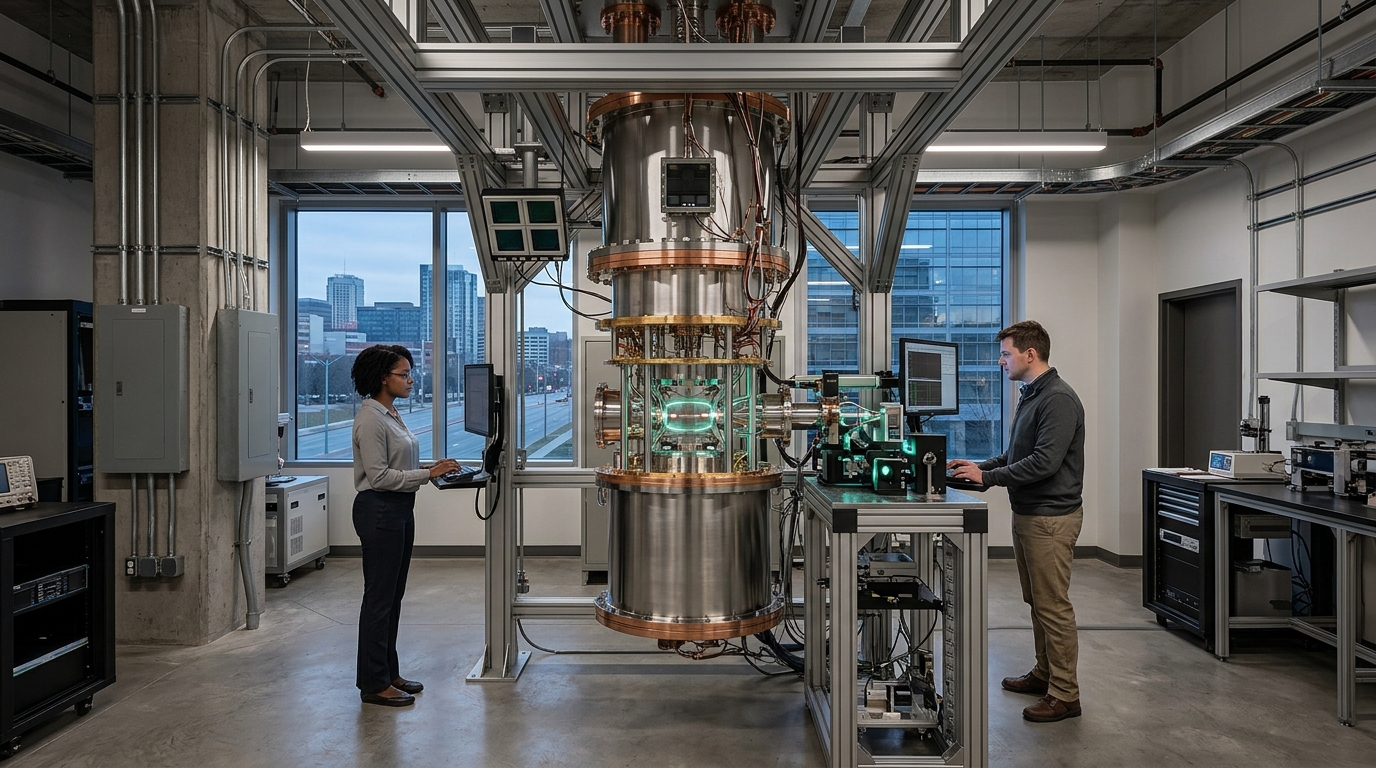
QuEra Computing demonstrated 'magic states' essential for universal fault-tolerant quantum computation using neutral atoms trapped in optical tweezer arrays, with the US2QC program selecting Atom Computing for utility-scale development.
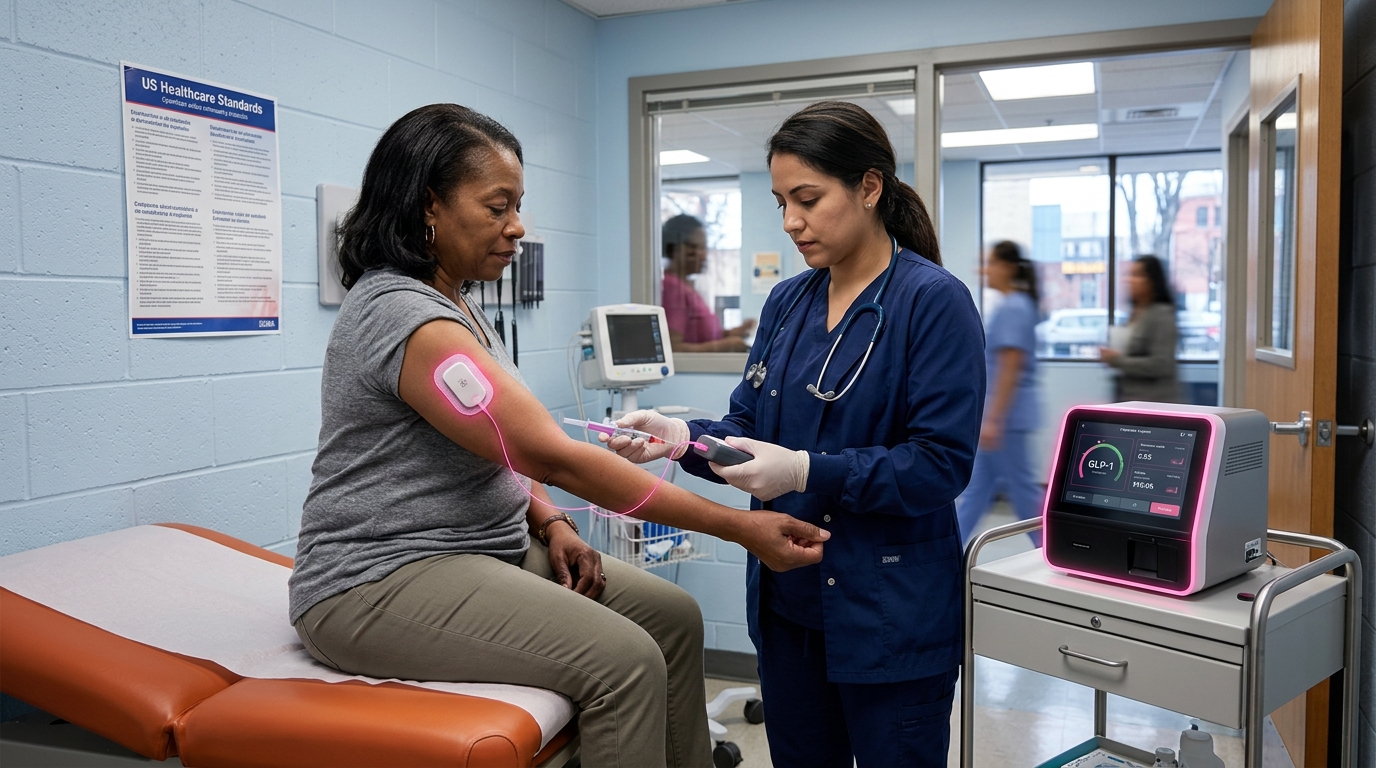
Beyond Wegovy and Mounjaro, next-gen GLP-1 drugs including oral formulations, triple-agonists, and muscle-sparing variants are entering clinical trials, targeting a market projected to exceed $150 billion by 2030.
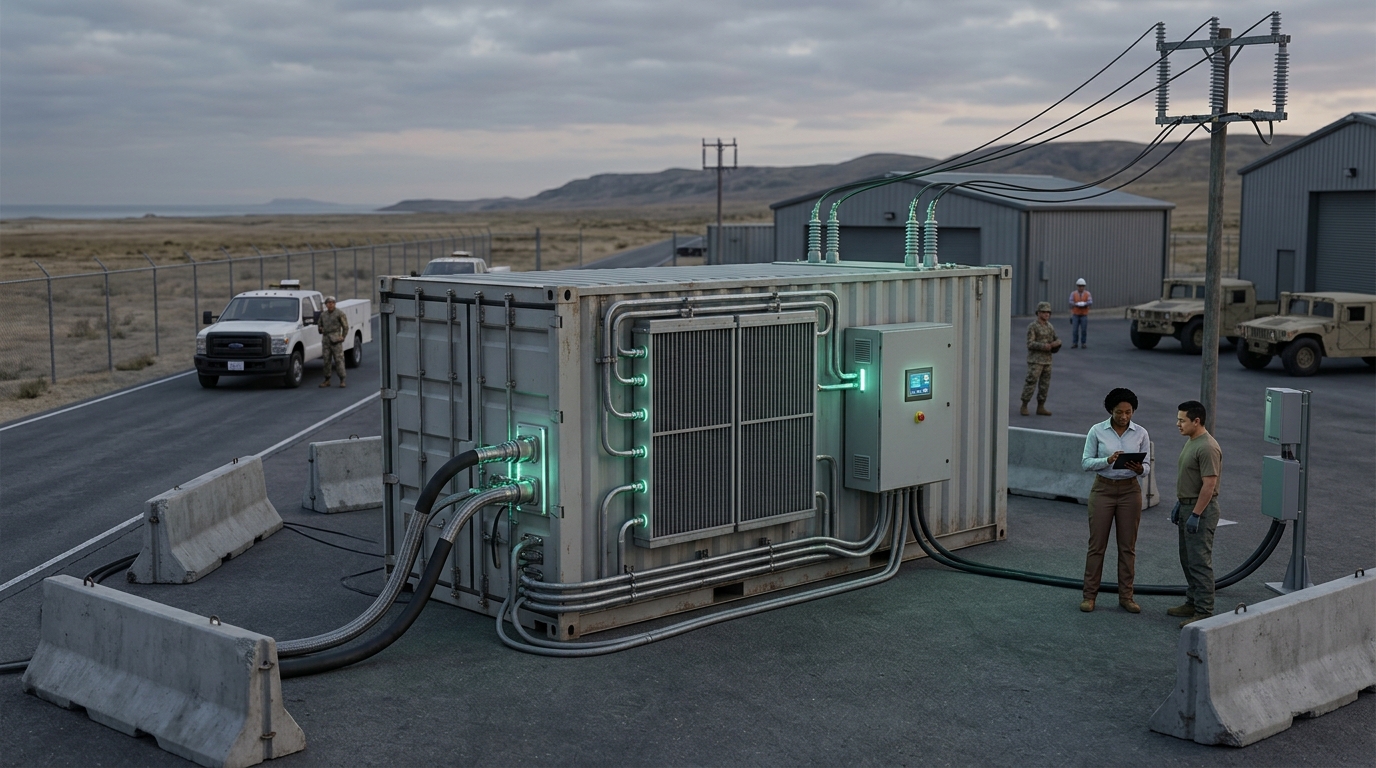
Transportable nuclear microreactors (1-20 MW) from Westinghouse eVinci and BWXT are being developed for military forward operating bases, remote communities, and disaster relief — the NRC is developing specific licensing frameworks.
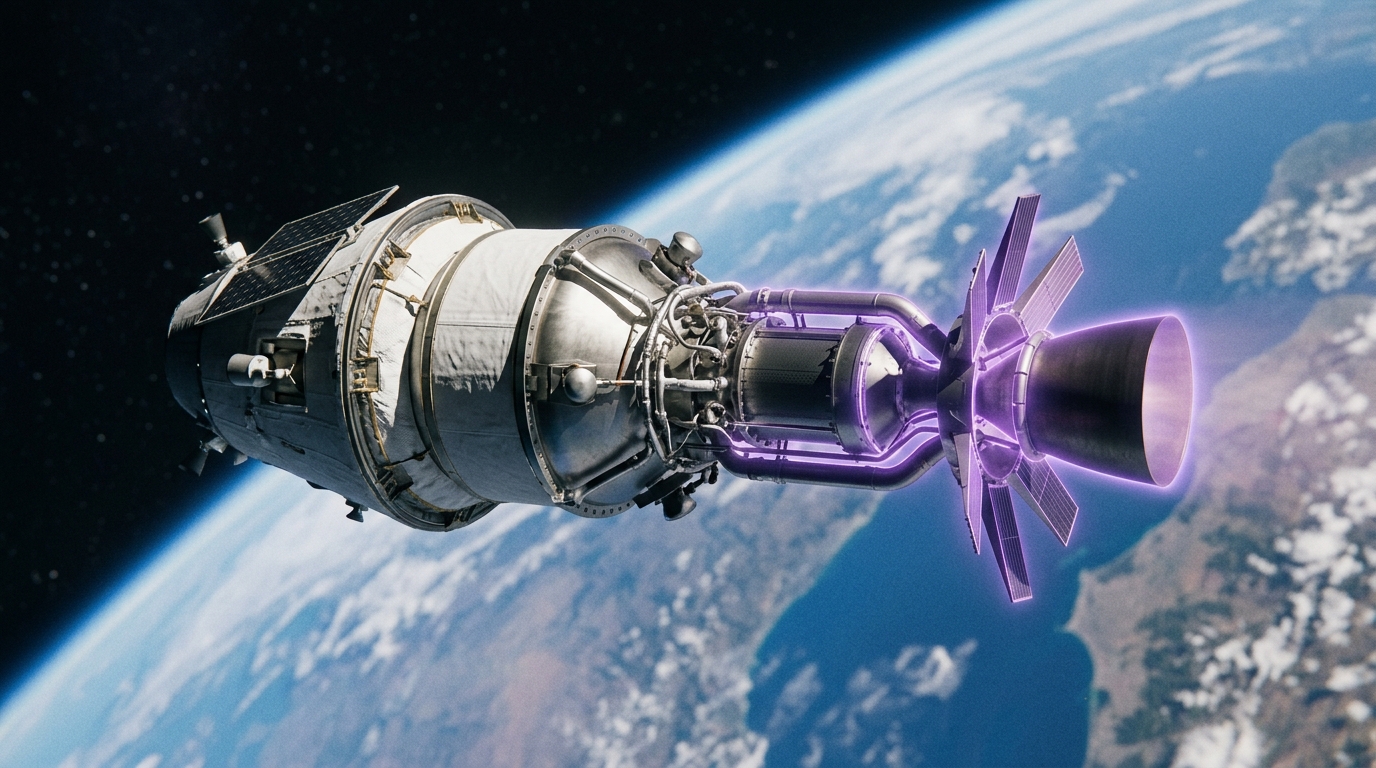
DARPA's DRACO program, with Lockheed Martin building the spacecraft, aims to demonstrate nuclear thermal propulsion in orbit by 2027 — cutting Mars transit time from 9 months to 3-4 months.

Hundreds of millions of smartphones, PCs, and IoT devices shipped in 2025 with dedicated AI accelerators (Apple Neural Engine, Qualcomm Hexagon, Intel NPU), enabling local model inference without cloud connectivity.
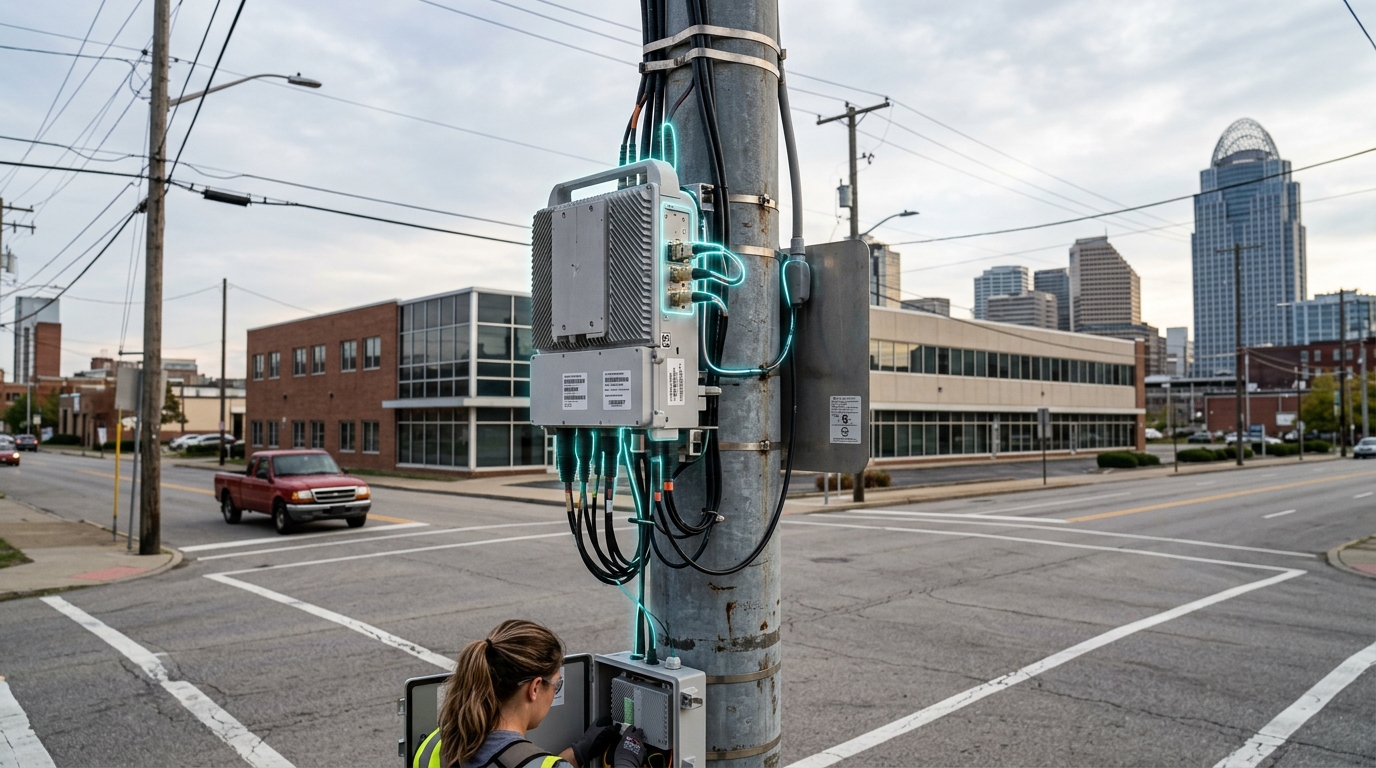
Open RAN disaggregates mobile network hardware and software from single vendors like Huawei, enabling US-allied alternatives from Mavenir, Parallel Wireless, and Rakuten Symphony to compete in 5G infrastructure.
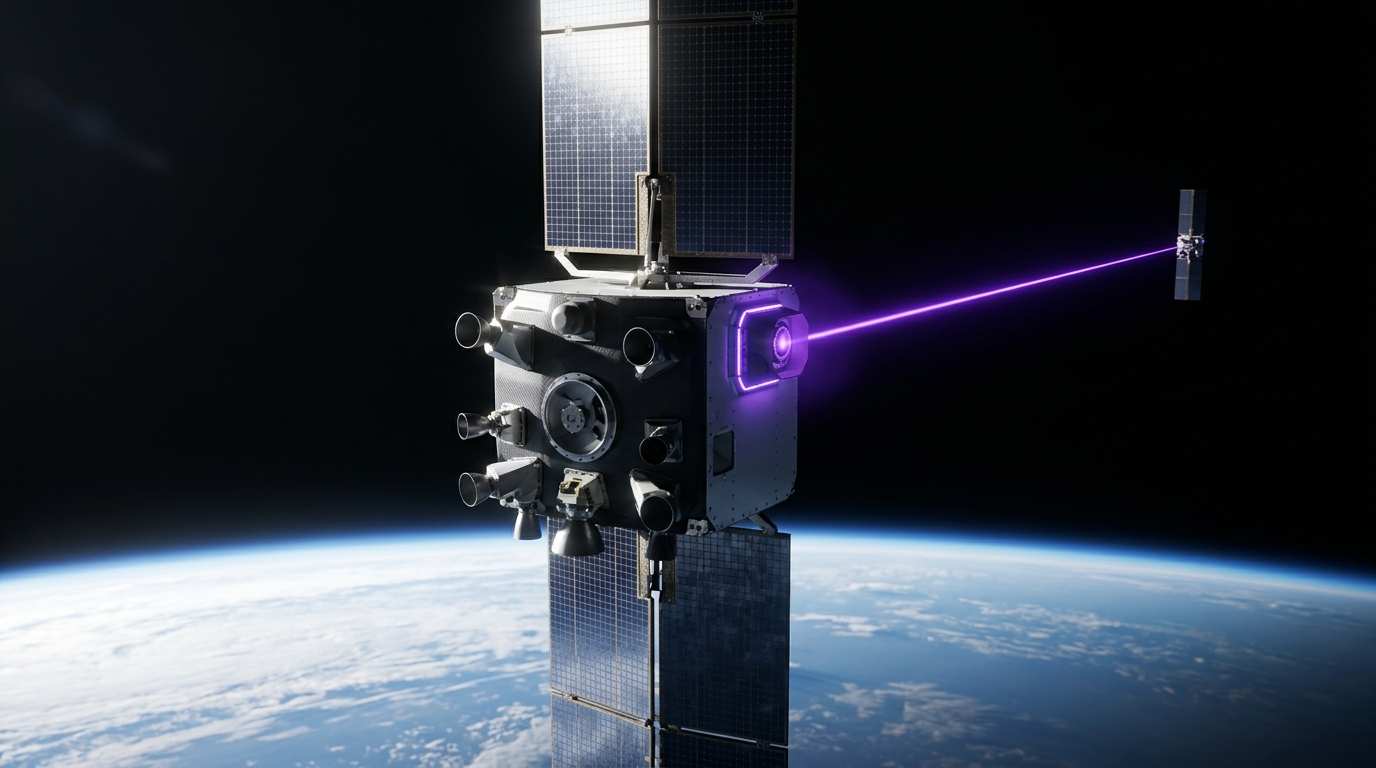
Laser crosslinks between satellites enable ground-station-independent data routing in orbit, now deployed across thousands of Starlink and SDA military satellites.
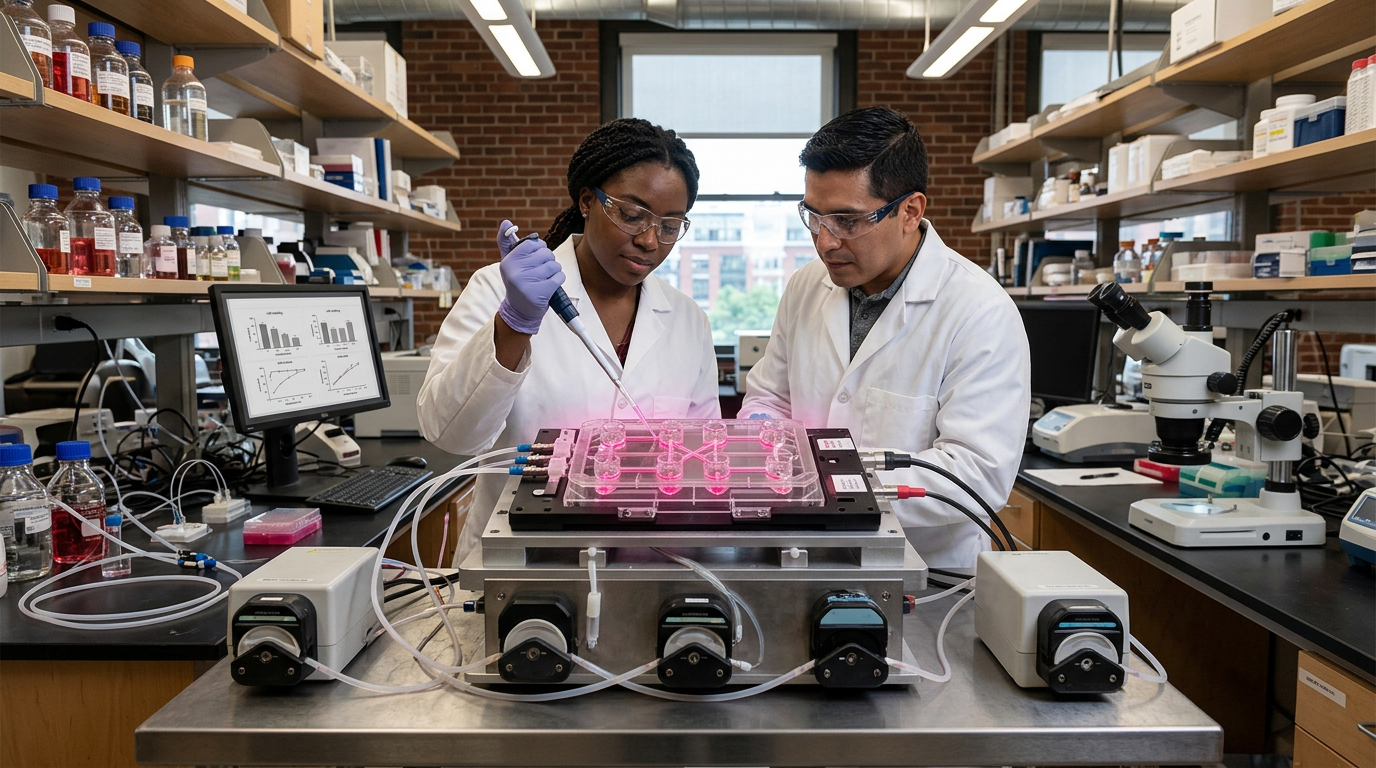
Microfluidic chips containing living human tissue replicate organ function for drug testing, and the 2022 FDA Modernization Act eliminated the requirement for animal testing — creating regulatory pull for Emulate, Hesperos, and CN Bio's organ-chip platforms.
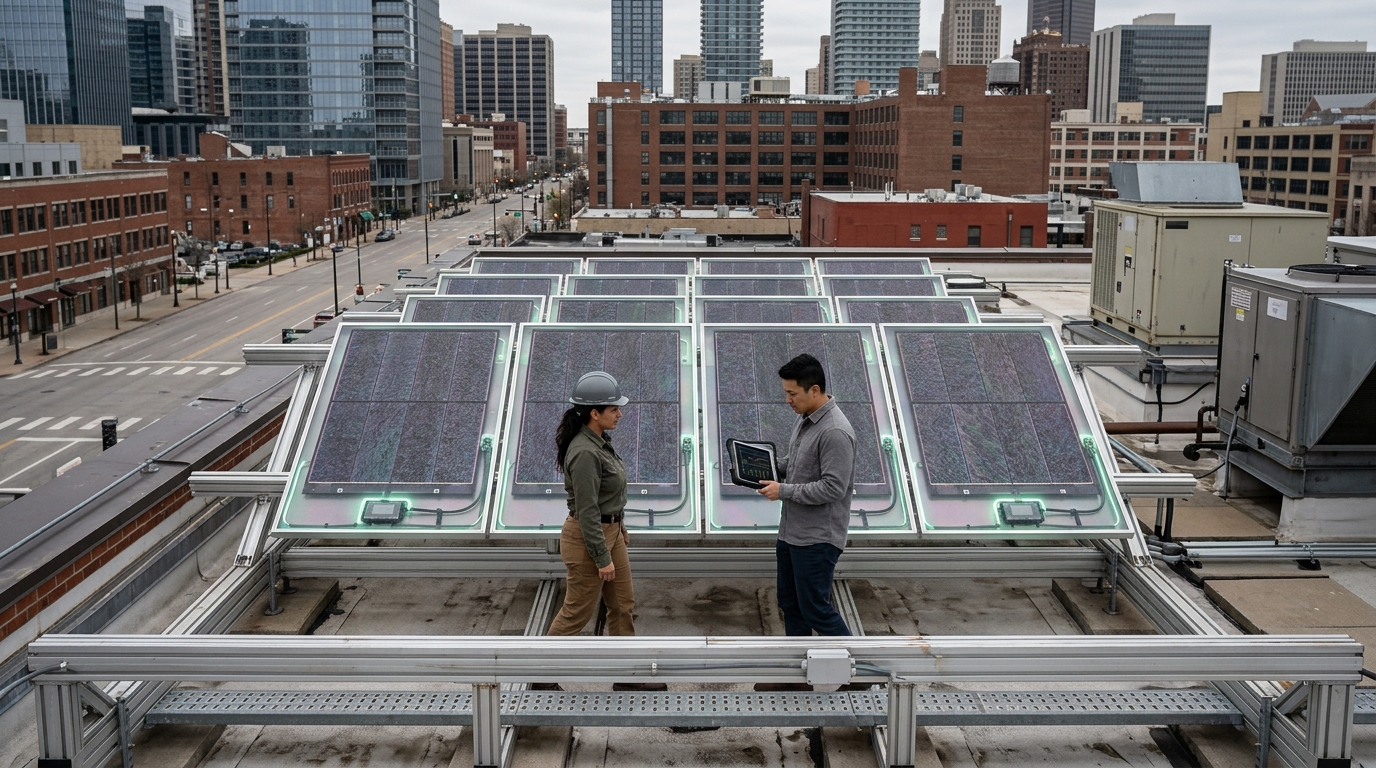
US-based Oxford PV and academic labs have achieved perovskite-silicon tandem cell efficiencies exceeding 33%, surpassing the theoretical limit of silicon-only cells and potentially adding 50% more power output to existing solar manufacturing lines.
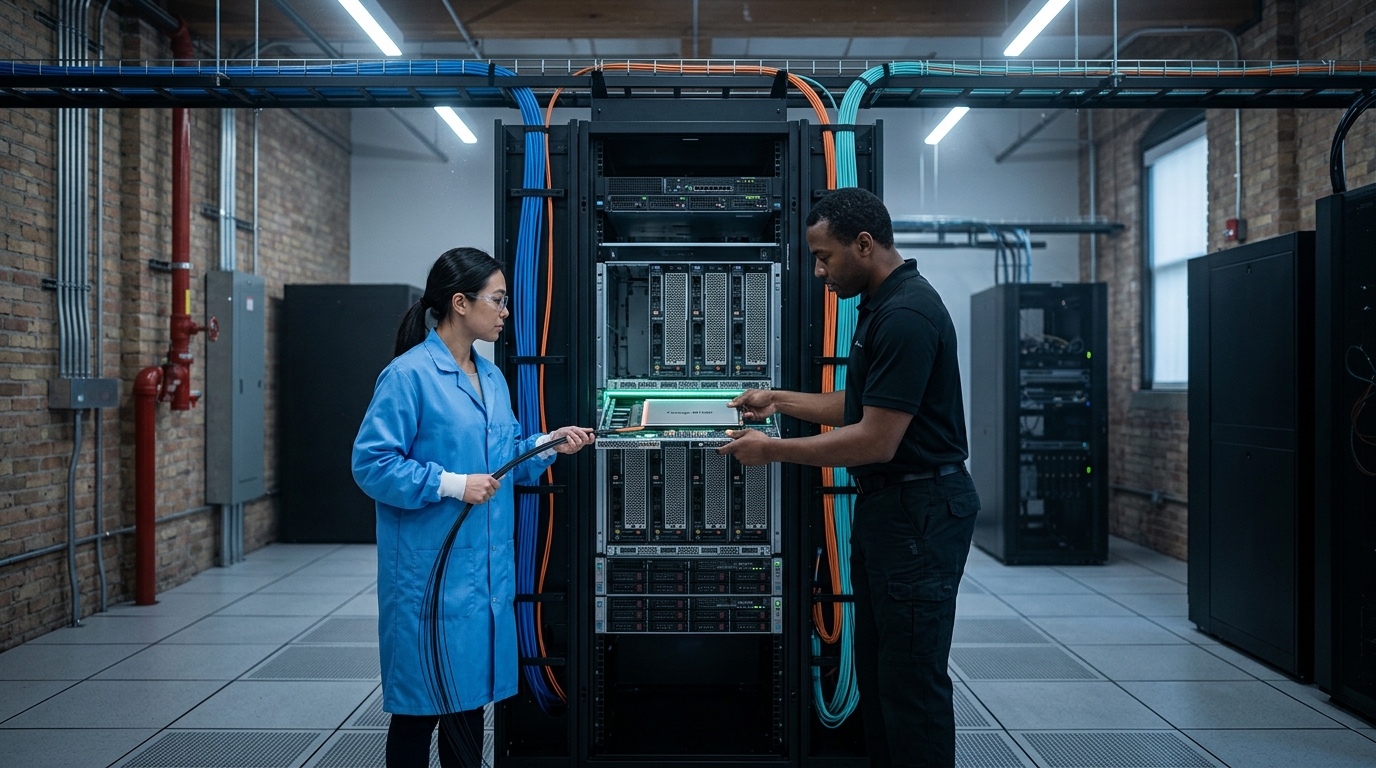
Lightmatter's Passage M1000 photonic superchip uses light instead of electrical signals to connect AI processors, eliminating the interconnect bottleneck that leaves GPUs idle 30-50% of the time in large AI training clusters.
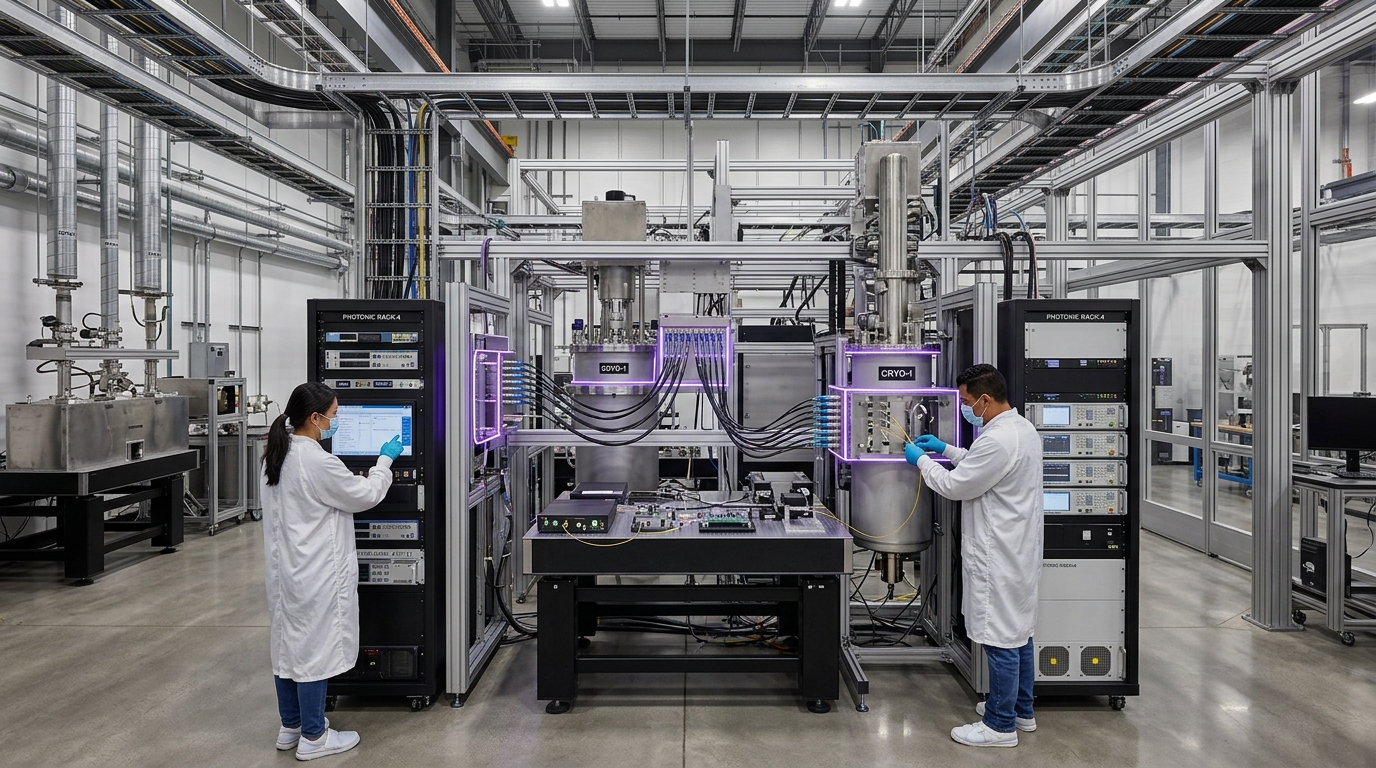
PsiQuantum raised $1B at a $7B valuation to build a million-qubit photonic quantum computer using standard semiconductor manufacturing, targeting fault-tolerant computation by 2028.
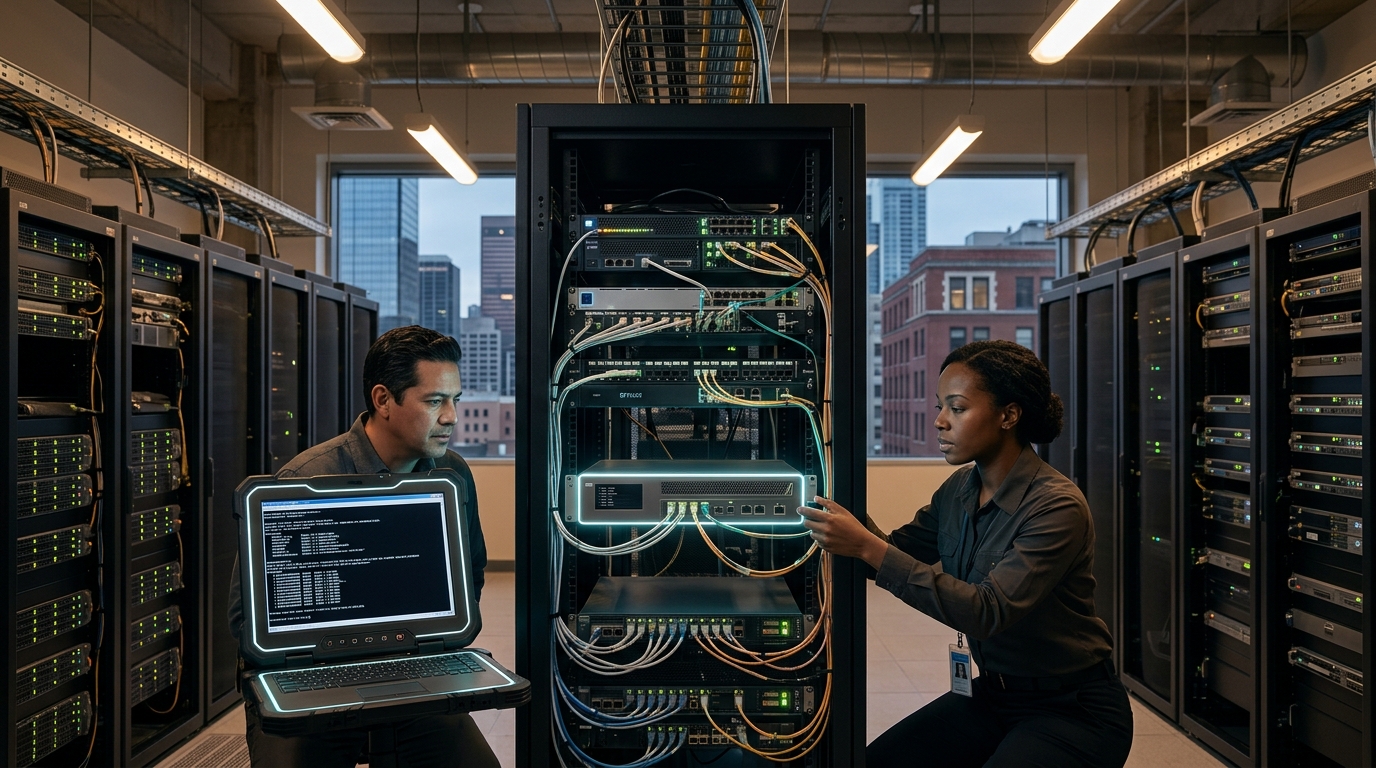
NIST finalized four post-quantum cryptographic standards in 2024, and US government agencies are beginning mandatory migration to quantum-resistant encryption before cryptographically relevant quantum computers arrive.
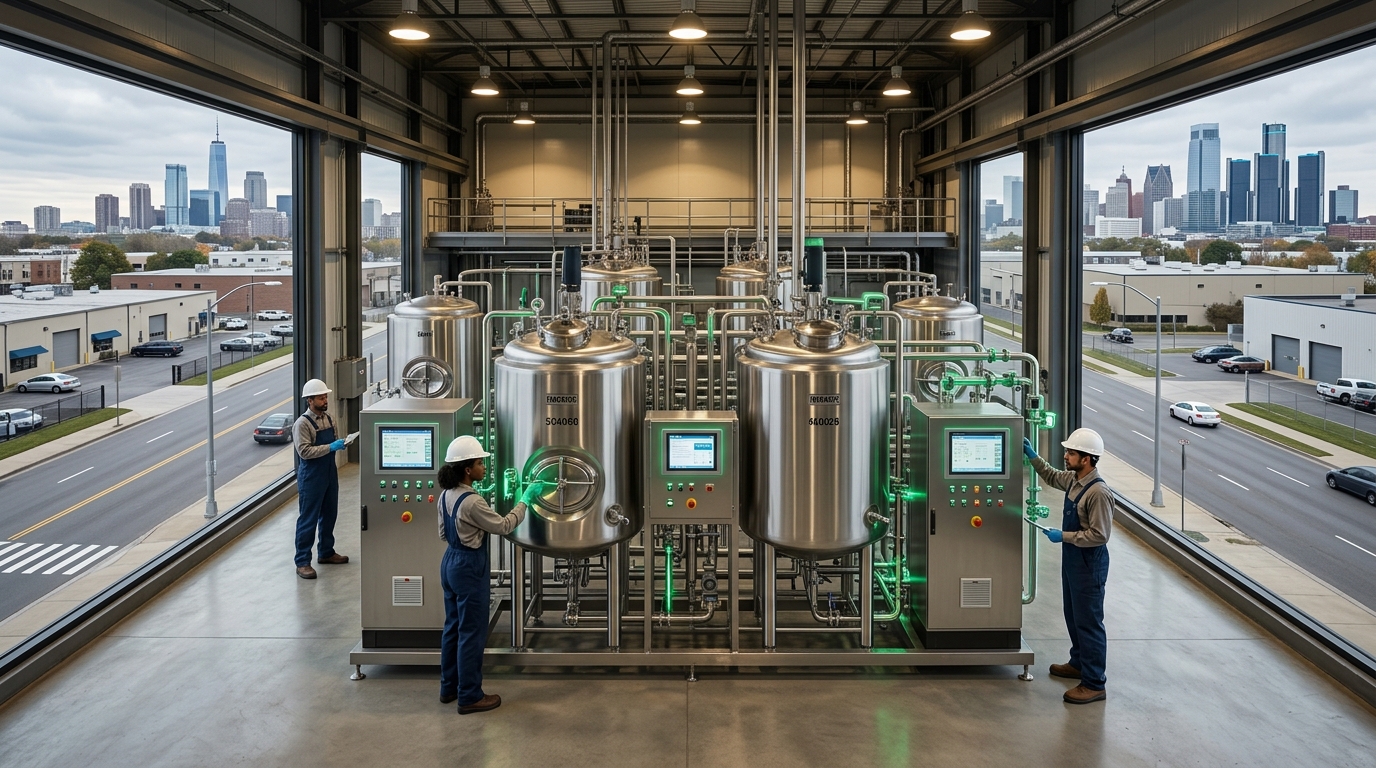
Companies like Perfect Day (animal-free whey protein), New Culture (casein for cheese), and The Every Company (egg proteins) use engineered microorganisms to produce animal proteins without animals, with products now in commercial distribution.
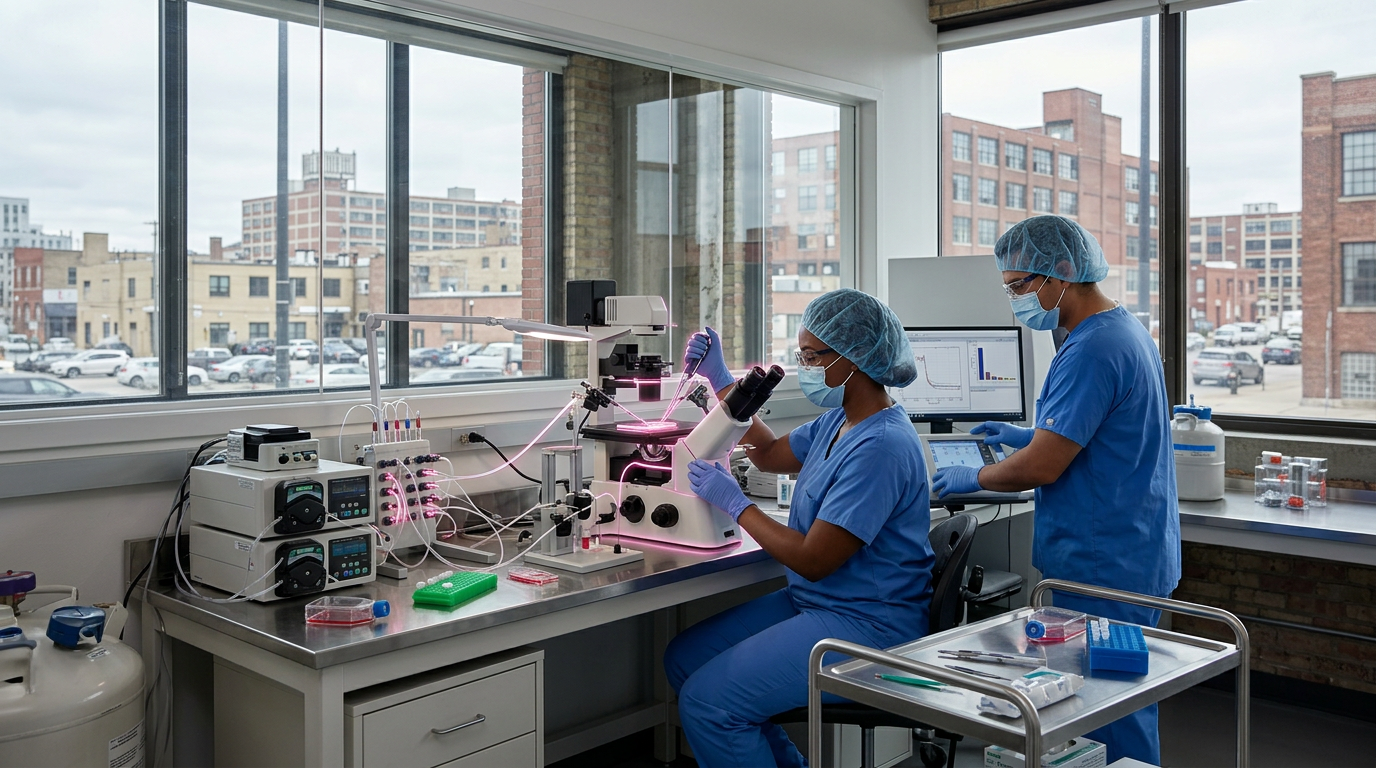
Base editing and prime editing technologies from Beam Therapeutics and Prime Medicine enable single-letter DNA changes without double-strand breaks, with multiple programs in clinical trials for sickle cell disease, liver disorders, and cancer.
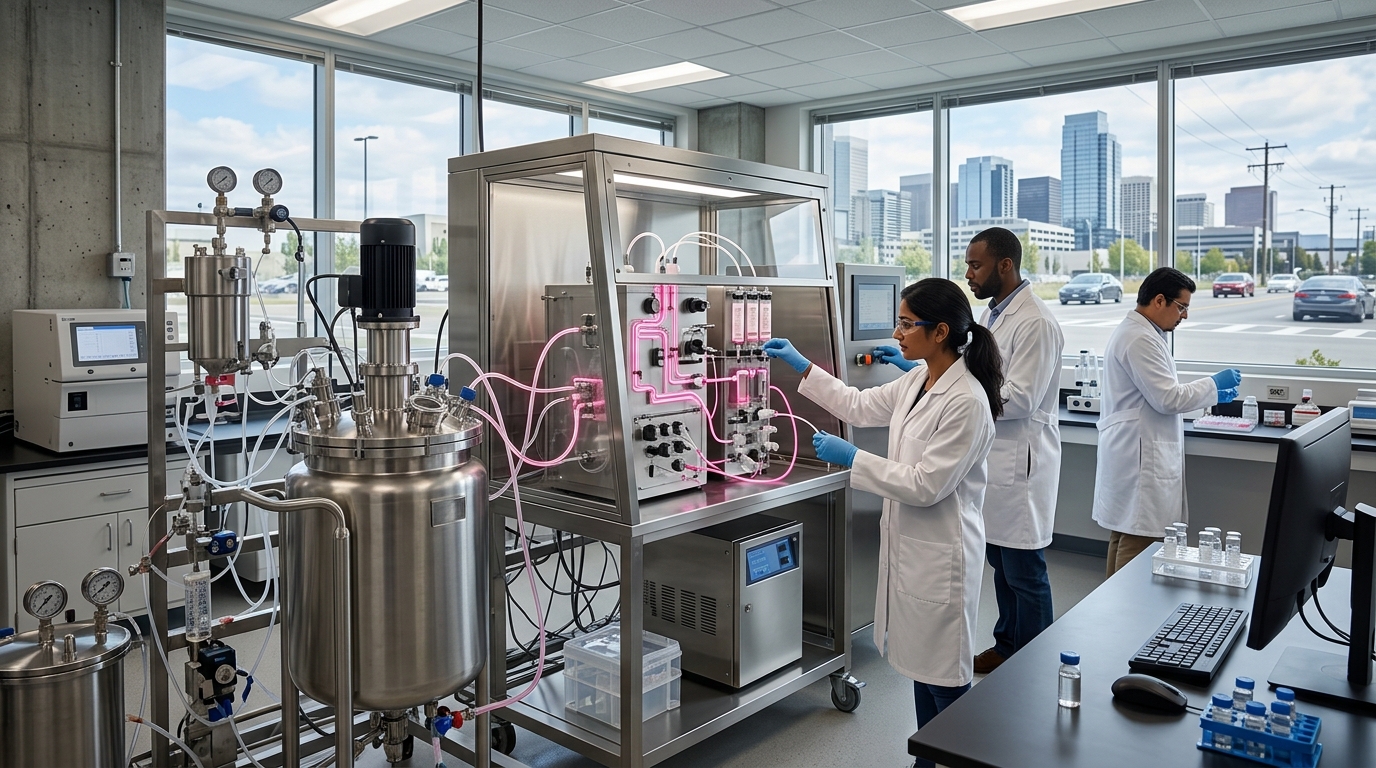
Circular RNA, self-amplifying RNA, and RNA interference platforms from Alnylam, Arrowhead, and startups like Orna Therapeutics are expanding the RNA toolkit beyond vaccines to treat genetic diseases, cancer, and chronic conditions.
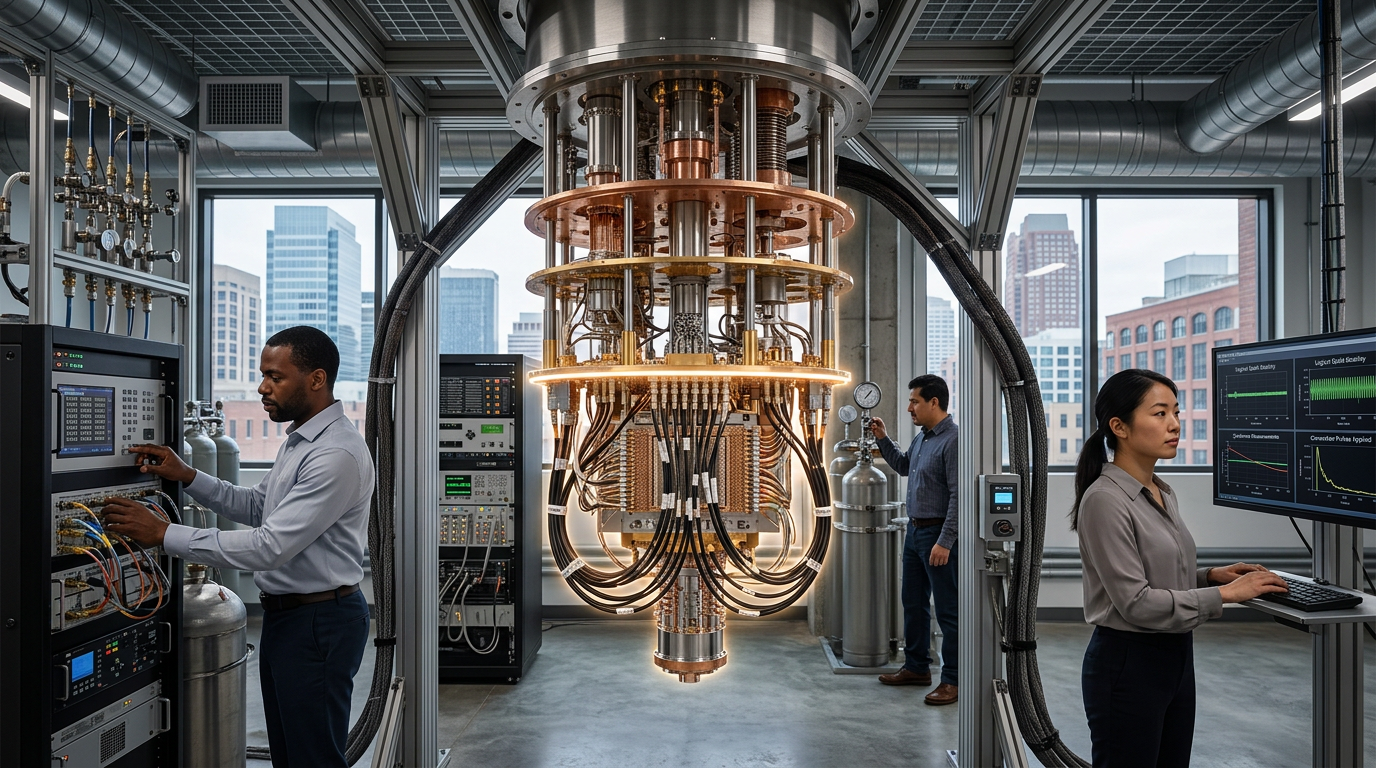
Google, Quantinuum, QuEra, and Microsoft achieved breakthrough quantum error correction demonstrations in 2025, with logical error rates below physical error rates for the first time — the key milestone toward fault-tolerant quantum computing.
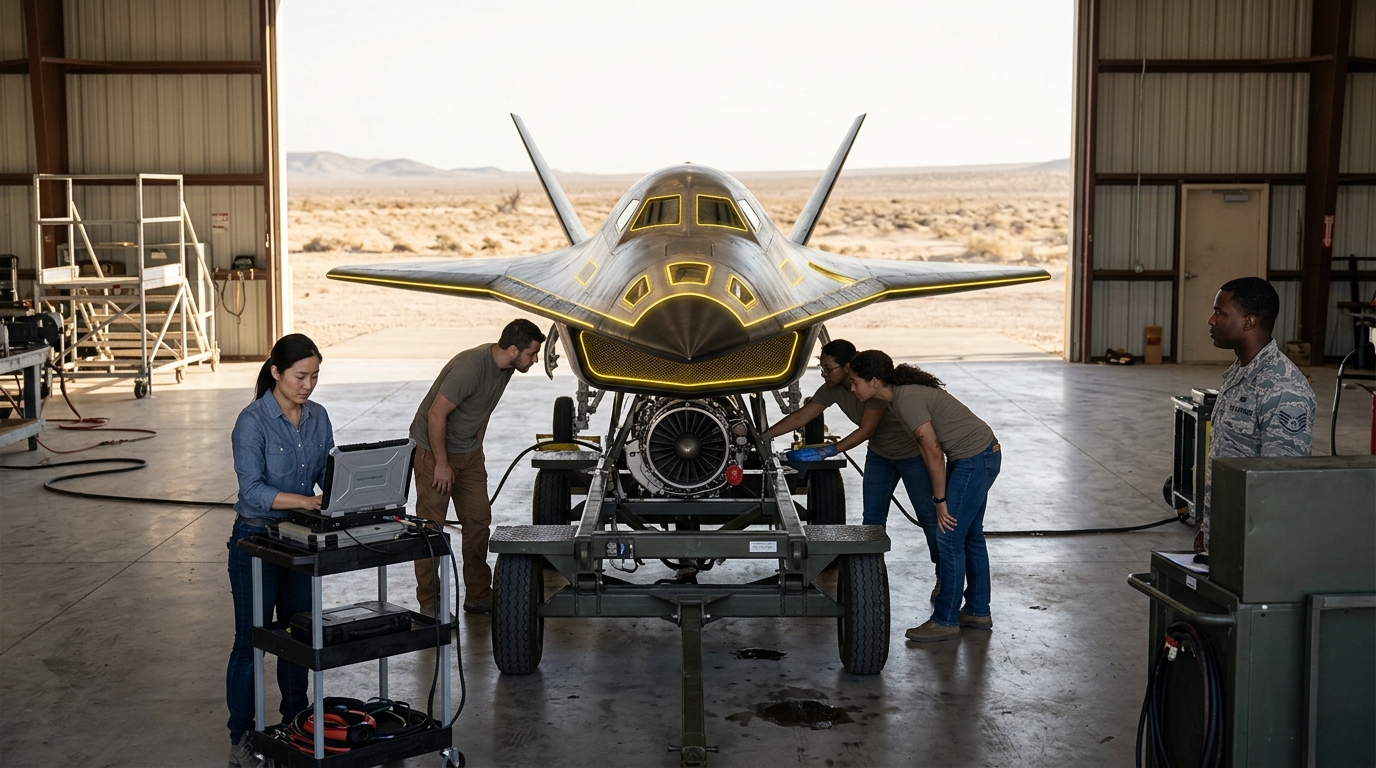
Hermeus is developing Quarterhorse, a reusable Mach 5+ autonomous test vehicle using a turbine-based combined cycle engine, and has a $60M+ contract with the US Air Force for hypersonic testing and ISR missions.

Sprayable RNA interference (RNAi) pesticides silence specific genes in target pests without genetic modification of crops — offering species-specific pest control that degrades naturally and leaves no chemical residues.

SpaceX's Starlink Direct to Cell, in partnership with T-Mobile, enables standard smartphones to connect to satellites for texting and eventually voice/data, covering 100% of US land area including remote wilderness and disaster zones.
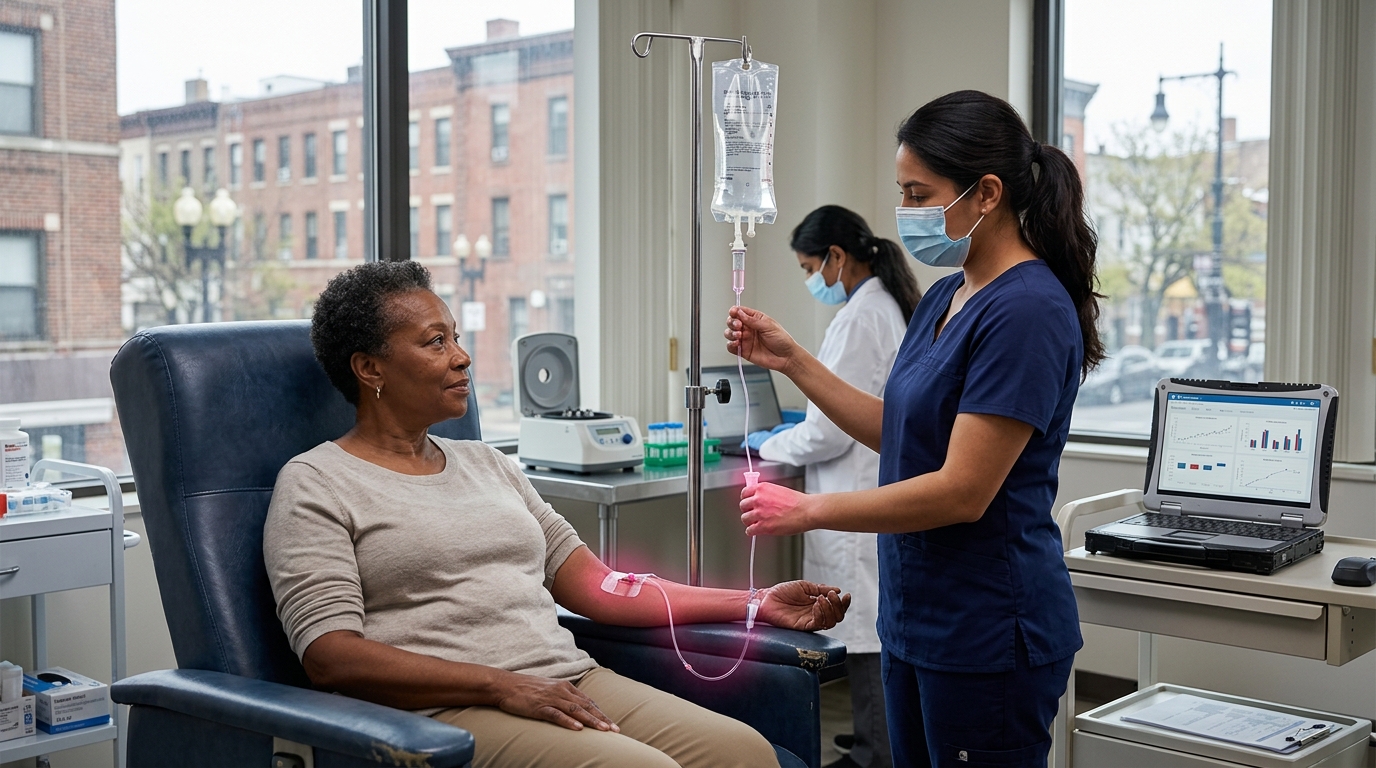
Drugs from Unity Biotechnology and Oisín Biotechnologies selectively kill senescent 'zombie' cells that drive aging, with clinical trials showing reduced inflammation and tissue dysfunction.
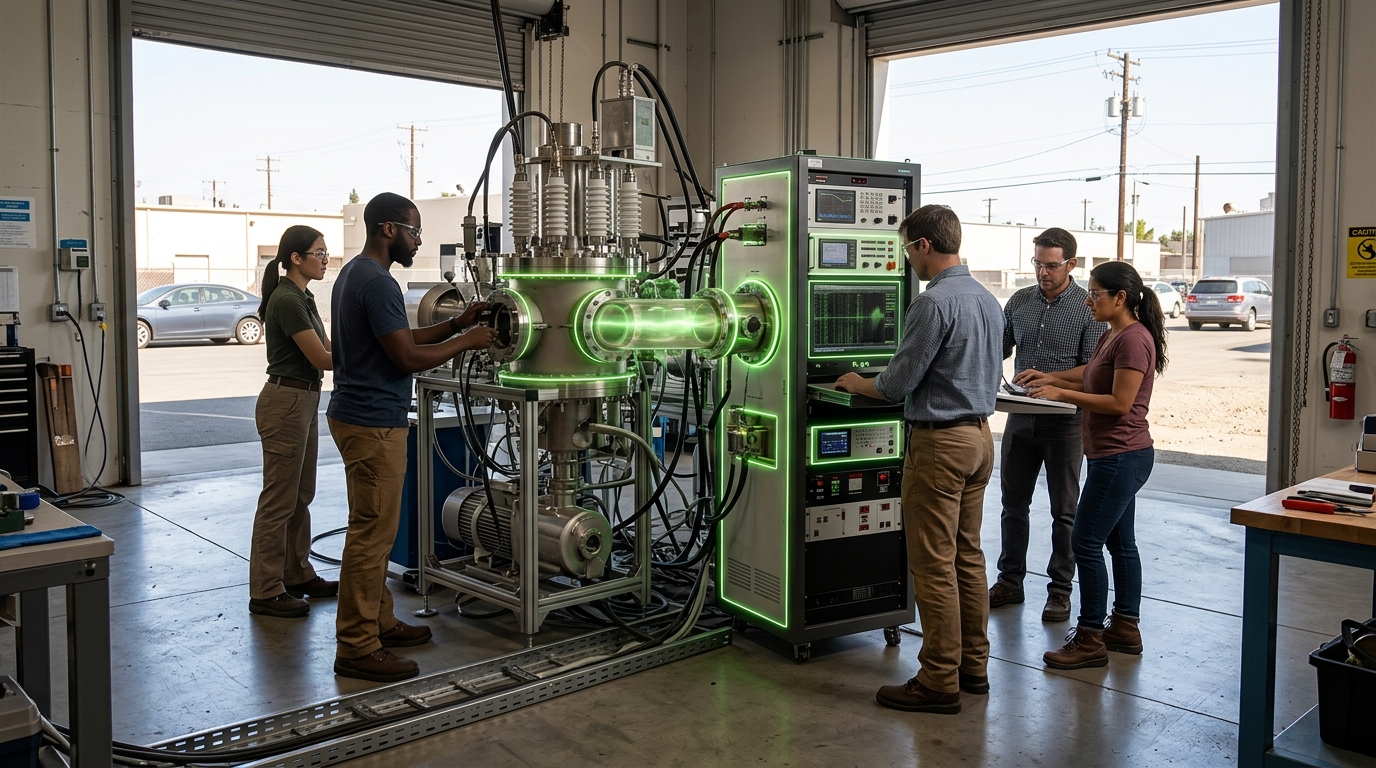
Zap Energy is developing a compact fusion reactor using sheared-flow stabilized Z-pinch plasma confinement that requires no expensive superconducting magnets or lasers, potentially the simplest path to economically viable fusion.
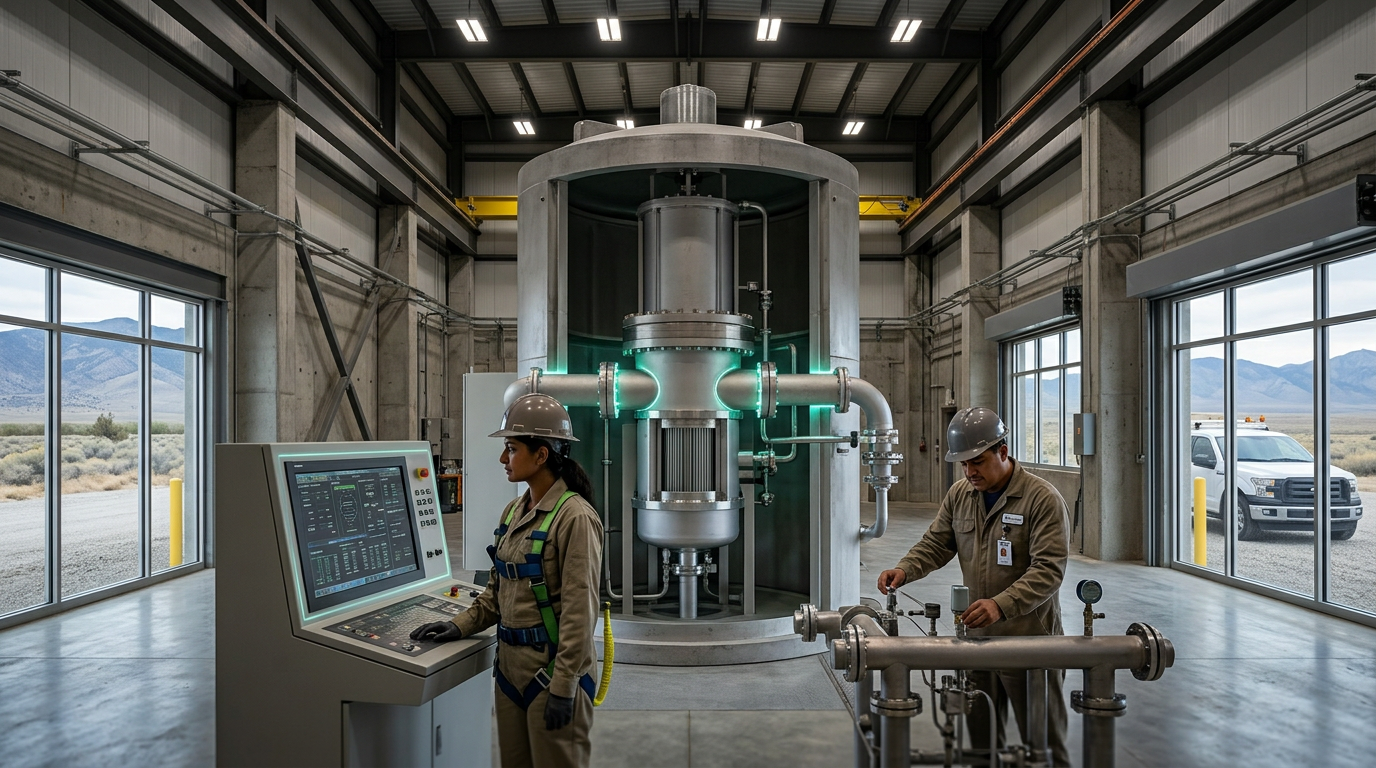
NuScale received NRC design certification for its VOYGR SMR, Westinghouse is preparing a 2026 test at Idaho National Lab, and Kairos Power began construction on its demonstration Hermes reactor using molten salt coolant.
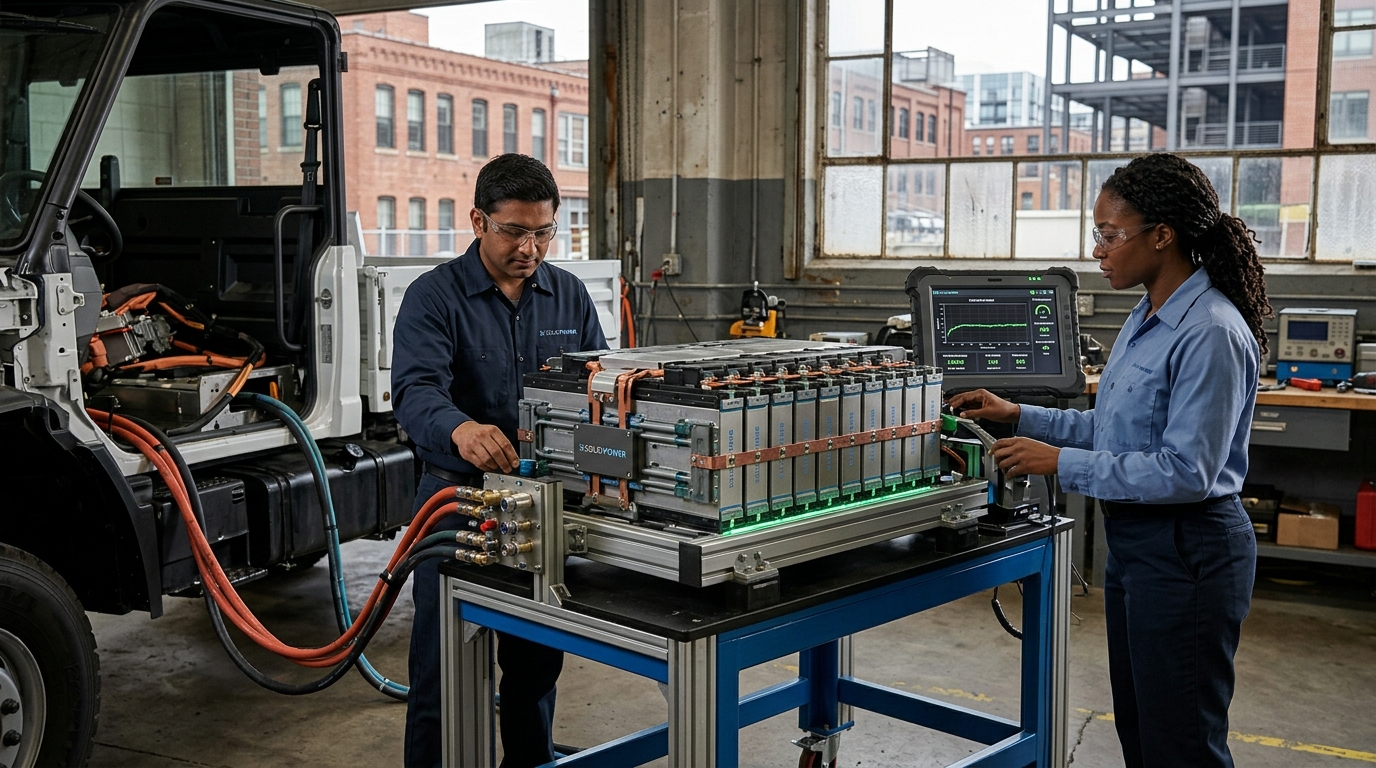
QuantumScape demonstrated multi-layer solid-state lithium-metal cells that retain 95%+ capacity after 1,000 cycles, while Solid Power shipped cells to BMW and Ford for automotive testing.
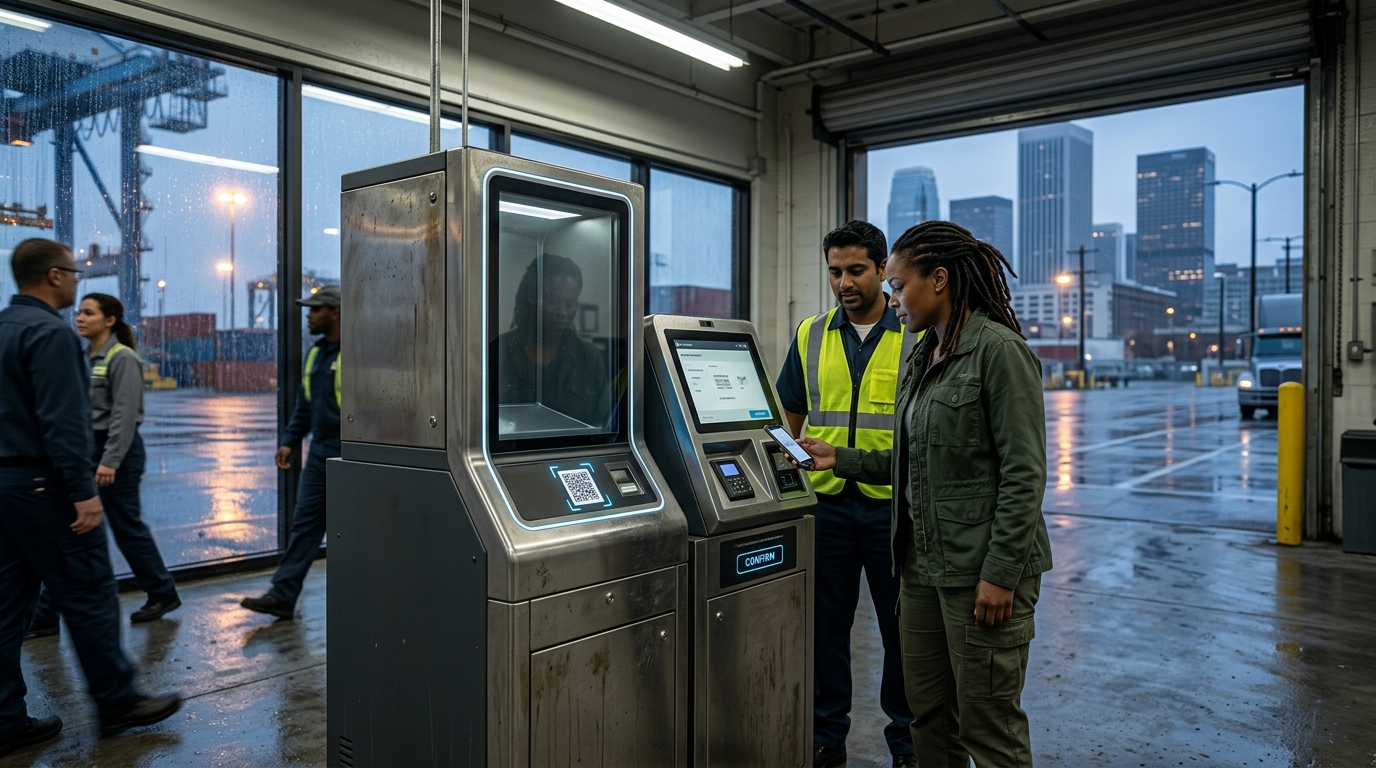
US dollar-pegged stablecoins (USDC, USDT) processed over $10 trillion in on-chain transaction volume in 2025, with regulatory frameworks emerging and traditional finance (PayPal PYUSD, Stripe) integrating stablecoin payments.
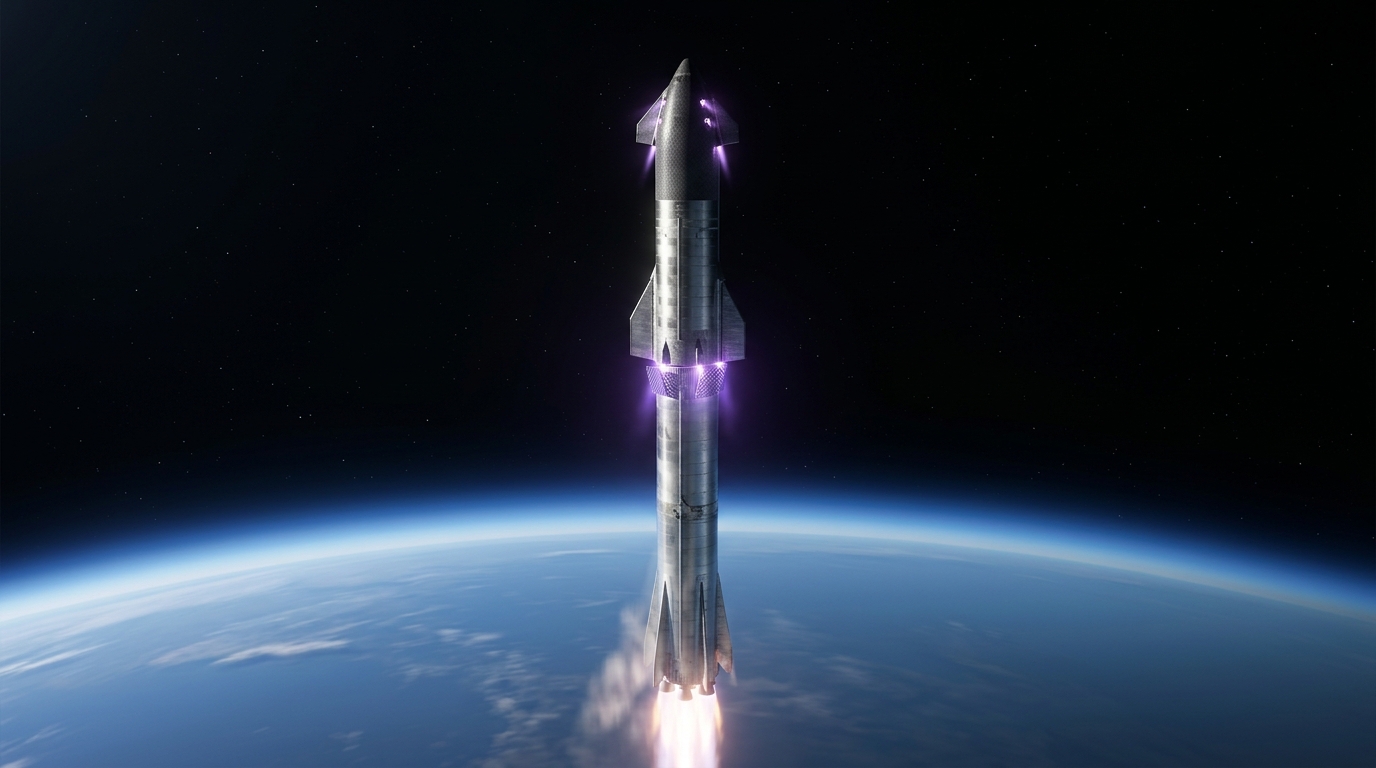
SpaceX's Starship — the largest and most powerful rocket ever built — achieved successful orbital flights and booster catches in 2025, targeting Mars cargo missions as early as 2026 while reducing launch costs to ~$10/kg.
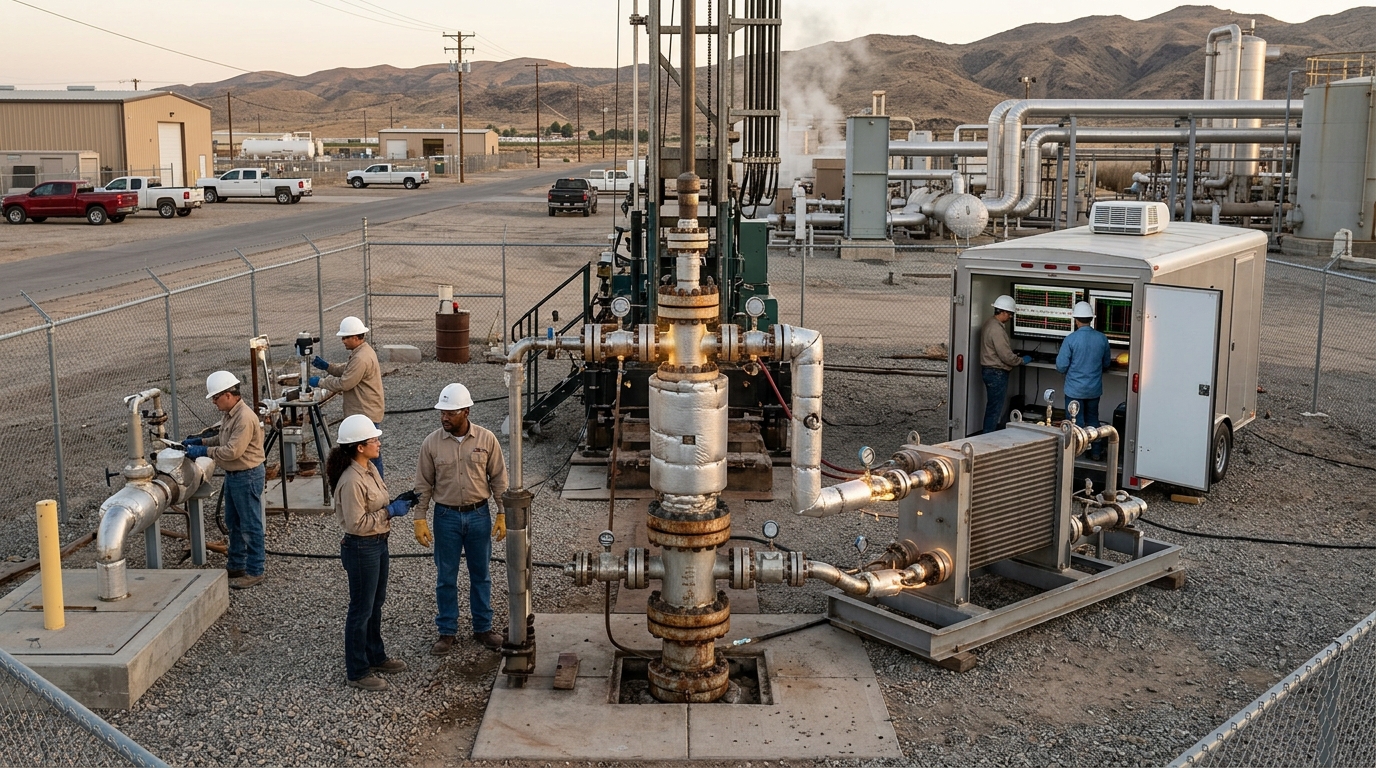
ARPA-E's $30M SUPERHOT program funds technologies to tap geothermal reservoirs above 375°C and 22 MPa — supercritical conditions that could deliver 5-10x more power per well than conventional geothermal.
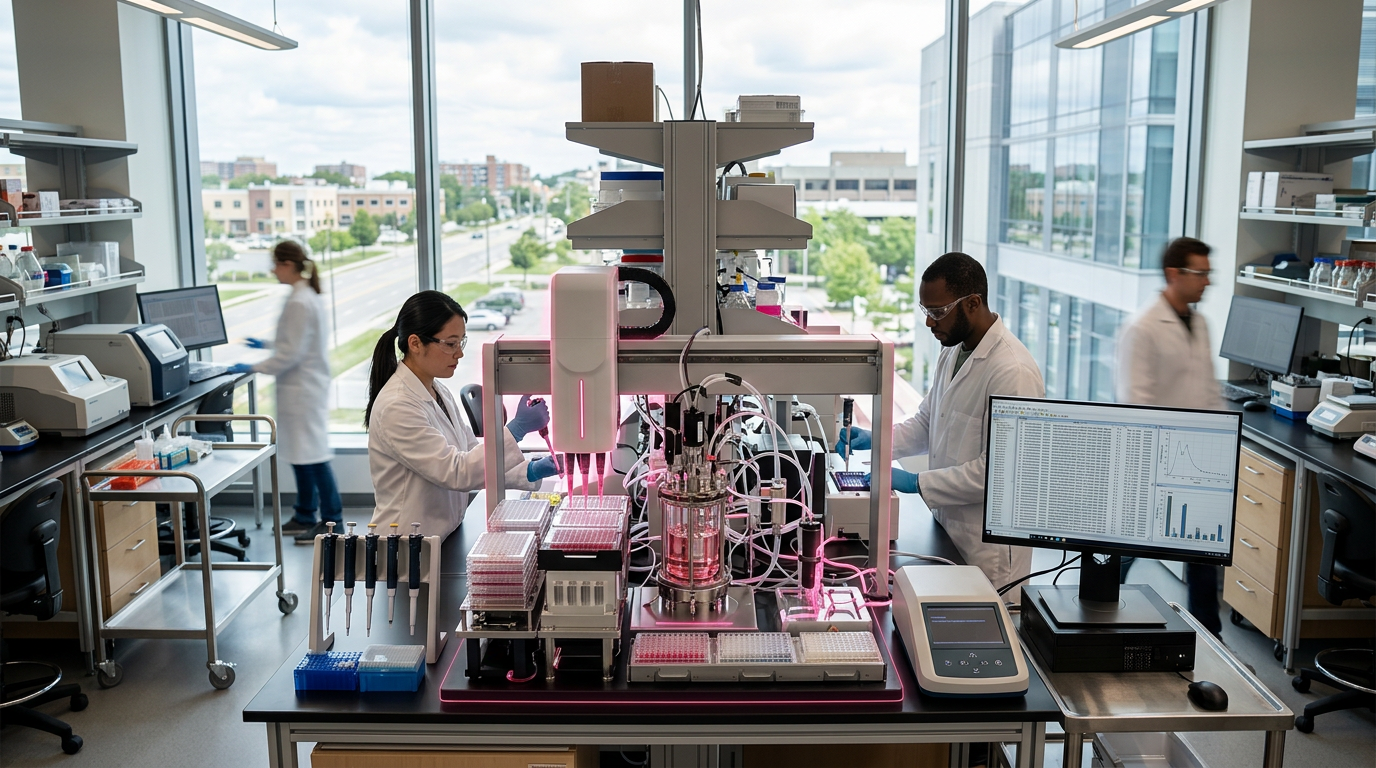
Ginkgo Bioworks operates the world's largest cell programming foundry, offering biology-as-a-service via public APIs, while AI integration is shrinking design-build-test cycles from months to weeks.
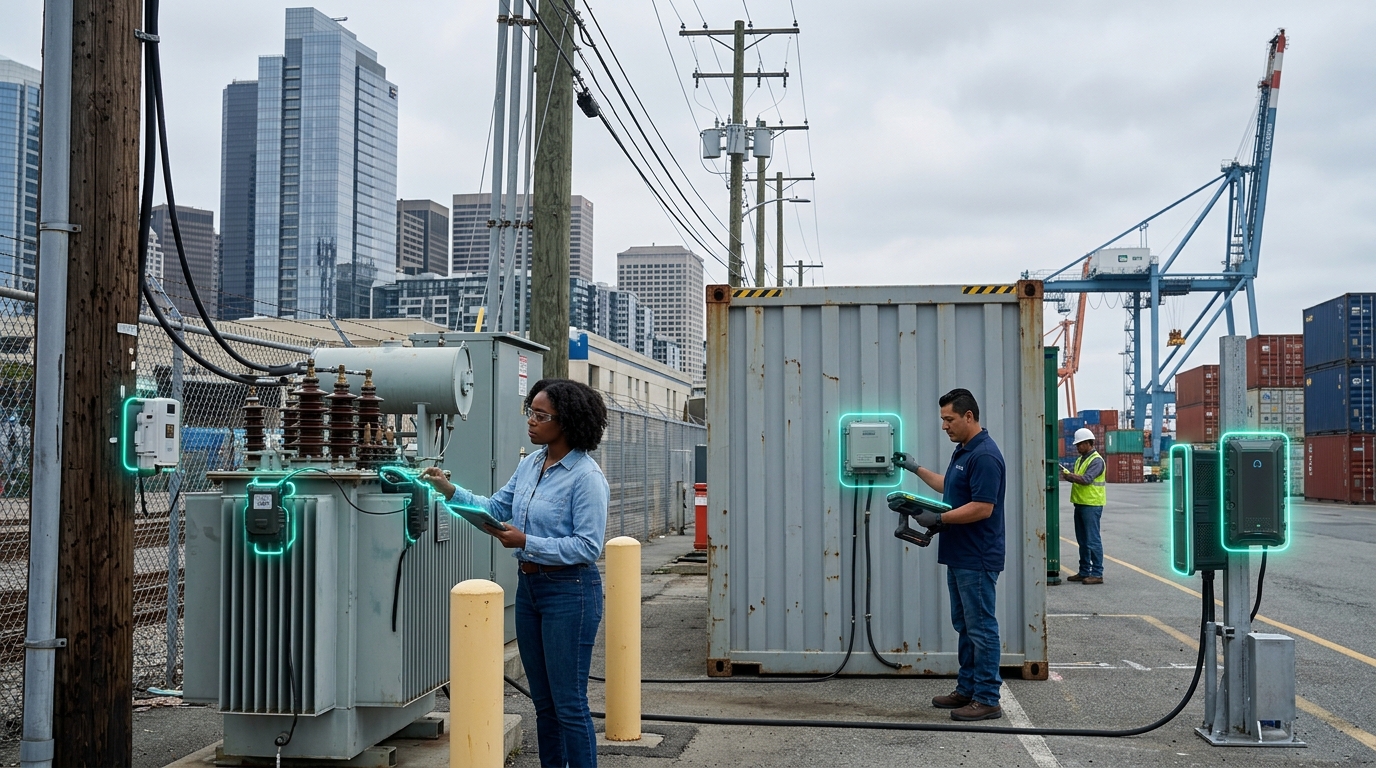
BlackRock's BUIDL tokenized Treasury fund surpassed $500M, while tokenization of private credit, real estate, and commodities on blockchain rails is projected to reach $16 trillion by 2030.
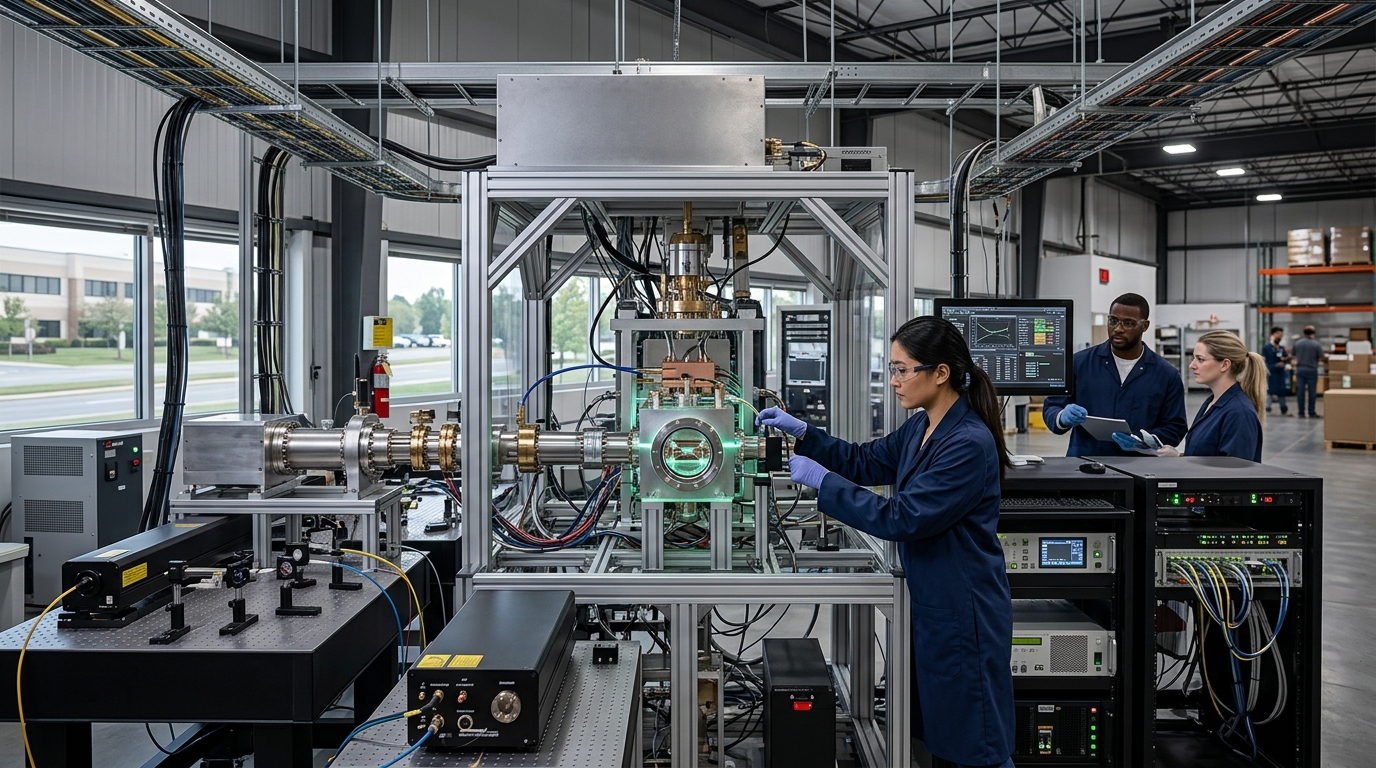
Quantinuum ($10B valuation) and IonQ lead trapped-ion quantum computing with the highest gate fidelities in the industry, now selling 100+ qubit systems internationally.
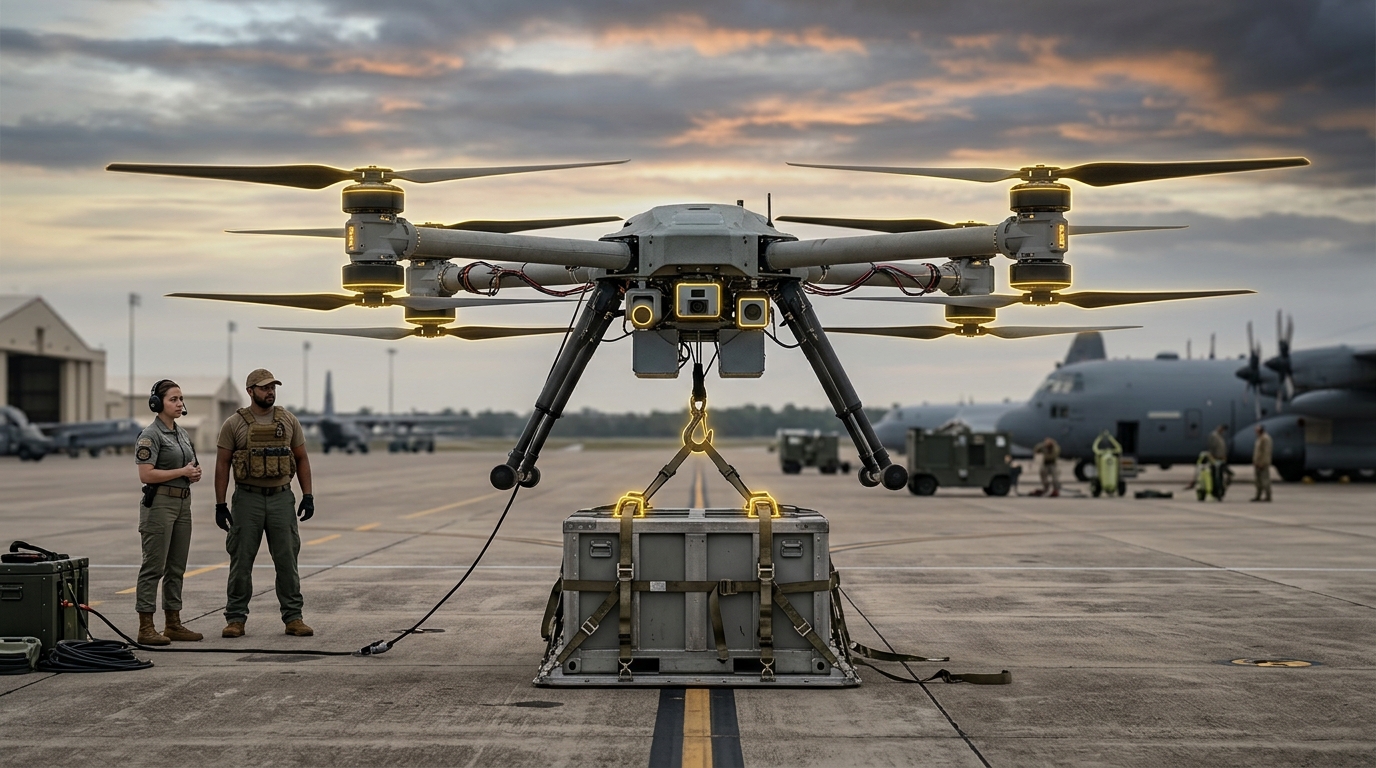
DARPA's 2026 Lift Challenge seeks uncrewed aircraft designs that carry payloads more than 4x their own weight — a radical improvement over the typical 1:1 ratio that could transform military logistics and disaster response.
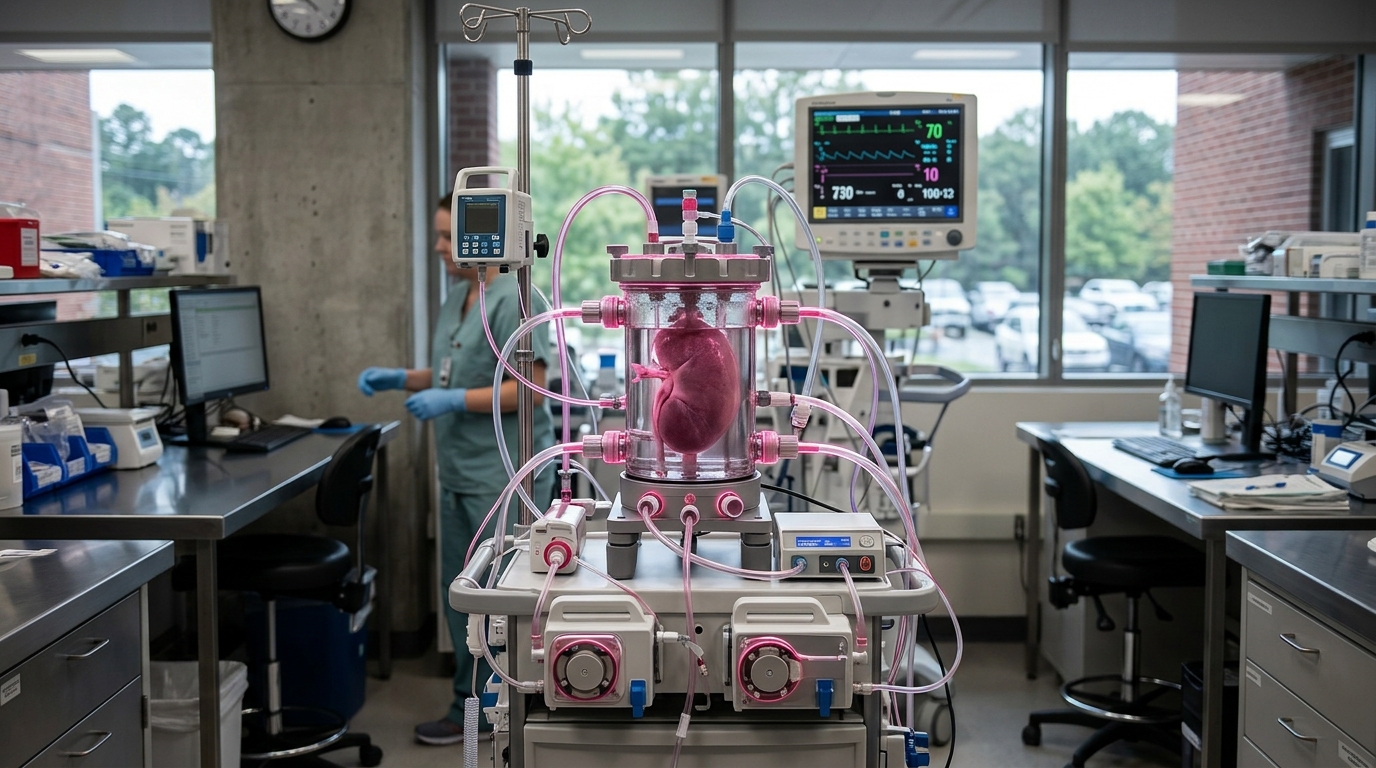
Gene-edited pig organs from eGenesis and United Therapeutics have sustained human patients for months in clinical studies, with 10 genetic edits eliminating rejection markers — addressing the 100,000+ organ transplant waiting list.